
This chapter follows the KMU learning outcomes and connects clinical concepts across Medicine, Surgery and Psychiatry. First understand the explanations; use the High-Yield Review for rapid revision afterward.
📖 AIM Learning Material
Topic 1. Obesity, Weight Dysregulation & Eating Disorders
MS Module | Integrated Medicine, Surgery and Psychiatry
Topic Introduction
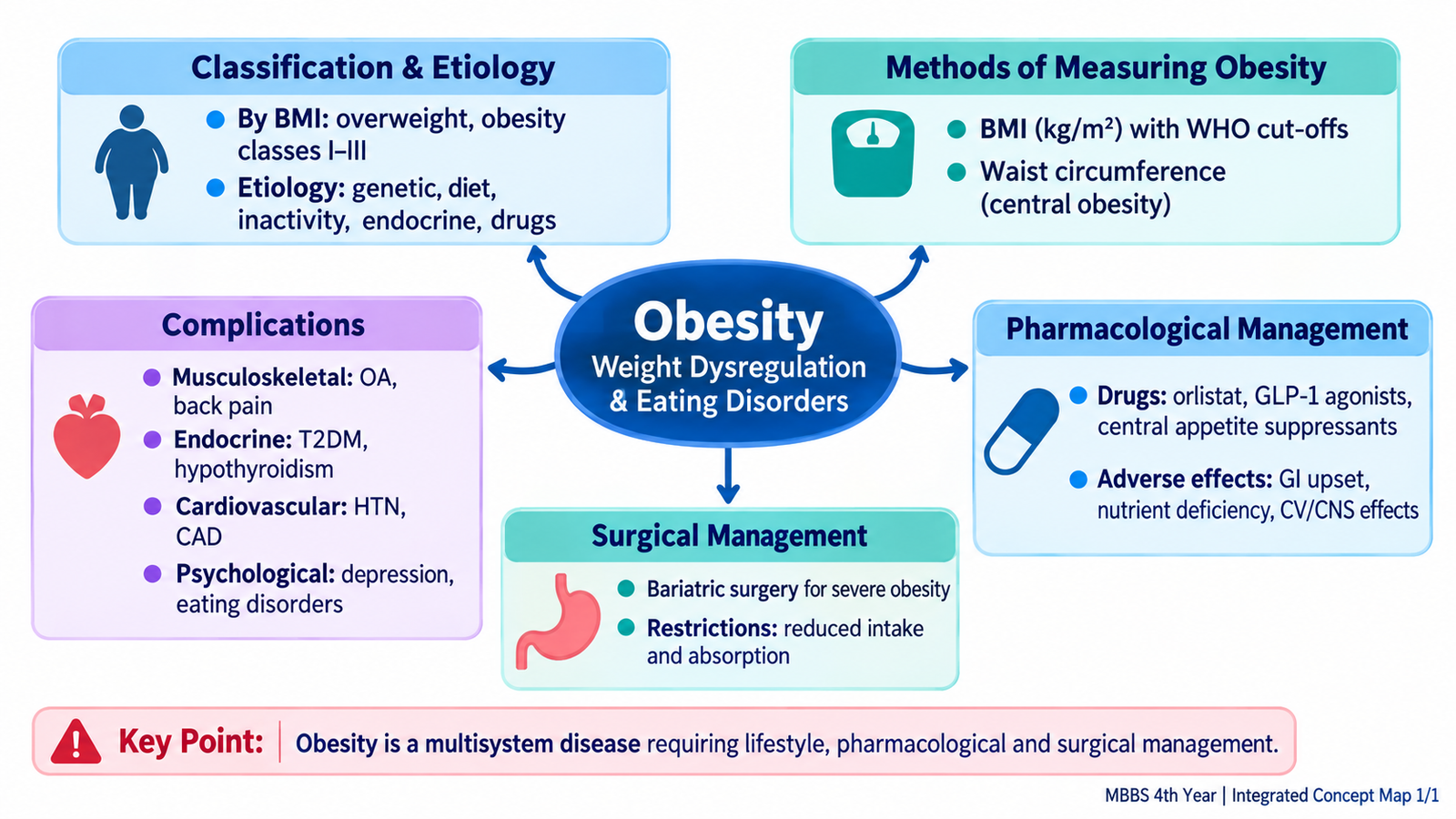
Weight dysregulation ranges from excess body fat with metabolic and functional consequences to psychiatric disorders involving harmful restriction, binge eating and compensatory behavior. Although these conditions may appear opposite, each requires careful assessment of biology, behavior, physical health and psychological wellbeing. This chapter explains how obesity develops, how to measure and classify it, which complications to anticipate and how lifestyle care, medicines and surgery can help. It also teaches the recognition and safe initial management of anorexia nervosa and bulimia nervosa. The central approach is to treat the whole person rather than a number on the weighing scale.
A. Understanding Obesity and Weight Regulation
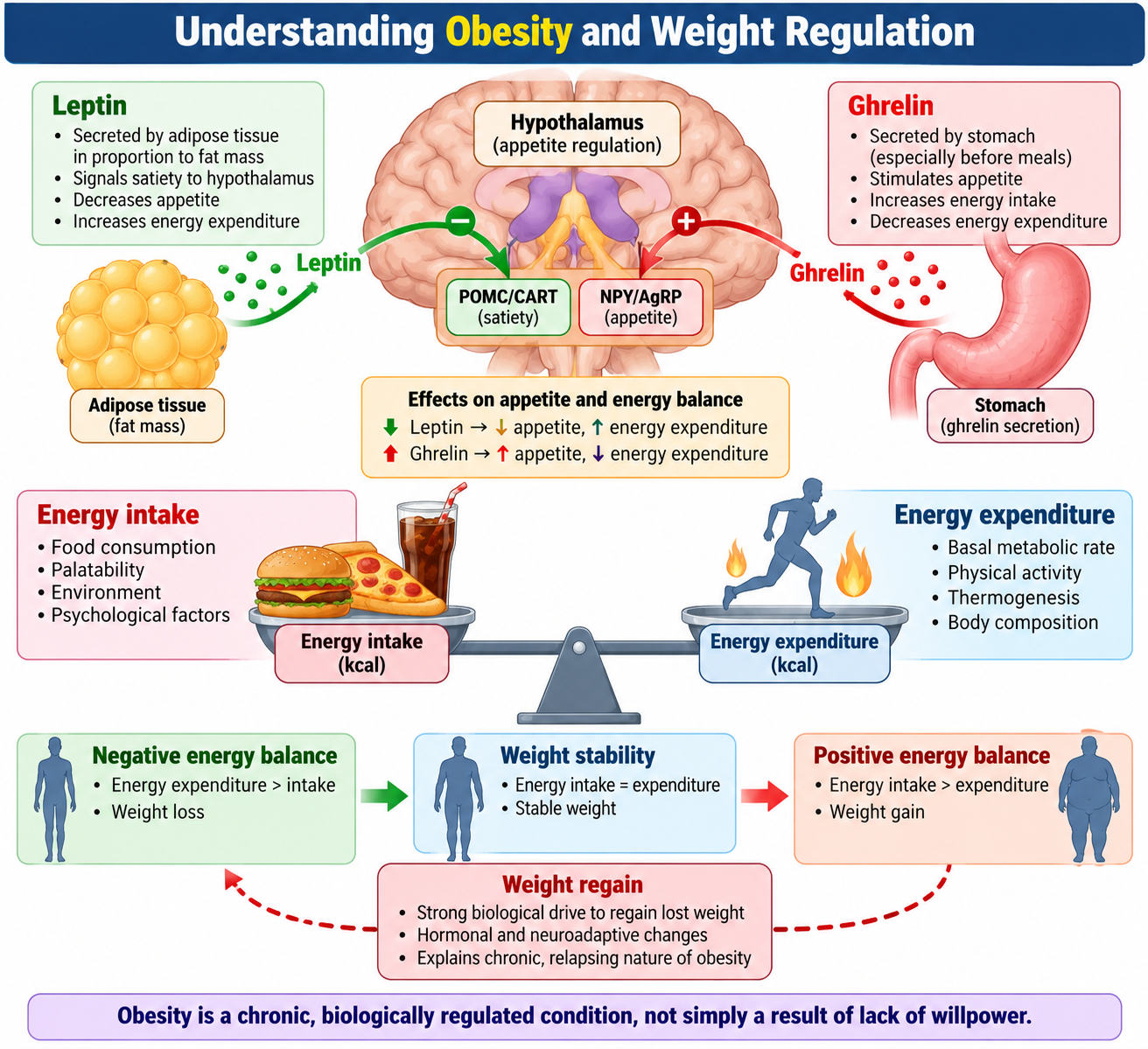
Obesity is a chronic, relapsing disease characterized by excess adiposity that impairs health. It is not simply a failure of willpower: genetic susceptibility interacts with food availability, physical activity, sleep, medicines, psychological stress and the body’s appetite-regulating systems.
Hypothalamic circuits integrate hunger signals such as ghrelin and longer-term energy signals such as leptin and insulin. Following weight loss, increased appetite and reduced energy expenditure can promote regain. This helps explain why long-term follow-up is important.
Causes and contributors: energy-dense diet, sedentary routines, familial predisposition, inadequate sleep, certain drugs (for example glucocorticoids and some antipsychotics), and less commonly endocrine disease such as hypothyroidism or Cushing syndrome. Assess possible secondary causes when the history or examination suggests them.
B. Classification, Measurement and Clinical Assessment
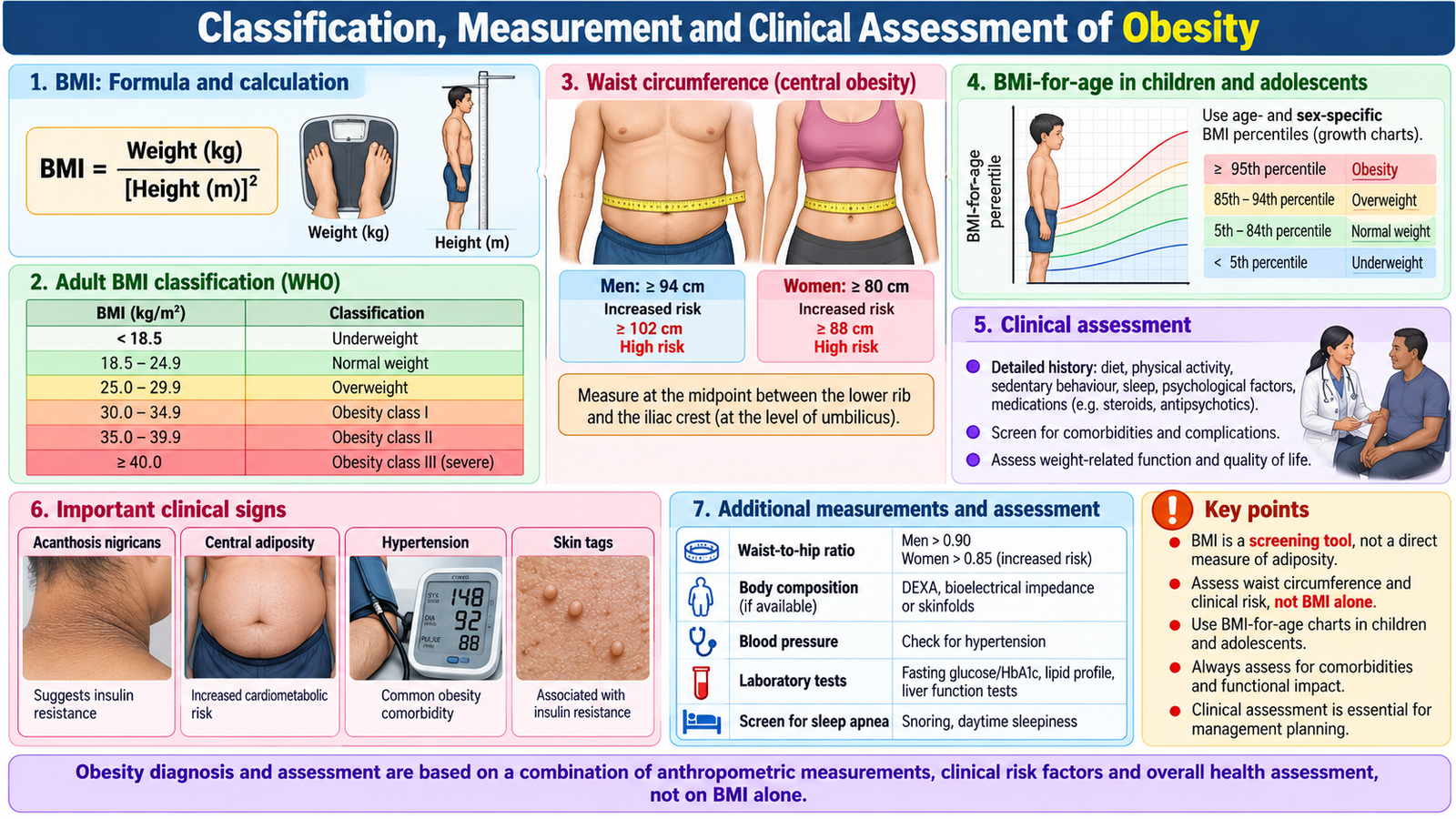
Body mass index (BMI) = weight (kg) ÷ height (m)2. In adults, overweight is BMI 25.0–29.9 kg/m²; obesity class I 30.0–34.9, class II 35.0–39.9 and class III ≥40.0. BMI is a screening measure, not a direct measure of body fat. Risk can occur at lower BMI in South Asian populations.
Waist circumference helps estimate central adiposity and cardiometabolic risk; ethnicity-specific cutoffs should be used. Waist-to-height ratio, body composition and trends in weight may add context. In children, use age- and sex-specific BMI growth charts rather than adult BMI thresholds.
History: weight trajectory, eating pattern, beverages, activity, sleep, medication use, menstrual history, family history, previous attempts, psychological wellbeing and weight stigma. Ask permission before discussing weight. Examination: blood pressure, BMI, waist, acanthosis nigricans, joint mobility, signs of endocrine disease and cardiovascular status. Consider HbA1c or fasting glucose, lipid profile, liver enzymes and other tests guided by clinical suspicion; routine extensive endocrine testing is not necessary.
Interpretation: central adiposity plus elevated blood pressure and abnormal glucose suggests increased metabolic risk even when BMI alone appears modest.
C. Complications and Their Mechanisms
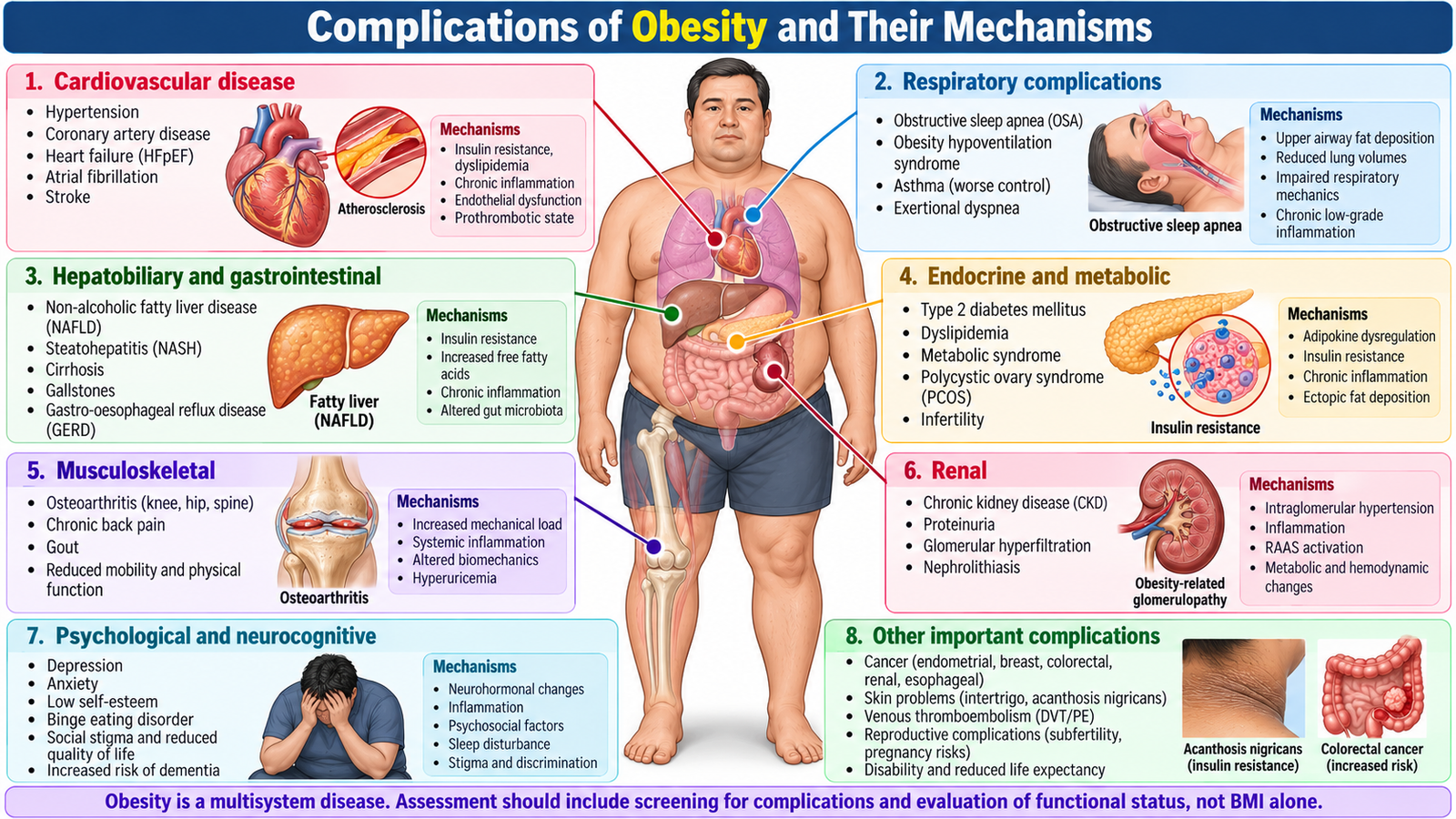
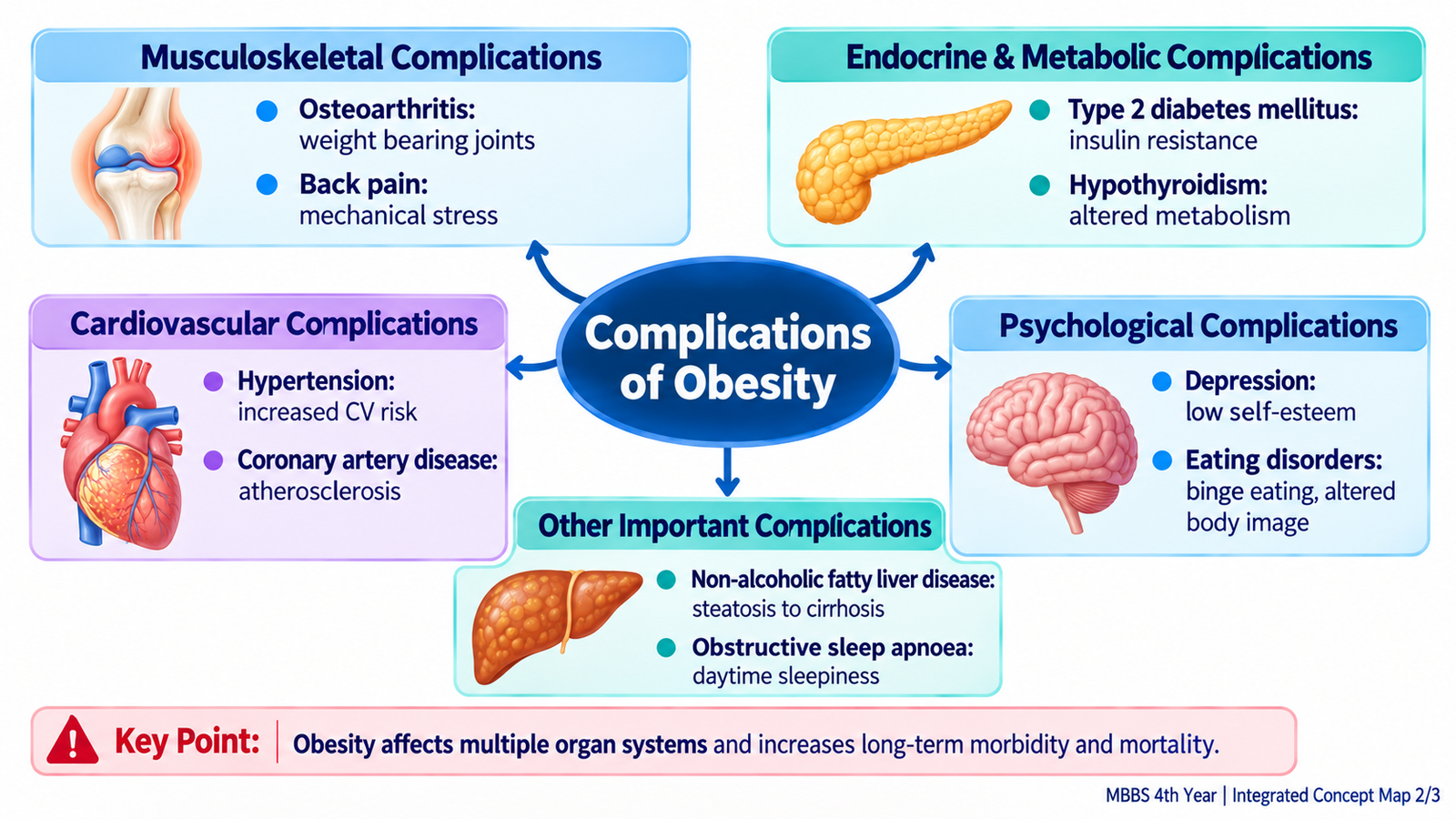
Excess visceral adiposity promotes insulin resistance, inflammatory signaling and adverse lipid changes. These mechanisms link obesity with type 2 diabetes, hypertension, coronary artery disease and stroke. Fat deposition in the liver can cause metabolic dysfunction–associated steatotic liver disease.
Musculoskeletal: increased mechanical loading contributes to knee and hip osteoarthritis, chronic back pain and reduced mobility; impaired mobility can then further reduce activity. Endocrine/reproductive: insulin resistance, menstrual irregularity and polycystic ovary syndrome may coexist; screen according to symptoms and risk. Respiratory: obstructive sleep apnea should be considered with snoring and daytime sleepiness.
Psychological: depression, anxiety, impaired self-esteem, social discrimination and disordered eating may accompany obesity. These are not inevitable and should be assessed sensitively rather than assumed. Eating disorders can occur at any body size.
Clinical priorities: determine the patient’s obesity-related complications, functional impairment and goals—not weight alone—to guide treatment intensity.
D. Nonpharmacological and Pharmacological Management
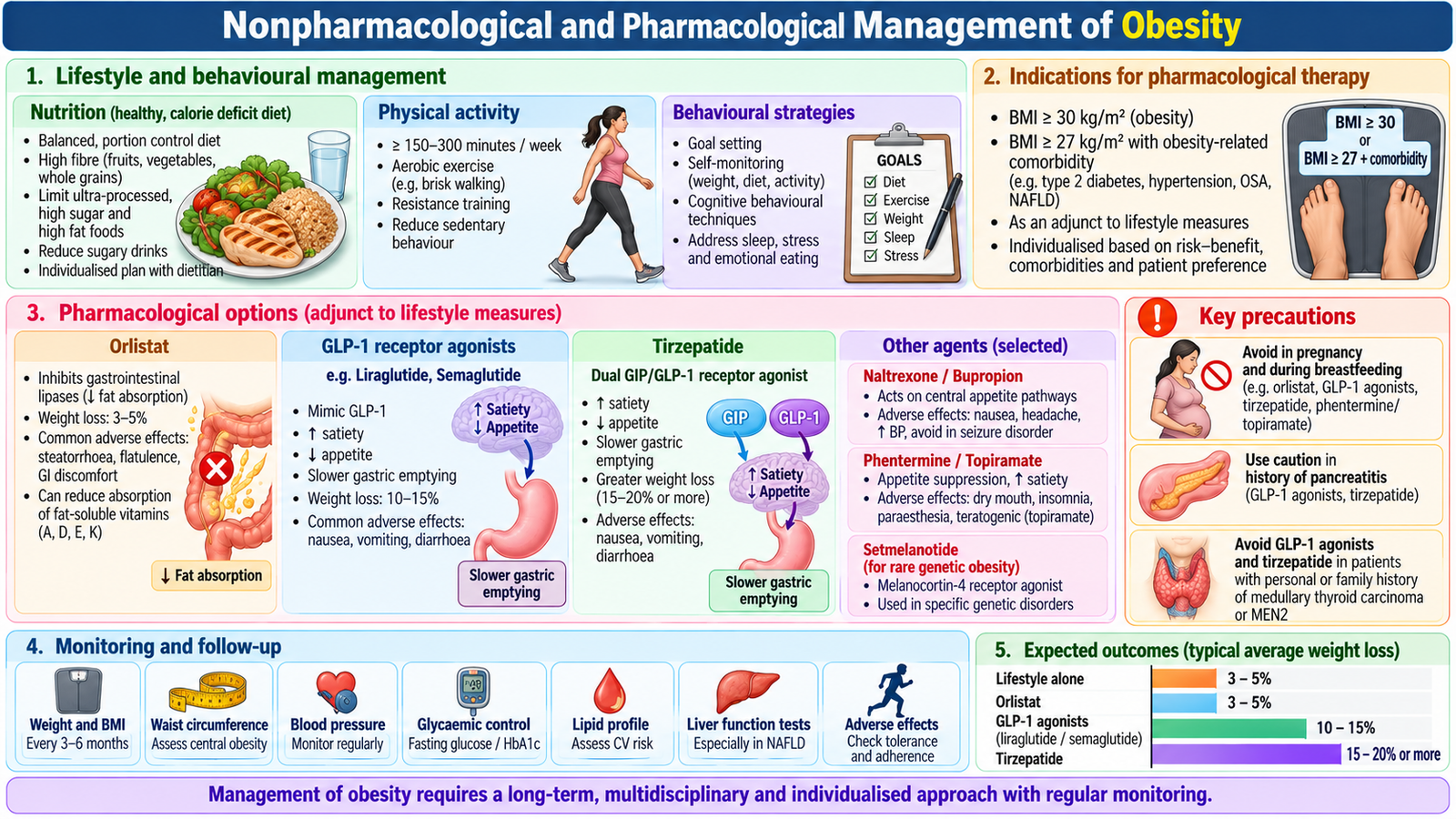
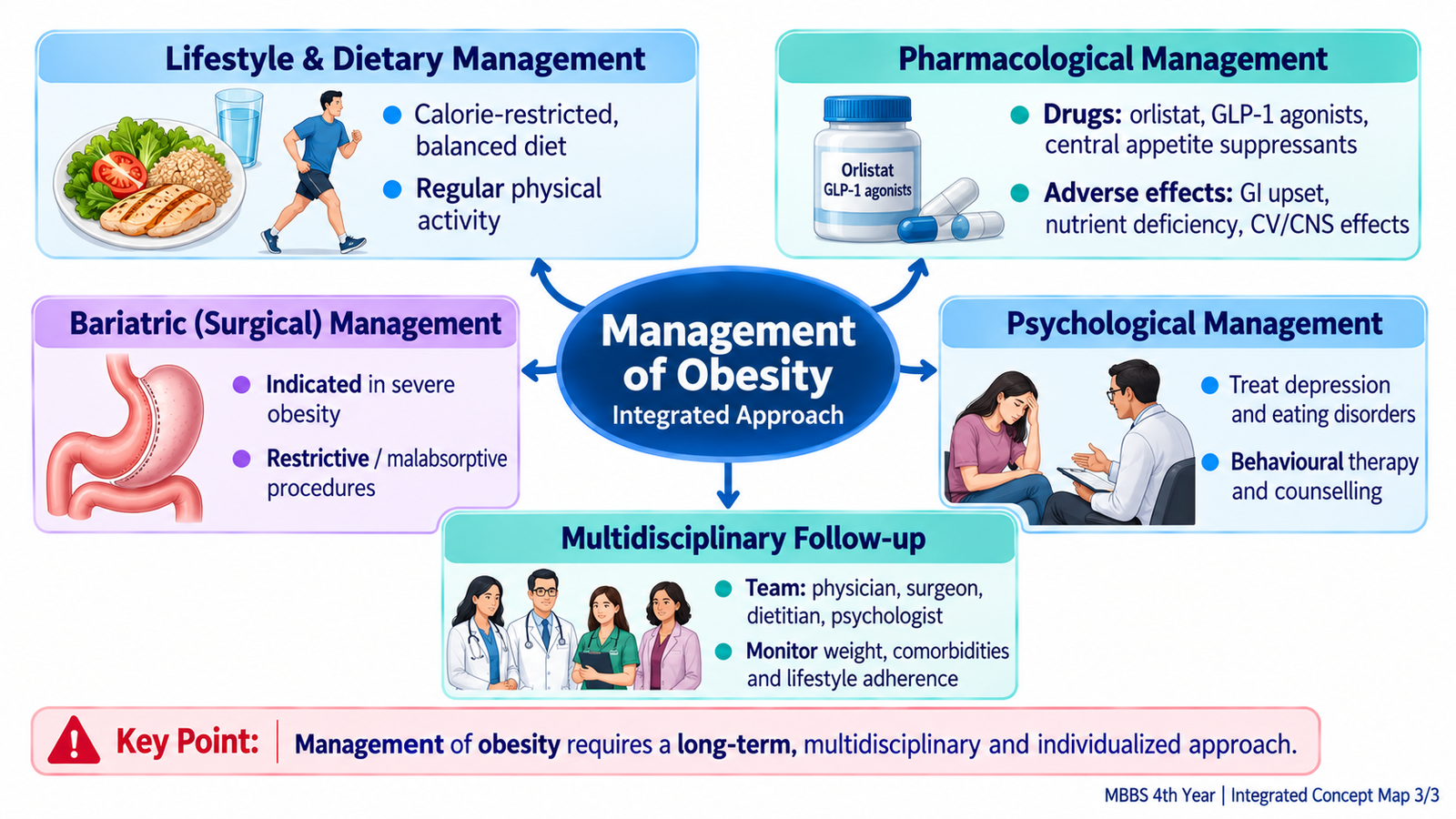
Start with a collaborative, nonjudgmental plan. An individually achievable initial target such as 5–10% weight reduction can improve metabolic risk. Nutritional care focuses on a sustainable energy deficit, adequate protein and micronutrients, limiting sugar-sweetened drinks and reducing ultra-processed energy-dense foods. Combine this with progressive aerobic activity, resistance exercise, sleep improvement and behavioral support. Avoid punitive or highly restrictive advice, especially when disordered eating is suspected.
When to consider medication: adults with BMI ≥30 kg/m², or ≥27 kg/m² with weight-related complications, after assessment and alongside lifestyle treatment; thresholds and access may vary by guideline and ethnicity. Discuss expected benefit, cost, pregnancy plans, contraindications and ongoing monitoring.
- Orlistat: inhibits gastrointestinal lipases and reduces fat absorption. Adverse effects: oily stools, urgency and reduced absorption of fat-soluble vitamins; avoid in chronic malabsorption and cholestasis.
- GLP-1 receptor agonists (e.g., liraglutide, semaglutide): enhance satiety and reduce intake. Nausea, vomiting and gallbladder problems may occur; avoid in pregnancy and respect product-specific contraindications including personal/family history of medullary thyroid carcinoma or MEN2.
- Dual GIP/GLP-1 agonist (tirzepatide): improves appetite regulation and glycemic control; gastrointestinal adverse effects are common, with similar pregnancy and thyroid-tumor precautions.
- Other centrally acting agents (e.g., naltrexone/bupropion where approved): act on appetite/reward pathways; consider blood pressure, seizure risk, opioid use and local availability before prescribing.
Review weight trend, tolerability, blood pressure, glycemic risk, nutrition and adherence. Pharmacotherapy is not a substitute for nutrition and activity support, and stopping treatment can lead to weight regain.
E. Bariatric Surgery and Long-Term Care
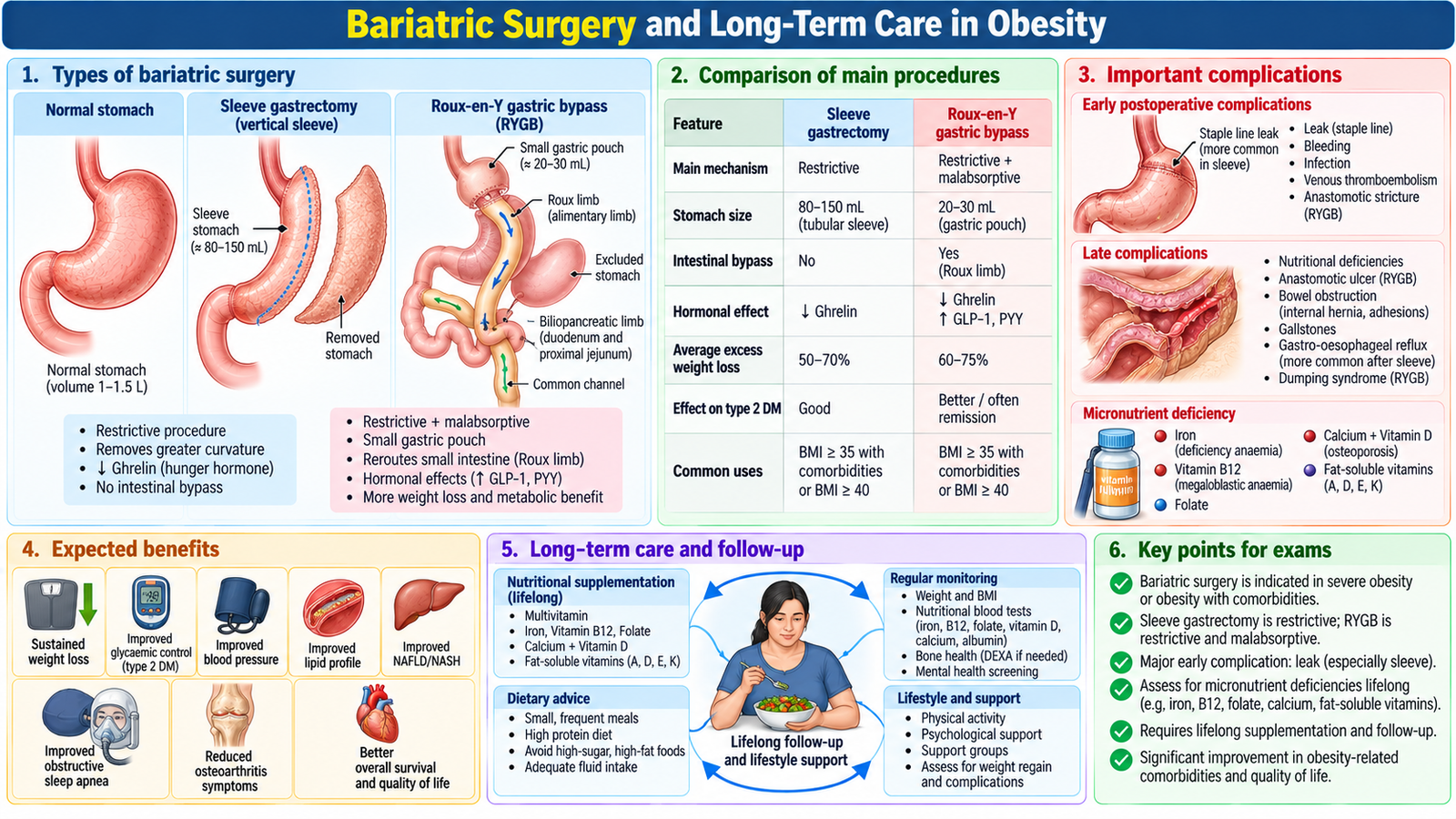
Metabolic/bariatric surgery is considered for selected patients with severe obesity or substantial metabolic disease when comprehensive treatment is indicated. Contemporary recommendations commonly support surgery at BMI ≥35 kg/m² regardless of comorbidity and consideration at BMI 30–34.9 kg/m² with metabolic disease; lower thresholds may apply to Asian populations. Local service criteria and individualized multidisciplinary assessment determine eligibility.
Common operations: sleeve gastrectomy reduces gastric volume and affects appetite hormones; Roux-en-Y gastric bypass creates a small gastric pouch and bypasses proximal small bowel, combining restriction and hormonal/metabolic effects. Adjustable gastric banding is less frequently used; biliopancreatic diversion/duodenal switch produces greater malabsorption and requires careful selection.
Before surgery: assess cardiopulmonary risk, nutritional deficiencies, eating behaviors, mental health, readiness and capacity for lifelong follow-up. Explain benefits, alternatives and informed consent.
Early complications: bleeding, leak, venous thromboembolism and dehydration. Late complications: reflux after sleeve, dumping syndrome after bypass, gallstones, nutritional deficiencies (iron, B12, calcium, vitamin D, thiamine) and possible weight regain. Lifelong nutrition surveillance and supplements are essential. Persistent vomiting after surgery raises concern for thiamine deficiency and warrants urgent assessment.
F. Anorexia Nervosa and Bulimia Nervosa
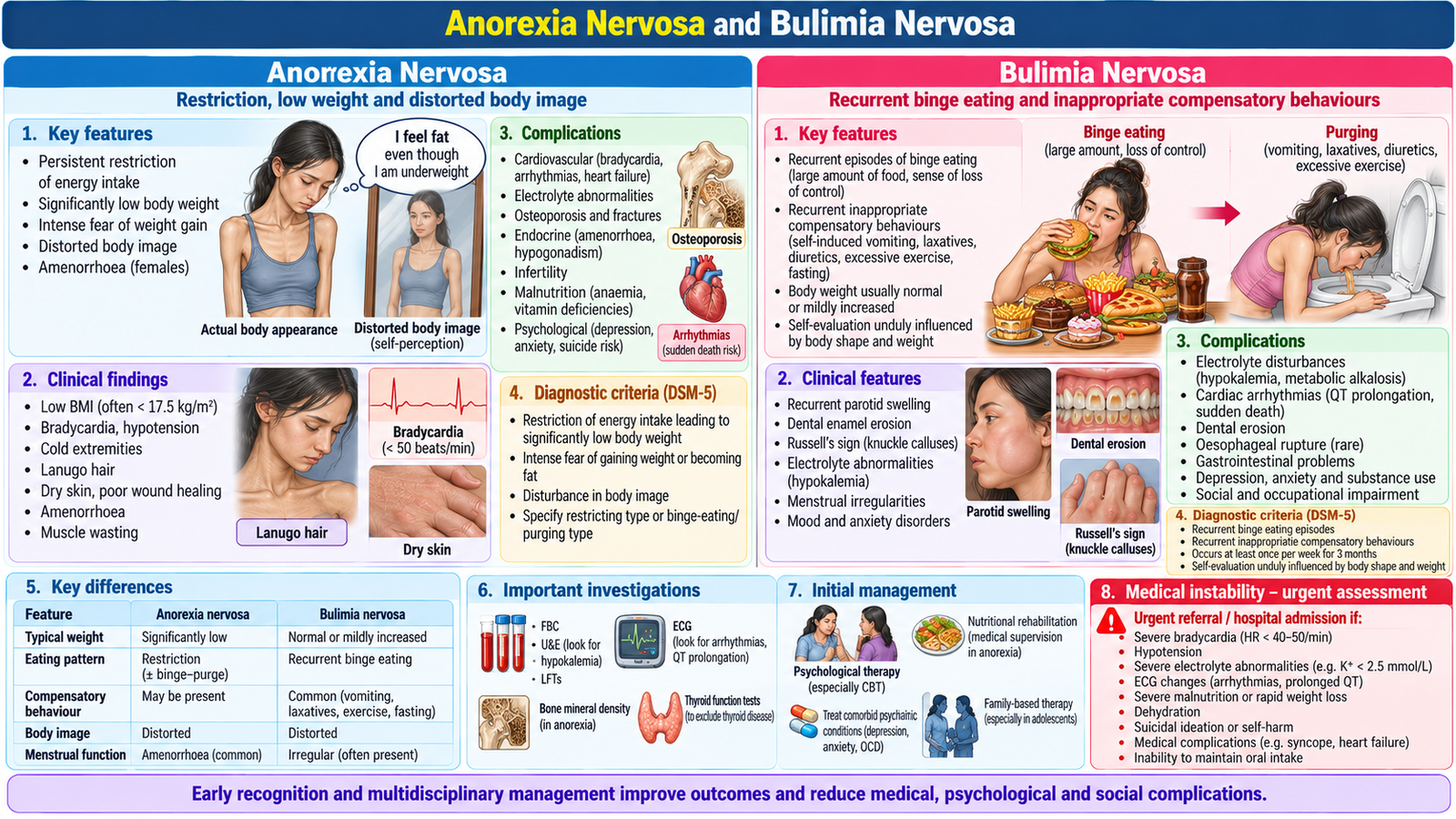
Eating disorders are serious psychiatric illnesses involving disturbed eating behavior and marked distress or impairment. They are not defined by appearance alone. Ask privately and respectfully about restriction, binge episodes, compensatory behaviors, body image, exercise, weight change and physical symptoms.
Anorexia nervosa: persistent restriction leading to significantly low body weight, intense fear of weight gain or behaviors preventing gain, and disturbed body-weight/shape experience. Vulnerability includes genetic, psychological and sociocultural factors; precipitating events may include dieting, stress, interpersonal change or weight-related comments. Findings can include bradycardia, hypotension, hypothermia, amenorrhea or menstrual disruption, lanugo and reduced bone density. Assess dehydration, electrolytes and ECG when clinically indicated.
Bulimia nervosa: recurrent binge eating with loss of control followed by compensatory behavior such as self-induced vomiting, laxative misuse or excessive exercise, with undue influence of weight/shape on self-evaluation. Weight may be normal. Clues include dental enamel erosion, parotid enlargement, dorsal hand calluses, hypokalemia and metabolic alkalosis after recurrent vomiting.
Management: establish medical safety first, including pulse, blood pressure, hydration, electrolyte disturbance, arrhythmia risk and suicidality. Severe malnutrition or instability requires urgent specialist/hospital assessment. Multidisciplinary treatment combines structured nutritional rehabilitation, psychological therapy and family involvement where appropriate. For adolescents with anorexia, family-based treatment is an important option; adults may receive eating-disorder-focused psychological therapy. CBT for eating disorders is a key treatment for bulimia; fluoxetine may be considered as an adjunct for bulimia under appropriate clinical supervision. Medication alone does not treat the core syndrome of anorexia. During nutritional rehabilitation in severely malnourished patients, monitor for refeeding syndrome, especially low phosphate.
Distinction: low weight and restriction are central to anorexia; recurrent binge–compensate cycles define bulimia, even without low BMI. Both require compassionate, coordinated care.
Integrated Mechanism Flow
Genetic and environmental susceptibility → appetite and energy-balance dysregulation → sustained positive energy balance → excess visceral adiposity → insulin resistance and mechanical loading → metabolic, cardiovascular and musculoskeletal complications → multidisciplinary long-term management.
Important Comparison: Eating Disorders
| Feature | Anorexia nervosa | Bulimia nervosa |
|---|---|---|
| Core behavior | Restriction with significantly low weight | Binge eating with compensatory behaviors |
| Typical weight | Significantly low | May be normal or higher |
| Key physical risks | Bradycardia, hypotension, bone loss | Electrolyte loss, dental erosion, arrhythmia |
| Main treatment | Nutritional rehabilitation and psychological therapy | Eating-disorder-focused CBT; selected adjunct medicines |
AIM High-Yield Review
- Adult obesity starts at BMI ≥30 kg/m², but BMI does not directly measure adiposity.
- Central adiposity predicts cardiometabolic risk; assess waist circumference and complications.
- Obesity can cause osteoarthritis through increased loading and diabetes through insulin resistance.
- A sustained, individualized nutrition and activity plan is the foundation of obesity treatment.
- Orlistat causes gastrointestinal fat-related adverse effects; GLP-1-based therapies commonly cause nausea.
- Bariatric surgery requires multidisciplinary assessment and lifelong micronutrient monitoring.
- Anorexia nervosa features restriction with significantly low weight and potentially dangerous bradycardia.
- Bulimia nervosa involves binge–compensate cycles; vomiting may cause hypokalemic metabolic alkalosis.
- Severe malnutrition requires careful nutritional rehabilitation because of refeeding syndrome.
- Assess eating disorders without stigma; evaluate medical instability and suicide risk.
Topic 1 — Video Learning
Obesity, Weight Dysregulation & Eating Disorders
1. Obesity — Clinical Assessment & Management
Armando Hasudungan | Causes, BMI, complications and treatment
2. Anorexia Nervosa
Osmosis | Etiology, clinical features, complications and management