
Acute Poisoning, Toxicological Emergencies & Envenomation
MS Module • Medicine • Emergency clinical learning
Topic Introduction
Poisoning is a time-sensitive emergency in which airway failure, respiratory depression, circulatory collapse, seizures or organ damage may occur before the exact substance is identified. This chapter follows the patient from first assessment through recognition of common poisoning patterns, antidotes, safe decontamination, monitoring and family counselling. The goal is safe, clinically reasoned first-line management at Final-Year MBBS level.
1. Emergency Recognition and First-Hour Stabilization
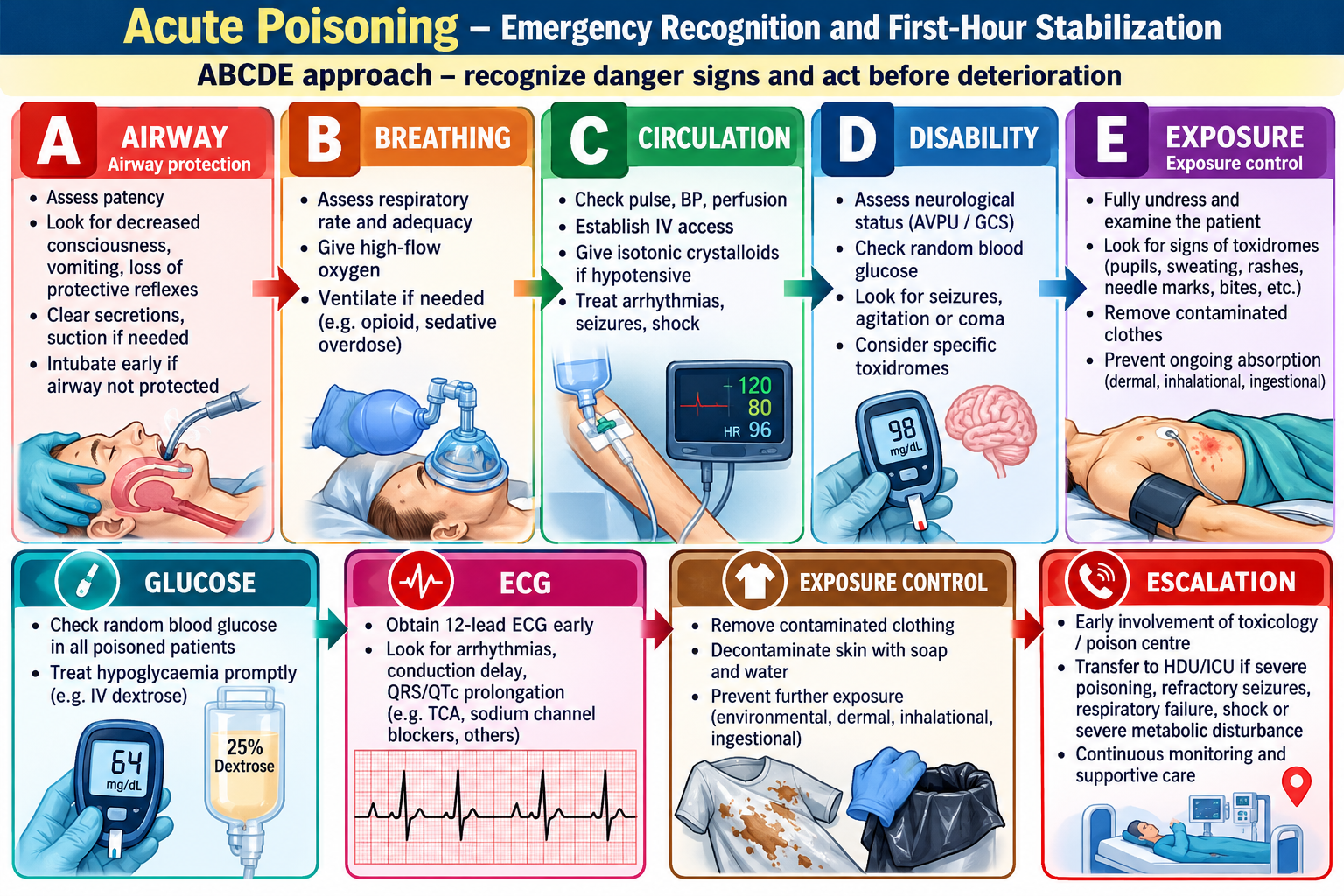
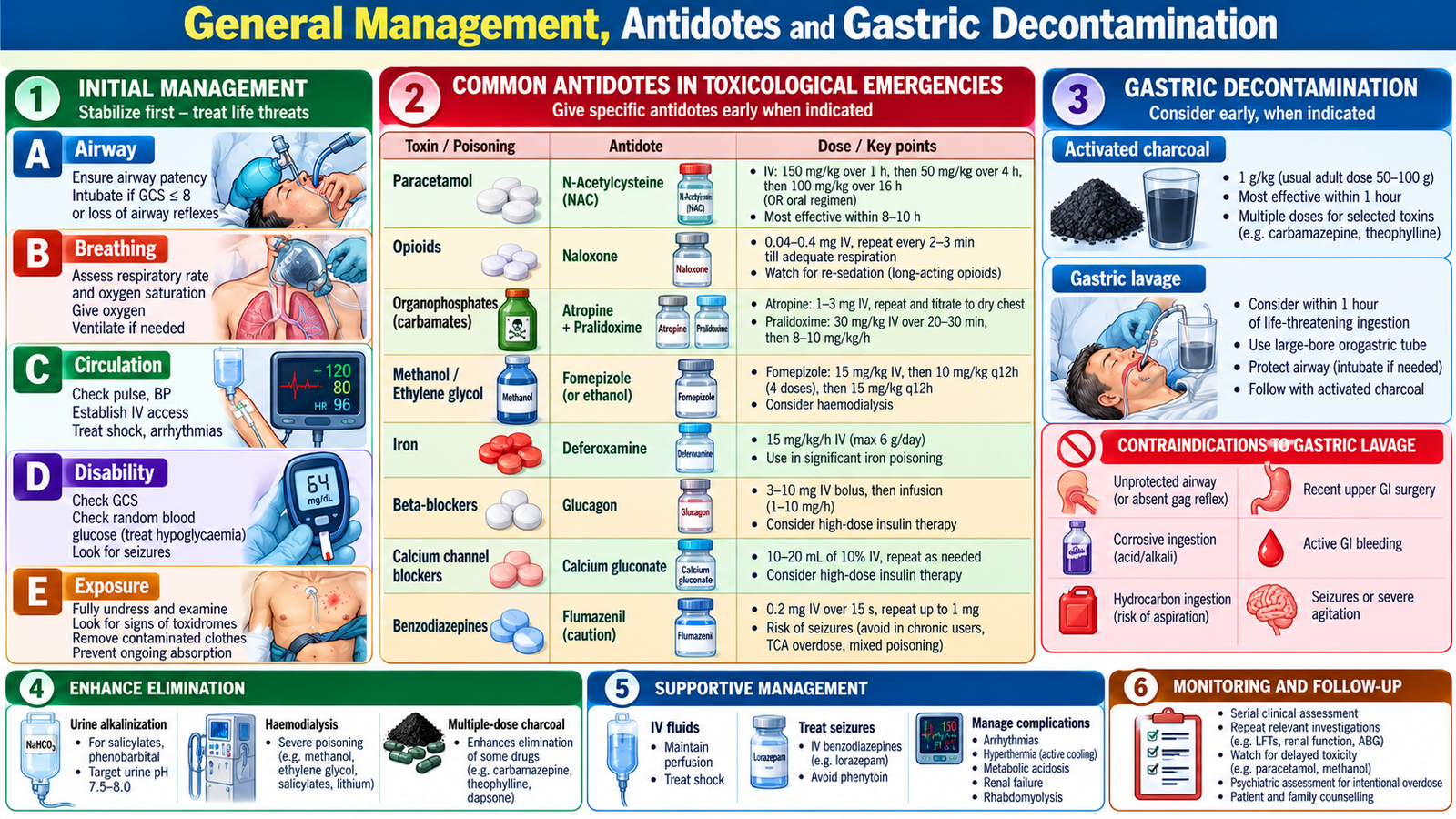
Acute poisoning is illness caused by exposure to a harmful dose of a substance. The immediate priority is physiological stabilization, not identification of the poison. Protect staff from contaminated clothing, fumes and secretions; use gloves and appropriate precautions. Assess airway, breathing, circulation, disability and exposure (ABCDE), call for senior/emergency support, and reassess frequently.
- Airway: assess protective reflexes, vomiting, secretions and aspiration risk. Place an unconscious breathing patient in a lateral recovery position where appropriate; suction and secure the airway if ventilation or protection is inadequate.
- Breathing: respiratory rate, oxygen saturation, chest movement and capnography if available. Give oxygen for hypoxaemia; support ventilation when needed. In carbon monoxide exposure give high-concentration oxygen even if the pulse oximeter reads normally.
- Circulation: pulse, blood pressure, perfusion, ECG and IV access. Treat shock with appropriately assessed IV fluids and escalate persistent hypotension or dysrhythmias.
- Disability: Glasgow Coma Scale, pupils, seizures, temperature and immediate bedside glucose. Correct hypoglycaemia promptly.
- Exposure: remove contaminated clothing and irrigate affected skin/eyes while avoiding secondary exposure.
Ask about substance, estimated amount, route, time, co-ingestants, available packaging, prescription medicines and intent. Collateral history from relatives or ambulance staff is important when the patient is confused or comatose. Do not delay resuscitation while obtaining history.
Early tests: capillary glucose and 12-lead ECG in significant poisoning; electrolytes, renal function, blood gas, liver tests and targeted toxicology according to presentation. Measure serum paracetamol in relevant deliberate/uncertain ingestions because early toxicity may be clinically silent. Toxicology screens have limitations and rarely replace bedside assessment.
2. Coma, Toxidromes and Diagnostic Interpretation
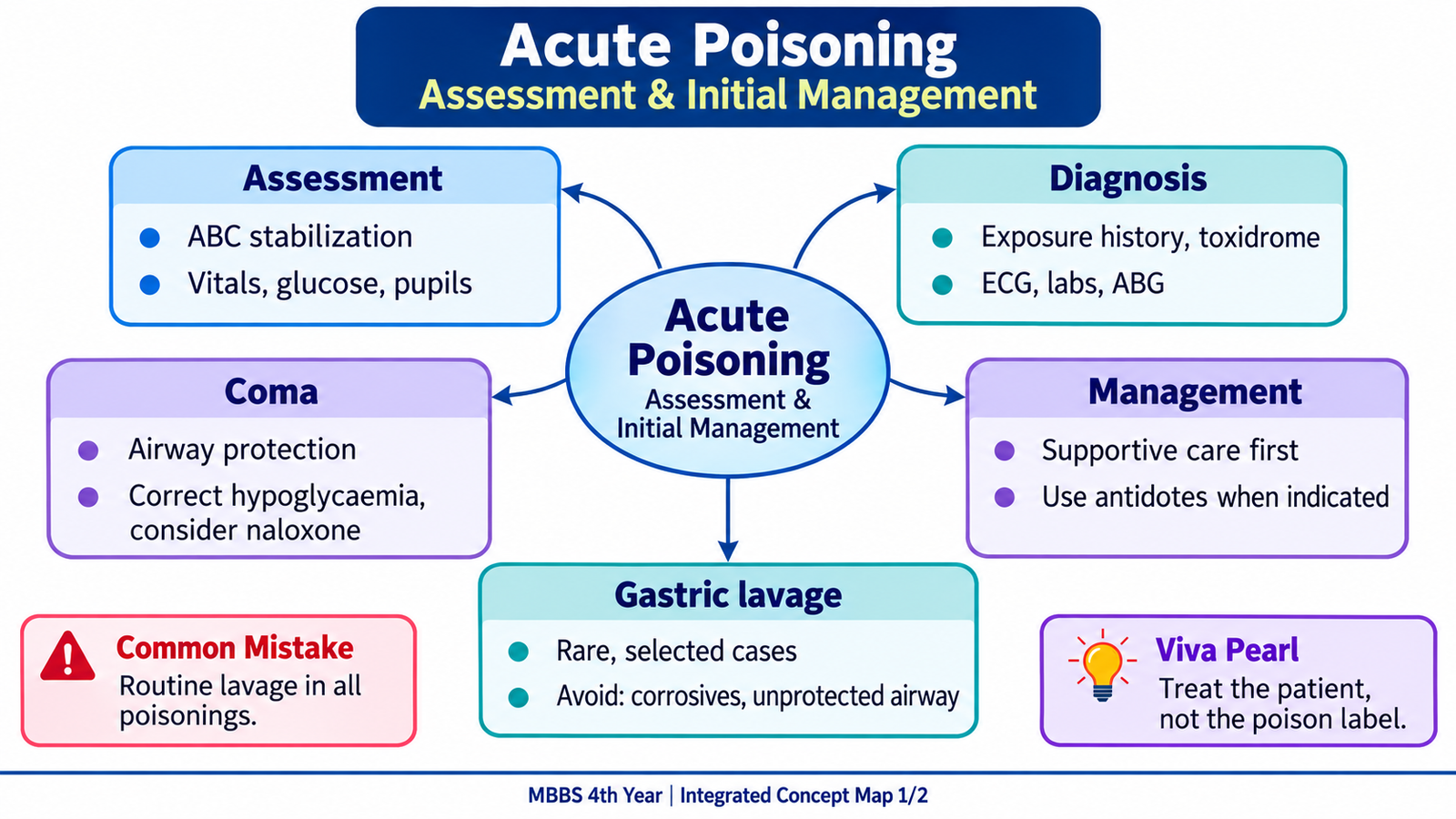
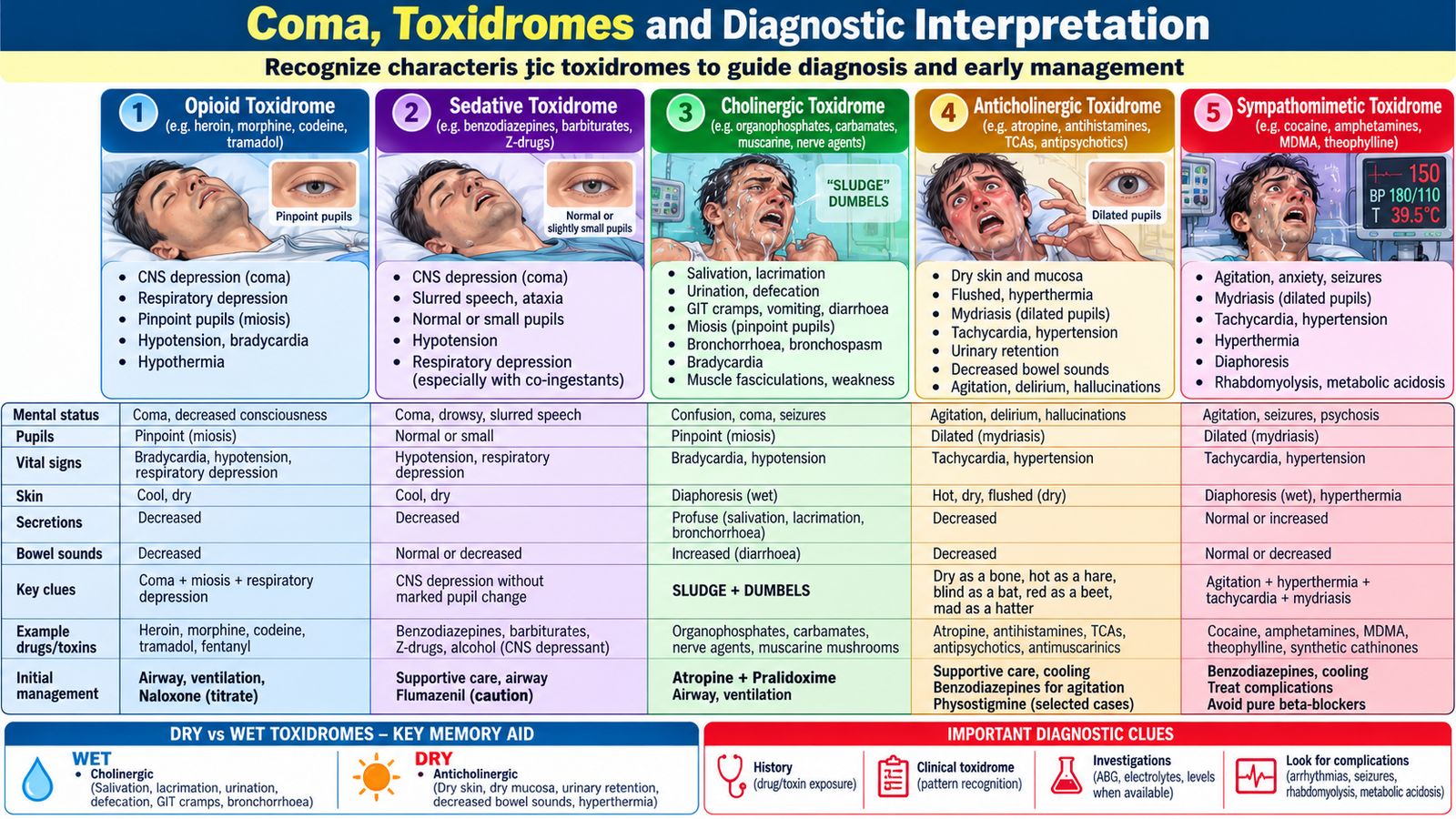
A comatose poisoned patient requires the same broad assessment as any unconscious patient: exclude hypoglycaemia, hypoxia, stroke, trauma, infection and metabolic causes. Repeatedly assess airway patency, breathing and neurological status. Give naloxone when opioid-related respiratory depression is suspected; it is not a universal coma antidote. Give thiamine to patients at risk of deficiency, without delaying glucose when hypoglycaemic.
| Pattern | Typical clues | Likely exposure / implication |
|---|---|---|
| Opioid | Reduced consciousness, slow breathing, small pupils | Support ventilation; consider naloxone |
| Sedative-hypnotic | Drowsiness, ataxia, respiratory depression especially with co-ingestants | Benzodiazepines/alcohol; supportive airway care |
| Cholinergic | Salivation, lacrimation, sweating, bronchorrhoea, wheeze, diarrhoea, miosis; fasciculations | Organophosphate insecticide; atropine and oxime where indicated |
| Anticholinergic | Dry flushed skin, dilated pupils, urinary retention, delirium, tachycardia | Antimuscarinic drugs; supportive care, cooling |
| Sympathomimetic | Agitation, sweating, dilated pupils, hypertension, tachycardia, hyperthermia | Amphetamine, methamphetamine (ice), cocaine |
Discriminating clue: both anticholinergic and sympathomimetic syndromes cause agitation and tachycardia; dry skin favours anticholinergic poisoning whereas profuse sweating favours sympathomimetic toxicity. Organophosphate poisoning typically causes excessive wet secretions and respiratory compromise.
Look for QRS widening or QT prolongation on ECG, metabolic acidosis, rising creatinine, hepatic injury and persistent hypoxaemia. These indicate severity and guide escalation, rather than identifying every toxin by themselves.
3. General Management, Antidotes and Gastric Decontamination
Management has four linked components: stop further exposure, stabilize the patient, consider time-sensitive decontamination, and provide a specific antidote when appropriate. Consult a poison centre or toxicology service for significant or uncertain exposures. Activated charcoal may be considered for a potentially toxic, charcoal-adsorbable ingestion, usually early after ingestion, only when the airway is protected; it is not routine and is ineffective for alcohols and many metals.
| Poison / syndrome | Antidote or targeted treatment | Key caution |
|---|---|---|
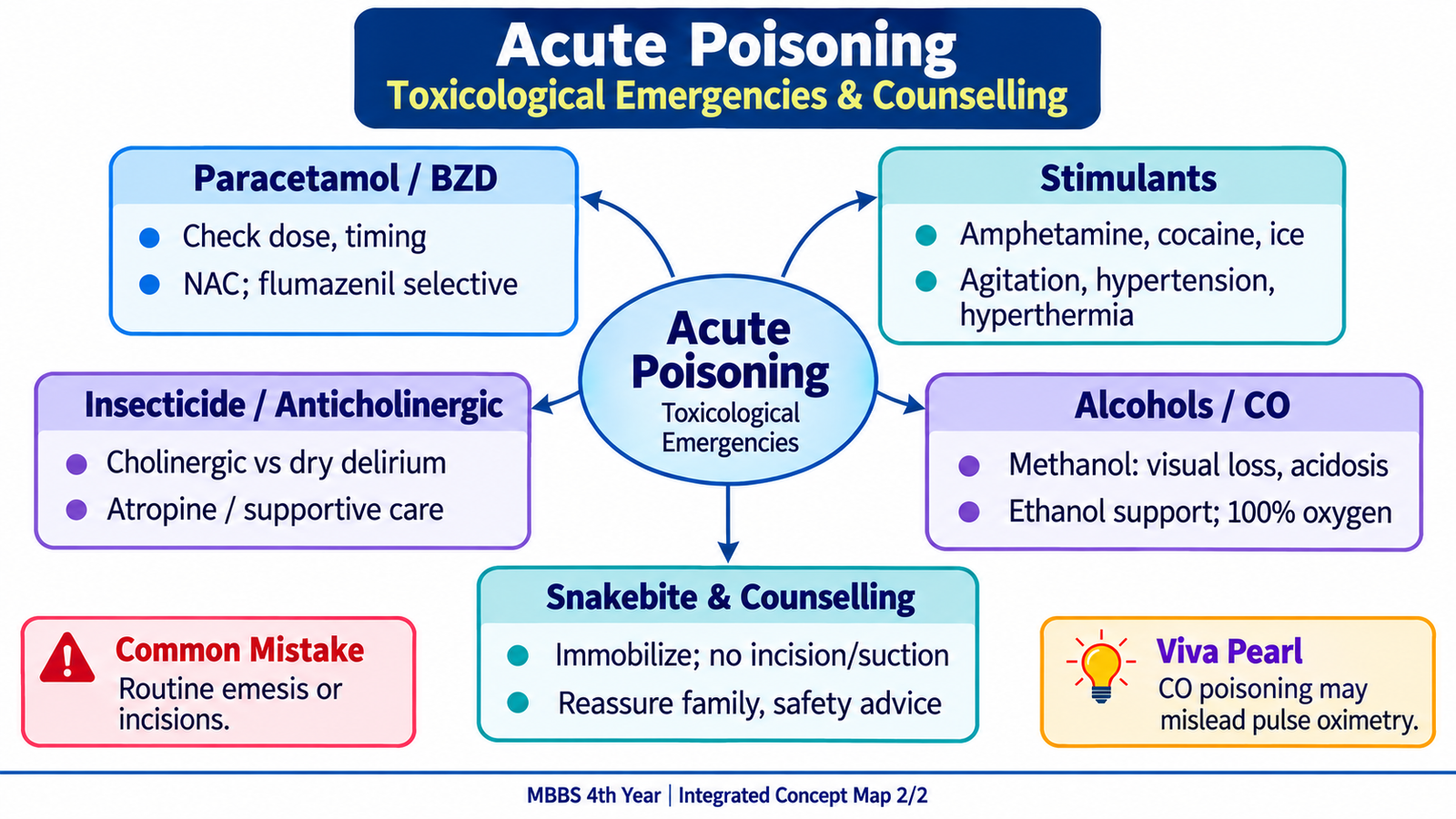
| Paracetamol | N-acetylcysteine (NAC) | Start promptly when indicated; do not wait for symptoms |
| Organophosphate insecticide | Atropine; pralidoxime for relevant organophosphate exposures | Airway clearance and oxygenation remain essential |
| Opioid respiratory depression | Naloxone | Repeated doses/monitoring may be necessary |
| Methanol | Fomepizole (or ethanol in specialist-directed settings) | Severe cases may need haemodialysis |
| Benzodiazepines | Supportive care; flumazenil in rare selected cases | Flumazenil can precipitate seizures in dependence or mixed overdose |
| Carbon monoxide | 100% oxygen | Pulse oximetry may appear falsely reassuring |
| Snake envenomation | Appropriate antivenom for systemic/severe envenoming | Monitor for anaphylaxis and organ complications |
Gastric lavage: is not routine. It may exceptionally be considered after a potentially life-threatening ingestion very soon after exposure, following specialist advice and risk–benefit assessment. It is contraindicated when airway reflexes are unprotected, after caustic ingestion, and after hydrocarbons with high aspiration risk. Risks include aspiration, hypoxia, oesophageal or gastric injury and electrolyte disturbance. If undertaken by a trained team, airway protection, correct tube placement, patient monitoring and ready suction/resuscitation equipment are essential. Do not delay definitive resuscitation or antidotes for lavage.
Enhanced elimination (such as haemodialysis) is reserved for selected severe poisonings including severe methanol toxicity, based on clinical status and laboratory findings.
4. Analgesic, Sedative and Stimulant Poisoning
Paracetamol
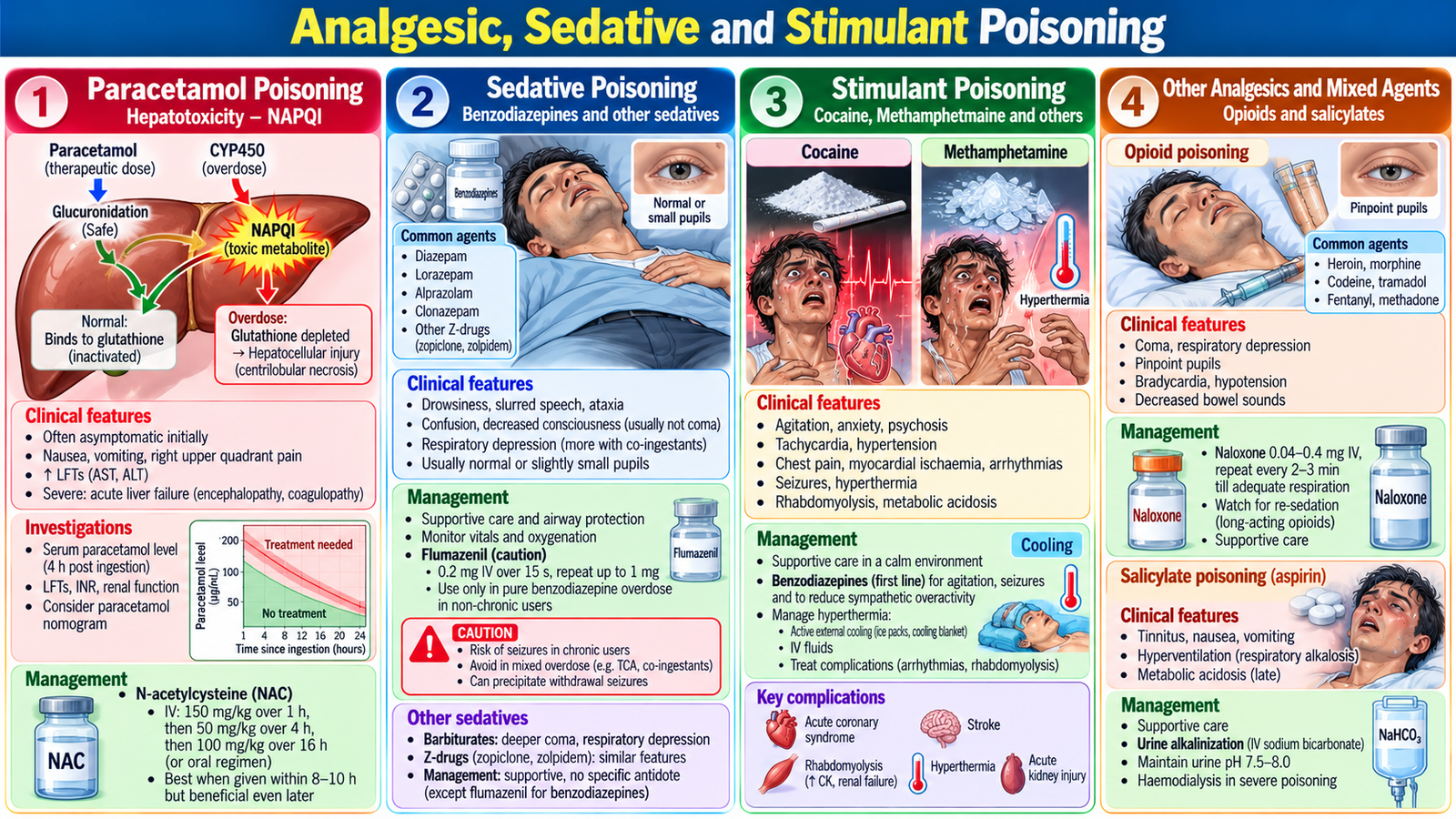
Initially the patient may have no symptoms or only nausea, despite risk of delayed hepatic necrosis. The toxic metabolite NAPQI depletes glutathione and injures hepatocytes. Assess time and dose, check serum paracetamol at 4 hours or later after a single acute ingestion, and interpret using the locally accepted treatment nomogram when the ingestion time is reliable. The nomogram is not applicable to repeated supratherapeutic ingestion or unknown-time ingestion. In those cases use clinical history, paracetamol concentration and liver tests with specialist advice. NAC replenishes glutathione and is most effective when started early; do not postpone treatment in a high-risk delayed presentation while awaiting results.
Start N-acetylcysteine (NAC) when the serum paracetamol concentration is at or above the treatment line on the applicable nomogram. If a potentially toxic ingestion is suspected and results cannot be obtained before 8 hours after ingestion, initiate NAC without waiting. Monitor liver enzymes, INR and paracetamol concentration to guide treatment continuation
Benzodiazepines
Cause somnolence, dysarthria, ataxia and reduced consciousness. Severe respiratory depression is more likely with alcohol, opioids or other sedatives. Prioritize observation, aspiration prevention and ventilatory support. Flumazenil is generally avoided in deliberate mixed overdoses, chronic benzodiazepine use or seizure risk because it may provoke refractory seizures.
Amphetamine, methamphetamine (“ice”) and cocaine
These stimulants increase catecholaminergic activity, producing agitation, tachycardia, hypertension, hyperthermia, seizures, arrhythmias and myocardial ischaemia. Cocaine also causes coronary vasoconstriction. Obtain ECG, glucose, electrolytes and renal tests; check creatine kinase if prolonged agitation or hyperthermia suggests rhabdomyolysis. Treat agitation and seizures with benzodiazepines, use active cooling for hyperthermia, and provide IV fluids when indicated. Persistent chest pain, marked hyperthermia, seizures or dysrhythmia requires urgent escalation. Avoid physical restraint without adequate sedation because struggle worsens heat production.
5. Insecticides, Anticholinergics, Alcohols and Carbon Monoxide
Insecticides: organophosphates
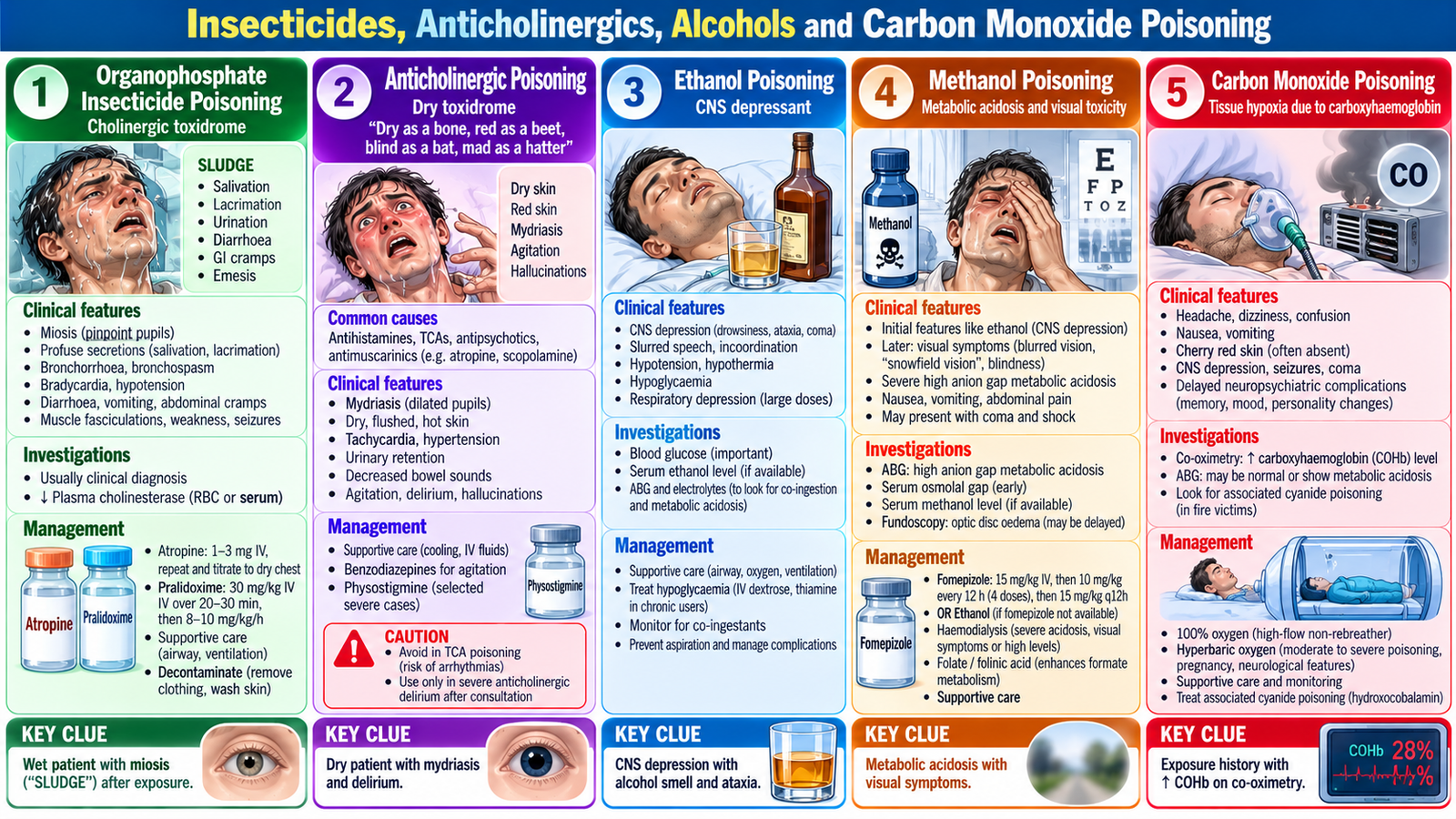
Organophosphates inhibit acetylcholinesterase, causing accumulation of acetylcholine at muscarinic, nicotinic and central receptors. The dangerous findings are bronchorrhoea, bronchospasm, respiratory muscle weakness and altered consciousness. Remove contaminated clothing, wash skin, suction secretions and support ventilation. Give atropine titrated to improved oxygenation, drying of bronchial secretions and clinical perfusion, not to pupil size alone. Pralidoxime can reactivate acetylcholinesterase before enzyme ageing in appropriate organophosphate cases; obtain specialist advice. Watch for recurrent respiratory weakness/intermediate syndrome.
For significant adult organophosphate poisoning, give atropine 2 mg IV initially, repeating and doubling the dose approximately every 5 minutes if the clinical response is inadequate. Continue until bronchial secretions are controlled, oxygenation improves and circulation stabilizes. Repeated dosing or an atropine infusion may be required to prevent recurrent cholinergic toxicity.
Anticholinergic poisoning
Typical causes include atropine-like medicines and some antihistamines. Dry hot skin, mydriasis, tachycardia, urinary retention and delirium reflect muscarinic blockade. Treat with supportive care, IV fluids as indicated, cooling and benzodiazepines for severe agitation. Physostigmine is a specialist option in selected pure anticholinergic delirium and must not be used indiscriminately, especially with suspected cardiotoxic co-ingestion.
Ethanol
Alcohol intoxication causes impaired coordination, dysarthria, vomiting and reduced consciousness. Check bedside glucose, assess for trauma and co-ingestion, protect the airway and correct dehydration/electrolyte problems as indicated. Consider thiamine in malnourished or alcohol-dependent patients. Do not attribute an unexplained coma to alcohol without excluding other causes.
Methanol
Methanol is converted by alcohol dehydrogenase to formic acid, which causes high-anion-gap metabolic acidosis and visual toxicity. There may be a latent period before blurred vision, headache, abdominal symptoms and deterioration. Send blood gas, electrolytes, anion gap, renal tests and methanol level where available. Treat urgently with fomepizole (or specialist-directed ethanol), correction of severe acidosis and haemodialysis when indicated. Do not await a methanol level when clinical suspicion is high.
Carbon monoxide
CO binds haemoglobin and disrupts oxygen delivery and cellular respiration. Symptoms include headache, nausea, dizziness, confusion, syncope and cardiac ischaemia; multiple affected people in an enclosed space is a major clue. Remove from exposure, administer 100% oxygen, obtain carboxyhaemoglobin by co-oximetry when available and assess ECG/troponin and neurological status when indicated. Standard pulse oximetry cannot reliably detect CO poisoning. Hyperbaric oxygen may be considered for selected severe cases after specialist consultation. Explain the possibility of delayed neurological sequelae.
6. Snake Envenomation, Monitoring and Patient–Family Counselling
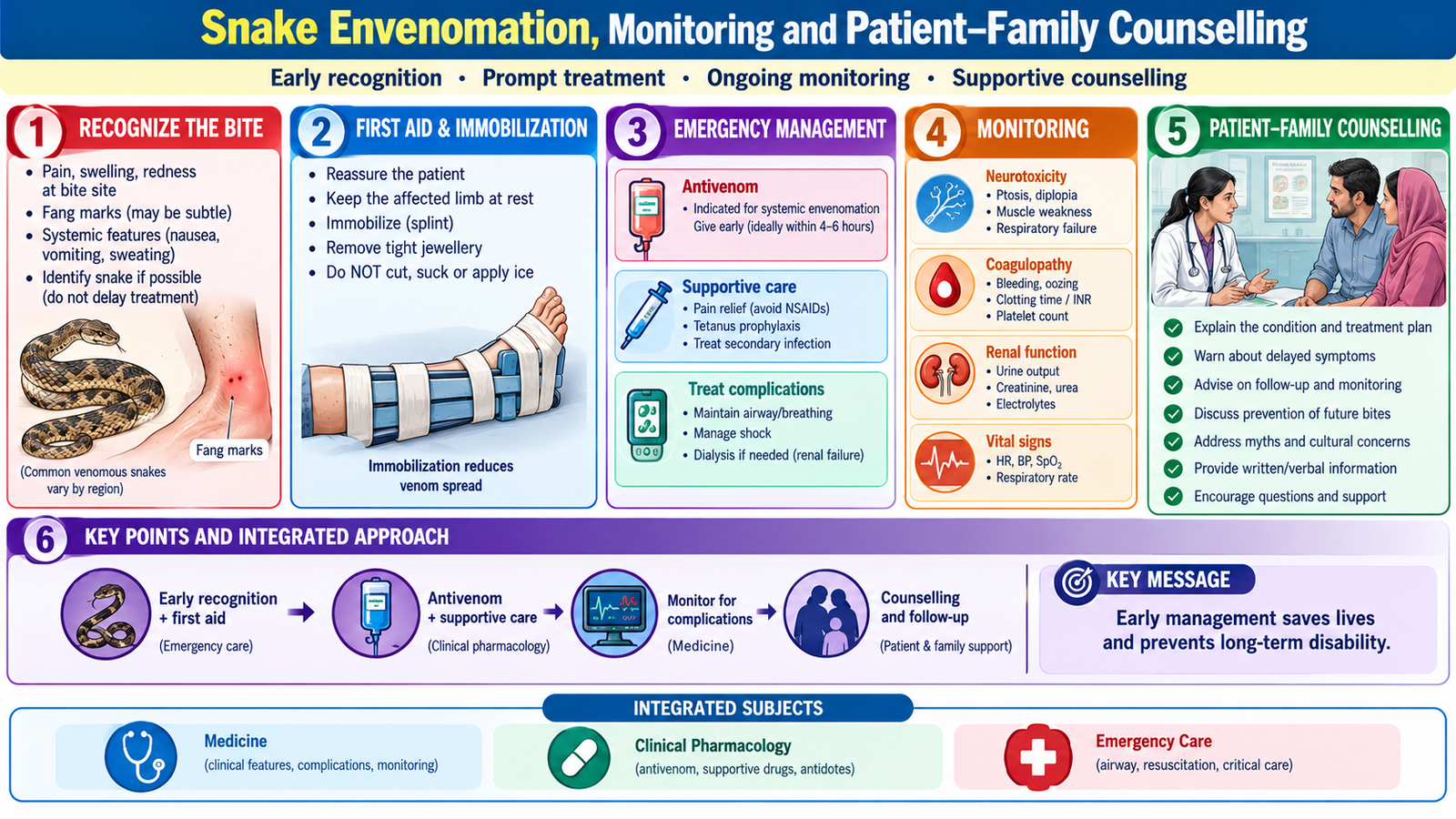
Snakebite may produce local pain and swelling, progressive tissue injury, bleeding/coagulopathy, neurotoxicity or renal injury depending on species and venom. Not every bite causes envenomation. Initial care: move the patient away from the snake, keep them calm and still, immobilize the bitten limb, remove tight jewellery, and arrange urgent transport. Do not cut, suck, apply ice, use electric shocks or apply tight arterial tourniquets. Do not attempt to catch the snake.
Assess airway and breathing (especially ptosis, bulbar weakness or respiratory paralysis), pulse and blood pressure, local swelling, bleeding and urine output. Perform serial examinations; obtain CBC, coagulation tests (including a 20-minute whole-blood clotting test where locally used and properly performed), renal function and urinalysis according to resources. Antivenom is indicated for systemic envenomation or significant progressive local envenomation according to local protocols, not merely for puncture marks. Prepare for allergic reactions and anaphylaxis. Support ventilation, treat shock and monitor for acute kidney injury or compartment-related concerns; seek surgical assessment for suspected compartment syndrome rather than performing routine fasciotomy.
Ongoing monitoring after poisoning: repeated ABCDE and GCS, vital signs, ECG where relevant, fluid balance/urine output, glucose, electrolytes, renal and liver tests, coagulation and blood gas according to the toxin and severity. Observe long enough to detect delayed deterioration or recurrent toxicity.
Counselling: explain suspected exposure, what is known versus uncertain, treatment purpose, monitoring and warning signs in non-judgmental language. Ask about occupational or household exposure and safe storage of chemicals and medicines. For deliberate self-poisoning, arrange compassionate psychosocial/mental-health assessment once medically stable; involve family with the patient’s consent and confidentiality safeguards. Discuss follow-up for liver, renal, neurological or psychological complications where relevant. Document exposure history, treatment and communication clearly.
AIM High-Yield Review
- ABCDE and glucose come before toxin identification.
- In coma, prevent aspiration and support ventilation; naloxone is for suspected opioid respiratory depression.
- Wet secretions and fasciculations suggest organophosphate toxicity; dry delirium suggests anticholinergic toxicity.
- Paracetamol toxicity may be initially silent; NAC prevents delayed hepatic injury.
- Benzodiazepine overdose is usually treated supportively; flumazenil is hazardous in mixed overdose or dependence.
- Stimulant hyperthermia requires rapid cooling and sedation; monitor for cardiac and renal complications.
- Methanol causes acidosis and visual injury; CO poisoning may have normal pulse oximetry.
- Gastric lavage is rarely indicated and is unsafe without airway protection.
- Antivenom treats clinically significant envenomation, not every snakebite.
- All intentional poisoning requires psychosocial assessment after stabilization.
🎥 AIM Video Learning — Acute Poisoning
Final Year MBBS | Emergency assessment, toxidromes, poisoning management, gastric decontamination and commonly used antidotes.
Educational video: MedNerd — Dr. Waqas Fazal. Supplementary learning resource for AIM.