
Psychiatric, Behavioral & Substance Use Disorders
Step 2 — Integrated Learning Material
Topic Introduction
Psychiatric and behavioural problems commonly present in general practice as distress, physical symptoms, developmental concerns or substance-related harm. Effective care starts with listening without judgement, identifying the characteristic symptom pattern, excluding important medical causes, assessing immediate risk and selecting proportionate psychological, social and medical treatment. This chapter integrates child, adult and primary-care perspectives.

A. Post-Traumatic Stress Disorder and Obsessive-Compulsive Disorder
Understanding the disorders
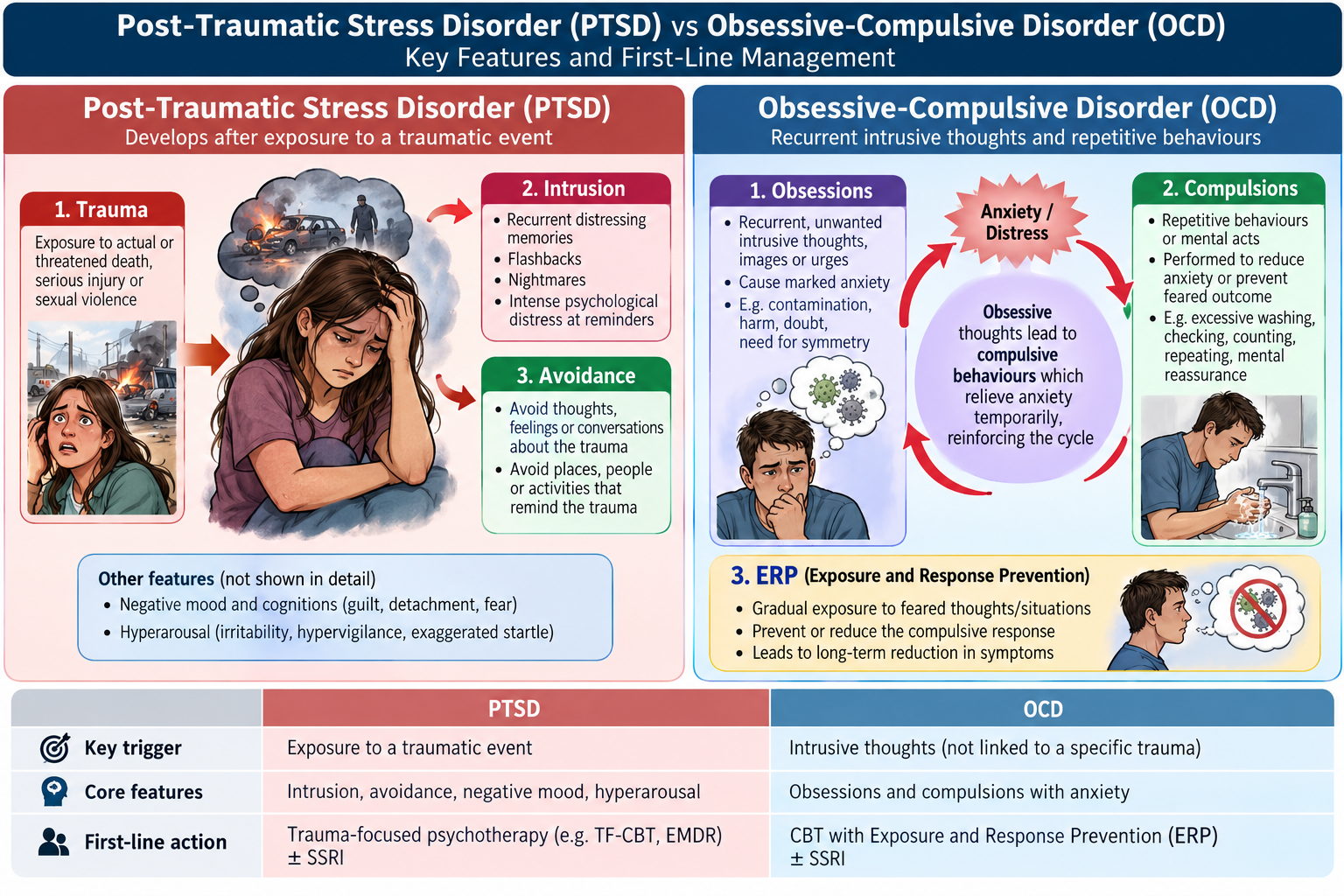
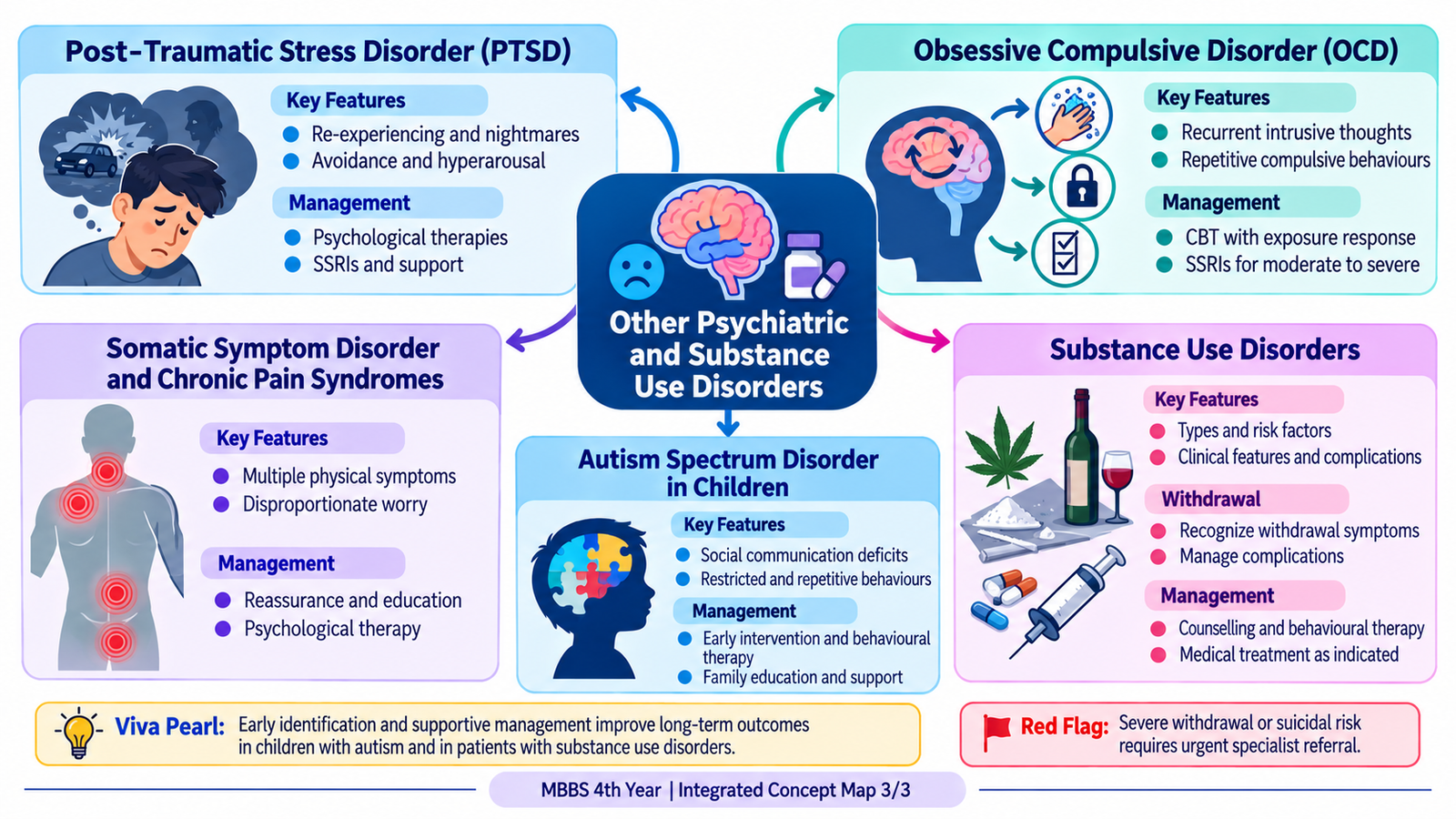
PTSD may follow exposure to actual or threatened death, serious injury or sexual violence. Its core clusters are intrusive recollections or nightmares, avoidance, negative changes in mood and cognition, and hyperarousal. Symptoms persist beyond one month and impair functioning. Acute stress disorder occurs within the first month after trauma. OCD involves unwanted intrusive obsessions and repetitive compulsions intended to relieve distress; insight varies.
Mechanisms and assessment
Trauma-related fear learning, altered stress responses and avoidance maintain PTSD. In OCD, dysfunction of cortico-striato-thalamo-cortical circuits and serotonin signalling contributes. Ask about triggers, duration, distress, functional impairment, safety, substance use and comorbid depression. Distinguish intrusive unwanted thoughts from psychotic beliefs: people with OCD generally recognize their thoughts as originating in their own mind, though insight can be poor.
Management
Provide psychoeducation and a supportive, nonjudgmental assessment. Trauma-focused CBT or EMDR is first-line psychological treatment for PTSD; SSRIs such as sertraline may be considered when indicated. For OCD, exposure and response prevention (ERP), a form of CBT, and SSRIs are key treatments. Explain that ERP involves gradual exposure to feared cues while resisting rituals. Assess suicide risk, address sleep and substance use, and refer severe, complex or treatment-resistant cases.
Clinical distinction
A survivor who avoids reminders and has flashbacks after an assault suggests PTSD; a person repeatedly washing hands to neutralize contamination fears suggests OCD. Neither disorder is diagnosed merely from ordinary worry or a single distressing thought.
B. Somatic Symptom Disorder and Chronic Pain Syndromes
Core concept
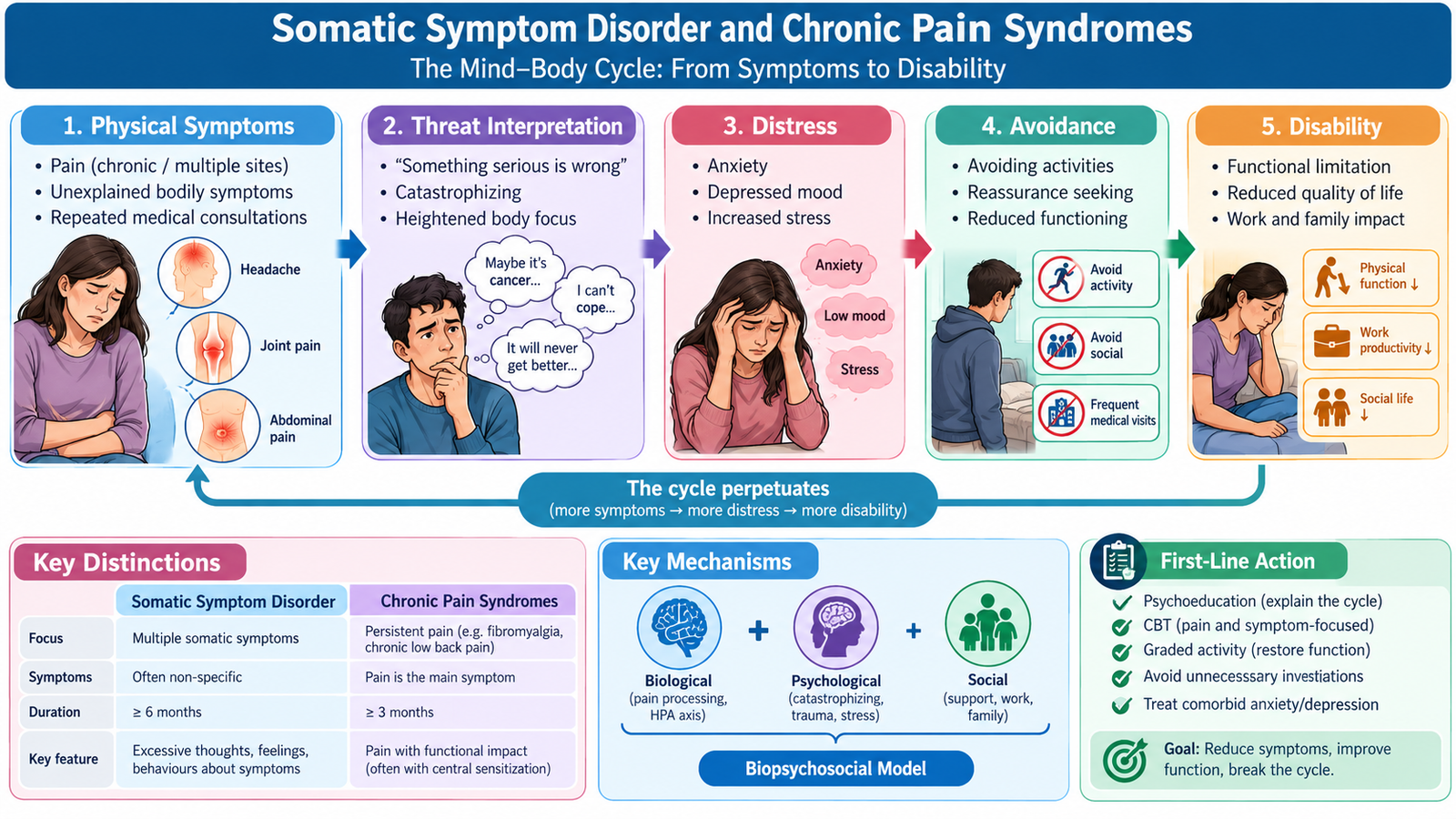
Somatic symptom disorder involves one or more distressing physical symptoms accompanied by disproportionate thoughts, anxiety or time devoted to symptoms. Symptoms may have a medical explanation: the diagnosis is not based on proving that symptoms are imaginary. Chronic pain is pain persisting or recurring for more than three months; biological, psychological and social influences can reinforce disability.
Clinical approach
Validate the patient’s experience. Take a careful symptom history, examine the patient and investigate according to clinical indications rather than repeatedly ordering low-yield tests. Look for red flags such as progressive neurological deficit, fever, weight loss, malignancy history, trauma or new bowel/bladder dysfunction. Assess sleep, mood, functioning, medication use and psychosocial stressors.
Management
Build continuity with one clinician and agree on functional goals. Explain the biopsychosocial model without dismissing symptoms. Use graded activity, physiotherapy, sleep support and CBT-based strategies. Treat coexisting anxiety or depression; consider medicines only where appropriate to the pain mechanism and patient. Avoid unnecessary procedures, repeated reassurance testing and routine long-term opioids for nonspecific chronic primary pain.
Clinical reasoning
A normal investigation does not establish malingering, and a psychiatric diagnosis does not exclude physical disease. Reassess when new objective signs or red flags develop.
C. Autism Spectrum Disorder in Children
Recognition and etiology
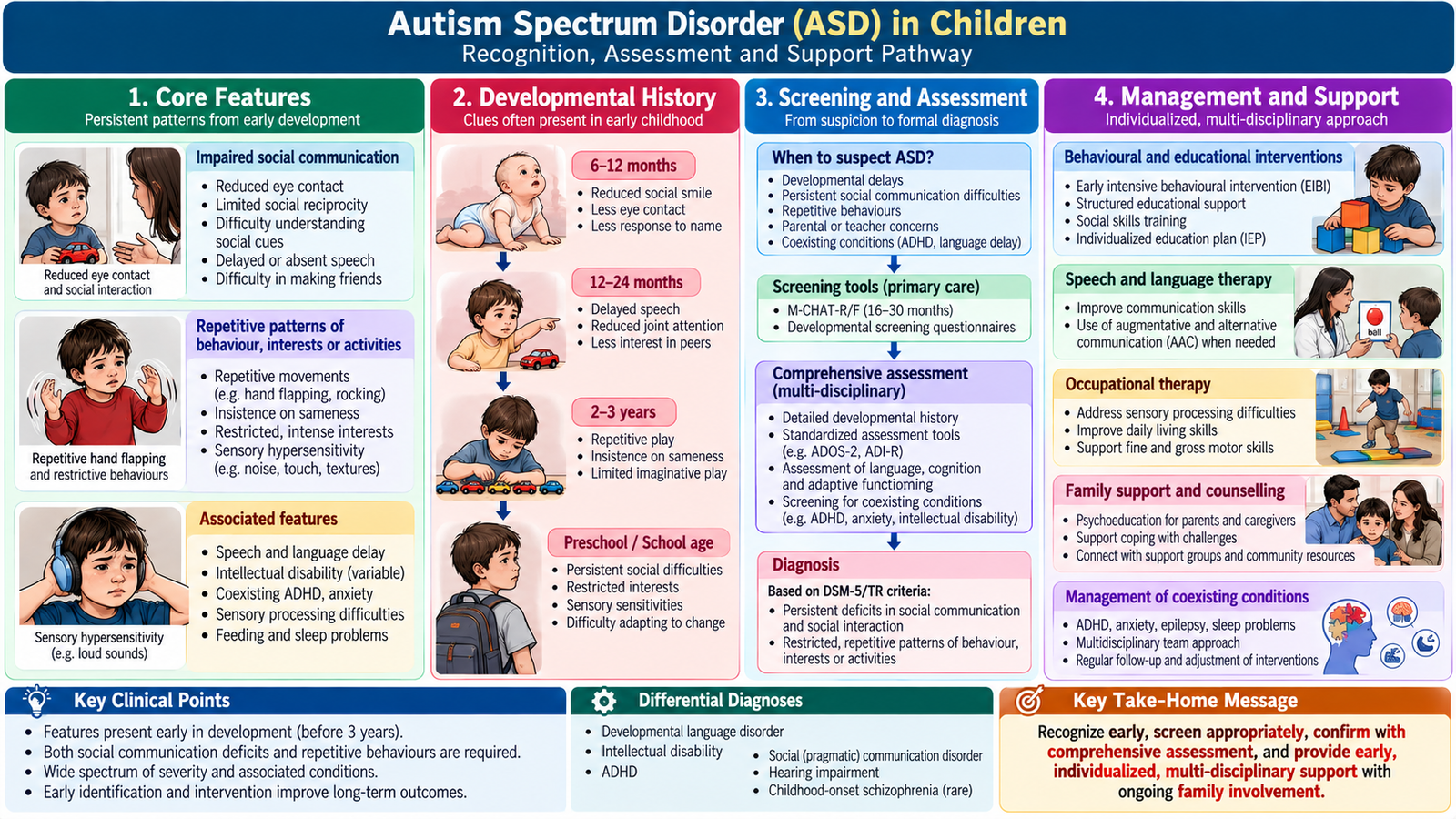
Autism spectrum disorder (ASD) is a neurodevelopmental condition characterized by persistent differences in social communication and interaction together with restricted or repetitive behaviours, interests or sensory responses. Signs arise during early development, although they may become clearer as social demands increase. Genetic influences are substantial; ASD is not caused by poor parenting or routine childhood vaccination.
Developmental assessment
Ask caregivers about language, gestures, response to name, shared attention, reciprocal play, routines, sensory sensitivities and developmental progress. Assess hearing, language, cognition, adaptive skills and coexisting ADHD, anxiety, epilepsy or sleep difficulties when relevant. Developmental regression warrants prompt evaluation. Screening tools such as M-CHAT-R/F can identify toddlers needing further assessment but do not independently diagnose autism.
Management and family support
Arrange multidisciplinary developmental assessment and individualized support. Parent-mediated interventions, communication and speech-language support, educational adjustments and occupational strategies can improve participation and functioning. Address sleep, feeding and behavioural distress by identifying triggers and communication needs. Medicines do not treat core autism features; selected drugs may help severe associated irritability or other coexisting conditions under specialist care.
Communication principles
Use clear concrete language, predictable routines, visual supports where helpful and sensory-sensitive consultations. Involve caregivers while respecting the child’s autonomy and strengths. Discuss realistic goals rather than promising a cure.
D. Substance Use Disorders: Recognition, Withdrawal and Management
Definition and risk factors
Substance use disorder is a problematic pattern of use leading to impaired control, craving, continued use despite harm and functional consequences. Risk is influenced by family history, early exposure, trauma, psychiatric comorbidity, social environment and availability. Common groups include alcohol, opioids, sedatives, stimulants, cannabis and tobacco/nicotine.
Clinical features and complications
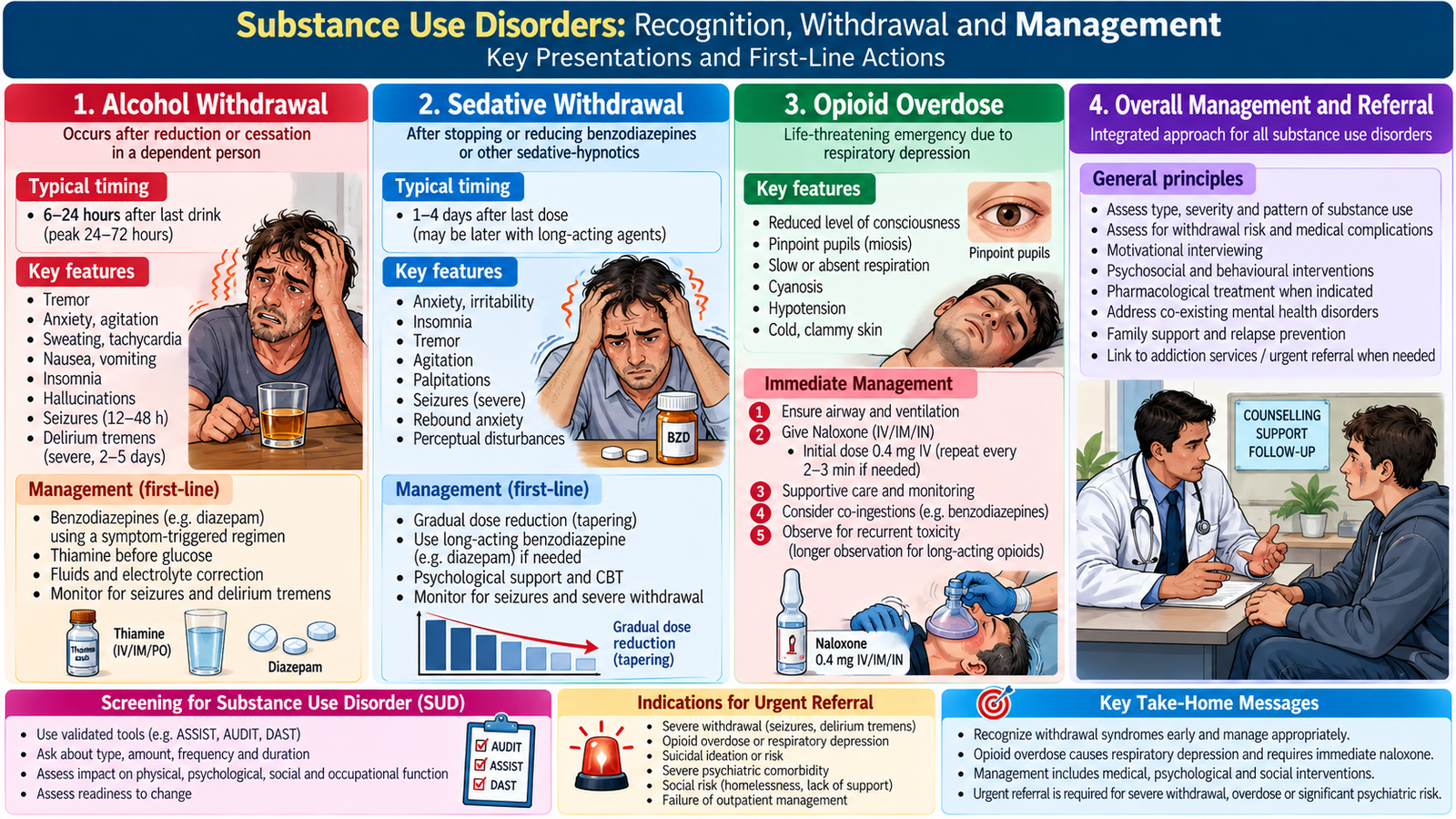
Ask privately about substance, quantity, route, frequency, last use, attempts to cut down, tolerance, withdrawal and harms. Alcohol intoxication may cause ataxia and disinhibition; opioids cause sedation, pinpoint pupils and respiratory depression; stimulants may cause agitation, tachycardia and hypertension. Complications include injuries, infections, overdose, liver disease, relationship problems and psychiatric symptoms.
Withdrawal recognition
Alcohol withdrawal can cause tremor, sweating, tachycardia, agitation and seizures; severe cases may progress to delirium tremens. Benzodiazepine withdrawal can also cause seizures and requires supervised tapering. Opioid withdrawal commonly causes yawning, rhinorrhoea, diarrhoea, myalgia and piloerection; it is very distressing but usually less directly life-threatening than alcohol or sedative withdrawal. Stimulant cessation may cause fatigue, dysphoria and sleep changes.
Immediate and long-term care
Stabilize airway, breathing and circulation in overdose. Give naloxone for suspected opioid-induced respiratory depression and support ventilation; repeated doses may be necessary. Severe alcohol withdrawal needs urgent supervised care, benzodiazepines and thiamine as clinically indicated. Use motivational interviewing, brief interventions, relapse-prevention support and referral for evidence-based addiction treatment. Opioid agonist treatment such as buprenorphine or methadone may be provided within appropriate services. For alcohol dependence, consider acamprosate or naltrexone after medically assisted withdrawal to support relapse prevention, alongside psychological treatment. Selection requires assessment of contraindications and appropriate follow-up. Screen for self-harm and coexisting psychiatric illness.
Safety distinction
Do not abruptly discontinue long-term benzodiazepines in dependent patients. In suspected Wernicke encephalopathy, give urgent parenteral thiamine; glucose treatment for hypoglycaemia must not be delayed.
E. Anxiety and Depression in Primary Healthcare
Presentations and differentiation
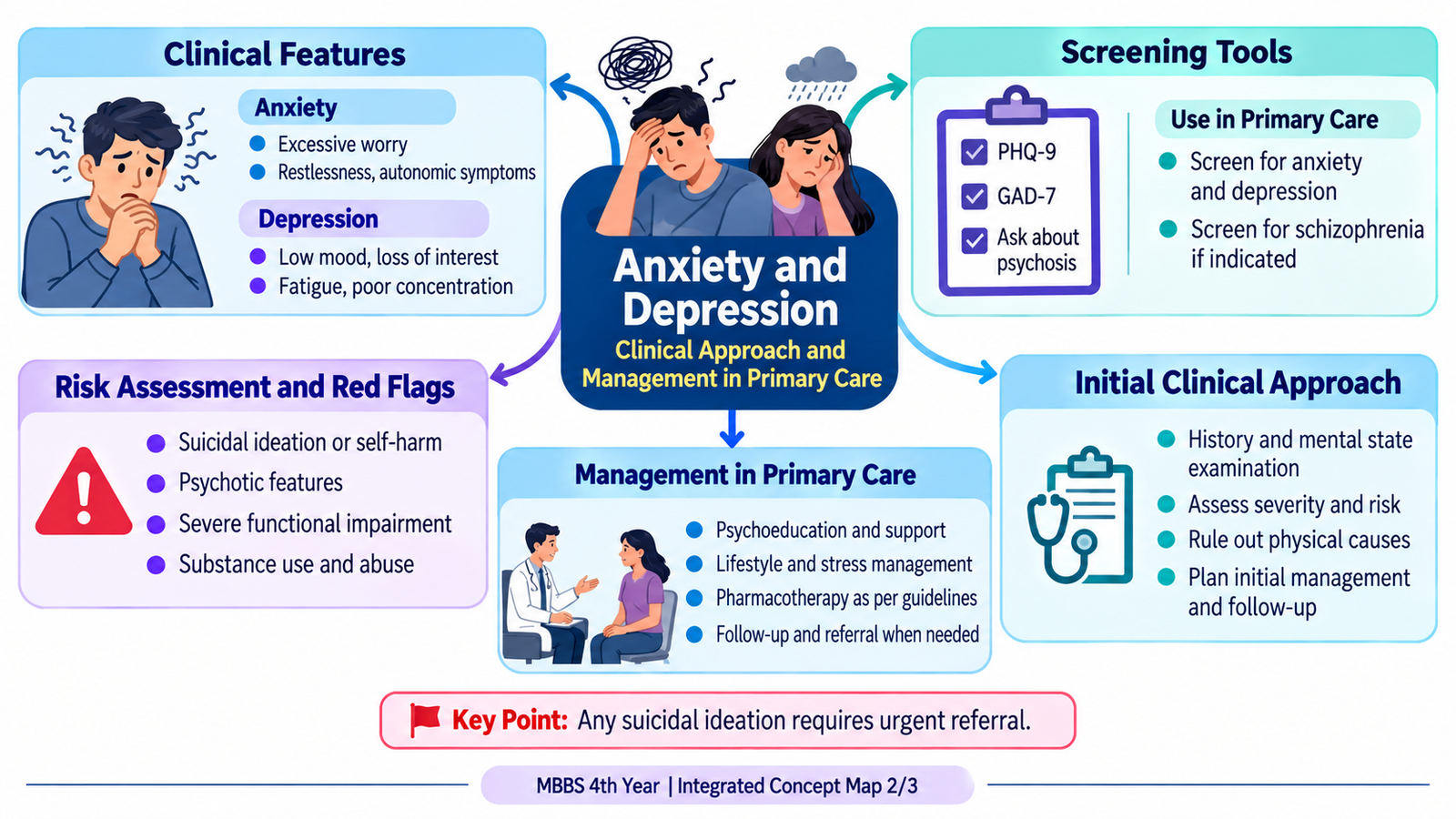
Anxiety disorders cause excessive fear or worry, often with autonomic symptoms, avoidance and functional impairment. Generalized anxiety disorder involves persistent, difficult-to-control worry across domains; panic attacks are abrupt surges of intense fear with physical symptoms. Major depression involves depressed mood or loss of interest, with associated sleep, appetite, energy, concentration, guilt or psychomotor changes, typically for at least two weeks.
Primary-care assessment
Ask about duration, triggers, functional impairment, medical illness, medicines, alcohol/drugs and psychosocial stressors. Examine and investigate when indicated for mimics such as thyroid disease, anaemia, arrhythmia or medication effects. Screen for mania or hypomania before initiating antidepressants because bipolar disorder requires a different treatment approach. Assess psychotic symptoms and suicide risk.
Stepped management
For mild symptoms, provide psychoeducation, guided self-help, structured follow-up, sleep and activity advice and access to psychological therapies. CBT is effective for anxiety and depression. For moderate-to-severe or persistent symptoms, consider an SSRI with shared decision-making and monitoring. Common first-line SSRIs include sertraline, fluoxetine and escitalopram, selected according to comorbidities, interactions and tolerability. After remission from depression, continue antidepressant treatment for at least six months in most patients to reduce relapse risk. Explain that antidepressant benefit develops over weeks, review adverse effects and adherence, and avoid abrupt discontinuation. Benzodiazepines are not a routine long-term solution because of dependence and sedation.
Follow-up and referral
Review symptoms, functioning, treatment response and safety; arrange early follow-up after starting treatment, especially in younger patients or when suicide risk is present. Refer urgently for active suicidal intent, psychosis, mania, severe self-neglect or inability to maintain safety; refer complex or refractory illness for specialist assessment.

F. Mental Health Screening, Risk Assessment and Clinical Consultation
Screening and interpretation
PHQ-2/PHQ-9 support depression screening; GAD-2/GAD-7 support anxiety assessment. Positive screens require clinical confirmation and assessment of impairment, differential diagnoses and safety. Psychosis screening asks about hallucinations, delusions, disorganized behaviour and deterioration in functioning; no brief questionnaire alone confirms schizophrenia.
Risk assessment and red flags
Ask directly and sensitively about thoughts of death, suicidal ideas, intent, plan, access to means, previous attempts, protective factors and available support. Also assess violence risk, safeguarding concerns, severe substance withdrawal, delirium, mania, psychosis and inability to care for oneself. Immediate danger requires emergency assessment, close supervision and a safety-focused plan; a screening score cannot replace clinical judgement.
Structured family-practice consultation
Start with privacy, consent, rapport and an open invitation to describe concerns. Explore presenting symptoms, medical and psychiatric history, medication/substance use, social context and functioning. Perform a focused mental state examination: appearance/behaviour, speech, mood/affect, thought form/content, perception, cognition, insight and judgement. Summarize collaboratively, explain the working diagnosis, agree on management and document follow-up.
Supervised observation and professionalism
During supervised consultations, observe the clinician’s rapport, culturally sensitive questioning, confidentiality, risk assessment, shared decision-making, documentation and safety-netting. Explain confidentiality limits when serious immediate harm or safeguarding duties arise, following applicable local law and institutional policy.

AIM Clinical Bridge
A person presenting with insomnia, abdominal discomfort or poor concentration may have a primary medical disorder, anxiety, depression, trauma-related symptoms or substance-related problems. Explore the patient’s narrative, screen thoughtfully, perform a focused examination and assess risk before assigning a diagnosis. Symptoms can coexist across conditions.
AIM High-Yield Review
- PTSD: trauma exposure plus intrusion, avoidance, negative mood/cognition and hyperarousal lasting more than one month.
- OCD: obsessions cause distress; compulsions temporarily relieve it. ERP is a core treatment.
- Somatic symptom disorder: excessive distress and preoccupation, not absence of physical pathology.
- Autism: early social-communication differences plus restricted/repetitive patterns; screening is not diagnosis.
- Alcohol and benzodiazepine withdrawal can cause seizures and require supervised management.
- Opioid overdose with respiratory depression: support breathing and administer naloxone.
- Depression screening is followed by clinical assessment, suicide-risk evaluation and bipolar screening.
- Active suicidal intent, psychosis with danger, severe withdrawal or inability to maintain safety requires urgent escalation.
Topic 2 — Psychiatric, Behavioral & Substance Use Disorders
Video Learning | Integrated Psychiatry Overview
Relevant Learning Areas
- Post-traumatic stress disorder and anxiety disorders
- Obsessive-compulsive disorder
- Somatic symptom and related disorders
- Neurodevelopmental disorders
- Substance use disorders
- Depression and other mood disorders
- Clinical psychiatric assessment and management principles
Supplementary video learning. Study the AIM Learning Material for complete KMU curriculum coverage. Watch on YouTube