
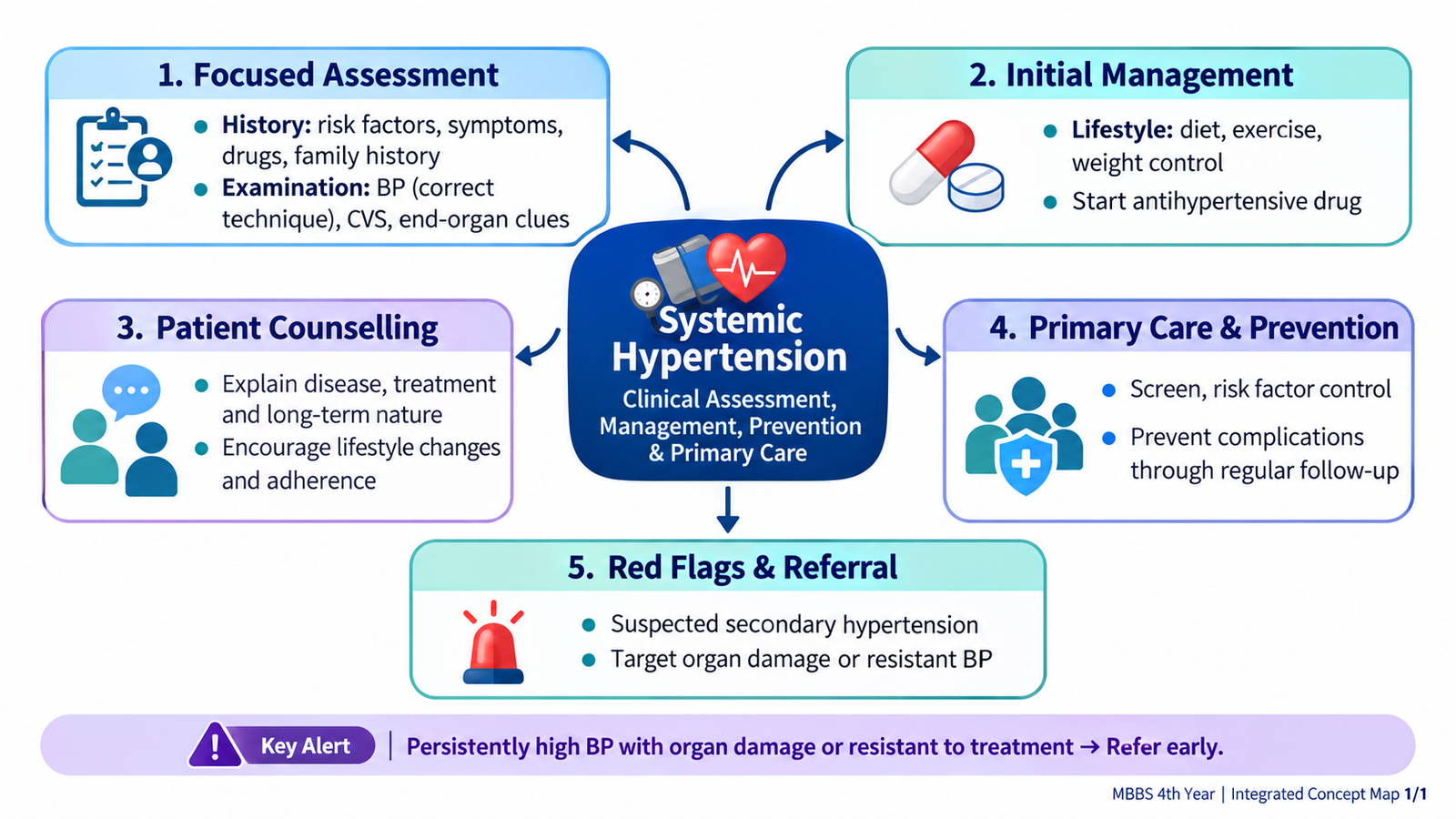
Do not think of hypertension as “just a high blood-pressure reading.” Learn it as a long-term cardiovascular risk state: confirm the elevation, assess the patient and target organs, reduce modifiable risk, choose appropriate treatment, monitor response and recognize situations that need urgent referral.
Systemic Hypertension: Clinical Assessment, Management, Prevention & Primary Care
CVS Module — A patient-centred approach to recognizing hypertension, assessing cardiovascular and target-organ risk, beginning treatment, supporting long-term adherence and identifying patients who require urgent or specialist care.
Topic Introduction
Systemic hypertension means persistently raised arterial blood pressure. It is common, frequently causes no symptoms and may remain unnoticed while gradually increasing the risk of stroke, ischemic heart disease, heart failure, chronic kidney disease and other vascular complications. For this reason, a newly elevated blood-pressure reading should lead to a structured clinical assessment rather than an automatic prescription. The clinician must confirm that hypertension is truly present, identify cardiovascular risk factors and possible causes, look for target-organ involvement, decide whether treatment is required, counsel the patient and arrange continued follow-up. In general practice, prevention, adherence, psychosocial concerns and timely referral are equally important parts of care.
A. Understanding Hypertension and Why Persistent Pressure Matters
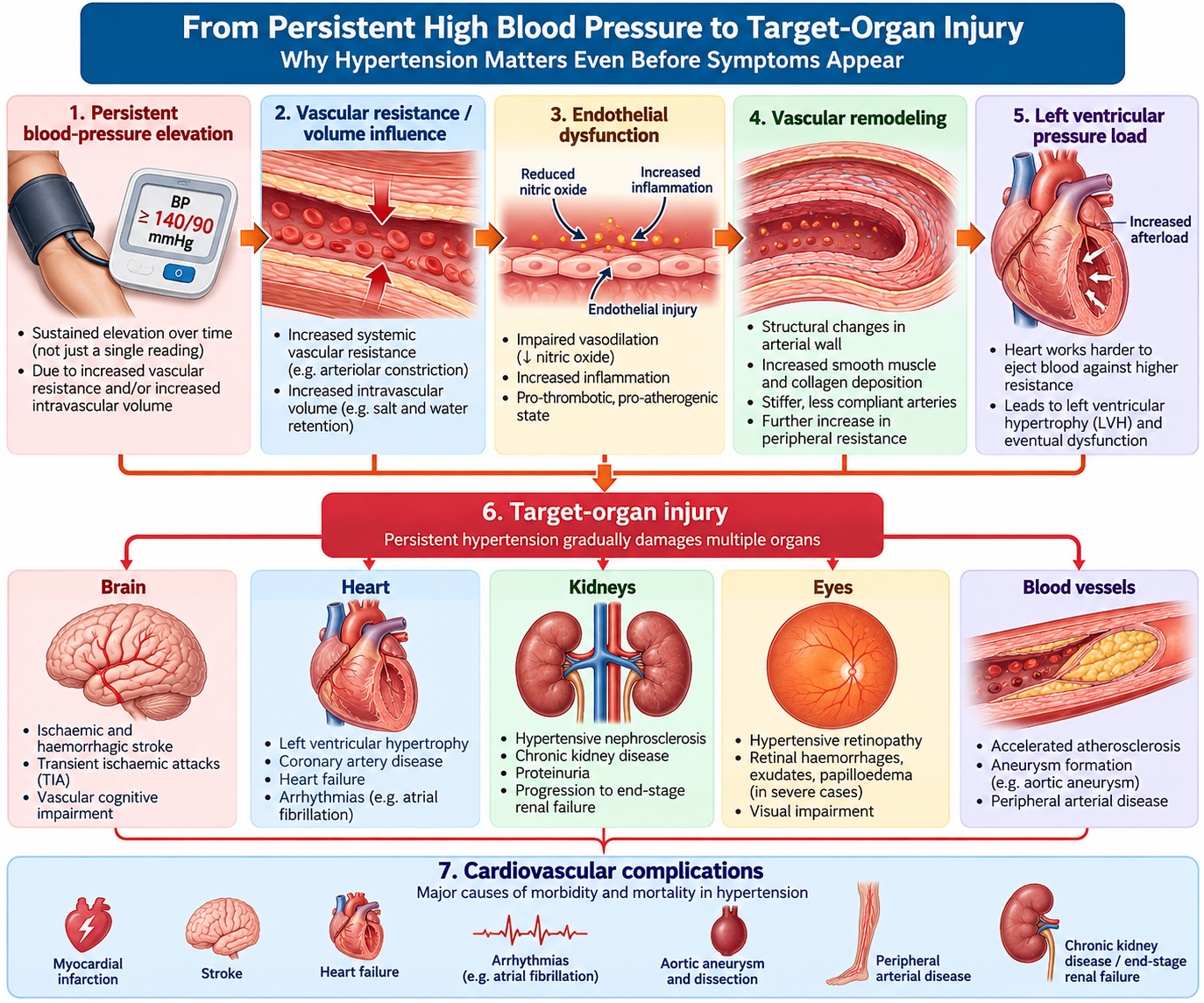
Blood pressure is determined mainly by cardiac output and systemic vascular resistance. Hypertension develops when the pressure required to move blood through the circulation remains abnormally elevated over time. In most adults, no single reversible cause is identified. The clinically important issue is not simply the number itself, but the continuous mechanical and biological stress that persistent pressure places on blood vessels and target organs.
Repeated pressure load promotes vascular remodeling and endothelial dysfunction. Arteries gradually become thicker and less compliant. The left ventricle has to generate greater pressure to eject blood, the cerebral circulation becomes more vulnerable to vascular injury, and small renal vessels may progressively deteriorate. This explains why apparently asymptomatic hypertension can eventually produce major cardiovascular and renal complications.
Persistent increase in vascular resistance and/or circulating-volume influence → sustained arterial pressure load → vascular and cardiac remodeling → progressive target-organ damage → increased cardiovascular and renal risk.
Hypertension is therefore best understood as both a measured abnormality and a risk state. Management aims not only to lower blood pressure but also to prevent stroke, coronary disease, heart failure, renal deterioration and premature vascular disease.
B. Focused History and Physical Examination
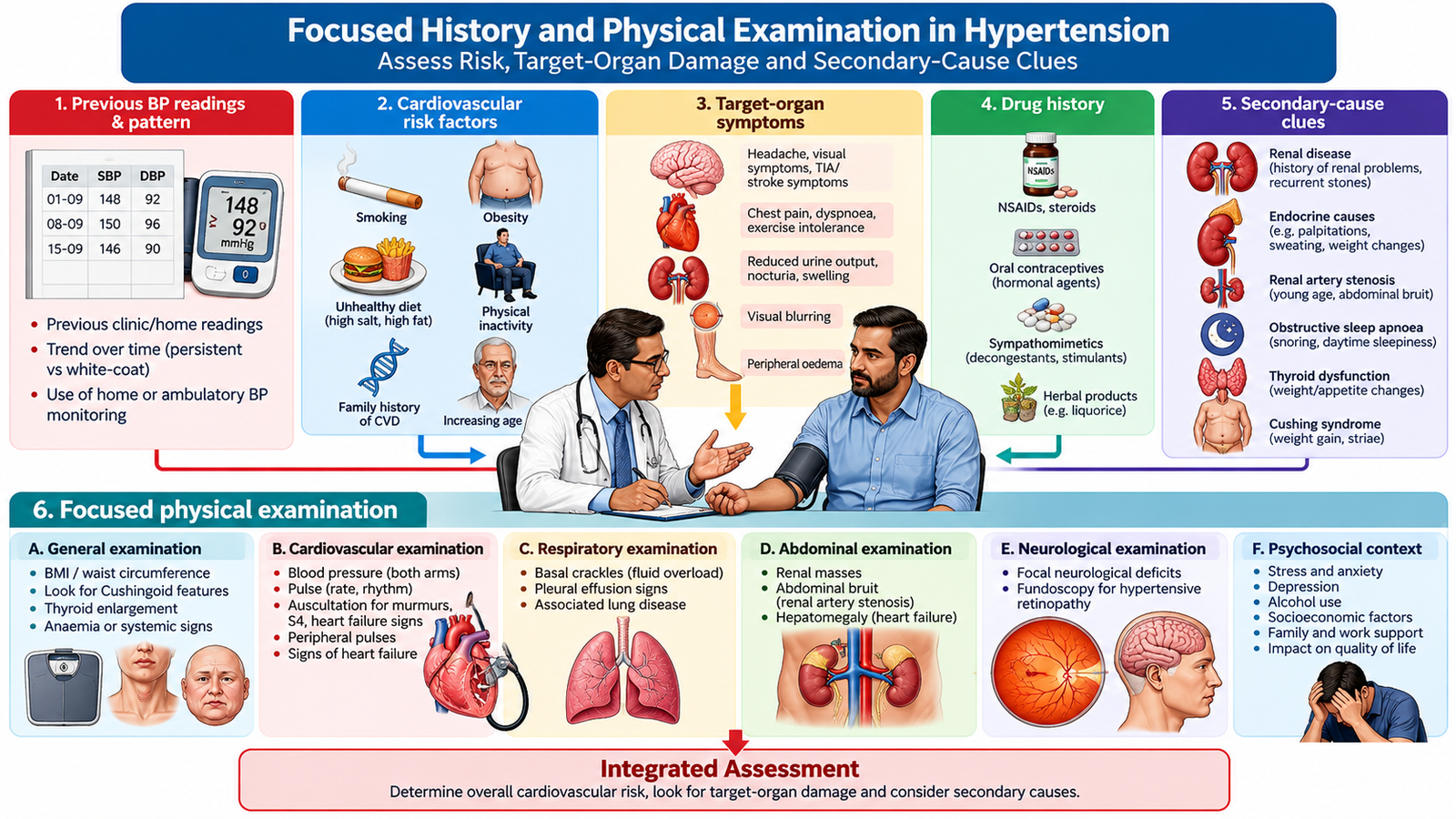
A focused hypertension assessment has three main purposes: establish the patient’s cardiovascular risk context, look for evidence that hypertension has already affected target organs, and identify clues suggesting a secondary cause or another condition requiring referral. The history should therefore be selective and clinically meaningful rather than a routine list of unrelated questions.
Important history areas
Many patients are asymptomatic. Symptoms such as headache or dizziness are not reliable indicators of uncomplicated hypertension, so absence of symptoms does not imply absence of risk.
- Previous blood-pressure readings: establish whether elevation is new, persistent or already known.
- Cardiovascular risk factors: smoking, diabetes, dyslipidemia, obesity, sedentary lifestyle, unhealthy dietary pattern and relevant family history.
- Symptoms suggesting target-organ disease: exertional chest discomfort, dyspnea, reduced exercise tolerance, focal neurological symptoms or renal symptoms where relevant.
- Drug history: ask about prescribed medicines, over-the-counter preparations and substances that may interfere with blood-pressure control.
- Clues to a possible secondary cause: unusually early or difficult-to-control hypertension, renal disease, endocrine-type symptoms or other atypical features.
- Lifestyle and psychosocial context: diet, physical activity, work pattern, stress, financial barriers, family support and ability to adhere to long-term treatment.
What matters on examination?
Blood pressure must be assessed appropriately, because poor technique can create a false diagnosis or conceal true hypertension. The patient should be settled, an appropriately sized cuff should be used and unexpected readings should be reassessed rather than accepted uncritically.
The wider examination helps answer two clinical questions: Has hypertension already caused damage? and Is there evidence of another condition contributing to the hypertension?
- General assessment: body habitus, obesity and evidence of systemic disease.
- Pulse: rate and rhythm may reveal associated cardiovascular disease.
- Cardiovascular examination: look for signs suggesting ventricular hypertrophy, heart failure, vascular disease or other cardiac pathology.
- Peripheral vascular assessment: unequal pulses or clinically important vascular abnormalities may change the diagnostic approach.
- Neurological assessment: indicated when there are symptoms or signs suggesting cerebrovascular involvement.
- Funduscopic assessment: may provide evidence of significant hypertensive vascular injury when clinically indicated.
A high blood-pressure reading plus evidence of heart, brain, kidney or retinal involvement represents a different clinical situation from an isolated elevated reading in an otherwise stable patient. The examination therefore helps determine urgency as well as long-term risk.
C. Confirming Hypertension and Assessing Cardiovascular & Target-Organ Risk
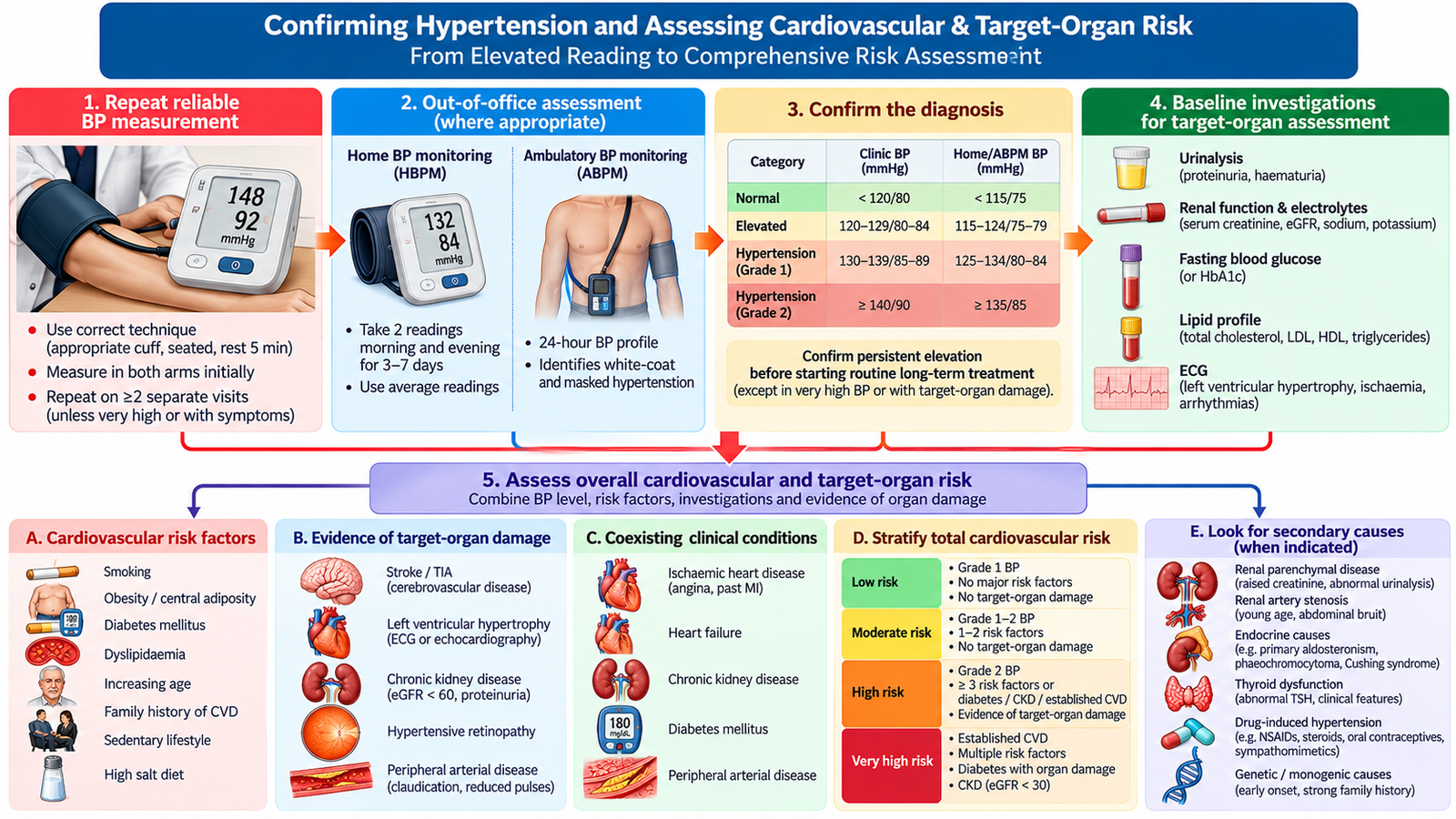
A single unexpectedly elevated clinic reading does not always represent sustained hypertension. Blood pressure varies with pain, anxiety, physical activity and measurement conditions. Unless the clinical situation is urgent, the diagnosis should therefore be based on repeated reliable measurements and, where appropriate and available, measurements outside the clinic.
This is clinically important because some patients have higher readings mainly in the clinical setting, whereas others may have apparently acceptable clinic readings despite elevated pressure outside the clinic. The practical principle is to confirm the pattern rather than label a patient from one isolated value.
Investigations: what are we trying to discover?
Investigation of a newly diagnosed hypertensive patient should answer a few focused questions. Is there associated cardiovascular risk? Is there evidence of kidney or other target-organ involvement? Is treatment likely to be affected by renal function or metabolic factors? Is there a clinical reason to suspect secondary hypertension?
- Urinalysis: protein or blood may suggest renal involvement and changes the significance of the hypertension.
- Renal function and electrolytes: help identify renal impairment and provide a baseline before drugs that affect renal handling of sodium, potassium or the renin–angiotensin system are used.
- Blood glucose assessment: identifies diabetes or dysglycemia, which increases overall cardiovascular risk.
- Lipid assessment: contributes to global cardiovascular risk evaluation.
- ECG: may show left ventricular hypertrophy, ischemic changes or arrhythmia and therefore provides information about cardiovascular involvement.
Additional investigations should be guided by the clinical picture rather than ordered indiscriminately. A young patient with abrupt-onset hypertension, significant renal abnormalities or suggestive endocrine features needs a different evaluation from an older patient with gradual uncomplicated hypertension and typical cardiovascular risk factors.
| Pattern | Clinical meaning | Next clinical approach |
|---|---|---|
| Repeated uncomplicated BP elevation | Sustained hypertension is likely | Assess risk, begin lifestyle measures and plan treatment |
| Abnormal renal findings | Kidney disease may be cause, consequence or both | Clarify renal involvement and adjust management |
| Evidence of cardiac or vascular injury | Higher cardiovascular risk and target-organ involvement | More active risk reduction and appropriate specialist input where needed |
| Atypical age or clinical features | Possible secondary hypertension | Investigate selectively and consider referral |
A 52-year-old man is found to have repeatedly elevated clinic blood pressure during routine visits. He feels well. He is overweight, smokes, has a family history of premature cardiovascular disease and takes no regular antihypertensive treatment. Examination shows no acute neurological or cardiorespiratory abnormality.
- Is the immediate problem the absence of symptoms, or his long-term cardiovascular risk?
- What information is needed before choosing treatment?
- Which findings would change this from routine primary care to urgent assessment or referral?
D. Management of Newly Diagnosed Hypertension
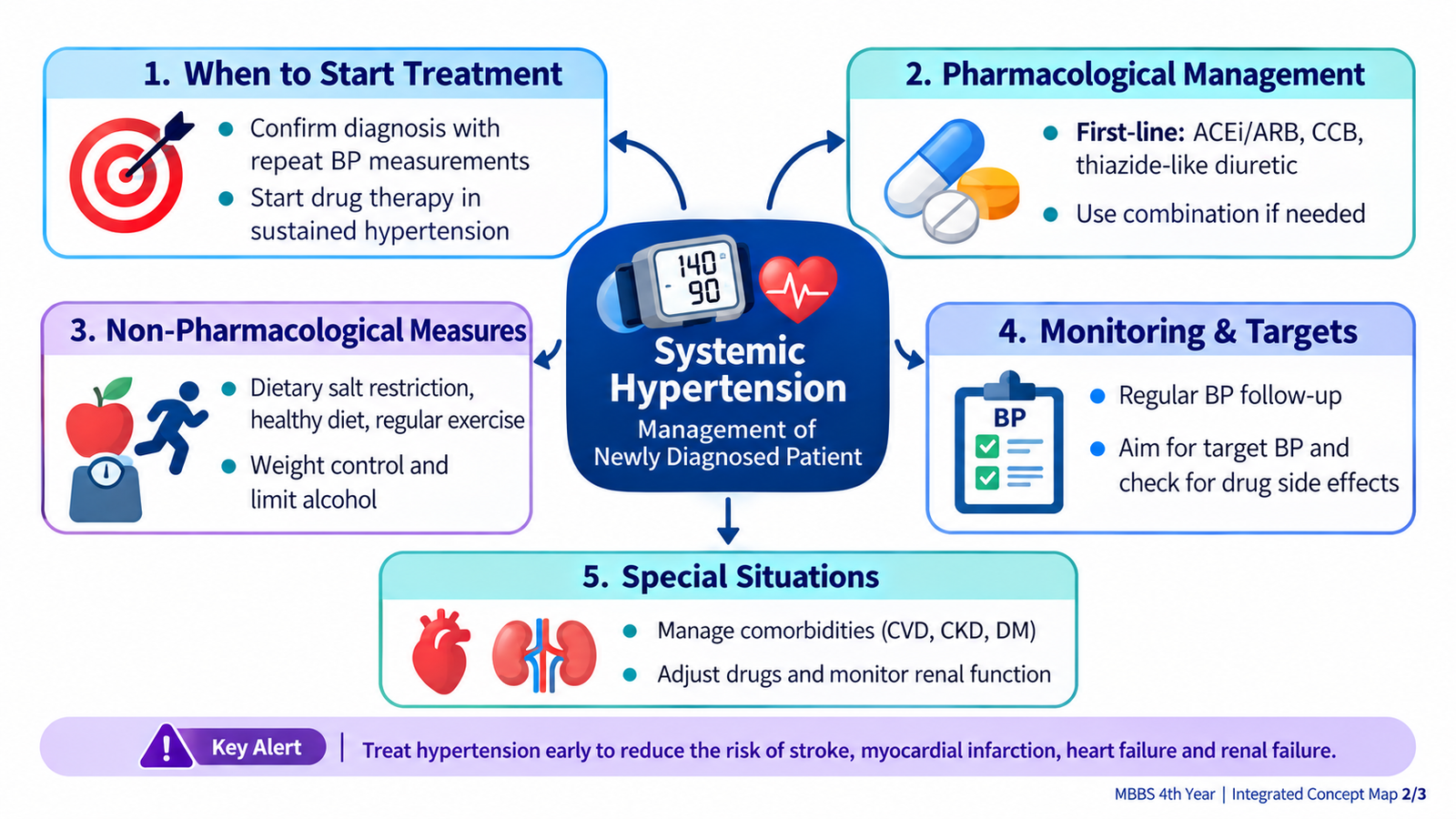
Management begins by deciding what needs to change in order to reduce the patient’s total cardiovascular risk. Blood-pressure reduction is important, but it should occur alongside smoking cessation, weight management, healthier diet, physical activity and treatment of associated cardiovascular risk factors where appropriate.
1. Lifestyle and risk-factor modification
Lifestyle measures are not simply an alternative to medication. They are part of treatment for every suitable patient and continue even when antihypertensive drugs are required.
- Reduce excess dietary salt and avoid a consistently high-salt dietary pattern.
- Encourage a balanced diet rich in vegetables, fruit and minimally processed foods.
- Promote gradual weight reduction when overweight or obese.
- Encourage regular physical activity appropriate to the patient’s health status.
- Stop smoking because it substantially increases vascular risk even if it is not the direct cause of the hypertension.
- Address excessive alcohol intake where relevant.
- Improve sleep, stress management and other realistic lifestyle barriers where clinically important.
2. Pharmacological treatment
Drug therapy is selected according to the degree and persistence of blood-pressure elevation, cardiovascular and renal risk, comorbid disease, age, tolerance, contraindications and local prescribing guidance. The important undergraduate principle is to understand the major antihypertensive classes and why one may be preferred in a particular patient.
| Drug class | Main action | Why it lowers BP | Important clinical consideration |
|---|---|---|---|
| ACE inhibitor / ARB | Reduces renin–angiotensin system effect | Reduces vasoconstriction and sodium-retaining effects | Renal function and potassium require attention; avoid inappropriate use in pregnancy |
| Calcium-channel blocker | Reduces vascular smooth-muscle contraction | Lowers peripheral vascular resistance | Peripheral edema and other class effects may influence tolerance |
| Thiazide or thiazide-like diuretic | Promotes renal sodium loss | Reduces volume and contributes to reduced vascular resistance | Electrolytes and metabolic effects may require monitoring |
Beta-blockers and other antihypertensive classes have important roles in selected patients, especially when another clinical indication is present. They are not chosen automatically for every newly diagnosed patient. Treatment should therefore be individualized rather than based on a single “best drug” for all hypertension.
Practical first-line treatment: Common first-line medicines include amlodipine (calcium-channel blocker), losartan or telmisartan (ARB), enalapril (ACE inhibitor), and indapamide (thiazide-like diuretic). Many patients benefit from initial combination therapy, commonly an ARB or ACE inhibitor with amlodipine, depending on blood pressure and cardiovascular risk. Avoid combining an ACE inhibitor with an ARB; assess renal function and potassium when prescribing either class.
The treatment plan should match the patient’s risk, comorbidities and likely ability to continue therapy. A drug that lowers blood pressure but is poorly tolerated or rarely taken will not provide effective long-term protection.

E. Long-Term Primary Care, Monitoring and Prevention
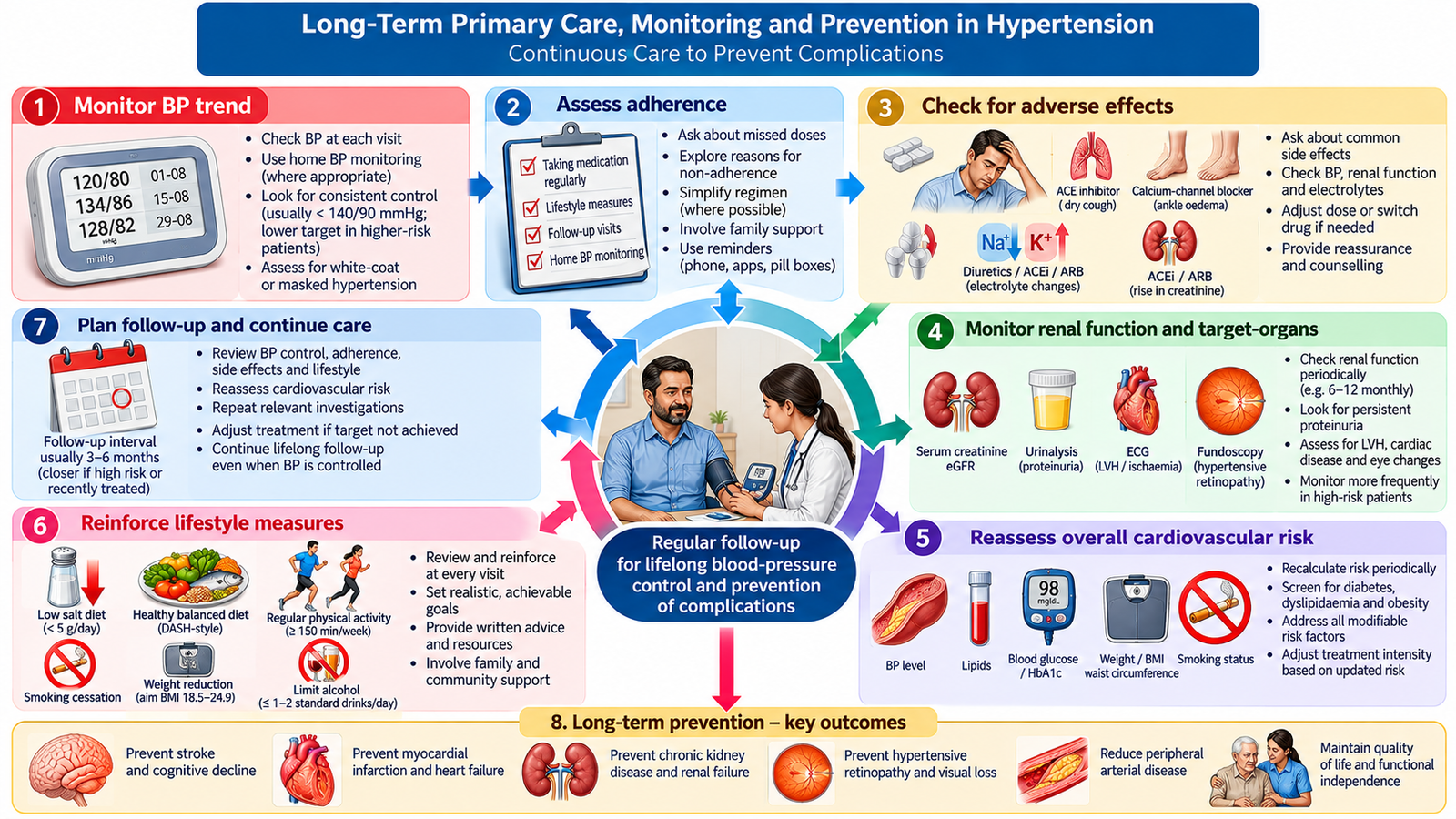
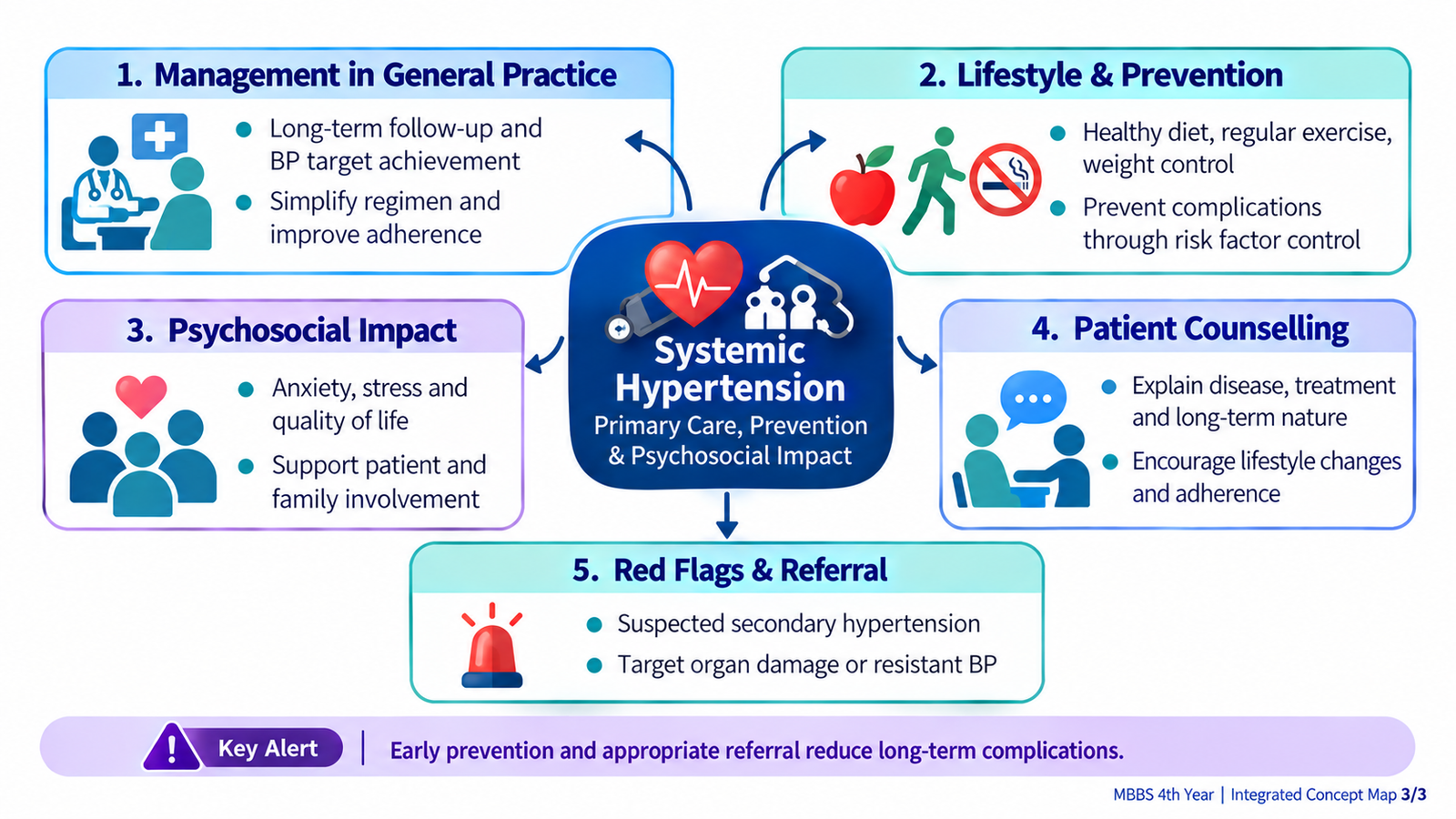
Hypertension is usually managed over years rather than days. General practice therefore has a central role in repeated assessment, medication review, prevention of complications and coordination of referral. Effective long-term care depends on continuity and on detecting problems before complications develop.
What should be monitored?
- Blood-pressure trend: improvement should be judged over repeated measurements rather than one isolated reading.
- Adherence: apparent treatment failure may reflect missed doses, misunderstanding, side effects or practical barriers.
- Drug tolerance: ask actively about adverse effects because patients may otherwise stop medication without discussion.
- Renal function and electrolytes: especially when treatment or underlying disease makes these clinically relevant.
- Cardiovascular risk factors: smoking, weight, diabetes, lipid status, physical activity and dietary habits may change over time.
- Target-organ symptoms: new neurological, cardiac, renal or visual symptoms require reassessment rather than routine continuation of the same plan.
Treatment targets and follow-up: An initial blood-pressure target below 140/90 mmHg is appropriate for many adults, with lower individualized targets in selected high-risk patients. Review blood pressure approximately monthly after starting or adjusting treatment until controlled. Check creatinine and potassium within 1–2 weeks after initiating or increasing an ACE inhibitor or ARB, and adjust treatment according to response and tolerability.
Prevention of complications
Prevention is broader than blood-pressure control. A patient who continues smoking, remains sedentary and has uncontrolled diabetes may retain substantial cardiovascular risk even if blood pressure improves. Primary care should therefore address the whole risk profile.
Early identification and consistent management reduce the chance that hypertension will progress silently to stroke, coronary disease, heart failure, chronic kidney disease or other vascular complications.
Good hypertension care is repetitive by design: measure → review → identify barriers → reinforce prevention → monitor treatment → reassess risk.
F. Counselling, Psychosocial Impact, Red Flags and Referral
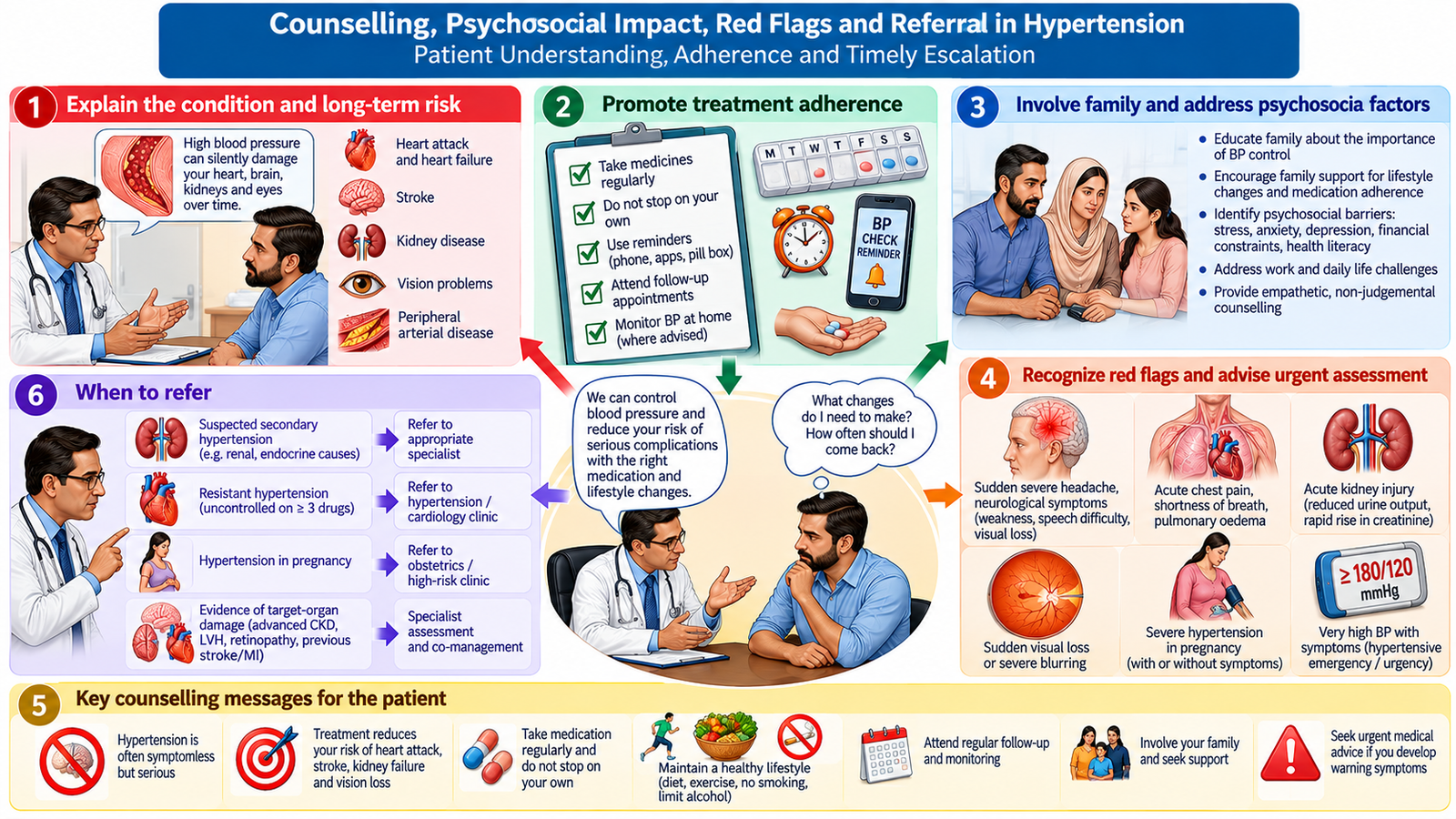
Newly diagnosed hypertension can be confusing because the patient may feel completely healthy yet be asked to make permanent lifestyle changes and take long-term medication. Good counselling should therefore explain the condition clearly, link treatment to prevention and address the patient’s concerns rather than simply instructing the patient to “take tablets.”
What should the patient understand?
- Hypertension may cause no symptoms despite increasing long-term cardiovascular risk.
- Treatment reduces risk by controlling blood pressure and associated risk factors.
- Medication should not be stopped simply because the patient feels well or because one reading improves.
- Lifestyle measures and medicines usually work together rather than competing with each other.
- Regular follow-up allows treatment to be adjusted and complications to be detected early.
- New concerning symptoms should prompt medical reassessment rather than waiting for the next routine visit.
Psychosocial impact
The diagnosis may create anxiety about stroke, heart disease, lifelong medication or perceived loss of health. Family responsibilities, medication cost, work schedules, cultural food patterns and limited access to follow-up can all affect treatment. These barriers should be explored respectfully. Shared planning usually produces better long-term adherence than simply repeating instructions.
Family support can help with diet, exercise, medication routines and follow-up, but the patient’s autonomy and preferences should remain central.
Red flags and situations requiring urgent or specialist assessment
Severely elevated blood pressure becomes particularly dangerous when accompanied by evidence of acute target-organ injury. The urgency is therefore determined not only by the blood-pressure value but also by the patient’s clinical state.
- New focal neurological deficit, confusion, seizure or other acute neurological deterioration.
- Acute chest pain suggesting a serious cardiovascular event.
- Acute breathlessness or features of pulmonary edema or cardiac decompensation.
- Evidence of acute renal deterioration.
- Significant visual disturbance or severe retinal findings.
- Hypertension associated with a clinically important pregnancy-related presentation.
Specialist referral is also appropriate when hypertension appears secondary, is unusually difficult to control, is associated with significant target-organ disease or requires investigation beyond routine primary-care management.
Integrated Mechanism Flow
AIM High-Yield Review
- ⭐ Hypertension is often asymptomatic; absence of symptoms does not mean absence of cardiovascular risk.
- Do not diagnose uncomplicated chronic hypertension from one isolated clinic reading; confirm that elevation is persistent.
- Focused assessment should identify cardiovascular risk factors, target-organ involvement, possible secondary-cause clues and barriers to adherence.
- ⭐ The importance of hypertension comes from progressive injury to vessels and target organs, especially the heart, brain and kidneys.
- Urinalysis, renal function, glucose assessment, lipid assessment and ECG provide clinically useful information in the newly diagnosed patient.
- Lifestyle modification remains part of management even after antihypertensive medication is started.
- ACE inhibitors/ARBs, calcium-channel blockers and thiazide-type drugs lower blood pressure through different physiological mechanisms; choice depends on the patient rather than one universal first-line drug.
- ⭐ Successful long-term care requires repeated monitoring of blood pressure, adherence, adverse effects, cardiovascular risk factors and relevant laboratory parameters.
- A patient may stop treatment because hypertension feels “silent”; counselling must link adherence with prevention of future stroke, cardiac and renal complications.
- Primary-care management should address smoking, weight, diet, activity, associated metabolic risk and psychosocial barriers rather than focusing only on the BP number.
- ⭐ Severe hypertension with acute neurological, cardiac, respiratory, renal or visual deterioration suggests acute target-organ injury and requires urgent assessment.
- Referral is appropriate when secondary hypertension is suspected, target-organ disease is significant, blood pressure remains difficult to control or the patient’s clinical state exceeds routine primary-care management.
Systemic Hypertension: Clinical Assessment & Management
Watch this clinical overview to reinforce the pathophysiology, complications, diagnostic assessment and management of hypertension.