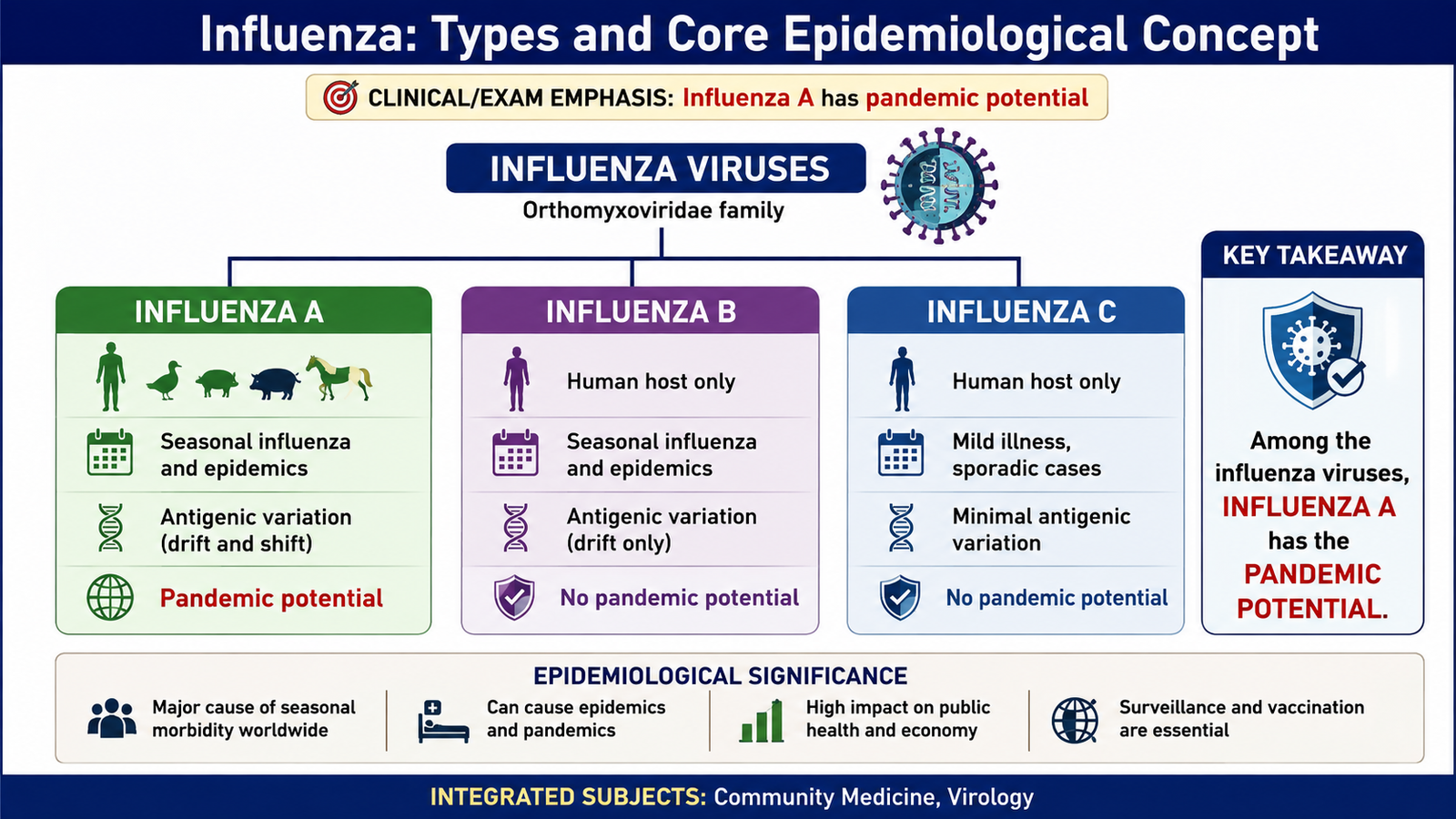
A. Influenza: Types and Core Epidemiological Concept
Influenza is an acute viral respiratory infection that usually affects the nose, throat and respiratory tract. It is important in community medicine because it spreads efficiently from person to person and can produce seasonal outbreaks. In some situations, particularly when a markedly different influenza virus emerges, widespread epidemics or pandemics may occur.
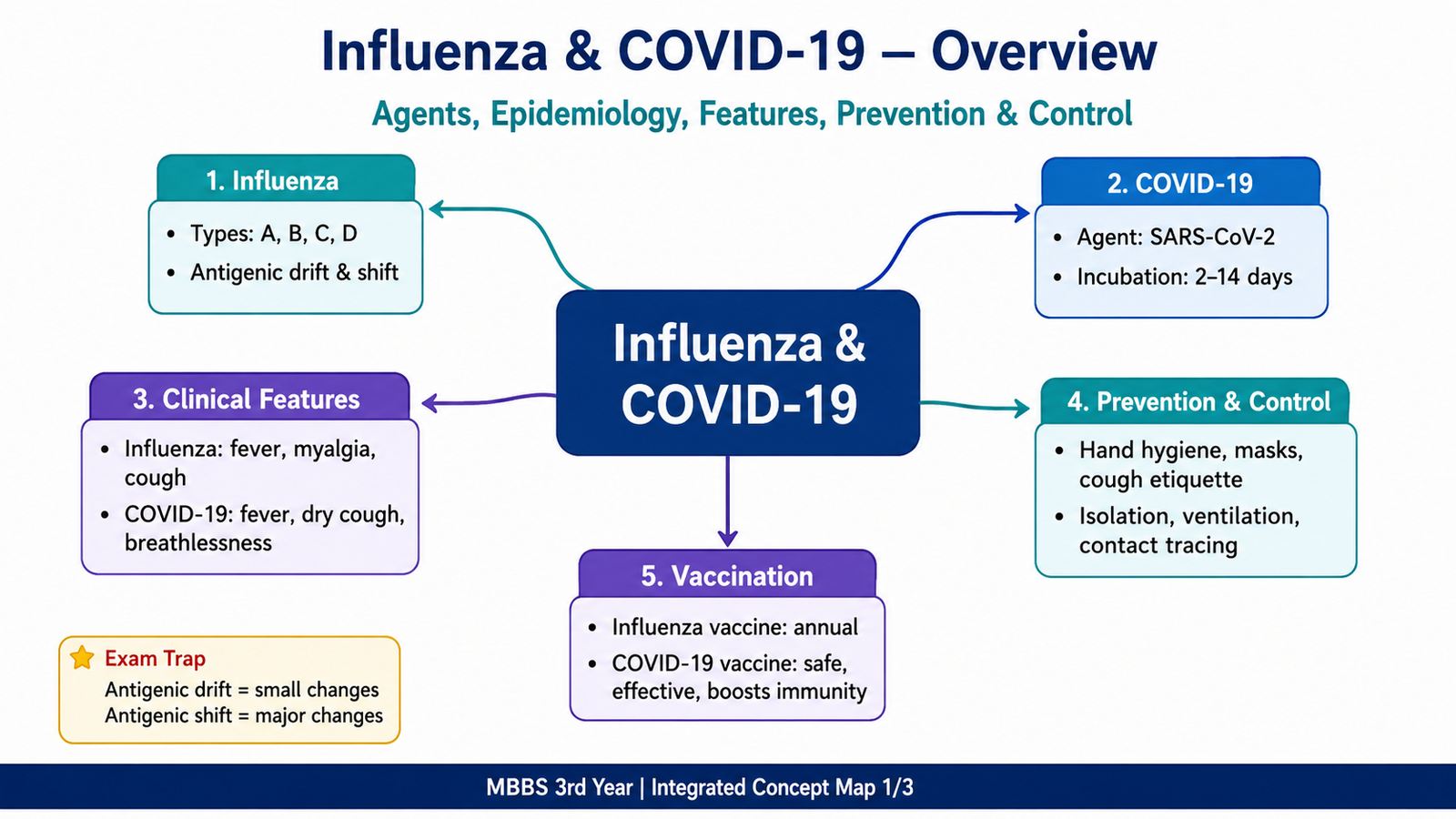
Influenza viruses are divided into different antigenic types. For undergraduate understanding, the most important distinction is between influenza A, influenza B and influenza C. Influenza A has the greatest epidemiological importance because it infects humans as well as several animal species and has the capacity to undergo major antigenic change. Influenza B mainly circulates among humans and commonly contributes to seasonal influenza. Influenza C usually produces milder respiratory illness and has much less public-health importance.
Important Types
| Feature | Influenza A | Influenza B | Influenza C |
|---|---|---|---|
| Main hosts | Humans and several animal species | Predominantly humans | Humans; usually less important clinically |
| Seasonal disease | Common | Common | Usually mild disease |
| Major antigenic change | Can occur | Does not produce classical antigenic shift | Not a major epidemiological feature |
| Pandemic potential | Yes | No classical pandemic shift pattern | Very low importance |
Influenza A viruses are further distinguished according to important surface antigens, particularly hemagglutinin (H) and neuraminidase (N). For community-medicine purposes, these antigens are important because changes in them alter population immunity and therefore influence the occurrence of epidemics and pandemics.
B. Influenza: Agent, Host and Environmental Factors
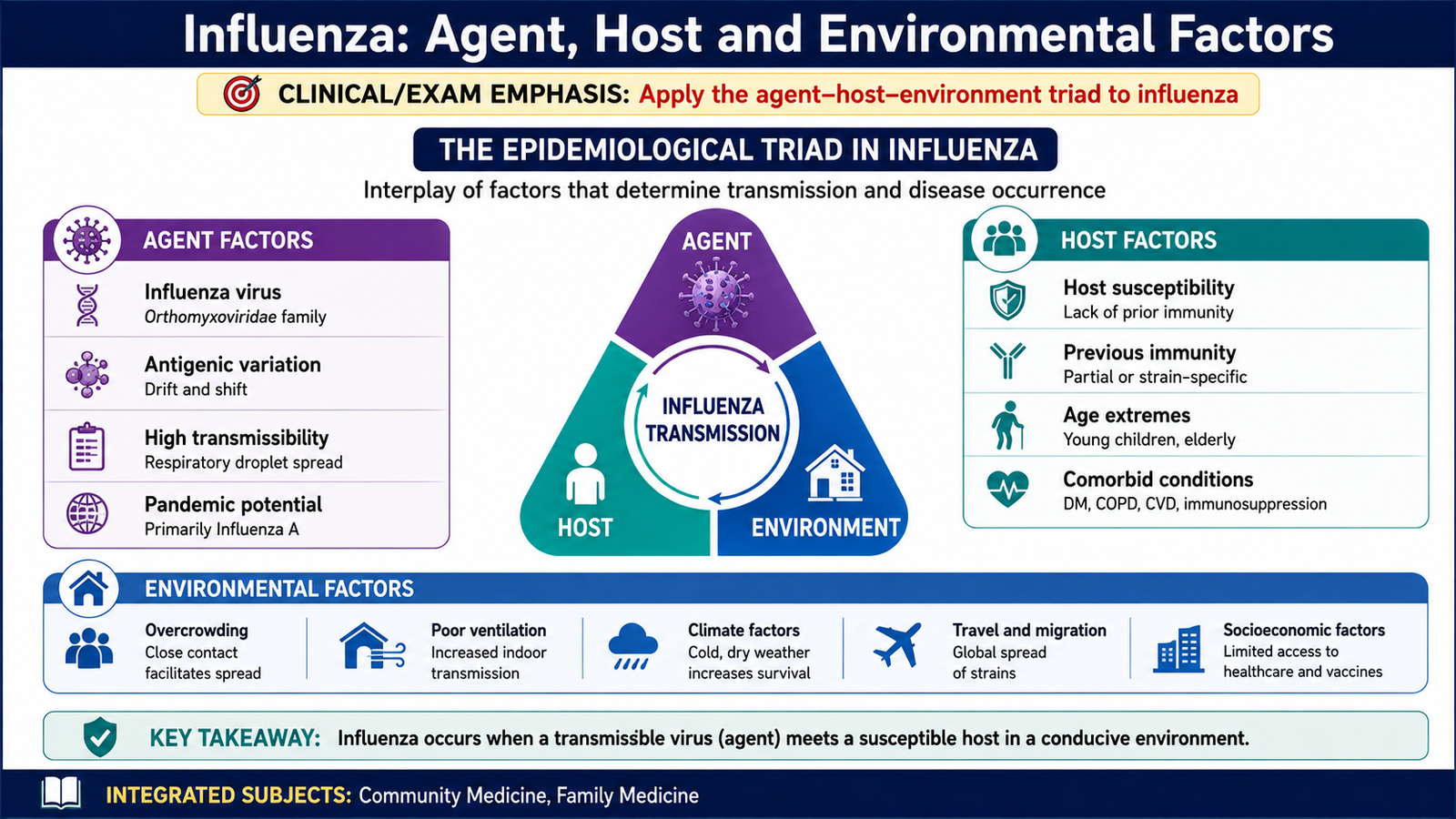
The occurrence of influenza in a community can be understood through the classical epidemiological triad: agent, host and environment. Disease occurs when a transmissible influenza virus encounters a susceptible person under environmental conditions that favour transmission. These three components interact rather than acting independently.
1. Agent Factors
The agent is the influenza virus. Its epidemiological behaviour is strongly influenced by its ability to change its surface antigens. These changes may allow the virus to infect people whose previous immunity does not provide complete protection.
- Antigenic variation: helps influenza viruses escape existing immunity in the population.
- Infectivity and transmissibility: allow rapid spread through respiratory secretions and particles produced during coughing, sneezing, speaking and close contact.
- Animal reservoirs of influenza A: contribute to the potential emergence of new influenza A viruses.
2. Host Factors
Exposure does not produce the same outcome in every person. Host susceptibility and severity of disease are influenced by immunity, age, underlying health and previous exposure to related influenza viruses.
- Immunity: previous infection or vaccination may provide protection against sufficiently similar strains.
- Age: very young children and older adults may experience a greater burden of illness or complications.
- Underlying disease: chronic respiratory, cardiovascular or other important medical conditions can increase the risk of severe illness.
- Pregnancy and altered physiological states: may increase vulnerability to complications.
- Occupational and household exposure: repeated close contact with infected persons increases opportunities for transmission.
3. Environmental Factors
Environmental circumstances influence how often susceptible people come into contact with infectious respiratory particles. Influenza therefore spreads particularly effectively where people have prolonged close indoor contact.
- Overcrowded households or institutions
- Poor ventilation of indoor spaces
- Schools, workplaces and other settings involving repeated close contact
- Seasonal climatic conditions that encourage indoor crowding
- Limited access to preventive information, healthcare or vaccination
Susceptible population + transmissible virus + favourable contact environment → increased person-to-person transmission → community outbreak.
Environmental and social factors therefore modify exposure, while host immunity modifies susceptibility. Control is most effective when interventions act at more than one point in this chain.
C. Antigenic Drift and Antigenic Shift
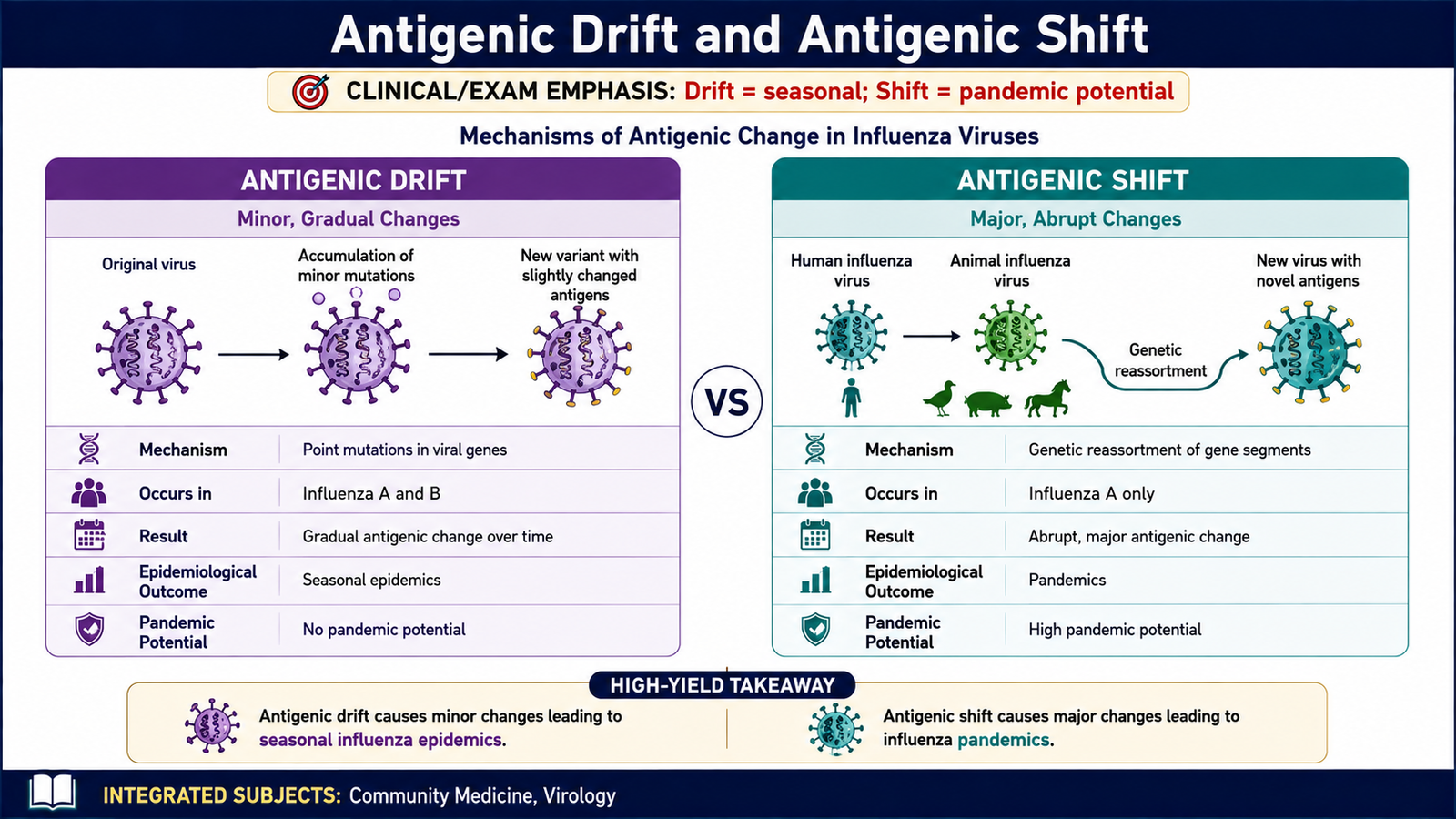
One of the most important characteristics of influenza is its ability to change antigenically. Human immunity recognizes viral antigens, particularly the surface proteins of influenza viruses. If these antigens change, antibodies formed after previous infection or vaccination may recognize the new virus less effectively. Two important forms of antigenic change are antigenic drift and antigenic shift.
Antigenic Drift
Antigenic drift refers to relatively small, gradual antigenic changes that develop over time. These changes result from accumulation of mutations in viral genes encoding important surface antigens. The altered virus may therefore partially escape immunity produced against earlier strains.
Drift occurs in influenza A and influenza B. Because these small changes continue to occur, influenza can repeatedly circulate even in populations that have experienced previous influenza infections.
Antigenic Shift
Antigenic shift is a major and abrupt antigenic change that can produce a substantially different influenza A virus. Influenza A viruses have a segmented genome and infect humans as well as animal species. When different influenza A viruses contribute genetic segments to a new virus, a virus with a markedly different antigenic composition may emerge.
Classical antigenic shift is associated with influenza A, not influenza B. The important public-health consequence is not simply that the virus has changed, but that a large proportion of the population may have little immunity against the newly emerged virus.
| Feature | Antigenic Drift | Antigenic Shift |
|---|---|---|
| Degree of change | Minor and gradual | Major and abrupt |
| Main mechanism | Accumulation of mutations | Major genetic reassortment/change |
| Influenza types | A and B | Influenza A |
| Main epidemiological effect | Seasonal epidemics and recurrent infection | Potential pandemic emergence |
D. Prevention and Control of Influenza
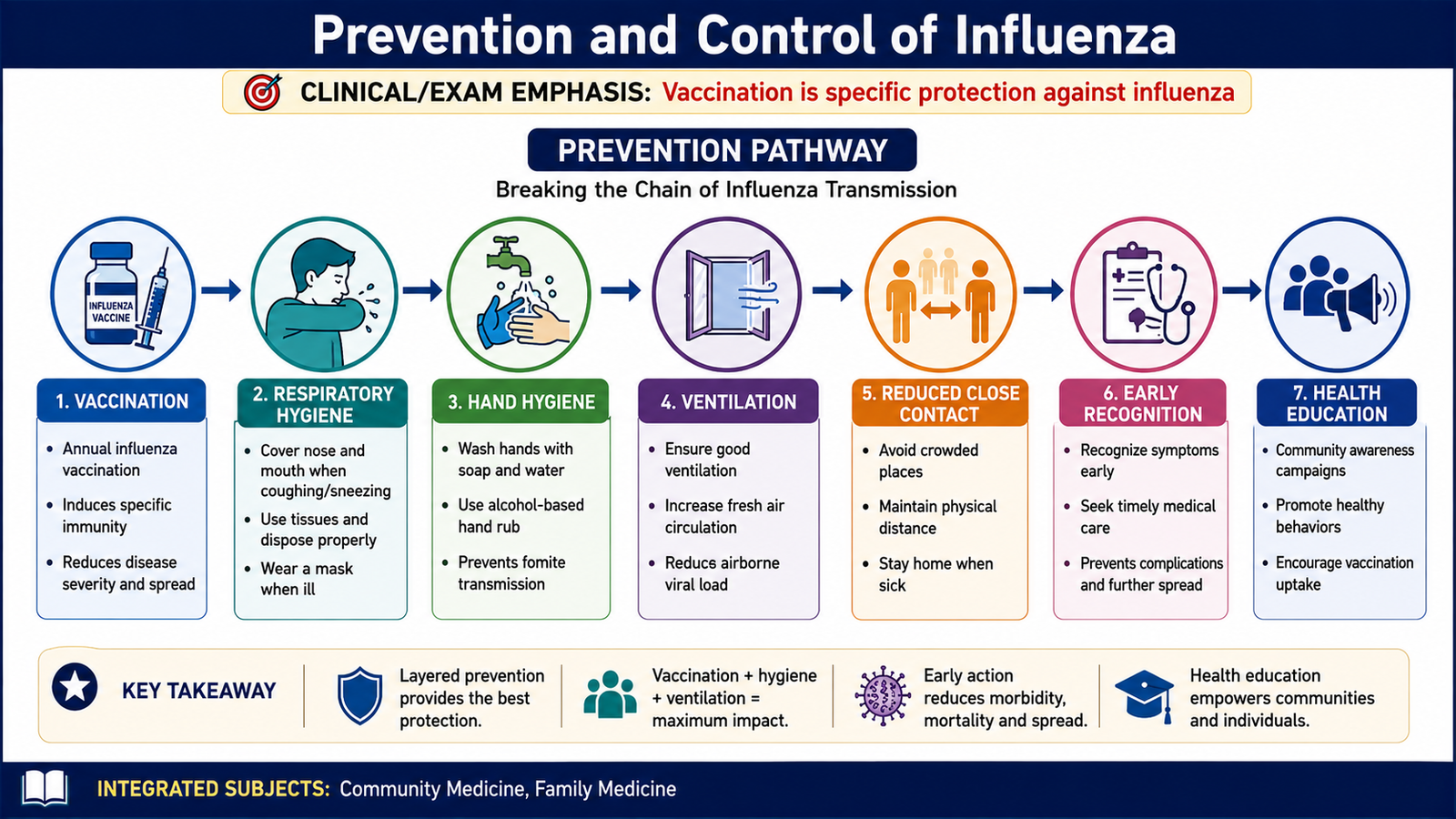
Influenza control aims to reduce transmission, protect susceptible people and reduce complications. No single intervention completely prevents transmission. Effective prevention therefore combines immunization, respiratory hygiene, reduction of exposure and appropriate management of infected individuals.
Vaccination
Influenza vaccination is an important form of specific protection. Vaccination exposes the immune system to influenza antigens so that protective immune responses can develop before natural exposure. Because influenza viruses undergo antigenic drift, the antigenic composition relevant to circulating influenza strains may change over time.
The public-health objective of vaccination is not only to reduce individual infection but also to decrease severe disease and complications, particularly among vulnerable groups.
Respiratory and Personal Protective Measures
- Cover the mouth and nose during coughing or sneezing.
- Perform appropriate hand hygiene, particularly after contact with respiratory secretions.
- Avoid unnecessary close contact with others during acute infectious illness.
- Improve ventilation in crowded indoor environments where feasible.
- Use appropriate protective measures in healthcare environments according to the level of exposure.
Early Recognition and Control of Spread
Recognizing respiratory illness early allows an infected person to reduce contact with susceptible individuals. This is particularly relevant in households, schools, workplaces, healthcare institutions and other settings where many people interact closely.
Reduce susceptibility through vaccination → reduce exposure through respiratory hygiene and ventilation → recognize illness early → limit opportunities for transmission → reduce community spread and complications.
Health Education
Health education supports influenza control by helping people understand how respiratory infections spread, when to avoid close contact, why vaccination is useful and how simple respiratory-hygiene practices reduce transmission. Clear communication is especially important because preventive measures are more effective when people understand their purpose rather than simply being told to follow instructions.
E. COVID-19: Epidemiology and Clinical Features
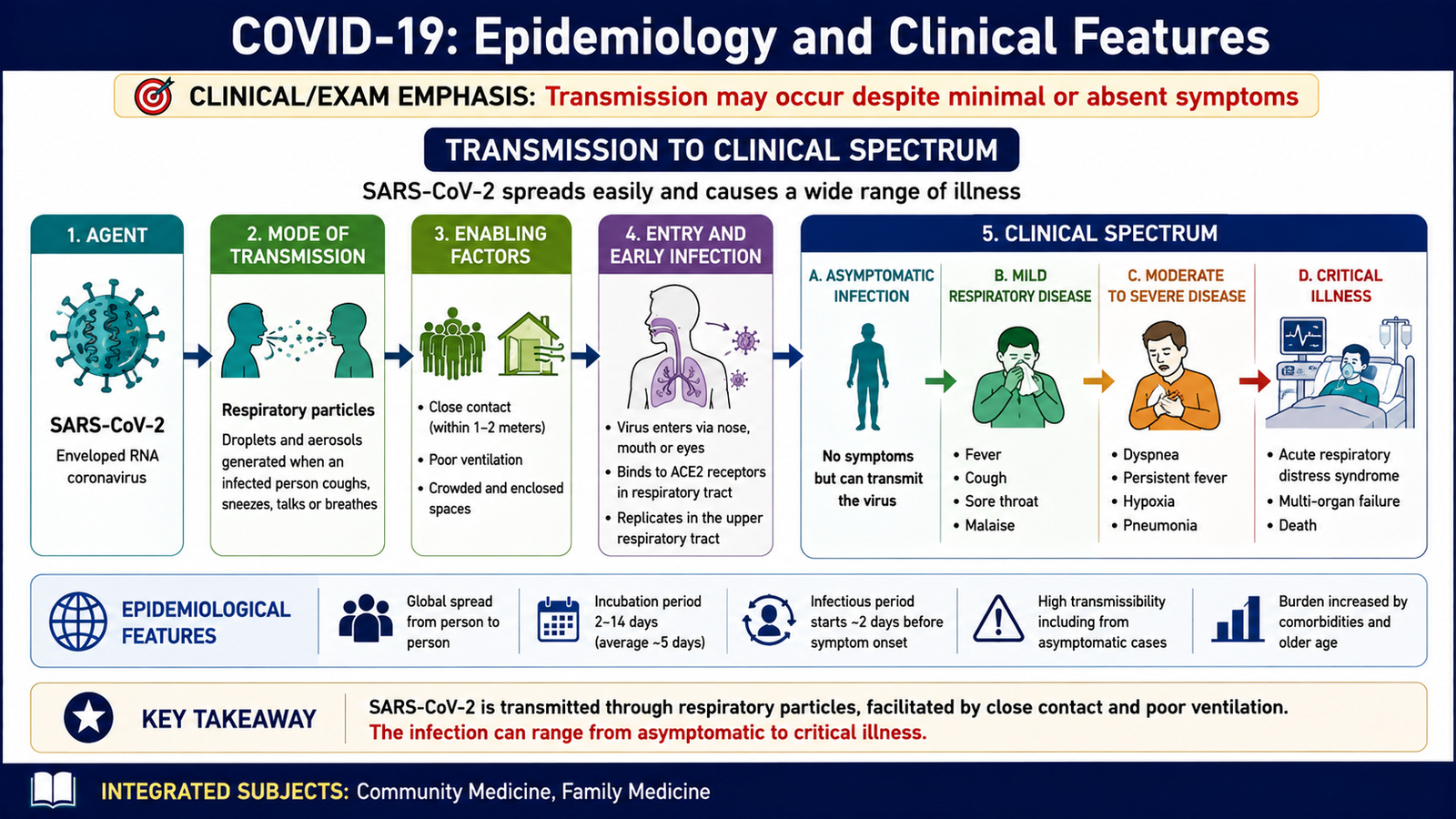
COVID-19 is an acute infectious disease caused by SARS-CoV-2. From a community-medicine perspective, its importance lies in its efficient person-to-person transmission, the presence of a wide spectrum of clinical illness and the ability of infected individuals to transmit infection within households, workplaces, healthcare settings and the wider community.
Transmission and Epidemiology
SARS-CoV-2 is transmitted primarily through infectious respiratory particles released by an infected person. The likelihood of transmission rises when susceptible people have close or prolonged contact, particularly in poorly ventilated indoor environments.
Transmission may occur from individuals with obvious symptoms as well as from infected people who have few or no noticeable symptoms. This epidemiological feature makes control more difficult because an apparently well person may still contribute to transmission.
Factors Favouring Transmission
- Close interpersonal contact
- Crowded environments
- Prolonged indoor exposure
- Poor ventilation
- Frequent social mixing
- Failure to adopt appropriate preventive behaviour during infectious illness
Clinical Spectrum
COVID-19 has a broad clinical spectrum. Some infected individuals remain asymptomatic, while others develop mild respiratory illness. A smaller proportion develops severe lower respiratory disease and systemic complications.
Common clinical manifestations may include:
- Fever
- Cough
- Sore throat
- Fatigue and malaise
- Headache and myalgia
- Alteration in smell or taste in some patients
- Breathlessness in more significant respiratory involvement
Severe disease may involve pneumonia and impaired oxygenation. The risk of severe illness is influenced by host factors such as increasing age, underlying disease and impaired immunity.
Thus, the epidemiological importance of COVID-19 reflects the combination of efficient respiratory transmission and wide variation in clinical presentation.
F. COVID-19: Control Measures and Vaccination
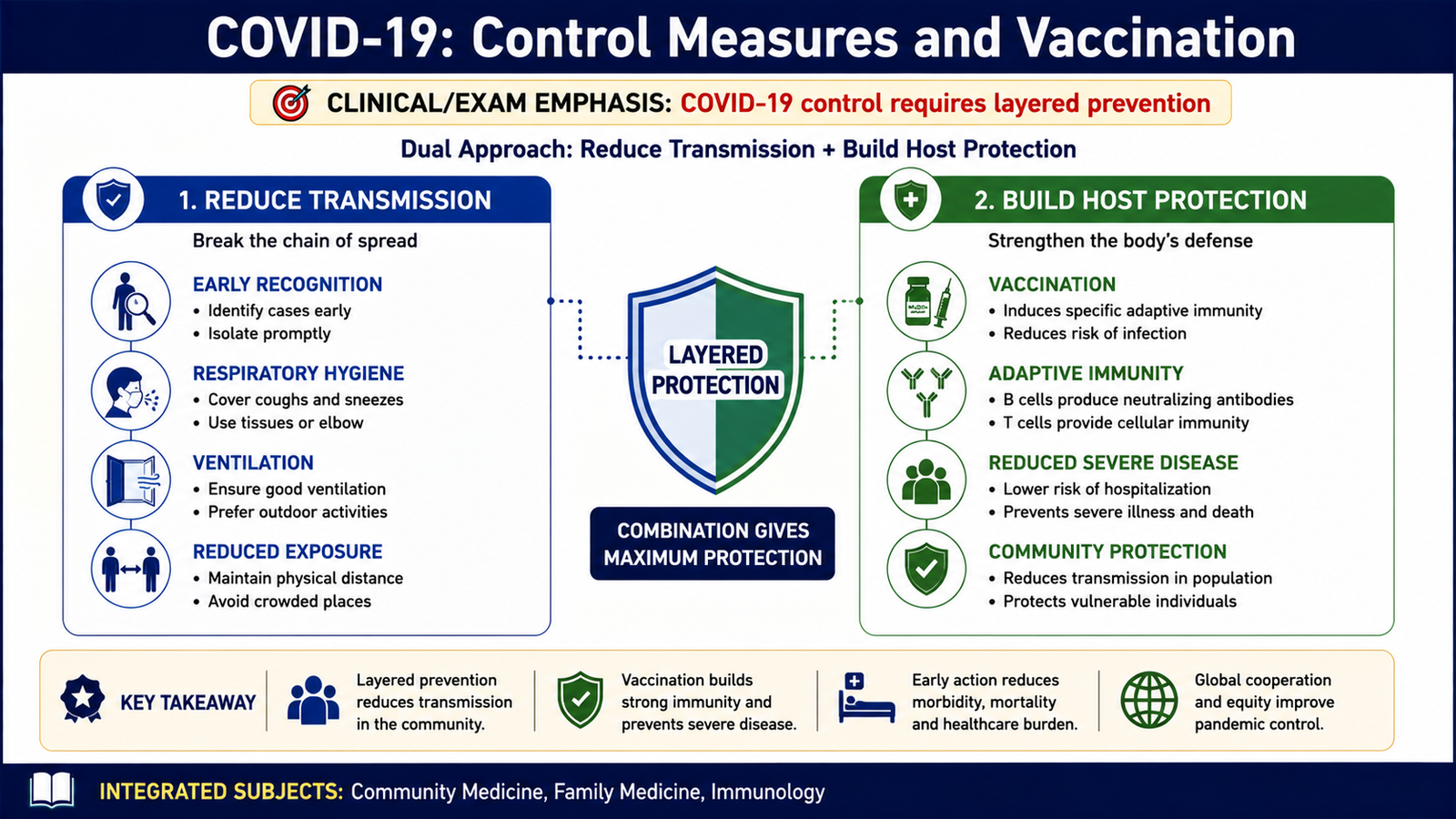
Control of COVID-19 requires interruption of transmission together with protection of individuals from severe disease. The most useful measures act at different stages of the chain of infection: reducing the chance that an infectious person exposes others, reducing the concentration of infectious respiratory particles in shared environments and increasing host protection through vaccination.
Reducing Transmission
- Recognition of infectious illness: symptomatic individuals should take appropriate steps to reduce exposure of others.
- Respiratory hygiene: reduces dissemination of respiratory secretions.
- Ventilation: reduces accumulation of infectious respiratory particles in enclosed spaces.
- Avoiding unnecessary close exposure during active illness: reduces opportunities for transmission.
- Appropriate protective measures in healthcare settings: help protect patients and healthcare workers when exposure risk is increased.
Role of Vaccination
COVID-19 vaccination is a form of specific protection. Vaccines present viral antigens, or biological instructions that allow the body to recognize those antigens, so that adaptive immunity develops without requiring the individual to experience the full consequences of natural infection.
Exposure to vaccine antigen → activation of adaptive immune responses → development of immune memory → faster immune response on later viral exposure → reduced risk of serious clinical consequences.
At the population level, vaccination can reduce the burden of severe disease and pressure on healthcare services. The exact vaccine products, schedules and recommendations may change with time and population circumstances; therefore, these should be followed according to current public-health guidance rather than memorized as permanent facts.
Combined Prevention
Vaccination should be understood as one component of prevention rather than an isolated measure. During periods of active respiratory-virus transmission, the combination of host protection, sensible respiratory hygiene, reduced exposure during illness and adequate ventilation provides a stronger preventive approach than relying on a single measure.
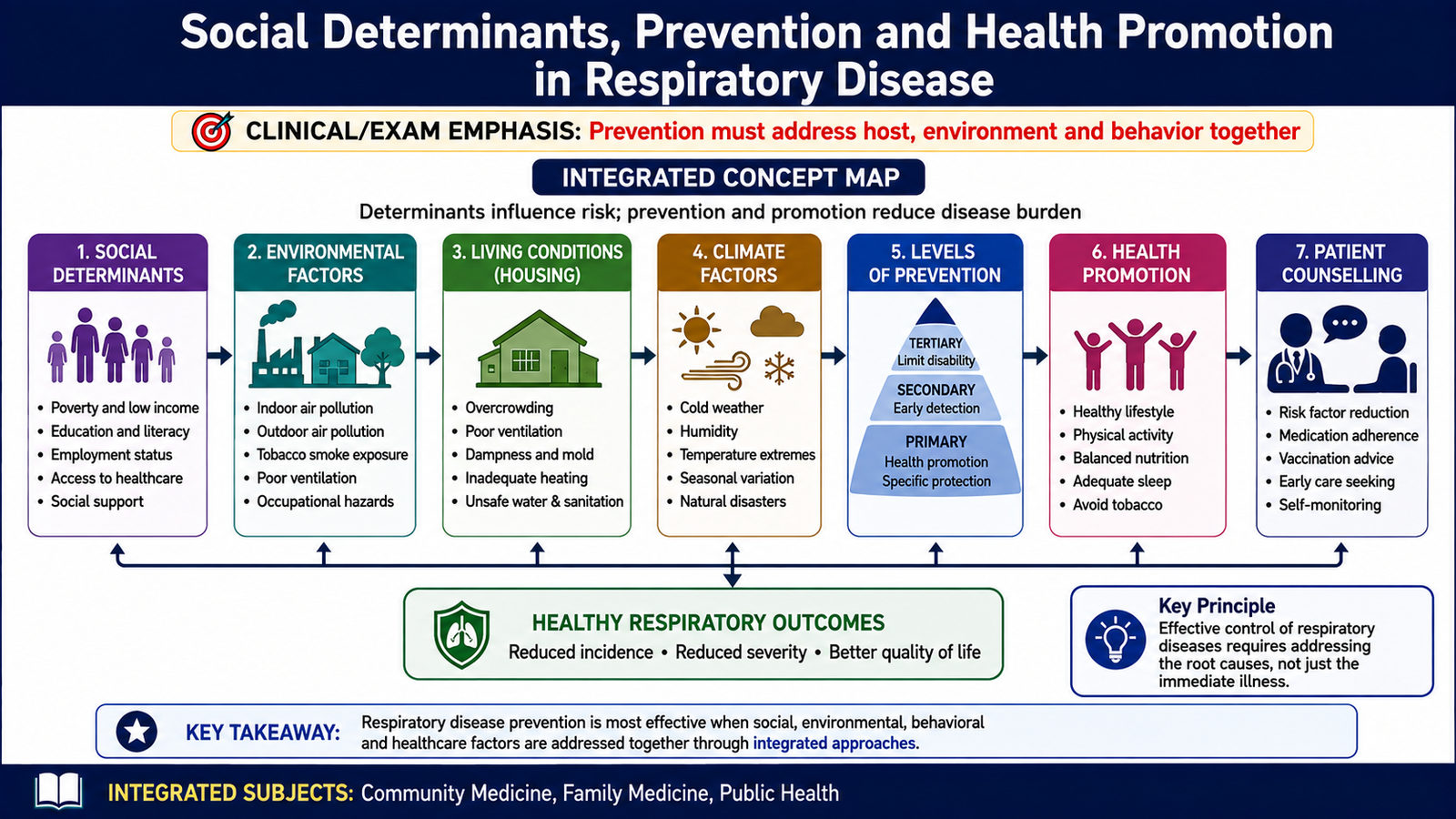
G. Social Determinants, Prevention and Health Promotion in Respiratory Disease
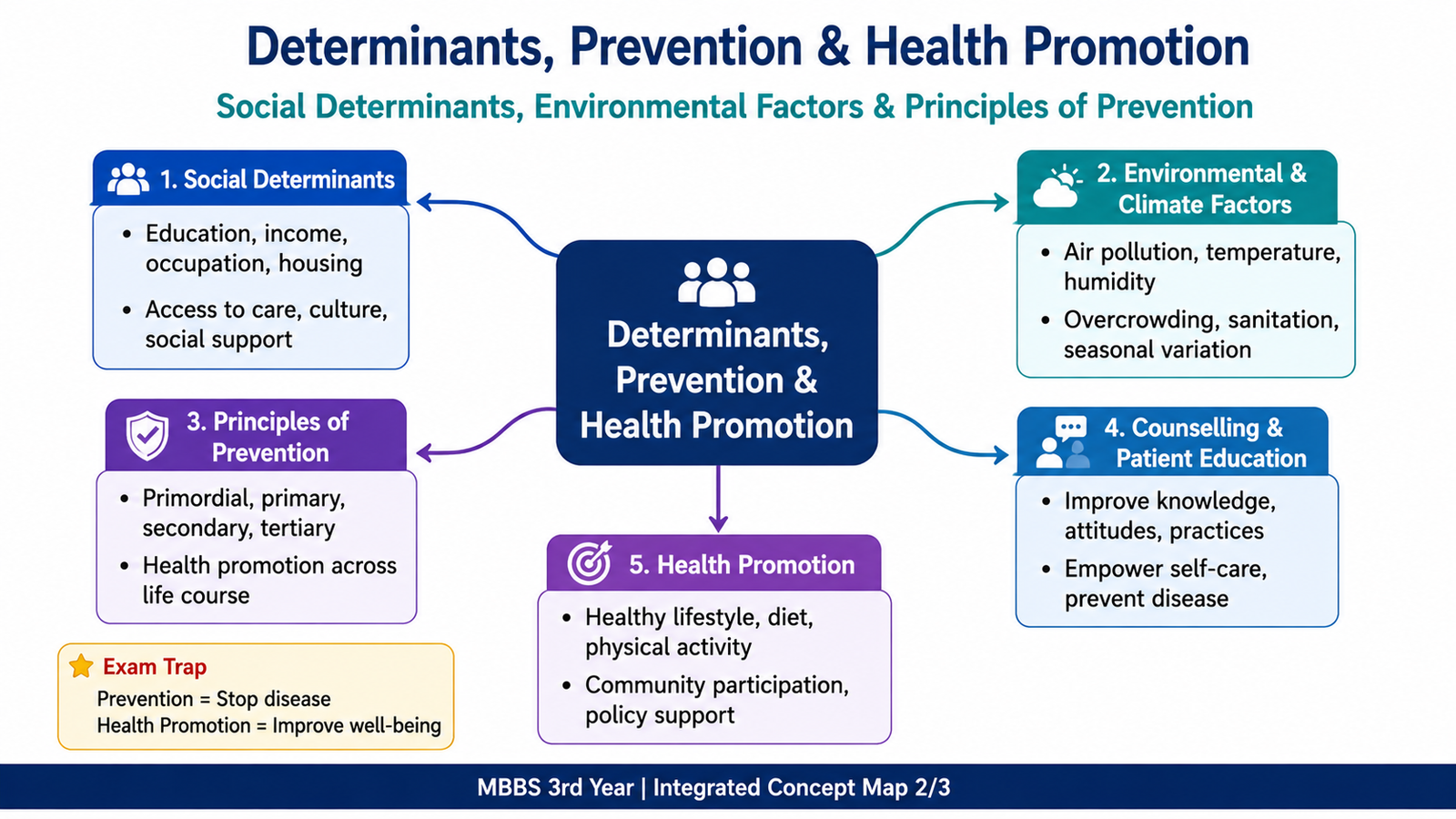
Prevention of respiratory infection cannot be explained only by the microorganism. The conditions in which people are born, grow, live, learn and work influence both exposure to infection and their ability to protect themselves. These conditions are called social determinants of health. Family physicians and community-health professionals therefore consider the person, household and environment together.
Social Determinants of Health
Important social determinants that can influence respiratory-disease prevention include:
- Housing conditions: overcrowding can increase close exposure to respiratory infections.
- Education and health literacy: influence understanding of symptoms, prevention and appropriate healthcare seeking.
- Income and occupation: may affect living conditions, workplace exposure and access to healthcare.
- Access to healthcare: influences opportunities for counselling, vaccination, early diagnosis and management.
- Social support: can affect the ability of a sick person to reduce contact with others and obtain appropriate care.
Social determinants do not automatically cause infection. Instead, they influence exposure, susceptibility, prevention and access to care.
Environmental and Climate Factors
Environmental conditions influence respiratory disease by changing human behaviour and the setting in which transmission occurs. During certain seasons, people may spend more time indoors and in closer contact. Poorly ventilated rooms allow infectious respiratory particles to accumulate more easily. Climate therefore interacts with behaviour and the built environment rather than acting as an isolated cause of infection.
Climate or environmental condition → change in indoor activity, ventilation or contact → altered exposure to respiratory particles → change in transmission risk.
Principles of Prevention
Prevention can act before disease develops, during its early stage or after disease has caused functional impairment. Understanding these levels helps the student organize preventive interventions logically.
| Level | Main Aim | Relevant Example |
|---|---|---|
| Primordial prevention | Prevent development of conditions that increase future disease risk | Promoting healthy living environments and adequate ventilation |
| Primary prevention | Prevent disease before it occurs | Vaccination and health education |
| Secondary prevention | Identify disease early and act promptly | Early recognition, appropriate assessment and measures to limit onward spread |
| Tertiary prevention | Reduce disability or complications from established disease | Appropriate management and rehabilitation after significant disease complications |
Health Promotion
Health promotion is broader than simply telling people how to avoid disease. It aims to help individuals and communities gain greater control over factors that influence their health. In respiratory-disease prevention, this may involve improving health literacy, encouraging vaccination, supporting healthier environments and improving access to appropriate healthcare.
Counselling and Patient Education
Counselling is most effective when communication is understandable, respectful and relevant to the patient. The clinician should first determine what the patient already understands, identify concerns or misconceptions and then explain the preventive action in simple language.
Useful principles include:
- Explain the disease and its route of transmission in understandable terms.
- Explain why the recommended preventive behaviour is useful.
- Discuss vaccination using clear information about its preventive purpose.
- Correct important misconceptions without confrontational language.
- Encourage respiratory hygiene and appropriate behaviour during infectious illness.
- Consider practical barriers such as crowded housing, work obligations, health literacy and access to healthcare.
- Encourage timely medical assessment when clinically important symptoms develop.
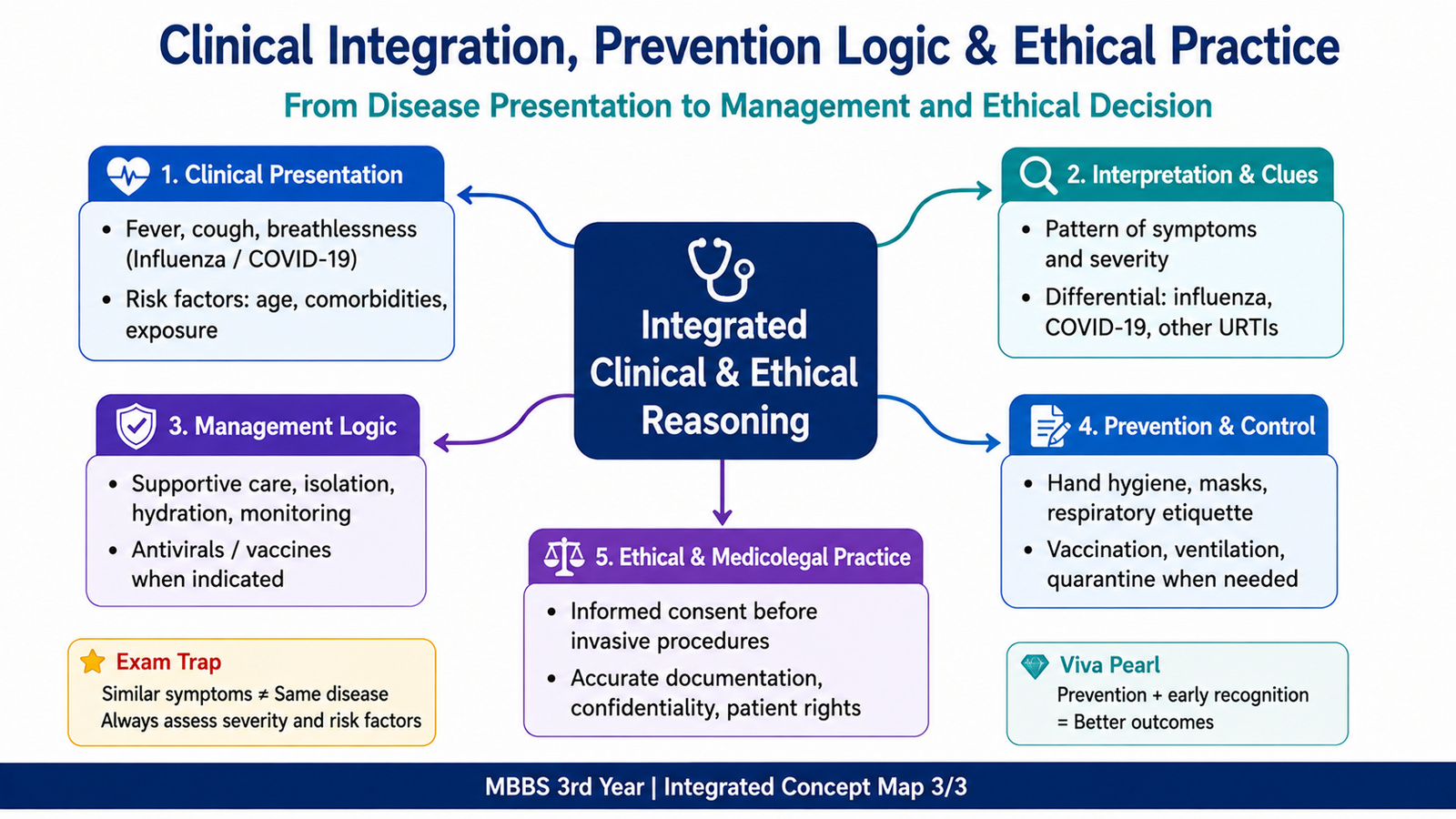
Influenza and COVID-19 therefore demonstrate a central principle of preventive medicine: respiratory disease results from interaction between the infectious agent, the susceptible host and the social and physical environment. Prevention is strongest when interventions address all three.