
Topic 15 — Asphyxiant Gases and Toxic Respiratory Exposures
A focused undergraduate guide to carbon monoxide, carbon dioxide, hydrogen sulfide and war gases, including their sources, manifestations, treatment principles, autopsy findings and medico-legal importance.
Topic Introduction
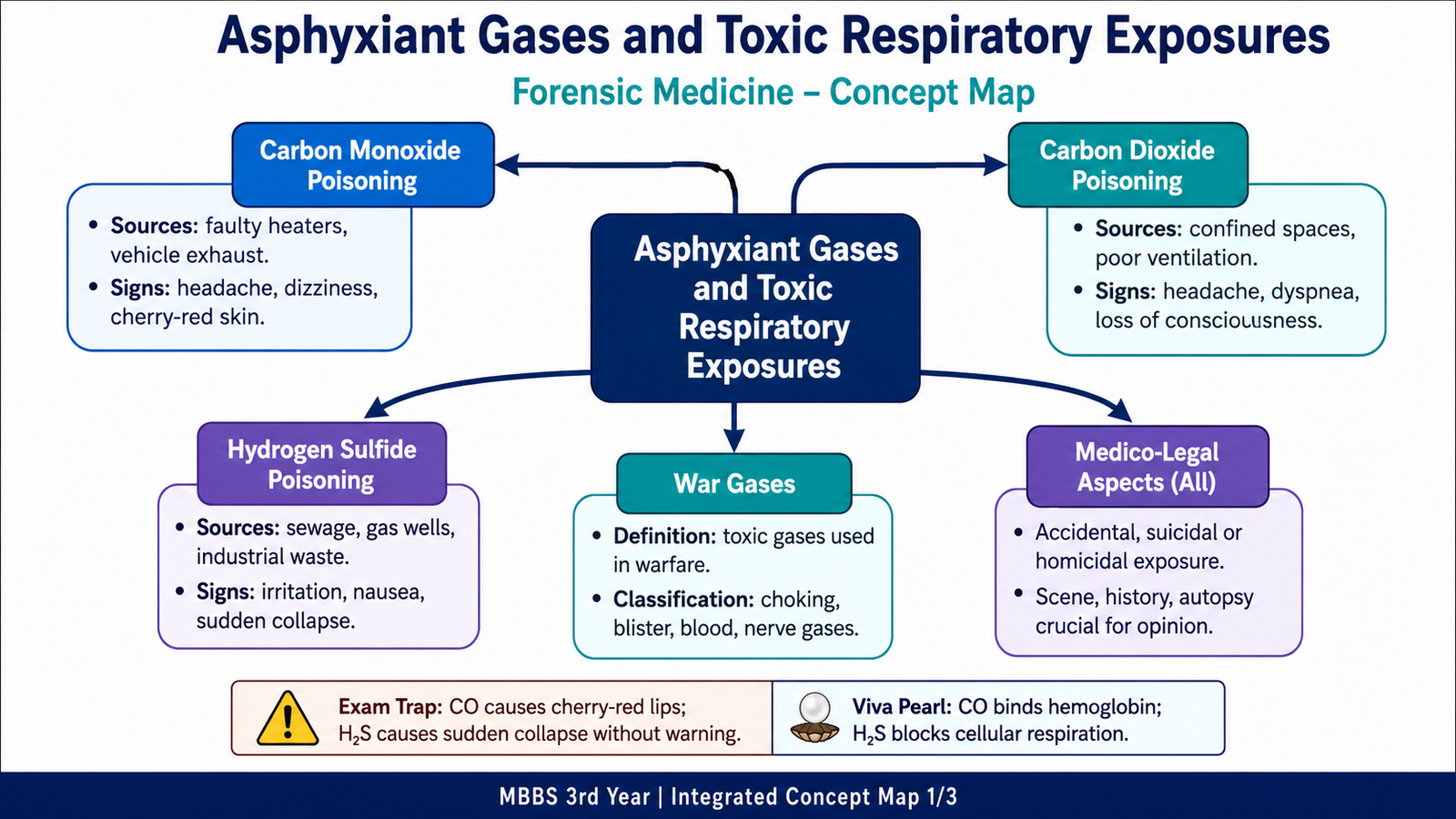
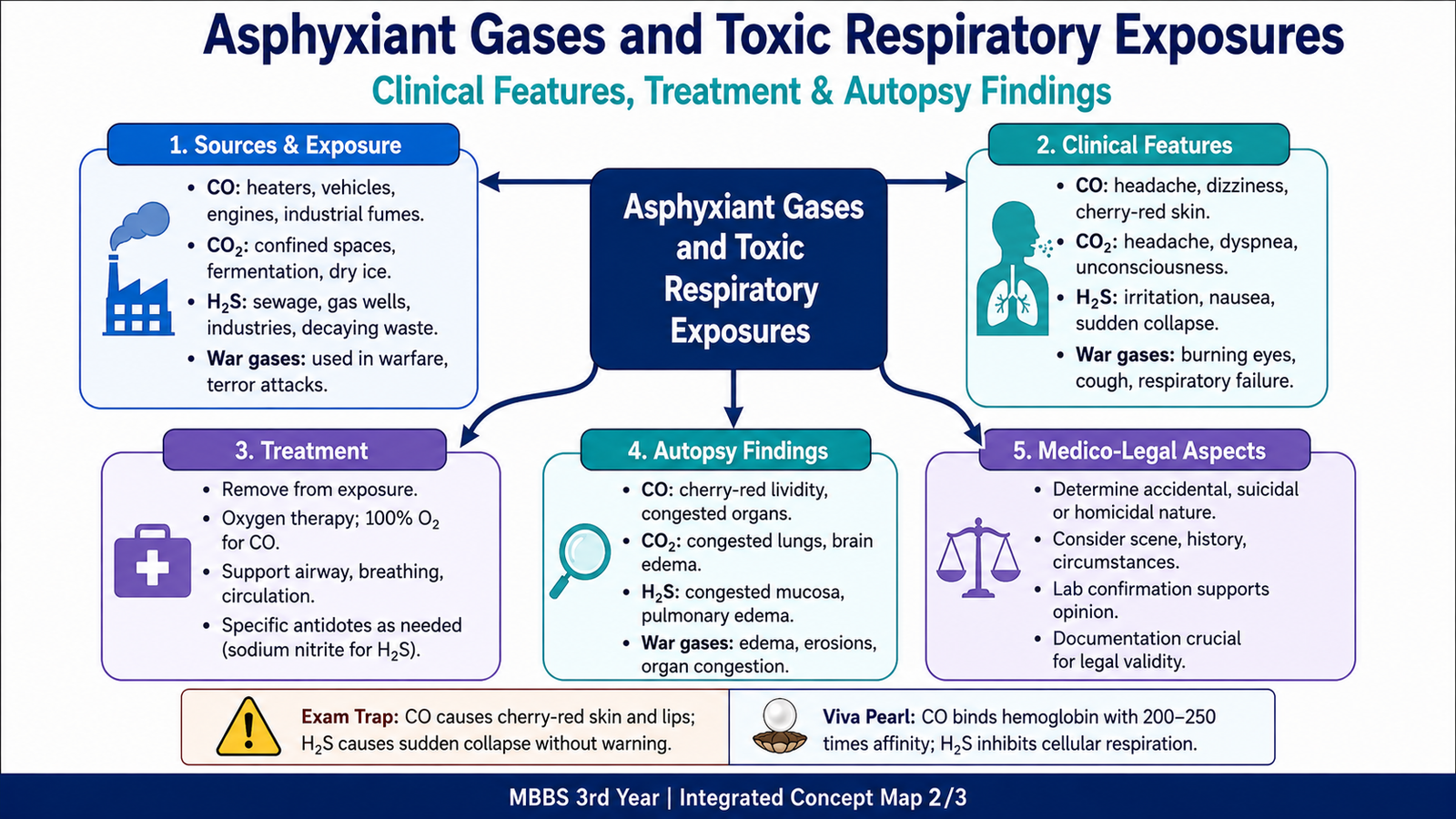
Asphyxiant gases are gases that interfere with the body’s ability to obtain, transport or use oxygen. Some act mainly by reducing the amount of oxygen available in the environment, while others interfere with oxygen transport in blood or with cellular respiration. In forensic medicine, these exposures are important because they may cause rapid unconsciousness and death, especially in enclosed or poorly ventilated spaces. This chapter focuses on carbon monoxide, carbon dioxide and hydrogen sulfide poisoning, followed by the basic definition, classification and medico-legal importance of war gases. The main aim is to understand where exposure occurs, how poisoning develops, how it presents, the principles of treatment and how findings should be interpreted at autopsy.
A. Core Concept of Asphyxiant Gases and Forensic Importance
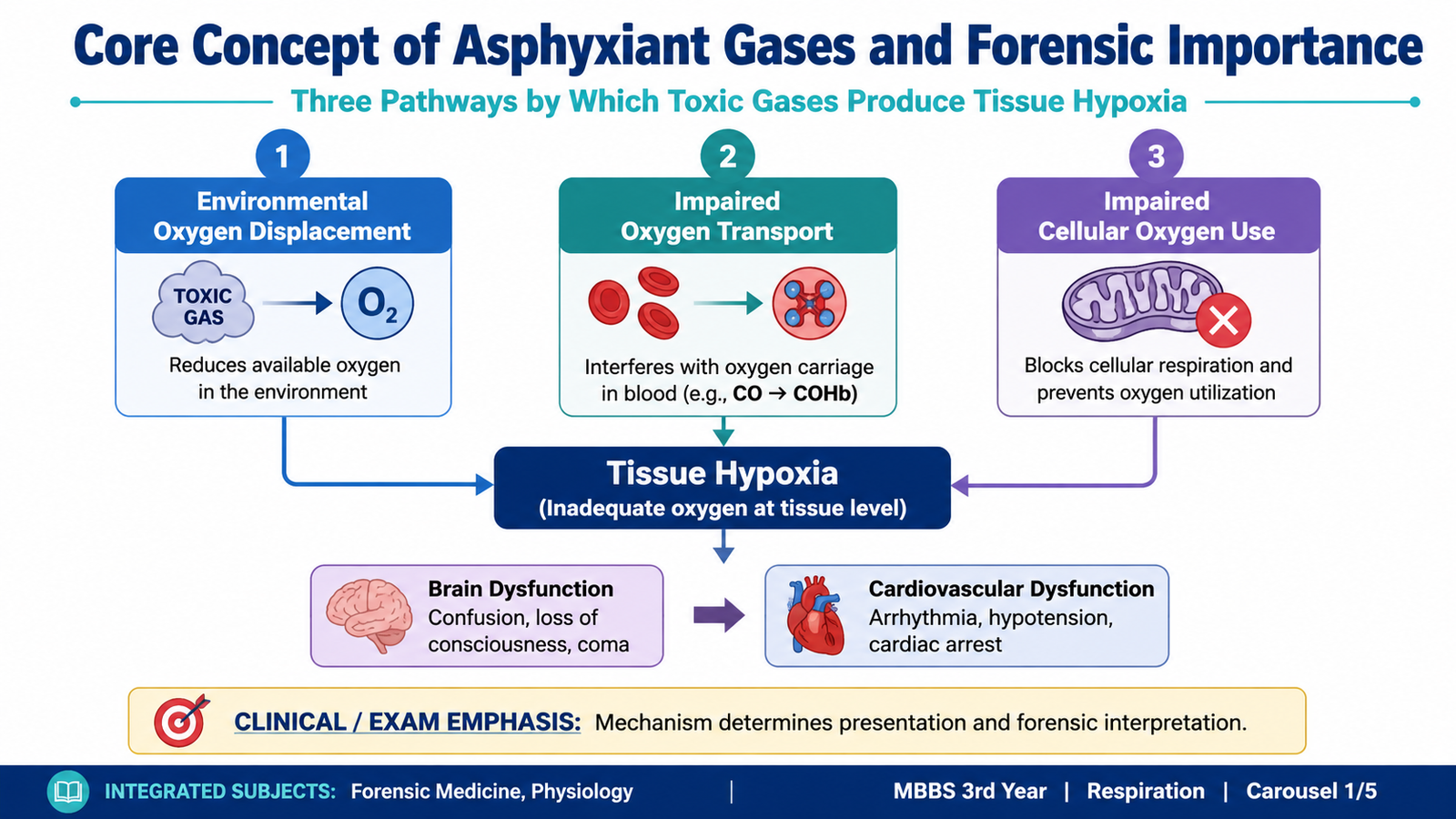
Normal survival requires oxygen to enter the lungs, diffuse into blood, reach the tissues and then be used by cells for energy production. Toxic gases can disturb this pathway at different levels. Understanding the level at which a gas acts makes the clinical picture easier to remember.
A simple asphyxiant does not necessarily have to damage hemoglobin or cells directly. Instead, it may replace oxygen in the surrounding air so that the person inhales an oxygen-poor mixture. Carbon dioxide can behave in this way when it accumulates in an enclosed environment. In contrast, a chemical asphyxiant interferes with oxygen transport or cellular utilization. Carbon monoxide binds strongly to hemoglobin, while hydrogen sulfide can interfere with cellular respiration.
The brain and heart are particularly vulnerable because they have a high requirement for oxygen. Therefore, severe poisoning by these gases commonly produces headache, confusion, loss of consciousness, seizures, cardiovascular instability and ultimately cardiorespiratory failure.
In forensic practice, the presence of a gas-related death cannot usually be established from external appearance alone. The circumstances of exposure, examination of the scene, appropriate toxicological investigation and careful interpretation of autopsy findings are important. Many so-called asphyxial findings are supportive but not specific.
B. Carbon Monoxide Poisoning
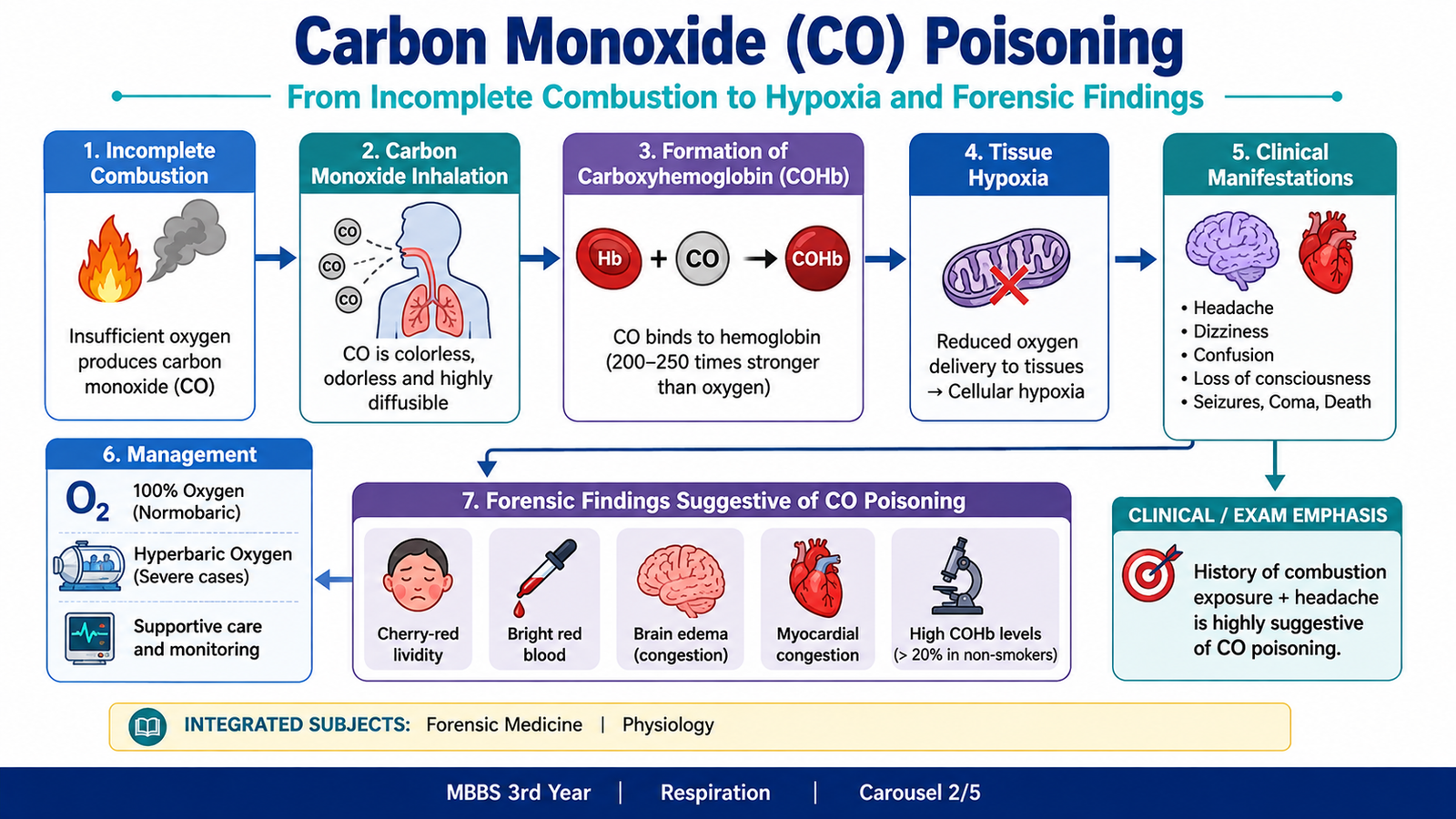
Carbon monoxide, commonly abbreviated as CO, is a colorless and essentially odorless gas produced when carbon-containing material burns incompletely. Because a person may inhale it without recognizing its presence, CO is an important cause of accidental toxic exposure, particularly in enclosed or poorly ventilated places.
Sources of Carbon Monoxide
CO is produced whenever combustion is incomplete. The risk becomes greater when combustion occurs in an enclosed space and ventilation is inadequate.
- Smoke from fires, especially in enclosed rooms.
- Vehicle exhaust in enclosed or poorly ventilated areas.
- Faulty or poorly ventilated heating appliances.
- Coal, charcoal, wood or other fuel burned in closed environments.
- Generators or combustion engines operated where exhaust gases accumulate.
- Industrial processes involving incomplete combustion.
Mechanism of Toxicity
Hemoglobin normally carries oxygen from the lungs to the tissues. Carbon monoxide competes with oxygen for binding sites on hemoglobin and forms carboxyhemoglobin. Hemoglobin containing CO cannot transport oxygen normally. CO also makes the remaining oxygen more difficult to release from hemoglobin into tissues.
→ reduced oxygen-carrying capacity of blood
→ impaired release of oxygen to tissues
→ tissue hypoxia
→ neurological and cardiovascular dysfunction
Carbon monoxide may also interfere with oxygen-dependent cellular processes and can bind to other heme-containing proteins. The overall result is therefore more serious than a simple reduction in measured oxygen delivery.
Signs and Symptoms
Clinical manifestations depend on the intensity and duration of exposure. Early symptoms may be nonspecific, which is one reason the diagnosis can be missed unless the exposure history is considered.
- Headache is a common early complaint.
- Dizziness, weakness and fatigue may develop.
- Nausea and vomiting may occur.
- Difficulty concentrating, confusion and abnormal behavior may appear as cerebral hypoxia progresses.
- Visual disturbance or impaired coordination may occur.
- Chest discomfort, palpitations or cardiovascular compromise may occur, especially in severe poisoning.
- Increasing exposure can cause collapse, loss of consciousness, seizures, coma and death.
A classically described cherry-red or pink coloration of the skin or mucosa may occur, but it is not a reliable clinical sign and should not be expected in every patient.
Treatment Plan
Management begins by stopping further exposure and supporting the patient’s airway, breathing and circulation. Rescuers should avoid entering a dangerous environment without appropriate protection.
- Remove the patient from the source of carbon monoxide exposure.
- Assess and stabilize the airway, breathing and circulation.
- Administer high-concentration oxygen.
- Provide ventilatory and cardiovascular support when required.
- Assess for neurological impairment, myocardial involvement and other complications of hypoxia.
- Consider specialist evaluation for hyperbaric oxygen therapy in severe poisoning or other high-risk circumstances.
Hyperbaric oxygen increases the amount of oxygen available to tissues and accelerates removal of carbon monoxide from hemoglobin. Its use is selected according to the overall severity and clinical circumstances rather than from one isolated finding alone.
Autopsy Findings
Autopsy findings should always be interpreted together with the history, scene and toxicology. No single gross appearance should be regarded as diagnostic by itself.
- Pink or cherry-red coloration of postmortem lividity may be seen.
- Blood may appear unusually bright red.
- General visceral congestion may be present.
- Pulmonary congestion and edema may occur.
- Petechial hemorrhages may be present but are nonspecific.
- In persons who survive the initial exposure for some time, hypoxic injury to the brain and other organs may become evident.
Medico-Legal Aspects
Carbon monoxide poisoning may occur in domestic, occupational, fire-related or other enclosed-space circumstances. The forensic assessment should establish the probable source of exposure, whether the person was alive during exposure and whether another factor contributed to death.
- Scene information is essential because CO itself cannot be identified by smell.
- Other occupants exposed to the same environment may provide important circumstantial evidence.
- Toxicological confirmation of carbon monoxide exposure supports the diagnosis.
- Fire-related deaths require consideration of whether CO inhalation occurred while the victim was alive.
- The manner of death must be determined from the complete circumstances and should not be inferred from CO exposure alone.
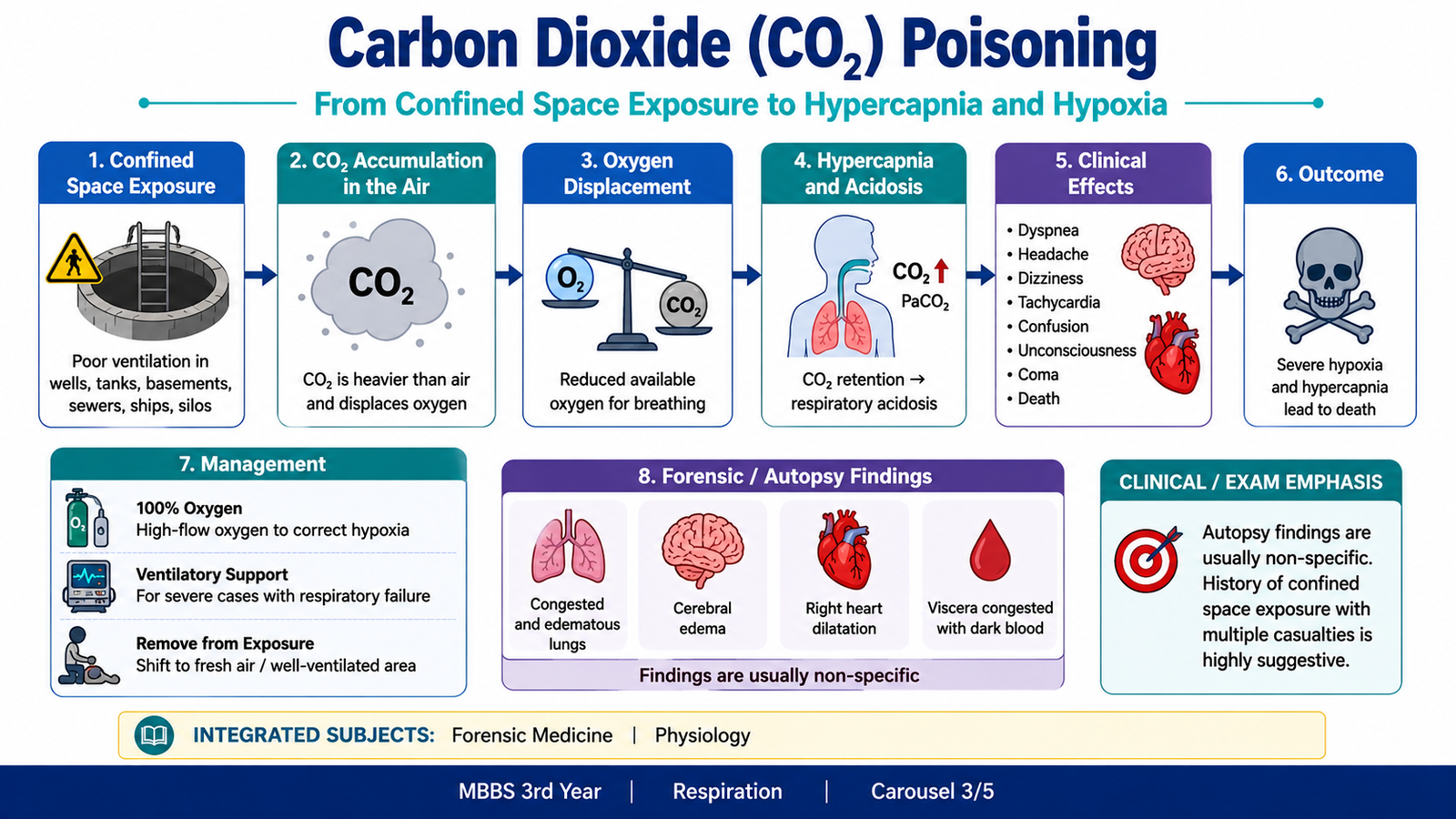
C. Carbon Dioxide Poisoning
Carbon dioxide, or CO₂, is normally produced by cellular metabolism and exhaled through the lungs. In ordinary concentrations it is not considered a poison. It becomes dangerous when it accumulates to high levels, particularly in enclosed or poorly ventilated spaces.
Carbon dioxide poisoning differs fundamentally from carbon monoxide poisoning. CO interferes mainly with oxygen transport and utilization, whereas accumulated CO₂ can both displace oxygen from the environment and produce severe hypercapnia, meaning an abnormally high concentration of carbon dioxide in the body.
Sources of Carbon Dioxide Exposure
- Poorly ventilated enclosed or underground spaces.
- Wells, pits, tanks and similar confined environments.
- Industrial settings in which carbon dioxide is generated, stored or released.
- Fermentation-related environments where CO₂ may accumulate.
- Areas where dry ice or compressed carbon dioxide is used without adequate ventilation.
Mechanism
→ hypoxemia and hypercapnia
→ respiratory and cerebral dysfunction
→ confusion and loss of consciousness
→ coma, respiratory failure and death
An increase in carbon dioxide strongly stimulates breathing at first, producing a sensation of breathlessness. As exposure becomes severe, hypercapnia causes cerebral dysfunction and depresses the central nervous system. If environmental oxygen is also reduced, hypoxic injury develops at the same time.
Signs and Symptoms
- Headache and a feeling of pressure or discomfort.
- Breathlessness and rapid breathing during early exposure.
- Dizziness and weakness.
- Confusion and impaired judgment.
- Progressive drowsiness and loss of consciousness.
- Seizures may occur in severe exposure.
- Coma, respiratory failure and death may follow profound exposure.
Treatment Plan
The most important step is removal from the contaminated environment without exposing rescuers to the same danger. Treatment is then directed at correcting hypoxia, supporting ventilation and restoring normal cardiorespiratory function.
- Move the patient to fresh air using appropriate rescue precautions.
- Assess airway, breathing and circulation.
- Give oxygen.
- Support ventilation if spontaneous breathing is inadequate.
- Treat seizures, cardiovascular instability and other complications supportively.
There is no routine specific antidote for carbon dioxide poisoning. Effective ventilation and correction of hypoxia and hypercapnia are therefore central to management.
Autopsy Findings
Carbon dioxide poisoning generally produces nonspecific findings associated with asphyxia and cardiorespiratory failure. Therefore, the circumstances of exposure are particularly important.
- Cyanosis may be present.
- Visceral congestion may occur.
- Pulmonary congestion and edema may be seen.
- Petechial hemorrhages may occur but are not specific for carbon dioxide poisoning.
Medico-Legal Aspects
Carbon dioxide deaths are particularly associated with confined-space incidents. The same environment may remain dangerous to rescuers, and additional casualties can occur if an apparently unconscious victim is approached without recognizing the atmospheric hazard.
- The exposure scene and ventilation status are important evidence.
- Occupational and industrial circumstances should be documented when relevant.
- Autopsy findings are usually nonspecific and must not be interpreted in isolation.
- The final opinion should integrate scene evidence, clinical history and available toxicological or environmental investigations.
D. Hydrogen Sulfide Poisoning
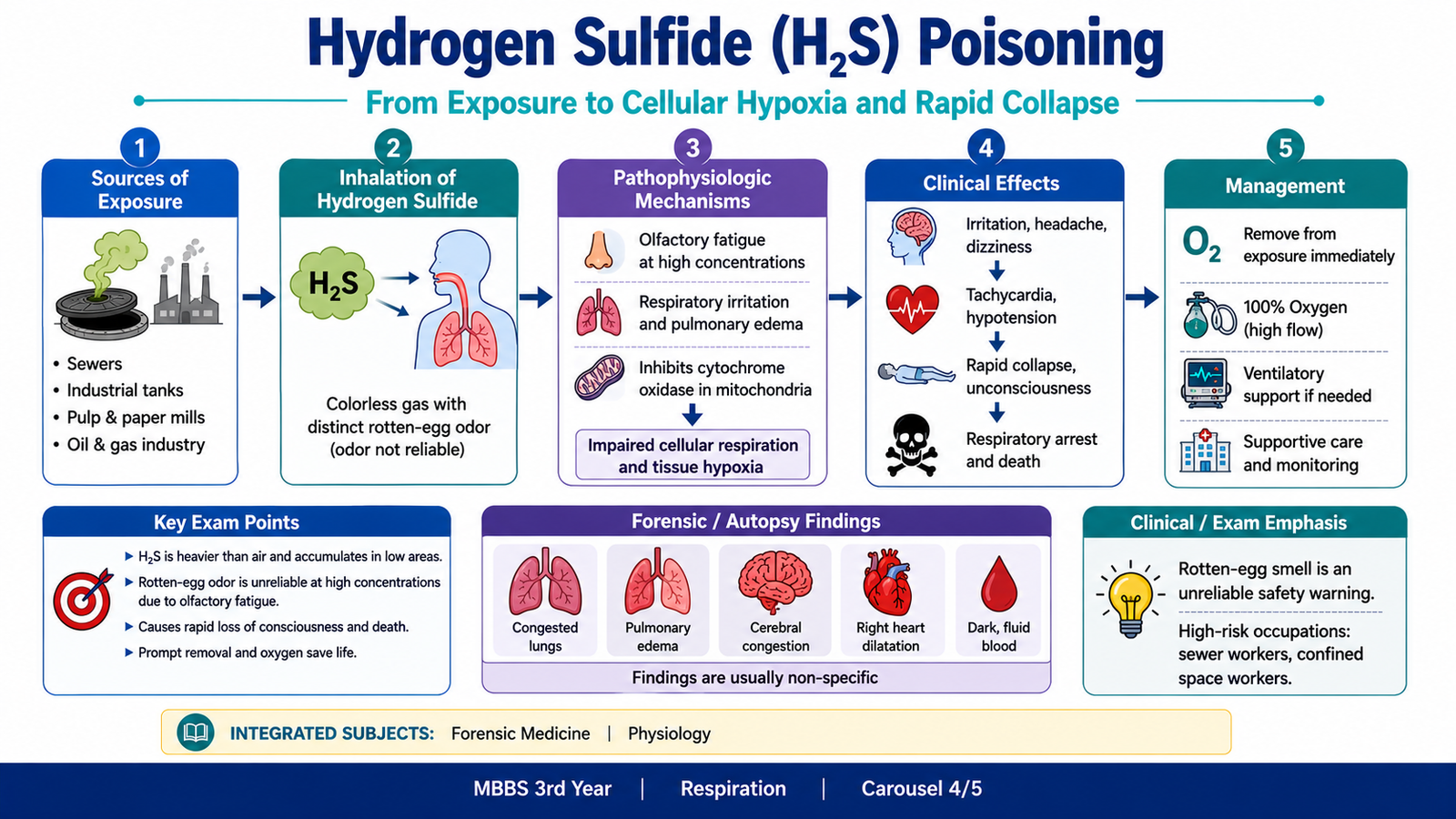
Hydrogen sulfide, written as H₂S, is a toxic gas associated with decomposition of sulfur-containing organic material and with several industrial processes. At lower concentrations it is classically associated with a rotten-egg odor. However, smell is an unreliable warning because significant exposure can rapidly impair the ability to detect the odor.
Sources of Hydrogen Sulfide
- Sewers, drains and septic environments.
- Manure pits and areas containing decomposing organic matter.
- Industrial processes involving sulfur-containing materials.
- Petroleum, natural-gas and related industrial environments.
- Confined spaces in which the gas can accumulate.
Mechanism of Toxicity
Hydrogen sulfide causes injury in more than one way. It is an irritant to the eyes and respiratory tract, but severe systemic poisoning also interferes with cellular respiration. It can inhibit mitochondrial oxidative processes, so cells become unable to use oxygen efficiently even when oxygen reaches them.
→ impaired oxygen utilization
→ cellular hypoxia
→ rapid neurological and cardiopulmonary dysfunction
→ collapse, coma or death
A major danger is that high exposure may cause very rapid collapse. At the same time, olfactory fatigue or paralysis may make the characteristic odor disappear from the victim’s perception, so absence of smell does not mean that the environment is safe.
Signs and Symptoms
- Eye irritation, burning and watering.
- Throat irritation and cough.
- Breathlessness and chest discomfort.
- Headache, dizziness and nausea.
- Confusion and disturbed consciousness.
- Seizures may occur in severe poisoning.
- Very high exposure may produce sudden collapse or a rapid “knockdown” effect.
- Coma, respiratory failure and cardiovascular collapse may follow severe exposure.
Treatment Plan
Management depends on rapid removal from exposure and aggressive supportive treatment. Because the environment itself may be dangerous, safe rescue is part of the treatment process.
- Remove the patient from exposure using appropriate protective precautions.
- Assess and support airway, breathing and circulation.
- Administer oxygen.
- Provide assisted ventilation when required.
- Treat seizures and cardiovascular instability supportively.
- Observe for pulmonary and neurological complications after significant exposure.
Management is predominantly supportive. No single universally accepted routine antidote replaces immediate oxygenation, ventilation and cardiorespiratory support.
Autopsy Findings
The supplied curriculum line under hydrogen sulfide refers to “autopsy findings of CO poisoning”; within the H₂S section, the relevant teaching context is hydrogen sulfide exposure. Autopsy findings in suspected H₂S poisoning are usually supportive rather than diagnostic.
- Pulmonary congestion and edema may be prominent.
- General visceral congestion may be present.
- Petechial hemorrhages may occur but are nonspecific.
- Features of hypoxic injury may be present after survival for a period.
- Characteristic odor may be noted in some circumstances but is unreliable and may not persist.
Medico-Legal Aspects
Hydrogen sulfide poisoning has particular forensic importance in occupational and confined-space deaths because multiple persons may be affected sequentially. One worker may collapse, and an unprotected rescuer entering the same environment may also become unconscious.
- Scene investigation should identify possible sulfur-containing or decomposing material.
- The possibility of secondary poisoning of rescuers must be recognized.
- Occupational circumstances and ventilation should be documented.
- Autopsy appearances are not specific and require correlation with the scene and laboratory evidence.
- Cause and manner of death should be based on the complete evidence rather than odor or gross appearance alone.
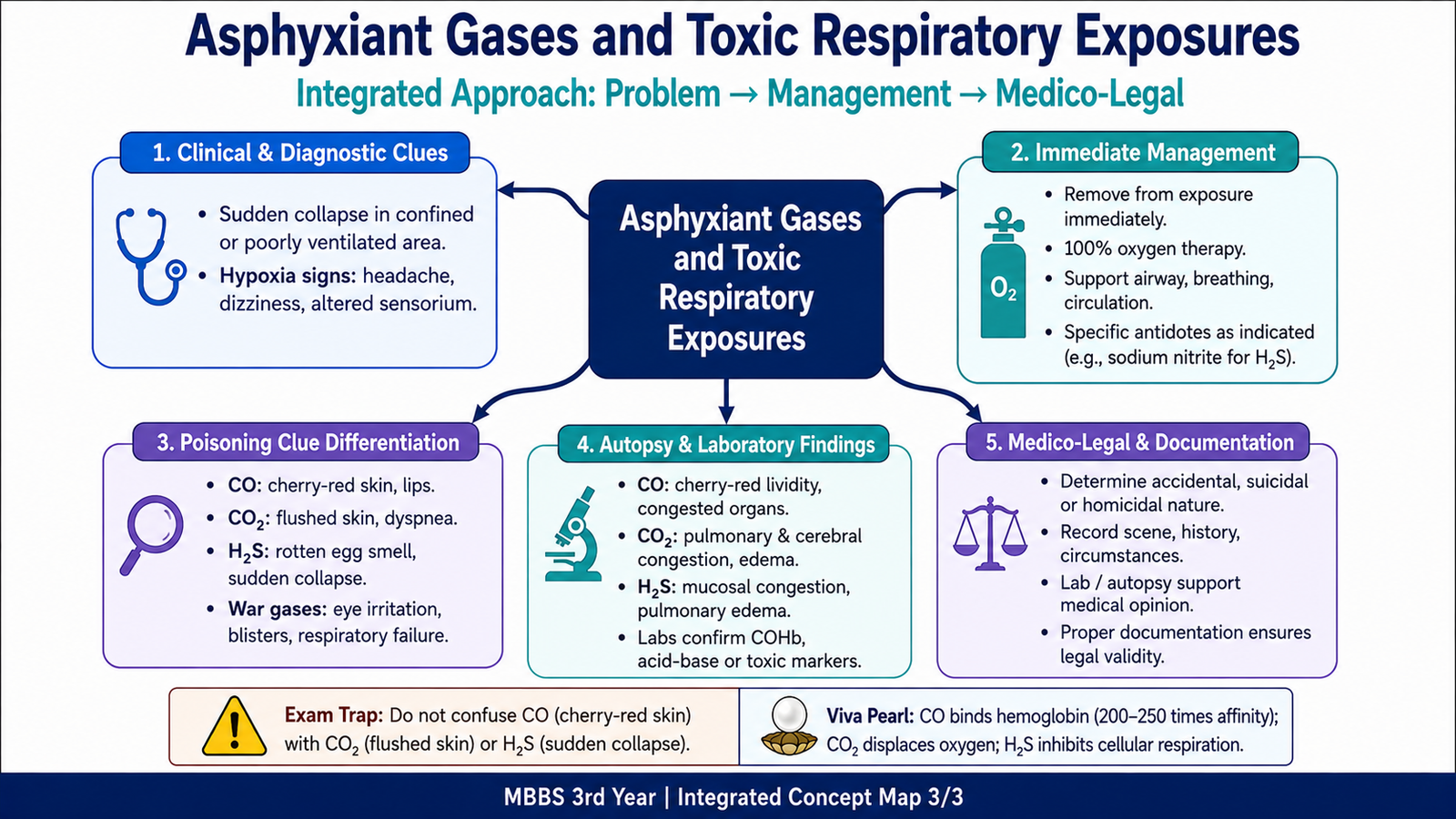
Integrated Mechanism Flow
↓
CO: impaired hemoglobin-mediated oxygen transport
CO₂: oxygen displacement + hypercapnia
H₂S: respiratory irritation + impaired cellular oxygen utilization
↓
Tissue hypoxia and disturbed cellular function
↓
Brain and cardiovascular dysfunction
↓
Headache, confusion, dyspnea, collapse or seizures
↓
Coma, cardiorespiratory failure and death in severe exposure
Important Comparison — CO, CO₂ and H₂S
| Feature | Carbon Monoxide | Carbon Dioxide | Hydrogen Sulfide |
|---|---|---|---|
| Typical setting | Incomplete combustion | Confined-space accumulation | Sewers, decomposition, industry |
| Main mechanism | Carboxyhemoglobin formation | Hypercapnia + reduced environmental oxygen | Cellular respiration inhibition + irritation |
| Important clue | Combustion exposure with headache/confusion | Collapse in poorly ventilated confined space | Rapid collapse in sewer/industrial setting |
| Odor | No useful warning odor | No characteristic warning smell used diagnostically | Rotten-egg odor at low exposure; smell becomes unreliable |
| Basic treatment principle | Remove exposure + high-concentration oxygen | Fresh air + oxygen + ventilation support | Safe rescue + oxygen + ventilation support |
| Autopsy interpretation | Cherry-red coloration may support diagnosis | Mostly nonspecific asphyxial findings | Mostly nonspecific; scene correlation essential |
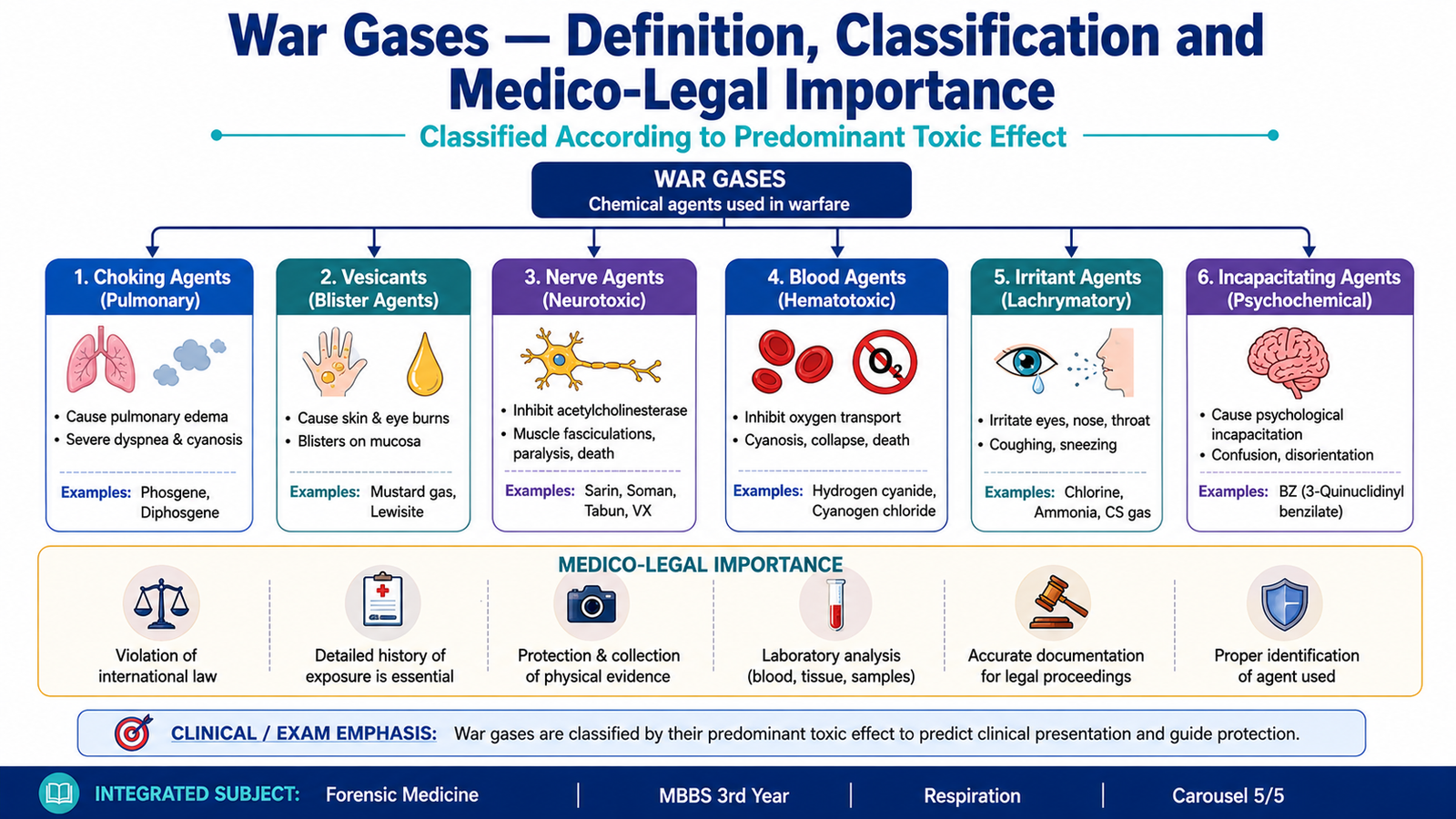
E. War Gases — Definition, Classification and Medico-Legal Importance
The term war gases refers broadly to toxic chemical agents intended to injure, incapacitate or kill through their physiological effects and historically associated with chemical warfare. The word “gas” is used conventionally, although some agents may be released as vapors, aerosols or droplets rather than existing only as gases.
For undergraduate forensic learning, the most useful approach is to classify these agents according to their major toxic effect on the body rather than memorizing long chemical lists.
Classification of War Gases
| Group | Main Effect | Examples |
|---|---|---|
| Choking / pulmonary agents | Damage respiratory tract and lungs | Chlorine, phosgene |
| Vesicants / blister agents | Cause chemical injury and blistering of skin and mucosa | Sulfur mustard |
| Nerve agents | Produce excessive cholinergic activity | Sarin, soman, tabun, VX |
| Blood / systemic asphyxiant agents | Interfere with cellular oxygen utilization | Cyanide compounds |
| Irritant / lacrimatory agents | Prominent irritation of eyes and mucous membranes | Lacrimator-type agents |
| Incapacitating agents | Temporarily impair normal physical or mental function | Varies according to agent |
Medico-Legal Aspects
Suspected exposure to a chemical warfare agent has major forensic significance because the event may involve multiple casualties, intentional release, public safety concerns and evidence that must be documented carefully. The forensic role is objective: identify and record injuries, preserve relevant evidence and avoid conclusions that are not supported by the available findings.
- The safety of medical, rescue and forensic personnel comes first because contaminated victims or environments may pose continuing risk.
- The circumstances and location of exposure should be recorded carefully.
- Clinical findings, external injuries and relevant postmortem findings should be documented objectively.
- Appropriate specimens and physical evidence may be required for toxicological or chemical identification.
- Integrity and chain of custody of forensic evidence are important when legal investigation is involved.
- Findings should be interpreted cautiously because many toxic manifestations are not specific to a single chemical agent.
- Intentional use of toxic chemical agents in armed conflict carries major international humanitarian and medico-legal significance; specific legal conclusions depend on the applicable jurisdiction and verified circumstances.
⭐ AIM High-Yield Review
- Carbon monoxide is produced by incomplete combustion and is particularly dangerous in enclosed spaces.
- CO forms carboxyhemoglobin, reducing oxygen transport and impairing oxygen release to tissues.
- Headache, dizziness and confusion after combustion exposure are important clues to CO poisoning.
- High-concentration oxygen is a central treatment principle in CO poisoning; severe cases may require specialist consideration of hyperbaric oxygen.
- Cherry-red lividity is classically associated with CO poisoning but is not reliably present.
- Carbon dioxide can cause poisoning through hypercapnia and displacement of oxygen in poorly ventilated spaces.
- Autopsy findings in CO₂ poisoning are generally nonspecific, making scene information particularly important.
- Hydrogen sulfide may be associated with a rotten-egg smell, but olfactory fatigue makes smell an unreliable safety warning.
- H₂S causes respiratory irritation and can interfere with cellular respiration, producing rapid neurological and cardiopulmonary collapse.
- Sudden collapse in a sewer, manure pit or industrial confined space should strongly suggest a hazardous-gas environment.
- Rescuer safety is essential in CO₂ and H₂S incidents because the contaminated environment can produce additional casualties.
- Many postmortem asphyxial findings such as congestion, edema and petechiae are supportive but nonspecific.
- War gases can be classified by predominant toxic effect into choking, vesicant, nerve, blood/systemic asphyxiant, irritant and incapacitating groups.
- Forensic interpretation of toxic-gas deaths depends on the combination of scene evidence, clinical history, autopsy findings and laboratory evidence.
- Cause of death, mechanism of death and manner of death are separate forensic conclusions and should not be confused.
Watch this video after completing the AIM Learning Material. Focus on the major asphyxiant gases, their sources, mechanisms of toxicity, clinical features, treatment principles and important forensic findings.