
This chapter follows the supplied KMU learning outcomes in a logical sequence. First understand why different blood components are used and how transfusion problems occur; then revise the high-yield safety and infection-prevention points.
Topic 9 — Transfusion Medicine, Blood Safety and Blood-Borne Infections
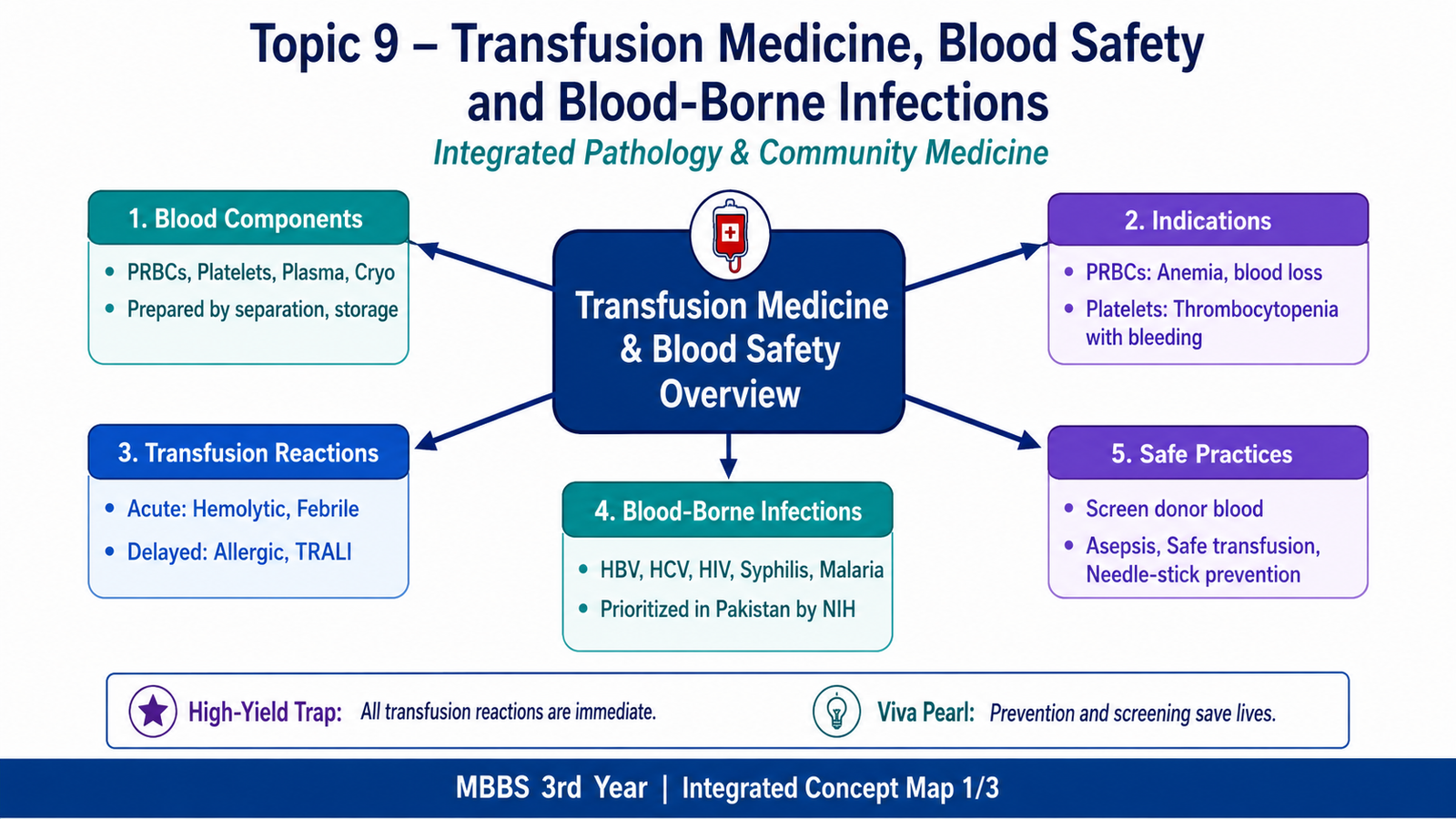
Understand how blood is separated into useful components, when each component is indicated, why transfusion reactions occur, and how safe blood practices reduce transmission of important blood-borne infections.
Topic Introduction
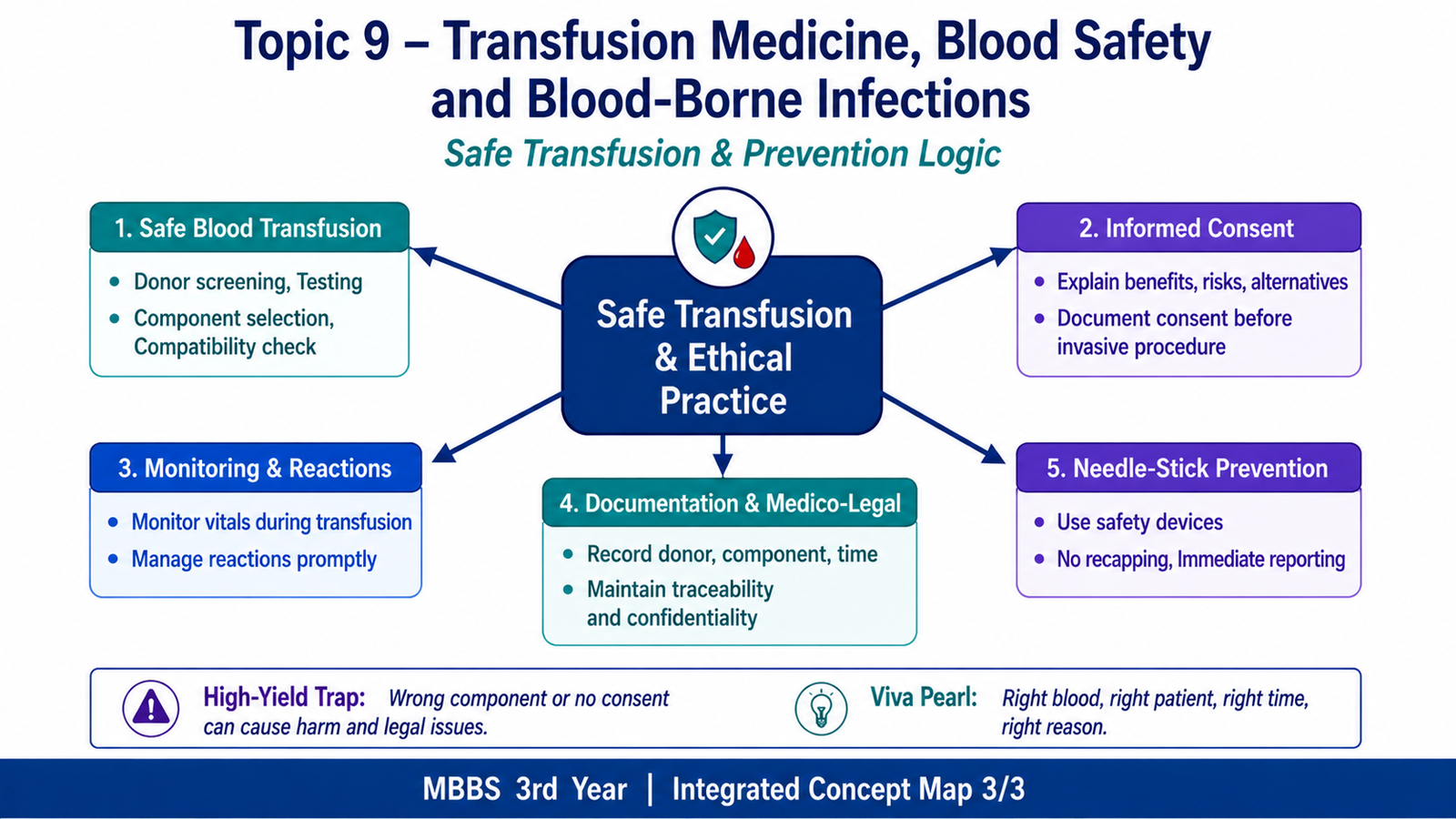
Blood transfusion is not simply the administration of whole blood. Modern transfusion medicine separates donated blood into components so that a patient receives the specific part that is needed, such as red cells, platelets, plasma or cryoprecipitate. This improves effectiveness and avoids unnecessary exposure to other components. Transfusion can, however, produce immune, circulatory and infectious complications. Safe transfusion therefore depends on correct component selection, proper compatibility procedures, infection screening, careful patient identification and monitoring. Blood safety is also an important public-health issue because viruses such as hepatitis B, hepatitis C and HIV can spread through contaminated blood, unsafe injections and needle-stick injuries.
A. Major Blood Components and How They Are Prepared
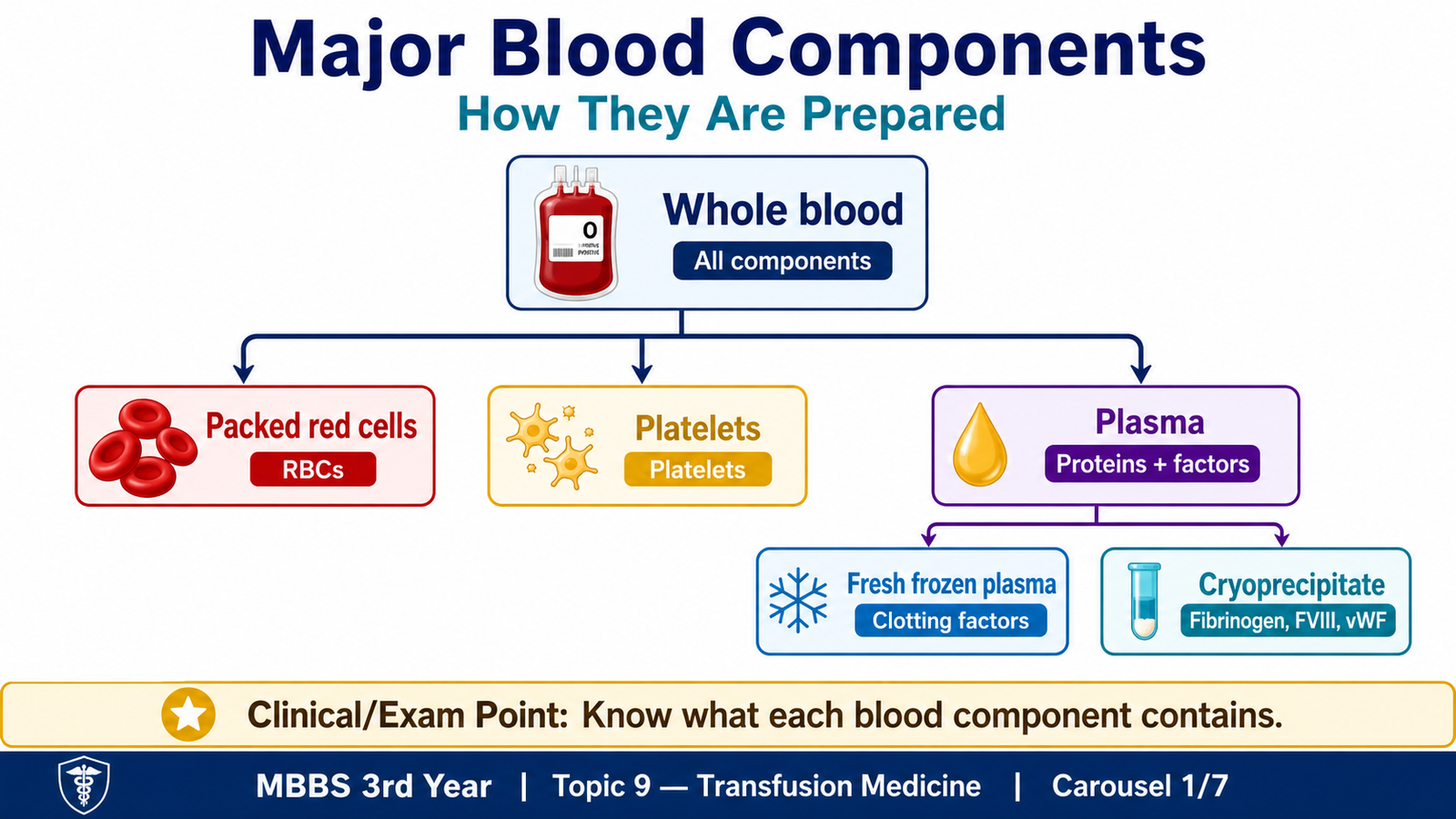
Donated whole blood contains red blood cells, platelets, plasma proteins and coagulation factors. Giving all of these elements to every patient is usually unnecessary. Blood component therapy separates the donation so that each patient receives the component that corrects the particular deficiency.
Basic principle of component preparation
A unit of whole blood is collected into a sterile bag containing an anticoagulant-preservative solution. Controlled centrifugation separates blood according to differences in density. Red cells settle at the bottom, while plasma and platelet-containing fractions can be separated above them. Further processing produces platelet concentrates, fresh frozen plasma and cryoprecipitate.
↓ centrifugation and separation
Red cell fraction + platelet fraction + plasma
↓ further processing
Packed red cells + platelet concentrate + fresh frozen plasma
↓ controlled thawing of plasma
Cryoprecipitate
Packed Red Blood Cells
Packed red blood cells are produced by removing most of the plasma from whole blood. The resulting component contains a high concentration of erythrocytes and therefore increases the oxygen-carrying capacity of blood without giving the patient a large unnecessary plasma volume.
Platelet Concentrates
Platelets can be prepared from donated whole blood or collected directly from a donor by apheresis. During apheresis, the required component is separated by a machine while the remaining blood components are returned to the donor. Apheresis can provide a therapeutic platelet component from a single donor.
Fresh Frozen Plasma
Plasma is separated from cellular components and frozen promptly to preserve coagulation proteins, including the relatively labile clotting factors. Fresh frozen plasma therefore provides multiple coagulation factors rather than red cells or platelets.
Cryoprecipitate
Cryoprecipitate is obtained when fresh frozen plasma is thawed under controlled cold conditions. Certain large plasma proteins precipitate and are collected in a small volume. Cryoprecipitate is particularly rich in fibrinogen and also contains factor VIII, factor XIII, von Willebrand factor and fibronectin.
| Component | Main Material Supplied | Basic Preparation | Main Purpose |
|---|---|---|---|
| Packed red cells | Red blood cells | Most plasma removed from whole blood or collected by apheresis | Increase oxygen-carrying capacity |
| Platelets | Functional platelets | Separated from whole blood or collected by apheresis | Correct quantitative or functional platelet deficiency |
| Fresh frozen plasma | Multiple coagulation factors | Plasma separated and rapidly frozen | Replace multiple clotting factors |
| Cryoprecipitate | Fibrinogen-rich proteins | Cold precipitate prepared from thawed plasma | Replace fibrinogen when significantly deficient |
B. Choosing the Right Blood Component
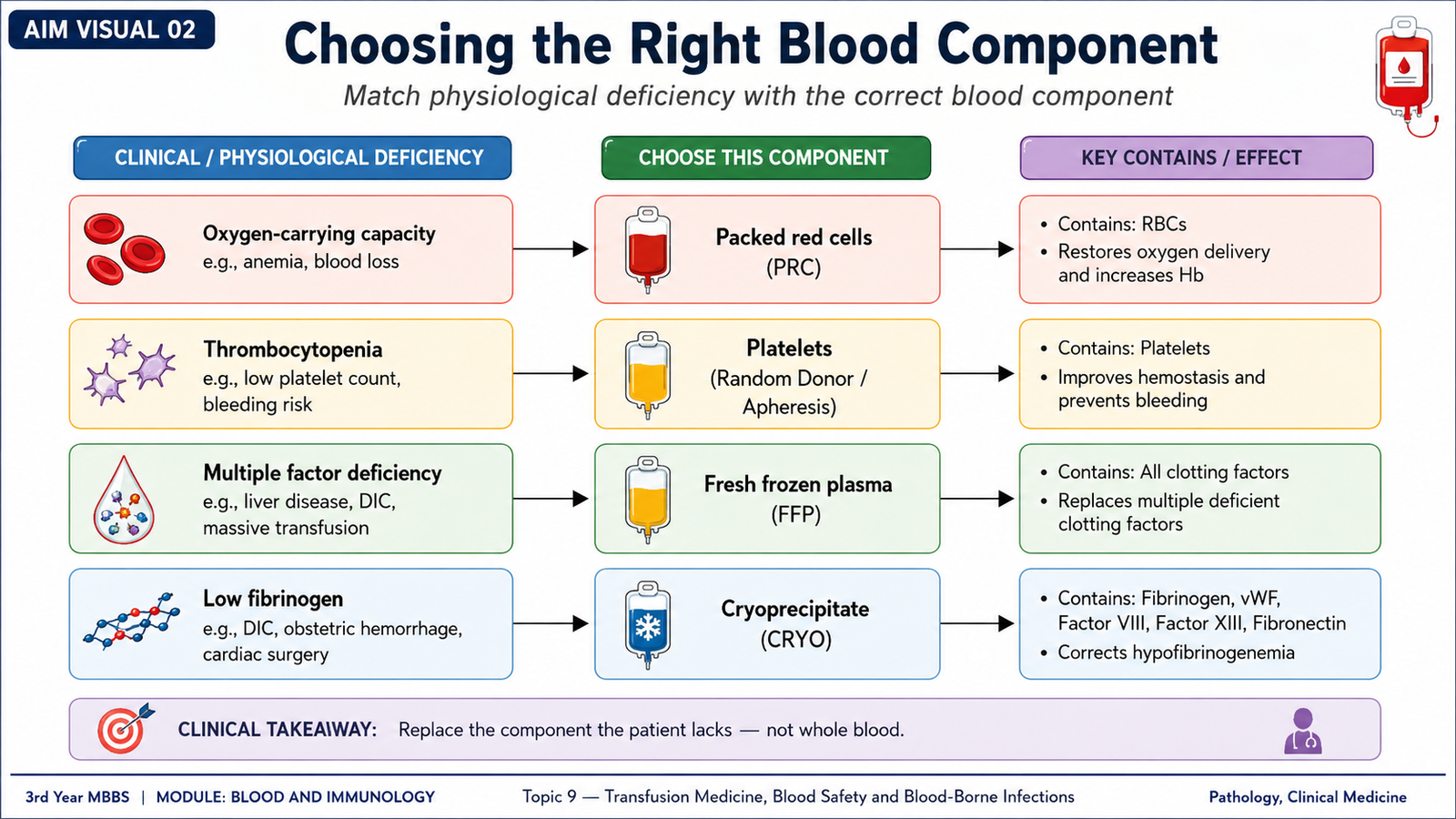
The central principle of transfusion medicine is replace what the patient lacks. A patient with poor oxygen delivery because of deficient red cells needs red cells; a patient bleeding because of severe thrombocytopenia needs platelets; and a patient with clinically significant deficiency of several coagulation factors may require plasma.
Packed Red Blood Cells — When Are They Needed?
Packed red cells are used when the clinical problem is inadequate oxygen-carrying capacity due to significant blood loss or anemia. Transfusion decisions should not be based on a laboratory value in isolation. Symptoms, ongoing bleeding, cardiovascular status and overall clinical condition are important.
Key principle: packed red cells treat deficient red-cell mass. They are not primarily used as a general volume-expanding fluid.
Platelet Transfusion
Platelets are used when bleeding or a significant risk of bleeding results from inadequate platelet number or function. The major situations include severe thrombocytopenia, active bleeding associated with thrombocytopenia, and selected patients undergoing invasive procedures when the platelet count or platelet function is inadequate.
Platelets improve primary hemostasis. They do not correct a deficiency of soluble plasma coagulation factors.
Fresh Frozen Plasma
Fresh frozen plasma provides many coagulation factors at the same time. It is therefore useful when a patient has clinically important bleeding associated with deficiency of multiple factors, such as may occur in severe liver dysfunction, disseminated intravascular coagulation or major hemorrhage with consumption and dilution of coagulation factors.
Cryoprecipitate
Cryoprecipitate is particularly useful when the major problem is inadequate fibrinogen. Fibrinogen is converted to fibrin during coagulation, so severe deficiency prevents formation of a stable fibrin clot even if platelets are present.
Mechanism: low fibrinogen → inadequate fibrin formation → unstable clot → continued bleeding → fibrinogen replacement with cryoprecipitate when clinically indicated.
Whole Blood
Whole blood contains red cells together with plasma and other blood constituents. Modern practice generally favors component therapy because it targets the specific deficiency. Whole blood may still have a role in selected situations involving major acute blood loss when replacement of both circulating blood volume and red-cell mass is required and an appropriate whole-blood programme is available.
C. Transfusion Reactions: Mechanisms and Recognition
A transfusion reaction is an unwanted clinical response occurring because of transfused blood or one of its components. Reactions may result from immune destruction of cells, inflammatory mediators, allergic responses, bacterial contamination, excessive circulatory volume or transferred donor immune cells. Recognizing the mechanism helps explain the clinical pattern.
Acute Hemolytic Transfusion Reaction
The classic acute hemolytic reaction usually results from major blood-group incompatibility, especially ABO incompatibility. The recipient already possesses antibodies against antigens on transfused red cells.
→ recipient antibody binds donor erythrocytes
→ complement activation
→ rapid intravascular hemolysis
→ free hemoglobin, inflammatory mediators and hypotension
→ acute kidney injury, shock or disseminated intravascular coagulation
Important findings may include fever, chills, pain in the back or flank, hypotension, hemoglobinuria, dyspnea and abnormal bleeding. In an anesthetized patient, hypotension or unexpected bleeding may be the first clue.
Febrile Non-Hemolytic Transfusion Reaction
This reaction produces fever and chills without major red-cell destruction. It can result from inflammatory cytokines or recipient antibodies reacting with donor leukocyte-related antigens. The important distinction is that fever during transfusion must not automatically be assumed to be benign because hemolysis or bacterial contamination can also produce fever.
Allergic and Anaphylactic Reactions
Mild allergic reactions are usually caused by hypersensitivity to proteins in donor plasma and commonly produce itching or urticaria. Rare severe reactions may progress rapidly to airway compromise, hypotension and anaphylaxis. Severe anaphylactic reactions are particularly associated with some patients who have marked IgA deficiency and anti-IgA antibodies.
Transfusion-Related Acute Lung Injury
TRALI is an acute lung injury temporally associated with transfusion. Donor antibodies or other biologically active substances can activate recipient neutrophils within the pulmonary microcirculation. Endothelial injury then allows fluid to leak into alveoli.
Because the mechanism is increased pulmonary capillary permeability rather than simple fluid overload, the pulmonary edema is non-cardiogenic.
Transfusion-Associated Circulatory Overload
TACO occurs when the cardiovascular system cannot adequately handle the transfused volume or transfusion rate. The resulting rise in hydrostatic pressure produces pulmonary edema. Elderly patients, small children and patients with impaired cardiac or renal function are particularly vulnerable.
A useful distinction is that TACO usually shows evidence of circulatory volume overload, whereas TRALI is primarily a permeability-type lung injury.
Septic Transfusion Reaction
If a blood component becomes contaminated with bacteria, transfusion can introduce organisms and bacterial products directly into the circulation. High fever, severe rigors, hypotension and shock during or soon after transfusion should therefore raise concern for bacterial contamination.
Delayed Hemolytic Transfusion Reaction
A patient may previously have been exposed to a red-cell antigen through transfusion or pregnancy. The corresponding antibody may later fall to a very low level. Re-exposure stimulates a rapid secondary immune response, leading to destruction of transfused red cells several days later. Antibodies against non-ABO red-cell antigens are commonly involved.
Other Important Delayed Complications
- Transfusion-associated graft-versus-host disease: viable donor T lymphocytes attack recipient tissues.
- Post-transfusion purpura: immune destruction produces severe thrombocytopenia after transfusion.
- Iron overload: repeated red-cell transfusions progressively add iron because the body has no effective physiological mechanism for eliminating large amounts of excess iron.
- Transfusion-transmitted infection: infection becomes apparent after an incubation period rather than immediately.
| Reaction | Main Mechanism | Important Clue |
|---|---|---|
| Acute hemolytic | Antibody-mediated intravascular red-cell destruction | Fever, hypotension, hemoglobinuria, DIC |
| Febrile non-hemolytic | Cytokines or leukocyte-related antibodies | Fever and chills without major hemolysis |
| Allergic | Hypersensitivity to donor plasma proteins | Pruritus and urticaria |
| TRALI | Neutrophil-mediated pulmonary endothelial injury | Acute hypoxemia with non-cardiogenic pulmonary edema |
| TACO | Circulatory volume overload | Dyspnea with evidence of increased intravascular volume |
| Septic reaction | Bacterial contamination of component | High fever, rigors and shock |
| Delayed hemolytic | Anamnestic antibody response to red-cell antigen | Falling hemoglobin several days after transfusion |

D. Blood-Borne Pathogens and Transfusion-Transmissible Infections
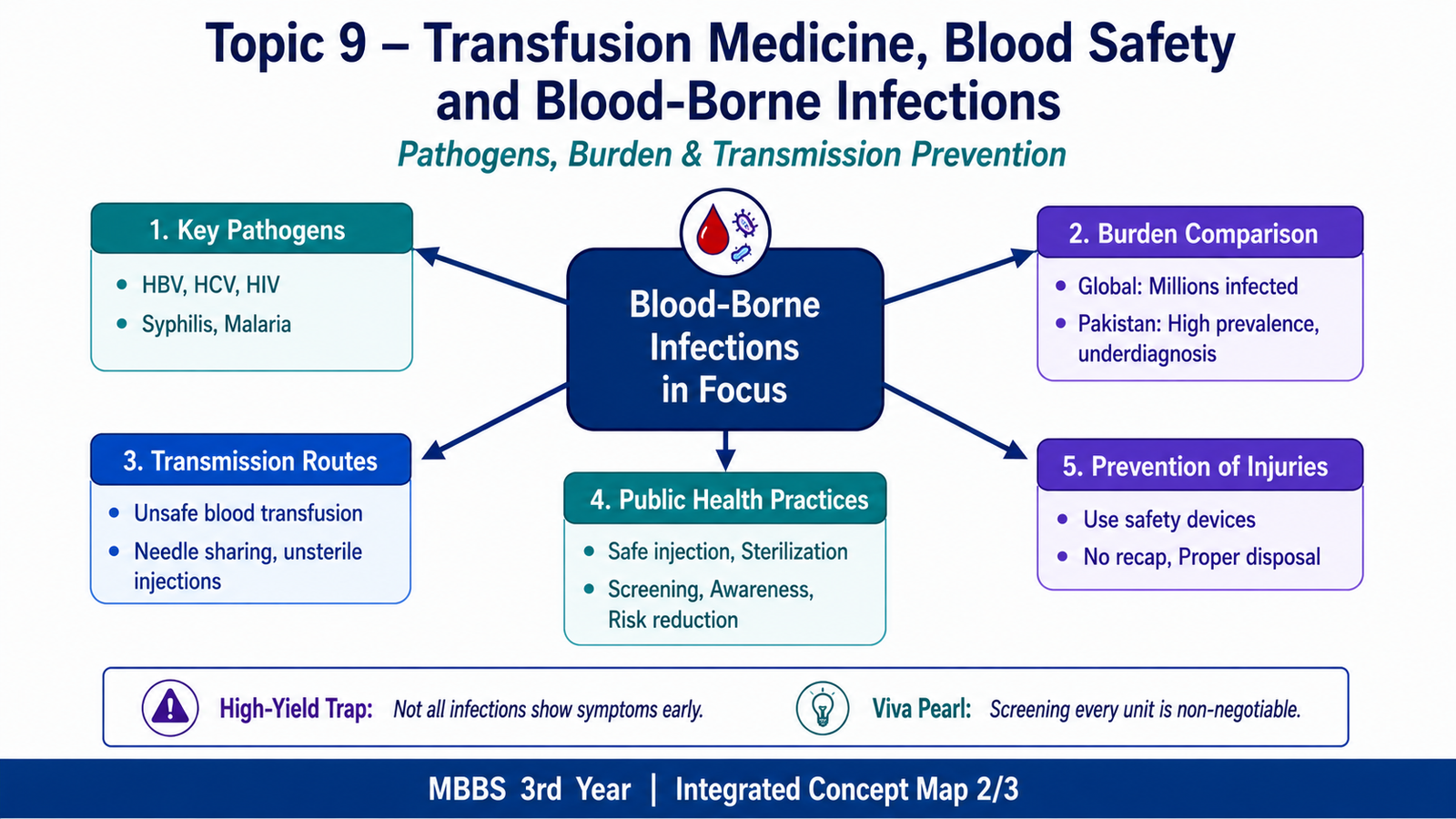
Blood-borne pathogens are microorganisms capable of spreading when infected blood or certain body fluids enter another person’s circulation or contact vulnerable mucosal or injured tissue. In transfusion medicine, the major concern is that an apparently healthy donor may carry an infection without obvious symptoms.
Blood-Borne Viruses of Major Importance
Hepatitis B Virus
Hepatitis B virus can be transmitted through contaminated blood, needle sharing, unsafe injections, sexual contact and from mother to child. It may produce acute hepatitis or persistent infection. Chronic infection can lead to cirrhosis and hepatocellular carcinoma. An effective vaccine is available, making HBV unique among the major transfusion-relevant blood-borne viruses in being vaccine-preventable.
Hepatitis C Virus
Hepatitis C virus is strongly associated with parenteral transmission. Important routes include unsafe injections, contaminated instruments and unscreened or inadequately screened blood. Chronic infection may progress to hepatic fibrosis, cirrhosis and hepatocellular carcinoma. Unlike HBV, there is currently no preventive vaccine, so blood screening, safe injections and infection-control practices are central to prevention.
Human Immunodeficiency Virus
HIV can be transmitted by infected blood, contaminated needles, sexual exposure and vertical transmission. It infects cells carrying appropriate receptors, particularly CD4-positive T lymphocytes, and progressive immune dysfunction may ultimately result in acquired immunodeficiency syndrome. Because an infected person may initially be asymptomatic, donor selection and laboratory screening are essential.
Other Important Transfusion-Transmissible Infections
Syphilis, caused by Treponema pallidum, can be transmitted through infected blood and remains an important infection screened for in blood services. Malaria can also be transmitted when parasitized red cells from an infected donor are transfused into a recipient, making it particularly relevant in malaria-endemic settings.
Current Pakistani national blood-safety policy identifies hepatitis B, hepatitis C, HIV, syphilis and malaria among infections for which donated blood requires testing. :contentReference[oaicite:2]{index=2}
- HBV, HCV and HIV are the major blood-borne viral hazards emphasized in occupational exposure.
- Syphilis and malaria are also important transfusion-transmissible infections and are included in blood-donor screening in Pakistan.

E. Global and Pakistan Burden of Blood-Borne Infections
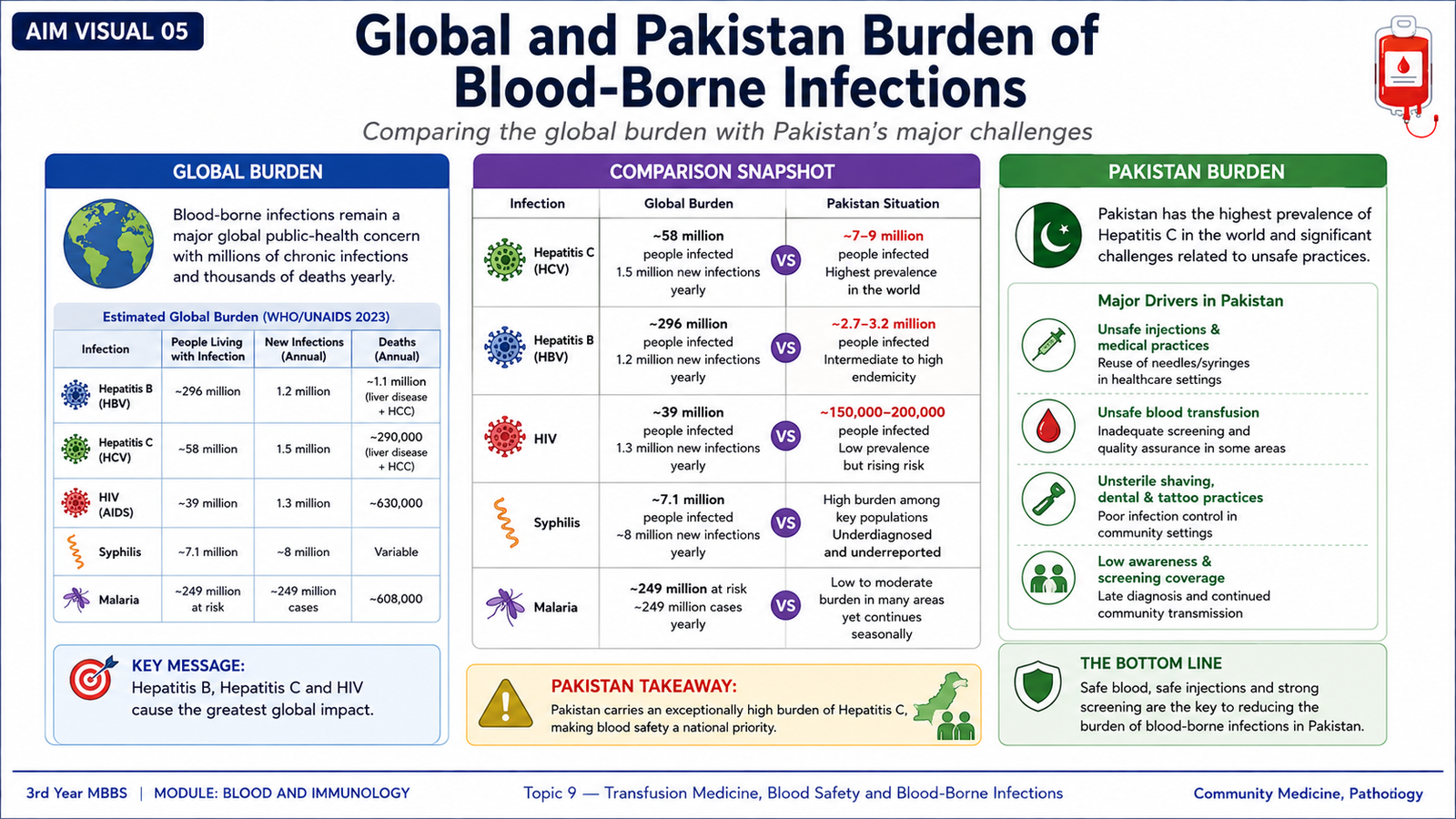
Blood-borne infections are a global public-health problem because they can produce chronic disease, long-term complications and continued transmission from people who may not initially know that they are infected. Their burden is not distributed equally between countries. The importance of individual infections depends on background prevalence, vaccination coverage, injection practices, donor screening, access to diagnosis and the strength of infection-control systems.
Hepatitis C — A Particularly Important Problem for Pakistan
Hepatitis C is globally important, but Pakistan carries a disproportionately large share of the burden. WHO reported in 2025 that approximately 10 million of the nearly 50 million people living with hepatitis C worldwide were in Pakistan. This makes prevention of unsafe injections, contaminated procedures and transfusion-associated transmission especially important in the Pakistani setting. :contentReference[oaicite:3]{index=3}
Hepatitis B
HBV remains a major cause of chronic liver disease worldwide. Pakistan also faces an important HBV burden, but an effective vaccine provides a major preventive advantage. Vaccination therefore complements blood screening and safe injection practices.
HIV
HIV has a major global health impact. In Pakistan, transmission is particularly important in populations and situations where blood exposure, unsafe injection practices or other established transmission routes occur. Unsafe healthcare practices can amplify transmission because contaminated equipment may expose multiple people.
Why Pakistan Requires Strong Blood-Safety Measures
Several factors can increase blood-borne infection transmission when infection-control systems are weak:
- Reuse or unsafe handling of needles and syringes.
- Inadequate sterilization of medical, dental or surgical instruments.
- Failure to screen every donated blood unit using quality-assured testing.
- Failure to identify higher-risk donors during donor selection.
- Occupational exposure among healthcare workers.
- Unsafe disposal of contaminated sharps and medical waste.
- Poor public awareness regarding blood-borne transmission.
The practical comparison is therefore more important than memorizing isolated statistics: globally, HBV, HCV and HIV are major blood-borne diseases, while in Pakistan the exceptionally large HCV burden makes prevention of unsafe medical injections and unsafe transfusion particularly important.
F. Safe Blood Transfusion and Public-Health Prevention
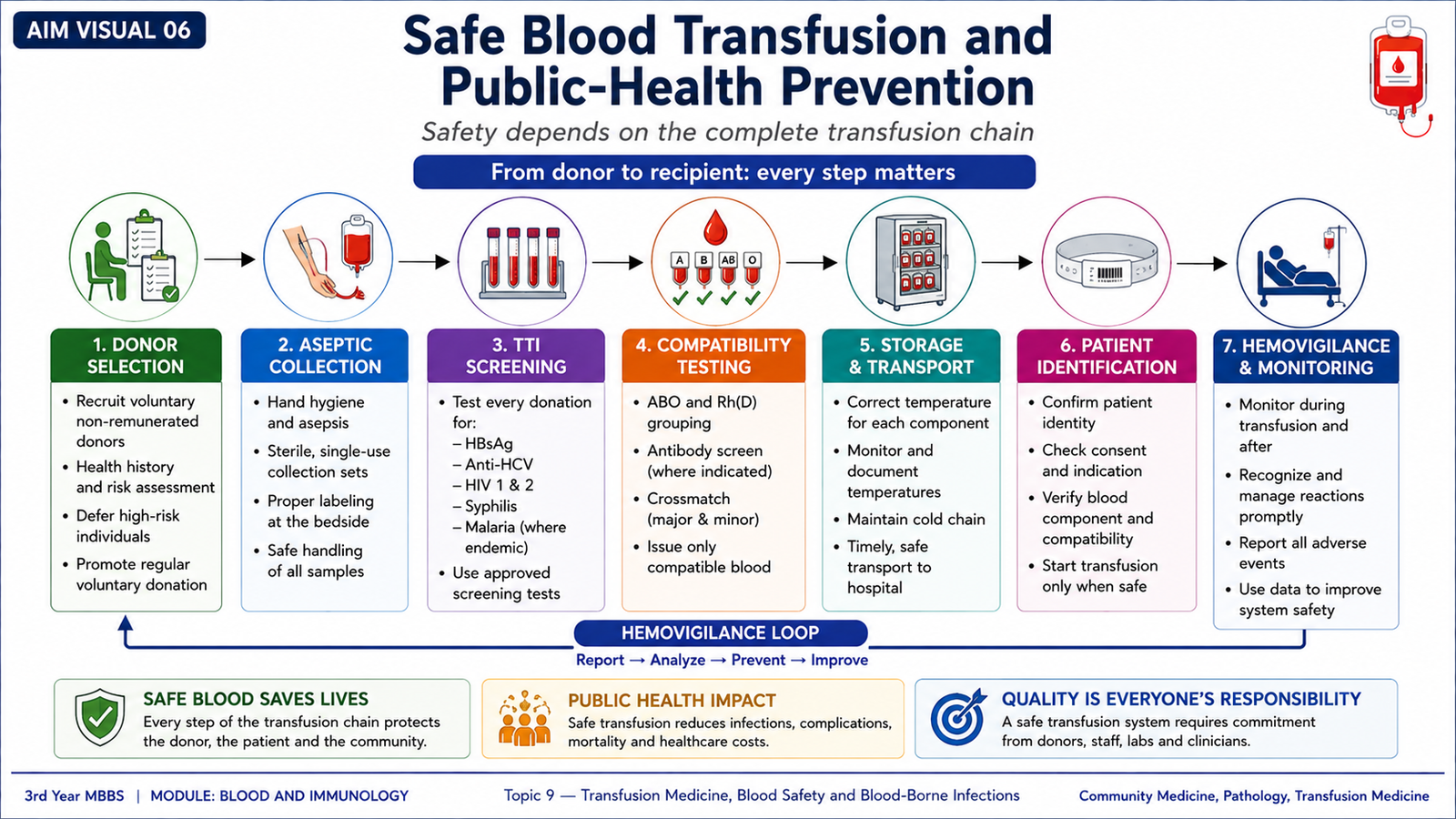
Safe transfusion is a chain of linked steps beginning before blood is collected and continuing until the recipient has been monitored after transfusion. Failure at any point can lead to infection, incompatibility or another serious adverse event. Blood safety therefore depends on both laboratory quality and correct clinical practice.
1. Recruit Low-Risk Voluntary Donors
Donor selection begins with history taking and assessment of potential infection risks. Voluntary non-remunerated donation from appropriately selected low-risk donors reduces the probability that an infectious unit enters the blood supply.
2. Collect Blood Aseptically
Blood must be collected using sterile equipment and proper skin antisepsis. A contaminated collection process can introduce microorganisms even when the donor is not infected.
3. Screen Every Donation
Laboratory screening is designed to identify markers of important transfusion-transmissible infections before the component is released. WHO recommends universal screening of donated blood for HIV, hepatitis B, hepatitis C and syphilis, while additional infection testing depends on local epidemiology. Malaria screening is relevant to Pakistan because of local epidemiological risk. :contentReference[oaicite:4]{index=4}
4. Ensure Blood-Group Compatibility
Correct ABO and Rh typing, appropriate antibody testing and compatibility testing reduce the risk of immune hemolytic reactions. Laboratory accuracy cannot compensate for incorrect patient identification, so the patient’s identity and the blood unit must also be checked carefully at the bedside.
5. Maintain Correct Processing, Storage and Transport
Each component must remain under appropriate controlled storage and transport conditions. Loss of temperature control or improper handling can damage components or promote bacterial growth. Traceability should make it possible to follow a component from donor collection to final use.
6. Use Blood Components Rationally
Unnecessary transfusion exposes a patient to risk without providing benefit. The safest unnecessary transfusion is the one that is never given. Rational component therapy therefore asks whether transfusion is genuinely indicated and which specific component is required.
7. Monitor the Patient
Clinical observation during transfusion helps detect fever, dyspnea, rash, hypotension, pain or other signs of a reaction early. A suspected reaction should trigger prompt assessment and appropriate transfusion-service investigation.
Evidence-Based Public-Health Measures Against Blood-Borne Infection
- HBV vaccination to reduce the susceptible population.
- Safe injection practice using sterile equipment for every patient and procedure.
- Quality-assured blood screening before release of donated blood.
- Sterilization or appropriate disinfection of reusable medical and dental instruments.
- Safe handling and disposal of sharps to protect healthcare workers and the community.
- Testing and linkage to care so infected individuals can receive appropriate management and reduce onward transmission.
- Risk-reduction measures for people exposed through injection drug use or other established blood-borne routes.
- Education of healthcare workers and the public about avoidable blood exposure.
safer donor pool → safer collection → infection screening → correct storage and compatibility → rational transfusion → monitoring and hemovigilance → reduced transfusion-related harm.
G. Needle-Stick Injury Prevention and Post-Exposure Response
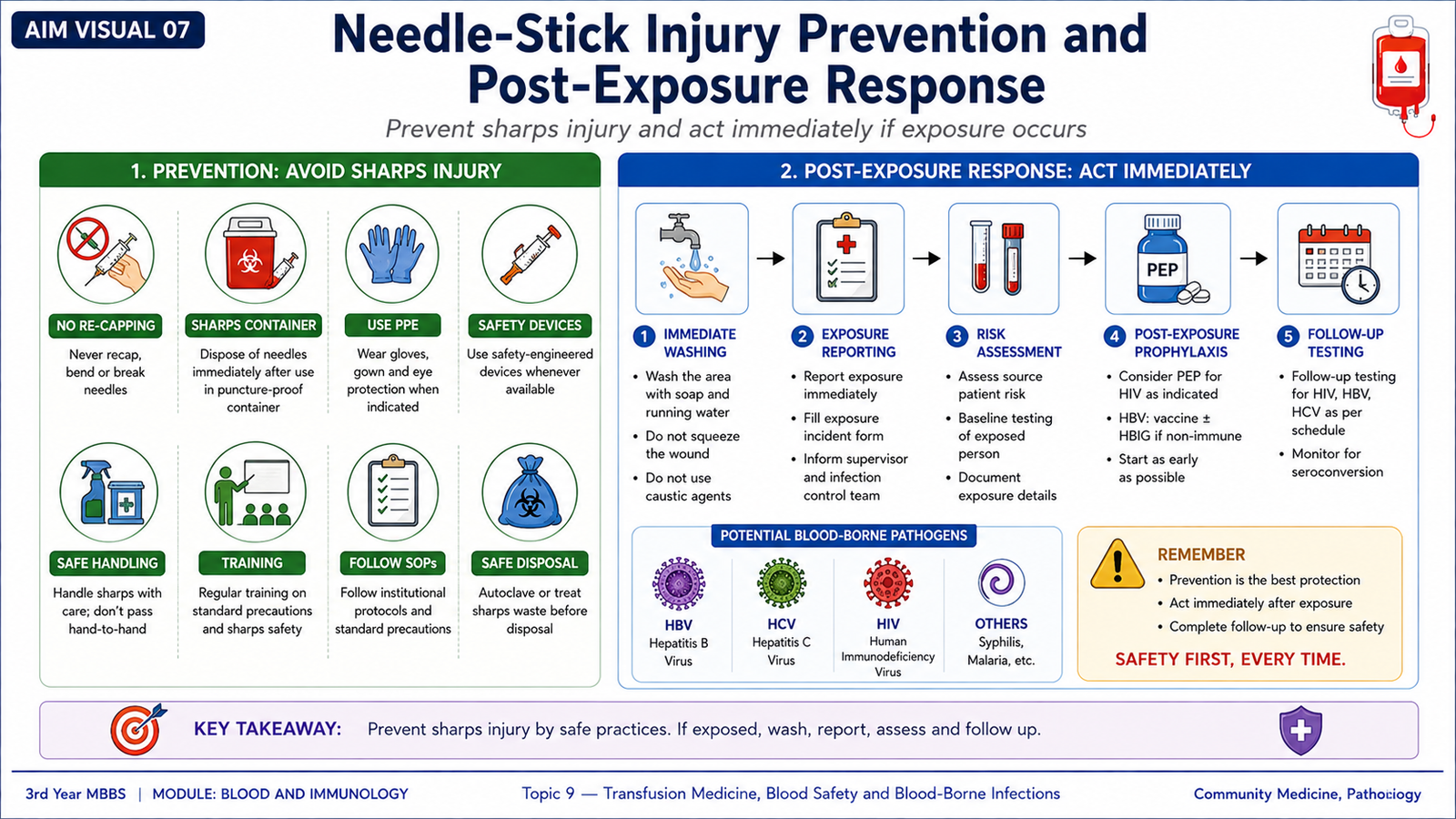
A needle-stick injury is a percutaneous injury caused by a needle or another sharp object that may be contaminated with blood. It is important because blood from an infected source can directly enter the exposed healthcare worker’s tissues. The major blood-borne viral concerns are HBV, HCV and HIV.
How Needle-Stick Injuries Are Prevented
- Use a new sterile needle and syringe for every procedure.
- Use safety-engineered sharp devices when available.
- Avoid unnecessary handling of used needles.
- Do not routinely recap a used needle.
- Dispose of used sharps immediately into an appropriate puncture-resistant sharps container.
- Do not overfill sharps containers.
- Use appropriate personal protective equipment when blood exposure is possible.
- Maintain hepatitis B vaccination of healthcare workers.
- Train staff in safe injection and sharps-handling practices.
Why Hollow-Bore Needles Are Important
A hollow-bore needle that has just been inside a blood vessel may retain blood within its lumen. A deep injury with such a needle can therefore transfer a larger inoculum than a superficial injury with an uncontaminated solid sharp. Risk assessment consequently considers the type of device, depth of injury, visible blood and source-patient infection status.
Immediate Response After Exposure
→ wash the affected area promptly with soap and water
→ report the incident immediately
→ assess the type and severity of exposure
→ evaluate the source patient and exposed healthcare worker
→ assess HBV, HCV and HIV risk
→ provide indicated preventive intervention and follow-up
The injured area should be cleaned promptly. Aggressive squeezing, cutting, scrubbing with corrosive substances or attempting to suck the wound does not improve safety and may cause further tissue injury.
Exposure should be reported without delay because some interventions are time-sensitive. The source patient’s infection status and the exposed worker’s baseline status and hepatitis B immunization history help determine the required response.
Virus-Specific Principle
- HIV: post-exposure prophylaxis should be assessed promptly when a significant exposure has occurred.
- HBV: protection depends strongly on prior vaccination and immune status; post-exposure vaccination or immunoglobulin may be appropriate in selected exposures.
- HCV: there is no established preventive post-exposure drug regimen; appropriate baseline and follow-up testing is therefore important.
NIH guidance similarly recommends evaluating the source patient and exposed healthcare worker for HBV, HCV and HIV after relevant blood exposure. :contentReference[oaicite:5]{index=5}
Integrated Mechanism Flow
Blood-borne pathogen enters the circulation
Infection may remain initially asymptomatic
Continued infection produces disease and further transmission
Donor selection + infection screening + safe injections + sharps precautions interrupt transmission
Safer blood supply and reduced community burden
⭐ AIM High-Yield Review
- Component therapy means replacing the specific deficient part of blood rather than routinely giving whole blood.
- Packed red cells mainly improve oxygen-carrying capacity.
- Platelets correct defects in primary hemostasis caused by inadequate platelet number or function.
- Fresh frozen plasma provides multiple coagulation factors and should not be used merely as a volume expander.
- ⭐ Cryoprecipitate is especially important as a concentrated source of fibrinogen.
- ABO-incompatible transfusion can cause antibody- and complement-mediated acute intravascular hemolysis.
- ⭐ TRALI produces acute non-cardiogenic pulmonary edema; TACO results from circulatory volume overload.
- High fever, rigors and shock during transfusion should raise concern for bacterial contamination.
- Delayed hemolytic reactions usually result from a secondary immune response against previously encountered non-ABO red-cell antigens.
- The major occupational blood-borne viral hazards are HBV, HCV and HIV.
- Blood screening in Pakistan also includes important transfusion-transmissible infections such as syphilis and malaria.
- ⭐ Pakistan has an exceptionally high HCV burden, making safe injections and safe transfusion particularly important.
- Safe blood requires a chain of donor selection, aseptic collection, infection screening, compatibility testing, controlled storage, correct patient identification and monitoring.
- Needle-stick prevention depends on avoiding recapping, immediate sharps disposal, appropriate protective measures and hepatitis B vaccination.
- After significant blood exposure, prompt assessment is particularly important for HBV, HCV and HIV.
Transfusion Medicine, Blood Safety and Blood-Borne Infections
Use these focused videos after completing the AIM learning material to reinforce blood-component preparation, transfusion reactions and prevention of occupational blood exposure.
Video 1 — Blood Components Preparation
Focus on how whole blood is separated into packed red cells, platelets, fresh frozen plasma and cryoprecipitate.
Video 2 — Transfusion Reactions
Reinforce acute and delayed transfusion reactions, including ABO-incompatible hemolysis, febrile reactions, allergic reactions, TRALI and TACO.
Video 3 — Needle-Stick Injury and HIV Post-Exposure Prophylaxis
Review occupational blood exposure, immediate response after a needle-stick injury and the principle of HIV post-exposure prophylaxis.