
📌 Study Tip
This chapter follows the supplied KMU learning outcomes and connects Psychiatry with the pharmacology of antipsychotic drugs in a logical sequence. First understand how personality disorders and psychosis are recognized, then learn schizophrenia and its treatment, and finally revise the high-yield points.
7. 8. Personality Disorders, Psychosis and Schizophrenia: Clinical Management and Antipsychotic Therapy
Neuroscience • Psychiatry + Pharmacology
A clinically focused introduction to personality disorders, psychosis, schizophrenia and delusional disorders, integrated with the mechanisms, uses, adverse effects and safe use of antipsychotic medicines.
1. Topic Introduction
Personality disorders and psychotic disorders affect the way a person thinks, feels, interprets experiences and relates to other people, but they are fundamentally different conditions. A personality disorder is an enduring and inflexible pattern of behaviour and inner experience, whereas psychosis involves impaired reality testing, such as delusions or hallucinations. Schizophrenia is an important primary psychotic disorder with positive, negative and disorganized symptoms. Understanding these conditions requires both clinical recognition and knowledge of treatment. In this chapter, you will learn the classification and management of personality disorders, the concept of psychosis, schizophrenia and delusional disorder, followed by the dopamine hypothesis and the pharmacology, advantages, adverse effects and important interactions of antipsychotic drugs.
A. Personality Disorders: Classification, Recognition and Management
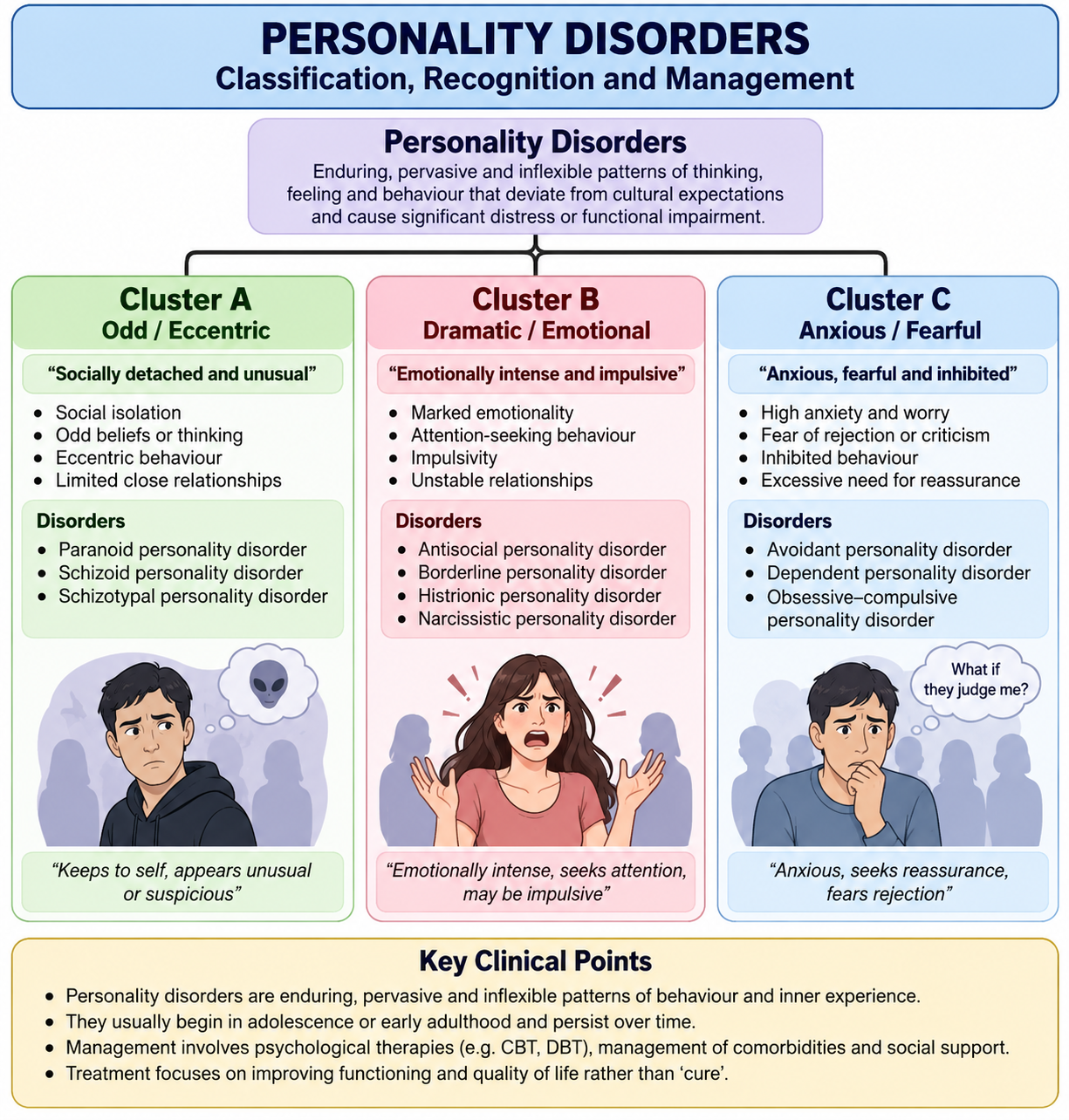
A personality is the relatively stable pattern through which a person thinks, feels, behaves and relates to others. In a personality disorder, this pattern becomes markedly inflexible and maladaptive. It causes persistent difficulty in relationships, work, emotional regulation or social functioning. Unlike a temporary reaction to stress, the pattern is long-standing and usually becomes recognizable by adolescence or early adulthood.
Core diagnostic concept
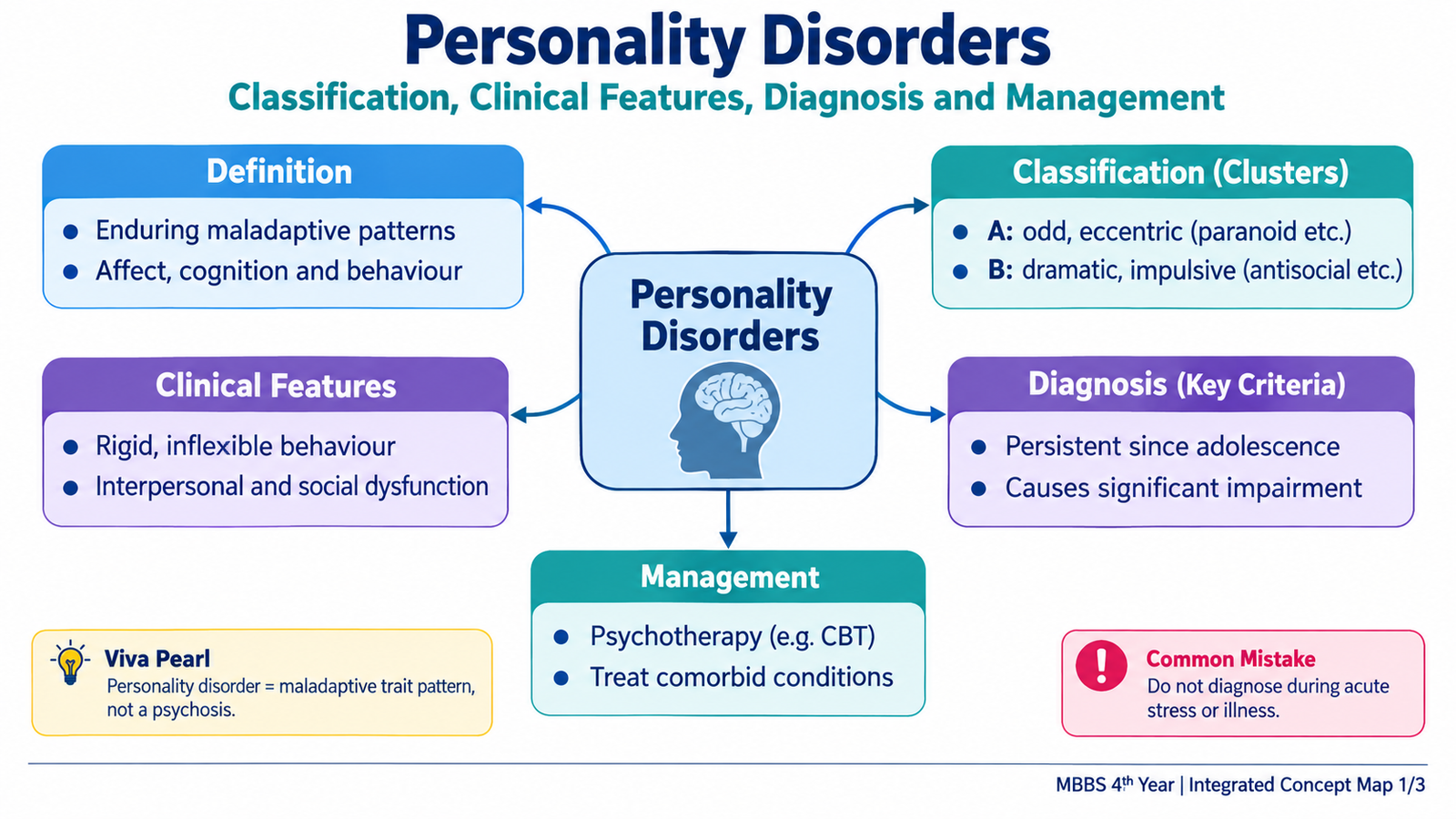
A personality disorder is considered when there is an enduring pattern that differs significantly from the expectations of the person’s culture and affects important areas such as cognition, emotions, interpersonal functioning or impulse control.
The pattern should be:
- Pervasive: present across several situations rather than appearing only in one relationship or environment.
- Inflexible: the person finds it difficult to adapt the pattern when circumstances change.
- Persistent: it is stable over time and can usually be traced back to adolescence or early adulthood.
- Clinically important: it causes significant distress or impairment in social, occupational or other important functioning.
- Not better explained by another mental disorder, a substance, medication or medical condition.
Classification
For undergraduate learning, personality disorders are traditionally grouped into three clusters according to their dominant behavioural pattern.
Cluster A — Odd or eccentric
- Paranoid personality disorder: persistent distrust and suspiciousness. Neutral actions may be interpreted as threatening or insulting.
- Schizoid personality disorder: social detachment, little desire for close relationships and a restricted range of emotional expression.
- Schizotypal personality disorder: social discomfort together with eccentric behaviour, unusual beliefs, odd thinking and perceptual experiences. Reality testing is generally better preserved than in schizophrenia.
Cluster B — Dramatic, emotional or erratic
- Antisocial personality disorder: persistent disregard for the rights of others, deceitfulness, irresponsibility, impulsivity and lack of remorse.
- Borderline personality disorder: instability of relationships, self-image and emotions, with marked impulsivity. Fear of abandonment, self-harming behaviour and rapidly changing emotions may occur.
- Histrionic personality disorder: excessive emotionality and a strong need to attract attention.
- Narcissistic personality disorder: grandiosity, need for admiration and reduced empathy for others.
Cluster C — Anxious or fearful
- Avoidant personality disorder: social inhibition and avoidance because of feelings of inadequacy and marked sensitivity to criticism or rejection.
- Dependent personality disorder: excessive need to be cared for, leading to submissive behaviour and difficulty making independent decisions.
- Obsessive-compulsive personality disorder: excessive preoccupation with order, perfectionism and control. This is different from obsessive-compulsive disorder, in which intrusive obsessions and compulsions are central.
Management principles
Management is usually long-term because personality patterns are deeply established. A stable therapeutic relationship is important. Treatment should focus on the problems that cause functional impairment rather than trying to change every personality trait.
- Psychotherapy is the main treatment approach. The method is selected according to the patient’s difficulties.
- Cognitive and behavioural approaches may help maladaptive thoughts and behaviours.
- Dialectical behaviour therapy is particularly useful for emotional instability and self-harming behaviour in borderline personality disorder.
- Clear boundaries and consistent therapeutic communication are important.
- Risk of self-harm, suicide, aggression or substance misuse should be assessed when relevant.
- Medicines do not usually correct the underlying personality pattern. They may be used for specific associated symptoms or comorbid disorders such as depression, anxiety or short periods of severe behavioural disturbance.
B. Psychosis: Concept, Classification and Organic versus Non-Organic Causes
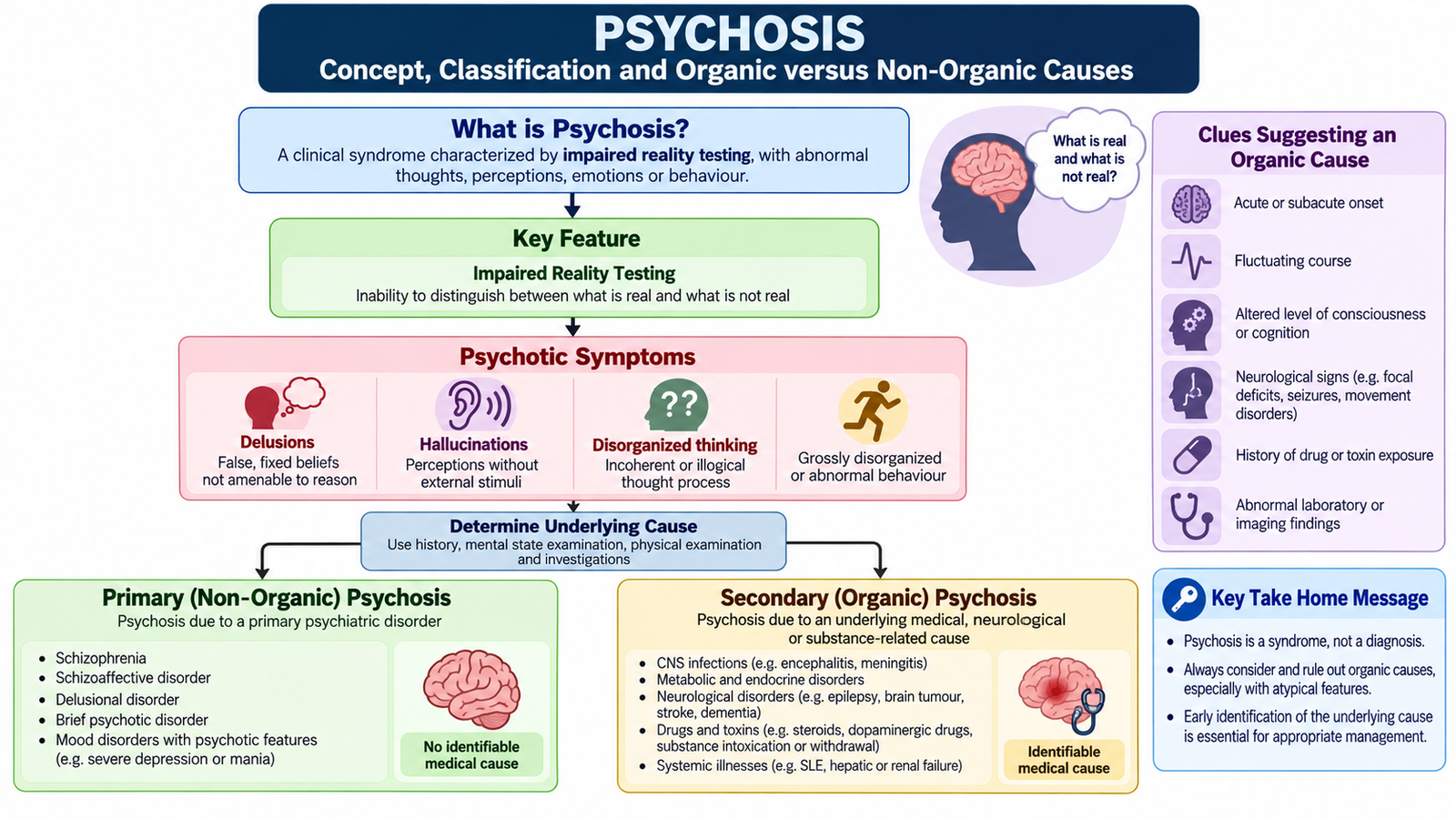
Psychosis is a clinical state in which a person’s ability to test reality is significantly impaired. The patient may develop false fixed beliefs, perceive things that are not present, or show markedly disorganized thinking or behaviour. Psychosis is therefore a syndrome rather than a single diagnosis. The clinician must first recognize the psychotic symptoms and then determine their cause.
Core psychotic features
- Delusion: a fixed false belief that remains firmly held despite clear evidence against it and is not explained by the person’s cultural background.
- Hallucination: a perception-like experience occurring without an external stimulus. Auditory hallucinations are particularly common in schizophrenia.
- Disorganized thinking: usually recognized through disorganized speech in which ideas become difficult to follow.
- Grossly disorganized behaviour: behaviour may become inappropriate, unpredictable or unable to meet normal daily needs.
- Catatonia: a marked disturbance of movement and responsiveness that may include immobility, mutism, posturing or excessive purposeless activity.
Classification of psychosis
A useful clinical classification separates primary psychiatric psychoses from psychosis secondary to another condition.
- Primary psychotic disorders: schizophrenia, schizophreniform disorder, brief psychotic disorder and delusional disorder.
- Mood disorders with psychotic features: severe depression or mania may be accompanied by delusions or hallucinations.
- Substance- or medication-induced psychosis: psychotic symptoms may follow intoxication, withdrawal or particular medicines.
- Psychosis due to a medical or neurological condition: brain disease and systemic disturbances can produce psychotic symptoms.
Organic versus non-organic psychosis
The traditional term organic psychosis refers to psychotic symptoms produced by a demonstrable brain disorder, systemic medical illness, substance or medication. In current clinical practice, the terms secondary psychosis or psychotic disorder due to another medical condition are often more precise. Non-organic or primary psychiatric psychosis includes disorders such as schizophrenia in which no direct medical cause explains the syndrome.
Features suggesting an organic or secondary cause
- Sudden onset, particularly without a previous psychiatric history.
- Fluctuating symptoms or impaired attention and consciousness, especially when delirium is present.
- Prominent cognitive impairment or disorientation.
- Visual or tactile hallucinations may be more prominent than in typical schizophrenia.
- Neurological findings, seizures or evidence of systemic illness.
- Temporal association with a drug, medication, intoxication or withdrawal state.
- Unusual age of onset for a primary psychotic disorder.
Features supporting a primary psychiatric psychosis
- Clear consciousness and attention outside periods of severe agitation.
- Typical psychiatric symptom patterns such as persistent auditory hallucinations, delusions and thought disorder.
- Negative symptoms or a gradual deterioration in social functioning may support schizophrenia.
- No medical, neurological or substance-related explanation after appropriate assessment.
Diagnostic principle: a first presentation of psychosis should not automatically be labelled schizophrenia. History, collateral information, mental-state examination, physical and neurological examination, medication and substance history, and appropriate investigations are used to exclude secondary causes.
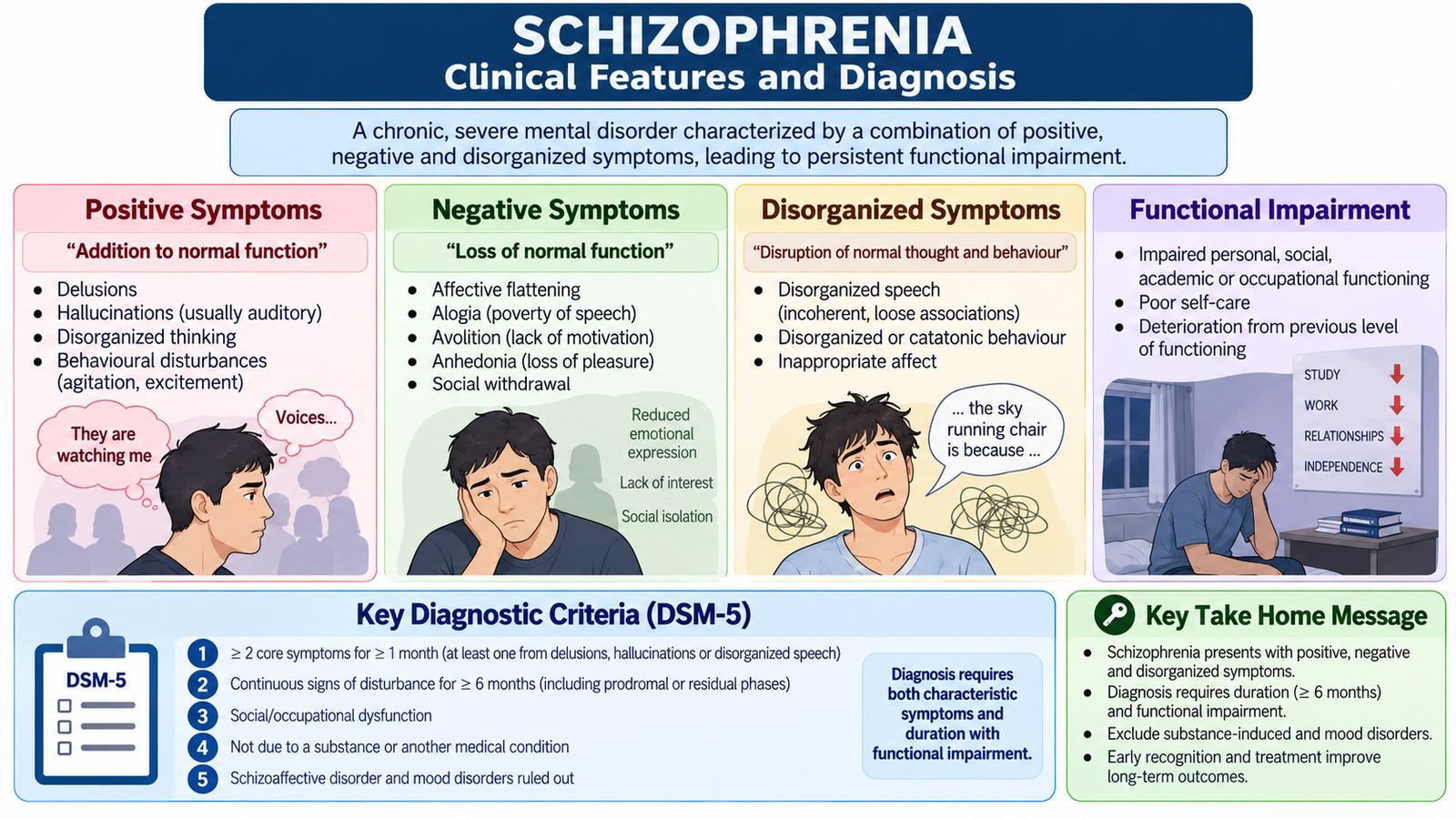
C. Schizophrenia: Clinical Features and Diagnosis
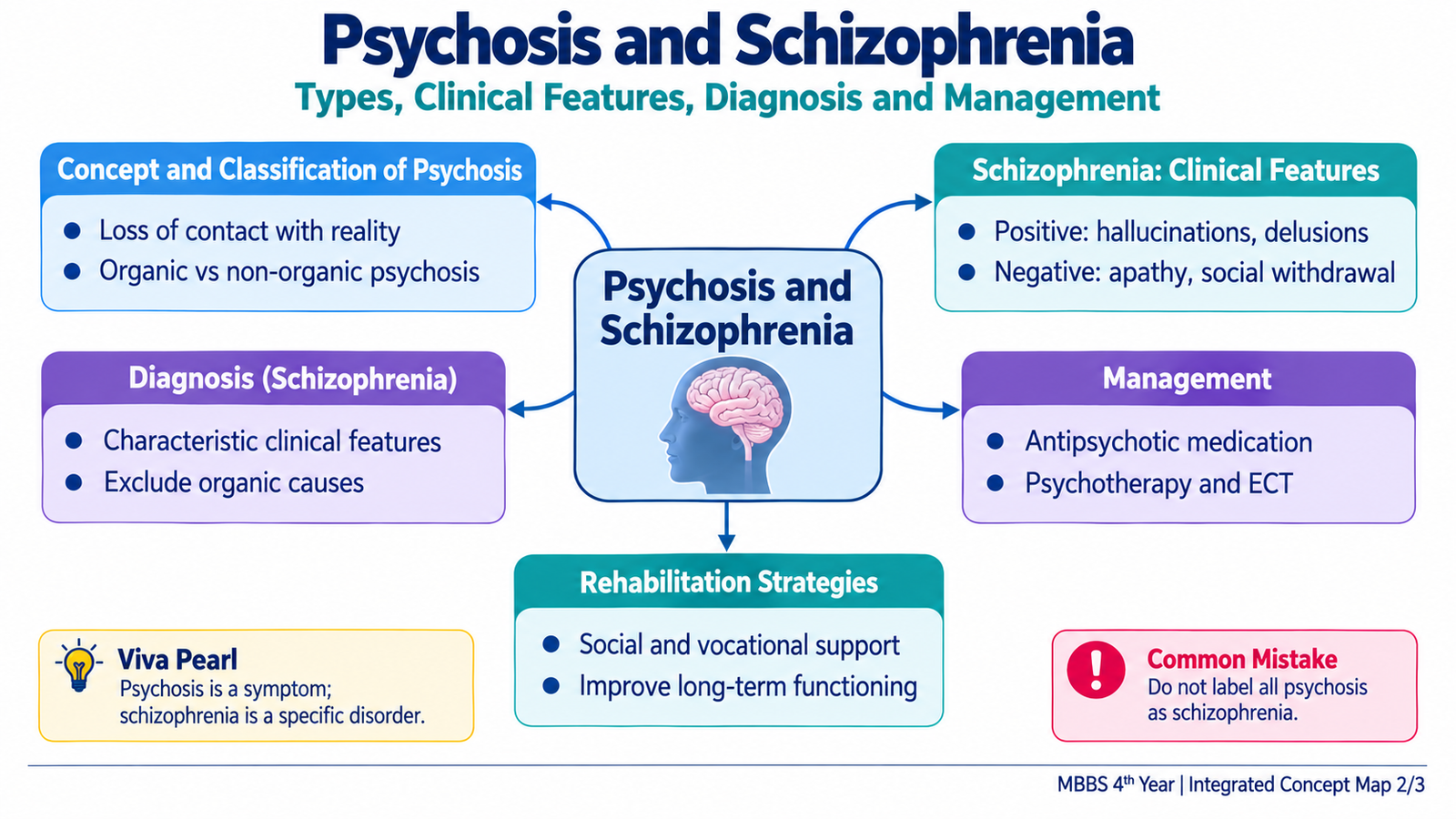
Schizophrenia is a chronic psychotic disorder characterized by disturbances in thought, perception, behaviour, emotional expression and functioning. It does not simply mean “split personality.” Its manifestations are commonly organized into positive symptoms, negative symptoms and disorganization. Recognizing these symptom groups helps both diagnosis and understanding of treatment response.
Positive symptoms
Positive symptoms are abnormal experiences or behaviours that are added to normal mental functioning.
- Delusions: commonly persecutory, referential, grandiose or bizarre.
- Hallucinations: auditory hallucinations are particularly characteristic. A patient may hear voices commenting, conversing or speaking directly to them.
- Disorganized speech: the connection between ideas becomes difficult to follow. Speech may become tangential, incoherent or markedly illogical.
- Grossly disorganized or catatonic behaviour.
Negative symptoms
Negative symptoms represent a reduction or loss of normal psychological functions and often contribute greatly to long-term disability.
- Affective flattening or reduced emotional expression: reduced facial expression, vocal tone and emotional responsiveness.
- Avolition: reduced motivation and difficulty initiating goal-directed activity.
- Alogia: reduced amount or spontaneity of speech.
- Anhedonia: reduced ability to experience or anticipate pleasure.
- Asociality: reduced interest in social relationships.
Cognitive and functional disturbance
Some patients also have problems with attention, working memory, planning and executive function. These disturbances, together with negative symptoms, may interfere with education, employment, relationships and self-care even when hallucinations and delusions improve.
Diagnostic criteria and approach
Diagnosis is clinical. Standard diagnostic criteria require a characteristic combination of psychotic symptoms, functional deterioration and persistence over time, while excluding other explanations.
In the DSM framework, the active phase includes at least two of the following, with at least one being delusions, hallucinations or disorganized speech:
- Delusions.
- Hallucinations.
- Disorganized speech.
- Grossly disorganized or catatonic behaviour.
- Negative symptoms.
The overall disturbance is continuous for at least six months, with at least one month of active-phase symptoms. There should also be significant impairment in one or more major areas of functioning such as work, interpersonal relationships or self-care.
Conditions that must be considered or excluded
- Mood disorders with psychotic features.
- Schizoaffective disorder.
- Substance- or medication-induced psychosis.
- Psychosis caused by neurological or other medical disease.
- Other schizophrenia-spectrum disorders.
Clinical assessment
The clinician should obtain the patient’s history as well as collateral information from family or caregivers when possible. The mental-state examination assesses appearance and behaviour, speech, mood and affect, thought form, thought content, perception, cognition, insight and judgment. Risk assessment is essential when there are suicidal ideas, severe self-neglect, aggression, command hallucinations or inability to care for basic needs.
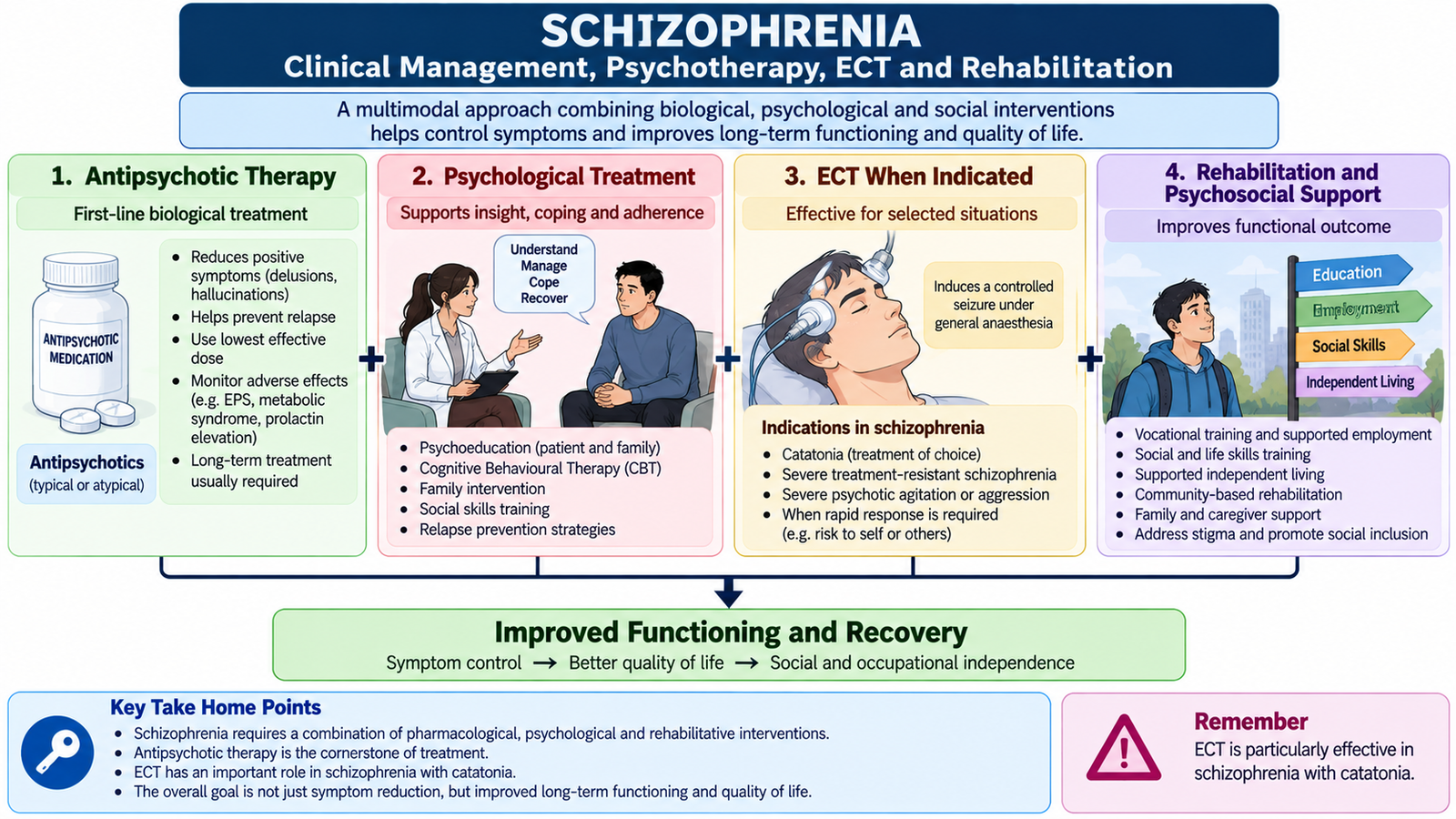
D. Schizophrenia: Clinical Management, Psychotherapy, ECT and Rehabilitation
Management of schizophrenia is not limited to suppressing hallucinations and delusions. The major goals are to control acute psychosis, reduce relapse, improve functioning, support adherence and help the patient return to family, social and occupational life. Pharmacotherapy is central, but psychological and rehabilitation strategies are essential for long-term recovery.
Pharmacological management
Antipsychotic medication is the main biological treatment for schizophrenia. It is especially effective for positive symptoms such as hallucinations, delusions and severe thought disorder. Selection is individualized according to previous response, adverse-effect profile, medical factors and likelihood of adherence.
Atypical or second-generation antipsychotics are commonly used because many produce fewer extrapyramidal adverse effects than older typical drugs. However, several atypical drugs have important metabolic adverse effects, so “atypical” does not mean free from toxicity.
Clozapine has a special role in schizophrenia that has not responded adequately to other antipsychotic treatment, but its potential for serious adverse effects requires careful clinical and laboratory monitoring.
Psychological treatment
Psychotherapy is used together with medication rather than as a replacement for antipsychotic treatment in established schizophrenia.
- Psychoeducation: helps the patient and family understand the illness, treatment and early signs of relapse.
- Cognitive behavioural therapy for psychosis: helps the patient examine distressing interpretations and develop better coping strategies for persistent psychotic experiences.
- Supportive psychotherapy: strengthens coping, problem solving and engagement with treatment.
- Family intervention: improves communication and helps relatives respond more effectively to the illness.
- Social-skills work: helps patients who have lost interpersonal and everyday living skills.
Electroconvulsive therapy in schizophrenia
ECT is not the routine first-line treatment for schizophrenia. It may, however, be useful in selected situations. It is particularly important when marked catatonia is present. It may also be considered when severe psychotic symptoms have not responded adequately to medication, especially as an augmentation strategy, or when prominent affective symptoms coexist and a rapid therapeutic response is clinically important.
Rehabilitation strategies
Even after positive symptoms improve, negative symptoms, cognitive difficulties and loss of social roles may continue. Rehabilitation aims to reduce disability and improve independent functioning.
- Occupational and vocational rehabilitation.
- Supported education or employment.
- Training in social and daily-living skills.
- Family support and psychoeducation.
- Assistance with adherence and recognition of early relapse symptoms.
- Community-based support and appropriate supported living when required.
- Management of associated substance misuse and physical-health problems.
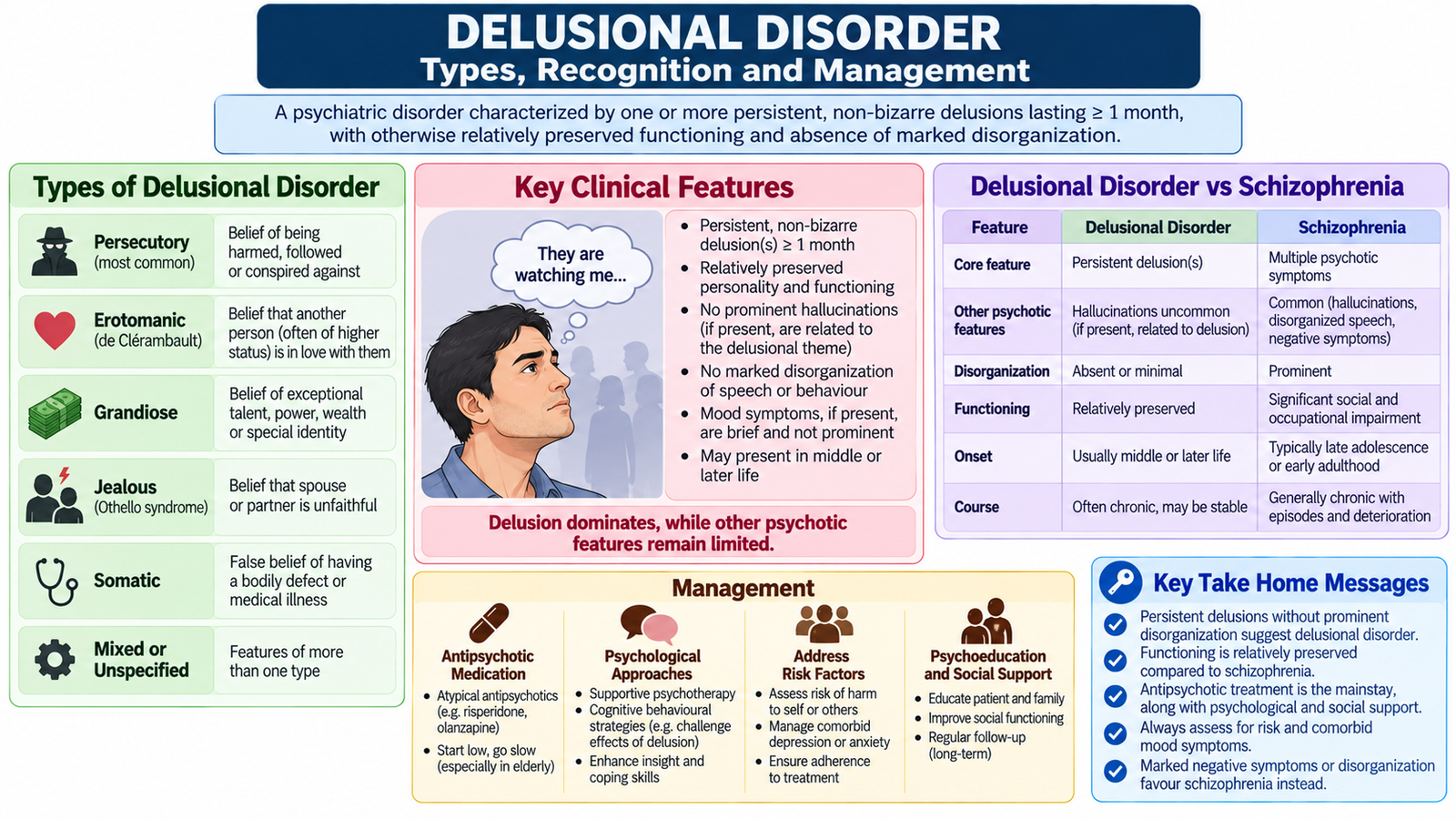
E. Delusional Disorder: Types, Recognition and Management
Delusional disorder is characterized by persistent delusions without the broad disturbance of thought, behaviour and functioning usually seen in schizophrenia. The delusion may be highly convincing to the patient, but functioning outside the area affected by that belief can remain relatively preserved.
Unlike schizophrenia, prominent disorganized speech, major negative symptoms and markedly disorganized behaviour are generally absent. Hallucinations are not a dominant feature; if perceptual experiences occur, they may be closely related to the delusional theme.
Types of delusional disorder
- Persecutory type: belief that the person is being harmed, followed, conspired against or treated maliciously.
- Jealous type: false conviction that a spouse or partner is unfaithful.
- Erotomanic type: belief that another person, often of higher status, is in love with the patient.
- Grandiose type: belief of possessing exceptional ability, power, identity or importance.
- Somatic type: delusional belief relating to bodily function, appearance or disease.
- Mixed type: more than one delusional theme without one clearly predominating.
Management
Successful treatment begins with a respectful therapeutic alliance. Direct confrontation of a firmly held delusion often damages trust. The clinician should acknowledge the patient’s distress without confirming the false belief.
- Assess risk, particularly when persecutory or jealous beliefs may lead to aggression, self-harm or harm to another person.
- Antipsychotic medication may reduce delusional intensity in some patients.
- Psychological treatment can help the patient examine interpretations and improve coping.
- Treat associated depression, anxiety or substance misuse when present.
- Family involvement may help when relationships are being affected by the delusion.
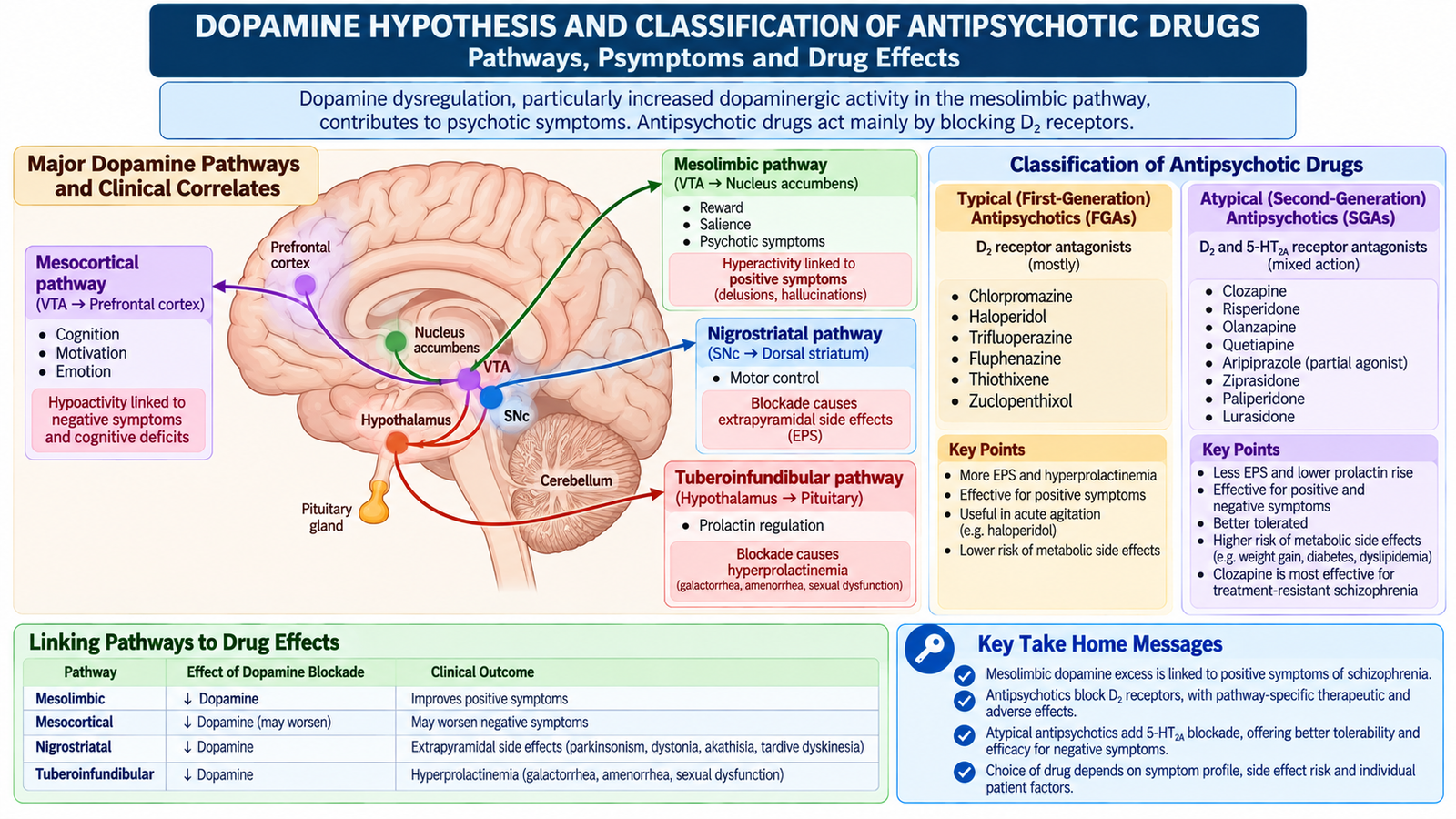
F. Dopamine Hypothesis and Classification of Antipsychotic Drugs
The pharmacology of schizophrenia becomes easier to understand when the major dopamine pathways are linked with symptoms and adverse effects. The dopamine hypothesis proposes that abnormal dopamine signalling contributes importantly to schizophrenia. It is not a complete explanation of the disorder, but it explains many clinical effects of antipsychotic medicines.
Dopamine hypothesis of schizophrenia
Increased dopaminergic activity in the mesolimbic pathway is associated with positive symptoms such as hallucinations and delusions. Blocking dopamine D2 receptors in this pathway therefore helps reduce these symptoms.
In contrast, reduced dopaminergic activity in the mesocortical pathway is associated with negative and cognitive symptoms. This helps explain why simple D2 blockade is much more effective for positive symptoms than for negative symptoms.
Two additional dopamine pathways explain major drug toxicities:
- Nigrostriatal D2 blockade interferes with normal motor control and causes extrapyramidal symptoms.
- Tuberoinfundibular D2 blockade removes dopamine’s inhibitory effect on prolactin secretion and may therefore produce hyperprolactinemia.
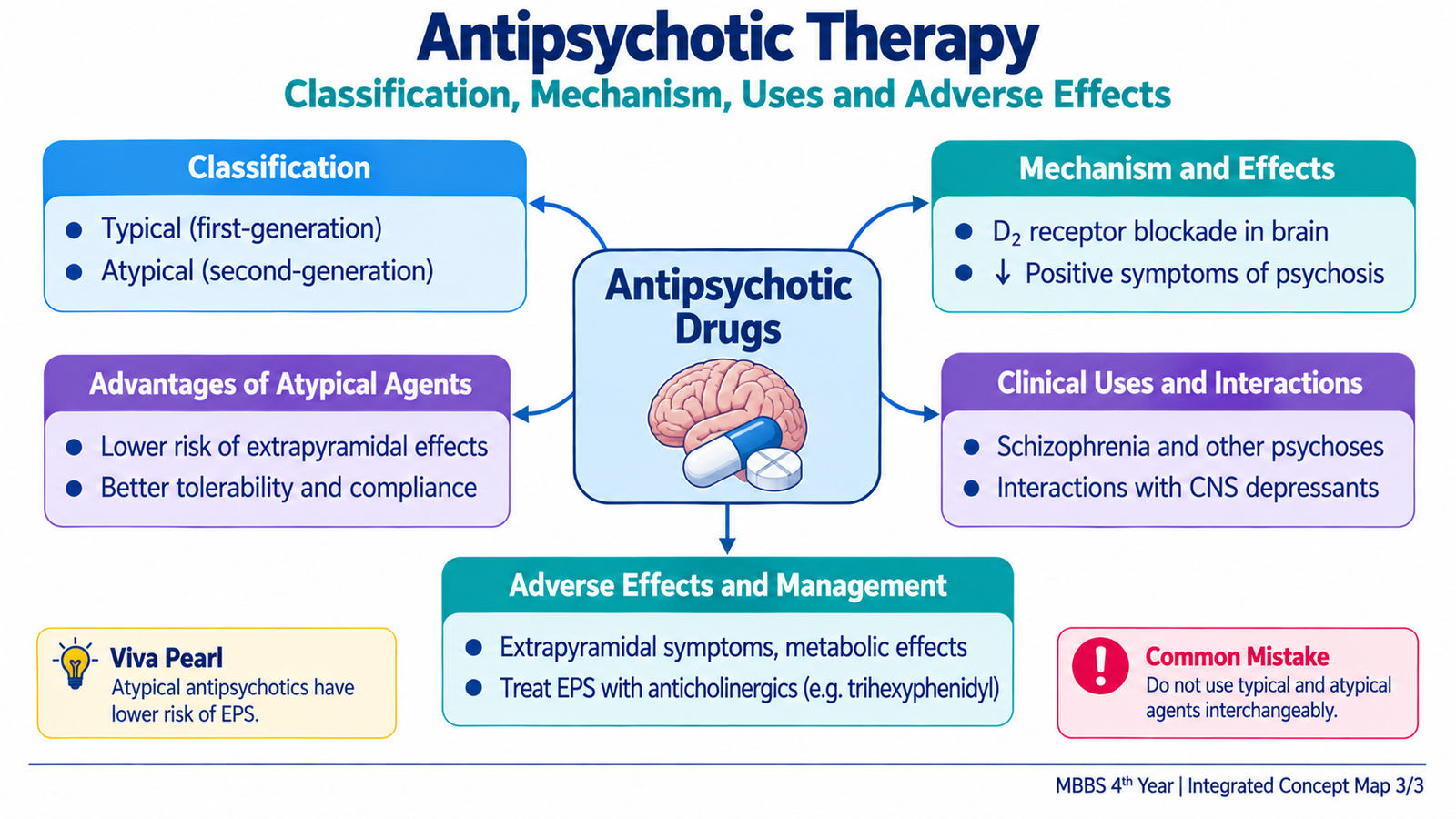
Classification of antipsychotic drugs
Antipsychotics are commonly divided into first-generation or typical and second-generation or atypical drugs. Both groups influence dopamine transmission, but their receptor profiles and adverse-effect patterns differ.
1. First-generation / typical antipsychotics
These drugs mainly act through strong D2-receptor antagonism.
- Low-potency examples: chlorpromazine, thioridazine.
- High-potency examples: haloperidol, fluphenazine, trifluoperazine.
High-potency agents generally produce more extrapyramidal effects, while low-potency agents produce more sedation, anticholinergic effects and postural hypotension.
2. Second-generation / atypical antipsychotics
- Clozapine.
- Risperidone and paliperidone.
- Olanzapine.
- Quetiapine.
- Ziprasidone.
- Aripiprazole.
Most atypical antipsychotics combine D2-receptor effects with substantial serotonin 5-HT2A receptor antagonism. Aripiprazole differs because it behaves as a partial agonist at D2 receptors rather than functioning as a simple D2 antagonist.
Advantages of atypical agents
- Lower tendency to produce extrapyramidal symptoms at usual therapeutic exposure for many drugs.
- Lower risk of tardive dyskinesia compared with older typical agents.
- Many produce less prolactin elevation, although risperidone and paliperidone can significantly increase prolactin.
- They may provide better overall control of some negative and affective symptoms, although negative symptoms remain difficult to treat.
- Clozapine is particularly valuable in treatment-resistant schizophrenia.
These advantages must be balanced against important adverse effects such as weight gain, dyslipidemia and disturbances of glucose metabolism with several atypical agents.
G. Antipsychotic Mechanisms, Pharmacological Effects, Clinical Uses and Interactions
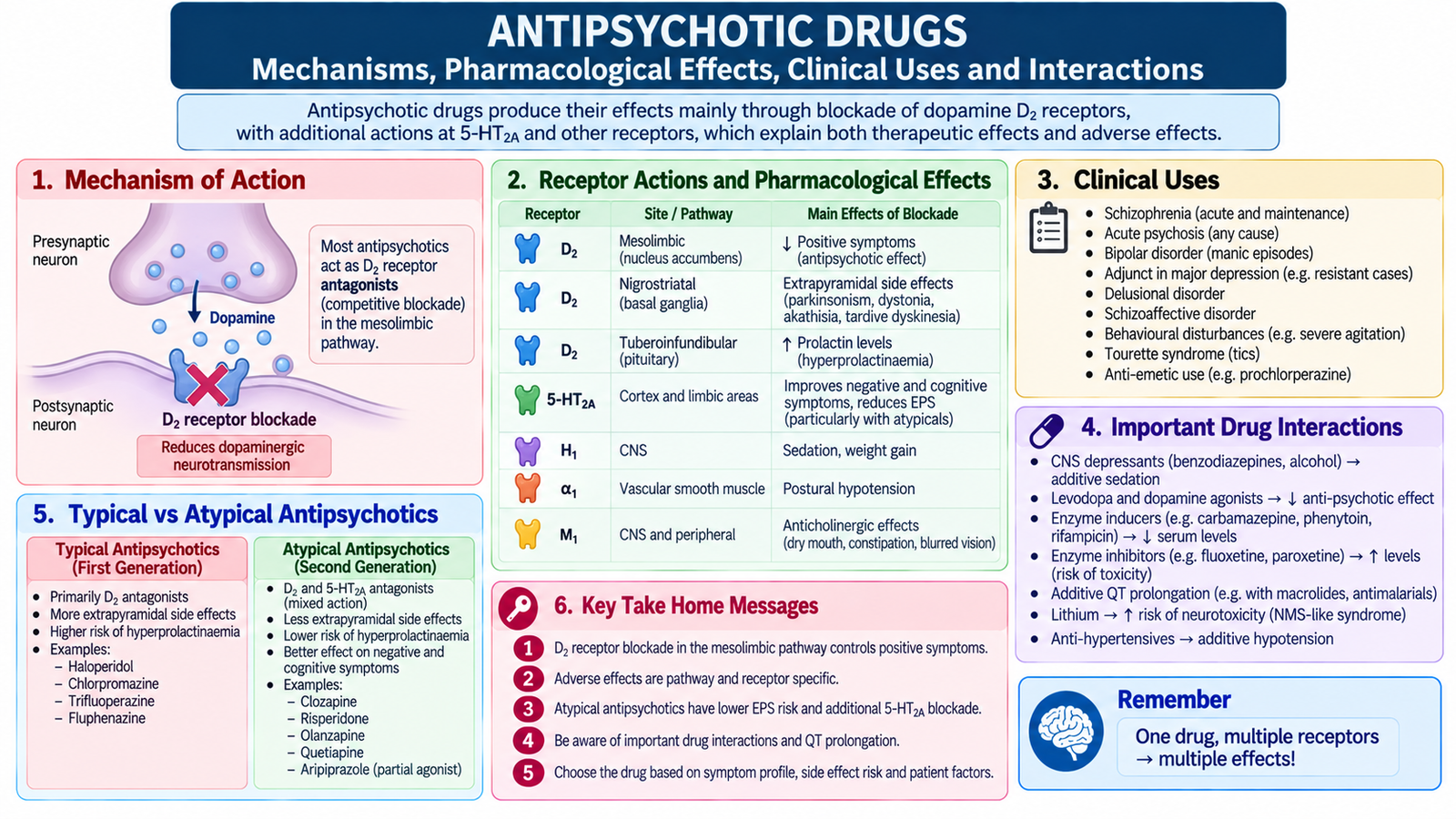
Antipsychotic drugs work primarily by modifying neurotransmission in brain pathways involved in psychosis. Their therapeutic and adverse effects can often be predicted from the receptors they block or partially stimulate. This receptor-based approach is more useful than memorizing isolated drug facts.
Mechanism of action
Typical antipsychotics block dopamine D2 receptors. D2 blockade in the mesolimbic pathway reduces excessive dopaminergic signalling and therefore improves positive psychotic symptoms.
Atypical antipsychotics generally combine D2 receptor effects with 5-HT2A receptor blockade. This pattern contributes to antipsychotic efficacy while producing fewer motor adverse effects with many agents. Dopamine partial agonists such as aripiprazole stabilize dopaminergic signalling rather than completely blocking it.
Other receptor actions and pharmacological effects
- Histamine H1 blockade contributes to sedation and weight gain.
- Muscarinic receptor blockade produces dry mouth, blurred vision, constipation and urinary difficulty.
- α1-adrenergic blockade causes vasodilation and postural hypotension.
- D2 blockade in the chemoreceptor trigger zone gives some antipsychotics antiemetic activity.
Clinical uses
The major use of antipsychotics is treatment of psychotic disorders, but their pharmacological actions also make them useful in selected other psychiatric conditions.
- Schizophrenia and related schizophrenia-spectrum disorders.
- Acute psychotic episodes.
- Delusional disorder when medication is clinically indicated.
- Psychotic symptoms occurring in severe mood disorders.
- Acute mania and severe behavioural disturbance when an antipsychotic is appropriate.
- Selected phenothiazine-related drugs may also have antiemetic actions.
Important drug interactions
Interactions are especially important because antipsychotics affect the central nervous system, cardiovascular system and several hepatic drug-metabolizing pathways.
- Alcohol, sedatives and other CNS depressants: may increase sedation and impairment.
- Antihypertensive drugs: may produce excessive hypotension when combined with antipsychotics that strongly block α1 receptors.
- Anticholinergic drugs: can increase constipation, urinary retention, blurred vision and cognitive impairment.
- Levodopa and dopamine agonists: pharmacological actions may oppose D2-blocking antipsychotics.
- Other QT-prolonging drugs: may increase the risk of clinically important cardiac rhythm disturbance with susceptible antipsychotics.
- Hepatic enzyme inhibitors or inducers: may increase or decrease concentrations of antipsychotics metabolized through the affected pathways.
- Smoking can alter the metabolism of some drugs, particularly clozapine and olanzapine, through induction of CYP1A2. A major change in smoking behaviour may therefore change drug exposure.
H. Adverse Effects of Antipsychotics and Pharmacological Treatment of Extrapyramidal Syndromes
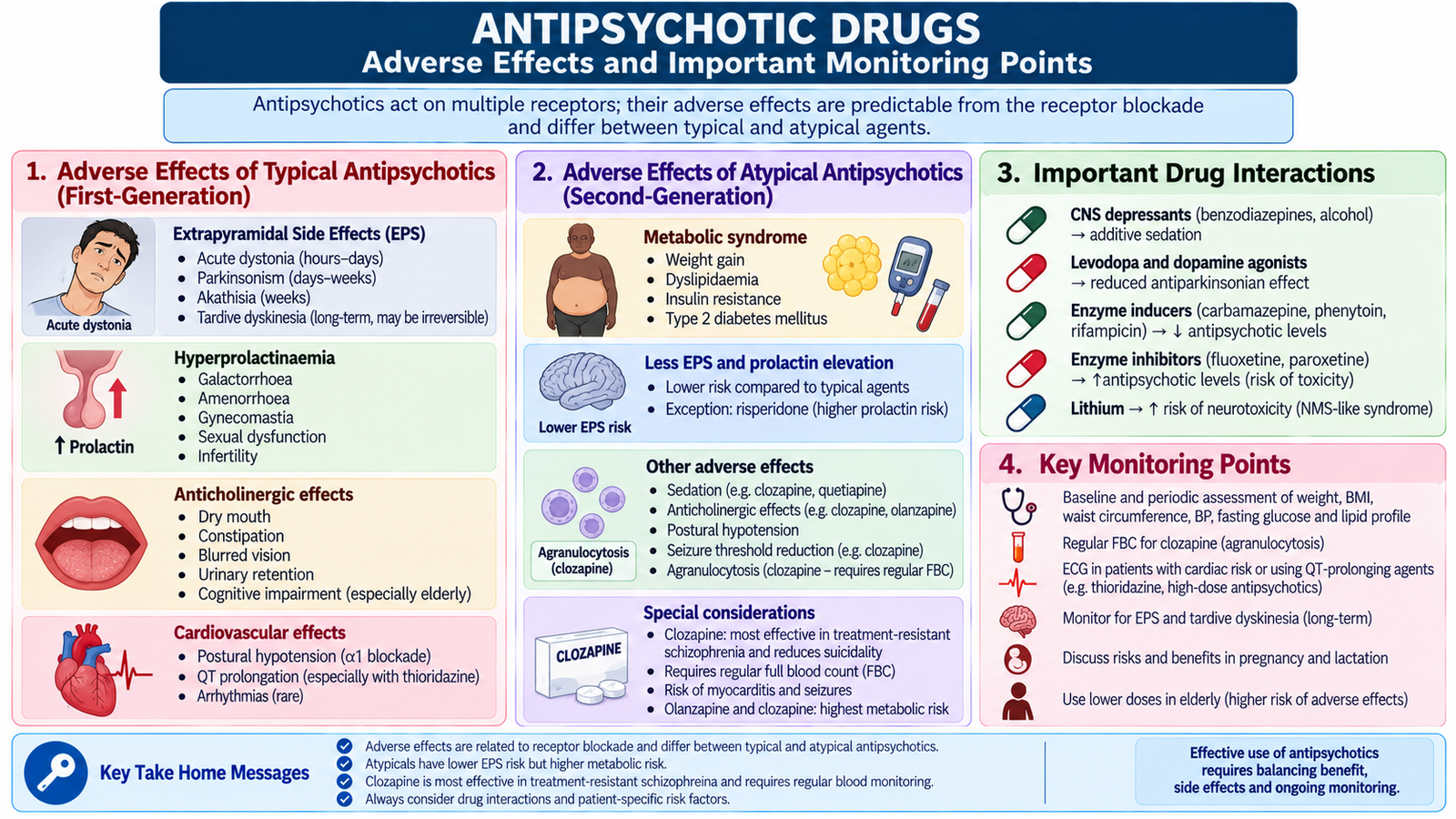
Antipsychotic adverse effects are best understood from their receptor actions and the dopamine pathways affected. D2 blockade outside the mesolimbic pathway explains many classic toxicities, while effects on histamine, muscarinic and adrenergic receptors explain several additional reactions.
Extrapyramidal symptoms
Extrapyramidal symptoms (EPS) result mainly from excessive D2 blockade in the nigrostriatal dopamine pathway. They are more common with high-potency typical antipsychotics, although they can occur with atypical agents as well.
Acute dystonia
Acute dystonia consists of sudden sustained involuntary muscle contractions. The neck, jaw, eyes or other muscles may be affected. Oculogyric crisis and painful neck spasm are typical examples.
Pharmacological treatment: an antimuscarinic drug such as benztropine or biperiden, or an antihistamine with anticholinergic activity such as diphenhydramine, can rapidly reverse the reaction.
Akathisia
Akathisia is a distressing feeling of inner restlessness accompanied by inability to remain still. Patients may pace, repeatedly move their legs or report that they feel compelled to move. It can be mistaken for psychiatric agitation.
Pharmacological treatment: a beta-blocker such as propranolol is commonly used. A benzodiazepine may also be useful in selected patients. The antipsychotic regimen should be reviewed.
Drug-induced parkinsonism
Dopamine blockade in the nigrostriatal pathway may produce rigidity, bradykinesia, tremor and a mask-like face resembling Parkinson disease.
Pharmacological treatment: an antimuscarinic drug such as benztropine or an agent such as amantadine may be used. Reducing the antipsychotic burden or switching to a drug with lower EPS risk may also be necessary.
Tardive dyskinesia
Tardive dyskinesia usually develops after prolonged exposure and is characterized by involuntary repetitive movements, often involving the mouth, tongue and face. Limb and trunk movements may also occur.
Treatment principle: the antipsychotic should be reassessed and unnecessary exposure reduced. Switching to an antipsychotic with lower risk, including clozapine in suitable patients, may be considered. Vesicular monoamine transporter 2 inhibitors such as valbenazine or deutetrabenazine are specific pharmacological treatments. Routine anticholinergic treatment can worsen tardive dyskinesia.
Neuroleptic malignant syndrome
Neuroleptic malignant syndrome (NMS) is an uncommon but potentially life-threatening reaction associated with profound dopamine blockade. Important features include severe muscular rigidity, hyperthermia, altered mental state and autonomic instability. Creatine kinase may rise because of muscle injury.
Endocrine and metabolic adverse effects
- Hyperprolactinemia: tuberoinfundibular D2 blockade can produce galactorrhea, menstrual disturbance, sexual dysfunction and other consequences of raised prolactin.
- Weight gain: particularly important with several atypical agents.
- Glucose and lipid abnormalities: metabolic disturbance is an important concern with drugs such as clozapine and olanzapine.
Autonomic, neurological and cardiovascular effects
- Sedation from H1 blockade.
- Dry mouth, blurred vision, constipation and urinary retention from muscarinic blockade.
- Postural hypotension from α1-adrenergic blockade.
- QT interval prolongation with susceptible agents, increasing the risk of cardiac arrhythmia.
- Reduced seizure threshold with some antipsychotics.
Important adverse effects of clozapine
Clozapine is highly valuable in treatment-resistant schizophrenia, but its distinctive toxicities explain why careful monitoring is necessary.
- Severe neutropenia/agranulocytosis.
- Marked metabolic adverse effects and weight gain.
- Sedation and excessive salivation.
- Seizures in susceptible patients.
- Myocarditis is an important serious adverse effect.
Integrated Mechanism Flow
The central clinical-pharmacological relationship can be followed from dopamine disturbance to treatment and adverse effects:
Abnormal dopamine signalling
Mesolimbic overactivity contributes to positive psychotic symptoms
D2-modulating antipsychotics reduce psychosis
Blockade in other dopamine pathways produces adverse effects
Drug selection balances efficacy with EPS, endocrine and metabolic risk
Important Comparisons
Delusional Disorder versus Schizophrenia
| Feature | Delusional Disorder | Schizophrenia |
|---|---|---|
| Dominant abnormality | Persistent delusion | Broader psychotic syndrome |
| Hallucinations | Absent or not prominent; may relate to delusional theme | Often prominent, especially auditory |
| Thought/speech disorganization | Usually absent | May be prominent |
| Negative symptoms | Not characteristic | Common and clinically important |
| Overall function | Relatively preserved outside effect of delusion | Often significantly impaired |
Typical versus Atypical Antipsychotics
| Feature | Typical | Atypical |
|---|---|---|
| Main receptor principle | Predominant D2 antagonism | D2 effects plus prominent 5-HT2A effects for many agents |
| Positive symptoms | Effective | Effective |
| EPS | Generally greater risk, especially high-potency agents | Generally lower risk |
| Metabolic effects | Variable | Important with several agents |
| Important examples | Haloperidol, chlorpromazine, fluphenazine | Clozapine, risperidone, olanzapine, quetiapine, aripiprazole |
| Special advantage | Established antipsychotic efficacy | Lower EPS risk for many drugs; clozapine useful in resistant illness |
⭐ AIM High-Yield Review
🎥 Recommended Video 1 — Schizophrenia
Review the clinical features, diagnosis, underlying concepts and management of schizophrenia.
Source: Osmosis
💊 Recommended Video 2 — Antipsychotic Pharmacology
Focus on dopamine pathways, typical versus atypical antipsychotics, mechanisms of action and major adverse effects.
Source: Speed Pharmacology
🎥 Schizophrenia — Clinical Features, Diagnosis & Management
Review the core clinical features, positive and negative symptoms, diagnosis and treatment principles of schizophrenia.
Source: Osmosis from Elsevier
▶ If the embedded player does not load, open the video on YouTube