
General Anaesthetics and Perioperative Pharmacology
Topic Introduction
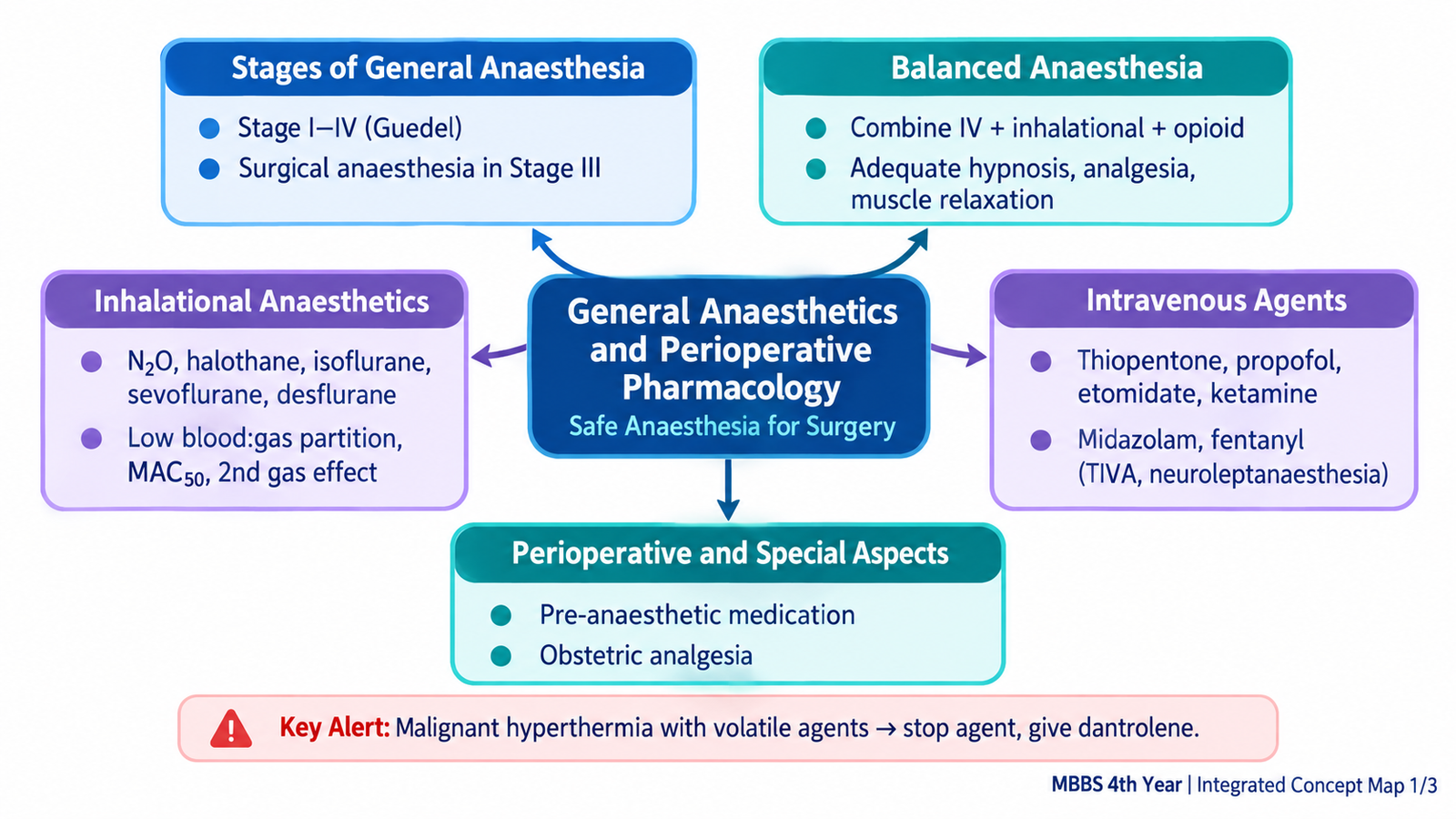
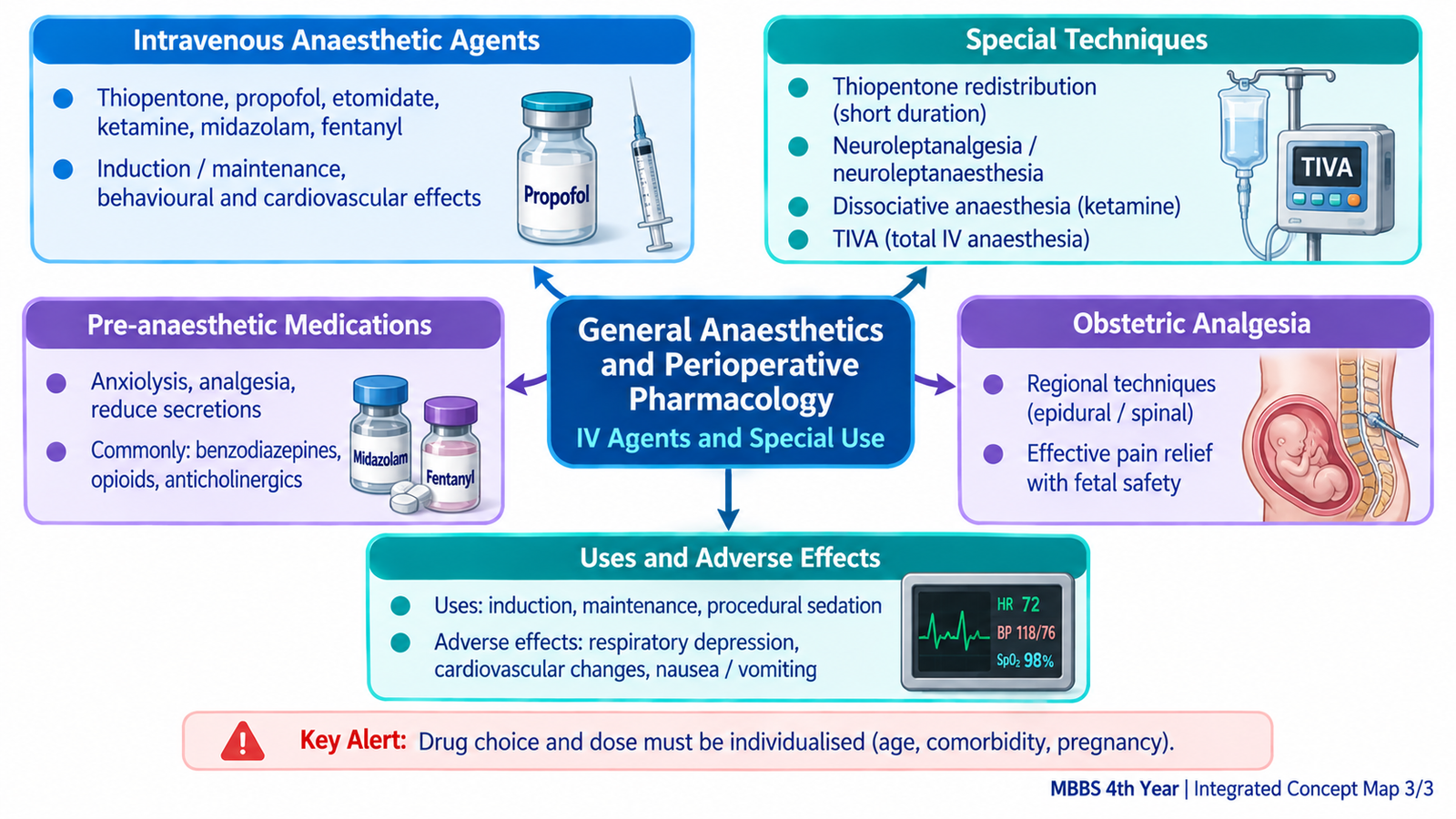
General anaesthesia is a controlled and reversible state in which drugs produce loss of consciousness together with other effects needed for surgery, such as analgesia, amnesia, suppression of reflex responses and immobility. No single anaesthetic drug provides every desired effect perfectly, so modern anaesthesia often combines several drugs. Understanding general anaesthetics therefore requires two ideas: what each drug does and how rapidly the drug reaches and leaves the brain. This chapter explains the classical stages and balanced anaesthesia, inhalational pharmacokinetics and MAC, important inhalational and intravenous agents, characteristic adverse effects, malignant hyperthermia, TIVA, pre-anaesthetic medicines and the basic pharmacological principles of obstetric analgesia.
A. General Anaesthesia: Stages, Balanced Anaesthesia and Core Concepts
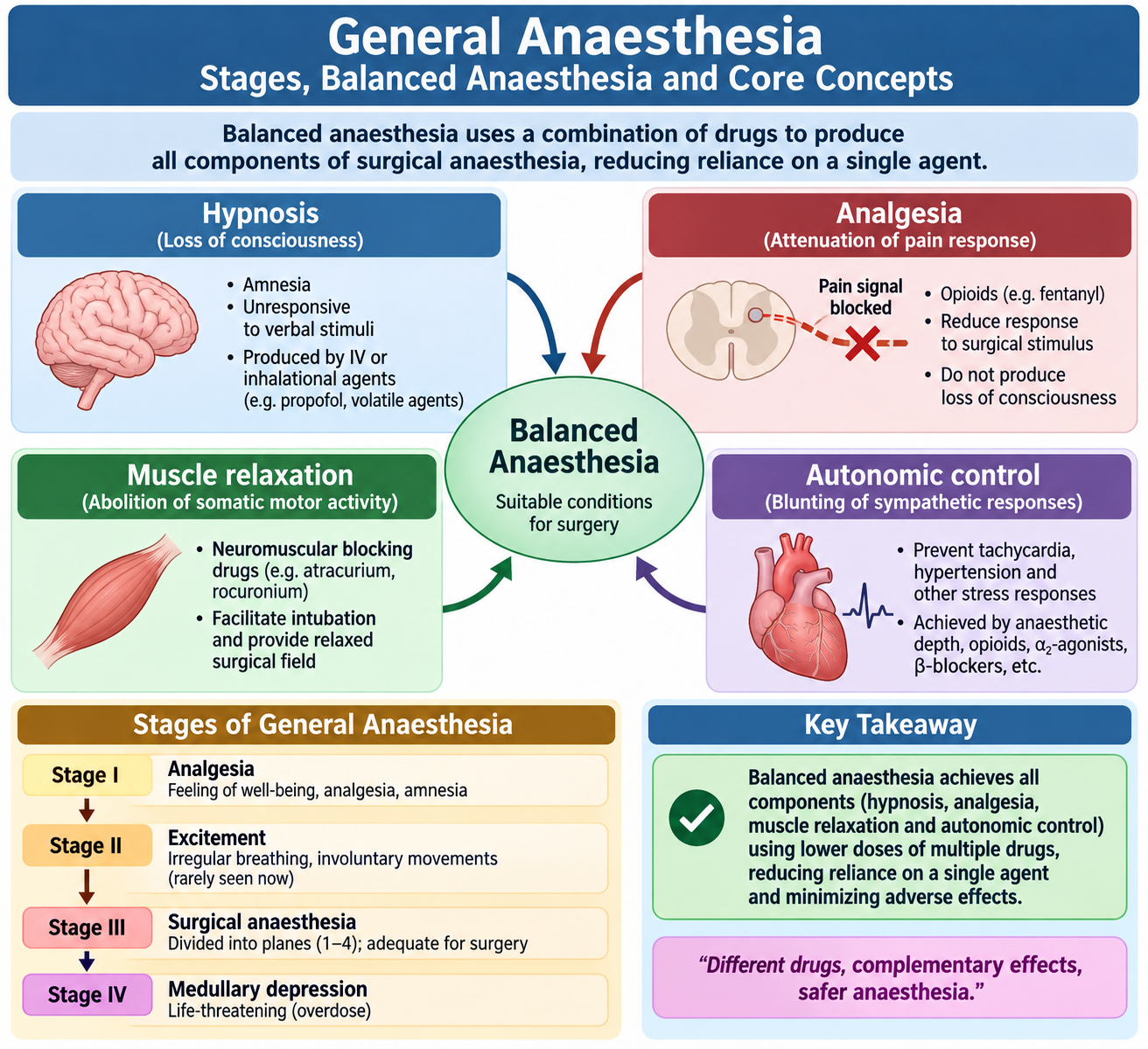
General anaesthesia is not simply “sleep.” It is a drug-induced, reversible depression of the central nervous system that creates suitable conditions for surgery. Depending on the procedure, the anaesthetist may need unconsciousness, amnesia, analgesia, skeletal-muscle relaxation and suppression of autonomic responses such as tachycardia or hypertension. Because these effects arise through different neural pathways, using several complementary drugs is usually more practical than trying to obtain every effect from one drug.
Classical stages of general anaesthesia
The classical stages were described from slowly induced ether anaesthesia. Modern intravenous induction is much faster, so these stages are not always clearly observed in clinical practice. They remain useful for understanding increasing depth of CNS depression.
| Stage | Main feature | Meaning |
|---|---|---|
| I — Analgesia | Analgesia develops; consciousness is eventually lost. | Early CNS depression occurs before surgical anaesthesia is reached. |
| II — Excitement / delirium | Irregular breathing, excitement, increased reflex activity and possible vomiting. | Higher inhibitory centres are depressed before lower reflex centres. |
| III — Surgical anaesthesia | Regular respiration with progressively deeper loss of reflexes and muscle tone. | This is the classical depth suitable for surgery. |
| IV — Medullary paralysis | Severe respiratory and cardiovascular depression. | This represents dangerous excessive anaesthetic depth. |
Balanced anaesthesia
Balanced anaesthesia means using a combination of drugs so that each contributes a particular desired effect. Lower amounts of individual drugs can then be used, reducing dose-related toxicity while producing a more complete anaesthetic state.
Produced by an intravenous or inhalational anaesthetic.
Often supplied by an opioid or another analgesic technique.
Provided when required for surgery or airway management.
Adequate anaesthesia reduces harmful responses to surgical stimulation.
Thus, an anaesthetic plan is designed around the required components rather than around a single “complete” anaesthetic drug.
B. Inhalational Anaesthetic Pharmacokinetics, MAC50 and Ideal Properties
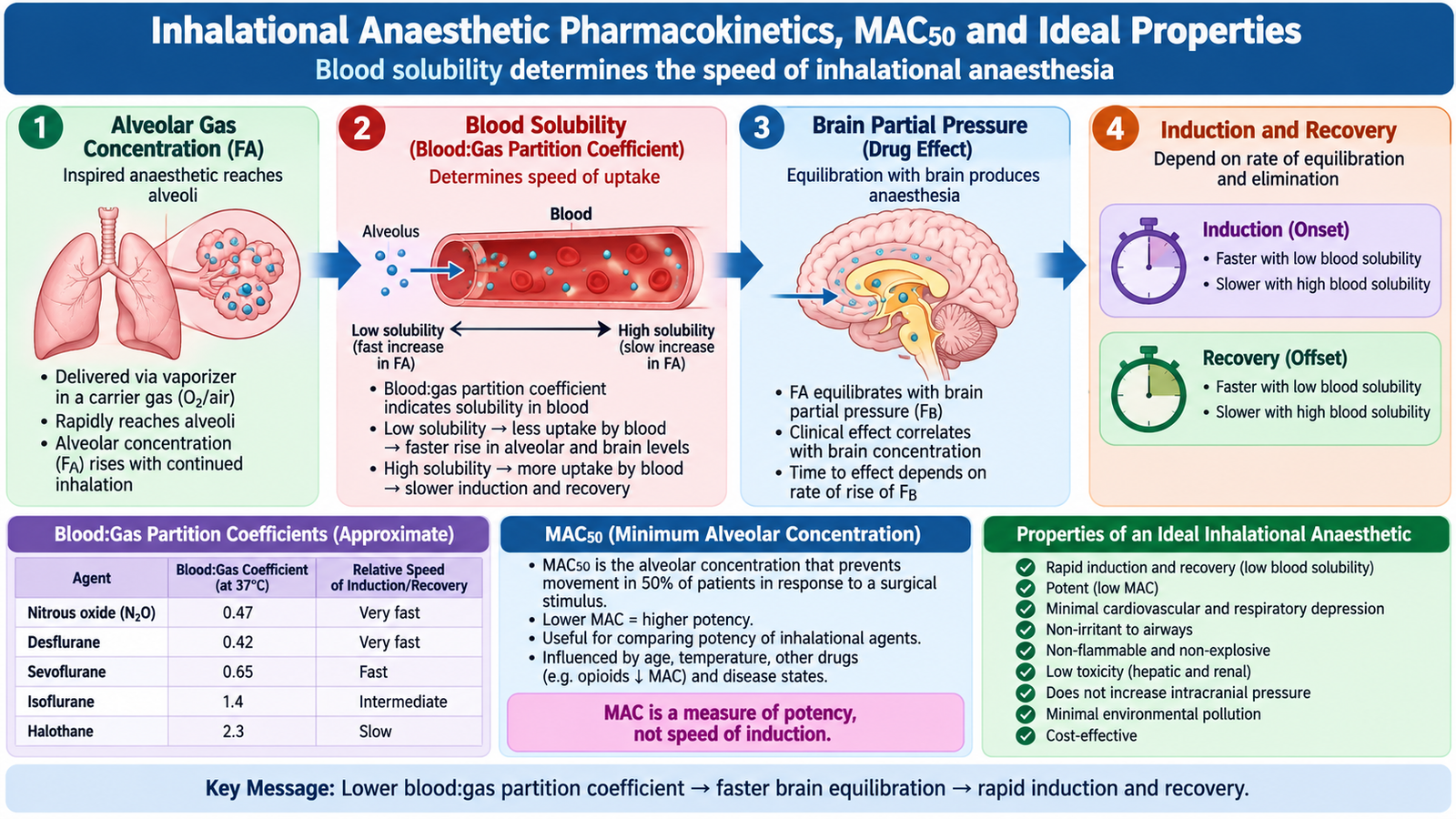
For an inhalational anaesthetic to act, it must move from inspired air into the alveoli, then into blood and finally into the brain. The clinical effect depends mainly on the partial pressure of the anaesthetic in the brain, because partial pressure determines the tendency of anaesthetic molecules to move into nervous tissue. Factors that make the brain partial pressure rise rapidly produce faster induction.
Blood:gas partition coefficient
The blood:gas partition coefficient describes how soluble an inhalational anaesthetic is in blood compared with alveolar gas. This concept is central to understanding induction and recovery.
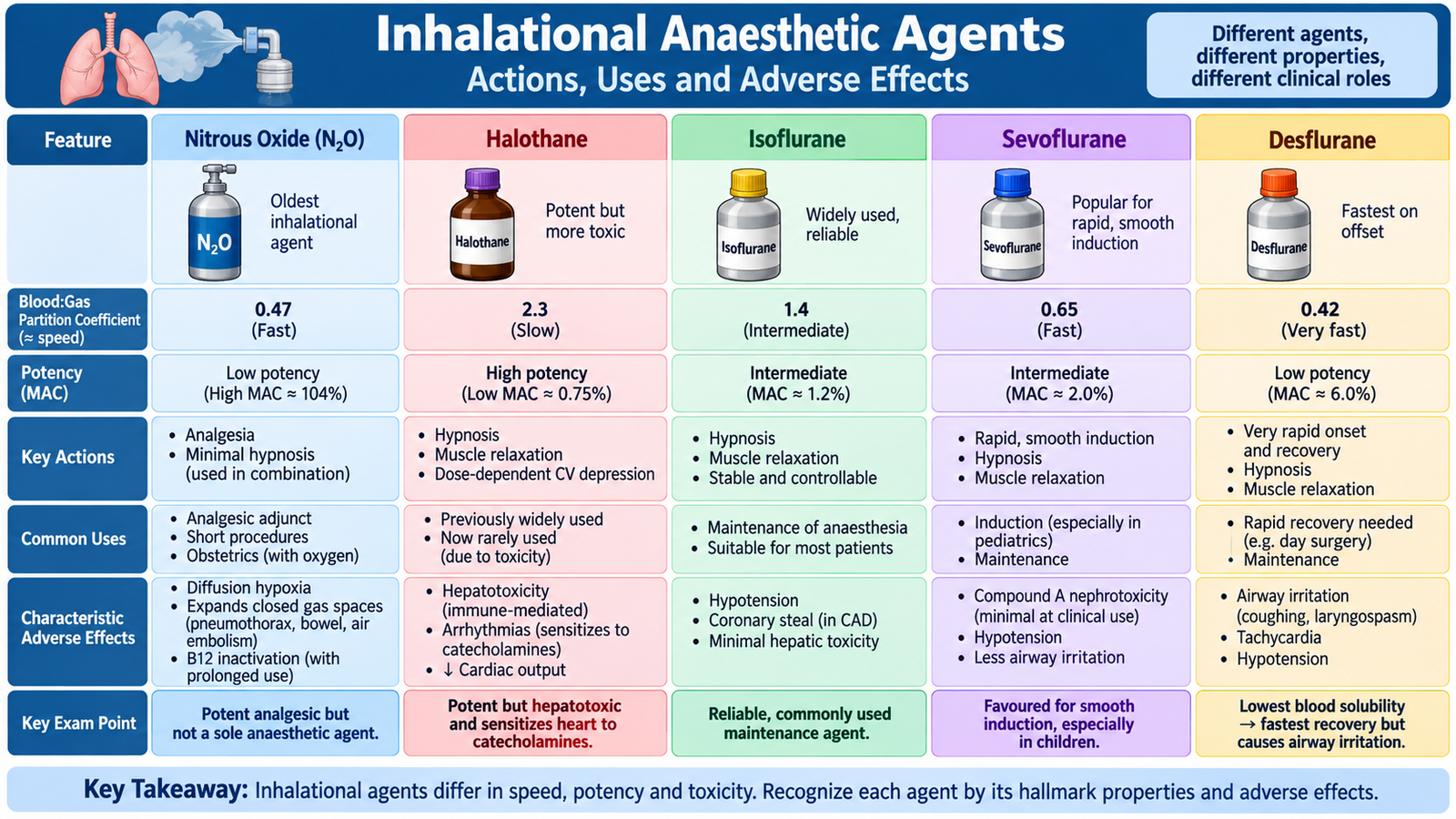
Sevoflurane and especially desflurane have relatively low blood solubility and therefore permit rapid adjustment of anaesthetic depth. Halothane is more soluble and changes anaesthetic depth more slowly.
Other determinants of inhalational induction
- Inspired concentration: a higher inspired concentration increases the driving pressure into the body.
- Alveolar ventilation: greater ventilation brings anaesthetic to the alveoli more rapidly.
- Cardiac output: a high cardiac output can remove more anaesthetic from alveoli into blood, slowing the rise of alveolar partial pressure for soluble agents.
- Tissue uptake: uptake by well-perfused tissues influences how rapidly equilibrium is reached.
MAC50
Minimum alveolar concentration (MAC) is an index of inhalational anaesthetic potency. MAC50 is the alveolar concentration at which 50% of patients do not move in response to a standard surgical stimulus. Potency and MAC are inversely related:
Higher MAC → lower anaesthetic potency
Nitrous oxide has low anaesthetic potency and therefore a very high MAC. It is consequently more useful as an analgesic and as part of balanced anaesthesia than as the sole agent for major surgical anaesthesia.
Second-gas effect
Nitrous oxide is taken up rapidly from the alveoli. As a large volume of nitrous oxide leaves the alveolus for blood, the remaining alveolar gases become relatively concentrated. If a second inhalational anaesthetic is being given at the same time, its alveolar concentration can rise more rapidly. This is called the second-gas effect.
Diffusion hypoxia
When nitrous oxide administration is stopped, the process reverses. Nitrous oxide rapidly leaves blood and enters the alveoli. This sudden movement can dilute alveolar oxygen and temporarily reduce oxygen concentration. The resulting diffusion hypoxia is prevented clinically by administering oxygen during the early recovery period after nitrous oxide is discontinued.
Properties of an ideal inhalational anaesthetic
No available agent possesses every ideal property. The ideal agent would combine rapid control of anaesthetic depth with good potency and minimal toxicity.
- Rapid and smooth induction and recovery.
- Low blood:gas partition coefficient.
- Adequate anaesthetic potency.
- Non-irritant and pleasant to inhale.
- Minimal cardiovascular and respiratory depression.
- Minimal metabolism and no significant hepatic, renal or other organ toxicity.
- Chemically stable, non-flammable and easy to administer.
- Rapid elimination without harmful metabolites.
C. Inhalational Anaesthetic Agents: Actions, Uses and Adverse Effects
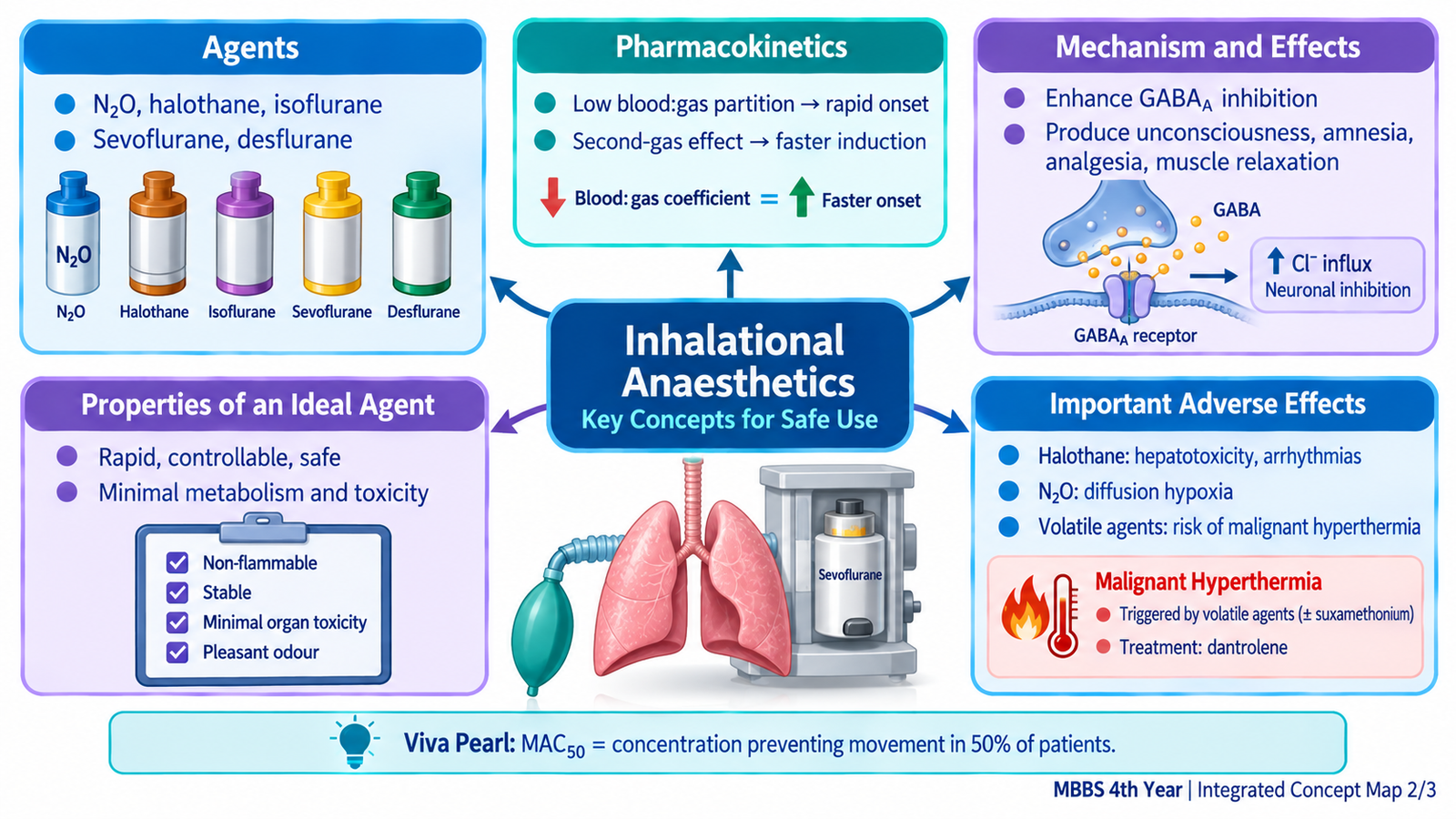
Most inhalational anaesthetics alter the function of several neuronal ion channels rather than acting at a single receptor. Volatile agents generally enhance inhibitory transmission, including GABA-mediated activity, and reduce neuronal excitability. Nitrous oxide differs because inhibition of excitatory NMDA receptor signalling contributes importantly to its effects. The agents share anaesthetic actions but differ substantially in potency, speed, airway effects and toxicity.
Nitrous oxide (N₂O)
Nitrous oxide is an inhaled gas with good analgesic activity but weak anaesthetic potency. Its low blood solubility gives rapid onset and recovery. Because it cannot reliably produce deep surgical anaesthesia alone under ordinary conditions, it is commonly combined with other agents.
- Advantages: rapid action, useful analgesia and relatively limited cardiovascular depression.
- Important adverse effects: nausea, vomiting and diffusion hypoxia after discontinuation.
- Closed gas spaces: nitrous oxide enters air-containing cavities more rapidly than nitrogen leaves them, so it can enlarge a pneumothorax, distend bowel or expand other trapped gas collections.
- Prolonged exposure: interference with vitamin B₁₂-dependent methionine synthase can disturb DNA synthesis and hematopoiesis.
Halothane
Halothane is a potent, non-pungent volatile anaesthetic. Its pleasant inhalational characteristics historically made it useful for smooth induction, but significant toxicity and cardiovascular effects have greatly limited its role.
- Cardiovascular: myocardial depression and hypotension may occur. Halothane also sensitizes the myocardium to catecholamines, increasing the risk of arrhythmias.
- Respiratory: dose-dependent respiratory depression.
- Liver: rare but serious halothane-associated hepatitis can occur.
- Uterus: relaxation of uterine smooth muscle may increase bleeding when strong uterine tone is required.
- Malignant hyperthermia: halothane, like other potent volatile anaesthetics, can trigger this syndrome in susceptible patients.
Isoflurane
Isoflurane is a potent volatile anaesthetic used mainly for maintenance rather than smooth mask induction because its pungent vapour can irritate the airway. It produces vasodilation, so blood pressure falls mainly because systemic vascular resistance decreases.
- Produces reliable anaesthesia with relatively limited metabolism.
- Causes dose-related respiratory depression.
- Pungency and airway irritation make inhalational induction less comfortable than with sevoflurane.
Sevoflurane
Sevoflurane has low blood solubility and is non-pungent. These two features explain its major clinical advantage: anaesthesia can be induced and adjusted rapidly, including by inhalation.
- Smooth inhalational induction because it causes relatively little airway irritation.
- Rapid emergence because blood solubility is low.
- Produces dose-related hypotension and respiratory depression.
- Fluoride-containing metabolites and degradation products explain the traditional renal-toxicity concern associated with this agent.
Desflurane
Desflurane has extremely low blood solubility, so changes in inspired concentration are followed rapidly by changes in brain concentration. Anaesthetic depth can therefore be altered quickly, and recovery is rapid.
- Main advantage: very rapid adjustment and recovery.
- Main limitation: it is pungent and can irritate the airway.
- Rapid increases in concentration can stimulate sympathetic activity, producing tachycardia and hypertension.
- Its physical properties require controlled vaporization for accurate delivery.
Malignant hyperthermia
Malignant hyperthermia is a life-threatening hypermetabolic reaction of skeletal muscle occurring in genetically susceptible individuals after exposure to triggering anaesthetic drugs, particularly potent volatile anaesthetics and the depolarizing muscle relaxant succinylcholine.
Early clues include an unexpected rise in carbon dioxide production, tachycardia and muscle rigidity. Hyperthermia may develop later. Treatment requires immediate withdrawal of triggering agents, high-concentration oxygen, supportive cooling and correction of metabolic abnormalities. Dantrolene is the specific drug because it reduces abnormal calcium release from the skeletal-muscle sarcoplasmic reticulum.
D. Intravenous Induction Agents: Thiopentone, Propofol, Etomidate and Ketamine
Intravenous anaesthetics reach the brain rapidly because the brain receives a large proportion of cardiac output. Loss of consciousness therefore occurs within a short time after an effective intravenous injection. Their differences in cardiovascular effects, analgesia and recovery determine which agent is most suitable for a particular patient.
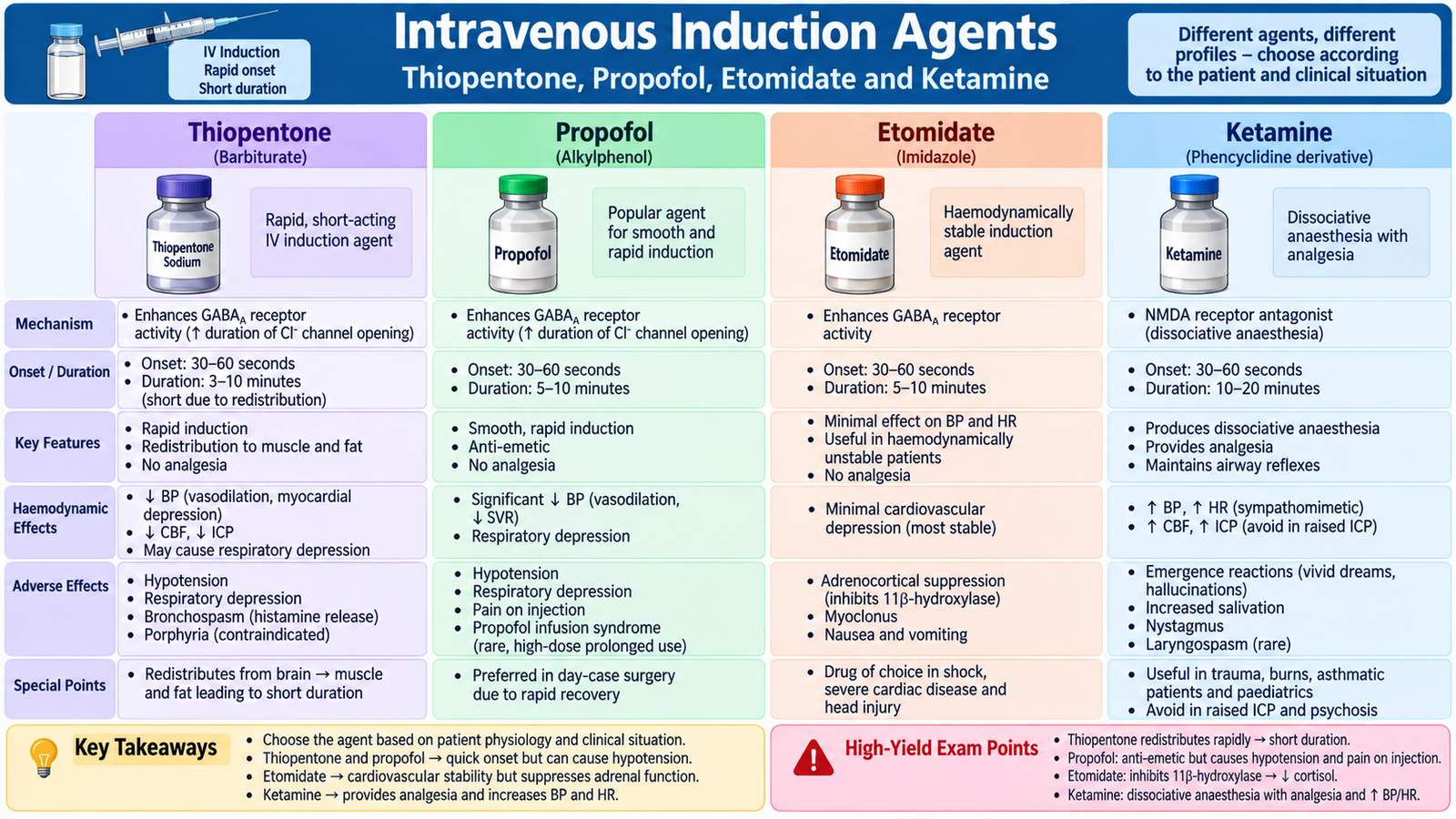
Thiopentone
Thiopentone is an ultra-short-acting barbiturate that enhances inhibitory neurotransmission through the GABAA receptor. It rapidly induces unconsciousness but does not provide useful analgesia.
IV injection → rapid delivery to highly perfused brain → unconsciousness → drug leaves brain and enters muscle and other tissues → brain concentration falls → patient awakens after a single induction dose.
The short duration after one dose is therefore mainly due to redistribution rather than rapid metabolism. Repeated administration can saturate peripheral tissues, causing accumulation and slower recovery.
- Reduces cerebral metabolic activity and cerebral blood flow.
- Can cause hypotension and respiratory depression.
- Does not provide analgesia.
- Barbiturates can precipitate attacks in susceptible patients with acute porphyria.
Propofol
Propofol enhances GABA-mediated inhibitory transmission and is widely useful for induction because its onset is rapid and recovery is usually clear and relatively rapid. It also has an antiemetic effect, which is a useful distinguishing feature.
- Uses: induction, maintenance as part of TIVA and procedural sedation.
- Advantages: rapid recovery and low tendency to cause postoperative nausea compared with many alternatives.
- Adverse effects: dose-related hypotension and respiratory depression or apnea.
- Pain may occur during injection.
- Propofol itself is not an analgesic, so analgesic drugs are added when painful stimulation is expected.
Etomidate
Etomidate also facilitates GABAA-mediated inhibition. Its major distinguishing property is relative cardiovascular stability. It therefore causes less depression of circulation than many other intravenous induction agents.
- Useful when marked cardiovascular depression would be undesirable.
- May cause myoclonic movements, nausea, vomiting and injection discomfort.
- Adrenal suppression: inhibition of adrenal steroid-synthesis enzymes can reduce cortisol production. This limits prolonged or repeated administration.
Ketamine
Ketamine differs fundamentally from the GABA-enhancing induction drugs. It is a non-competitive antagonist of the NMDA glutamate receptor. It produces a characteristic state called dissociative anaesthesia, in which the patient appears disconnected from the environment while profound analgesia and amnesia are present.
Ketamine stimulates sympathetic cardiovascular activity rather than producing the typical marked cardiovascular depression of many anaesthetics. Heart rate and blood pressure may therefore increase. It also produces bronchodilation and tends to preserve spontaneous breathing and protective airway reflexes better than many other induction agents, although airway protection is never guaranteed.
- Major advantage: strong analgesia with anaesthesia.
- Cardiovascular effect: sympathetic stimulation can support blood pressure in appropriate situations.
- Respiratory effect: less respiratory depression than many conventional induction agents.
- Adverse effects: emergence reactions such as vivid dreams, hallucinations or agitation may occur.
- Salivary and airway secretions can increase.
- It increases cerebral blood flow, so its cerebral effects must be considered when raised intracranial pressure is a concern.
E. Sedative and Opioid Adjuncts: Midazolam, Fentanyl and Neurolept Techniques
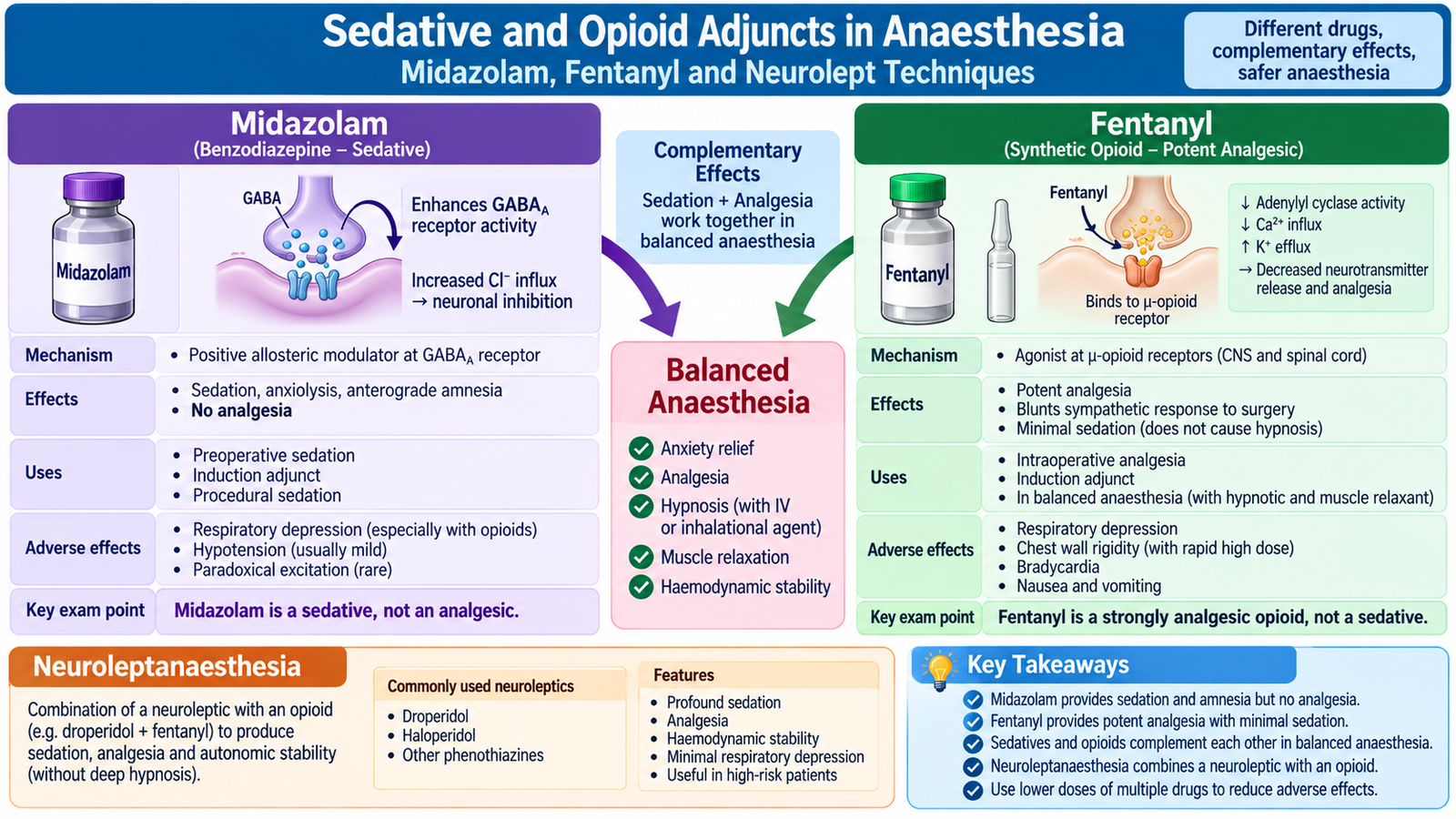
Anaesthesia often requires drugs that provide effects not supplied adequately by the principal hypnotic agent. Midazolam contributes anxiolysis, sedation and amnesia, whereas fentanyl provides powerful analgesia and reduces the autonomic response to painful stimulation. These drugs therefore fit naturally into balanced anaesthesia.
Midazolam
Midazolam is a benzodiazepine. It binds to the benzodiazepine site on the GABAA receptor and enhances GABA-mediated chloride-channel activity. Neuronal excitability falls, producing sedation and anxiolysis.
- Main effects: anxiolysis, sedation and anterograde amnesia.
- Analgesia: absent; another drug is required for painful procedures.
- Adverse effects: respiratory depression and hypotension, especially when combined with opioids or other CNS depressants.
- Reversal: flumazenil antagonizes benzodiazepine effects when reversal is clinically required.
Fentanyl
Fentanyl is a potent opioid agonist acting mainly at μ-opioid receptors. Activation of these receptors reduces transmission of nociceptive signals, producing strong analgesia. In anaesthesia, fentanyl also helps blunt sympathetic responses to painful procedures.
- Produces strong analgesia without itself producing complete anaesthesia.
- Can cause respiratory depression.
- Bradycardia, nausea and vomiting may occur.
- Rapid administration of large amounts can produce chest-wall rigidity and make ventilation difficult.
- Reversal: opioid effects can be antagonized by naloxone when required.
Neuroleptanalgesia and neuroleptanaesthesia
Neuroleptanalgesia is a state of mental detachment and tranquillity combined with powerful analgesia. Classically, a neuroleptic drug such as droperidol is combined with an opioid such as fentanyl. The patient may remain conscious but is calm and relatively indifferent to the surroundings.
When neuroleptanalgesia is combined with a general anaesthetic component such as nitrous oxide to produce unconsciousness, the state is termed neuroleptanaesthesia. These terms are historically important for understanding how separate pharmacological components can be combined to create an anaesthetic state.
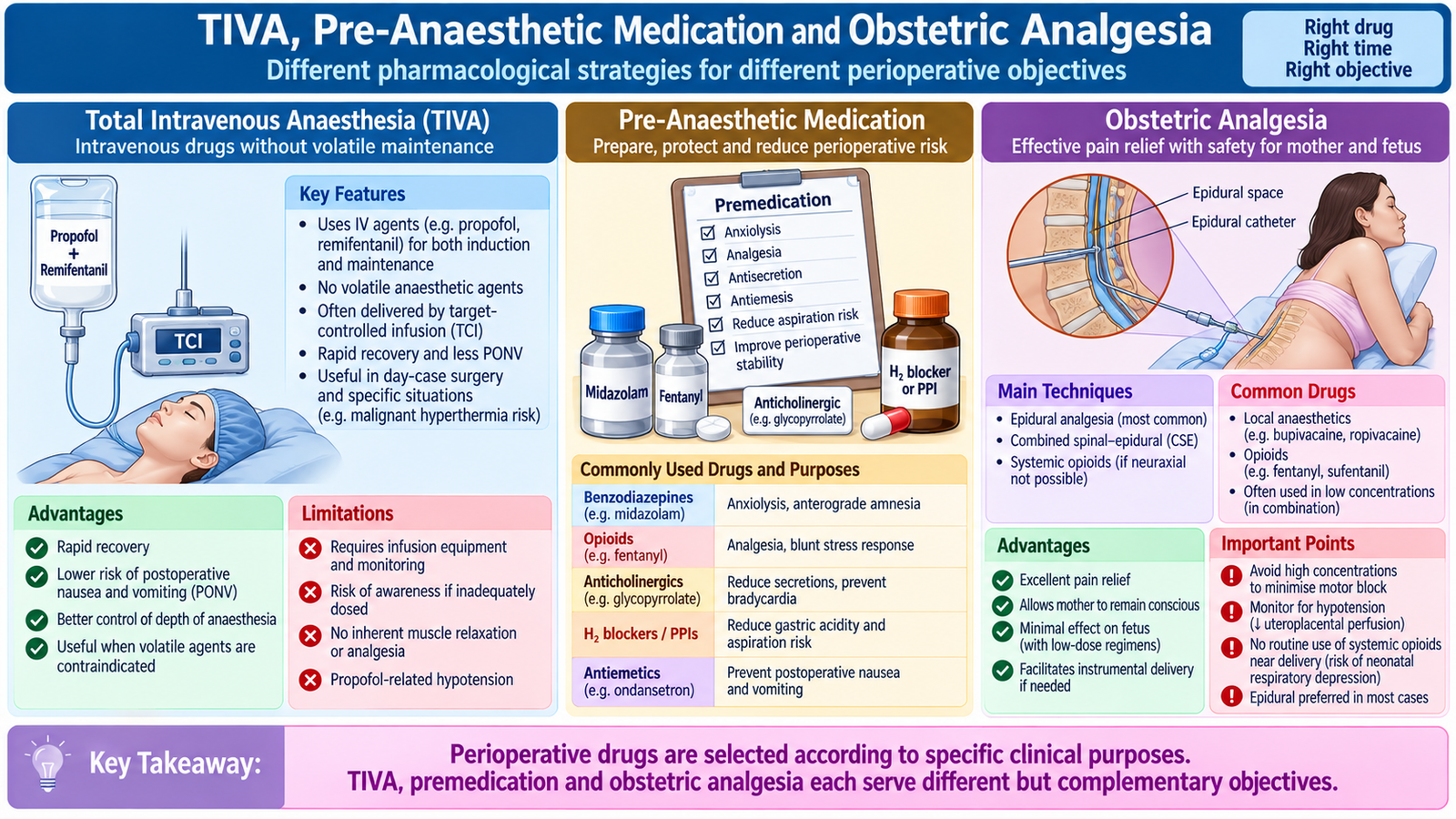
F. TIVA, Pre-Anaesthetic Medication and Obstetric Analgesia
The final part of perioperative pharmacology concerns how anaesthetic drugs are combined around the operation rather than only which agent induces unconsciousness. This includes maintaining anaesthesia entirely with intravenous drugs, preparing the patient pharmacologically before anaesthesia, and choosing analgesic approaches during labour that balance maternal comfort with fetal and neonatal safety.
Total intravenous anaesthesia — TIVA
Total intravenous anaesthesia (TIVA) means that general anaesthesia is induced and maintained with intravenous drugs without using a volatile inhalational anaesthetic for maintenance. Propofol is particularly suitable because it can produce hypnosis with relatively rapid recovery, while an opioid provides the analgesic component.
The principle again reflects balanced anaesthesia:
+
opioid / analgesic component → analgesia
=
intravenous maintenance of anaesthesia
TIVA avoids the use of volatile anaesthetic vapours and can provide smooth, controllable anaesthesia. Its success depends on reliable intravenous access and accurate drug delivery because there is no expired volatile-agent concentration available to indicate the amount of anaesthetic being delivered.
Pre-anaesthetic medication
Pre-anaesthetic medication refers to drugs given before anaesthesia to make the perioperative period safer and more comfortable. The choice is individualized; every patient does not require every category.
| Purpose | Drug type / example | Reason |
|---|---|---|
| Reduce anxiety and produce amnesia | Midazolam | Enhances GABA-mediated CNS inhibition. |
| Provide analgesia | Opioid such as fentanyl | Reduces nociceptive transmission and response to painful stimulation. |
| Reduce secretions or vagal effects when indicated | Antimuscarinic drug | Blocks muscarinic effects on glands and the heart. |
| Reduce nausea and vomiting | Antiemetic | Acts on pathways involved in the vomiting reflex. |
| Reduce risk from acidic gastric contents in selected patients | Acid-suppressing or prokinetic medication | Reduces gastric acidity and/or promotes gastric emptying where appropriate. |
Obstetric analgesia
Labour analgesia must reduce maternal pain while avoiding unnecessary maternal sedation, respiratory depression and neonatal drug effects. The pharmacological approach depends on the stage of labour, the required degree of analgesia and the available anaesthetic technique.
Nitrous oxide with oxygen can provide rapidly reversible inhalational analgesia. Its rapid onset and offset allow intermittent administration around painful contractions. It does not usually provide complete pain relief, and maternal dizziness, nausea or sedation can occur.
Systemic opioids can provide useful analgesia but cross the placenta. Their timing and amount therefore matter because significant maternal opioid effect can also produce fetal or neonatal CNS and respiratory depression.
Neuraxial analgesia can provide strong labour analgesia with much less maternal systemic sedation. Local anaesthetics and opioids may be combined so that good analgesia is achieved while limiting the amount of each individual drug. The detailed techniques of spinal and epidural blockade are considered separately under regional anaesthesia.
Integrated Mechanism Flow
Important Comparison
The most useful examination distinction is not memorizing every property equally, but recognizing the characteristic feature that separates one agent from the others.
| Agent | High-yield distinguishing feature | Important concern |
|---|---|---|
| N₂O | Strong analgesia but weak anaesthetic potency | Expands closed gas spaces; diffusion hypoxia |
| Halothane | Non-pungent potent volatile agent | Hepatotoxicity, arrhythmias, malignant hyperthermia |
| Isoflurane | Potent maintenance agent | Pungency, vasodilation and hypotension |
| Sevoflurane | Rapid, smooth inhalational induction | Dose-related cardiorespiratory depression |
| Desflurane | Very rapid adjustment and recovery | Airway irritation and sympathetic stimulation |
| Thiopentone | Ultra-short action after one dose due to redistribution | Cardiorespiratory depression; porphyria |
| Propofol | Rapid recovery plus antiemetic effect | Hypotension and apnea |
| Etomidate | Relative cardiovascular stability | Adrenal steroid synthesis suppression |
| Ketamine | Dissociative anaesthesia with strong analgesia | Emergence reactions and sympathetic stimulation |
| Midazolam | Sedation, anxiolysis and amnesia | Respiratory depression, especially with opioids |
| Fentanyl | Powerful μ-opioid analgesia | Respiratory depression; chest-wall rigidity |