
This chapter follows the supplied KMU learning outcomes and builds Parkinson disease from pathology to pharmacotherapy in a logical sequence. First understand why dopamine loss produces the disorder and how each drug modifies dopaminergic activity; then use the final high-yield review for revision.
Parkinson Disease and Antiparkinsonian Pharmacotherapy
Neuroscience • Pathological basis of Parkinson disease, clinical manifestations, levodopa therapy, motor fluctuations, dopamine agonists, MAO-B inhibition and drug-induced Parkinsonism.
Topic Introduction
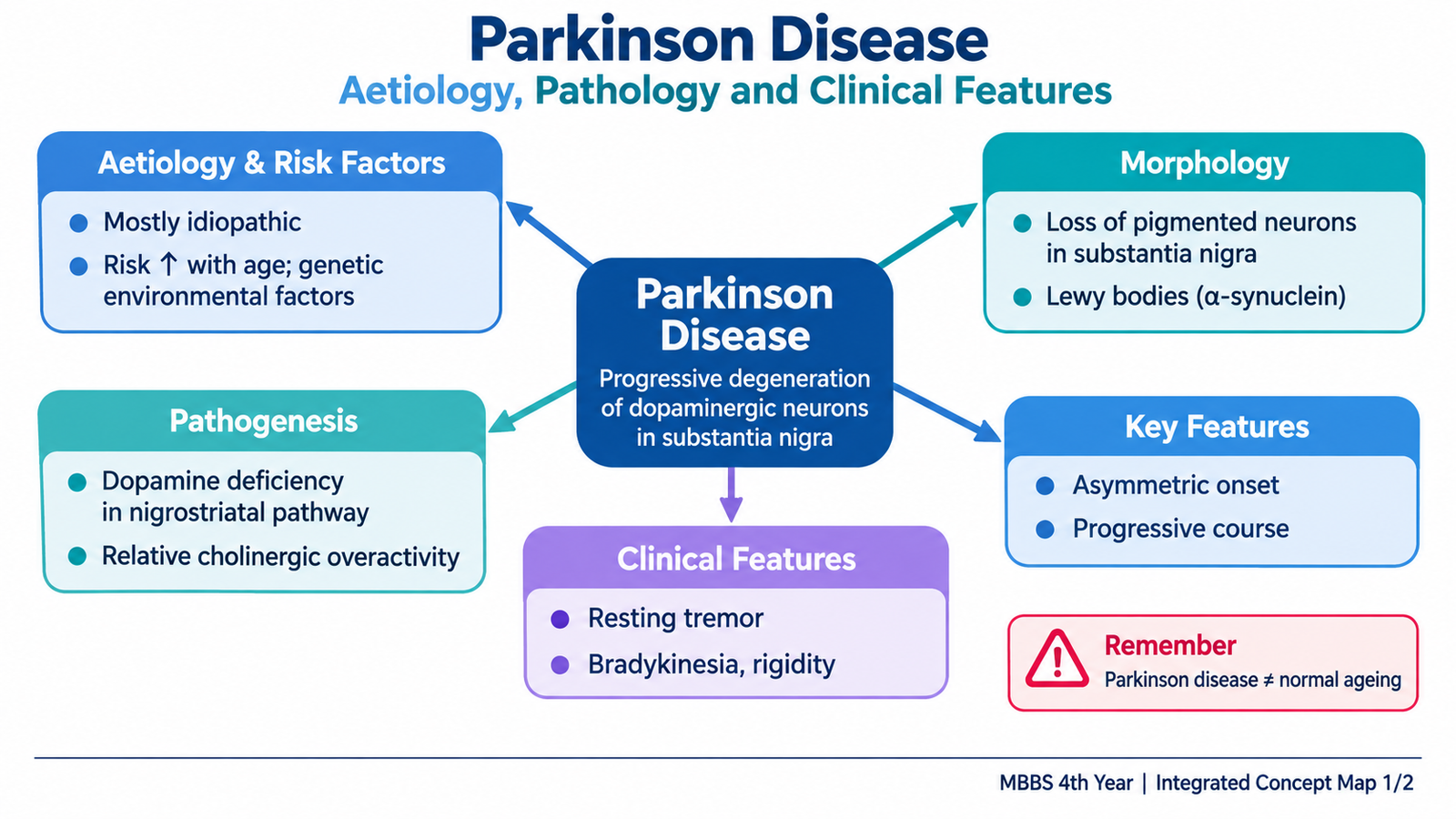
Parkinson disease is a progressive neurodegenerative disorder in which dopaminergic neurons of the substantia nigra are lost, producing reduced dopamine activity in the striatum. This disturbance alters the basal ganglia circuits that normally help initiate and control movement. The characteristic result is bradykinesia together with rigidity, resting tremor and, later, impaired postural stability. Treatment does not replace the lost neurons, but it can improve symptoms by increasing dopamine formation, stimulating dopamine receptors or reducing dopamine breakdown. In this chapter, you will connect the pathological changes of Parkinson disease with its clinical features and then understand how levodopa and other antiparkinsonian drugs are selected, why treatment complications occur and how drug-induced Parkinsonism differs from idiopathic disease.
A. Parkinson Disease: Etiology, Risk Factors and Core Pathogenesis
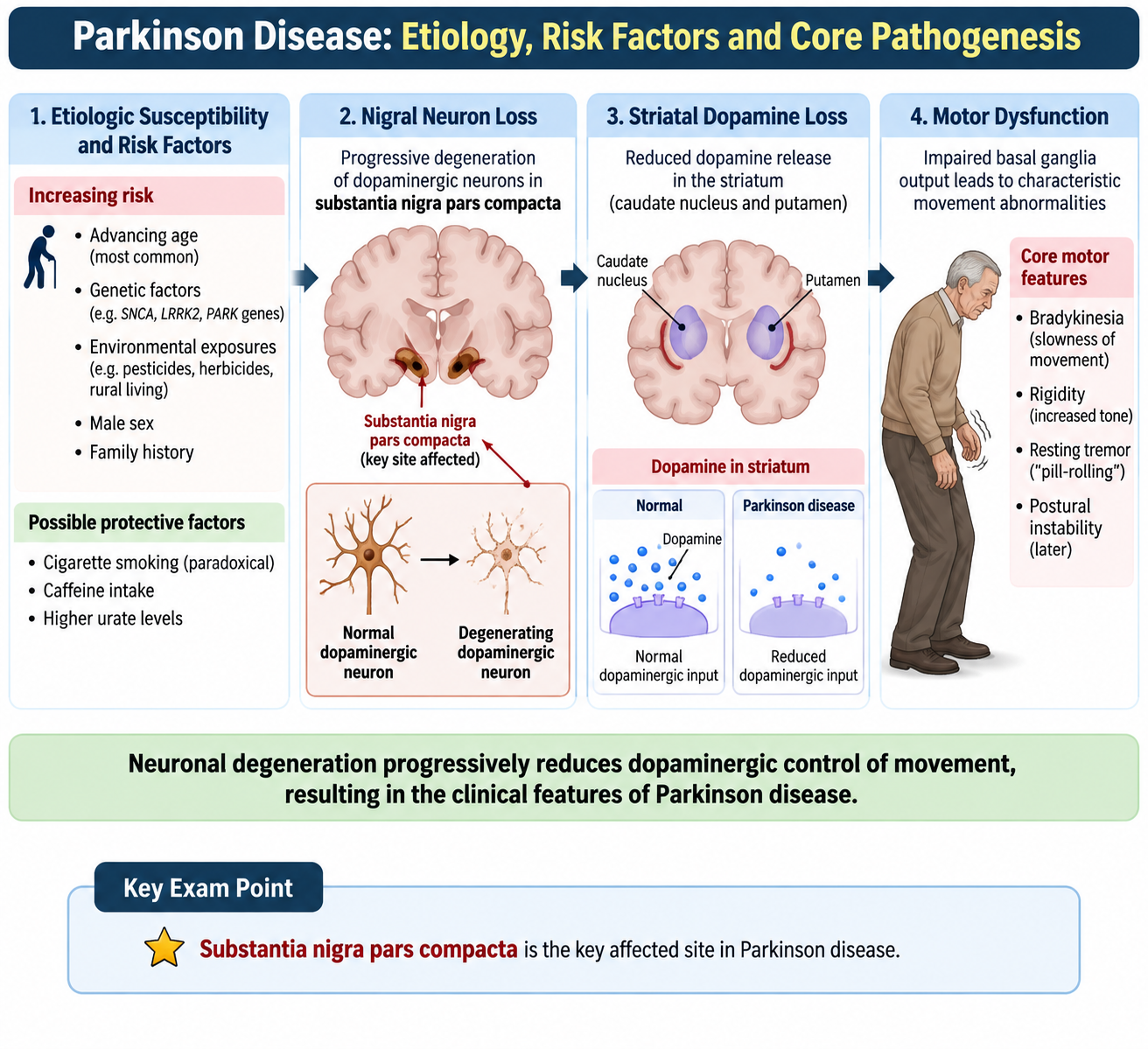
Parkinson disease is primarily a disorder of the nigrostriatal dopaminergic system. The neurons most importantly affected lie in the substantia nigra pars compacta and normally release dopamine into the striatum. Progressive loss of these neurons reduces striatal dopamine and disturbs the balance of basal ganglia pathways controlling movement.
Etiology
The exact cause of most cases is not known, so the majority are described as idiopathic Parkinson disease. The disorder probably develops through interaction between aging, genetic susceptibility and environmental factors. Abnormal handling and aggregation of the neuronal protein alpha-synuclein, together with impaired cellular protein clearance and mitochondrial dysfunction, are important features of the degenerative process.
Susceptibility and neuronal stress → progressive degeneration of substantia nigra neurons → reduced nigrostriatal dopamine → abnormal basal ganglia output → impaired movement.
Important Risk Factors
Parkinson disease becomes more common with advancing age because neuronal vulnerability and the effects of accumulated cellular damage increase over time. Genetic and environmental factors modify this susceptibility.
- Increasing age is the most important general risk factor.
- Family history and genetic susceptibility contribute particularly to some younger-onset and familial cases.
- Mutations affecting proteins such as alpha-synuclein, LRRK2, parkin and PINK1 illustrate genetic mechanisms of Parkinsonian neurodegeneration.
- Exposure to certain environmental neurotoxins has been associated with increased risk.
- MPTP is a well-known neurotoxin capable of selectively damaging nigrostriatal dopaminergic neurons and producing Parkinsonism.
The disease therefore does not result simply from “low dopamine.” The important event is progressive neuronal degeneration, with dopamine deficiency being the major functional consequence responsible for many motor manifestations.
B. Morphology and Clinical Features of Parkinson Disease
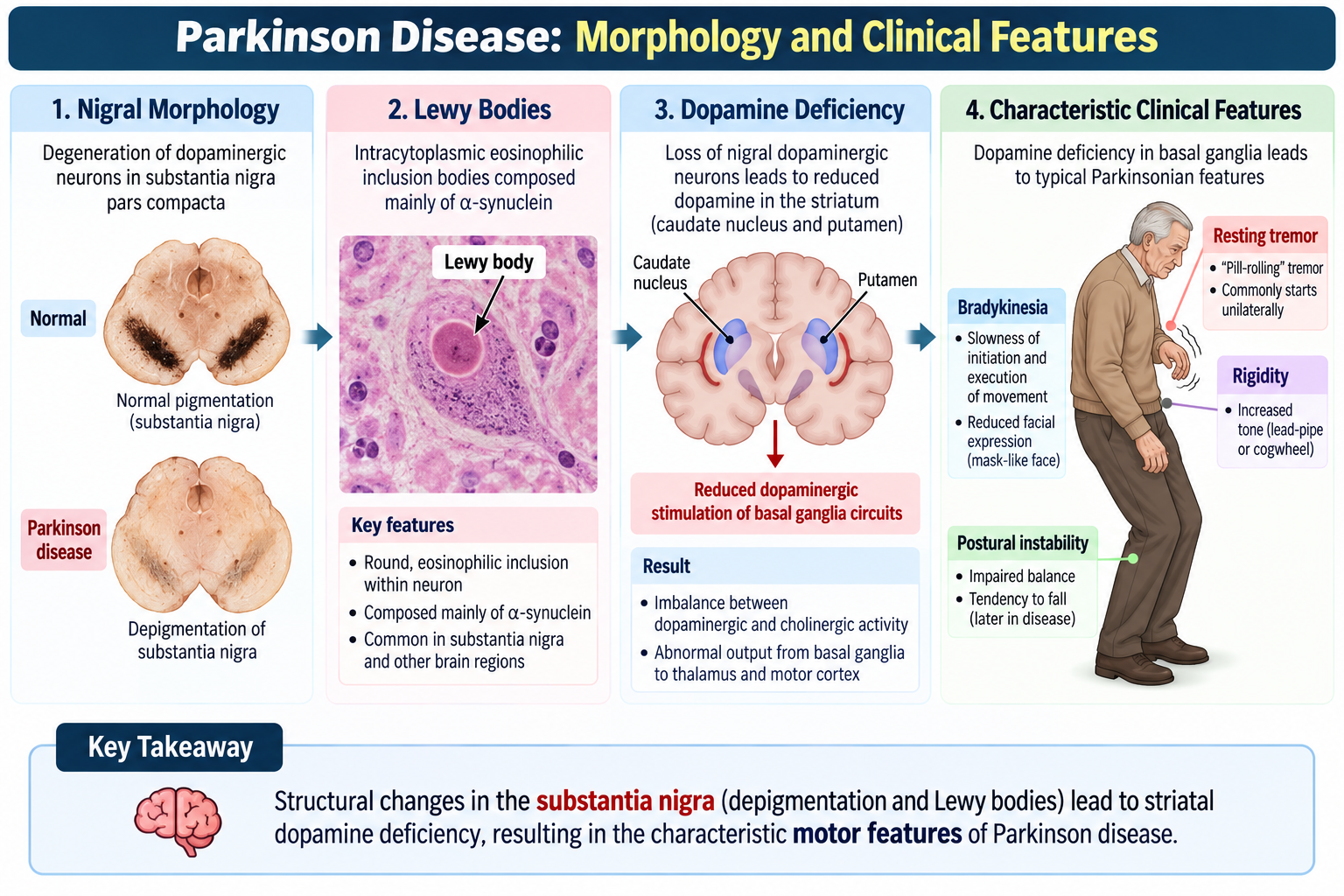
The structural changes in Parkinson disease explain its functional consequences. Loss of pigmented dopaminergic neurons in the substantia nigra reduces dopamine reaching the striatum. When this loss becomes substantial, basal ganglia control of voluntary movement becomes increasingly abnormal and characteristic motor manifestations appear.
Gross Morphology
The substantia nigra normally appears dark because its neurons contain neuromelanin pigment. Loss of these pigmented neurons produces visible pallor.
- Pallor or depigmentation of the substantia nigra, especially the pars compacta.
- Depigmentation may also involve the locus coeruleus.
Microscopic Morphology
Microscopy shows actual neuronal degeneration rather than only a biochemical reduction in dopamine.
- Loss of pigmented dopaminergic neurons.
- Reactive gliosis at sites of neuronal loss.
- Lewy bodies within surviving neurons.
- Lewy bodies are rounded eosinophilic intracytoplasmic inclusions containing abnormal aggregates rich in alpha-synuclein.
Nigral neuron loss → striatal dopamine falls → basal ganglia output becomes excessively inhibitory to movement → voluntary movement becomes slow and difficult to initiate.
Clinical Features
The central motor abnormality is bradykinesia, meaning slowness and progressive reduction in the speed or amplitude of voluntary movement. It occurs because dopamine deficiency reduces effective activation of motor pathways through the basal ganglia.
- Bradykinesia: difficulty initiating movements, slow daily activities and reduced repetitive movement amplitude.
- Resting tremor: classically present when the limb is relaxed and often decreases during purposeful movement.
- Rigidity: increased resistance to passive movement; a cogwheel quality may be felt when tremor is superimposed on rigidity.
- Postural instability: impaired postural reflexes, usually becoming more prominent later in the disease.
- Shuffling gait: short steps, reduced arm swing and difficulty initiating or turning during walking.
- Stooped posture may develop as axial motor control becomes impaired.
- Masked facies: reduced spontaneous facial movement and blinking.
- Hypophonia: speech becomes soft because movement of the speech apparatus is reduced.
- Micrographia: handwriting becomes progressively small because the amplitude of repetitive motor activity decreases.
Non-Motor Features
Parkinson disease is not purely a movement disorder because neurodegeneration can involve neuronal systems beyond the nigrostriatal pathway.
- Reduced sense of smell may occur early.
- Constipation and other autonomic symptoms may occur.
- Sleep disturbances are common.
- Depressive symptoms may occur.
- Cognitive impairment may develop in more advanced disease.
C. Classification of Antiparkinsonian Drugs and Therapeutic Logic
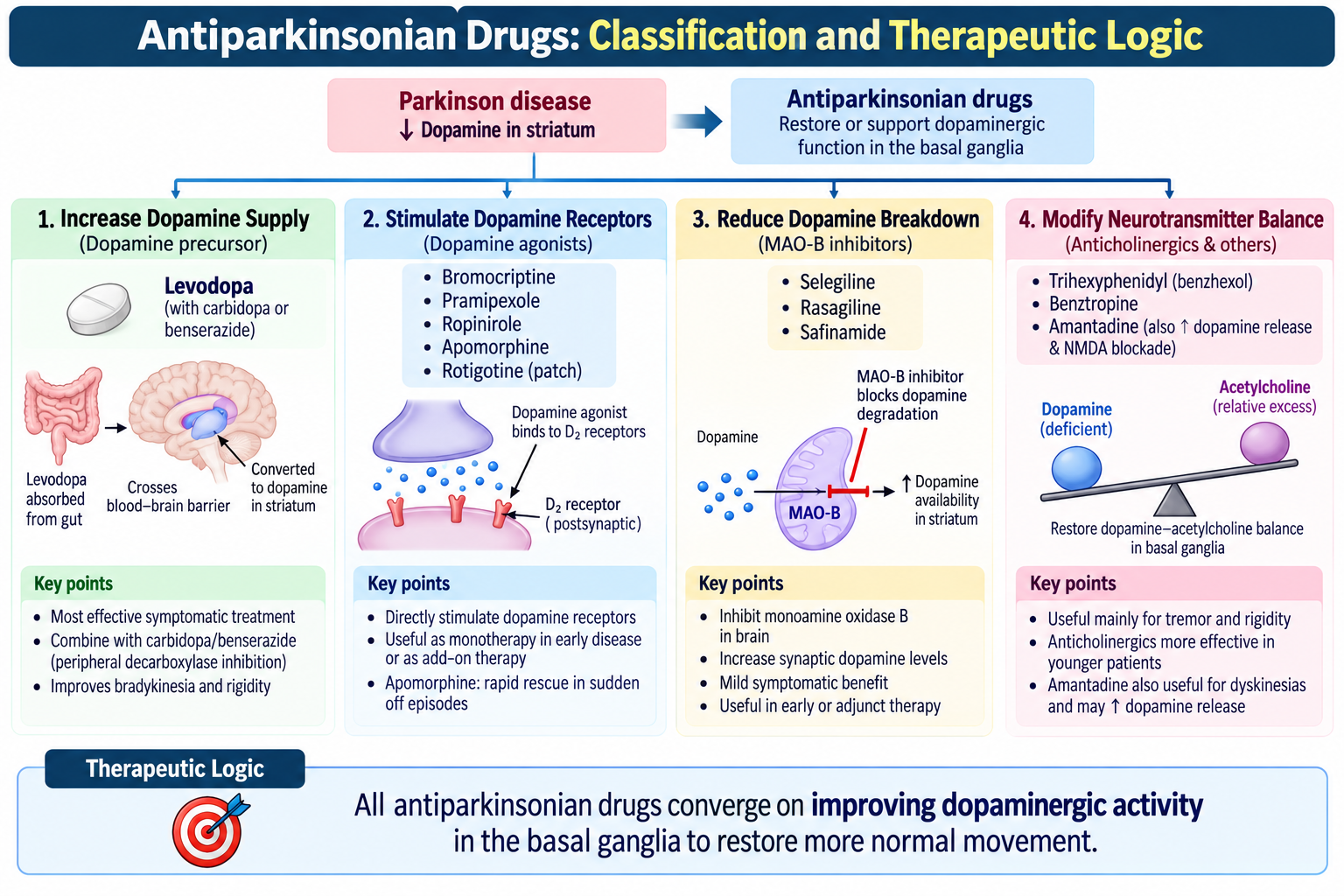
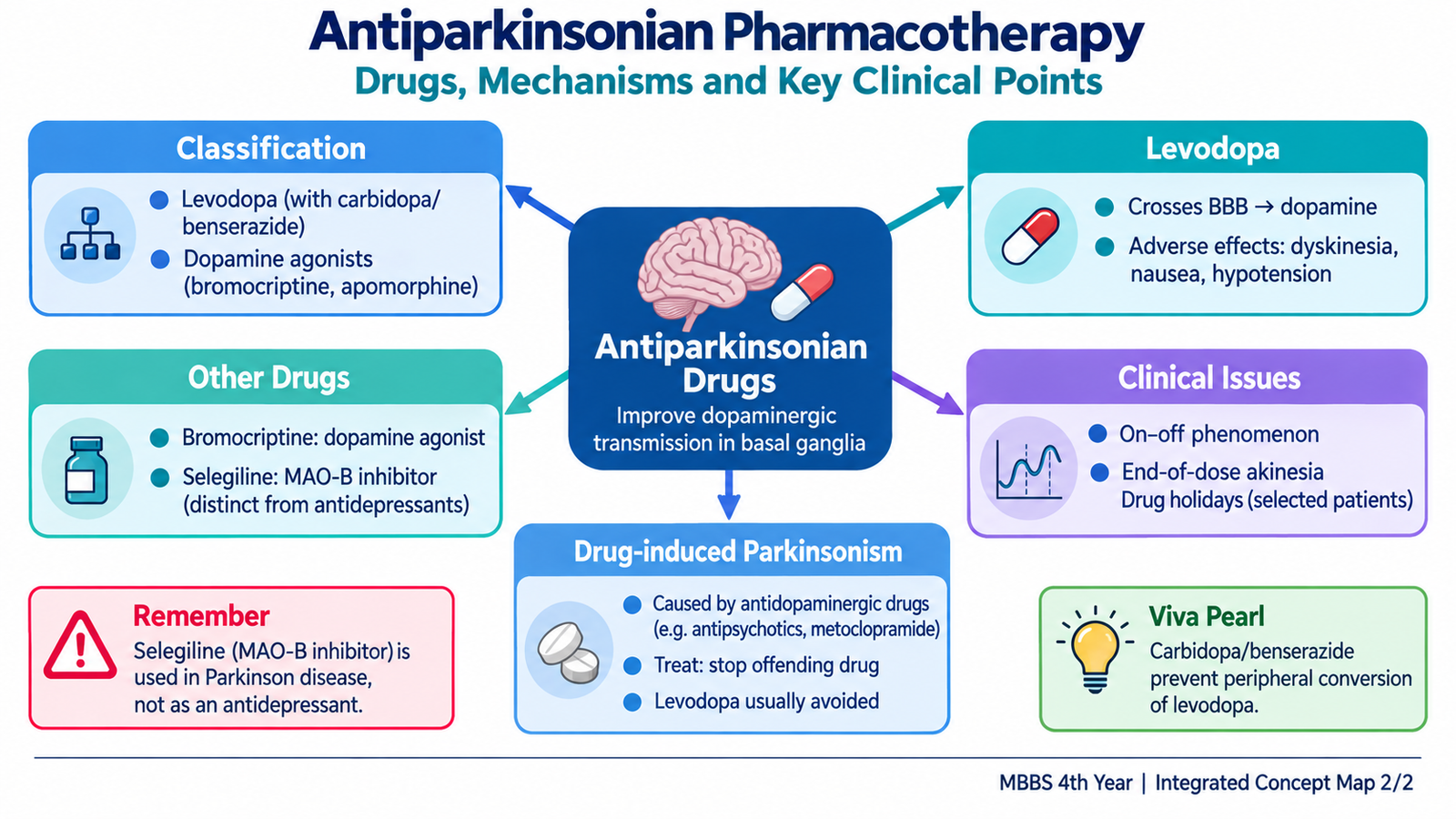
Antiparkinsonian drugs improve symptoms mainly by restoring dopaminergic influence within the basal ganglia or by correcting the neurotransmitter imbalance produced by dopamine deficiency. Different classes achieve this in different ways: some increase dopamine formation, some directly stimulate dopamine receptors, some reduce dopamine breakdown and others modify related neurotransmitter systems.
| Drug Class | Important Examples | Main Principle |
|---|---|---|
| Dopamine precursor | Levodopa with carbidopa or benserazide | Increases dopamine formation inside the brain. |
| Dopamine receptor agonists | Bromocriptine, pramipexole, ropinirole, rotigotine, apomorphine | Directly stimulate dopamine receptors. |
| MAO-B inhibitors | Selegiline, rasagiline | Reduce enzymatic breakdown of dopamine in the CNS. |
| COMT inhibitors | Entacapone, tolcapone | Prolong the effect of levodopa by reducing its metabolism. |
| Central antimuscarinic drugs | Trihexyphenidyl, benztropine | Reduce relative cholinergic overactivity; particularly useful for tremor in selected patients. |
| Other dopaminergic-modulating drug | Amantadine | Enhances dopaminergic function and can also reduce levodopa-induced dyskinesia. |
Levodopa remains the most effective drug for improving the major motor symptoms, especially bradykinesia and rigidity. Other drug classes may be used to support dopaminergic activity, reduce fluctuations or treat selected symptoms.
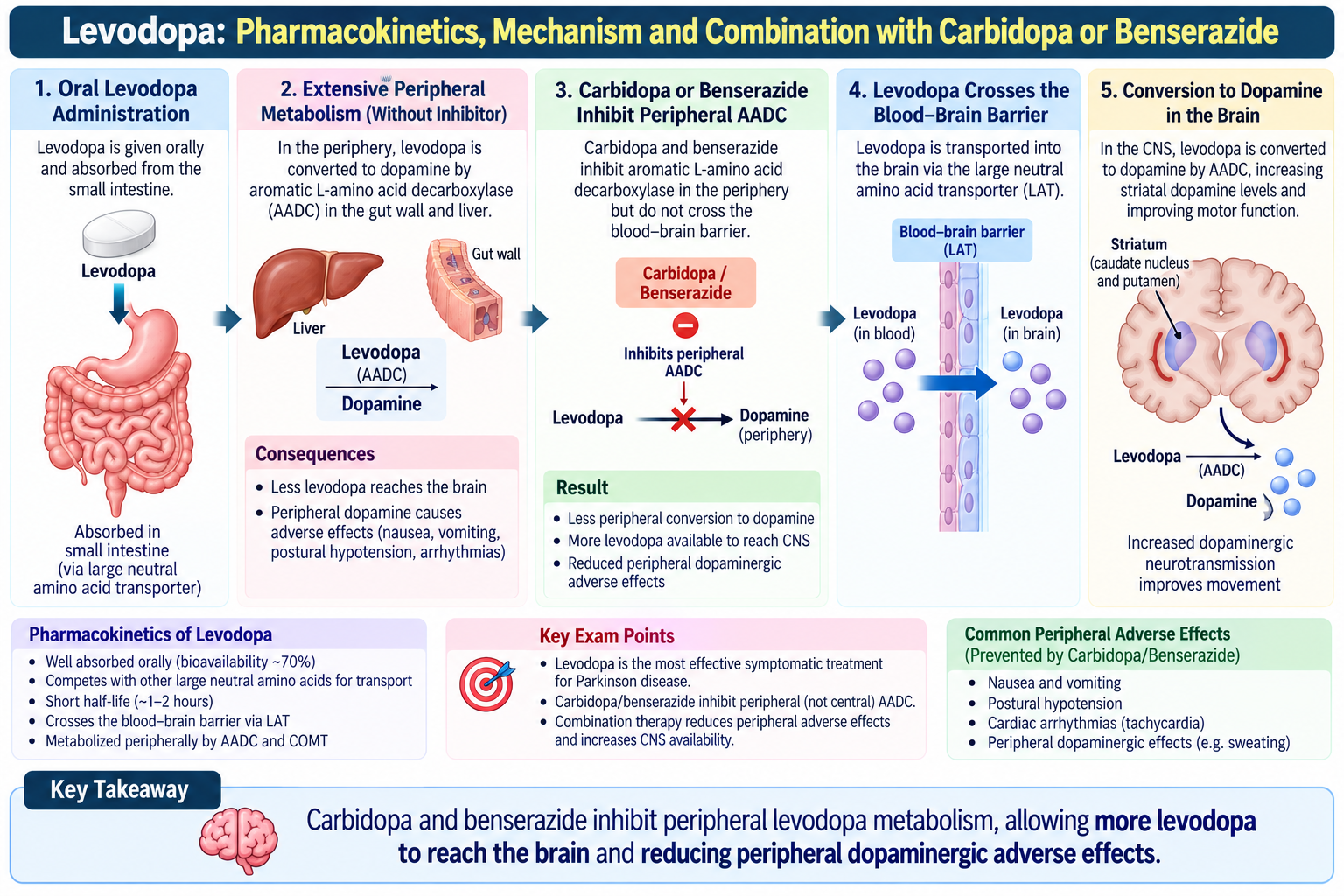
D. Levodopa: Pharmacokinetics, Mechanism and Combination with Carbidopa or Benserazide
Dopamine itself cannot be used effectively to replace brain dopamine because it does not cross the blood-brain barrier. Levodopa is the immediate metabolic precursor of dopamine and can cross this barrier. Once inside the brain, it is converted to dopamine and thereby restores dopaminergic stimulation in the striatum.
Pharmacokinetics
Levodopa is given orally and is absorbed mainly from the small intestine through transport systems also used by large neutral amino acids. It then enters the brain through a similar amino-acid transporter at the blood-brain barrier.
- Amino acids from a high-protein meal may compete with levodopa for intestinal absorption and transport into the brain, making its effect less predictable in some patients.
- A large proportion of levodopa given alone is converted to dopamine in peripheral tissues by aromatic L-amino acid decarboxylase.
- Peripheral dopamine does not enter the brain and instead causes adverse effects such as nausea, vomiting and cardiovascular effects.
- Levodopa has a relatively short plasma half-life, which contributes to fluctuations in response during long-term treatment.
Mechanism of Action
In basal ganglia circuits, dopamine normally facilitates movement by supporting the D1-mediated direct pathway and reducing excessive activity of the D2-related indirect pathway. Levodopa therefore improves movement by restoring some of the dopaminergic influence lost in Parkinson disease.
Why Levodopa Is Combined with Carbidopa or Benserazide
Carbidopa and benserazide are peripheral dopa-decarboxylase inhibitors. They inhibit the conversion of levodopa to dopamine outside the CNS but do not significantly cross the blood-brain barrier.
The combination particularly reduces nausea, vomiting and cardiovascular effects caused by peripheral dopamine. It does not prevent adverse effects arising from increased dopamine within the CNS, such as dyskinesias or hallucinations.
Adverse Effects of Levodopa
Adverse effects reflect dopamine formation in either peripheral tissues or the CNS.
- Nausea and vomiting: dopaminergic stimulation of the chemoreceptor trigger zone.
- Postural hypotension: peripheral dopaminergic and autonomic effects can lower vascular tone.
- Cardiac arrhythmias: peripheral catecholaminergic effects may increase cardiac excitability.
- Dyskinesias: excessive or fluctuating central dopaminergic stimulation may produce involuntary movements.
- Hallucinations, confusion and behavioural disturbance: excessive dopamine activity can affect non-motor CNS pathways.
- Motor fluctuations: wearing-off and on-off responses become more common during long-term therapy.
Important Contraindications and Cautions
- Active psychotic illness: increasing CNS dopamine may worsen psychotic symptoms.
- Angle-closure glaucoma: dopaminergic effects may worsen intraocular pressure control.
- Significant cardiac disease or arrhythmia: cardiovascular adverse effects require caution.
- Suspicious pigmented skin lesions or melanoma: levodopa is generally avoided or used only after appropriate clinical assessment because dopamine and melanin share biochemical precursor pathways.
Important Drug and Food Interactions
- Non-selective MAO inhibitors: combination may cause excessive catecholamine accumulation and severe hypertension; concurrent use is avoided.
- Dopamine-receptor blocking drugs such as many antipsychotics and metoclopramide can reduce levodopa’s therapeutic effect and worsen Parkinsonism.
- High-protein meals may compete with levodopa for transport and reduce or delay its clinical effect.
- Pyridoxine (vitamin B6) can enhance peripheral levodopa decarboxylation when levodopa is used alone; this interaction is largely prevented by carbidopa or benserazide.
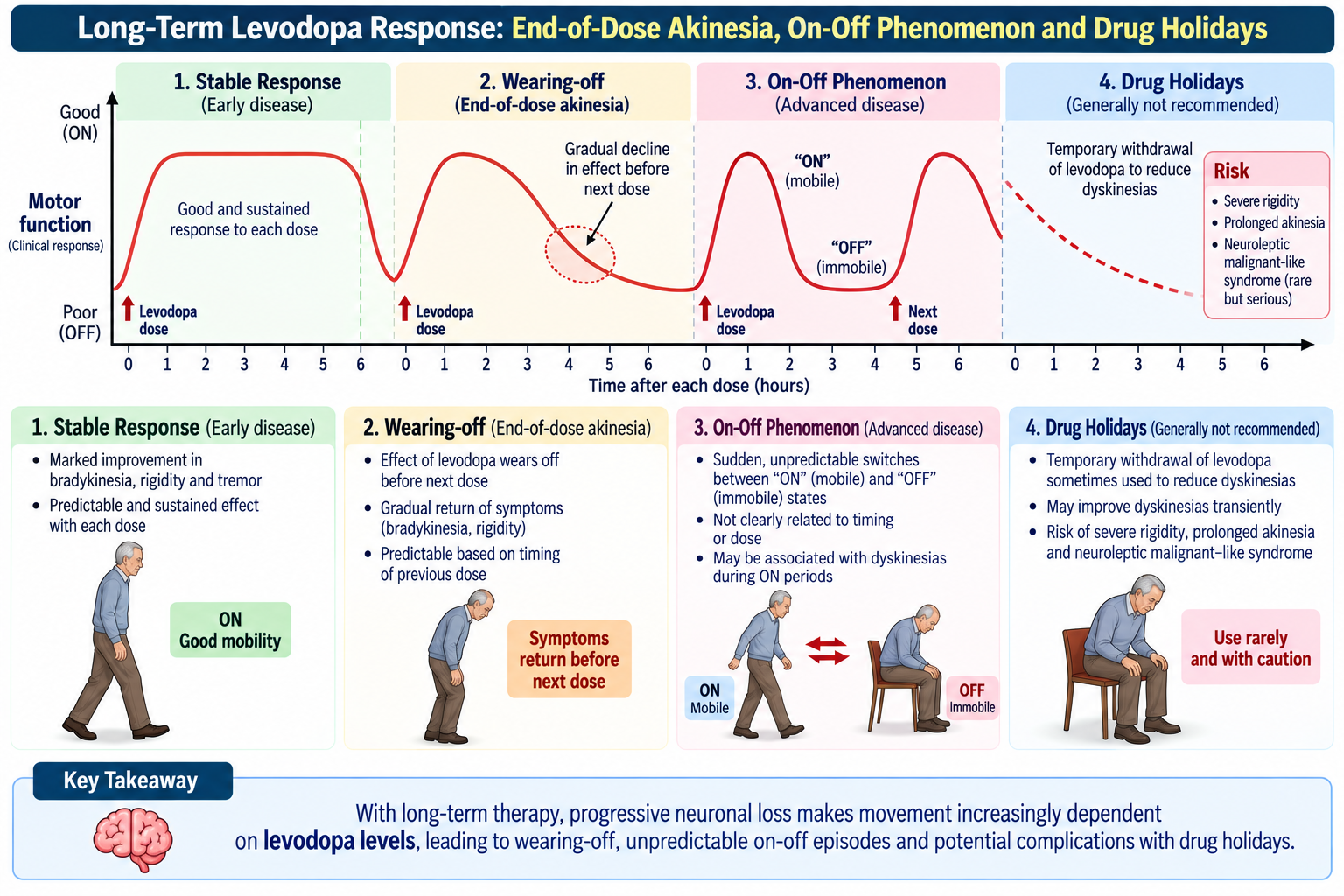
E. Long-Term Levodopa Response: End-of-Dose Akinesia, On-Off Phenomenon and Drug Holidays
Levodopa can initially produce a relatively smooth improvement because surviving dopaminergic neurons can store dopamine and buffer changes in plasma levodopa concentration. As Parkinson disease progresses, fewer functioning neurons remain. The brain becomes increasingly dependent on each levodopa dose, and changes in plasma concentration are reflected more directly in the patient’s movement. This produces important motor fluctuations.
End-of-Dose Akinesia — “Wearing-Off”
End-of-dose akinesia is a predictable return of Parkinsonian symptoms toward the end of the interval between levodopa doses. The patient may move well after taking levodopa but becomes slow and stiff before the next dose is due.
The response can often be improved by modifying levodopa administration or adding a drug that prolongs dopaminergic action, such as a MAO-B inhibitor, COMT inhibitor or dopamine agonist.
On-Off Phenomenon
The on-off phenomenon is a more abrupt and unpredictable change between periods of good mobility (“on”) and severe Parkinsonism or immobility (“off”). Unlike ordinary end-of-dose deterioration, these transitions may not have a consistent relationship with the timing of the next levodopa dose.
It is mainly seen after prolonged therapy and advanced loss of dopaminergic neurons. Treatment aims to reduce large fluctuations in dopaminergic stimulation. Rapid-acting apomorphine may be used as rescue treatment for selected sudden “off” episodes.
| Feature | End-of-Dose Akinesia | On-Off Phenomenon |
|---|---|---|
| Pattern | Predictable wearing-off | Sudden, unpredictable switching |
| Relation to dose | Usually near the end of a dose interval | May not correspond closely to dose timing |
| Key concept | Duration of benefit becomes shorter | Marked fluctuation between mobile and immobile states |
Drug Holidays
A drug holiday means intentionally stopping levodopa for a period. Historically, this was attempted in the hope of restoring sensitivity to levodopa or reducing treatment complications. It is now generally avoided because abrupt withdrawal can cause severe return of Parkinsonism and potentially dangerous systemic complications.
Marked akinesia can lead to immobility, difficulty swallowing, aspiration and other complications. Abrupt withdrawal of dopaminergic therapy can also produce a severe hyperthermic-rigid state resembling neuroleptic malignant syndrome. Therefore, routine drug holidays are not considered a safe method for managing levodopa fluctuations.
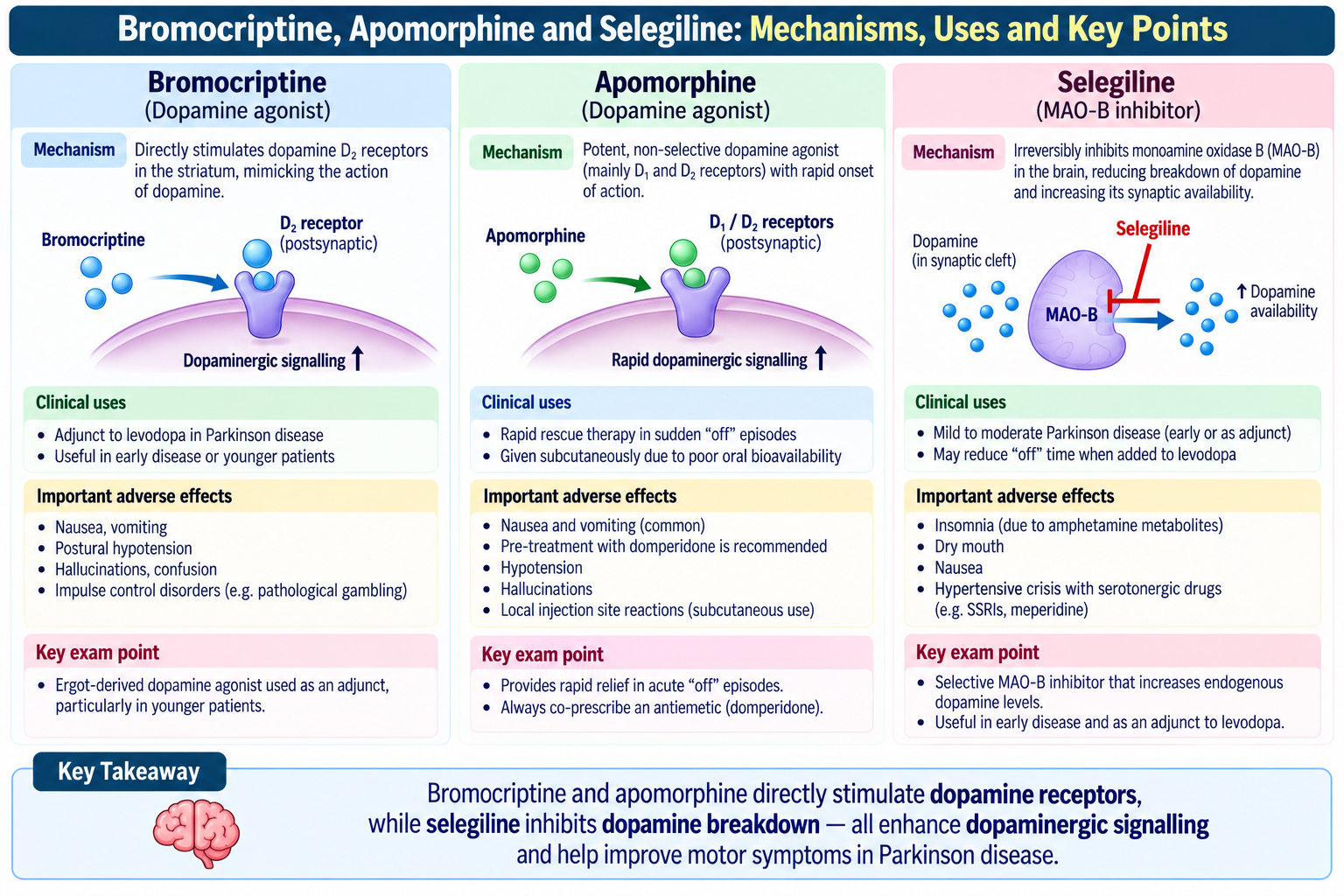
F. Bromocriptine, Apomorphine and Selegiline
These drugs enhance dopaminergic function without relying entirely on conversion of levodopa to dopamine. Bromocriptine and apomorphine directly stimulate dopamine receptors, whereas selegiline reduces dopamine breakdown. Their pharmacological differences explain their different clinical roles.
Bromocriptine
Bromocriptine is an ergot-derived dopamine receptor agonist with important activity at D2 receptors. Because it directly stimulates dopamine receptors, it does not need to be converted into dopamine by surviving nigrostriatal neurons.
It may be used as an adjunct to levodopa to reduce “off” periods. Its use has declined because newer non-ergot dopamine agonists are generally better tolerated.
Important adverse effects include:
- Nausea and vomiting.
- Postural hypotension.
- Hallucinations and confusion.
- Dyskinesias when dopaminergic stimulation becomes excessive.
- Impulse-control and behavioural disturbances may occur with dopamine agonists.
- As an ergot derivative, bromocriptine can rarely cause fibrotic complications and valvular disease, which limits long-term use.
Apomorphine
Apomorphine is a potent, rapidly acting dopamine agonist. Despite its name, it is not used as an opioid analgesic. In Parkinson disease its major role is rapid rescue from sudden severe “off” episodes.
Because oral administration is unsuitable for reliable rescue therapy, it is commonly administered by the subcutaneous route. Important adverse effects include marked nausea and vomiting, postural hypotension, somnolence, dyskinesias and neuropsychiatric effects such as hallucinations.
Selegiline
Selegiline irreversibly inhibits monoamine oxidase type B (MAO-B) at usual antiparkinsonian exposure. MAO-B participates in dopamine metabolism in the brain. Inhibition therefore slows dopamine breakdown and prolongs dopaminergic action.
Selegiline may provide modest symptomatic benefit and can be combined with levodopa when the duration of levodopa response becomes shorter. By enhancing levodopa’s effect, however, it may also increase dopaminergic adverse effects such as dyskinesia, hallucinations or confusion. Insomnia can occur because some metabolites have stimulant properties.
Selegiline in Parkinson Disease versus Antidepressant Use
This distinction is important. At exposure used for Parkinson disease, selegiline is relatively selective for MAO-B, so its major purpose is to preserve dopamine in the CNS. Its antidepressant action requires broader monoamine effects, including clinically relevant inhibition of MAO-A at higher systemic exposure or with antidepressant formulations. Once MAO-A inhibition becomes important, interactions involving tyramine and serotonergic drugs become much more relevant.
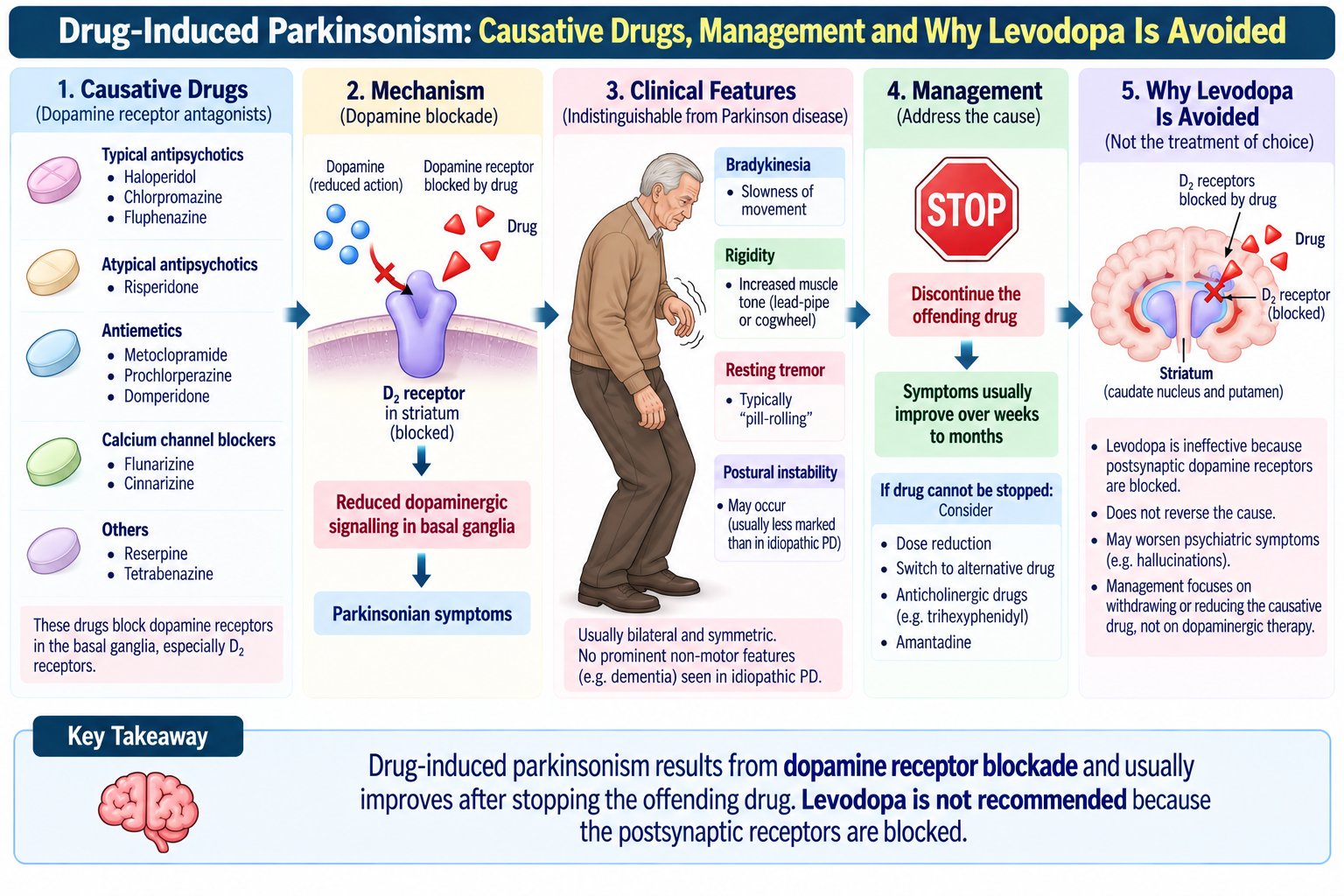
G. Drug-Induced Parkinsonism: Causative Drugs, Management and Why Levodopa Is Avoided
Drug-induced Parkinsonism occurs when a medication interferes with dopamine transmission sufficiently to produce bradykinesia, rigidity and other Parkinsonian manifestations. Unlike idiopathic Parkinson disease, the primary problem is usually pharmacological blockade or depletion of dopamine rather than progressive destruction of substantia nigra neurons.
Important Causative Drugs
The most important causes are drugs that block dopamine receptors in the basal ganglia. Dopamine-depleting drugs and several other medicines can also produce Parkinsonian features.
- Antipsychotic dopamine D2 blockers: particularly older high-potency agents such as haloperidol.
- Dopamine-blocking antiemetics: especially metoclopramide and prochlorperazine.
- Dopamine-depleting drugs: such as reserpine and tetrabenazine.
- Other recognised causes include drugs such as valproate, flunarizine and cinnarizine in susceptible patients.
Clinical Clues
Symptoms usually develop after exposure to the offending medicine. Drug-induced Parkinsonism often affects both sides of the body relatively symmetrically, although this is not absolute. Bradykinesia and rigidity are prominent; tremor can also occur. Improvement after withdrawal of the causative drug supports the diagnosis, although recovery may take time and the medicine may occasionally reveal previously unrecognised idiopathic Parkinson disease.
Management
The most logical treatment is to remove or reduce the cause rather than simply add more dopaminergic medication.
- Identify the medication temporally associated with the Parkinsonian symptoms.
- Stop or reduce the offending drug when clinically possible.
- If antipsychotic treatment remains essential, consider an agent with a lower tendency to cause extrapyramidal symptoms under appropriate clinical supervision.
- For troublesome symptoms, a central antimuscarinic drug such as trihexyphenidyl or benztropine may be used in selected patients.
- Amantadine is another option when symptomatic treatment is required.
- Persistent or progressive symptoms after withdrawal should raise the possibility that an underlying degenerative Parkinson disease has been unmasked.
Why Levodopa Is Usually Avoided
Levodopa increases dopamine production, but many cases of drug-induced Parkinsonism are caused by continued blockade of postsynaptic dopamine D2 receptors. Producing more dopamine therefore has limited benefit while the receptor remains blocked.
In addition, drug-induced Parkinsonism frequently occurs in patients receiving dopamine-blocking antipsychotic drugs. Increasing central dopamine with levodopa can oppose the required antipsychotic effect and may worsen hallucinations or psychosis. For these reasons, removing the causative drug and using appropriate symptomatic measures are usually preferred.
| Feature | Idiopathic Parkinson Disease | Drug-Induced Parkinsonism |
|---|---|---|
| Main problem | Degeneration of nigrostriatal neurons | Usually dopamine blockade or depletion |
| Common pattern | Often begins asymmetrically | Often relatively symmetric |
| Key management principle | Restore dopaminergic function | Remove or reduce causative drug when possible |
| Levodopa | Highly effective for major motor symptoms | Usually avoided; receptor blockade limits benefit and psychosis may worsen |
Integrated Mechanism Flow
⭐ AIM High-Yield Review
🎥 Video Learning: Parkinson Disease & Antiparkinsonian Drugs
Review the pathophysiology of Parkinson disease and the mechanisms of major antiparkinsonian drugs.