
Skeletal-Muscle Relaxants and Neuromuscular Blockade
Topic Introduction
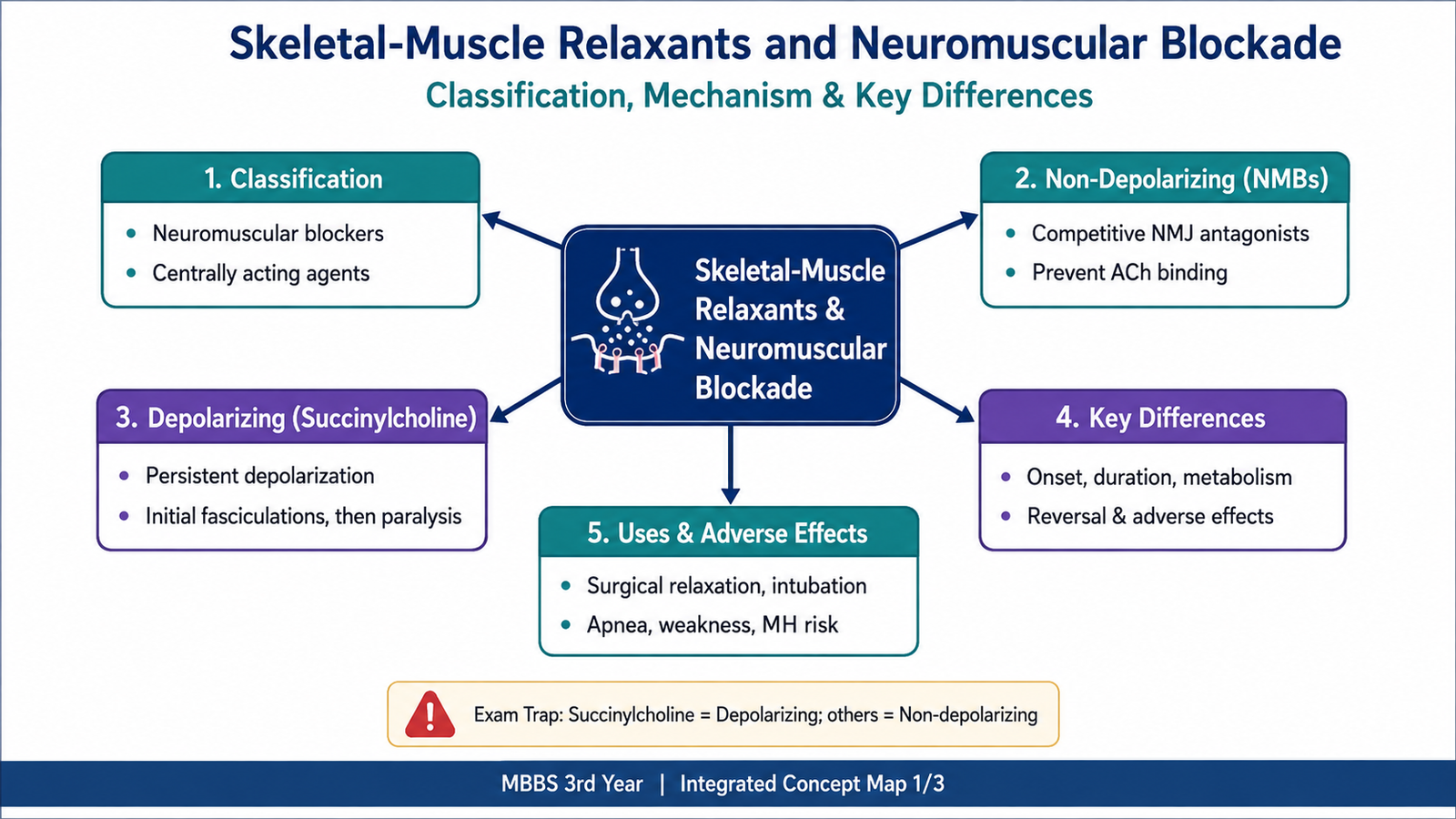
Skeletal-muscle relaxants are drugs that reduce skeletal-muscle activity, but they do not all act at the same site. Neuromuscular-blocking drugs act at the neuromuscular junction and produce temporary paralysis, mainly during anesthesia and procedures requiring controlled muscle relaxation. They do not provide unconsciousness, pain relief or amnesia. Other drugs act within the brain or spinal cord to reduce painful muscle spasm, while dantrolene acts directly on skeletal muscle. In this chapter, you will learn the main classification of these drugs, the difference between depolarizing and non-depolarizing blockade, their clinical uses and adverse effects, the causes and management of succinylcholine apnea, and the role of dantrolene in malignant hyperthermia.
A. Classification and General Principles of Skeletal-Muscle Relaxants
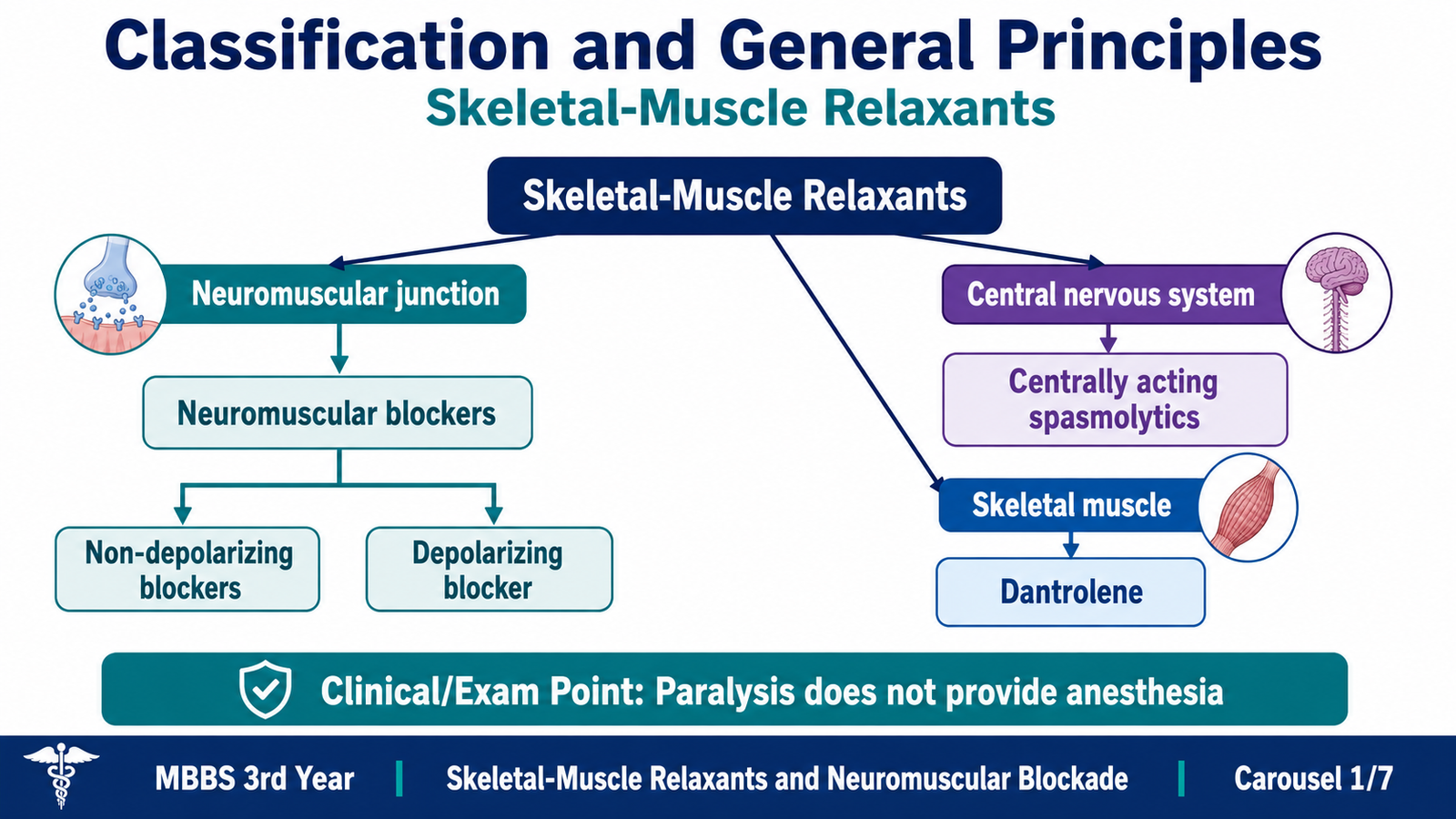
Skeletal-muscle relaxants are classified according to the site at which they reduce muscle activity. Some act at the neuromuscular junction and prevent motor nerves from activating skeletal muscle. Others act within the central nervous system to reduce excessive muscle tone or painful spasm. Dantrolene is different because it acts directly on the excitation–contraction process inside skeletal-muscle fibres.
Classification
| Main group | Subgroup | Important examples | Main site of action |
|---|---|---|---|
| Neuromuscular-blocking drugs | Non-depolarizing blockers | Rocuronium, vecuronium, atracurium, cisatracurium, pancuronium | Nicotinic Nm receptors at the motor end plate |
| Depolarizing blocker | Succinylcholine | Motor end plate, followed by persistent depolarization | |
| Centrally acting spasmolytics | Antispasticity and antispasm drugs | Baclofen, tizanidine, diazepam, cyclobenzaprine | Brain or spinal cord |
| Directly acting muscle relaxant | Reduced calcium release | Dantrolene | Skeletal-muscle sarcoplasmic reticulum |
Important general principles
Neuromuscular blockers produce flaccid paralysis by interrupting transmission between a motor nerve and skeletal muscle. Because they act outside the central nervous system, they do not make the patient unconscious and do not relieve pain. Therefore, a patient receiving these drugs during surgery must also receive adequate anesthesia and analgesia.
- Paralysis does not mean anesthesia: the patient may be unable to move while still being conscious unless appropriate anesthetic drugs are given.
- Respiratory muscles are also affected: artificial ventilation may be required until normal neuromuscular transmission returns.
- The drugs mainly facilitate procedures: they do not treat pain or anxiety.
- The degree and duration of blockade must be monitored: this reduces the risk of residual postoperative weakness.
B. Neuromuscular Transmission and the Basis of Neuromuscular Blockade
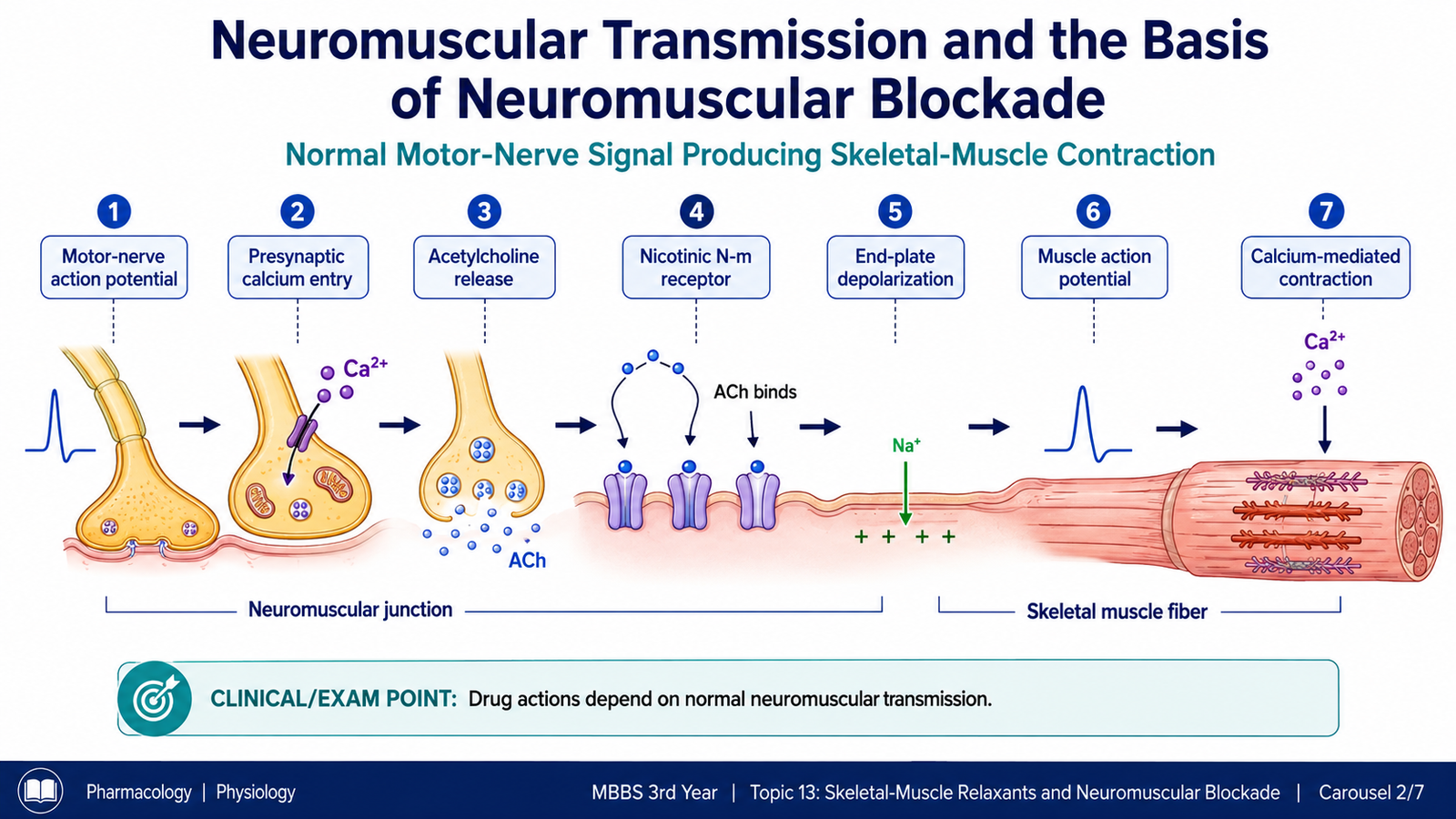
To understand neuromuscular blockers, it is first necessary to understand normal transmission at the neuromuscular junction. The neuromuscular junction is the specialized connection between the terminal of a motor nerve and the motor end plate of a skeletal-muscle fibre. Acetylcholine is the neurotransmitter that carries the signal across this junction.
Normal sequence of neuromuscular transmission
- A motor-nerve action potential reaches the presynaptic nerve terminal.
- Voltage-gated calcium channels open, allowing calcium to enter the nerve terminal.
- Calcium causes vesicles containing acetylcholine to fuse with the presynaptic membrane.
- Acetylcholine is released into the synaptic cleft and binds to nicotinic Nm receptors on the motor end plate.
- The receptor channel opens. Sodium movement into the muscle cell produces end-plate depolarization.
- If depolarization reaches threshold, a muscle action potential spreads along the sarcolemma and transverse tubules.
- Calcium is released from the sarcoplasmic reticulum, permitting actin–myosin interaction and muscle contraction.
- Acetylcholine is rapidly broken down by acetylcholinesterase, allowing the end plate to repolarize.
Non-depolarizing blockers prevent acetylcholine from activating the Nm receptor, whereas succinylcholine activates the receptor but keeps the end plate depolarized for an abnormally prolonged period.
Order of muscle paralysis
Small, rapidly moving muscles are generally affected before larger muscles. Paralysis commonly begins in the muscles of the eyes, face and jaw. It then involves the limbs, trunk and intercostal muscles. The diaphragm is usually among the last muscles to become paralyzed. Recovery usually occurs in the reverse order, although clinically important respiratory weakness may remain even after visible movement has returned.
Neuromuscular monitoring
The depth of blockade can be assessed by electrically stimulating a peripheral motor nerve and observing the muscular response. A commonly used pattern is train-of-four stimulation, in which four stimuli are delivered in succession. Non-depolarizing blockade characteristically produces progressive reduction, or “fade,” in the later responses. Monitoring helps guide additional drug administration and confirms recovery before removal of ventilatory support.
C. Non-Depolarizing Neuromuscular Blockers
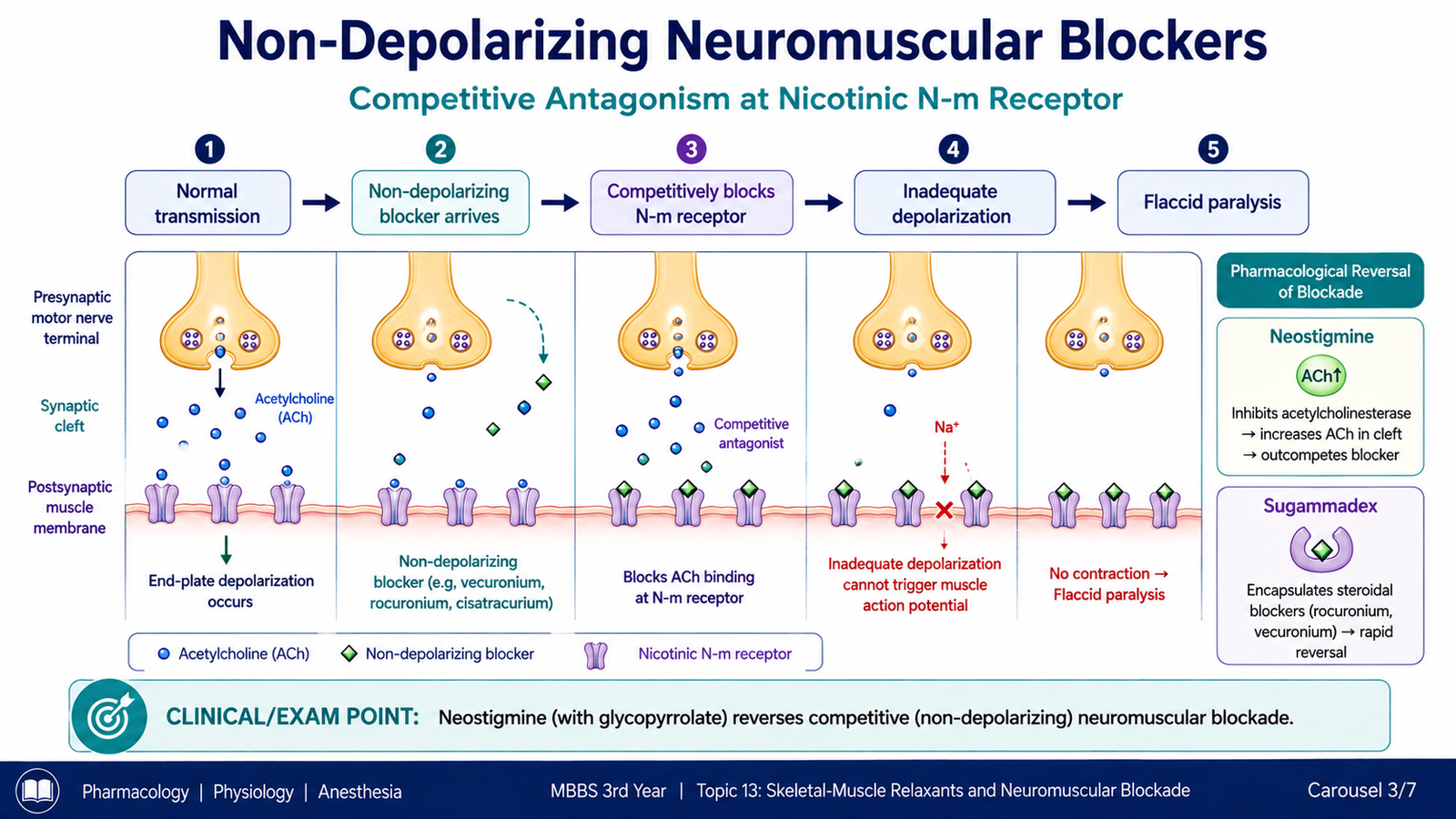
Non-depolarizing neuromuscular blockers are competitive antagonists at nicotinic Nm receptors. They bind to these receptors without activating them. Acetylcholine is therefore unable to produce sufficient end-plate depolarization, the muscle action potential is not generated and the muscle becomes flaccid.
Important drugs
- Rocuronium: rapid onset and commonly used to facilitate tracheal intubation.
- Vecuronium: intermediate duration with relatively few cardiovascular effects.
- Atracurium: undergoes spontaneous degradation in plasma and tissues.
- Cisatracurium: related to atracurium but produces less histamine release.
- Pancuronium: longer acting and may cause tachycardia.
Mechanism of action
→ competitive occupation of nicotinic Nm receptors
→ acetylcholine cannot activate enough receptors
→ inadequate end-plate depolarization
→ no muscle action potential
→ flaccid paralysis
The antagonism is competitive because acetylcholine and the blocking drug compete for the same receptor. Increasing the amount of acetylcholine at the neuromuscular junction can therefore overcome the blockade. This principle explains why acetylcholinesterase inhibitors can reverse many non-depolarizing blocks.
Reversal of blockade
Neostigmine inhibits acetylcholinesterase and increases the concentration of acetylcholine in the synaptic cleft. The increased acetylcholine competes with the neuromuscular blocker and restores receptor activation. Neostigmine also increases acetylcholine at muscarinic receptors, which may cause bradycardia, excessive secretions and bronchoconstriction. It is therefore administered with an antimuscarinic drug such as glycopyrrolate or atropine.
Sugammadex can reverse rocuronium and vecuronium by binding their molecules in plasma. This reduces the free drug concentration, draws drug away from the neuromuscular junction and permits recovery. Its mechanism is different from that of acetylcholinesterase inhibitors because it does not increase acetylcholine.
Elimination and drug-selection logic
Organ function influences the duration of many neuromuscular blockers. Drugs that depend heavily on the liver or kidneys may have prolonged effects when these organs are impaired. Atracurium and cisatracurium are useful when predictable organ-independent breakdown is desired because they undergo spontaneous chemical degradation, known as Hofmann elimination.
Important adverse effects
- Prolonged paralysis and apnea: excessive or persistent blockade may delay recovery of breathing.
- Residual postoperative weakness: incomplete recovery can impair airway protection and ventilation.
- Histamine release: particularly associated with atracurium; it may produce flushing, hypotension or bronchospasm.
- Cardiovascular effects: pancuronium may produce tachycardia because of vagolytic activity.
- Anaphylactic reactions: rare but potentially serious.
D. Depolarizing Neuromuscular Blockade and Succinylcholine Apnea
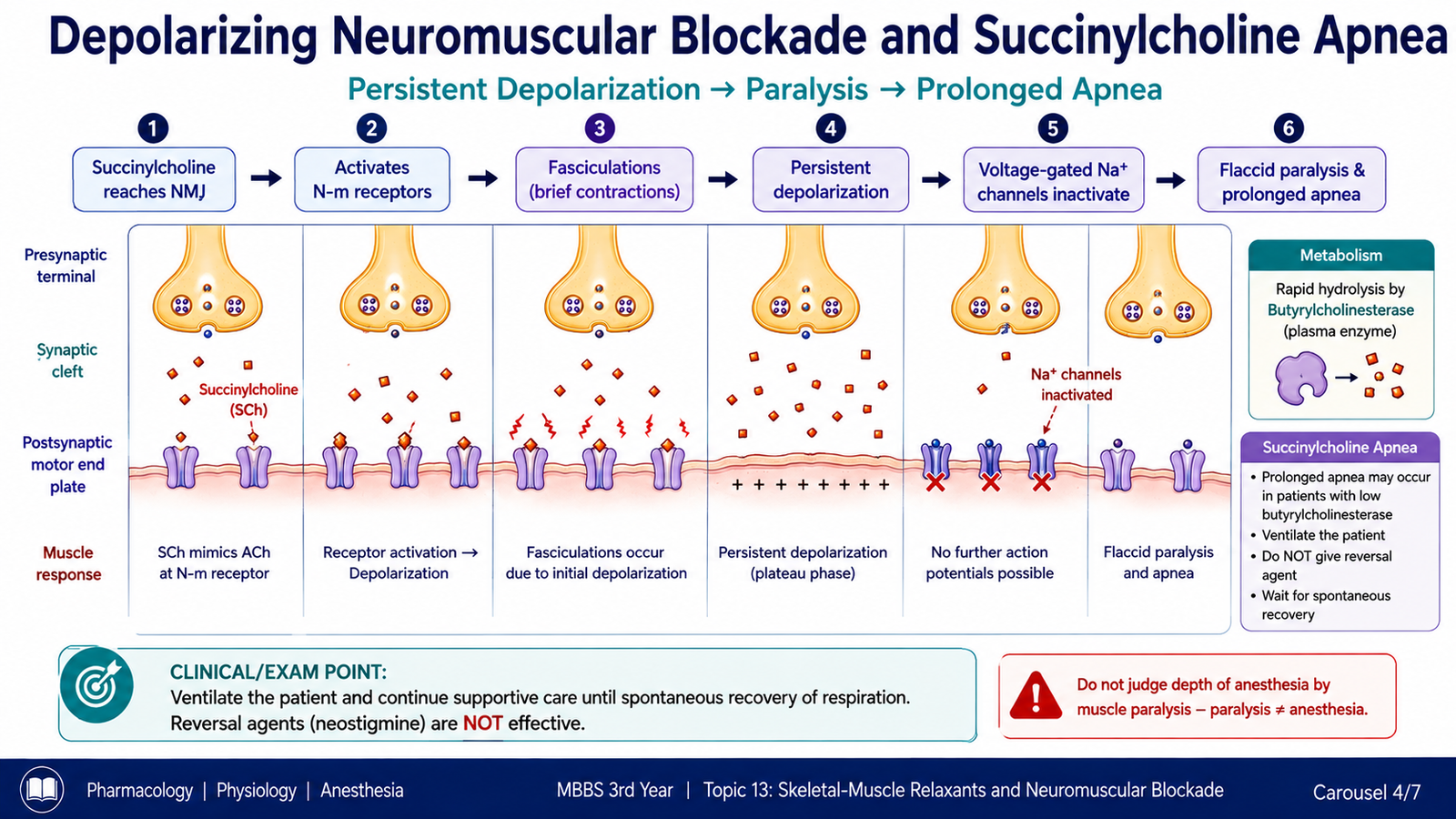
Succinylcholine is the main depolarizing neuromuscular blocker. Structurally, it resembles two acetylcholine molecules joined together. It binds to nicotinic Nm receptors and activates them, but unlike acetylcholine, it is not rapidly broken down by acetylcholinesterase within the synaptic cleft. The motor end plate therefore remains depolarized for longer than normal.
Phase I block: persistent depolarization
Succinylcholine initially opens the receptor channel and depolarizes the motor end plate. This may produce brief, visible muscle fasciculations. Because depolarization persists, nearby voltage-gated sodium channels remain in an inactivated state. The muscle membrane cannot generate another action potential, so fasciculations are followed by flaccid paralysis.
→ activation of Nm receptors
→ persistent end-plate depolarization
→ sodium channels remain inactivated
→ no repeated muscle action potential
→ flaccid paralysis
A Phase I block is not reversed by acetylcholinesterase inhibitors. Increasing acetylcholine does not correct persistent depolarization and may prolong it.
Phase II block
With prolonged exposure or repeated administration, the motor end plate may gradually repolarize but remains poorly responsive to acetylcholine. This is called a Phase II or desensitizing block. Its pattern begins to resemble non-depolarizing blockade, including fade during repeated nerve stimulation.
Clinical usefulness
Succinylcholine has a very rapid onset and normally a short duration because it is rapidly hydrolyzed in plasma by butyrylcholinesterase, also called pseudocholinesterase. These properties make it useful when brief, rapid muscle relaxation is needed, particularly for rapid tracheal intubation or other short procedures.
Important adverse effects
- Muscle fasciculations and postoperative muscle pain: initial depolarization causes brief contractions before paralysis.
- Hyperkalemia: receptor activation allows potassium to leave muscle cells. The rise may become dangerous in patients with extensive burns, major trauma, denervation injuries, prolonged immobilization or certain neuromuscular disorders.
- Bradycardia: more likely with repeated administration and particularly important in children.
- Increased intraocular and intragastric pressure: related to muscle contraction and changes in smooth-muscle or abdominal pressure.
- Malignant hyperthermia: may occur in genetically susceptible patients, especially with volatile anesthetic agents.
- Prolonged apnea: occurs when succinylcholine is not metabolized at the expected rate.
Succinylcholine can produce severe hyperkalemia in conditions associated with increased extrajunctional acetylcholine receptors. Excessive potassium release may cause life-threatening cardiac arrhythmias.
Succinylcholine apnea
Under normal conditions, succinylcholine is rapidly metabolized by plasma butyrylcholinesterase. Some patients inherit an abnormal form of this enzyme or have reduced enzyme activity. The drug then remains active for much longer than expected, causing prolonged paralysis of the respiratory muscles and apnea.
Acquired reduction in enzyme activity may also occur in severe liver disease, malnutrition, pregnancy or exposure to certain cholinesterase-inhibiting substances. The central problem is prolonged neuromuscular paralysis rather than damage to the respiratory centre.
Management of succinylcholine apnea
- Maintain the airway and provide controlled ventilation with oxygen.
- Continue adequate sedation and anesthesia because paralysis does not produce unconsciousness.
- Monitor neuromuscular function and wait for the drug to be metabolized.
- Assess butyrylcholinesterase activity after stabilization when inherited deficiency is suspected.
- Document and counsel the patient so succinylcholine can be avoided or used with special precautions in the future.
E. Therapeutic Uses, Adverse Effects and Safe Use of Neuromuscular Blockers
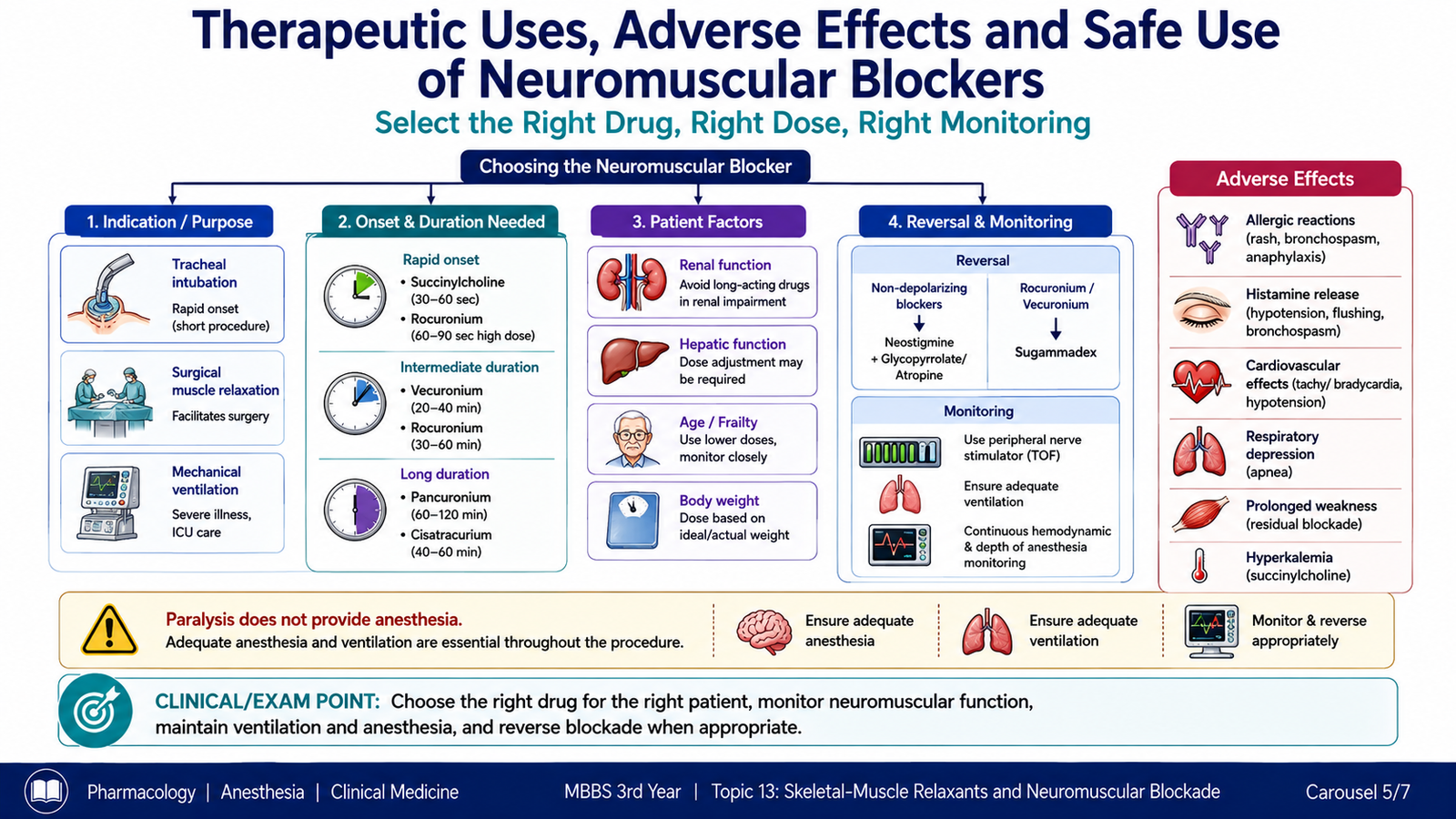
Neuromuscular blockers are used when temporary skeletal-muscle paralysis improves the safety or technical performance of a procedure. Their benefit comes from muscle relaxation, not from sedation or analgesia. Drug selection depends on the required speed of onset, expected duration of the procedure, organ function, cardiovascular effects and the possibility of adverse reactions.
Therapeutic uses
- Facilitation of tracheal intubation: relaxation of the jaw and laryngeal muscles makes placement of an endotracheal tube easier.
- Muscle relaxation during surgery: reduced skeletal-muscle tone improves surgical access and allows lower concentrations of some anesthetic drugs.
- Assistance with mechanical ventilation: selected critically ill patients may require temporary paralysis when severe spontaneous movement prevents effective ventilation.
- Short procedures: brief paralysis may be required during procedures such as electroconvulsive therapy to reduce musculoskeletal injury.
Neuromuscular blockers improve procedural conditions by preventing skeletal-muscle contraction, but they must always be combined with appropriate anesthesia, analgesia and ventilatory support.
Factors affecting drug selection
- Need for rapid onset: rocuronium or succinylcholine may be selected when intubation must be achieved quickly.
- Expected procedure duration: a short-, intermediate- or long-acting drug should match the required period of relaxation.
- Liver or kidney impairment: drugs dependent on these organs may have prolonged effects.
- Cardiovascular stability: drugs producing histamine release or tachycardia may be avoided in vulnerable patients.
- Risk of hyperkalemia or malignant hyperthermia: succinylcholine should be avoided when these risks are significant.
- Availability of reversal: the possibility of using neostigmine or sugammadex may influence selection.
Drug interactions that increase blockade
Several drugs can strengthen or prolong neuromuscular blockade. Aminoglycoside antibiotics reduce acetylcholine release from motor nerves and may increase the effect of neuromuscular blockers. Magnesium also decreases acetylcholine release and reduces muscle responsiveness. Some anesthetic agents and other antibiotics may further enhance the block. These interactions are important because they can delay recovery of breathing.
Major safety principles
- Provide adequate anesthesia and analgesia before paralysis.
- Ensure the ability to support ventilation and oxygenation.
- Monitor the depth of blockade and confirm recovery.
- Consider organ function and relevant drug interactions.
- Recognize residual weakness before extubation.
- Be prepared to manage anaphylaxis, severe hyperkalemia or malignant hyperthermia.
F. Centrally Acting Skeletal-Muscle Relaxants and Spasmolytics
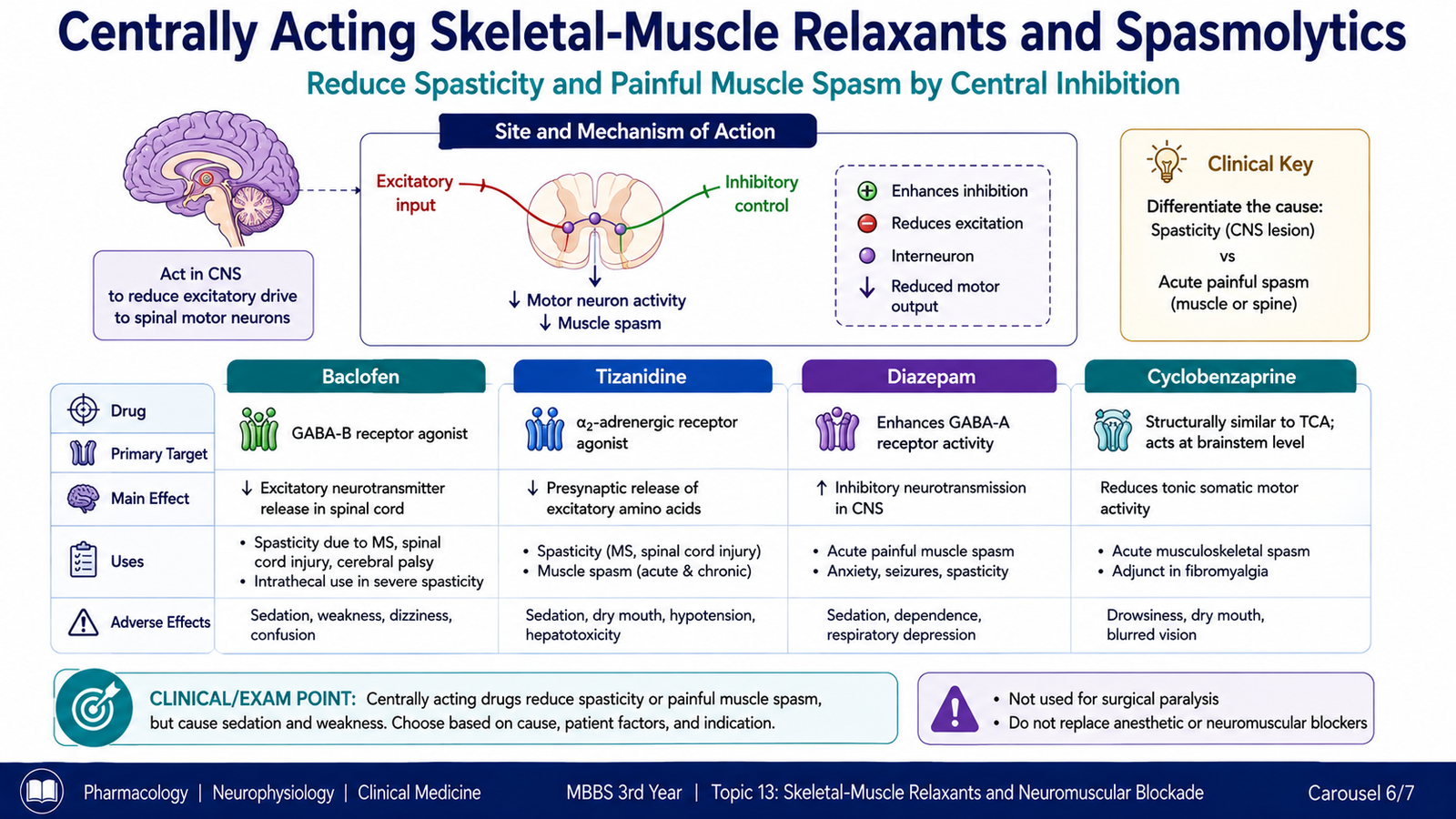
Centrally acting skeletal-muscle relaxants reduce abnormal muscle activity by acting within the brain or spinal cord. They do not directly block transmission at the neuromuscular junction. Some are mainly used for chronic spasticity caused by upper motor-neuron disorders, while others are used for short-term painful musculoskeletal spasm.
Spasticity and muscle spasm
Spasticity is a persistent increase in muscle tone caused by damage to descending motor pathways in the central nervous system. It may occur in conditions such as spinal-cord injury, multiple sclerosis or cerebral palsy. Acute muscle spasm is a painful involuntary contraction that may accompany musculoskeletal injury. The two problems are different and may require different drugs.
| Drug | Main mechanism | Main use | Important adverse effects |
|---|---|---|---|
| Baclofen | GABAB receptor agonist in the spinal cord; reduces excitatory transmitter release | Spasticity due to central motor disorders | Sedation, weakness, dizziness; abrupt withdrawal may cause severe rebound effects |
| Tizanidine | Central α2-adrenergic agonist; reduces excitatory motor-neuron activity | Spasticity | Sedation, dry mouth, hypotension and possible liver injury |
| Diazepam | Enhances GABAA-mediated inhibition | Selected cases of spasticity or painful muscle spasm | Sedation, impaired coordination, dependence and respiratory depression with other depressants |
| Cyclobenzaprine | Central reduction of tonic somatic motor activity | Short-term painful musculoskeletal spasm | Drowsiness, dry mouth and other antimuscarinic effects |
Baclofen
Baclofen activates GABAB receptors, particularly in the spinal cord. Activation reduces calcium entry into presynaptic terminals and increases inhibitory effects on motor pathways. Less excitatory neurotransmitter is released, so excessive motor-neuron activity and muscle tone decrease. Its therapeutic benefit therefore follows directly from reduced excitatory spinal transmission.
Baclofen may cause sedation and muscle weakness because central inhibition and reduced motor activity are not limited only to the abnormal pathway. Abrupt withdrawal should be avoided because sudden loss of GABAB-mediated inhibition may produce marked rebound spasticity, agitation, hallucinations or seizures.
Tizanidine
Tizanidine stimulates central α2-adrenergic receptors and reduces the release of excitatory neurotransmitters onto motor neurons. This decreases muscle tone with less direct effect on the neuromuscular junction. Sedation and hypotension occur because α2-receptor effects also reduce central alertness and sympathetic activity.
Diazepam and cyclobenzaprine
Diazepam strengthens the inhibitory action of GABA at GABAA receptors. It can reduce muscle spasm, but sedation, impaired coordination and dependence limit prolonged use. Cyclobenzaprine is mainly used for short-term painful musculoskeletal spasm. Its antimuscarinic properties explain adverse effects such as dry mouth, blurred vision and urinary difficulty.

G. Malignant Hyperthermia and the Rationale for Dantrolene
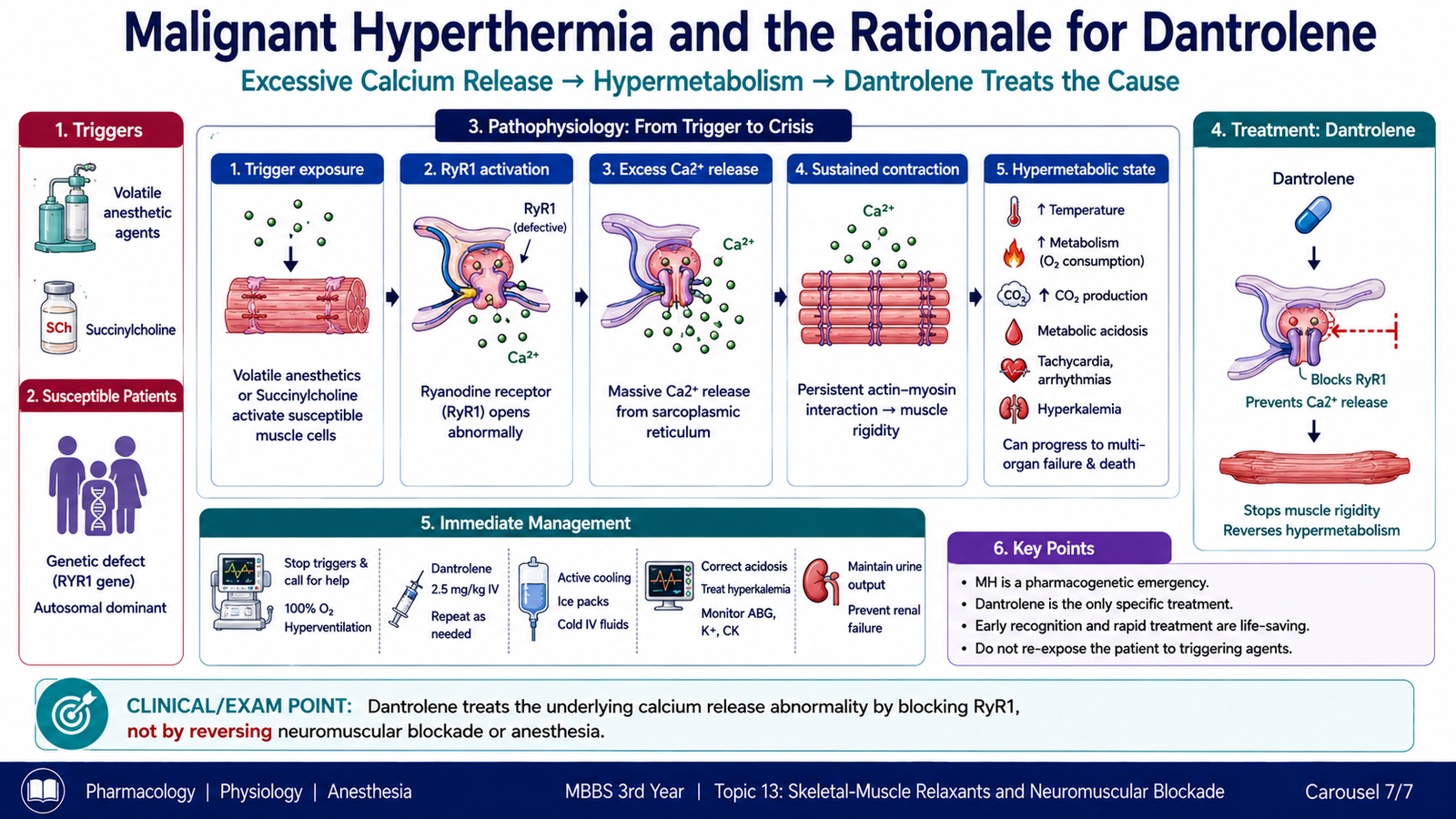
Malignant hyperthermia is a rare but life-threatening pharmacogenetic reaction in susceptible individuals. It is triggered by certain anesthetic drugs and causes uncontrolled calcium release inside skeletal-muscle fibres. The resulting sustained contraction and rapid metabolic activity can produce severe hyperthermia, acidosis, hyperkalemia, muscle breakdown and cardiovascular collapse.
Triggering drugs
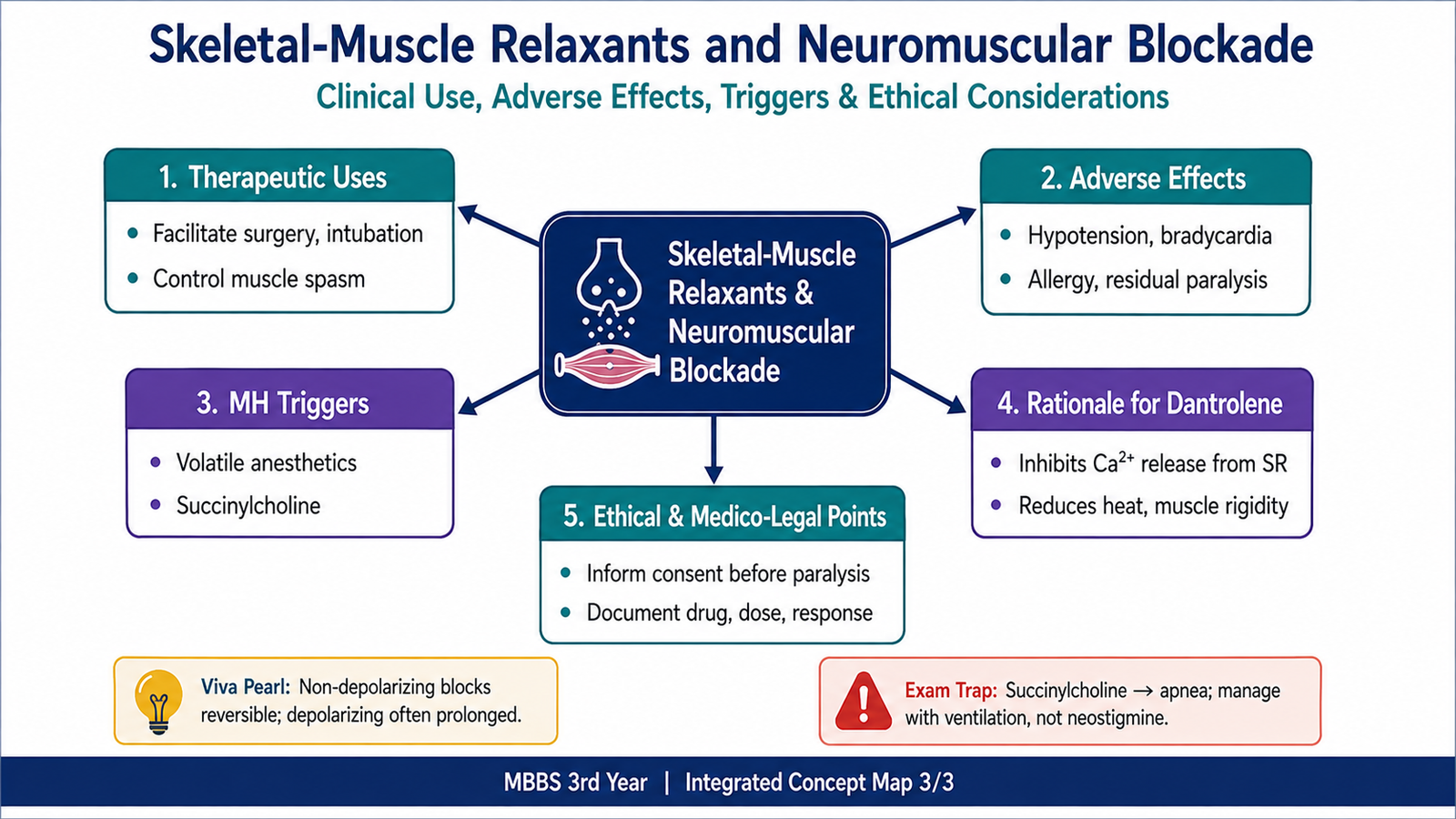
The most important triggers are volatile inhalational anesthetic agents and the depolarizing neuromuscular blocker succinylcholine. Volatile agents include drugs such as halothane, isoflurane, sevoflurane and desflurane.
Underlying mechanism
Susceptible patients usually have an inherited abnormality affecting calcium regulation within skeletal muscle, commonly involving the ryanodine receptor calcium-release channel. When a triggering anesthetic is given, the sarcoplasmic reticulum releases excessive calcium into the cytoplasm.
→ uncontrolled calcium release from sarcoplasmic reticulum
→ sustained muscle contraction and accelerated ATP use
→ increased heat production, oxygen consumption and carbon dioxide generation
→ acidosis, hyperkalemia and muscle-cell injury
→ arrhythmia, organ failure or death
The temperature rise may be a later feature. Early clues can include an unexpected increase in carbon dioxide production, tachycardia, muscle rigidity and metabolic or respiratory acidosis. Severe muscle breakdown releases potassium and myoglobin, increasing the risk of cardiac arrhythmias and kidney injury.
Why dantrolene is effective
Dantrolene acts directly on skeletal muscle. It inhibits excessive calcium release from the sarcoplasmic reticulum through the ryanodine receptor pathway. Less cytoplasmic calcium becomes available for interaction between actin and myosin. This reduces sustained muscle contraction, metabolic activity and heat production.
Malignant hyperthermia is driven by uncontrolled intracellular calcium release. Dantrolene treats the underlying mechanism by reducing that calcium release rather than merely lowering body temperature.
Immediate management principles
- Stop the triggering anesthetic agents.
- Administer dantrolene promptly.
- Provide high-concentration oxygen and support ventilation.
- Begin active cooling when significant hyperthermia is present.
- Correct acidosis, hyperkalemia and other metabolic abnormalities.
- Monitor cardiac rhythm, urine output and evidence of muscle breakdown.
Adverse effects of dantrolene
Because dantrolene reduces calcium-dependent skeletal-muscle contraction, it may produce muscle weakness. Sedation and gastrointestinal effects may occur. With longer-term oral use, liver toxicity is an important concern. During an acute malignant-hyperthermia crisis, however, its life-saving benefit is the major priority.
Integrated Mechanism Flow
Motor nerve releases acetylcholine at the neuromuscular junction.
Acetylcholine activates nicotinic Nm receptors and depolarizes the motor end plate.
Competitive receptor antagonism prevents sufficient end-plate depolarization.
Succinylcholine causes persistent depolarization and sodium-channel inactivation.
Muscle action potentials stop, producing flaccid skeletal-muscle paralysis.
Surgery or intubation becomes easier, but ventilation and anesthesia remain essential.
Important Comparison: Depolarizing and Non-Depolarizing Blockers
| Feature | Non-depolarizing blockers | Depolarizing blocker: succinylcholine |
|---|---|---|
| Action at Nm receptor | Competitive antagonist | Agonist producing persistent depolarization |
| Initial fasciculations | Absent | Usually present before paralysis |
| Motor end plate | Not adequately depolarized | Persistently depolarized in Phase I |
| Train-of-four response | Fade is characteristic | No marked fade in Phase I; fade may appear in Phase II |
| Effect of neostigmine | Can reverse the block | Does not reverse Phase I and may prolong it |
| Typical duration | Varies from intermediate to long | Usually very short |
| Important examples | Rocuronium, vecuronium, atracurium, cisatracurium | Succinylcholine |
| Characteristic risks | Residual paralysis, histamine release, cardiovascular effects | Hyperkalemia, malignant hyperthermia, fasciculations and prolonged apnea |
AIM High-Yield Review
- Neuromuscular blockers produce paralysis but do not provide unconsciousness, analgesia or amnesia.
- Non-depolarizing blockers are competitive antagonists at nicotinic Nm receptors.
- ⭐ Neostigmine reverses non-depolarizing blockade by increasing acetylcholine, but an antimuscarinic drug is required to limit muscarinic effects.
- Sugammadex directly binds rocuronium and vecuronium rather than increasing acetylcholine.
- Succinylcholine is an Nm-receptor agonist that causes persistent end-plate depolarization.
- Phase I succinylcholine block is not reversed by acetylcholinesterase inhibitors.
- ⭐ Succinylcholine may cause dangerous hyperkalemia in burns, denervation, major trauma and neuromuscular disease.
- Succinylcholine apnea results from prolonged drug action, commonly due to abnormal or deficient plasma butyrylcholinesterase.
- Management of succinylcholine apnea is supportive ventilation, oxygenation, sedation and monitoring until recovery.
- Baclofen is a GABAB agonist used mainly for spasticity.
- Tizanidine is a central α2-adrenergic agonist that reduces excitatory motor-neuron activity.
- ⭐ Succinylcholine and volatile inhalational anesthetics can trigger malignant hyperthermia.
- Malignant hyperthermia is caused by uncontrolled calcium release within skeletal muscle, producing rigidity and hypermetabolism.
- Dantrolene treats malignant hyperthermia by reducing calcium release from the skeletal-muscle sarcoplasmic reticulum.
- Residual paralysis must be excluded before ventilatory support is withdrawn.
Skeletal-Muscle Relaxants and Neuromuscular Blockade
Watch this video to review the classification, mechanisms of action,
clinical uses and important adverse effects of skeletal-muscle relaxants
and neuromuscular blocking drugs.
- Classification of skeletal-muscle relaxants
- Depolarizing versus non-depolarizing blockade
- Mechanism and adverse effects of succinylcholine
- Actions of non-depolarizing neuromuscular blockers
- Clinical uses and reversal of neuromuscular blockade
- Centrally and directly acting muscle relaxants
Educational video selected for the AIM Learning Cycle