
Topic 19 — Pharmacotherapy of Inflammatory, Pruritic, Pigmentary and Appendageal Skin Disorders
Topic Introduction
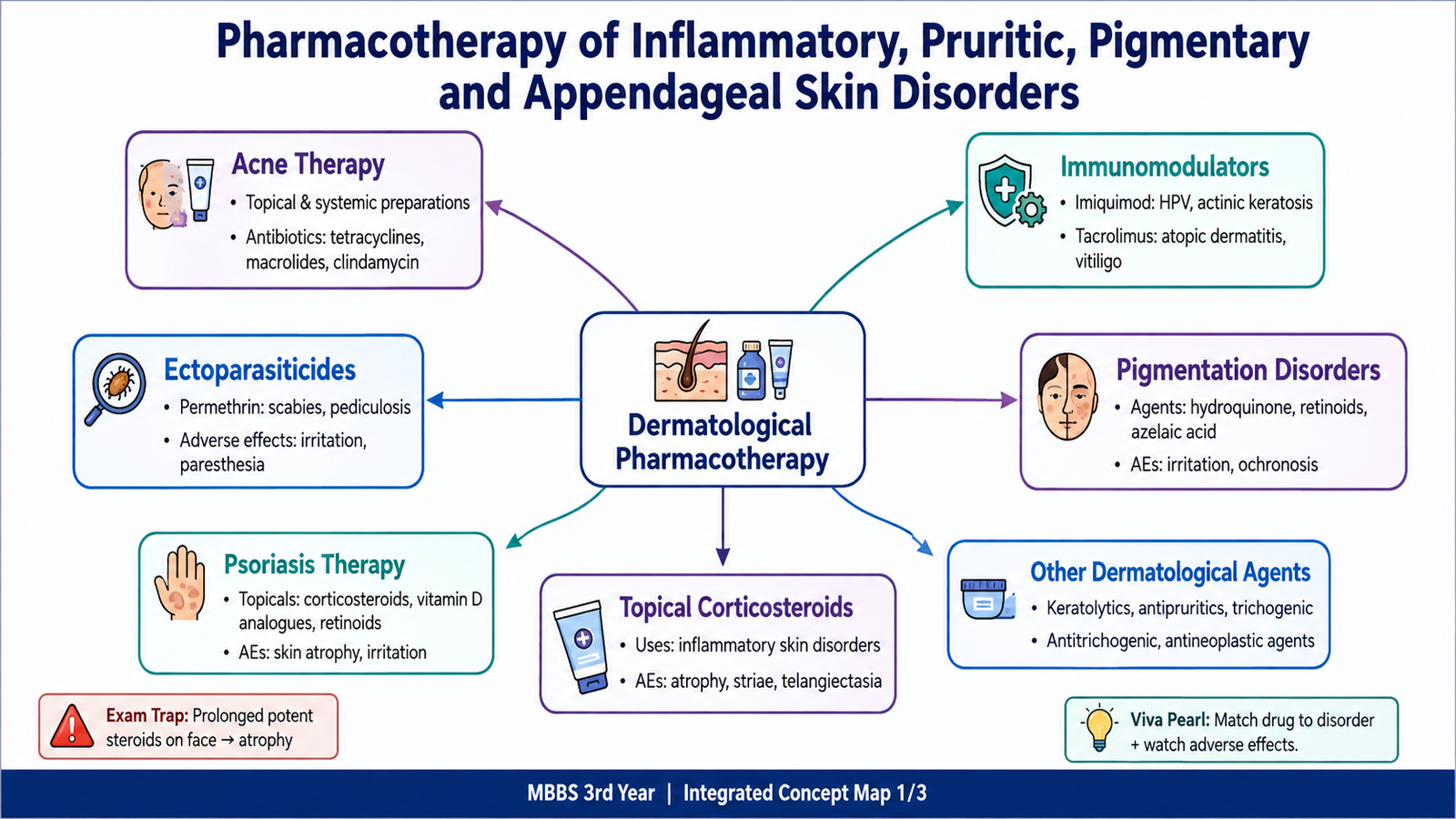
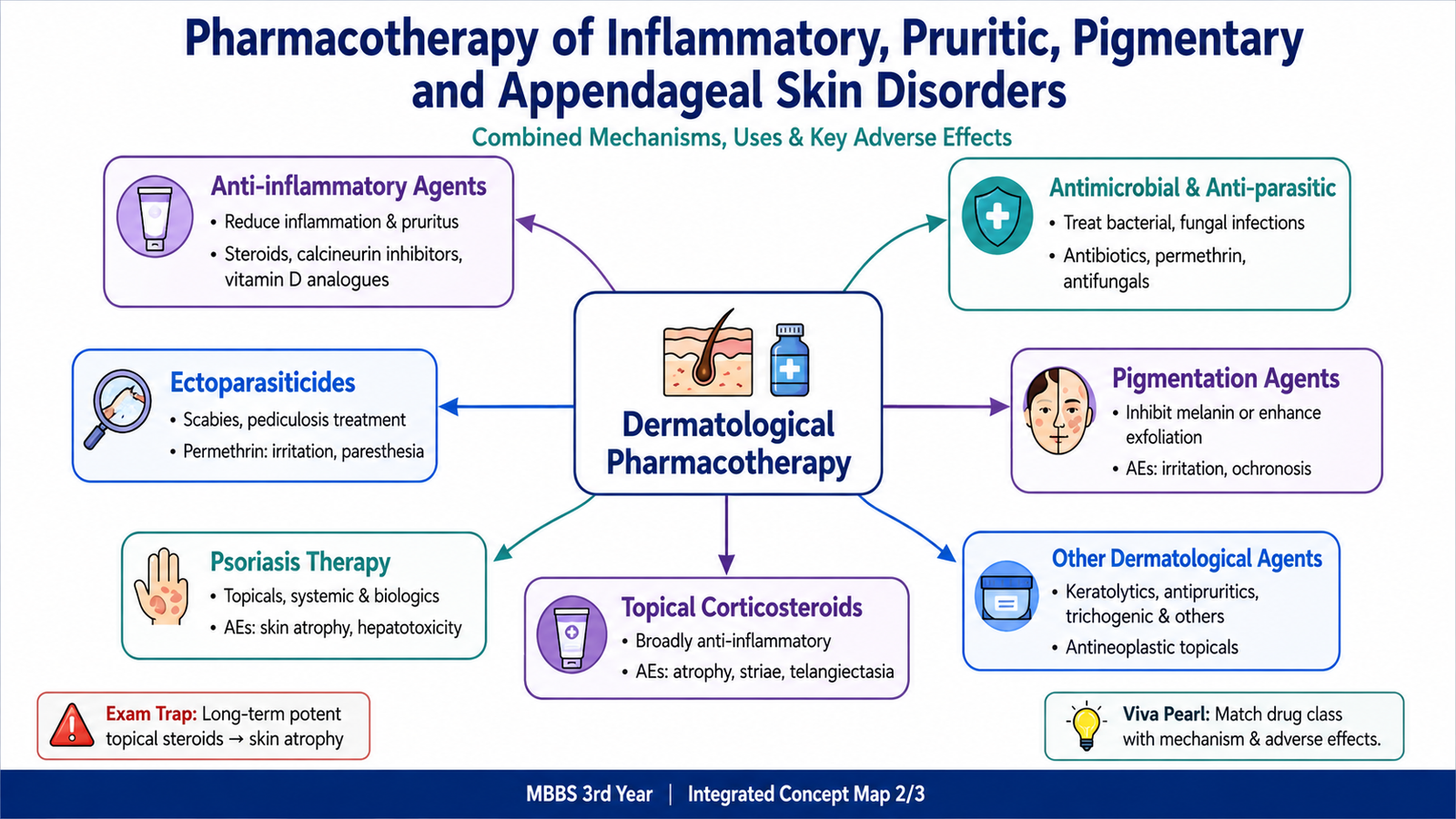
Skin disorders are often treated directly at the site of disease, allowing a drug to act on the epidermis, hair follicle, inflammatory cells or microorganisms while limiting systemic exposure. Different dermatological drugs therefore act through very different mechanisms. Some reduce follicular obstruction in acne, some suppress inflammation or immune activity, some eradicate parasites, and others alter pigmentation, epidermal proliferation or hair growth. In this chapter, you will learn the major preparations used for acne, important dermatological immunomodulators and ectoparasiticides, pharmacotherapy of pigmentation disorders and psoriasis, appropriate use of topical corticosteroids, and the roles of keratolytic, antipruritic, hair-modifying and topical antineoplastic agents.
A. Acne Therapy: Preparations and Antibiotics
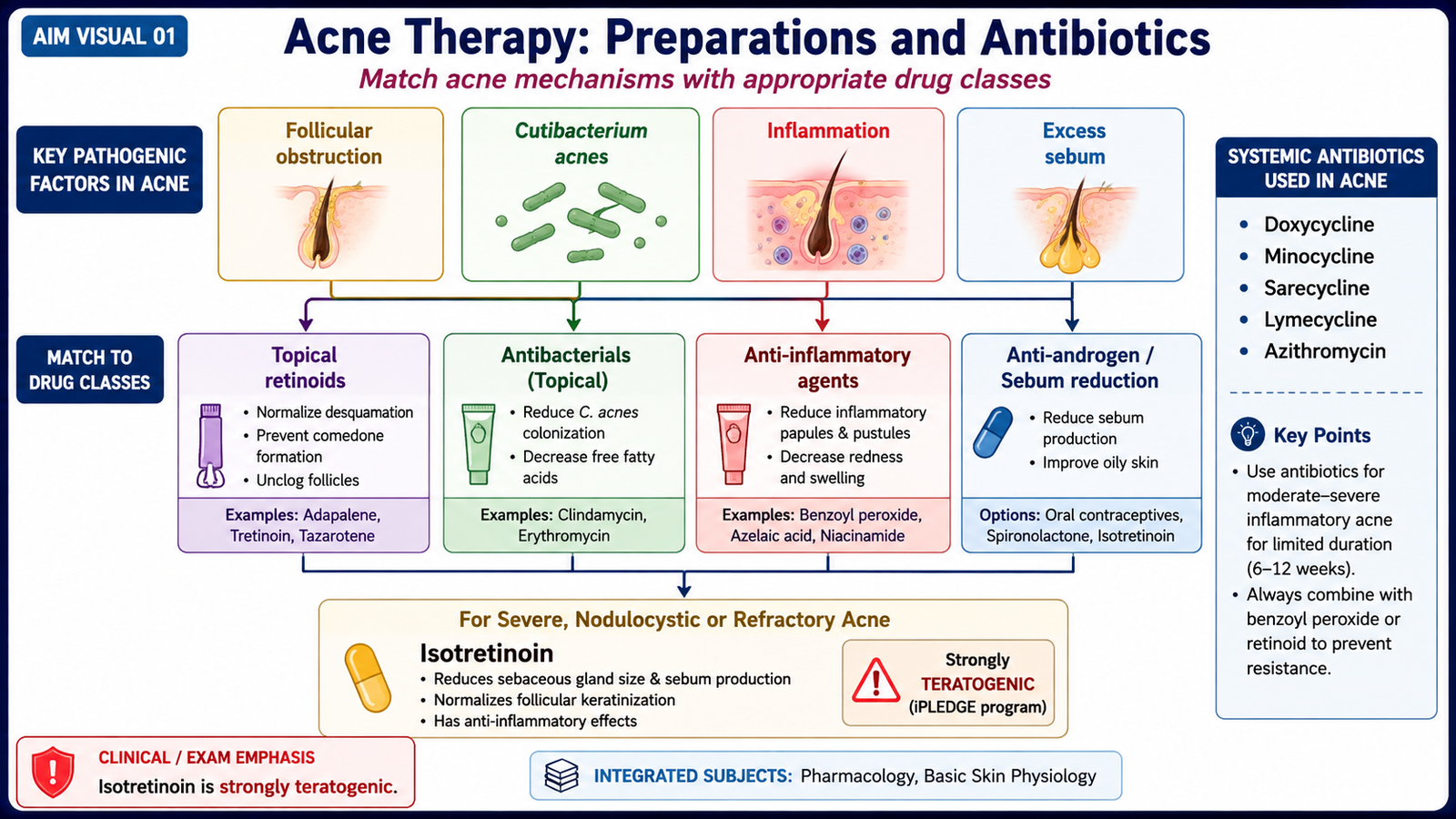
Acne vulgaris develops through several interacting processes in the pilosebaceous unit. Increased sebum production, abnormal keratinization of the follicular opening, proliferation of Cutibacterium acnes and inflammation all contribute. Acne treatment therefore works best when the drug is selected according to the dominant mechanism rather than simply according to the appearance of the lesions.
Follicular obstruction → use comedolytic agents
Excess sebaceous activity → reduce sebum or androgenic stimulation
C. acnes involvement → use antimicrobial therapy
Inflammation → use anti-inflammatory preparations
Topical retinoids
Topical retinoids such as tretinoin, adapalene and tazarotene normalize abnormal keratinization within the follicle. By reducing cohesion of follicular epithelial cells, they help prevent formation of microcomedones and promote clearing of existing comedones.
- Main use: comedonal acne and as part of combination therapy for inflammatory acne.
- Adverse effects: local erythema, dryness, peeling, burning and photosensitivity.
- Important principle: irritation is mainly related to their effect on epidermal turnover.
- Tazarotene: should be avoided in pregnancy because of retinoid-related fetal risk.
Benzoyl peroxide
Benzoyl peroxide is converted in the skin into reactive oxygen species that are toxic to C. acnes. It also has mild comedolytic activity. Because its antimicrobial effect does not depend on conventional bacterial antibiotic targets, resistance is not a major problem.
- Useful in mild inflammatory acne.
- Frequently combined with a topical antibiotic.
- Helps reduce development of bacterial resistance when antibiotics are required.
- May produce dryness, irritation and bleaching of hair or fabrics.
Azelaic acid
Azelaic acid reduces follicular keratinization and has antimicrobial activity. It can therefore improve both comedonal and mildly inflammatory acne. It also reduces abnormal pigmentation and may be useful when acne is associated with post-inflammatory hyperpigmentation.
- Effects: comedolytic, antimicrobial and mild anti-inflammatory action.
- Adverse effects: local burning, stinging and irritation.
Topical antibiotics
Clindamycin and erythromycin suppress susceptible bacteria within the pilosebaceous unit and also reduce inflammation. They are most useful in inflammatory acne rather than purely comedonal disease.
Antibiotics should not routinely be used alone for prolonged acne treatment because selective pressure can encourage resistant organisms. Combination with benzoyl peroxide reduces this problem.
Oral antibiotics
Systemic antibiotics are considered when inflammatory acne is more extensive or cannot be adequately controlled with topical treatment. Tetracycline-class drugs, particularly doxycycline and minocycline, are commonly used because they reduce C. acnes and have additional anti-inflammatory effects.
- Tetracyclines: may cause gastrointestinal upset and photosensitivity; effects on developing teeth and bone make them inappropriate in pregnancy and young children.
- Minocycline: may additionally produce vestibular symptoms and pigmentation.
- Macrolides: may serve as alternatives when tetracyclines are unsuitable, but bacterial resistance limits routine use.
Isotretinoin
Oral isotretinoin is a retinoid that acts on several major mechanisms of acne simultaneously. It markedly reduces sebaceous gland activity and sebum production, decreases follicular obstruction and suppresses inflammation. It is therefore particularly effective in severe or resistant acne.
| Preparation | Main action | Main role | Important adverse effect |
|---|---|---|---|
| Topical retinoids | Normalize follicular keratinization | Comedonal acne | Irritation, photosensitivity |
| Benzoyl peroxide | Oxidative antibacterial action | Inflammatory acne; combinations | Dryness, irritation |
| Clindamycin | Antibacterial and anti-inflammatory | Inflammatory acne | Local irritation, resistance |
| Azelaic acid | Comedolytic and antimicrobial | Mild acne, pigmentation | Stinging, irritation |
| Isotretinoin | Markedly reduces sebum and comedogenesis | Severe or resistant acne | Teratogenicity, mucocutaneous dryness |
B. Dermatological Immunomodulators: Imiquimod and Tacrolimus
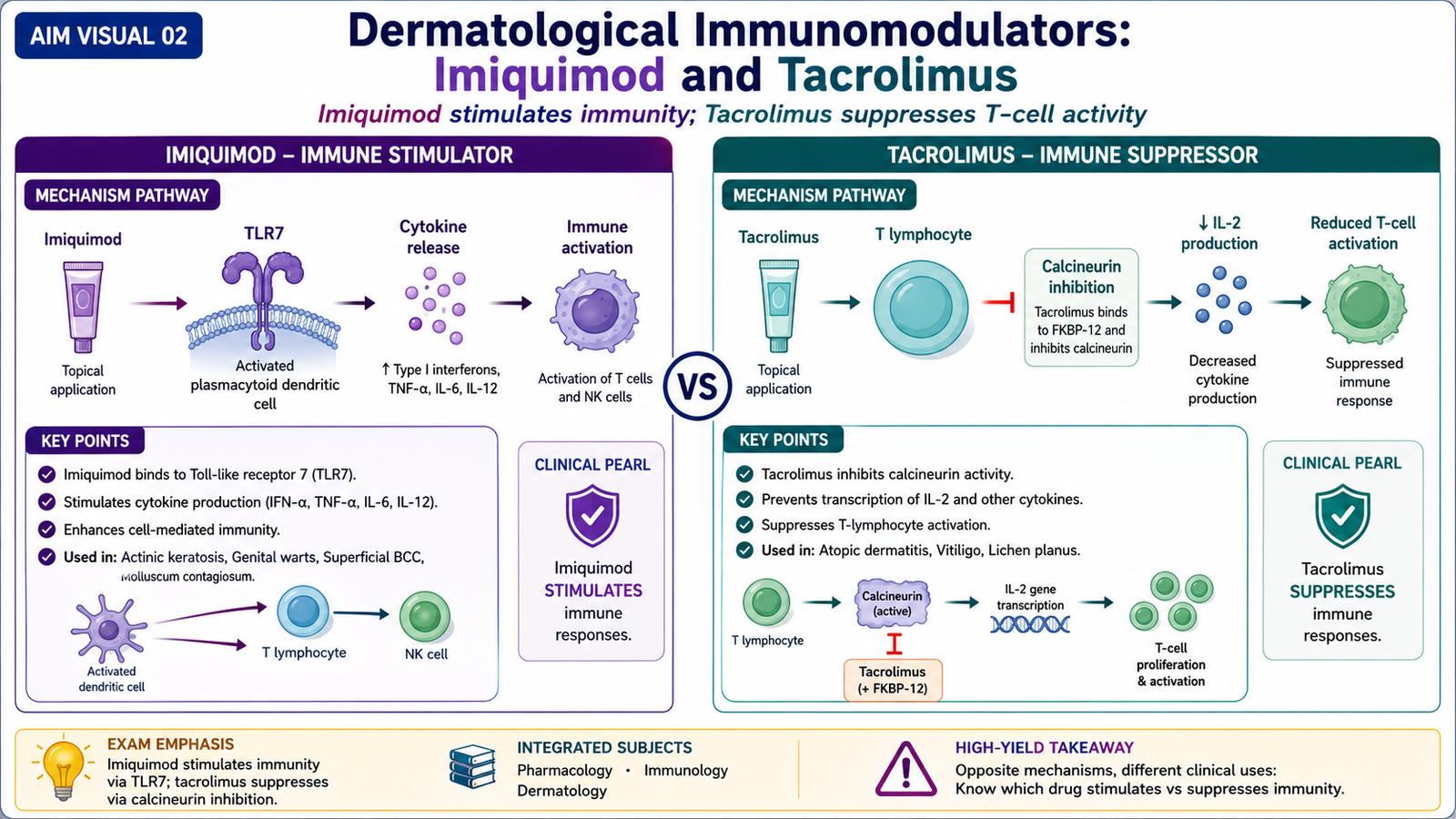
Dermatological immunomodulators alter local immune activity rather than directly killing microorganisms or removing lesions. Their clinical effect depends on whether stimulation or suppression of immunity is needed. Imiquimod stimulates innate immune responses, whereas tacrolimus suppresses T-cell activation.
Imiquimod
Imiquimod activates Toll-like receptor 7 (TLR7) on immune cells. This promotes production of interferon and other inflammatory cytokines, strengthening local cell-mediated immune responses against abnormal or virus-infected cells.
Clinical uses
- External genital and perianal warts.
- Actinic keratoses.
- Selected superficial basal cell carcinomas.
Adverse effects
- Local erythema, burning, itching and erosion.
- The inflammatory reaction may become marked because immune activation is part of its therapeutic action.
- Systemic flu-like symptoms may occasionally occur.
Tacrolimus
Tacrolimus is a calcineurin inhibitor. After entering T lymphocytes, it binds to an intracellular immunophilin and inhibits calcineurin. This reduces transcription of interleukin-2 and other cytokines required for T-cell activation.
Clinical uses
- Atopic dermatitis, particularly where a steroid-sparing drug is desirable.
- Useful on areas such as the face and skin folds where prolonged corticosteroid exposure may cause atrophy.
Adverse effects
- Transient burning or stinging at the application site.
- Pruritus and local irritation.
- Unlike topical corticosteroids, tacrolimus does not characteristically produce skin atrophy.
| Feature | Imiquimod | Tacrolimus |
|---|---|---|
| Immune effect | Stimulates immunity | Suppresses T-cell activation |
| Target | TLR7 | Calcineurin |
| Typical dermatological role | Warts and selected superficial neoplastic lesions | Atopic dermatitis |
C. Ectoparasiticides and Treatment of Scabies and Pediculosis
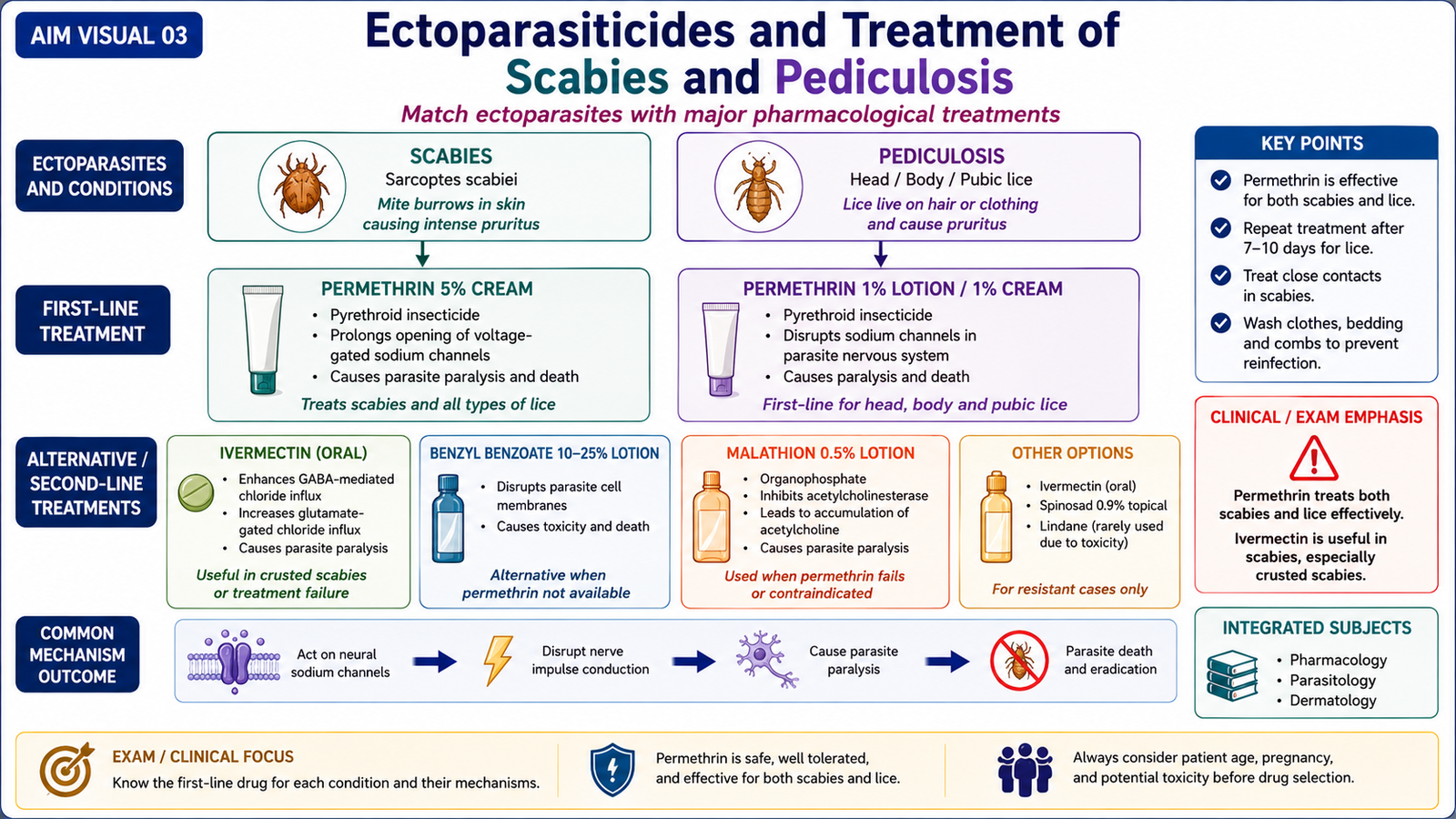
Ectoparasiticides are drugs used against parasites that live on or within the superficial layers of the skin. The major dermatological ectoparasitic infestations are scabies, caused by the mite Sarcoptes scabiei, and pediculosis, caused by lice. Treatment aims to kill the parasite while minimizing toxicity to the patient.
Important ectoparasiticides
- Permethrin
- Pyrethrins
- Ivermectin
- Malathion
- Benzyl benzoate
- Precipitated sulfur
- Lindane — now limited because of potential neurotoxicity
Permethrin
Permethrin is a synthetic pyrethroid and is an important drug for both scabies and pediculosis. It acts on parasite neuronal membranes by interfering with voltage-gated sodium channel function. Sodium channels remain active for longer than normal, producing repetitive neuronal firing followed by paralysis and death of the parasite.
Clinical uses
- Scabies.
- Head lice and other forms of pediculosis.
Adverse effects
- Transient burning or stinging.
- Pruritus.
- Erythema or mild local irritation.
Systemic absorption from appropriate topical use is limited, which contributes to its favorable safety profile.
Pharmacological treatment of scabies
In scabies, the drug must reach mites within the superficial skin. Topical permethrin is a major treatment option. Ivermectin may be useful when topical treatment is unsuitable, difficult to administer or when infestation is extensive. Sulfur or benzyl benzoate are alternative topical scabicidal agents.
Successful management also requires attention to close contacts and contaminated clothing or bedding because reinfestation may otherwise occur. Persistent itching immediately after eradication does not necessarily indicate treatment failure because hypersensitivity to residual mite antigens can continue temporarily.
Pharmacological treatment of pediculosis
Pediculosis is treated with pediculicidal drugs such as permethrin, pyrethrins, ivermectin or malathion. The aim is to kill living lice and interrupt transmission. Mechanical removal of attached nits can support pharmacological treatment, especially in head lice.
D. Drugs Used in Pigmentation Disorders
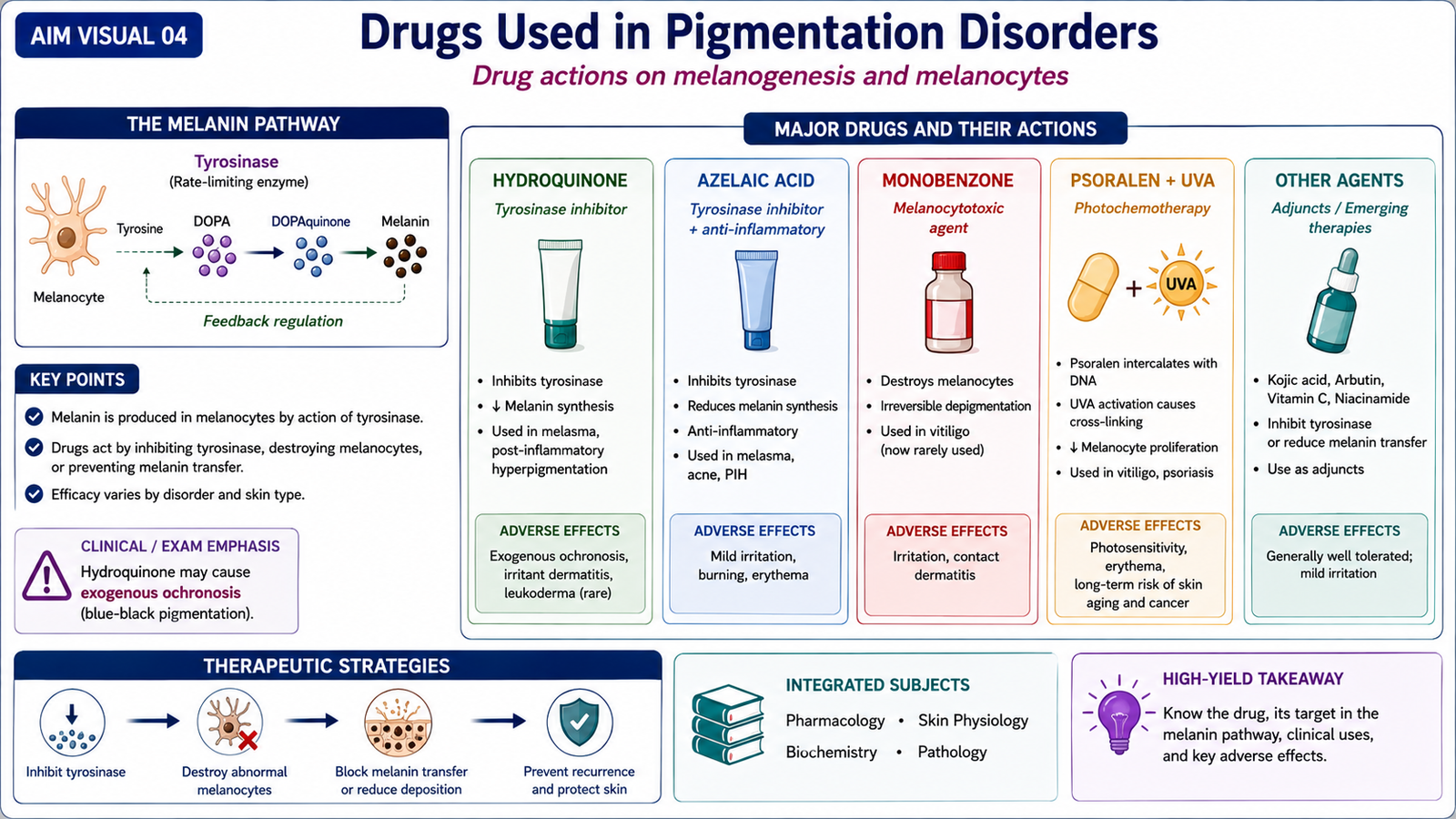
Skin pigmentation depends mainly on synthesis of melanin by melanocytes and transfer of melanin-containing melanosomes to keratinocytes. Drugs used in pigmentation disorders may therefore either reduce excessive pigmentation, produce more extensive depigmentation when clinically required, or increase responsiveness of skin to ultraviolet light to support repigmentation.
Hydroquinone
Hydroquinone is a topical depigmenting agent used for localized hyperpigmentation. It inhibits melanin production, mainly by interfering with tyrosinase-dependent melanin synthesis within melanocytes.
- Effect: gradual lightening of hyperpigmented skin.
- Adverse effects: irritation and contact dermatitis.
- Prolonged or inappropriate use can cause paradoxical dark pigmentation known as exogenous ochronosis.
Azelaic acid
Azelaic acid can reduce abnormal melanogenesis through inhibition of tyrosinase activity. This explains its usefulness in some hyperpigmentary disorders as well as its role in acne.
- May cause burning, stinging and local irritation.
- Its dual effect on acne and pigmentation is clinically useful in patients with post-inflammatory pigmentation.
Topical retinoids
Retinoids increase epidermal turnover and promote more even dispersion and removal of epidermal pigment. They may therefore be incorporated into treatment of some hyperpigmentary conditions. Irritation, erythema and photosensitivity are important adverse effects.
Monobenzone
Monobenzone produces a more permanent loss of pigmentation by damaging melanocytes. It is therefore not used simply as a cosmetic lightening agent. Its role is mainly in selected patients with very extensive depigmentation disorders where remaining normally pigmented areas are deliberately depigmented to produce a more uniform appearance.
- May cause marked and sometimes irreversible depigmentation.
- Local irritation and dermatitis may occur.
- Depigmentation can extend beyond the directly treated area.
Psoralens
Psoralens are photosensitizing compounds. After activation by ultraviolet A radiation, they interact with DNA and modify epidermal and melanocyte activity. In selected pigmentation disorders such as vitiligo, controlled photochemotherapy can stimulate repigmentation.
| Agent | Main mechanism | Effect on pigmentation | Key adverse effect |
|---|---|---|---|
| Hydroquinone | Inhibits melanin synthesis | Depigmentation | Irritation, ochronosis |
| Azelaic acid | Reduces tyrosinase activity | Reduces excess pigment | Local irritation |
| Monobenzone | Destructive effect on melanocytes | Permanent depigmentation | Irreversible pigment loss |
| Psoralens | Photosensitization with UVA | Can stimulate repigmentation | Phototoxicity |
E. Pharmacotherapy of Psoriasis
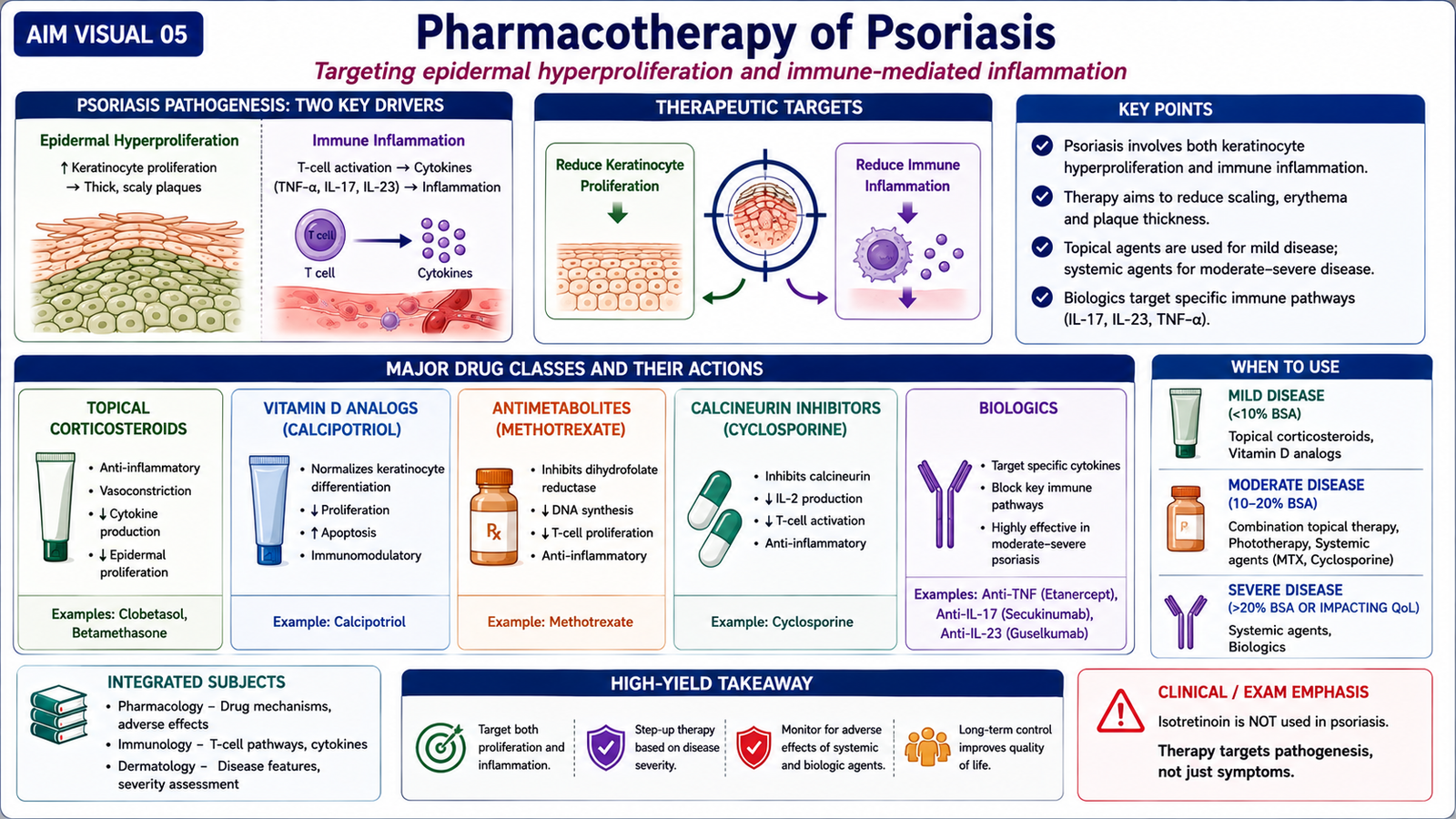
Psoriasis is characterized by excessive proliferation of epidermal keratinocytes together with immune-mediated inflammation. Drug therapy therefore targets either rapid epidermal turnover, inflammatory signaling or both. Topical treatment is useful for limited disease, whereas drugs with systemic immunomodulatory effects are used when wider or more severe disease requires stronger suppression.
Topical corticosteroids
Topical corticosteroids suppress inflammatory gene expression, reduce cytokine production and produce vasoconstriction. These effects reduce erythema, scaling and inflammation in psoriatic plaques.
- Useful in localized inflammatory plaques.
- Prolonged use, especially of potent preparations, may produce skin atrophy, striae and telangiectasia.
- Extensive use of potent agents increases the possibility of systemic corticosteroid effects.
Vitamin D analogues
Calcipotriol and related vitamin D analogues act through vitamin D receptors in keratinocytes. They reduce excessive keratinocyte proliferation and encourage more normal differentiation.
- Useful in plaque psoriasis.
- Local skin irritation may occur.
- Excessive exposure can disturb calcium metabolism because these agents are related to vitamin D.
Topical retinoid
Tazarotene acts through nuclear retinoid receptors and modifies gene transcription controlling keratinocyte proliferation and differentiation. It can improve plaque thickness and scaling.
- Commonly causes irritation and erythema.
- Photosensitivity may occur.
- Retinoid fetal toxicity makes pregnancy an important contraindication.
Keratolytic and older topical agents
Salicylic acid softens and removes excessive scale by reducing cohesion between keratinized cells. This can improve plaque scaling and may improve penetration of another topical drug. Coal tar preparations also suppress epidermal proliferation and inflammation but are limited by irritation, odor, staining and cosmetic acceptability.
Methotrexate
Methotrexate is an antimetabolite that suppresses rapidly proliferating cells and also has important anti-inflammatory and immunomodulatory effects. It can therefore reduce both epidermal hyperproliferation and immune-driven inflammation in severe psoriasis.
- Major adverse effects: bone-marrow suppression, hepatotoxicity, gastrointestinal effects and fetal toxicity.
Cyclosporine
Cyclosporine inhibits calcineurin in T lymphocytes. This decreases transcription of IL-2 and suppresses T-cell activation, producing relatively rapid improvement in immune-mediated psoriatic inflammation.
- Major adverse effects: nephrotoxicity and hypertension.
- Its toxicity limits prolonged unrestricted use.
Systemic retinoids
Acitretin regulates epidermal growth and differentiation and is useful in selected severe forms of psoriasis. Important adverse effects include mucocutaneous dryness, hyperlipidemia and marked teratogenicity.
Biological drugs
Biological agents selectively inhibit important inflammatory mediators involved in psoriasis. Major targets include TNF and interleukin pathways such as IL-17 and IL-23. Suppressing these pathways can produce marked improvement in moderate-to-severe disease.
- The major pharmacological concern is increased susceptibility to infection because important immune pathways are being suppressed.
- Specific biological agents differ in their molecular target, but the basic therapeutic principle is selective inhibition of pathogenic inflammatory signaling.
Keratinocyte hyperproliferation + immune inflammation → normalize epidermal turnover and/or suppress inflammatory pathways → reduced plaque thickness, scaling and erythema
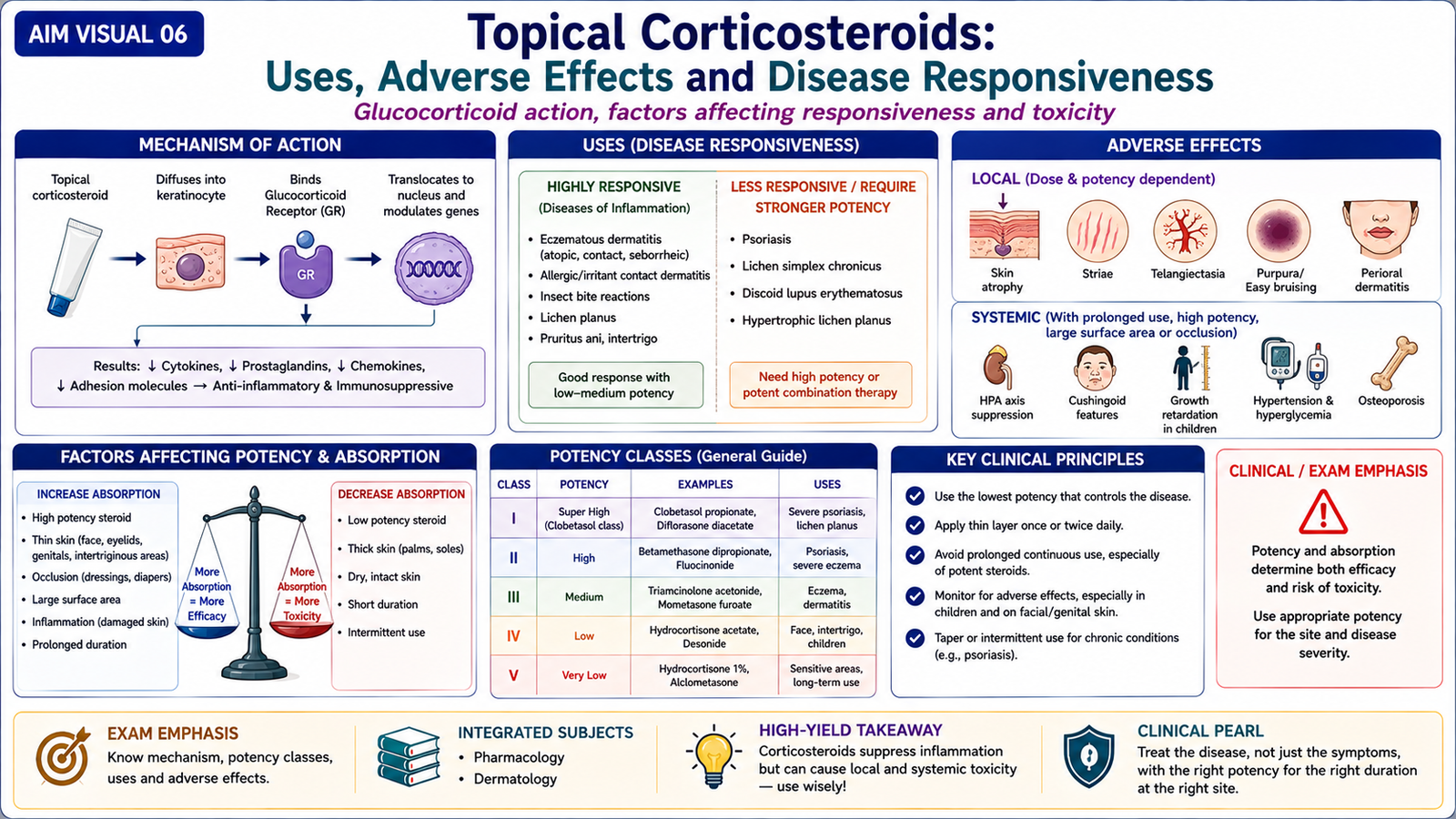
F. Topical Corticosteroids: Uses, Adverse Effects and Disease Responsiveness
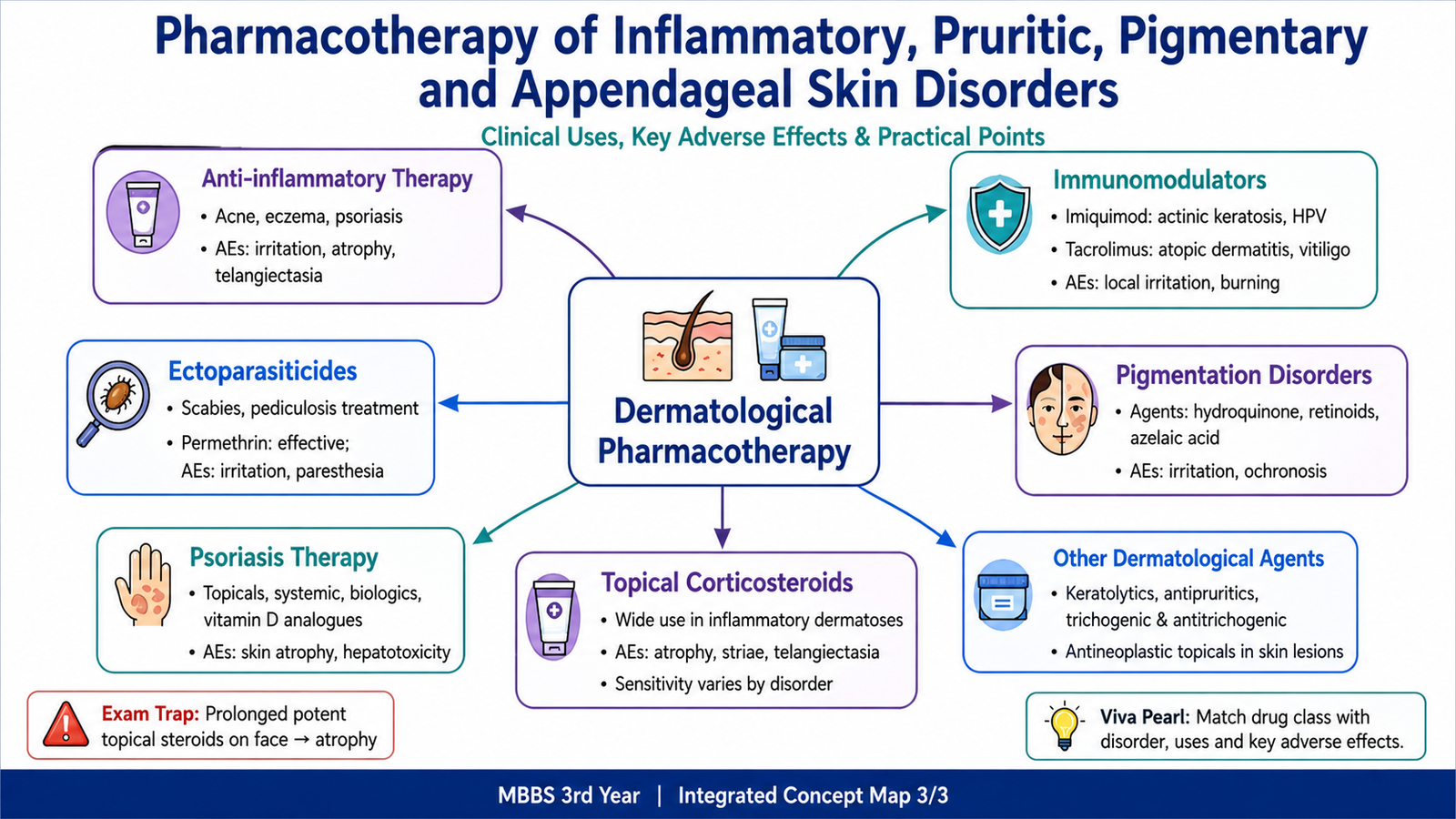
Topical corticosteroids are among the most important anti-inflammatory drugs in dermatology. They diffuse into cells and bind intracellular glucocorticoid receptors. The receptor complex modifies gene transcription, reducing production of inflammatory cytokines and other mediators. They also decrease vascular permeability and produce local vasoconstriction. The result is suppression of erythema, edema, itching and inflammatory cell activity.
Clinical uses
Topical corticosteroids are most useful in steroid-responsive inflammatory dermatoses. Their benefit is greatest when inflammation, hypersensitivity or excessive immune activity is an important component of the lesion.
- Atopic dermatitis.
- Allergic or irritant eczematous dermatitis.
- Seborrheic dermatitis.
- Localized psoriasis.
- Lichen simplex chronicus.
- Selected inflammatory and autoimmune dermatoses.
Dermatological disorders ranked by relative corticosteroid responsiveness
| Relative sensitivity | Examples | Meaning |
|---|---|---|
| Highly responsive | Atopic dermatitis, seborrheic dermatitis, intertriginous inflammatory dermatitis | Often responds to lower-potency preparations |
| Moderately responsive | Many forms of eczema, localized inflammatory dermatoses | Choice depends on site and severity |
| Relatively resistant | Thick plaque psoriasis, lichen simplex chronicus, thick palmar or plantar lesions | May require greater potency because drug penetration through thick keratin is reduced |
The required potency is influenced not only by the disease but also by the anatomical site. Thin skin absorbs corticosteroids more readily, while thick palmar and plantar skin limits penetration.
Local adverse effects
Most important adverse effects result from excessive suppression of normal epidermal and dermal activity.
- Skin atrophy: reduced collagen and dermal support make the skin thin and fragile.
- Striae: prolonged dermal connective-tissue suppression weakens supporting tissue.
- Telangiectasia: superficial vessels become more visible in thinned skin.
- Easy bruising.
- Acneiform eruptions or folliculitis.
- Hypopigmentation in some patients.
- Delayed wound healing.
- Masking or worsening of local infections because immune responses are suppressed.
Systemic adverse effects
Systemic absorption increases when potent preparations are applied over large areas, damaged skin, thin skin or under occlusion. Sufficient absorption can suppress the hypothalamic-pituitary-adrenal axis and produce systemic glucocorticoid effects.
G. Other Dermatological Agents: Keratolytic, Antipruritic, Hair-Modifying and Topical Antineoplastic Drugs
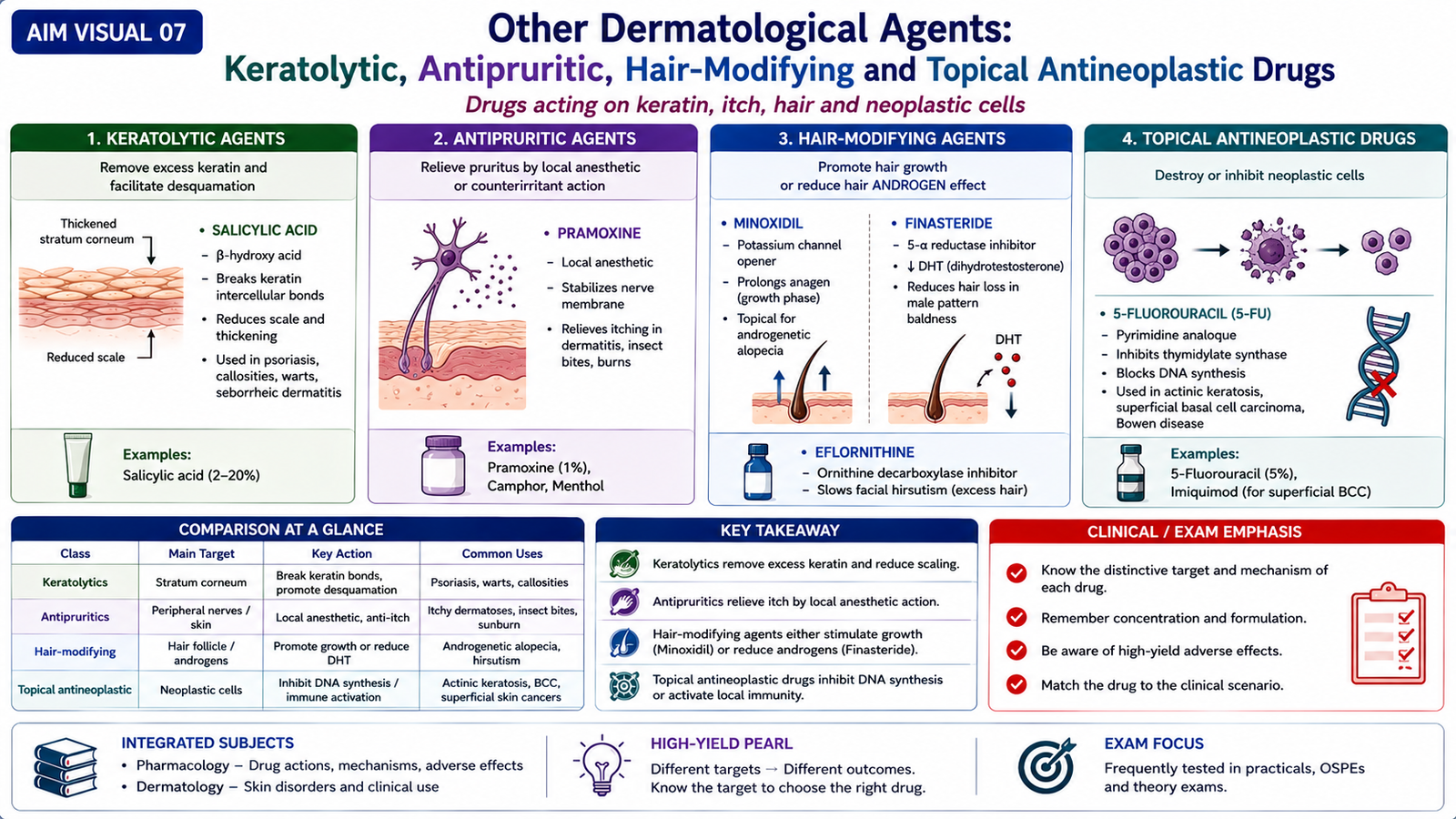
Several dermatological drugs do not fit into the major groups discussed above but are important because they act on specific skin structures or symptoms. Keratolytic drugs remove excessive keratin, antipruritic drugs reduce itching, trichogenic and antitrichogenic drugs modify hair growth, and topical antineoplastic drugs selectively damage abnormal proliferating cells.
Keratolytic agents
Keratolytic agents reduce cohesion between cells of the stratum corneum and promote shedding of excessive keratin. They are particularly useful when hyperkeratosis or thick scale prevents normal shedding or limits penetration of other topical drugs.
Important examples
- Salicylic acid: breaks down intercellular connections within the stratum corneum and promotes desquamation.
- Urea: hydrates and softens keratin and has keratolytic activity at higher topical concentrations.
- Sulfur: has mild keratolytic properties and also possesses other dermatological antimicrobial or antiparasitic actions.
Keratolytics are useful in hyperkeratotic disorders, thick scaly plaques, callus-like lesions and as supportive treatment when removal of excess scale improves penetration of another drug.
Antipruritic agents
Pruritus is a symptom rather than a single disease. Treatment should therefore address the underlying cause whenever possible. Topical antipruritic agents reduce peripheral sensory stimulation, inflammation or the perception of itching.
- Pramoxine: a topical local anesthetic that decreases transmission from cutaneous sensory nerves.
- Menthol: activates cold-sensitive sensory pathways and produces a cooling sensation that can reduce perception of itch.
- Topical corticosteroids: reduce itching when pruritus results from an inflammatory steroid-responsive dermatosis.
- Topical doxepin: has potent antihistaminic activity and may reduce pruritus but can cause local reactions and systemic sedation if significantly absorbed.
Trichogenic agents
Trichogenic agents promote or preserve hair growth. The most important pharmacological examples act either directly on hair follicles or by reducing androgenic effects that promote follicular miniaturization.
Minoxidil
Topical minoxidil promotes hair growth and prolongs activity of susceptible hair follicles. Its precise follicular mechanism is complex, but opening of potassium channels and effects on follicular blood flow and growth signaling contribute to its action.
- Use: androgenetic alopecia.
- Adverse effects: scalp irritation and unwanted hair growth on nearby areas.
- Benefits diminish after treatment is stopped because the underlying tendency to follicular miniaturization remains.
Finasteride
Finasteride inhibits 5-alpha-reductase, reducing conversion of testosterone to dihydrotestosterone. Because dihydrotestosterone contributes to follicular miniaturization in androgenetic alopecia, reducing its formation can slow hair loss and promote retention of susceptible scalp hair.
- May produce sexual adverse effects.
- Exposure during pregnancy is avoided because inhibition of androgen-dependent fetal development can be harmful to a male fetus.
Antitrichogenic agents
Antitrichogenic therapy reduces unwanted hair growth. A key topical example is eflornithine.
Eflornithine irreversibly inhibits ornithine decarboxylase, an enzyme involved in polyamine synthesis within rapidly growing cells of the hair follicle. Reduced polyamine production slows hair growth rather than immediately removing existing hair.
- Use: reduction of unwanted facial hair growth.
- Adverse effects: local irritation, burning, stinging or follicular reactions.
Topical antineoplastic agents
Topical antineoplastic therapy is useful when abnormal proliferating cells are superficial and accessible from the skin surface. A major example is 5-fluorouracil (5-FU).
5-Fluorouracil
5-FU is converted intracellularly into active metabolites that interfere with nucleotide metabolism. A major action is inhibition of thymidylate synthase, reducing thymidine production and therefore impairing DNA synthesis. Rapidly proliferating abnormal epidermal cells are particularly affected.
Dermatological uses
- Actinic keratoses.
- Selected superficial intraepidermal neoplastic lesions.
- Selected superficial basal cell carcinomas.
Adverse effects
- Marked local erythema.
- Burning and inflammation.
- Erosion or ulceration of treated skin.
Imiquimod, discussed earlier as an immunomodulator, also has a role in selected superficial neoplastic skin lesions because local immune activation promotes removal of abnormal cells.
⭐ AIM High-Yield Review
- Topical retinoids treat acne mainly by normalizing follicular keratinization and preventing comedone formation.
- Benzoyl peroxide produces oxidative antibacterial activity against C. acnes and helps limit antibiotic resistance.
- ⭐ Isotretinoin markedly reduces sebaceous gland activity but is strongly teratogenic.
- Imiquimod stimulates local immunity through TLR7, whereas tacrolimus suppresses T-cell activation by inhibiting calcineurin.
- Permethrin is an important treatment for both scabies and pediculosis and acts through parasite sodium channels.
- Hydroquinone reduces melanin synthesis; prolonged inappropriate use can cause exogenous ochronosis.
- Monobenzone can produce permanent melanocyte loss and is different from routine reversible depigmenting therapy.
- Psoriasis therapy targets two central processes: keratinocyte hyperproliferation and immune-mediated inflammation.
- Calcipotriol reduces abnormal keratinocyte proliferation and promotes differentiation.
- Cyclosporine inhibits calcineurin; important toxicities include nephrotoxicity and hypertension.
- ⭐ Prolonged topical corticosteroid use can cause skin atrophy, striae and telangiectasia; systemic absorption increases with potent drugs, large surface areas, damaged skin and occlusion.
- Minoxidil promotes hair growth, whereas eflornithine slows unwanted hair growth by inhibiting ornithine decarboxylase.
- Finasteride inhibits 5-alpha-reductase and therefore decreases dihydrotestosterone formation.
- 5-Fluorouracil inhibits thymidylate synthase and selectively damages rapidly proliferating superficial abnormal cells.
Pharmacotherapy of Dermatological Disorders
Focus Video: Pharmacology of Acne Treatment
Watch this video after completing the AIM learning material. Focus particularly on
acne pathogenesis, topical retinoids, benzoyl peroxide, antibiotics and isotretinoin,
and connect each drug mechanism with its therapeutic effect and important adverse effects.
While watching, identify the four major therapeutic targets in acne:
follicular hyperkeratinization, excess sebum production,
Cutibacterium acnes, and inflammation.
Retinoids reduce comedogenesis, benzoyl peroxide provides antibacterial activity,
antibiotics are mainly useful for inflammatory acne, and systemic isotretinoin
is highly effective but strongly teratogenic.