
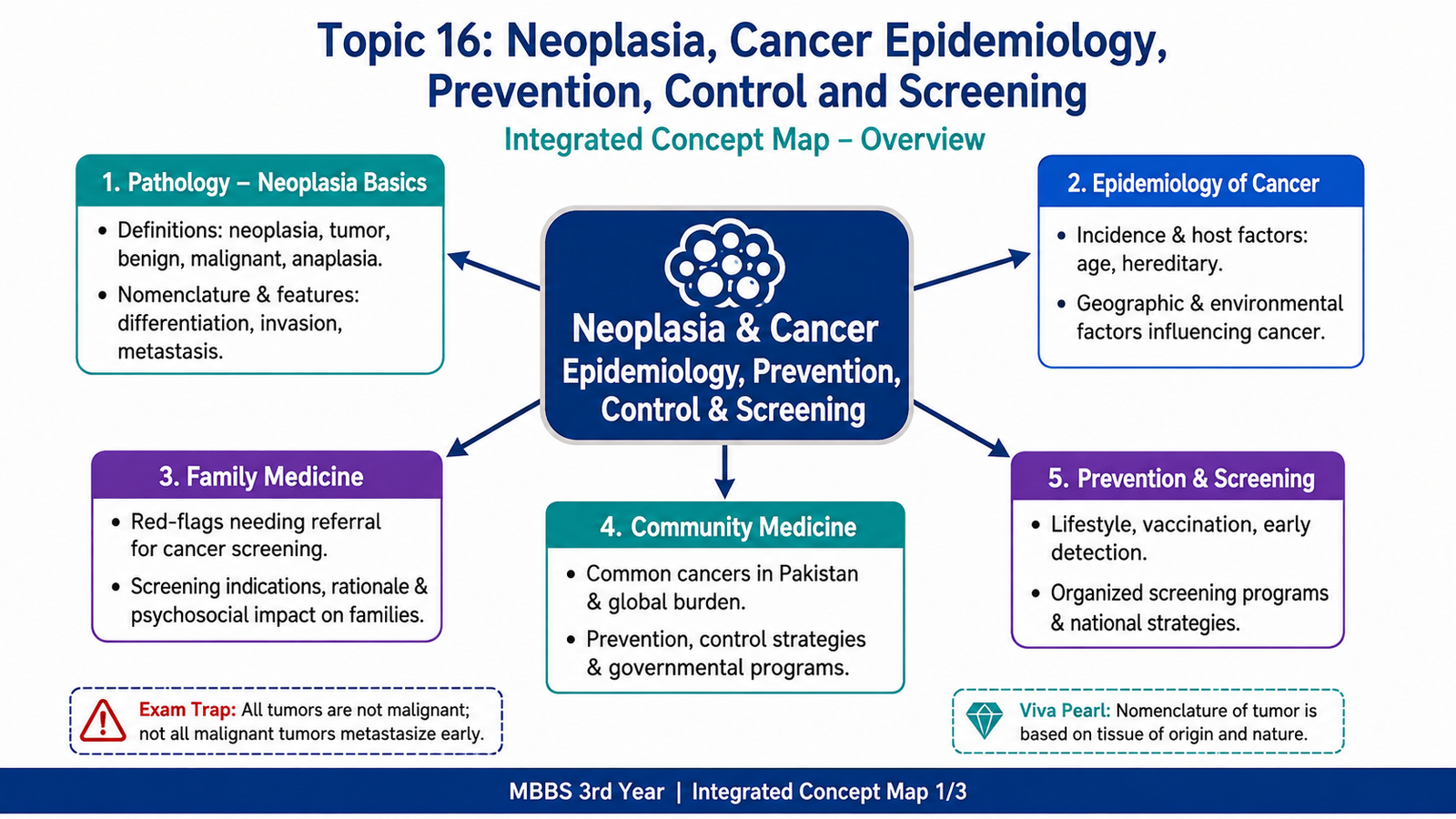
This chapter follows the supplied KMU learning outcomes in a logical sequence. First understand the basic language and behaviour of tumors, then move to cancer epidemiology, screening, prevention and patient-centred care. After completing the chapter, use the AIM High-Yield Review for rapid revision.
Topic 16 — Neoplasia, Cancer Epidemiology, Prevention, Control and Screening
Module/Theme: Multisystem
A clear introduction to tumor terminology and behaviour, followed by the epidemiology, screening, prevention and control of cancer and its impact on patients and families.
Topic Introduction
Neoplasia refers to abnormal, uncontrolled growth of cells that continues even when the stimulus that originally caused growth is no longer present. A neoplasm may be benign or malignant. Benign tumors usually remain localized, whereas malignant tumors can invade surrounding tissues and may spread to distant sites. Understanding this difference requires knowledge of tumor terminology, differentiation, anaplasia, growth, invasion and metastasis.
Cancer is also a major public-health problem. Its occurrence varies with age, inherited susceptibility, environment and lifestyle. Early recognition, appropriate screening and preventive strategies can reduce illness and death from several cancers. This chapter therefore connects the basic pathology of neoplasia with cancer epidemiology, screening, prevention, control and the psychosocial needs of patients and their families.
A. Foundations and Nomenclature of Neoplasia
A neoplasm develops when a population of cells acquires the ability to proliferate in an abnormal and relatively autonomous manner. Before comparing benign and malignant tumors, it is important to understand the terminology used to describe abnormal cellular growth.
Essential Terms
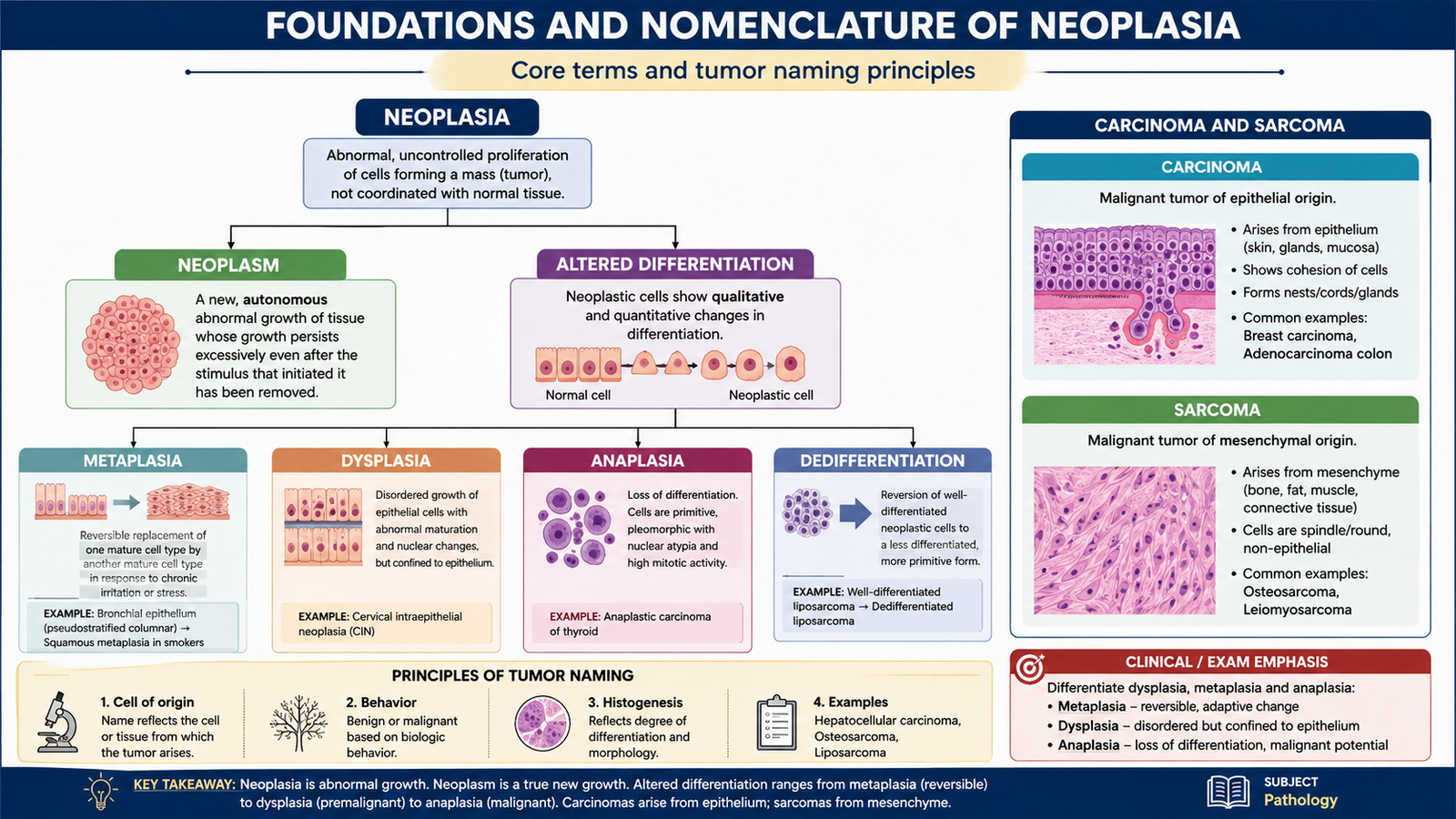
Neoplasia means “new growth” and refers to the process by which an abnormal mass of cells develops because cell proliferation becomes excessive and poorly regulated.
Neoplasm is the abnormal mass of tissue produced by neoplastic cell proliferation. Its growth is excessive compared with surrounding normal tissue and tends to persist even after the original growth stimulus has stopped.
Oncology is the branch of medicine concerned with the study, diagnosis and management of tumors.
Tumor originally meant a swelling, but in modern medical use it commonly refers to a neoplasm. Tumors are broadly classified as benign or malignant.
Benign tumor is a neoplasm that usually remains localized at its site of origin. It generally grows relatively slowly, is often well differentiated and does not metastasize.
Malignant tumor is a neoplasm capable of invading surrounding tissues. Malignant tumors may also spread to distant sites through metastasis. The general term cancer refers to malignant neoplasms.
Differentiation describes how closely neoplastic cells resemble the normal cells from which they originated, both structurally and functionally. A well-differentiated tumor closely resembles its tissue of origin, whereas a poorly differentiated tumor shows fewer normal features.
Anaplasia means lack of differentiation. Anaplastic cells lose many of the structural and functional features of their tissue of origin and show marked cellular abnormalities. Anaplasia is a characteristic feature of many malignant tumors.
Metaplasia is a reversible adaptive change in which one mature differentiated cell type is replaced by another mature cell type better able to tolerate a particular stress. Metaplasia itself is not a neoplasm.
Dysplasia means disordered cellular growth and maturation. Dysplastic epithelium may show variation in cell size and shape, abnormal organization and increased mitotic activity. Dysplasia is not synonymous with invasive cancer, although severe dysplasia may represent a significant premalignant change.
Metaplasia is replacement of one mature cell type by another, whereas dysplasia is disordered growth and maturation. Anaplasia refers to marked loss of differentiation and strongly supports malignant behaviour.
Basic Principles of Tumor Nomenclature
Tumors are named mainly according to their tissue of origin and whether their biological behaviour is benign or malignant.
Many benign mesenchymal tumors are named by adding the suffix “-oma” to the cell or tissue of origin. For example, a benign tumor composed of adipose tissue is called a lipoma, while a benign tumor derived from cartilage is a chondroma.
Malignant tumors of mesenchymal origin are generally called sarcomas. Thus, a malignant tumor of adipose tissue is a liposarcoma and a malignant tumor of bone-forming cells is an osteosarcoma.
Malignant tumors arising from epithelial cells are generally called carcinomas. Examples include squamous cell carcinoma and adenocarcinoma. Adenocarcinoma refers to a malignant epithelial tumor showing glandular differentiation or arising from glandular epithelium.
Some tumor names are historical exceptions to the usual “-oma means benign” rule. Therefore, the biological nature of a tumor should not be decided from the suffix alone.
| Tissue | Benign Example | Malignant Example |
|---|---|---|
| Adipose tissue | Lipoma | Liposarcoma |
| Cartilage | Chondroma | Chondrosarcoma |
| Glandular epithelium | Adenoma | Adenocarcinoma |
B. Benign and Malignant Tumors: Differentiation, Growth, Invasion and Metastasis
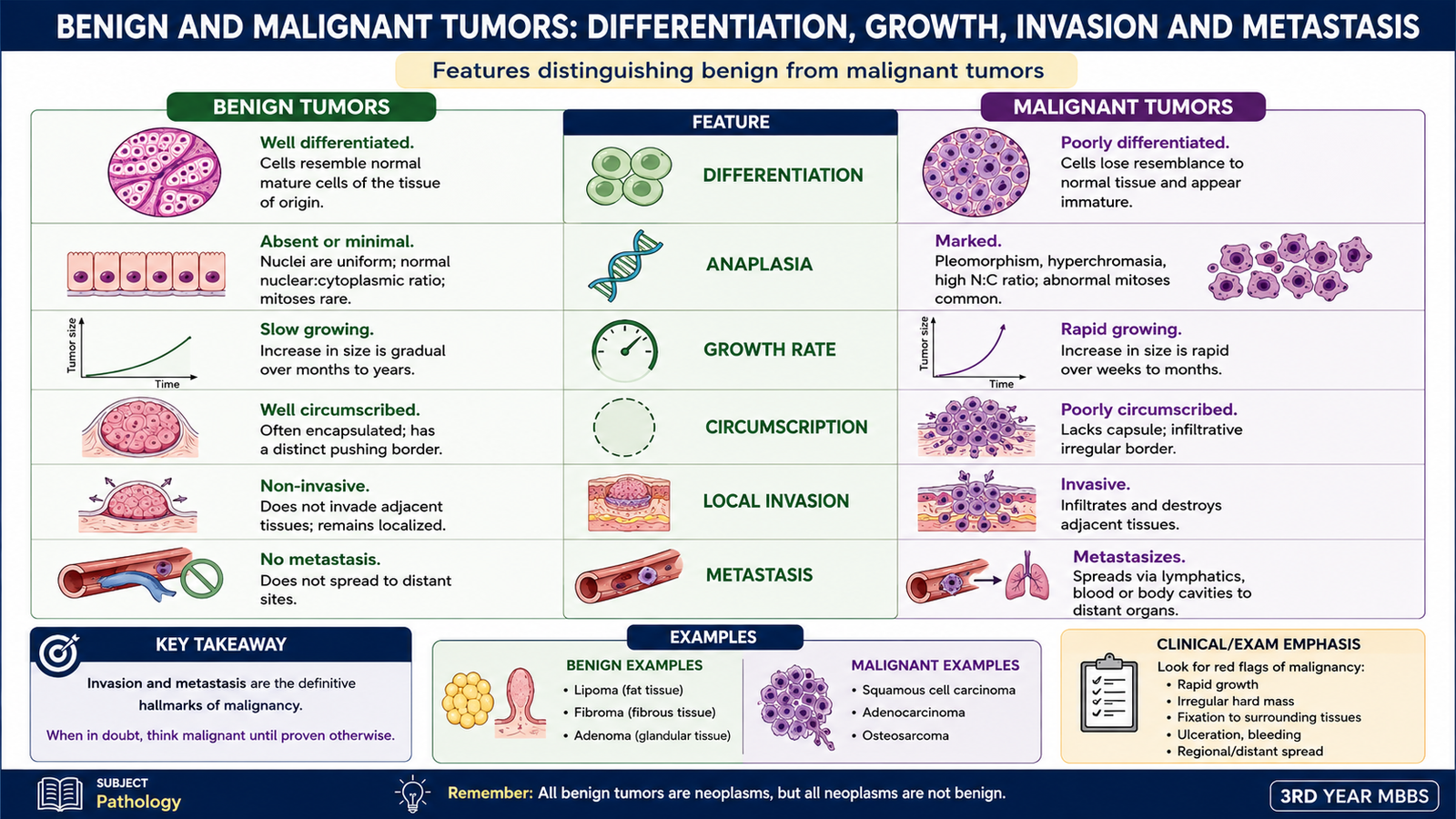
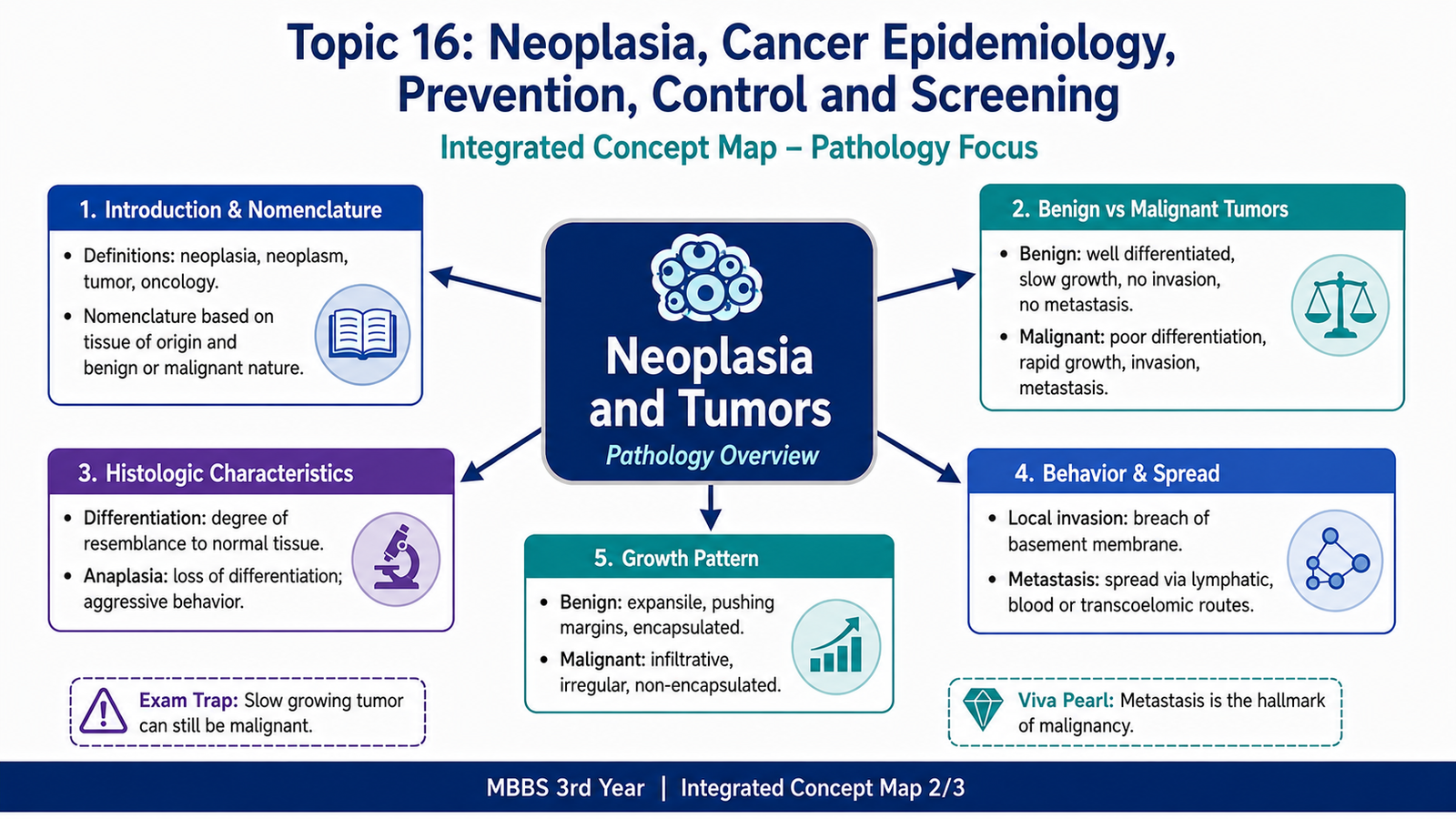
The distinction between benign and malignant tumors is based on their biological behaviour rather than simply their size. The most important features are the degree of differentiation, rate and pattern of growth, ability to invade surrounding tissue and ability to metastasize.
Differentiation and Anaplasia
Most benign tumors are well differentiated. Their cells resemble the normal tissue from which they arose and may retain much of its function. For example, cells in a benign glandular tumor may continue to form recognizable glandular structures.
Malignant tumors show variable differentiation. Some cancers remain well differentiated, but others become poorly differentiated or anaplastic. Anaplastic cells may show marked variation in cellular and nuclear size and shape, large hyperchromatic nuclei, an increased nuclear-to-cytoplasmic ratio, abnormal mitotic figures and loss of normal tissue organization.
This loss of normal cellular structure reflects loss of normal growth regulation. Therefore, greater anaplasia usually corresponds to more aggressive malignant behaviour.
Rate of Growth
Benign tumors generally grow slowly, while malignant tumors often grow more rapidly. However, growth rate is not an absolute test of malignancy. The rate depends on factors such as the fraction of actively dividing cells and the balance between production and loss of tumor cells.
Rapidly growing malignant tumors may outgrow their blood supply. Reduced perfusion can then produce areas of ischemia, necrosis or hemorrhage within the tumor.
Local Invasion
Benign tumors usually grow as localized, expansile masses. Many develop a fibrous capsule or a well-defined boundary that separates them from surrounding tissue. This pattern often makes surgical removal easier.
Malignant tumors characteristically infiltrate and invade surrounding tissue. Instead of simply pushing adjacent structures aside, malignant cells penetrate tissue planes and may destroy nearby structures. Local invasion is one of the most reliable features of malignancy.
Metastasis
Metastasis means the development of secondary tumor deposits at sites that are physically discontinuous from the primary tumor. A tumor capable of metastasis is malignant.
Malignant cells may spread through lymphatic channels, the bloodstream or body cavities depending on the tumor and its anatomical location. Metastasis is clinically important because distant spread makes disease more difficult to control and is a major cause of cancer-related morbidity and mortality.
| Feature | Benign Tumor | Malignant Tumor |
|---|---|---|
| Differentiation | Usually well differentiated | Ranges from well differentiated to anaplastic |
| Growth | Usually slow and expansile | Often faster and less controlled |
| Boundary | Often well circumscribed | Often irregular and infiltrative |
| Local invasion | Absent | Present |
| Metastasis | Absent | May occur |
A rapidly growing mass can raise suspicion, but rapid growth alone does not prove malignancy. Invasion and metastasis are much stronger indicators of malignant behaviour.
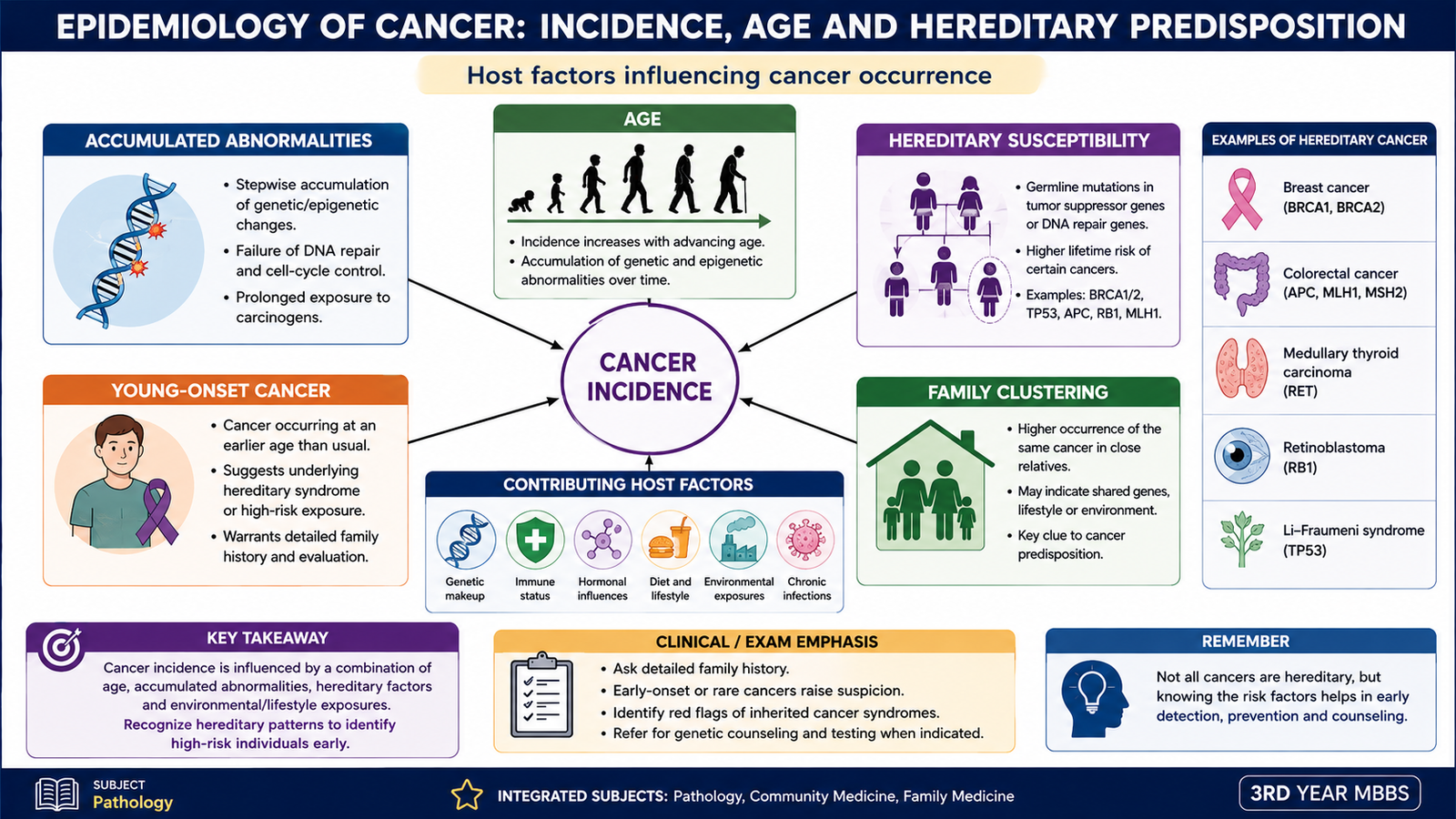
C. Epidemiology of Cancer: Incidence, Age and Hereditary Predisposition
Cancer does not occur equally in all people. Its frequency varies according to age, inherited susceptibility and exposure to environmental influences. Studying these patterns is useful because epidemiological observations can identify populations at greater risk and can also suggest possible causes of cancer.
Overall Cancer Occurrence
Cancer is an important cause of disease and death throughout the world. However, the frequency of individual cancers differs substantially between populations. These differences reflect variation in age structure, genetic susceptibility, environmental exposures, infections, tobacco use, diet and other behavioural factors.
Epidemiology therefore does more than describe how common cancer is. It helps identify who is at risk, which exposures may contribute and where preventive action may be most useful.
Age as a Host Factor
For many cancers, incidence increases with increasing age. One major reason is that carcinogenesis usually requires the accumulation of multiple cellular abnormalities over time. Older individuals have also had a longer period during which environmental exposures can act on susceptible cells.
This general pattern does not mean that cancer is restricted to older adults. Certain malignancies occur predominantly in childhood or young adulthood. The important principle is that the relationship between age and cancer depends on the specific tumor type.
Hereditary Predisposition
Most cancers arise from acquired abnormalities in somatic cells rather than from a single inherited defect. Nevertheless, inherited genetic susceptibility is important in some patients and families.
A person may inherit a genetic alteration that increases the probability that additional abnormalities will eventually produce a malignant clone. Such patients may therefore develop cancer at a younger age, develop multiple tumors or show clustering of related cancers within the family.
Features that should make a clinician consider hereditary susceptibility include:
- Several affected relatives with related cancers.
- Cancer occurring at an unusually young age.
- Multiple primary cancers in one individual.
- Repeated occurrence of a characteristic cancer pattern within generations of a family.
These findings do not by themselves prove an inherited cancer syndrome, but they identify patients who may need more detailed assessment and appropriate referral.
D. Geographical, Environmental and Population Patterns of Cancer
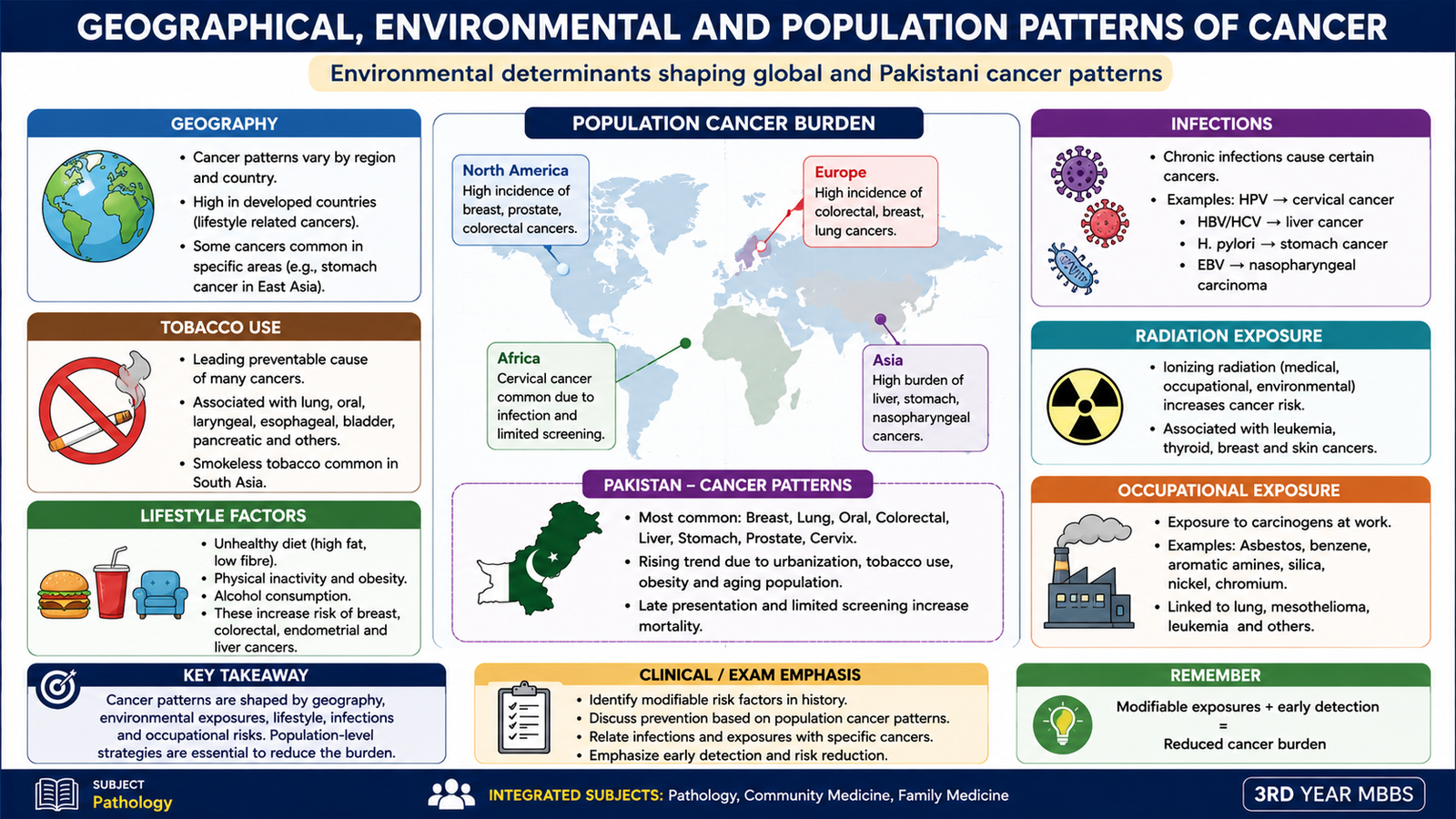
Marked differences in the frequency of cancers between populations show that cancer risk is influenced not only by inherited factors but also by the environment in which people live. Environmental factors include physical, chemical, infectious and lifestyle-related exposures.
Geographical Variation
Different regions may show different patterns of cancer because populations differ in tobacco exposure, diet, infections, occupational hazards, reproductive factors, environmental carcinogens and access to preventive health services.
Migration studies have historically provided useful evidence for environmental influence. When populations move from one region to another, the cancer pattern of later generations may gradually become more similar to that of the new environment. This observation supports the importance of modifiable environmental and lifestyle factors.
Important Environmental and Lifestyle Determinants
Environmental carcinogenic influences act over long periods and often interact with host susceptibility. Important categories include:
- Tobacco exposure: associated with several malignancies and represents an important preventable carcinogenic exposure.
- Diet and lifestyle: dietary patterns, obesity and physical inactivity can influence the risk of several cancers.
- Infectious agents: certain persistent infections contribute to the development of particular cancers.
- Occupational and environmental exposures: some chemical and physical agents increase malignancy risk after prolonged or significant exposure.
- Radiation: ionizing radiation and excessive ultraviolet exposure are established carcinogenic influences in appropriate settings.
Global Cancer Burden
Globally, cancer represents a major burden because common malignancies affect large numbers of adults and may require prolonged investigation, treatment, follow-up and supportive care. Frequently encountered cancers include cancers of the breast, lung, colorectum, prostate and cervix, although their relative frequency differs between countries and populations.
The overall burden is shaped not only by incidence but also by stage at diagnosis, availability of screening, access to diagnostic facilities, treatment services and survival.
Common Cancers in Pakistan
Pakistan also carries an important cancer burden. Commonly encountered malignancies include breast cancer, oral cavity cancer, lung cancer, colorectal cancer, prostate cancer and cervical cancer, although patterns differ by sex, age, region and risk-factor exposure.
Several public-health factors influence the national burden. Tobacco use, including smoked and smokeless forms, contributes to preventable cancer risk. Delayed presentation and limited uptake of early-detection services can also result in patients reaching care at a more advanced stage.
Cancer epidemiology helps health systems identify important exposures and high-burden cancers so that prevention, awareness, early detection and referral resources can be directed where they are most useful.
E. Cancer Screening, Early Detection and Referral Red Flags
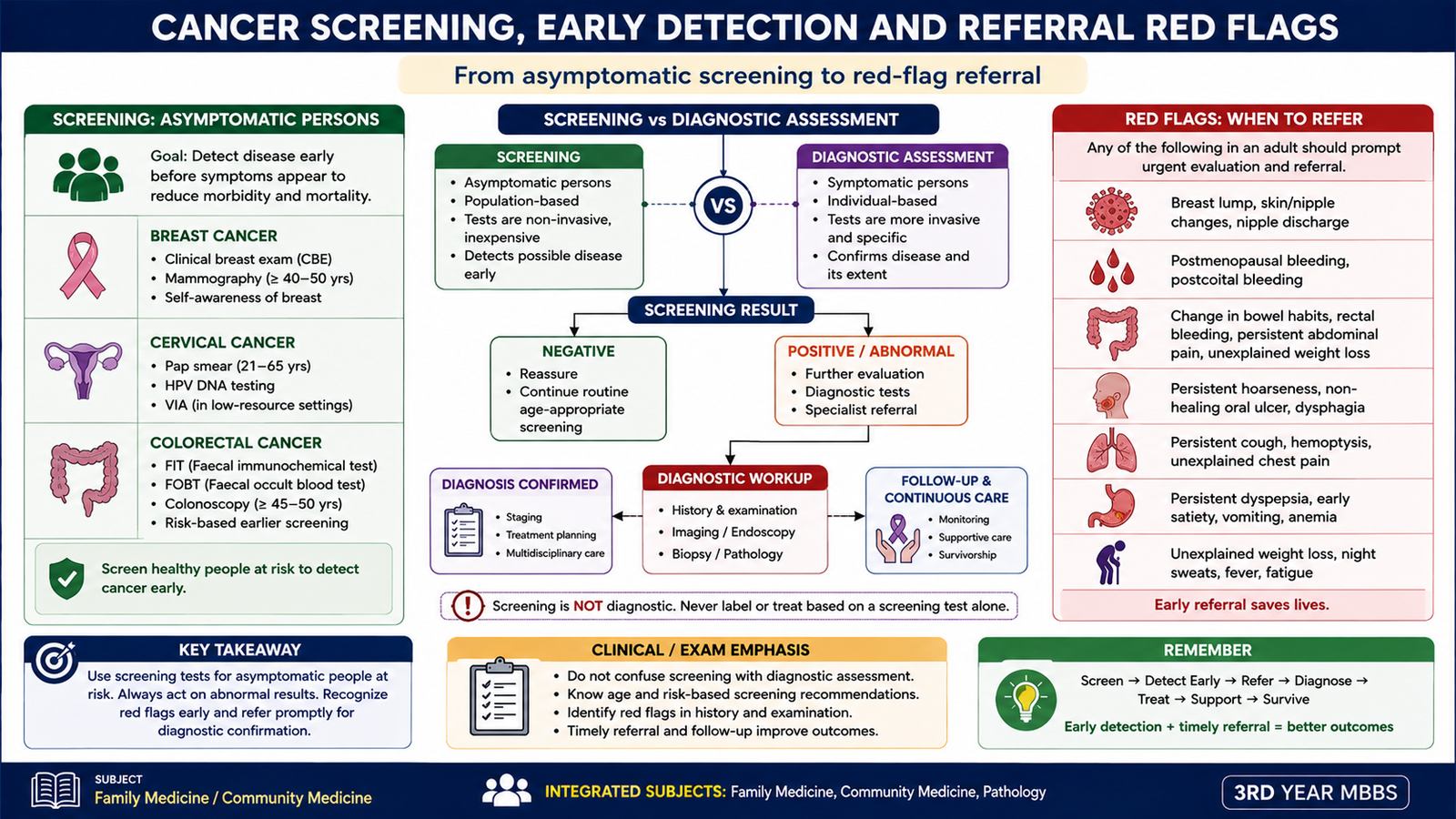
Screening is the application of a test or examination to apparently healthy people in order to identify individuals who may have an early disease or a precursor lesion. Screening is therefore different from diagnostic testing, which is performed because a patient already has symptoms or abnormal findings.
Why Cancer Screening Is Performed
The purpose of cancer screening is to detect selected cancers, or their precursor lesions, at a stage when intervention is more likely to be effective. Screening is most useful when the disease is sufficiently important, has a detectable preclinical stage and has an acceptable method of identifying people who need further assessment.
A positive screening result does not by itself establish a diagnosis of cancer. It identifies a person who requires appropriate diagnostic evaluation.
Cancers Commonly Considered for Routine Screening
Depending on patient characteristics and the screening system being followed, routine cancer-screening programmes commonly focus on diseases such as:
- Breast cancer.
- Cervical cancer.
- Colorectal cancer.
- Selected other cancers when an appropriate population-based or risk-based screening strategy is indicated.
The decision to screen an individual should consider relevant age, sex, family history and other risk factors rather than applying one test indiscriminately to every person.
Red Flags Requiring Clinical Assessment or Referral
Family physicians often encounter patients before a definite cancer diagnosis is established. Their key role is to recognize features that should not be dismissed and to arrange timely investigation or referral.
Important warning features include:
- A new or persistent unexplained lump.
- Unexplained or progressive weight loss.
- Persistent unexplained bleeding.
- A change in bowel or bladder habit that persists.
- Persistent difficulty swallowing.
- A non-healing ulcer or persistent mucosal lesion.
- A persistent cough or unexplained hoarseness.
- A suspicious or changing skin lesion.
- Unexplained persistent symptoms in a patient with an important cancer risk factor or strong family history.
These findings are warning signs rather than proof of malignancy. Their significance is that they should trigger proper clinical assessment rather than prolonged reassurance without investigation.
Screening is performed in people without symptoms to identify increased likelihood of disease. A patient who already has a suspicious symptom, mass or other red flag needs diagnostic assessment, not simply routine screening.
F. Prevention and Control of Cancer
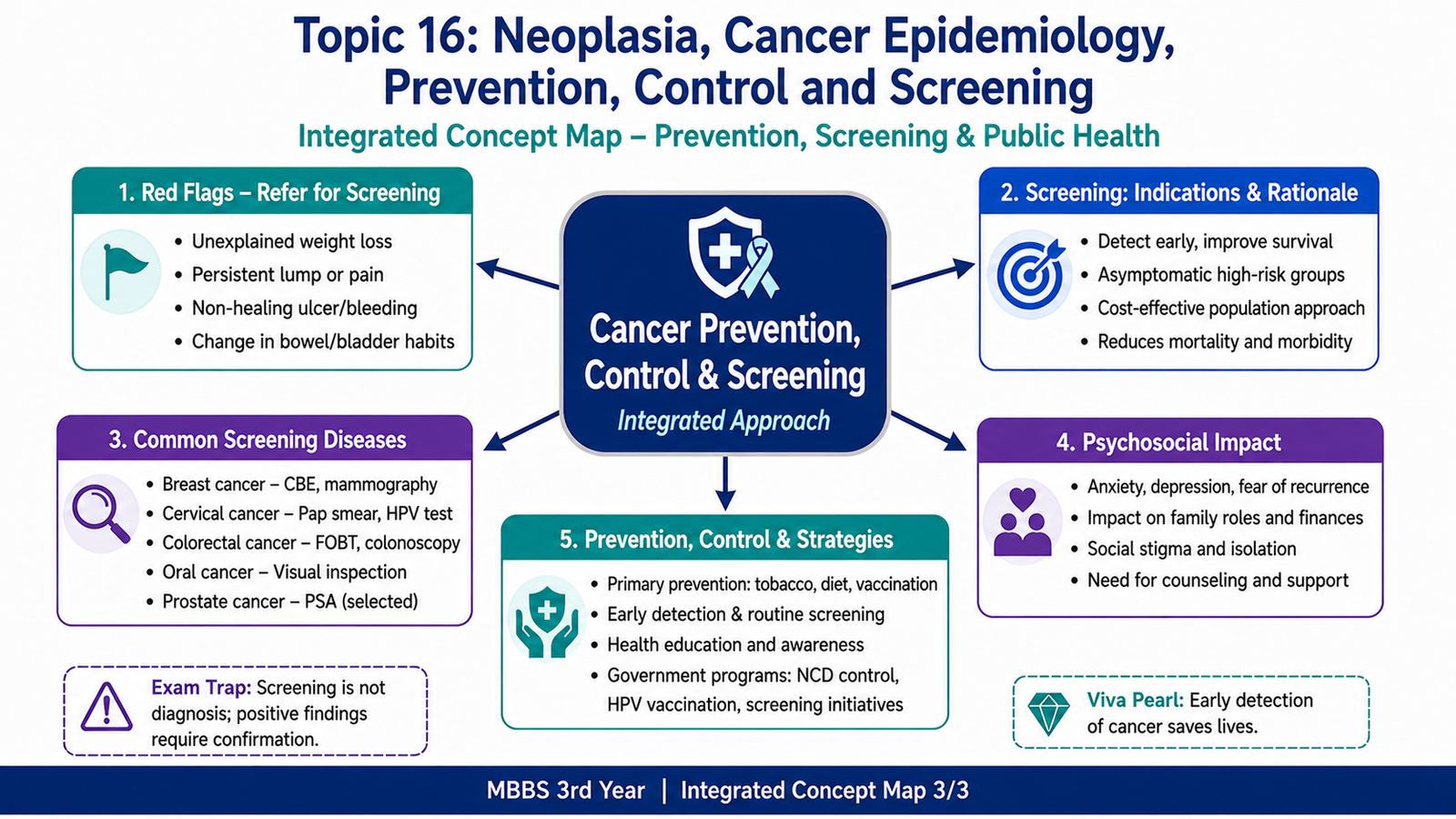
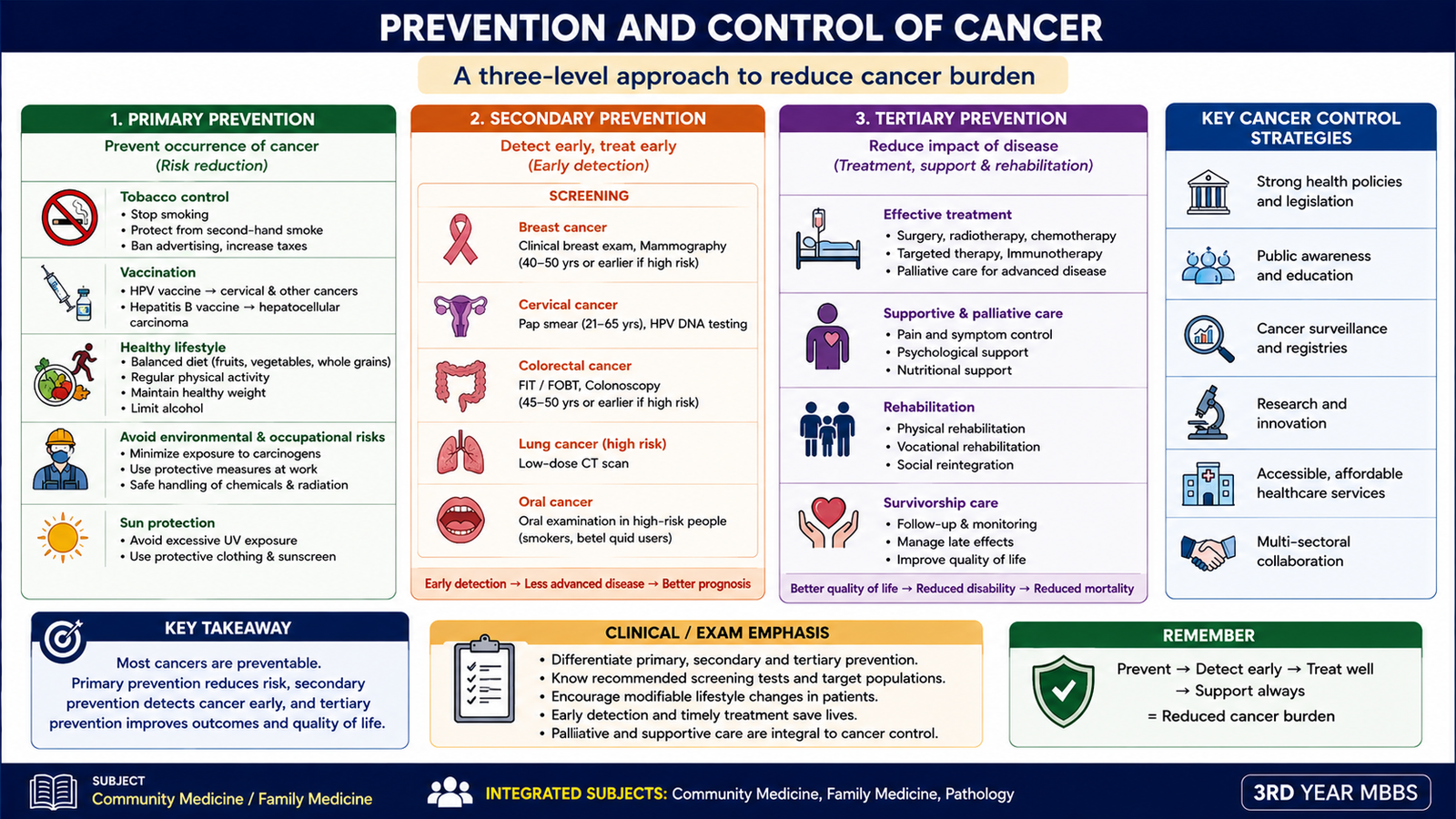
Cancer control involves reducing the number of preventable cancers, detecting suitable cancers earlier and ensuring that people with suspected or established cancer can reach appropriate services. Prevention is especially important because several major cancer risk factors are modifiable.
Primary Prevention
Primary prevention acts before cancer develops by reducing exposure to carcinogenic factors or by preventing conditions that increase cancer risk.
Important approaches include:
- Prevention and cessation of tobacco use.
- Reduction of exposure to smokeless tobacco and other carcinogenic substances.
- Promotion of healthy body weight, physical activity and balanced dietary patterns.
- Protection from excessive ultraviolet exposure.
- Control of avoidable occupational and environmental carcinogenic exposures.
- Prevention of cancer-related infections where effective vaccination or other preventive measures are available.
Secondary Prevention
Secondary prevention aims to identify disease or important precursor lesions early. Cancer screening belongs mainly to this level of prevention.
The benefit comes from detecting abnormalities before advanced disease develops, followed by appropriate diagnostic confirmation and treatment when required.
Tertiary Prevention and Cancer Control
Once cancer has developed, appropriate treatment, follow-up, rehabilitation and supportive care can reduce complications, disability and suffering. This forms part of tertiary prevention and overall cancer-control activity.
Governmental and Health-System Strategies
Governmental cancer-control activity requires coordinated public-health and clinical measures rather than a single intervention. Important programme areas include:
- Tobacco-control measures aimed at reducing exposure to a major preventable cause of cancer.
- Vaccination and infection-control strategies for preventable cancer-associated infections where applicable.
- Public awareness and health education about modifiable risk factors and warning symptoms.
- Screening and early-detection services for cancers in which organized screening or targeted early detection is appropriate.
- Strengthening referral pathways so that suspicious findings are evaluated without unnecessary delay.
- Cancer registration and surveillance to understand disease patterns and guide health planning.
- Access to diagnostic, treatment, rehabilitation and palliative-care services as part of comprehensive cancer control.
These strategies work best as a coordinated continuum: reducing exposure prevents some cancers, early detection identifies others at a more treatable stage, and appropriate referral and treatment reduce complications after disease develops.
Removing a carcinogenic exposure is primary prevention. Detecting an early cancer or precursor lesion by screening is secondary prevention. Reducing disability and complications after cancer has developed belongs to tertiary prevention.
G. Psychosocial Impact of Cancer on Patients and Families
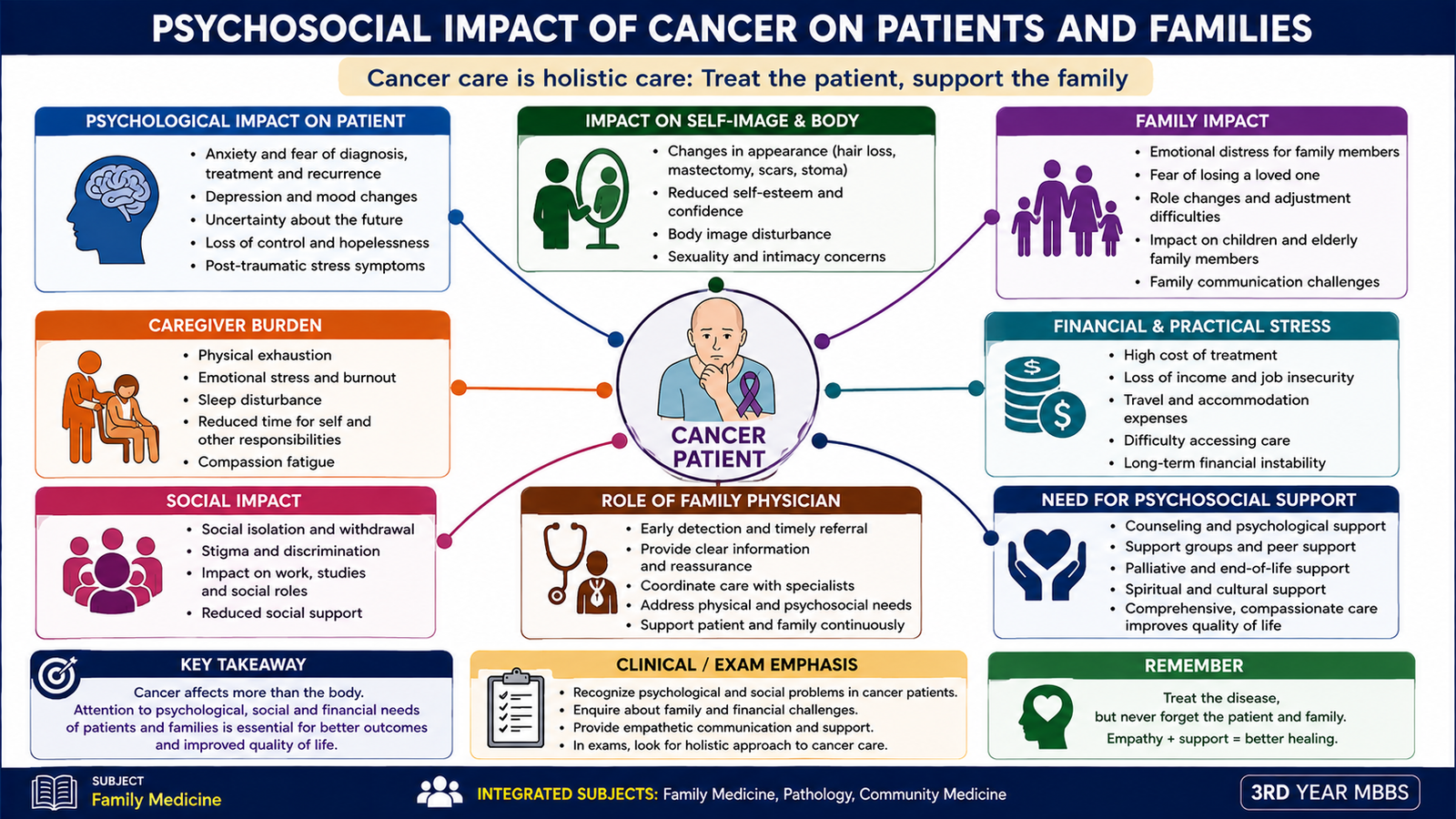
Cancer affects much more than the organ in which the tumor develops. The possibility of serious illness, investigations, treatment and uncertainty about the future can produce major psychological and social stress. Family medicine therefore considers the patient and family as part of the overall care process.
Impact on the Patient
Patients may experience fear, anxiety, sadness, uncertainty and concerns about death or recurrence. Changes in appearance, physical function or ability to work can affect self-image and independence. The practical burden of repeated appointments and treatment can also disrupt education, employment and family responsibilities.
These responses vary greatly between individuals. The clinician should therefore avoid assuming that every patient reacts in the same way.
Impact on the Family
Family members may become caregivers and may experience emotional distress, financial pressure, changes in household responsibilities and uncertainty about the patient’s future. When hereditary susceptibility is suspected, relatives may also become concerned about their own cancer risk.
Role of the Family Physician
The family physician can provide continuity of care before, during and after specialist treatment. Important responsibilities include listening to the patient’s concerns, communicating clearly, recognizing psychosocial distress, involving family members appropriately, addressing practical problems where possible and ensuring timely referral when additional professional support is needed.
Good cancer care therefore combines appropriate medical assessment with respectful communication and attention to the person’s psychological and social needs.
⭐ AIM High-Yield Review
- Neoplasia is abnormal, excessive and relatively autonomous cellular proliferation.
- A benign tumor remains localized and does not metastasize; a malignant tumor can invade and may metastasize.
- Differentiation describes resemblance of tumor cells to their normal tissue of origin.
- Anaplasia means marked loss of differentiation and is characteristic of many malignant tumors.
- Metaplasia is replacement of one mature cell type by another; dysplasia is disordered growth and maturation.
- Malignant epithelial tumors are generally called carcinomas; malignant mesenchymal tumors are generally called sarcomas.
- ⭐ Local invasion and metastasis are more reliable indicators of malignancy than rapid growth alone.
- Cancer frequency is influenced by age, hereditary susceptibility, geography and environmental exposure.
- Many cancers become more common with age because multiple cellular abnormalities and carcinogenic exposures accumulate over time.
- Features suggesting hereditary predisposition include young age at diagnosis, multiple affected relatives and multiple primary tumors.
- Tobacco, lifestyle, infections, radiation and occupational or environmental exposures contribute to the burden of several cancers.
- Commonly encountered cancers in Pakistan include breast, oral cavity, lung, colorectal, prostate and cervical cancers.
- Screening is performed in apparently healthy people; a symptomatic patient with a red flag requires diagnostic assessment.
- Primary prevention reduces cancer risk before disease develops; secondary prevention includes screening and early detection; tertiary prevention reduces complications and disability after disease develops.
- Cancer care should address psychological, social and family effects in addition to the physical disease.
Neoplasia — Benign vs Malignant Tumors
Watch this video after completing the learning material to reinforce tumor nomenclature, differentiation, benign and malignant behavior, invasion and metastasis.