
This chapter follows the KMU learning outcomes and explains poisoning in a logical sequence. First understand how a poison enters, acts and leaves the body, then connect this with diagnosis, antidotes, emergency management and the medico-legal duties of the doctor.
General Principles of Poisoning, Antidotes and Medico-Legal Management
Multisystem Module • Forensic Medicine + Medicine
Topic Introduction
A poison is a substance that can produce illness, injury or death when it enters the body in a sufficient amount and under suitable circumstances. Poisoning may occur accidentally, intentionally or through occupational or environmental exposure. Understanding poisoning requires more than memorizing individual toxic substances. A doctor must know how poisons enter the body, how they are absorbed, distributed, transformed and excreted, how poisoning is recognized in living and deceased persons, how antidotes work, and how a poisoned patient is stabilized and managed. Because poisoning may also have legal significance, the registered medical practitioner must document findings carefully, preserve relevant evidence and fulfil appropriate ethical and medico-legal responsibilities.
A. Poison: Definition, Medico-Legal Importance and Related Legal Principles
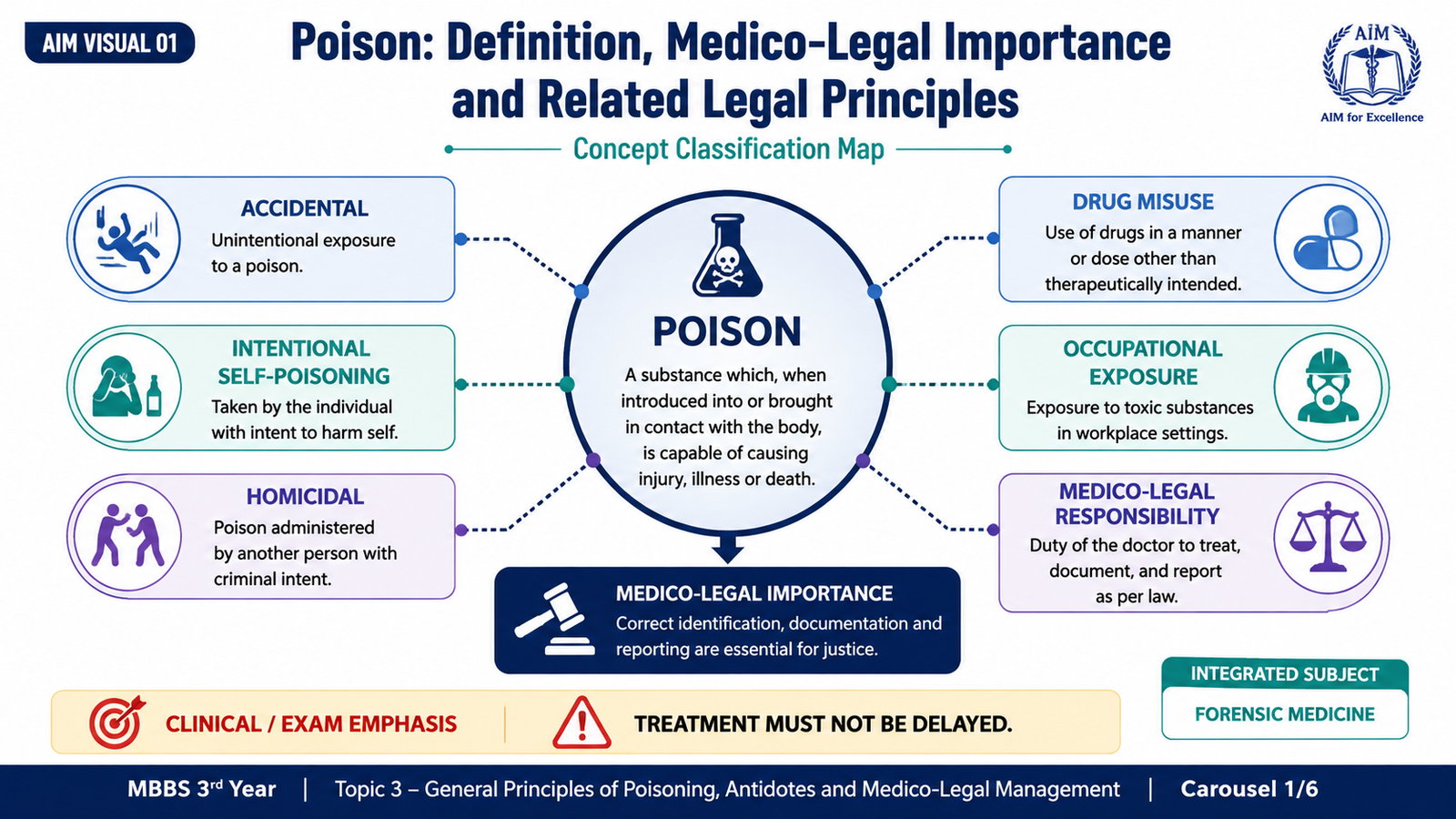
A poison is any substance which, when introduced into or absorbed by the body in sufficient quantity, can impair health, disturb normal physiological functions or cause death through its chemical or physiological action. Whether a substance acts as a poison depends on factors such as the amount taken, route of exposure, duration of exposure and susceptibility of the individual.
This means that toxicity is not determined simply by the name of a substance. A substance may be relatively harmless in a small quantity but dangerous in a much larger quantity. Similarly, a toxic substance may produce different effects depending on whether it is swallowed, inhaled, injected or absorbed through the skin.
Medico-legal importance of poisoning
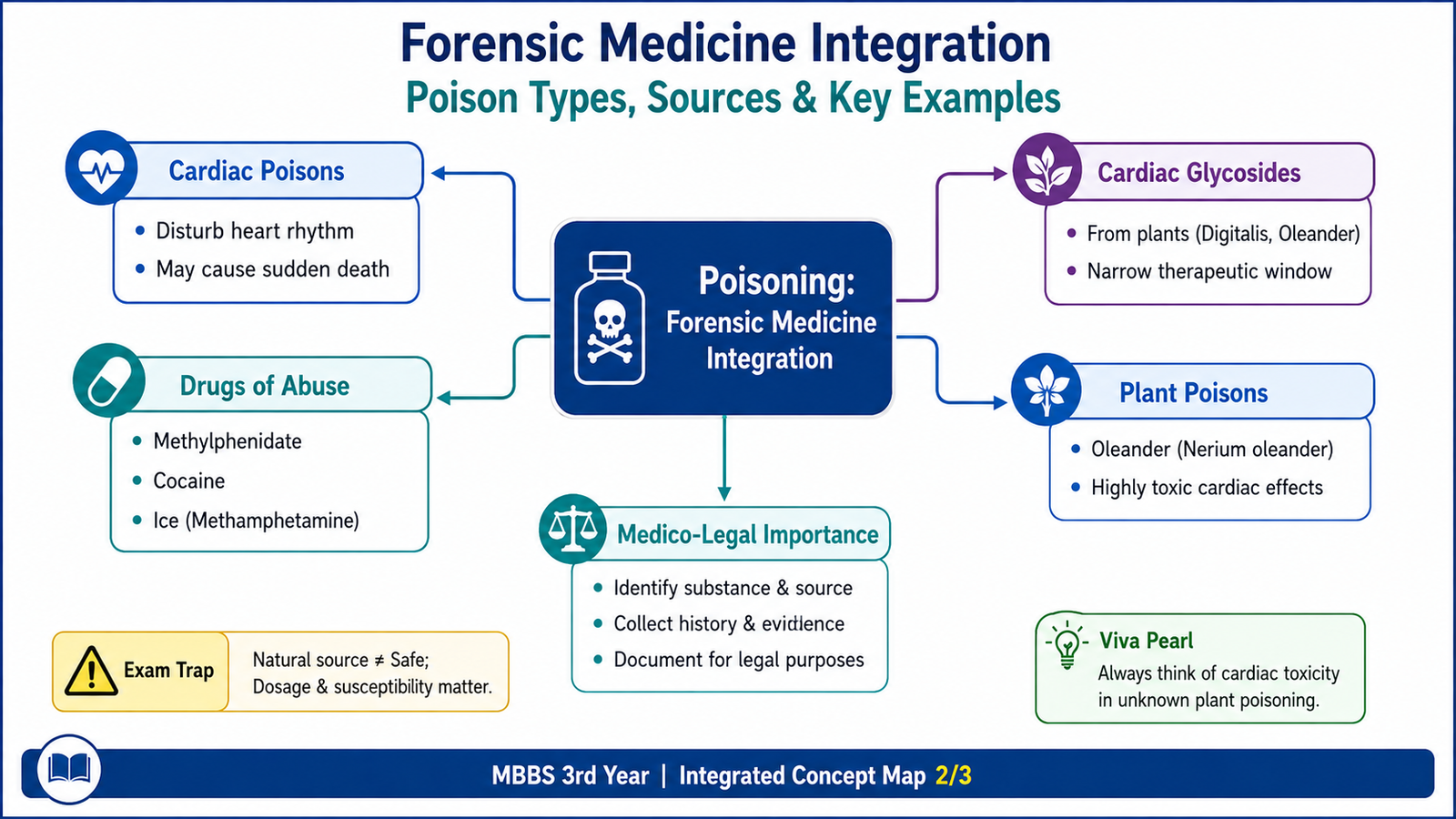
Cases of poisoning can have medico-legal importance because the exposure may be accidental, suicidal, homicidal, occupational or associated with misuse of a drug or chemical. The medical practitioner therefore has two responsibilities at the same time: treat the patient properly and preserve reliable medical evidence.
- Accidental poisoning may occur through medicines, household chemicals, occupational exposure or unintentional ingestion.
- Intentional self-poisoning may occur when a substance is deliberately consumed to cause self-harm.
- Homicidal poisoning involves administration of a toxic substance to another person with harmful intent.
- Drug misuse may involve inappropriate or unlawful use of pharmaceutical or other psychoactive substances.
- Occupational exposure may occur through inhalation, skin contact or ingestion of chemicals in the workplace.
Laws related to poisoning and drug use: principles
Poisoning and drug-related cases may fall under laws governing the possession, supply, prescription, administration or misuse of potentially harmful substances. For an undergraduate medical student, the important principle is that doctors should recognize when a poisoning case has medico-legal significance, provide necessary lifesaving treatment, maintain accurate records and follow applicable institutional and legal procedures.
B. Routes of Administration and Fate of a Poison in the Body
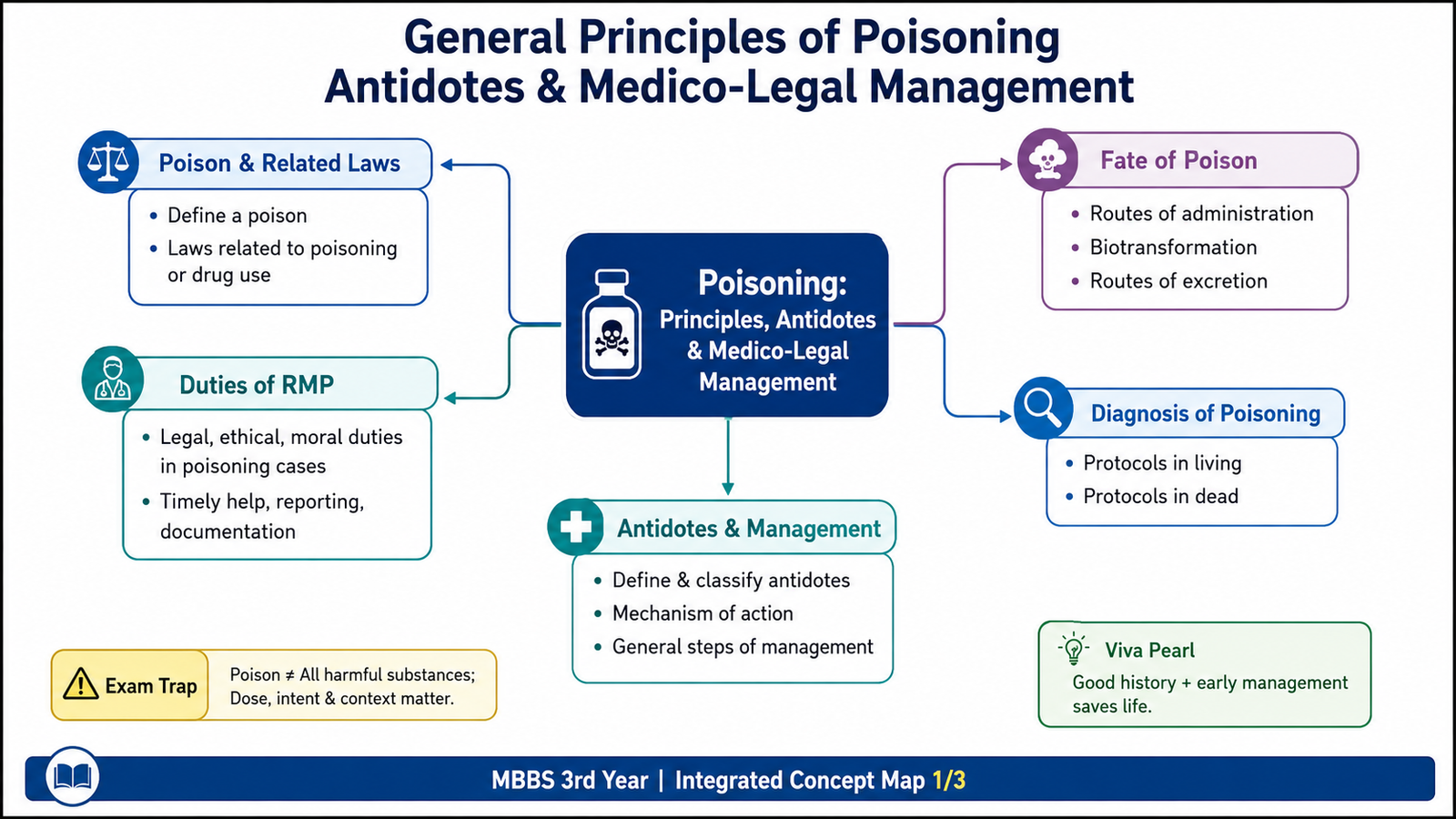
After a poison enters the body, its effects depend on how much reaches the systemic circulation and the target tissues. The sequence usually involves entry, absorption, distribution, biotransformation and excretion. Understanding this sequence helps explain why the route of exposure can influence the speed, intensity and duration of poisoning.
Routes by which poisons may enter the body
- Oral ingestion: the substance enters through the gastrointestinal tract. This is a common route in accidental and deliberate poisoning.
- Inhalation: gases, vapours, fumes or particles enter through the respiratory tract and may be rapidly absorbed because the lungs provide a large absorptive surface.
- Injection: intravenous, intramuscular or subcutaneous introduction may produce rapid systemic exposure, particularly with intravenous administration.
- Dermal absorption: some chemicals can cross intact or damaged skin and enter the circulation.
- Mucosal exposure: substances may be absorbed through surfaces such as the conjunctiva, nasal mucosa or other mucous membranes.
Absorption and distribution
Absorption is the movement of a poison from the site of exposure into the circulation. Once absorbed, it is carried in blood and distributed to different tissues. Distribution depends on properties of the toxic substance and the blood supply to organs. Highly perfused organs may receive a toxic substance rapidly after systemic absorption.
Biotransformation
Biotransformation means enzymatic chemical alteration of a substance within the body. The liver is the major organ involved, although metabolism can also occur elsewhere. Biotransformation generally converts lipid-soluble substances into more water-soluble products that can be eliminated more easily.
Biotransformation does not always make a poison harmless. Three broad outcomes are possible:
- Detoxification: conversion into a less toxic compound.
- Bioactivation: conversion into a metabolite that is more toxic than the original substance.
- Formation of an active metabolite: the metabolite may retain toxic activity and prolong the effects.
Poison enters body → absorption → distribution to tissues → biotransformation → toxic or less toxic metabolites → excretion.
Routes of excretion
Excretion removes the poison or its metabolites from the body. The relative importance of different routes depends on the physicochemical properties of the substance.
- Kidneys: urinary excretion is an important route for many water-soluble substances and metabolites.
- Lungs: volatile substances and gases may be eliminated in expired air.
- Bile and gastrointestinal tract: some substances or metabolites are excreted in bile and eventually reach the intestine.
- Sweat, saliva and other secretions: these can contribute to elimination of certain substances but are usually less important routes.
C. Diagnosis of Poisoning in Living and Dead Persons
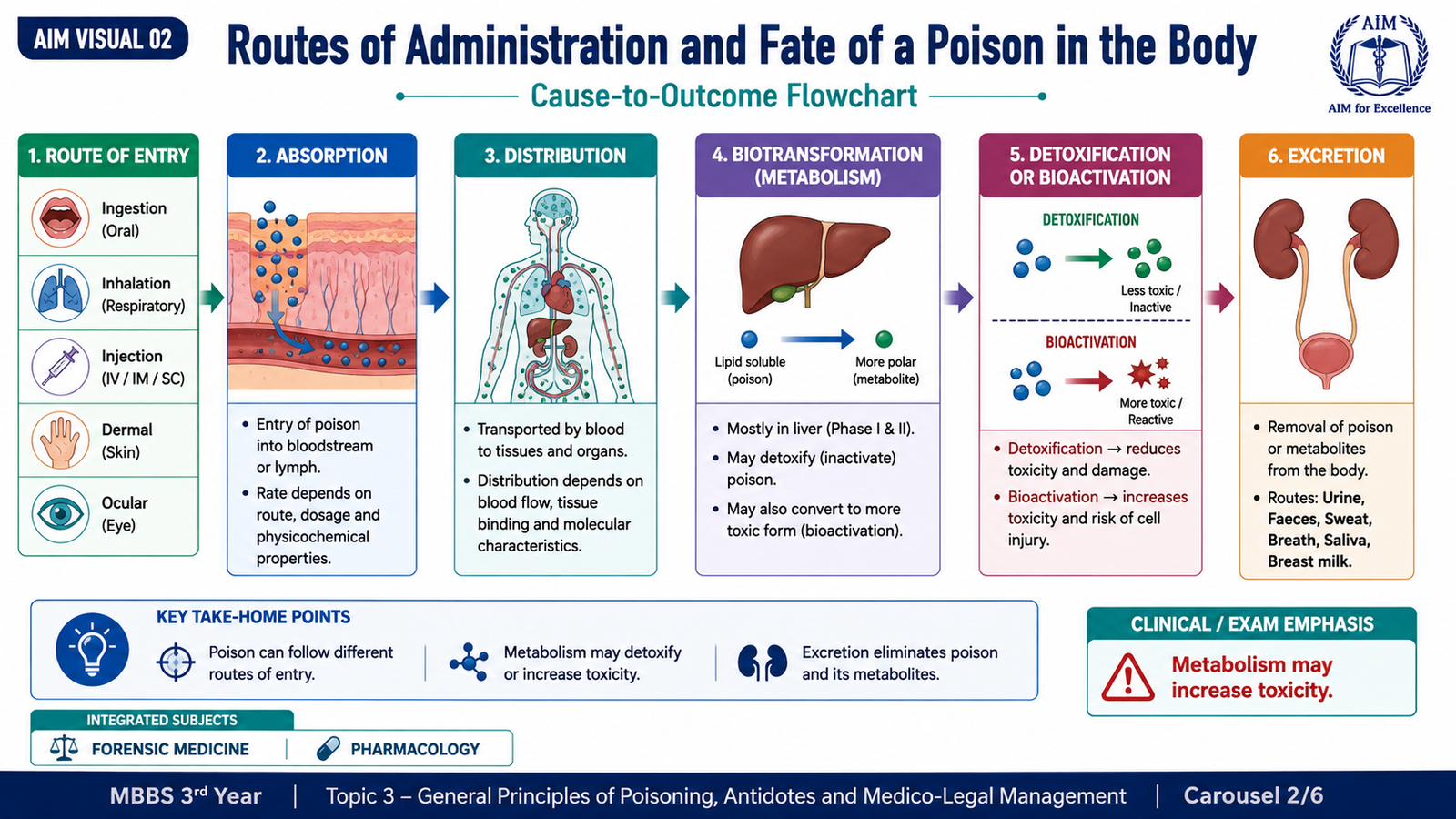
Diagnosis of poisoning requires a systematic approach because no single finding proves poisoning in every case. In a living patient, the priority is to recognize a possible toxic exposure while simultaneously identifying and treating immediately dangerous disturbances. In a deceased person, diagnosis depends on the circumstances, examination findings, autopsy observations and toxicological evidence.
Diagnosis in a living patient
The diagnosis begins with the history and circumstances of exposure. Information should be obtained from the patient when possible and from relatives, attendants, emergency personnel, containers, prescriptions or other available sources.
Important questions include:
- What substance may have been taken or contacted?
- What was the approximate time and route of exposure?
- Was the exposure accidental or deliberate?
- Were several drugs or chemicals involved?
- What symptoms appeared after exposure?
- Does the patient have access to medicines, chemicals or occupational toxins?
Clinical examination
The examination looks for patterns of physiological disturbance that may suggest a particular type of poisoning. Important observations include level of consciousness, breathing, pulse, blood pressure, temperature, pupil size, skin findings, secretions and neurological abnormalities.
A recognizable group of findings produced by a class of poisons is sometimes called a toxidrome. A toxidrome can guide the initial diagnosis, but it should be interpreted cautiously because mixed poisoning and underlying disease can alter the expected pattern.
Investigations and toxicological analysis
Investigations are selected according to the clinical condition and suspected exposure. Routine laboratory testing can identify consequences of poisoning such as disturbances in glucose, electrolytes, renal function, hepatic function or acid-base status. Electrocardiography may be important when a toxin can affect cardiac conduction or rhythm.
Toxicological testing may support the diagnosis by identifying a poison or its metabolites in appropriate biological material. However, a laboratory result must always be interpreted with the clinical and medico-legal context because detection of a substance does not automatically establish that it caused the clinical condition or death.
Diagnosis in a dead person
When poisoning is suspected after death, diagnosis is based on several sources of evidence rather than one isolated finding. These include:
- circumstances surrounding death;
- medical and exposure history where available;
- external examination;
- internal postmortem findings;
- appropriate specimen collection;
- toxicological analysis;
- correlation of laboratory findings with the entire case.
Postmortem findings in many poisonings are non-specific. Therefore, a conclusion should not be based solely on an isolated colour change, smell or organ appearance. Toxicology results must be interpreted together with the circumstances and postmortem examination.
| Feature | Living Patient | Dead Person |
|---|---|---|
| Main starting point | History + clinical condition | Circumstances + postmortem examination |
| Examination | Vital signs, neurological and systemic findings | External and internal postmortem findings |
| Laboratory role | Detect physiological disturbance and support diagnosis | Toxicological identification and interpretation |
| Core principle | Diagnose while stabilizing the patient | Correlate all findings before concluding cause |
D. Antidotes: Definition, Classification and Mechanisms
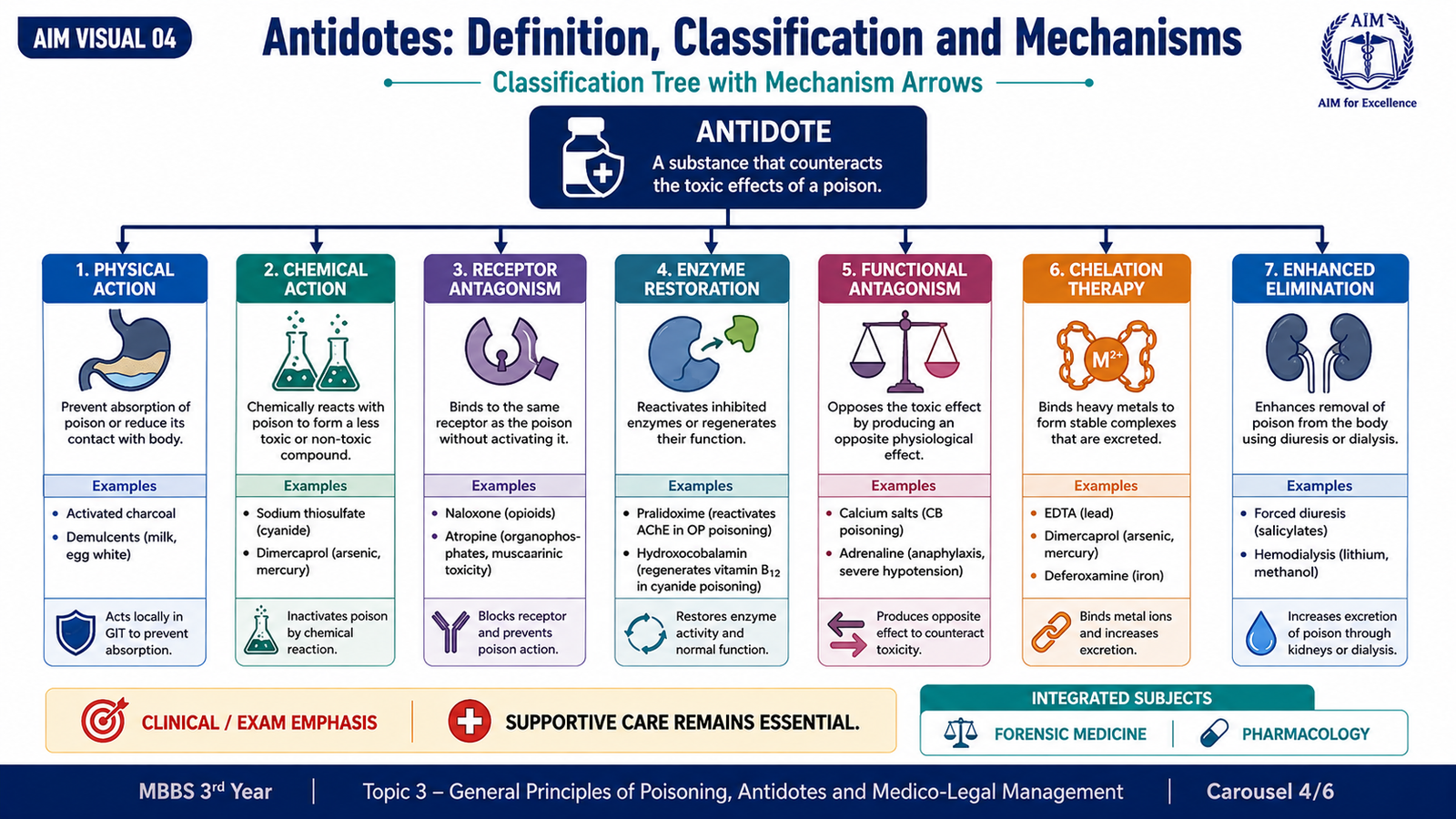
An antidote is a substance or therapeutic intervention that counteracts the harmful effects of a poison. An antidote may prevent absorption of a toxic substance, neutralize it chemically, bind it, interfere with its action at a receptor or restore an essential physiological function disturbed by the poison.
Antidotes are important, but they do not replace supportive care. In many poisonings, maintaining the airway, breathing and circulation is more immediately lifesaving than administration of a specific antidote.
Classification according to mechanism
| Type | Basic Mechanism | Concept |
|---|---|---|
| Physical / mechanical | Reduces availability or absorption of poison | Poison is prevented from reaching systemic circulation |
| Chemical | Reacts with or binds the toxic substance | Toxic substance is neutralized or converted into a less available form |
| Physiological / pharmacological | Produces an opposing physiological effect or blocks toxic action | Functional effects of the poison are antagonized |
| Specific receptor or pathway antidote | Acts at a receptor, enzyme or defined toxic pathway | Key molecular action of the poison is directly opposed |
| Chelating agent | Binds certain toxic metals | Forms a complex that can be removed from the body more readily |
How antidotes work
1. Reducing absorption: Some interventions limit the amount of poison available for absorption from the gastrointestinal tract. Their usefulness depends on the substance involved, timing and the patient’s clinical condition.
2. Chemical binding or neutralization: An antidote may directly interact with the toxic substance so that it can no longer exert the same harmful effect.
3. Receptor antagonism: If a poison produces toxicity by excessively stimulating a receptor, an antagonist can block that receptor and reverse important physiological effects.
4. Restoration of enzyme activity or biochemical function: Some toxic substances inhibit essential enzymes or metabolic pathways. An appropriate antidote may restore or bypass the disturbed function.
5. Chelation: Chelating agents bind certain metals to form complexes that are less biologically active and can be eliminated more effectively.
6. Functional antagonism: An antidote can sometimes produce a physiological effect opposite to that produced by the poison, improving the patient’s condition even without directly removing the poison.
E. General Management of a Poisoned Patient in the Emergency Department
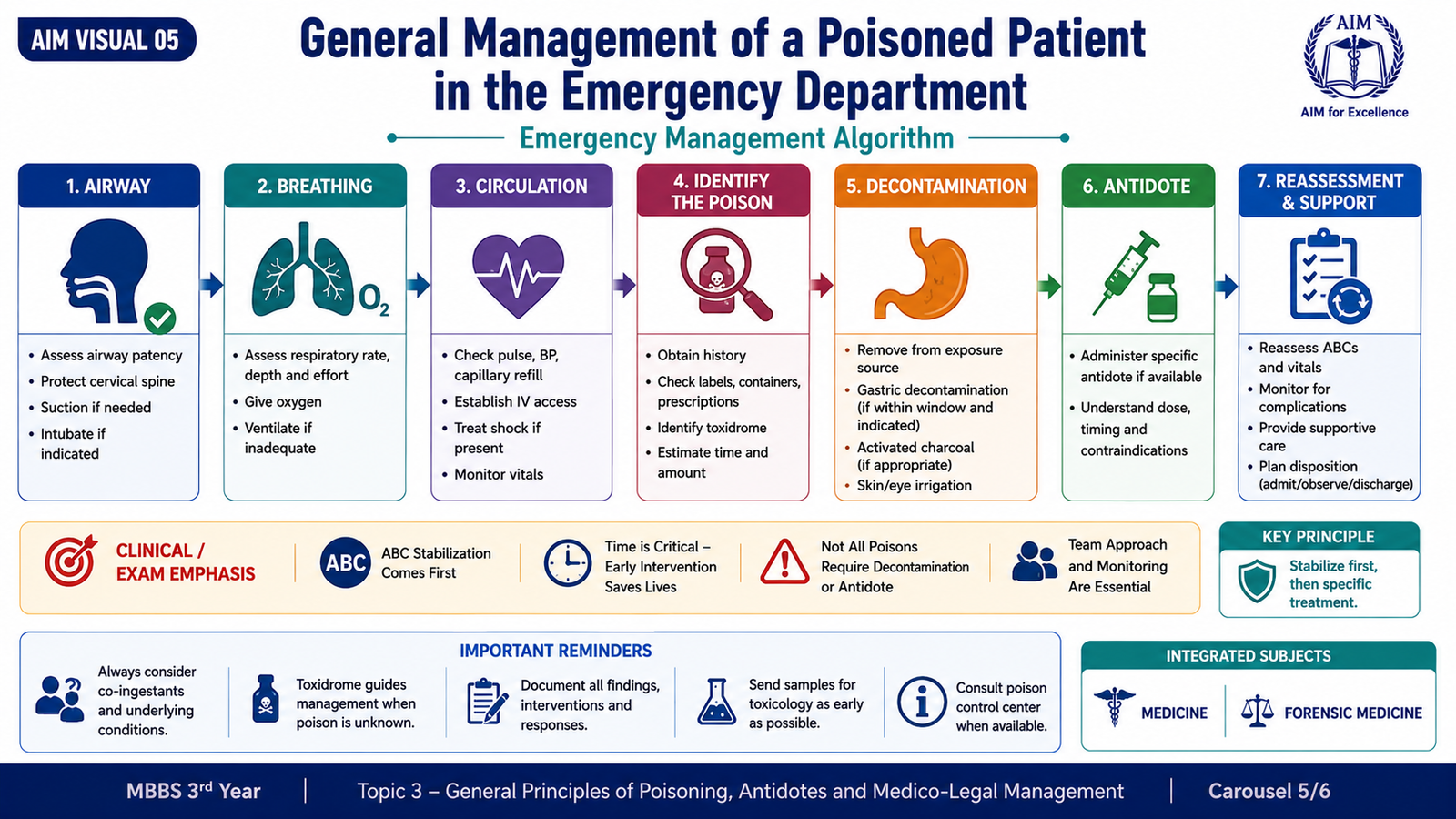
The management of poisoning follows the principle that life-threatening physiological abnormalities are treated before the exact poison is fully identified. A patient may arrive unconscious, hypoxic, hypotensive or convulsing, and waiting for toxicological confirmation before providing supportive care would be dangerous.
1. Immediate assessment and stabilization
The first priority is a structured assessment of airway, breathing and circulation, followed by neurological assessment and identification of other immediately reversible problems.
- Airway: determine whether the patient can protect the airway and whether obstruction or aspiration is present.
- Breathing: assess respiratory rate, effort and adequacy of ventilation and oxygenation.
- Circulation: assess pulse, blood pressure, perfusion and cardiac rhythm.
- Neurological state: assess consciousness, pupils and presence of seizures or focal abnormalities.
- General examination: look for skin changes, secretions, temperature abnormalities, trauma or other clues to exposure.
2. Identify the likely poison
Once immediate threats are being addressed, the clinician gathers information from the history, examination and circumstances. Medicine strips, containers, occupational history and information from relatives may provide useful clues. The pattern of clinical findings may suggest a toxic syndrome.
3. Prevent further exposure
Ongoing exposure should be stopped. Contaminated clothing may need removal, and exposed skin or eyes may require appropriate decontamination. Gastrointestinal decontamination is not automatically appropriate for every ingestion; its use depends on the poison, timing, airway status and expected benefit versus harm.
4. Supportive and symptomatic treatment
Supportive care aims to maintain normal physiological function while the body metabolizes or eliminates the poison. Depending on the patient’s condition, this may involve respiratory support, circulatory support, correction of metabolic abnormalities, seizure control and cardiac monitoring.
5. Administer a specific antidote when indicated
If the poisoning mechanism is known and an appropriate antidote exists, it should be used when clinically indicated. The choice should be based on the suspected toxin and the patient’s manifestations rather than on antidote availability alone.
6. Consider enhancement of elimination when appropriate
Some toxic substances can be removed more rapidly by specific elimination techniques. Such measures are not universally useful because their effectiveness depends on the distribution, protein binding and other properties of the poison. The underlying principle is to enhance removal only when the toxic substance and clinical situation are suitable.
7. Observation, reassessment and disposition
Poisoned patients require repeated reassessment because manifestations may change with time. A patient who initially appears stable can deteriorate after delayed absorption or formation of an active metabolite. Decisions regarding observation, admission, specialist care or discharge therefore depend on the substance involved and the patient’s clinical progress.
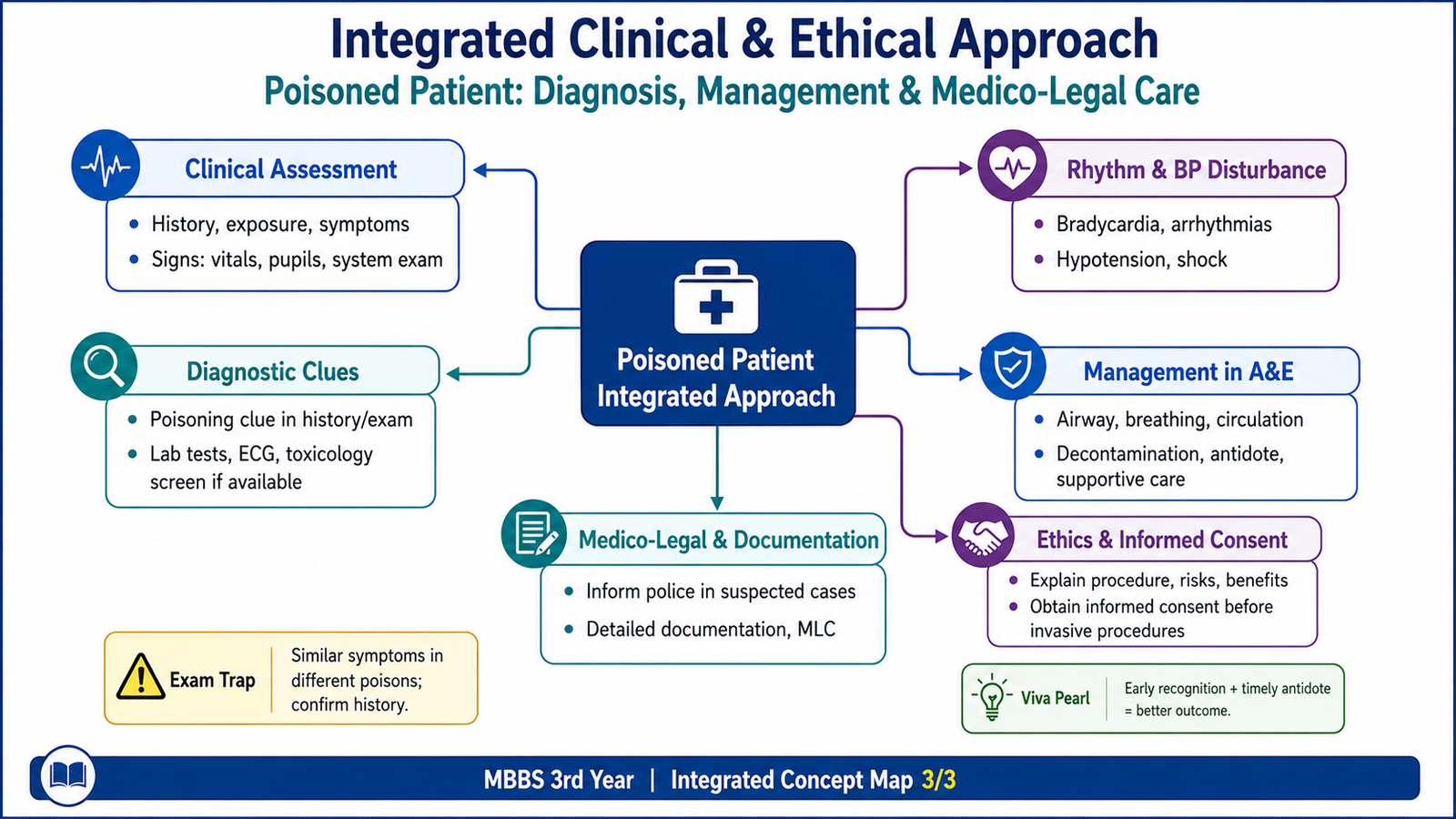
Suspected poisoning → stabilize ABC → focused history and examination → stop further exposure → supportive care → antidote when indicated → enhance elimination when appropriate → reassess and monitor.
F. Legal, Ethical and Moral Duties of the Registered Medical Practitioner
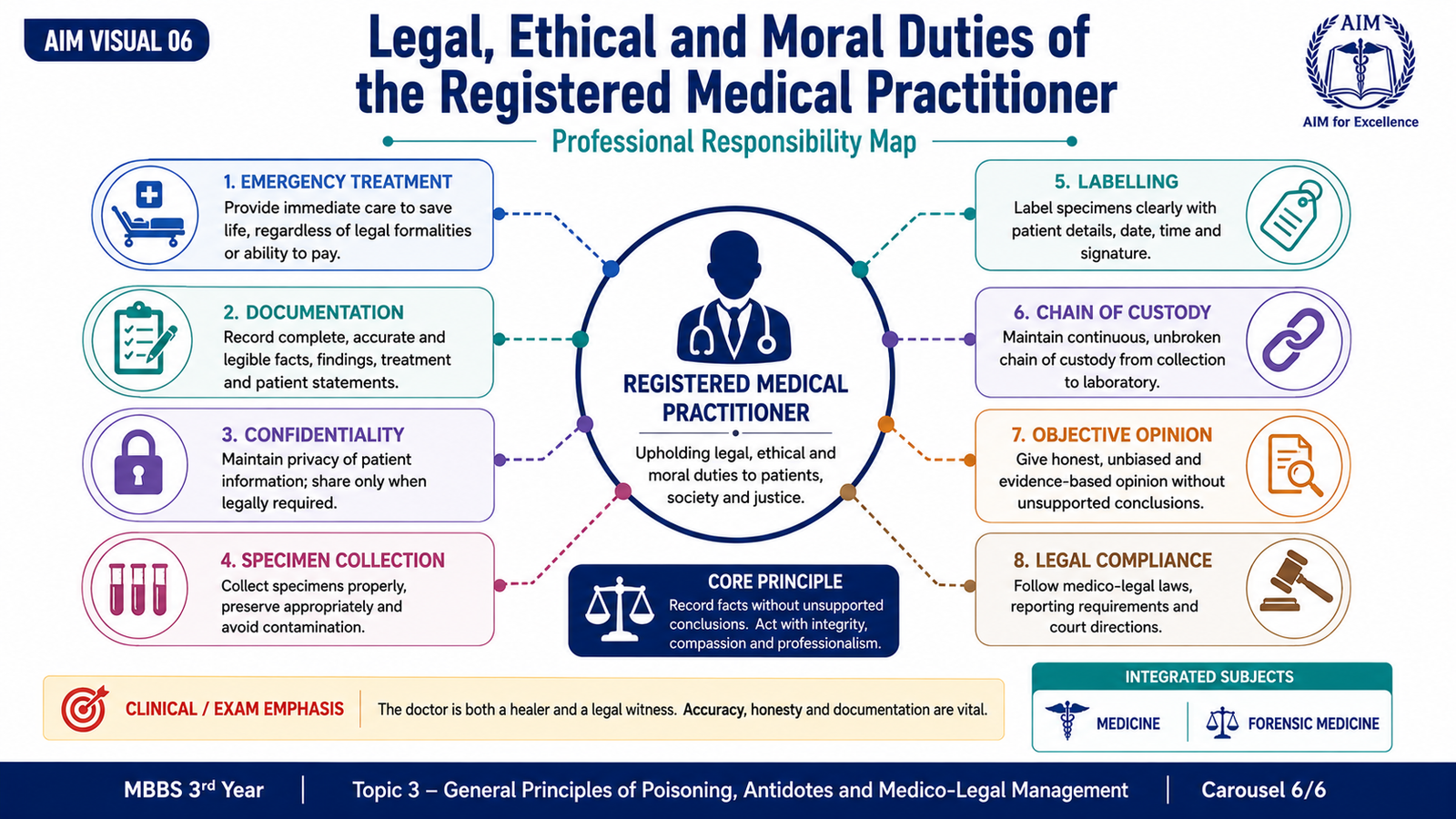
A doctor caring for a poisoning case has a primary duty to preserve life and provide appropriate medical care. At the same time, some poisoning cases may later become subjects of legal investigation. The registered medical practitioner must therefore combine sound clinical care with careful documentation and responsible handling of relevant evidence.
Duty to provide emergency treatment
A critically poisoned patient must first receive necessary stabilization and treatment. Emergency care should not be delayed while attempting to establish every medico-legal detail.
Duty to obtain and document relevant history
The doctor should record relevant information about the suspected substance, route, timing and circumstances of exposure where available. Statements should be documented accurately without converting assumptions into facts.
Duty to perform and record examination
Clinical findings should be documented clearly, including consciousness, vital signs, relevant systemic findings and changes during treatment. Accurate contemporaneous records may later have both clinical and evidentiary value.
Duty concerning specimens
When specimens are required for clinical or medico-legal purposes, they should be correctly identified, labelled and handled according to applicable institutional and legal procedures. The identity and continuity of a specimen should be maintained so that its evidentiary value is not compromised.
This continuity is commonly described as the chain of custody: a documented sequence showing who collected, handled, transferred and received an evidentiary specimen.
Duty of confidentiality
Information obtained during medical care is generally confidential. Disclosure should occur only when appropriately required for patient care, with valid consent, or when justified by applicable professional or legal obligations.
Duty to communicate objectively
Medical records and professional opinions should distinguish observed facts from interpretations. The practitioner should avoid unsupported conclusions about whether a poisoning was accidental, suicidal or homicidal unless the available evidence justifies such an opinion.
Ethical and moral duties
- Treat the patient with dignity and without judgment.
- Provide appropriate emergency care irrespective of the circumstances of poisoning.
- Respect confidentiality within professional and legal limits.
- Maintain accurate and truthful documentation.
- Preserve relevant evidence responsibly.
- Avoid alteration, fabrication or concealment of findings.
- Remain objective when providing a medico-legal opinion.
Integrated Mechanism Flow
AIM High-Yield Review
- Poison is a substance capable of producing illness, injury or death when exposure is sufficient.
- The toxic effect depends on factors including dose, route, duration of exposure and individual susceptibility.
- Major routes of entry include oral, inhalational, injection, dermal and mucosal exposure.
- The general fate of a poison is absorption → distribution → biotransformation → excretion.
- Biotransformation may produce detoxification or bioactivation; metabolism does not always make a substance harmless.
- The kidneys are an important route of excretion for many water-soluble poisons and metabolites.
- Diagnosis in a living patient combines history, examination, toxidrome recognition, investigations and toxicology.
- Diagnosis after death requires correlation of circumstances, postmortem findings and toxicological evidence.
- ⭐ Detection of a substance in a specimen does not by itself prove that it caused illness or death.
- An antidote counteracts poisoning by reducing absorption, binding or neutralizing poison, blocking its action, restoring disturbed function or enhancing safe removal.
- Specific antidotes are valuable, but supportive care remains fundamental.
- Emergency management begins with airway, breathing and circulation, not with waiting for definitive identification of the poison.
- Decontamination is not automatically appropriate for every poisoned patient; potential benefit must outweigh risk.
- The doctor must combine treatment with accurate documentation, appropriate specimen handling and preservation of chain of custody when required.
- ⭐ A medical practitioner should distinguish observed facts from interpretation and avoid unsupported conclusions about intent.
🎥 Recommended Video — General Approach to Poisoning
This video reinforces the diagnosis, toxidromes, emergency stabilization, gastrointestinal decontamination, common antidotes and overall management approach covered in this AIM topic. :contentReference[oaicite:0]{index=0}