
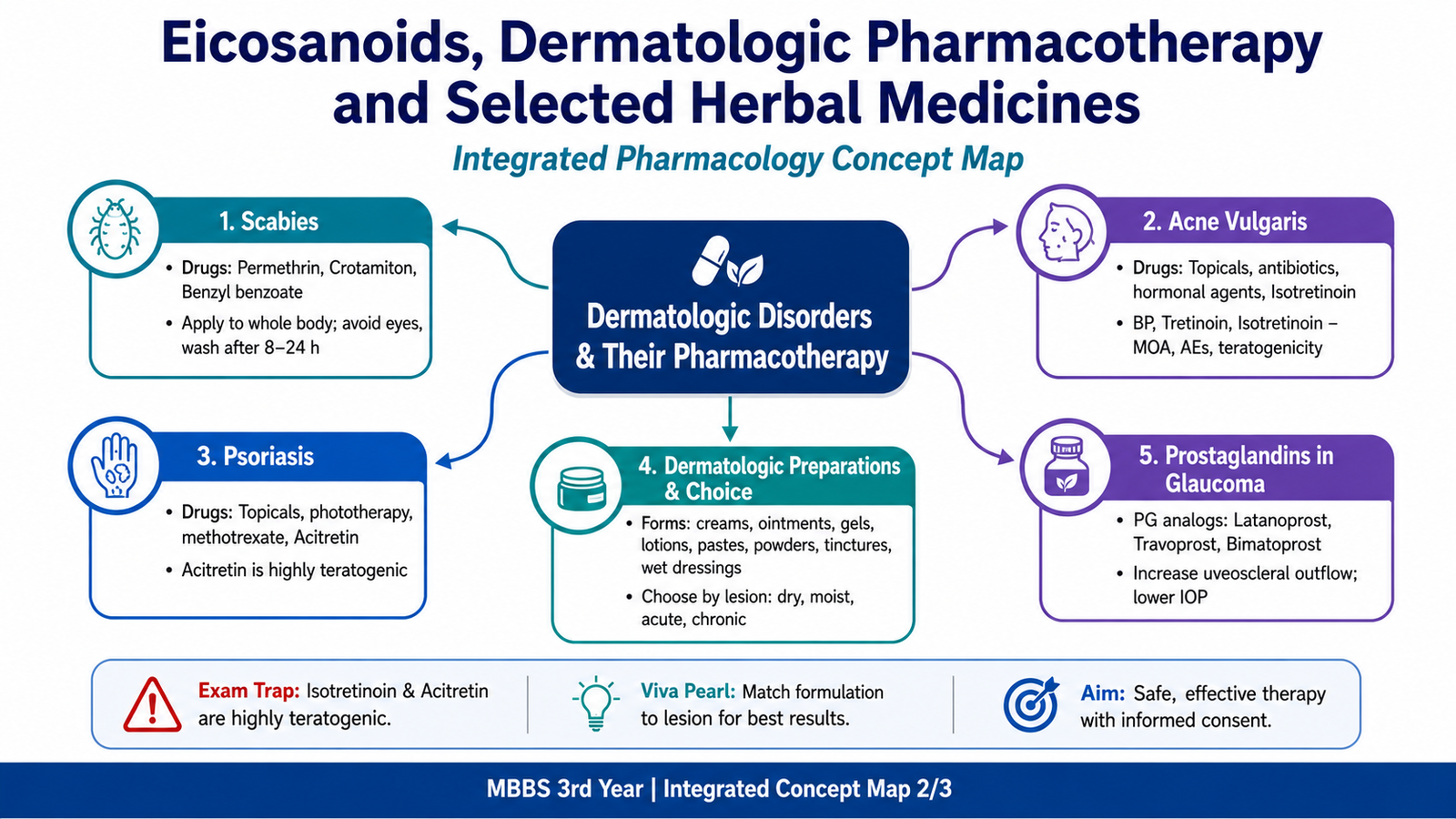
Topic 20 — Eicosanoids, Dermatologic Pharmacotherapy and Selected Herbal Medicines
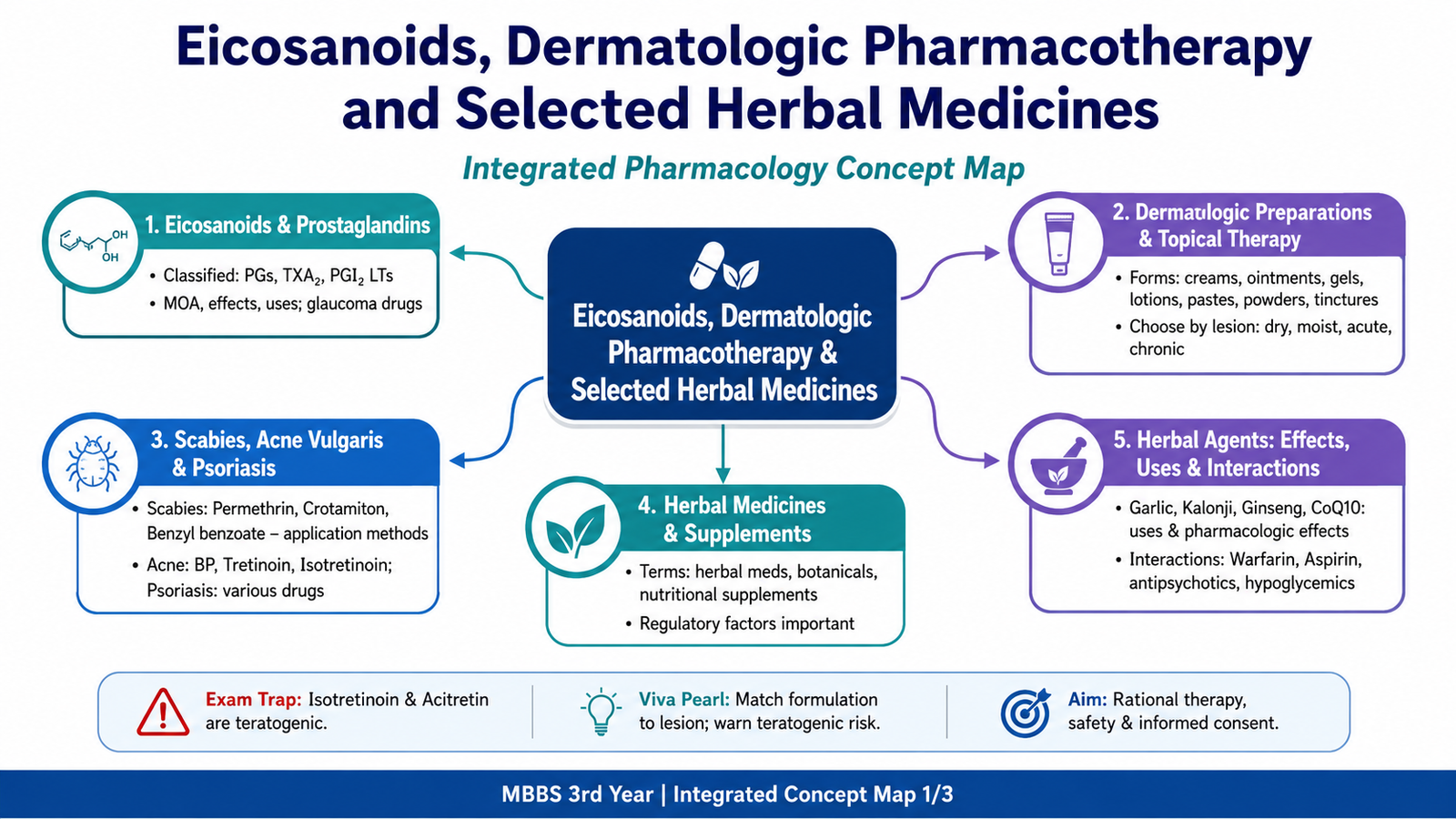
Understand the major eicosanoids and prostaglandin drugs, selection of topical dermatologic preparations, pharmacotherapy of scabies, acne and psoriasis, and the clinically important effects and interactions of selected herbal products.
Topic Introduction
This topic brings together several practical areas of pharmacology. Eicosanoids are locally acting lipid mediators that include prostaglandins, prostacyclin, thromboxanes and leukotrienes. Their actions help explain inflammation, vascular tone, platelet activity, uterine contraction and several useful drug effects. Dermatologic pharmacotherapy requires another important principle: the vehicle in which a drug is delivered can be as important as the drug itself. You will therefore learn how creams, ointments, gels, lotions and other preparations are selected for different skin lesions. The chapter then covers important treatments for scabies, acne and psoriasis, followed by selected herbal medicines and supplements with emphasis on clinically relevant drug interactions.
A. Eicosanoids: Formation and Classification
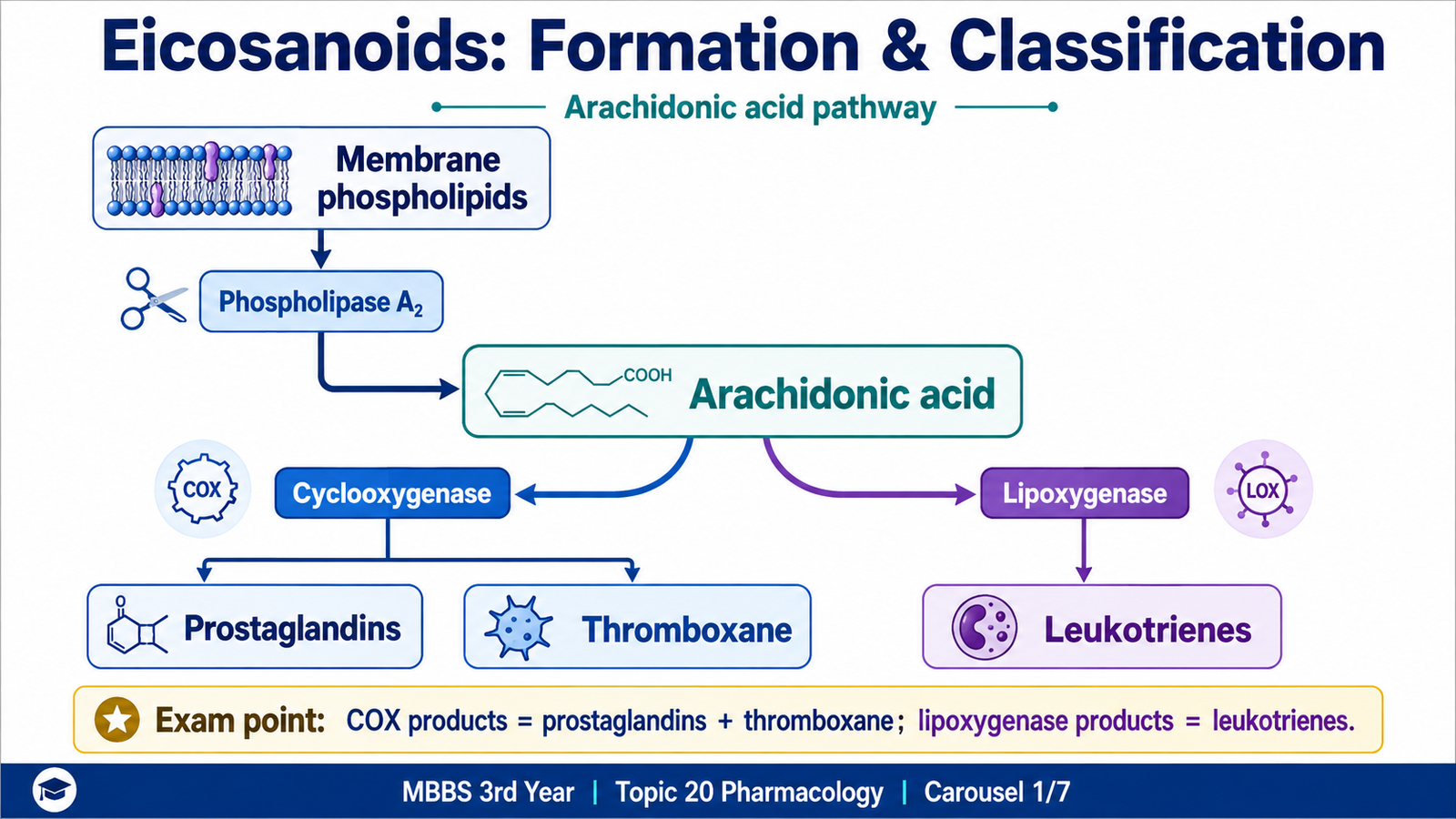
Eicosanoids are biologically active lipid mediators formed mainly from arachidonic acid, a 20-carbon polyunsaturated fatty acid present in cell-membrane phospholipids. Unlike classical hormones, most eicosanoids are produced when needed, act close to their site of formation and are rapidly inactivated. Their short duration of action allows tissues to regulate inflammation, vascular tone, platelet activity, smooth muscle contraction and several other local functions.
When a cell is stimulated, phospholipase A2 releases arachidonic acid from membrane phospholipids. Arachidonic acid can then enter two major enzymatic pathways.
Classification
- Prostaglandins: including PGE1, PGE2, PGF2α and PGD2.
- Prostacyclin: PGI2, produced predominantly by vascular endothelium.
- Thromboxanes: particularly thromboxane A2 (TXA2), generated prominently by platelets.
- Leukotrienes: including LTB4, LTC4, LTD4 and LTE4.
- Lipoxins: lipid mediators that participate in regulation and resolution of inflammation.
The cyclooxygenase pathway forms prostaglandins, prostacyclin and thromboxanes, whereas the lipoxygenase pathway forms leukotrienes and related mediators. Different tissues produce different eicosanoids, so the physiological effect depends on both the mediator and the tissue in which it is formed.
B. Prostaglandins, Prostacyclin and Thromboxane
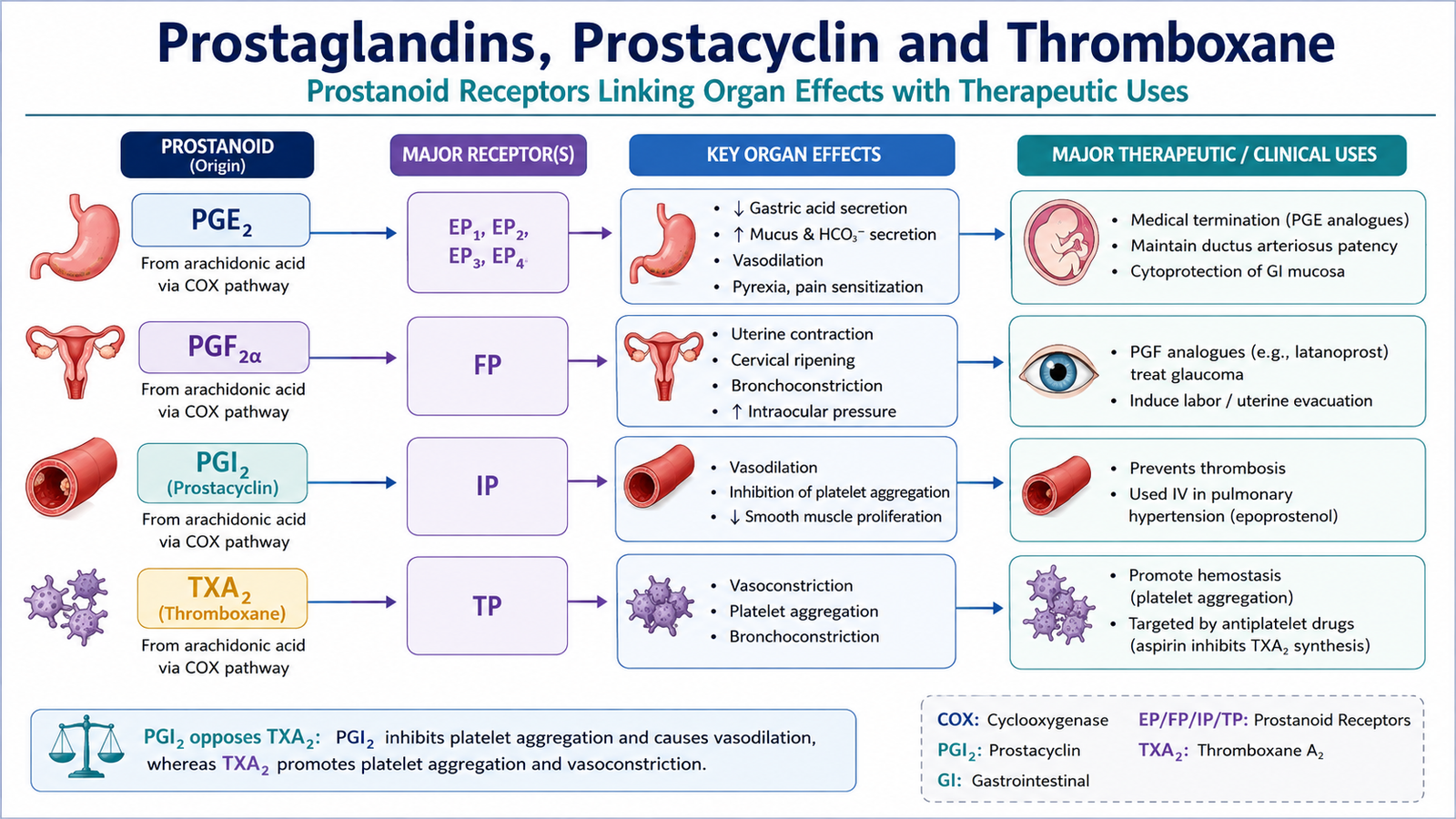
Prostaglandins act mainly through specific G-protein-coupled receptors on target cells. Different prostaglandin receptors activate or inhibit intracellular signaling pathways such as cyclic AMP or intracellular calcium. Because receptor distribution differs among organs, the same family of mediators can produce different effects in blood vessels, uterus, stomach, eye and other tissues.
Mechanism of Action
Important Organ-System Effects
Blood vessels: PGE compounds and PGI2 generally produce vasodilation in many vascular beds. In contrast, TXA2 favors vasoconstriction. The final vascular response therefore depends on the balance between mediators.
Platelets: PGI2 inhibits platelet aggregation, while TXA2 strongly promotes platelet activation and aggregation. This opposing relationship is especially important in normal hemostatic balance.
Gastrointestinal tract: prostaglandins help protect gastric mucosa by promoting mucus and bicarbonate production and supporting mucosal blood flow. Some prostaglandins also reduce gastric acid secretion.
Uterus and cervix: PGE2 and PGF2α-related compounds stimulate uterine smooth muscle. PGE compounds can also promote cervical softening and ripening.
Inflammation, pain and fever: PGE2 contributes to inflammatory pain by sensitizing peripheral nociceptors and participates in fever by influencing hypothalamic temperature regulation.
Eye: PGF2α analogues reduce intraocular pressure mainly by increasing aqueous humor outflow, particularly through the uveoscleral pathway.
Important Clinical Uses of Prostaglandin Analogues
- Misoprostol: a PGE1 analogue used for gastric mucosal protection and, because it increases uterine activity and cervical ripening, in appropriate obstetric and gynecological settings.
- Dinoprostone: a PGE2 preparation used for cervical ripening and induction of uterine contractions.
- Carboprost: a PGF2α analogue that produces strong uterine contraction and may be used in management of postpartum uterine bleeding.
- Alprostadil: a PGE1 analogue that can maintain patency of the ductus arteriosus when temporary ductal patency is clinically required; it is also used in erectile dysfunction.
- Prostacyclin-related drugs: such as epoprostenol and related analogues, which produce vasodilation and inhibit platelet aggregation and may be used in pulmonary arterial hypertension.
Prostaglandins Used in Glaucoma
Latanoprost, travoprost and tafluprost are prostaglandin F receptor agonists used to lower intraocular pressure. Bimatoprost is pharmacologically related and is also widely used for this purpose. These drugs increase aqueous humor outflow rather than primarily suppressing its formation.
Important adverse effects include conjunctival hyperemia, increased pigmentation of the iris, darkening of periocular skin and increased length or thickness of eyelashes. These local effects follow prolonged stimulation of prostaglandin-sensitive ocular tissues.
Pharmacological Effects of Thromboxane A2
TXA2 is produced mainly by activated platelets and is short-lived. It reinforces hemostasis by recruiting and activating additional platelets and by constricting vascular smooth muscle.
- Promotes platelet aggregation.
- Produces vasoconstriction.
- Can produce bronchial smooth-muscle contraction.
| Mediator | Major Functional Effect | Important Clinical Link |
|---|---|---|
| PGE1/PGE2 | Mucosal protection, vascular and uterine effects | Misoprostol, dinoprostone, alprostadil |
| PGF2α | Uterine contraction; ocular outflow effects | Carboprost; glaucoma analogues |
| PGI2 | Vasodilation and inhibition of platelet aggregation | Pulmonary arterial hypertension |
| TXA2 | Platelet aggregation and vasoconstriction | Important component of platelet-mediated hemostasis |
C. Dermatologic Formulations and Selection of the Correct Vehicle
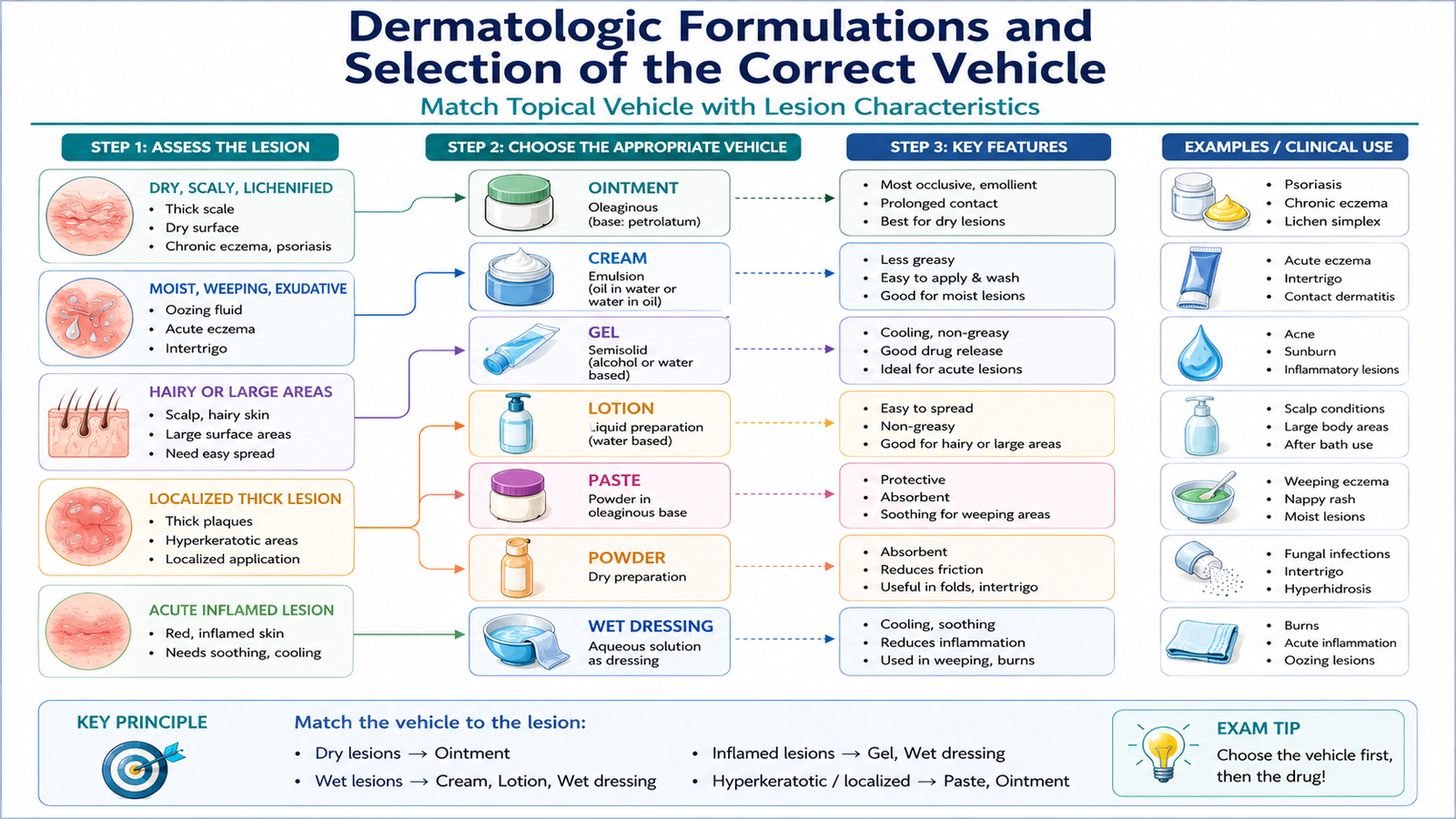
A topical dermatologic medicine consists of an active drug combined with a vehicle or formulation. The vehicle determines how easily the drug spreads, how much moisture is retained, whether the lesion becomes more or less hydrated, and how well the drug penetrates the skin. For this reason, choosing the correct formulation is an important part of treatment.
A useful general principle is that dry, thick lesions usually benefit from greasier or more occlusive preparations, while wet, exudative or hairy areas usually require less occlusive and more easily spread preparations.
| Formulation | Main Character | Commonly Preferred Situation |
|---|---|---|
| Ointment | Greasy, highly occlusive, retains moisture | Dry, thick, scaly or lichenified lesions |
| Cream | Semisolid emulsion, less greasy than ointment | Many moist or mildly exudative lesions; cosmetically convenient areas |
| Gel | Non-greasy, spreads easily and dries quickly | Hair-bearing or oily areas |
| Lotion | Fluid preparation, easy to spread over large areas | Large, hairy, inflamed or mildly weeping surfaces |
| Paste | Thick preparation containing a high proportion of powder | Protective barrier where reduced spread is useful |
| Powder | Absorbs moisture and reduces friction | Moist skin folds when appropriate |
| Tincture | Alcoholic or hydroalcoholic solution | Selected superficial applications; may sting inflamed or broken skin |
| Wet dressing | Moist compress that cools and helps remove exudate | Acutely inflamed, weeping or exudative lesions |
D. Pharmacotherapy of Scabies
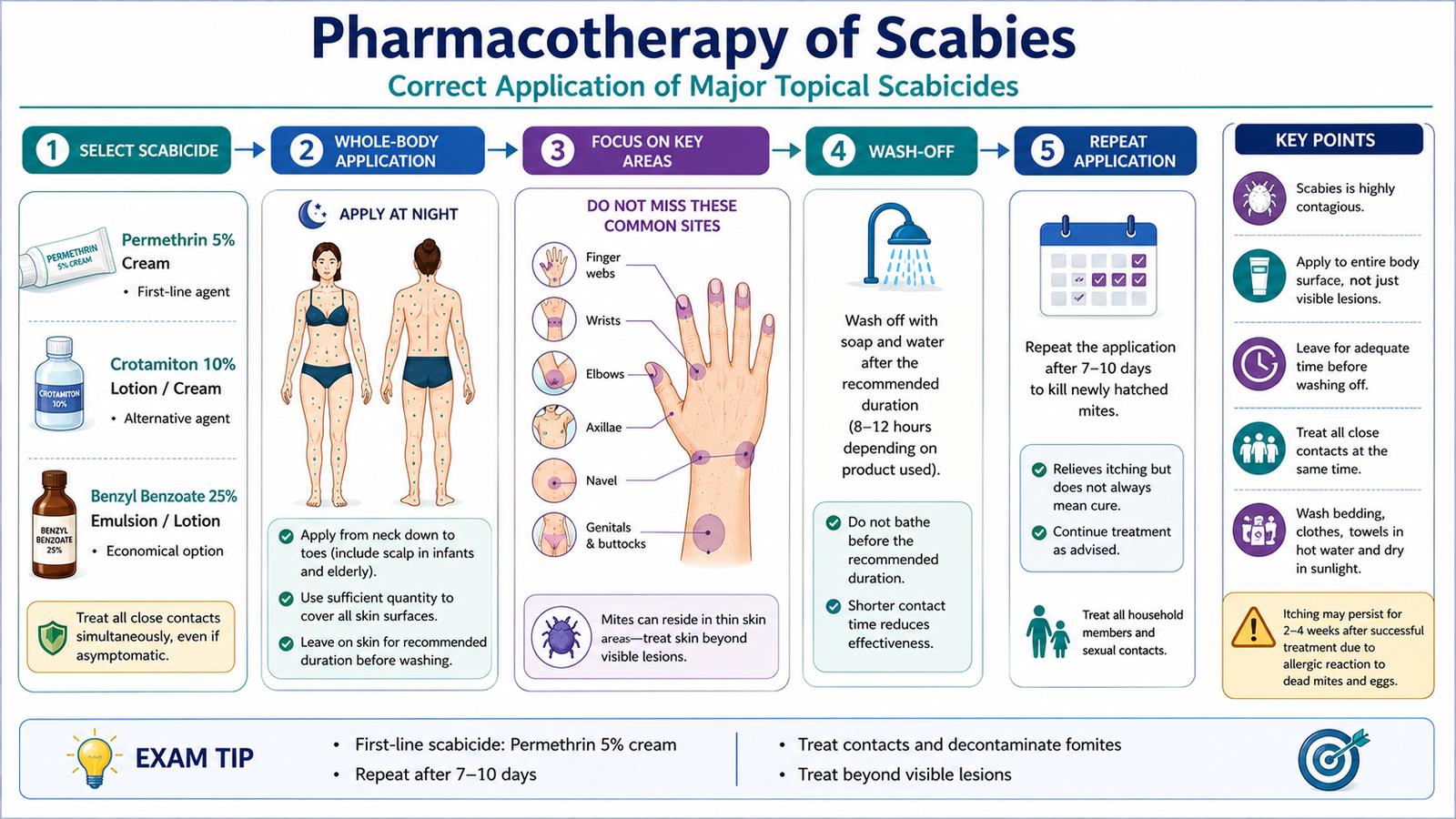
Scabies is an infestation of the skin by Sarcoptes scabiei. Pharmacologic treatment aims to kill the mite and prevent continuing transmission. Successful treatment depends not only on selecting a scabicidal drug but also on applying it to the appropriate skin surface rather than only to visibly itchy lesions.
Drugs Used for Scabies
- Permethrin
- Crotamiton
- Benzyl benzoate
- Precipitated sulfur
- Ivermectin, used systemically in selected situations
Permethrin
Permethrin is a synthetic pyrethroid that interferes with sodium-channel function in the parasite’s nervous system, producing paralysis and death of the mite. It is commonly considered a preferred topical scabicide because it is effective and generally well tolerated.
Method of application: the preparation is applied thoroughly to the skin rather than only to individual lesions. In adults this generally includes the body from the neck downward, paying particular attention to finger webs, wrists, axillae, groin, buttocks, areas beneath nails and other sites where mites may remain. It is usually left on overnight and then washed off. A repeat application after approximately one week is commonly used when required to eradicate newly emerged mites.
Crotamiton
Crotamiton has scabicidal activity and can also reduce itching. It is less reliably effective than permethrin, so it is generally an alternative rather than the preferred treatment.
Method of application: it is rubbed thoroughly over the involved body surface rather than applied only to obvious burrows. Repeated whole-body application according to the preparation’s recommended regimen is usually required. Contact with eyes, mouth and other mucosal surfaces should be avoided.
Benzyl Benzoate
Benzyl benzoate is an older topical scabicide. Its main limitation is local irritation, particularly on excoriated or inflamed skin.
Method of application: it is spread over the affected body surface, usually from the neck downward in adults, with attention to common mite sites. The face, eyes and mucous membranes should be avoided. The preparation is allowed to dry on the skin and may require repeated application according to the formulation being used.
E. Pharmacotherapy of Acne Vulgaris
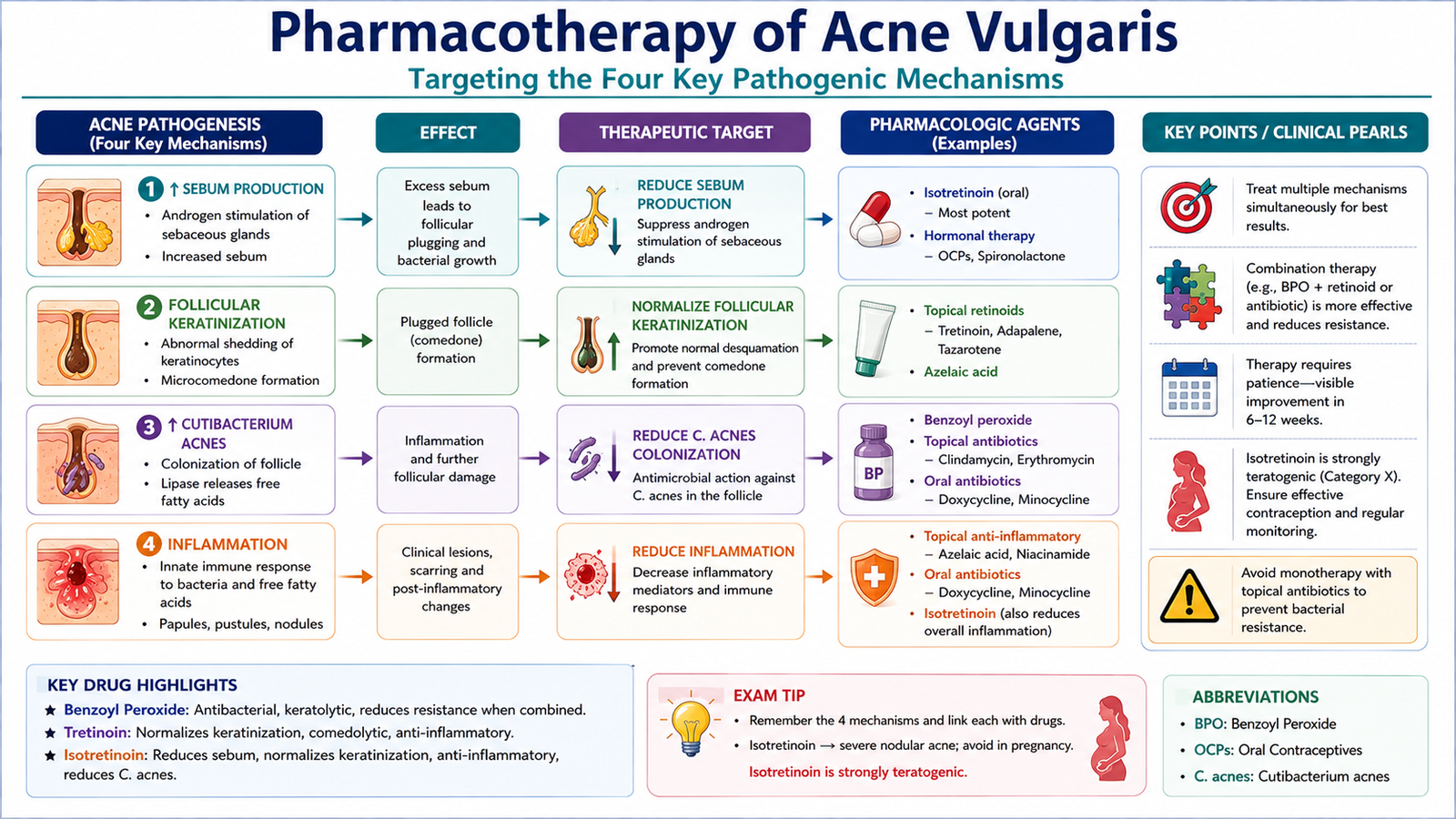
Acne vulgaris develops through several interacting processes: increased sebum production, abnormal keratinization that blocks the pilosebaceous follicle, proliferation of Cutibacterium acnes and inflammation. Acne drugs therefore act at different points in this pathway. Mild disease is commonly treated with topical agents, whereas more extensive inflammatory or severe acne may require systemic treatment.
Important Drug Groups
- Benzoyl peroxide
- Topical retinoids: tretinoin, adapalene and related agents
- Topical antibiotics: for example clindamycin
- Systemic antibiotics: especially tetracycline-group drugs in appropriate inflammatory acne
- Hormonal treatment: selected combined oral contraceptives and antiandrogen therapy in suitable female patients
- Oral isotretinoin: for severe, resistant or high-risk acne under appropriate medical supervision
Benzoyl Peroxide
Benzoyl peroxide releases reactive oxygen species within the pilosebaceous unit. This produces a bactericidal effect against C. acnes. It also has mild comedolytic activity, helping reduce follicular obstruction.
Adverse effects: dryness, erythema, scaling and local irritation are common. Benzoyl peroxide can also bleach hair, towels and clothing. Because it kills bacteria by oxidation rather than by a conventional antibiotic target, it is useful in acne regimens designed to reduce development of bacterial resistance.
Tretinoin
Tretinoin is a topical retinoid. It acts through nuclear retinoic acid receptors and alters gene transcription in epidermal cells. Its most important effect in acne is normalization of follicular epithelial cell turnover. This prevents excessive keratin accumulation and helps open existing comedones.
Adverse effects: local erythema, dryness, peeling, burning or irritation may occur, particularly early in treatment. Treated skin can also become more sensitive to sunlight.
Isotretinoin
Isotretinoin is an oral retinoid that affects several major mechanisms responsible for acne. Its most striking action is a major reduction in sebaceous gland activity and sebum production. It also normalizes follicular keratinization and reduces the inflammatory environment of the pilosebaceous unit.
Important adverse effects include very dry lips and skin, mucosal dryness, elevation of serum lipids and possible abnormalities of liver enzymes. Musculoskeletal and other systemic adverse effects may also occur, so treatment requires medical monitoring.
Antibiotics and Hormonal Agents
Antibiotics are most useful when inflammatory papules and pustules are prominent because reduction of C. acnes decreases inflammatory stimulation. Topical antibiotic monotherapy is generally avoided when an appropriate combination with benzoyl peroxide can reduce the selection of resistant organisms.
Hormonal therapy is useful in selected female patients because androgens stimulate sebaceous glands. Combined oral contraceptives can reduce androgenic stimulation, while antiandrogen drugs such as spironolactone reduce androgen effects at target tissues.
F. Pharmacotherapy of Psoriasis and Acitretin
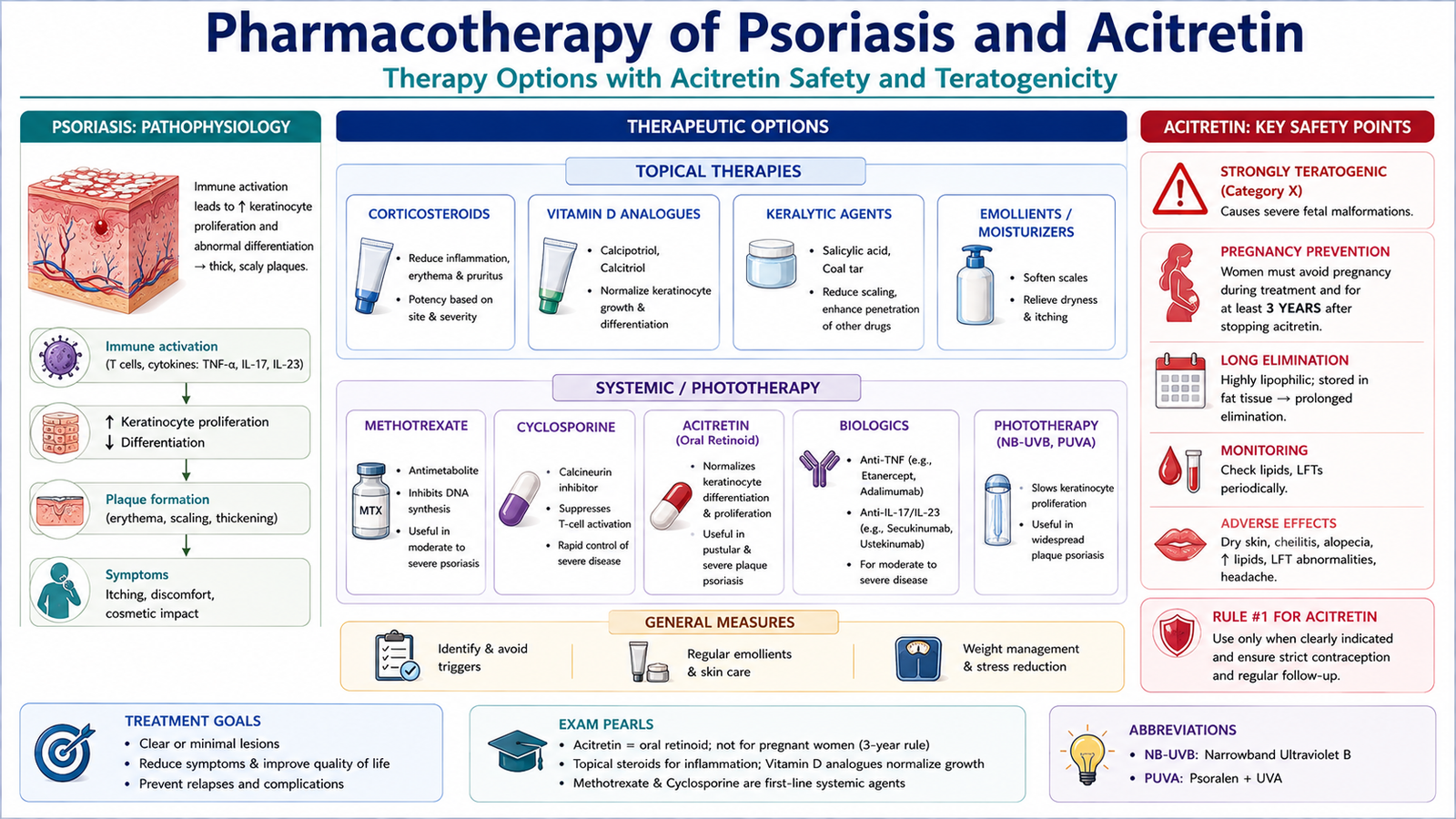
Psoriasis is a chronic inflammatory skin disorder characterized by increased epidermal cell turnover and immune-mediated inflammation. Treatment therefore includes drugs that reduce inflammation, slow excessive keratinocyte proliferation or modify the abnormal immune response. The choice of therapy depends on the extent and severity of disease, but the important undergraduate principle is to recognize the main drug groups used.
Drugs Used in Psoriasis
Topical treatment is important in localized disease and may include:
- Emollients
- Topical corticosteroids
- Vitamin D analogues such as calcipotriol
- Keratolytic agents such as salicylic acid
- Coal-tar preparations
- Topical retinoids such as tazarotene
Systemic treatment used for more extensive or severe disease includes important agents such as:
- Methotrexate
- Cyclosporine
- Acitretin
- Selected biologic agents that target important inflammatory pathways
Acitretin
Acitretin is an oral retinoid. Retinoids act through nuclear receptors and modify gene transcription, thereby regulating abnormal epidermal growth and differentiation. This can reduce the excessive keratinization present in psoriasis.
Other important retinoid adverse effects include dryness of skin and mucous membranes, abnormalities of serum lipids and possible hepatotoxicity. These effects reflect the systemic influence of retinoids on epithelial and metabolic processes.
G. Herbal Medications, Botanicals and Nutritional Supplements
Herbal products are widely used because they are perceived as natural, but a natural origin does not guarantee effectiveness or safety. Plant products contain biologically active chemicals and can therefore produce pharmacological effects, adverse effects and drug interactions. Their composition may also vary between products.
Important Terms and Regulatory Considerations
Herbal medication refers to a preparation derived mainly from plants and used for an intended health or medicinal effect. The term botanical is broader and refers to plant-derived materials or products. Nutritional supplements include products intended to supplement normal dietary intake, such as vitamins, minerals and other substances.
An important pharmacologic issue is that herbal and supplement products may not always undergo the same degree of standardization as conventional prescription medicines. The quantity of an active constituent can vary according to plant species, growing conditions, extraction method and manufacturing process.
Important safety considerations include:
- Variation in active constituents between products or batches
- Possible contamination or adulteration
- Incomplete evidence for some claimed benefits
- Pharmacodynamic interactions with conventional medicines
- Changes in drug absorption, metabolism or elimination
- Under-reporting of herbal use by patients unless specifically asked
Garlic — Allium sativum
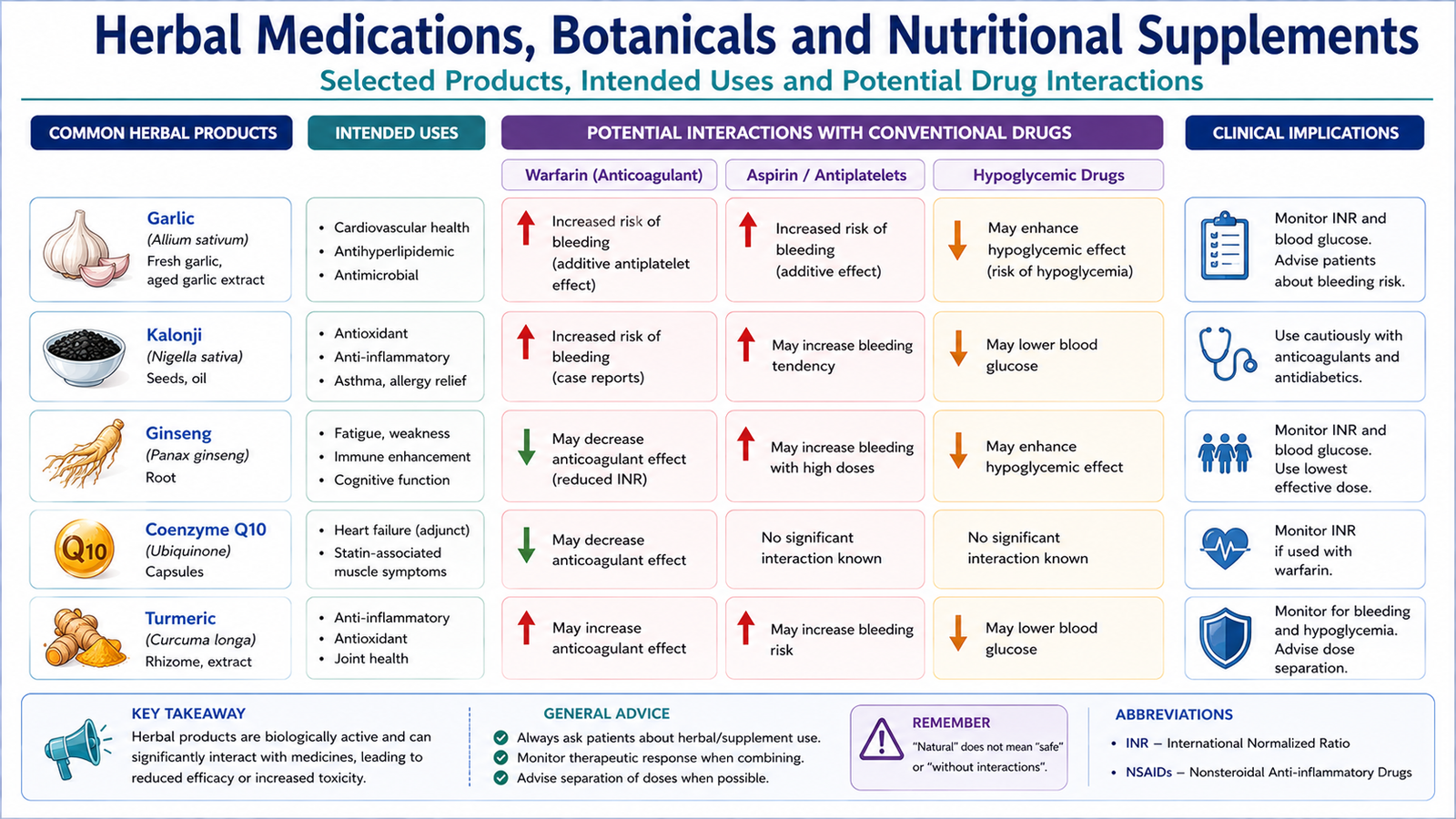
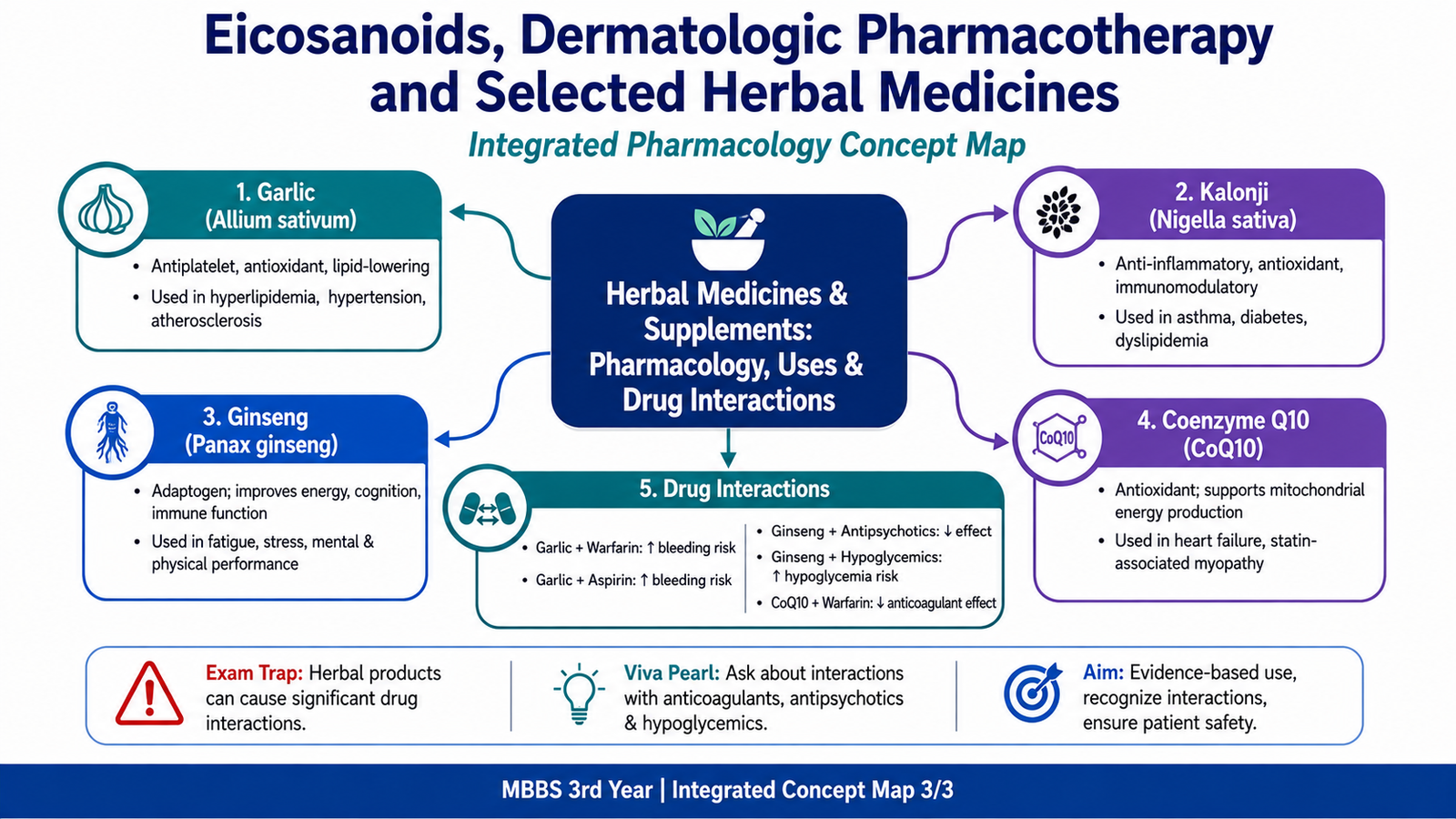
Garlic contains sulfur-containing compounds that can produce several biological effects. It has been used with the intention of supporting cardiovascular health, and some preparations may have modest effects on lipid levels or blood pressure. Evidence for the size and consistency of these benefits varies between preparations.
A clinically important effect is reduction of platelet aggregation. This becomes important when garlic supplements are taken together with drugs that already impair hemostasis.
Kalonji — Nigella sativa
Nigella sativa, commonly called Kalonji, has traditional medicinal use and contains biologically active constituents such as thymoquinone. Experimental and limited clinical studies have suggested possible antioxidant, anti-inflammatory and metabolic effects. Potential benefits on blood glucose or lipid parameters have been investigated, but such evidence should be interpreted cautiously.
The appropriate undergraduate principle is that Kalonji may have possible medicinal effects, but it should not be considered a substitute for established treatment of conditions such as diabetes, hypertension or dyslipidemia.
Ginseng
Ginseng preparations contain compounds called ginsenosides. They are commonly used with the intention of improving energy, reducing fatigue or enhancing general well-being. Reported pharmacologic effects include influence on the central nervous system, glucose metabolism and immune function, although the clinical evidence differs between products and indications.
Interaction with hypoglycemic medicines: ginseng may lower blood glucose in some individuals. When combined with insulin or other glucose-lowering drugs, an additive effect may increase the risk of hypoglycemia.
Interaction with antipsychotic medicines: because ginseng can influence central nervous system activity, combining it with psychotropic or antipsychotic medicines may produce unpredictable CNS effects in susceptible individuals. Evidence for specific interactions is not equally strong for all preparations, so concurrent use should be medically reviewed rather than assumed to be harmless.
Coenzyme Q10
Coenzyme Q10 is a naturally occurring compound involved in mitochondrial electron transport and cellular energy production. Supplements have been used with the intention of supporting cardiovascular function and have also been studied for conditions such as heart failure and muscle symptoms associated with statin treatment. The strength of evidence varies according to the clinical use.
The important interaction for this topic is with warfarin. Coenzyme Q10 may reduce the anticoagulant effect of warfarin in some patients, potentially lowering anticoagulation control. Patients receiving warfarin should therefore inform their clinician before starting or stopping Coenzyme Q10.
⭐ AIM High-Yield Review
- Eicosanoids are locally acting lipid mediators derived mainly from arachidonic acid.
- Cyclooxygenase products include prostaglandins, prostacyclin and thromboxanes; the lipoxygenase pathway produces leukotrienes.
- PGI2 causes vasodilation and inhibits platelet aggregation, whereas TXA2 promotes platelet aggregation and vasoconstriction.
- Prostaglandin analogues used in glaucoma, including latanoprost, lower intraocular pressure mainly by increasing aqueous humor outflow.
- For skin preparations, remember: dry and thick lesion → more occlusive vehicle; wet or hairy area → less greasy, easier-spreading vehicle.
- Permethrin is an important preferred topical treatment for scabies and must be applied adequately over the relevant body surface, not only to visible lesions.
- Benzoyl peroxide reduces C. acnes through an oxidizing bactericidal effect and commonly causes dryness and irritation.
- Tretinoin normalizes follicular keratinization and is therefore particularly useful against comedonal acne.
- Isotretinoin markedly suppresses sebaceous gland activity and is a powerful teratogen.
- Acitretin is a systemic retinoid used in psoriasis and is highly teratogenic; pregnancy avoidance for 3 years after discontinuation is a classic examination point.
- Garlic + warfarin or aspirin may increase bleeding tendency.
- Ginseng + hypoglycemic drugs may increase the risk of hypoglycemia.
- Coenzyme Q10 may reduce the anticoagulant effect of warfarin.
- “Natural” does not mean interaction-free: herbal products and supplements should be included in every complete medication history.
Topic 20 — Recommended Video Learning
Use these videos after reading the AIM Learning Material to reinforce the major pharmacology concepts.
Reinforces arachidonic acid pathways, prostaglandins, thromboxanes, leukotrienes and important therapeutic analogues.
Supports recognition and treatment of acne vulgaris and scabies, including retinoids, benzoyl peroxide and permethrin.
Reviews clinically important herb–drug interactions, including garlic and ginseng.