
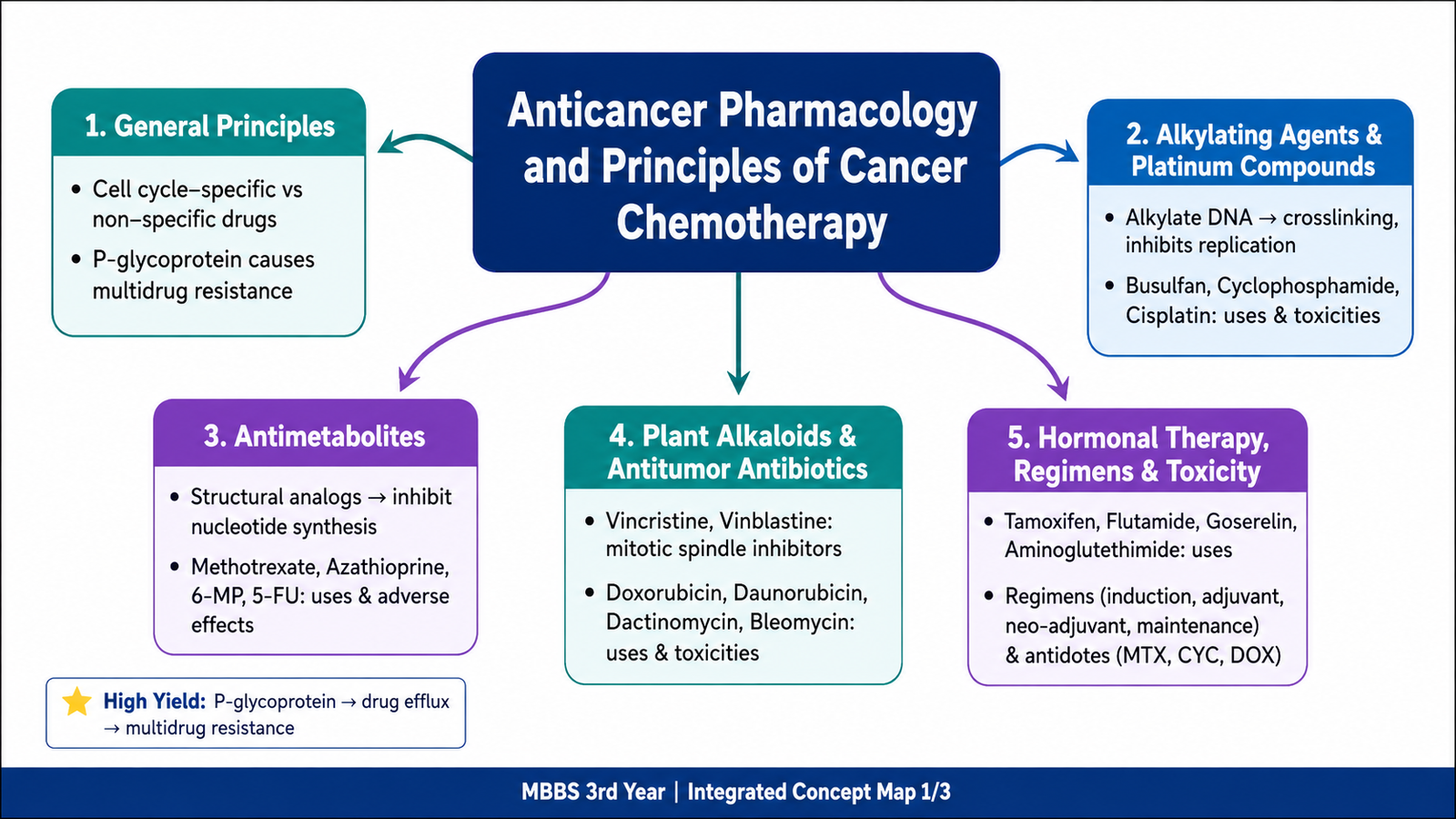
This chapter follows the supplied KMU learning outcomes in a logical sequence. First understand how each anticancer drug interferes with cancer-cell growth, then revise the characteristic uses, toxicities and important rescue drugs from the high-yield section.
Topic 19 — Anticancer Pharmacology and Principles of Cancer Chemotherapy
Multisystem Module • Pharmacology
Understand how major anticancer drugs interfere with DNA synthesis, cell division and hormone-dependent tumor growth, and relate these mechanisms to therapeutic use, resistance and characteristic toxicity.
Topic Introduction
Cancer chemotherapy uses drugs that preferentially damage rapidly growing malignant cells or interfere with signals needed for tumor growth. Because many normal tissues also divide rapidly, anticancer drugs can produce important adverse effects in bone marrow, gastrointestinal mucosa, hair follicles and reproductive tissues. Different drug groups act through different targets: some damage DNA, some prevent nucleotide synthesis, some disrupt mitosis, and others block hormone-dependent growth. In this chapter, you will learn the main classes of anticancer drugs, their mechanisms, important clinical uses, characteristic toxicities, mechanisms of drug resistance, common chemotherapy strategies and the important rescue agents used for selected toxicities.
A. General Principles of Anticancer Chemotherapy
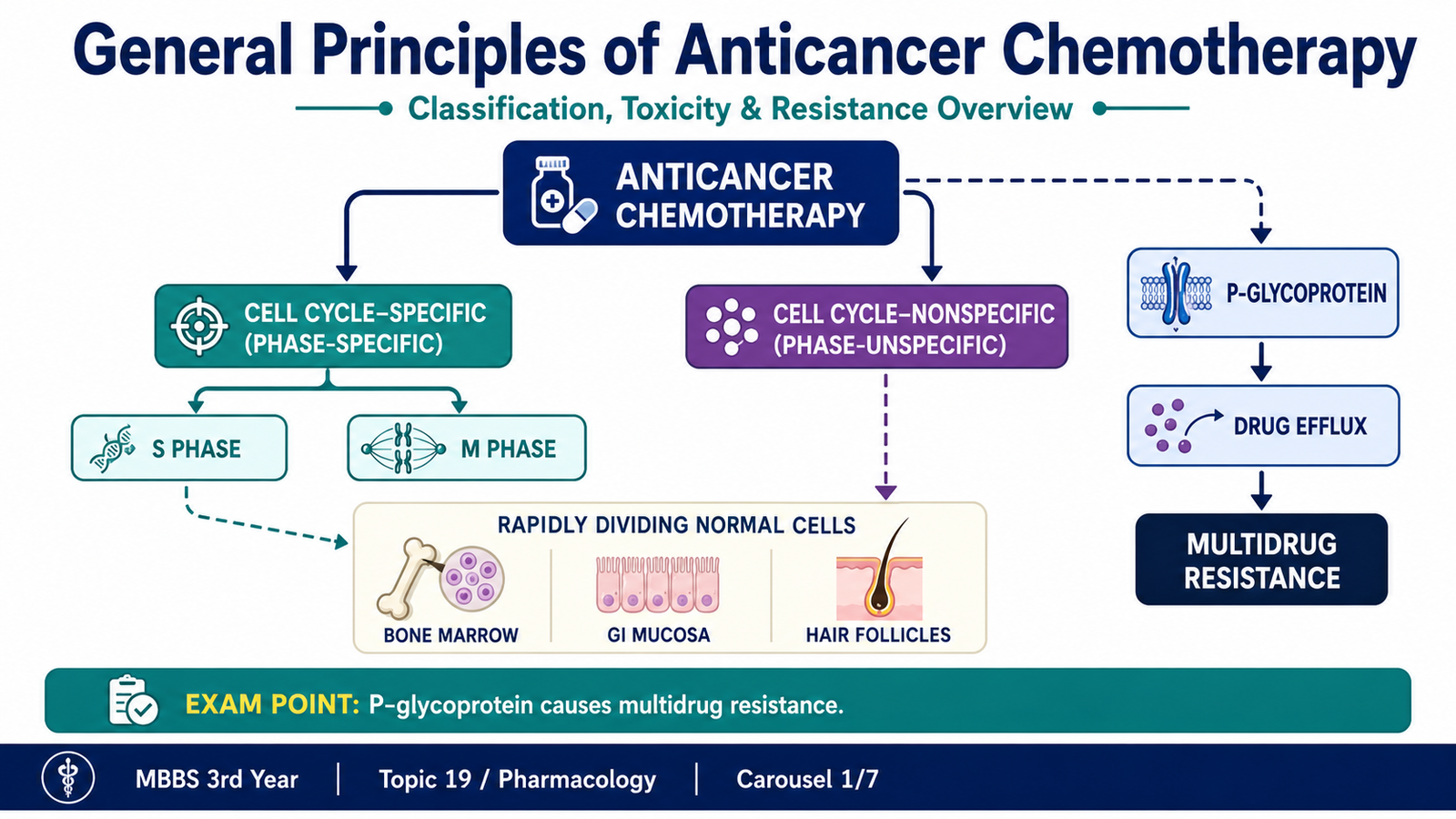
Anticancer drugs work best against cells that are actively proliferating, but individual drug groups differ in the stage of the cell cycle at which they act. Understanding this distinction explains why combination chemotherapy often contains drugs with different mechanisms and why treatment may need to be repeated in cycles.
Cell cycle-specific and cell cycle-nonspecific drugs
Cell cycle-specific drugs are most effective during a particular phase of the cell cycle. For example, antimetabolites mainly act during the S phase, when DNA is being synthesized, while vinca alkaloids act during the M phase by interfering with mitosis.
Cell cycle-nonspecific drugs can damage cells in several phases of the cell cycle. Alkylating agents and platinum compounds are important examples. They are still usually more toxic to rapidly dividing tumor cells because such cells repeatedly replicate damaged DNA.
| Feature | Cell Cycle-Specific | Cell Cycle-Nonspecific |
|---|---|---|
| Action | Predominantly during a particular cell-cycle phase | Can act during several phases |
| Examples | Antimetabolites, vinca alkaloids, bleomycin | Alkylating agents, platinum compounds, anthracyclines |
| Important idea | Effect depends strongly on cells entering the susceptible phase | Can injure tumor cells without restriction to one specific phase |
Classification of important anticancer drugs
- Alkylating agents: cyclophosphamide, busulfan.
- Platinum compounds: cisplatin.
- Antimetabolites: methotrexate, 6-mercaptopurine, azathioprine, 5-fluorouracil.
- Plant alkaloids: vincristine and vinblastine.
- Antitumor antibiotics: doxorubicin, daunorubicin, dactinomycin and bleomycin.
- Hormonal agents: tamoxifen, flutamide, goserelin and aminoglutethimide.
P-glycoprotein and multidrug resistance
P-glycoprotein is an ATP-dependent membrane transporter encoded by the MDR1/ABCB1 gene. When a tumor cell produces excessive P-glycoprotein, the transporter pumps several anticancer drugs out of the cell.
Increased P-glycoprotein expression → increased drug efflux → reduced intracellular drug concentration → inadequate damage to the malignant cell → resistance to chemotherapy.
This mechanism is clinically important because the same transporter can reduce sensitivity to several structurally unrelated anticancer drugs, producing multidrug resistance.
General adverse effects
The toxicity of conventional cytotoxic chemotherapy largely results from damage to normal cells that also divide rapidly.
- Bone marrow suppression: may cause anemia, infection and bleeding because erythrocytes, leukocytes and platelets are reduced.
- Gastrointestinal mucosal injury: may cause mucositis, stomatitis and diarrhea.
- Nausea and vomiting: may be prominent with highly emetogenic agents such as cisplatin.
- Alopecia: occurs because hair-follicle cells rapidly proliferate.
- Gonadal injury and infertility: result from damage to germ cells.
- Immunosuppression: increases susceptibility to infection.
- Mutagenicity, teratogenicity and secondary malignancy: can occur because many agents damage DNA.
B. Alkylating Agents and Platinum Compounds
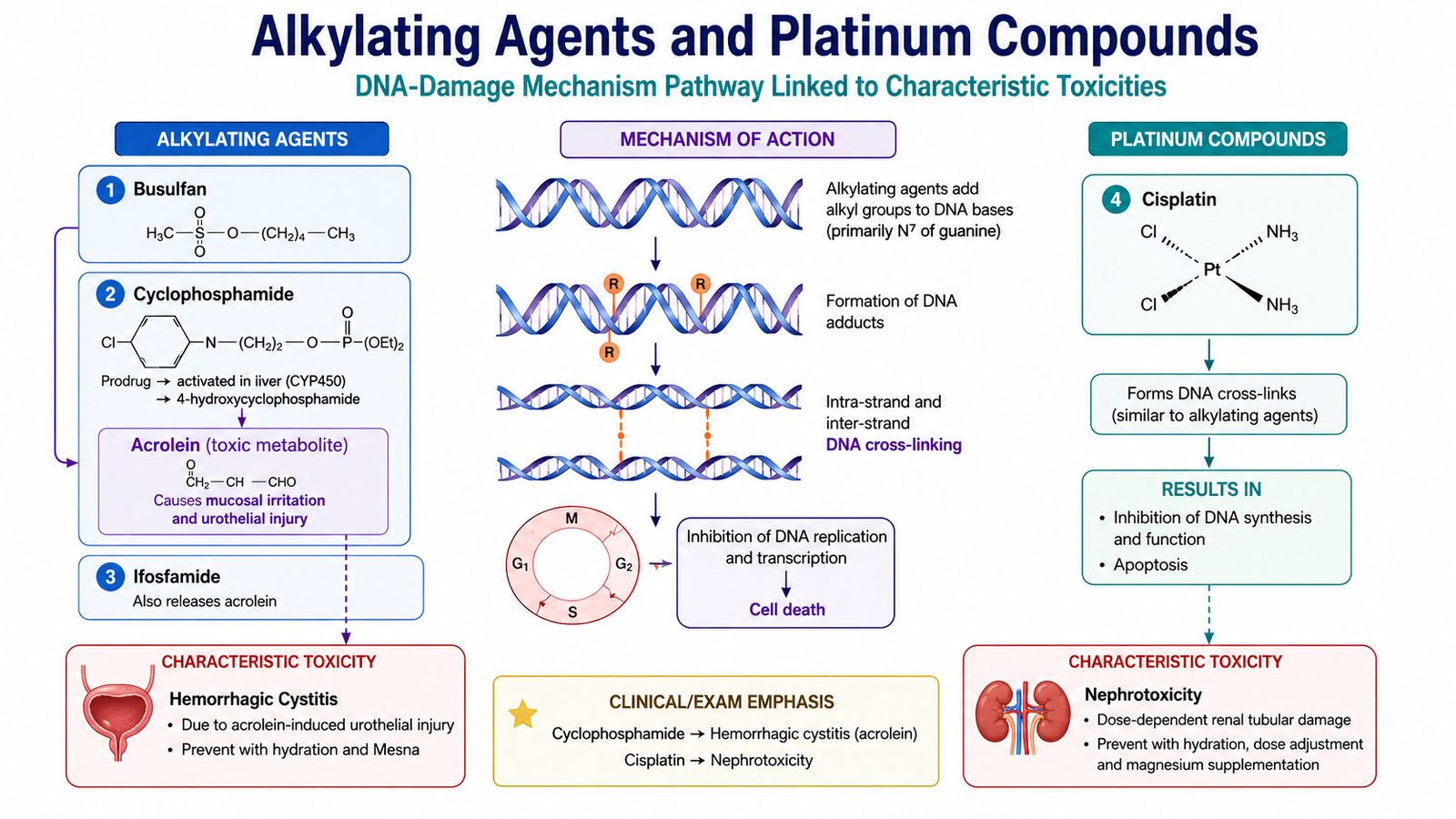
Alkylating agents damage DNA by forming reactive chemical groups that bind covalently to DNA. This can produce abnormal cross-linking, incorrect base pairing and strand injury. DNA replication becomes difficult or impossible, eventually leading to malignant-cell death. Platinum compounds produce a functionally similar result by forming DNA cross-links.
Busulfan
Busulfan is an alkylating agent with strong activity against bone marrow cells. It has classically been used in chronic myeloid leukemia and may also be used in conditioning regimens before hematopoietic stem-cell transplantation.
Important adverse effects include:
- Marked bone marrow suppression.
- Pulmonary fibrosis, a characteristic serious toxicity.
- Hyperpigmentation.
- Gonadal suppression and infertility.
Cyclophosphamide
Cyclophosphamide is a prodrug that is activated in the liver. Its active metabolites alkylate and cross-link DNA. It is used in several leukemias, lymphomas and solid tumors and also has important immunosuppressive effects.
A particularly important metabolite is acrolein. Acrolein is excreted into the urine and can damage the urinary bladder epithelium.
Other adverse effects include bone marrow suppression, nausea, alopecia and gonadal toxicity. Mesna binds toxic metabolites such as acrolein in the urinary tract and is used to prevent or reduce cyclophosphamide-induced hemorrhagic cystitis.
Cisplatin
Cisplatin is a platinum-containing compound that forms intra-strand and inter-strand DNA cross-links. These cross-links interfere with DNA replication and transcription and ultimately promote cell death.
Cisplatin is an important component of chemotherapy for several solid tumors, including testicular, ovarian, bladder and lung cancers.
Characteristic adverse effects:
- Nephrotoxicity — one of the most important dose-limiting toxicities.
- Ototoxicity — may cause hearing impairment.
- Peripheral neuropathy.
- Marked nausea and vomiting.
- Electrolyte disturbance, particularly magnesium loss.
C. Antimetabolites
Antimetabolites resemble normal substances required for nucleotide synthesis. By acting as false substrates or by inhibiting enzymes needed for purine, pyrimidine or folate metabolism, they interfere with DNA synthesis. Because DNA synthesis occurs during the S phase, antimetabolites are mainly cell cycle-specific drugs.
Methotrexate
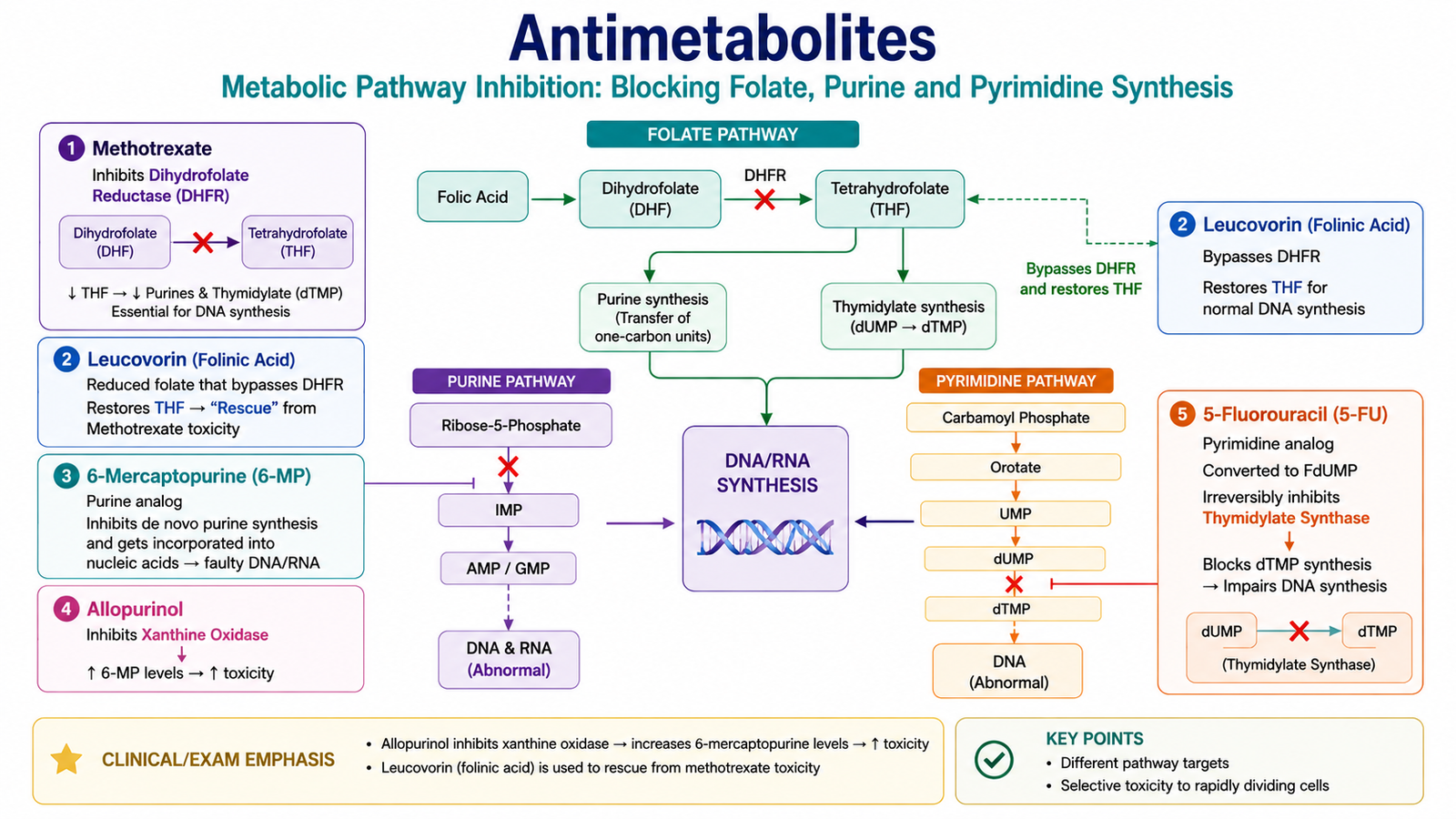
Methotrexate is a folic-acid analogue. It inhibits dihydrofolate reductase, reducing formation of tetrahydrofolate. Tetrahydrofolate is required for synthesis of thymidylate and purines, so its depletion reduces DNA synthesis.
Methotrexate is used in malignancies such as acute lymphoblastic leukemia and several other cancers. Important adverse effects include bone marrow suppression, mucositis, hepatotoxicity and, particularly with high exposure, renal injury.
Folinic acid (leucovorin) can bypass the blocked dihydrofolate reductase step in normal cells. It is therefore used as leucovorin rescue after high-dose methotrexate or in significant methotrexate toxicity.
Major contraindications or situations requiring strong caution include pregnancy and significant hepatic or renal impairment because methotrexate may cause fetal harm and toxicity may increase when elimination or tissue tolerance is impaired.
6-Mercaptopurine
6-Mercaptopurine is a purine analogue. After intracellular activation, its metabolites interfere with de novo purine synthesis and nucleotide metabolism, reducing the availability of purines required for DNA and RNA formation.
It has an important role in leukemia therapy, particularly in maintenance treatment of acute lymphoblastic leukemia. Major adverse effects include bone marrow suppression and hepatotoxicity.
Azathioprine
Azathioprine is converted in the body to 6-mercaptopurine and therefore ultimately interferes with purine metabolism. Its major clinical role is as an immunosuppressive drug, although it is pharmacologically grouped with purine antimetabolites.
Important adverse effects include bone marrow suppression, gastrointestinal effects, hepatotoxicity and increased susceptibility to infection.
Allopurinol interaction with 6-mercaptopurine and azathioprine
Xanthine oxidase participates in the inactivation of 6-mercaptopurine. Allopurinol inhibits xanthine oxidase. Therefore, giving allopurinol with 6-mercaptopurine reduces drug breakdown and can markedly increase 6-mercaptopurine toxicity. Because azathioprine is converted to 6-mercaptopurine, the same interaction also applies to azathioprine.
5-Fluorouracil
5-Fluorouracil is a pyrimidine analogue. One of its active metabolites, FdUMP, inhibits thymidylate synthase. This decreases formation of thymidylate, an essential building block for DNA.
5-Fluorouracil is widely used in solid tumors, particularly gastrointestinal and breast malignancies. Important adverse effects include bone marrow suppression, gastrointestinal mucosal injury, diarrhea and stomatitis.

D. Plant Alkaloids: Vincristine and Vinblastine
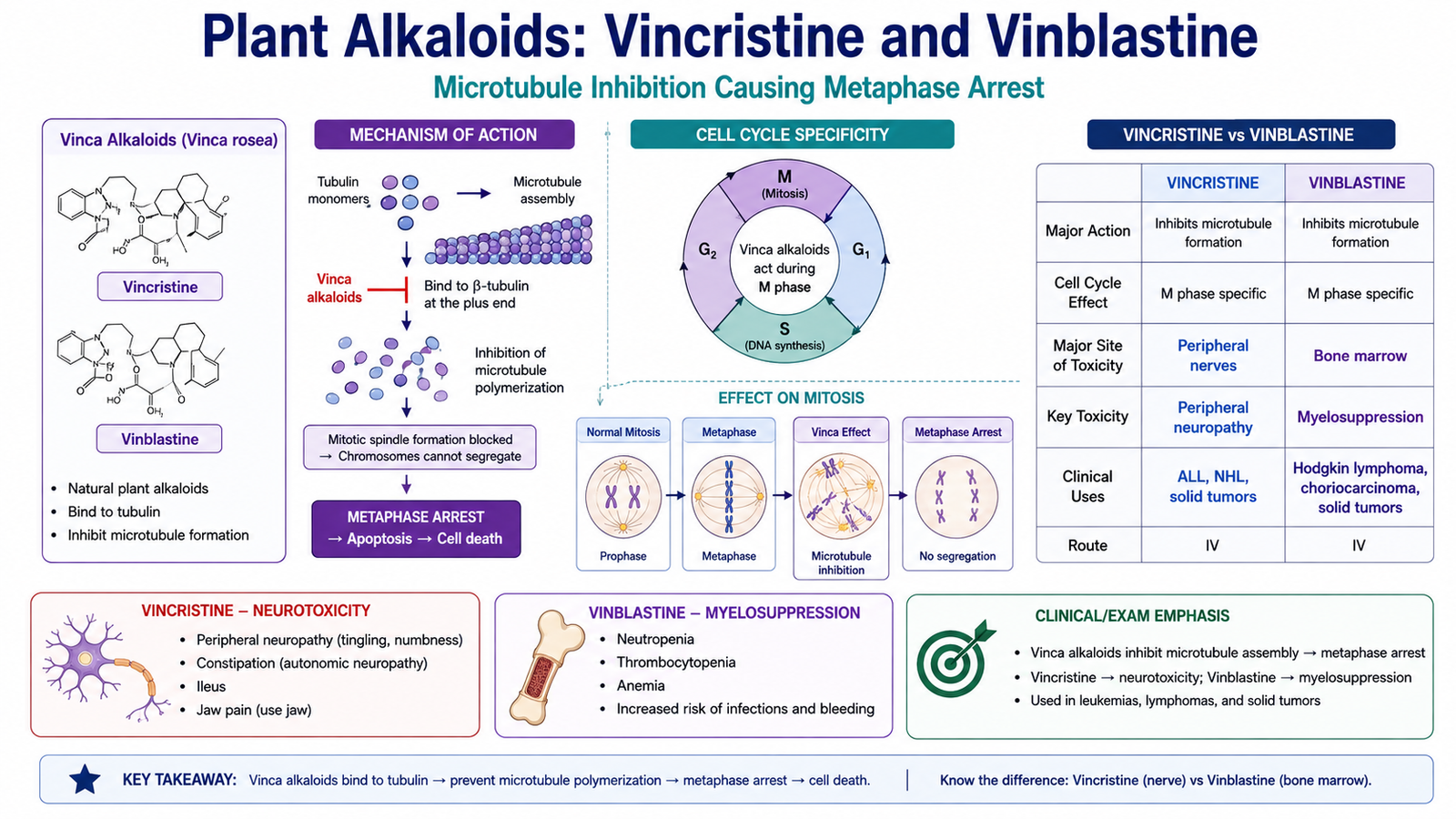
Vincristine and vinblastine are vinca alkaloids originally derived from the Madagascar periwinkle, Catharanthus roseus, historically known as Vinca rosea. Both drugs act on microtubules, which are essential components of the mitotic spindle.
They bind to β-tubulin and inhibit normal microtubule polymerization. The mitotic spindle cannot form properly, so chromosome separation is blocked and the cell becomes arrested in metaphase. Their action is therefore primarily M-phase specific.
Vincristine
Vincristine is commonly used in leukemias and lymphomas, including acute lymphoblastic leukemia and Hodgkin and non-Hodgkin lymphomas.
Its most characteristic toxicity is neurotoxicity. Peripheral neuropathy may develop, and autonomic nerve dysfunction can cause constipation or paralytic ileus. Vincristine produces relatively little bone marrow suppression compared with vinblastine.
Vinblastine
Vinblastine is also used in several malignancies and is an important component of the ABVD regimen used for Hodgkin lymphoma.
Its major dose-limiting toxicity is bone marrow suppression. Neurotoxicity can occur but is generally less prominent than with vincristine.
| Feature | Vincristine | Vinblastine |
|---|---|---|
| Main mechanism | Inhibits microtubule polymerization | Inhibits microtubule polymerization |
| Cell-cycle phase | M phase | M phase |
| Characteristic toxicity | Peripheral and autonomic neurotoxicity | Bone marrow suppression |
E. Antitumor Antibiotics
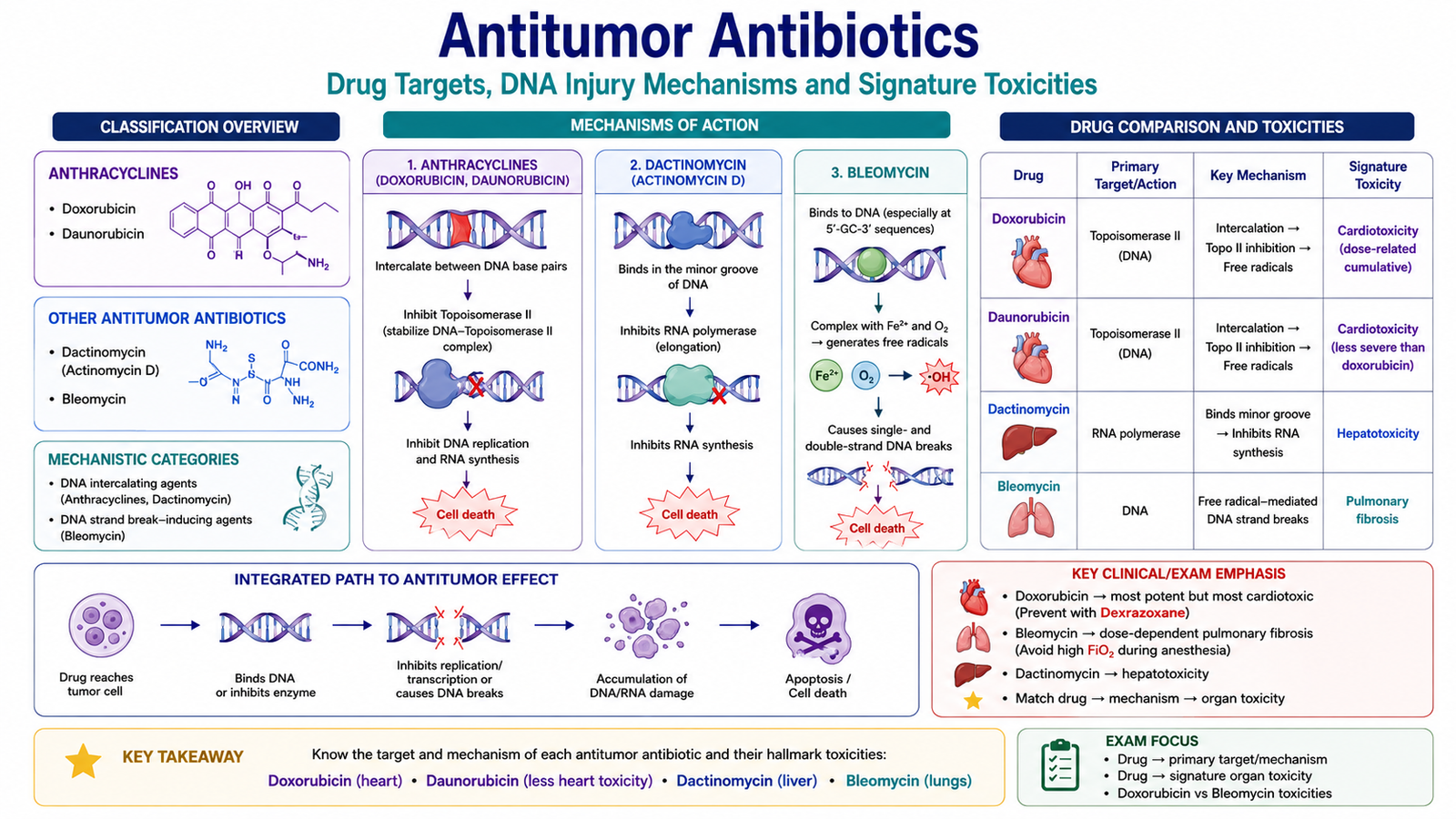
Antitumor antibiotics are chemically diverse anticancer drugs that damage DNA through mechanisms such as DNA intercalation, inhibition of topoisomerases or formation of free radicals. Their anticancer action is useful, but DNA and free-radical injury also explains several characteristic toxicities.
Doxorubicin and Daunorubicin
Doxorubicin and daunorubicin belong to the anthracycline group. They intercalate between DNA base pairs, inhibit topoisomerase II and generate free radicals. These actions interfere with DNA replication and produce DNA strand injury.
Doxorubicin is used in many leukemias, lymphomas and solid tumors, including breast cancer. Daunorubicin is particularly important in acute leukemias.
The most characteristic serious toxicity of anthracyclines is cardiotoxicity. Free-radical injury to cardiac myocytes can produce cardiomyopathy. Other adverse effects include bone marrow suppression, alopecia and severe tissue injury if the drug extravasates outside the vein.
Dexrazoxane can reduce anthracycline-related cardiac injury and is an important protective/rescue drug associated with doxorubicin toxicity.
Dactinomycin
Dactinomycin, also called actinomycin D, binds between DNA base pairs and interferes particularly with RNA synthesis by preventing effective transcription.
It is used in selected tumors such as Wilms tumor and some pediatric and gestational malignancies. Important adverse effects include bone marrow suppression, mucositis and gastrointestinal toxicity.
Bleomycin
Bleomycin binds to DNA and promotes formation of free radicals that cause DNA strand breaks. Its action is most prominent in the G2 phase of the cell cycle.
It is used in malignancies including Hodgkin lymphoma and testicular cancer. Its characteristic serious adverse effect is pulmonary toxicity, which may progress to pulmonary fibrosis. Skin changes may also occur.
An important distinguishing feature is that bleomycin causes relatively little bone marrow suppression compared with many other cytotoxic anticancer drugs.
F. Hormonal Anticancer Therapy
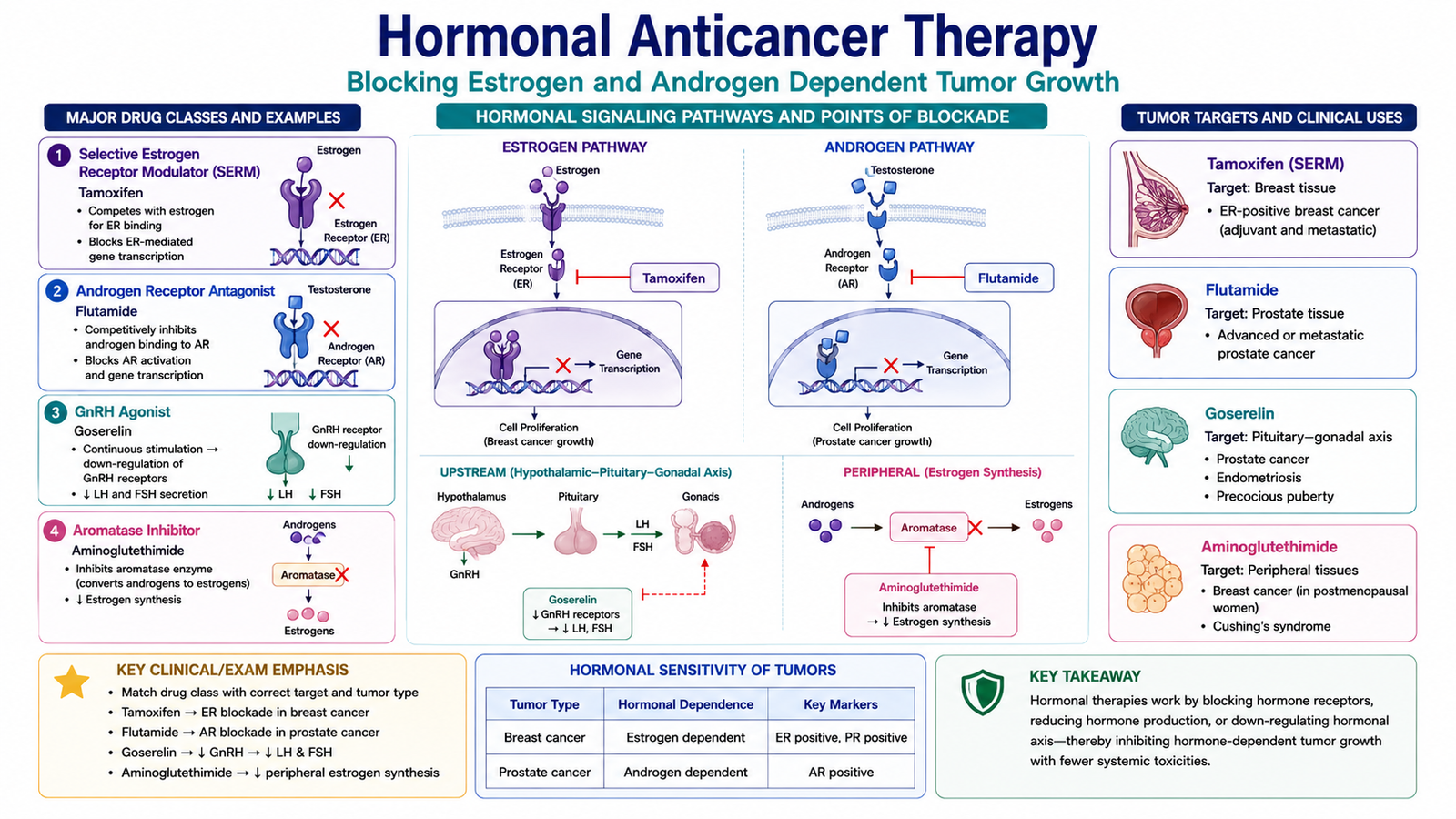
Some tumors depend on normal hormones for growth. Hormonal anticancer therapy therefore does not necessarily kill cells by direct DNA damage. Instead, it reduces production of a growth-promoting hormone or blocks the hormone’s receptor on the malignant cell.
Tamoxifen
Tamoxifen is a selective estrogen receptor modulator. In breast tissue it acts mainly as an estrogen receptor antagonist, reducing estrogen-driven proliferation of hormone-sensitive breast cancer cells.
Its major anticancer use is in estrogen receptor-positive breast cancer. Because tamoxifen has tissue-selective estrogenic effects, prolonged use is associated with risks including thromboembolic events and stimulation of the endometrium.
Flutamide
Flutamide blocks androgen receptors. This reduces the ability of testosterone and dihydrotestosterone to stimulate androgen-dependent prostate cancer cells.
It is used as part of hormonal treatment for prostate carcinoma, particularly in combination with methods that reduce androgen production.
Goserelin
Goserelin is a long-acting GnRH agonist. Continuous administration initially stimulates but then desensitizes pituitary GnRH receptors. LH and FSH secretion subsequently falls, reducing gonadal sex-hormone production.
Because of the initial receptor stimulation, androgen levels can transiently rise before suppression occurs. This is known as the initial tumor flare phenomenon.
Aminoglutethimide
Aminoglutethimide inhibits steroid-hormone synthesis and also inhibits aromatase-mediated estrogen formation. By reducing production of hormones that can support tumor growth, it has historically been used in hormone-dependent malignancy, particularly breast cancer.
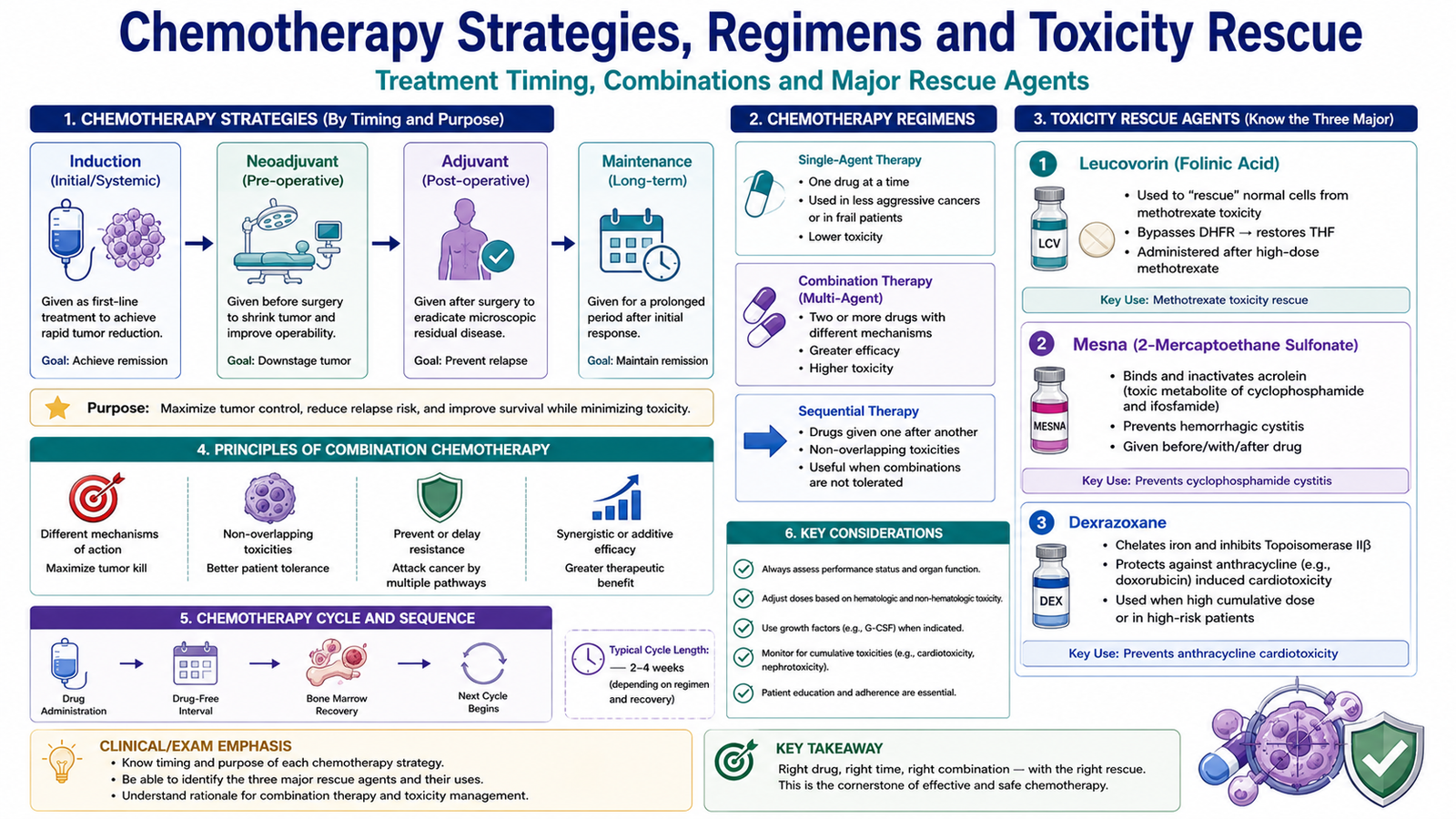
G. Chemotherapy Strategies, Regimens and Toxicity Rescue
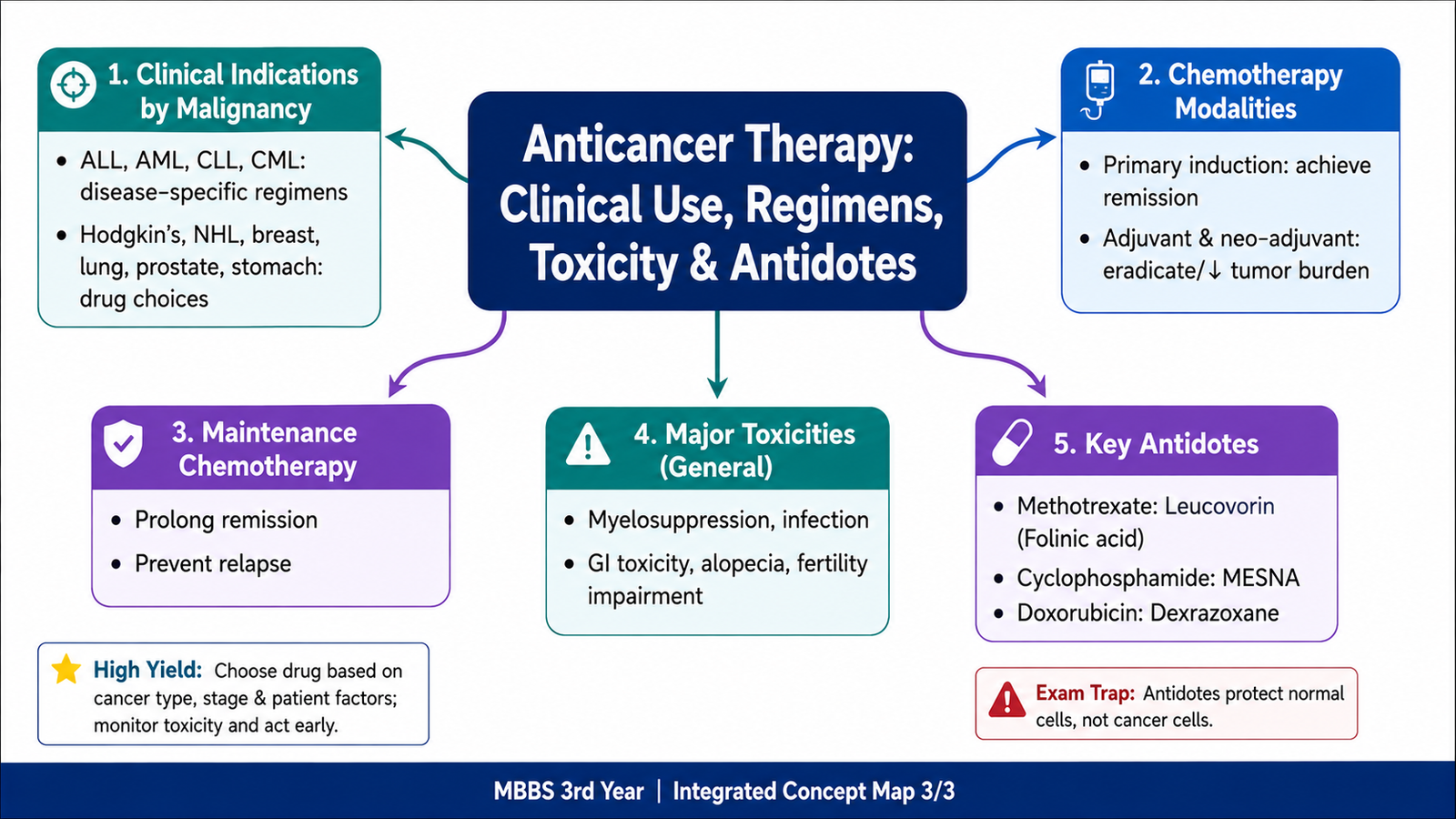
Cancer chemotherapy may be given at different stages of treatment depending on the purpose of therapy. Drugs are also commonly combined because different agents can attack malignant cells through different mechanisms and reduce the chance that one resistant population will dominate.
Treatment modalities
Primary or induction chemotherapy is used as the main initial systemic treatment with the aim of producing a major reduction in tumor burden or achieving remission. It is especially important in diseases such as acute leukemias.
Adjuvant chemotherapy is given after the main local treatment, usually surgery, to destroy microscopic malignant cells that may remain and thereby reduce recurrence.
Neoadjuvant chemotherapy is given before the main local treatment. Its purpose is commonly to reduce tumor size and make subsequent local treatment easier or more effective.
Maintenance chemotherapy is prolonged treatment given after remission has been achieved to suppress residual malignant cells and reduce relapse. Maintenance therapy is particularly important in diseases such as acute lymphoblastic leukemia.
Important undergraduate chemotherapy examples
The exact treatment of an individual malignancy depends on tumor type and clinical circumstances. For undergraduate pharmacology, the important task is to recognize the major drugs or classic combinations associated with the listed cancers rather than memorize detailed specialist protocols.
| Malignancy | Important drugs / classic regimen concept |
|---|---|
| Acute lymphoblastic leukemia — ALL | Vincristine with a corticosteroid and other antileukemic drugs; methotrexate and 6-mercaptopurine are important in continuing/maintenance therapy. |
| Acute myeloid leukemia — AML | Cytarabine combined with an anthracycline such as daunorubicin. |
| Chronic lymphocytic leukemia — CLL | Classically associated in undergraduate pharmacology with agents such as chlorambucil; combination therapy may be used according to clinical setting. |
| Chronic myeloid leukemia — CML | Imatinib is the classic targeted drug associated with BCR-ABL-positive CML; busulfan is an older cytotoxic drug associated with CML. |
| Hodgkin lymphoma | ABVD: doxorubicin, bleomycin, vinblastine and dacarbazine. |
| Non-Hodgkin lymphoma | A classic combination is CHOP: cyclophosphamide, doxorubicin, vincristine and prednisolone; appropriate lymphomas may receive additional targeted therapy. |
| Carcinoma breast | Cyclophosphamide-, anthracycline-, methotrexate- and 5-fluorouracil-containing regimens are important conventional examples; tamoxifen is important for estrogen receptor-positive disease. |
| Carcinoma lung | Platinum-based chemotherapy, commonly involving cisplatin, is an important conventional principle; the accompanying drug depends on the tumor subtype. |
| Carcinoma prostate | Androgen-deprivation approaches include a GnRH agonist such as goserelin and an androgen-receptor antagonist such as flutamide. |
| Carcinoma stomach | Fluoropyrimidine-based chemotherapy such as 5-fluorouracil combined with other agents, including platinum compounds, is an important conventional principle. |
Important toxicity rescue agents
| Anticancer drug | Important toxicity | Rescue / protective agent |
|---|---|---|
| Methotrexate | Folate-pathway inhibition causing normal-cell toxicity | Folinic acid / leucovorin |
| Cyclophosphamide | Acrolein-induced hemorrhagic cystitis | Mesna |
| Doxorubicin | Anthracycline-related cardiac injury | Dexrazoxane |
Integrated Mechanism Flow
↓
DNA, nucleotide synthesis, microtubules or hormonal signaling is disrupted
↓
DNA replication or mitosis becomes defective
↓
Malignant-cell proliferation falls and cell death increases
↓
Tumor burden decreases
↓
Normal rapidly dividing tissues may also be injured, while resistant tumor cells may survive through mechanisms such as increased P-glycoprotein-mediated drug efflux.
⭐ AIM High-Yield Review
- ⭐ Cell cycle-specific drugs act mainly during a particular cell-cycle phase; antimetabolites are mainly S-phase drugs and vinca alkaloids are M-phase drugs.
- P-glycoprotein causes multidrug resistance by pumping anticancer drugs out of tumor cells.
- Alkylating agents and cisplatin cause DNA cross-linking and damage.
- ⭐ Cyclophosphamide → acrolein → hemorrhagic cystitis; protection is provided by mesna.
- ⭐ Cisplatin is strongly associated with nephrotoxicity and ototoxicity.
- Methotrexate inhibits dihydrofolate reductase; its rescue agent is folinic acid/leucovorin.
- Allopurinol inhibits metabolism of 6-mercaptopurine and therefore also increases toxicity of azathioprine.
- 5-Fluorouracil inhibits thymidylate synthase.
- Vincristine and vinblastine inhibit microtubule formation and cause metaphase arrest.
- ⭐ Vincristine → prominent neurotoxicity; vinblastine → prominent bone marrow suppression.
- ⭐ Doxorubicin → cardiomyopathy; dexrazoxane provides protection against important anthracycline cardiac toxicity.
- ⭐ Bleomycin → pulmonary fibrosis with relatively little bone marrow suppression.
- Tamoxifen blocks estrogen-driven growth in ER-positive breast carcinoma.
- Goserelin produces prolonged GnRH stimulation followed by receptor down-regulation and reduced androgen production.
- Know the treatment sequence terms: induction, neoadjuvant, adjuvant and maintenance chemotherapy.
Anticancer Drugs — Classification, Mechanisms and Adverse Effects
Use this video after completing the AIM learning material to reinforce the classification, major mechanisms of action and characteristic adverse effects of anticancer drugs.