
This chapter follows the KMU learning outcomes for antimuscarinic and ganglion-blocking drugs. First understand how receptor blockade produces organ effects, then connect those effects with clinical uses, adverse effects and contraindications. Finish by revising the AIM High-Yield Review.
Topic 2 — Antimuscarinic and Ganglion-Blocking Drugs
Multisystem Module • Pharmacology
Understand how blockade of muscarinic receptors or autonomic ganglia changes parasympathetic and sympathetic functions, and how these effects determine therapeutic uses, toxicity and clinical limitations.
Topic Introduction
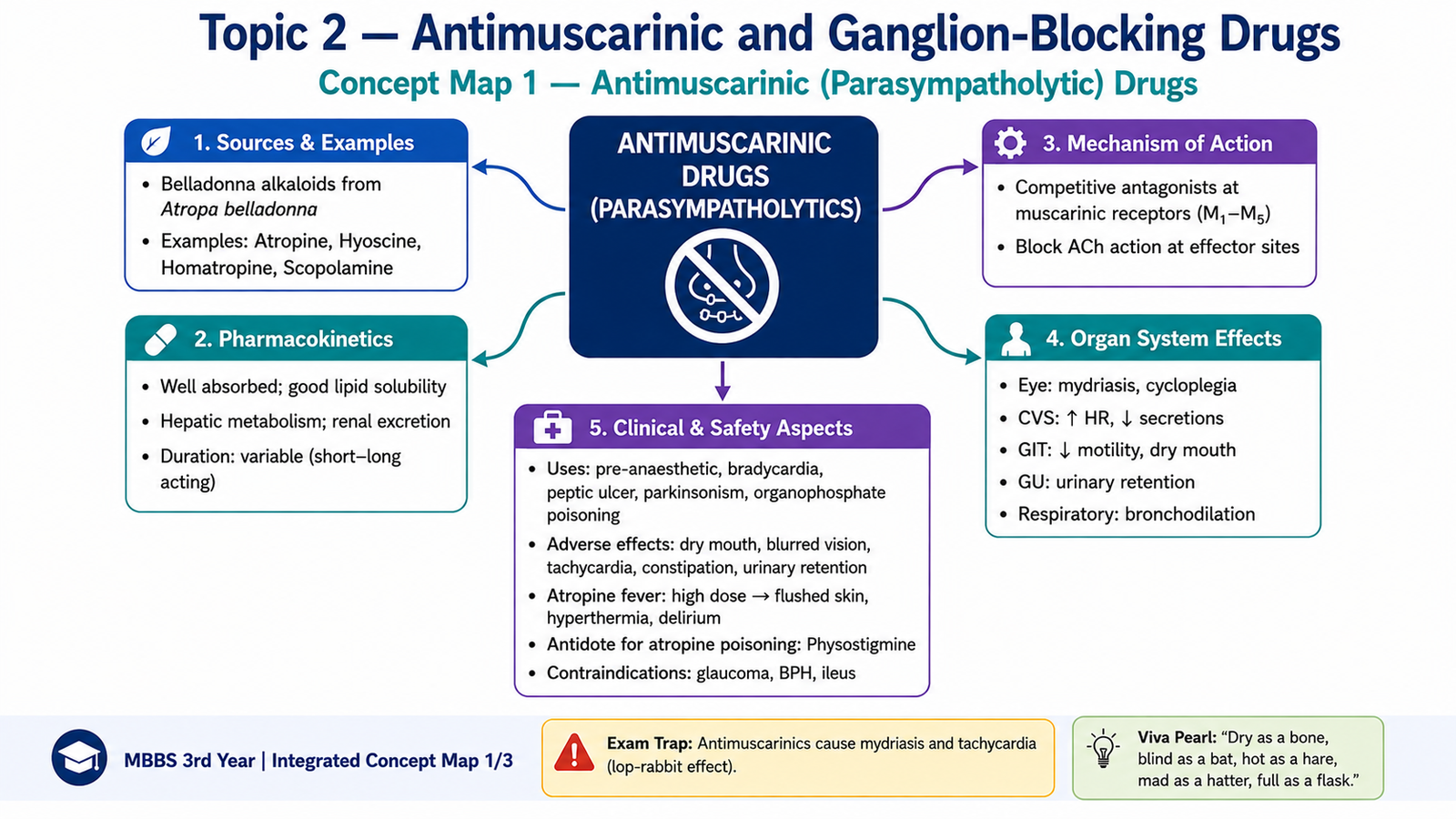
Anticholinergic drugs reduce the effects of acetylcholine by blocking cholinergic receptors. In clinical pharmacology, the most important group is the antimuscarinic drugs, which competitively block muscarinic receptors and therefore reduce parasympathetic activity in many organs. Their effects include reduced secretions, increased heart rate, pupillary dilatation, relaxation of certain smooth muscles and reduced bladder contraction. Ganglion-blocking drugs act differently: they block nicotinic neuronal receptors in autonomic ganglia and therefore interfere with both sympathetic and parasympathetic transmission. Understanding these drugs becomes easier when their receptor actions are linked directly to normal autonomic tone. This chapter covers their classification, pharmacokinetics, mechanisms, organ effects, uses, adverse effects, toxicity and major contraindications. :contentReference[oaicite:0]{index=0}
A. Classification, Belladonna Alkaloids and Pharmacokinetic Principles
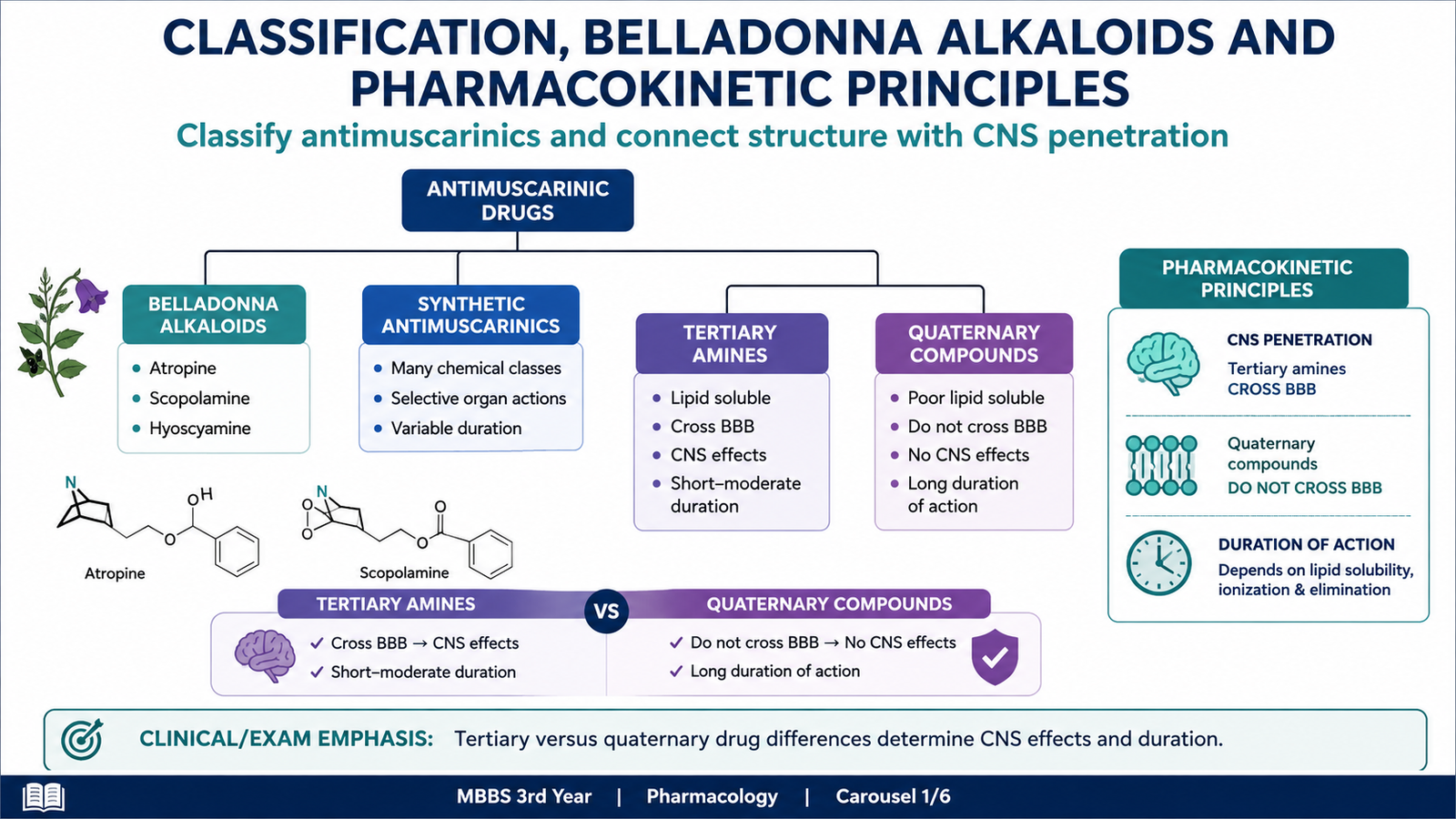
Anticholinergic drugs are cholinoceptor-blocking agents. They can be classified according to whether they block muscarinic receptors at parasympathetic effector organs or nicotinic receptors at autonomic ganglia. The antimuscarinic group is much more important in routine clinical practice. Within this group, some drugs are naturally occurring plant alkaloids, while others are semisynthetic or synthetic compounds developed to produce more selective or localized effects.
Classification of cholinoceptor-blocking drugs
| Main group | Subgroup | Important examples | Principal site of blockade |
|---|---|---|---|
| Antimuscarinic drugs | Natural alkaloids | Atropine, scopolamine | Muscarinic receptors |
| Antimuscarinic drugs | Semisynthetic/synthetic | Homatropine, tropicamide, ipratropium, tiotropium, glycopyrrolate, oxybutynin, tolterodine, benztropine | Muscarinic receptors |
| Ganglion-blocking drugs | Nicotinic neuronal receptor blockers | Hexamethonium, trimethaphan, mecamylamine | NN receptors in autonomic ganglia |
Belladonna alkaloids and their natural sources
Atropine and scopolamine are naturally occurring belladonna alkaloids. Atropine is a racemic form of hyoscyamine and is obtained from plants belonging to the Solanaceae family, particularly Atropa belladonna and Datura species. Scopolamine, also called hyoscine, occurs in plants such as Hyoscyamus niger and Scopolia. Historically, extracts of these plants produced pupillary dilatation, dryness and central nervous system effects because of muscarinic receptor blockade.
Pharmacokinetic relevance of antimuscarinic drugs
The pharmacokinetic behavior of an antimuscarinic depends largely on whether it is a tertiary amine or a quaternary ammonium compound. Tertiary amines are relatively lipid soluble and can be absorbed across biological membranes, including the blood-brain barrier. Quaternary compounds are more polar, cross membranes less readily and have little central nervous system penetration.
- Atropine: well absorbed, widely distributed and capable of entering the central nervous system. It is metabolized partly in the liver and eliminated mainly in urine.
- Scopolamine: lipid soluble and readily enters the CNS, explaining its prominent central effects.
- Ipratropium and tiotropium: quaternary ammonium compounds with poor systemic absorption when inhaled, helping concentrate their effect in the respiratory tract.
- Glycopyrrolate: a quaternary compound with limited CNS penetration.
- Tropicamide: has a relatively short ocular duration and is therefore useful when brief mydriasis is required.
- Atropine: ocular effects may last considerably longer because the drug remains associated with ocular tissues for longer periods.
B. Mechanism of Action of Antimuscarinic Drugs
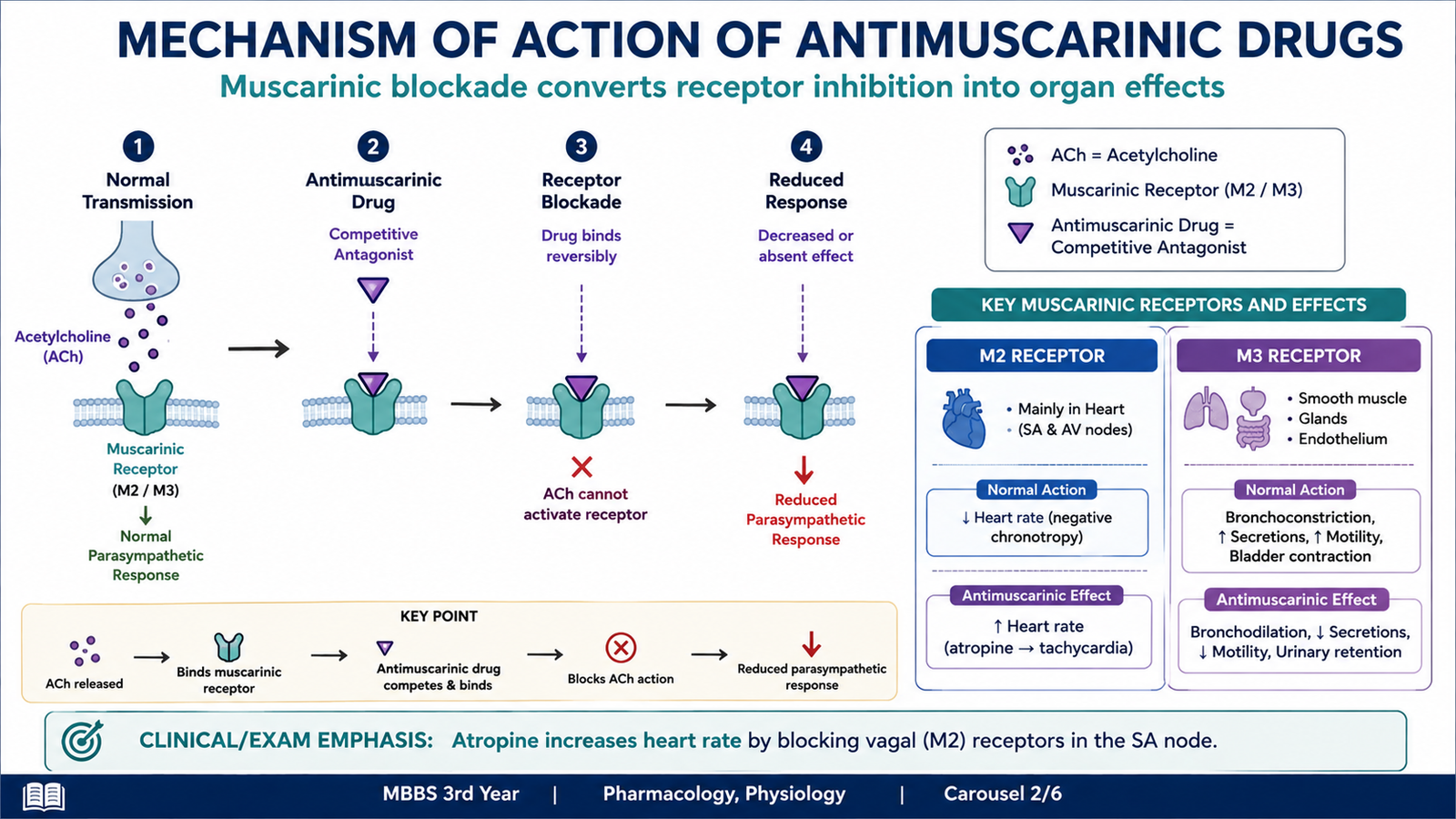
Acetylcholine normally activates muscarinic receptors at many parasympathetic effector organs. Antimuscarinic drugs occupy these receptors and prevent acetylcholine from activating them. Most clinically important antimuscarinics act as reversible competitive antagonists. Their effects therefore represent removal or reduction of normal muscarinic activity rather than direct stimulation of the opposing sympathetic system.
↓
Competitive blockade of muscarinic receptor
↓
Acetylcholine cannot produce its usual muscarinic effect
↓
Reduced parasympathetic response in the affected organ
Different organs express different muscarinic receptor subtypes. The receptor subtype helps explain the observed effect:
- M2 receptors: important in the heart. Blocking them reduces vagal slowing of the sinoatrial and atrioventricular nodes, so heart rate and AV conduction may increase.
- M3 receptors: important in glands, smooth muscle and the eye. Blocking them reduces secretions, relaxes several smooth muscles, dilates the pupil and prevents accommodation for near vision.
- Central muscarinic receptors: blockade by lipid-soluble drugs may produce sedation, confusion, excitation or other CNS effects depending on the drug and degree of exposure.
The magnitude of antimuscarinic action also depends on the amount of parasympathetic tone already present. A tissue under strong vagal or cholinergic influence generally shows a more obvious response when muscarinic receptors are blocked.
C. Organ-System Effects of Antimuscarinic Drugs
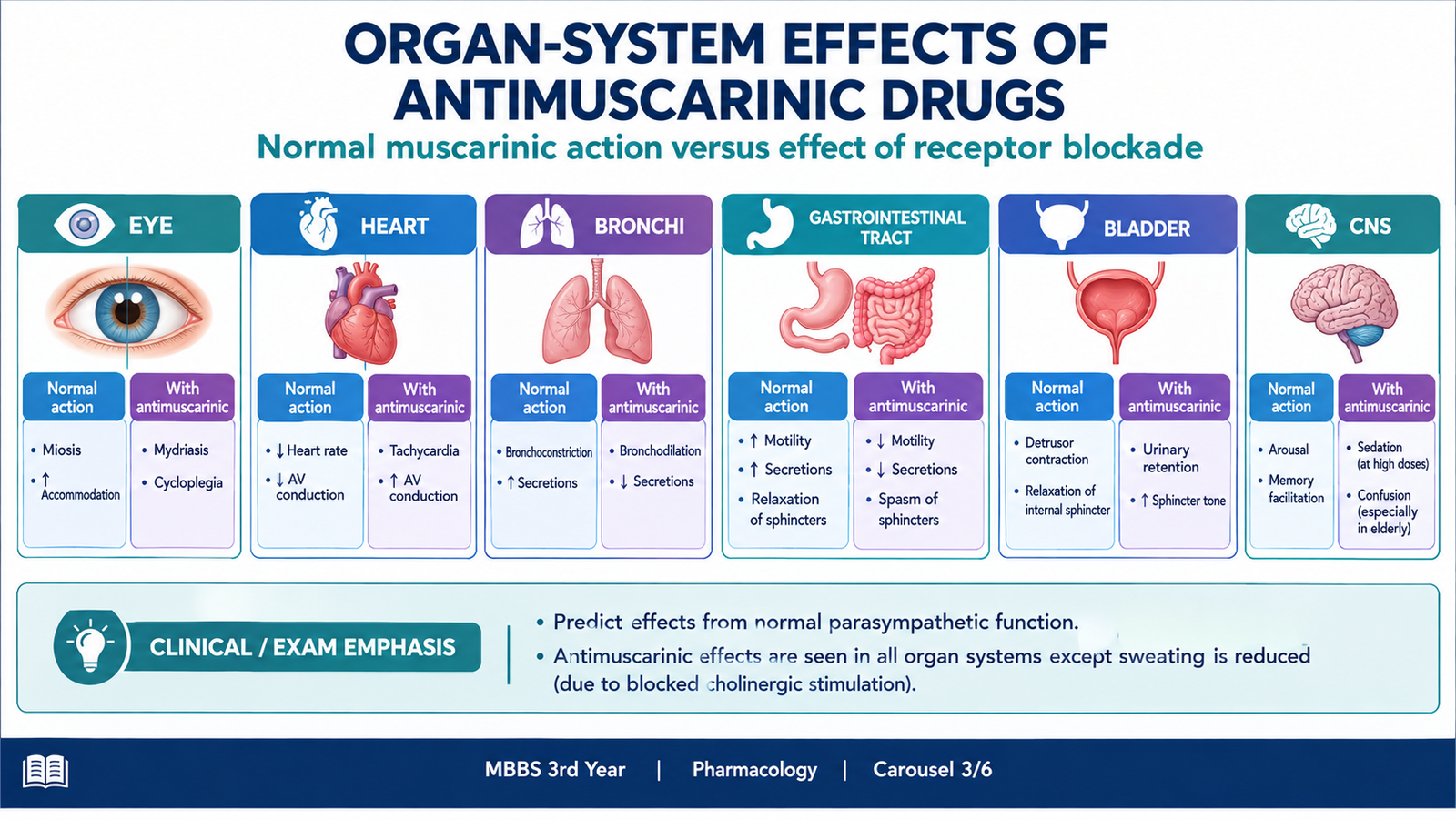
The organ effects of antimuscarinic drugs become predictable once normal parasympathetic functions are remembered. Where acetylcholine normally produces secretion, smooth-muscle contraction, pupillary constriction or slowing of the heart, muscarinic blockade tends to produce the opposite functional result.
Eye
Parasympathetic M3 receptor activation normally contracts the sphincter pupillae and ciliary muscle. Antimuscarinic blockade therefore relaxes these muscles.
- Mydriasis: dilatation of the pupil due to loss of sphincter pupillae contraction.
- Cycloplegia: paralysis of accommodation because the ciliary muscle cannot contract normally for near vision.
- Intraocular pressure may increase in susceptible individuals because pupillary dilatation can impair aqueous humor drainage through the iridocorneal angle.
Heart
Vagal stimulation normally slows the sinoatrial node and AV conduction through M2 receptors. Atropine removes this vagal influence and typically produces tachycardia and improved AV nodal conduction. The effect is most obvious when resting vagal tone is significant.
Respiratory tract
Muscarinic stimulation promotes bronchial smooth-muscle contraction and airway secretions. Blocking M3 receptors therefore causes bronchodilation and reduces respiratory secretions. This is particularly useful with inhaled quaternary compounds such as ipratropium and tiotropium.
Gastrointestinal tract
Parasympathetic activity facilitates gastrointestinal motility and secretory activity. Muscarinic blockade reduces smooth-muscle tone and motility, so intestinal movement becomes slower. This explains both the antispasmodic potential and the tendency to produce constipation.
Urinary bladder
Parasympathetic M3 receptor activation contracts the detrusor muscle and assists bladder emptying. Antimuscarinic drugs reduce detrusor contraction and increase bladder capacity. This can be useful in an overactive bladder but may cause urinary retention, particularly when urinary outflow is already obstructed.
Exocrine glands and temperature regulation
Antimuscarinics reduce salivary, lacrimal, bronchial and sweat secretion. Reduced salivation produces dry mouth. Sweat glands are supplied by sympathetic cholinergic fibers that act through muscarinic receptors, so atropine also blocks sweating. The loss of sweating is especially important in children and in hot environments because heat dissipation becomes impaired.
Central nervous system
Tertiary antimuscarinics can enter the CNS. Scopolamine commonly produces drowsiness and amnesia, whereas excessive central muscarinic blockade can produce restlessness, disorientation, hallucinations and delirium.
| Organ | Normal muscarinic influence | Effect of blockade |
|---|---|---|
| Eye | Miosis and accommodation | Mydriasis and cycloplegia |
| Heart | Vagal slowing | Tachycardia |
| Bronchi | Bronchoconstriction and secretion | Bronchodilation and less secretion |
| Gut | Motility | Reduced motility |
| Bladder | Detrusor contraction | Detrusor relaxation and retention tendency |
| Sweat glands | Sweating | Reduced sweating |
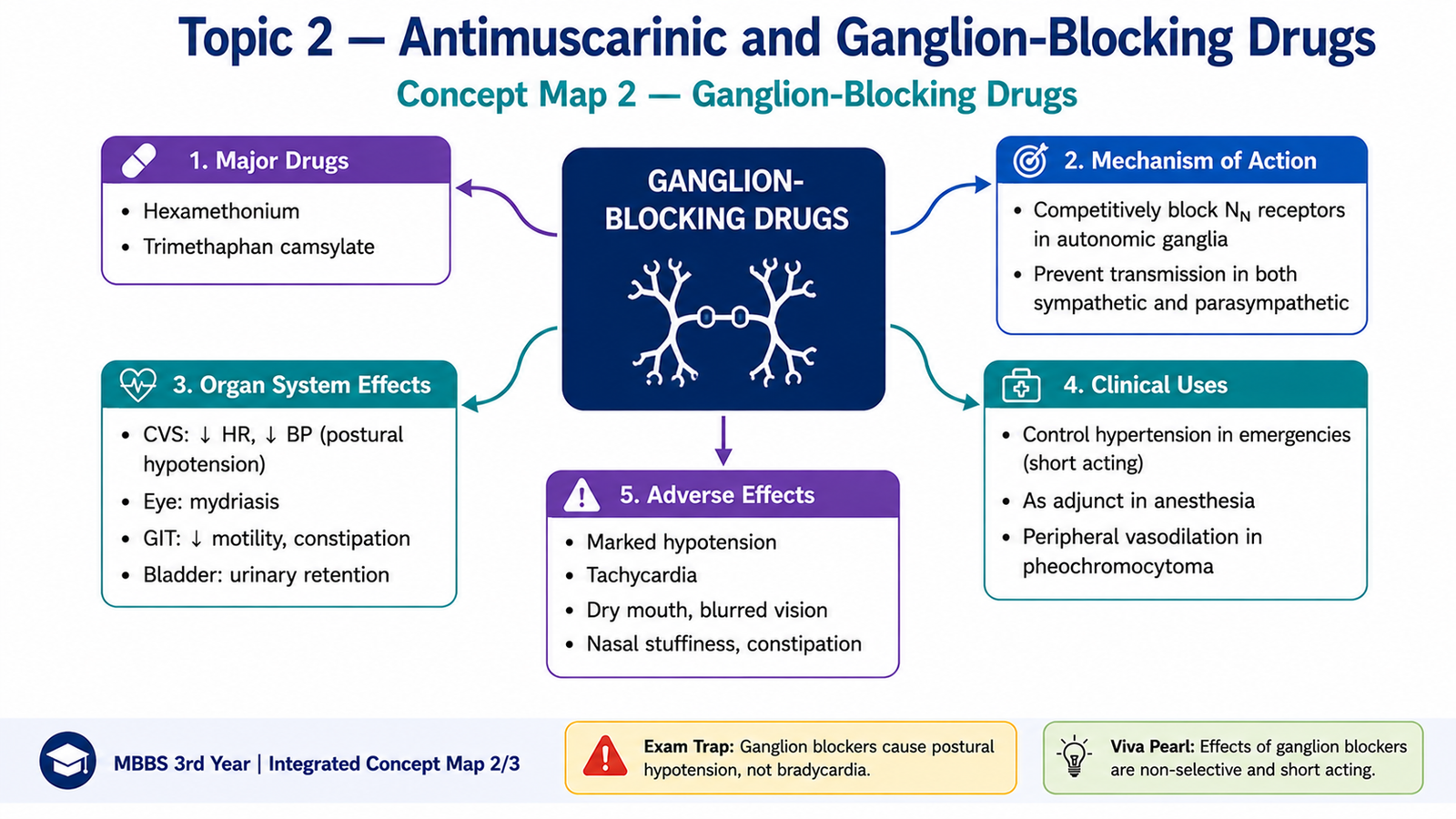
D. Clinical Uses and Drug-Selection Logic of Antimuscarinic Drugs
Antimuscarinic drugs are chosen clinically according to the organ in which parasympathetic activity needs to be reduced. Different drugs are preferred because of differences in duration, route of administration, tissue penetration and selectivity of effect. The therapeutic benefit therefore follows directly from the receptor blockade already described.
Cardiovascular use
Atropine can increase heart rate by blocking M2-mediated vagal influence on the sinoatrial and atrioventricular nodes. It is therefore useful when excessive vagal activity contributes to clinically important bradycardia.
Antidotal use
Atropine antagonizes excessive muscarinic stimulation produced by acetylcholinesterase inhibitors such as organophosphates. It improves muscarinic manifestations such as bronchial secretions, bronchoconstriction and bradycardia. It does not directly reverse nicotinic neuromuscular paralysis.
Respiratory use
Ipratropium and tiotropium reduce vagally mediated bronchoconstriction by blocking airway muscarinic receptors. Their quaternary structure limits systemic and central effects, making inhaled delivery useful for producing predominantly local airway action.
Ophthalmic use
Antimuscarinic eye drops can produce mydriasis and cycloplegia. A relatively short-acting drug such as tropicamide is preferred when brief pupillary dilatation is required because prolonged visual disturbance is undesirable.
Urinary tract use
Drugs such as oxybutynin and tolterodine reduce muscarinic stimulation of the detrusor muscle. This can reduce urgency and frequency in disorders involving excessive bladder activity.
Motion sickness
Scopolamine is useful in prevention of motion sickness because it enters the CNS and inhibits cholinergic transmission involved in vestibular pathways that contribute to nausea and vomiting.
Reduction of secretions
Antimuscarinic drugs can reduce salivary and respiratory secretions. A peripherally acting agent such as glycopyrrolate is useful when reduction of secretions is desired with minimal CNS penetration.
Parkinsonian symptoms
Centrally acting antimuscarinic drugs such as benztropine can reduce some cholinergic manifestations of parkinsonism, particularly tremor. Their usefulness comes from modifying the balance between cholinergic and dopaminergic activity in the basal ganglia.
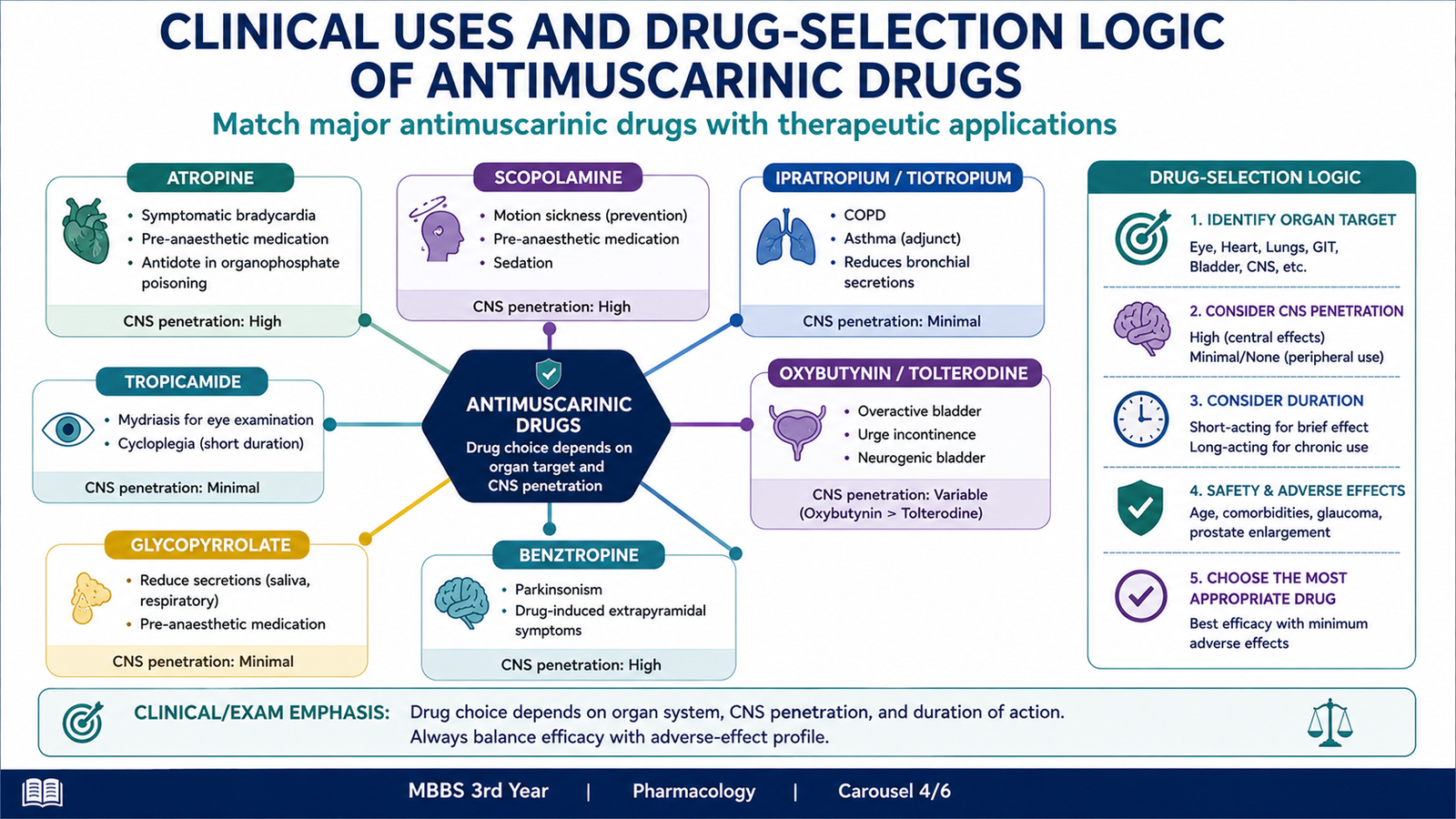
E. Adverse Effects, Atropine Fever, Poisoning and Contraindications
Most adverse effects of antimuscarinic drugs are predictable extensions of muscarinic receptor blockade. The same actions that are useful therapeutically can become troublesome when excessive or when they occur in a vulnerable patient. For example, reduced glandular secretion produces dry mouth, while excessive relaxation of the bladder may produce urinary retention.
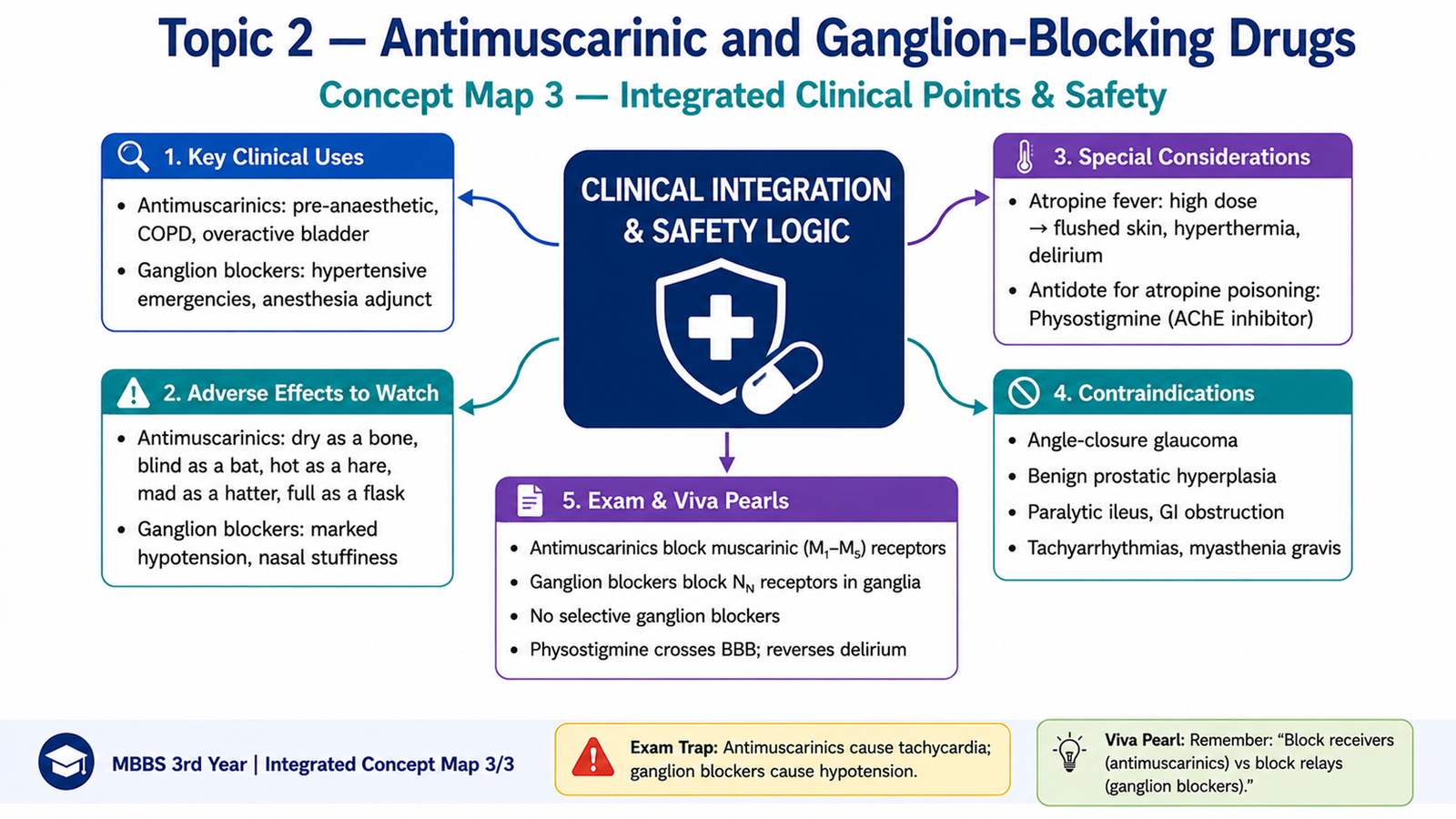
Common and characteristic adverse effects
- Dry mouth due to reduced salivary secretion.
- Blurred near vision and photophobia due to cycloplegia and mydriasis.
- Tachycardia due to blockade of cardiac vagal M2 receptors.
- Constipation due to reduced gastrointestinal motility.
- Urinary retention due to reduced detrusor contraction.
- Hot, dry skin because sweating is reduced.
- Confusion, agitation and hallucinations may develop with substantial CNS penetration and excessive exposure.
Atropine fever
Atropine fever is hyperthermia caused primarily by inhibition of sweating. Sweat glands are anatomically sympathetic but use acetylcholine acting on muscarinic receptors. Atropine blocks these receptors, reducing sweat production and therefore reducing evaporative heat loss.
Muscarinic blockade of sweat glands → reduced sweating → impaired evaporative heat loss → rising body temperature → hyperthermia, particularly in children or hot environments.
Atropine poisoning
Severe atropine toxicity represents widespread peripheral and central muscarinic blockade. The patient may develop marked dryness, dilated pupils, tachycardia, urinary retention, hyperthermia and neurological manifestations such as agitation, confusion, hallucinations or delirium.
Physostigmine is the classical antidote for severe atropine poisoning when reversal of significant central as well as peripheral antimuscarinic toxicity is required. Physostigmine inhibits acetylcholinesterase and, because it is a tertiary amine, can enter the CNS. This increases acetylcholine concentrations and allows acetylcholine to compete more effectively with the muscarinic antagonist.
Major contraindications and cautions
Antimuscarinic drugs should be avoided or used cautiously when their predictable physiological effects may aggravate an existing condition.
- Angle-closure glaucoma: mydriasis can obstruct aqueous humor drainage and may increase intraocular pressure.
- Prostatic enlargement or urinary outflow obstruction: reduced detrusor contraction can worsen urinary retention.
- Gastrointestinal obstruction or severe impairment of gut motility: further reduction of intestinal motility may aggravate the problem.
- Tachyarrhythmias: blockade of cardiac vagal influence may further increase heart rate.
- High environmental temperature, especially in children: suppression of sweating increases the risk of hyperthermia.
- Older patients susceptible to confusion: centrally acting antimuscarinics may worsen cognitive disturbance.
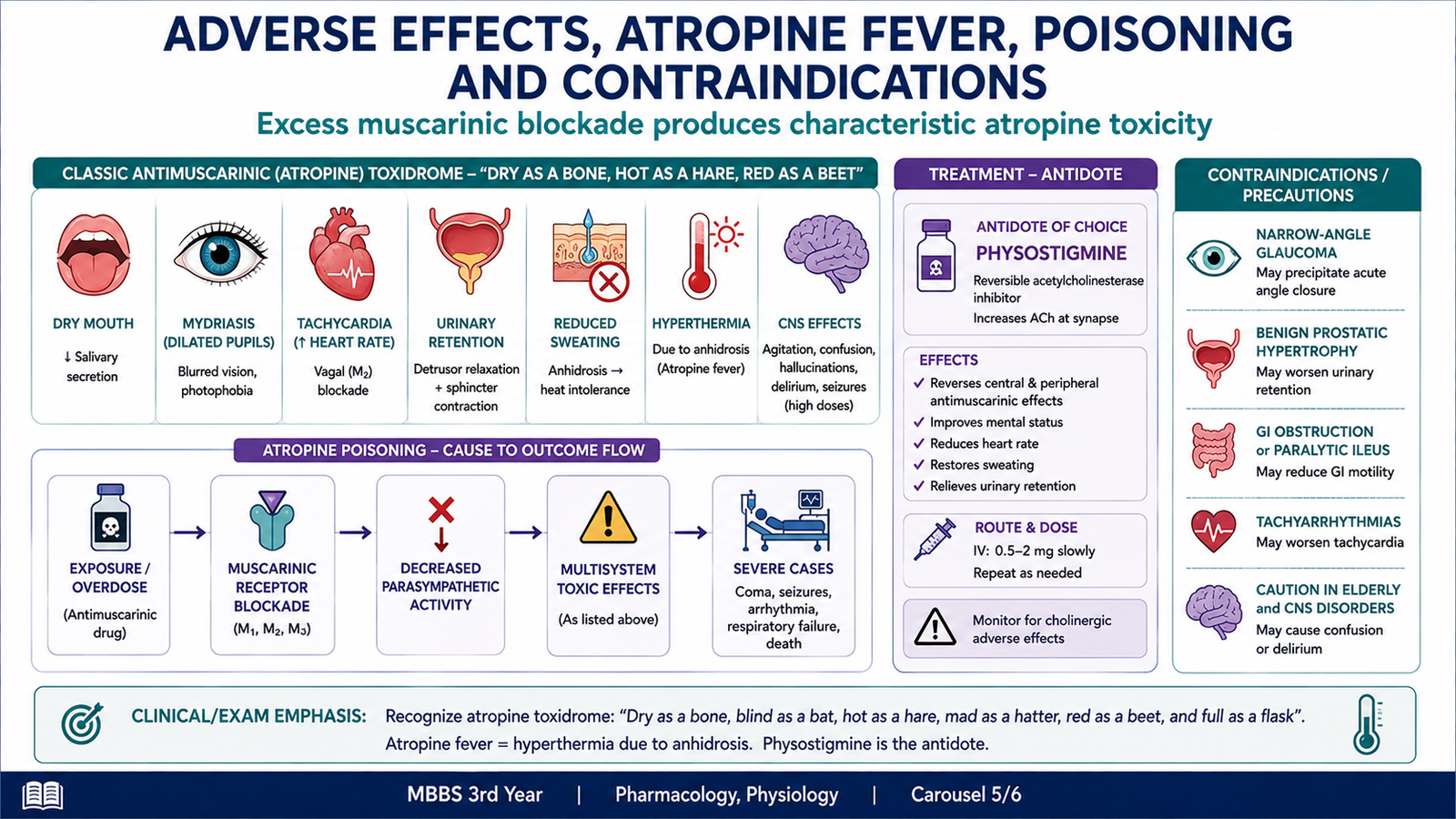
F. Ganglion-Blocking Drugs
Ganglion-blocking drugs inhibit transmission through autonomic ganglia. Unlike antimuscarinic drugs, which block parasympathetic responses at effector organs, ganglion blockers interfere with both sympathetic and parasympathetic autonomic pathways. Their final effect on an organ therefore depends on which division of the autonomic nervous system normally provides the dominant resting tone to that organ.
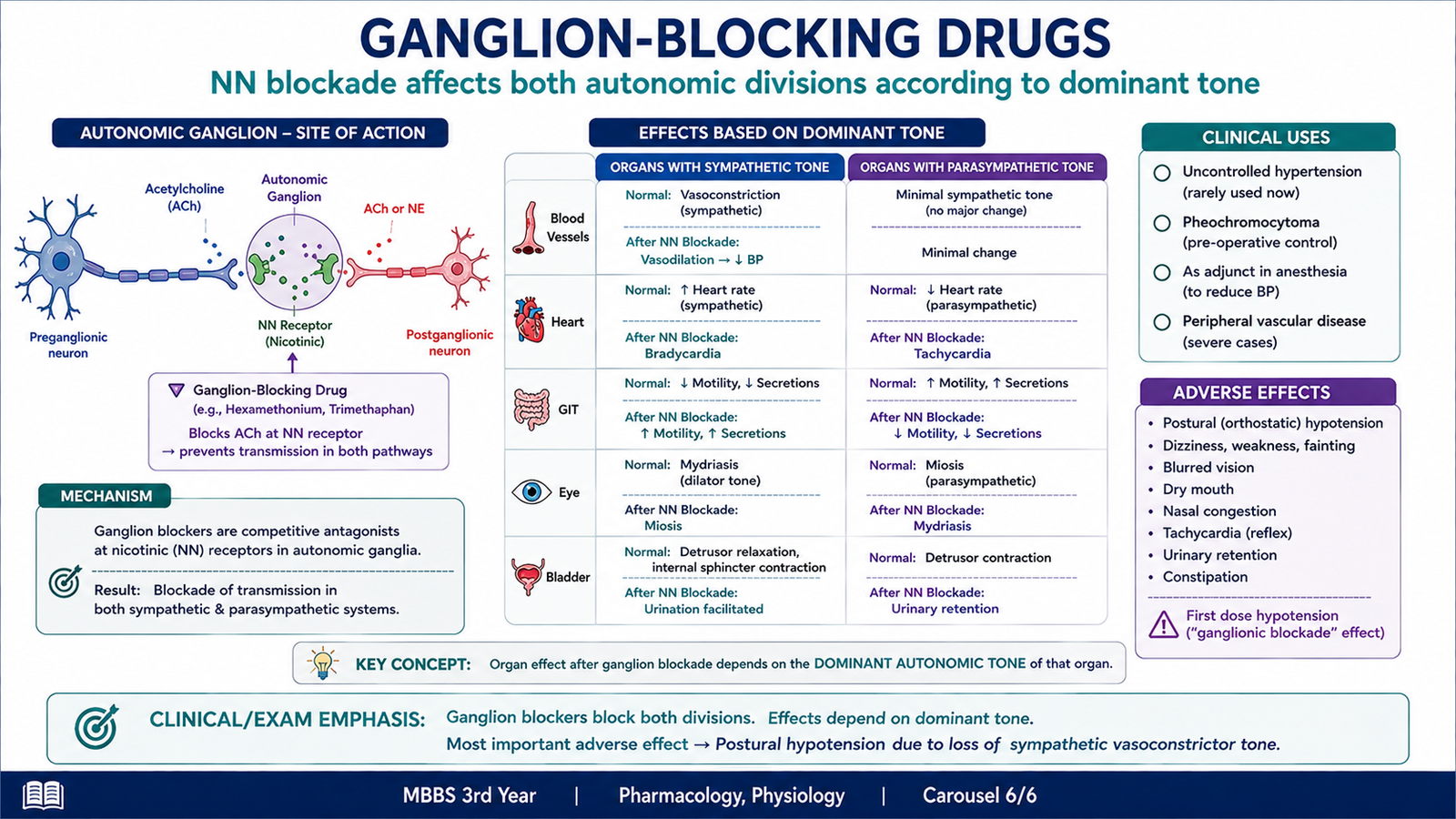
Major drugs
- Hexamethonium
- Trimethaphan
- Mecamylamine
Most ganglion blockers have little routine therapeutic importance today because their actions are poorly selective and produce extensive autonomic adverse effects.
Mechanism of action
Preganglionic fibers of both sympathetic and parasympathetic systems release acetylcholine. Acetylcholine activates neuronal nicotinic NN receptors on postganglionic neurons. Ganglion-blocking drugs inhibit this nicotinic transmission, so impulses fail to pass efficiently from preganglionic to postganglionic neurons.
↓ releases acetylcholine
NN receptor in autonomic ganglion
✕ blocked by ganglion blocker
↓
Reduced postganglionic sympathetic and parasympathetic activity
Organ-system effects: the dominant-tone principle
The effect cannot be predicted simply as “sympathetic blockade” or “parasympathetic blockade.” Instead, ask which autonomic division normally dominates the resting function of that organ.
- Blood vessels: sympathetic vasoconstrictor tone normally predominates. Ganglion blockade therefore causes vasodilation, decreased peripheral resistance and hypotension. Loss of reflex sympathetic responses makes postural hypotension especially prominent.
- Heart: parasympathetic vagal tone normally contributes strongly to resting heart rate. Blocking this influence tends to produce tachycardia.
- Eye: loss of parasympathetic tone can produce pupillary dilatation and impaired accommodation.
- Gastrointestinal tract: parasympathetic tone promotes motility, so blockade reduces motility and may cause constipation.
- Urinary bladder: reduction of parasympathetic activity decreases detrusor contraction and may cause urinary retention.
- Sexual function: interference with both autonomic divisions may impair normal sexual responses.
- Secretions: glandular secretions may decrease because parasympathetic cholinergic drive is interrupted.
Clinical uses
Because ganglion blockers produce widespread autonomic effects, their therapeutic role is now very limited. Historically they were used to lower blood pressure. Trimethaphan, a short-acting ganglion blocker, has been used in situations in which rapid, controlled reduction of sympathetic vascular tone is required. The major KMU learning point is that clinical use is restricted by lack of organ selectivity.
Adverse effects
Adverse effects are widespread because autonomic ganglia supplying many different organs are blocked simultaneously.
- Marked postural hypotension
- Tachycardia
- Dry mouth
- Constipation
- Urinary retention
- Blurred vision and cycloplegia
- Sexual dysfunction
Integrated Mechanism Flow
Important Comparison — Antimuscarinic versus Ganglion-Blocking Drugs
| Feature | Antimuscarinic drugs | Ganglion blockers |
|---|---|---|
| Receptor blocked | Muscarinic receptors | Nicotinic NN receptors |
| Site | Mainly parasympathetic effector organs and other muscarinic sites | Autonomic ganglia |
| Autonomic division affected | Mainly muscarinic cholinergic responses | Both sympathetic and parasympathetic transmission |
| Prediction of organ effect | Loss of muscarinic action | Loss of dominant autonomic tone |
| Clinical usefulness | Many important clinical uses | Very limited because of poor selectivity |
⭐ AIM High-Yield Review
- Antimuscarinic drugs are mainly competitive antagonists at muscarinic receptors.
- Atropine and scopolamine are naturally occurring belladonna alkaloids.
- Tertiary antimuscarinics can enter the CNS more readily than quaternary ammonium compounds.
- ⭐ Cardiac M2 blockade removes vagal slowing and commonly causes tachycardia.
- ⭐ M3 blockade in the eye causes mydriasis and cycloplegia.
- Reduced bronchial M3 activity causes bronchodilation and reduced airway secretion.
- Bladder muscarinic blockade reduces detrusor contraction and may cause urinary retention.
- ⭐ Sweat glands are sympathetically innervated but use acetylcholine at muscarinic receptors; atropine therefore reduces sweating.
- ⭐ Atropine fever results from impaired sweating and reduced heat dissipation.
- Severe antimuscarinic toxicity may produce dry skin and mouth, mydriasis, tachycardia, urinary retention, hyperthermia and delirium.
- ⭐ Physostigmine is the classical antidote for severe atropine poisoning because it can increase acetylcholine in both peripheral tissues and the CNS.
- Important contraindications include angle-closure glaucoma, urinary outflow obstruction and conditions in which tachycardia or reduced gut motility would be harmful.
- Ganglion blockers act mainly at neuronal nicotinic NN receptors in autonomic ganglia.
- ⭐ Ganglion blockers inhibit both sympathetic and parasympathetic transmission; the final organ effect depends on the dominant autonomic tone.
- Loss of sympathetic vascular tone explains the marked postural hypotension produced by ganglion blockers.
🎥 Video Learning — Antimuscarinic and Ganglion-Blocking Drugs
Watch this concise pharmacology lecture to reinforce the mechanism, major drugs, organ effects, adverse effects and ganglion-blocking drugs discussed in this topic.