
Drug Distribution, Biotransformation and Pharmacogenetic Variation
Understand how drugs distribute through body compartments, how volume of distribution guides loading doses, how physiological barriers influence drug entry, and how metabolism, genetics, enzyme induction and inhibition alter drug response.
Topic Introduction
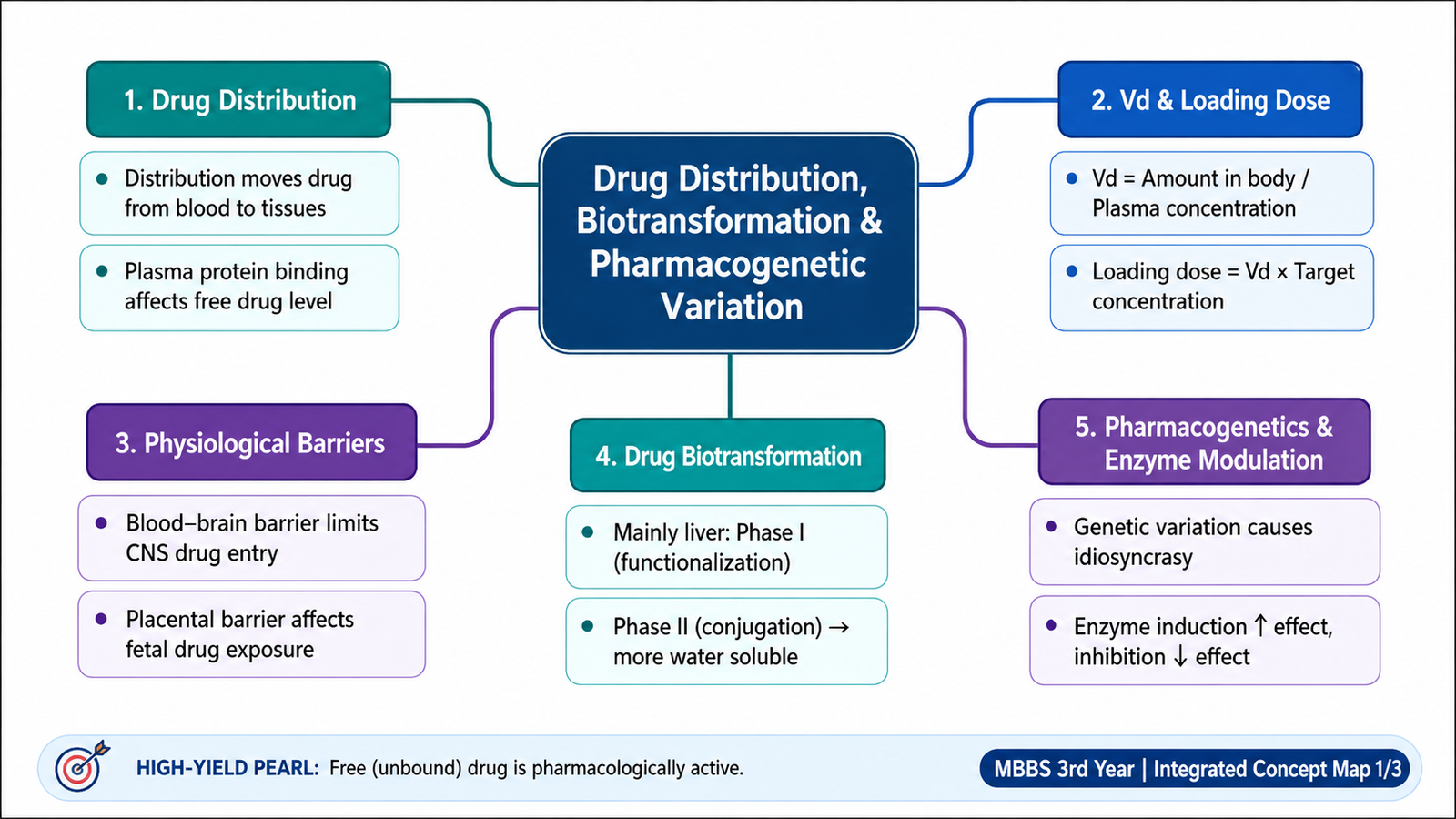
After a drug enters the bloodstream, it does not remain confined to plasma. It moves between blood and body tissues, a process called distribution. The extent of this movement depends on factors such as blood flow, membrane permeability, plasma protein binding and the chemical properties of the drug. Drugs are also chemically modified by the body through biotransformation, mainly to make them easier to eliminate. These processes are not identical in every patient. Genetic differences and changes in drug-metabolizing enzymes can increase or decrease drug concentrations and therefore alter therapeutic effects or toxicity. This chapter connects these concepts so that distribution, volume of distribution, loading dose, physiological barriers, metabolism and pharmacogenetic variation can be understood as parts of one pharmacokinetic pathway.
A. Drug Distribution, Redistribution and Plasma Protein Binding
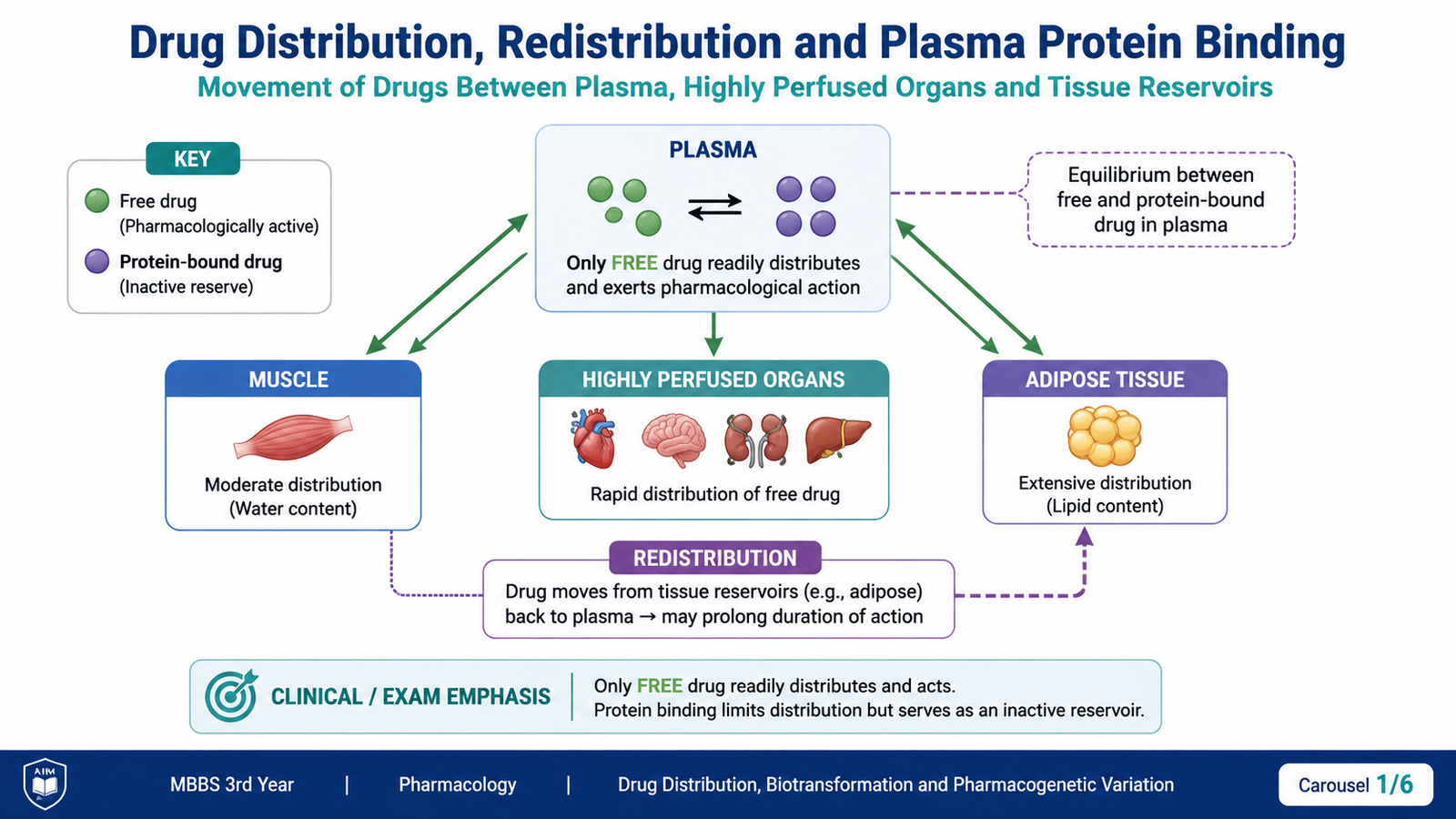
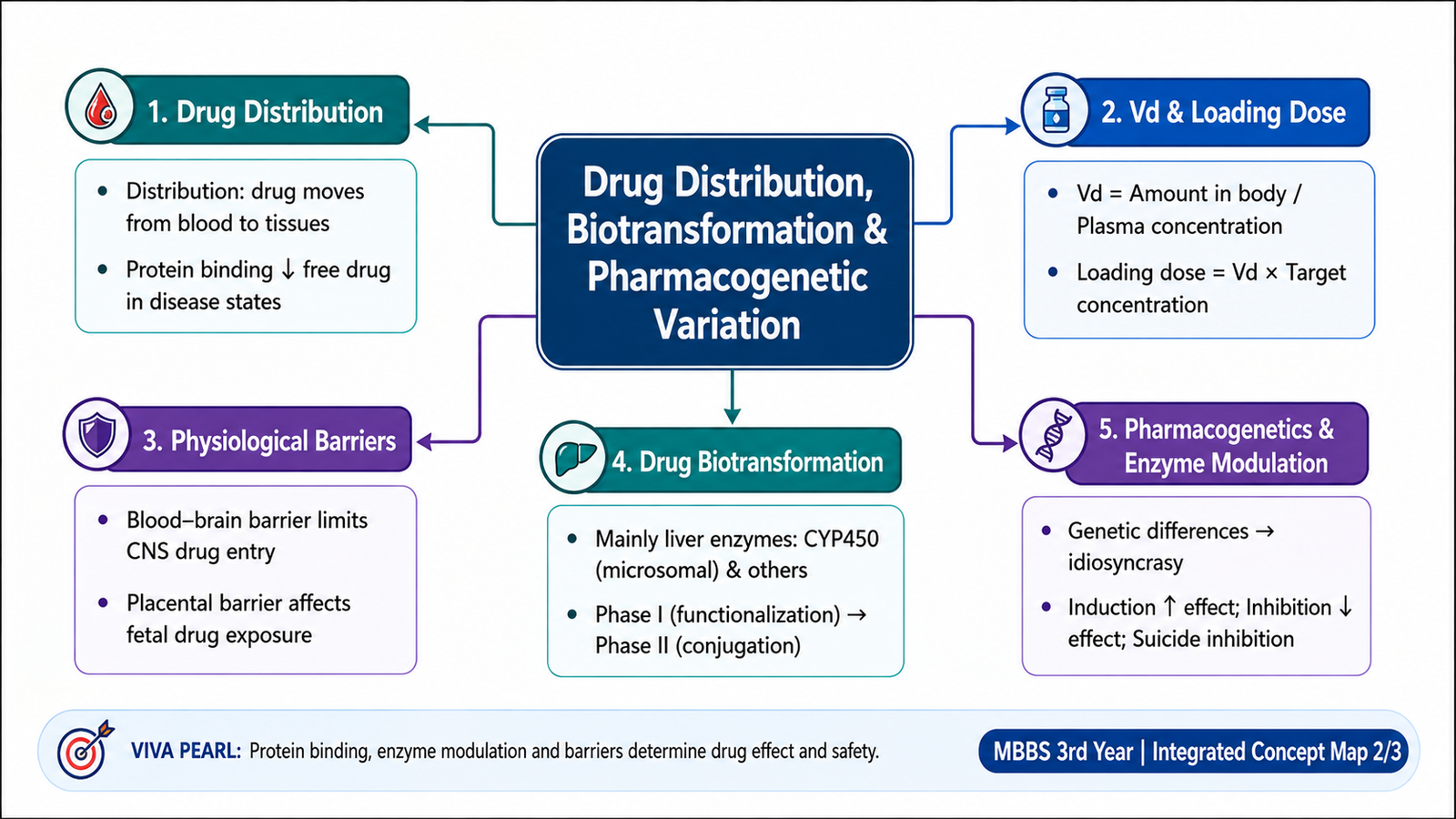
Drug distribution is the reversible transfer of a drug from the systemic circulation into body fluids and tissues. Once a drug reaches the blood, it begins to move toward tissues according to the concentration of free drug, tissue blood flow, membrane permeability and the physicochemical properties of the drug.
Distribution
The circulating drug exists in two forms: free drug and protein-bound drug. Only the free fraction can readily leave the vascular compartment, cross membranes, bind to receptors, undergo metabolism and be filtered at the kidney. Protein-bound drug acts as a temporary reservoir because it can dissociate when the free drug concentration falls. Distribution is not uniform throughout the body. Organs with high blood flow, such as the brain, heart, liver and kidneys, usually receive a drug more rapidly than tissues with lower perfusion such as skeletal muscle, skin and adipose tissue.
Redistribution
Redistribution is the movement of a drug from a highly perfused tissue, where it initially produces an effect, to other tissues such as muscle and fat. This movement may terminate the effect of a drug even before the drug has been metabolized or excreted.
Plasma Protein Binding
Many drugs bind reversibly to plasma proteins. Albumin is especially important for the binding of many acidic drugs, while other plasma proteins can bind basic drugs. The proportion of drug that is protein-bound influences both its distribution and its availability for pharmacological action. When protein binding is high, a larger fraction of the drug remains within the vascular compartment. Because the bound fraction cannot freely cross biological membranes, extensive binding tends to limit immediate tissue distribution. As free drug leaves plasma, some bound drug dissociates and restores the free fraction.
Clinical Significance in Disease
Diseases that reduce plasma protein concentration can increase the proportion of free drug. For a highly protein-bound drug, this may increase its pharmacological effect and can increase the risk of toxicity. A change in protein binding is therefore most important when the affected drug has extensive protein binding and a relatively narrow margin between therapeutic and toxic concentrations.
B. Factors Affecting Drug Distribution
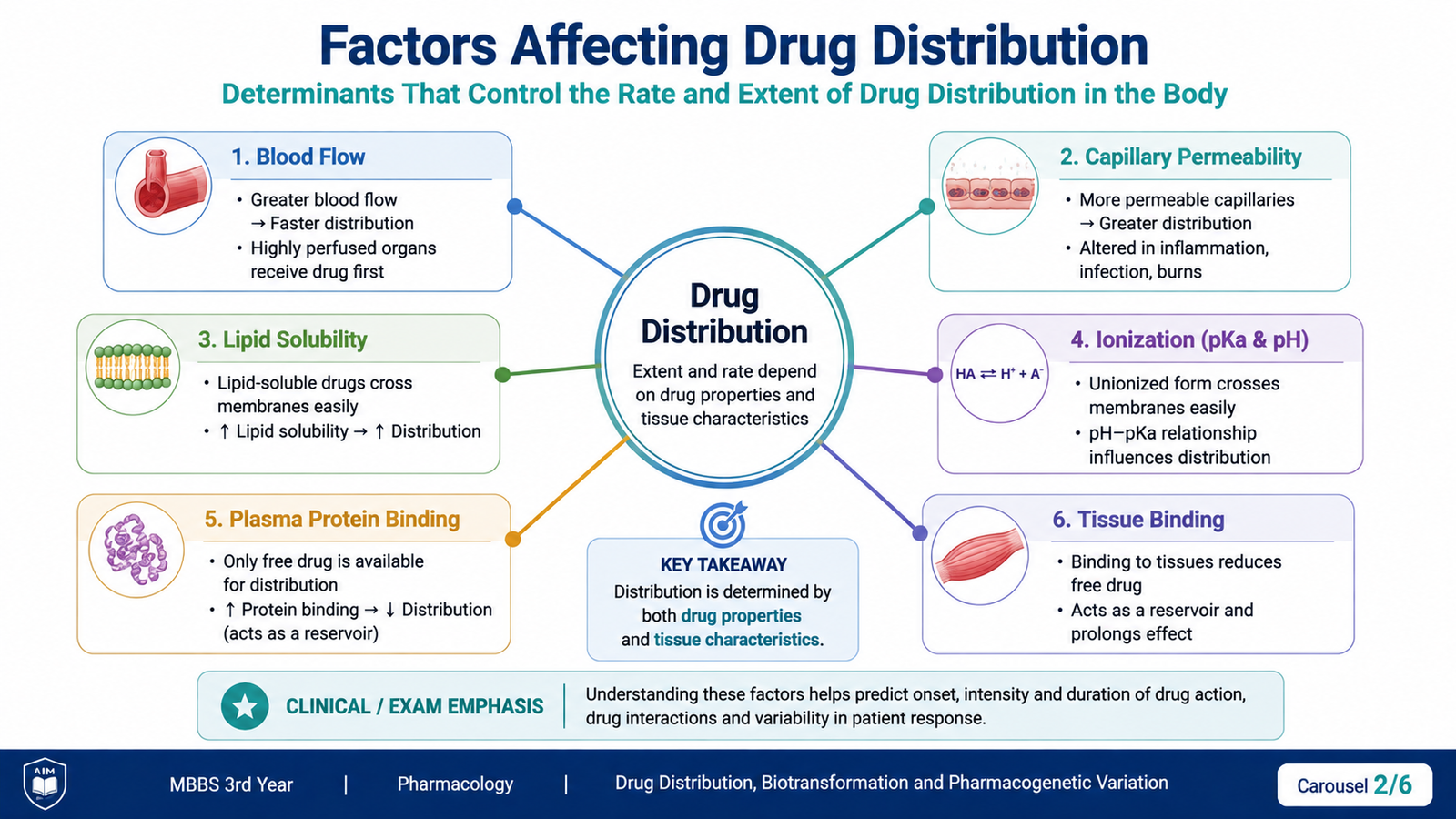
The amount of drug reaching a tissue depends on both the properties of the drug and the characteristics of the tissue. Understanding these factors explains why some drugs remain mainly in plasma while others enter tissues extensively.
1. Blood Flow to the Tissue
Highly perfused organs receive drugs rapidly. The brain, heart, liver and kidneys are therefore exposed early after a drug enters the circulation. Muscle, skin and fat receive many drugs more slowly because their blood flow is lower.
2. Capillary Permeability
The structure of capillaries differs between organs. Drugs leave highly permeable capillary beds more easily than tightly regulated capillary beds. The blood-brain barrier is an important example of a highly restrictive barrier.
3. Lipid Solubility
Lipid-soluble drugs cross cell membranes more readily because biological membranes contain a lipid bilayer. Highly lipid-soluble drugs may therefore enter many tissues and may accumulate in adipose tissue.
4. Degree of Ionization
The non-ionized form of a drug usually crosses lipid membranes more easily than the ionized form. The degree of ionization depends on the drug’s acid-base properties and the pH of its environment.
5. Plasma Protein Binding
Only free drug can readily leave the vascular compartment. Extensive binding to plasma proteins therefore tends to restrict distribution while the drug remains bound.
6. Tissue Binding
Some drugs bind strongly to proteins, phospholipids or other components within tissues. Tissue binding can produce a large tissue reservoir and may increase the apparent extent of distribution.
C. Volume of Distribution and Loading Dose
Volume of Distribution
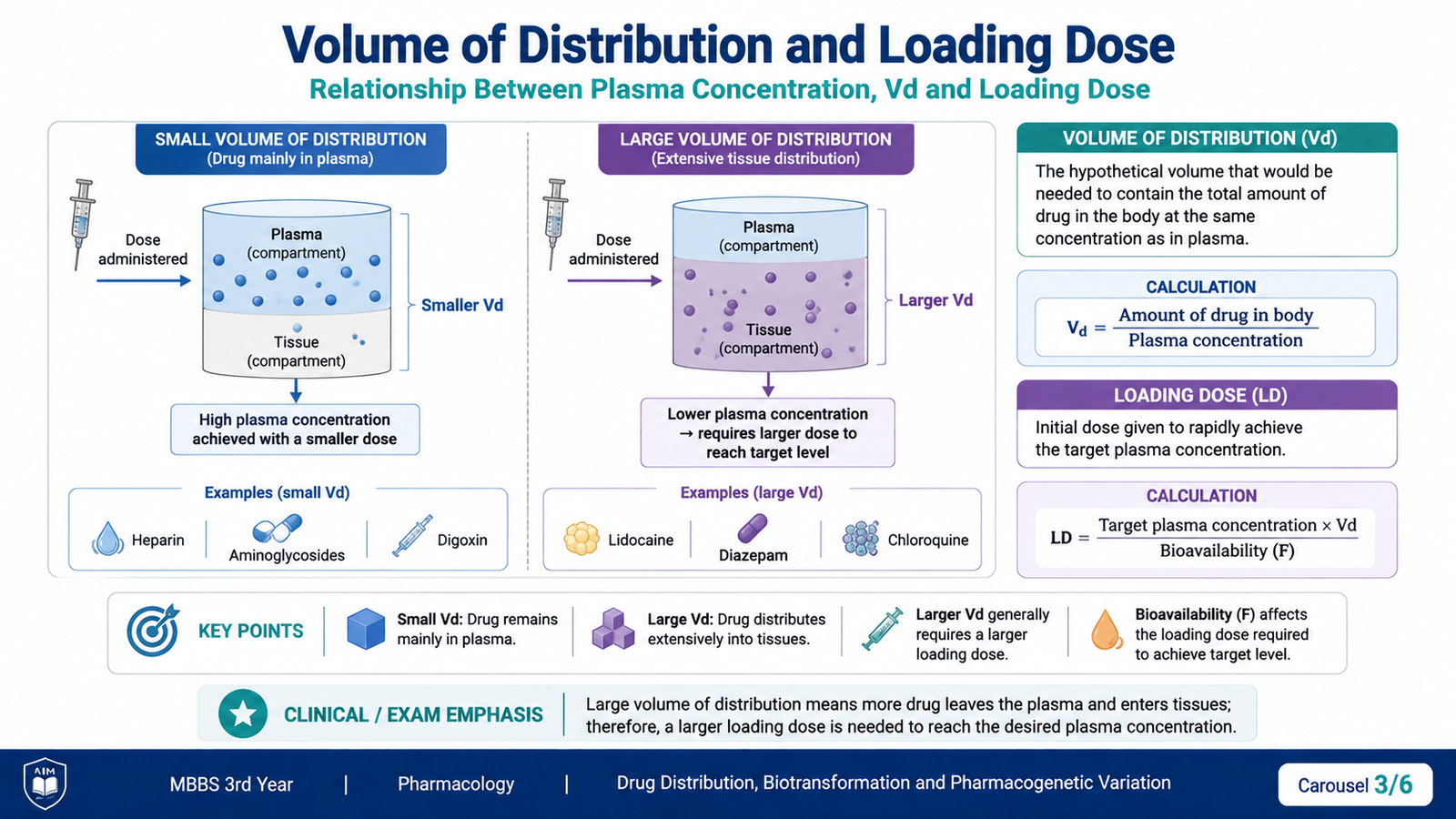
Volume of distribution (Vd) is an apparent volume that relates the amount of drug present in the body to its measured concentration in plasma. It does not necessarily represent a real anatomical volume. Instead, it provides an estimate of how extensively a drug has left the bloodstream and entered tissues.
If most of a drug remains in plasma, its plasma concentration is relatively high and its Vd is small. If a drug leaves plasma extensively and enters tissues, the plasma concentration becomes lower and the calculated Vd becomes large.
Examples of Relative Vd
- Small Vd: drugs that remain mainly in the vascular compartment, especially those with extensive plasma protein binding or poor movement across membranes.
- Intermediate Vd: drugs that distribute through extracellular fluid but enter cells less extensively.
- Large Vd: highly lipid-soluble drugs or drugs that bind strongly within tissues.
Clinical Significance of Volume of Distribution
Vd helps predict where a drug is distributed and is particularly useful when calculating a loading dose. Drugs with large volumes of distribution may require a larger initial amount to rapidly establish the desired plasma concentration.
Loading Dose
A loading dose is an initial dose given to achieve the desired plasma concentration rapidly. It is particularly useful when a drug has a long half-life and waiting for repeated maintenance doses to build up to the required concentration would take too long. The loading dose depends mainly on the target plasma concentration and the volume of distribution. When bioavailability is incomplete, this must also be considered.
For an intravenously administered drug, bioavailability is complete, so the relationship becomes simpler.
Drugs Commonly Given with a Loading Dose
Loading doses are particularly useful for drugs in which a therapeutic concentration must be achieved promptly despite relatively slow accumulation. Commonly recognized examples include digoxin, amiodarone and some antimicrobial or antiepileptic drugs used in situations requiring rapid attainment of effective concentrations.
D. Physiological Barriers to Drug Transport
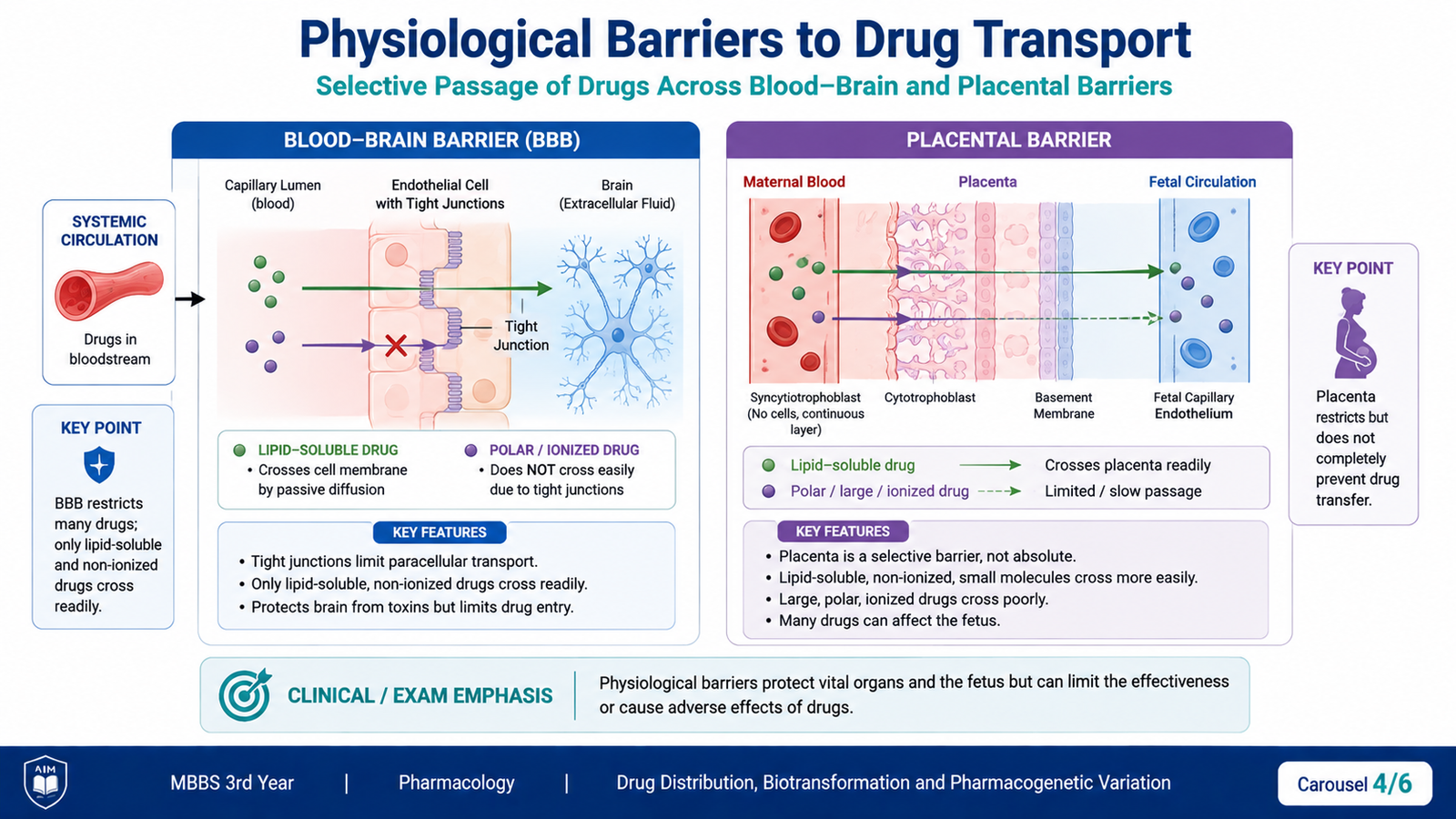
Drug distribution is restricted at certain anatomical sites by specialized barriers. These barriers regulate the movement of substances between blood and sensitive tissues. The most important examples for pharmacology are the blood-brain barrier and the placental barrier.
Important Physiological Barriers
- Blood-brain barrier
- Blood-cerebrospinal fluid barrier
- Placental barrier
- Other specialized blood-tissue barriers in selected organs
Blood-Brain Barrier
The blood-brain barrier restricts entry of many substances from blood into brain tissue. Tight junctions between cerebral capillary endothelial cells greatly reduce movement through intercellular spaces. As a result, drugs usually need suitable lipid solubility or specific transport mechanisms to enter the central nervous system effectively. Lipid-soluble, non-ionized drugs generally cross more readily than highly polar or strongly ionized drugs. Transport proteins may also facilitate entry or actively remove particular substances from the central nervous system. The barrier has major clinical significance because a drug that acts well in other tissues may have little effect in the brain if it cannot cross this barrier.
Placental Barrier
The placenta is not an absolute barrier to drugs. Many substances can pass from maternal blood to the fetal circulation. The degree of transfer depends on factors such as lipid solubility, molecular characteristics, ionization and protein binding. The clinical importance is that maternal drug exposure may also expose the fetus. Therefore, the ability of a drug to cross the placenta must be considered when drugs are used during pregnancy.
E. Drug Biotransformation: Purpose, Sites, Enzymes and Phases
Definition
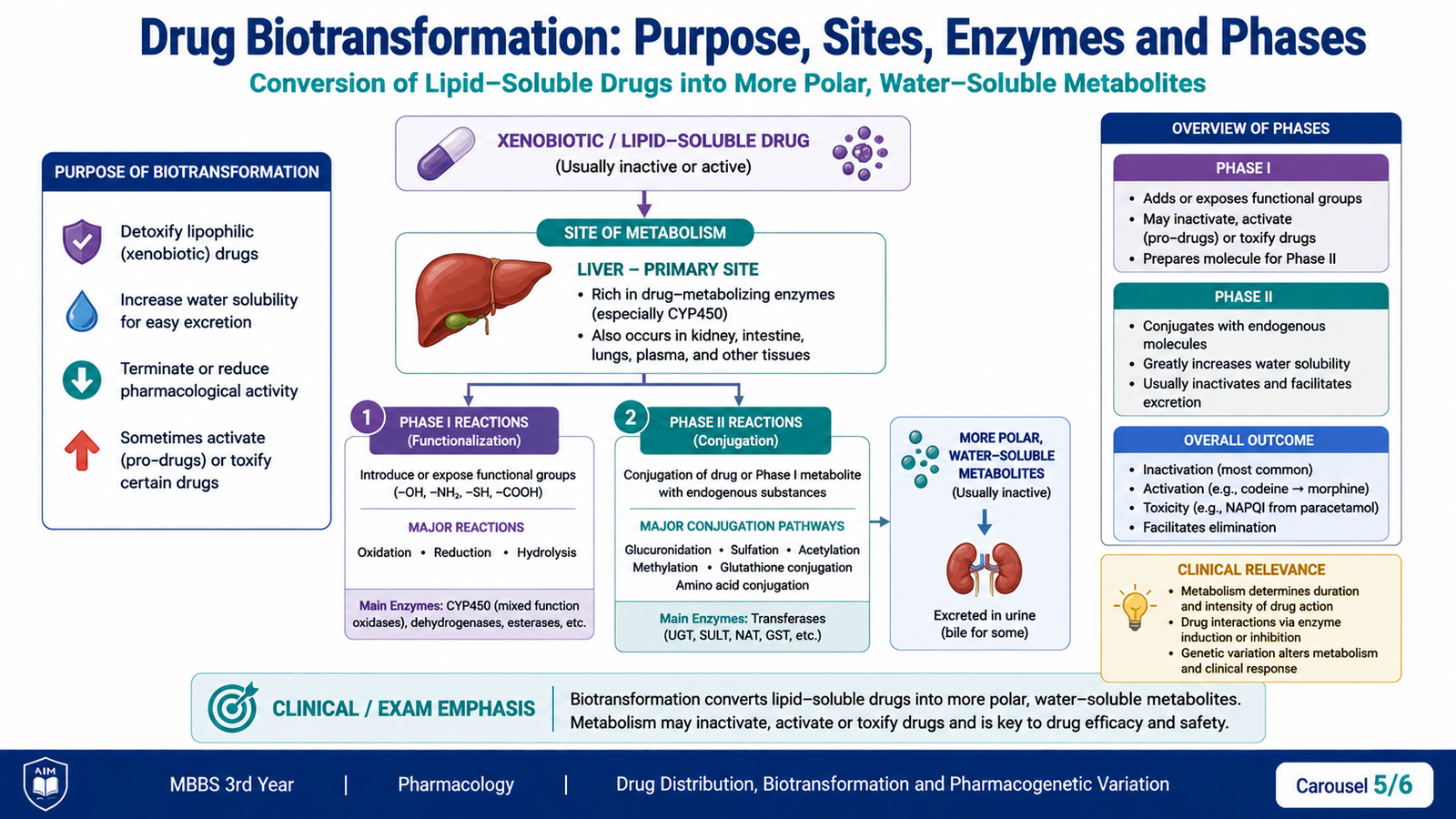
Biotransformation is the enzymatic chemical modification of a drug or other foreign chemical within the body. A foreign chemical entering the body is often called a xenobiotic. Many drugs are lipid-soluble because lipid solubility helps them cross biological membranes. However, highly lipid-soluble substances are not easily eliminated in urine because they can be reabsorbed from renal tubules. Biotransformation usually converts such compounds into more polar, water-soluble products that can be eliminated more easily.
Objectives and Possible Fates
Drug metabolism does not always simply inactivate a drug. Several outcomes are possible:
- An active drug may be converted into an inactive metabolite.
- An active drug may be converted into another active metabolite.
- A relatively inactive prodrug may be converted into its active form.
- A drug may occasionally be converted into a reactive or toxic metabolite.
Major Sites of Biotransformation
The liver is the major organ of drug metabolism because it contains a high concentration of drug-metabolizing enzymes. Metabolism can also occur in other tissues, including the intestinal wall, kidneys, lungs, plasma and other organs.
Microsomal Drug-Metabolizing Enzymes
Many important drug-metabolizing enzymes are associated with the smooth endoplasmic reticulum of liver cells. When cells are disrupted during laboratory preparation, fragments of this membrane form structures called microsomes; therefore, enzymes located here are described as microsomal enzymes. The most important microsomal system is the cytochrome P450 (CYP450) enzyme family. CYP enzymes participate especially in oxidative Phase I reactions and are important because their activity can be altered by genetic variation, enzyme induction and enzyme inhibition.
Non-Microsomal Enzymes
Drug metabolism also occurs through enzymes located outside the microsomal system. These may be present in the cytosol, mitochondria, plasma and other tissues. They participate in several metabolic reactions, depending on the substrate involved.
Phase I Reactions
Phase I reactions introduce or expose a functional group on the drug molecule. The major types are:
- Oxidation
- Reduction
- Hydrolysis
These reactions may inactivate a drug, activate a prodrug, or produce an active or reactive metabolite. Many oxidation reactions are catalyzed by CYP450 enzymes.
Phase II Reactions
Phase II reactions usually involve conjugation. The drug or its Phase I metabolite is joined with an endogenous molecule, generally producing a more polar compound that can be excreted more readily. Important conjugation processes include glucuronidation, sulfation, acetylation and other conjugation reactions. A drug does not always have to pass through Phase I before undergoing Phase II.
| Feature | Phase I | Phase II |
|---|---|---|
| Main principle | Functionalization | Conjugation |
| Typical reactions | Oxidation, reduction, hydrolysis | Glucuronidation, sulfation, acetylation and related reactions |
| CYP450 role | Major role in many oxidative reactions | Not the major conjugating system |
| Usual result | May activate, inactivate or modify drug | Usually increases polarity and facilitates elimination |
Factors Affecting Drug Biotransformation
The rate of drug metabolism varies between patients. Important influences include:
- Genetic variation in metabolizing enzymes.
- Age-related differences in enzyme activity.
- Liver function, because the liver is the major site of metabolism.
- Other drugs that induce or inhibit metabolic enzymes.
- Environmental and dietary exposures capable of modifying enzyme activity.
F. Pharmacogenetics, Pharmacogenomics and Enzyme Modulation
Pharmacogenetics
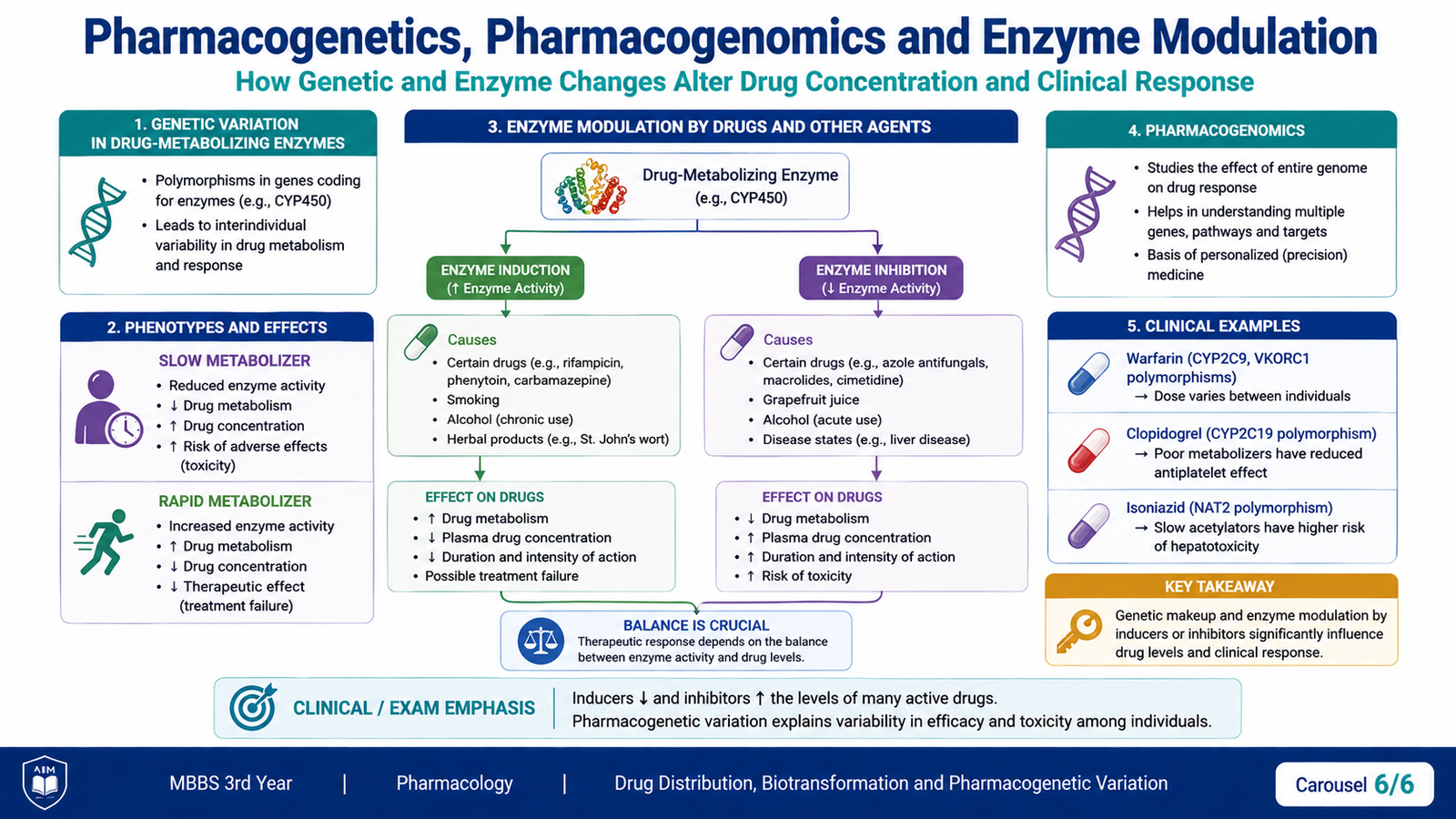
Pharmacogenetics is the study of how inherited variation in a particular gene or a limited number of genes influences an individual’s response to drugs. A genetic difference may change the amount or activity of a drug-metabolizing enzyme and therefore alter drug concentration, effectiveness or toxicity.
Pharmacogenomics
Pharmacogenomics examines the relationship between drug response and variation across many genes or the genome. The central idea is the same: genetic differences can help explain why patients given the same drug may show different responses.
Idiosyncrasy
Idiosyncrasy is an unusual or unexpected drug response occurring in a susceptible individual, often because of an inherited biological difference. It is different from a predictable extension of the drug’s usual pharmacological action. A classic pharmacogenetic example is an abnormal response caused by inherited alteration in an enzyme required for drug metabolism. Another well-recognized example is prolonged paralysis after succinylcholine in individuals with an inherited deficiency or abnormal form of plasma pseudocholinesterase.
Genetic Factors Influencing Drug Biotransformation
Inherited differences may alter enzyme expression or enzyme activity. A patient may therefore metabolize a particular drug relatively slowly or rapidly. A slow metabolizer may develop higher drug concentrations after a standard dose and may be more susceptible to concentration-related toxicity. A rapid metabolizer may clear an active drug more quickly and may show a reduced effect. For a prodrug, the consequences may be reversed if metabolism is required for activation.
Enzyme Induction
Enzyme induction is an increase in the amount or activity of drug-metabolizing enzymes after exposure to an inducing substance. Induction commonly increases the metabolism of drugs that are substrates for the affected enzyme system. Important enzyme inducers commonly taught at undergraduate level include:
- Rifampicin
- Phenobarbital
- Phenytoin
- Carbamazepine
- Other recognized inducing substances affecting CYP enzyme activity
Clinical significance: Increased metabolism may lower the plasma concentration of an active drug and reduce its therapeutic effect. If metabolism produces an active or toxic metabolite, induction may instead increase formation of that metabolite.
Enzyme Inhibition
Enzyme inhibition is a decrease in the activity of a drug-metabolizing enzyme caused by another substance. When metabolism of an active drug is inhibited, the drug may remain in the body for longer and its plasma concentration may rise. Important enzyme inhibitors commonly recognized in pharmacology include:
- Cimetidine
- Macrolide antibiotics such as erythromycin
- Azole antifungal drugs
- Chloramphenicol
- Other recognized inhibitors of CYP-mediated metabolism
Clinical significance: Reduced metabolism can increase the concentration and duration of action of an active substrate drug and may increase toxicity. For a prodrug requiring metabolic activation, enzyme inhibition may reduce formation of the active drug.
Suicide or Mechanism-Based Inhibition
Suicide inhibition, also called mechanism-based inhibition, occurs when an enzyme begins to metabolize a substance and generates a reactive product that then binds to and inactivates the same enzyme. Because functional enzyme is lost, recovery depends on restoration of enzyme activity, often including synthesis of new enzyme protein. This is therefore different from simple reversible competition at an enzyme-binding site. The inhibiting substance effectively uses the enzyme’s own catalytic mechanism to produce its inhibition.
| Feature | Enzyme Induction | Enzyme Inhibition |
|---|---|---|
| Enzyme activity | Increases | Decreases |
| Metabolism of substrate | Usually increases | Usually decreases |
| Active parent drug level | Usually decreases | Usually increases |
| Main clinical concern | Loss of therapeutic effect | Excess effect or toxicity |
| Important exception | May increase activation of a prodrug or formation of metabolites | May reduce activation of a prodrug |
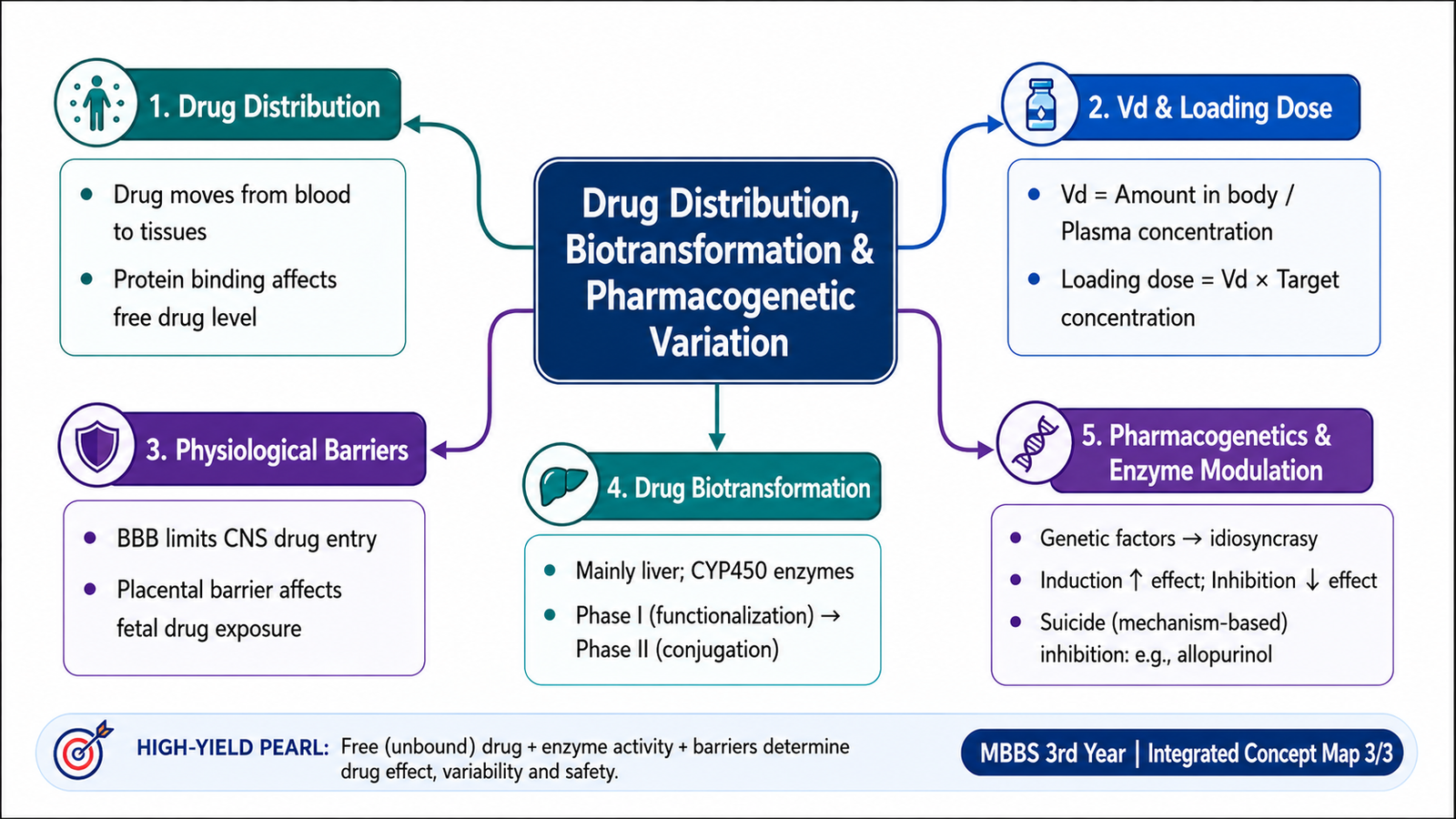
Integrated Mechanism Flow
Free drug distributes according to blood flow, membrane permeability, lipid solubility and binding
Apparent extent of distribution is reflected by volume of distribution
Drug reaches metabolic organs, mainly the liver
Phase I and/or Phase II metabolism modifies the drug
Genetics, enzyme induction or enzyme inhibition alters the rate of metabolism
Drug concentration, duration of action, therapeutic effect and toxicity may change
⭐ AIM High-Yield Review
- Distribution is the reversible movement of drug from blood into tissues and body fluids.
- Only free drug readily crosses membranes, reaches receptors, undergoes metabolism and is filtered by the kidney.
- Redistribution can terminate drug action by moving drug from highly perfused organs to muscle or fat.
- High plasma protein binding tends to restrict immediate tissue distribution; reduced protein concentration can increase the free fraction.
- Vd = amount of drug in body ÷ plasma concentration.
- ⭐ A large Vd suggests extensive tissue distribution; a small Vd suggests greater confinement to plasma.
- Loading dose is used to rapidly achieve a target plasma concentration and is directly related to Vd.
- The blood-brain barrier restricts entry of many polar or ionized drugs into the CNS.
- The placenta is not an absolute drug barrier; many drugs can reach the fetal circulation.
- Biotransformation usually converts lipid-soluble xenobiotics into more polar compounds that are easier to eliminate.
- Phase I reactions include oxidation, reduction and hydrolysis; CYP450 enzymes are especially important in many oxidative reactions.
- Phase II usually involves conjugation and generally increases drug polarity.
- ⭐ Metabolism may inactivate a drug, activate a prodrug, produce an active metabolite or form a toxic metabolite.
- Enzyme induction usually accelerates substrate metabolism, whereas enzyme inhibition usually slows it.
- Genetic variation in metabolizing enzymes can produce clinically important differences in drug response between patients.