
Pharmacodynamics, Drug Receptors and Dose–Response Relationships
Topic Introduction
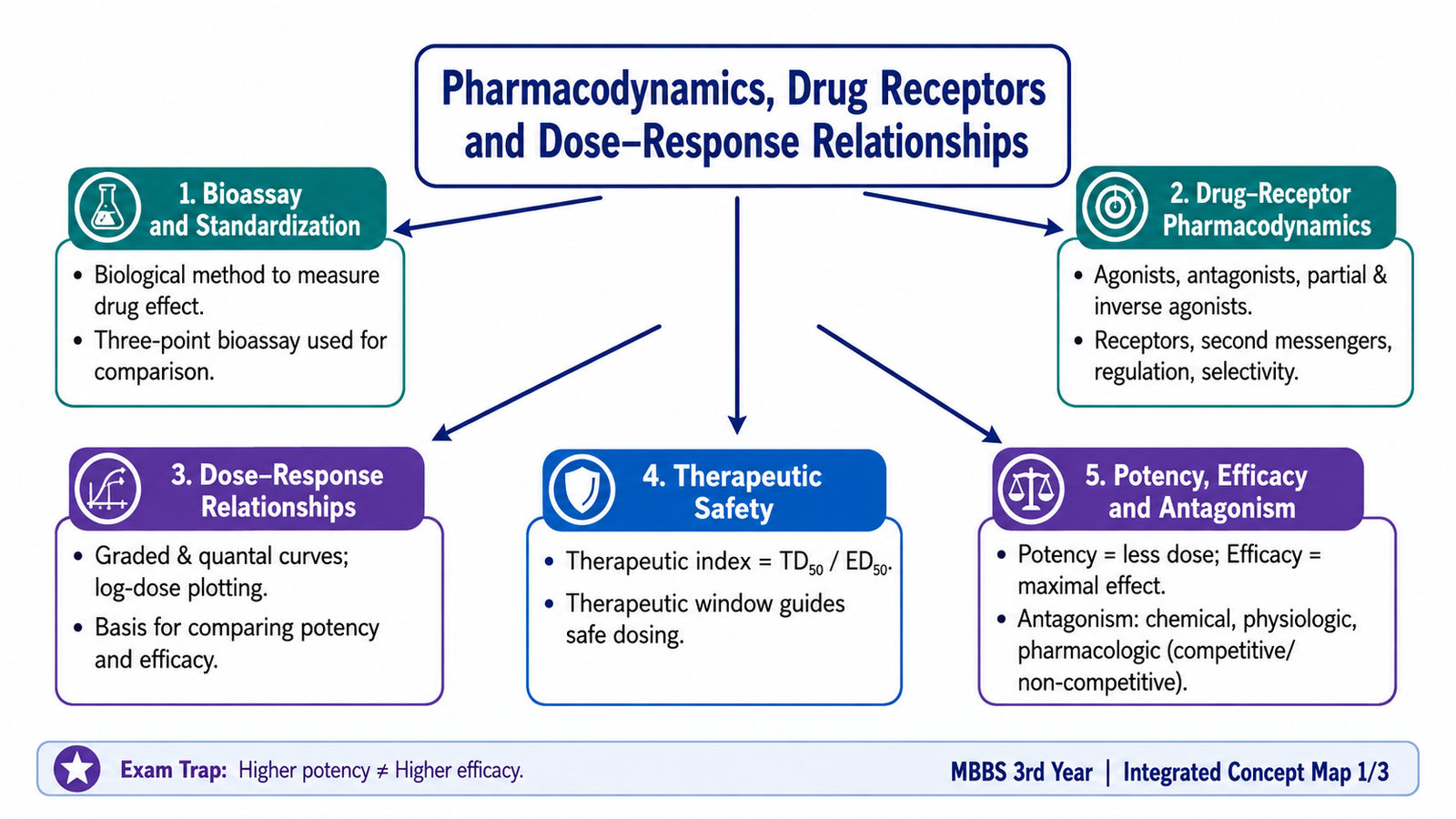
Pharmacodynamics describes what a drug does to the body. It explains how a drug interacts with receptors or other cellular targets and how this interaction produces a biological response. The strength and type of response depend on factors such as receptor activation, drug concentration, efficacy, potency and the presence of antagonists. Pharmacodynamic principles are also used to compare drug responses through graded and quantal dose-response curves and to estimate drug safety through measures such as the therapeutic index and therapeutic window. This chapter also introduces bioassay, receptor regulation, intracellular signaling, agonists, antagonists and the different ways in which one drug can reduce or oppose the effect of another.
A. Bioassay and Standardization
Some biologically active substances cannot be measured adequately by determining only their weight or chemical concentration. What matters clinically is the biological activity produced by the substance. Bioassay provides a way to estimate this activity by comparing the biological response produced by an unknown preparation with the response produced by a known standard preparation.
Bioassay
A bioassay is the estimation of the potency or concentration of a biologically active substance by measuring its effect on a living system and comparing that effect with a standard preparation of known activity. The test system may be an intact animal, an isolated organ or tissue, cells or another suitable biological preparation.
The central idea is simple:
→ produces a measurable biological response
→ test preparation is given under similar conditions
→ responses are compared
→ biological potency of the test preparation is estimated
Standardization
Standardization is the process of establishing and maintaining a defined strength, potency, purity or biological activity of a preparation by comparing it with an accepted standard. Standardization helps ensure that different batches of a biologically active product produce predictable effects.
Why Bioassay May Be Preferred to Physical or Chemical Assays
Physical and chemical assays measure properties such as mass, concentration or chemical composition. These techniques are usually more precise when the active substance can be measured directly. However, the amount of a substance present does not always indicate how much biological activity it retains. Bioassay is therefore particularly valuable when biological activity is the important property being measured.
- Chemical assay: determines the amount or chemical concentration of a substance.
- Physical assay: determines a measurable physical property related to the substance.
- Bioassay: determines activity by measuring a biological response.
Bioassays are generally more biologically relevant but are also more variable because living tissues show natural biological variation. Therefore, experimental conditions must be carefully controlled.
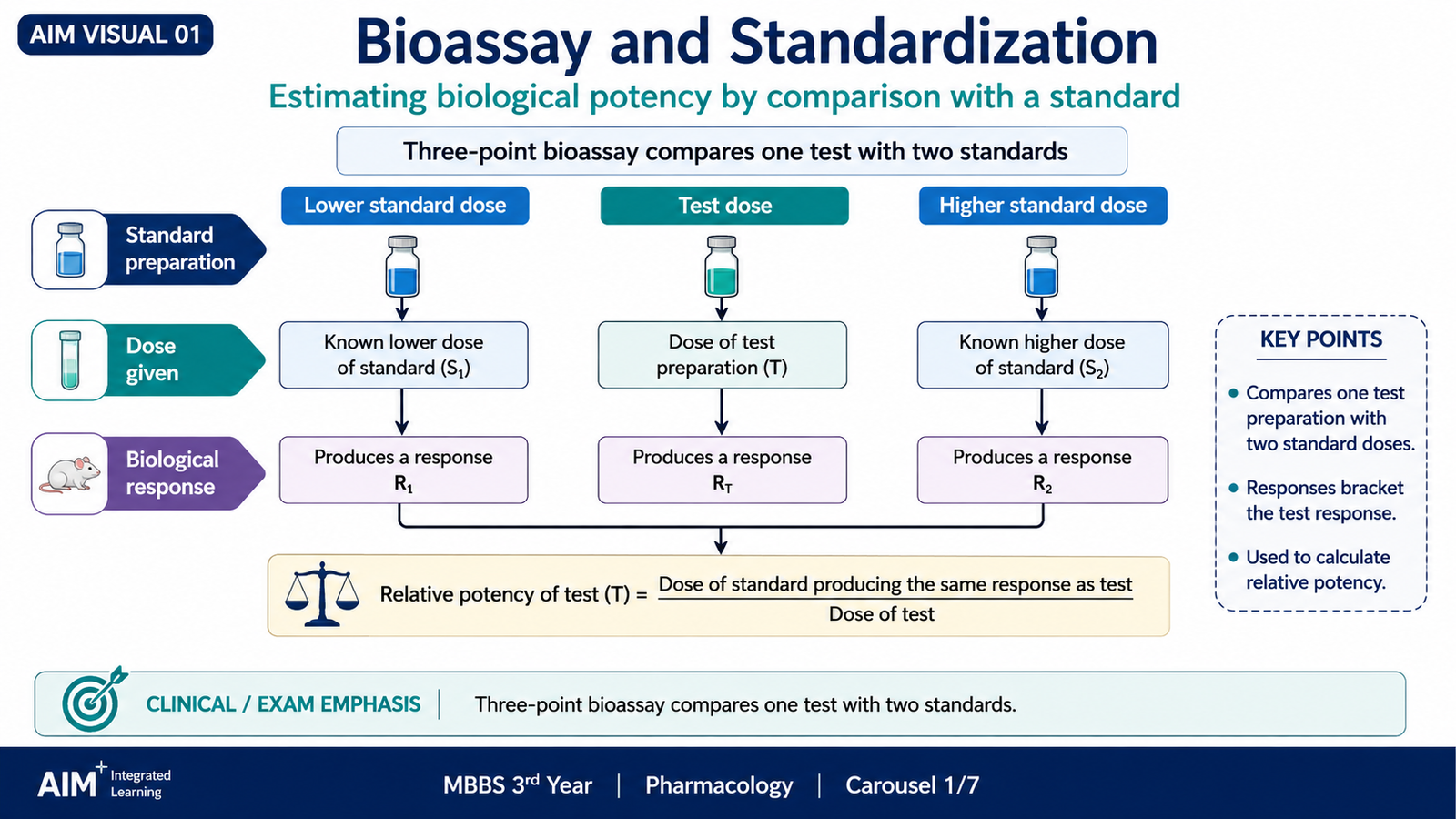
Three-Point Bioassay
In a three-point bioassay, responses produced by two selected doses of a standard preparation are compared with the response produced by one dose of the test preparation. The standard doses are chosen so that the response to the test dose lies between the responses produced by the two standard doses.
Lower standard dose → smaller response
Test dose → intermediate response
Higher standard dose → larger response
The position of the test response between the two standard responses is used to estimate the relative potency of the test preparation.
B. Pharmacodynamics, Drug Targets and Receptors
Receptors
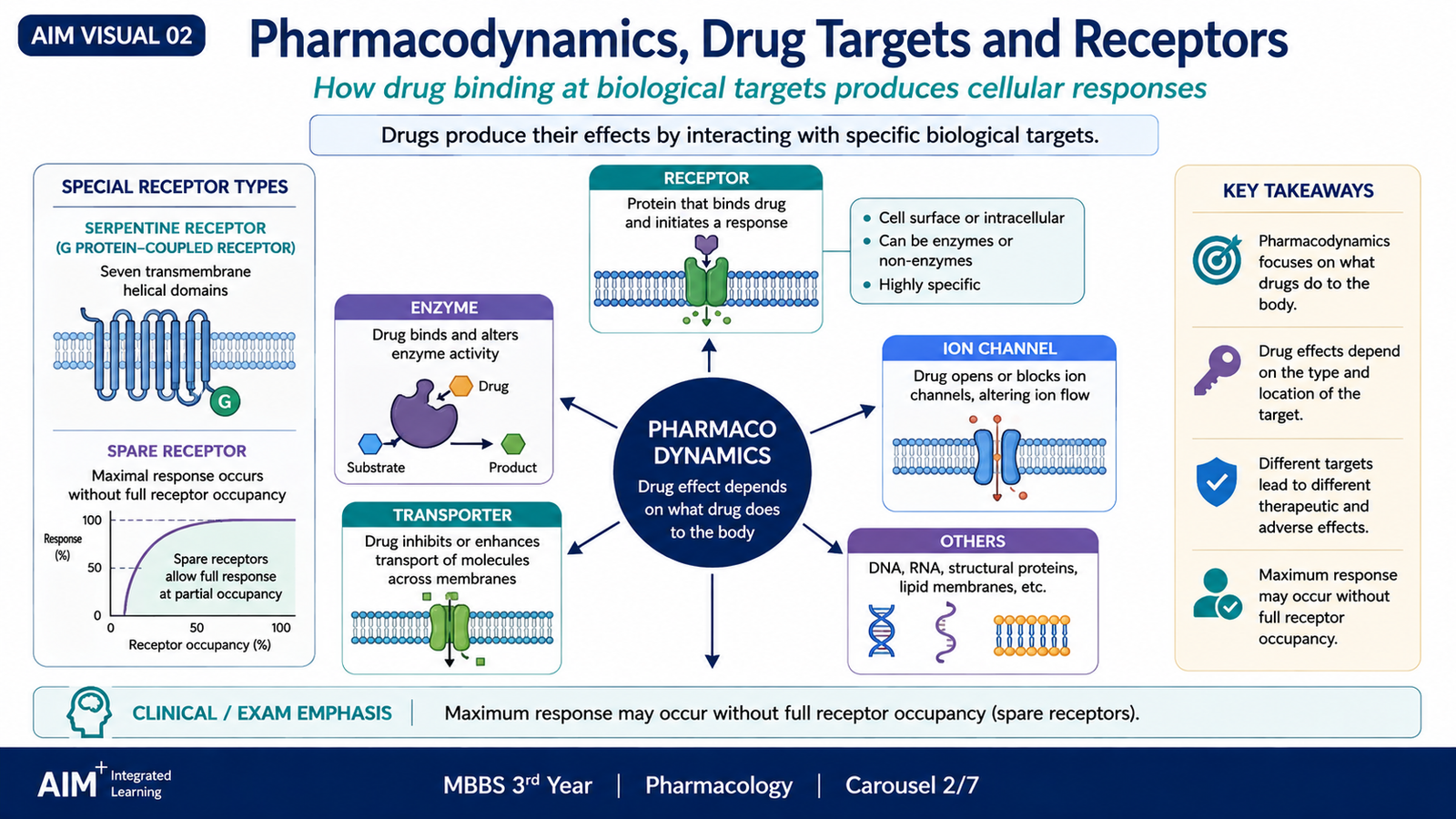
A receptor is a cellular macromolecule, usually a protein, that recognizes a specific endogenous ligand or drug and converts binding into a biological response. Receptor binding therefore links the presence of a drug with a change in cellular function.
→ receptor binding
→ change in receptor activity
→ intracellular signaling
→ altered cellular function
→ pharmacological response
Major Biochemical and Cellular Drug Targets
Important sites at which drugs can act include:
- Receptors: drugs bind and activate or inhibit receptor-mediated signaling.
- Enzymes: drugs may inhibit or occasionally activate enzymes, altering synthesis or breakdown of important molecules.
- Ion channels: drugs may open, close or modify channels and thereby change membrane excitability or ion movement.
- Transporters: drugs may inhibit or modify transport of neurotransmitters, ions or other substances across membranes.
- Structural or other cellular proteins: some drugs interfere with cellular structures or specialized protein functions.
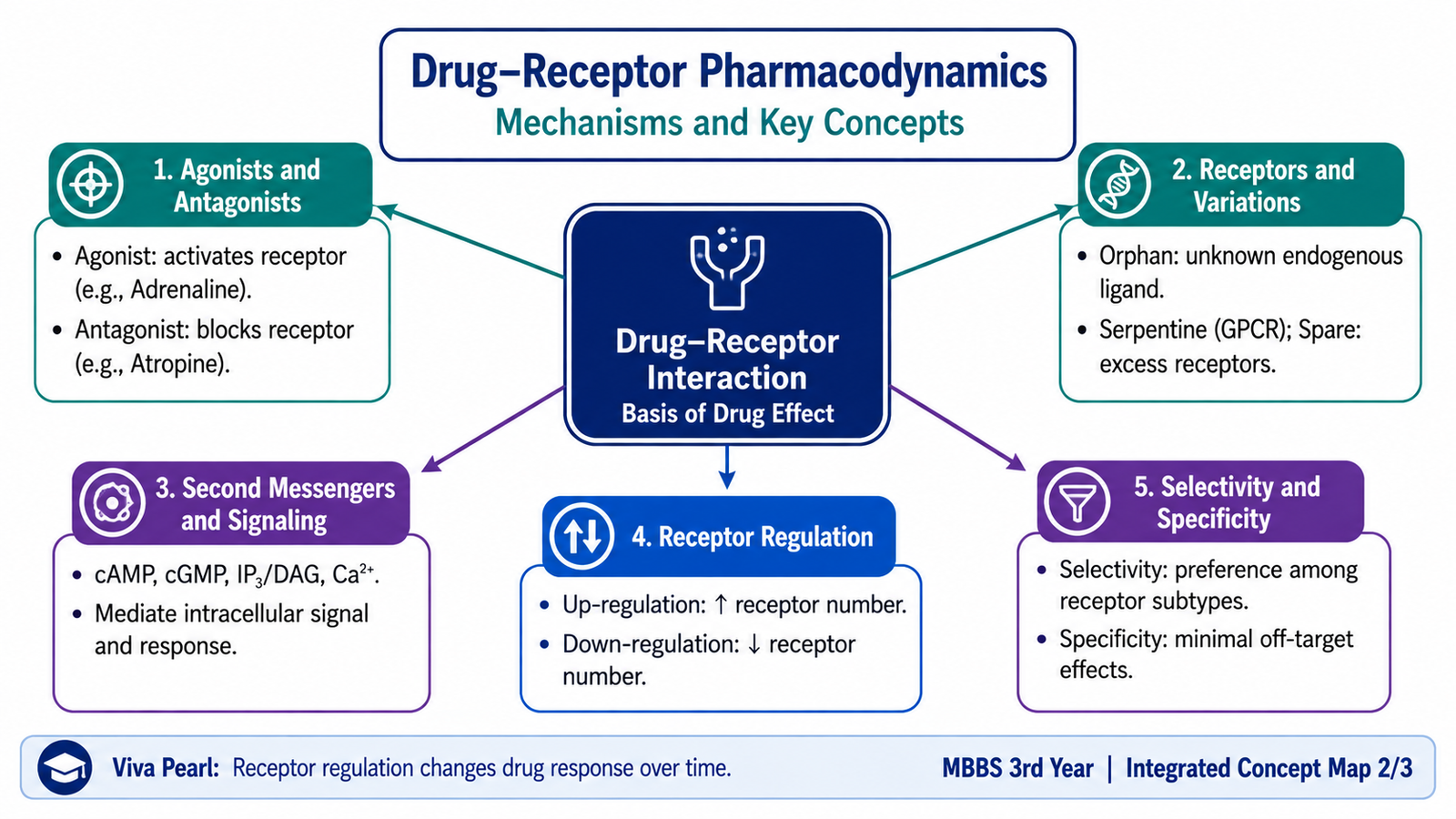
Serpentine Receptors
Serpentine receptors are receptors whose protein chain passes through the cell membrane seven times. They are commonly called G-protein-coupled receptors (GPCRs). When an agonist binds to the receptor, the receptor activates a G protein, which then regulates an effector such as an enzyme or ion channel.
Because the signal is passed through intracellular intermediates, activation of a relatively small number of receptors may generate a much larger intracellular response.
Orphan Receptors
An orphan receptor is a receptor whose structure has been identified but whose natural endogenous ligand was initially unknown. Such receptors may later be matched with endogenous signaling molecules as research progresses.
Spare Receptors
Spare receptors exist when a tissue can produce its maximum response without occupation of all available receptors. Therefore, full receptor occupancy is not required to achieve the maximal effect.
This occurs because receptor activation can be amplified through intracellular signaling pathways. An important consequence is that the concentration producing 50% of the maximal response may be lower than the concentration required to occupy 50% of receptors.
C. Agonists, Partial Agonists, Inverse Agonists and Receptor Regulation
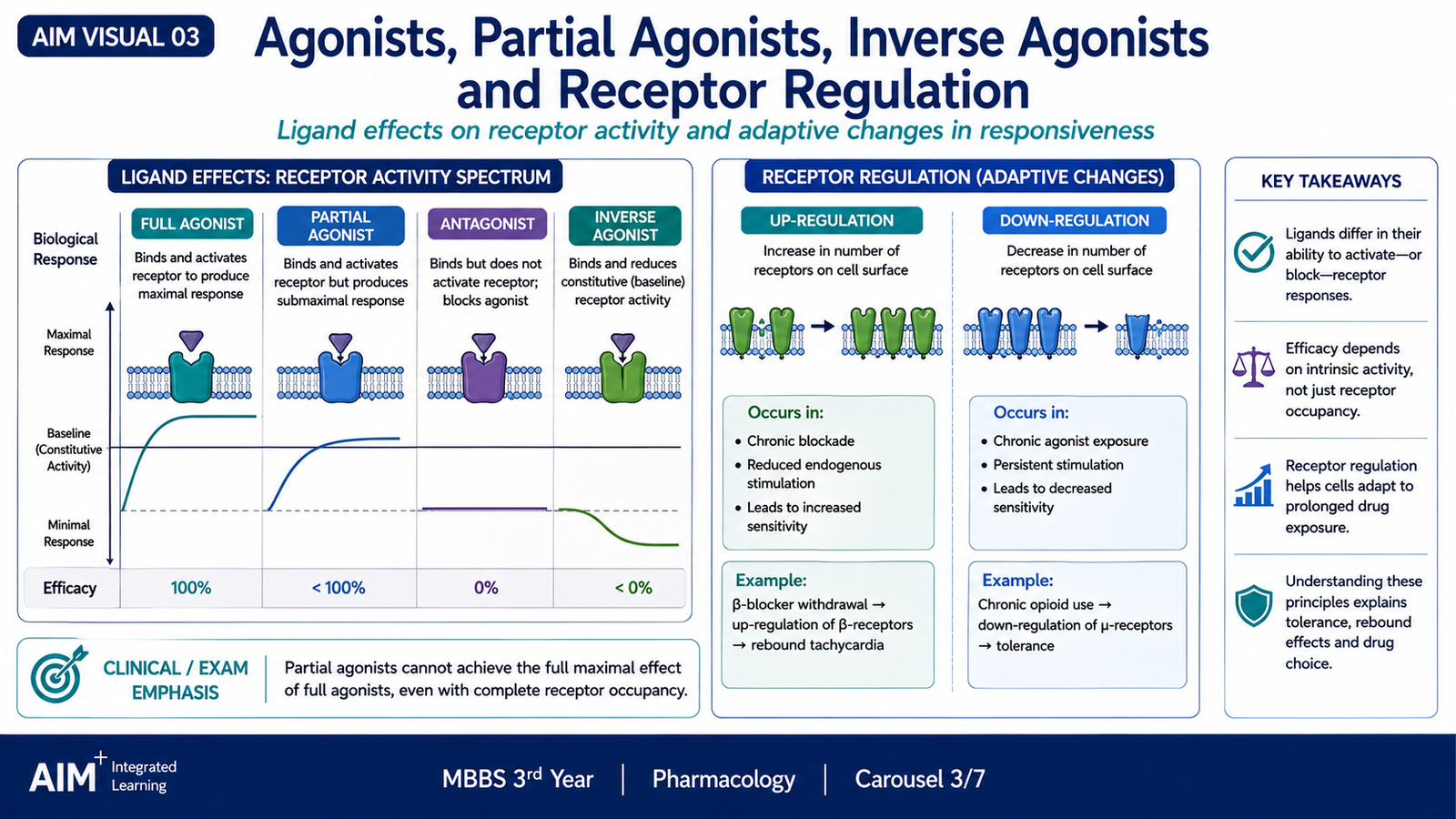
Can produce maximal responsePartial agonistYesPartial activationLower maximal responseAntagonistYesNo activationBlocks agonist actionInverse agonistYesFavours inactive stateReduces constitutive activity
Receptor Up-Regulation
Up-regulation is an increase in receptor number or receptor responsiveness. It may occur when receptors are exposed for a prolonged period to reduced stimulation or to receptor blockade. The cell attempts to compensate by becoming more sensitive to the ligand.
→ compensatory increase in receptor number or sensitivity
→ greater response when stimulation returns
Receptor Down-Regulation
Down-regulation is a reduction in receptor number or responsiveness after prolonged or excessive receptor stimulation. Receptors may become less responsive, be internalized into the cell or decrease in number.
→ desensitization or receptor internalization
→ reduced receptor responsiveness
→ decreased response to continued stimulation
Drug Selectivity and Specificity
Selectivity means that a drug acts preferentially on one receptor, tissue or biological target at a particular concentration compared with other targets. Selectivity is usually relative rather than absolute. As the dose increases, a drug may begin to act on additional targets and produce unwanted effects.
Specificity implies action on only one target or production of only one effect. Absolute specificity is uncommon because many drugs interact with more than one biological system, especially at higher concentrations.
D. Receptor Signaling and Intracellular Second Messengers
→ receptor activation
→ intracellular signaling protein or enzyme
→ second messenger
→ target proteins
→ cellular response
Cyclic AMP
In the cyclic AMP pathway, activation of a suitable G-protein-coupled receptor regulates adenylyl cyclase, an enzyme located in the cell membrane. Adenylyl cyclase forms cyclic adenosine monophosphate (cAMP) from ATP.
cAMP then activates intracellular protein kinases, particularly protein kinase A, leading to phosphorylation of cellular proteins and alteration of cell function.
→ G protein
→ adenylyl cyclase
→ cAMP
→ protein kinase activation
→ cellular response
IP3 and DAG
Another important pathway activates phospholipase C. This enzyme acts on membrane phospholipids and generates two important second messengers: inositol 1,4,5-trisphosphate (IP3) and diacylglycerol (DAG).
- IP3 promotes release of calcium from intracellular stores.
- DAG activates protein kinase C.
- The resulting calcium and kinase activity alter cellular function.
→ G protein
→ phospholipase C
→ IP3 + DAG
→ increased intracellular Ca2+ and protein kinase C activation
→ cellular response
Calcium as a Second Messenger
Calcium ions act as important intracellular signaling molecules. An increase in intracellular Ca2+ can activate several proteins and enzymes and may produce contraction, secretion, metabolic changes or other cellular effects depending on the tissue.
Cyclic GMP
Cyclic guanosine monophosphate (cGMP) is another intracellular second messenger. It activates cGMP-dependent protein kinases and contributes to responses such as smooth-muscle relaxation in appropriate signaling pathways.
The importance of second messengers is that they allow signal amplification. One activated receptor can influence many intracellular molecules, so a small amount of receptor activation may produce a substantial cellular response.

E. Graded and Quantal Dose–Response Relationships
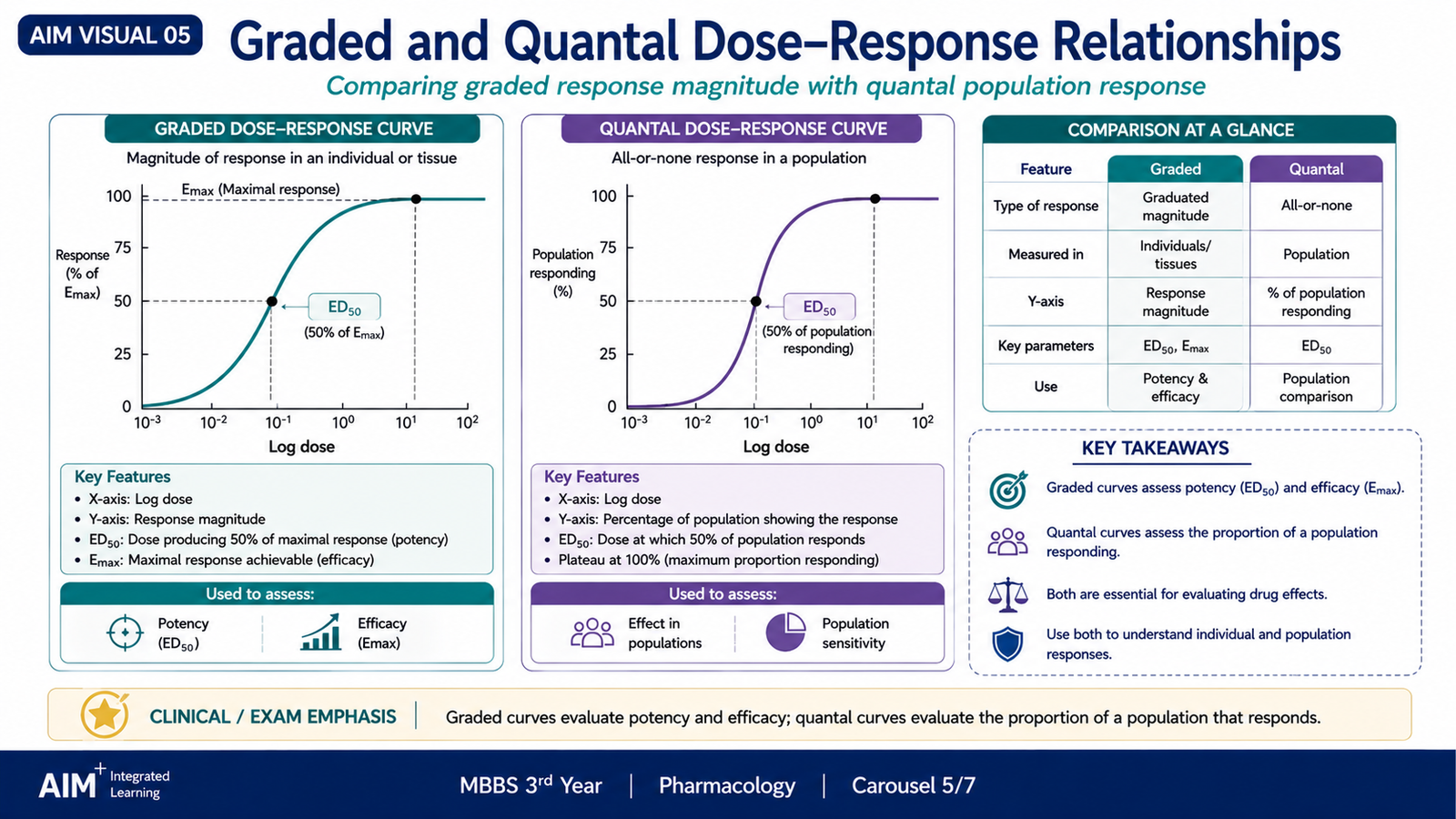
FeatureGraded CurveQuantal CurveWhat is measured?Magnitude of responseOccurrence or absence of a defined effectTypical settingIndividual tissue or subjectPopulationMain informationPotency and efficacyPopulation frequency of responseImportant measuresEC/ED50, EmaxED50, TD50, LD50
Why Log-Dose Values Are Plotted
When response is plotted against the arithmetic dose, the curve commonly appears hyperbolic. Converting the dose to a logarithmic scale produces a sigmoid or S-shaped curve. This has several practical advantages.
- A wide range of doses can be displayed conveniently on one graph.
- The central portion of the curve becomes approximately linear.
- Differences in potency between drugs are easier to compare.
- The dose producing a defined fraction of the maximal response can be identified more easily.
Significance of Dose–Response Curves
Dose-response curves help to:
- compare the potency of different drugs;
- compare maximal efficacy;
- identify partial agonist behaviour;
- study the effects of antagonists;
- estimate effective and toxic doses in populations;
- assess the separation between therapeutic and harmful effects.
F. Therapeutic Index, Protective Index and Therapeutic Window
- some anticonvulsant and antiarrhythmic drugs.
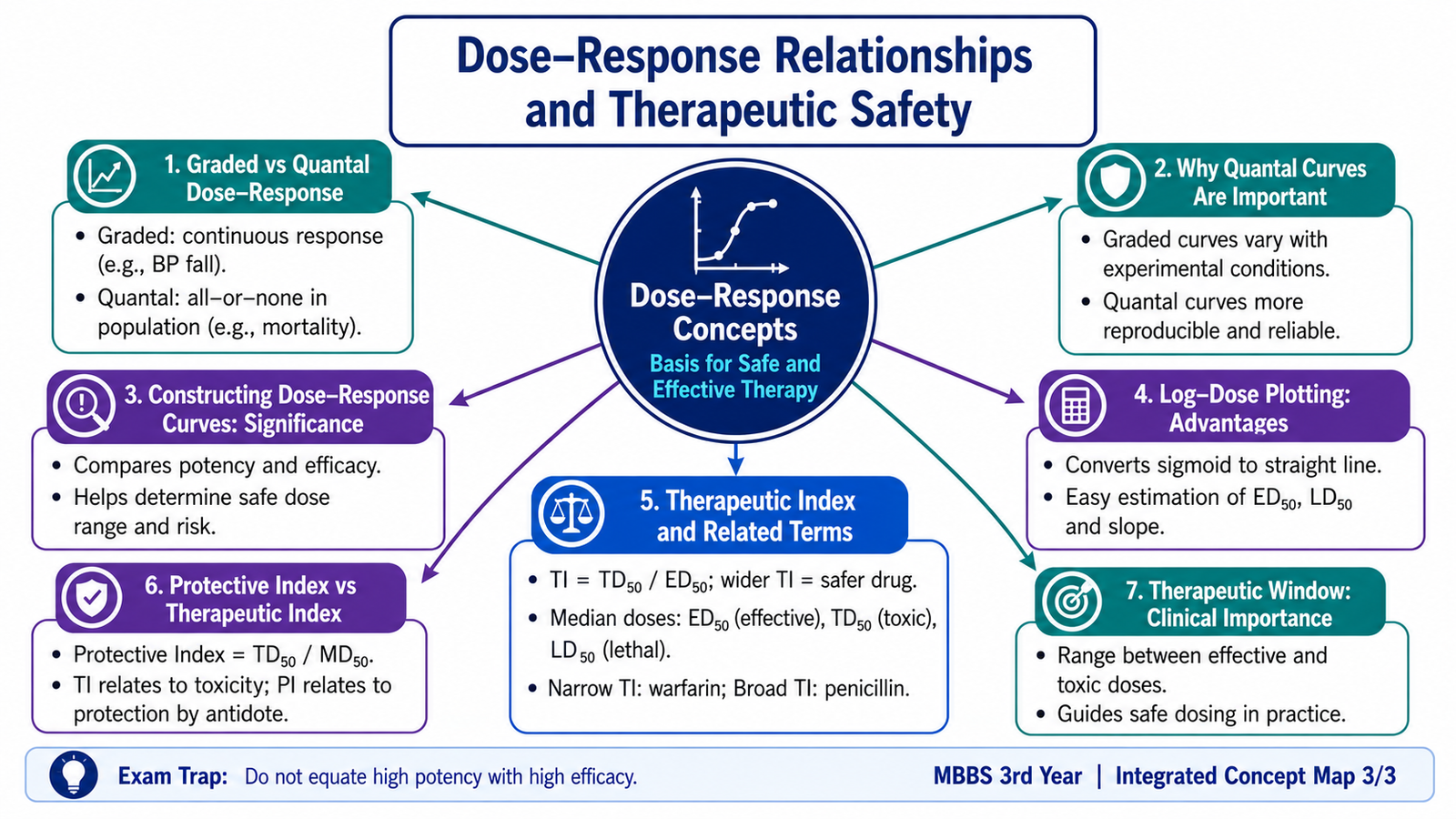
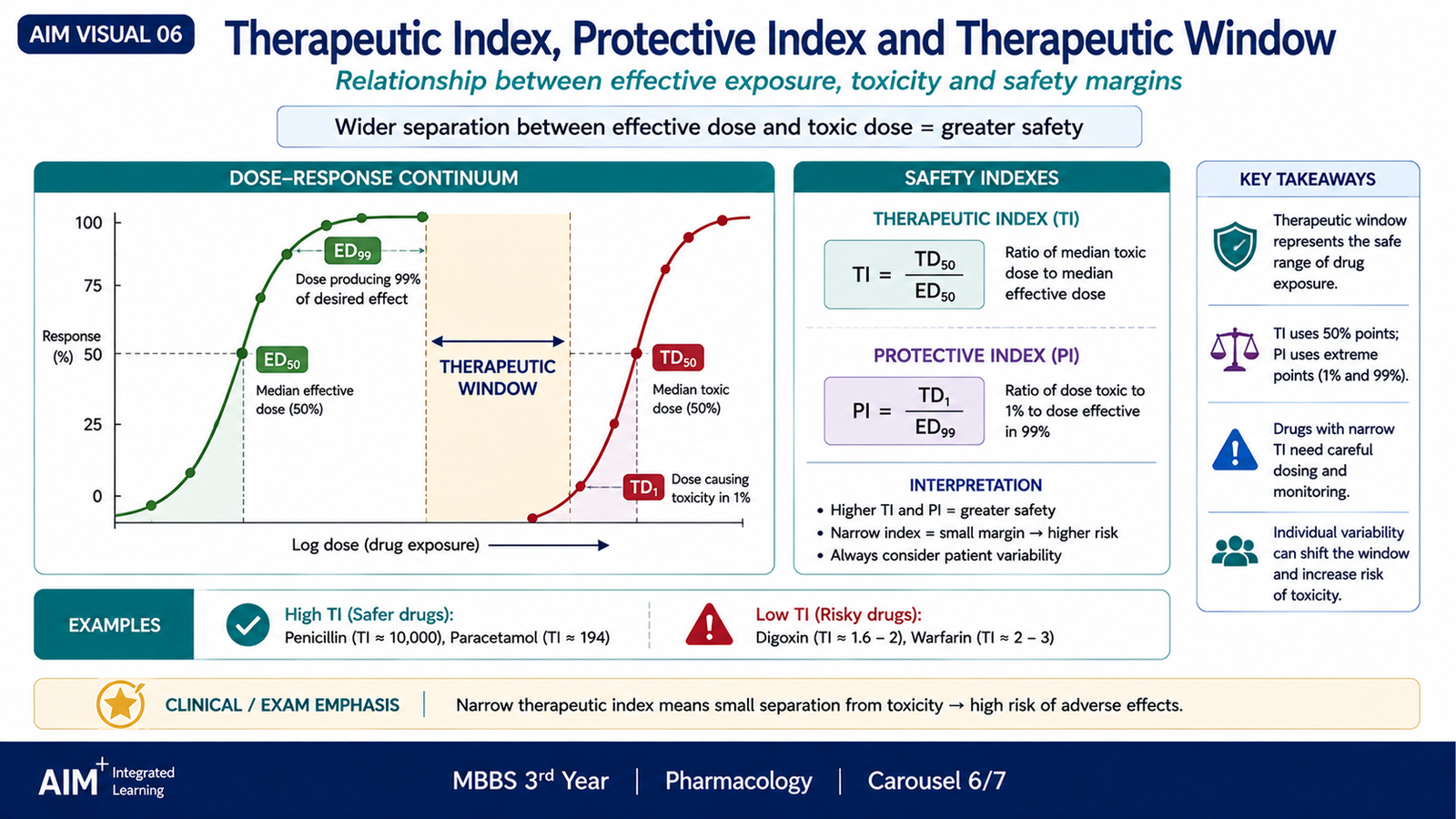
Drugs with a broad therapeutic index have a wider separation between effective and toxic doses, giving a larger safety margin. Many commonly used drugs have a comparatively broad therapeutic range when used appropriately.
Protective Index
The protective index compares a toxic dose affecting a very small proportion of the population with an effective dose benefiting a very large proportion. It therefore provides a stricter estimate of safety than comparison of median doses alone.
The commonly used concept is:
This asks a clinically more demanding question: how far is the dose that begins to cause toxicity in susceptible individuals from the dose required to produce the desired effect in almost the entire population?
Therapeutic Window
The therapeutic window is the range of drug concentrations or doses between the minimum level required for useful therapeutic effect and the level at which unacceptable toxicity begins.
→ inadequate effect
Therapeutic window
→ desired effect with acceptable safety
Excessive drug exposure
→ increasing risk of toxicity
The therapeutic window is particularly important for drugs in which effective and toxic concentrations are close. Maintaining drug exposure within this range helps maximize benefit while reducing the risk of harm.
G. Potency, Efficacy and Drug Antagonism
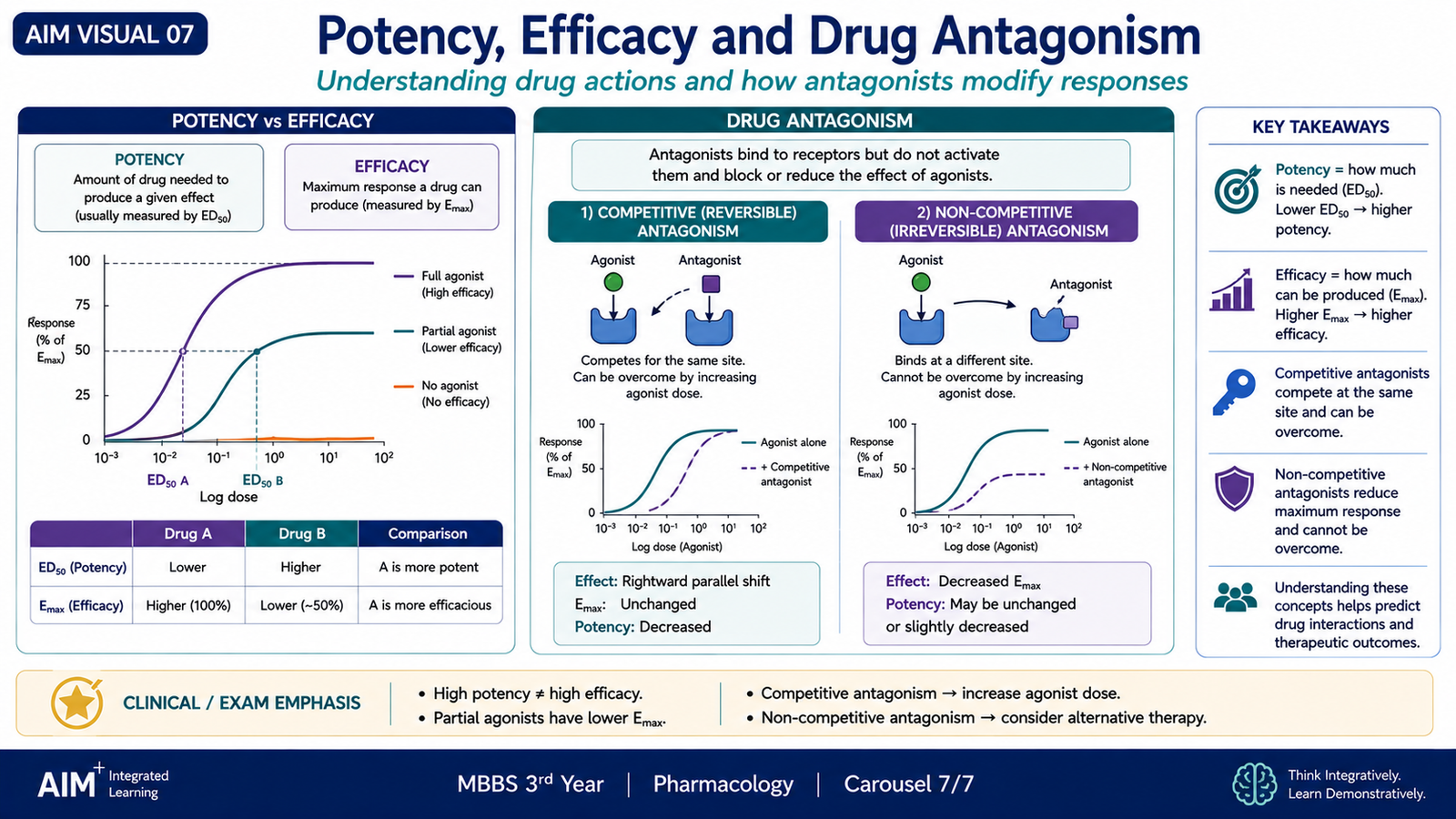
→ dose-response curve shifts to the right
→ maximal efficacy is usually preserved
Non-Competitive Antagonism
A non-competitive antagonist reduces the effect of an agonist in a way that cannot be completely overcome simply by increasing the agonist concentration. This may occur through irreversible receptor blockade or interference with another component of the receptor-response pathway.
Because fewer functional receptors or signaling pathways remain available, the maximum response to the agonist is reduced.
→ loss or functional inactivation of receptor signaling
→ increasing agonist cannot fully restore response
→ maximal effect decreases
| Feature | Competitive Antagonism | Non-Competitive Antagonism |
|---|---|---|
| Can increased agonist overcome it? | Usually yes | No, not completely |
| Agonist potency | Reduced | May appear reduced |
| Maximum response | Usually unchanged | Reduced |
| Dose-response curve | Parallel rightward shift in the typical reversible form | Depression of maximal response |
Integrated Mechanism Flow
↓
2. Drug binds to a receptor, enzyme, channel or transporter
↓
3. Receptor activation or inhibition alters intracellular signaling
↓
4. Second messengers and cellular proteins modify cell function
↓
5. Tissue or organ response develops
↓
6. Increasing dose changes the magnitude or frequency of response
↓
7. Therapeutic benefit and toxicity depend on efficacy, potency, receptor interaction and the therapeutic range
Important Comparison
| Concept | What Changes? | Maximum Response | Key Examination Clue |
|---|---|---|---|
| Greater potency | Less drug needed | May be unchanged | Curve shifts left |
| Greater efficacy | Greater achievable effect | Higher | Higher Emax |
| Competitive antagonist | More agonist required | Usually preserved | Rightward shift |
| Non-competitive antagonist | Functional response capacity reduced | Reduced | Lower Emax |
⭐ AIM High-Yield Review
- Pharmacodynamics describes what a drug does to the body and includes mechanisms of action and dose-response relationships.
- Bioassay estimates biological potency by comparing the response of a test preparation with a standard preparation of known activity.
- A full agonist has affinity and sufficient efficacy to produce a maximal response, whereas a partial agonist produces a lower maximal response.
- An antagonist binds without activating the receptor; an inverse agonist reduces constitutive receptor activity.
- Spare receptors are present when maximal tissue response occurs without occupation of all receptors.
- Prolonged stimulation can cause receptor down-regulation, whereas prolonged blockade or reduced stimulation can promote up-regulation.
- Important intracellular second messengers include cAMP, IP3, DAG, Ca2+ and cGMP.
- A graded dose-response curve measures response magnitude, while a quantal curve measures the proportion of a population showing a predefined response.
- ED50, TD50 and LD50 represent median effective, toxic and lethal doses respectively.
- Plotting log dose produces an S-shaped curve and makes comparison of drug potency easier.
- Potency concerns the dose required for an effect; efficacy concerns the maximum effect that can be produced.
- ⭐ A more potent drug is not automatically a better drug. Efficacy is usually more important clinically when the required therapeutic effect must be achieved.
- Therapeutic index = TD50/ED50. A narrow therapeutic index indicates a relatively small margin between benefit and toxicity.
- Therapeutic window is the range of exposure in which useful effects occur without unacceptable toxicity.
- Competitive antagonism usually causes a rightward shift with preserved maximal response, whereas non-competitive antagonism reduces the maximal response.
Pharmacodynamics, Drug Receptors & Dose–Response Relationships
Watch this pharmacodynamics lecture to reinforce drug–receptor interactions, agonists and antagonists, dose–response relationships, potency and efficacy.
Receptor activation • Agonists vs antagonists • Dose–response curves • Potency • Efficacy