
This chapter follows the supplied KMU learning outcomes in a logical sequence. First understand how bacterial disease is diagnosed and produced, then revise the important laboratory, toxin, pathogenesis and vaccination points at the end.
Topic 7 — Laboratory Diagnosis, Bacterial Pathogenesis and Prevention of Bacterial Disease
Foundation Module • Microbiology
Understand how appropriate specimens are used to identify bacteria, how bacteria establish and cause disease, how toxins contribute to injury, and how immunization helps prevent important bacterial infections.
Topic Introduction
Bacterial disease can be understood through three connected questions: How do we identify the causative organism?, how does the organism produce disease?, and how can disease be prevented? Laboratory diagnosis begins with selecting the correct clinical specimen and then demonstrating or identifying the microorganism by culture, immunological methods or nucleic-acid-based techniques. Pathogenesis explains how bacteria enter the host, establish themselves, invade tissues or produce toxins, and interact with the immune system. Prevention includes immunization, in which protection may be produced actively by vaccination or supplied passively through preformed antibodies. These principles provide the foundation for understanding many individual bacterial infections encountered later in microbiology.
A. Bacteriological Approach to Laboratory Diagnosis
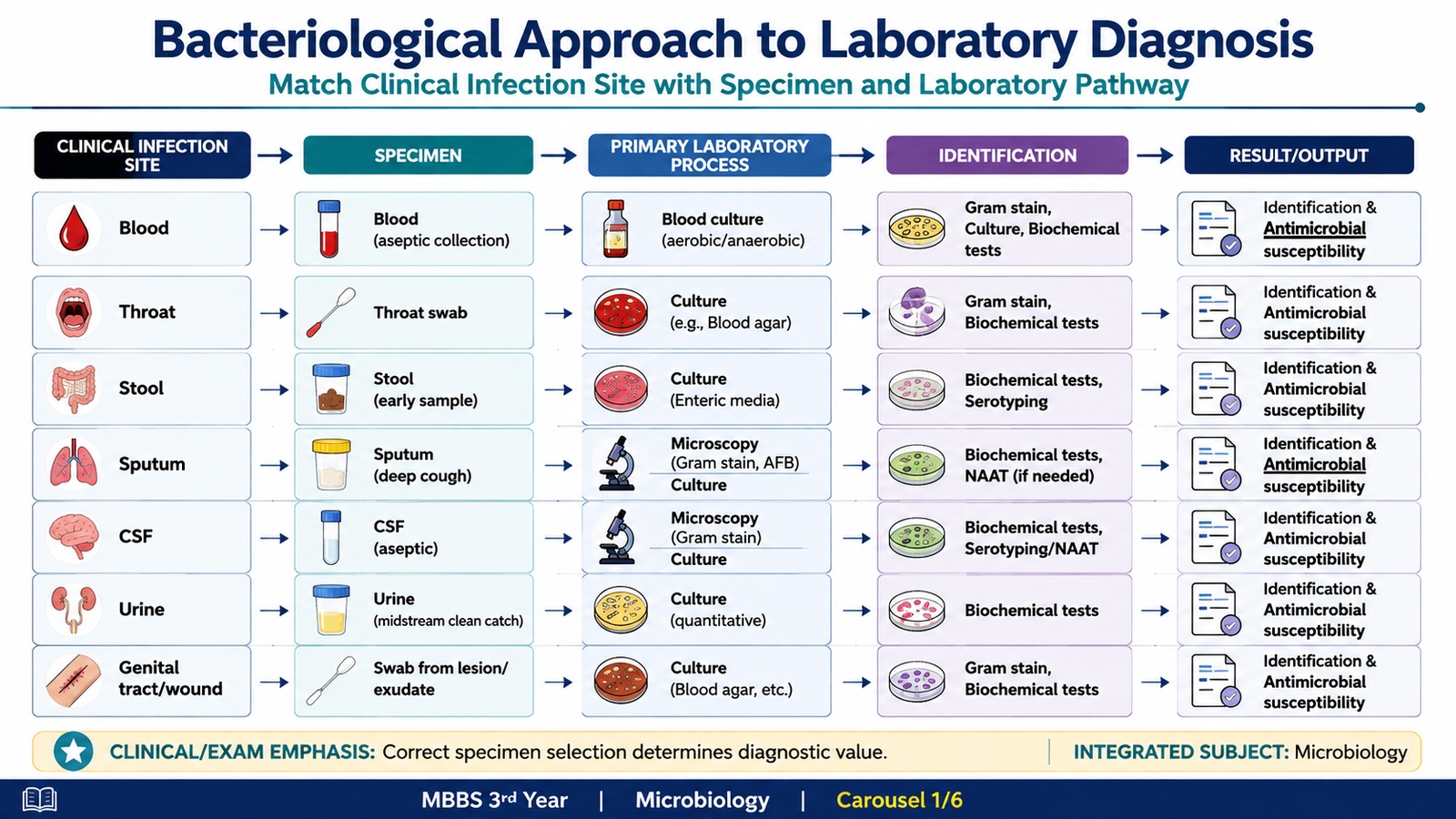
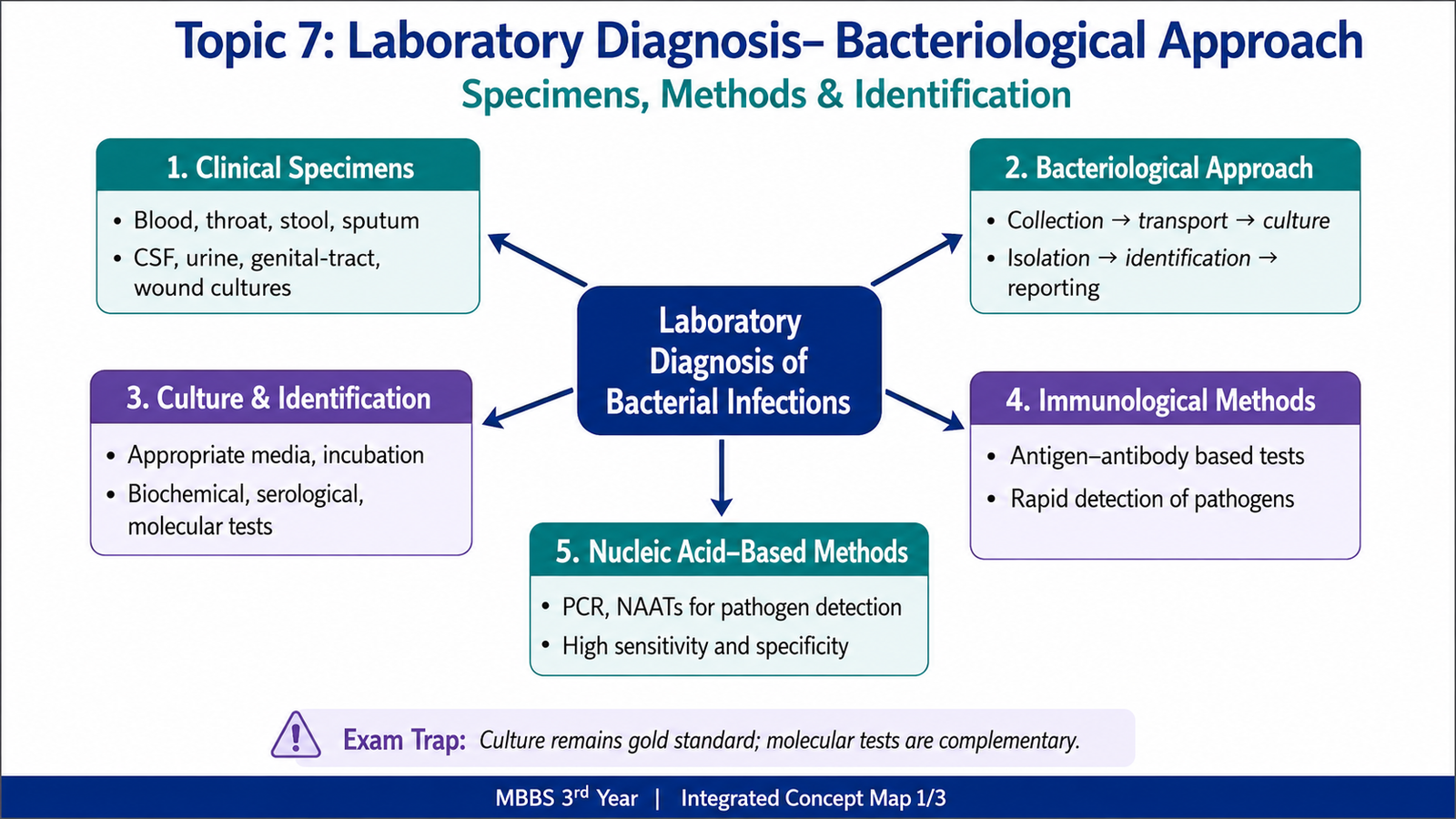
Laboratory diagnosis of bacterial infection begins before any test is performed. The most important first step is obtaining the right specimen from the right anatomical site at the right stage of illness. The specimen should represent the suspected infection rather than normal microbial flora or environmental contamination. Once collected, it can be examined directly and cultured so that the suspected bacterium can be isolated and identified.
The exact laboratory procedures vary between organisms, but the general bacteriological approach is similar:
Blood Culture
Blood culture is used when bacteria are suspected to be present in the bloodstream. Examples include bacteremia and septicemia. Because blood is normally sterile, recovery of a true pathogenic bacterium can be highly significant. Careful skin preparation is important because organisms from the skin may contaminate the sample and create a misleading result.
Throat Culture
A throat specimen is collected when bacterial infection of the pharynx or related upper respiratory structures is suspected. The sample should be taken from the clinically affected area while avoiding unnecessary contact with surrounding oral structures. Culture helps recover and identify clinically important organisms among the normal flora that may also be present.
Stool Culture
Stool culture is useful in suspected bacterial intestinal infections. The laboratory attempts to distinguish an enteric pathogen from the large normal microbial population of the gastrointestinal tract. Selective or differential culture principles may therefore be required to suppress unwanted organisms and help recognize the suspected pathogen.
Sputum Culture
Sputum is examined in suspected lower respiratory tract infection. A good-quality specimen should represent secretions from the lower respiratory tract rather than saliva alone. This distinction matters because the mouth contains abundant normal flora that may contaminate a poorly collected specimen.
Spinal Fluid Culture
Cerebrospinal fluid is normally sterile. Therefore, microorganisms detected in an appropriately collected specimen may have major diagnostic importance in suspected bacterial meningitis or other central nervous system infection. Because such infections can progress rapidly, laboratory assessment of cerebrospinal fluid is clinically important.
Urine Culture
Urine culture is used when urinary tract infection is suspected. Interpretation requires attention to specimen quality because organisms from the urethra, skin or surrounding area may contaminate the sample. Growth of a compatible organism must therefore be interpreted together with the clinical picture and the manner in which the specimen was obtained.
Genital-Tract Culture
Genital-tract specimens may be collected when bacterial infection of the genital tract is suspected. The sampling site should correspond to the suspected disease process. Because some sites contain normal flora, the presence of an organism should be interpreted according to its pathogenic potential, clinical context and specimen site.
Wound Culture
Wound specimens are used to investigate bacterial infection of damaged tissue. Material obtained from the actual infected area is more useful than superficial contamination. The laboratory result should be correlated with signs of infection because wounds may sometimes become colonized without true invasive disease.
B. Immunological and Nucleic-Acid-Based Identification Methods
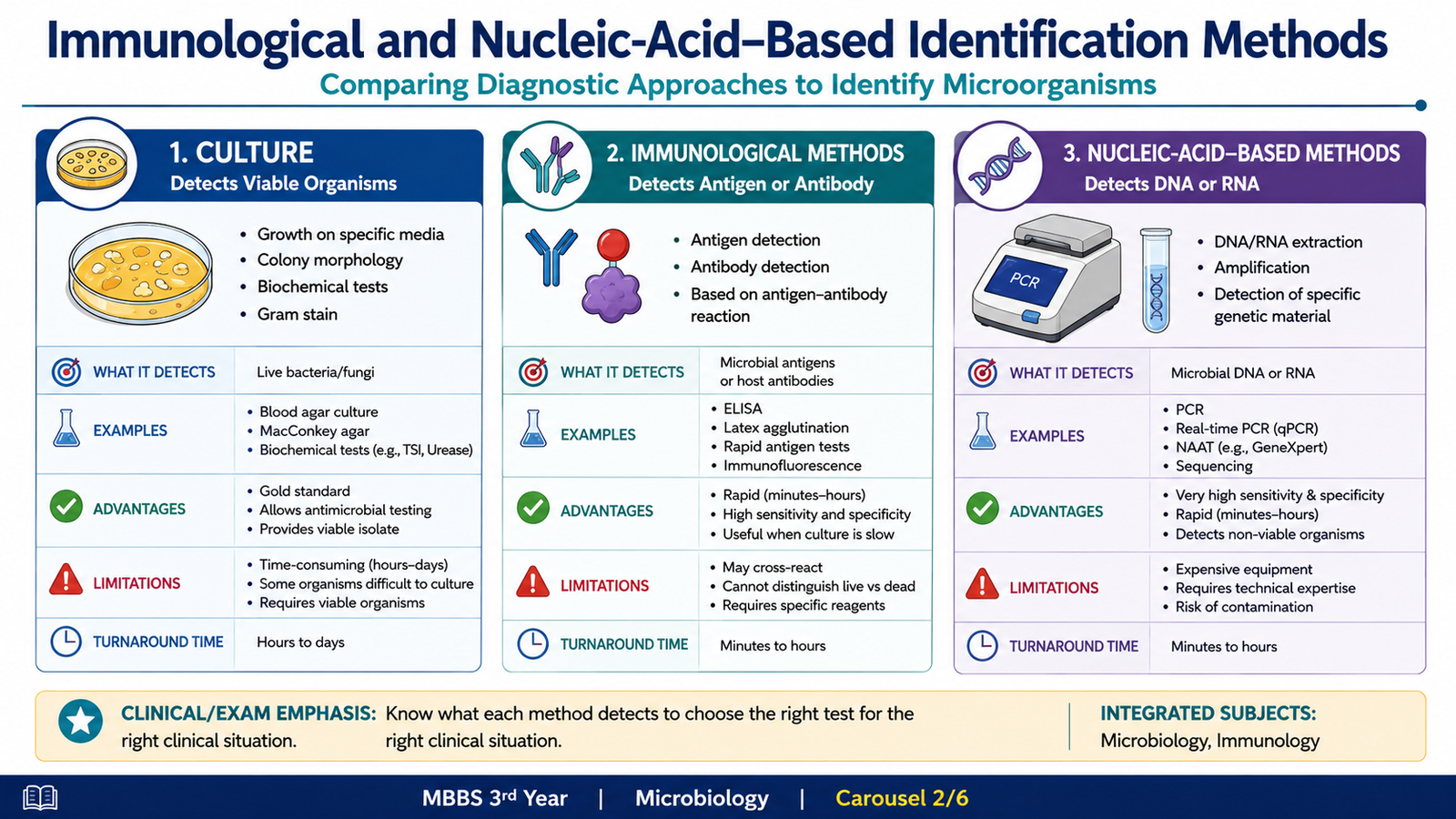
Culture remains fundamental in bacteriology, but some microorganisms can also be identified by detecting their antigens, antibodies produced by the host, or microbial nucleic acid. These approaches are useful when direct culture is difficult, slow or when rapid identification is clinically helpful. The important undergraduate concept is to understand what each method detects and what a positive result means.
Immunological Methods
Immunological methods depend on the specific interaction between an antigen and its corresponding antibody. A laboratory test may therefore be designed either to detect a microbial antigen in a patient specimen or to detect antibodies produced by the patient against a microorganism.
- Antigen detection looks for a component of the microorganism itself.
- Antibody detection demonstrates the host immune response to microbial exposure or infection.
- The clinical meaning depends on the organism, timing of infection and test being used.
- Serological evidence should therefore be interpreted with the patient’s clinical findings rather than in isolation.
Common immunological principles include visible antigen-antibody reactions and enzyme- or label-based systems that make an otherwise invisible reaction measurable. The curriculum-level emphasis is the principle of specific recognition rather than detailed laboratory instrumentation.
Nucleic-Acid-Based Methods
Nucleic-acid-based methods identify microorganisms by detecting characteristic sequences of microbial DNA or RNA. A major principle is amplification: a small amount of target nucleic acid can be copied so that it becomes detectable. Polymerase chain reaction, or PCR, is the best-known example of this approach.
Microbial target DNA → repeated amplification of a selected sequence → accumulation of detectable genetic material → evidence that the target microbial sequence is present.
Nucleic-acid detection can provide rapid and specific identification, but the result must still be interpreted correctly. Demonstration of microbial genetic material confirms the presence of the target sequence; it does not automatically provide every piece of information that may be obtained from culture, such as the behaviour of a viable isolate.
| Approach | Main Target | Basic Principle |
|---|---|---|
| Culture | Viable microorganism | Growth followed by identification |
| Immunological method | Antigen or antibody | Specific antigen-antibody recognition |
| Nucleic-acid method | Microbial DNA or RNA | Detection or amplification of a specific genetic sequence |
C. Core Terms and Determinants of Bacterial Pathogenesis
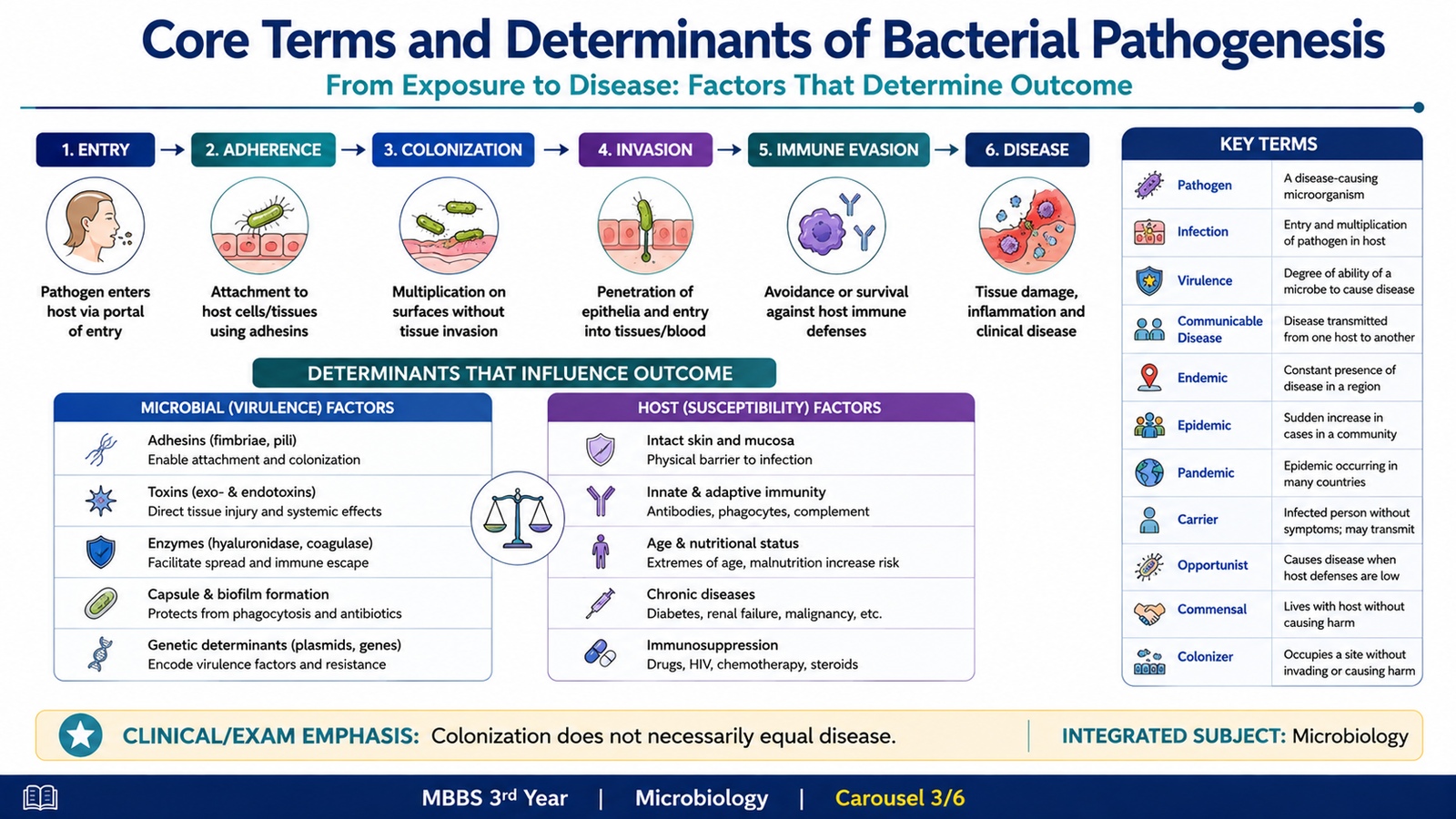
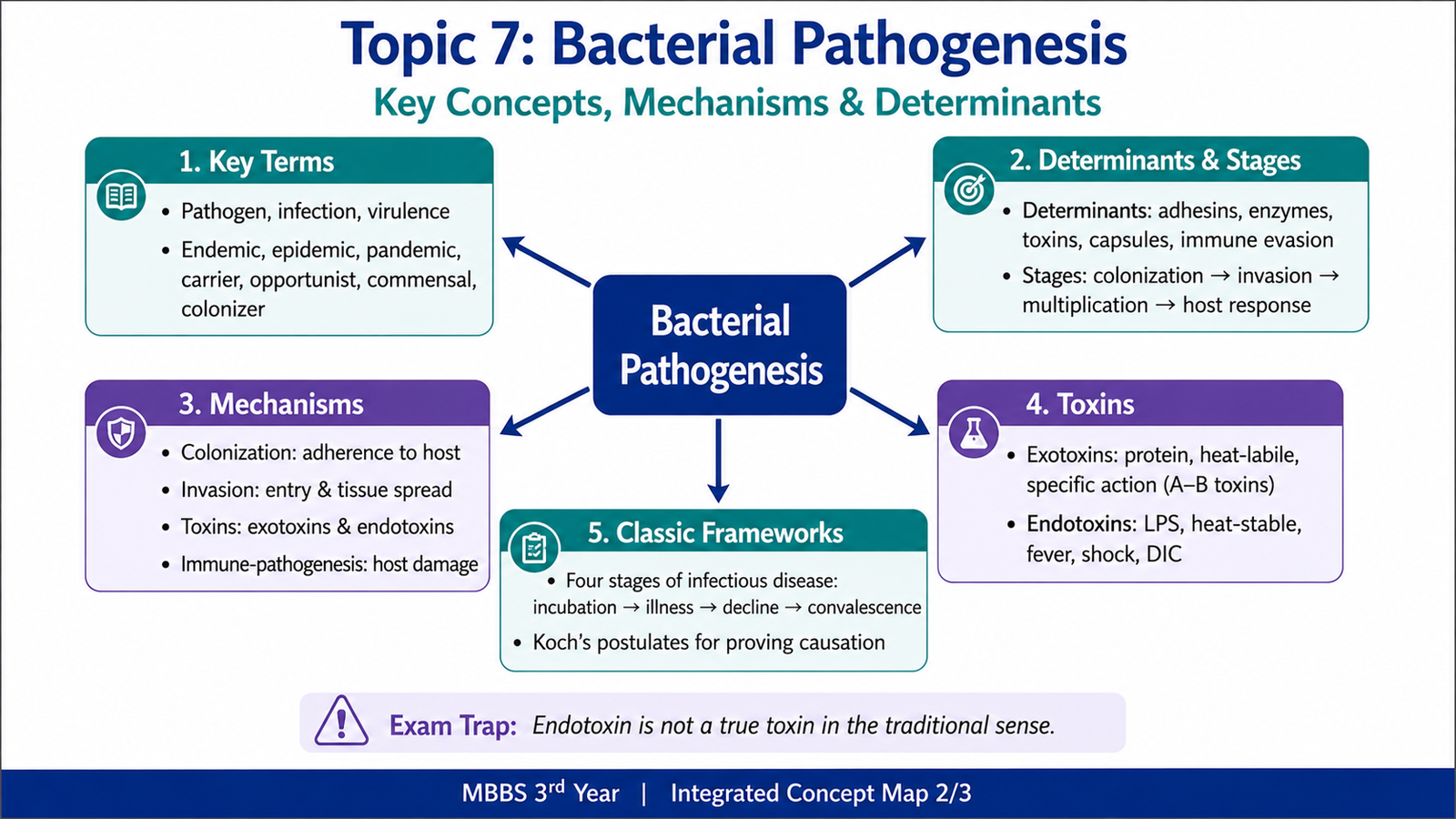
Bacterial pathogenesis describes the sequence of events through which a bacterium establishes itself in a host and produces disease. Not every bacterium that is present in the body causes disease. Some are normal inhabitants, some simply colonize a surface, some produce disease mainly under special circumstances, and others possess clear mechanisms that allow them to damage the host.
Essential Definitions
- Pathogen: a microorganism capable of causing disease.
- Infection: entry, establishment and multiplication of a microorganism in a host; infection may or may not produce clinically apparent disease.
- Virulence: the degree of pathogenicity of a microorganism, meaning how effectively it can produce disease or damage.
- Communicable disease: an infectious disease that can be transmitted from an infected source to another susceptible host through an appropriate route.
- Endemic: persistent or usual presence of a disease within a particular population or geographical area.
- Epidemic: occurrence of disease in a community or region at a frequency clearly above the normally expected level.
- Pandemic: an epidemic that extends across countries or continents and affects populations over a very wide geographical area.
- Carrier: a person who harbours a microorganism and may transmit it while having no obvious disease at that time.
- Opportunist: a microorganism that usually produces disease when host defenses are weakened or when it gains access to an abnormal site.
- Commensal: a microorganism that normally lives on or within the host without causing disease under usual conditions.
- Colonizer: a microorganism that becomes established and multiplies on a body surface without necessarily producing tissue invasion or disease.
What Determines Whether Disease Develops?
Disease depends on the interaction between the microorganism and the host. Exposure to a bacterium does not guarantee disease. The organism must reach a suitable site, survive host defenses, obtain nutrients and often multiply sufficiently to produce injury.
Important determinants include:
- Portal of entry: the organism must reach a site from which infection can become established.
- Adherence: many bacteria use surface structures or adhesins to attach to host cells and resist mechanical removal.
- Ability to colonize: the organism must survive and multiply at the local site.
- Invasion: some pathogens penetrate epithelial barriers and spread into deeper tissues.
- Evasion of host defenses: structures such as capsules or other bacterial factors may help organisms avoid immune elimination.
- Toxin production: bacterial toxins can directly alter cellular function or damage tissue.
- Host immune response: an immune reaction helps eliminate infection but can sometimes contribute to tissue injury.
- Host susceptibility: impaired barriers or weakened immune defenses can increase the chance of disease.
D. Colonization, Invasion, Toxins and Immune-Mediated Injury
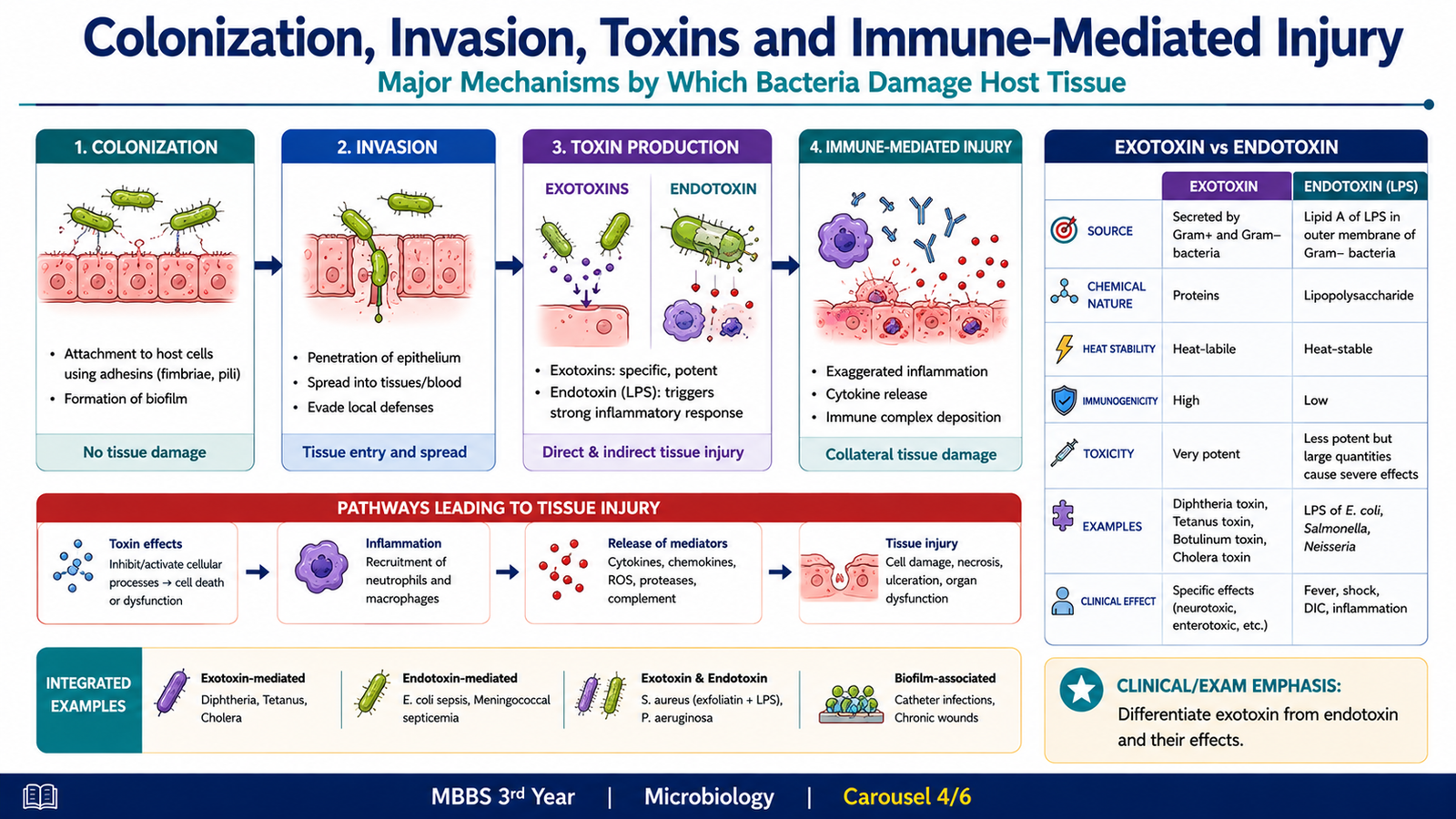
Bacterial disease commonly develops through a sequence rather than a single event. After reaching the host, a microorganism may first adhere and colonize. Some organisms remain mainly at the surface but release toxins, whereas others invade tissues. Tissue injury can therefore result from bacterial multiplication, direct toxin activity, host inflammation or a combination of these mechanisms.
Colonization
Colonization means establishment and multiplication of microorganisms at a body site without necessarily causing tissue damage. Adhesion is often important because normal mechanisms such as mucus flow, coughing, urination and intestinal movement continuously attempt to remove microorganisms from body surfaces.
A colonizing organism becomes clinically important when it possesses virulence factors that allow further progression, when it produces a toxin, or when host defenses become impaired.
Invasion
Invasion refers to penetration into tissues or spread beyond the initial colonization site. Invasive bacteria may cross epithelial barriers, multiply in tissues, enter lymphatics or blood, and provoke inflammation. Tissue injury may result from both bacterial factors and the inflammatory response generated against the organism.
Bacterial Toxins
Toxins are important virulence factors because they can disturb normal cellular function even when relatively limited numbers of bacteria are present. The two major toxin concepts for undergraduate microbiology are exotoxin and endotoxin.
Exotoxins are proteins produced by particular bacteria. They act on specific cellular targets and can therefore cause characteristic effects. Depending on the toxin, the target may be a cell membrane, intracellular signaling pathway, protein-synthesis machinery or another essential cellular process.
Endotoxin refers to lipopolysaccharide, particularly its lipid A component, associated with the outer membrane of Gram-negative bacteria. Its major effects occur through activation of host inflammatory pathways rather than highly specific targeting of one cell function. Excessive systemic inflammation can produce fever, vascular disturbance, hypotension and severe systemic illness.
| Feature | Exotoxin | Endotoxin |
|---|---|---|
| Nature | Protein | Lipopolysaccharide-associated component of Gram-negative outer membrane |
| Source | Produced by particular bacterial species | Gram-negative bacteria |
| Action | Usually acts on a specific cellular target | Activates inflammatory pathways |
| Typical effect | Specific physiological or cellular disturbance | Fever and systemic inflammatory effects; severe responses may contribute to shock |
| Toxoid formation | Some exotoxins can be converted into immunogenic toxoids | Not converted into toxoids for routine immunization |
Important Modes of Exotoxin Action
The effect produced by an exotoxin depends on its cellular target. At undergraduate level, the important principle is to connect the toxin’s action with the resulting functional disturbance.
- Interference with protein synthesis: interruption of essential cellular protein production leads to cell dysfunction or death.
- Alteration of intracellular signaling: abnormal signaling can disturb secretion, ion movement or cellular activity.
- Membrane damage: toxins that disrupt cell membranes may cause leakage of cell contents and cell death.
- Neurotoxic effects: certain toxins interfere with neurotransmitter release or neural signaling and therefore alter muscle function.
- Excessive immune activation: some bacterial proteins can produce widespread activation of immune cells and release of inflammatory mediators.
Immune-Pathogenesis
The immune system is essential for controlling bacterial infection, but inflammation can also contribute to disease. Recognition of bacterial structures activates immune cells and inflammatory mediators. These responses recruit leukocytes and help eliminate microorganisms. When inflammation is excessive or occurs in a vulnerable tissue, however, the resulting vascular changes, cellular enzymes and inflammatory mediators may injure host tissue.
Bacterial components → innate immune recognition → inflammatory mediator release → leukocyte recruitment and vascular changes → microbial control but possible collateral tissue injury.
E. Stages of Infectious Disease and Koch’s Postulates
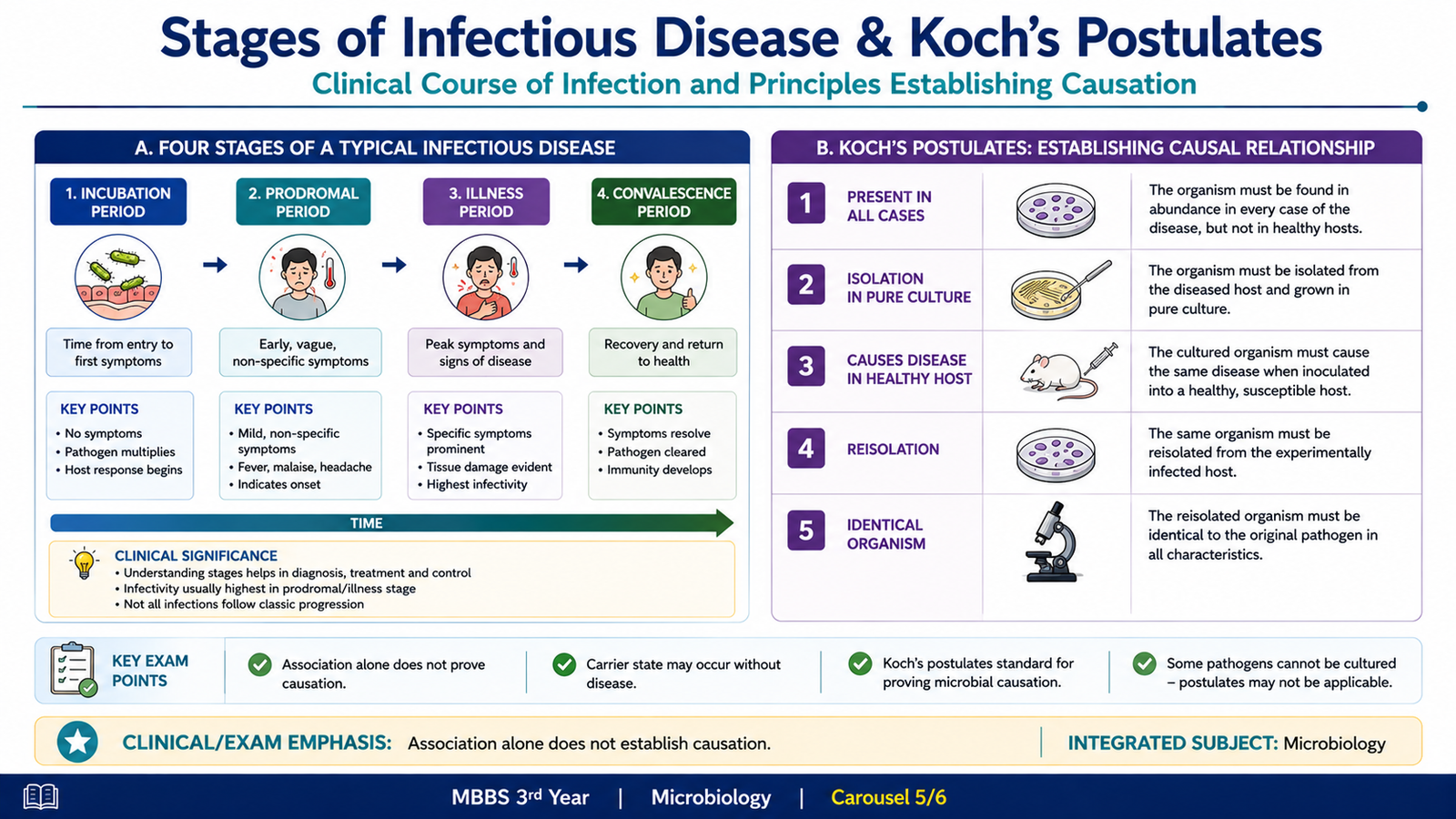
After infection is established, many infectious diseases progress through a recognizable sequence. The exact duration and clinical appearance vary between organisms, but the traditional four-stage model helps students understand how symptoms develop and eventually resolve.
Four Stages of a Typical Infectious Disease
The interval between entry of the pathogen and appearance of the first symptoms. The microorganism is establishing itself and multiplying, but characteristic clinical disease is not yet evident.
Early, usually nonspecific symptoms appear. The patient may feel unwell before the characteristic manifestations of the particular disease become obvious.
The characteristic manifestations of the infectious disease are most evident. Tissue injury, toxin effects and the host response contribute to the clinical picture.
The patient recovers as the infection is controlled and damaged tissues begin to return toward normal function. Recovery may be complete or complications may persist.
Koch’s Postulates
Koch’s postulates were developed to establish a causal relationship between a microorganism and a particular disease. Their importance lies in the concept that an organism should not merely be found in association with disease; there should be evidence that it is actually responsible for producing that disease.
- The suspected microorganism should be associated with cases of the disease.
- The microorganism should be isolated from the diseased host and grown in pure culture where this is biologically possible.
- The cultured microorganism should produce the corresponding disease when introduced into an appropriate susceptible host.
- The microorganism should then be recoverable again from the experimentally infected host and shown to correspond to the original organism.
These postulates established a fundamental framework for microbial causation. Modern microbiology recognizes that not every pathogen can satisfy the classical postulates exactly. Some microorganisms cannot be readily cultured by conventional methods, some diseases occur only in humans, and the same organism may produce disease in one individual while remaining asymptomatic in another. The central principle nevertheless remains important: causation requires evidence stronger than simple association.
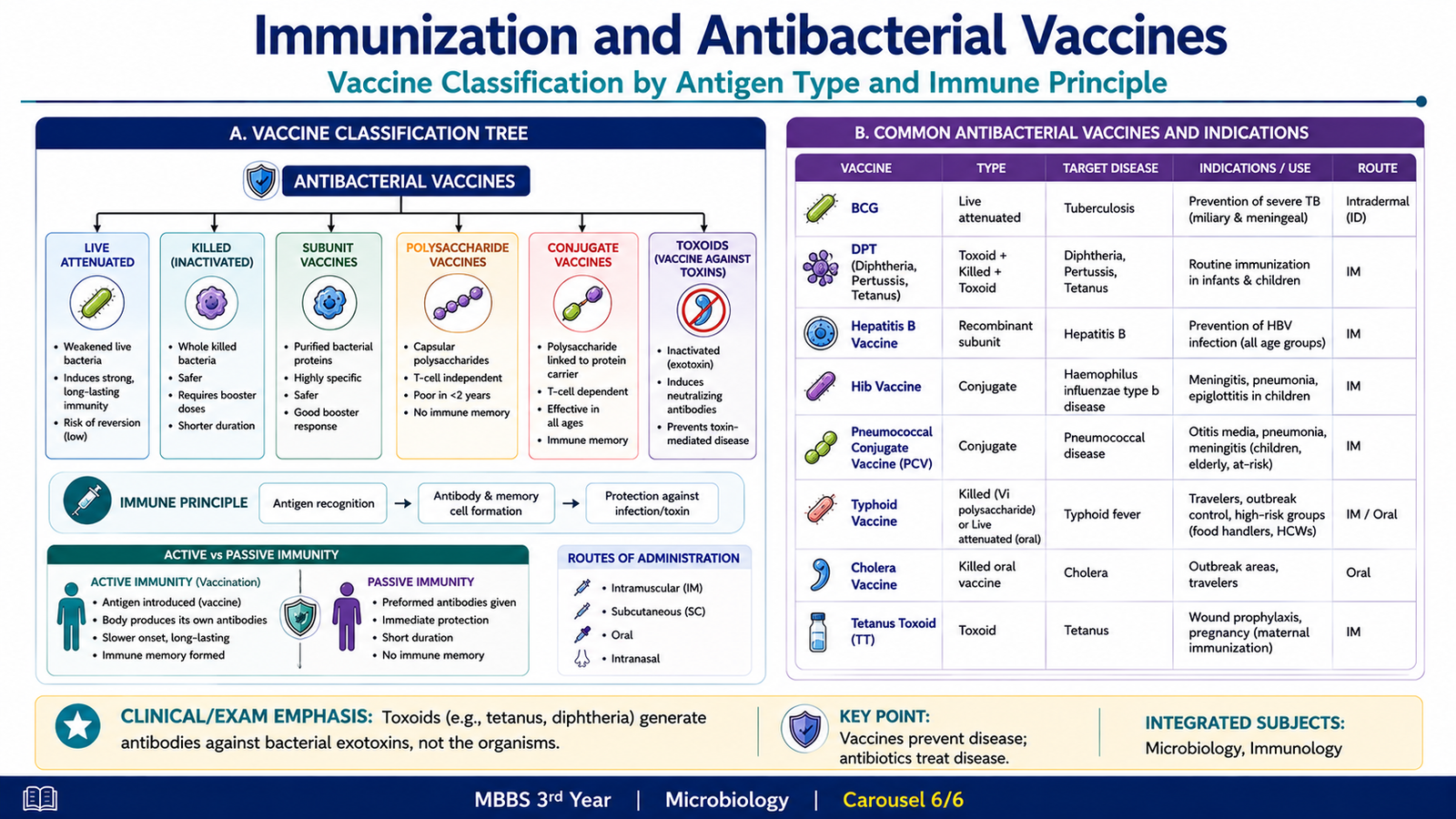
F. Immunization and Antibacterial Vaccines
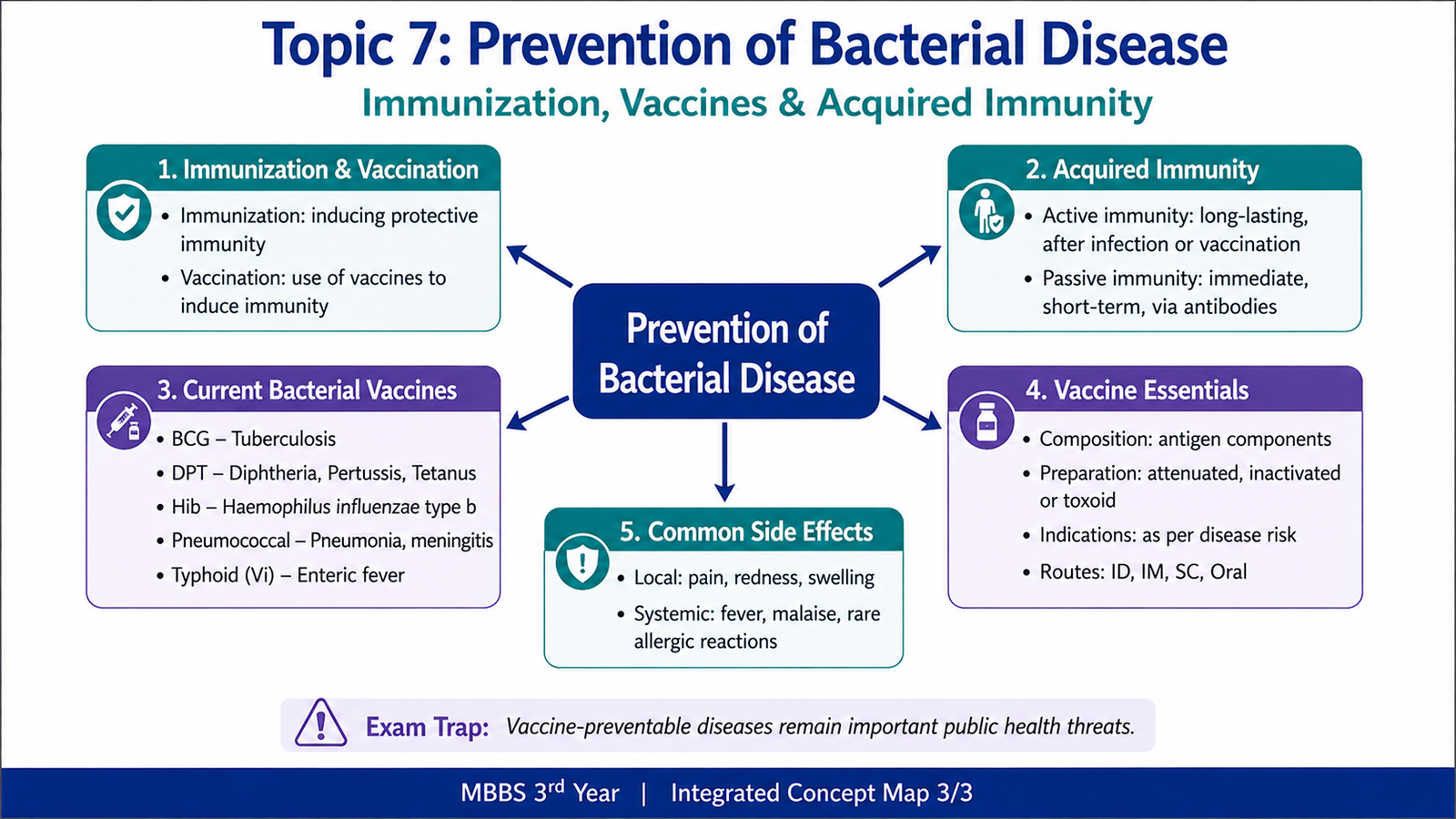
Immunization is the process by which a person acquires protection against an infectious disease through immune mechanisms. Vaccination is the administration of a vaccine to stimulate protective active immunity. Vaccination is therefore one method of immunization, while passive administration of ready-made antibodies is another.
Active Acquired Immunity
In active immunity, the person’s own immune system responds to an antigen. Following vaccination, antigen-specific lymphocytes are activated, antibodies and other immune responses are generated, and immunological memory develops. Protection is therefore not immediate, but it can persist because memory cells remain available for a faster response during later exposure.
Passive Acquired Immunity
In passive immunity, preformed antibodies are transferred to the person. Protection can begin rapidly because the recipient does not have to generate the antibodies first. However, passive immunity is temporary because the transferred antibodies are gradually removed and strong immunological memory is generally not produced.
| Feature | Active Immunity | Passive Immunity |
|---|---|---|
| Source of antibody | Produced by recipient | Transferred from another source |
| Onset | Requires time to develop | Rapid |
| Duration | Usually longer-lasting | Temporary |
| Memory | Produced | Not meaningfully produced by the transferred antibody |
| Typical method | Vaccination | Administration of preformed immunoglobulin or antitoxin |
Important Types of Bacterial Vaccines
Integrated Mechanism Flow
↓
2. Adherence and colonization at a suitable host site
↓
3. Local multiplication, invasion or toxin production
↓
4. Direct microbial injury plus host inflammatory response
↓
5. Clinical manifestations of infectious disease
↓
6. Appropriate specimen and laboratory identification
↓
7. Prevention through interruption of transmission and specific immunity where an effective vaccine is available
⭐ AIM High-Yield Review
- ⭐ Laboratory diagnosis starts with selecting an appropriate specimen from the suspected site of infection.
- Blood, cerebrospinal fluid and other normally sterile-site specimens have particular diagnostic importance when genuine bacterial growth is demonstrated.
- Poor specimen quality may produce contamination and misleading culture results.
- Immunological tests detect microbial antigen or host antibody, whereas nucleic-acid methods detect microbial DNA or RNA.
- Colonization does not automatically mean infection or disease.
- Virulence is the degree of pathogenicity of a microorganism.
- Important pathogenesis steps include entry, adherence, colonization, invasion or toxin action, immune response and tissue injury.
- ⭐ Exotoxins are proteins with specific cellular actions; some can be converted into toxoids.
- ⭐ Endotoxin is associated with Gram-negative lipopolysaccharide and produces important effects through host inflammatory activation.
- The four typical stages of infectious disease are incubation, prodromal, illness and convalescence.
- Koch’s postulates provide a framework for distinguishing causal infection from simple microbial association.
- Vaccination produces active immunity by stimulating the person’s own immune response and memory.
- Passive immunity provides preformed antibodies, acts rapidly and is temporary.
- ⭐ Conjugation of a bacterial polysaccharide to a protein carrier improves its ability to generate an effective immune response.
- ⭐ Diphtheria and tetanus vaccines are classic examples of toxoid vaccines that induce toxin-neutralizing antibodies.