
This chapter follows the supplied KMU learning outcomes in a logical sequence. First understand how drug interactions and altered responses occur, then connect these concepts with adverse drug reactions and the pathway of new drug development. Use the High-Yield Review at the end only after understanding the main explanations.
Topic 5 — Drug Interactions, Altered Drug Response, Adverse Reactions and Drug Development
Understand how drugs influence one another, why drug responses may change with repeated use, how adverse reactions are recognized and classified, and how a new medicine progresses from discovery to clinical use and post-marketing surveillance.
Topic Introduction
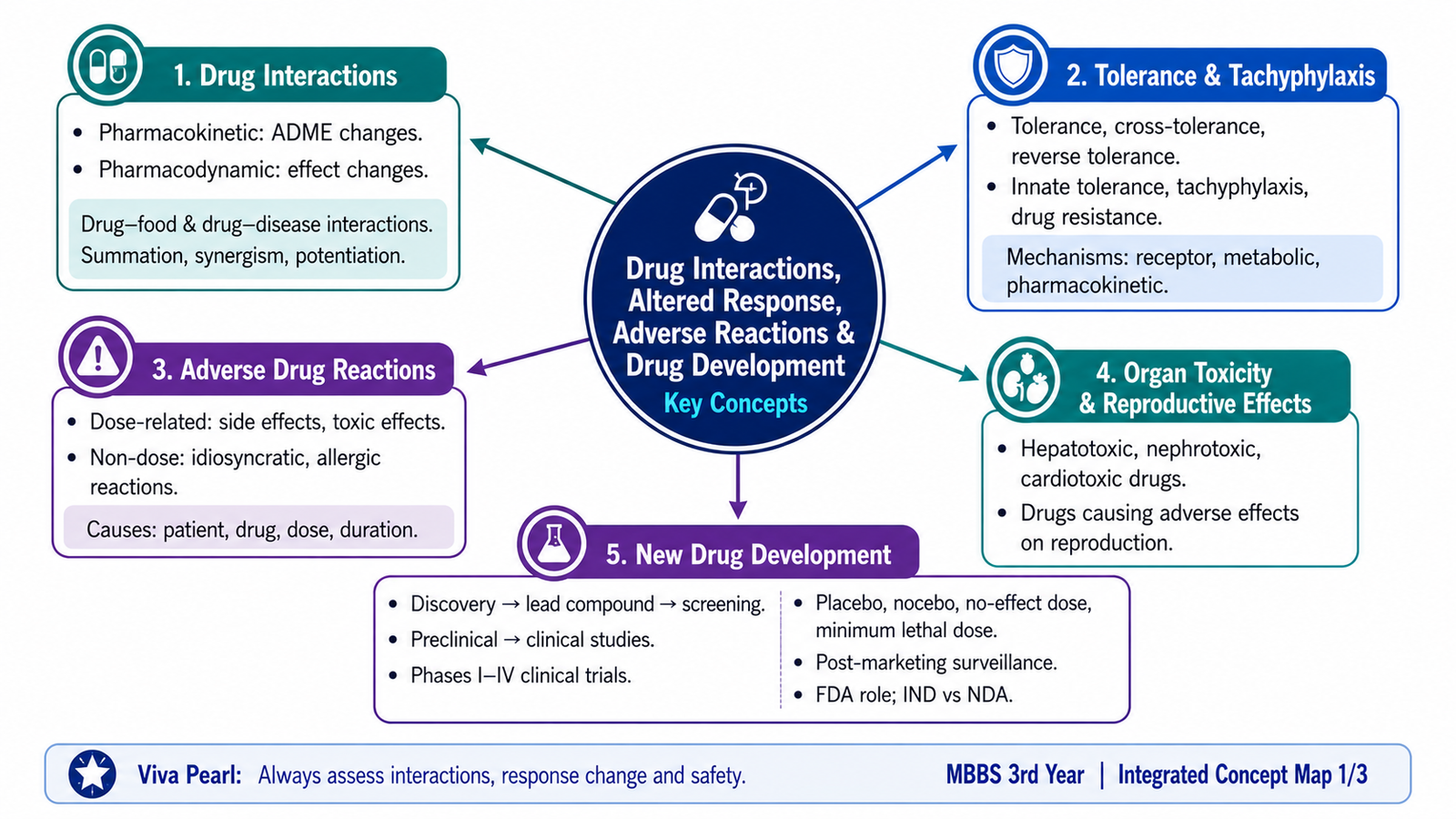
A medicine does not act in isolation. Its effect may be altered by another drug, food, an existing disease or repeated exposure. Some combinations increase an effect, some reduce it, and others may produce harmful reactions. Patients may also become less responsive to a drug with continued use, while certain individuals develop unusual adverse reactions even at normal doses. Pharmacology therefore includes not only how drugs produce useful effects, but also how their effects change and how their safety is evaluated. This chapter also explains how potential medicines are discovered, tested in preclinical studies and clinical trials, reviewed by regulatory authorities and continuously monitored after marketing.
A. Fundamentals of Drug Interactions and Drug Incompatibility
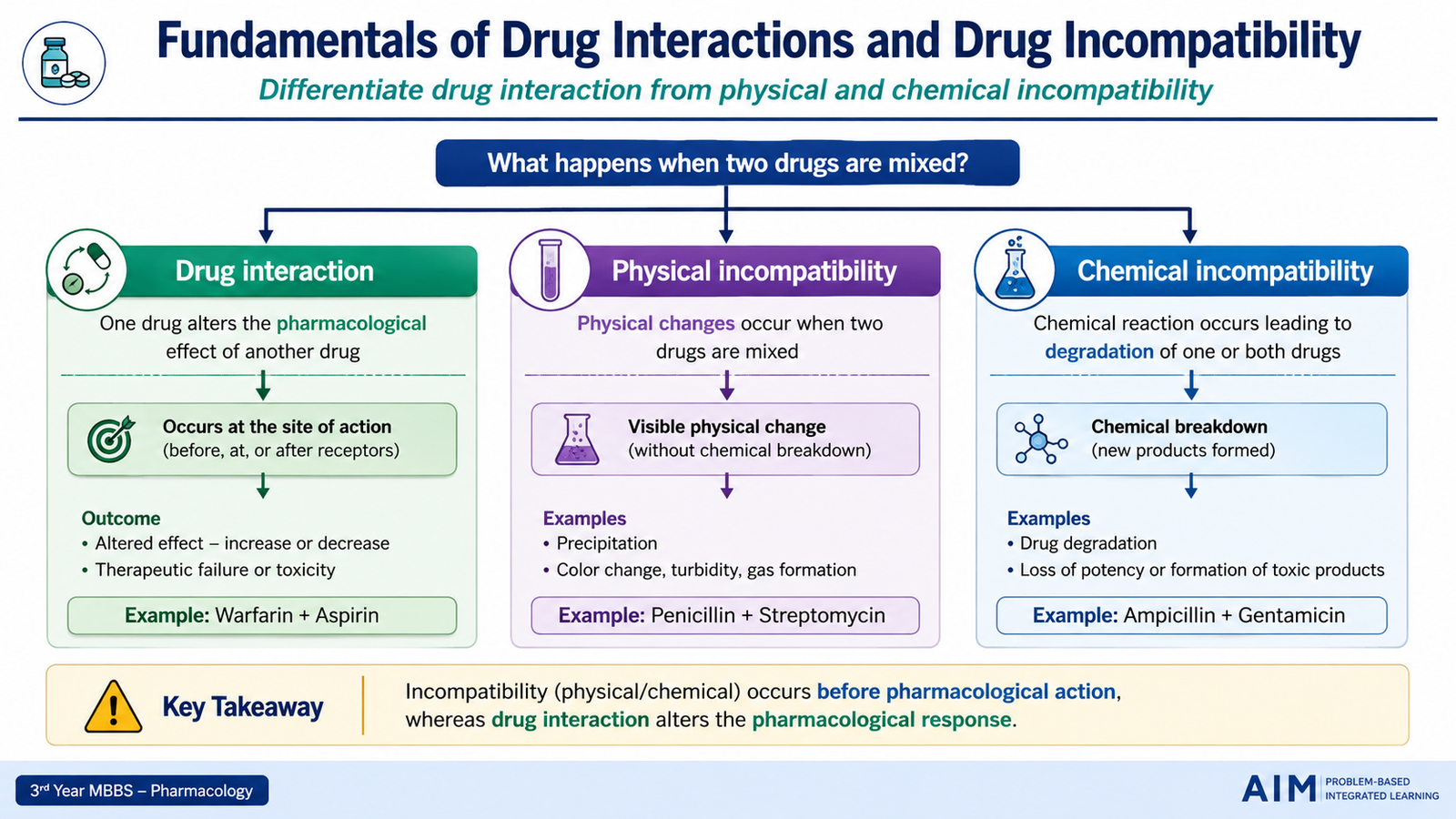
A drug interaction occurs when the effect of one drug is modified by another drug, food, beverage, chemical substance or sometimes a disease state. The interaction may increase the desired effect, reduce therapeutic benefit or increase toxicity. Understanding interactions is important because patients frequently receive more than one medicine at the same time.
Drug incompatibility
Drug incompatibility is a physical or chemical interaction that occurs before the drugs reach the patient or before they can exert their usual pharmacological effects. It commonly occurs when drugs are mixed in the same syringe, intravenous solution or container. The interaction may cause precipitation, cloudiness, color change, chemical degradation or loss of drug activity. Therefore, incompatibility is different from a pharmacodynamic interaction occurring at receptors or a pharmacokinetic interaction occurring inside the body.
| Type | What happens? | Example principle |
|---|---|---|
| Physical incompatibility | Visible physical change such as precipitation or separation | Two injectable preparations form a precipitate when mixed |
| Chemical incompatibility | Chemical reaction causes degradation or inactivation | One drug chemically destroys another in the same solution |
Clinical significance: incompatible drugs should not be mixed unless compatibility is known because the patient may receive an ineffective preparation or potentially harmful particles.
B. Pharmacokinetic, Pharmacodynamic, Drug–Food and Drug–Disease Interactions
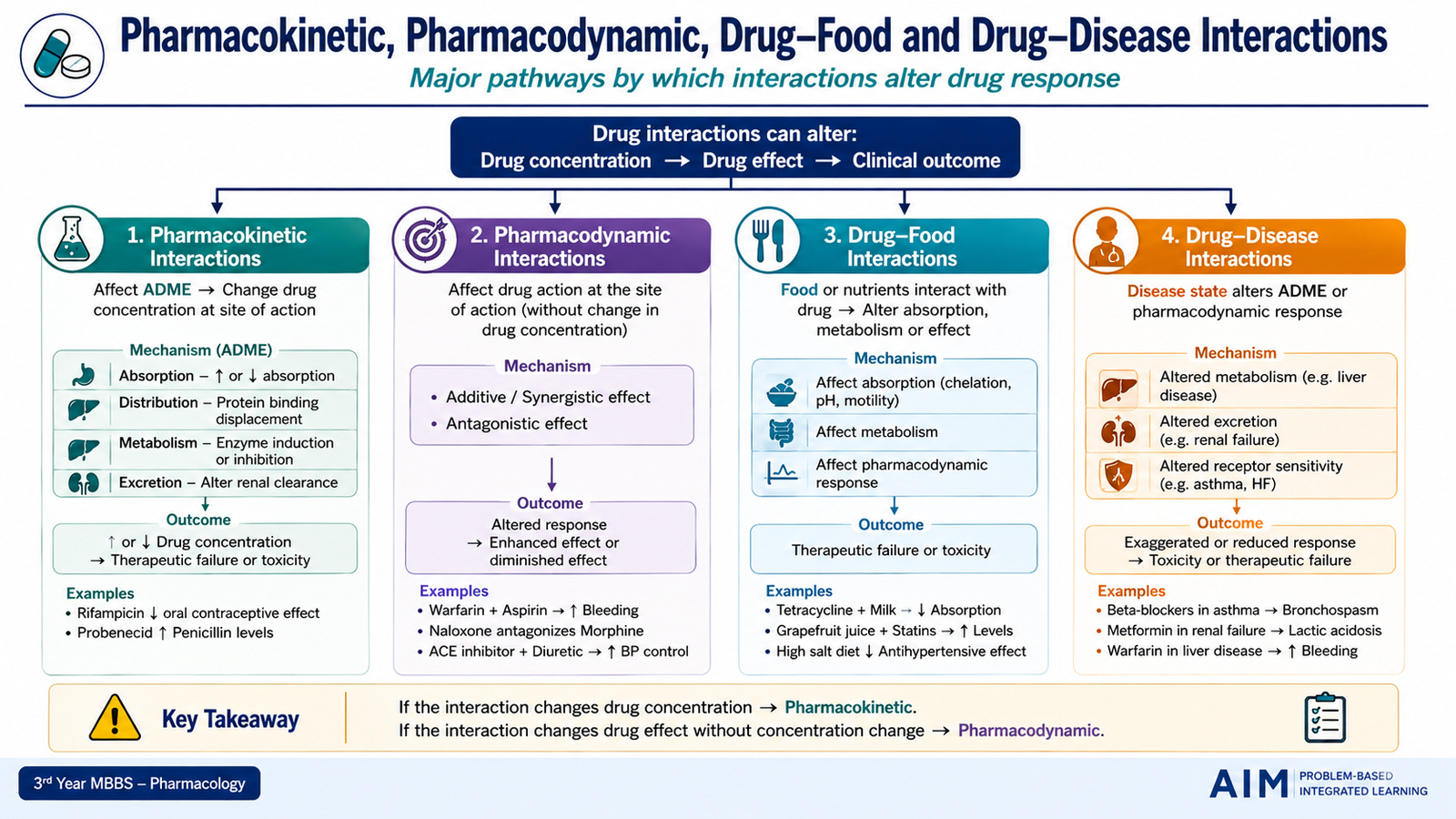
Drug interactions occurring inside the body are commonly understood as pharmacokinetic or pharmacodynamic. Pharmacokinetic interactions change how much drug reaches its site of action, whereas pharmacodynamic interactions alter the final response without necessarily changing the drug concentration.
Pharmacokinetic interactions
A pharmacokinetic interaction occurs when one drug changes the absorption, distribution, metabolism or excretion of another drug. The resulting plasma concentration may therefore rise or fall.
- Absorption: one substance may reduce gastrointestinal absorption of another, decreasing the amount reaching the circulation.
- Distribution: displacement from plasma protein-binding sites may transiently increase the free fraction of a highly bound drug.
- Metabolism: enzyme inhibition usually slows metabolism and may increase drug concentration, whereas enzyme induction can accelerate metabolism and reduce the effect of susceptible drugs.
- Excretion: alteration of renal elimination can increase or decrease the concentration and duration of another drug.
Pharmacodynamic interactions
A pharmacodynamic interaction occurs when two drugs influence the same physiological system, receptor pathway or final response. The concentration of either drug does not have to change. For example, two drugs that depress the central nervous system may produce greater sedation when used together. Conversely, drugs producing opposing physiological effects may reduce each other’s response.
Drug–food interactions
Food may influence absorption, metabolism or pharmacological action. The effect depends on the particular drug and food component. A clinically important interaction may therefore result in reduced efficacy or excessive drug effect. For example, certain foods may alter gastrointestinal absorption, while dietary substances can also modify the effect of drugs acting on physiological systems. The important principle is that food can behave as an interacting factor rather than simply being nutritionally neutral.
Drug–disease interactions
A drug–disease interaction occurs when an existing disease modifies the action, handling or safety of a drug, or when a drug worsens an underlying condition. Renal or hepatic dysfunction may reduce drug elimination and increase toxicity, while some drugs may aggravate diseases because of their normal pharmacological effects.
C. Summation, Synergism, Potentiation and Altered Drug Responsiveness
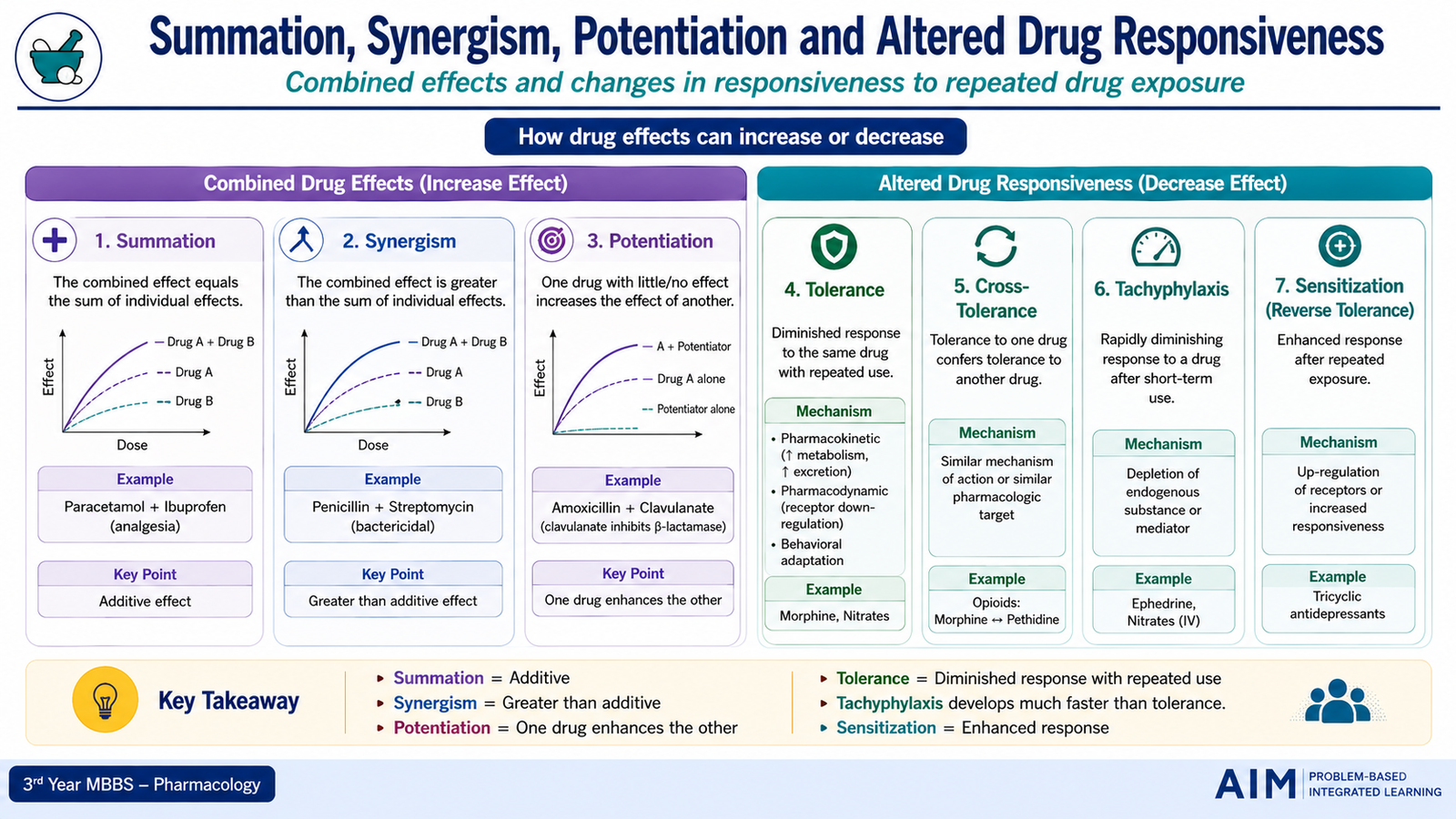
When drugs are combined, their final response may equal, exceed or differ greatly from the response expected from either drug alone. Repeated exposure can also change how strongly the body responds to a medicine. These concepts explain several commonly tested forms of altered drug response. TermMeaningConceptual patternSummationCombined effect equals the sum of the individual effects1 + 1 = 2SynergismCombined effect is greater than the simple sum of the individual effects1 + 1 > 2PotentiationA substance with little or no effect of its own increases the effect of another drug0 + 1 > 1
Tolerance
Tolerance is a reduction in response to a drug after repeated or prolonged exposure, so a previously effective amount produces a smaller effect. It may result from altered receptors, increased drug metabolism or physiological adaptation. Important mechanisms include:
- Pharmacokinetic tolerance: increased metabolism reduces the drug concentration reaching its target.
- Pharmacodynamic tolerance: receptors or downstream signalling become less responsive.
- Physiological adaptation: compensatory body responses oppose the drug’s action.
Cross-tolerance
Cross-tolerance means tolerance to one drug reduces responsiveness to another drug with similar pharmacological actions or mechanisms.
Reverse tolerance or sensitization
Reverse tolerance, also called sensitization, is an increased response after repeated exposure. In this situation, the same dose produces a greater effect rather than a smaller one.
Innate tolerance
Innate tolerance is naturally reduced sensitivity to a drug that exists before repeated exposure. It reflects inherent biological differences rather than adaptation produced by chronic drug administration.
Tachyphylaxis
Tachyphylaxis is a very rapidly developing reduction in drug response when repeated doses are given at short intervals. It may occur because an endogenous mediator becomes depleted or because receptors rapidly become desensitized.
Drug resistance
Drug resistance refers to reduced susceptibility of microorganisms, malignant cells or other biological targets to a drug that would normally inhibit or destroy them. It is different from patient tolerance because the change lies primarily in the target organism or cell population.
Drug holiday
A drug holiday is a planned temporary interruption of treatment. In selected situations it may allow responsiveness to recover or reduce certain treatment-related problems. A classic pharmacological principle is temporary interruption when continued exposure has contributed to reduced responsiveness. Drug holidays should not be interpreted as unsupervised stopping of necessary medication.
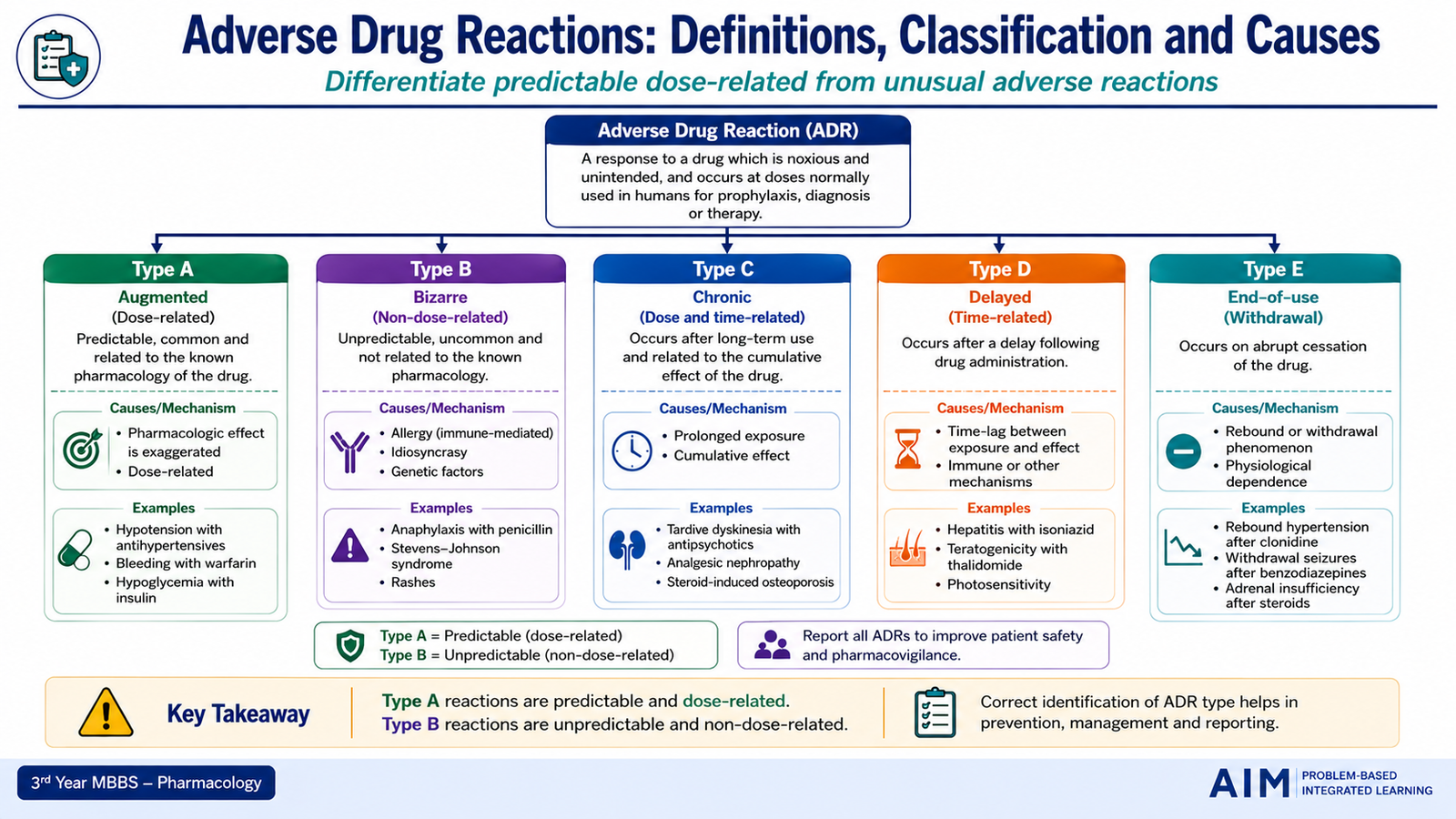
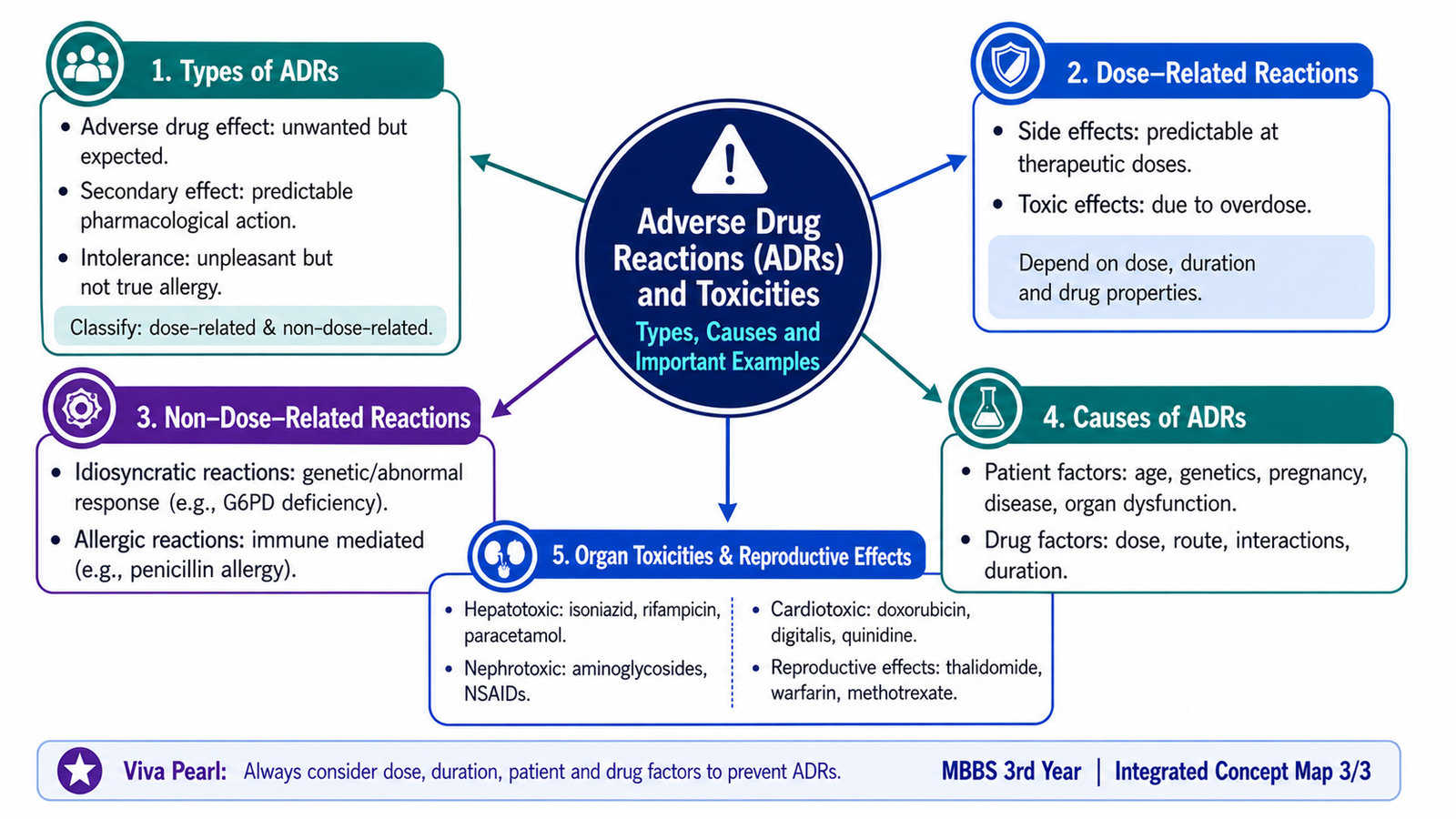
D. Adverse Drug Reactions: Definitions, Classification and Causes
Drug therapy may produce effects other than the intended therapeutic response. Some are predictable consequences of normal pharmacology, while others are unusual and unrelated to the usual dose-response relationship. Recognizing these patterns helps distinguish common side effects from potentially serious adverse drug reactions.
Classification of adverse drug reactions
A practical pharmacological classification separates predictable, dose-related reactions from less predictable reactions and also recognizes reactions associated with prolonged use, delayed effects or treatment withdrawal.
| Type | Main feature | General character |
|---|---|---|
| Type A — Augmented | Dose-related exaggeration of known pharmacological action | Predictable and relatively common |
| Type B — Bizarre | Not explained by usual pharmacological action | Unpredictable; includes allergic and idiosyncratic reactions |
| Type C — Chronic | Associated with prolonged exposure | Related to cumulative use |
| Type D — Delayed | Appears after a delay | May become evident after exposure has occurred |
| Type E — End-of-use | Occurs after withdrawal | Related to stopping the drug |
Dose-related side effects and toxic effects
A side effect is an unintended effect occurring at therapeutic doses and is often related to the known pharmacological action of the drug. A toxic effect is a harmful effect that becomes more likely when drug exposure is excessive, for example because of overdose, accumulation or impaired elimination.
Idiosyncratic reactions
An idiosyncratic reaction is an unusual, unexpected response occurring in a susceptible individual. It is commonly related to individual biological or genetic characteristics and is not simply an exaggeration of the usual dose-related effect.
Allergic drug reactions
A drug allergy is an immune-mediated reaction to a drug or one of its metabolites. Previous sensitization may be required. Once sensitized, a patient may react to a relatively small amount because the reaction depends on immune recognition rather than the ordinary pharmacological dose-response relationship.
Why adverse drug reactions occur
- Excessive dose or prolonged exposure
- Impaired renal or hepatic elimination causing accumulation
- Drug interactions that raise drug concentration or enhance effect
- Age-related differences in drug handling or sensitivity
- Genetic variation and idiosyncratic susceptibility
- Immune sensitization producing allergic reactions
- Underlying disease altering drug handling or tissue response
E. Important Organ Toxicity and Adverse Effects on Reproduction
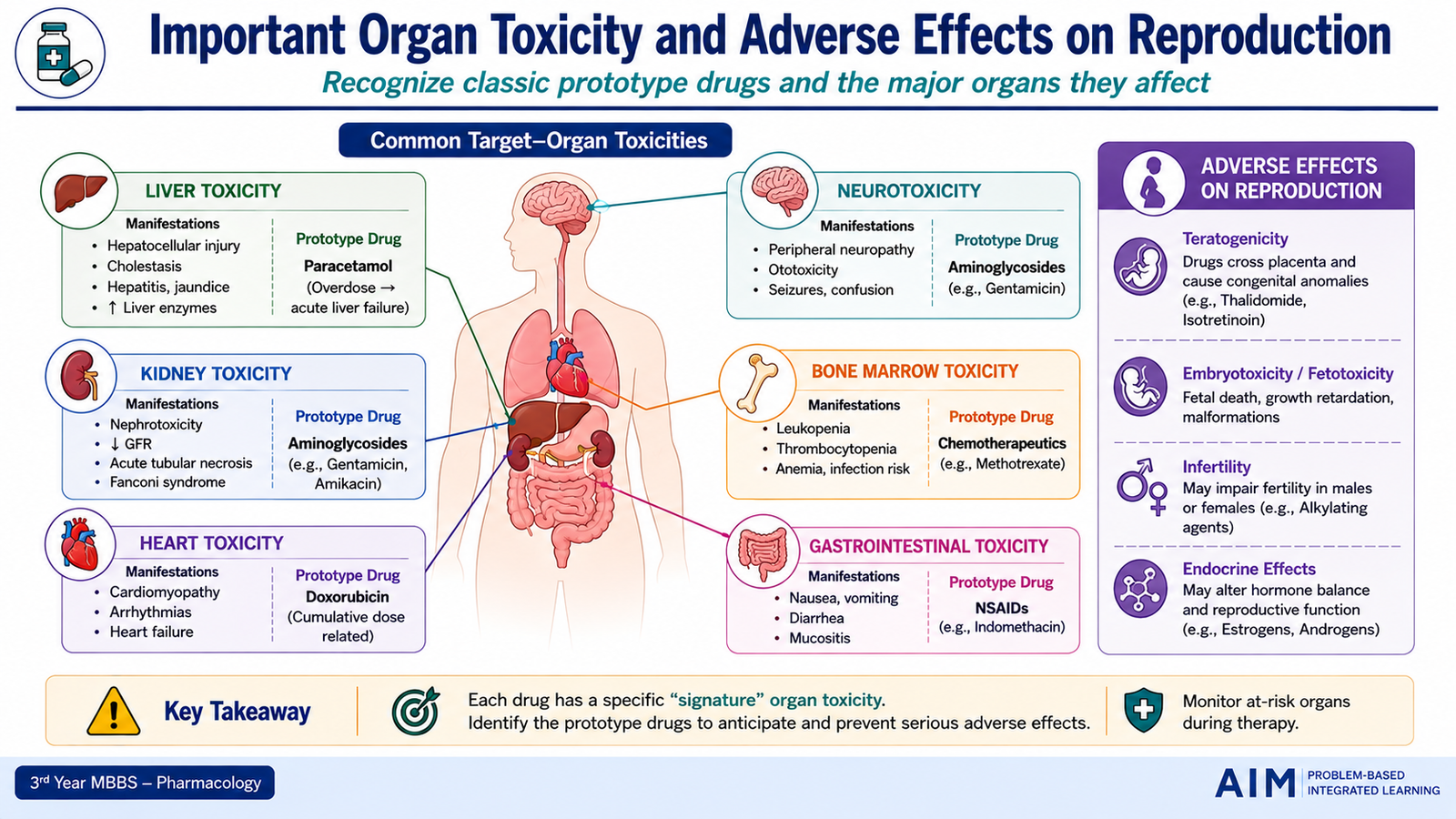
Some drugs are particularly important because they may damage specific organs or interfere with reproduction and fetal development. Students should recognize common prototype examples rather than attempting to memorize every drug capable of producing organ toxicity.
Important hepatotoxic drugs
Hepatotoxicity means drug-induced injury to liver cells or liver function. Injury may occur through direct toxicity, reactive metabolites or individual susceptibility.
- Paracetamol in toxic exposure: excessive formation of a reactive metabolite can cause severe hepatic necrosis.
- Isoniazid: may cause clinically important hepatocellular injury.
- Methotrexate: prolonged exposure can produce hepatic injury.
Important nephrotoxic drugs
Nephrotoxicity occurs when a drug damages renal structures or impairs renal function. Because the kidneys receive a large blood flow and concentrate many drugs during excretion, they are particularly vulnerable to toxic substances.
- Aminoglycosides: may damage renal tubular cells.
- Amphotericin B: can produce significant renal toxicity.
- Cisplatin: is an important nephrotoxic anticancer drug.
- NSAIDs: may impair renal function in susceptible patients through inhibition of renal prostaglandin synthesis.
Important cardiotoxic drugs
Cardiotoxicity includes harmful effects on myocardial function or cardiac electrical activity.
- Doxorubicin: an important prototype associated with myocardial injury and cardiomyopathy.
- Certain drugs that markedly prolong cardiac repolarization: may predispose susceptible patients to dangerous arrhythmias.
Adverse effects on reproduction
Drug-related reproductive harm may involve fertility, embryonic development or fetal growth and organ formation. A drug capable of producing developmental abnormalities is described as having teratogenic potential. Important prototype drugs associated with reproductive or fetal adverse effects include:
- Thalidomide: historically associated with severe limb developmental abnormalities.
- Isotretinoin: strongly associated with major congenital abnormalities when fetal exposure occurs.
- Valproate: associated with important fetal developmental risks.
- Methotrexate: can interfere with rapidly dividing cells and is harmful to embryonic development.
F. Drug Discovery, Screening and Preclinical Development
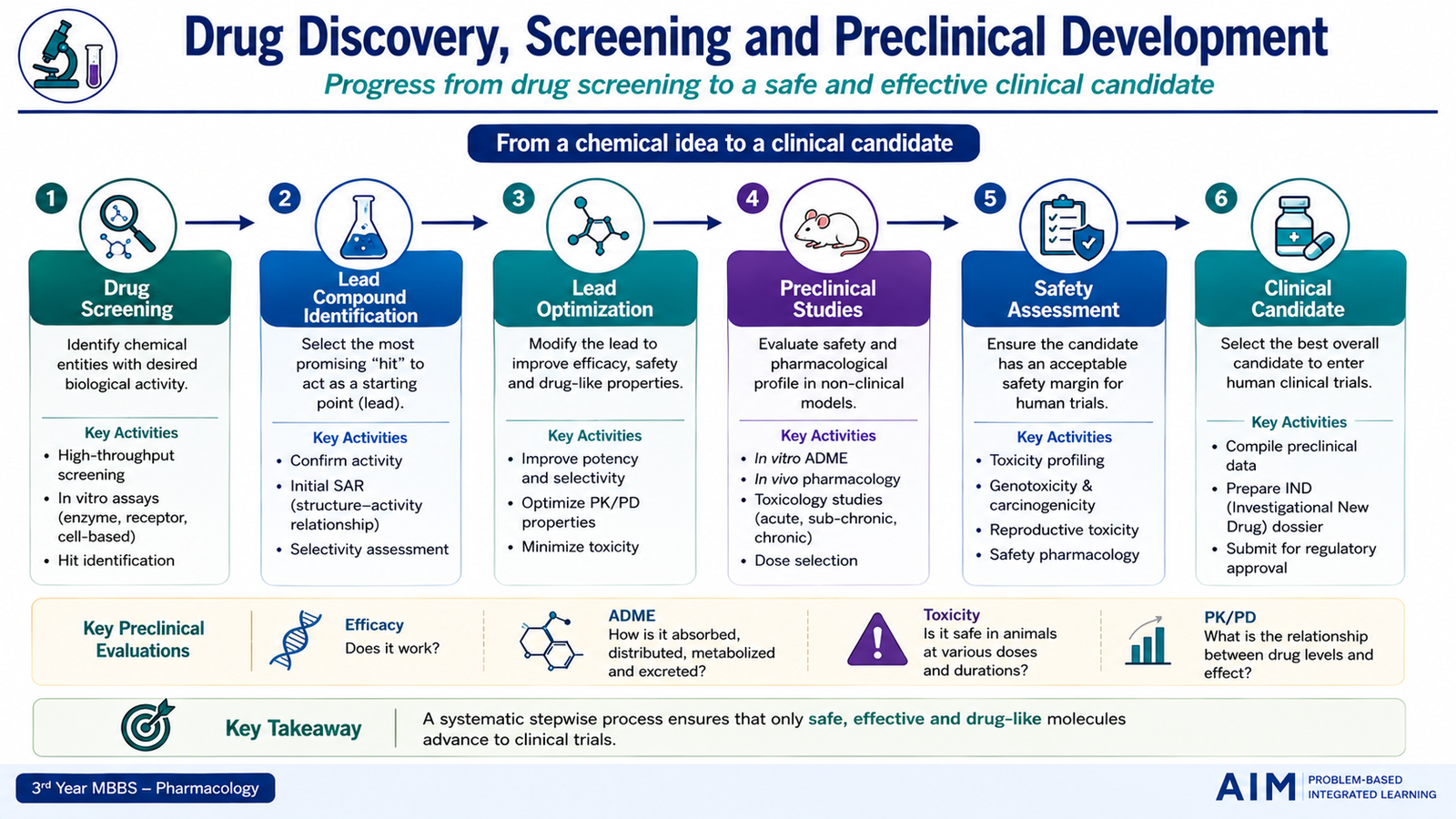
The development of a new medicine begins long before it is prescribed to patients. Potential compounds are identified, screened for useful biological activity and progressively studied for effectiveness, pharmacokinetic behaviour and toxicity. Only promising compounds proceed toward human clinical testing.
Drug discovery
Drug discovery is the process of identifying substances that may produce a useful therapeutic effect. Discovery may begin from knowledge of a biological target, screening of chemical compounds or modification of an existing molecule.
Lead compound
A lead compound is a promising chemical substance that shows useful activity against a selected biological target and can be further modified and studied as a possible drug candidate. A lead compound is not yet an approved medicine. Its potency, selectivity, pharmacokinetic properties and safety usually need considerable improvement before human use can be considered.
Drug screening
Drug screening is the systematic testing of compounds to identify those producing a desired biological effect. Screening allows researchers to select promising candidates from a much larger group of substances.
Preclinical studies
Preclinical studies evaluate a candidate before routine human testing. Laboratory and appropriate experimental models are used to examine pharmacological activity, toxicity and important pharmacokinetic properties. Major questions include:
- Does the candidate produce the intended biological effect?
- What major toxic effects can occur?
- How is the compound absorbed, distributed, metabolized and excreted?
- Is there sufficient evidence to justify carefully controlled human studies?
ADME studies
ADME studies examine Absorption, Distribution, Metabolism and Excretion. These studies help predict drug concentration, duration of exposure, possible accumulation and the importance of metabolites.
No-effect dose and minimum lethal dose
A no-effect dose is a dose at which a specified measurable effect is not observed under the conditions of the experiment. The minimum lethal dose is the smallest dose capable of causing death under defined experimental conditions. These concepts arise from experimental dose-response assessment and help describe the relationship between exposure and toxicity.
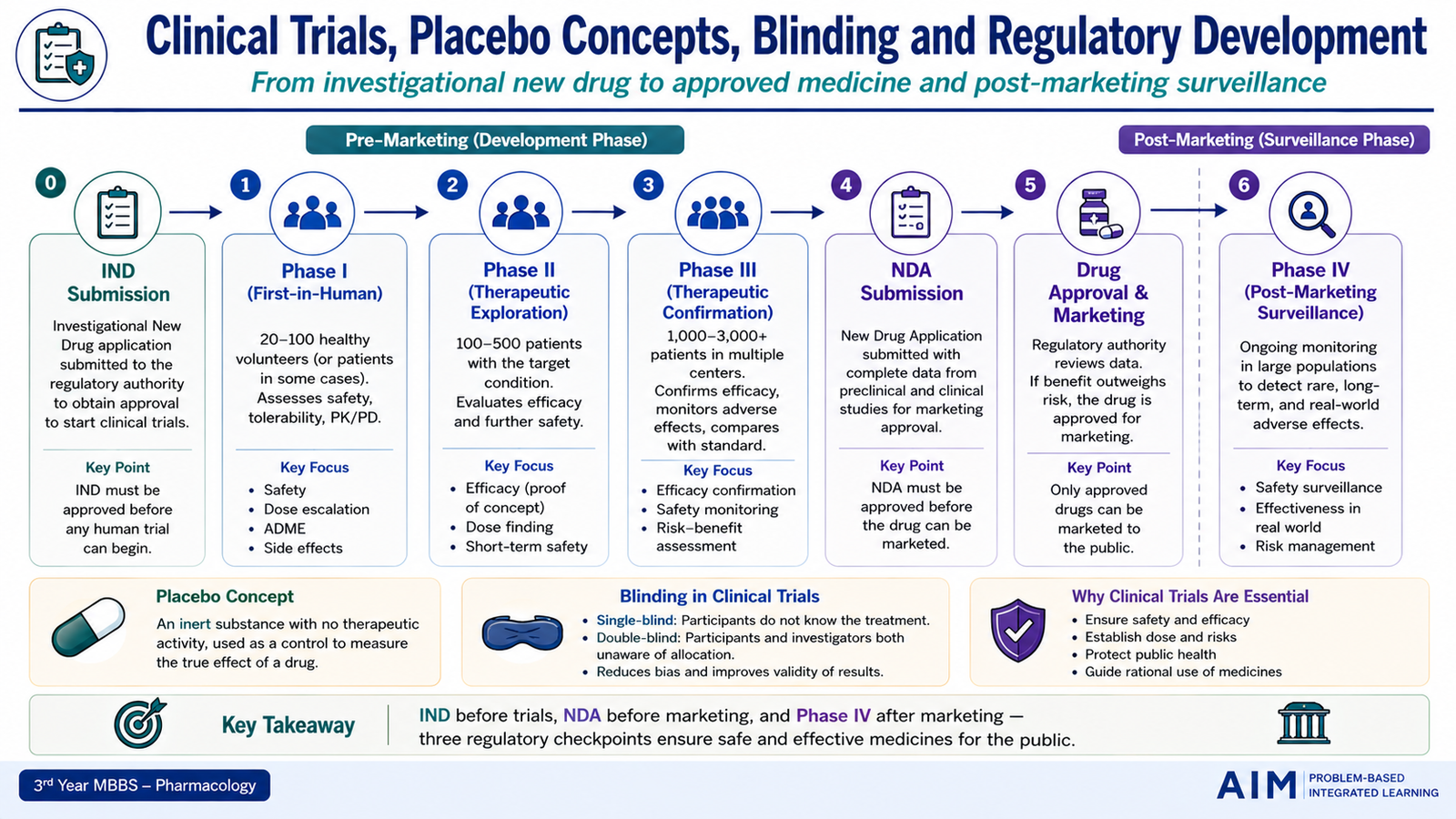
G. Clinical Trials, Placebo Concepts, Blinding and Regulatory Development
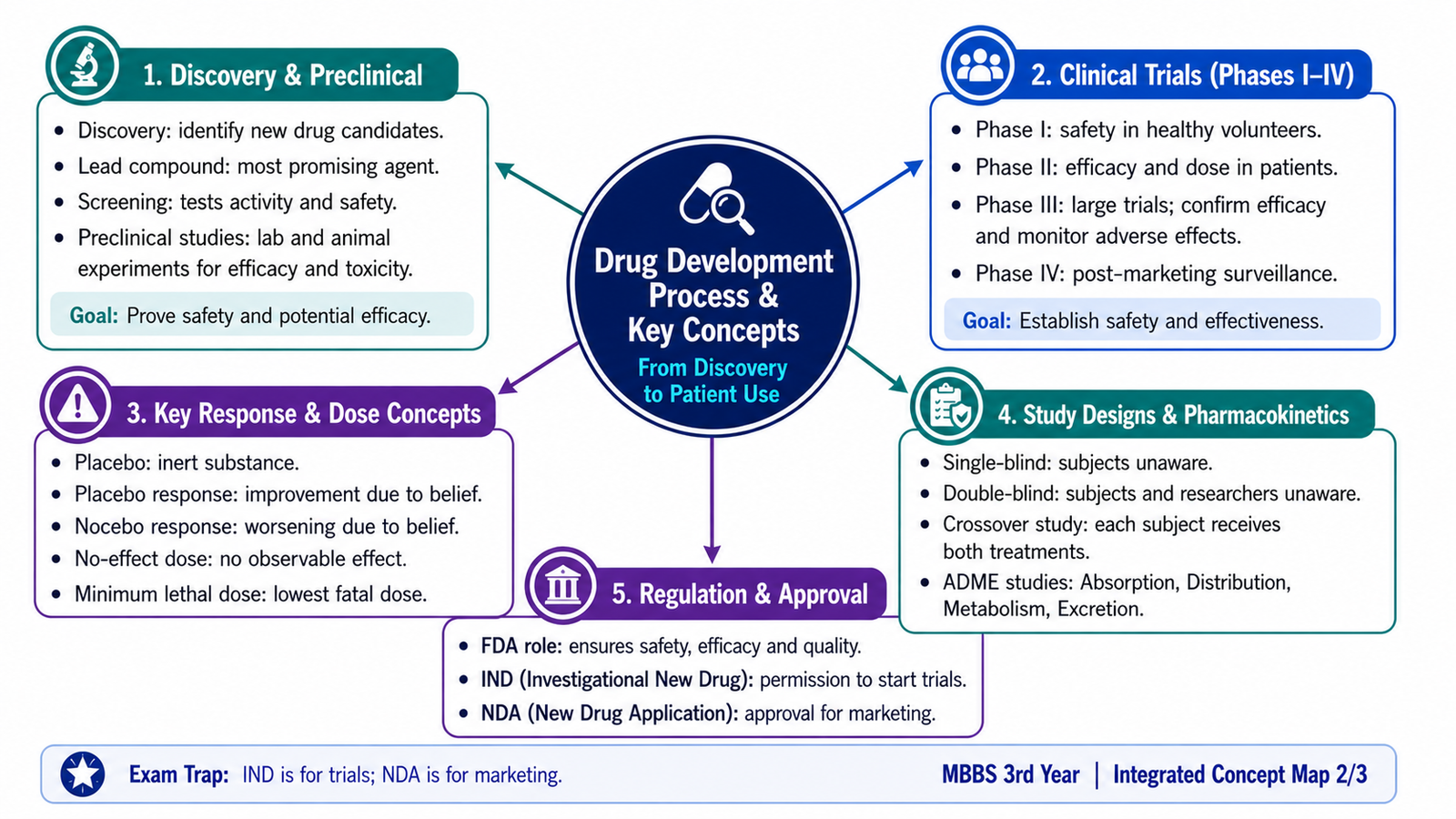
After sufficient preclinical evidence has been obtained, a candidate may enter carefully controlled studies in humans. Clinical development proceeds through defined phases, with each phase answering different questions about safety, pharmacology, efficacy and longer-term use. Regulatory review accompanies this progression.
Post-marketing surveillance
Post-marketing surveillance is continued monitoring of a medicine after it has been approved and marketed. Pre-approval trials cannot reveal every possible adverse effect because uncommon reactions may require exposure of very large numbers of people or longer periods of observation. Post-marketing surveillance therefore helps identify rare, delayed or previously unrecognized adverse reactions and improves understanding of safety during routine clinical use.
Placebo and placebo response
A placebo is an intervention designed to resemble the treatment being studied but lacking the specific active treatment responsible for the intended pharmacological effect. A placebo response is a change in symptoms or perceived health that occurs because of factors surrounding treatment, such as expectations, conditioning and the therapeutic context, rather than the specific pharmacological action of the active drug.
Nocebo response
A nocebo response is the development or worsening of unpleasant symptoms associated with negative expectations or treatment context rather than the direct pharmacological action of an active drug.
Single-blind and double-blind studies
Blinding reduces bias by preventing knowledge of treatment allocation from influencing assessment.
- Single-blind study: usually the participant does not know which intervention has been assigned.
- Double-blind study: both participants and the relevant investigators or assessors are kept unaware of treatment allocation.
Crossover study
In a crossover study, participants receive more than one study intervention in sequence. Each participant may therefore serve as his or her own comparison. The design is most suitable when the condition is reasonably stable and the effects of the previous treatment do not carry over into the next treatment period.
Role of the FDA in drug development
The United States Food and Drug Administration (FDA) is a regulatory authority that evaluates evidence related to the quality, safety and effectiveness of medicines within its jurisdiction. During drug development, regulatory review helps determine whether human trials may proceed and whether available evidence supports marketing approval.
IND versus NDA
| Feature | IND | NDA |
|---|---|---|
| Full term | Investigational New Drug application | New Drug Application |
| Main stage | Before or during entry into human clinical investigation | After clinical development when marketing approval is sought |
| Main purpose | Provides regulatory basis for studying the investigational drug in humans | Requests authorization to market the new drug |
Integrated Mechanism Flow
Important Comparison — Frequently Confused Concepts
| Concept | Key distinction |
|---|---|
| Pharmacokinetic interaction | Changes drug concentration through ADME |
| Pharmacodynamic interaction | Changes final response without necessarily changing concentration |
| Tolerance | Reduced response developing with repeated exposure |
| Tachyphylaxis | Rapidly developing reduced response after closely repeated doses |
| Type A ADR | Predictable and commonly dose-related |
| Type B ADR | Unusual, unpredictable; includes allergy/idiosyncrasy |
| IND | Supports clinical investigation of an investigational drug |
| NDA | Seeks permission to market a new drug |
⭐ AIM High-Yield Review
- A drug interaction is modification of one drug’s effect by another drug, food or other interacting factor.
- ⭐ Pharmacokinetic interactions alter ADME and therefore usually alter drug concentration.
- Pharmacodynamic interactions modify physiological response without necessarily changing plasma drug concentration.
- Summation: 1 + 1 = 2; synergism: 1 + 1 > 2; potentiation: 0 + 1 > 1.
- ⭐ Tolerance is reduced responsiveness after repeated exposure; tachyphylaxis is a rapidly developing loss of response.
- Cross-tolerance occurs between drugs with related actions, whereas sensitization produces an increased response after repeated exposure.
- Type A adverse reactions are generally predictable and dose-related; Type B reactions include allergy and idiosyncrasy.
- Important hepatotoxic prototypes include toxic paracetamol exposure and isoniazid; important nephrotoxic prototypes include aminoglycosides, amphotericin B and cisplatin.
- ⭐ Doxorubicin is an important prototype cardiotoxic drug.
- Important drugs associated with fetal or reproductive harm include thalidomide, isotretinoin, valproate and methotrexate.
- A lead compound is a promising starting molecule selected for further development after useful biological activity is identified.
- ADME studies assess absorption, distribution, metabolism and excretion during drug development.
- Clinical trials progress through Phase I, II, III and IV, with Phase IV occurring after marketing.
- ⭐ Placebo response reflects treatment context and expectation; a nocebo response reflects adverse symptoms associated with negative expectation or context.
- ⭐ IND relates to clinical investigation, whereas NDA seeks marketing approval; post-marketing surveillance continues safety monitoring after approval.
Topic Focus: Drug interactions, pharmacokinetic and pharmacodynamic interactions, adverse drug reactions, clinical trials and pharmacovigilance.