
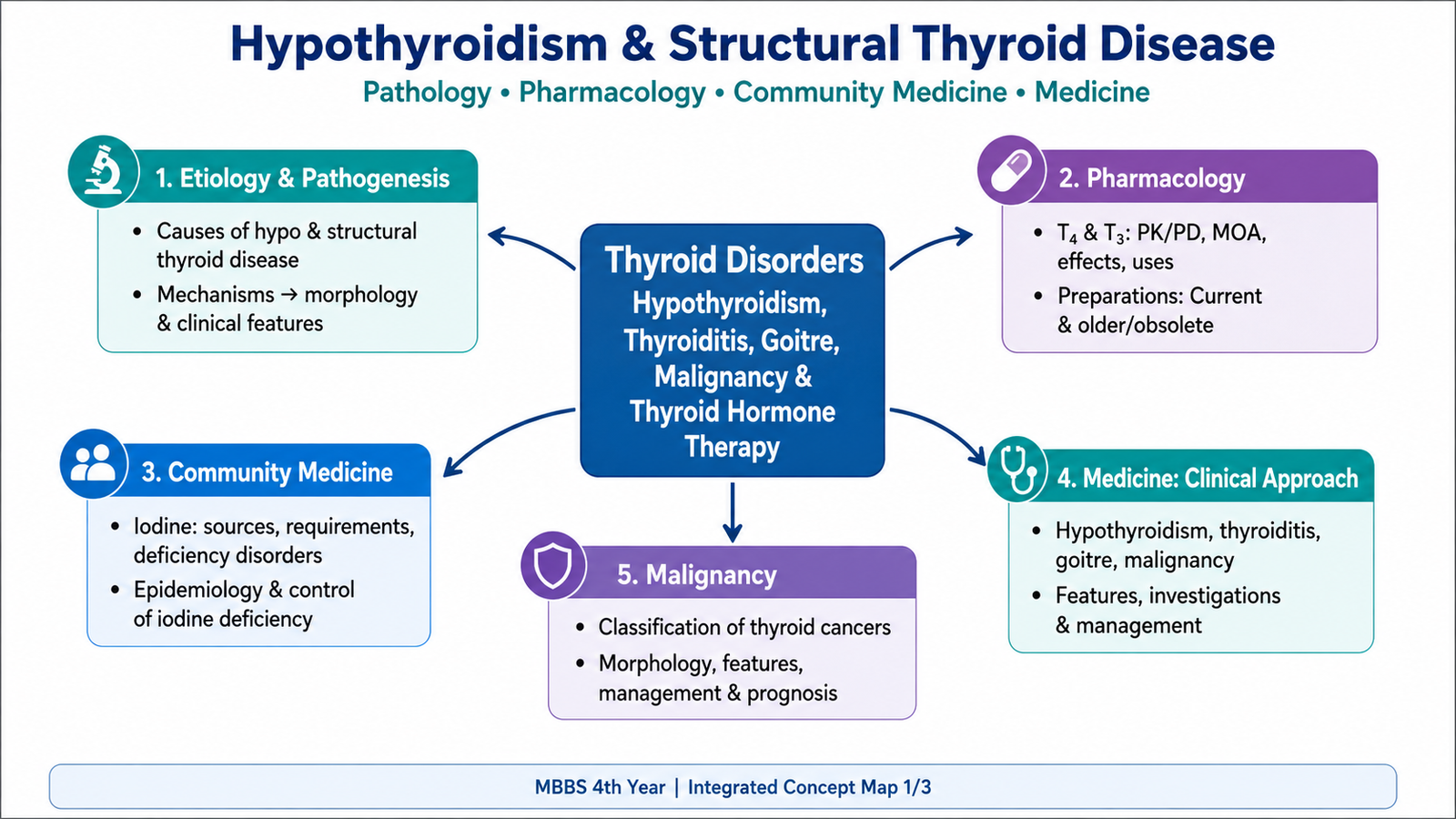
This chapter follows the supplied KMU learning outcomes and explains thyroid disease in a logical sequence. First understand how hormone deficiency, inflammation, structural enlargement and malignancy develop; then use the final AIM High-Yield Review for focused revision.
Hypothyroidism and Structural Thyroid Disease: Thyroiditis, Goitre, Malignancy and Thyroid Hormone Therapy
Endocrine + Reproduction Module • Integrated Pathology, Pharmacology, Community Medicine and General Medicine
Topic Introduction
This topic brings together the major disorders in which the thyroid produces too little hormone or develops inflammation, enlargement or malignancy. The central idea is straightforward: changes in thyroid structure affect hormone production, while abnormalities of thyroid hormone influence almost every organ system. You will learn how hypothyroidism develops and is recognized, how different forms of thyroiditis behave, why multinodular goitre develops, and how major thyroid cancers differ. The chapter also explains thyroid hormone replacement and the community importance of adequate iodine intake. Pathology, clinical findings, investigations, treatment and prevention are connected where they naturally help explain the same disease process.
A. Hypothyroidism — From Hormone Deficiency to Diagnosis and Treatment
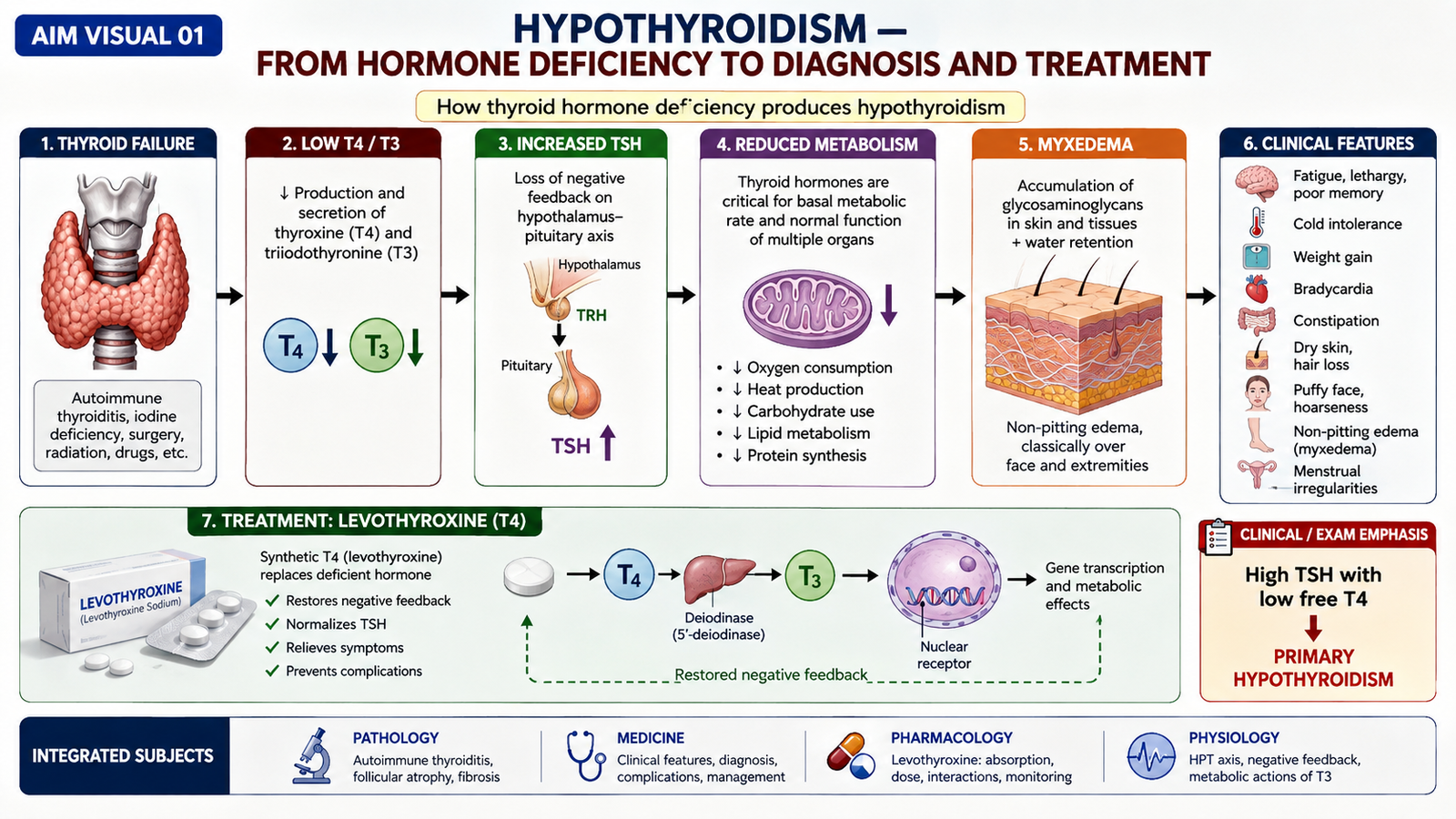
Hypothyroidism is a clinical state caused by insufficient action of thyroid hormones in body tissues. Because thyroid hormones normally support metabolic activity, cardiovascular function, gastrointestinal activity, growth and nervous-system function, their deficiency produces a generalized slowing of many physiological processes. The disorder may arise from disease of the thyroid itself or from inadequate stimulation of an otherwise capable thyroid gland.
Classification and Etiology
The most useful clinical classification is based on the level at which thyroid hormone production fails.
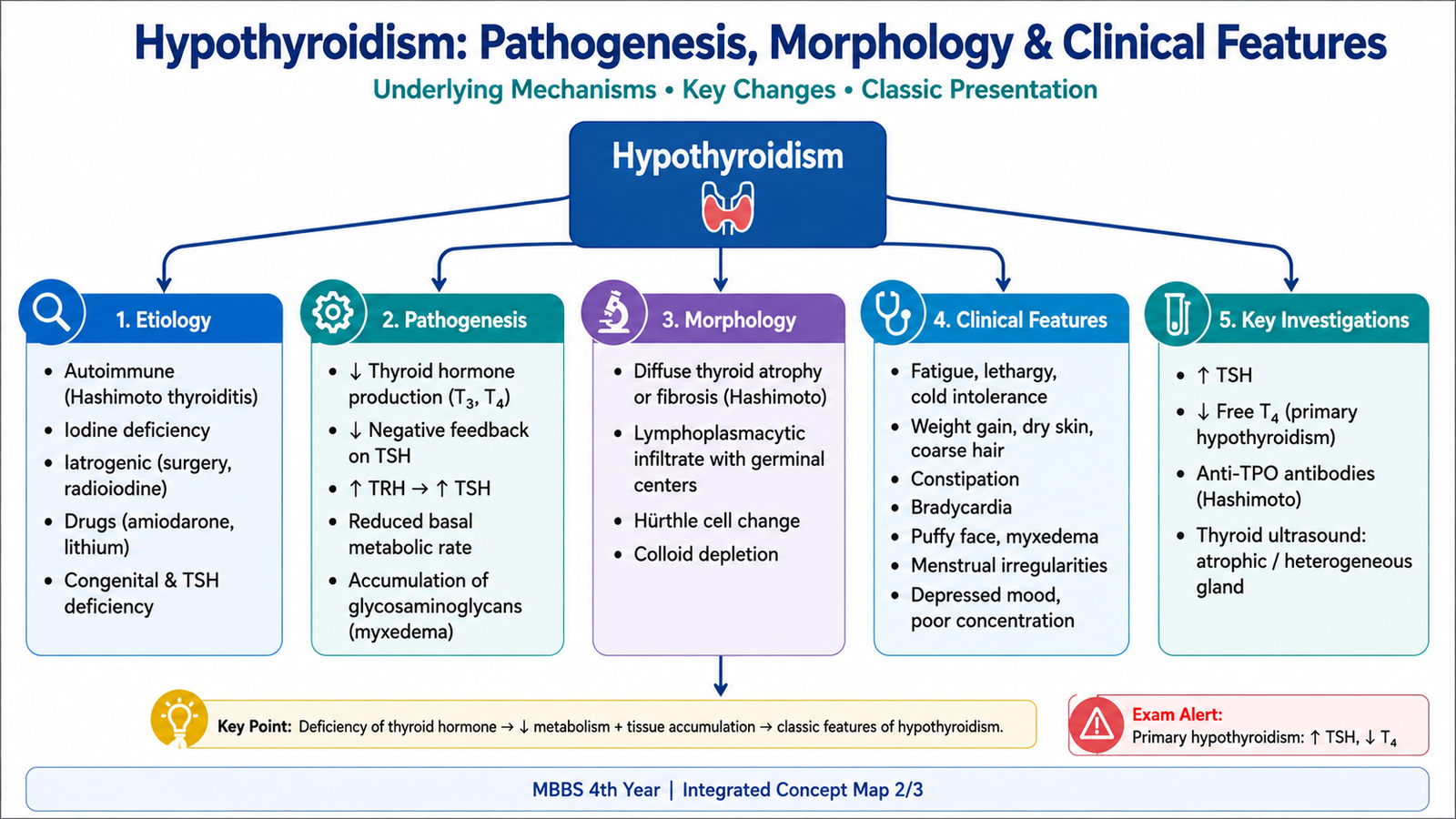
- Primary hypothyroidism: the abnormality lies within the thyroid gland. Important causes include autoimmune thyroiditis, iodine deficiency, thyroid surgery, radioactive iodine treatment and other destructive thyroid disorders.
- Central hypothyroidism: inadequate pituitary TSH secretion or inadequate hypothalamic TRH stimulation results in insufficient stimulation of the thyroid.
- Congenital hypothyroidism: may result from abnormal thyroid development or defective hormone synthesis and is particularly important because untreated hormone deficiency can impair growth and brain development.
Pathogenesis
In primary hypothyroidism, reduced production of T4 and T3 removes normal negative feedback on the hypothalamic-pituitary axis. TSH therefore rises when the pituitary gland is functioning normally. The clinical manifestations result mainly from reduced metabolic activity and from accumulation of hydrophilic glycosaminoglycans in some tissues.
Glycosaminoglycans bind water within the skin and soft tissues. Their accumulation contributes to the characteristic non-pitting tissue swelling called myxedema. Reduced lipid metabolism also decreases clearance of circulating LDL cholesterol, which explains why hypercholesterolemia may accompany hypothyroidism.
Morphology
There is no single gross appearance of a hypothyroid thyroid because morphology depends on its cause. Autoimmune destruction may initially produce enlargement and later an atrophic gland. Long-standing iodine deficiency may produce diffuse enlargement followed by irregular multinodular change. After surgery, radioactive iodine or severe destructive disease, the amount of functioning thyroid tissue is reduced.
In autoimmune Hashimoto thyroiditis, microscopy characteristically shows destruction and atrophy of thyroid follicles, a dense lymphocytic infiltrate with germinal-centre formation, and transformation of follicular epithelial cells into eosinophilic Hürthle cells.
Clinical Features
The symptoms usually develop gradually. Their apparently unrelated nature becomes easier to remember when they are understood as consequences of reduced metabolism and reduced organ activity.
- General: fatigue, lethargy, cold intolerance and modest weight gain.
- Skin and hair: dry coarse skin, hair loss and reduced sweating.
- Face and voice: facial puffiness and a deep or hoarse voice because of tissue infiltration.
- Cardiovascular: bradycardia and reduced exercise tolerance.
- Gastrointestinal: constipation due to reduced intestinal motility.
- Neuromuscular: muscle weakness, cramps and slow relaxation of deep tendon reflexes.
- Neuropsychiatric: slowed thinking, poor concentration, somnolence and depressive symptoms.
- Reproductive: menstrual disturbance and impaired fertility may occur.
Severe longstanding hypothyroidism may rarely progress to myxedema coma, a life-threatening decompensated state characterized by marked alteration of consciousness with physiological deterioration such as hypothermia, hypoventilation, bradycardia and hypotension.
Investigations
The diagnosis is primarily biochemical. The relationship between TSH and free T4 also helps determine whether the defect lies in the thyroid or centrally.
| Condition | TSH | Free T4 | Interpretation |
|---|---|---|---|
| Primary hypothyroidism | Raised | Low | Failing thyroid cannot respond adequately to TSH |
| Central hypothyroidism | Low or inappropriately normal | Low | Pituitary/hypothalamic stimulation is inadequate |
Anti-thyroid peroxidase antibodies support an autoimmune cause such as Hashimoto thyroiditis. Other tests, such as serum lipids, may identify associated metabolic effects but do not replace measurement of thyroid function.
Treatment
Levothyroxine (T4) is the standard replacement treatment for most patients. The objective is to restore normal thyroid hormone action while avoiding excessive replacement. In primary hypothyroidism, TSH is generally used to monitor replacement because its concentration reflects the pituitary response to circulating thyroid hormone.
Replacement needs greater caution in older patients and in patients with ischemic heart disease because a rapid increase in metabolic and cardiac demand may provoke angina or arrhythmia. Myxedema coma requires urgent hospital management, thyroid hormone replacement and supportive treatment, with attention to possible adrenal insufficiency and precipitating illness.

B. Thyroiditis — Classification, Morphology, Clinical Course and Management
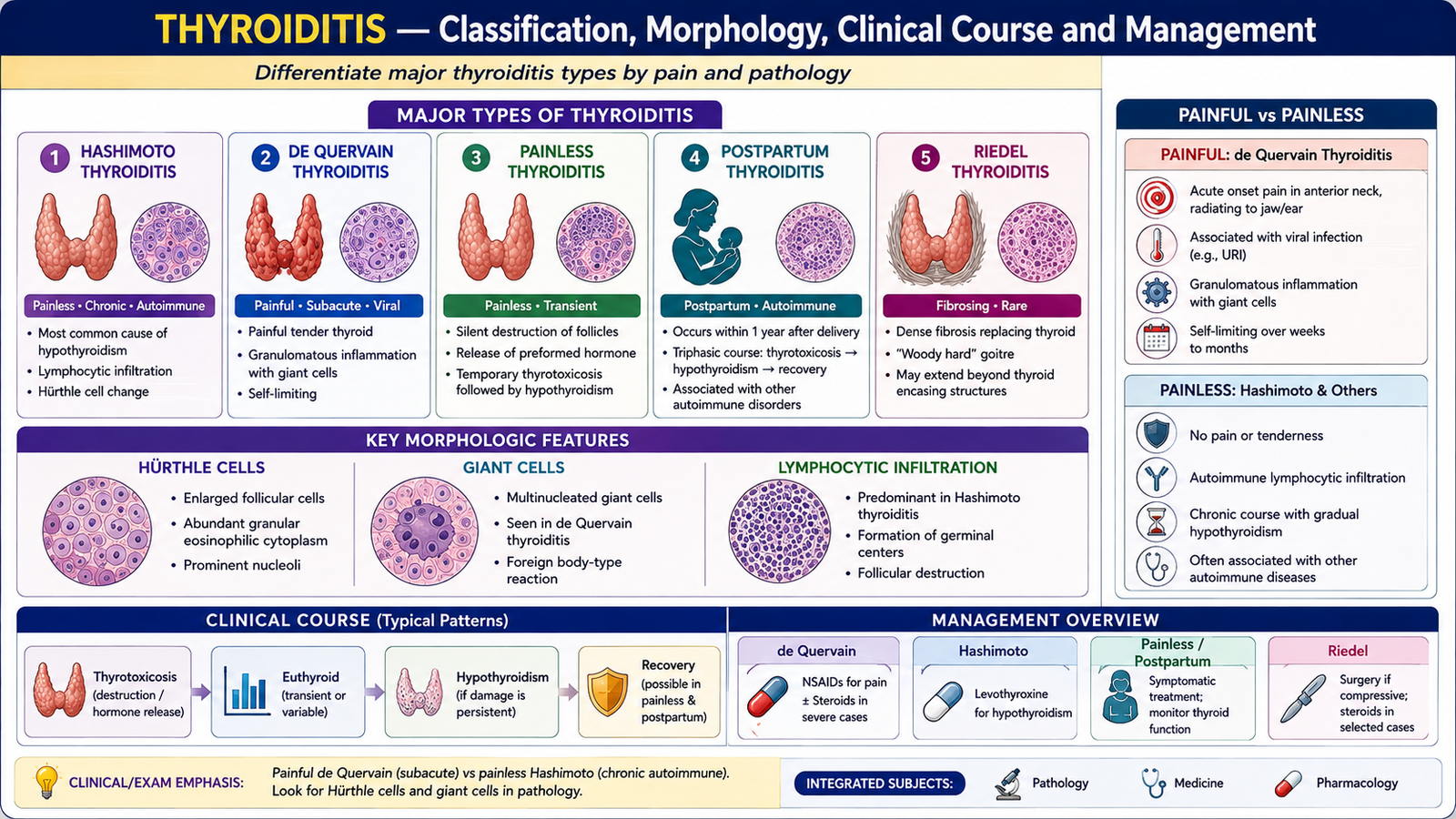
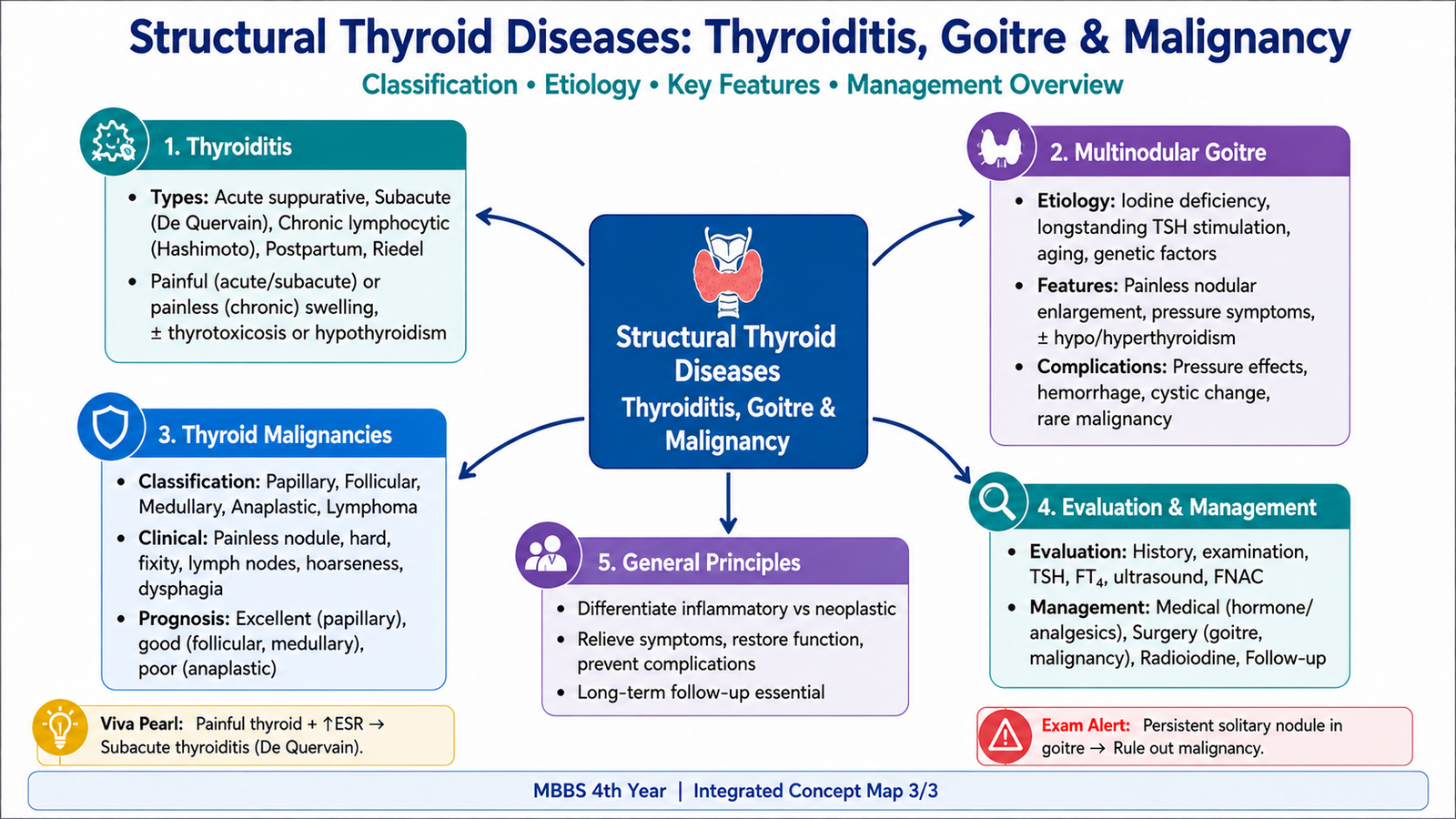
Thyroiditis means inflammation of the thyroid gland. Different forms have very different causes and clinical courses. Some destroy follicles rapidly and release stored thyroid hormone, producing a temporary thyrotoxic phase. Others progressively destroy functioning tissue and eventually cause hypothyroidism. Recognizing whether the gland is painful or painless, and whether the process is acute, transient or chronic, helps distinguish the major forms.
Classification
- Acute suppurative thyroiditis — usually bacterial infection.
- Subacute granulomatous thyroiditis (de Quervain thyroiditis) — painful inflammatory thyroiditis, often following a viral illness.
- Subacute lymphocytic or painless thyroiditis — transient painless inflammation; postpartum thyroiditis is an important related form.
- Chronic autoimmune thyroiditis (Hashimoto thyroiditis) — progressive immune-mediated destruction.
- Riedel thyroiditis — uncommon fibrosing disease producing a hard thyroid.
Hashimoto Thyroiditis
Hashimoto thyroiditis is an autoimmune disease in which immune responses against thyroid antigens progressively damage thyroid follicles. Both cell-mediated injury and autoantibodies are involved. As functioning follicles are destroyed, thyroid hormone production falls and TSH rises.
Grossly, the thyroid is often diffusely and symmetrically enlarged early in disease. With advanced destruction it may become smaller and atrophic.
Microscopically, there is a dense lymphocytic infiltrate, often with well-developed germinal centres. Thyroid follicles become atrophic and many follicular cells undergo Hürthle-cell change, developing abundant granular eosinophilic cytoplasm.
Patients may present with a painless goitre or features of hypothyroidism. Anti-thyroid peroxidase antibodies are commonly present. Treatment of established hypothyroidism is thyroid hormone replacement.
Subacute Granulomatous (de Quervain) Thyroiditis
This is typically a self-limiting inflammatory disorder. Follicular disruption releases previously stored thyroid hormone. Therefore, a patient may initially have features of thyrotoxicosis even though new hormone synthesis is not increased.
The thyroid is characteristically painful and tender, often with pain radiating toward the jaw or ears. Fever and constitutional symptoms may accompany the illness. Inflammatory markers are commonly raised.
Microscopy shows disrupted follicles with inflammation and characteristic multinucleated giant cells around spilled colloid, producing a granulomatous appearance.
The typical course is:
Because thyrotoxicosis results from hormone leakage rather than excessive synthesis, conventional antithyroid drugs are generally not useful. Treatment focuses on inflammation and symptoms. Anti-inflammatory therapy is used for thyroid pain, and a beta-blocker may be used when thyrotoxic symptoms are troublesome.
Painless and Postpartum Thyroiditis
Painless lymphocytic thyroiditis causes transient follicular destruction without the marked pain of de Quervain thyroiditis. A similar autoimmune process may occur after pregnancy as postpartum thyroiditis. Patients can pass through a thyrotoxic phase followed by a hypothyroid phase before thyroid function recovers. Some patients, however, develop persistent hypothyroidism.
Acute Suppurative and Riedel Thyroiditis
Acute suppurative thyroiditis is an infective process with neutrophilic inflammation and possible abscess formation. Patients are generally acutely unwell with fever and a painful tender thyroid. Treatment requires appropriate antimicrobial therapy and drainage when an abscess is present.
Riedel thyroiditis is characterized by extensive fibrosis that replaces thyroid tissue and may extend into surrounding neck structures. This produces a very hard, poorly mobile gland and can cause pressure symptoms. Because the presentation can resemble invasive thyroid carcinoma, tissue assessment may be required to establish the diagnosis. Management is specialist-based and directed at confirming the diagnosis, controlling the fibrosing process and relieving significant compression.
C. Multinodular Goitre — Pathogenesis, Clinical Evaluation and Management
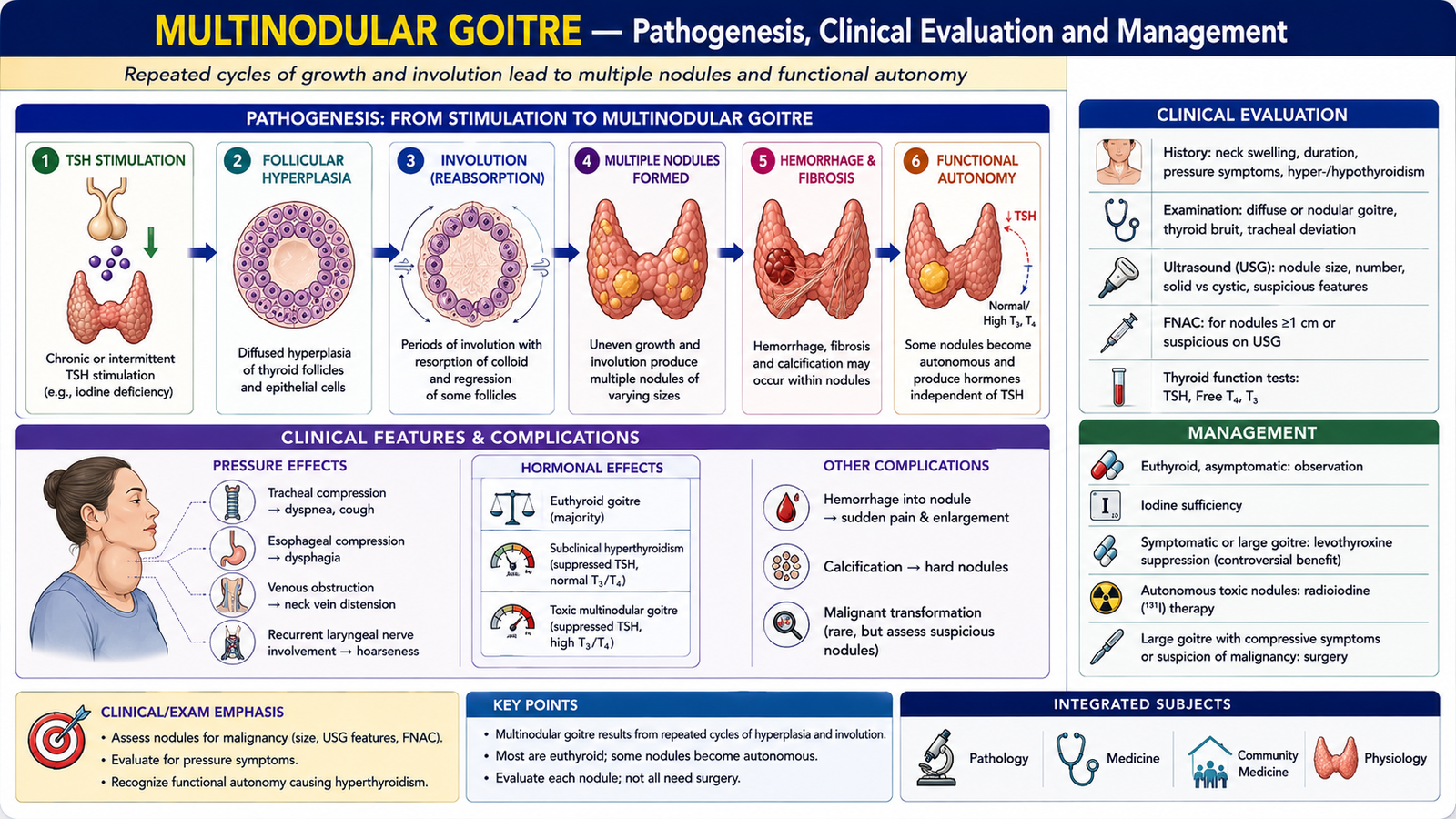
A goitre is enlargement of the thyroid gland. A multinodular goitre contains multiple irregular nodules produced by repeated cycles of follicular stimulation, growth and involution. It commonly evolves gradually from a longstanding diffuse goitre. The gland may remain euthyroid for many years, but some nodules may eventually become functionally autonomous and produce excess thyroid hormone.
Etiology and Pathogenesis
The underlying process involves unequal responses of different groups of thyroid follicular cells to growth stimuli. Iodine deficiency is an important environmental factor because insufficient iodine reduces efficient thyroid hormone synthesis and encourages TSH-mediated thyroid growth. Genetic differences between follicular cell populations also contribute to the uneven nodular response.
Morphology
Grossly, the gland becomes enlarged, irregular and multinodular. Individual nodules vary in size. Areas of cystic degeneration, old hemorrhage, fibrosis and calcification may produce a markedly heterogeneous cut surface.
Microscopically, follicles vary greatly in size. Some are distended with colloid, whereas others show hyperplastic epithelium. Degenerative changes, hemorrhage and fibrosis may occur between nodules.
Clinical Features and Complications
Many patients first notice a slowly enlarging anterior neck swelling. The gland may be visibly irregular or nodular. Most uncomplicated cases do not initially cause pain.
- Pressure symptoms: a large goitre may compress or displace the trachea and esophagus, causing dyspnea, cough or dysphagia.
- Retrosternal extension: part of the enlarged gland may extend into the thorax and cause significant compression.
- Sudden enlargement: hemorrhage into a nodule can cause abrupt swelling and pain.
- Thyrotoxicosis: autonomously functioning nodules may eventually produce toxic multinodular goitre.
- Suspicious dominant nodule: a clinically or ultrasonographically suspicious nodule requires assessment to exclude malignancy.
Investigations
Evaluation must answer three practical questions: Is thyroid function normal? Is any nodule suspicious for malignancy? Is the enlarged gland causing significant compression?
- TSH is the initial biochemical assessment; free thyroid hormones are measured when thyroid dysfunction is suspected.
- Thyroid ultrasound confirms nodularity and identifies features that make individual nodules more or less suspicious.
- Fine-needle aspiration cytology (FNAC) is directed toward nodules requiring cytological assessment based on their clinical and ultrasound characteristics.
- Radionuclide scanning is useful when TSH is suppressed because it can identify autonomously functioning nodules.
- Cross-sectional imaging may be required for a large retrosternal goitre or significant compressive symptoms.
A common examination error is to assume that every nodule within a multinodular goitre requires aspiration. Assessment is instead directed toward nodules with suspicious characteristics.
Management
Management depends on thyroid function, size, symptoms and the possibility of malignancy. A small euthyroid multinodular goitre with reassuring evaluation may be observed. Significant compression, marked enlargement or suspicion of malignancy favors surgical referral. Toxic multinodular goitre requires control of thyrotoxicosis followed by appropriate definitive management; surgery or radioactive iodine may be used depending on clinical circumstances.
D. Thyroid Malignancies — Classification, Morphology, Prognosis and Management
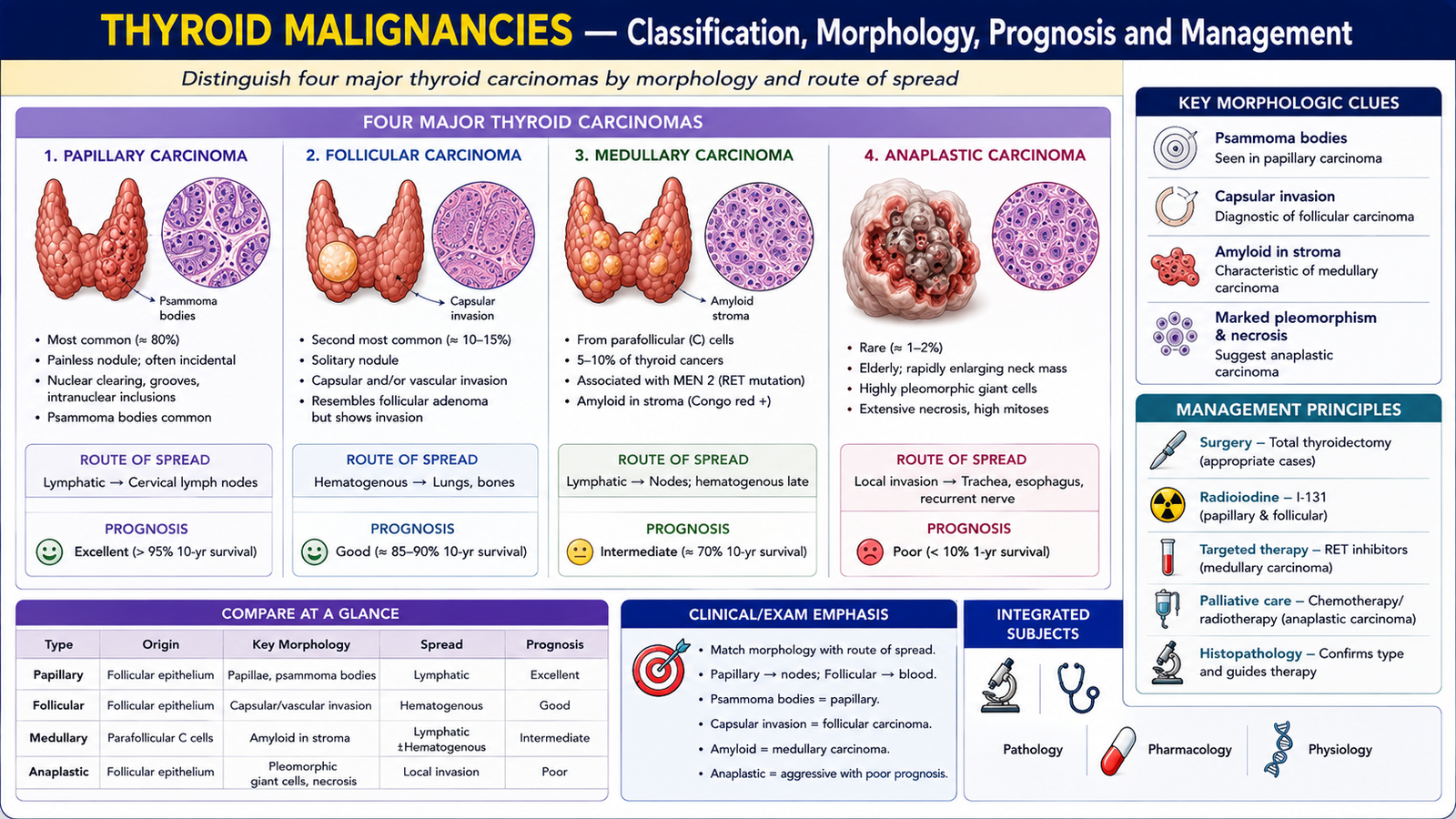
Most primary thyroid cancers arise either from thyroid follicular epithelial cells or from parafollicular C cells. The major types differ greatly in microscopic appearance, route of spread and prognosis. For undergraduate learning, the four key carcinomas are papillary, follicular, medullary and anaplastic carcinoma.
Classification
- Papillary thyroid carcinoma — follicular-cell derived and differentiated.
- Follicular thyroid carcinoma — follicular-cell derived and differentiated.
- Medullary thyroid carcinoma — derived from parafollicular C cells.
- Anaplastic thyroid carcinoma — highly aggressive undifferentiated carcinoma.
Papillary Thyroid Carcinoma
Papillary carcinoma is characterized more by its distinctive nuclear morphology than by the mere presence of papillae. Molecular abnormalities that activate growth-signalling pathways, including alterations involving BRAF or RET in subsets of tumors, contribute to its development.
Grossly it may form a firm, irregular or infiltrative mass. Microscopically, important findings include:
- branching papillary architecture in many tumors;
- enlarged optically clear nuclei;
- nuclear grooves;
- intranuclear cytoplasmic inclusions;
- laminated calcifications called psammoma bodies in some tumors.
Papillary carcinoma characteristically spreads through lymphatic channels to cervical lymph nodes. Lymph-node involvement may therefore be an early manifestation. Despite this tendency, differentiated papillary carcinoma generally has an excellent prognosis, particularly when confined to the thyroid and in younger patients.
Follicular Thyroid Carcinoma
Follicular carcinoma also arises from follicular epithelial cells but differs fundamentally from papillary carcinoma in both diagnosis and spread. It often forms an encapsulated lesion resembling a follicular adenoma.
The decisive evidence of malignancy is capsular invasion and/or vascular invasion. This distinction is important because cytology can show follicular cells but cannot reliably demonstrate invasion through a tumor capsule or into blood vessels. Therefore, FNAC cannot by itself distinguish a follicular adenoma from follicular carcinoma.
Follicular carcinoma preferentially spreads through the bloodstream rather than primarily through lymphatics. Distant metastases may therefore occur in sites such as bone or lungs. Prognosis is generally favorable for localized differentiated tumors but becomes worse with extensive invasion or distant metastasis.
Medullary Thyroid Carcinoma
Medullary carcinoma develops from calcitonin-producing parafollicular C cells. Tumors may be sporadic or associated with inherited RET abnormalities, including multiple endocrine neoplasia type 2.
Microscopically, tumor cells may occur in nests, sheets or trabeculae. A classic feature is deposition of extracellular amyloid, derived from altered calcitonin-related peptides. Serum calcitonin therefore provides an important tumor marker in appropriate clinical assessment and follow-up.
Because C cells do not take up iodine in the same way as thyroid follicular cells, radioactive iodine is not an effective treatment for medullary carcinoma.
Anaplastic Thyroid Carcinoma
Anaplastic carcinoma is an undifferentiated, highly aggressive malignancy occurring mainly in older adults. Patients often present with a rapidly expanding hard neck mass accompanied by pressure symptoms such as dysphagia, hoarseness or breathing difficulty.
Microscopy shows markedly pleomorphic malignant cells, which may include spindle cells and bizarre giant cells. The tumor infiltrates surrounding structures rapidly. Its prognosis is extremely poor because local invasion and metastatic spread are often advanced at presentation.
Clinical Evaluation and Investigations
A malignant thyroid lesion commonly presents as a thyroid nodule, but most thyroid nodules are not malignant. Evaluation therefore aims to identify the minority requiring cytological or surgical assessment.
Important suspicious features include progressive growth, a hard or fixed nodule, cervical lymphadenopathy, persistent hoarseness and evidence of local invasion.
- TSH: establishes the functional context of the nodule.
- Ultrasound: assesses composition, margins, echogenicity, calcification patterns, shape and cervical lymph nodes.
- FNAC: is the key cytological investigation for appropriately selected suspicious nodules.
- Radionuclide scan: is particularly useful when TSH is suppressed to determine whether the lesion is hyperfunctioning.
- Histopathology: is essential when capsular or vascular invasion must be demonstrated, particularly in follicular-patterned tumors.
- Calcitonin: is important when medullary thyroid carcinoma is suspected or being assessed.
- Imaging beyond ultrasound: is selected when local invasion, compression or metastatic disease requires assessment.
Management Principles
Management depends on histological type, extent of disease and patient factors. Surgery is central to the treatment of most resectable thyroid carcinomas.
- Papillary and follicular carcinoma: surgical treatment is the main approach. Selected differentiated cancers may subsequently receive radioactive iodine because their cells can retain iodine-handling ability. Levothyroxine may also be used after treatment both for hormone replacement and, in selected patients, to reduce TSH stimulation of residual differentiated tumor cells.
- Medullary carcinoma: treatment is surgical. Radioactive iodine is ineffective. Identification of inherited RET-associated disease has implications for evaluation of the patient and family.
- Anaplastic carcinoma: requires urgent multidisciplinary management directed toward local control, airway safety and appropriate oncological or palliative treatment.
E. Thyroid Hormone Therapy — Preparations, Pharmacology and Safe Use
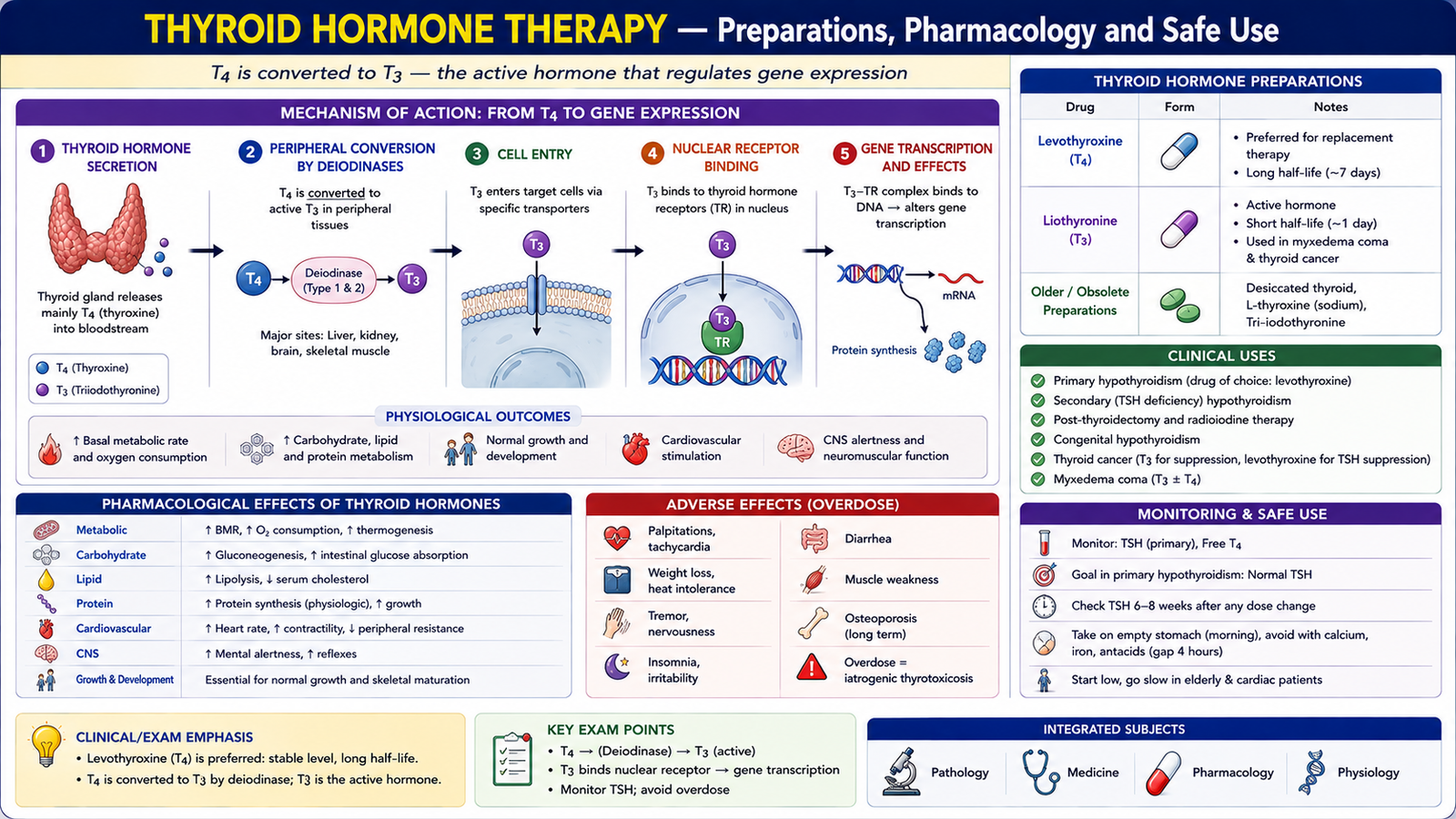
Thyroid hormone preparations replace the hormone that the thyroid can no longer produce adequately. The two biologically important hormones are thyroxine (T4) and triiodothyronine (T3). T4 acts partly as a circulating prohormone because peripheral tissues convert it to the more active T3. This physiology explains why levothyroxine, a synthetic form of T4, is suitable for routine replacement in most patients.
Preparations
| Preparation | Hormone | Current Role |
|---|---|---|
| Levothyroxine | Synthetic T4 | Preferred routine replacement therapy |
| Liothyronine | Synthetic T3 | Selected situations; faster onset but shorter action |
| Liotrix | Synthetic T4 + T3 | Older combination preparation; not preferred for routine replacement |
| Desiccated thyroid extract | Animal-derived T4 + T3 | Older preparation; largely replaced by standardized synthetic hormone |
Older thyroid extracts and thyroglobulin-containing preparations have largely been replaced because synthetic preparations provide more predictable hormone content and easier biochemical monitoring.
Mechanism of Action
After entering target cells, T4 is converted to T3 by deiodinase enzymes in many tissues. T3 binds to nuclear thyroid hormone receptors. The receptor-hormone complex alters transcription of specific genes and thereby changes synthesis of proteins involved in metabolism, growth and organ function.
Pharmacological Effects
In a hypothyroid patient, appropriate replacement reverses the physiological consequences of hormone deficiency rather than producing a separate pharmacological effect. Metabolic activity rises toward normal, heart rate and cardiac performance normalize, gastrointestinal activity improves, and normal growth and nervous-system development are supported in children.
Excess hormone, however, produces effects resembling endogenous thyrotoxicosis because tissues are exposed to excessive thyroid-receptor stimulation.
Pharmacokinetic Principles
- Levothyroxine is orally effective and is absorbed from the gastrointestinal tract.
- Food and several medicines can reduce or delay its absorption; consistent administration is therefore important.
- Both T4 and T3 circulate largely bound to plasma proteins.
- T4 has a long biological half-life of approximately one week, allowing stable once-daily replacement in routine practice.
- T3 has a much shorter half-life and acts more rapidly, producing larger fluctuations in hormone effect.
- T4 undergoes peripheral deiodination to T3 and to inactive metabolites.
- Thyroid hormones are also metabolized by hepatic conjugation, with metabolites eliminated through bile and urine.
Clinical Uses
- Replacement treatment of primary hypothyroidism.
- Replacement treatment of central hypothyroidism.
- Replacement after thyroidectomy or thyroid ablation.
- Replacement and selected TSH-suppressive therapy after treatment of differentiated thyroid carcinoma.
- Liothyronine may have a limited role when a rapid thyroid hormone effect is specifically required under specialist supervision.
Adverse Effects and Excessive Replacement
Therapeutic doses are usually well tolerated because thyroid hormone is replacing a physiological substance. Most important adverse effects occur when the dose is excessive.
- palpitations and tachycardia;
- tremor, nervousness and insomnia;
- heat intolerance and sweating;
- increased bowel activity and weight loss;
- angina or cardiac arrhythmias in susceptible patients;
- atrial fibrillation with significant chronic over-replacement;
- increased bone loss with prolonged excessive thyroid hormone exposure.
Important Cautions and Interactions
Cardiac disease requires cautious replacement because thyroid hormone increases myocardial oxygen demand. Untreated adrenal insufficiency should also be addressed before thyroid hormone is given in a severely deficient patient because restoration of metabolism can increase glucocorticoid requirements.
Calcium, iron and some antacid or binding preparations can reduce levothyroxine absorption when taken together. Drugs that increase hepatic metabolism can increase thyroid hormone requirements. Thyroid hormone replacement can also alter the response to some other medicines, so clinically important interactions should be considered during follow-up.
Thyroid hormones must not be used as weight-loss drugs in euthyroid individuals because pharmacological excess can cause serious cardiovascular and metabolic adverse effects.
F. Iodine, Goitrogens and Iodine-Deficiency Disorders — Community Perspective
Iodine is an essential component of T3 and T4. The body cannot synthesize iodine, so an adequate dietary supply is required throughout life. When iodine intake is insufficient, thyroid hormone synthesis becomes less efficient. Increased TSH stimulation then promotes enlargement of the thyroid, providing the link between iodine deficiency and endemic goitre.
Dietary Sources of Iodine
The iodine content of natural foods varies according to the iodine content of soil, water and food production. Important dietary sources include:
- iodized salt, which provides a reliable population-level source when appropriately produced and used;
- marine fish and other seafood;
- seaweed, although its iodine content can be highly variable;
- milk and dairy products in many diets;
- eggs and other foods containing iodine derived from the food chain.
Goitrogens
Goitrogens are substances that interfere with iodine utilization or thyroid hormone synthesis and can encourage thyroid enlargement, particularly when iodine intake is already inadequate. Dietary examples include substances present in cassava, millet and some cruciferous vegetables. Soy-containing foods can also influence thyroid hormone handling in certain circumstances. Ordinary consumption of these foods in an iodine-sufficient diet usually does not by itself cause clinically important goitre.
Daily Iodine Requirements
Iodine requirements vary with age and physiological state. Pregnancy and lactation increase requirements because iodine must support maternal thyroid hormone production as well as fetal or infant needs.
| Group | Approximate Recommended Daily Iodine Intake |
|---|---|
| Preschool children | 90 micrograms/day |
| School-age children | 120 micrograms/day |
| Adolescents and adults | 150 micrograms/day |
| Pregnancy and lactation | About 250 micrograms/day |
Iodine-Deficiency Disorders
Iodine-deficiency disorders describe the entire spectrum of harmful effects produced by insufficient iodine, rather than goitre alone. The greatest consequences occur during fetal and early childhood development because thyroid hormone is essential for normal brain maturation.
- diffuse or multinodular goitre;
- hypothyroidism;
- impaired fetal and childhood brain development;
- reduced cognitive development when severe deficiency occurs during critical developmental periods;
- impaired growth and development;
- adverse reproductive and pregnancy outcomes in severe deficiency.
Epidemiological Determinants
Iodine deficiency becomes a community problem when large groups of people depend on food produced in iodine-poor environments and do not have a reliable alternative iodine source. Geographic areas where iodine has been leached from soil may therefore have a greater risk. Increased physiological requirements during pregnancy further increase vulnerability.
Important determinants include:
- low iodine content of soil and locally produced food;
- inadequate use or availability of adequately iodized salt;
- diets in which iodine-containing foods are limited;
- high intake of goitrogenic foods in a population already deficient in iodine;
- increased requirements during pregnancy and lactation.
Control of Iodine Deficiency and Goitre
The most effective population strategy is to ensure a dependable iodine supply before clinical disease develops. Universal salt iodization is the central public-health approach because salt is widely consumed in relatively consistent amounts and can be fortified during production.
Effective control requires more than simply adding iodine to salt. Public-health measures include:
- adequate iodization and quality control of salt;
- appropriate storage and distribution so iodine content is maintained;
- health education encouraging the use of properly iodized salt;
- population monitoring of iodine nutrition and the effectiveness of control measures;
- special attention to groups with increased requirements, particularly pregnant and lactating women;
- supplementation in populations or high-risk groups when an adequate iodine supply cannot otherwise be assured.
Prevention is particularly important because neurological damage resulting from severe iodine deficiency during early development may be irreversible even if iodine is supplied later.
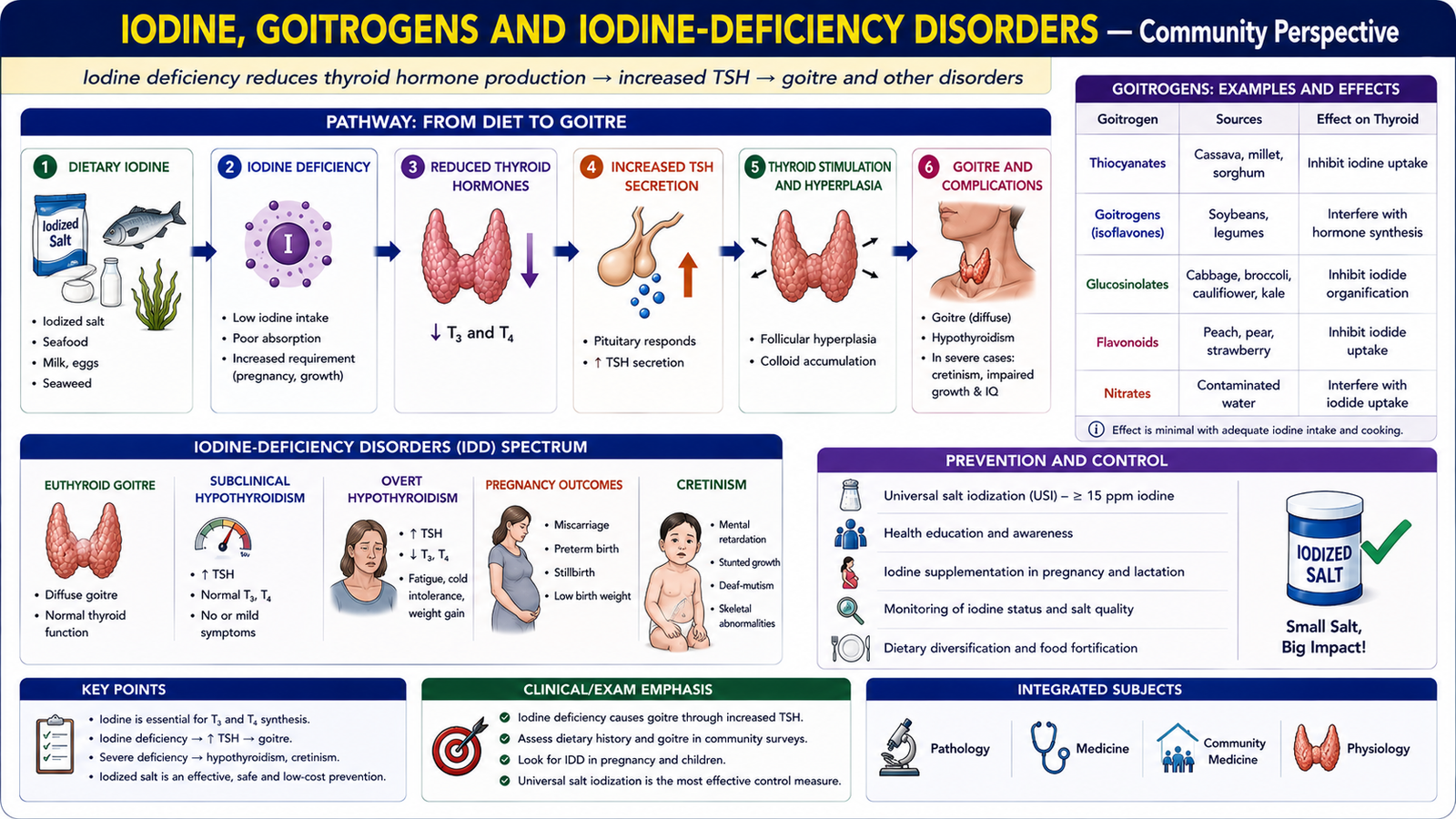
Integrated Mechanism Flow
One central sequence connects iodine deficiency, hypothyroidism and structural goitre:
Important Comparison
Major Forms of Thyroiditis
| Feature | Hashimoto | de Quervain | Painless/Postpartum | Riedel |
|---|---|---|---|---|
| Pain | Usually absent | Prominent | Absent | Usually absent |
| Main pathology | Autoimmune lymphocytic destruction | Granulomatous follicular injury | Lymphocytic inflammation | Dense fibrosis |
| Key morphology | Germinal centres + Hürthle cells | Giant cells around colloid | Lymphocytic infiltrate | Fibrosis extending beyond gland |
| Typical course | Progressive hypothyroidism | Transient thyrotoxicosis → possible hypothyroid phase → recovery | Transient thyrotoxicosis → hypothyroid phase → often recovery | Progressive fibrosing/compressive disease |
Major Thyroid Carcinomas
| Feature | Papillary | Follicular | Medullary | Anaplastic |
|---|---|---|---|---|
| Origin | Follicular cell | Follicular cell | Parafollicular C cell | Undifferentiated thyroid carcinoma |
| Hallmark | Clear nuclei, grooves, inclusions ± psammoma bodies | Capsular or vascular invasion | Amyloid stroma; calcitonin | Marked pleomorphism and invasion |
| Typical spread | Lymphatic | Hematogenous | Lymphatic and hematogenous | Rapid local invasion ± distant spread |
| Useful distinction | Nuclear morphology is diagnostic | FNAC cannot prove capsular invasion | Radioiodine ineffective | Rapidly enlarging mass in older patient |
| General prognosis | Excellent | Generally good when localized | Variable; stage dependent | Very poor |
⭐ AIM High-Yield Review
🎥 AIM Video Learning — Hypothyroidism & Structural Thyroid Disease
Watch these videos in sequence to reinforce hypothyroidism, thyroiditis, multinodular goitre, thyroid malignancies, thyroid hormone therapy and iodine-deficiency disorders.
1. Hypothyroidism — Clinical Management
Covers hypothyroidism treatment, levothyroxine therapy, monitoring, complications and important clinical considerations.
2. Thyroiditis — Hashimoto, de Quervain & Riedel
Reinforces the pathology, morphology and characteristic presentations of the major forms of thyroiditis.
3. Multinodular Goitre — Clinical Features & Management
Covers clinical presentation, complications, evaluation and broad management principles of multinodular goitre.
4. Thyroid Malignancies — Pathology
Covers papillary, follicular, medullary and anaplastic thyroid carcinomas with their major morphological and examination features.
5. Thyroid Hormone Pharmacology — T4 & T3
Covers levothyroxine and liothyronine, their pharmacology, clinical use and important adverse effects.
6. Iodine-Deficiency Disorders & Goitre — Community Medicine
Covers iodine-deficiency disorders, goitre and the Community Medicine perspective on prevention and control.