
Topic 13 — Human Nutrition: Nutrients, Deficiency Disorders, Malnutrition and Obesity
A structured study of nutrients and balanced diet, macronutrients and micronutrients, nutritional deficiency, protein–energy malnutrition and obesity, with emphasis on assessment, prevention and community-health control.
Topic Introduction
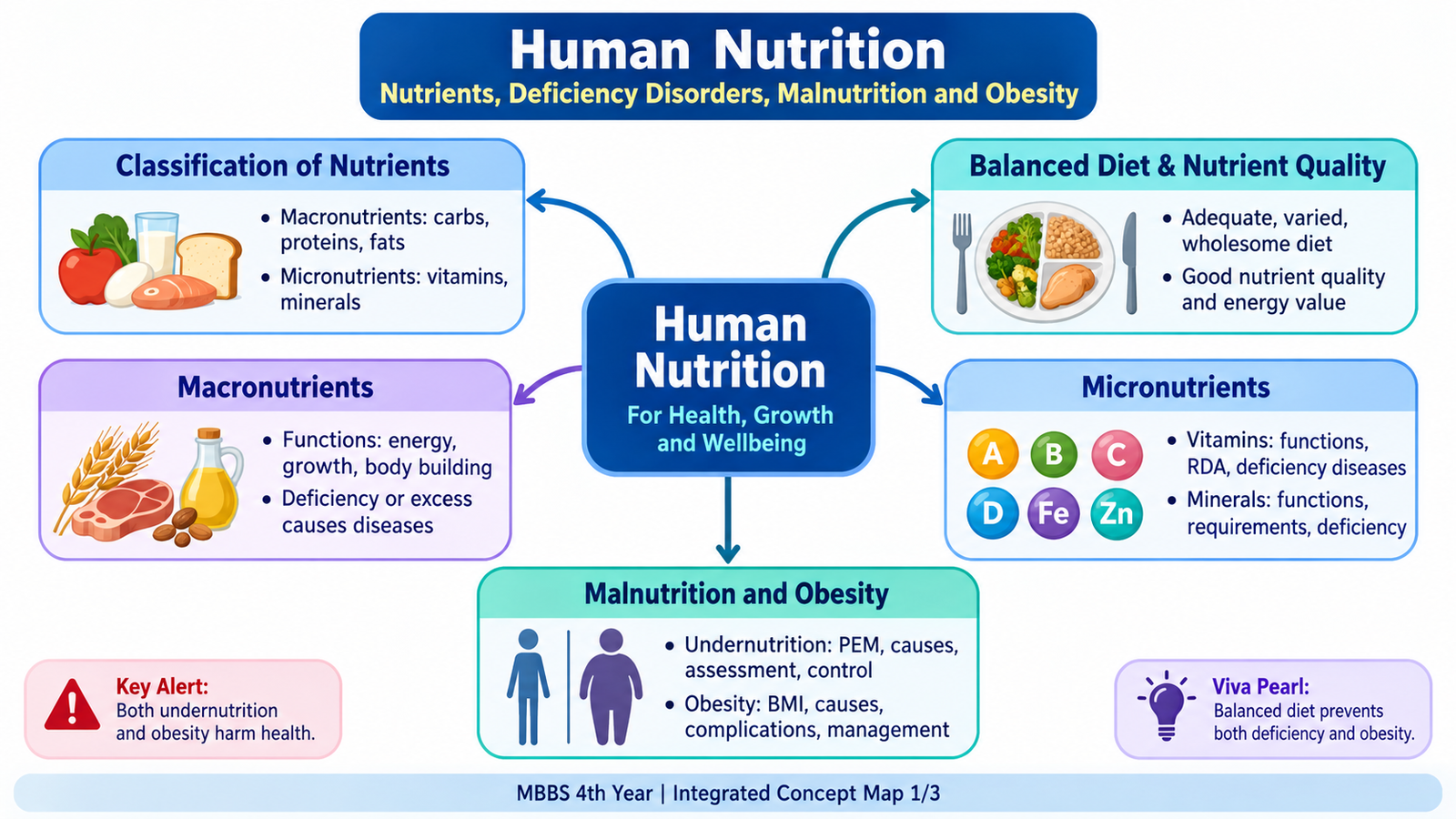
Human nutrition deals with the nutrients required for normal growth, tissue maintenance, energy production and health. A healthy diet must provide sufficient energy as well as the correct balance of carbohydrates, proteins, fats, vitamins and minerals. Too little nutrition produces undernutrition and specific deficiency disorders, while prolonged excess energy intake can lead to overweight and obesity. In this chapter, you will learn how nutrients are classified, what makes a diet nutritionally adequate, how major nutrients function, how common deficiencies develop, how protein–energy malnutrition is assessed and controlled, and how obesity is recognized, prevented and managed.
A. Nutrients, Nutrient Quality and the Balanced Diet
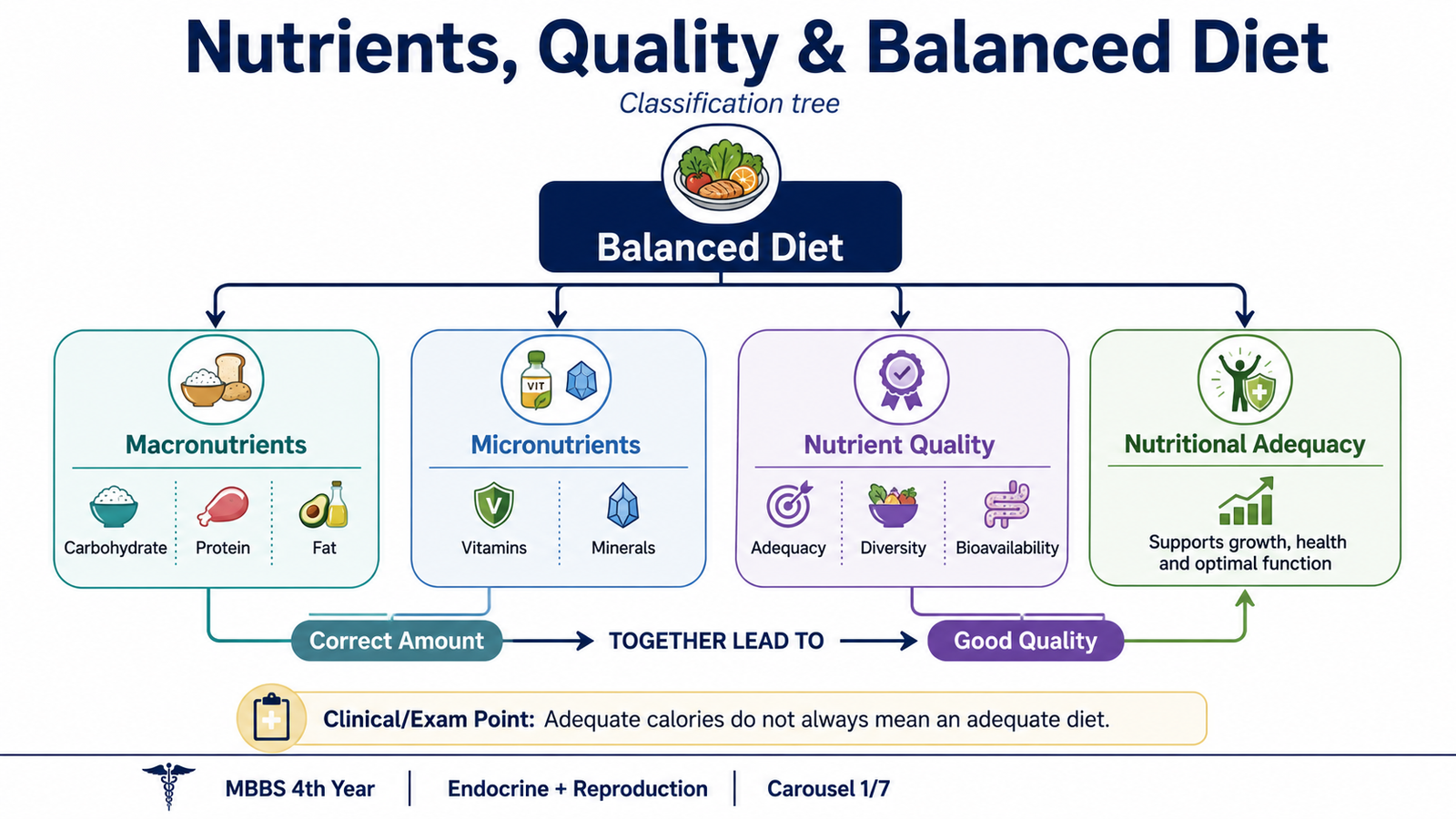
Nutrients are chemical substances obtained from food that the body uses for energy, growth, repair and regulation of physiological processes. Nutrition is not simply a matter of eating enough food. The diet must contain the correct nutrients, in suitable amounts and in forms that the body can digest, absorb and use.
Classification of nutrients
Nutrients are commonly divided according to the quantities required by the body. Macronutrients are needed in relatively large amounts, whereas micronutrients are needed in much smaller quantities but remain essential for normal metabolism.
- Macronutrients: carbohydrates, proteins and fats.
- Micronutrients: vitamins and minerals.
- Water: an essential component of the diet that supports transport, temperature regulation, biochemical reactions and fluid balance, although it does not provide energy.
- Dietary fibre: largely indigestible carbohydrate that contributes to normal gastrointestinal function and metabolic health.
What is meant by nutrient quality?
Nutrient quality describes how useful a food is nutritionally, not merely how many calories it contains. A high-quality diet supplies essential nutrients in suitable proportions and avoids excessive quantities of nutrients that increase disease risk.
- Nutrient density: the amount of useful nutrients provided relative to the food’s energy content.
- Protein quality: depends mainly on digestibility and the presence of essential amino acids in suitable proportions.
- Fat quality: depends not only on total fat but also on the balance between unsaturated, saturated and trans fats.
- Carbohydrate quality: whole grains, pulses, vegetables and fibre-rich foods generally provide better nutritional quality than highly refined sugars and starches.
- Bioavailability: the proportion of an ingested nutrient that can actually be absorbed and used by the body.
For example, animal proteins generally contain all essential amino acids in adequate proportions and have high biological value. Many plant proteins may be relatively low in one or more essential amino acids, but combining foods such as cereals and pulses can improve overall protein quality. This is called protein complementation.
Balanced diet
A balanced diet provides adequate energy and all essential nutrients in amounts that meet the body’s needs without producing deficiency or chronic excess. It is not identical for every person. Requirements vary with age, sex, body size, physical activity, growth, pregnancy, lactation and illness. A balanced diet should therefore contain:
- adequate but not excessive total energy;
- appropriate amounts of carbohydrate, protein and fat;
- adequate vitamins and minerals;
- vegetables, fruits and other fibre-rich foods;
- sufficient water;
- variety, because no single food provides every nutrient in ideal amounts.
B. Energy Value and Macronutrients
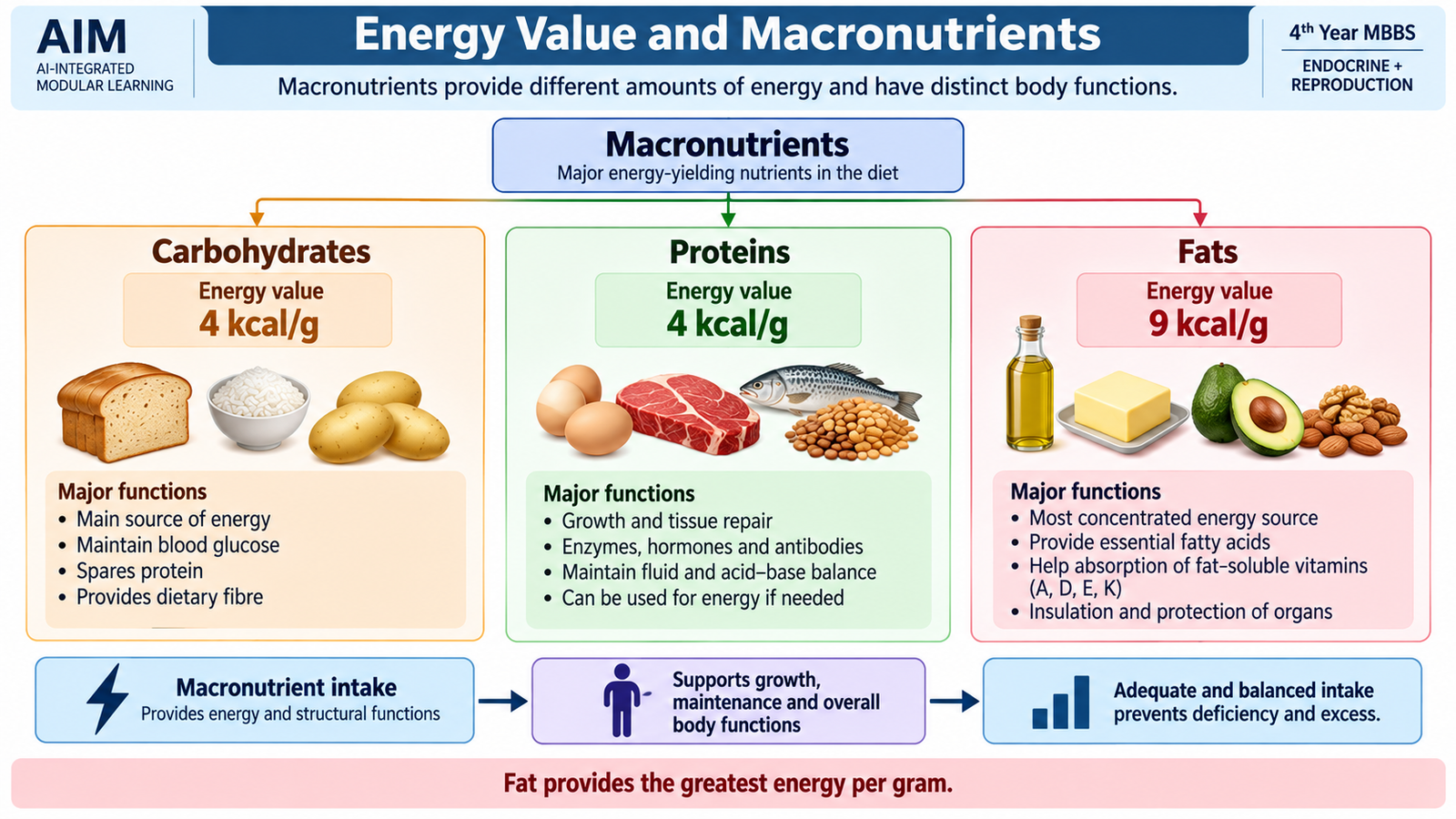
Macronutrients provide the bulk of dietary energy and structural material. Carbohydrates are the body’s major readily available energy source, proteins primarily support tissue structure and function, and fats provide concentrated energy and essential fatty acids. The body requires all three in appropriate proportions.
Energy value of nutrients
Food energy is expressed as kilocalories (kcal) or kilojoules. The amount of energy released depends on the nutrient being metabolized.
| Nutrient | Approximate energy value | Main nutritional role |
|---|---|---|
| Carbohydrate | 4 kcal/g | Readily available energy |
| Protein | 4 kcal/g | Growth, repair and functional proteins |
| Fat | 9 kcal/g | Concentrated energy and essential fatty acids |
Total energy requirement is influenced by basal metabolic needs, physical activity, growth and physiological states such as pregnancy and lactation. If energy intake chronically exceeds energy expenditure, the excess is mainly stored as triglyceride in adipose tissue. If energy intake is insufficient, body glycogen and fat stores are used first, followed increasingly by body protein during prolonged deprivation.
1. Carbohydrates
Carbohydrates include sugars, starches and dietary fibre. After digestion, many carbohydrates provide glucose, which is particularly important for tissues with a major glucose requirement. Complex carbohydrate foods can also supply fibre, vitamins and minerals. Main functions
- provide approximately 4 kcal/g;
- provide glucose for cellular energy;
- reduce the need to use protein as an energy source;
- help normal fat metabolism when adequate carbohydrate is available;
- provide dietary fibre when obtained from whole grains, pulses, vegetables and fruits.
Approximate adult allowance
Carbohydrate commonly contributes about 45–65% of total dietary energy in balanced adult diets. The exact amount varies with total calorie requirement, age and physical activity.
Deficiency and excess
There is no single classical carbohydrate-deficiency disease because glucose can also be produced from other substrates. However, marked energy and carbohydrate deprivation promotes glycogen depletion, increased fat breakdown and ketosis. Chronic excessive intake, particularly when total energy intake is excessive, contributes to weight gain. Frequent intake of free sugars also promotes dental caries.
2. Proteins
Proteins are composed of amino acids. Some amino acids cannot be synthesized in sufficient quantities by the body and therefore must be obtained from the diet; these are called essential amino acids. Main functions
- growth and repair of tissues;
- formation of enzymes and many hormones;
- formation of antibodies and other immune proteins;
- transport of substances in blood and cells;
- maintenance of plasma proteins and tissue structure;
- energy production when necessary.
Protein quality depends on both amino-acid composition and digestibility. A protein that provides essential amino acids in proportions close to human requirements has greater biological value.
Approximate adult allowance
A healthy adult generally requires approximately 0.8–1.0 g of protein/kg body weight/day. Requirements rise during growth, pregnancy, lactation, recovery from illness and some catabolic states.
Deficiency and excess
Severe protein deficiency, especially when accompanied by energy deficiency, contributes to protein–energy malnutrition. Consequences include poor growth, muscle wasting, reduced immune function and, in severe edematous malnutrition, edema. Excess protein is not associated with a specific deficiency-type disorder; however, it may add unnecessary energy and requires caution in people with certain renal disorders.
3. Fats
Dietary fats include triglycerides and related lipids. They provide more than twice as much energy per gram as carbohydrate or protein. Some fatty acids, particularly linoleic acid and alpha-linolenic acid, are essential because the body cannot produce them in sufficient amounts. Main functions
- provide approximately 9 kcal/g;
- supply essential fatty acids;
- allow absorption of vitamins A, D, E and K;
- form important components of cell membranes;
- provide stored energy and thermal insulation;
- contribute to satiety and food palatability.
Approximate adult allowance
Total fat commonly contributes approximately 20–35% of total dietary energy. The quality of dietary fat is important; unsaturated fats should replace excessive saturated and trans-fat intake wherever possible.
Deficiency and excess
Severe fat deficiency can produce essential fatty-acid deficiency and can impair absorption of fat-soluble vitamins. Features may include dry or scaly skin and impaired growth. Chronic excess energy intake from fat can contribute to obesity. Diets rich in unfavorable fats can also promote an adverse lipid profile and cardiovascular risk.
C. Vitamins: Classification, Functions and Deficiency Disorders
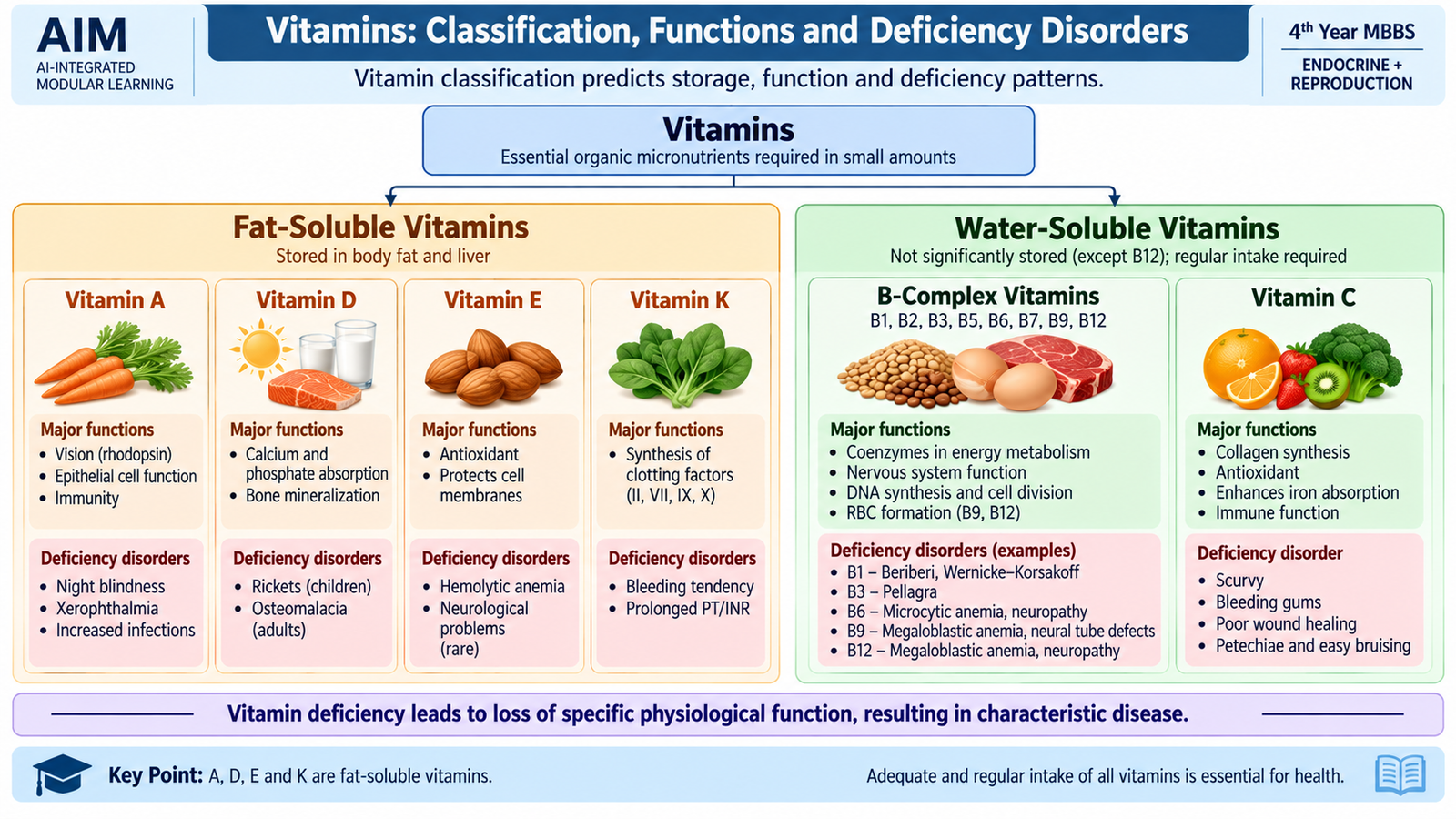
Vitamins are organic micronutrients required in small amounts for normal metabolism, growth and tissue function. Most do not directly supply energy. Instead, many act as coenzymes or participate in highly specific physiological processes. Vitamin deficiency therefore produces characteristic functional abnormalities even when total calorie intake is adequate.
Classification
The values below are approximate reference intakes for healthy adults and are provided for undergraduate learning. Actual requirements vary with age, sex and physiological state.
Fat-soluble vitamins
| Vitamin | Major functions | Approx. adult daily requirement | Important deficiency manifestations |
|---|---|---|---|
| A | Vision, epithelial integrity, immune function and growth | About 700–900 µg RAE | Night blindness, xerophthalmia, keratinization of epithelium |
| D | Calcium and phosphate homeostasis; bone mineralization | About 15 µg (600 IU) | Rickets in children; osteomalacia in adults |
| E | Antioxidant protection of cell membranes | About 15 mg | Rare; neuropathy, myopathy or hemolysis in severe deficiency |
| K | Activation of several coagulation proteins and bone proteins | About 90–120 µg | Bleeding tendency due to impaired clotting-factor activation |
Water-soluble vitamins
| Vitamin | Major function | Approx. adult daily requirement | Deficiency |
|---|---|---|---|
| B1 — Thiamine | Carbohydrate metabolism and neural function | 1.1–1.2 mg | Beriberi; Wernicke–Korsakoff syndrome |
| B2 — Riboflavin | Oxidation-reduction reactions | 1.1–1.3 mg | Cheilosis, angular stomatitis, glossitis |
| B3 — Niacin | NAD/NADP-dependent energy metabolism | 14–16 mg niacin equivalents | Pellagra: dermatitis, diarrhea and dementia |
| B5 — Pantothenic acid | Component of coenzyme A | About 5 mg | Deficiency is uncommon; fatigue and paresthesia may occur |
| B6 — Pyridoxine | Amino-acid metabolism and neurotransmitter/heme synthesis | About 1.3 mg in younger adults | Dermatitis, neuropathy, anemia and neurological symptoms |
| B7 — Biotin | Cofactor in carboxylation reactions | About 30 µg | Rare; dermatitis, alopecia and neurological symptoms |
| B9 — Folate | One-carbon transfer and DNA synthesis | About 400 µg DFE | Megaloblastic anemia; deficiency in pregnancy increases neural-tube-defect risk |
| B12 — Cobalamin | DNA synthesis and normal neurological function | About 2.4 µg | Megaloblastic anemia plus neurological dysfunction |
| C — Ascorbic acid | Collagen synthesis, antioxidant action and improved non-heme iron absorption | 75–90 mg | Scurvy: bleeding gums, impaired wound healing and perifollicular hemorrhage |
Why vitamin deficiencies produce characteristic diseases
Each vitamin participates in specific biochemical or physiological processes. When the vitamin becomes deficient, these processes fail. For example, vitamin A deficiency disrupts retinal function and epithelial integrity, producing night blindness and xerophthalmia. Vitamin D deficiency reduces normal calcium and phosphate handling and impairs mineralization of bone, causing rickets or osteomalacia. Vitamin C deficiency interferes with collagen formation, so capillary fragility and poor wound healing develop.
D. Essential Minerals: Functions, Requirements and Deficiency Disorders
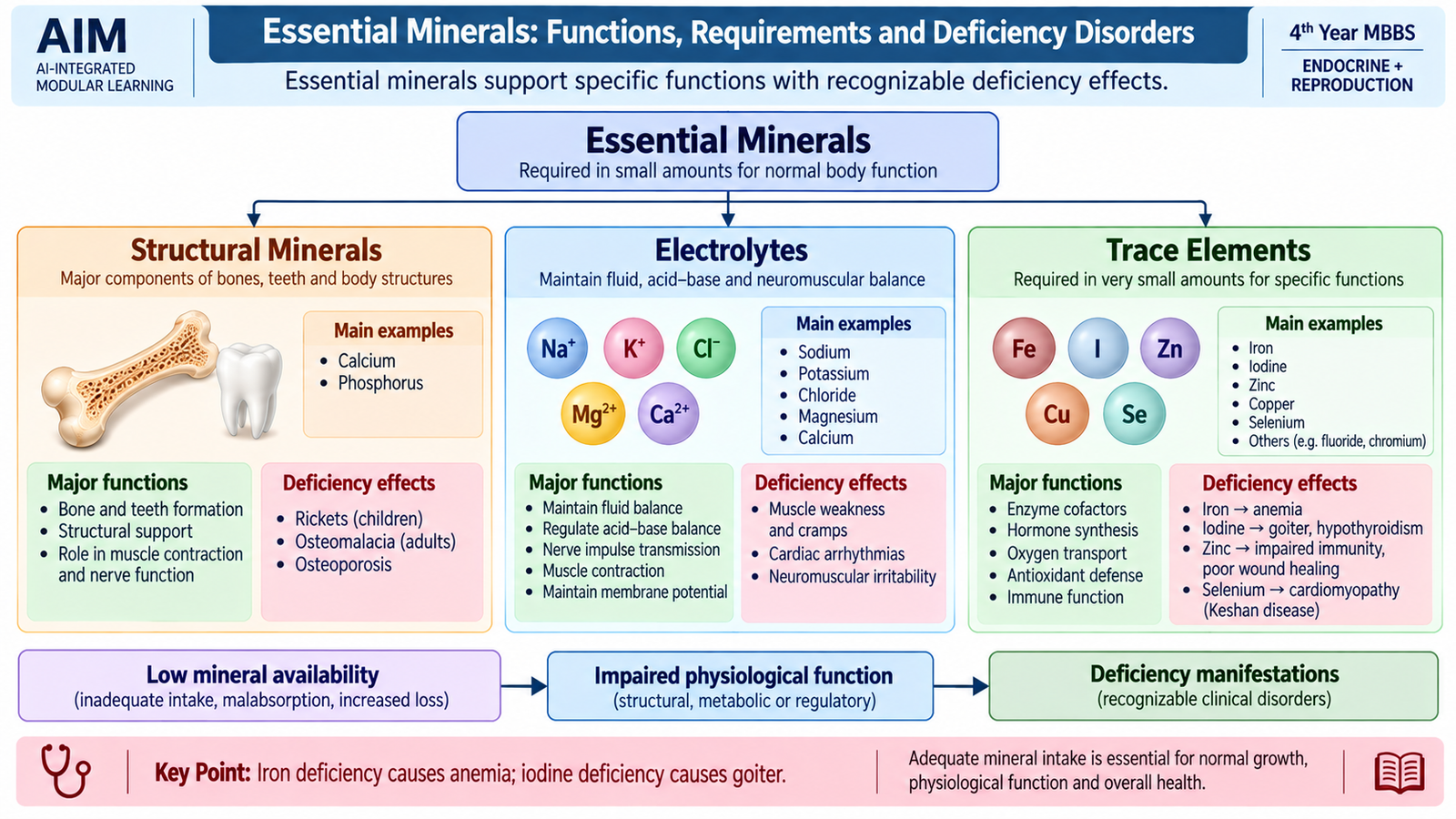
Minerals are inorganic nutrients required for structural functions, fluid balance, nerve and muscle activity, oxygen transport and numerous enzyme reactions. Some are required in relatively larger quantities, while others are needed only in trace amounts. Deficiency may result from inadequate dietary intake, impaired absorption, increased physiological demand or excessive loss.
Classification
- Major minerals: calcium, phosphorus, magnesium, sodium, potassium and chloride.
- Trace elements: iron, iodine, zinc, copper, selenium and several others required in much smaller quantities.
The following figures are approximate adult reference intakes for teaching. Exact requirements differ according to sex, age, pregnancy, lactation and the reference standard used.
| Mineral | Approx. adult requirement | Important functions | Important deficiency effects |
|---|---|---|---|
| Calcium | About 1000 mg | Bone and teeth, muscle contraction, nerve function, coagulation | Poor bone mineralization; long-term inadequate intake contributes to reduced bone strength |
| Phosphorus | About 700 mg | Bone, ATP, nucleic acids, phospholipids | Deficiency is uncommon; weakness and impaired bone mineralization may occur |
| Magnesium | About 310–420 mg | Enzyme reactions, neuromuscular function, bone | Neuromuscular irritability, weakness and rhythm disturbance in severe deficiency |
| Iron | About 8 mg in adult men; about 18 mg in many premenopausal women | Hemoglobin, myoglobin and iron-containing enzymes | Iron-deficiency anemia with fatigue, pallor and reduced work capacity |
| Iodine | About 150 µg | Thyroid-hormone synthesis | Goiter and hypothyroidism; fetal and childhood deficiency can impair neurodevelopment |
| Zinc | About 8–11 mg | Enzyme function, growth, immunity, wound healing and taste | Poor growth, impaired healing, dermatitis and altered taste |
| Copper | About 900 µg | Iron metabolism, connective tissue and enzyme systems | Anemia, neutropenia and skeletal abnormalities in severe deficiency |
| Selenium | About 55 µg | Antioxidant enzymes and thyroid metabolism | Deficiency is uncommon; severe deficiency can impair muscle and cardiac function |
| Sodium | Roughly 1.5 g as an adult reference intake | Extracellular fluid balance and nerve transmission | Dietary deficiency is unusual; marked depletion contributes to hyponatremia and volume disturbance |
| Potassium | Approximately 2.6–3.4 g in many adult reference systems | Intracellular fluid balance, nerve and muscle function | Low body potassium causes weakness and may produce cardiac rhythm abnormalities |
Understanding important mineral deficiencies
Iron deficiency limits hemoglobin synthesis. Red cells become progressively microcytic and hypochromic, and oxygen delivery falls. The patient may therefore develop fatigue, pallor and reduced exercise capacity. Iodine deficiency reduces thyroid-hormone production. Increased stimulation of the thyroid by TSH can enlarge the gland and produce goiter. Adequate iodine is particularly important during fetal and early childhood development because thyroid hormone is required for normal brain development. Calcium deficiency is closely related to vitamin D status and overall bone metabolism. Persistent inadequate calcium availability compromises maintenance of skeletal mineral content, particularly when requirements are increased.
E. Undernutrition and Protein–Energy Malnutrition
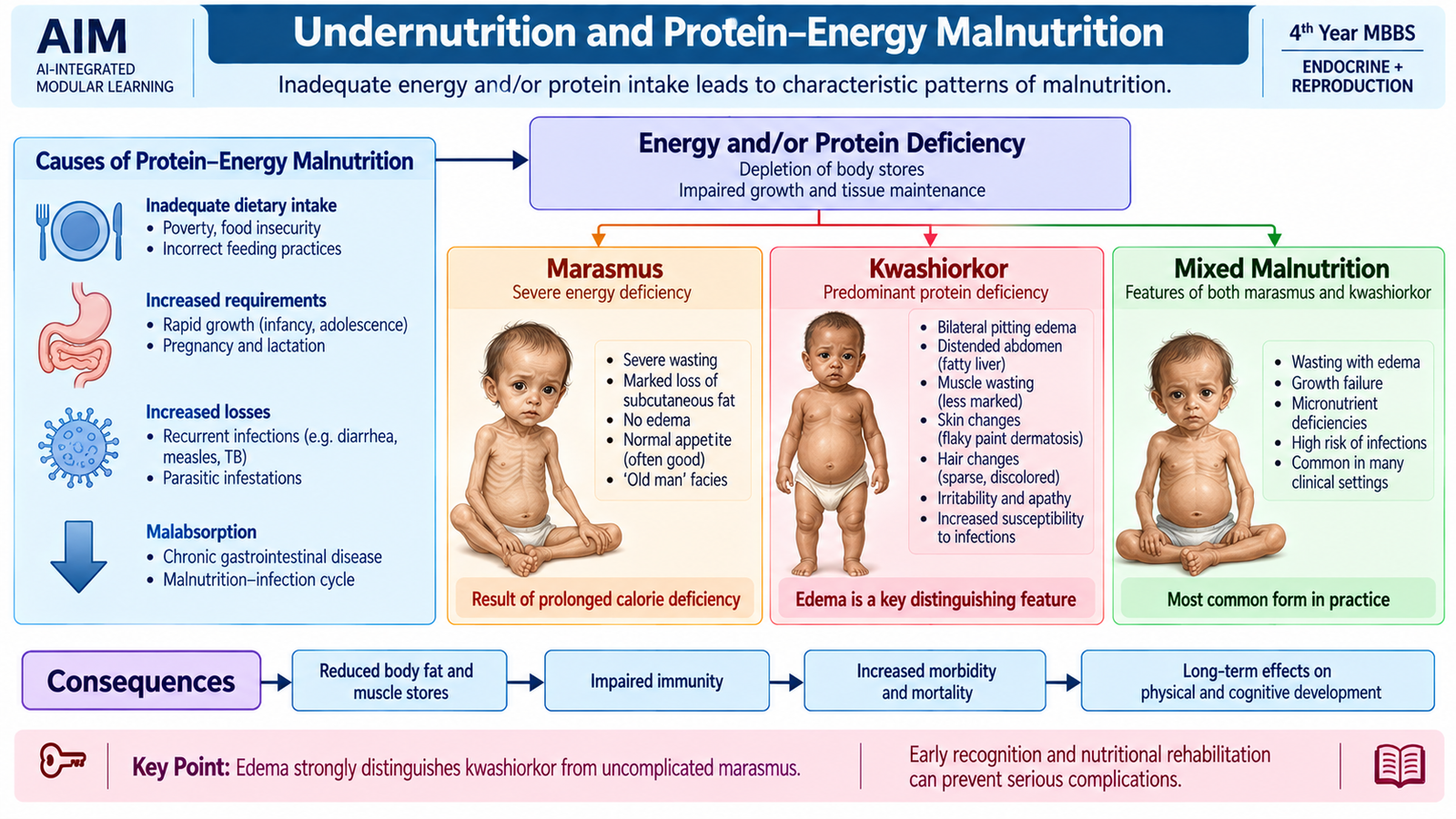
Undernutrition occurs when intake or utilization of energy and nutrients is insufficient to meet the body’s requirements. It may result from inadequate food intake, poor nutrient absorption, increased requirements or excessive losses. Undernutrition can affect body weight, linear growth, muscle mass, immunity and organ function.
Classification of undernutrition
Undernutrition can be classified in several complementary ways because no single measurement describes every aspect of nutritional failure.
- By cause: primary or secondary.
- By nutrient pattern: generalized energy/protein deficiency or a specific micronutrient deficiency.
- By duration: acute or chronic.
- By anthropometric expression: underweight, wasting or stunting.
- By severity: mild, moderate or severe, according to the assessment system being used.
Primary undernutrition results mainly from inadequate food availability or intake. Secondary undernutrition occurs when disease interferes with intake, digestion, absorption or utilization, or increases metabolic requirements and nutrient losses.
Protein–energy malnutrition
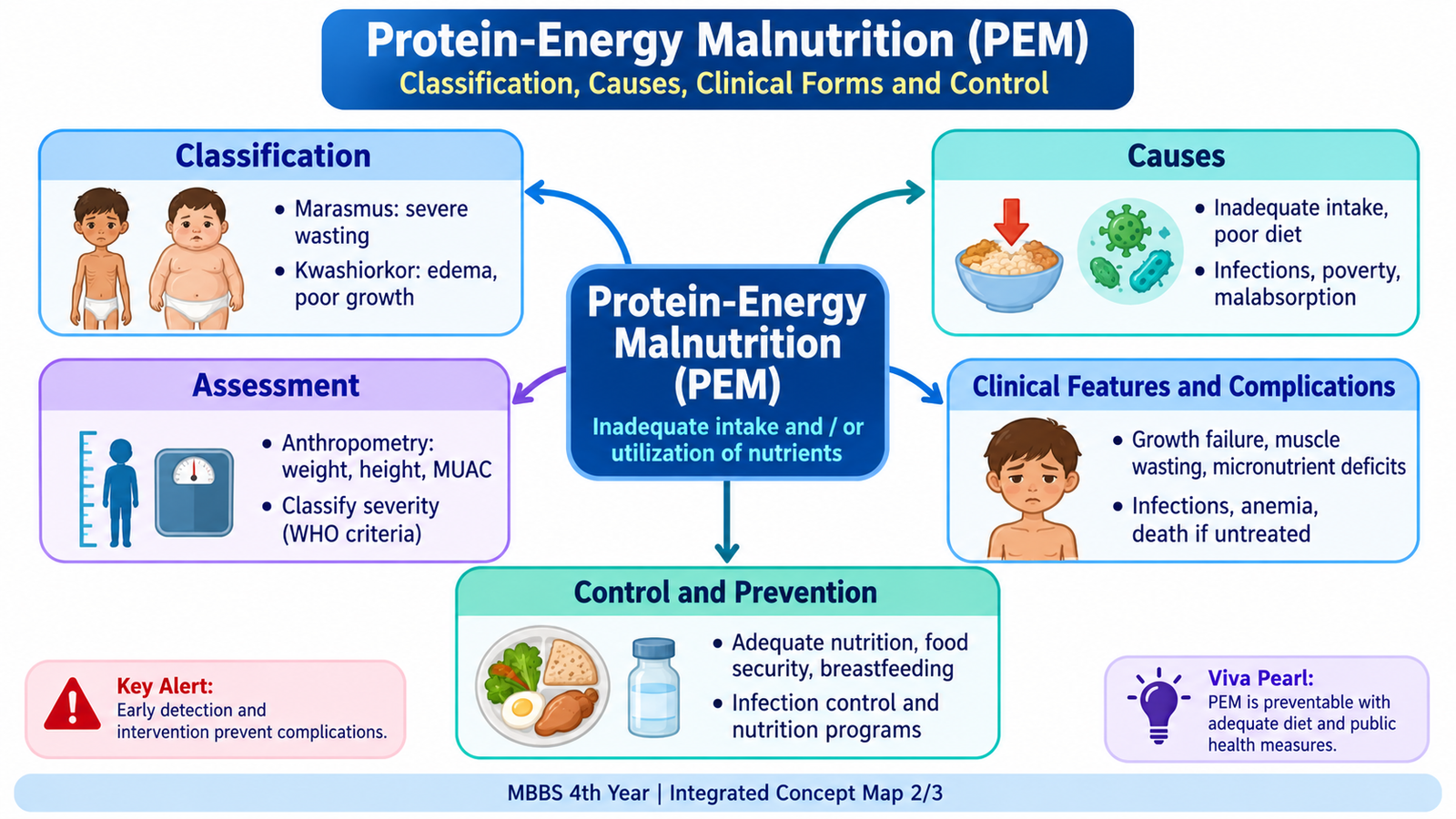
Protein–energy malnutrition (PEM) is a spectrum of undernutrition caused by inadequate intake or utilization of dietary energy and protein. It is particularly important in infants and young children because their nutritional requirements for growth are high and their body reserves are limited.
Causes of PEM
PEM usually develops through interaction between inadequate dietary intake and disease rather than through a single isolated cause.
- insufficient household food availability;
- inadequate breastfeeding or inappropriate complementary feeding;
- low dietary energy or protein density;
- recurrent infections, especially those that reduce appetite or increase losses;
- persistent diarrhea;
- intestinal malabsorption;
- chronic systemic disease;
- increased nutrient requirement during rapid growth;
- poor sanitation and repeated exposure to infection;
- social and economic factors that interfere with adequate feeding and healthcare.
Major clinical patterns
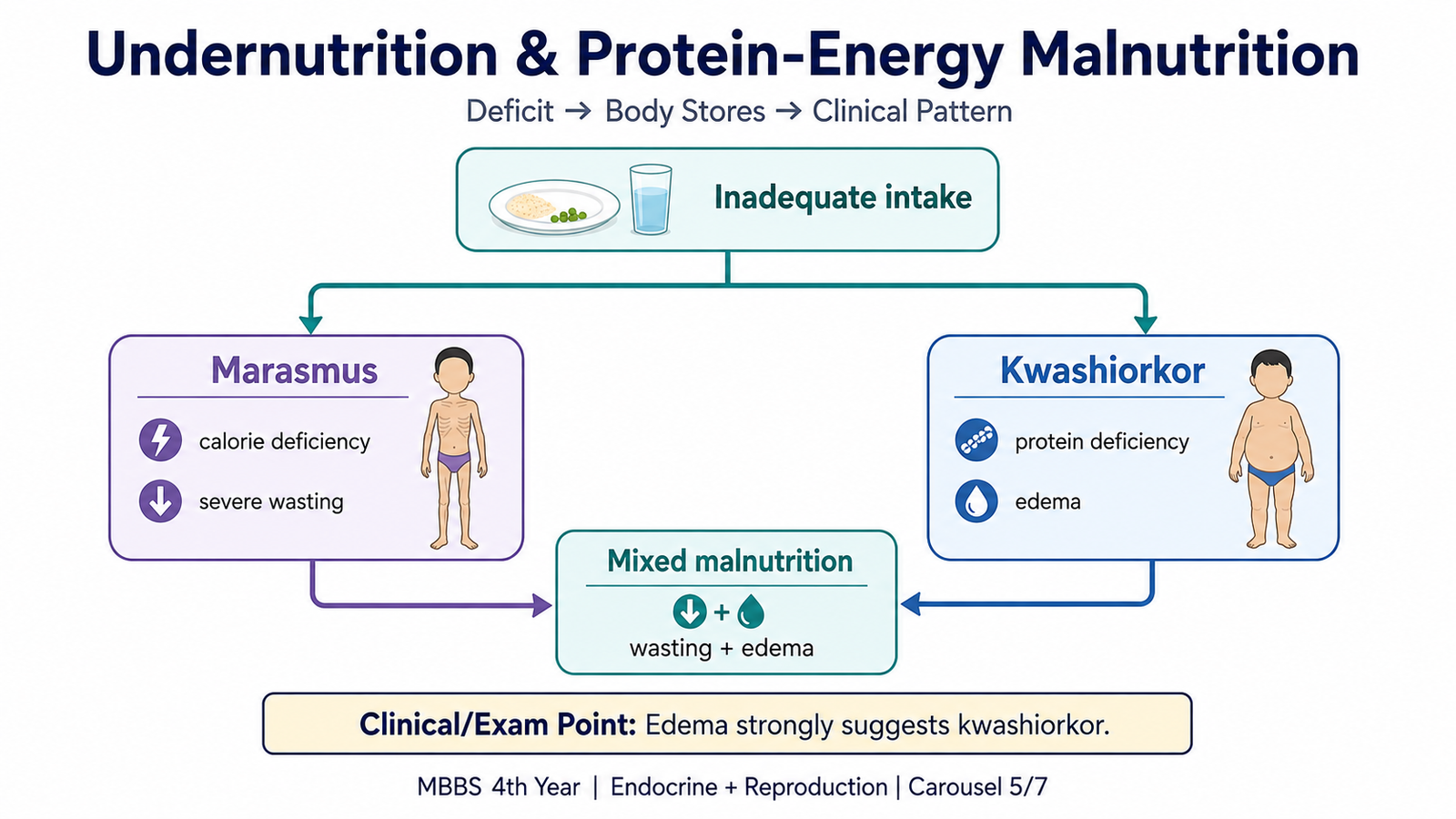
Marasmus
Marasmus is severe wasting caused predominantly by prolonged deficiency of total energy. The body adapts by mobilizing adipose tissue and skeletal-muscle protein to provide energy. The result is marked loss of subcutaneous fat and muscle mass.
- severe wasting and very low body weight;
- marked loss of subcutaneous fat;
- thin limbs and prominent bones;
- growth failure;
- usually no nutritional edema.
Kwashiorkor
Kwashiorkor is severe edematous malnutrition, classically associated with major protein deficiency in a nutritionally inadequate diet. Infection, oxidative stress and metabolic disturbances often contribute. Reduced plasma proteins and altered sodium-water handling contribute to edema, while impaired lipid transport may lead to fatty change in the liver.
- bilateral pitting edema;
- growth failure;
- muscle wasting that may be partly hidden by edema;
- skin and hair changes;
- fatty liver may occur;
- apathy and impaired immunity may be present.
Marasmic kwashiorkor
This pattern combines severe wasting with nutritional edema. It represents severe nutritional failure with features of both major classical syndromes.
Important Comparison — Marasmus vs Kwashiorkor
| Feature | Marasmus | Kwashiorkor |
|---|---|---|
| Main nutritional pattern | Severe total energy deficiency | Severe edematous malnutrition, classically associated with major protein deficiency |
| Wasting | Marked and obvious | Present but may be masked by edema |
| Edema | Absent | Characteristic |
| Subcutaneous fat | Severely depleted | May be relatively better preserved |
| Fatty liver | Not a dominant feature | May be present |
F. Assessment, Classification and Control of Malnutrition
Assessment of malnutrition identifies whether a person is underweight, acutely wasted, chronically growth-restricted or affected by severe nutritional deficiency. In children, anthropometry is particularly important because weight and height can be compared with expected values for age and body length or height.
Core anthropometric indicators
| Indicator | What it mainly reflects | Interpretation |
|---|---|---|
| Weight-for-age | Combined influence of acute and chronic undernutrition | Low value = underweight |
| Weight-for-height | Body mass relative to current height | Low value = wasting, usually reflecting acute or recent undernutrition |
| Height-for-age | Linear growth over time | Low value = stunting, usually reflecting chronic undernutrition |
| Mid-upper-arm circumference | Muscle and subcutaneous tissue reserve | Useful for rapid assessment of acute malnutrition in young children |
WHO Z-score approach
Modern child-growth assessment compares an individual child’s measurement with a reference population using Z-scores. A Z-score tells us how far a measurement lies from the reference median.
- Below −2 Z-scores: generally indicates undernutrition for the relevant indicator.
- Below −3 Z-scores: indicates severe abnormality.
- Low weight-for-height indicates wasting.
- Low height-for-age indicates stunting.
- Low weight-for-age indicates underweight.
Classical classifications of PEM
Gómez classification
The Gómez system uses weight-for-age as a percentage of expected weight. It is historically important and remains commonly taught for understanding PEM grading.
| Weight-for-age | Classification |
|---|---|
| ≥90% of expected | Normal |
| 75–89% | Grade I / mild |
| 60–74% | Grade II / moderate |
| <60% | Grade III / severe |
Waterlow classification
Waterlow assessment separates wasting from stunting. Weight-for-height reflects current or acute nutritional depletion, whereas height-for-age reflects long-standing growth failure. This is useful because two children with the same low weight-for-age may have very different nutritional patterns.
Wellcome classification
The Wellcome classification combines weight-for-age with the presence or absence of edema. It helps distinguish classical clinical patterns such as underweight, marasmus, kwashiorkor and marasmic kwashiorkor.
| Weight-for-age | Edema | Interpretation |
|---|---|---|
| 60–80% | Absent | Underweight |
| 60–80% | Present | Kwashiorkor |
| <60% | Absent | Marasmus |
| <60% | Present | Marasmic kwashiorkor |
Control strategies for malnutrition
Malnutrition control requires more than simply providing food to an already malnourished patient. Effective control addresses immediate nutritional deficiency, infection, feeding practices and the social and environmental factors that allow malnutrition to develop.
Primary prevention
- adequate maternal nutrition;
- appropriate breastfeeding practices;
- timely introduction of nutritionally adequate complementary foods;
- dietary diversity and adequate protein-energy intake;
- appropriate food fortification where indicated;
- nutrition and health education;
- safe water, sanitation and hygiene;
- prevention of common childhood infections;
- measures that improve household food security.
Secondary prevention
- growth monitoring;
- anthropometric screening and early detection;
- identification of feeding problems;
- early treatment of infections and gastrointestinal illness;
- correction of specific nutrient deficiencies.
Tertiary prevention and rehabilitation
- appropriate treatment of severe malnutrition and its complications;
- nutritional rehabilitation;
- treatment of underlying medical disease;
- follow-up of growth and feeding;
- family education to prevent recurrence.
G. Obesity: BMI, Causes, Complications, Management and Prevention
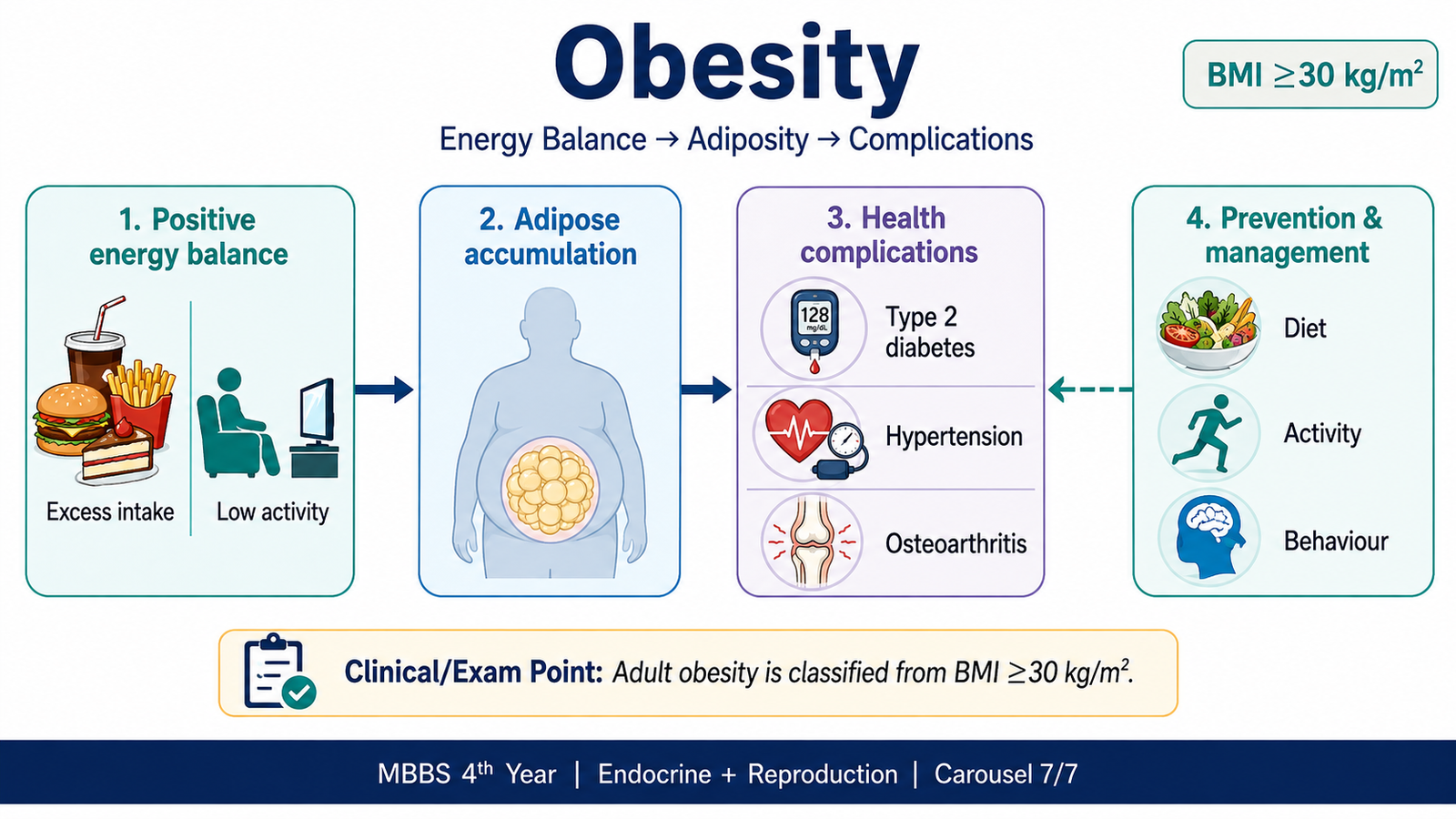
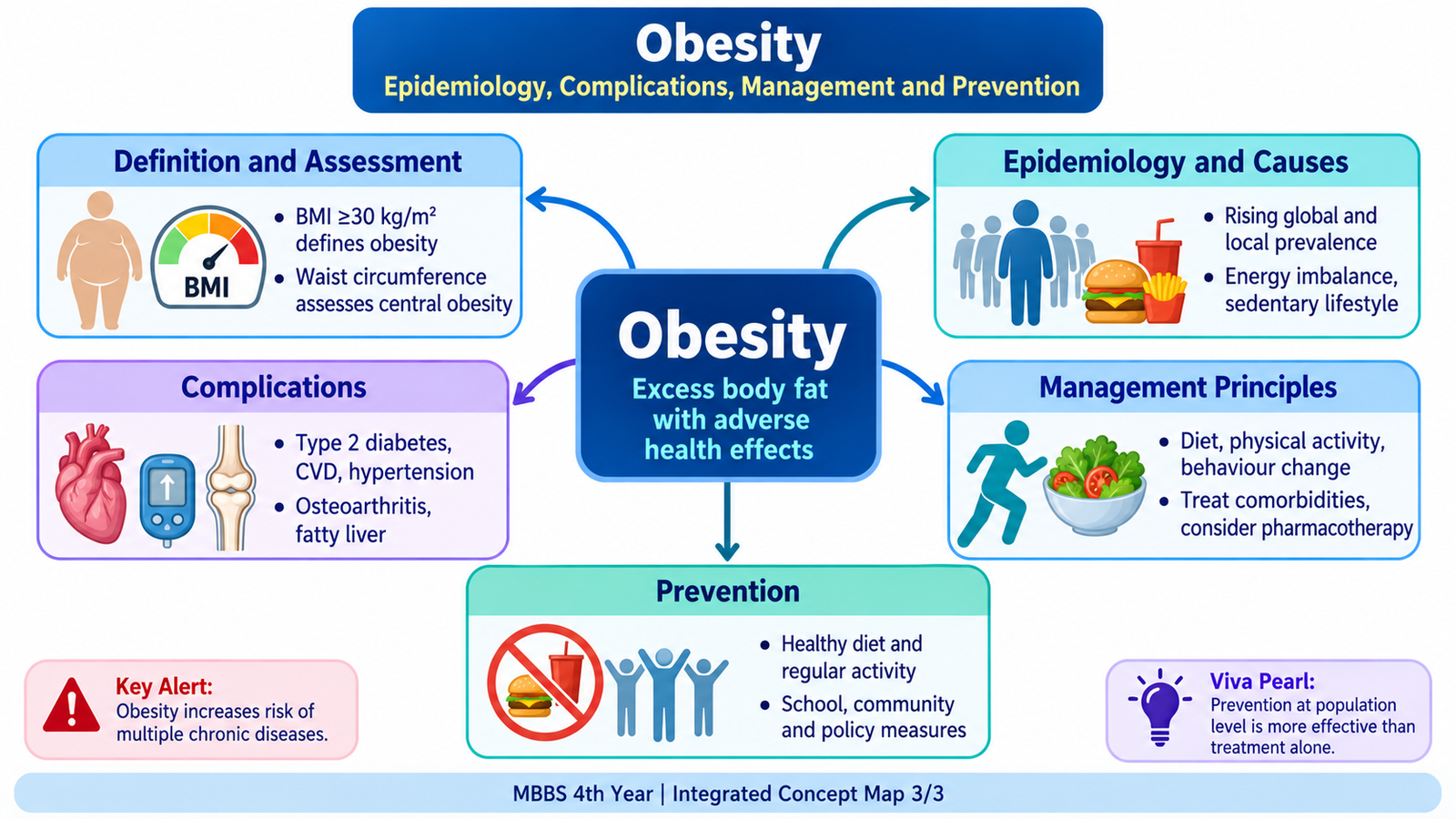
Obesity is abnormal or excessive accumulation of body fat that increases the risk of adverse health outcomes. It usually develops when energy intake exceeds energy expenditure repeatedly over a prolonged period, although biological, behavioral, social and environmental factors influence this imbalance.
Body Mass Index
Body Mass Index (BMI) is a simple index relating body weight to height. It is widely used for nutritional classification in adults.
| Adult BMI | Classification |
|---|---|
| <18.5 kg/m² | Underweight |
| 18.5–24.9 kg/m² | Normal range |
| 25.0–29.9 kg/m² | Overweight |
| 30.0–34.9 kg/m² | Obesity class I |
| 35.0–39.9 kg/m² | Obesity class II |
| ≥40 kg/m² | Obesity class III |
BMI is useful for population assessment and initial clinical classification, but it does not directly measure body fat. A very muscular person may have a high BMI without excess adiposity. Distribution of body fat also matters; central or abdominal adiposity is particularly associated with metabolic risk.
Epidemiology
Obesity is a major public-health problem affecting adults and children in many parts of the world. It occurs in both high-income and lower-income populations. Some communities experience a double burden of malnutrition, where undernutrition and micronutrient deficiency coexist with overweight and obesity.
Causes and determinants
The final common pathway is prolonged positive energy balance, but obesity is usually multifactorial. The tendency to gain weight is influenced by individual biology as well as the environment in which food choices and physical activity occur.
- Dietary factors: excessive total energy intake, frequent energy-dense foods and high intake of sugary drinks or highly processed foods.
- Physical inactivity: low occupational, recreational or transport-related activity.
- Genetic susceptibility: inherited factors can influence appetite, metabolism and fat storage.
- Environmental factors: easy access to energy-dense food and reduced opportunities for activity create an obesogenic environment.
- Psychological and behavioral factors: eating patterns and stress-related behaviors may contribute.
- Medical causes: selected endocrine or hypothalamic disorders can contribute but account for only a minority of obesity.
- Drugs: some medicines promote weight gain in susceptible individuals.
Complications of obesity
Obesity affects health through both metabolic effects of excess adipose tissue and the mechanical effects of increased body mass. Visceral adipose tissue is metabolically active and is associated with insulin resistance, dyslipidemia and chronic low-grade inflammation.
- Metabolic: insulin resistance and type 2 diabetes mellitus.
- Cardiovascular: hypertension, dyslipidemia and increased cardiovascular disease risk.
- Respiratory: obstructive sleep apnea and impaired respiratory mechanics.
- Hepatobiliary: metabolic fatty liver disease and increased gallstone risk.
- Musculoskeletal: osteoarthritis and mobility limitation.
- Reproductive: menstrual and fertility disturbances may occur.
- Malignancy: obesity is associated with increased risk of several cancers.
- Psychosocial: reduced quality of life, social stigma and psychological distress may occur.
Principles of management
Obesity management aims to improve health, not simply to produce a lower number on the weighing scale. Treatment begins by assessing nutritional habits, physical activity, complications and factors that may interfere with weight control.
- Dietary modification: create a sustainable reduction in excess energy intake while maintaining nutritional adequacy.
- Physical activity: increase routine movement and planned activity according to the person’s ability and medical condition.
- Behavioral modification: identify eating triggers, improve self-monitoring and support long-term lifestyle change.
- Management of associated disease: identify and treat diabetes, hypertension, dyslipidemia and other complications.
- Pharmacotherapy: may be considered in appropriately selected patients as an adjunct to lifestyle intervention under clinical supervision.
- Metabolic or bariatric surgery: may be considered for selected patients with severe obesity when appropriate specialist criteria are fulfilled.
- Long-term follow-up: obesity is a chronic condition and weight regain is common without continued support.
Prevention of obesity
Prevention is important because established obesity is difficult to reverse permanently. Action is required at both individual and population levels.
- promote nutritionally balanced diets from childhood;
- limit habitual intake of energy-dense, nutrient-poor foods and sugary beverages;
- encourage regular physical activity and active daily routines;
- reduce prolonged sedentary behavior;
- support healthy feeding practices within families;
- provide nutrition education based on practical food choices;
- create school, workplace and community environments that make healthier choices easier;
- identify excessive weight gain early and intervene before severe obesity develops.
⭐ AIM High-Yield Review
🎥 AIM Recommended Learning Videos
Use these videos after reading the AIM Learning Material to reinforce the major concepts of nutrition, malnutrition and obesity.
Video 1 — Human Nutrition: Macronutrients, Vitamins and Minerals
Useful for balanced diet, proteins, fats, vitamins, minerals and important nutritional deficiency concepts.
Video 2 — Protein–Energy Malnutrition: Marasmus and Kwashiorkor
Reinforces PEM, marasmus, kwashiorkor, edema and the major differentiating features.
Video 3 — Obesity: BMI, Causes, Complications and Weight Management
Covers BMI, energy balance, causes of obesity, health consequences and principles of weight reduction.