
Topic 9 — Disorders of Water Balance: Diabetes Insipidus, SIADH and Vasopressin Pharmacology
Understand normal vasopressin physiology, recognize how impaired vasopressin action produces diabetes insipidus, learn the clinical approach to DI, and connect vasopressin pharmacology with desmopressin and drugs used in nephrogenic DI. The chapter then explains how inappropriate vasopressin activity produces SIADH.
Topic Introduction
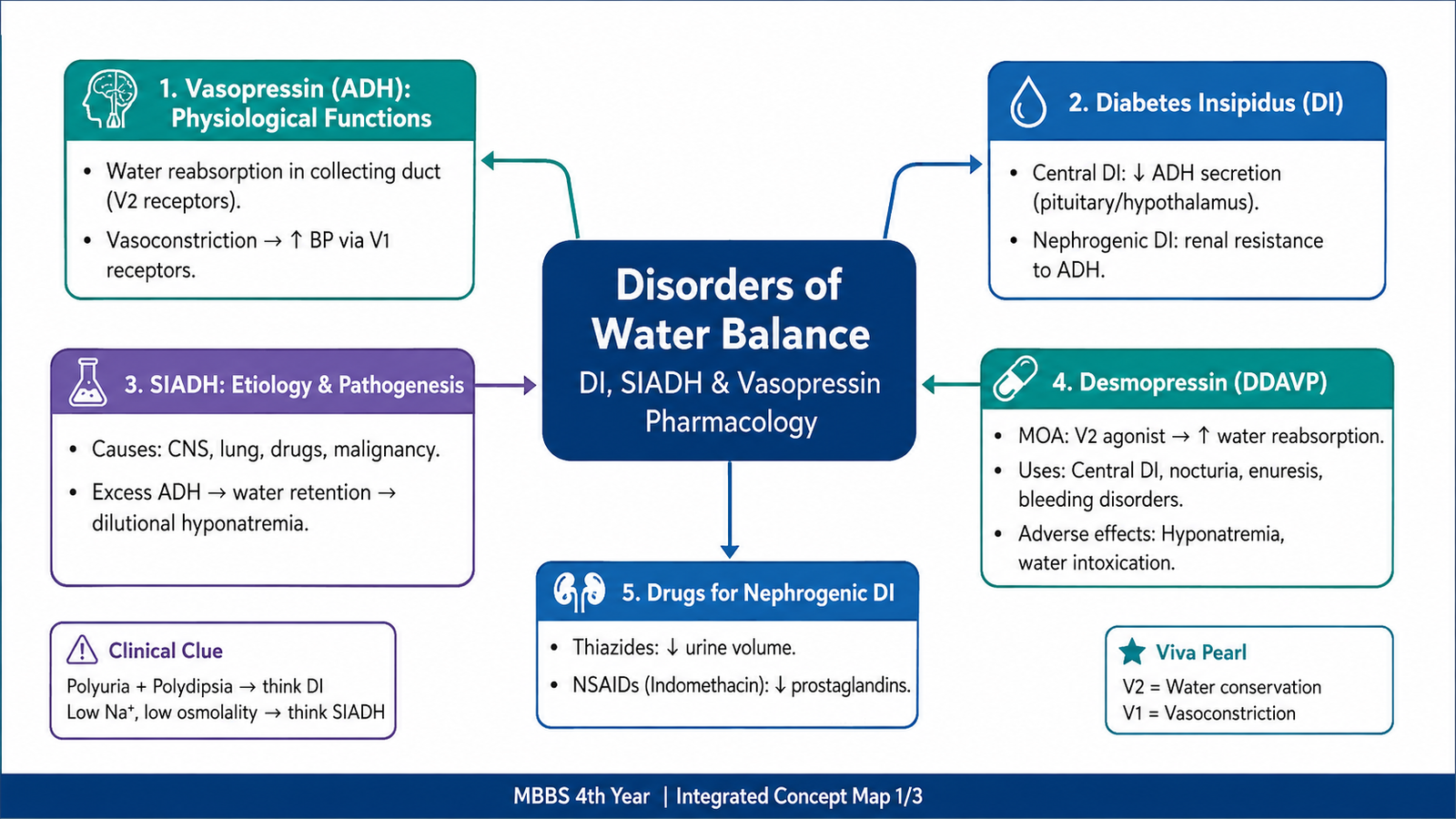
Water balance depends mainly on thirst, renal water handling and vasopressin, also called antidiuretic hormone or ADH. Vasopressin allows the kidneys to conserve water when the body needs it. If vasopressin secretion is inadequate, or if the kidneys cannot respond to it, excessive amounts of dilute urine are produced; this is diabetes insipidus. In contrast, excessive or inappropriate vasopressin action causes retention of water and forms the physiological basis of SIADH. These opposite disorders become much easier to understand when they are linked to normal vasopressin physiology. This chapter also explains how desmopressin reproduces selected actions of vasopressin and why different drugs are required when the kidney itself is resistant to ADH.
A. Vasopressin Physiology and Control of Water Balance
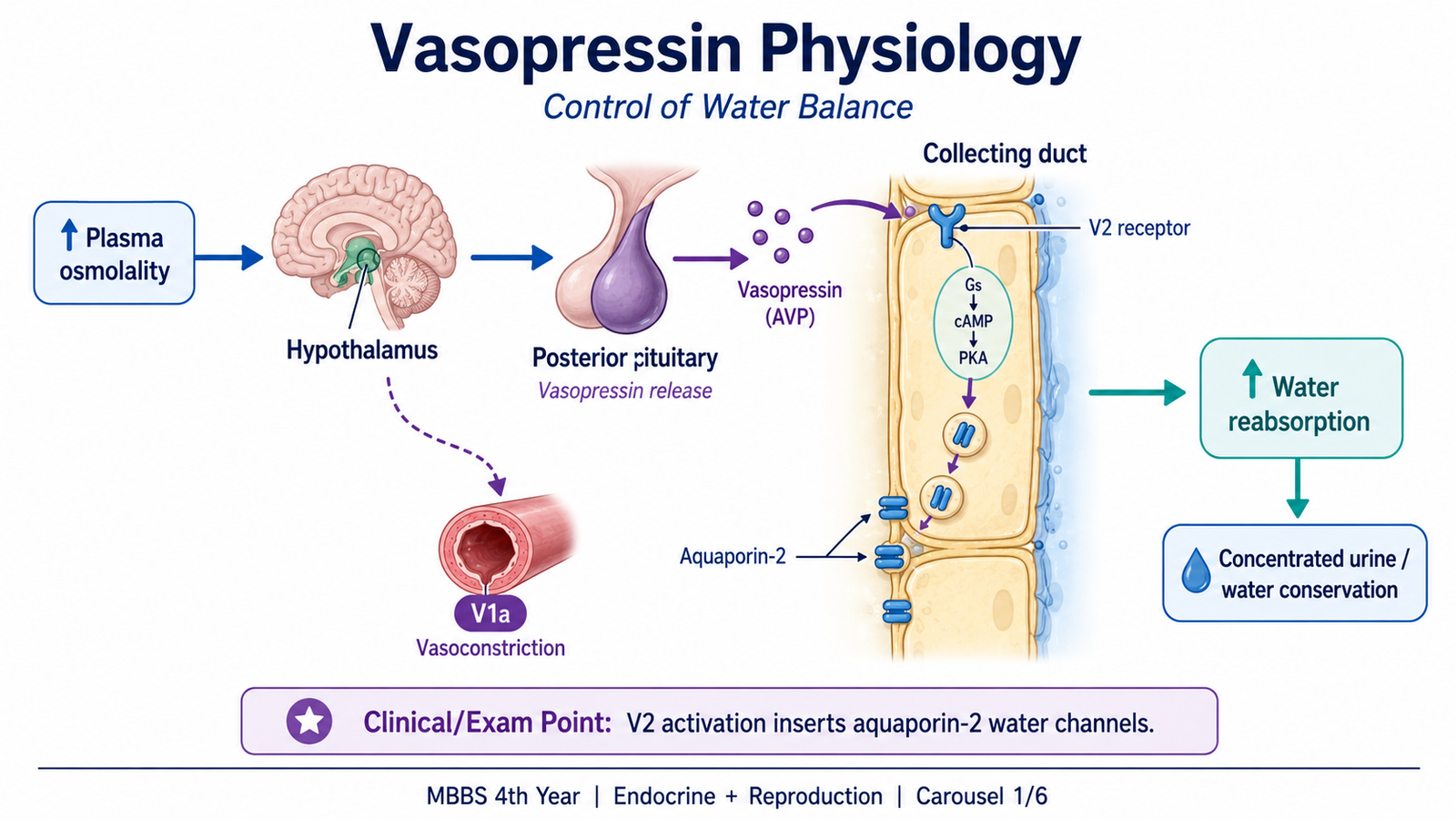
Vasopressin is the major hormone that allows the kidney to vary the amount of water lost in urine. It is synthesized in neurons of the hypothalamus, mainly in the supraoptic and paraventricular nuclei, transported along their axons and released from the posterior pituitary. Its most important function in water balance is to increase water reabsorption by the renal collecting ducts. “`
Control of vasopressin release
Plasma osmolality is closely monitored by hypothalamic osmoreceptors. When plasma becomes more concentrated, vasopressin secretion increases. Loss of effective circulating volume also stimulates vasopressin release through cardiovascular pressure and volume signals. Conversely, when excess water lowers plasma osmolality, vasopressin secretion normally falls so that the kidneys can excrete dilute urine.
Receptors and physiological effects
Vasopressin acts on different receptor subtypes. Their locations explain why the same hormone can influence both water balance and vascular tone.
- V2 receptors: located mainly on principal cells of the renal collecting duct. They are coupled to Gs proteins, increase cyclic AMP and promote insertion of aquaporin-2 water channels into the luminal membrane. Water can then move from tubular fluid into the cell and ultimately back into the circulation.
- V1a receptors: present on vascular smooth muscle. They are coupled mainly to Gq proteins and increase intracellular calcium, producing vasoconstriction.
- V1b receptors: participate in stimulation of ACTH release from the anterior pituitary. This is a lesser function in the present topic but is part of vasopressin physiology.
The V2-mediated effect is the key to understanding both diabetes insipidus and desmopressin therapy. Without sufficient V2 stimulation, the collecting duct remains relatively impermeable to water and a large volume of dilute urine is produced.
B. Diabetes Insipidus — Core Concept, Etiology and Pathophysiology
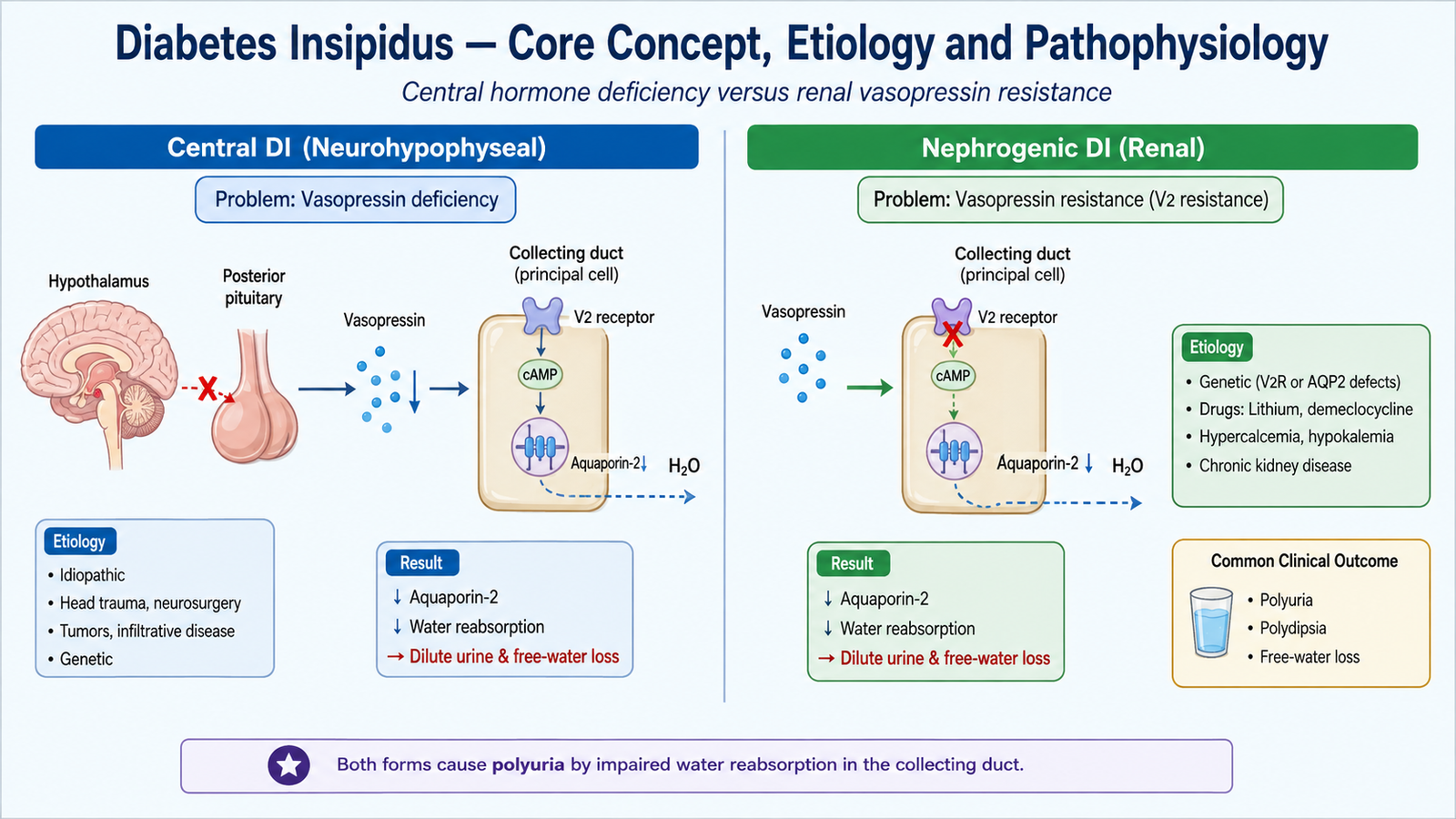
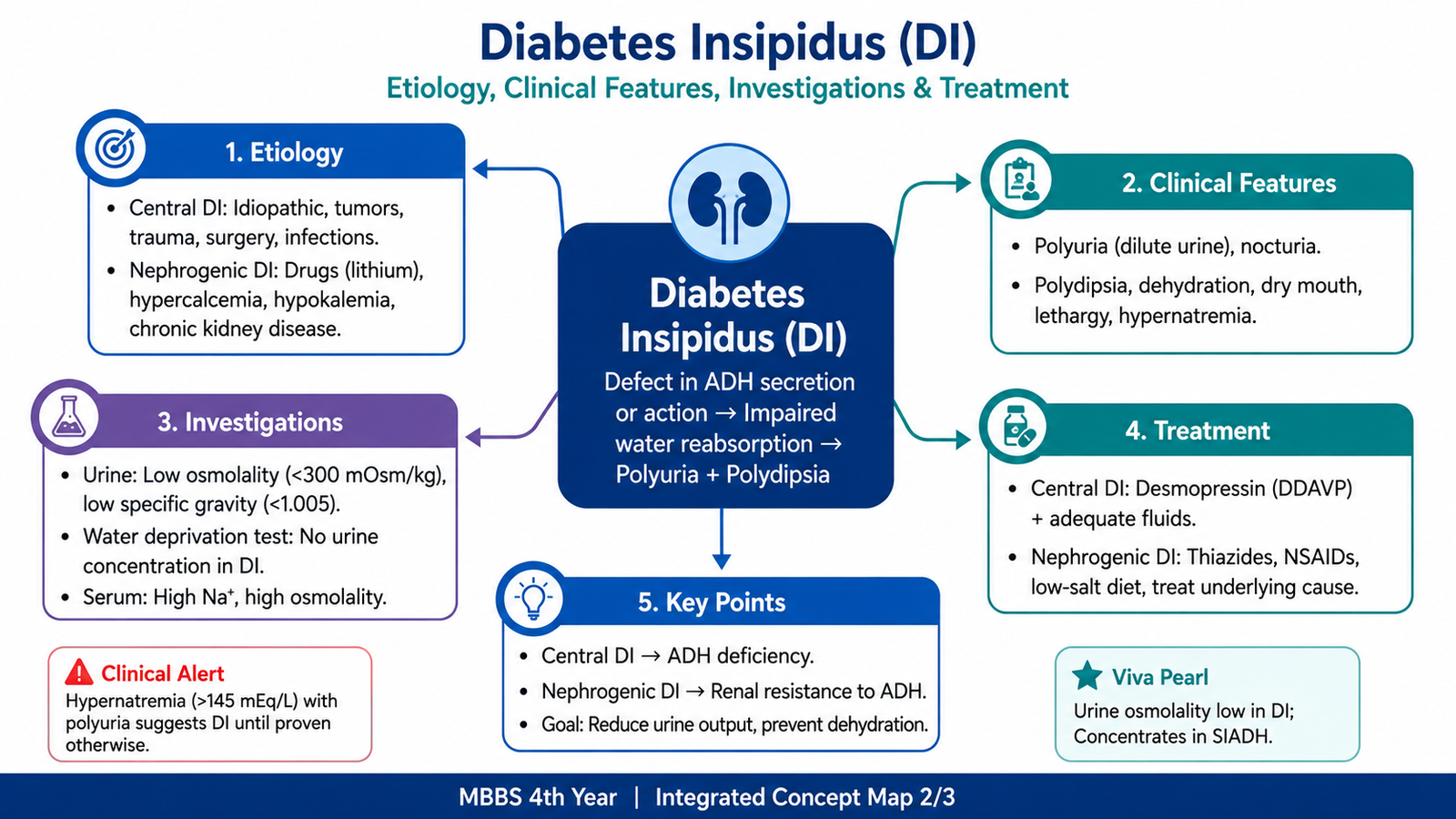
Diabetes insipidus (DI) is a disorder in which the kidney cannot conserve water adequately because vasopressin is either deficient or ineffective. The result is the excretion of abnormally large volumes of dilute urine. Unlike diabetes mellitus, the problem is not glucose-induced osmotic diuresis; the central disturbance is failure of normal water reabsorption. “`
Central diabetes insipidus
In central DI, vasopressin synthesis or release is inadequate. The kidney itself can respond to vasopressin, but the required hormonal signal is missing.
Reduced vasopressin → reduced V2 stimulation → reduced aquaporin-2 insertion → reduced collecting-duct water reabsorption → large-volume dilute urine.
Important causes include:
- Idiopathic or autoimmune impairment of vasopressin-producing neurons.
- Head trauma or neurosurgical injury involving the hypothalamic-pituitary region.
- Tumors or other structural lesions affecting the hypothalamus or pituitary stalk.
- Infiltrative or inflammatory disorders involving the hypothalamic-pituitary region.
- Less commonly, inherited abnormalities affecting vasopressin production.
Nephrogenic diabetes insipidus
In nephrogenic DI, vasopressin may be present in adequate amounts, but the renal collecting duct does not respond normally. The defect may involve the V2 receptor, aquaporin-2 pathway or other factors that interfere with renal concentrating ability.
Vasopressin present → impaired renal response → inadequate aquaporin-mediated water reabsorption → persistent excretion of dilute urine.
Important causes include:
- Inherited defects involving the V2 receptor or aquaporin-2 system.
- Lithium, an important drug-related cause.
- Hypercalcemia.
- Hypokalemia.
- Renal disorders that impair the kidney’s concentrating mechanism.
The distinction between central and nephrogenic DI is clinically important because replacing vasopressin activity is effective in central DI but is usually ineffective when the renal collecting duct itself is resistant.
C. Diabetes Insipidus — Clinical Features and Investigations
The clinical manifestations of DI arise directly from the inability to concentrate urine. When large amounts of free water are lost, thirst normally increases and drives compensatory water intake. Patients who can drink freely may therefore maintain near-normal body water, whereas patients who cannot obtain enough water may develop dehydration and hypernatremia. “`
Clinical features
- Polyuria: the major feature, caused by impaired water reabsorption in the collecting ducts.
- Polydipsia: occurs because water loss raises plasma osmolality and stimulates thirst.
- Nocturia: urine production remains excessive during the night.
- Preference for water or cold fluids: commonly accompanies intense thirst.
- Dehydration: develops when water intake cannot match urinary water loss.
- Hypernatremia and increased plasma osmolality: may occur when free-water replacement is inadequate.
Diagnostic approach
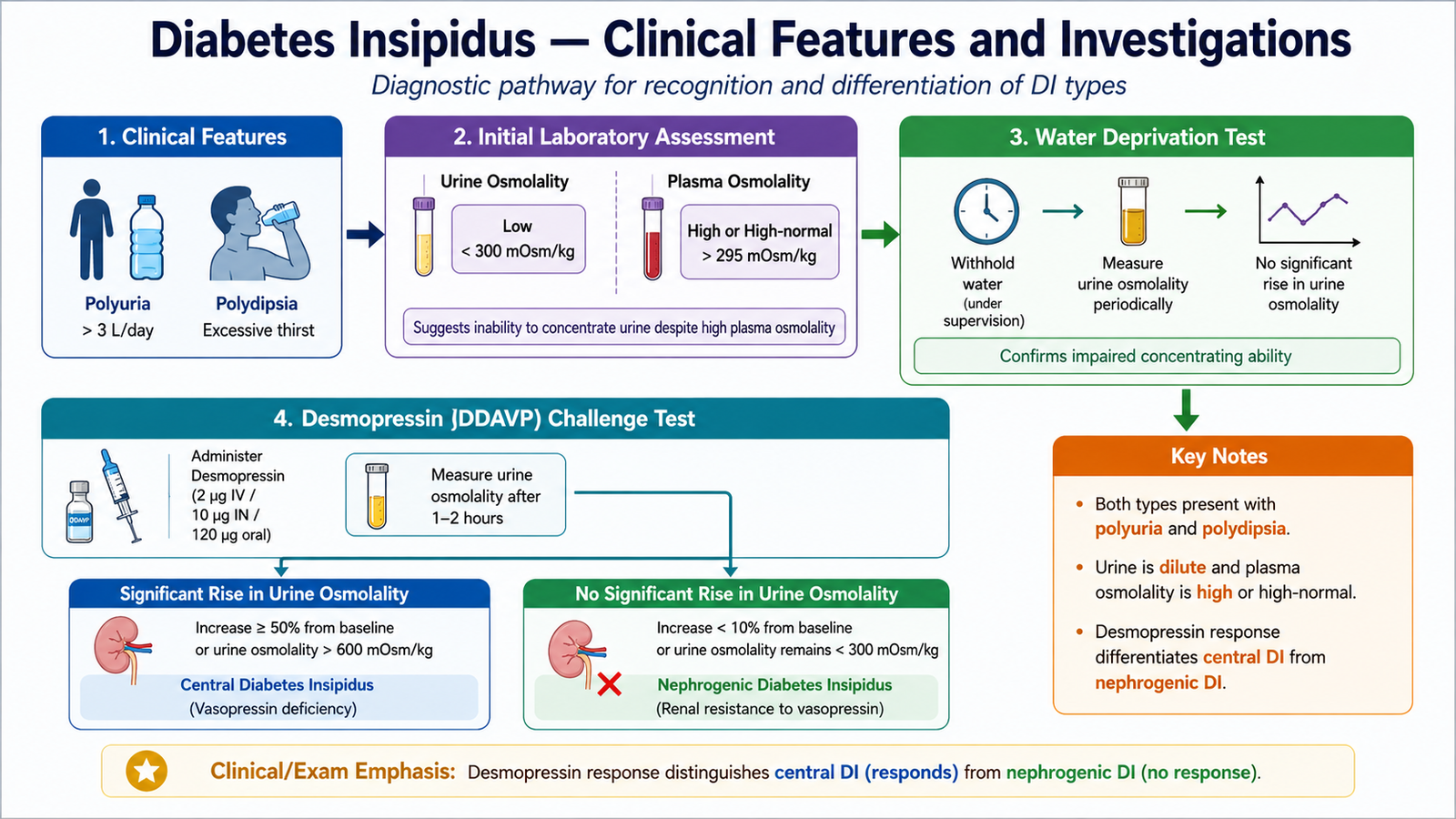
Investigation first establishes that excessive urine output represents a water diuresis with inadequately dilute urine rather than an osmotic diuresis from another cause. The next step is to determine whether the problem is deficient vasopressin secretion or renal resistance to vasopressin.
May rise when water loss exceeds intake. They help assess the body’s overall water state.
Urine remains inappropriately dilute despite a physiological need to conserve water.
Usually reflects the low concentration of solutes in the excessive urine volume.
Water deprivation and desmopressin response
Under appropriate clinical supervision, a water-deprivation assessment evaluates whether the kidneys can concentrate urine when water intake is withheld. A normal person responds by increasing endogenous vasopressin and concentrating the urine. In DI, appropriate concentration fails. Giving desmopressin after this assessment helps distinguish the two major forms. In central DI, the kidney is still capable of responding, so urine concentration increases after desmopressin. In nephrogenic DI, the renal response remains poor because the defect lies within the kidney’s response to vasopressin.
D. Desmopressin and Treatment of Central Diabetes Insipidus
Desmopressin is a synthetic analogue of vasopressin designed to produce a strong antidiuretic effect with much less vasoconstrictor activity than natural vasopressin. Its relative preference for V2 receptors makes it particularly useful when the therapeutic goal is water conservation rather than vascular constriction. “`
Mechanism of action
This mechanism explains both its therapeutic benefit and its major toxicity. When desmopressin replaces a missing vasopressin signal in central DI, water loss falls. If its antidiuretic action is excessive relative to water intake, however, too much water may be retained and plasma sodium may fall.
Pharmacodynamic principles of vasopressin and its analogues
The major pharmacodynamic distinction is receptor selectivity. Natural vasopressin activates both V1 and V2 receptors, so it can produce vasoconstriction as well as antidiuresis. Desmopressin has greater functional selectivity for V2-mediated effects, making its antidiuretic action more prominent and its vascular action much smaller. Drug response also depends on the site of the disease. Desmopressin can replace deficient hormone action in central DI because the collecting duct remains responsive. It is generally ineffective in complete nephrogenic DI, where the kidney cannot appropriately respond to the V2 signal.
Clinical uses
- Central diabetes insipidus: the major use in this topic; it replaces the missing antidiuretic effect.
- Nocturnal enuresis and selected nocturnal-polyuria states: its antidiuretic effect can reduce overnight urine production in appropriately selected patients.
- von Willebrand disease and mild hemophilia A: desmopressin can promote release of von Willebrand factor and factor VIII from endothelial stores in responsive patients.
Adverse effects
- Water retention and hyponatremia: the most important adverse effect; excessive V2 activity causes retention of electrolyte-free water.
- Water intoxication: severe excess water retention may produce neurological manifestations related to hyponatremia.
- Headache and nausea may occur.
- Because V1 activity is relatively weak, marked vasoconstriction is less prominent than with vasopressin.
Treatment principle in central DI
Management centers on adequate access to water, correction of significant water deficit when present, treatment of an identifiable underlying cause and replacement of antidiuretic activity with desmopressin when appropriate. Therapy must be balanced against the risk of excessive water retention.

E. Pharmacological Management of Nephrogenic Diabetes Insipidus
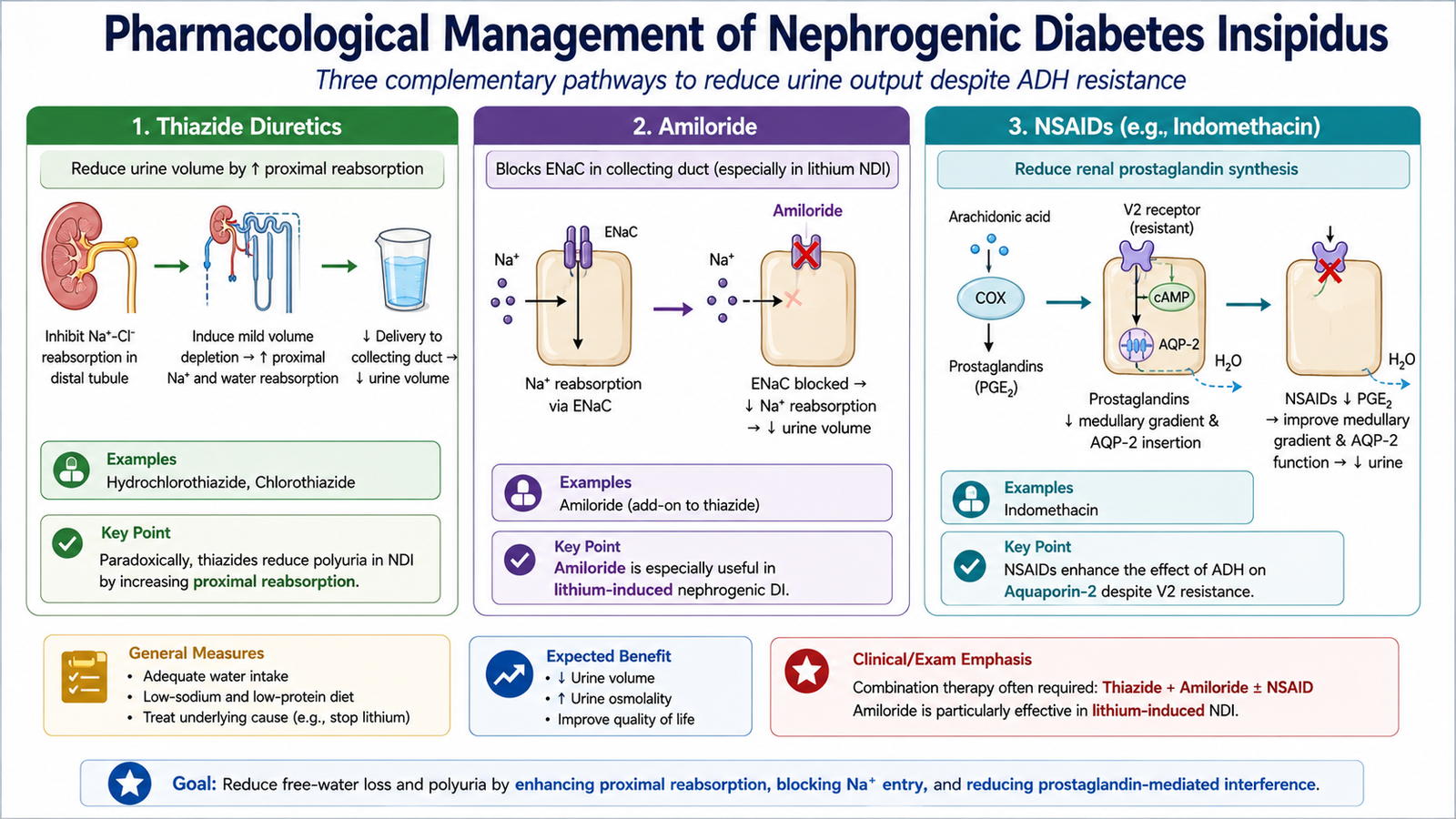
Nephrogenic DI requires a different therapeutic approach because simply supplying more vasopressin activity cannot reliably correct a kidney that is resistant to the hormone. Treatment therefore aims to remove reversible causes and use drugs that reduce the amount of water reaching the distal nephron or improve the kidney’s concentrating response. “`
Drugs used in nephrogenic DI
| Drug / class | Why it reduces polyuria | Key point |
|---|---|---|
| Thiazide diuretics | Produce mild extracellular-volume contraction, which increases proximal sodium and water reabsorption. Less fluid then reaches distal nephron segments, so final urine volume decreases. | Their benefit appears paradoxical because a diuretic is being used to reduce polyuria. |
| Amiloride | Blocks epithelial sodium channels in the collecting duct and can reduce entry of lithium into principal cells. | Especially useful when nephrogenic DI is caused by lithium. |
| NSAIDs such as indomethacin | Reduction of renal prostaglandin synthesis may enhance the concentrating effect of vasopressin and reduce urine volume. | Potential renal and gastrointestinal toxicity limits routine prolonged use. |
Treatment logic
When nephrogenic DI is acquired, the underlying cause should be corrected whenever possible. A responsible drug may need to be withdrawn or changed when clinically feasible, and metabolic disturbances such as hypercalcemia or hypokalemia should be corrected. Adequate water intake remains essential. Thiazides decrease urine output by increasing proximal reabsorption rather than by restoring V2 receptor signaling. Amiloride has a particularly logical role in lithium-induced DI because it reduces lithium entry through collecting-duct epithelial sodium channels. This mechanism-based distinction is frequently more useful than memorizing a drug list.
F. SIADH — Etiology and Pathogenesis
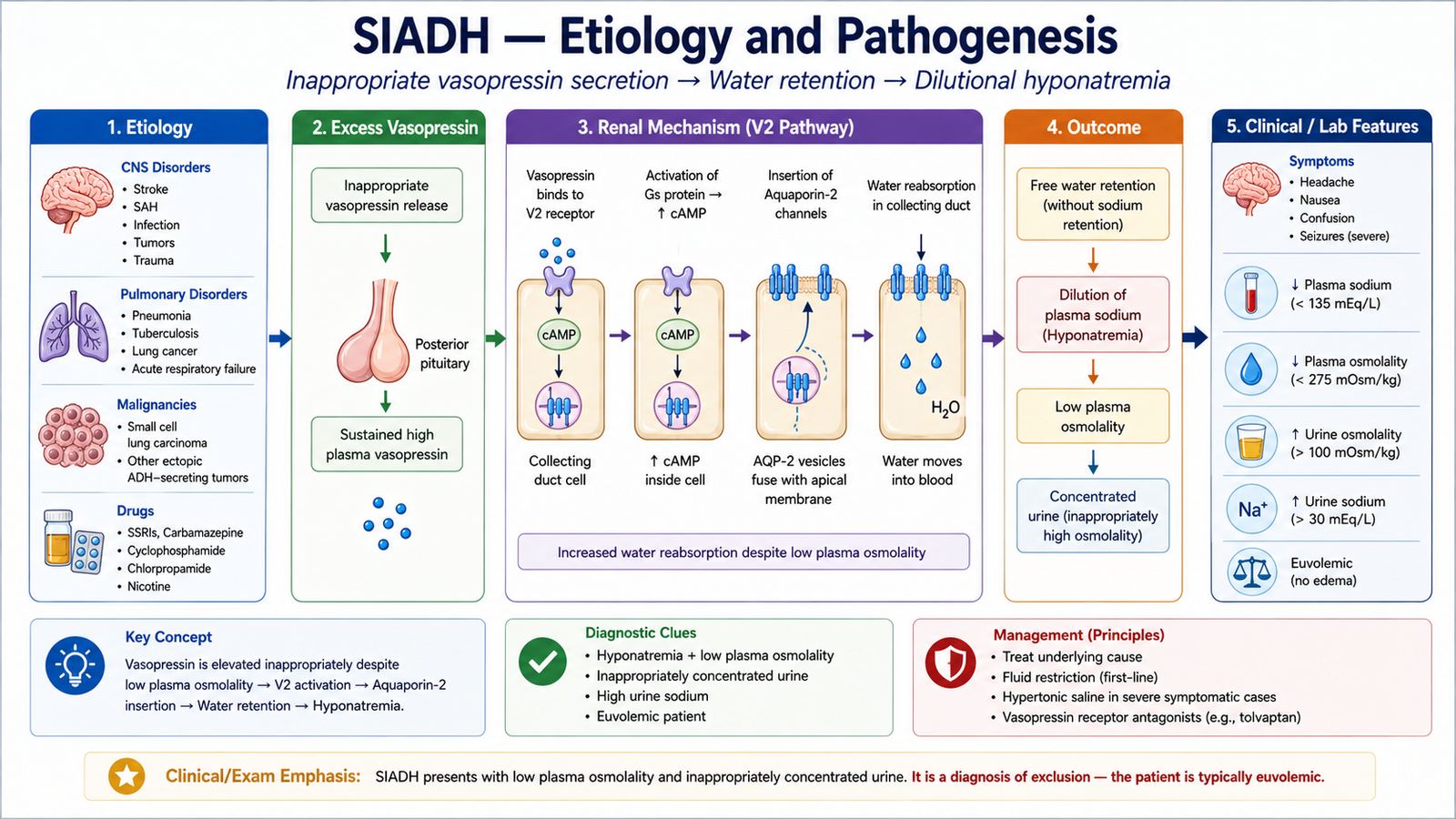
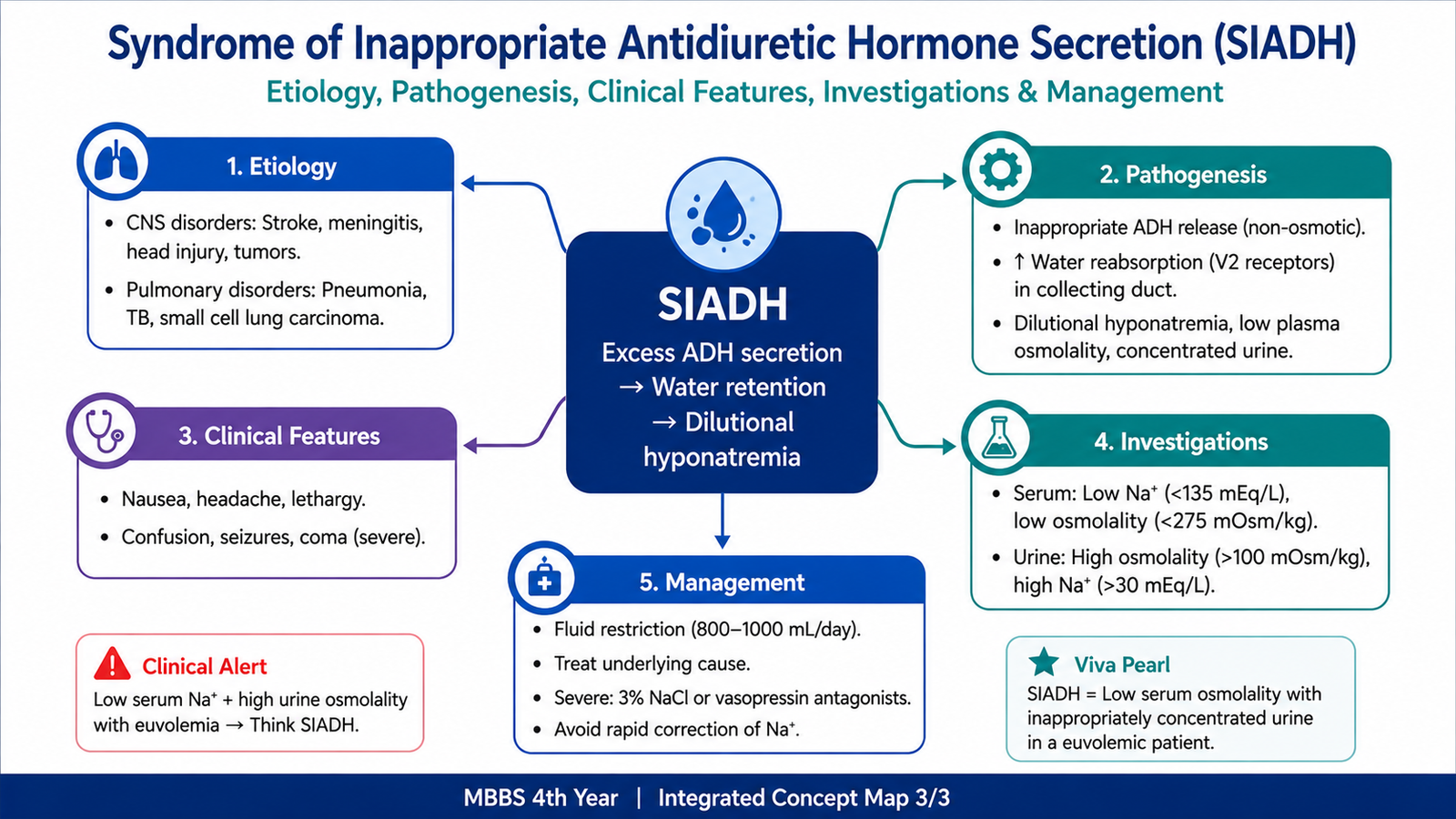
Syndrome of inappropriate antidiuretic hormone secretion (SIADH) is a state in which vasopressin activity remains inappropriately high relative to the body’s osmotic and volume requirements. The kidneys therefore continue to conserve water when normal physiology would suppress vasopressin and permit water excretion. “`
Etiology
SIADH may result from inappropriate hypothalamic-pituitary release of vasopressin, ectopic hormone production or drugs and physiological stresses that enhance vasopressin release or action.
- Central nervous system disorders: diseases or injury involving the brain can disturb normal control of vasopressin release.
- Pulmonary disorders: several lung diseases can stimulate inappropriate vasopressin secretion.
- Malignancy: classically, small-cell lung carcinoma may produce vasopressin ectopically.
- Drugs: important examples include selective serotonin reuptake inhibitors, carbamazepine and cyclophosphamide.
- Physiological stresses: pain, nausea and the postoperative state can stimulate vasopressin release.
Pathogenesis
The core disturbance is continued V2-receptor stimulation despite a state in which additional water conservation is unnecessary. Aquaporin-2 channels remain available in collecting-duct principal cells, allowing continued reabsorption of electrolyte-free water.
The initial water retention causes a small expansion of extracellular fluid volume. The body responds by increasing sodium excretion and suppressing sodium-retaining systems. Because some of the retained volume is therefore offset by natriuresis, marked peripheral edema is usually not the dominant feature. The characteristic disturbance is instead dilutional hyponatremia in a generally clinically euvolemic state. Another important physiological contradiction is that the urine remains more concentrated than would be appropriate for the low plasma osmolality. Normally, low plasma osmolality should suppress vasopressin and permit excretion of dilute urine; in SIADH this normal feedback response fails.
Integrated Mechanism Flow
Important Comparison — Central DI, Nephrogenic DI and SIADH
| Feature | Central DI | Nephrogenic DI | SIADH |
|---|---|---|---|
| Main defect | Deficient vasopressin secretion | Renal resistance to vasopressin | Inappropriately excessive vasopressin activity |
| Water balance | Excess free-water loss | Excess free-water loss | Excess free-water retention |
| Urine pattern | Large volume, dilute | Large volume, dilute | Inappropriately concentrated for the plasma state |
| Plasma tendency | Hypernatremia/hyperosmolality if water intake is inadequate | Hypernatremia/hyperosmolality if water intake is inadequate | Dilutional hyponatremia and hypo-osmolality |
| Response to desmopressin | Urine concentration increases | Little or no meaningful response in complete resistance | Not a replacement problem; vasopressin action is already excessive |
⭐ AIM High-Yield Review
Antidiuretic Hormone (ADH / Vasopressin) — Physiology
Use this video to understand vasopressin synthesis and release, regulation by plasma osmolality and circulating volume, V1 and V2 receptors, aquaporin-2 channels and renal water conservation.
Diabetes Insipidus and SIADH — Clinical Medicine
This video integrates central and nephrogenic diabetes insipidus, SIADH pathophysiology, clinical manifestations, serum and urine osmolality, water-deprivation testing, desmopressin response and treatment principles.