
This chapter follows the supplied KMU learning outcomes and connects reproductive health, maternal care, infant feeding, child-health promotion and oxytocin in a logical sequence. First understand how the concepts connect; then use the final AIM High-Yield Review for rapid revision.
Topic 20 — Reproductive Health, Safe Motherhood, Antenatal Care, Breastfeeding and Child Health Promotion
A connected approach to reproductive health, safe pregnancy, antenatal care, infant feeding, child-health promotion and the pharmacology of oxytocin.
Topic Introduction
Reproductive health covers the health and well-being of people in matters related to reproduction, while safe motherhood focuses specifically on protecting women during pregnancy, childbirth and the period after delivery. Antenatal care is an important part of this continuum because it provides repeated opportunities to assess the mother and fetus, prevent avoidable problems and recognize complications early. After birth, appropriate breastfeeding and infant feeding support healthy growth and development. IMCI/IMNCI provides an integrated approach to common childhood illness, while growth monitoring helps recognize nutritional or health problems over time. Oxytocin connects the obstetric and breastfeeding components through its actions on the uterus and breast. The curriculum coverage used for this chapter follows the supplied Topic 20 learning outcomes. :contentReference[oaicite:0]{index=0}
A. Reproductive Health and Its Components
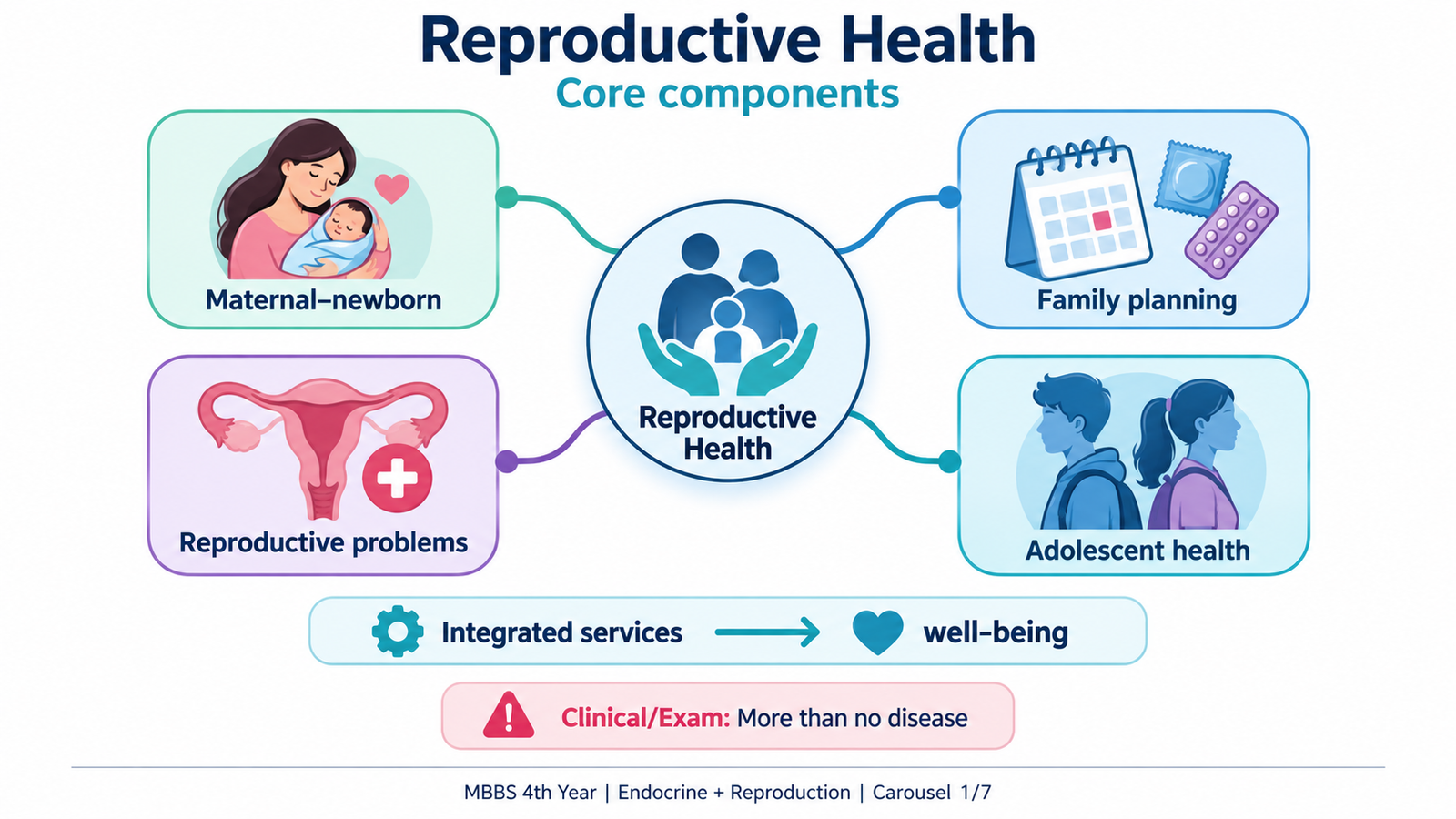
Reproductive health is broader than the absence of reproductive disease. It means a state of physical, mental and social well-being in matters related to the reproductive system, its functions and reproductive processes. The concept therefore includes the ability to have a safe and responsible reproductive life, access appropriate health information and services, and receive care when reproductive-health problems occur.
Definition
In practical terms, reproductive health aims to protect health throughout the reproductive life course rather than dealing only with pregnancy or disease. It includes prevention, health promotion, treatment and appropriate referral.
Major Components
The components are closely connected. For example, family planning influences the timing and spacing of pregnancy, antenatal services influence pregnancy outcomes, and control of reproductive tract infections protects both reproductive function and pregnancy.
- Maternal and newborn health: care before, during and after pregnancy to protect the woman and newborn.
- Family planning: enabling individuals and couples to make informed decisions about whether and when to have children.
- Prevention and management of reproductive tract and sexually transmitted infections: reducing reproductive morbidity and complications.
- Infertility care: assessment, counselling and appropriate management or referral of couples who have difficulty achieving pregnancy.
- Adolescent reproductive health: age-appropriate information, preventive care and access to suitable health services.
- Prevention and management of reproductive-health problems: including conditions affecting reproductive organs and reproductive function.
- Protection from harmful sexual or reproductive practices and violence: because physical, psychological and social well-being are integral to reproductive health.
B. Safe Motherhood and Antenatal Care
Safe motherhood means ensuring that women receive the care needed to remain as healthy and safe as possible throughout pregnancy, childbirth and the postnatal period. It is not limited to treating complications after they occur. Its main strength is a continuum of preventive care, early recognition of risk, skilled care during childbirth and timely management when complications develop.
Pillars of Safe Motherhood
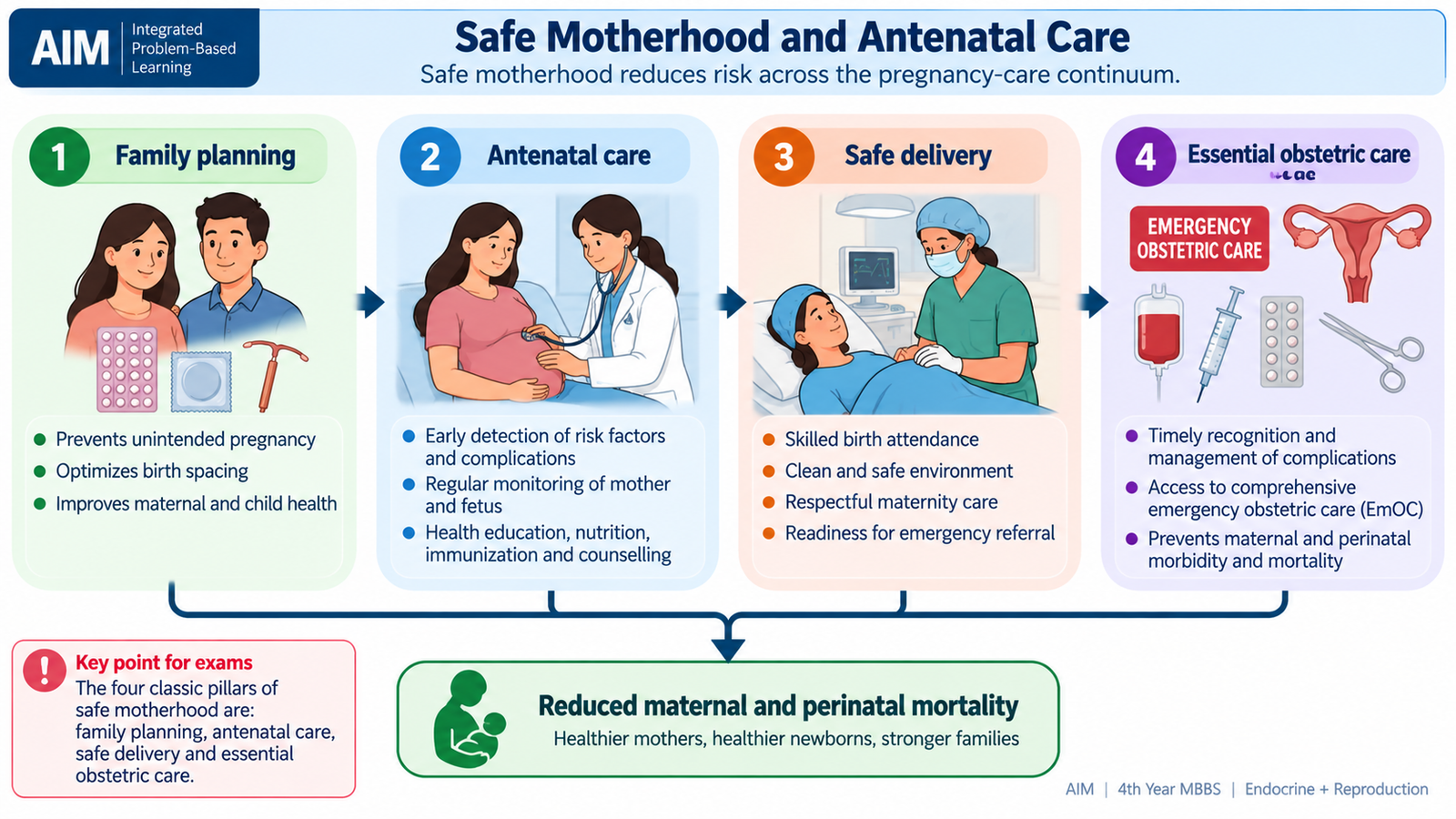
The classic safe-motherhood framework can be understood through four closely related pillars. Each addresses a different point at which maternal risk can be reduced.
| Pillar | Core Purpose | Why It Matters |
|---|---|---|
| Family planning | Supports informed timing and spacing of pregnancy. | Helps reduce unintended or poorly timed pregnancies and allows preparation for pregnancy. |
| Antenatal care | Monitors maternal and fetal well-being and identifies risk. | Problems can be prevented, detected or referred before they become severe. |
| Clean and safe delivery | Promotes skilled, hygienic and appropriately supported childbirth. | Reduces avoidable maternal and newborn complications around delivery. |
| Essential obstetric care | Ensures recognition and timely management or referral of obstetric complications. | Serious maternal complications can progress rapidly and require an effective referral and treatment system. |
What Is Antenatal Care?
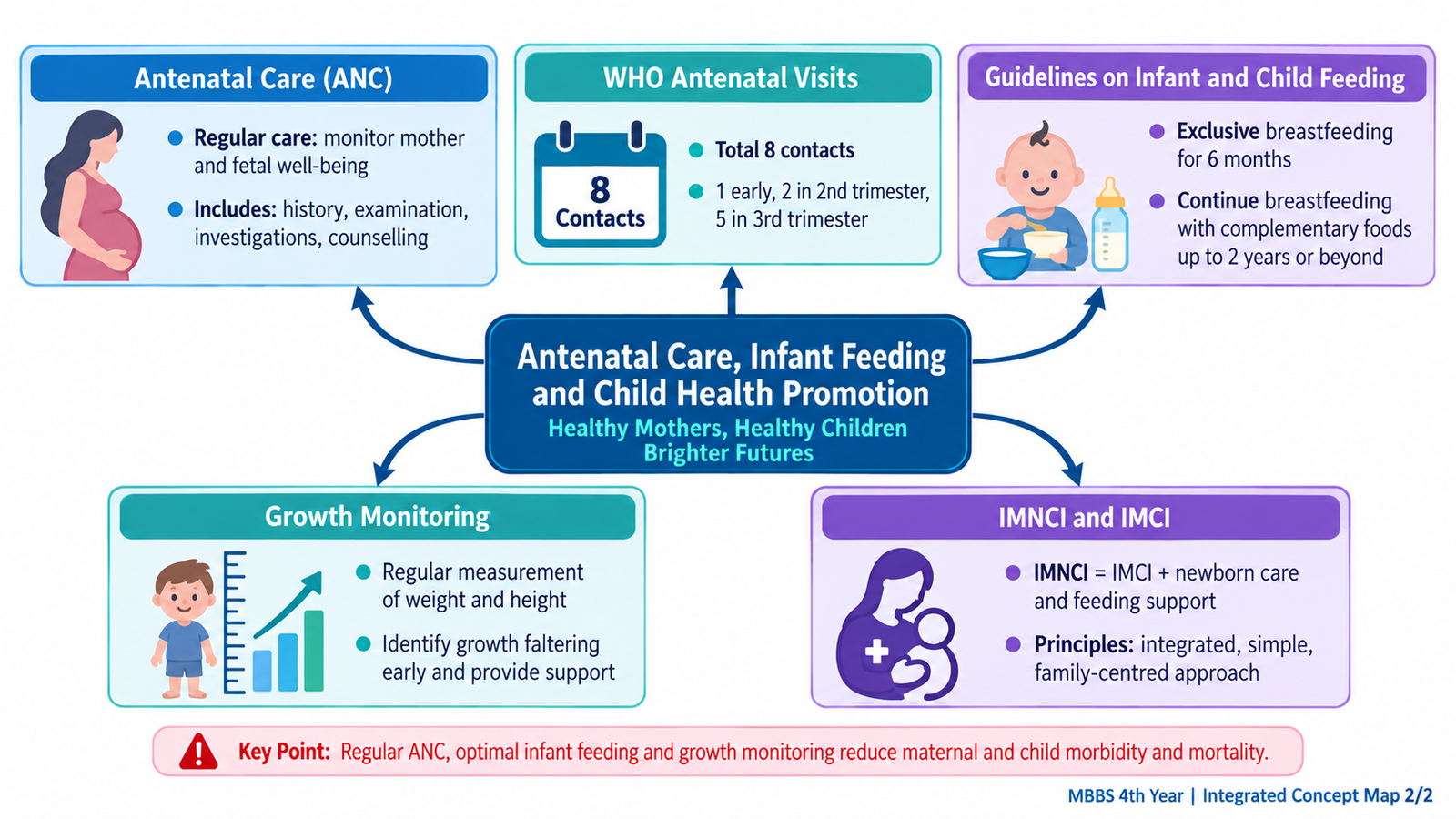
Antenatal care (ANC) is the organized care provided to a pregnant woman from early pregnancy until the onset of labour. Its purpose is not simply to record pregnancy progress. Each contact is an opportunity to assess health, recognize complications, provide preventive care, counsel the woman and prepare for safe childbirth and newborn care.
Main Objectives of Antenatal Care
- Assess the general health of the pregnant woman.
- Establish gestational age and follow the progress of pregnancy.
- Assess fetal growth and well-being.
- Identify maternal or obstetric risk factors early.
- Detect complications that develop during pregnancy.
- Provide appropriate preventive measures.
- Give advice on nutrition, health behaviour and warning symptoms.
- Prepare the woman and family for delivery, breastfeeding and newborn care.
- Arrange timely referral when higher-level care is required.
Assessment at the Initial Antenatal Contact
The first contact creates the baseline against which later findings can be compared. A careful history therefore comes before simply ordering investigations.
- Pregnancy history: last menstrual period where reliable, symptoms of pregnancy and estimation of gestational age.
- Previous obstetric history: previous pregnancies, deliveries, pregnancy losses and important complications.
- Medical and surgical history: important chronic illnesses, previous procedures and current medicines.
- Relevant family and social history: factors that may influence pregnancy health or access to care.
- General assessment: blood pressure, weight, pallor, edema where relevant and general/systemic examination.
- Obstetric assessment: appropriate examination according to gestational age.
- Baseline investigations: commonly include assessment for anemia, blood group and Rh status, urine testing and appropriate infection screening according to accepted antenatal practice.
Follow-Up Antenatal Care
Follow-up contacts look for change over time. Maternal blood pressure, symptoms, fetal growth and fetal well-being become increasingly important as pregnancy advances. Abnormal findings are valuable because they may be the first indication that a pregnancy previously considered uncomplicated is becoming high risk.
C. WHO Antenatal Contact Schedule and Continuity of Care
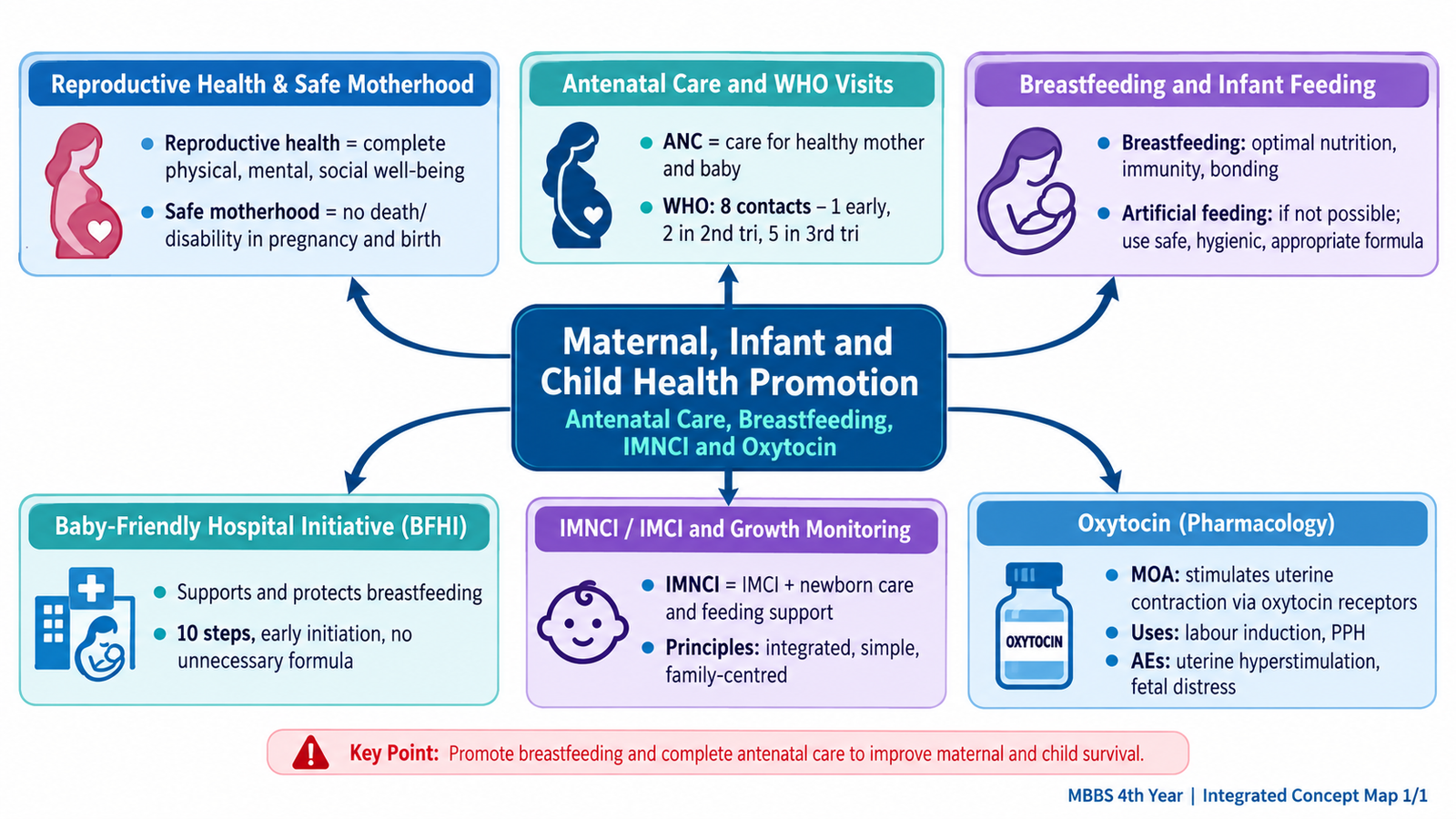
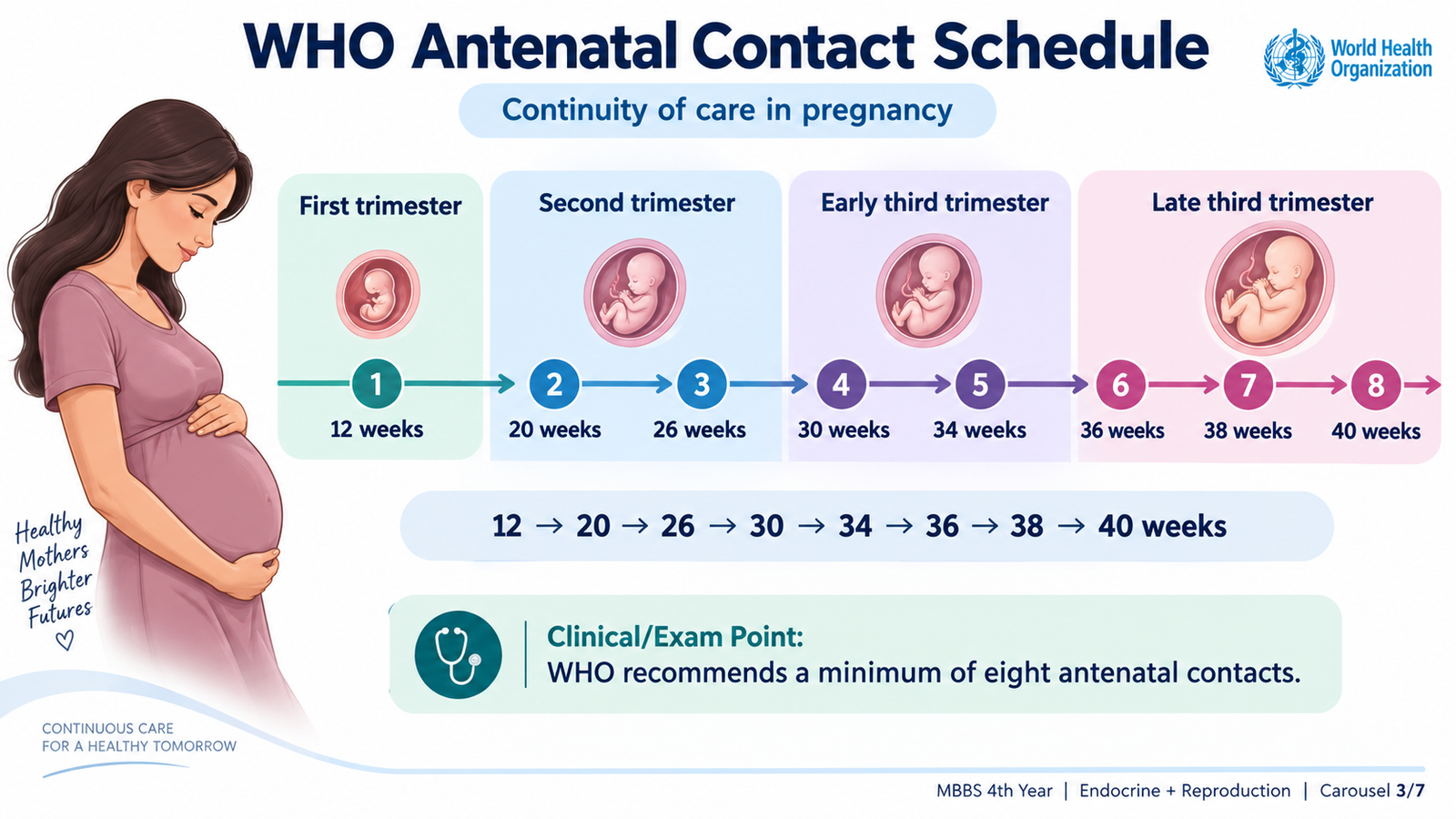
WHO uses the term contact rather than simply “visit” because antenatal care should represent meaningful interaction between the pregnant woman and the healthcare provider. The current WHO model recommends a minimum of eight antenatal contacts: the first during the first trimester, followed by contacts at 20, 26, 30, 34, 36, 38 and 40 weeks. :contentReference[oaicite:1]{index=1}
| Contact | Suggested Gestational Timing | Main Educational Purpose |
|---|---|---|
| 1 | Up to 12 weeks | Early booking, baseline assessment and identification of pre-existing risk. |
| 2 | 20 weeks | Review maternal health and pregnancy progress. |
| 3 | 26 weeks | Continue maternal assessment and fetal surveillance appropriate to gestation. |
| 4 | 30 weeks | Look for developing maternal or fetal problems. |
| 5 | 34 weeks | Continue surveillance and strengthen birth preparedness. |
| 6 | 36 weeks | Late-pregnancy assessment and preparation for delivery. |
| 7 | 38 weeks | Identify late complications and confirm readiness for birth. |
| 8 | 40 weeks | Reassess mother and fetus and plan further care if pregnancy continues. |
Why Are Repeated Contacts Necessary?
Pregnancy is dynamic. A woman may have normal blood pressure and fetal growth early in pregnancy but develop an important complication later. Repeated contacts increase opportunities for surveillance, counselling and timely intervention. They also allow the woman to discuss symptoms, ask questions and prepare progressively for childbirth and infant care.
Preventive and Educational Content
Antenatal care also provides repeated opportunities for preventive care. Depending on clinical need and applicable practice, this includes nutritional counselling, prevention and treatment of anemia, appropriate immunization, infection prevention, birth preparedness, breastfeeding counselling and advice about danger signs.
Important Warning Symptoms
Scheduled contacts should never cause a woman to delay seeking help when an important symptom occurs between visits. Examples of concerning symptoms include:
- vaginal bleeding;
- severe or persistent headache, especially with visual disturbance;
- convulsions or loss of consciousness;
- severe abdominal pain;
- high fever or significant systemic illness;
- leakage of fluid suggesting rupture of membranes;
- marked breathlessness or other serious maternal symptoms;
- reduced fetal movement after fetal movements have become established.

D. Breastfeeding and Its Advantages
Breastfeeding provides nutrition, immune protection and close maternal-infant interaction through a biologically adapted food source. Breast milk changes with the infant’s needs and is normally sufficient as the sole food during the first six months of life. WHO and UNICEF recommend initiation within the first hour after birth, exclusive breastfeeding for the first six months and continued breastfeeding with complementary foods from six months onward for up to two years or beyond. :contentReference[oaicite:2]{index=2}
Exclusive Breastfeeding
Exclusive breastfeeding means that the infant receives breast milk without other foods or drinks, including water. Exceptions include necessary medicines, vitamin or mineral preparations and oral rehydration solution when indicated. :contentReference[oaicite:3]{index=3}
Colostrum
Colostrum is the early milk produced around the time of birth. It is concentrated, rich in protective immune factors and suited to the small volume needs of a newborn. It should therefore be valued rather than discarded.
How Breastfeeding Is Maintained
Suckling produces neural signals from the nipple to the hypothalamus. This supports secretion of prolactin, which promotes milk synthesis, and endogenous oxytocin, which contracts myoepithelial cells around the mammary alveoli and produces the milk-ejection or “let-down” reflex.
Suckling → neuroendocrine reflex → prolactin supports milk production + oxytocin causes milk ejection.
Advantages for the Infant
- Appropriate nutrition: breast milk supplies nutrients in a form adapted to the infant’s needs.
- Protection from infection: immune and antimicrobial components help protect against common gastrointestinal and respiratory infections. WHO specifically recognizes protection against diarrhoea and common childhood illnesses such as pneumonia. :contentReference[oaicite:4]{index=4}
- Easy digestion: breast milk is well suited to the immature gastrointestinal system.
- Reduced contamination: milk is delivered directly from the breast without preparation or feeding equipment.
- Supports growth and development: adequate breastfeeding contributes to appropriate early growth and development.
- Supports bonding: close contact during feeding encourages maternal-infant interaction.
Advantages for the Mother
- Suckling promotes endogenous oxytocin release, supporting postpartum uterine contraction.
- Breastfeeding is immediately available and does not require preparation of feeds.
- It supports close maternal-infant contact.
- Exclusive breastfeeding can suppress ovulation for a variable period, although effective contraceptive use requires fulfilment of the specific criteria of the lactational amenorrhea method.
Family and Public-Health Advantages
Breastfeeding avoids the direct cost of breast-milk substitutes and feeding equipment, does not depend on a water supply for feed preparation and can reduce illness associated with contaminated feeds. For these reasons, breastfeeding has both individual and community-health importance.

E. Artificial Feeding, Baby-Friendly Hospital Initiative and Infant–Child Feeding
When direct breastfeeding or provision of breast milk is not possible or is medically inappropriate, an infant may require an appropriate breast-milk substitute. This is commonly described as artificial feeding. Such feeding can provide nutrition, but it does not reproduce all the biological and immunological properties of human milk. Safe preparation and caregiver counselling are therefore essential.
Artificial Feeding
Artificial feeding should be approached as an organized feeding method rather than simply “giving formula.” The infant must receive an appropriate product, correctly prepared in hygienic conditions and in a quantity suitable for age and need.
Important Principles
- Use an appropriate infant feed when breast milk is unavailable or cannot be used.
- Follow the manufacturer’s preparation instructions accurately; over-dilution and over-concentration can both be harmful.
- Use safe water and hygienic feeding practices.
- Wash hands before preparing or giving feeds.
- Keep feeding equipment clean and prepare feeds in a way that minimizes microbial contamination.
- Observe the infant’s feeding response, hydration and growth.
- Provide caregivers with clear instructions rather than assuming that preparation is self-explanatory.
Disadvantages and Risks
- Loss of many protective immunological properties of breast milk.
- Risk of contamination during preparation or storage.
- Risk of incorrect concentration if feeds are prepared improperly.
- Dependence on safe water, suitable feeding supplies and caregiver knowledge.
- Greater financial cost to the family.
Baby-Friendly Hospital Initiative
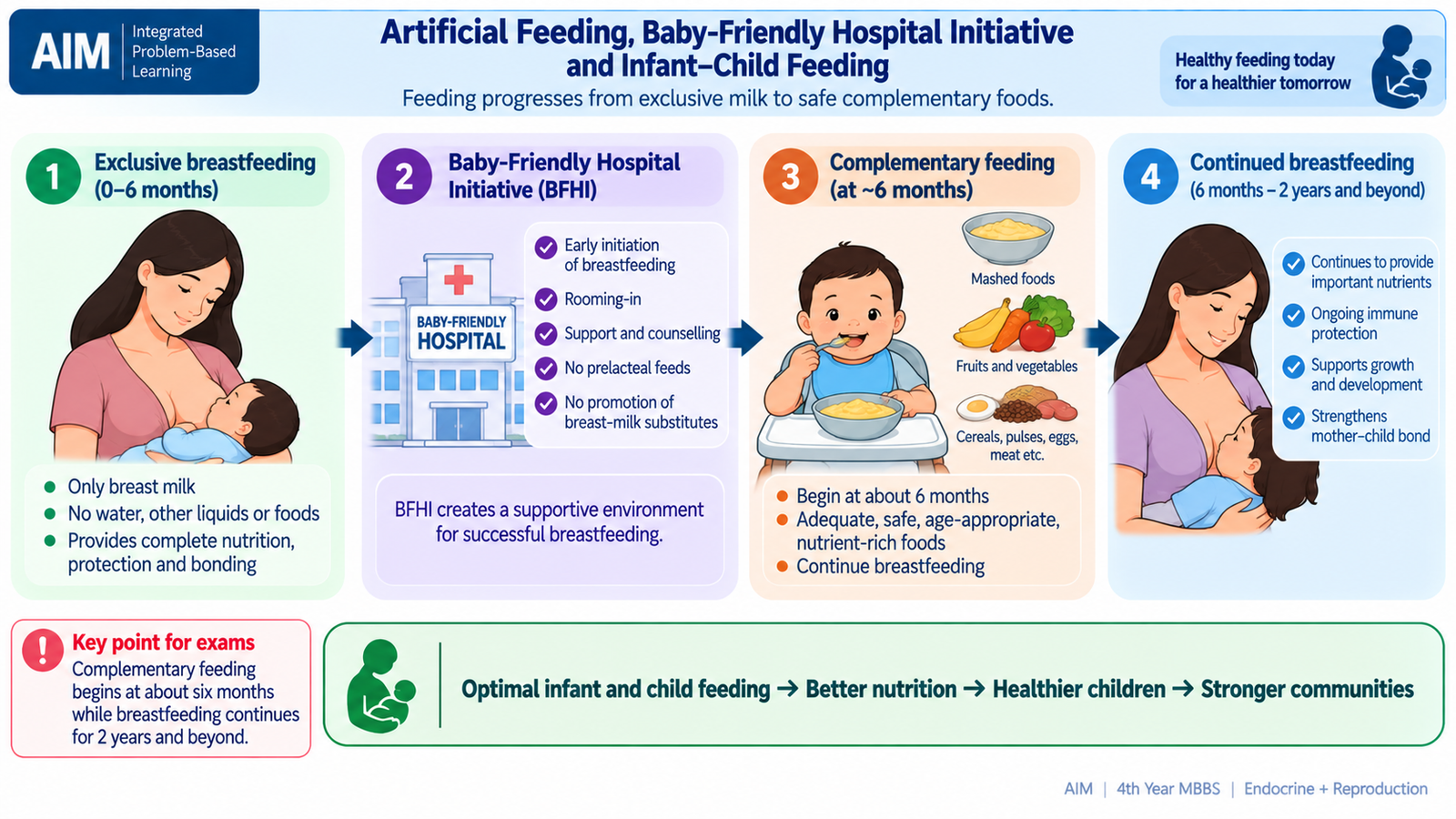
The Baby-Friendly Hospital Initiative (BFHI) was developed by WHO and UNICEF to make protection, promotion and support of breastfeeding part of routine maternity and newborn care. Its foundation is the Ten Steps to Successful Breastfeeding. Updated implementation guidance places the steps within routine health-system quality of care. :contentReference[oaicite:5]{index=5}
- Infant-feeding policy and monitoring: maintain appropriate policies, comply with standards concerning marketing of breast-milk substitutes and monitor implementation.
- Staff competency: ensure healthcare staff have the knowledge and skills needed to support breastfeeding.
- Antenatal information: discuss the importance and practical management of breastfeeding with pregnant women and families.
- Immediate post-birth support: facilitate immediate and uninterrupted skin-to-skin contact and support early initiation of breastfeeding.
- Support effective breastfeeding: help mothers initiate and maintain breastfeeding and manage common difficulties.
- Avoid unnecessary supplements: do not give breastfed newborns other food or fluids unless medically indicated.
- Rooming-in: enable mothers and infants to remain together.
- Responsive feeding: support mothers to recognize and respond to feeding cues.
- Feeding devices: counsel mothers about the use and potential risks of feeding bottles, teats and pacifiers.
- Continuity after discharge: coordinate discharge so families can obtain timely breastfeeding support.
Guidelines on Infant and Child Feeding
Infant feeding changes as nutritional needs and developmental abilities change. Breast milk alone is recommended during the first six months. At about six months, breast milk alone is no longer sufficient to meet all nutritional needs, so complementary feeding begins while breastfeeding continues. :contentReference[oaicite:6]{index=6}
Birth → early breastfeeding → exclusive breastfeeding for 6 months → introduce safe, adequate complementary foods at 6 months → continue breastfeeding up to 2 years or beyond. :contentReference[oaicite:7]{index=7}
Principles of Complementary Feeding
- Begin complementary foods at about six months while continuing breastfeeding.
- Use nutritionally adequate and safe foods.
- Increase the amount, variety and texture progressively as the child grows and develops.
- Use hygienic food preparation and feeding practices.
- Encourage responsive feeding rather than force-feeding.
- Continue feeding and appropriate fluids during illness as tolerated, and support nutritional recovery afterward.
- Observe growth and feeding behaviour so inadequate intake can be recognized early.
Important Comparison
| Feature | Breastfeeding | Artificial Feeding |
|---|---|---|
| Nutrition | Naturally adapted human milk | Depends on appropriate substitute and correct preparation |
| Immune protection | Contains protective immune factors | Does not reproduce the full immune protection of human milk |
| Preparation | No feed preparation required | Requires correct preparation and hygiene |
| Contamination risk | Low when directly breastfed | Higher if water, equipment or storage is unsafe |
| Cost | No direct purchase cost for milk | Requires continuing expenditure |
F. IMCI, IMNCI and Growth Monitoring
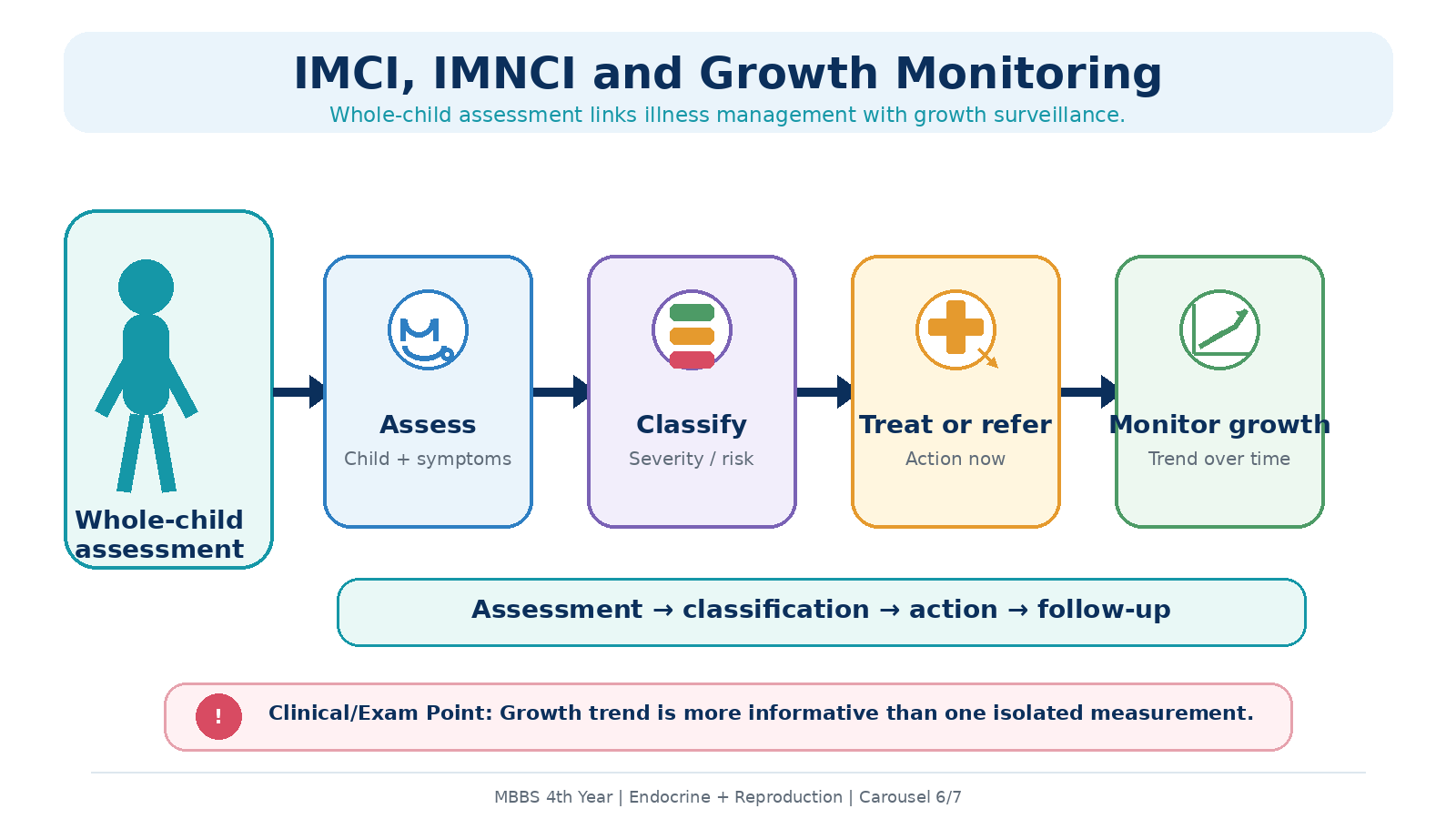
Young children commonly present with more than one problem at the same time. A child with diarrhoea, for example, may also have malnutrition or another illness. An integrated approach is therefore more useful than considering each complaint in isolation. IMCI and IMNCI organize assessment, classification, treatment, counselling and referral so that the whole child is considered.
Definitions
IMCI — Integrated Management of Childhood Illness is an integrated strategy for improving the health and well-being of young children. It combines preventive and curative care and emphasizes assessment of the child as a whole rather than treatment of one isolated symptom. WHO describes three major components: improved case-management skills of health workers, improved health systems and improved family/community health practices. :contentReference[oaicite:8]{index=8}
IMNCI — Integrated Management of Neonatal and Childhood Illnesses gives explicit emphasis to the neonatal/young-infant period in addition to childhood illness. The same integrated principle is retained: identify serious disease rapidly, assess common problems systematically, treat or refer appropriately and counsel the caregiver.
Three Components of IMCI / IMNCI
Healthcare workers are trained to assess, classify, treat, counsel and arrange follow-up or referral appropriately.
Effective care requires trained staff, essential supplies, referral pathways, supervision and functioning health services.
Families need appropriate feeding, preventive practices, treatment adherence and timely care-seeking for sick children.
These three components work together. Training a health worker is not enough if medicines and referral services are unavailable, and improving a clinic alone is not enough if caregivers cannot recognize when a child needs medical attention. :contentReference[oaicite:9]{index=9}
Core Principles of IMNCI
IMNCI is based on a structured assessment process. The objective is not to wait for sophisticated diagnostic tests before acting. Instead, the health worker identifies important clinical signs, classifies illness severity, provides appropriate treatment and recognizes children who require urgent referral.
- Assess the whole child or young infant, not only the presenting complaint.
- Look first for general danger signs or signs of severe disease because these may indicate the need for urgent referral or admission.
- Assess the main symptoms systematically and also consider nutritional status and preventive care.
- Use combinations of signs to classify illness severity rather than relying on a single symptom.
- Identify all necessary treatment because more than one condition may be present.
- Give essential treatment before referral when required and arrange timely referral for severe illness.
- Counsel the caregiver about treatment, feeding, fluid intake, home care and when to seek help urgently.
- Provide follow-up so response to treatment and new problems can be assessed.
Assess → identify danger signs → classify → decide treatment/referral → counsel caregiver → follow up.
Growth Monitoring
Growth monitoring is the repeated measurement and interpretation of a child’s growth over time. Its value comes from the trend, not from one isolated measurement. Serial measurements are plotted on an appropriate growth chart so that normal progression or growth faltering can be recognized.
Why Growth Monitoring Is Important
Growth is influenced by nutrition, recurrent illness, chronic disease and the child’s general environment. A slowing or flattening growth pattern may therefore provide an early warning before severe malnutrition becomes obvious clinically.
Basic Growth-Monitoring Process
- Determine the child’s age accurately.
- Measure weight and, where appropriate, length or height using correct technique.
- Plot the measurement on an age- and sex-appropriate growth chart.
- Compare the new point with previous measurements.
- Interpret the direction and pattern of growth rather than looking only at one point.
- If growth is faltering, assess feeding, illness and other relevant causes.
- Counsel the caregiver and arrange appropriate follow-up, management or referral.
Common Growth Indicators
- Weight-for-age: reflects body weight in relation to age.
- Length/height-for-age: helps assess linear growth.
- Weight-for-length/height: relates body weight to current body length or height.
G. Oxytocin Pharmacology
Oxytocin is a peptide hormone synthesized in the hypothalamus and released physiologically from the posterior pituitary. Pharmacologically, oxytocin is used mainly because it produces contraction of uterine smooth muscle. The same hormone also contracts myoepithelial cells in the breast and is responsible for milk ejection.
Mechanism of Action
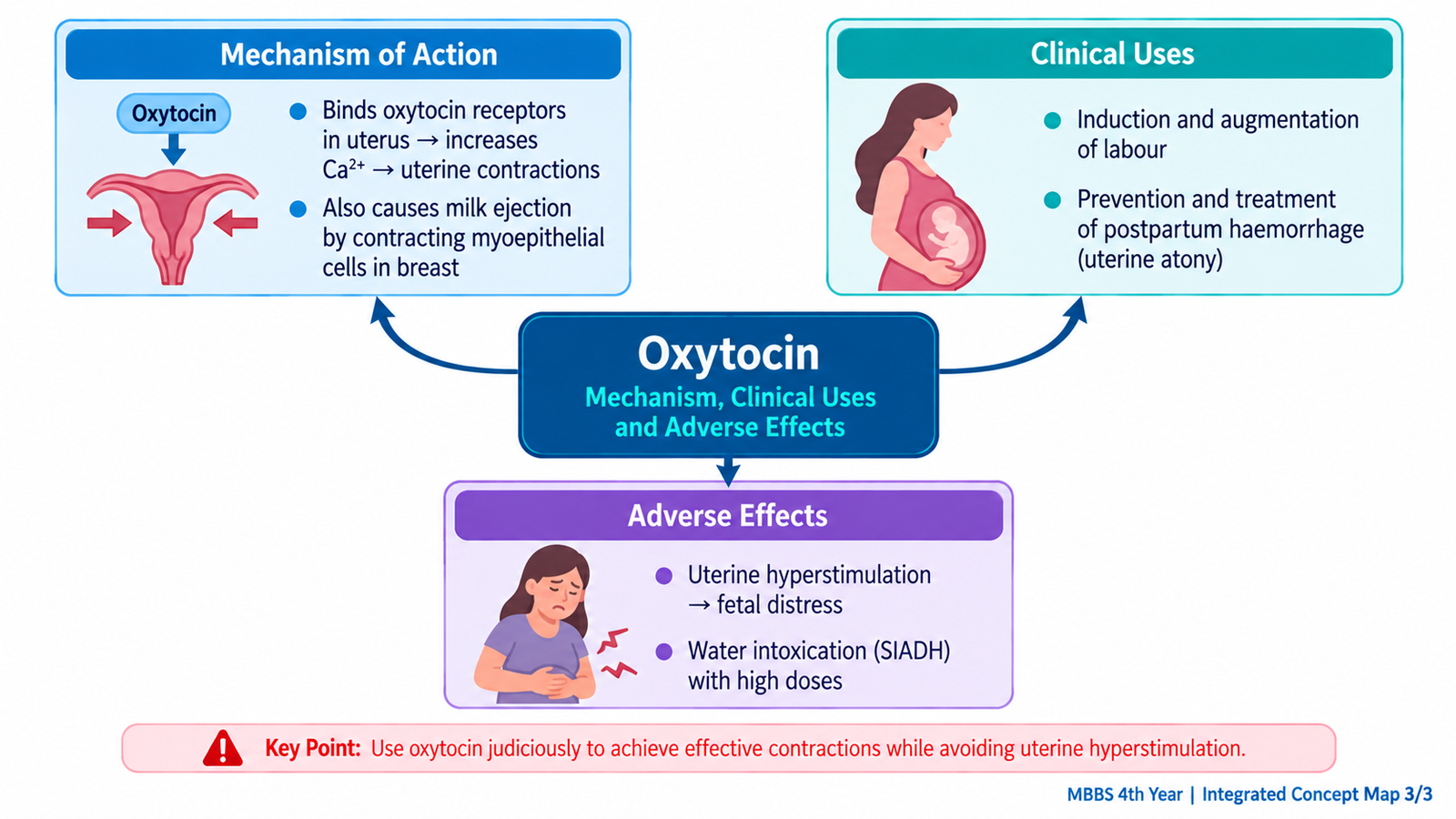
Oxytocin acts on oxytocin receptors, which are G-protein-coupled receptors. Receptor activation stimulates the phospholipase C–inositol triphosphate pathway and increases intracellular calcium. In uterine smooth muscle, the rise in calcium activates the contractile apparatus and produces uterine contractions.
↓
Oxytocin receptor activation
↓
Gq → phospholipase C → IP3
↓
Increased intracellular Ca2+
↓
Smooth-muscle contraction
The uterus becomes increasingly responsive to oxytocin toward the end of pregnancy because oxytocin-receptor expression increases. Oxytocin also promotes local prostaglandin activity, which further supports uterine contraction.
Pharmacological Effects
Uterus
Oxytocin increases the force and frequency of uterine contractions. Controlled contractions can help initiate or strengthen labour. Excessive stimulation, however, may produce sustained or excessively frequent uterine activity and compromise fetal oxygenation.
Breast
Oxytocin contracts myoepithelial cells surrounding mammary alveoli and ducts. This pushes already produced milk toward the nipple and causes milk ejection. Oxytocin does not primarily synthesize milk; that function is mainly supported by prolactin.
Clinical Uses
The usefulness of oxytocin follows directly from its ability to contract uterine smooth muscle.
- Induction of labour: used when initiation of labour is clinically indicated and vaginal delivery is appropriate.
- Augmentation of labour: strengthens inadequate uterine contractions during labour when clinically appropriate.
- Prevention of postpartum hemorrhage: uterine contraction after delivery helps compress maternal vessels at the placental site.
- Treatment of postpartum hemorrhage due to uterine atony: contraction of an inadequately contracted uterus helps reduce bleeding.
Oxytocin → uterine contraction → compression of vessels at placental site → reduced bleeding from uterine atony.
Adverse Effects
Most important adverse effects result from excessive uterine stimulation or from systemic effects when oxytocin exposure is excessive.
- Uterine tachysystole or hyperstimulation: excessive contractions may reduce uteroplacental blood flow.
- Fetal distress: can occur when excessive uterine activity interferes with fetal oxygenation.
- Uterine rupture: a rare but serious complication, particularly when the uterus is excessively stimulated or already at increased mechanical risk.
- Hypotension: may occur, particularly with inappropriate rapid intravenous administration.
- Water intoxication and hyponatremia: prolonged exposure to large amounts can produce an antidiuretic effect because oxytocin has structural and functional similarity to vasopressin.
- Nausea, vomiting or headache: may occur as less specific systemic adverse effects.
⭐ AIM High-Yield Review
Topic 20 — Reproductive Health, Safe Motherhood, Antenatal Care, Breastfeeding and Child Health Promotion
Use these selected videos after reading the AIM Learning Material to reinforce the major curriculum concepts.
Antenatal Care — Obstetrics
Useful for understanding the purpose of antenatal care, gestational assessment, routine evaluation and pregnancy surveillance.
Maximising Breastmilk
Reinforces exclusive breastfeeding, skin-to-skin contact, positioning, attachment and maintenance of milk supply.
Baby-Friendly Hospital Initiative
A focused overview of the WHO–UNICEF Baby-Friendly Hospital Initiative and support for successful breastfeeding.
Integrated Management of Childhood Illness
Supports understanding of integrated child assessment, classification, treatment, referral and caregiver counselling.
Oxytocin — Mechanism and Physiology
Explains oxytocin synthesis, Gq-mediated receptor signalling, uterine contraction and the milk-ejection reflex.