
Adrenal Insufficiency: Primary and Secondary Adrenal Failure
Topic Introduction
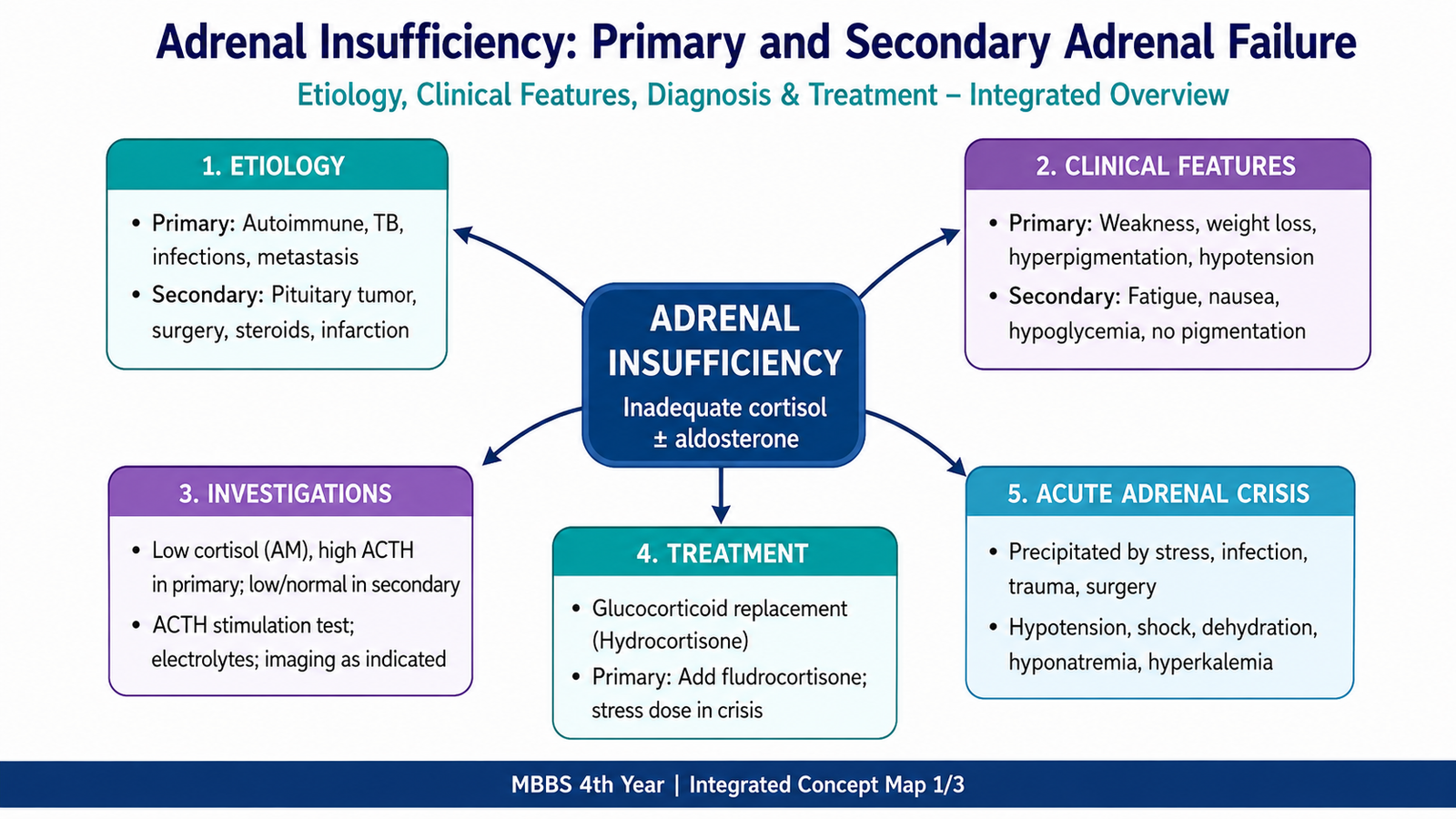
Adrenal insufficiency is a state in which the body does not have enough glucocorticoid activity, mainly because cortisol production is reduced. The problem may lie in the adrenal cortex itself, producing primary adrenal insufficiency, or in the pituitary gland, where inadequate ACTH stimulation produces secondary adrenal insufficiency. Primary adrenal failure may develop gradually as chronic Addison disease or present acutely as a life-threatening adrenal crisis. The distinction is clinically important because aldosterone deficiency and high ACTH occur mainly in primary disease. In this chapter, you will learn the causes, mechanisms, clinical manifestations, investigations, complications and treatment of primary and secondary adrenal failure, with particular emphasis on how to distinguish them.
A. Understanding Adrenal Failure and Its Classification
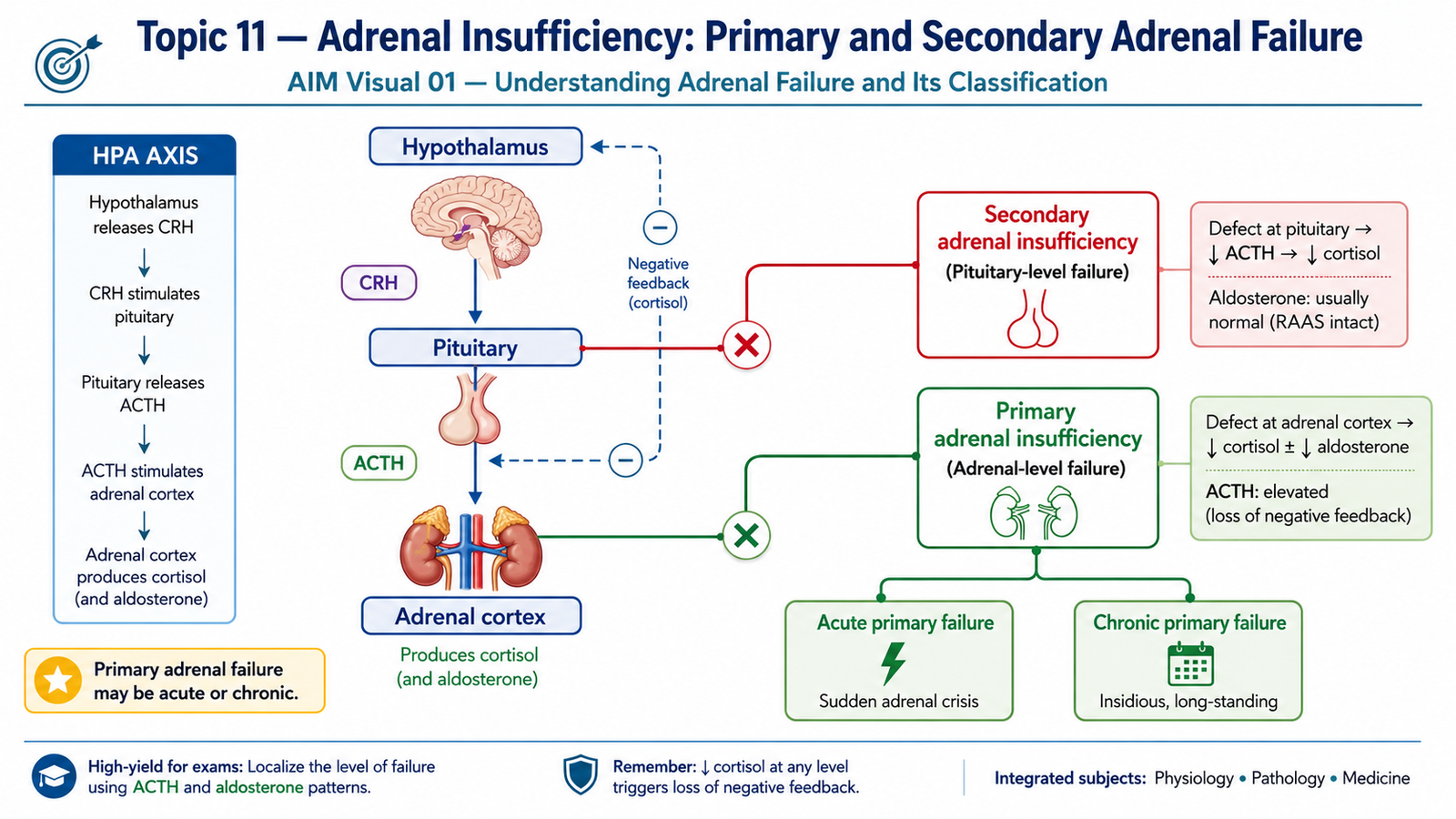
Adrenal insufficiency becomes easier to understand when the normal hypothalamic-pituitary-adrenal relationship is remembered. The hypothalamus releases corticotropin-releasing hormone, which stimulates the pituitary to release adrenocorticotropic hormone (ACTH). ACTH then stimulates the adrenal cortex, particularly the zona fasciculata, to produce cortisol. Cortisol feeds back to the hypothalamus and pituitary and reduces further CRH and ACTH secretion.
Cortisol supports vascular responsiveness, energy metabolism and the physiological response to illness and stress. Aldosterone is produced by the zona glomerulosa and is controlled mainly by the renin-angiotensin system and plasma potassium rather than ACTH. This explains one of the most important differences between primary and secondary disease.
Classification according to the level of failure
- Primary adrenal insufficiency: the adrenal cortex itself is damaged or unable to produce adequate hormones. Cortisol deficiency is present, and aldosterone deficiency may also occur.
- Secondary adrenal insufficiency: the pituitary produces insufficient ACTH, so the adrenal cortex receives inadequate stimulation. Cortisol falls, but aldosterone is usually preserved.
- Tertiary adrenal insufficiency: reduced hypothalamic CRH or prolonged suppression of the hypothalamic-pituitary-adrenal axis reduces ACTH stimulation. It is conceptually related to central adrenal insufficiency but is not the main focus of this chapter.
Primary adrenal insufficiency may be acute or chronic
Primary chronic adrenal insufficiency develops when adrenal cortical function is progressively lost. The classic clinical syndrome is called Addison disease. Symptoms often develop gradually because a considerable amount of adrenal functional reserve can be lost before the deficiency becomes obvious.
Primary acute adrenal insufficiency develops when adrenal hormone availability falls rapidly or when a patient with limited adrenal reserve suddenly encounters major physiological stress. The resulting adrenal crisis may produce severe hypotension, electrolyte disturbance and shock.
B. Primary Chronic Adrenal Insufficiency — Addison Disease
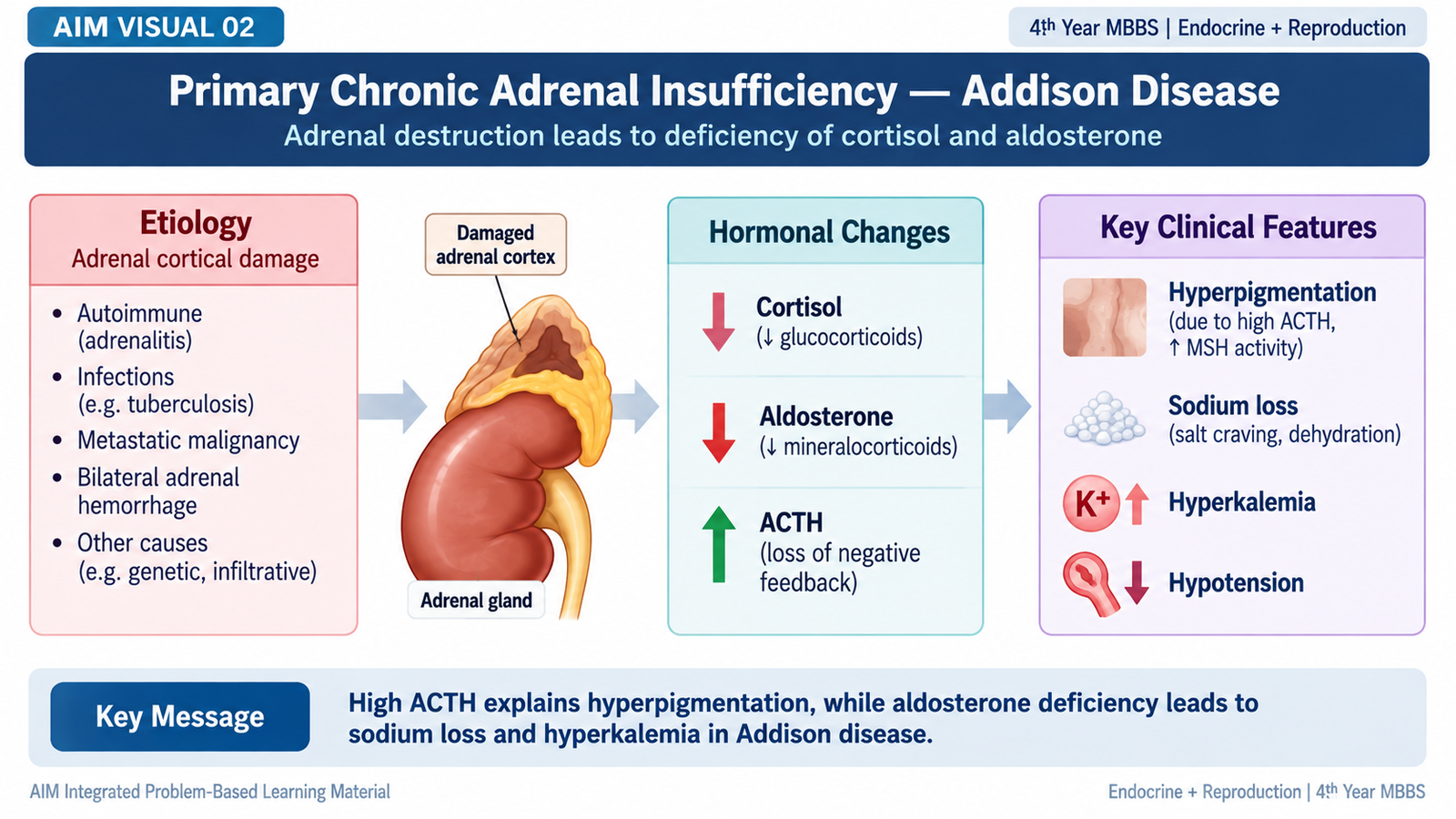
Addison disease is chronic primary failure of the adrenal cortex. Because the problem is located within the adrenal glands, cortisol production decreases despite increasing ACTH stimulation from the pituitary. When adrenal destruction is extensive, aldosterone production also falls. These two hormonal deficiencies account for most of the characteristic clinical and laboratory findings.
Etiology
The adrenal cortex may fail because it is destroyed, infiltrated, surgically removed or unable to synthesize corticosteroids adequately. Important causes include:
- Autoimmune adrenalitis: immune-mediated destruction of the adrenal cortex.
- Infections: particularly infections capable of producing bilateral adrenal destruction, including tuberculosis.
- Metastatic malignant disease: extensive bilateral adrenal involvement can impair cortical function.
- Infiltrative disorders: replacement of normal adrenal tissue may reduce hormone production.
- Bilateral adrenal hemorrhage or infarction: particularly important in acute adrenal failure.
- Bilateral adrenalectomy: removes the source of adrenal corticosteroids.
- Disorders of steroid synthesis: congenital or acquired interference with corticosteroid production may produce adrenal insufficiency.
Pathogenesis
The fundamental event is loss of functional adrenal cortical tissue or impaired steroid production. Cortisol concentration falls, so its normal negative feedback on the pituitary is removed. The pituitary responds by producing more ACTH.
ACTH is produced from the precursor protein pro-opiomelanocortin (POMC). Increased POMC-derived peptide activity also increases melanocortin stimulation. This is why patients with primary adrenal insufficiency develop hyperpigmentation, whereas patients with secondary adrenal insufficiency usually do not.
Loss of aldosterone causes renal sodium loss and reduced potassium excretion. Sodium and water loss reduce the circulating volume and contribute to postural hypotension, dehydration and salt craving. Reduced potassium excretion produces hyperkalemia.
Cortisol deficiency also reduces the body’s ability to maintain normal vascular tone and respond appropriately to stress. It can reduce hepatic glucose production, contributing to hypoglycemia in susceptible patients, and contributes to fatigue, weakness, anorexia and weight loss.
C. Clinical Presentation, Acute Failure and Complications
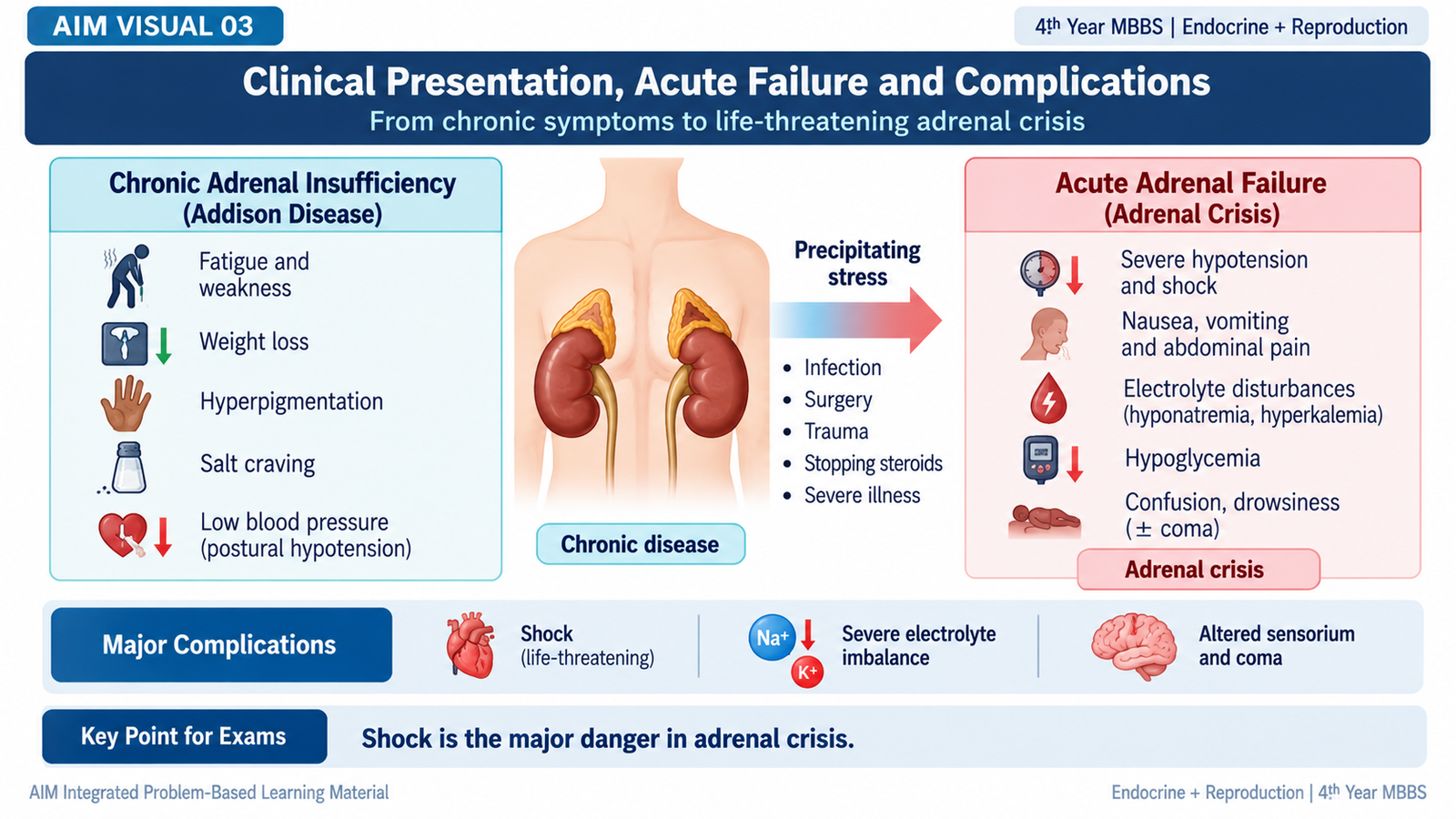
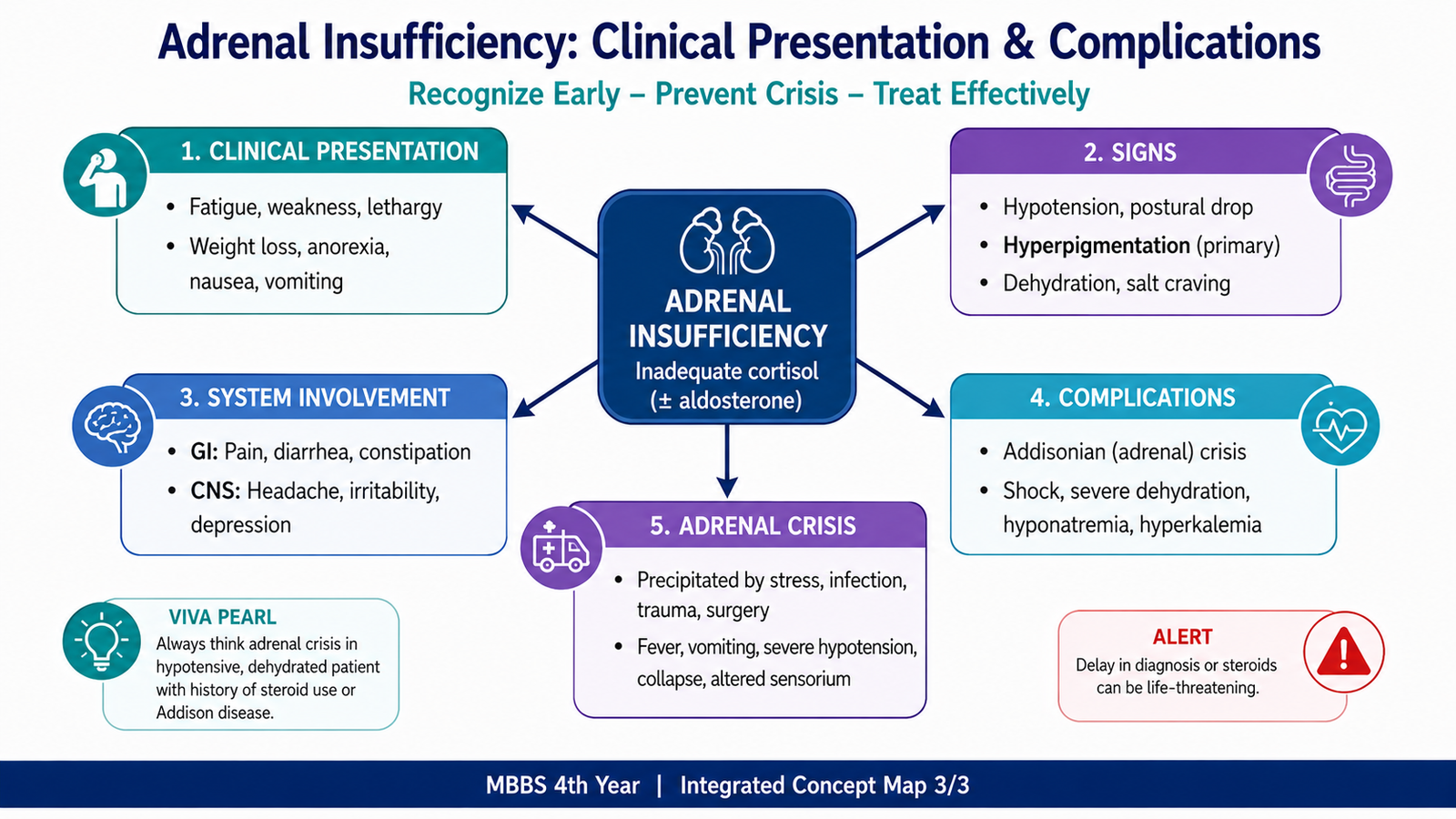
The clinical picture of adrenal insufficiency reflects the hormonal deficit. Chronic disease produces slowly progressive symptoms, whereas acute failure produces rapid cardiovascular and metabolic deterioration. Recognizing why each feature occurs makes the presentation easier to remember.
Clinical features of chronic primary adrenal insufficiency
- Fatigue and generalized weakness: cortisol deficiency impairs normal metabolic and stress responses.
- Loss of appetite and weight loss: chronic glucocorticoid deficiency commonly causes anorexia and reduced body weight.
- Nausea, vomiting or abdominal discomfort: gastrointestinal symptoms may accompany cortisol deficiency.
- Postural dizziness and hypotension: sodium loss, volume depletion and reduced vascular responsiveness lower blood pressure.
- Salt craving: renal sodium loss from mineralocorticoid deficiency creates a physiological drive for salt intake.
- Hyperpigmentation: elevated ACTH-related melanocortin activity increases pigmentation, especially at pressure points, skin creases, scars and mucosal surfaces.
- Reduced tolerance of physiological stress: infection, trauma or surgery can expose limited adrenal reserve and precipitate deterioration.
Important laboratory consequences
In primary disease, aldosterone deficiency promotes sodium loss and potassium retention. Therefore, hyponatremia and hyperkalemia are important clues. Cortisol deficiency may also contribute to hypoglycemia. These abnormalities become more severe during acute decompensation.
Primary acute adrenal failure and adrenal crisis
An adrenal crisis is an acute, potentially life-threatening state of severe corticosteroid deficiency. It may occur after sudden major adrenal destruction or when a patient with chronic adrenal insufficiency faces severe stress without an adequate increase in glucocorticoid availability.
- Severe weakness and marked deterioration
- Vomiting and abdominal symptoms
- Dehydration
- Marked hypotension or circulatory shock
- Altered mental state
- Hyponatremia
- Hyperkalemia in primary adrenal failure
- Hypoglycemia may occur
The major danger is circulatory collapse. Cortisol deficiency reduces vascular responsiveness, while mineralocorticoid deficiency causes sodium and water loss. Together, these changes can produce profound hypotension and shock.
Major complications
- Adrenal crisis: the most important acute complication.
- Severe hypotension and shock: due to volume loss and impaired vascular responsiveness.
- Severe electrolyte disturbance: especially hyponatremia and, in primary failure, hyperkalemia.
- Hypoglycemia: due to impaired cortisol-dependent glucose homeostasis.
- Neurological deterioration: severe hypotension, electrolyte disturbance and hypoglycemia may produce confusion or reduced consciousness.
D. Diagnostic Approach and Investigations in Primary Addison Disease
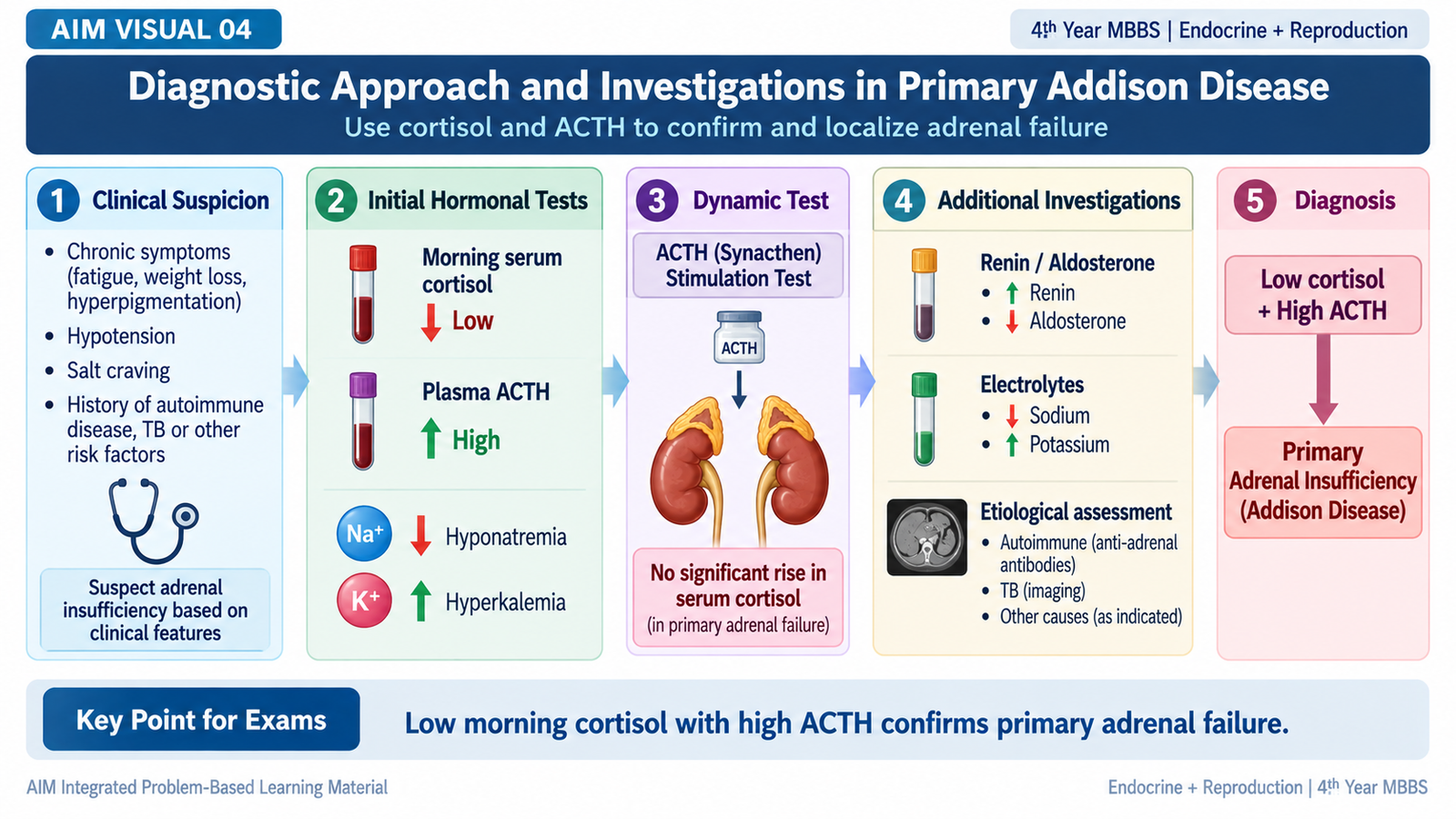
The diagnostic approach has two main questions: Is cortisol production inadequate? and, if it is, is the problem located in the adrenal glands or higher in the pituitary-hypothalamic axis? Clinical findings such as hyperpigmentation, postural hypotension and hyperkalemia may strongly suggest primary adrenal disease, but biochemical assessment is required.
Initial biochemical assessment
A low morning serum cortisol raises suspicion of adrenal insufficiency. However, cortisol values must be interpreted with the clinical situation and the laboratory method. Measurement of plasma ACTH then helps localize the defect.
Secondary adrenal failure: low cortisol + low or inappropriately normal ACTH
ACTH stimulation testing
An ACTH stimulation test assesses the ability of the adrenal cortex to produce cortisol after ACTH stimulation. In established primary adrenal insufficiency, the damaged adrenal cortex cannot produce an adequate cortisol response. Therefore, the cortisol response is reduced.
In secondary adrenal insufficiency, interpretation may depend on how long ACTH stimulation has been absent. Prolonged ACTH deficiency can lead to adrenal cortical atrophy and a reduced response, so ACTH concentration and the overall clinical context remain important.
Electrolytes and related tests
- Serum sodium: may be reduced.
- Serum potassium: commonly increased in primary disease because aldosterone deficiency reduces potassium excretion.
- Blood glucose: may be low, particularly during severe cortisol deficiency.
- Renin and aldosterone assessment: primary mineralocorticoid deficiency is associated with reduced aldosterone effect and compensatory activation of renin.
Determining the cause
Once primary adrenal insufficiency is established, further investigation should look for the underlying adrenal disorder. Autoimmune evaluation may support autoimmune adrenalitis. Adrenal imaging is useful when infection, hemorrhage, infiltration, malignancy or another structural adrenal cause is suspected.
E. Secondary Adrenal Insufficiency — Pituitary Adrenal Failure
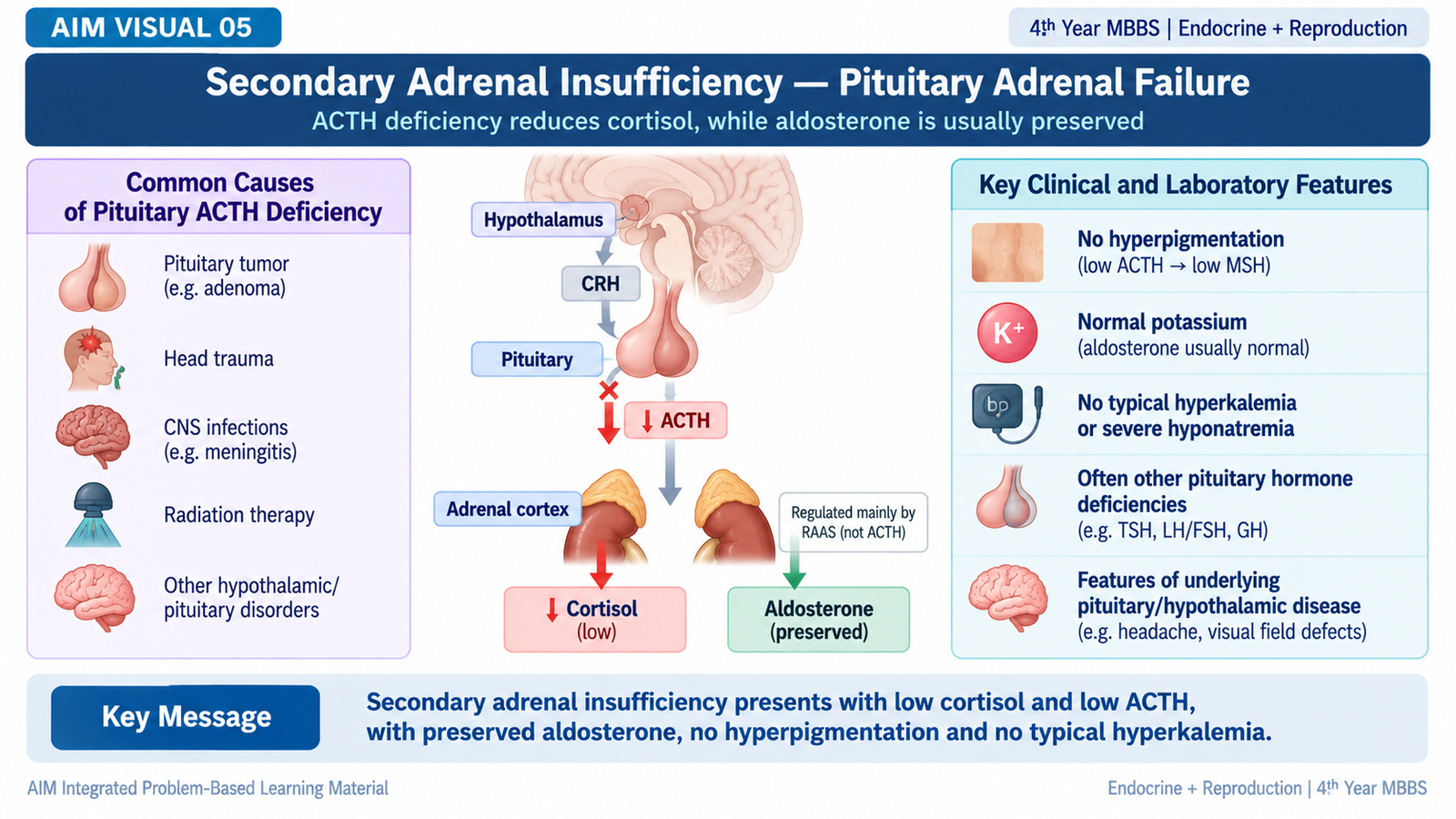
Secondary adrenal insufficiency occurs when the pituitary does not provide enough ACTH to stimulate cortisol production. The adrenal glands may initially be structurally normal, but persistent ACTH deficiency reduces cortisol production and can eventually cause atrophy of the ACTH-dependent parts of the adrenal cortex.
Etiology
Any important disorder that damages ACTH-producing pituitary function can produce secondary adrenal insufficiency. Relevant causes include:
- Pituitary tumors that compress or replace normal pituitary tissue
- Pituitary surgery
- Pituitary irradiation
- Pituitary apoplexy or infarction
- Postpartum pituitary necrosis
- Infiltrative or destructive pituitary disease
Central adrenal insufficiency can also follow prolonged suppression of the hypothalamic-pituitary-adrenal axis by exogenous glucocorticoid therapy. This mechanism is often classified as tertiary rather than purely secondary, but the important physiological result is reduced ACTH drive to the adrenal cortex.
Why aldosterone is usually preserved
Aldosterone secretion depends mainly on the renin-angiotensin system and serum potassium rather than pituitary ACTH. Therefore, pituitary ACTH deficiency reduces cortisol but usually does not produce significant aldosterone deficiency.
This explains two classic differences from primary Addison disease:
- Hyperkalemia is usually absent.
- Severe salt wasting and salt craving are much less characteristic.
Clinical features
Patients may develop fatigue, weakness, reduced appetite, weight loss, hypotension or hypoglycemia because cortisol is deficient. Hyponatremia can also occur, but it does not require mineralocorticoid deficiency. Cortisol deficiency can increase antidiuretic hormone activity and impair free-water excretion, thereby lowering serum sodium.
Hyperpigmentation is absent because ACTH is not elevated. In addition, the patient may have manifestations of other pituitary hormone deficiencies or symptoms produced by the underlying pituitary lesion.
Investigations
The biochemical pattern is typically low cortisol with low or inappropriately normal ACTH. Electrolytes may show hyponatremia, but potassium is usually normal because aldosterone function is preserved. When pituitary disease is suspected, assessment of other pituitary hormones and appropriate pituitary imaging help identify the underlying cause.
Treatment principles
The main endocrine treatment is glucocorticoid replacement. Routine mineralocorticoid replacement is generally unnecessary because aldosterone secretion is preserved. The underlying pituitary disorder and any other pituitary hormone deficiencies also require appropriate assessment and treatment.
When both adrenal insufficiency and central hypothyroidism are present, glucocorticoid deficiency must be recognized and treated appropriately before thyroid hormone replacement is intensified, because increasing metabolic demand in an untreated cortisol-deficient patient may precipitate acute deterioration.
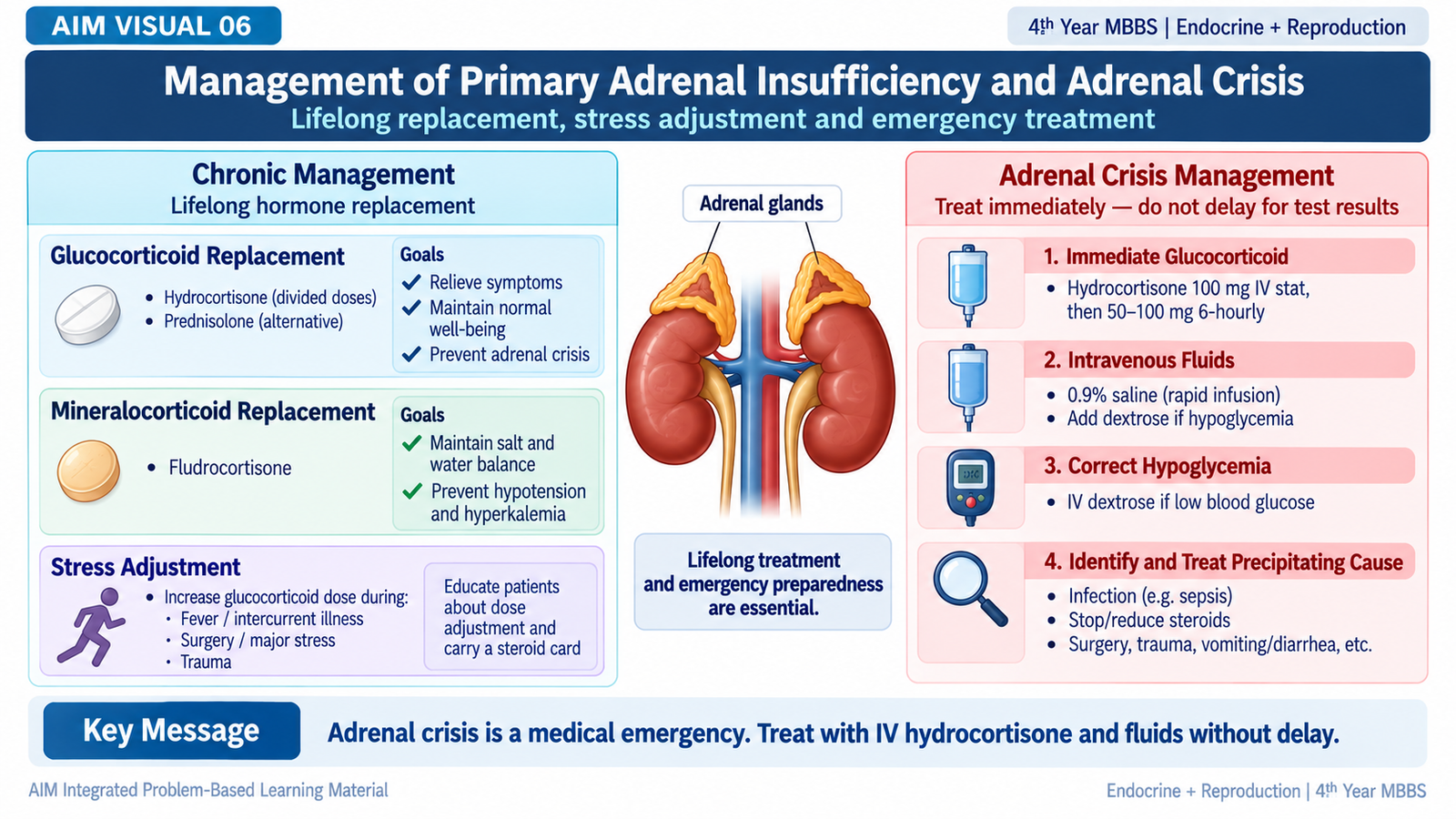
F. Management of Primary Adrenal Insufficiency and Adrenal Crisis
Treatment aims to replace the hormones that the adrenal cortex can no longer produce, prevent acute decompensation and treat the underlying cause whenever possible. Chronic primary adrenal insufficiency usually requires replacement of both glucocorticoid and mineralocorticoid activity.
Long-term glucocorticoid replacement
A glucocorticoid is given to replace deficient cortisol. Hydrocortisone is commonly used because its actions resemble endogenous cortisol, although other glucocorticoids may be used in appropriate clinical circumstances. The aim is physiological replacement rather than excessive glucocorticoid exposure.
Mineralocorticoid replacement
Patients with primary adrenal insufficiency and significant aldosterone deficiency require mineralocorticoid replacement, commonly with fludrocortisone. Adequacy of replacement is assessed clinically and biochemically by considering blood pressure, postural symptoms, electrolytes and the state of the renin-aldosterone system.
Stress and prevention of adrenal crisis
A healthy adrenal gland increases cortisol secretion during major illness, trauma and other physiological stress. A patient receiving fixed replacement therapy cannot automatically make this increase. Therefore, glucocorticoid replacement must be appropriately increased during significant physiological stress according to clinical guidance.
Patients should understand that vomiting, severe infection, major illness or an inability to take usual glucocorticoid therapy can rapidly become dangerous. Education about emergency steroid treatment and clear identification of the diagnosis are important components of long-term care.
Immediate management of adrenal crisis
Adrenal crisis is a medical emergency. Treatment should not be delayed while waiting for complete confirmatory testing when the clinical suspicion is strong. Blood may be collected for appropriate hormonal testing before treatment when this can be done without delaying resuscitation.
- Give parenteral glucocorticoid replacement, commonly hydrocortisone.
- Restore circulating volume with appropriate intravenous isotonic fluid.
- Correct hypoglycemia with glucose when present.
- Monitor electrolytes, glucose and cardiovascular status.
- Identify and treat the precipitating illness or stressor.
Hydrocortisone is particularly useful in acute adrenal failure because at appropriate therapeutic exposure it provides glucocorticoid activity and some mineralocorticoid activity. Once the patient is stable, treatment is transitioned back toward appropriate long-term replacement.
Integrated Mechanism Flow
Adrenal cortical damage
↓ Cortisol ± ↓ aldosterone
↑ ACTH + sodium and volume loss
Hyperpigmentation, hypotension, electrolyte change
Stress may exceed adrenal reserve
Adrenal crisis and shock
Important Comparison — Primary vs Secondary Adrenal Insufficiency
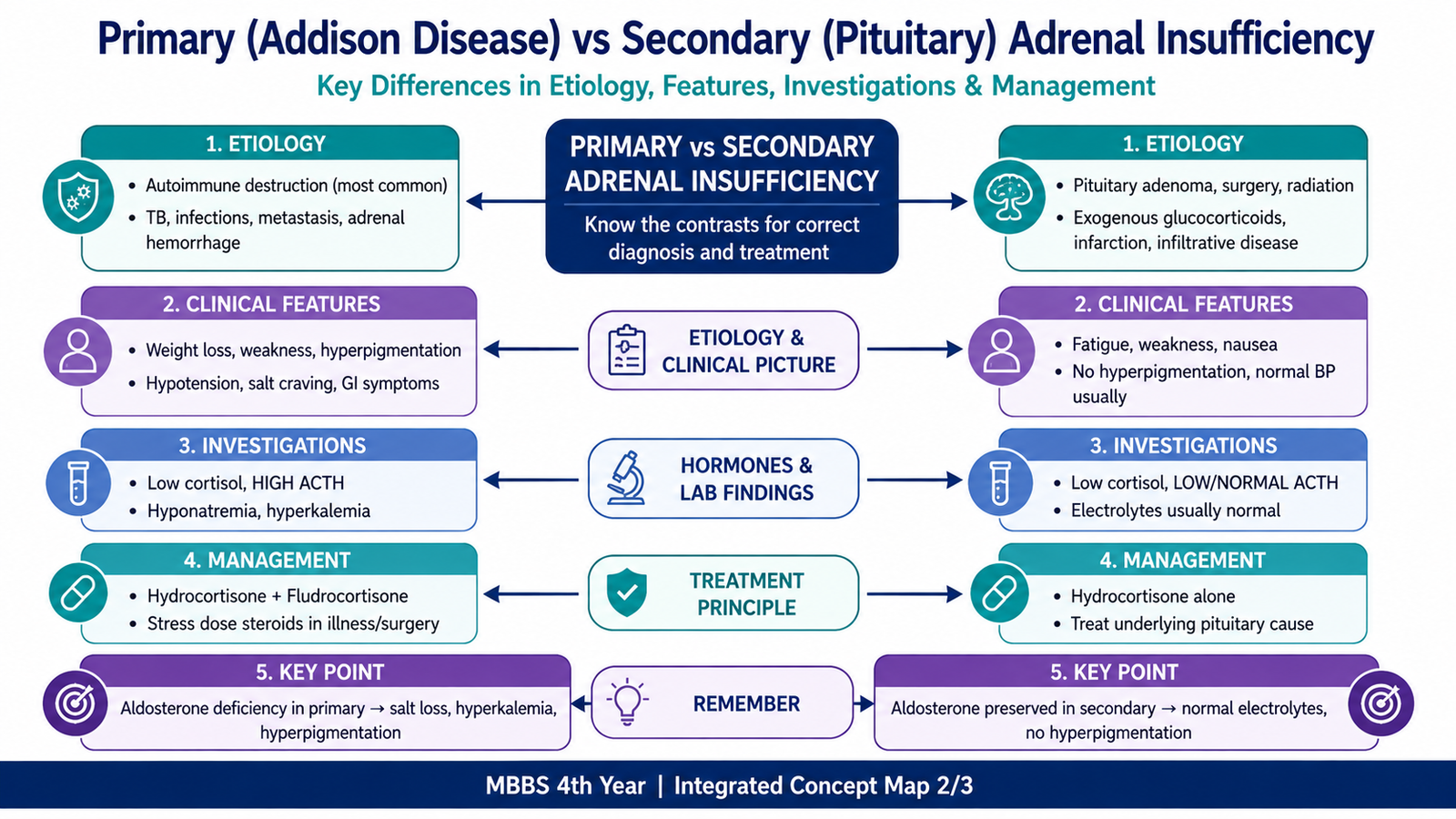
The most useful distinction is to ask whether the adrenal cortex itself has failed or whether it is receiving insufficient ACTH stimulation. This determines the ACTH level, pigmentation, aldosterone status and potassium pattern.
| Feature | Primary Adrenal Insufficiency | Secondary Adrenal Insufficiency |
|---|---|---|
| Site of defect | Adrenal cortex | Pituitary ACTH deficiency |
| Cortisol | Low | Low |
| ACTH | High | Low or inappropriately normal |
| Aldosterone | May be deficient | Usually preserved |
| Hyperpigmentation | Present | Absent |
| Hyperkalemia | Characteristic when aldosterone deficient | Usually absent |
| Hyponatremia | May occur from salt loss and cortisol deficiency | May occur despite preserved aldosterone |
| Salt craving | May be prominent | Usually not prominent |
| Other endocrine clues | May coexist with autoimmune endocrine disease | Other pituitary hormone deficiencies may be present |
| Replacement principle | Glucocorticoid + mineralocorticoid when required | Usually glucocorticoid replacement without mineralocorticoid |
⭐ AIM High-Yield Review
Adrenal Insufficiency — Primary & Secondary Adrenal Failure
Use this video after completing the AIM learning material to strengthen your understanding of primary Addison disease, secondary adrenal insufficiency, clinical manifestations, adrenal crisis, investigations and treatment.