
Topic 17 — Menopause, Female Sex Hormones and Contraception
Topic Introduction
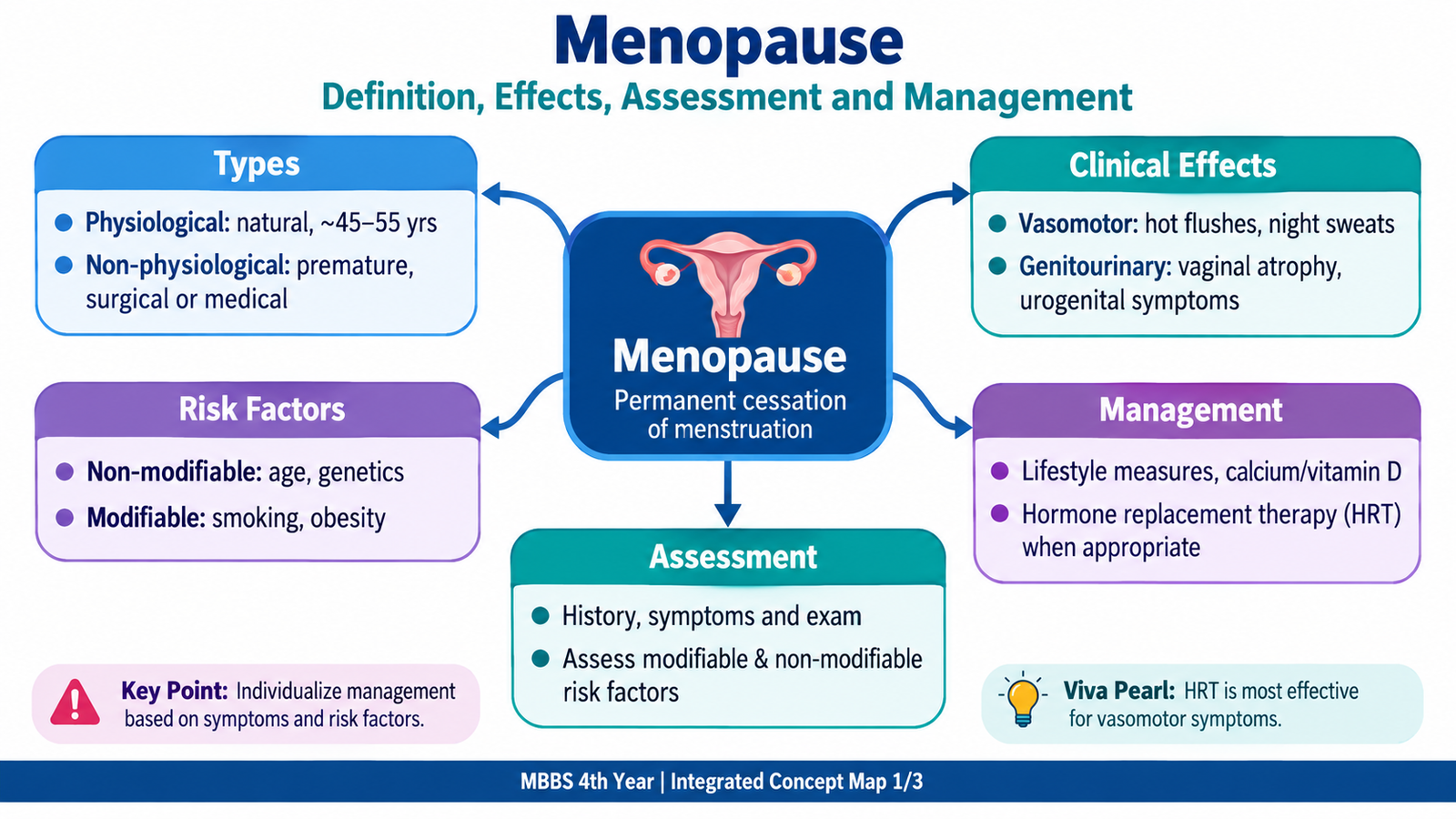
Menopause is the permanent end of menstruation resulting from loss of ovarian follicular activity. The fall in ovarian estrogen production explains many menopausal symptoms and also provides the physiological basis for hormone replacement therapy. The same reproductive hormones are used pharmacologically in contraception, where estrogen and progestins alter hypothalamic-pituitary-ovarian function, cervical mucus and the endometrium to prevent pregnancy. This chapter therefore connects reproductive physiology with pharmacology, gynecology, family medicine and community medicine. You will learn how menopause develops and is managed, how estrogens and progestins act, how contraceptive methods work and differ in effectiveness, and why access to acceptable family-planning methods is important at population level.
A. Menopause: Definition, Physiology and Clinical Effects
Menopause represents the final stage of progressive ovarian follicular depletion. As functioning follicles become fewer, ovarian production of estrogen and inhibin falls. Reduced negative feedback on the hypothalamus and anterior pituitary increases gonadotropin secretion, especially follicle-stimulating hormone. During the transition, ovulation becomes irregular before menstruation eventually stops permanently.
Definition
Natural menopause is diagnosed retrospectively after 12 consecutive months of amenorrhea when pregnancy and other pathological or physiological causes of amenorrhea are absent.
Physiological and non-physiological menopause
Physiological or natural menopause occurs because the ovarian follicle reserve is progressively exhausted with age. Non-physiological menopause results when ovarian function is lost because of surgery, chemotherapy, radiotherapy or another pathological process. Bilateral removal of the ovaries produces abrupt estrogen deficiency and therefore symptoms may begin suddenly and be more marked.
Ovarian follicle depletion → reduced estradiol and inhibin → reduced negative feedback → increased FSH and LH → anovulatory cycles → permanent cessation of menstruation.
Clinical effects
The manifestations of menopause are mainly consequences of estrogen deficiency. Some appear early, particularly vasomotor and menstrual symptoms, whereas effects on bone and other tissues develop more gradually.
- Menstrual changes: cycles often become irregular during the menopausal transition because ovulation becomes inconsistent.
- Hot flushes and night sweats: altered hypothalamic thermoregulation causes sudden peripheral vasodilatation and sweating.
- Sleep disturbance: may occur directly or because night sweats repeatedly interrupt sleep.
- Mood and cognitive complaints: irritability, anxiety, poor concentration or reduced sense of well-being may occur, although other psychosocial and medical factors must also be considered.
- Genitourinary syndrome of menopause: estrogen deficiency causes thinning and dryness of vulvovaginal and lower urinary tissues, producing vaginal dryness, burning, dyspareunia and urinary symptoms.
- Sexual symptoms: discomfort from vaginal dryness and changes in sexual desire may affect sexual activity.
- Bone loss: estrogen normally restrains bone resorption. Estrogen deficiency therefore increases osteoclastic bone resorption and gradually raises osteoporosis and fragility-fracture risk.
- Cardiometabolic changes: aging and loss of estrogenic effects are associated with less favorable vascular and metabolic risk profiles. These risks should be assessed rather than attributing every change to menopause alone.

B. Assessment and Management of Menopause, Including HRT
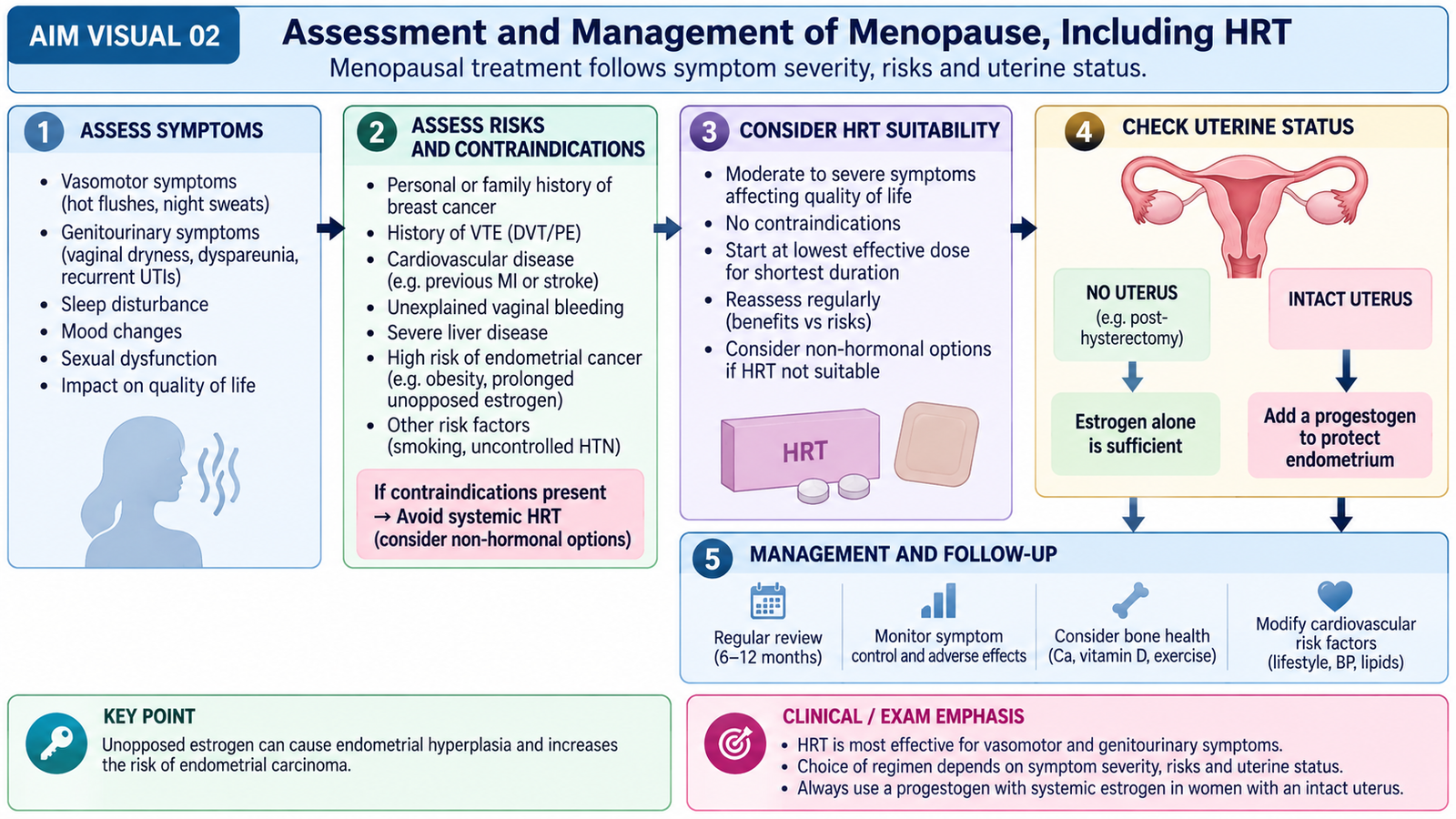
Management begins with assessment of the woman’s symptoms, their effect on daily life, her medical history and her future health risks. Menopause is not treated simply because menstruation has stopped. Treatment is individualized according to symptom severity, the presence or absence of the uterus, bone health, cardiovascular and thromboembolic risk, cancer history and the woman’s preferences.
Clinical assessment
In a woman with a typical menopausal history, the diagnosis is primarily clinical. Investigation is particularly important when the presentation is atypical, symptoms suggest another disorder, or specific complications or treatment risks need assessment.
- Menstrual history and the time since the last menstrual period.
- Hot flushes, night sweats, sleep disturbance and effect on daily activities.
- Vaginal dryness, dyspareunia and urinary symptoms.
- Past fractures, loss of height or other indicators of reduced bone strength.
- Personal and family history of breast or endometrial malignancy.
- History of venous thromboembolism, stroke, ischemic heart disease or liver disease.
- Medication history and possible drug interactions.
- Blood pressure, weight and other cardiovascular risk factors where appropriate.
- Any postmenopausal bleeding, which requires evaluation rather than being assumed to be a normal menopausal symptom.
Modifiable and non-modifiable risk factors
Risk assessment helps identify problems that can be reduced and those that cannot be changed but should influence follow-up and treatment selection.
- Smoking
- Physical inactivity
- Excess alcohol intake
- Poor dietary calcium and vitamin D intake
- Obesity and adverse metabolic risk
- Poorly controlled blood pressure
- Fall hazards and reduced muscle strength
- Increasing age
- Early loss of ovarian function
- Previous fragility fracture
- Family history of osteoporosis or major fracture
- Family or personal history of hormone-sensitive malignancy
- Inherited thrombotic or cardiovascular predisposition
General management
Management combines explanation, lifestyle measures and symptom-directed treatment. Regular physical activity, resistance and weight-bearing exercise, adequate nutrition, smoking cessation and reduction of excessive alcohol intake support cardiovascular and bone health. Vaginal lubricants and moisturizers may reduce genitourinary discomfort. When hormone therapy is unsuitable or not desired, selected non-hormonal medicines such as certain serotonergic antidepressants or gabapentin may be considered for troublesome vasomotor symptoms.
Hormone replacement therapy
Hormone replacement therapy (HRT), also called menopausal hormone therapy, replaces some of the estrogen lost after menopause. It is particularly effective for significant vasomotor symptoms and may also improve genitourinary symptoms and reduce menopausal bone loss. The type of HRT is determined principally by whether the woman still has a uterus.
- Estrogen-only HRT: generally used when the uterus is absent.
- Combined estrogen-progestogen HRT: used when the uterus is present because the progestogen opposes estrogen-induced endometrial proliferation.
- Cyclic or sequential combined therapy: progestogen is given for part of each treatment cycle, so withdrawal bleeding may occur.
- Continuous combined therapy: estrogen and progestogen are given continuously with the aim of avoiding regular withdrawal bleeding after an initial adjustment period.
- Local vaginal estrogen: mainly treats vaginal and lower urinary estrogen-deficiency symptoms with much lower systemic exposure than systemic therapy.
- Routes: systemic estrogen may be given orally or through the skin; route selection affects first-pass hepatic exposure and thrombotic considerations.
Estrogen alone stimulates endometrial proliferation. Persistent unopposed stimulation can produce endometrial hyperplasia and increase endometrial carcinoma risk. Progestogen converts the endometrium toward a non-proliferative/secretory state and provides protection.
Important adverse effects and risks of HRT
- Breast tenderness, bloating, headache and irregular bleeding may occur early.
- Unopposed systemic estrogen in a woman with an intact uterus increases endometrial hyperplasia and cancer risk.
- Systemic estrogen can increase venous thromboembolic risk, particularly when other risk factors are present.
- Some systemic regimens may increase stroke or cardiovascular risk in susceptible women.
- Long-term combined systemic estrogen-progestogen exposure may increase breast cancer risk; the magnitude depends on several treatment and patient factors.
- Gallbladder disease may be promoted by systemic estrogen, especially through oral hepatic exposure.
Contraindications
Exact classification varies slightly among clinical guidelines. For undergraduate practice, the following are commonly treated as major contraindications to systemic HRT, while the second group requires careful individualized assessment or specialist advice.
- Known or suspected estrogen-dependent malignancy
- Unexplained vaginal bleeding
- Active or previous major venous thromboembolic disease when systemic estrogen is unsafe
- Major arterial thromboembolic disease such as stroke or myocardial infarction
- Severe active liver disease
- Pregnancy
- High baseline cardiovascular or thrombotic risk
- Migraine requiring individualized assessment
- Gallbladder disease
- Marked hypertriglyceridemia
- Some estrogen-responsive gynecological disorders
- Strong family history of hormone-dependent malignancy
C. Estrogens: Classification, Pharmacology and Clinical Use
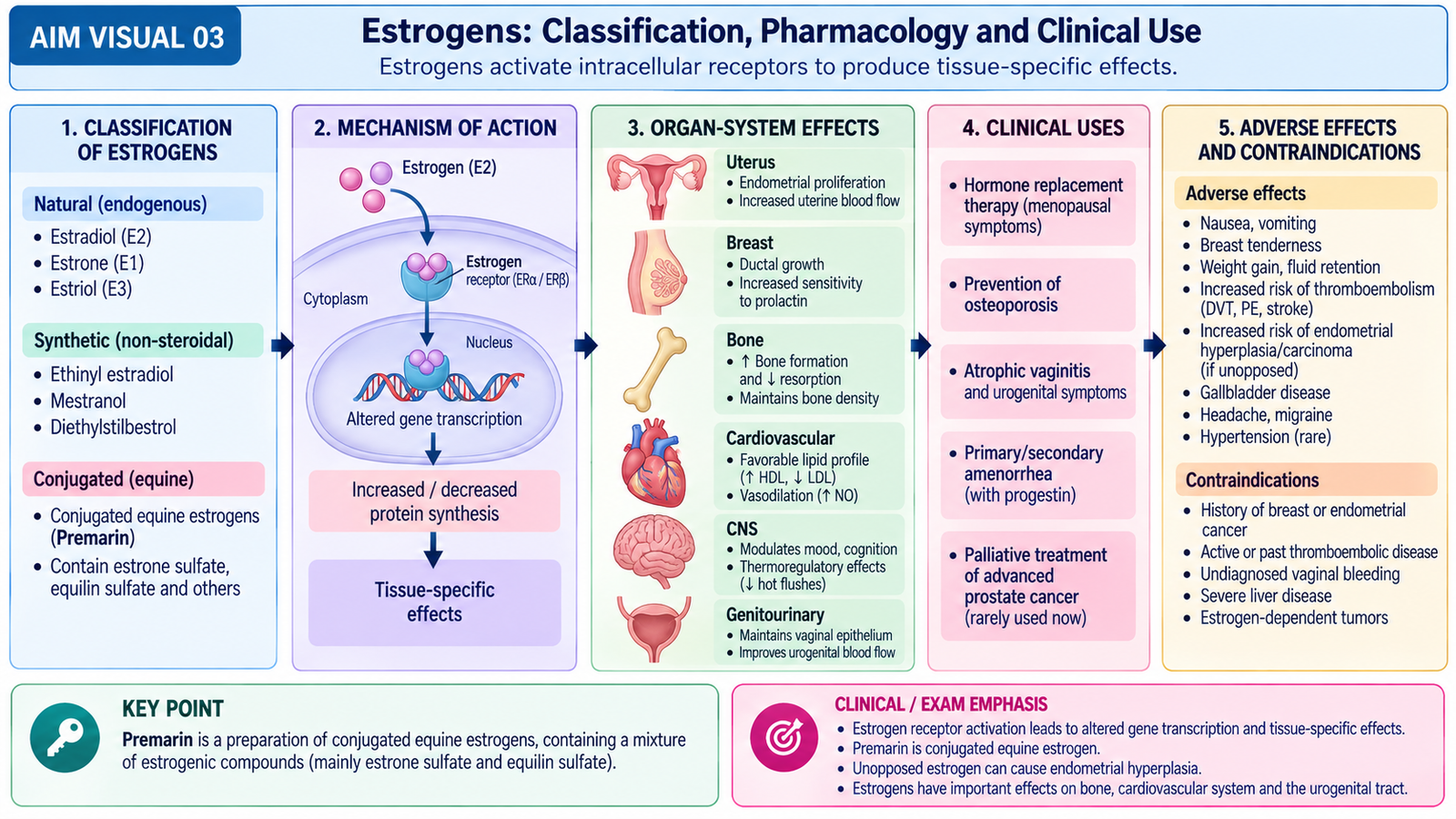
Estrogens are steroid hormones that act mainly through intracellular estrogen receptors. Endogenous estradiol is the major biologically active estrogen during reproductive life. Pharmacological estrogen preparations differ in potency, route, resistance to first-pass metabolism and duration of action. Their clinical effects follow from the same actions that endogenous estrogen normally produces in reproductive tissues, bone, liver and other organs.
Classification
- Natural estrogens: estradiol, estrone and estriol.
- Conjugated estrogens: mixtures of estrogenic compounds such as conjugated equine estrogens.
- Synthetic steroidal estrogens: ethinyl estradiol and related agents developed to retain oral activity.
- Synthetic non-steroidal estrogenic compounds: historically important agents such as diethylstilbestrol.
Mechanism of action
Because estrogen molecules are lipid soluble, they enter target cells and bind estrogen receptors, mainly ERα and ERβ. The activated receptor interacts with DNA and regulatory proteins to alter gene transcription and synthesis of specific proteins.
Important pharmacological effects
- Female reproductive tract: promotes growth and maintenance of the uterus, vagina and other estrogen-responsive tissues.
- Endometrium: stimulates proliferation during the proliferative phase. This explains why prolonged unopposed estrogen can produce endometrial hyperplasia.
- Breast: contributes to ductal development and may cause breast tenderness during treatment.
- Bone: reduces bone resorption and helps maintain bone mass.
- Hypothalamic-pituitary axis: exogenous estrogen contributes to negative feedback on gonadotropin secretion. This action is important in combined hormonal contraception.
- Liver: oral estrogen can increase hepatic synthesis of several proteins, including clotting factors. This contributes to thromboembolic risk.
- Lipid metabolism: estrogen may produce favorable changes in some lipid fractions, but this does not mean estrogen should be used simply to prevent cardiovascular disease.
Pharmacokinetic principles
Natural estradiol undergoes substantial hepatic metabolism when swallowed. Synthetic modification, particularly in ethinyl estradiol, increases oral effectiveness. Transdermal administration delivers estrogen into the systemic circulation without the same degree of first-pass hepatic exposure. Estrogens are metabolized mainly in the liver, undergo conjugation and may participate in enterohepatic recycling before excretion.
Premarin
Premarin is a trade name for conjugated equine estrogens. It contains a mixture of estrogen sulfate compounds originally obtained from pregnant mares’ urine. It has been used as an estrogen preparation in menopausal hormone therapy. Its actions, adverse effects and contraindications are those expected from systemic estrogen therapy, and women with an intact uterus generally require appropriate progestogen protection when systemic estrogen is used.
Clinical uses
- Menopausal hormone therapy in appropriately selected women.
- Replacement in selected hypoestrogenic states.
- Combination with a progestin in combined hormonal contraception.
- Local estrogen therapy for estrogen-deficiency changes of the vagina and lower urinary tract.
Adverse effects and contraindications
Common effects include nausea, breast tenderness, headache, fluid-related symptoms and breakthrough bleeding. More important risks include venous thromboembolism and estrogen-dependent endometrial proliferation. Systemic estrogen is avoided or used only after specialist assessment in women with major thromboembolic disease, estrogen-dependent malignancy, unexplained vaginal bleeding or severe active hepatic disease.
Related estrogen receptor modulators and antagonists
Drugs may modify estrogen action rather than simply reproduce it. Selective estrogen receptor modulators (SERMs) act as estrogen agonists in some tissues and antagonists in others. Tamoxifen has predominantly anti-estrogenic effects in breast tissue, while raloxifene has estrogen-like effects on bone with antagonistic actions in breast and uterine tissues. Clomiphene reduces estrogenic negative feedback at the hypothalamus and thereby increases gonadotropin release. Fulvestrant acts as an estrogen-receptor antagonist and promotes receptor down-regulation. These examples demonstrate that the response to an estrogen-related drug depends on both receptor pharmacology and target tissue.
D. Progestins: Classification, Pharmacology and Clinical Use
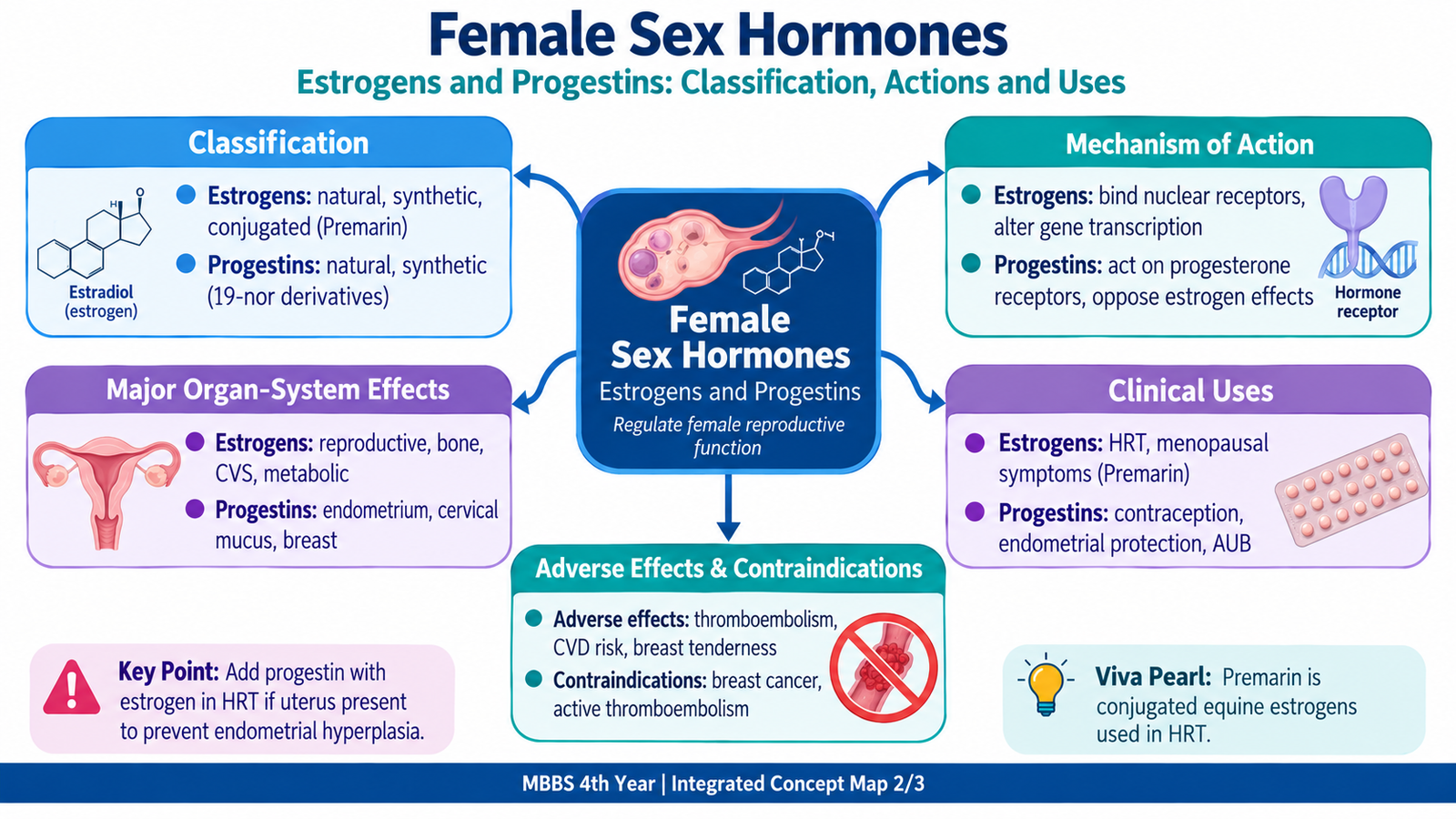
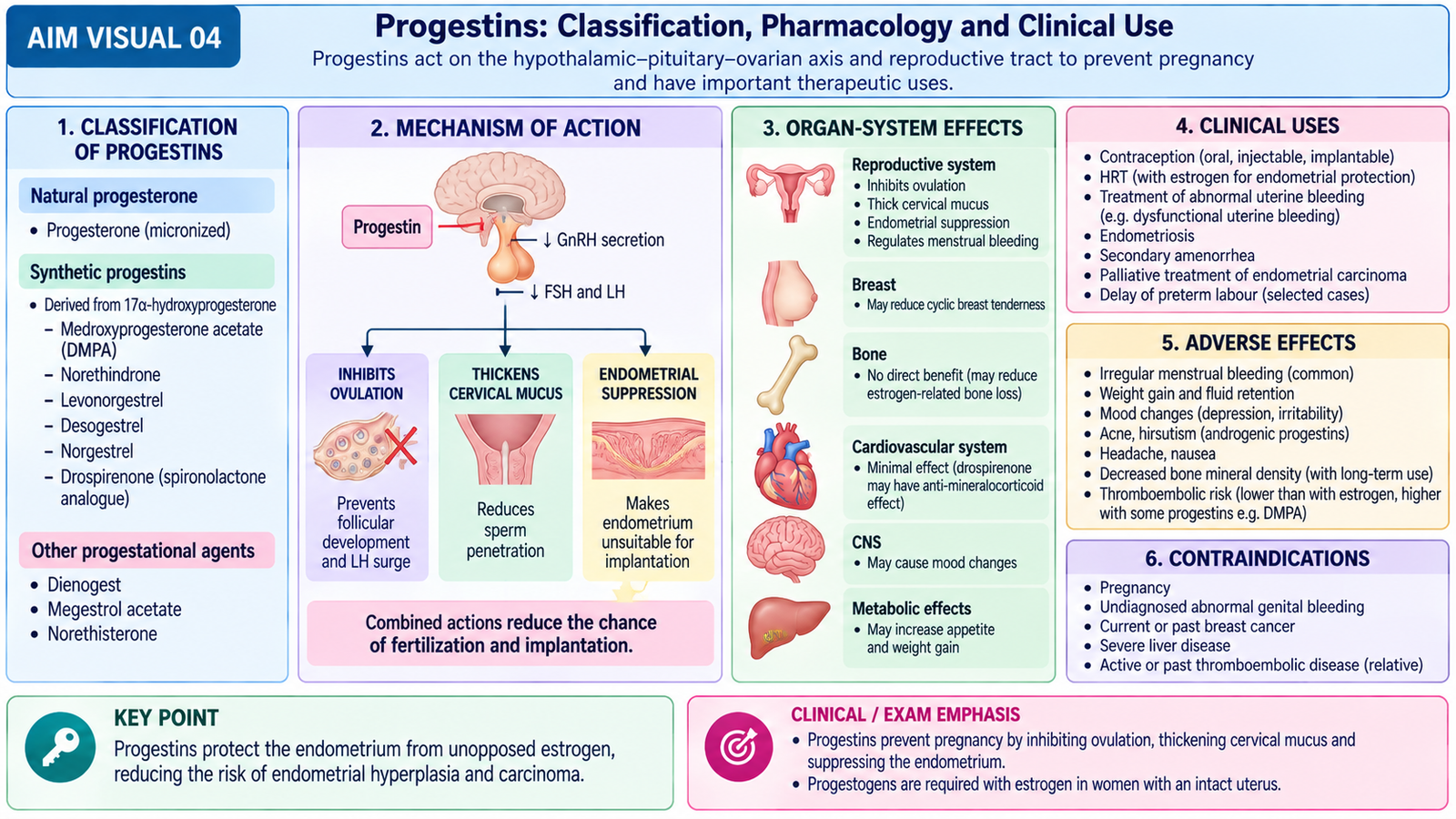
Progestins are drugs that reproduce the major actions of the natural hormone progesterone. Their most important actions in this topic are suppression of ovulation during continuous hormonal contraception, thickening of cervical mucus and opposition of estrogen-induced endometrial proliferation. Differences between individual progestins arise from their chemical structure, potency, duration and additional androgenic or antiandrogenic activity.
Classification
- Natural hormone: progesterone.
- Progesterone / 17-hydroxyprogesterone-related compounds: including medroxyprogesterone acetate.
- 19-nortestosterone derivatives: including norethindrone and levonorgestrel.
- Later-generation progestins: examples include desogestrel and related compounds.
- Progestins with additional receptor properties: drospirenone has anti-mineralocorticoid and antiandrogenic activity in addition to progestogenic action.
Mechanism of action
Progestins bind intracellular progesterone receptors and alter gene transcription. Their physiological effects vary according to tissue and whether estrogen has previously stimulated that tissue.
Important effects
- Hypothalamic-pituitary-ovarian axis: sustained exposure suppresses gonadotropin secretion and may inhibit the LH surge and ovulation.
- Cervix: mucus becomes thick and less penetrable to sperm.
- Endometrium: opposes estrogen-driven proliferation and eventually produces a thin or less receptive endometrium during many contraceptive regimens.
- Uterus: reduces uterine contractile activity.
- Body temperature: progesterone has a mild thermogenic effect after ovulation.
Pharmacokinetic principles
Natural progesterone is rapidly metabolized and has limited oral bioavailability unless specially formulated. Synthetic progestins are generally more resistant to metabolism and may therefore be effective orally, by injection, through intrauterine delivery or from subdermal implants. Most undergo hepatic metabolism, and the duration of action varies greatly among preparations.
Clinical uses
- Progestin-only contraception.
- Combined hormonal contraception with estrogen.
- Protection of the endometrium during systemic estrogen therapy in a woman with an intact uterus.
- Selected menstrual disorders and other gynecological conditions in which suppression or stabilization of the endometrium is useful.
Adverse effects
Bleeding disturbance is the commonest practical problem because continuous progestin exposure alters normal cyclical endometrial development. Other effects vary between preparations.
- Irregular or unpredictable bleeding.
- Amenorrhea with prolonged use of some methods.
- Headache and breast tenderness.
- Mood changes in susceptible women.
- Weight change, particularly with some injectable preparations.
- Acne or other androgenic effects with certain progestins.
- Delayed return of fertility after long-acting injectable medroxyprogesterone.
Contraindications and related antagonist
Major cautions include unexplained genital bleeding, active severe liver disease and current hormone-sensitive breast malignancy. Progestin-only methods generally avoid the estrogen-related thromboembolic concerns that restrict combined estrogen-containing contraception. Mifepristone is an important progesterone-receptor antagonist; it blocks progesterone action rather than acting as a contraceptive progestin.
E. Family Planning and Contraceptive Methods
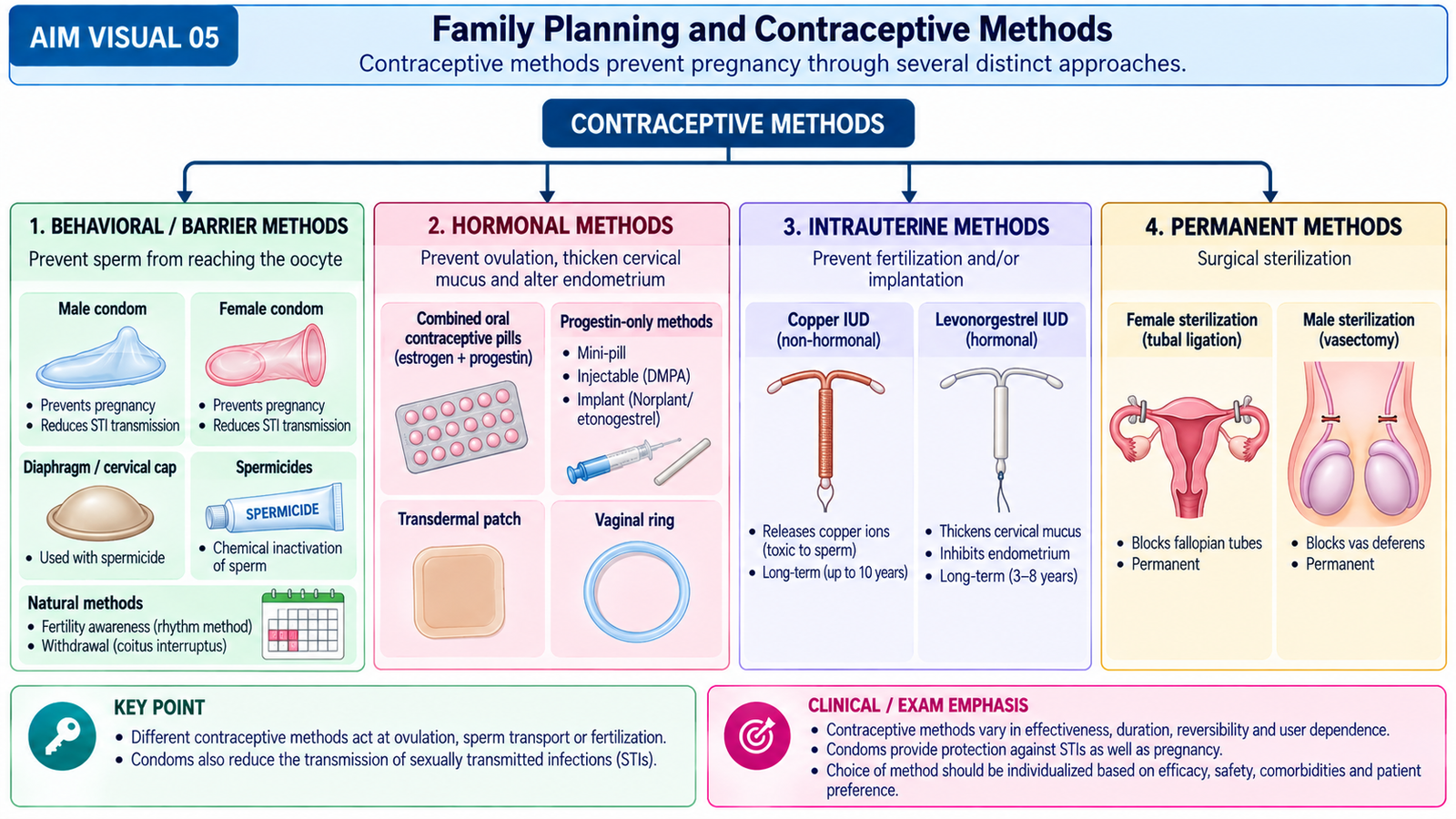
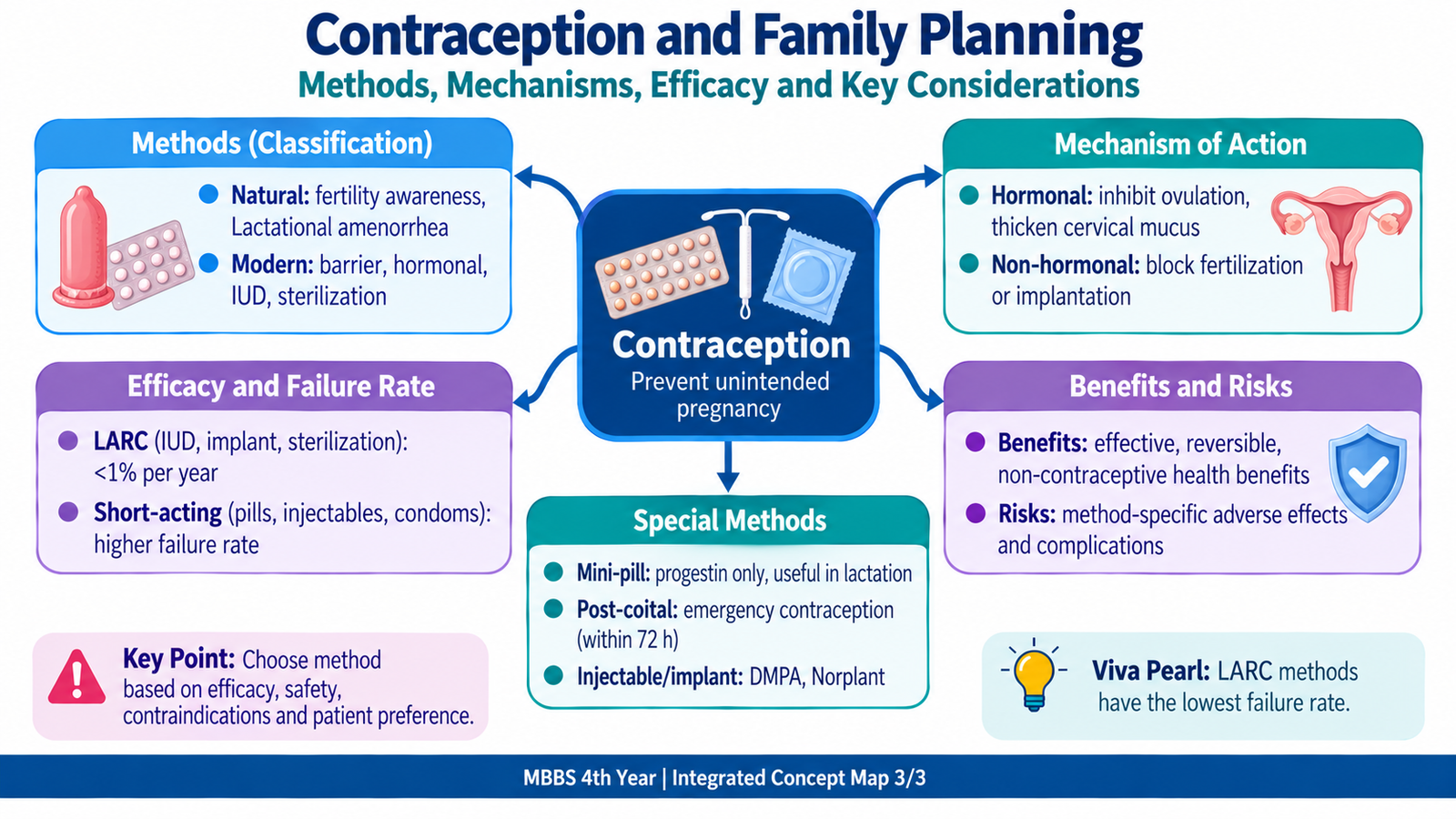
Family planning enables individuals and couples to determine voluntarily and responsibly the number and spacing of their children. Contraception is one of its main methods. Contraception means the intentional prevention of pregnancy by temporary or permanent methods. Different methods act at different stages, including preventing sperm entry, inhibiting ovulation, preventing fertilization or creating conditions unfavorable for sperm and conception.
Classification of contraceptive methods
- Fertility-awareness methods
- Withdrawal
- Lactational amenorrhea under appropriate conditions
- Male and female condoms
- Diaphragm and related barriers
- Spermicidal methods where used
- Combined oral contraception
- Progestin-only pills
- Injectables
- Subdermal implants
- Copper intrauterine device
- Levonorgestrel-releasing intrauterine system
- Female sterilization
- Vasectomy
- Emergency contraceptive pills
- Copper intrauterine contraception
How the main methods prevent pregnancy
- Barrier methods: physically reduce sperm entry into the female reproductive tract.
- Combined hormonal methods: mainly suppress ovulation and also alter cervical mucus and endometrium.
- Progestin-only methods: thicken cervical mucus; many also strongly suppress ovulation.
- Copper IUD: produces a local intrauterine environment that is toxic to sperm and markedly reduces fertilization.
- Levonorgestrel intrauterine system: thickens cervical mucus and causes marked endometrial suppression.
- Sterilization: interrupts the reproductive tract so that sperm and ovum cannot meet.
- Fertility-awareness methods: avoid unprotected intercourse during the fertile period.
F. Combined Oral Contraceptive Pills
Combined oral contraceptive pills contain an estrogen together with a progestin. Their high effectiveness comes mainly from coordinated suppression of the hypothalamic-pituitary-ovarian axis. The estrogen component suppresses FSH sufficiently to reduce follicular development, while the progestin suppresses the mid-cycle LH surge and therefore inhibits ovulation. Additional effects on cervical mucus and endometrium provide further contraceptive protection.
Classification
- Monophasic pills: each active pill contains the same estrogen-progestin combination.
- Biphasic pills: hormone proportions change once during the active-pill sequence.
- Triphasic pills: hormone proportions change in several phases to imitate some features of physiological cycling.
Mechanism of contraceptive action
Progestin → thick cervical mucus → reduced sperm penetration.
Hormonal exposure → endometrial alteration → additional reduction in probability of conception.
Effects and benefits
Beyond pregnancy prevention, combined pills stabilize the endometrium and reduce ovarian cycling. This explains several useful non-contraceptive effects.
- Highly effective reversible contraception when taken consistently.
- More predictable menstrual bleeding.
- Reduced menstrual blood loss and dysmenorrhea in many women.
- Improvement of acne with suitable preparations.
- Reduced long-term risk of endometrial and ovarian carcinoma.
Adverse effects
- Nausea, breast tenderness and headache.
- Breakthrough bleeding, particularly during early use or inconsistent pill-taking.
- Blood-pressure elevation in susceptible women.
- Venous thromboembolism due mainly to estrogen-mediated changes in hepatic coagulation proteins.
- Arterial thrombotic events are uncommon but become more important when major vascular risk factors are present.
- Cholestatic or gallbladder-related problems may occur in susceptible women.
- Rare hepatic complications may occur with prolonged hormonal exposure.
Major contraindications
The estrogen component explains most of the serious contraindications to combined pills. Combined estrogen-containing contraception should generally be avoided when estrogen would create an unacceptable thrombotic, cardiovascular, malignant or hepatic risk.
- Current or previous major venous thromboembolic disease or important thrombophilia.
- Major ischemic heart disease, stroke or other serious arterial vascular disease.
- Migraine with aura.
- Severe or uncontrolled hypertension.
- Smoking combined with important age-related vascular risk.
- Current hormone-sensitive breast malignancy.
- Severe active liver disease.
- Unexplained significant genital bleeding until evaluated.
Drug interactions
Strong hepatic enzyme-inducing medicines can accelerate metabolism of contraceptive steroids and reduce effectiveness. The clinically important principle is therefore to review concurrent medication whenever a hormonal contraceptive is prescribed.

G. Progestin-Only Contraception: Mini-Pills, DMPA and Norplant
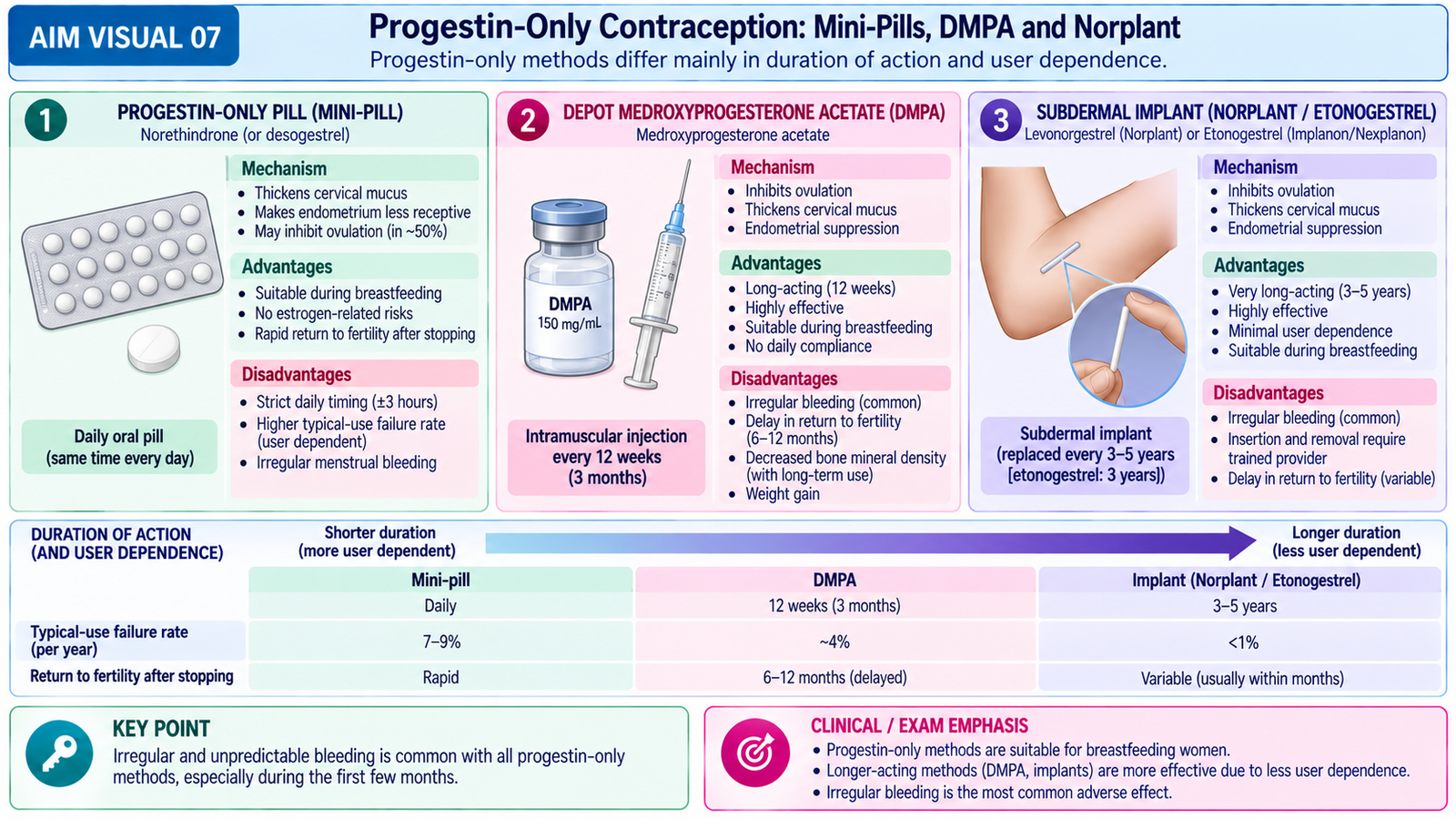
Progestin-only contraception avoids estrogen and is therefore particularly useful when estrogen is unsuitable. These methods share two important actions: thickening of cervical mucus and suppression of the endometrium. The degree of ovulation suppression varies with the formulation. Long-acting injectable and implant methods provide much more consistent suppression than traditional progestin-only pills.
Mini-pill
The mini-pill is an oral contraceptive containing only a progestin. Traditional preparations rely strongly on cervical-mucus thickening and therefore require consistent daily use. Some newer progestin-only pills suppress ovulation more reliably.
- No estrogen-related thrombotic exposure.
- Can be considered when estrogen is contraindicated.
- Useful during breastfeeding.
- Rapid reversibility after stopping oral use.
- Irregular bleeding is common.
- Traditional preparations require particularly consistent timing.
- Cycle control is poorer than with combined pills.
- User dependence lowers real-world effectiveness compared with implants and IUDs.
Depot medroxyprogesterone acetate
Depot medroxyprogesterone acetate (DMPA) is a long-acting injectable progestin. It produces sustained progestogenic activity, strongly suppresses ovulation, thickens cervical mucus and causes progressive endometrial atrophy. Because one injection provides contraception for a prolonged interval, effectiveness depends less on daily adherence than oral pills.
Important adverse effects include irregular bleeding followed in many users by amenorrhea, weight gain in some women, headache or mood symptoms, and delayed return of ovulation after discontinuation. Prolonged use may temporarily reduce bone mineral density because ovarian estrogen production is suppressed; much of this effect is reversible after treatment ends.
Norplant and subdermal implants
Norplant is the classic levonorgestrel subdermal implant system described in many undergraduate curricula. The original system used multiple small hormone-containing capsules inserted under the skin of the upper arm. Levonorgestrel is released slowly into the circulation over several years. Modern implant systems use fewer rods, but the pharmacological principle is the same.
The implant continuously releases progestin, which suppresses ovulation, thickens cervical mucus and alters the endometrium. Because there is no daily action required from the user, implant contraception has a very low failure rate. The commonest difficulty is irregular bleeding. Headache, acne and local insertion or removal problems may also occur.
H. Emergency Post-Coital Contraception
Emergency or post-coital contraception is used after unprotected intercourse or failure of a regular contraceptive method to reduce the chance of pregnancy. It works before an established pregnancy has developed and should not be confused with termination of an established pregnancy. Its effectiveness is greatest when an appropriate method is used as soon as possible.
Levonorgestrel emergency contraception
Levonorgestrel is a progestin that mainly delays or inhibits ovulation when taken before ovulation has occurred. Traditional undergraduate teaching emphasizes administration as soon as possible, preferably within 72 hours after unprotected intercourse. Effectiveness decreases with delay.
Ulipristal acetate
Ulipristal is a selective progesterone-receptor modulator that can delay follicular rupture and ovulation. It may be used up to 120 hours after unprotected intercourse and retains useful activity later in the post-coital interval than levonorgestrel.
Copper intrauterine device
The copper IUD is the most effective form of emergency contraception. When inserted within an appropriate post-coital interval, commonly within 5 days of unprotected intercourse, copper produces a local environment that markedly impairs sperm function and fertilization. A major advantage is that the device can then continue to provide highly effective long-term contraception.
Important principles
- Emergency contraception should be used as early as possible after contraceptive failure.
- Emergency contraceptive pills mainly act by preventing or delaying ovulation.
- They do not reliably interrupt an established implanted pregnancy.
- They do not provide continuing protection from later unprotected intercourse in the same cycle unless an ongoing method is started appropriately.
- Emergency contraception does not protect against sexually transmitted infections.
- Regular contraception should be discussed after emergency treatment to reduce future risk.

I. Choosing Contraception: Efficacy, Failure, Risks, Benefits, Complications and CPR
No contraceptive method is best for every person. Selection should consider effectiveness, reversibility, frequency of use, medical contraindications, menstrual effects, desire for pregnancy in the future, protection from sexually transmitted infections, privacy, convenience and individual preference. Understanding typical-use failure is particularly important because many pregnancies occur from missed pills, inconsistent condom use or delayed repeat injections rather than true pharmacological failure.
Efficacy and failure rate
The contraceptive failure rate is commonly expressed as the proportion of users who experience an unintended pregnancy during the first year of use. Perfect use assumes the method is used correctly every time. Typical use includes ordinary human error and is therefore more relevant to counseling. The values below are approximate teaching figures; exact estimates vary between studies and populations.
| Method | Main mechanism | Approximate typical-use failure in first year | Major advantage | Important limitation |
|---|---|---|---|---|
| Subdermal implant | Ovulation suppression + thick mucus | Less than 1% | Very effective, long acting | Irregular bleeding; procedure needed |
| IUD / IUS | Local sperm inhibition or progestin effect | Less than 1% | Long acting and reversible | Insertion required |
| Sterilization | Prevents sperm-ovum meeting | Less than 1% | Very effective | Intended to be permanent |
| DMPA injection | Strong ovulation suppression | About 4% | No daily pill | Delayed return to fertility |
| Oral contraceptive pill | Hormonal suppression / mucus change | About 7% | Effective and reversible | Daily user adherence |
| Male condom | Mechanical sperm barrier | About 13% | STI protection | Must be used correctly every time |
| Withdrawal | Avoids ejaculation in vagina | Around 20% | No device or drug | Highly user dependent |
| Fertility-awareness methods | Avoids intercourse during fertile window | Variable; strongly method-dependent | No hormonal exposure | Requires knowledge and consistent cooperation |
Risks, benefits and common complications
- Combined hormonal contraception: good cycle control and effective pregnancy prevention, but estrogen creates important thrombotic and vascular contraindications.
- Progestin-only contraception: avoids estrogen and is useful in many women who cannot take combined methods, but irregular bleeding is common.
- Injectables: private and convenient with no daily action, but may cause amenorrhea, weight change and delayed return to fertility.
- Implants: among the most effective reversible methods; irregular bleeding is the main reason for dissatisfaction.
- Copper IUD: highly effective and hormone-free, but may increase menstrual bleeding and cramping in some users.
- Levonorgestrel IUS: highly effective and commonly reduces menstrual bleeding, but early irregular bleeding may occur.
- Barrier methods: free from systemic hormonal effects; effectiveness is more dependent on correct use.
- Sterilization: highly effective but should be chosen only when permanent contraception is desired.
Contraceptive prevalence rate
Contraceptive prevalence rate (CPR) describes the proportion of women of reproductive age in a defined population who are currently using, or whose partner is using, a contraceptive method. Some surveys use all women of reproductive age while others use married or in-union women, so the denominator must always be stated clearly.
Factors responsible for low CPR
Low contraceptive use rarely has a single cause. It usually results from interaction between knowledge, service availability, personal preference and social circumstances.
- Lack of correct information about available methods.
- Fear of adverse effects, often worsened by misinformation.
- Poor access to affordable and reliable family-planning services.
- Interrupted supplies or limited choice of contraceptive methods.
- Concern about privacy or confidentiality.
- Low female educational opportunity or reduced decision-making autonomy.
- Partner opposition or poor involvement of men in family-planning decisions.
- Sociocultural concerns and misconceptions about contraception.
- Desire for additional children or preference for a particular family composition.
- Poor counseling about expected bleeding changes and other manageable adverse effects, leading to discontinuation.
- Difficulty obtaining contraception after childbirth or between health-service contacts.
- Services that do not adequately respect informed choice and individual preferences.
Principles of good contraceptive counseling
Good family-planning care supports informed choice rather than directing every patient toward one method. The clinician should explain effectiveness, common adverse effects, serious contraindications, reversibility, STI protection and what the user must do for the method to remain effective. The patient’s reproductive goals and preferences should guide the final choice.

Integrated Mechanism Flow — Hormonal Control in Menopause and Contraception
Hypothalamus → pituitary → ovary → estrogen/progesterone
Follicle depletion → ↓ estrogen and inhibin
↑ gonadotropins + vasomotor, genital and bone effects
Selected hormone replacement reduces estrogen-deficiency symptoms
Important Comparison — Combined Pill versus Mini-Pill
| Feature | Combined oral pill | Progestin-only mini-pill |
|---|---|---|
| Hormones | Estrogen + progestin | Progestin only |
| Main action | Reliable suppression of ovulation | Thick cervical mucus; ovulation suppression varies by formulation |
| Bleeding pattern | Usually more predictable | Irregular bleeding more common |
| Estrogen-related VTE concern | Present | Avoids estrogen-related risk |
| Breastfeeding | Use depends on postpartum circumstances and estrogen suitability | Commonly suitable |
| Key practical issue | Estrogen contraindications | Consistent daily timing and irregular bleeding |
⭐ AIM High-Yield Review
Menopause, Female Sex Hormones and Contraception
Use these videos after reading the AIM Learning Material to reinforce menopause, hormone pharmacology and contraceptive mechanisms.
Menopause and Hormone Replacement Therapy
Reinforces menopause, perimenopause, hormonal changes, symptoms and the principles of hormone replacement therapy.
Estrogen & Progestin Pharmacology
Reviews estrogen and progesterone preparations, mechanisms of action and important pharmacological concepts relevant to the KMU outcomes.
Oral Contraceptive Pills — Mechanism, Types and Adverse Effects
Covers combined oral contraceptives, mini-pills, mechanisms, benefits, adverse effects and major contraindications in an exam-oriented format.