
Topic 19 — Sexually Transmitted Infections and Vaginal Discharge
Topic Introduction
Sexually transmitted infections (STIs) are infections transmitted mainly through sexual contact. They may involve the genital tract locally or produce systemic disease, and several important STIs in females can remain asymptomatic for a long period. Vaginal discharge is a common presentation, but it does not always indicate an STI: physiological secretion, bacterial vaginosis and candidiasis are important alternatives. A clear approach therefore starts by identifying the pattern of discharge and associated symptoms, followed by appropriate examination and investigations. This chapter explains the classification and prevention of STIs, gonorrhea, syphilis, other important female STIs, the diagnostic work-up of vaginal discharge and practical management in primary care.
A. Core Concept and Classification of Sexually Transmitted Infections
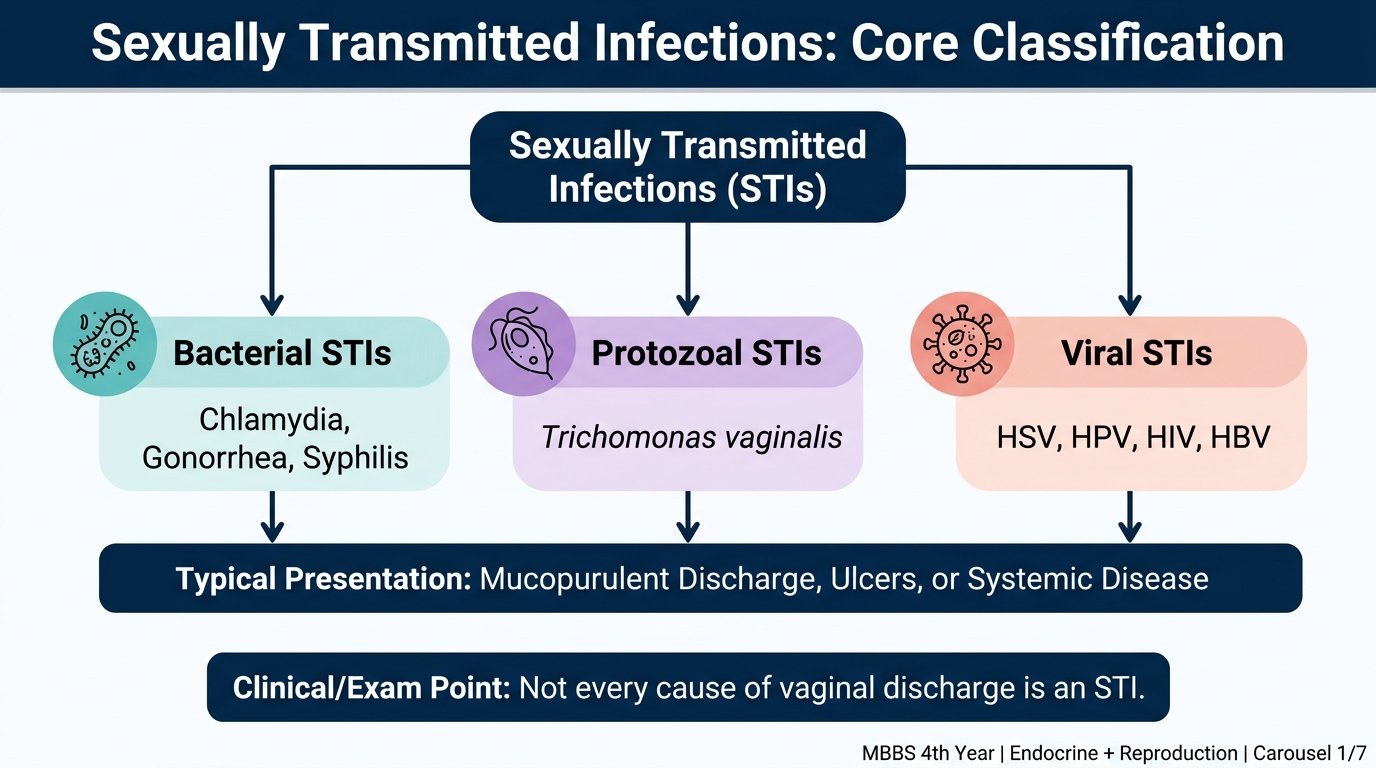
Sexually transmitted infections are caused by organisms that are transmitted predominantly through sexual contact. Transmission usually occurs through genital, anal or oral sexual exposure, although some infections can also pass vertically from mother to child or through infected blood. In females, an important clinical problem is that infection may be present without obvious symptoms. A woman may therefore develop complications before the original cervical or genital infection is recognized.
Classification
The most useful undergraduate classification is according to the type of causative organism. This connects the disease with its characteristic presentation, diagnostic approach and treatment.
| Group | Important examples | Typical clinical pattern |
|---|---|---|
| Bacterial | Gonorrhea, chlamydial infection, syphilis | Cervicitis, urethritis, genital ulcer or systemic disease |
| Protozoal | Trichomoniasis | Inflammatory vaginitis with discharge and irritation |
| Viral | Genital herpes, human papillomavirus infection, HIV | Ulcers, warts, persistent infection or systemic disease |
Important distinction: not every genital infection or cause of vaginal discharge is sexually transmitted. Vulvovaginal candidiasis and bacterial vaginosis commonly produce discharge but are not classified as classical STIs.
Risk factors
Risk increases when exposure to an infected partner is more likely or when barriers to diagnosis and treatment allow infection to persist.
- Unprotected sexual intercourse.
- New or multiple sexual partners.
- A sexual partner with an STI or STI-related symptoms.
- Previous STI.
- Delayed diagnosis because the infection is asymptomatic.
- Failure to evaluate or treat sexual partners, resulting in reinfection.
Common syndromic presentations in females
- Vaginal discharge or vulvovaginal irritation.
- Cervical discharge with dysuria or abnormal bleeding.
- Lower abdominal or pelvic pain due to ascending infection.
- Genital ulcers or vesicles.
- Genital warts.
- Asymptomatic infection detected through testing.
B. Vaginal Discharge: Causes and Diagnostic Work-Up
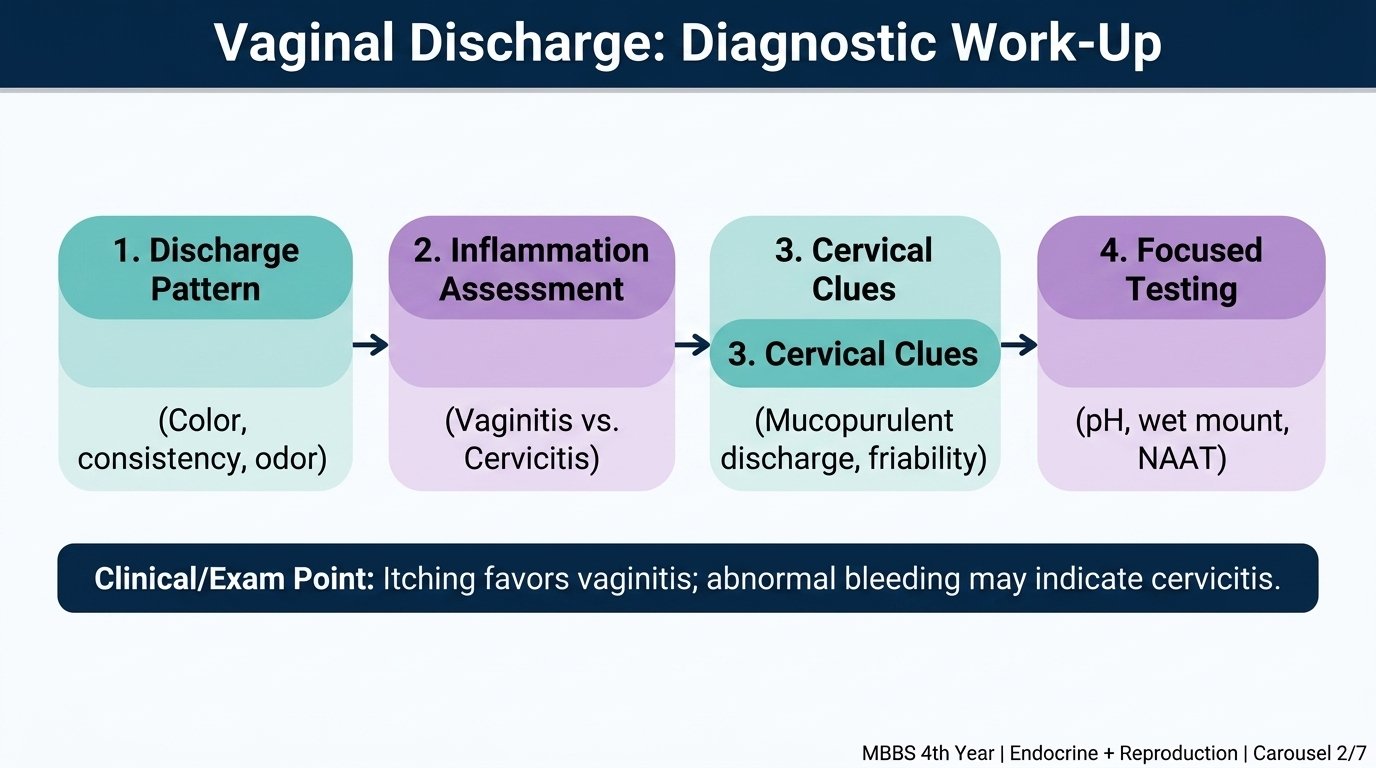
Vaginal discharge may be physiological or pathological. Normal vaginal secretion varies with hormonal state and is usually not associated with offensive odor, marked itching, pelvic pain or significant inflammation. Pathological discharge occurs when the vaginal environment, vaginal epithelium or cervix is affected by infection or another disease process. The diagnostic task is therefore not simply to ask whether discharge is present, but to determine its source and associated inflammatory features.
Major causes
Physiological discharge is usually clear or whitish and is not associated with significant irritation or offensive odor. Recognizing this prevents unnecessary antimicrobial treatment.
Bacterial vaginosis results from disturbance of the normal vaginal microbial environment. It typically produces a thin, homogeneous discharge with a characteristic unpleasant or fish-like odor. Marked vulval inflammation is usually less prominent than in candidiasis or trichomoniasis.
Vulvovaginal candidiasis is caused by overgrowth of Candida species. Inflammation is prominent, so itching, vulval soreness and erythema are important clues. The discharge is often thick and white. Antibiotic exposure, diabetes and other factors that disturb normal vaginal ecology can predispose to candidal overgrowth.
Trichomoniasis is a sexually transmitted protozoal infection. It causes inflammatory vaginitis, often producing a yellow-green or frothy discharge with vulvovaginal irritation. Cervical inflammation may produce a characteristic punctate or “strawberry” appearance.
Gonococcal and chlamydial cervicitis arise mainly from infection of the cervical epithelium rather than the vaginal wall. The patient may have mucopurulent cervical discharge, dysuria, intermenstrual bleeding, postcoital bleeding or no symptoms at all.
Persistent, blood-stained or unusually offensive discharge, especially when associated with abnormal bleeding or an abnormal cervical appearance, requires evaluation for noninfectious cervical or genital tract disease rather than repeated empirical treatment for vaginitis.
History
The history helps determine whether the problem is mainly vaginal, cervical or associated with ascending pelvic infection. Questions should be asked respectfully and confidentially.
- Onset, duration, amount, color, consistency and odor of discharge.
- Vulval itching, burning or soreness.
- Dysuria.
- Lower abdominal or pelvic pain.
- Dyspareunia.
- Intermenstrual or postcoital bleeding.
- Genital ulcers, vesicles or warts.
- Recent antibiotic use or factors predisposing to candidiasis.
- Relevant sexual history, including new partners and barrier protection.
- Previous STI and treatment of sexual partners.
- Possibility of pregnancy where clinically relevant.
Examination
Examination should confirm whether inflammation is present and identify the anatomical source of the discharge.
- External examination: erythema, excoriation, vesicles, ulcers, warts or vulval discharge.
- Speculum examination: character of vaginal discharge, vaginal inflammation, cervical discharge, cervical friability or another visible cervical lesion.
- Bimanual examination: uterine, adnexal or cervical-motion tenderness when pelvic inflammatory disease is suspected.
Investigations
Testing should be guided by the clinical pattern and local availability. Investigation is particularly important when an STI is suspected, symptoms recur or complications are possible.
- Microscopic examination of vaginal material where available.
- Assessment of vaginal acidity where it contributes to differentiation of common causes.
- Tests for Candida or Trichomonas when suggested by the clinical pattern.
- Nucleic acid amplification testing for gonorrhea and chlamydial infection where available.
- Culture for gonorrhea in selected circumstances, particularly when antimicrobial susceptibility information is important.
- Serological testing when syphilis or another relevant systemic STI is suspected.
- Pregnancy assessment when pregnancy could alter the differential diagnosis or management.
C. Gonorrhea in Females
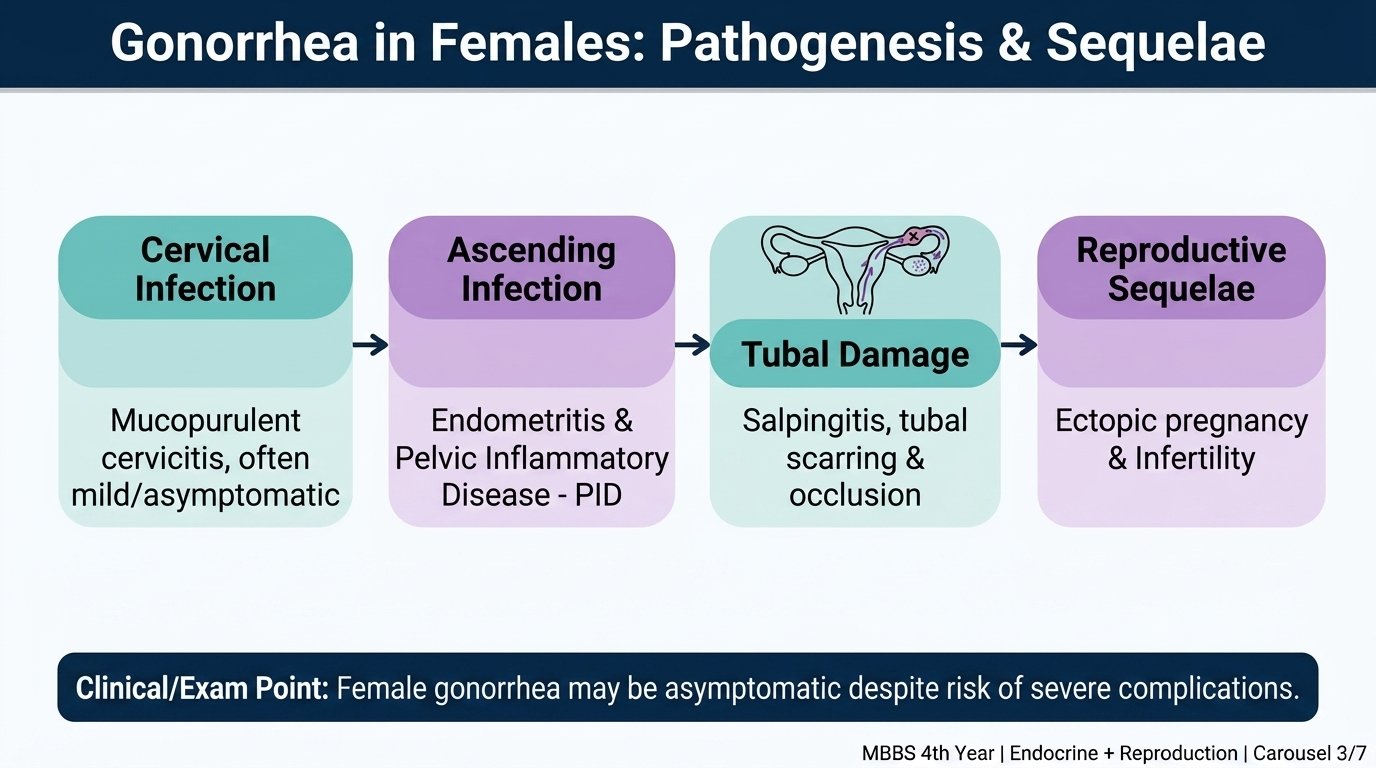
Gonorrhea is a bacterial STI caused by Neisseria gonorrhoeae. It is a Gram-negative diplococcus with a characteristic tendency to be found within neutrophils in infected secretions. The organism infects susceptible mucosal epithelium, especially the cervix and urethra in females. Because cervical infection may be mild or asymptomatic, gonorrhea can spread upward before it is recognized.
How disease develops
The inflammatory response explains the mucopurulent discharge. If organisms ascend through the uterus toward the fallopian tubes, inflammation may damage the tubal epithelium and later produce scarring. This is the basis of important reproductive complications.
Clinical features
Many infected females have few symptoms or none. When symptomatic, the presentation usually reflects cervical or urethral inflammation.
- Mucopurulent cervical or vaginal discharge.
- Dysuria.
- Intermenstrual or postcoital bleeding due to cervical inflammation and friability.
- Lower abdominal or pelvic pain when infection has ascended.
- Dyspareunia in pelvic inflammatory disease.
Diagnosis
Nucleic acid amplification testing is highly useful for detecting gonococcal infection from appropriate genital or urine specimens. Culture remains important in selected patients because it can provide information about antimicrobial susceptibility, particularly when treatment failure or resistance is a concern.
Management principles
Uncomplicated gonorrhea requires an effective recommended antigonococcal antibiotic. Treatment should not focus only on the individual patient because untreated partners can cause reinfection. Evaluation for other STIs is also important because simultaneous infections can occur.
- Treat the gonococcal infection with an appropriate recommended antimicrobial regimen.
- Assess for associated pelvic inflammatory disease.
- Evaluate for other relevant STIs, especially chlamydial infection.
- Ensure appropriate partner evaluation and treatment.
- Advise avoidance of further sexual transmission until treatment requirements have been completed by the patient and relevant partner or partners.
- Arrange follow-up where clinically indicated.
Complications
- Pelvic inflammatory disease: results from ascending infection.
- Infertility: may result from post-inflammatory tubal scarring.
- Ectopic pregnancy: damaged fallopian tubes impair normal transport of the fertilized ovum.
- Chronic pelvic pain: may follow pelvic inflammation and adhesions.
- Disseminated infection: bloodstream spread may produce systemic manifestations.
- Neonatal infection: exposure during birth may infect the newborn, particularly the eyes.
D. Syphilis: Stages, Morphology and Clinical Course
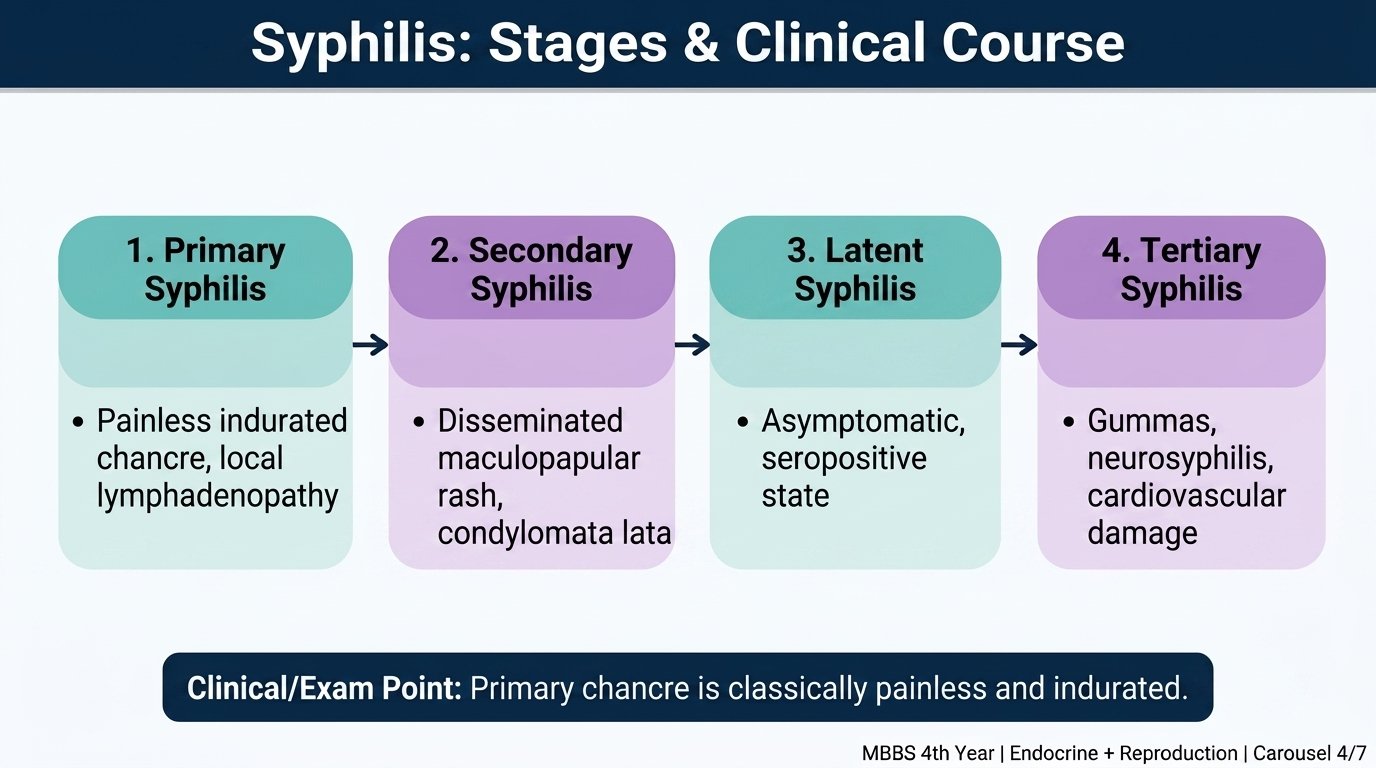
Syphilis is a chronic systemic infection caused by Treponema pallidum, a slender spirochete. After entering through small mucosal or skin defects, the organism spreads through lymphatics and blood. The disease therefore evolves through recognizable stages rather than remaining confined to the initial genital lesion. An important pathological feature throughout syphilis is vascular inflammation, particularly endarteritis, accompanied characteristically by a plasma-cell-rich inflammatory infiltrate.
Primary syphilis
The first major lesion develops at the site of inoculation after local multiplication of organisms. It is called a chancre.
- Usually a solitary, painless ulcer.
- Typically has a firm or indurated base.
- Regional lymph nodes may enlarge.
- The lesion is highly infectious.
Microscopically, the lesion shows inflammatory infiltration with many plasma cells and vascular endothelial proliferation producing endarteritis. The chancre may heal spontaneously, but healing does not mean that the infection has been eliminated.
Secondary syphilis
Secondary disease results from widespread hematogenous dissemination of the organism. For this reason, the clinical manifestations are generalized and highly variable.
- Generalized skin rash, characteristically capable of involving the palms and soles.
- Mucous patches.
- Condylomata lata: broad, moist, highly infectious lesions in warm intertriginous areas.
- Generalized lymph-node enlargement.
- Constitutional symptoms may occur.
The widespread rash reflects dissemination of organisms and the host inflammatory response in many tissues.
Latent syphilis
After secondary manifestations disappear, a patient may enter a clinically silent phase in which there are no obvious lesions but serological evidence of infection remains. Latency is therefore not equivalent to microbiological cure.
Tertiary syphilis
Tertiary disease is a late consequence of persistent infection and host immune responses. It is much less infectious than the early stages but can produce severe organ damage.
Gummatous syphilis: gummas are destructive granuloma-like lesions that may occur in skin, bone or internal organs. They contain central tissue destruction surrounded by inflammatory cells.
Cardiovascular syphilis: inflammation of the small vessels supplying the aortic wall can weaken the vessel. This may lead to important late aortic complications.
Neurosyphilis: involvement of the central nervous system can produce different neurological syndromes. Neurological disease can occur during the course of infection and should not be thought of only as a skin disorder.
Diagnosis
Diagnosis commonly relies on serology. Nontreponemal tests are useful for detecting and following disease activity, whereas specific treponemal tests help confirm infection. Direct detection from an appropriate early lesion may also demonstrate the organism where suitable facilities are available.
Management principles
Penicillin-based therapy remains the central treatment for syphilis. The exact regimen depends on the stage and clinical form of infection. Pregnancy is particularly important because untreated maternal infection may be transmitted to the fetus.
- Treat according to the clinical stage.
- Assess for neurological or other organ involvement when indicated.
- Evaluate relevant sexual partners.
- Perform appropriate follow-up, including serological assessment.
- Recognize pregnancy because prevention of fetal infection is a major priority.
Important complications
- Neurological disease.
- Cardiovascular damage.
- Gummatous destruction of tissues.
- Transplacental fetal infection and congenital syphilis.
E. Other Important STIs Affecting Females
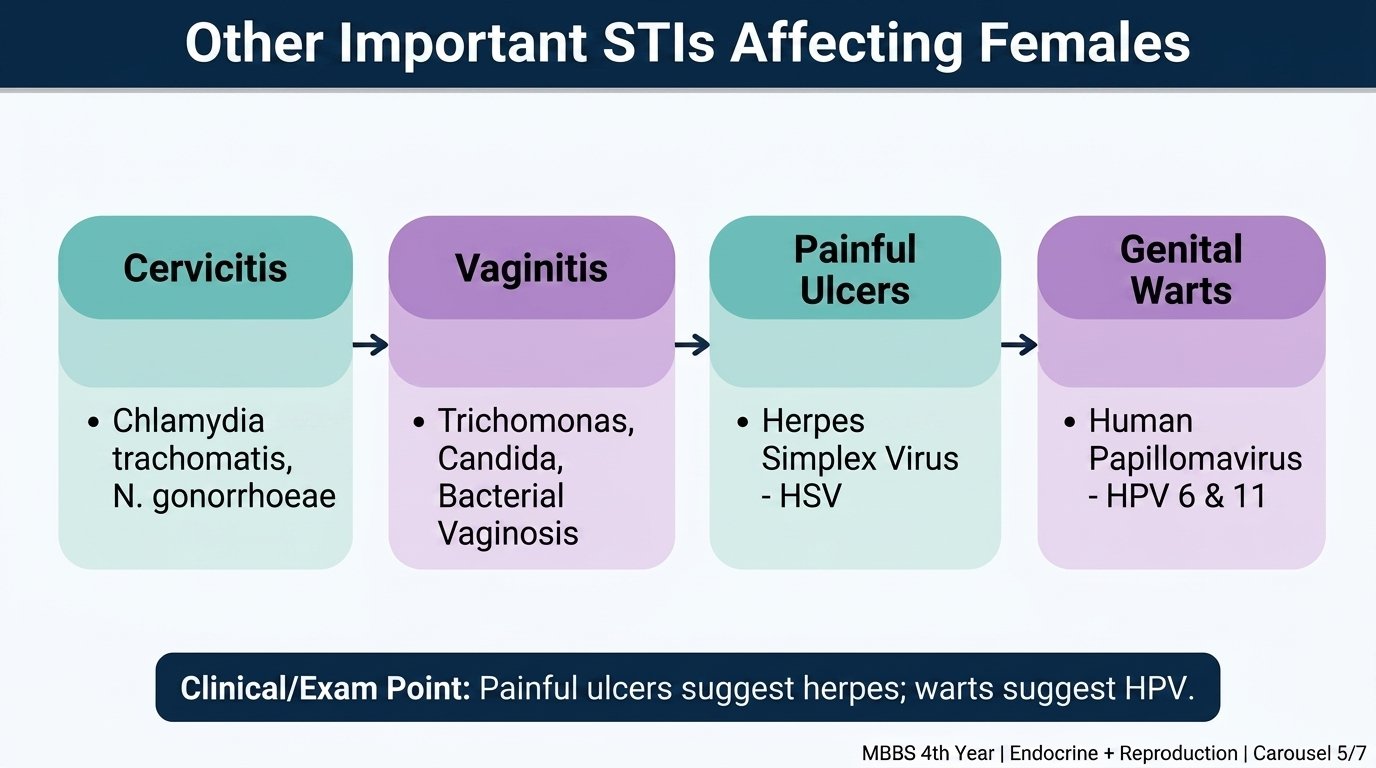
Female STIs do not all present in the same way. Some primarily produce cervicitis, some cause vaginitis, and others are recognized by genital ulcers or warts. Learning these syndromic patterns helps the clinician select focused investigations instead of treating every genital complaint as the same disease.
Chlamydial infection
Chlamydia trachomatis commonly infects the cervix and may be asymptomatic. When symptomatic, it can resemble gonorrhea because both produce cervicitis.
- Mucopurulent cervical discharge.
- Dysuria.
- Intermenstrual or postcoital bleeding.
- Pelvic pain when infection ascends.
Nucleic acid amplification testing is useful for diagnosis. Untreated ascending infection can cause pelvic inflammatory disease, tubal scarring, infertility and ectopic pregnancy. Treatment requires appropriate anti-chlamydial therapy together with partner management and prevention of reinfection.
Trichomoniasis
Trichomoniasis is caused by the protozoan Trichomonas vaginalis. Unlike gonorrhea and chlamydia, which commonly produce cervicitis, trichomoniasis primarily causes an inflammatory vaginitis.
- Vaginal discharge that may be yellow-green or frothy.
- Vulval irritation, itching or burning.
- Dysuria may occur.
- Punctate cervical erythema may produce a “strawberry cervix.”
The organism may be detected by appropriate laboratory testing, including nucleic acid testing where available. Treatment uses an effective nitroimidazole agent, and sexual partners require management because reinfection is otherwise common.
Genital herpes
Genital herpes is caused mainly by herpes simplex virus. The virus produces vesicular lesions that rupture and form painful ulcers. After the initial infection, the virus remains latent in sensory ganglia and may later reactivate, which explains recurrent episodes.
- Painful grouped vesicles or shallow ulcers.
- Local burning or tingling.
- Dysuria when lesions involve the vulval or periurethral region.
- Recurrent attacks may occur because the virus remains latent.
Direct testing of lesion material can confirm infection. Antiviral therapy reduces the severity and duration of symptomatic episodes but does not eradicate latent virus. Pregnancy is clinically important because genital herpes can have neonatal implications.
Human papillomavirus infection
Human papillomavirus (HPV) infects squamous epithelium. Different viral types have different biological effects. Some types mainly produce genital warts, while persistent infection with oncogenic types is associated with cervical precancer and carcinoma.
- Low-risk types: commonly associated with genital warts.
- Oncogenic types: associated with cervical epithelial dysplasia and cervical cancer.
Prevention includes safer sexual practices and HPV vaccination. Cervical screening detects precancerous changes before invasive cancer develops and should follow the applicable health-system programme.
F. Primary-Care Management of Vaginal Discharge and Female STIs
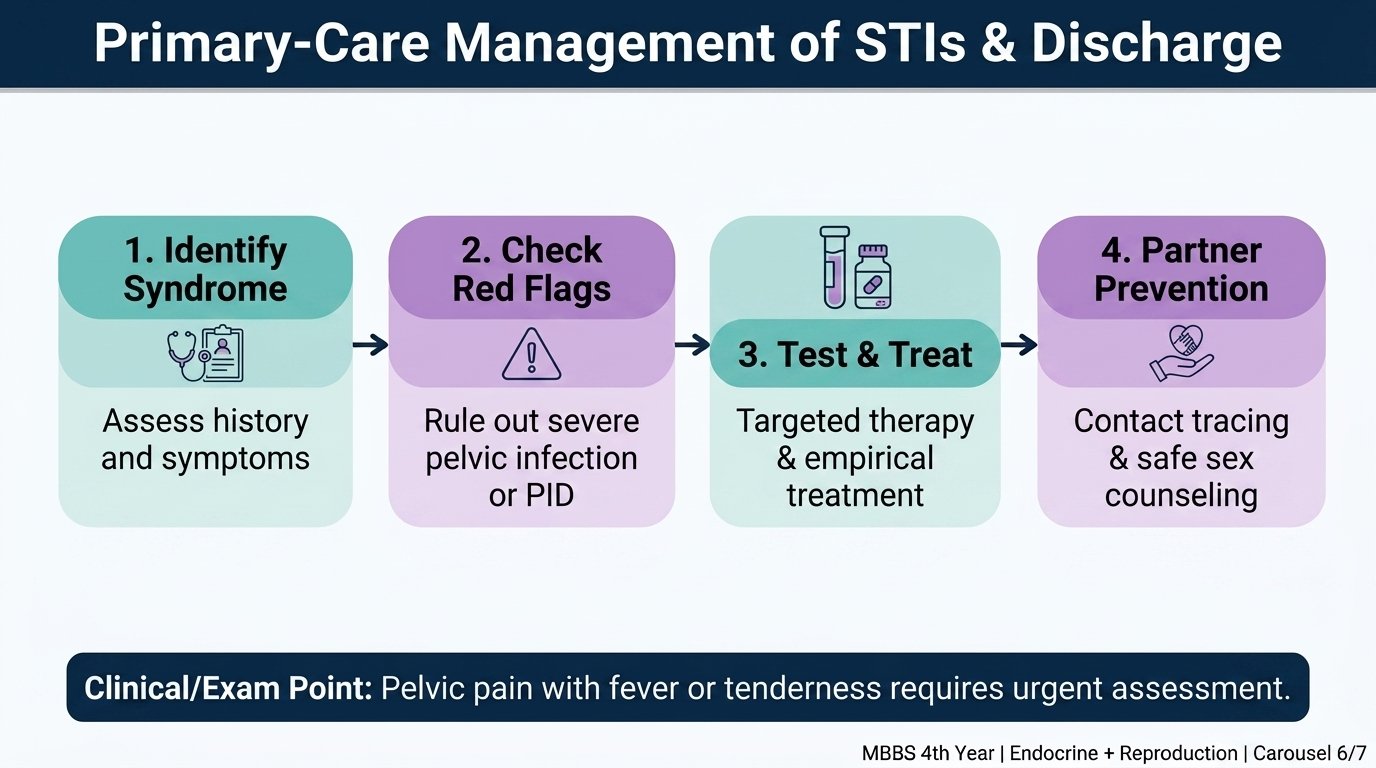
Primary-care management should combine clinical recognition, focused investigation, appropriate treatment, prevention of transmission and identification of patients who need referral. A patient with vaginal discharge should not automatically receive treatment for an STI because several common causes are not sexually transmitted. Conversely, absence of marked discharge does not exclude gonorrhea or chlamydial infection because these may be asymptomatic.
Step 1 — Establish the likely syndrome
Use the history and examination to decide whether the dominant pattern is vaginitis, cervicitis, genital ulcer disease, genital warts or ascending pelvic infection.
- Vaginitis: discharge with prominent vaginal or vulval irritation.
- Cervicitis: mucopurulent cervical discharge, cervical friability or abnormal bleeding.
- Genital ulcer disease: ulcer or vesicular lesions.
- Genital warts: visible exophytic lesions suggesting HPV infection.
- Ascending infection: lower abdominal pain, pelvic tenderness and systemic symptoms may indicate pelvic inflammatory disease.
Step 2 — Look for red flags
Symptoms suggesting upper genital tract disease or severe illness require more urgent assessment because delay can increase reproductive complications.
- Significant lower abdominal or pelvic pain.
- Fever or systemic illness.
- Cervical-motion, uterine or adnexal tenderness.
- Pregnancy associated with pelvic pain or abnormal bleeding.
- Persistent unexplained bleeding or an abnormal cervical lesion.
- Severe symptoms or failure to improve with appropriate initial management.
Step 3 — Use focused investigations
Laboratory testing should confirm the suspected cause where available. Gonorrhea and chlamydia are particularly important to detect because untreated infection may damage the fallopian tubes even when symptoms are mild.
Step 4 — Treat the cause
Treatment should match the likely or confirmed diagnosis. Antimicrobials should not be used indiscriminately because vaginal discharge has several different causes.
- Use appropriate antifungal therapy for candidiasis.
- Use appropriate antibacterial treatment for bacterial vaginosis.
- Treat trichomoniasis with an effective nitroimidazole and manage sexual partners.
- Treat gonorrhea with an effective recommended antigonococcal regimen.
- Treat chlamydial infection with appropriate anti-chlamydial therapy.
- Use penicillin-based therapy for syphilis according to the clinical stage.
- Use antiviral treatment for symptomatic genital herpes where indicated.
Step 5 — Prevent reinfection and ongoing transmission
A technically correct prescription can still fail at the population level if the infected partner remains untreated or the patient does not understand how transmission occurs.
- Provide clear counseling about the diagnosis and mode of transmission.
- Arrange partner evaluation and treatment where appropriate.
- Discuss consistent condom use.
- Assess for other relevant STIs.
- Explain the importance of follow-up when required.
- Maintain privacy, confidentiality and nonjudgmental communication.
Syndromic and etiological approaches
Where laboratory facilities are readily available, identifying the specific cause allows more precise treatment. In settings where immediate testing is limited, management may sometimes begin from a recognized syndrome. However, syndromic treatment has limitations: different diseases may produce similar symptoms, and asymptomatic cervical infections may be missed. Clinical judgment and access to testing should therefore guide the approach.
G. Complications, Prevention and Reproductive-Health Perspective
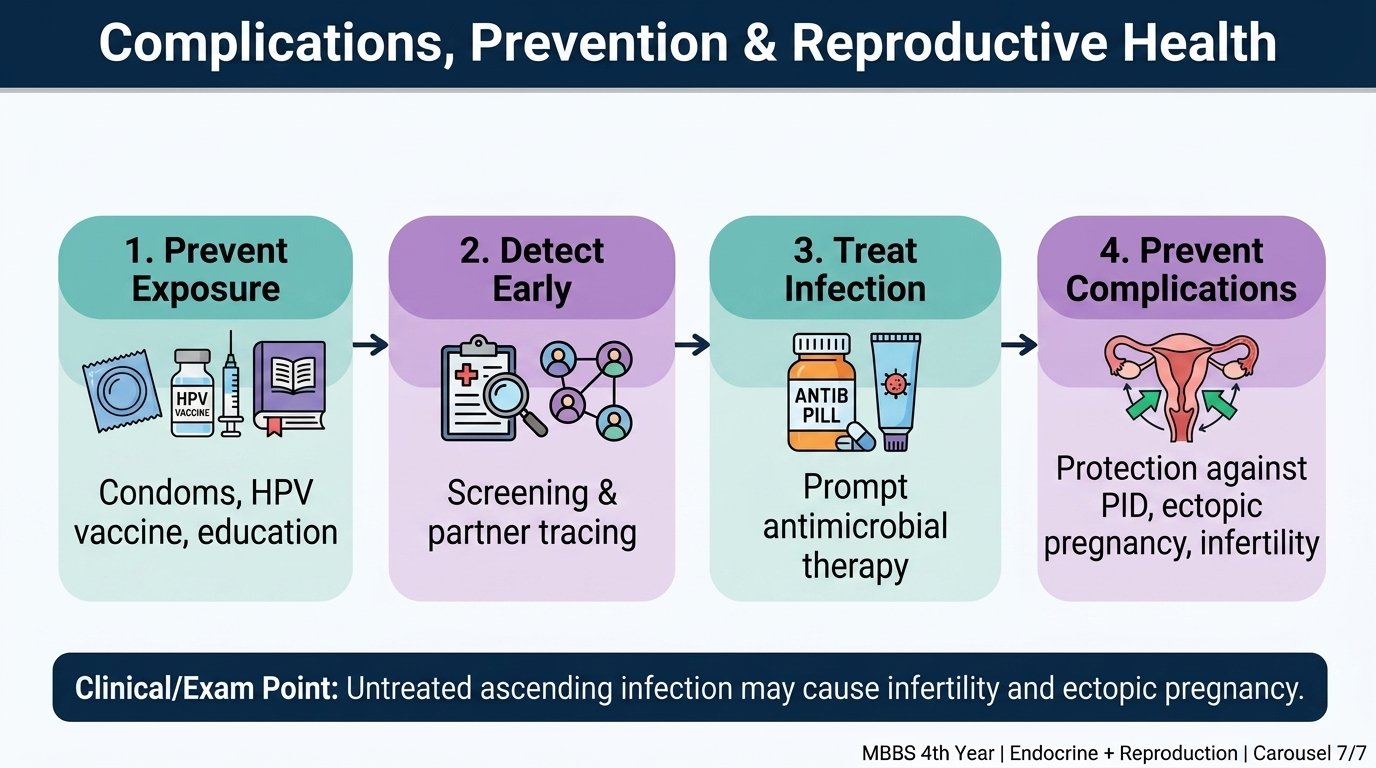
STI prevention is an important part of reproductive health because the consequences extend beyond the acute infection. In females, an untreated cervical infection may ascend silently and later present as infertility or ectopic pregnancy. Some infections can affect pregnancy or the newborn, while persistent oncogenic HPV infection may eventually lead to cervical malignancy. Prevention therefore aims not only to reduce transmission but also to protect future reproductive health.
Major reproductive-health complications
- Pelvic inflammatory disease: usually develops when infection ascends from the cervix to the upper genital tract.
- Tubal infertility: repeated or severe tubal inflammation may heal with fibrosis and obstruction.
- Ectopic pregnancy: damaged tubes may fail to transport the fertilized ovum normally.
- Chronic pelvic pain: may follow pelvic inflammation and adhesions.
- Maternal-fetal or neonatal infection: some STIs can cross the placenta or infect the infant during delivery.
- Cervical precancer and cancer: associated particularly with persistent oncogenic HPV infection.
- Systemic complications: infections such as syphilis, HIV and disseminated gonorrhea can involve organs beyond the genital tract.
Prevention
STI control requires prevention before infection, early identification after infection and treatment of complications when disease has already produced damage.
Primary prevention aims to prevent acquisition of infection.
- Accurate sexual-health education.
- Consistent and correct condom use.
- Reduction of high-risk sexual exposure.
- HPV vaccination.
- Vaccination against hepatitis B where appropriate.
Secondary prevention aims to detect infection early and interrupt transmission.
- Early consultation for genital symptoms.
- Testing of people with clinical or epidemiological risk.
- Detection of asymptomatic infection where screening is recommended.
- Prompt treatment.
- Partner notification, evaluation and treatment.
- Cervical screening for HPV-related precancer according to the applicable programme.
Tertiary prevention limits disability after complications develop. Examples include appropriate treatment and follow-up of pelvic inflammatory disease, infertility-related referral and management of HPV-related cervical disease.
Reproductive-health services
STI prevention works best when incorporated into routine reproductive-health care rather than treated as an isolated problem. Opportunities for counseling, testing and prevention may arise during primary-care consultations, family-planning services, antenatal care and assessment of genital symptoms. A respectful and confidential approach increases the chance that patients will provide an accurate sexual history and return for treatment and follow-up.
Important Comparison — Common Causes of Vaginal Discharge
The clinical pattern can guide the initial differential diagnosis, but laboratory confirmation is valuable when an STI is suspected or the presentation is unclear.
| Condition | Typical discharge | Inflammation / itching | Useful clue | STI? |
|---|---|---|---|---|
| Physiological | Clear or whitish | Absent | No offensive odor or significant irritation | No |
| Bacterial vaginosis | Thin, homogeneous | Usually mild | Characteristic unpleasant or fish-like odor | Not a classical STI |
| Candidiasis | Thick, white | Prominent | Marked vulval itching and erythema | No |
| Trichomoniasis | Yellow-green, sometimes frothy | Prominent | Inflammatory vaginitis; strawberry cervix may occur | Yes |
| Gonococcal / chlamydial cervicitis | Mucopurulent cervical discharge | Vaginal itching may be absent | Friable cervix, dysuria or abnormal bleeding | Yes |
Integrated Mechanism Flow
Sexual contact with an infected partner
Vaginitis, cervicitis, ulcer or wart
Ascending or systemic infection
PID, infertility, ectopic pregnancy or systemic disease
Diagnosis, treatment, partner care and prevention break the chain
⭐ AIM High-Yield Review
Sexually Transmitted Infections & Genital Infections
Review the major genital infections, their clinical presentations, complications, diagnosis, treatment principles and prevention.