
This chapter follows the KMU learning outcomes in a logical sequence. First understand how cyclooxygenase inhibition changes prostaglandin and thromboxane synthesis, then connect that mechanism with clinical uses, adverse effects and poisoning management. Revise the AIM High-Yield Review after completing the explanation.
Anti-Inflammatory Pharmacology: NSAIDs, COX-2 Inhibitors and Paracetamol
Infection and Inflammation — Pharmacology
Understand how inhibition of prostaglandin synthesis produces analgesic, antipyretic, anti-inflammatory and antiplatelet effects, while also explaining the characteristic toxicities of these commonly used drugs.
Topic Introduction
Anti-inflammatory drugs reduce the tissue effects of inflammation and are widely used for pain, fever and inflammatory disorders. The most important drugs in this topic act by modifying the cyclooxygenase pathway and reducing prostaglandin synthesis. Non-steroidal anti-inflammatory drugs, or NSAIDs, include aspirin and several other non-selective cyclooxygenase inhibitors. Selective COX-2 inhibitors were developed to retain anti-inflammatory activity while reducing some gastrointestinal toxicity. Paracetamol is closely related in clinical use because it is an effective analgesic and antipyretic, but it has weak peripheral anti-inflammatory activity. Understanding these drugs requires linking their mechanisms with their therapeutic uses, pharmacokinetics, adverse effects and important poisoning syndromes.
A. Overview and Classification of Anti-Inflammatory Drugs
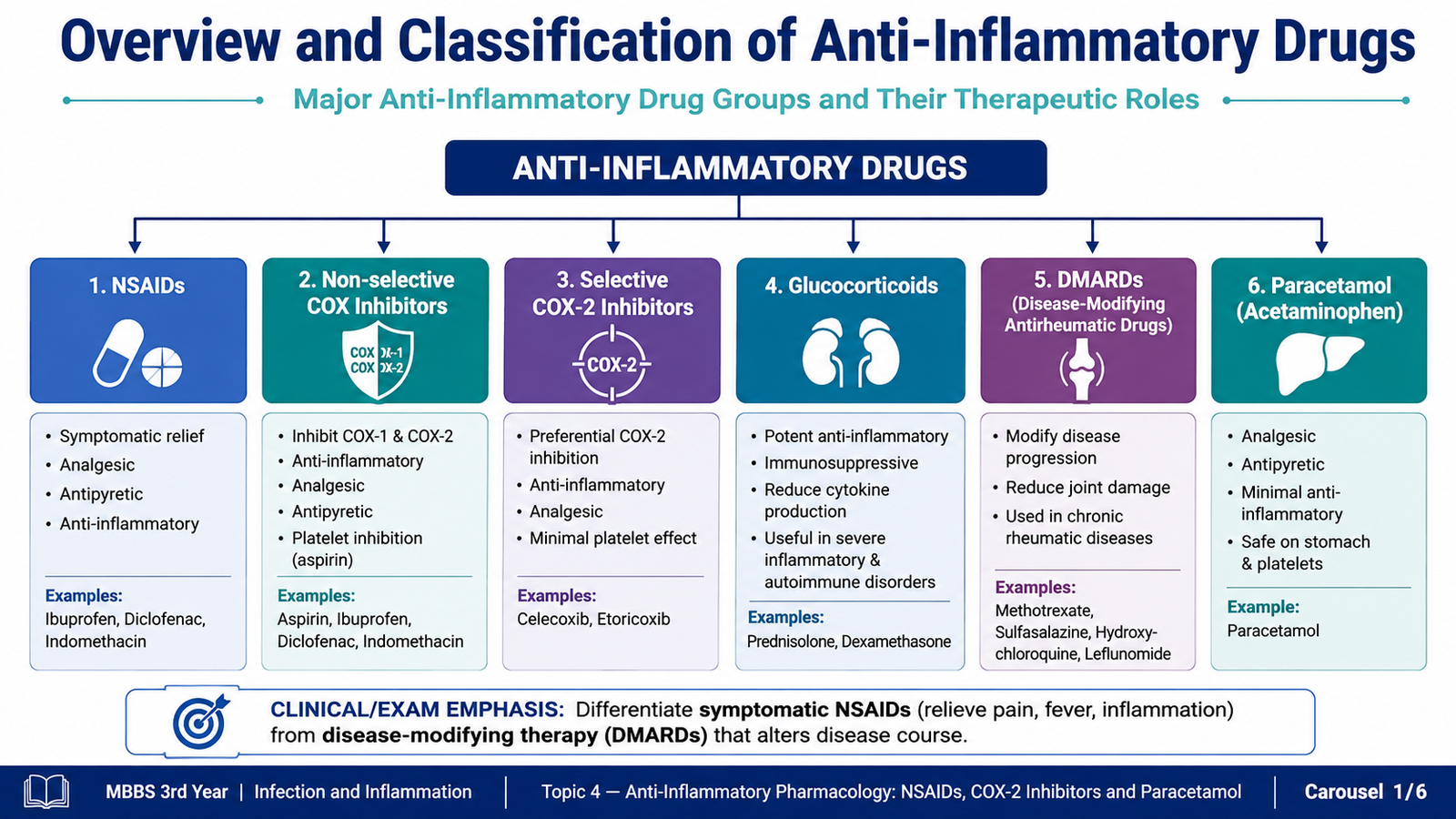
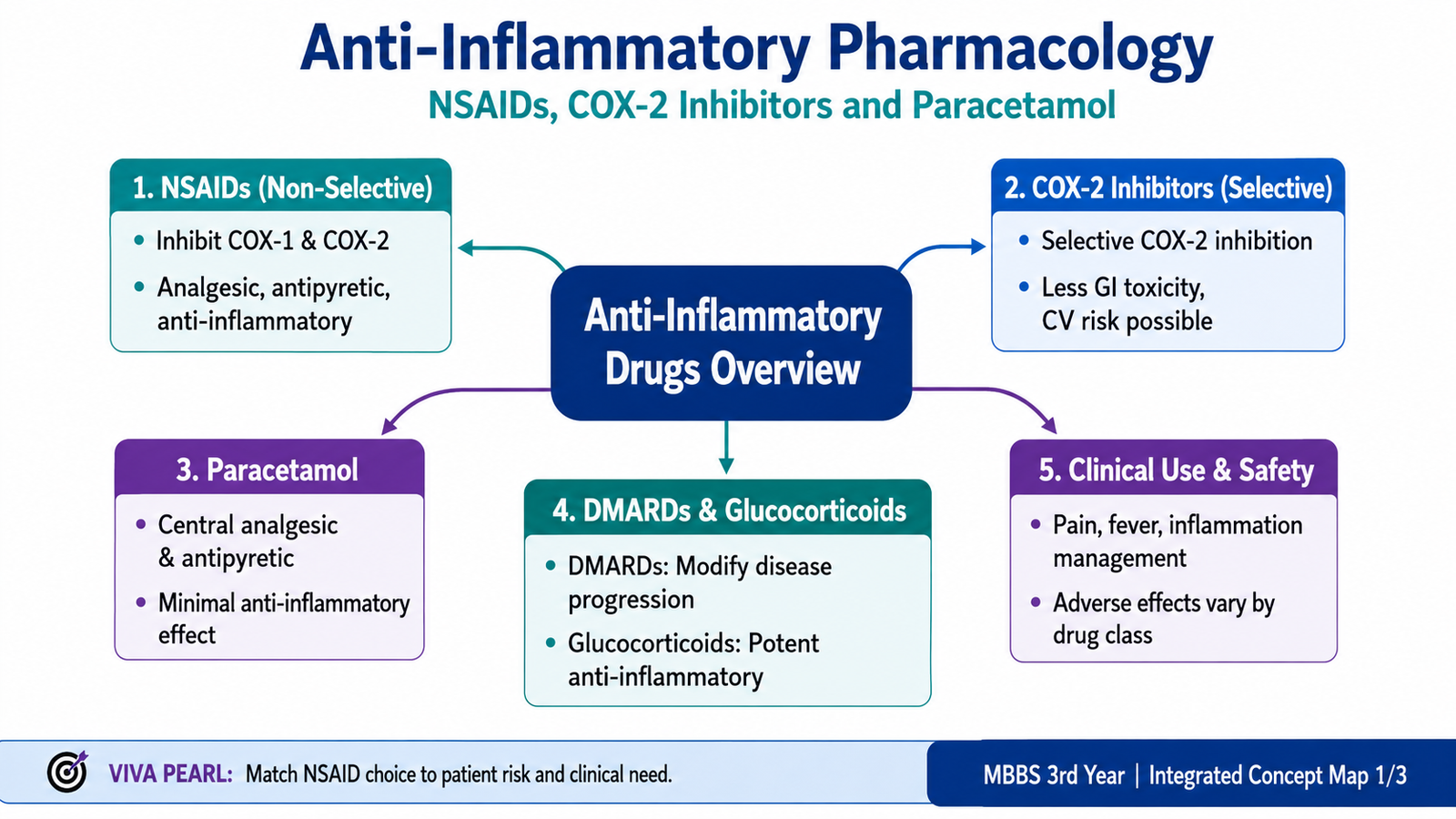
Anti-inflammatory drugs can be divided broadly into agents that directly suppress inflammatory mediators and agents that modify the underlying immune or inflammatory disease process. NSAIDs act mainly by reducing prostaglandin formation. Glucocorticoids suppress inflammation at several levels, while disease-modifying antirheumatic drugs, or DMARDs, are used mainly to alter the long-term course of inflammatory rheumatic diseases rather than simply provide short-term symptomatic relief.
Classification
- Non-steroidal anti-inflammatory drugs (NSAIDs)
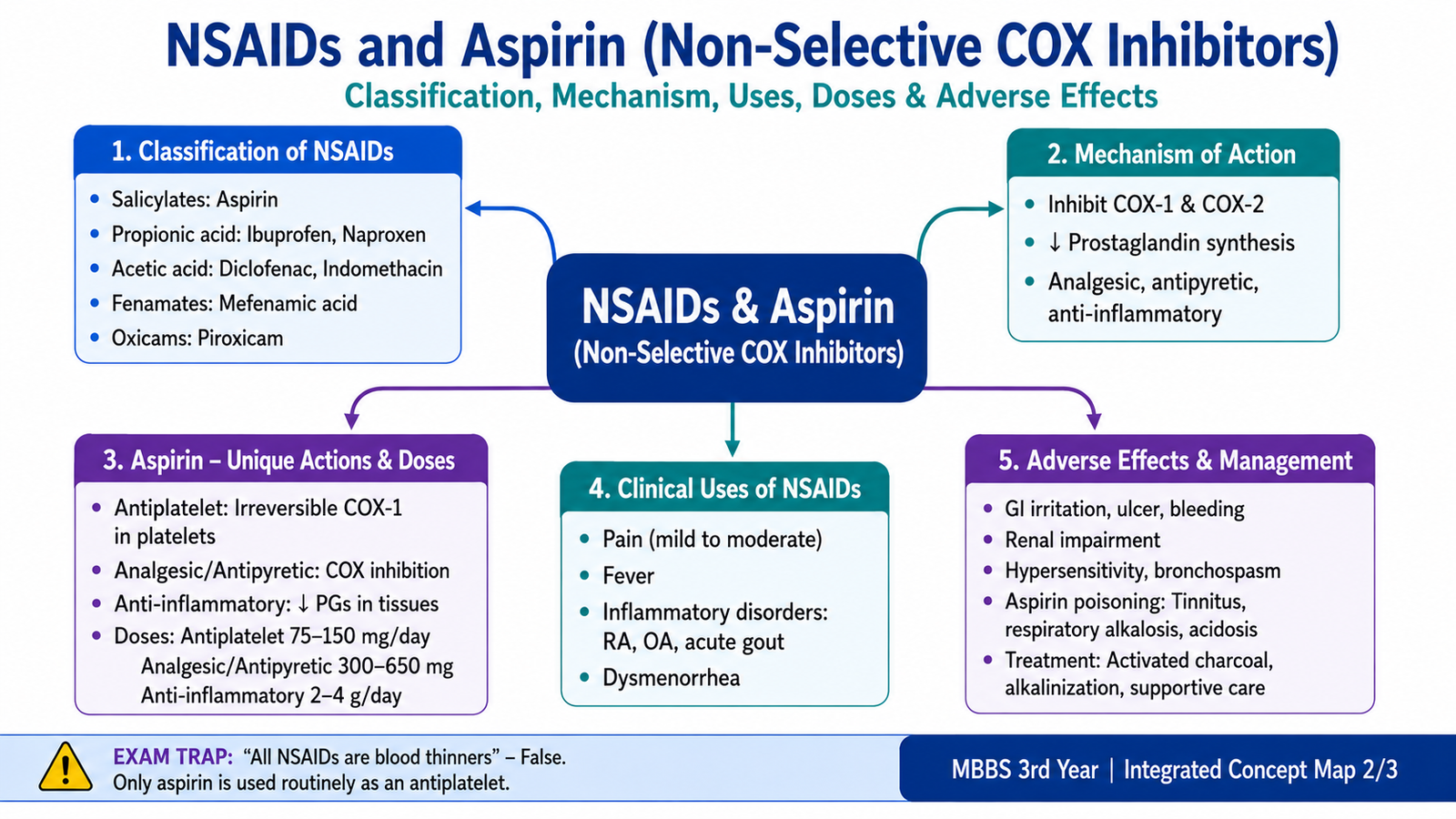
- Non-selective COX inhibitors: aspirin, ibuprofen, diclofenac, indomethacin, mefenamic acid and piroxicam.
- Selective COX-2 inhibitors: drugs such as celecoxib and etoricoxib.
- Glucocorticoids: powerful anti-inflammatory drugs that suppress transcription of several inflammatory genes and reduce production of inflammatory mediators.
- DMARDs: drugs used mainly in chronic inflammatory autoimmune disorders such as rheumatoid arthritis to reduce disease activity and structural damage.
- Paracetamol: mainly an analgesic and antipyretic; it has little clinically useful peripheral anti-inflammatory activity.
NSAIDs therefore mainly control the consequences of inflammation, such as pain, fever and swelling. In contrast, DMARDs are important because they may alter progression of an underlying inflammatory rheumatic disease. Glucocorticoids produce broader suppression of inflammation but have a different mechanism and toxicity profile from NSAIDs.
B. Non-Selective NSAIDs and Aspirin: Mechanism and Pharmacological Effects
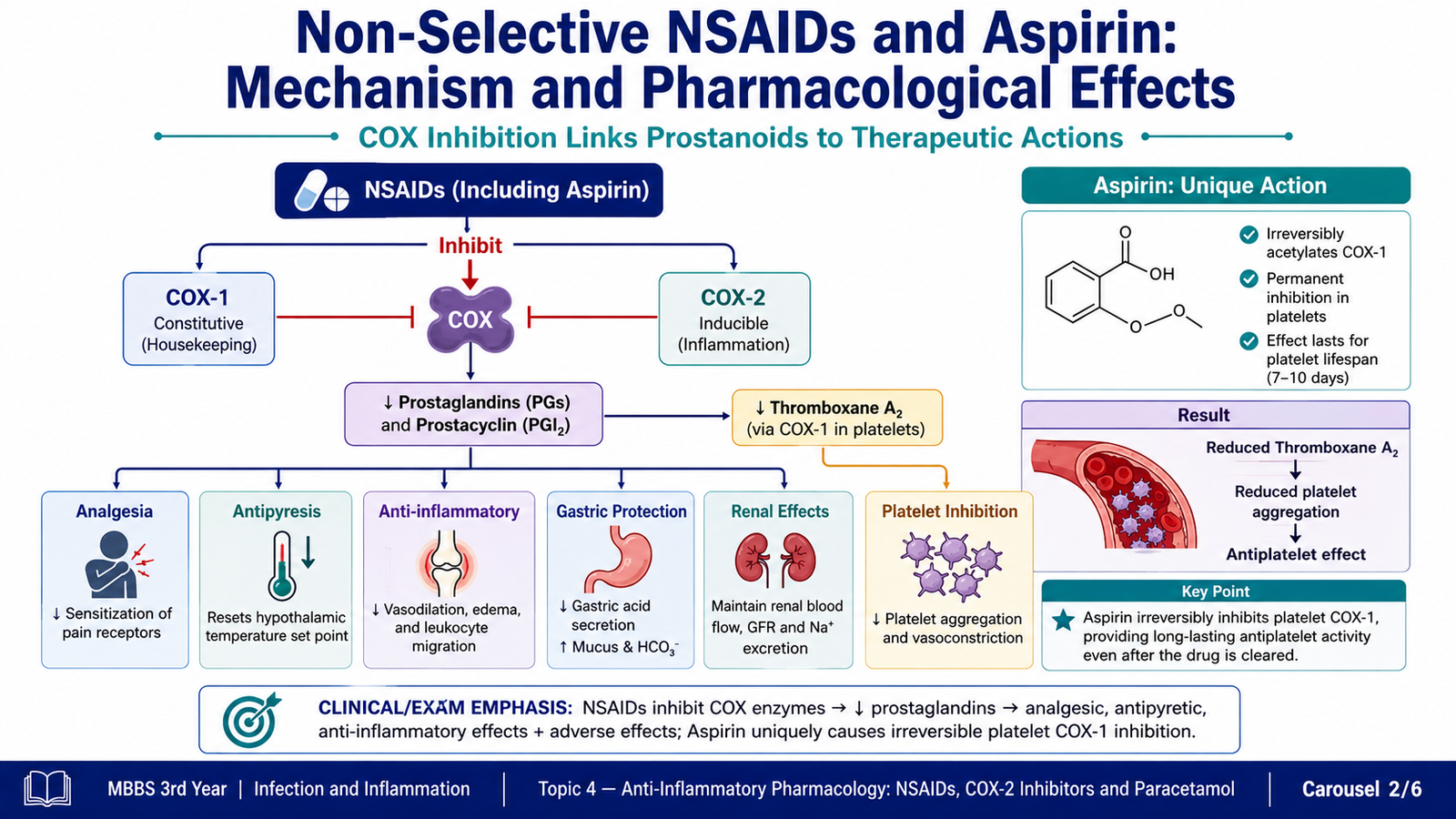
Most conventional NSAIDs inhibit both cyclooxygenase-1 (COX-1) and cyclooxygenase-2 (COX-2). These enzymes convert arachidonic acid-derived intermediates into prostaglandins and thromboxanes. Prostaglandins participate in pain sensitization, fever and inflammation, but some also protect the gastric mucosa and help maintain renal blood flow. This explains why the same mechanism that produces therapeutic benefit can also produce adverse effects.
Aspirin is the classical prototype of the non-selective COX inhibitors. Unlike most other NSAIDs, aspirin acetylates cyclooxygenase irreversibly. Most other conventional NSAIDs inhibit COX reversibly.
Central mechanism
→ inhibition of COX-1 and/or COX-2
→ reduced prostaglandin synthesis
→ reduced nociceptor sensitization, hypothalamic fever response and inflammatory vasodilation
→ analgesic, antipyretic and anti-inflammatory effects
Aspirin as an antiplatelet drug
Platelets generate thromboxane A2, which promotes platelet aggregation and vasoconstriction. Aspirin irreversibly inhibits platelet COX-1 and therefore reduces thromboxane A2 formation. Because platelets have no nucleus, they cannot synthesize new cyclooxygenase enzyme. The antiplatelet effect therefore persists for the functional life of the affected platelet.
Aspirin dose ranges required for different effects
- Antiplatelet: approximately 75–150 mg daily.
- Analgesic/antipyretic: approximately 300–600 mg per dose, repeated when required within accepted daily limits.
- Anti-inflammatory: much larger total daily doses, traditionally several grams per day, are required to obtain a sustained anti-inflammatory effect.
The important principle is that the antiplatelet effect occurs at a much lower dose than the anti-inflammatory effect.
Major pharmacological effects of NSAIDs
- Analgesic: reduced prostaglandins decrease sensitization of peripheral pain endings to inflammatory mediators.
- Antipyretic: reduced prostaglandin E2 formation in the hypothalamus helps return an elevated temperature set-point toward normal.
- Anti-inflammatory: decreased prostaglandin production reduces vasodilation and other components of inflammation.
- Antiplatelet: clinically important mainly with aspirin because its inhibition of platelet COX is irreversible.
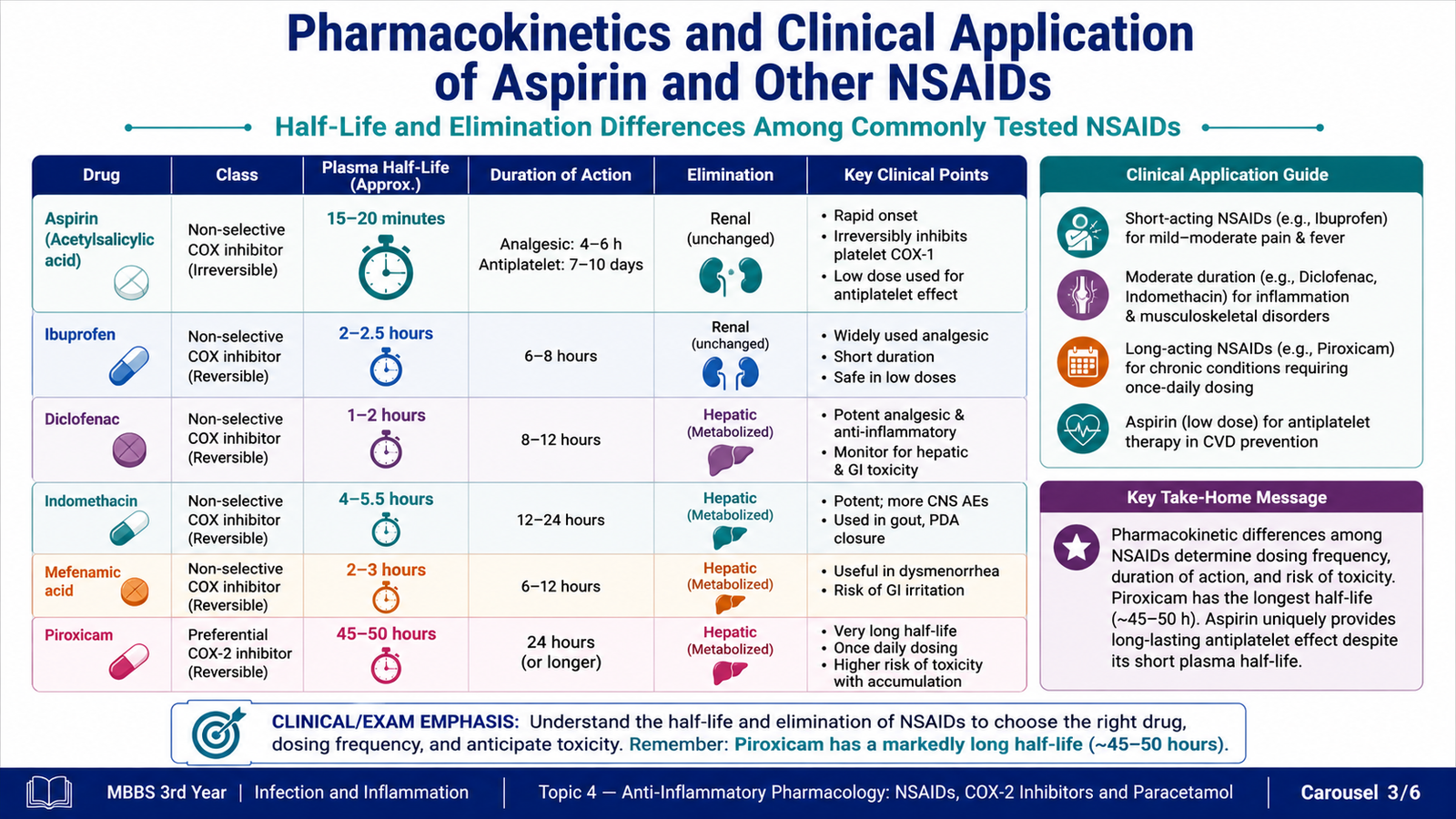
C. Pharmacokinetics and Clinical Application of Aspirin and Other NSAIDs
The clinical behavior of an NSAID depends not only on COX inhibition but also on absorption, half-life, metabolism and elimination. Most NSAIDs are well absorbed orally and are highly bound to plasma proteins. They are generally metabolized in the liver and their metabolites are eliminated mainly through the kidneys. Differences in half-life influence how frequently individual drugs are administered and how long their effects persist.
Pharmacokinetics of aspirin
Aspirin is absorbed from the stomach and upper small intestine. After absorption, it is rapidly hydrolyzed to salicylate. Aspirin itself has a short plasma half-life, but salicylate persists longer and contributes to many systemic effects. Salicylate is metabolized mainly in the liver and eliminated through the kidneys.
At higher doses, metabolic pathways handling salicylate become increasingly saturated. Elimination therefore becomes less efficient and salicylate can accumulate disproportionately. This is particularly important in toxicity.
Comparison with commonly used NSAIDs
| Drug | General PK / Duration Feature | Clinical Relevance |
|---|---|---|
| Aspirin | Rapidly converted to salicylate; renal elimination becomes especially important in toxicity. | Unique irreversible platelet inhibition. |
| Ibuprofen | Relatively short half-life, approximately 2 hours. | Commonly used for short-term pain, fever and inflammatory conditions. |
| Diclofenac | Short plasma half-life, but effective tissue concentrations support useful clinical duration. | Potent analgesic and anti-inflammatory drug. |
| Indomethacin | Intermediate duration; hepatic metabolism and renal excretion of metabolites. | Potent drug, but adverse effects limit routine use. |
| Mefenamic acid | Relatively short acting; metabolized hepatically and eliminated largely in urine. | Used mainly for short-term painful conditions. |
| Piroxicam | Very long half-life, around 45–50 hours. | Long duration allows infrequent dosing but prolonged exposure may also prolong adverse effects. |
Clinical uses of NSAIDs
NSAIDs are useful when prostaglandin-mediated pain, fever or inflammation contributes to symptoms. Their main applications include inflammatory musculoskeletal disorders, painful soft-tissue conditions, dysmenorrhea, headache and other mild-to-moderate painful conditions. Aspirin has the additional major role of inhibiting platelet aggregation.
The pharmacokinetic profile influences drug selection. A short-acting NSAID may be useful when only brief symptom control is required, whereas a long-acting agent provides prolonged suppression but also produces prolonged exposure to adverse effects.
D. Adverse Effects of NSAIDs and Aspirin Poisoning
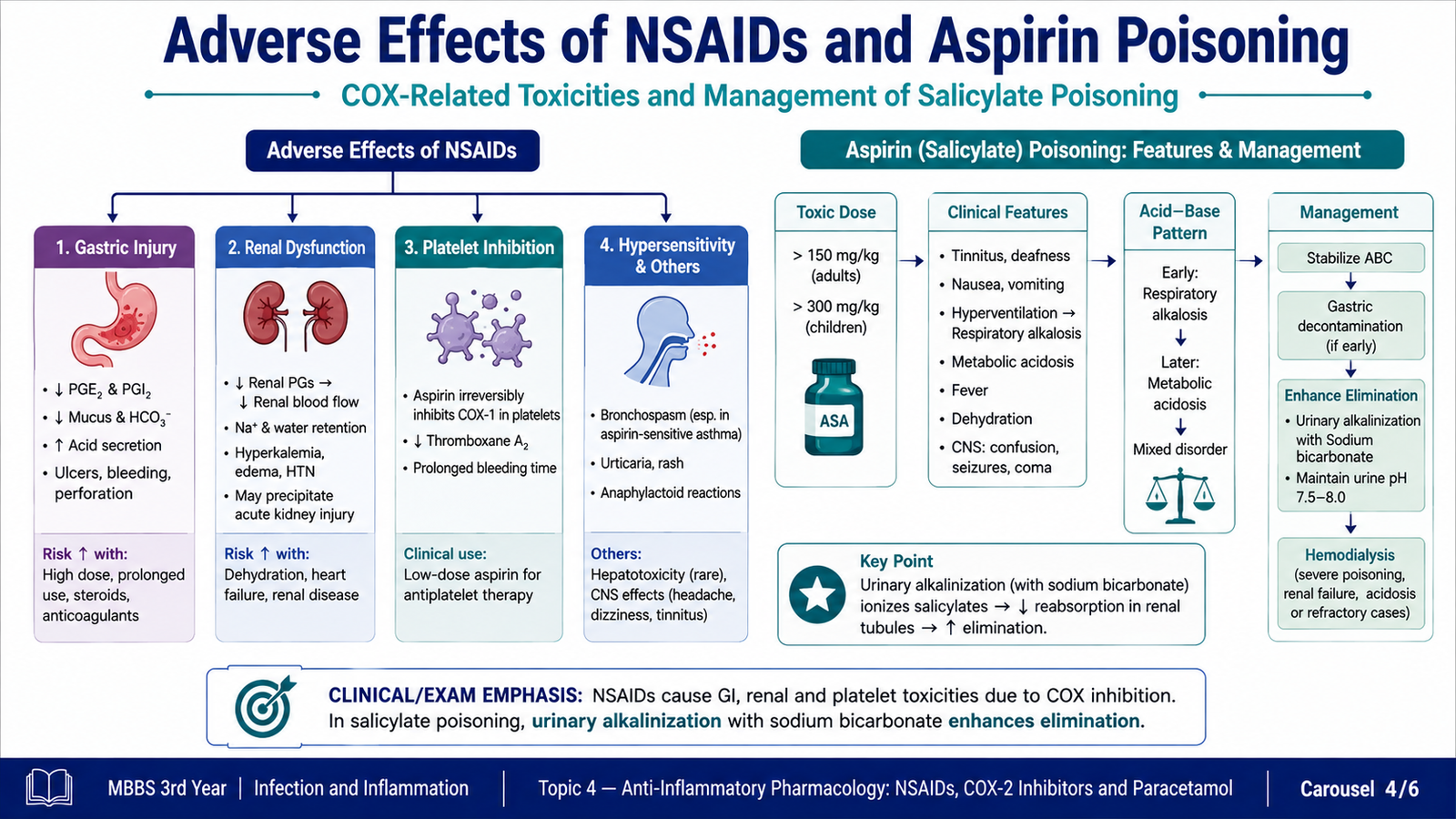
Many adverse effects of conventional NSAIDs result directly from reduced synthesis of protective prostaglandins. COX inhibition therefore explains both therapeutic activity and toxicity. The gastrointestinal tract, kidneys, platelets and cardiovascular system are particularly important.
Important adverse effects
- Gastric irritation, peptic ulceration and gastrointestinal bleeding: inhibition of COX-1 reduces protective gastric prostaglandins, decreasing mucus and bicarbonate protection and increasing susceptibility to acid injury.
- Renal effects: renal prostaglandins help maintain renal blood flow, particularly when renal perfusion is already reduced. NSAIDs may therefore cause sodium and water retention, edema and deterioration of renal function in susceptible patients.
- Bleeding tendency: aspirin causes prolonged inhibition of platelet aggregation through irreversible suppression of thromboxane A2.
- Hypersensitivity and bronchospasm: susceptible patients may develop respiratory reactions following COX inhibition.
- Cardiovascular effects: sodium retention and altered vascular prostanoid balance may contribute to increased blood pressure and cardiovascular risk with some agents.
- Pregnancy-related concern: prostaglandin inhibition can alter normal prostaglandin-dependent physiological processes and NSAIDs therefore require appropriate caution.
Aspirin poisoning
Salicylate toxicity disturbs cellular metabolism and acid-base balance. Early stimulation of the respiratory center causes hyperventilation and respiratory alkalosis. As toxicity becomes more severe, metabolic acid production increases and metabolic acidosis develops. Severe poisoning may produce dehydration, electrolyte disturbances, hyperthermia, neurological impairment and cardiovascular instability.
Drug treatment and elimination measures in aspirin poisoning
- Activated charcoal may be used after significant recent ingestion when clinically appropriate to reduce further gastrointestinal absorption.
- Intravenous sodium bicarbonate is used to alkalinize plasma and urine. Urinary alkalinization increases ionization of salicylate within renal tubular fluid and enhances renal elimination.
- Potassium correction is important because hypokalemia can make urinary alkalinization difficult.
- Hemodialysis provides rapid salicylate removal in severe poisoning, particularly when serious neurological, renal, pulmonary or acid-base complications are present.
E. Selective COX-2 Inhibitors
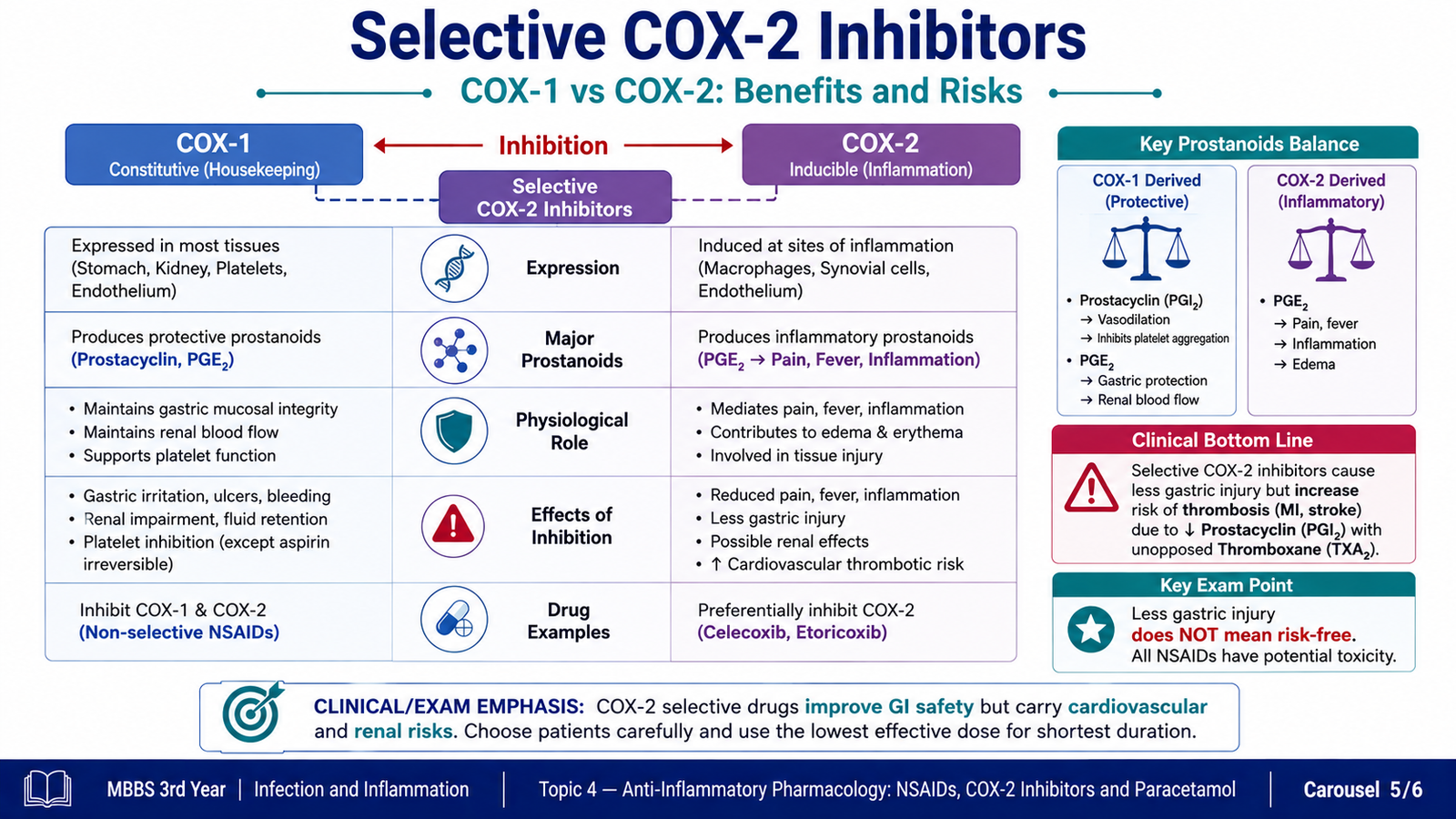
Selective COX-2 inhibitors were developed to suppress the COX-2-dependent production of prostaglandins involved in pain and inflammation while producing less inhibition of COX-1. Because COX-1 helps generate prostaglandins that protect the gastric mucosa and contributes to platelet thromboxane production, selective COX-2 inhibition changes both the benefits and risks of treatment.
Mechanism of action
→ preferential inhibition of COX-2
→ reduced inflammatory prostaglandin synthesis
→ reduced pain and inflammation
→ relatively less suppression of COX-1-dependent gastric protection and platelet function
Clinical uses
Selective COX-2 inhibitors may be used for analgesic and anti-inflammatory treatment in disorders where an NSAID effect is required. Their main theoretical and practical advantage over non-selective NSAIDs is reduced gastrointestinal mucosal injury in appropriately selected patients.
Adverse effects
- Renal adverse effects and sodium retention can still occur because COX-2 also has important physiological roles in the kidney.
- They may increase thrombotic cardiovascular risk in susceptible patients.
- They do not provide the irreversible antiplatelet action of aspirin.
- Gastrointestinal toxicity is generally lower than with comparable non-selective NSAID treatment, but it is not completely absent.
Why cardiovascular risk may increase
Vascular endothelium produces prostacyclin, which favors vasodilation and opposes platelet aggregation. Platelets produce thromboxane A2, which promotes aggregation. Selective inhibition of COX-2 can reduce prostacyclin without directly suppressing platelet COX-1-derived thromboxane. This may shift the balance toward thrombosis in susceptible patients.
| Feature | Non-Selective NSAIDs | Selective COX-2 Inhibitors |
|---|---|---|
| COX inhibition | COX-1 + COX-2 | Preferential COX-2 |
| Analgesic / anti-inflammatory effect | Present | Present |
| Gastric mucosal injury | Greater | Generally less |
| Platelet inhibition | Especially important with aspirin | No useful aspirin-like antiplatelet action |
| Thrombotic cardiovascular concern | Varies between drugs | Important class concern |
| Renal adverse effects | Present | Still present |
F. Paracetamol: Pharmacology, Uses and Toxicity
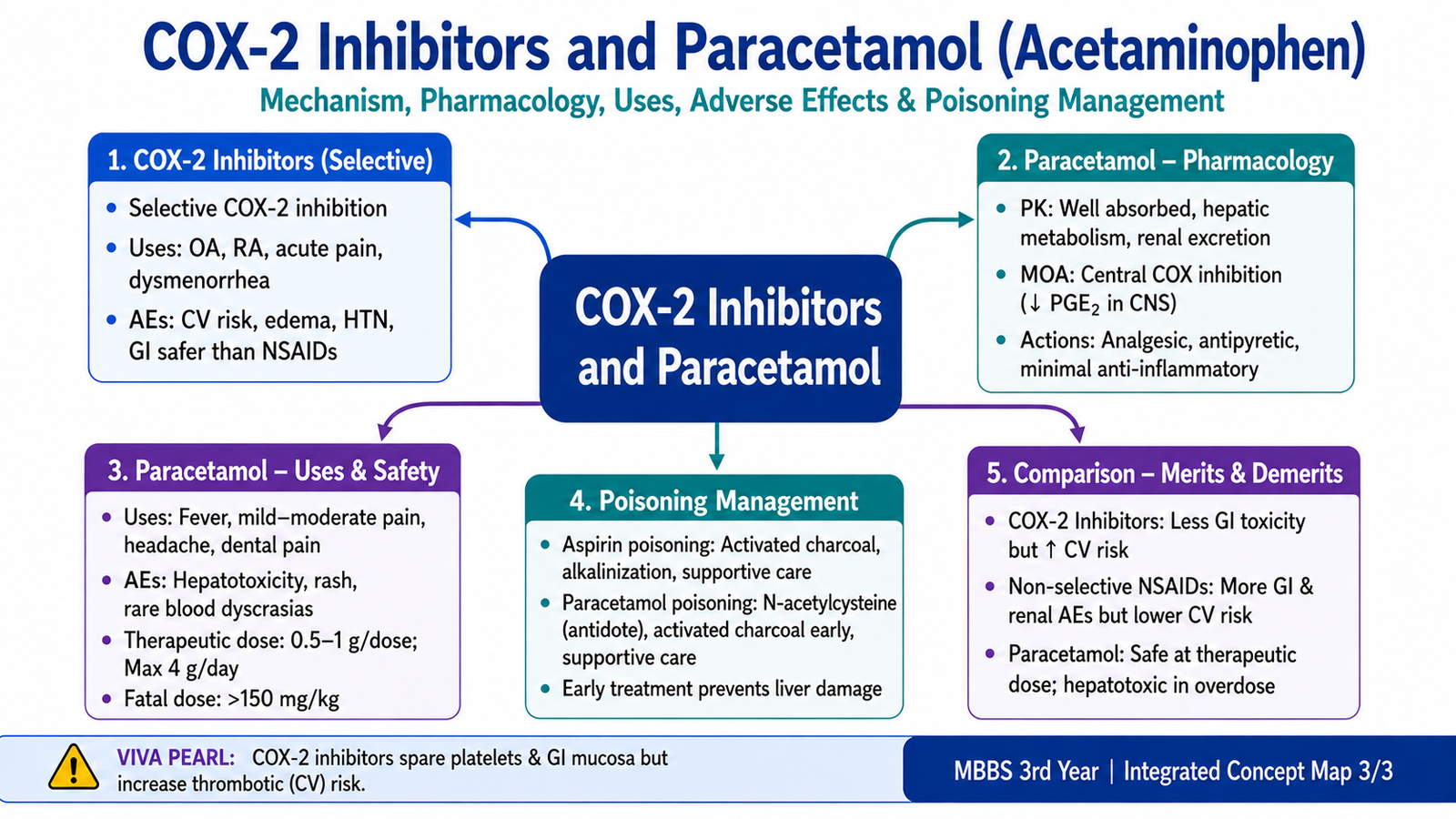
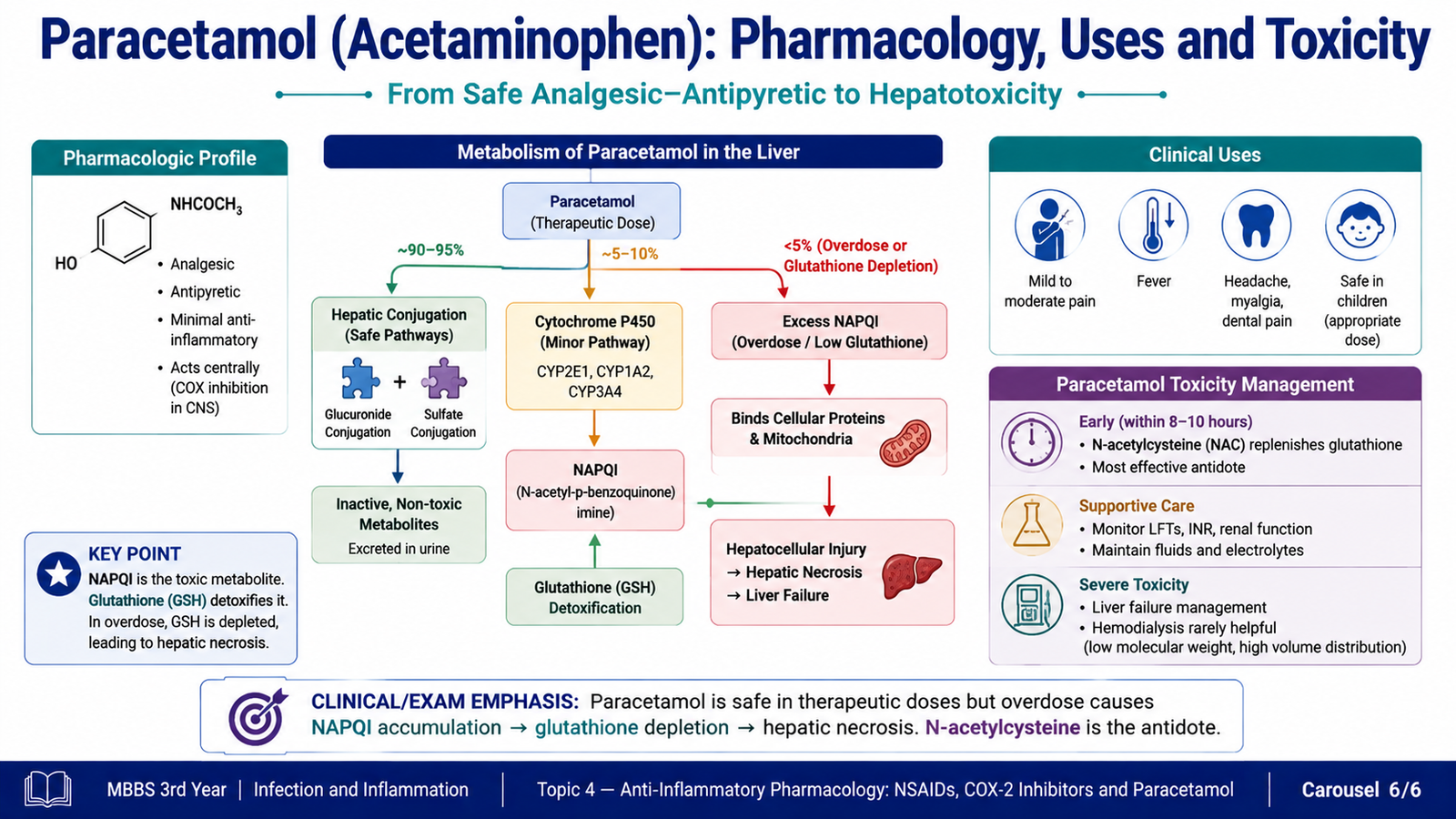
Paracetamol, also called acetaminophen, is an effective analgesic and antipyretic. Unlike conventional NSAIDs, it has little clinically useful peripheral anti-inflammatory activity and does not produce significant platelet inhibition at ordinary therapeutic doses. It is therefore especially useful when relief of pain or fever is required without the typical degree of gastric and platelet effects produced by many NSAIDs.
Mechanism of action
Paracetamol reduces prostaglandin synthesis predominantly within the central nervous system. This contributes to its analgesic and antipyretic actions. Its weak activity at peripheral inflammatory sites explains why it is not considered a strong anti-inflammatory drug.
→ reduced central prostaglandin synthesis
→ reduced pain perception and hypothalamic fever response
→ analgesic + antipyretic effect
→ minimal useful peripheral anti-inflammatory effect
Pharmacokinetics
Paracetamol is rapidly absorbed after oral administration and is distributed throughout body fluids. It is metabolized mainly in the liver by conjugation reactions that form non-toxic metabolites. A small fraction is oxidized to a highly reactive metabolite called NAPQI (N-acetyl-p-benzoquinone imine). Under normal conditions NAPQI is rapidly detoxified by conjugation with glutathione.
The metabolites are eliminated mainly in urine. The relationship between hepatic metabolism and glutathione is central to understanding paracetamol poisoning.
Clinical uses
- Fever.
- Mild-to-moderate pain.
- Pain or fever when a strong peripheral anti-inflammatory effect is not required.
- Situations in which avoidance of significant aspirin-like platelet inhibition or gastric irritation is desirable.
Adverse effects
At recommended therapeutic doses, paracetamol is generally well tolerated. The major serious adverse effect is dose-dependent hepatic toxicity following overdose. Severe poisoning may lead to hepatic necrosis and acute liver failure.
Therapeutic and potentially fatal doses
In adults, the usual therapeutic oral dose is approximately 0.5–1 g per dose, with the total daily dose kept within accepted therapeutic limits. Acute ingestion of approximately 150 mg/kg or more is conventionally regarded as potentially hepatotoxic and requires urgent toxicological assessment. Very large untreated overdoses may be fatal; there is no single absolute fatal dose because outcome depends on body weight, timing of treatment, hepatic glutathione reserves and other patient factors.
Mechanism of paracetamol toxicity
During overdose, normal conjugation pathways become saturated. A greater proportion of paracetamol is then converted to NAPQI. Hepatic glutathione stores become depleted, so NAPQI can no longer be adequately detoxified. The reactive metabolite binds to hepatocellular proteins and causes hepatocyte injury and necrosis.
Excess paracetamol → conjugation pathways overwhelmed → increased NAPQI → glutathione depletion → NAPQI binds hepatocellular proteins → hepatic necrosis.
Treatment of paracetamol poisoning
N-acetylcysteine (NAC) is the specific antidotal treatment. It helps restore glutathione availability and promotes detoxification of the toxic metabolite. Benefit is greatest when treatment is started early after overdose, but treatment may still be useful when presentation is delayed.
Activated charcoal may reduce absorption after an appropriate recent significant ingestion. Subsequent management depends on the estimated risk of toxicity and evidence of hepatic injury.
Integrated Mechanism Flow
→ COX enzymes generate prostaglandins and thromboxane
→ NSAIDs inhibit COX activity
→ reduced inflammatory prostaglandins produce analgesic, antipyretic and anti-inflammatory effects
→ reduced physiological prostaglandins explain gastric and renal toxicity
→ aspirin additionally causes irreversible platelet COX-1 inhibition
→ selective COX-2 inhibition reduces gastric COX-1 interference but may disturb the prostacyclin–thromboxane cardiovascular balance.
⭐ AIM High-Yield Review
- NSAIDs produce most of their major effects by inhibiting cyclooxygenase and reducing prostaglandin synthesis.
- ⭐ Aspirin is the prototype non-selective COX inhibitor and inhibits COX irreversibly.
- Low-dose aspirin reduces platelet thromboxane A2 and therefore inhibits platelet aggregation.
- Analgesic action results largely from reduced prostaglandin-mediated sensitization of nociceptors.
- Antipyretic action results from reduced hypothalamic prostaglandin synthesis.
- Gastrointestinal ulceration and bleeding occur partly because COX-1 inhibition reduces protective gastric prostaglandins.
- Renal toxicity occurs because prostaglandins help maintain renal perfusion, especially in vulnerable patients.
- ⭐ Salicylate poisoning can produce respiratory alkalosis followed or accompanied by metabolic acidosis.
- Urinary alkalinization with sodium bicarbonate enhances renal elimination of salicylate.
- Selective COX-2 inhibitors generally produce less gastric mucosal toxicity than non-selective NSAIDs but do not eliminate renal or cardiovascular risk.
- Selective COX-2 inhibitors do not provide aspirin-like irreversible platelet inhibition.
- Paracetamol is mainly an analgesic and antipyretic with weak peripheral anti-inflammatory activity.
- ⭐ Paracetamol overdose produces excess NAPQI and depletion of hepatic glutathione.
- Severe paracetamol toxicity causes hepatic necrosis.
- ⭐ N-acetylcysteine is the specific antidotal treatment for paracetamol poisoning.
🎥 Video Learning — NSAIDs, Aspirin & Paracetamol
Watch this pharmacology overview to reinforce the mechanisms, major effects and adverse effects of NSAIDs, aspirin and paracetamol discussed in this topic. :contentReference[oaicite:0]{index=0}