
📌 Study Tip
Topic 22 — Fungal Infections and Antifungal Pharmacotherapy
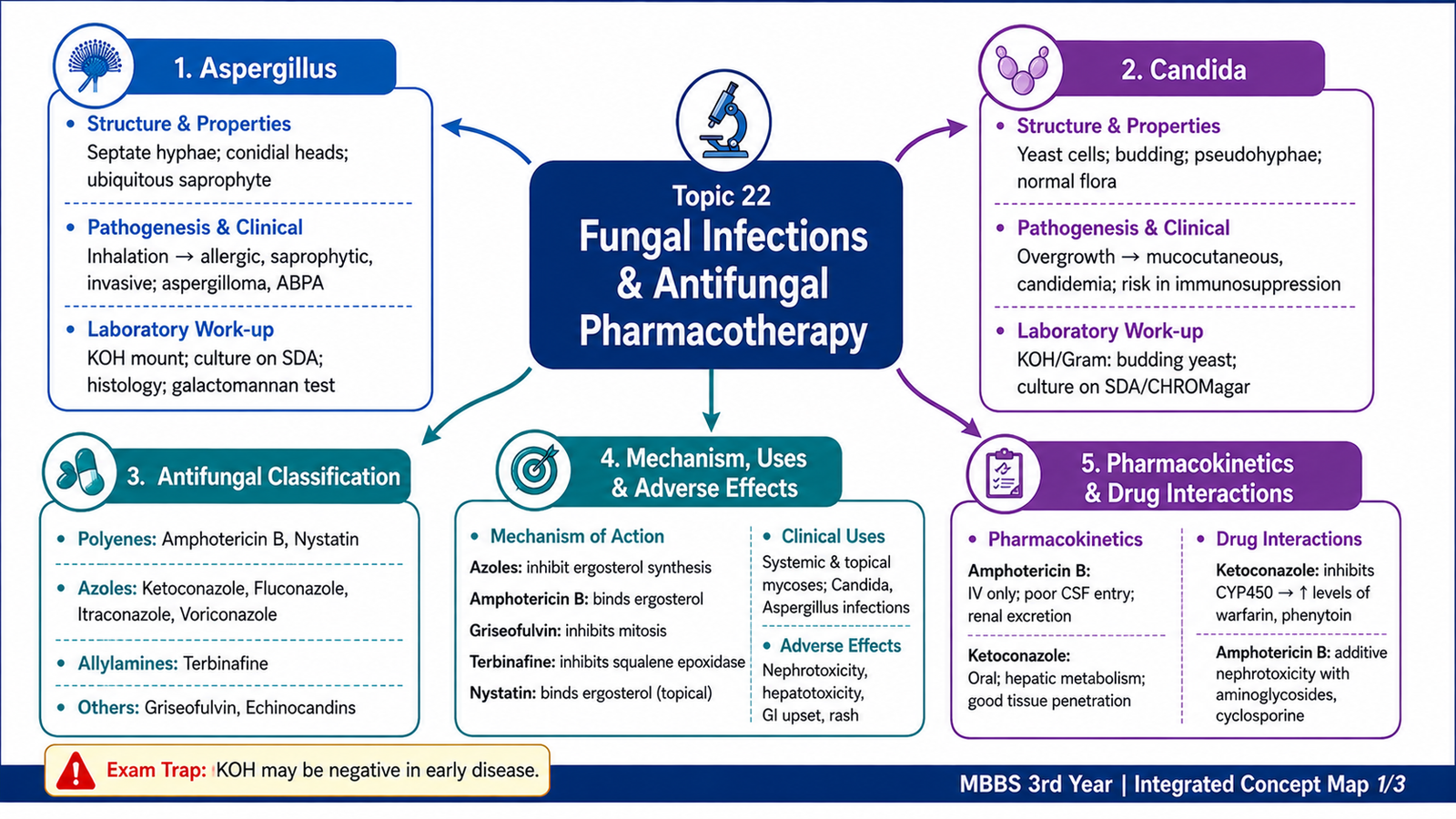
A focused study of Aspergillus and Candida, followed by the classification, mechanisms, pharmacokinetics, uses, adverse effects and important interactions of major antifungal drugs.
Topic Introduction
Fungal infections range from superficial mucosal disease to severe invasive infection. In this topic, the two major organisms are Aspergillus and Candida. Their ability to cause disease depends on their biological properties, the route or site of infection and the host’s immune status. Understanding fungal structure is also important in pharmacology because many antifungal drugs act on structures that differ from human cells, particularly ergosterol in the fungal cell membrane or enzymes required for its synthesis. This chapter therefore first explains the important properties, pathogenesis, clinical features and laboratory diagnosis of these fungi, and then connects these concepts with the major antifungal drug classes required by the curriculum.
A. Foundations of Medically Important Fungi and Antifungal Targets
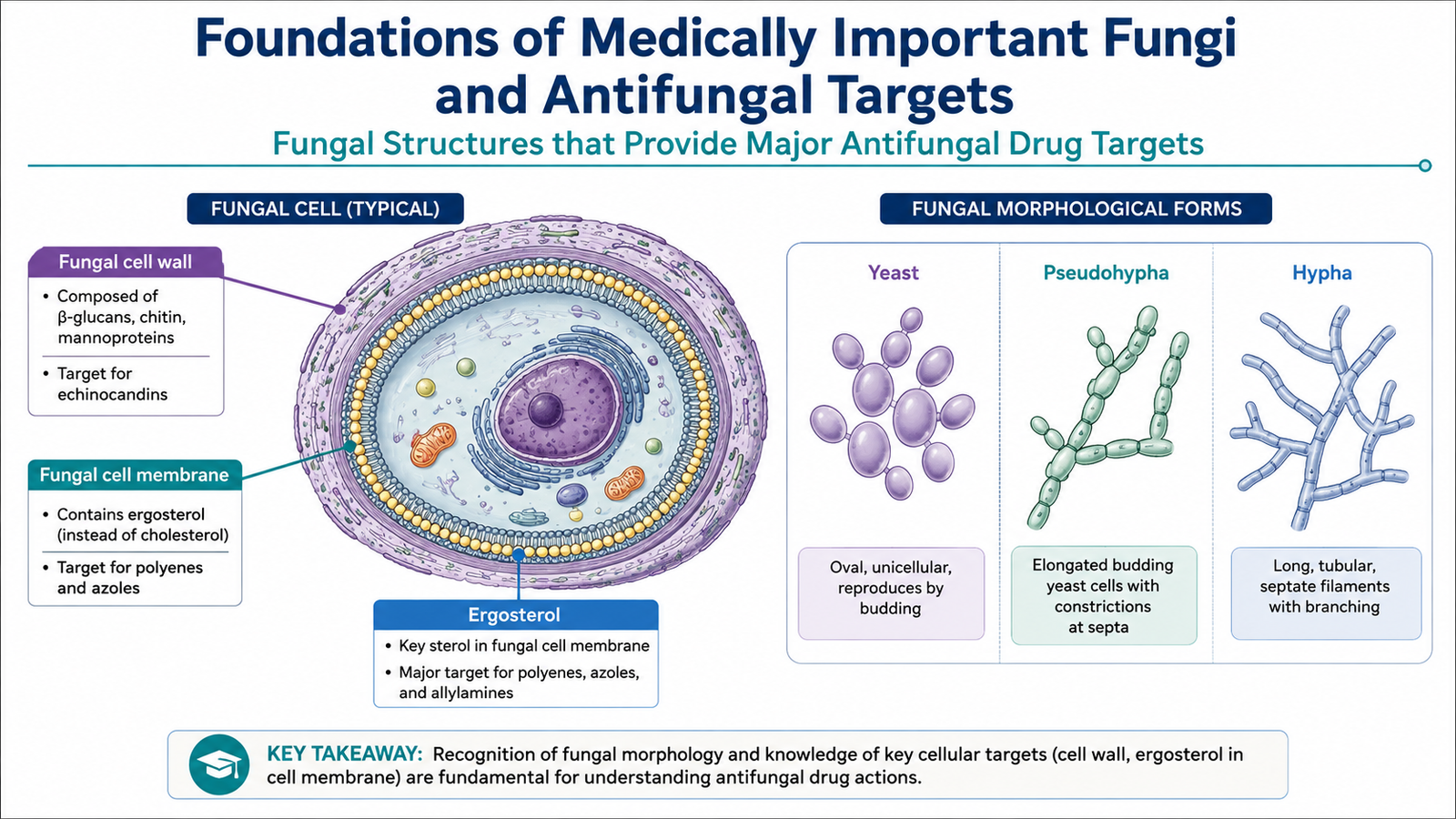
Fungi are eukaryotic organisms. This is clinically important because, unlike bacteria, fungal cells share many cellular features with human cells. Antifungal therapy must therefore target structures or biochemical pathways that are sufficiently different from those of the patient. Two especially important therapeutic targets are the fungal cell membrane and the fungal cell wall.
The fungal cell membrane contains ergosterol, which serves a role similar to cholesterol in human cell membranes. Several antifungal drugs either bind directly to ergosterol or prevent its synthesis. This damages membrane integrity and interferes with fungal survival.
Fungi can grow as yeasts, moulds or show different morphological forms depending on the species. In this topic, Candida is primarily encountered as a yeast that may form budding cells, pseudohyphae and true hyphae, whereas Aspergillus is a mould composed of septate hyphae.
B. Aspergillus — Properties, Pathogenesis and Clinical Disease
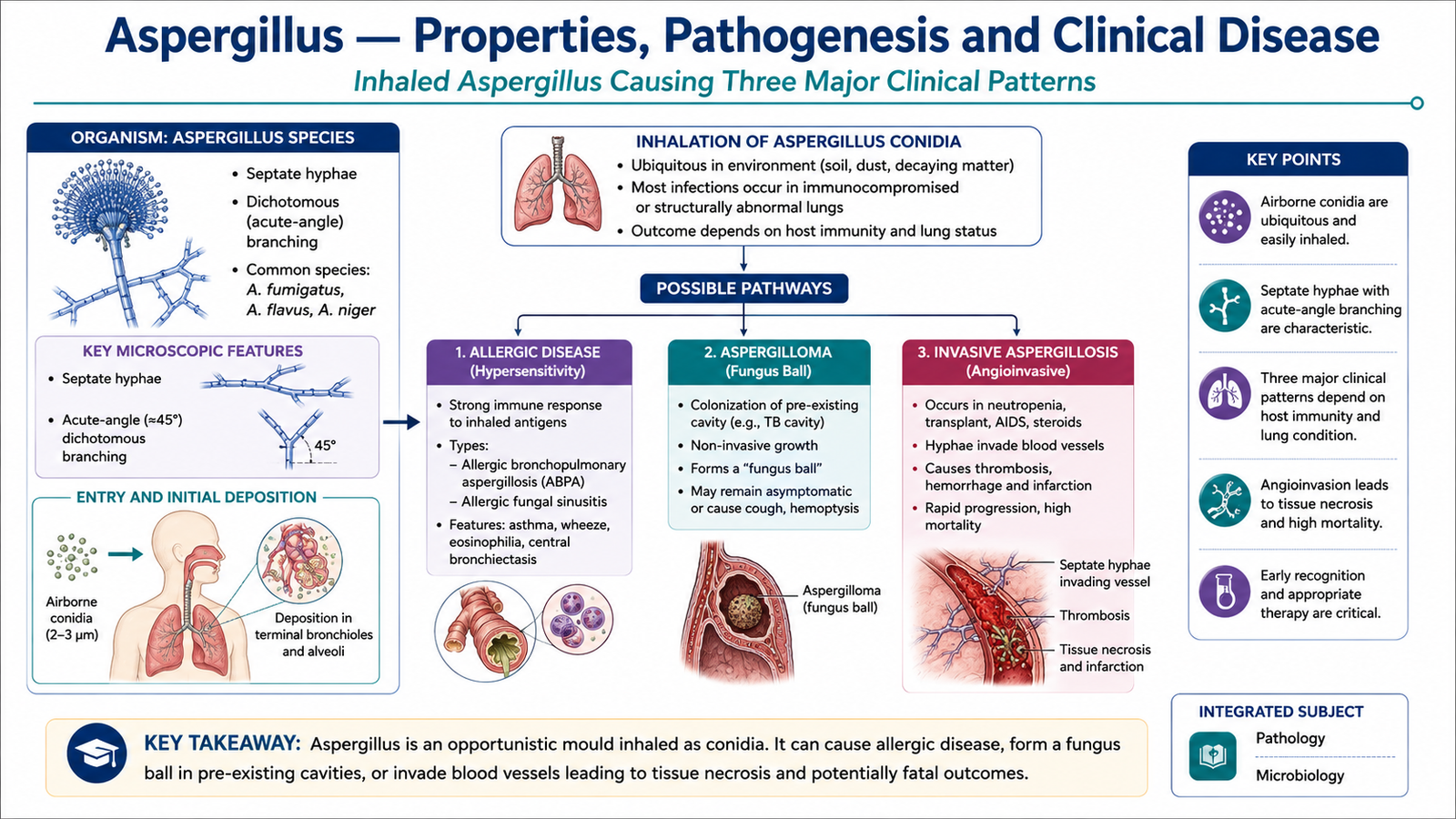
Aspergillus is a mould found widely in the environment. Humans commonly encounter its airborne spores. Disease develops when spores enter the respiratory tract and either produce a hypersensitivity response, colonize a pre-existing pulmonary cavity or invade tissues in a susceptible host.
Structure and Important Properties
Aspergillus grows as septate hyphae. In tissue, the hyphae classically show relatively uniform width and acute-angle branching. These morphological features are highly useful for recognition in histological specimens.
Airborne conidia are inhaled into the respiratory tract. In an immunocompetent host, inhaled conidia are usually eliminated by normal pulmonary defence mechanisms. When host defences are impaired, however, the organism can germinate into hyphae and invade tissues.
Pathogenesis
The outcome of exposure depends strongly on the host and the local pulmonary environment.
→
deposition in airways or lungs
→
allergic response, cavity colonization or tissue invasion
→
corresponding pulmonary or systemic disease
In invasive disease, Aspergillus hyphae have an important tendency to invade blood vessels. This angioinvasion may produce thrombosis, vascular occlusion, ischemic injury, hemorrhage and tissue necrosis. Vascular spread also allows dissemination beyond the lungs.
Major Clinical Patterns
- Allergic disease: results from hypersensitivity to fungal antigens in susceptible individuals.
- Aspergilloma: represents colonization of a pre-existing pulmonary cavity by a tangled mass of fungal hyphae and debris.
- Invasive aspergillosis: occurs mainly when host defences are impaired and may involve the lungs with subsequent vascular invasion and dissemination.
These patterns illustrate an important principle: the same organism can produce very different disease depending on whether it primarily stimulates immunity, colonizes an abnormal space or invades tissue.
Laboratory Work-Up
Diagnosis depends on demonstrating the organism in an appropriate specimen and interpreting the findings with the clinical setting. Direct microscopy and histopathology may show septate hyphae with acute-angle branching. Culture can support organism identification.
In invasive infection, evidence of tissue invasion is especially important because recovery of a fungus without invasion may sometimes represent colonization rather than invasive disease.
C. Candida — Properties, Pathogenesis and Clinical Disease
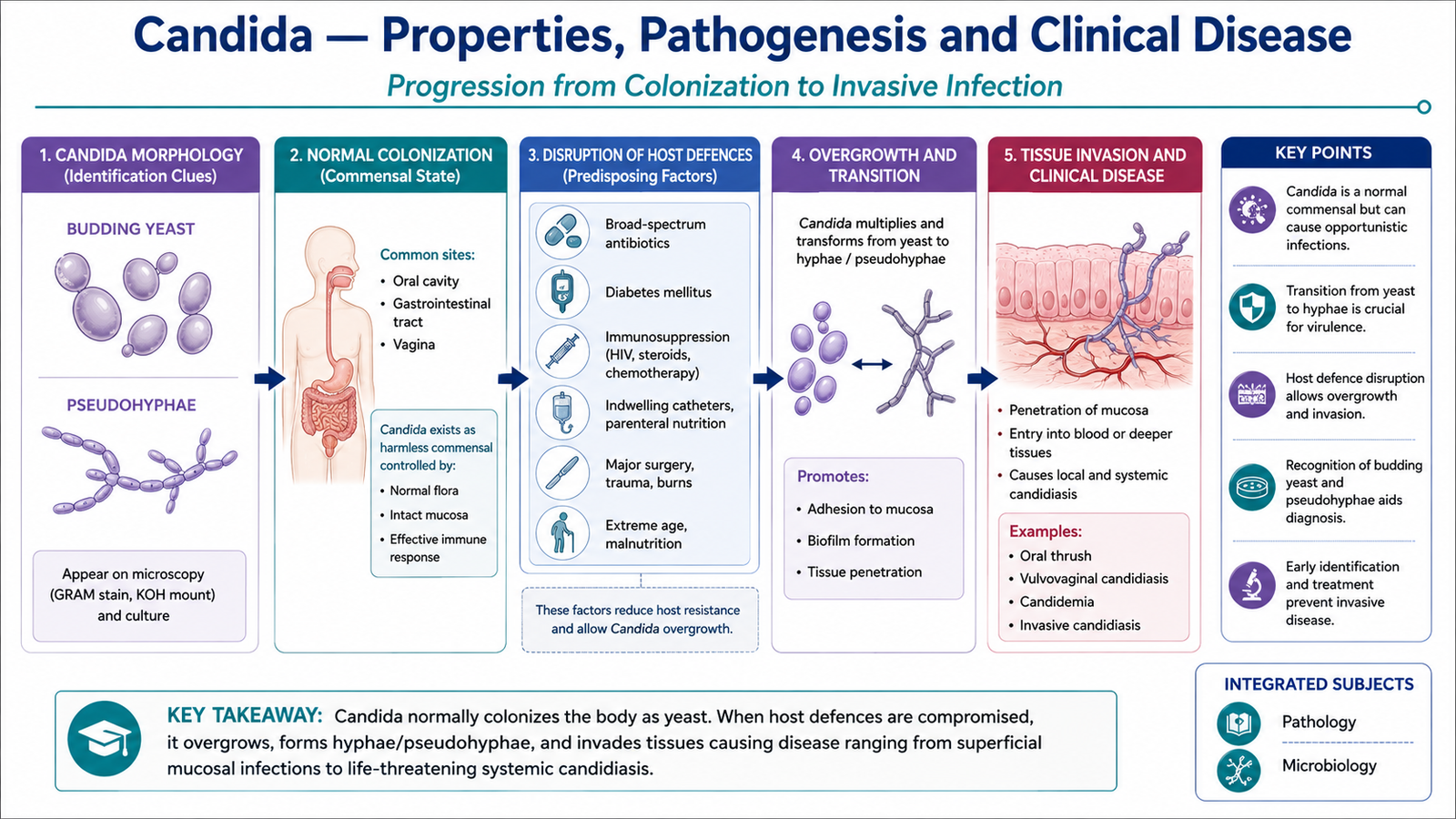
Candida species are yeast-like fungi that can normally colonize human mucosal surfaces. Disease develops when local microbial balance is disturbed, mucosal barriers are altered or host immunity is reduced. Therefore, candidiasis often represents an overgrowth or invasion by an organism already present in the host rather than acquisition of a completely new pathogen.
Structure and Important Properties
Candida may appear as budding yeast cells and can form pseudohyphae. Some forms may also produce true hyphae. The ability to shift morphology supports tissue invasion and pathogenicity.
Pathogenesis
Normally, intact epithelial barriers, competing microorganisms and immune mechanisms restrict excessive Candida growth. When these controls are disturbed, the organism multiplies and may invade local tissues.
→
disturbance of host or microbial defences
→
fungal overgrowth
→
mucosal or tissue invasion
→
localized or invasive candidiasis
Clinical Features
- Oral candidiasis: commonly presents with whitish mucosal plaques.
- Vulvovaginal candidiasis: involves overgrowth on vaginal mucosa with local inflammatory symptoms.
- Cutaneous candidiasis: may involve moist skin surfaces.
- Invasive candidiasis: occurs when the organism enters deeper tissues or the bloodstream, particularly when normal barriers or host defences are impaired.
The distinction between colonization and infection is important. Simply finding Candida at a site where it normally lives does not automatically prove invasive disease. The specimen, clinical findings and evidence of tissue invasion must be considered together.
Laboratory Work-Up
Direct examination of appropriate specimens may demonstrate budding yeast cells and pseudohyphae. Culture supports identification. Histopathological demonstration of fungal forms invading tissue is particularly valuable when invasive disease is suspected.
D. Classification of Antifungal Drugs and Their Major Targets
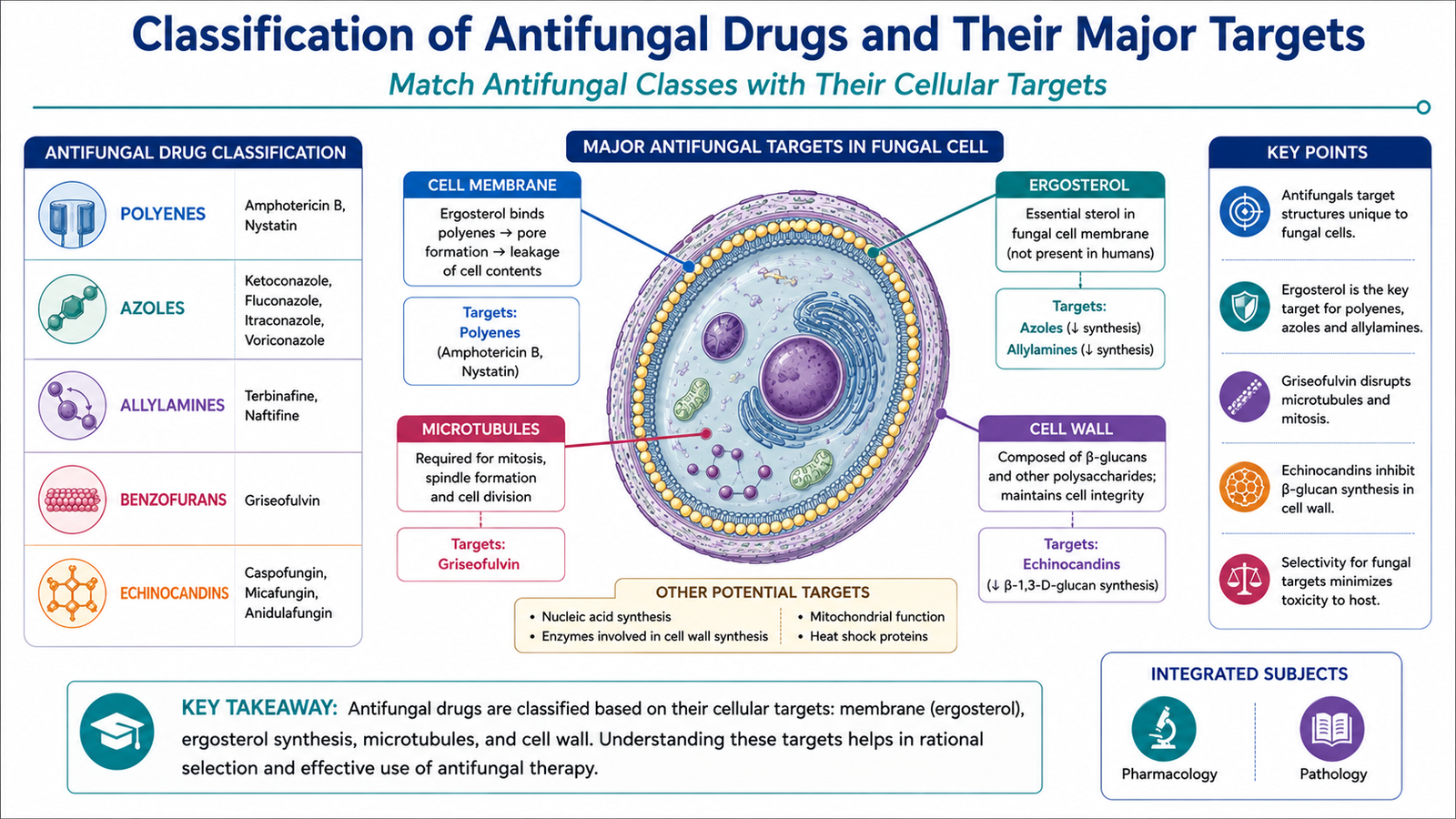
Antifungal drugs can be understood more easily by identifying the fungal structure or biochemical process that they disrupt. The most important target in this topic is ergosterol, either by directly binding it or by preventing its synthesis. Other drugs interfere with microtubules or important steps in fungal growth.
| Class / Drug | Main Target | Key Effect |
|---|---|---|
| Amphotericin B | Ergosterol in fungal membrane | Creates membrane pores and leakage |
| Nystatin | Ergosterol in fungal membrane | Membrane disruption |
| Azoles | Ergosterol synthesis | Reduced membrane ergosterol |
| Terbinafine | Squalene epoxidase | Disrupts ergosterol synthesis |
| Griseofulvin | Fungal microtubules | Interferes with mitosis |
This classification is more useful than memorizing drug names alone because it connects each drug with a fungal vulnerability. Drugs acting on ergosterol or its synthesis exploit a major biochemical difference between fungal and human cell membranes.
E. Amphotericin B and Nystatin — Polyene Antifungal Drugs
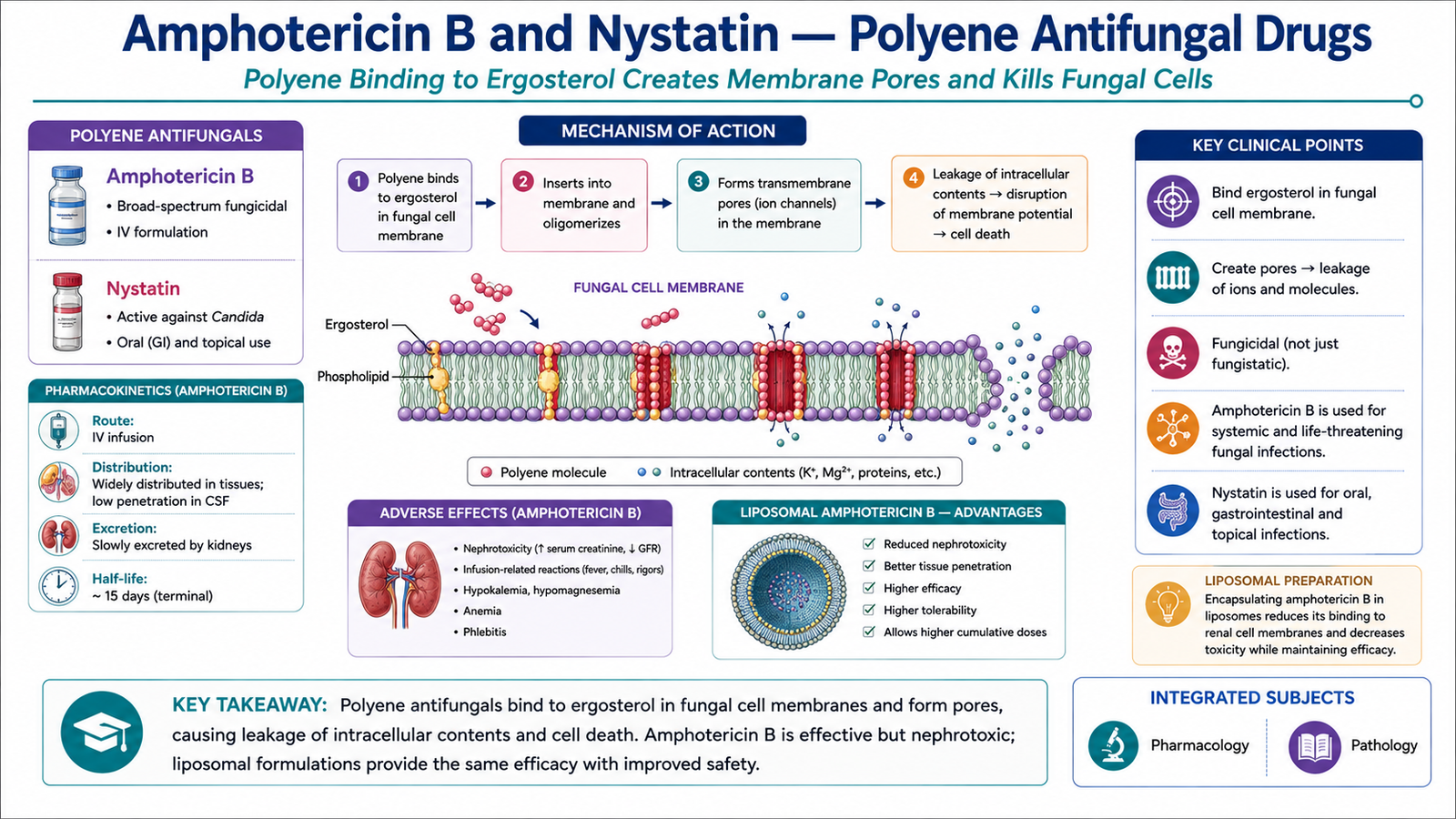
Amphotericin B and nystatin are polyene antifungal drugs. Their major mechanism is direct interaction with ergosterol in the fungal cell membrane. Binding disturbs membrane integrity and produces channels or pores through which intracellular components can leak.
Mechanism of Action
→
binds fungal membrane ergosterol
→
pore formation
→
leakage of intracellular contents
→
fungal cell injury or death
Amphotericin B: Pharmacokinetic Relevance
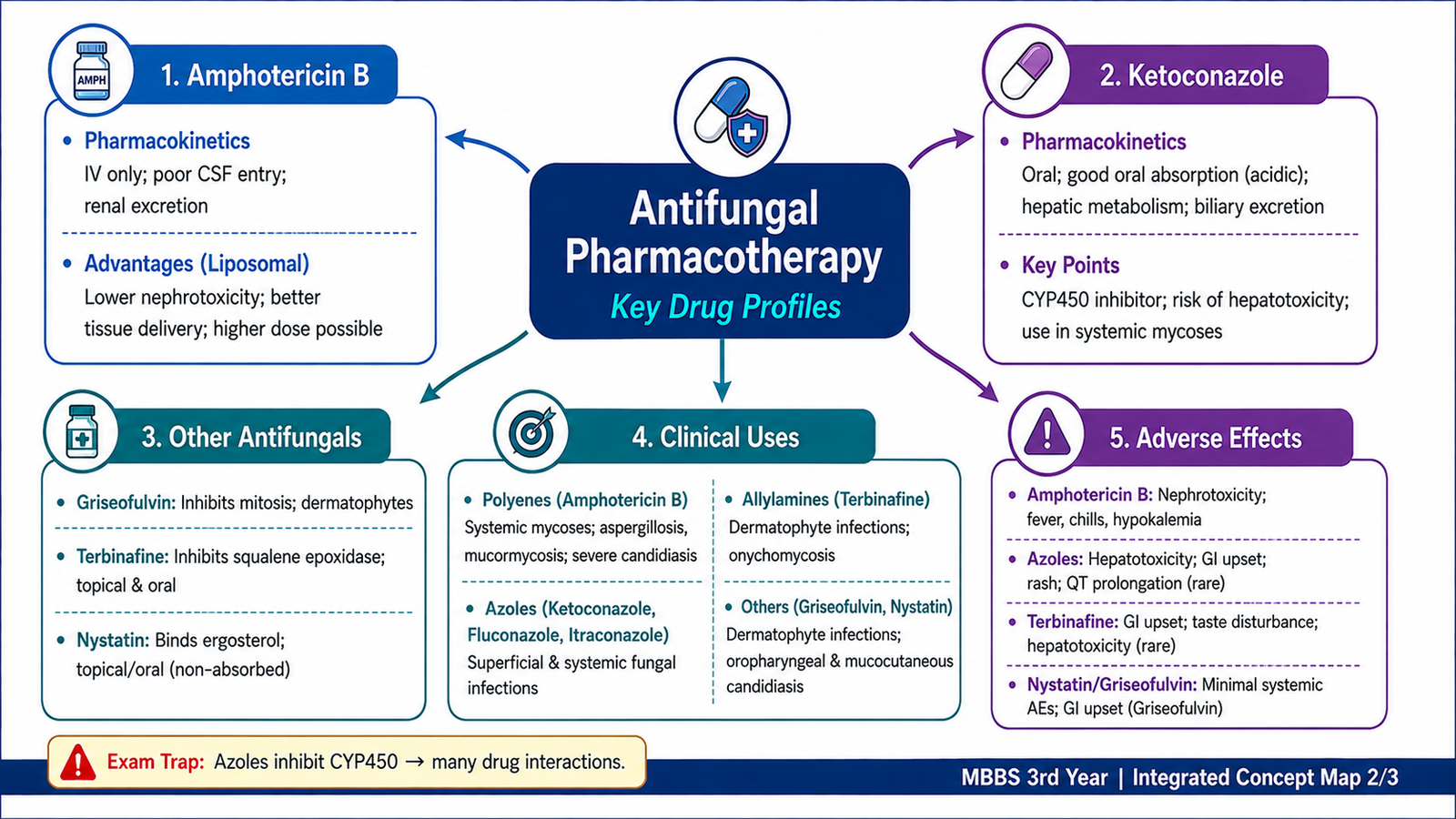
Amphotericin B is poorly absorbed from the gastrointestinal tract. Therefore, systemic treatment requires parenteral administration. The drug binds extensively to tissues and has prolonged persistence in the body. Its pharmacokinetic behaviour contributes to both its therapeutic usefulness in severe fungal infection and the need for careful monitoring because toxicity can be important.
Clinical Uses
Amphotericin B is used for serious systemic fungal infections when a potent broad antifungal effect is required. Its ability to directly damage fungal membranes makes it particularly important in severe invasive mycoses.
Adverse Effects
- Nephrotoxicity: a major dose-limiting toxicity.
- Infusion-related reactions: fever, chills and other systemic reactions may occur during administration.
- Electrolyte abnormalities: renal tubular injury may lead to loss of important electrolytes.
- Anemia: may occur during prolonged therapy.
Renal toxicity is especially important because amphotericin B can damage renal tubular function and alter renal blood flow. This explains why kidney function and electrolyte status are important considerations during systemic therapy.
Liposomal Amphotericin B
Liposomal formulations package amphotericin B in lipid-containing particles. This alters the distribution of the drug and reduces exposure of normal tissues, particularly the kidneys, while allowing delivery to infected tissues.
Important Drug Interactions of Amphotericin B
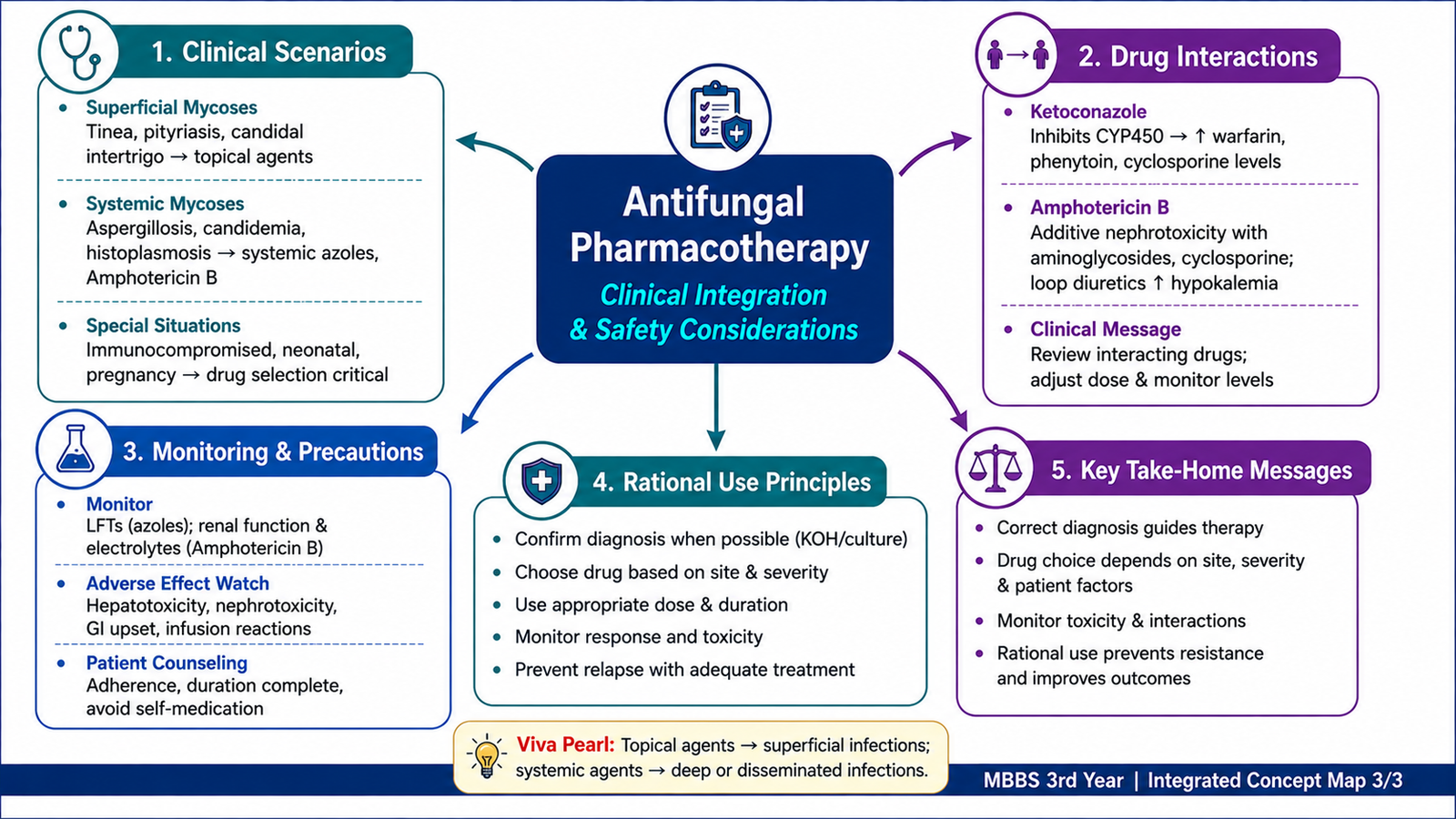
Because amphotericin B can injure the kidneys, combining it with other nephrotoxic drugs can increase renal damage. Amphotericin-induced electrolyte disturbances can also increase the risk of toxicity from drugs whose effects are altered by low potassium levels.
Nystatin
Nystatin has a mechanism similar to amphotericin B: it binds ergosterol and disrupts the fungal membrane. However, it is not used for systemic invasive infection because systemic administration is excessively toxic. Its major role is treatment of localized Candida infections involving sites such as the oral cavity, skin or gastrointestinal mucosal surfaces.
F. Azole Antifungal Drugs with Focus on Ketoconazole
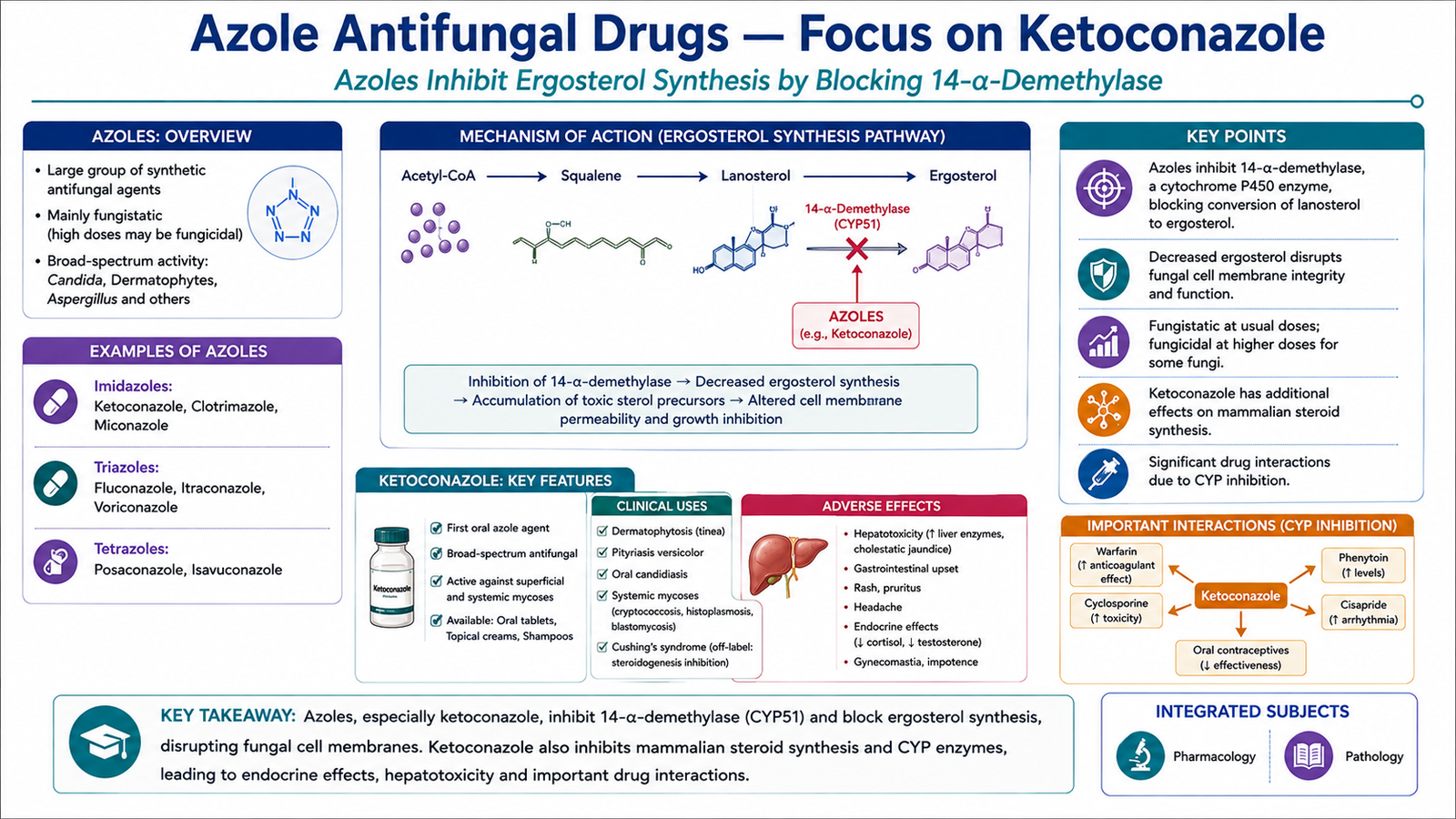
Azoles inhibit the synthesis of ergosterol rather than binding directly to pre-existing ergosterol. They block a fungal cytochrome P450-dependent enzyme required for conversion of lanosterol into ergosterol. As membrane ergosterol decreases, the fungal membrane becomes abnormal and fungal growth is impaired.
Mechanism of Action
→
inhibition of fungal 14-α-demethylase
→
reduced ergosterol synthesis
→
abnormal fungal membrane
→
inhibition of fungal growth
Azoles are broadly divided into older imidazoles, which include ketoconazole, and triazoles. The major concept for this topic is that the class interferes with fungal sterol synthesis.
Ketoconazole: Pharmacokinetics
Ketoconazole is orally administered and requires an acidic gastric environment for reliable absorption. Drugs or conditions that markedly reduce gastric acidity can therefore reduce its absorption. It is metabolized in the liver and has important effects on hepatic cytochrome P450 enzymes.
Clinical Uses
Azoles are used against a variety of fungal infections. The exact choice of azole depends on the organism, site of infection and drug properties. Ketoconazole has been used against susceptible fungal infections, although its systemic use is limited by adverse effects and interactions.
Adverse Effects of Ketoconazole
- Hepatotoxicity: clinically important liver injury may occur.
- Endocrine effects: inhibition of human steroid synthesis can produce hormonal adverse effects.
- Gastrointestinal effects: nausea and related symptoms may occur.
Ketoconazole can inhibit mammalian steroid-synthesizing enzymes in addition to its antifungal target. This explains endocrine effects such as reduced androgen synthesis.
Drug Interactions
Ketoconazole has two particularly important interaction principles.
- Reduced gastric acidity can reduce ketoconazole absorption. Drugs that increase gastric pH may therefore reduce its therapeutic exposure.
- Cytochrome P450 inhibition can increase concentrations of other drugs. This creates the potential for clinically important interactions with medicines metabolized through affected hepatic pathways.
G. Terbinafine and Griseofulvin
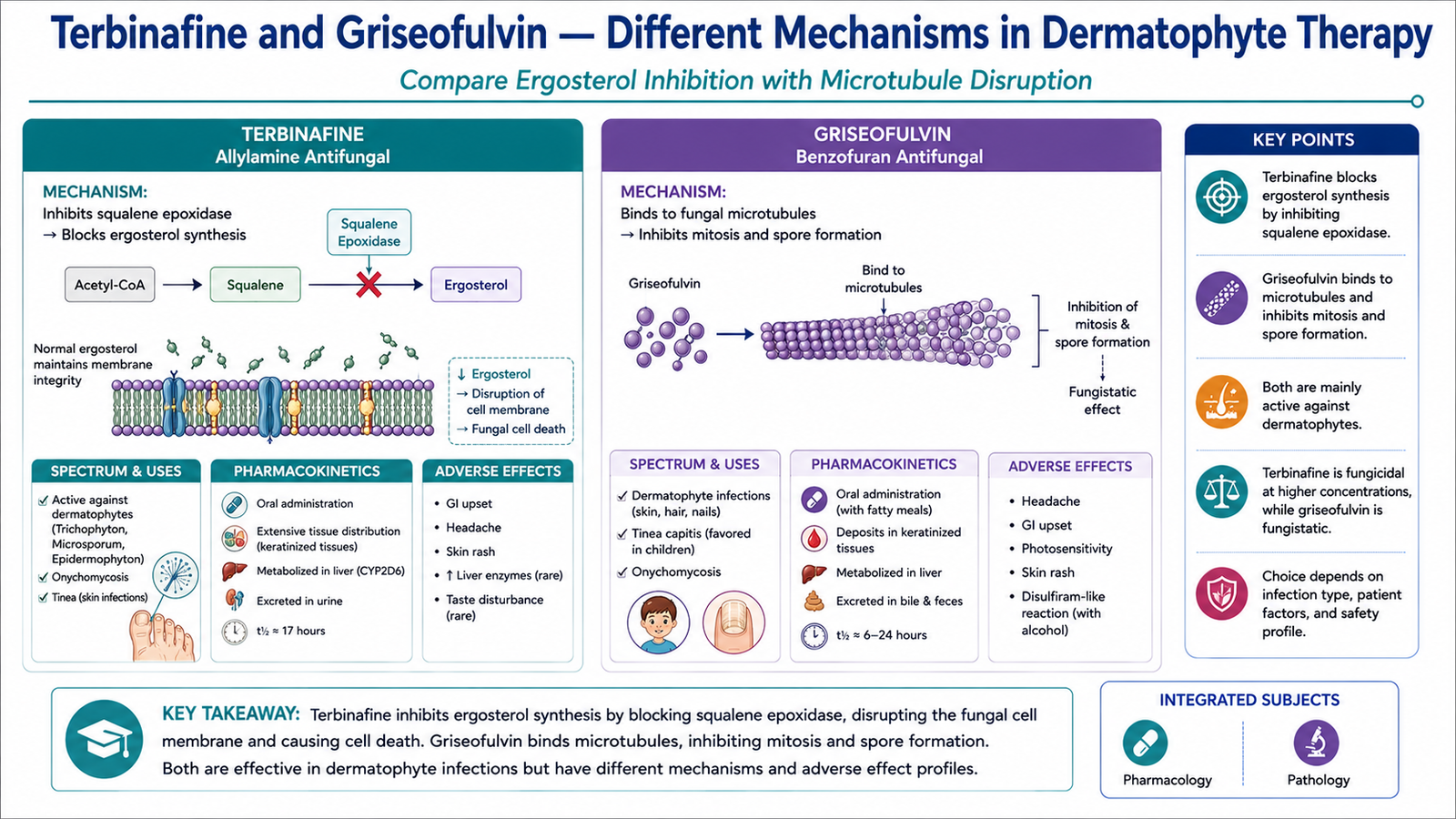
Terbinafine and griseofulvin are useful examples of antifungal drugs whose mechanisms differ from both polyenes and azoles. Terbinafine interferes with ergosterol synthesis at an earlier step, while griseofulvin interferes with fungal cell division. Their actions are especially relevant to fungal infections involving keratinized tissues.
Terbinafine
Terbinafine inhibits squalene epoxidase, an enzyme required early in the ergosterol synthesis pathway.
→
squalene epoxidase inhibition
→
reduced ergosterol + accumulation of squalene
→
fungal membrane dysfunction
→
fungal cell injury
Terbinafine concentrates well in keratin-containing tissues and is particularly useful for dermatophyte infections, including infections involving the nails.
Important adverse effects include gastrointestinal symptoms, disturbances of taste and clinically significant hepatic toxicity in susceptible patients.
Griseofulvin
Griseofulvin acts differently. It binds fungal microtubules and disrupts the mitotic spindle, thereby interfering with mitosis. It also becomes associated with newly formed keratin, making that keratin more resistant to fungal invasion.
→
disruption of fungal microtubules
→
impaired mitosis
→
inhibition of fungal growth in keratinized tissue
Griseofulvin is therefore used mainly for dermatophyte infections of keratin-containing structures such as skin, hair and nails.
Adverse effects can include headache, gastrointestinal disturbance and hepatic effects. An important pharmacological property is induction of hepatic drug-metabolizing enzymes, which can reduce the effect of some simultaneously administered drugs.
Integrated Mechanism Flow
Important Comparison — Aspergillus and Candida
| Feature | Aspergillus | Candida |
|---|---|---|
| Major form | Mould | Yeast-like fungus |
| Typical microscopy | Septate, acute-angle branching hyphae | Budding yeast with pseudohyphae |
| Usual relationship to host | Environmental exposure by inhalation | May normally colonize mucosal surfaces |
| Characteristic invasive feature | Angioinvasion with thrombosis and necrosis | Overgrowth followed by tissue or bloodstream invasion |
| Classic clinical clue | Fungal ball in a pre-existing cavity | Oral white plaques or mucosal candidiasis |
⭐ AIM High-Yield Review
- Aspergillus is a mould with septate, acute-angle branching hyphae.
- Invasive aspergillosis is characterized by angioinvasion, which can cause thrombosis, ischemia, hemorrhage and tissue necrosis.
- An aspergilloma is a fungal ball that colonizes a pre-existing pulmonary cavity.
- Candida commonly exists as budding yeast and may form pseudohyphae.
- Candidiasis often develops when normal colonization progresses to overgrowth because local or systemic host defences are disturbed.
- ⭐ Amphotericin B and nystatin bind ergosterol and form membrane pores.
- Amphotericin B is important in severe systemic fungal infections, but nephrotoxicity is a major adverse effect.
- Liposomal amphotericin B reduces exposure of normal tissues and therefore produces less nephrotoxicity than conventional amphotericin B.
- Nystatin is mainly used for localized candidiasis, not systemic invasive fungal infection.
- Azoles inhibit fungal 14-α-demethylase and thereby decrease ergosterol synthesis.
- Ketoconazole absorption depends on gastric acidity and it can produce hepatotoxicity, endocrine effects and CYP-mediated drug interactions.
- Terbinafine inhibits squalene epoxidase and is especially useful against dermatophytes.
- Griseofulvin disrupts fungal microtubules and mitosis and is useful for dermatophyte infection of keratinized tissues.
- ⭐ A useful examination distinction is: amphotericin B directly binds ergosterol, whereas azoles and terbinafine inhibit different steps in ergosterol synthesis.
Fungal Infections & Antifungal Pharmacotherapy
Use these videos after completing the AIM learning material to reinforce the fungal organisms and mechanisms of the major antifungal drugs.
Antifungal Drugs Pharmacology
Covers antifungal mechanisms and major drugs including amphotericin B, nystatin, azoles, ketoconazole, terbinafine and griseofulvin.
Easy Antifungals Pharmacology
A shorter review connecting azoles, amphotericin B, terbinafine, nystatin and griseofulvin for rapid consolidation.