
This chapter follows the supplied KMU learning outcomes in a logical sequence. First understand how each antibiotic group differs in spectrum, pharmacokinetics, uses and toxicity; then use the high-yield review to revise the key examination points.
Cephalosporins, Carbapenems, Monobactams and Other Cell-Wall Active Antibiotics
Module/Theme: Infection and Inflammation
Understand the major non-penicillin cell-wall active antibacterial drugs, how their spectrum and pharmacokinetics guide clinical use, and the characteristic adverse effects and resistance mechanisms that distinguish them.
Topic Introduction
Several important antibacterial drugs act by interfering with the bacterial cell wall. Cephalosporins, carbapenems and monobactams are beta-lactam antibiotics, while vancomycin, fosfomycin, bacitracin and cycloserine inhibit cell-wall formation through different mechanisms. Although these drugs share the general goal of weakening bacterial cell-wall synthesis, they differ considerably in antibacterial spectrum, route of administration, elimination, clinical use, adverse effects and resistance. In this chapter, you will first understand the generations of cephalosporins and how their spectrum changes, then relate their pharmacokinetics to clinical use. You will also study carbapenems and monobactams, the important role of vancomycin against resistant gram-positive organisms such as MRSA, and the selected uses of other cell-wall active drugs.
A. Cephalosporins: Classification and Antibacterial Spectrum
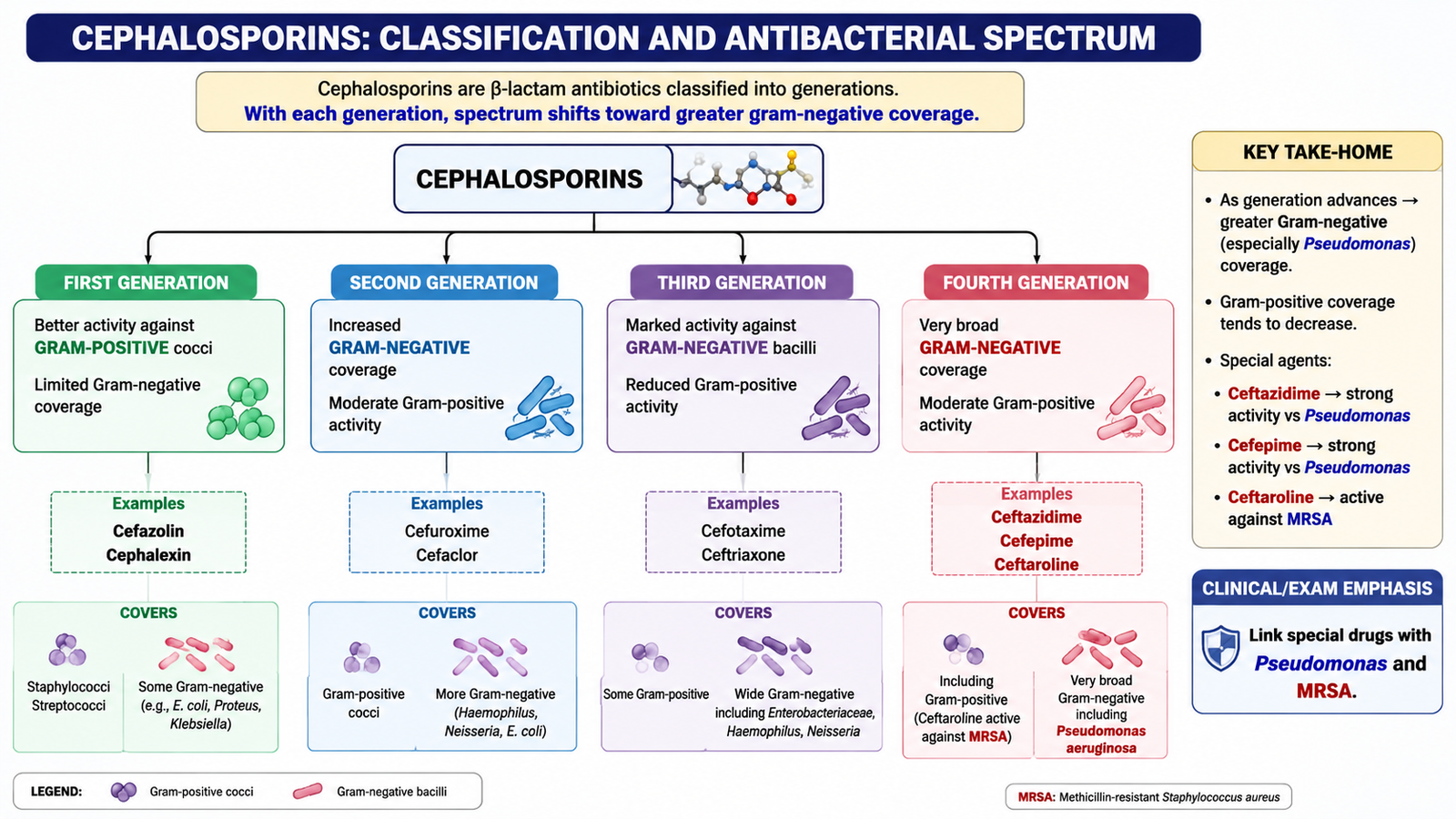
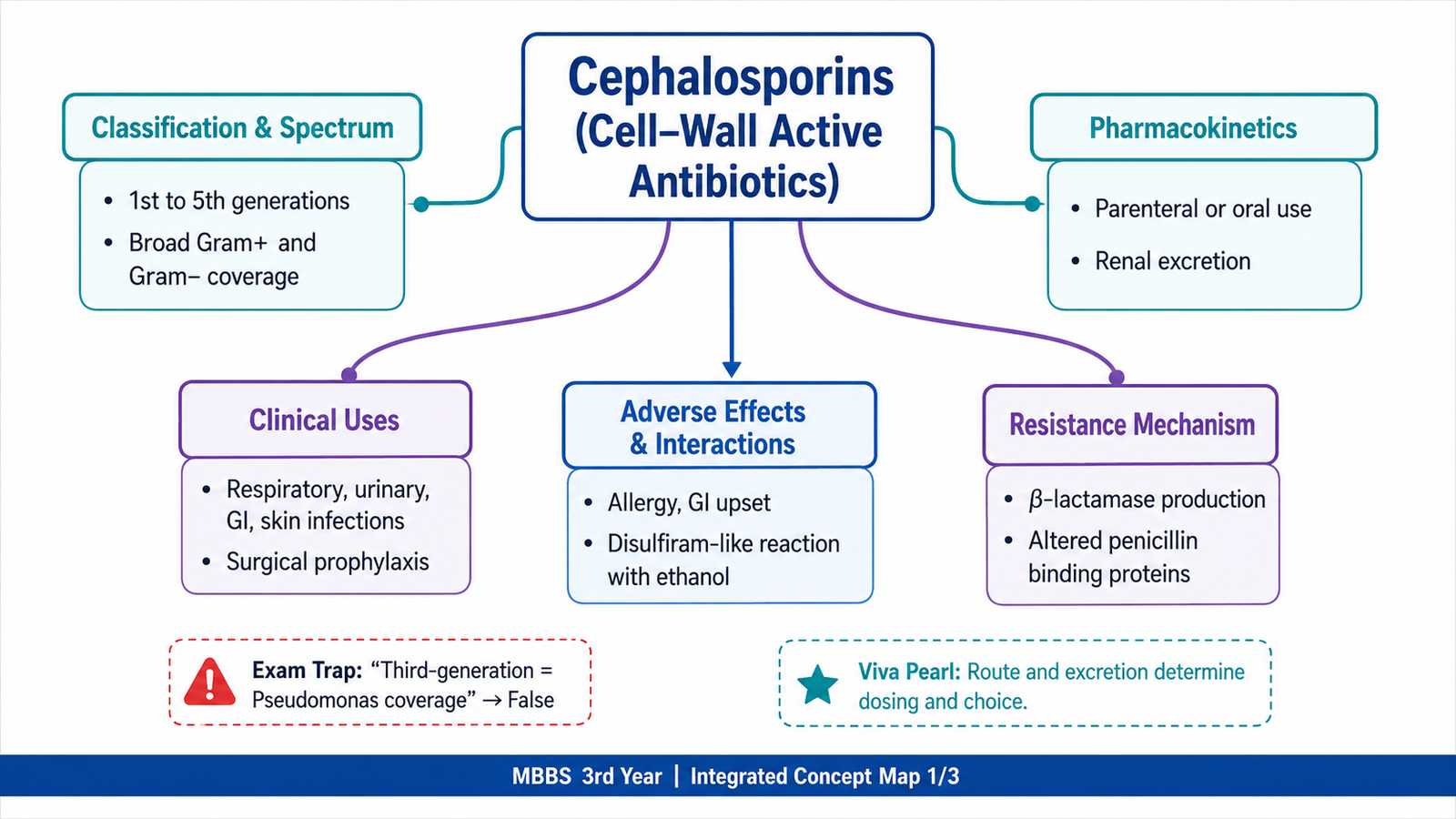
Cephalosporins are beta-lactam antibiotics that inhibit bacterial cell-wall synthesis. Like penicillins, they bind to penicillin-binding proteins and interfere with the final cross-linking of peptidoglycan. Their classification into generations is clinically useful because, in general, moving from earlier to later generations changes the balance between gram-positive activity, gram-negative activity and resistance to beta-lactamases.
Classification
The generation system does not mean that every later-generation drug is simply “stronger.” Instead, each generation has a characteristic spectrum and clinical role.
| Generation | Important examples | General spectrum pattern |
|---|---|---|
| First | Cefazolin, cephalexin | Strong activity against many gram-positive cocci with limited gram-negative coverage. |
| Second | Cefuroxime, cefaclor; cefoxitin and cefotetan are cephamycins | More gram-negative activity than first generation; some drugs retain useful gram-positive activity. |
| Third | Ceftriaxone, cefotaxime, ceftazidime | Markedly improved gram-negative activity. Ceftazidime has activity against Pseudomonas aeruginosa. |
| Fourth | Cefepime | Broad gram-positive and gram-negative activity, including Pseudomonas. |
| Fifth / advanced generation | Ceftaroline | Important gram-positive activity including MRSA because of binding to altered PBP2a. |
How the spectrum changes
First-generation cephalosporins are particularly useful against susceptible gram-positive cocci such as streptococci and methicillin-sensitive staphylococci. Their gram-negative activity is relatively limited.
Second-generation cephalosporins generally extend coverage toward gram-negative organisms. Cephamycins such as cefoxitin and cefotetan also possess useful activity against some anaerobic organisms.
Third-generation cephalosporins penetrate the outer membrane of many gram-negative organisms more effectively and are more resistant to several beta-lactamases than earlier agents. Ceftriaxone and cefotaxime therefore have important roles in serious systemic infections. Ceftazidime is particularly important because it extends activity to Pseudomonas aeruginosa.
Cefepime, a fourth-generation drug, combines broad gram-negative activity, including Pseudomonas, with useful gram-positive coverage.
Ceftaroline is distinctive because it can bind PBP2a, the altered penicillin-binding protein responsible for methicillin resistance in MRSA. Therefore, unlike most cephalosporins, it has clinically useful activity against MRSA.
B. Cephalosporin Pharmacokinetics and Pharmacodynamic Relevance
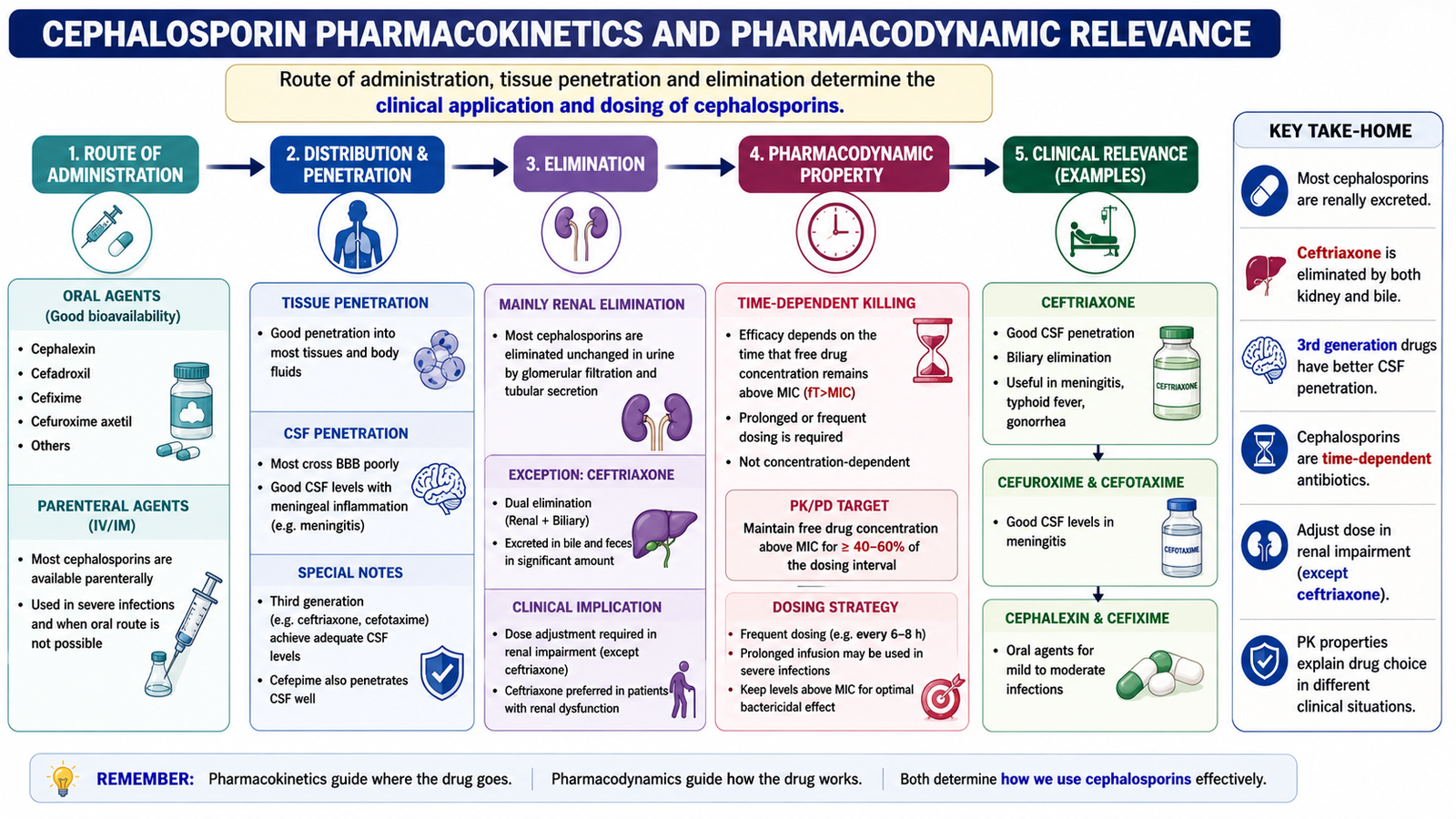
The usefulness of a cephalosporin depends not only on which bacteria it can kill, but also on whether an effective concentration can reach the site of infection. Route of administration, tissue penetration and elimination therefore directly influence drug selection.
Routes of administration
Some cephalosporins are sufficiently absorbed after oral administration and are useful when an oral drug is appropriate. Examples include cephalexin and cefaclor. Other important agents, particularly those used for serious systemic infections, are given parenterally. Examples include cefazolin, ceftriaxone, cefotaxime, ceftazidime and cefepime.
Distribution and CNS penetration
Distribution varies among individual cephalosporins. Certain third-generation agents, especially ceftriaxone and cefotaxime, can achieve useful concentrations in cerebrospinal fluid when the meninges are inflamed. This pharmacokinetic property explains their importance in bacterial meningitis caused by susceptible organisms.
Earlier-generation cephalosporins generally do not achieve sufficiently reliable CSF concentrations for treatment of meningitis.
Excretion
Most cephalosporins are eliminated mainly through the kidneys. Renal elimination means that reduced renal function can prolong drug exposure, so renal function is clinically relevant when these agents are selected.
Ceftriaxone is an important exception. It undergoes substantial biliary excretion. This difference is frequently tested because it distinguishes ceftriaxone from most other cephalosporins.
Pharmacodynamic principle
Cephalosporins show primarily time-dependent bacterial killing. Their antibacterial effect is related to the period during which the free drug concentration remains above the organism’s minimum inhibitory concentration.
C. Cephalosporins: Clinical Uses, Adverse Effects, Ethanol Interaction and Resistance
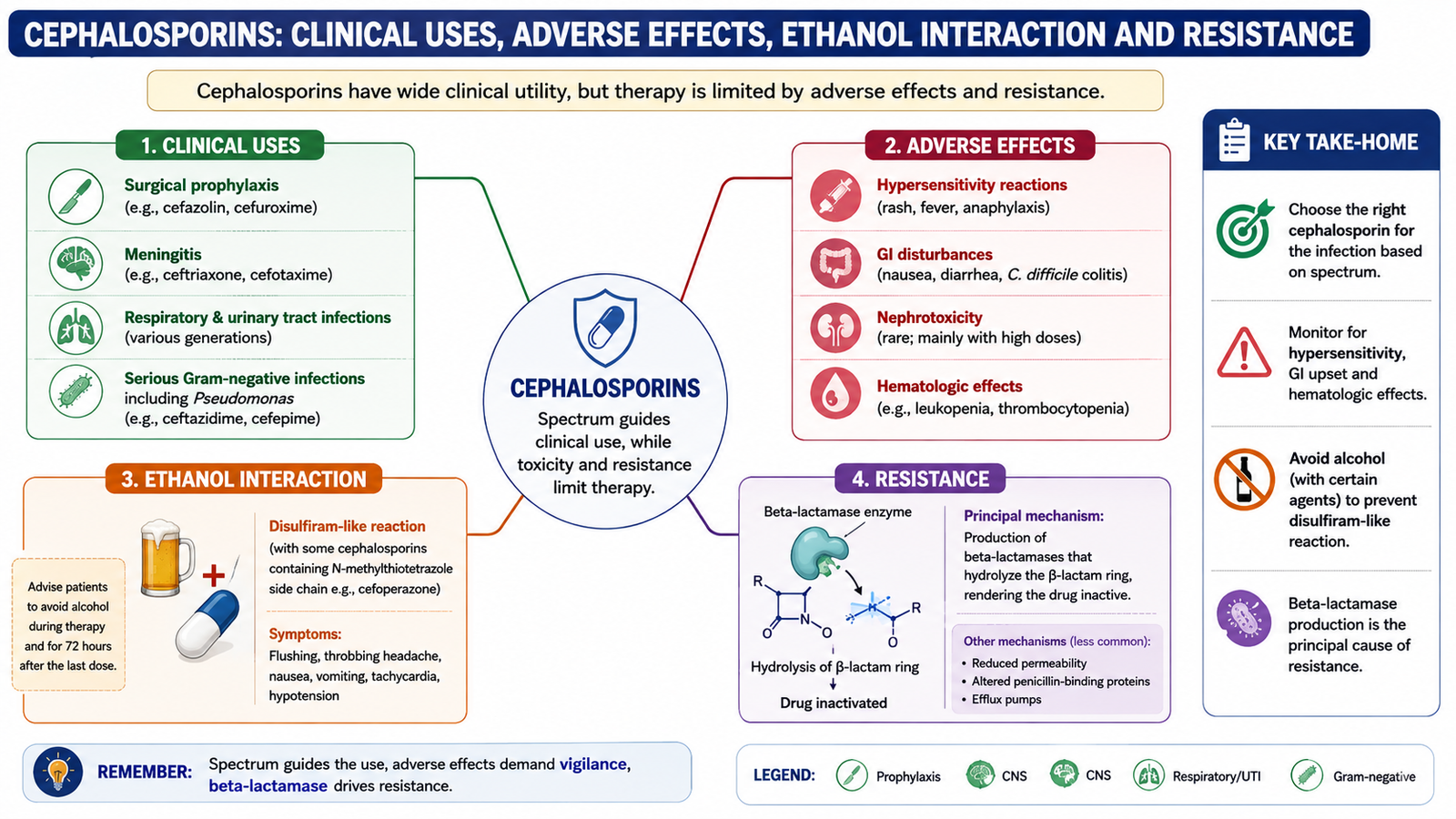
Clinical use of cephalosporins follows directly from their generation-specific spectrum and pharmacokinetic properties. Their safety profile is generally favorable, but several adverse effects and interactions are sufficiently characteristic to require careful recognition.
Important clinical uses
First-generation cephalosporins are useful when susceptible gram-positive organisms are expected. Cefazolin is also widely used when perioperative antibacterial prophylaxis against common skin flora is required.
Second-generation agents may be used for susceptible respiratory and other infections in which additional gram-negative coverage is desirable. Cephamycins such as cefoxitin and cefotetan are useful where activity against selected anaerobic organisms is relevant.
Third-generation agents are important in serious gram-negative and systemic infections. Ceftriaxone and cefotaxime achieve useful CSF concentrations and therefore have important roles in bacterial meningitis caused by susceptible organisms. Ceftriaxone is also important in susceptible gonococcal infection. Ceftazidime is selected when its antipseudomonal activity is required.
Cefepime is valuable for serious infections requiring broad gram-negative coverage including Pseudomonas, while maintaining useful gram-positive activity.
Ceftaroline is important when a cephalosporin with activity against MRSA is required because it can bind PBP2a.
Adverse effects
Cephalosporins are generally well tolerated. Their most important adverse effects include:
- Hypersensitivity reactions: rash, fever and, less commonly, severe immediate allergic reactions may occur. Some immunological cross-reactivity with penicillins is possible because both are beta-lactam antibiotics.
- Gastrointestinal disturbance: nausea and diarrhea may occur because antibacterial therapy alters normal intestinal flora.
- Superinfection: broad-spectrum therapy may suppress normal flora and allow resistant organisms to proliferate.
- Bleeding tendency: certain cephalosporins possessing specific side chains may interfere with vitamin K-dependent coagulation and increase bleeding risk.
- Disulfiram-like reaction with ethanol: characteristic of certain cephalosporins, especially those containing an N-methylthiotetrazole-related side chain.
Interaction with ethanol
Certain cephalosporins can interfere with the normal metabolism of acetaldehyde after alcohol intake. Acetaldehyde then accumulates and produces a disulfiram-like reaction.
Cefotetan is a commonly tested example associated with this interaction.
Principal mechanism of bacterial resistance
The major bacterial mechanism of resistance to cephalosporins is production of beta-lactamases that hydrolyze the beta-lactam ring. Once the beta-lactam structure is destroyed, the drug can no longer bind effectively to its target PBPs.
Changes in penicillin-binding proteins and reduced drug penetration can also contribute to resistance, but beta-lactamase-mediated destruction is the principal mechanism emphasized for cephalosporins.
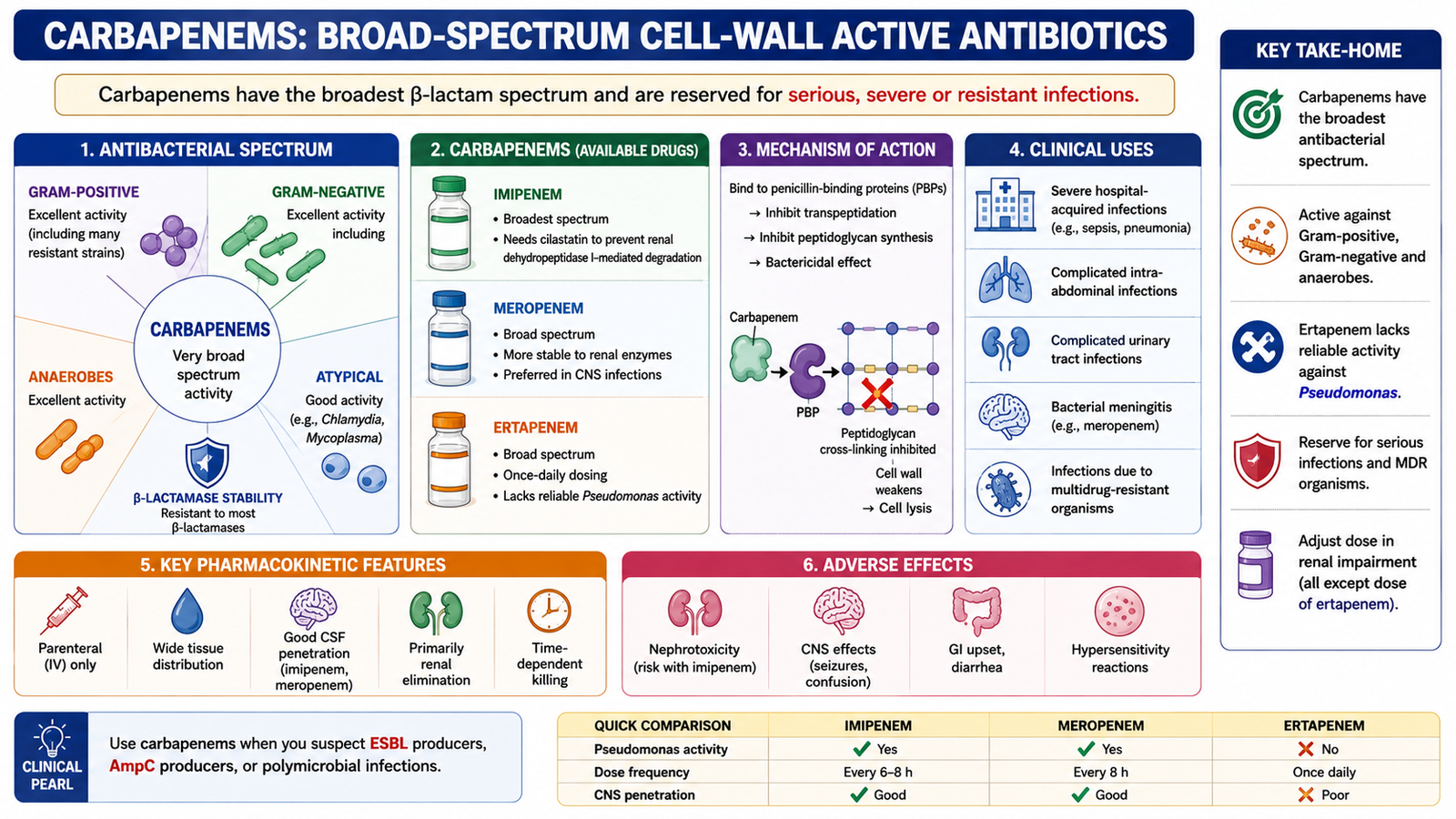
D. Carbapenems: Broad-Spectrum Cell-Wall Active Antibiotics
Carbapenems are beta-lactam antibiotics with a particularly broad antibacterial spectrum. Their clinical value comes from activity against many gram-positive organisms, gram-negative organisms and anaerobes, together with relative stability against many bacterial beta-lactamases.
Important drugs
- Imipenem
- Meropenem
- Ertapenem
- Doripenem
Antibacterial spectrum
Carbapenems are active against a wide range of aerobic and anaerobic bacteria. Their broad spectrum makes them important for severe infections involving multiple organisms or resistant gram-negative bacteria when susceptibility is demonstrated or strongly expected.
Many carbapenems, including imipenem and meropenem, have activity against Pseudomonas aeruginosa. Ertapenem is an important exception because it lacks reliable activity against Pseudomonas.
Clinical uses
Because carbapenems have such broad activity, they are mainly reserved for serious or complicated infections. Important situations include severe polymicrobial infection, complicated intra-abdominal infection and serious infection caused by susceptible resistant gram-negative organisms.
The logic is important: the very broad spectrum that makes carbapenems clinically powerful also means that unnecessary use can promote selection of resistant organisms. Therefore, their role is mainly in infections where broad and reliable activity is genuinely required.
E. Monobactams: Focused Gram-Negative Beta-Lactam Activity
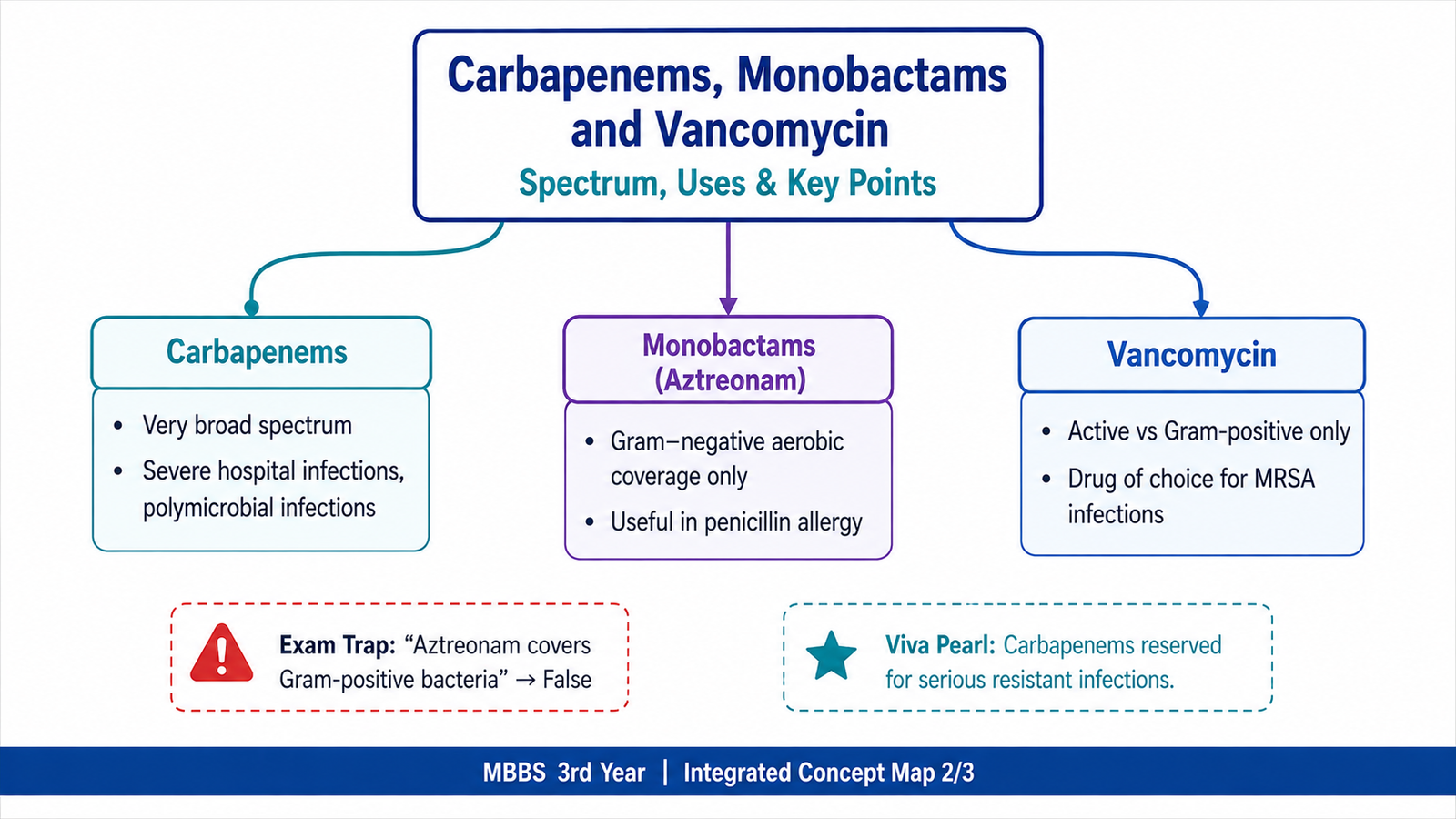
Monobactams are beta-lactam antibiotics with a distinctive monocyclic beta-lactam structure. The prototype drug is aztreonam. Unlike carbapenems, which are extremely broad in spectrum, aztreonam has a relatively narrow and clearly defined antibacterial role.
Antibacterial spectrum
Aztreonam acts mainly against aerobic gram-negative bacteria. Its activity includes susceptible gram-negative bacilli and Pseudomonas aeruginosa.
It has essentially no useful activity against gram-positive organisms or anaerobes. This limitation becomes easy to remember if aztreonam is viewed as a targeted aerobic gram-negative beta-lactam rather than as a broad-spectrum agent.
Clinical uses
Aztreonam is used for infections caused by susceptible aerobic gram-negative organisms, including situations where antipseudomonal activity is required.
Its beta-lactam structure is sufficiently different from that of many other beta-lactams that it has very little immunological cross-reactivity with penicillins. This can make aztreonam clinically useful in selected patients with serious penicillin allergy when appropriate gram-negative coverage is required.
| Feature | Carbapenems | Aztreonam |
|---|---|---|
| Spectrum | Very broad | Narrower |
| Gram-positive activity | Present for many susceptible organisms | Not clinically useful |
| Aerobic gram-negative activity | Strong | Main activity |
| Anaerobic activity | Present for many anaerobes | Absent |
| Typical clinical concept | Severe broad-spectrum need | Targeted aerobic gram-negative coverage |

F. Vancomycin: Mechanism, MRSA Use and Important Adverse Effects
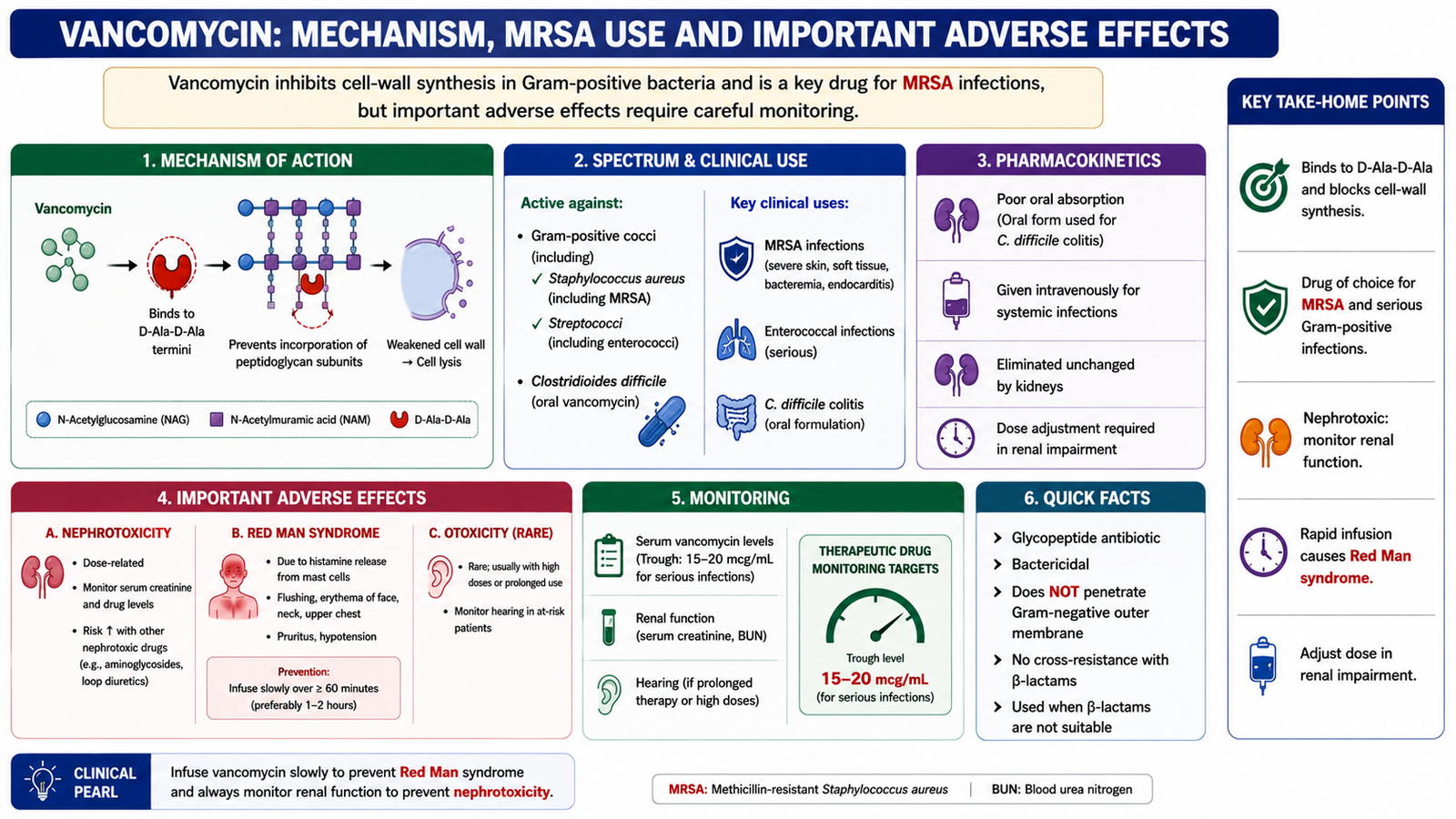
Vancomycin is a glycopeptide antibiotic that inhibits bacterial cell-wall synthesis but does so differently from beta-lactam antibiotics. It is particularly important against serious infections caused by gram-positive bacteria and has a major role in treatment of infections caused by methicillin-resistant Staphylococcus aureus (MRSA).
Mechanism of action
Vancomycin binds directly to the terminal D-alanyl-D-alanine portion of growing peptidoglycan precursors. By occupying this site, it prevents proper elongation and cross-linking of the bacterial cell wall.
This mechanism also explains why vancomycin can remain active against MRSA. MRSA resists many beta-lactams mainly because it has an altered PBP, but vancomycin does not depend on binding that PBP. Instead, it binds directly to the peptidoglycan precursor.
Antibacterial and clinical role
Vancomycin acts primarily against gram-positive organisms. Its large molecular structure prevents effective penetration through the outer membrane of gram-negative bacteria.
Important clinical uses include serious infections caused by susceptible gram-positive organisms, especially MRSA. It may also be used when resistant gram-positive infection is suspected or demonstrated and beta-lactam therapy is inappropriate.
Oral vancomycin has a different purpose from intravenous vancomycin. Because oral vancomycin is poorly absorbed from the gastrointestinal tract, it can act locally within the intestinal lumen. This property is used therapeutically in Clostridioides difficile infection.
Adverse effects
- Nephrotoxicity: kidney injury may occur, particularly when exposure is excessive or other nephrotoxic factors are present.
- Ototoxicity: auditory toxicity is a recognized adverse effect.
- Phlebitis: intravenous administration can irritate veins.
- Infusion-related reaction: rapid intravenous administration can produce Red Man/Red Neck syndrome.
Red Man / Red Neck syndrome
Red Man syndrome is an infusion-related histamine-mediated reaction, particularly associated with rapid intravenous administration of vancomycin. It is not the same mechanism as a classic IgE-mediated drug allergy.
The key therapeutic principle is to recognize its relation to the rate of infusion. Slowing the infusion reduces the likelihood and severity of this reaction.
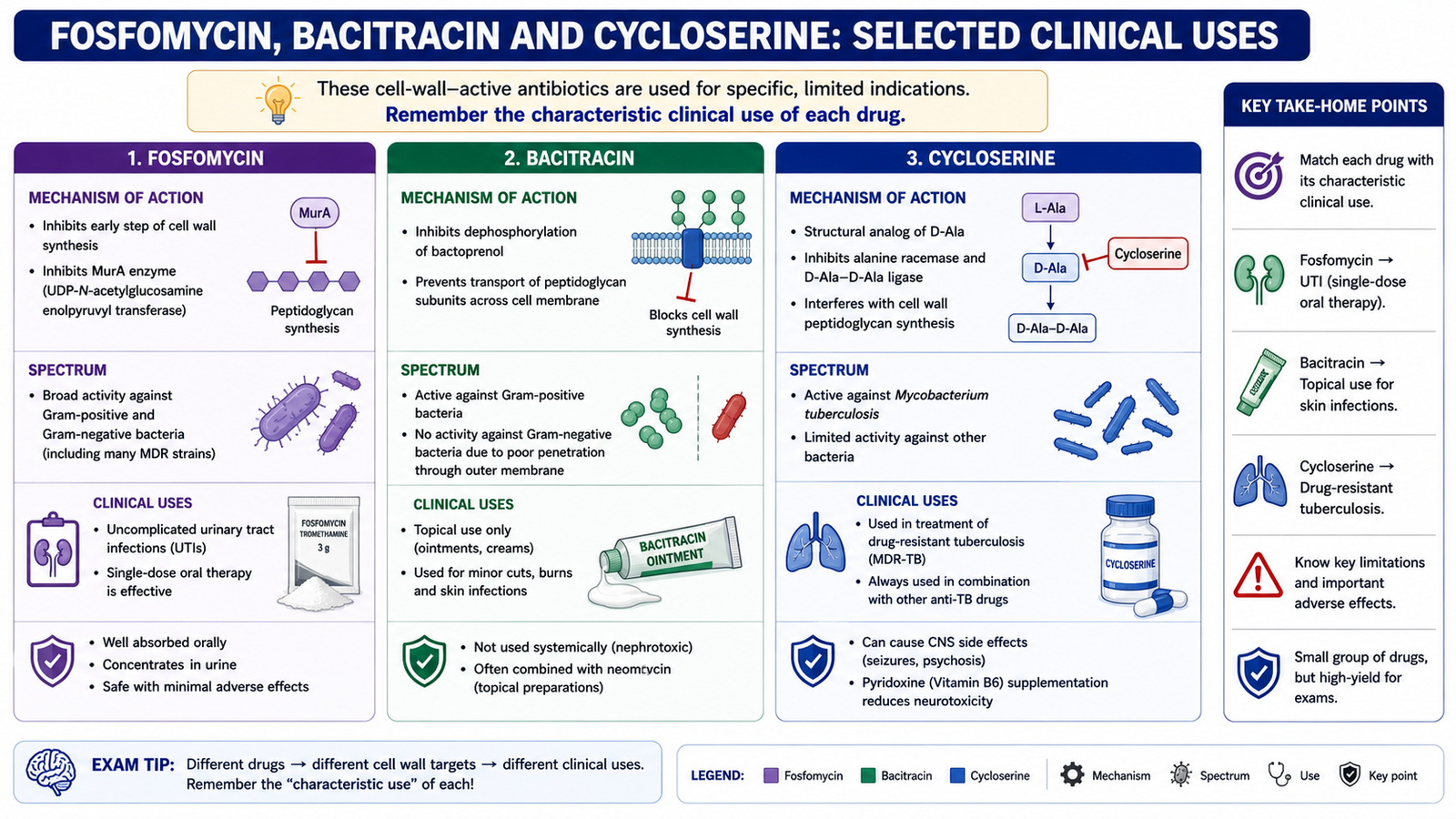
G. Fosfomycin, Bacitracin and Cycloserine: Selected Clinical Uses
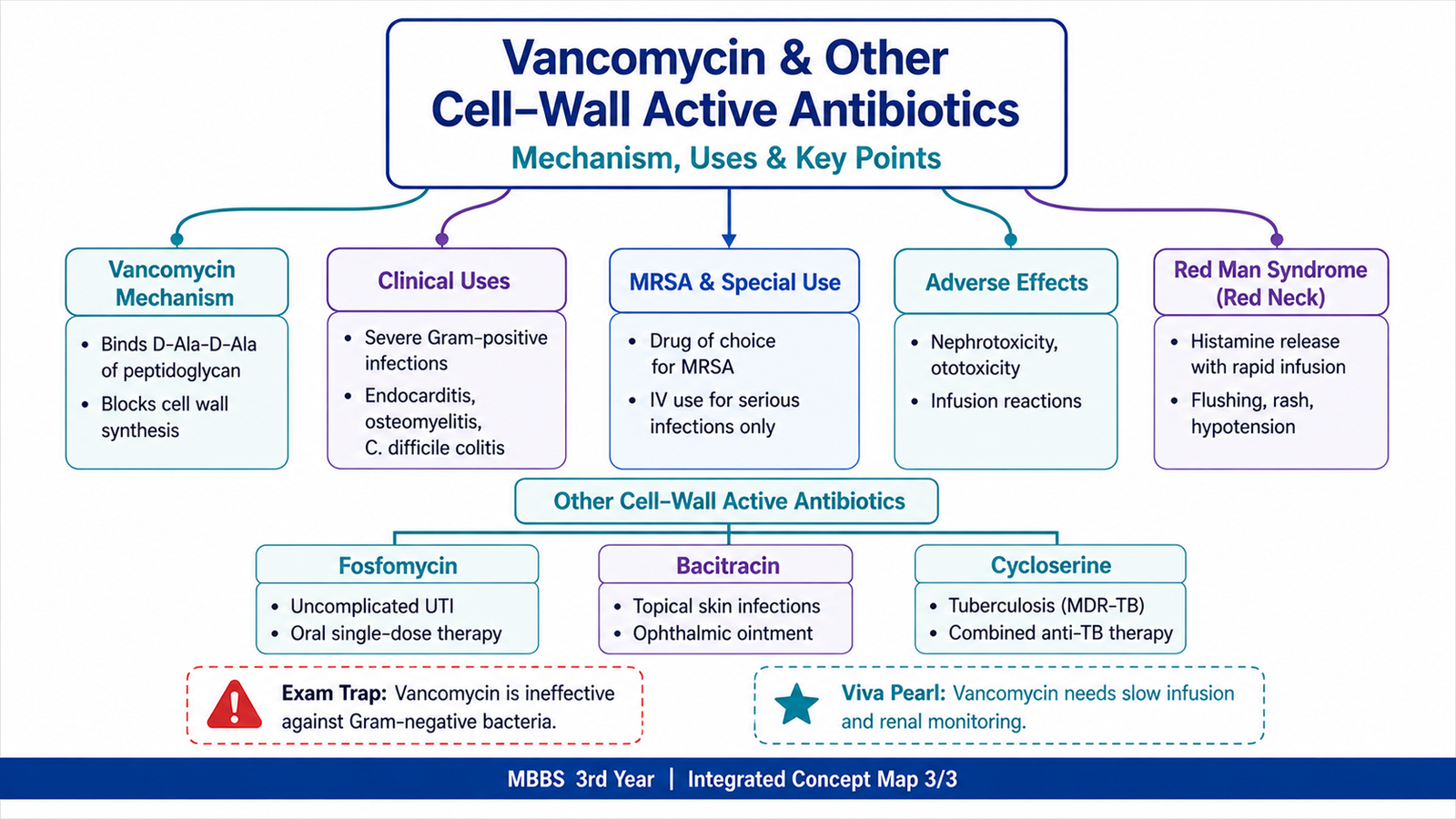
Fosfomycin, bacitracin and cycloserine also interfere with bacterial cell-wall formation, but their clinical roles are much more restricted than those of cephalosporins, carbapenems or vancomycin. For this topic, the main learning requirement is to recognize their important clinical uses.
Fosfomycin
Fosfomycin inhibits an early step in peptidoglycan synthesis. A major clinical role is treatment of susceptible urinary tract infection, particularly uncomplicated lower urinary tract infection.
Its usefulness in urinary infection relates to the ability of the drug to achieve antibacterial concentrations in urine after administration.
Bacitracin
Bacitracin interferes with transport of peptidoglycan building blocks across the bacterial cell membrane. Systemic use is limited by toxicity, particularly nephrotoxicity. Its major clinical role is therefore topical treatment of susceptible superficial bacterial infections.
Cycloserine
Cycloserine inhibits reactions involving D-alanine that are necessary for peptidoglycan synthesis. Its important clinical role is as a second-line antituberculous drug, particularly when resistant tuberculosis requires alternative agents.
| Drug | Key cell-wall concept | Important clinical use |
|---|---|---|
| Fosfomycin | Blocks an early peptidoglycan synthesis step | Susceptible uncomplicated lower UTI |
| Bacitracin | Interferes with transport of peptidoglycan precursors | Topical susceptible bacterial infections |
| Cycloserine | Interferes with D-alanine-dependent cell-wall synthesis | Second-line treatment of resistant tuberculosis |
Integrated Mechanism Flow
Although these drugs act at different sites, their antibacterial effects converge on failure of bacterial cell-wall formation:
↓
Failure to construct a strong bacterial cell wall
↓
Loss of cell-wall integrity during bacterial growth
↓
Cellular instability and bacterial death
↓
Therapeutic effect when the infecting organism is susceptible and adequate drug reaches the site of infection
⭐ AIM High-Yield Review
- ⭐ First-generation cephalosporins have strong activity against many susceptible gram-positive cocci.
- Later cephalosporin generations generally provide greater gram-negative coverage.
- Ceftazidime and cefepime are important cephalosporins with antipseudomonal activity.
- Ceftaroline can act against MRSA because it binds altered PBP2a.
- Most cephalosporins are eliminated mainly by the kidneys; ceftriaxone has important biliary elimination.
- Ceftriaxone and cefotaxime achieve useful CSF concentrations and are important agents in susceptible bacterial meningitis.
- Cephalosporins exhibit primarily time-dependent killing.
- The principal bacterial resistance mechanism against cephalosporins is beta-lactamase-mediated hydrolysis.
- Certain cephalosporins, including cefotetan, can produce a disulfiram-like reaction with ethanol.
- Carbapenems provide exceptionally broad coverage of many gram-positive, gram-negative and anaerobic organisms and are mainly used for serious or complicated infections.
- Ertapenem lacks reliable antipseudomonal activity.
- Aztreonam acts against aerobic gram-negative organisms, including susceptible Pseudomonas, but lacks useful gram-positive and anaerobic activity.
- ⭐ Vancomycin binds D-Ala-D-Ala and is a major drug for serious MRSA infection.
- Rapid IV vancomycin administration can cause Red Man/Red Neck syndrome through histamine release.
- Remember the characteristic uses: fosfomycin → UTI; bacitracin → topical use; cycloserine → second-line drug for resistant tuberculosis.