
This chapter follows the supplied KMU learning outcomes in a logical sequence. First understand how each drug group works and why its pharmacokinetic properties matter; then use the high-yield review for rapid revision.
Topic 16 — Fluoroquinolones, Sulfonamides and Trimethoprim
Infection and Inflammation — Pharmacology
Topic Introduction
Fluoroquinolones, sulfonamides and trimethoprim are important synthetic antibacterial drugs. Fluoroquinolones act mainly by interfering with bacterial DNA replication, whereas sulfonamides and trimethoprim block sequential steps in bacterial folate synthesis. Their usefulness depends not only on antimicrobial activity but also on pharmacokinetics, resistance patterns, adverse effects and drug interactions. In this chapter, you will learn how quinolones are classified, why some are called respiratory fluoroquinolones, how their concentration-dependent antibacterial effect influences clinical use, and how resistance develops. You will also learn the classification and actions of sulfonamides, the rationale for combining sulfamethoxazole with trimethoprim, their major adverse effects and the important interaction between sulfonamides and phenytoin.
A. Fluoroquinolones: Classification and Antimicrobial Spectrum
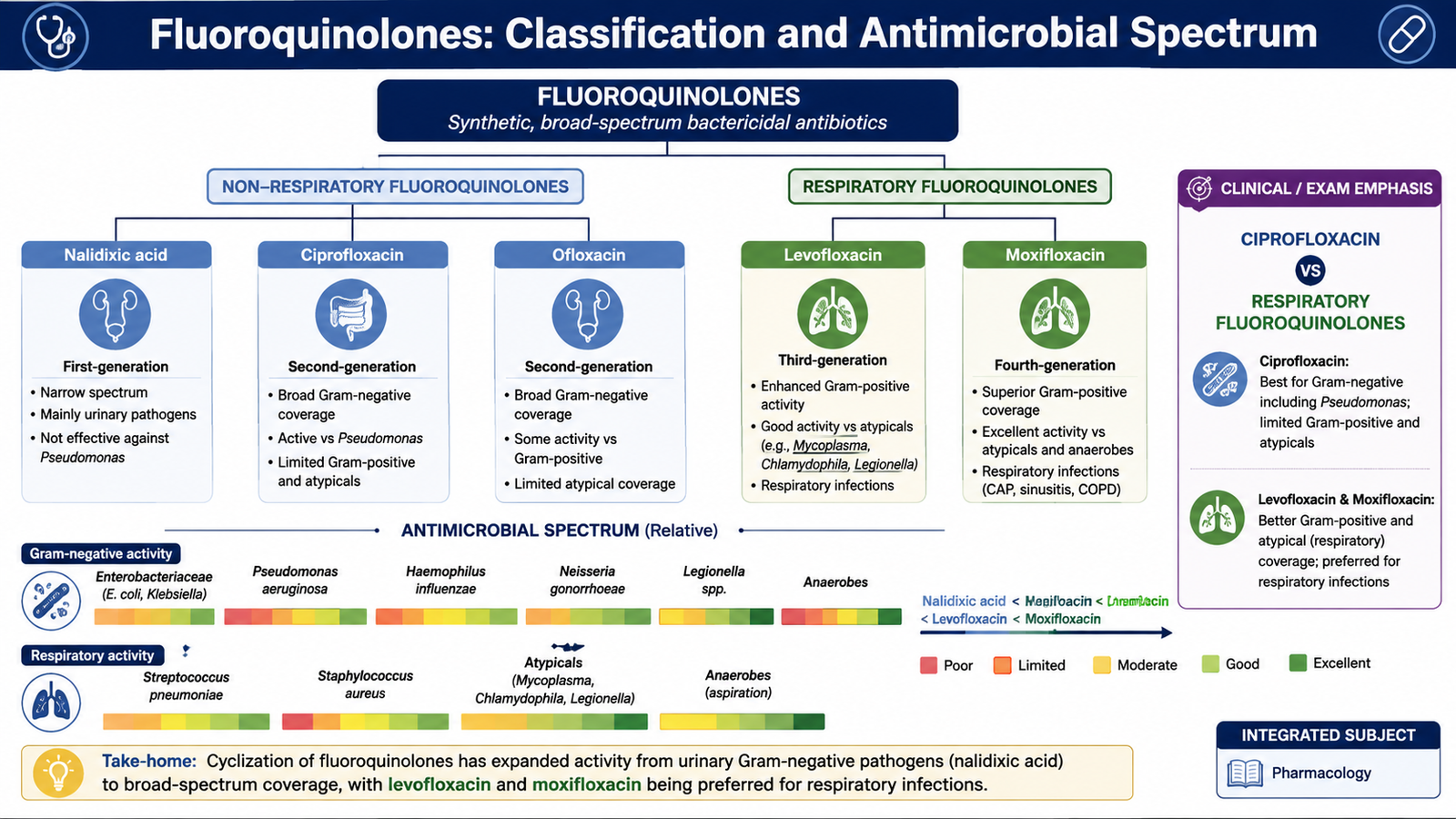
Quinolones are synthetic antibacterial drugs that inhibit enzymes required for bacterial DNA replication. The older drug nalidixic acid is a non-fluorinated quinolone with limited antibacterial activity. Addition of fluorine and other structural modifications produced the fluoroquinolones, which have greater potency, wider tissue distribution and broader antibacterial activity.
Classification
A practical undergraduate classification is based on the evolution of antibacterial spectrum:
| Group | Important Examples | Main Spectrum Feature |
|---|---|---|
| Older non-fluorinated quinolone | Nalidixic acid | Mainly urinary gram-negative organisms |
| Earlier fluoroquinolones | Norfloxacin, ciprofloxacin, ofloxacin | Strong gram-negative activity |
| Later / respiratory fluoroquinolones | Levofloxacin, moxifloxacin | Improved activity against respiratory pathogens, especially pneumococci |
Respiratory fluoroquinolones
Levofloxacin and moxifloxacin are commonly described as respiratory fluoroquinolones because they have improved activity against important respiratory pathogens, particularly Streptococcus pneumoniae, while retaining activity against several gram-negative and atypical organisms.
Antimicrobial spectrum
The fluoroquinolone spectrum varies between individual drugs. Earlier agents such as ciprofloxacin are especially active against aerobic gram-negative bacilli, whereas later drugs have stronger gram-positive respiratory activity.
- Gram-negative bacteria: fluoroquinolones are active against many Enterobacterales. Ciprofloxacin has important activity against Pseudomonas aeruginosa.
- Gram-positive bacteria: levofloxacin and especially moxifloxacin have better activity against S. pneumoniae than ciprofloxacin.
- Atypical respiratory organisms: activity includes organisms such as Legionella, Mycoplasma and Chlamydia.
- Intracellular pathogens: good tissue penetration contributes to usefulness against some intracellular organisms.
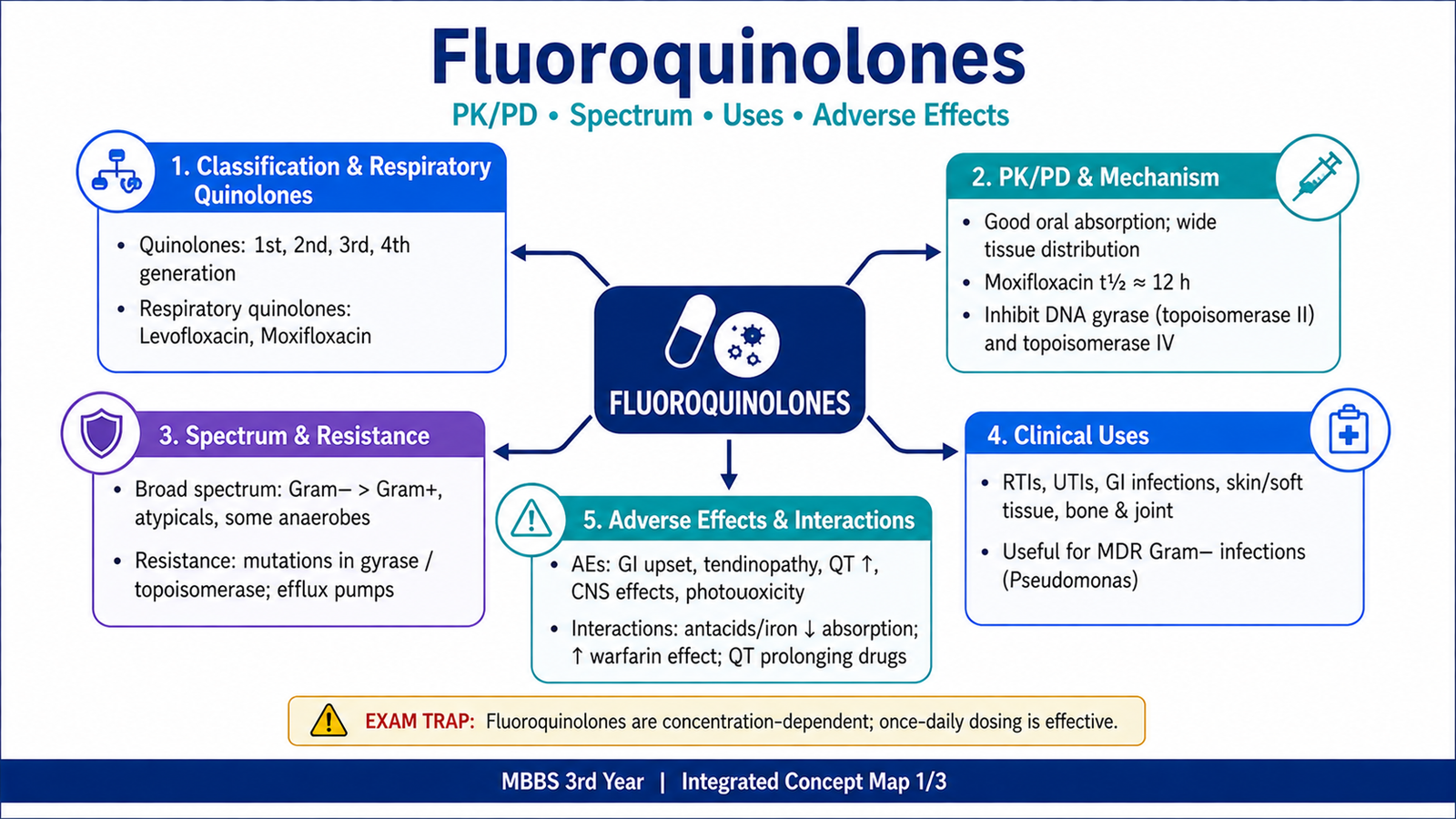
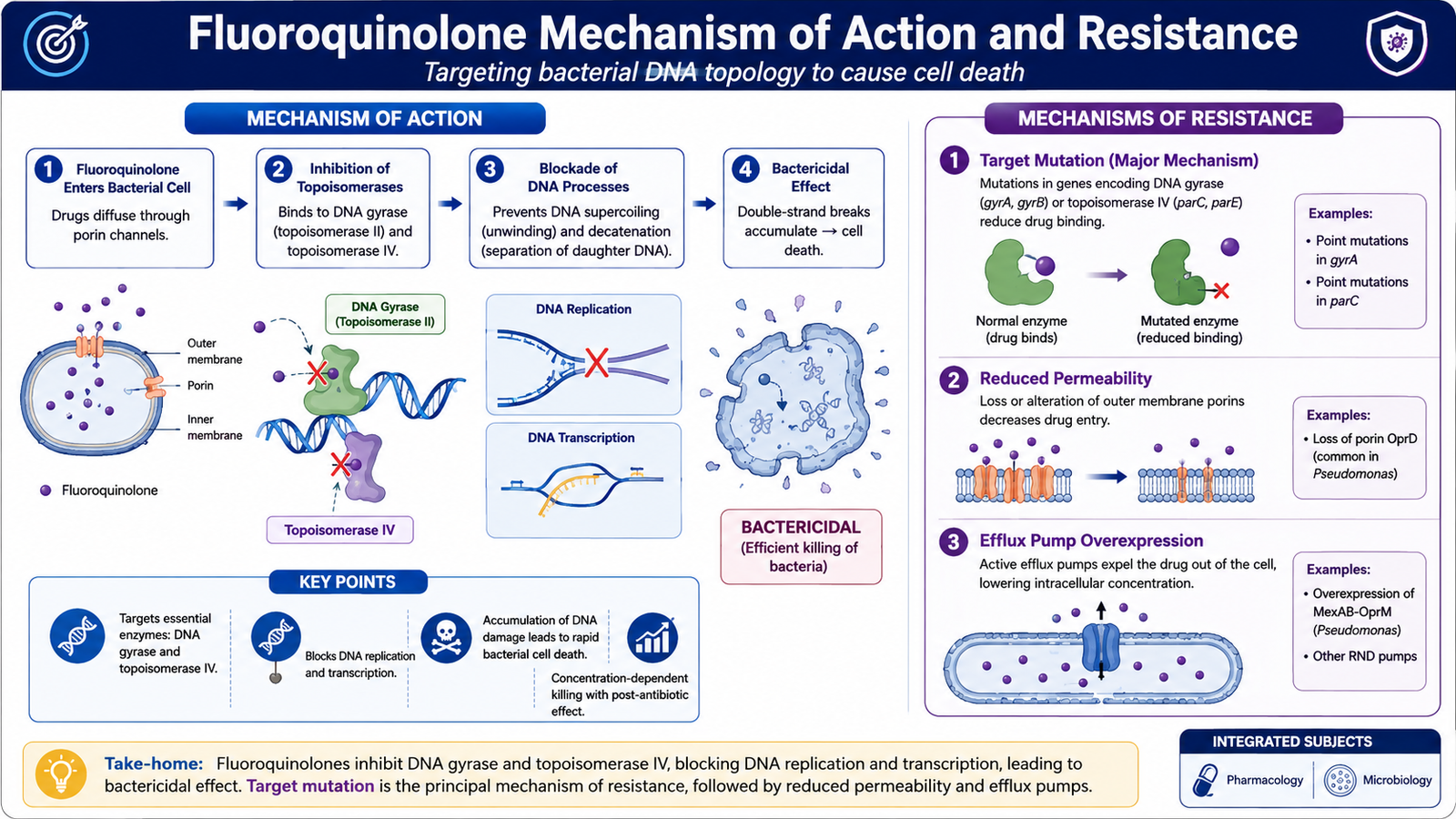
Bacterial DNA must be repeatedly unwound, copied and reorganized during replication. Fluoroquinolones kill susceptible bacteria by inhibiting bacterial type II topoisomerases, particularly DNA gyrase and topoisomerase IV. These enzymes normally control DNA supercoiling and allow replicated chromosomes to separate correctly.
Mechanism of action
In many gram-negative organisms, DNA gyrase is an important target, whereas topoisomerase IV is particularly important in many gram-positive bacteria. The exact relative importance varies with the bacterial species and individual fluoroquinolone.
Principal mechanism of resistance
The most important resistance mechanism is alteration of the bacterial target enzymes. Mutations affecting DNA gyrase or topoisomerase IV reduce fluoroquinolone binding. As additional mutations accumulate, resistance may become progressively greater.
Other mechanisms can contribute:
- Reduced intracellular drug concentration due to reduced permeability.
- Efflux pumps that actively remove the drug from bacterial cells.
- Plasmid-mediated mechanisms that may protect target enzymes or alter drug handling.
C. Fluoroquinolone Pharmacokinetics, Pharmacodynamics and Clinical Uses
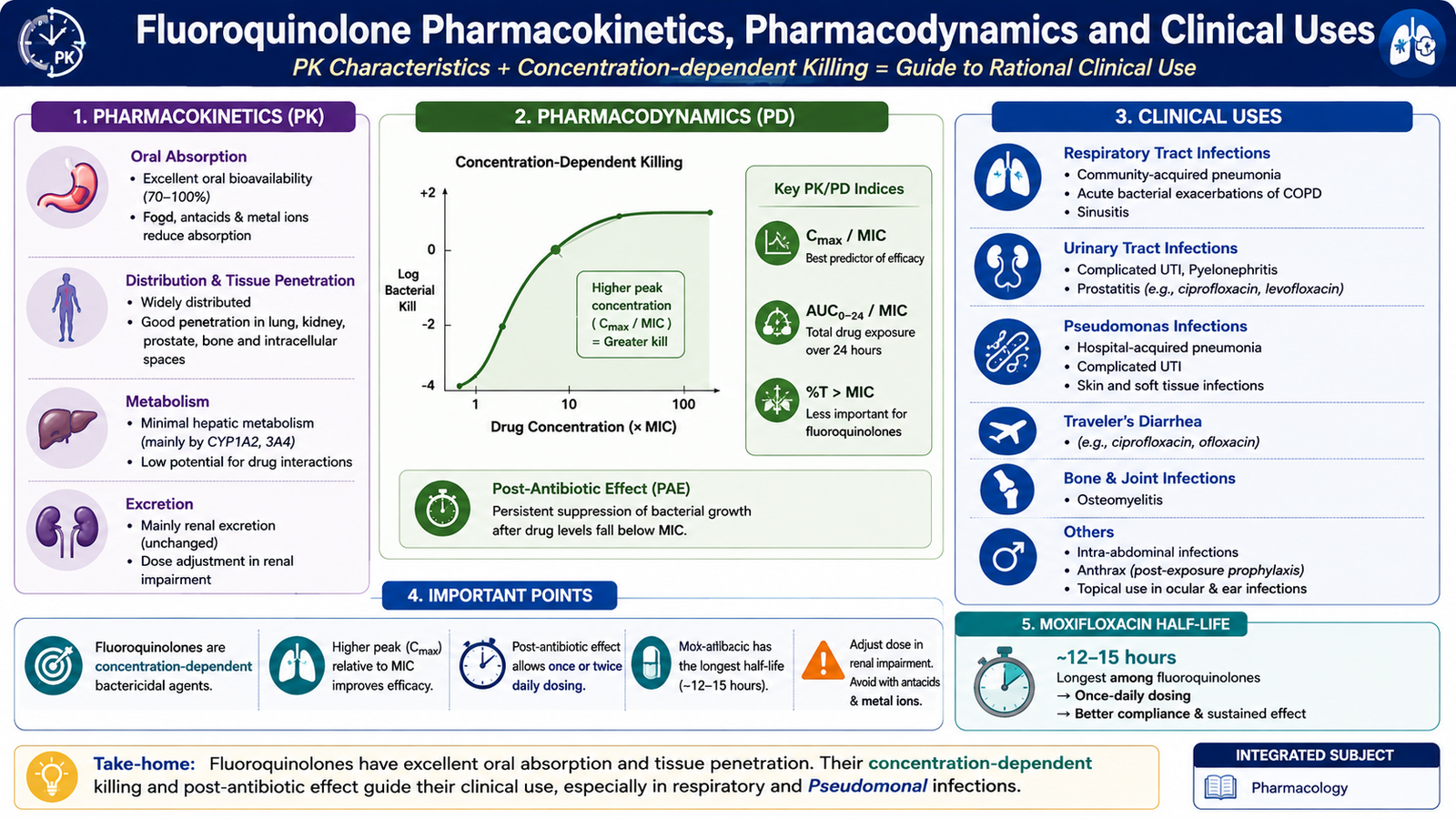
Fluoroquinolones are generally well absorbed orally and achieve useful concentrations in many tissues. Their good oral bioavailability means that, for several agents, oral therapy can produce clinically useful systemic concentrations. Their antibacterial activity is concentration-dependent, so greater drug exposure relative to the organism’s susceptibility generally produces greater bacterial killing.
Important pharmacokinetic features
- Most fluoroquinolones have good oral absorption.
- They distribute widely into tissues and body fluids.
- Several agents are eliminated mainly through the kidneys, so renal function can influence drug exposure.
- Moxifloxacin has a relatively long half-life of about 12 hours, which supports convenient once-daily administration.
- Moxifloxacin undergoes substantial non-renal elimination and is not the preferred fluoroquinolone when high urinary concentrations are specifically required.
Concentration-dependent killing
Fluoroquinolones show concentration-dependent antibacterial activity. This means their effect becomes greater as drug exposure rises relative to the organism’s MIC. They also produce a post-antibiotic effect against susceptible organisms, so bacterial growth remains suppressed for a period even after drug concentration has fallen.
Clinical uses
Clinical use depends strongly on the spectrum of the individual drug and local bacterial susceptibility. Important undergraduate applications include:
- Urinary tract infections: selected fluoroquinolones may be effective because active drugs can reach useful urinary concentrations.
- Gastrointestinal bacterial infections: activity against many enteric gram-negative bacteria accounts for their usefulness in selected infections.
- Pseudomonal infections: ciprofloxacin is particularly important because of its antipseudomonal activity.
- Respiratory infections: levofloxacin and moxifloxacin have improved activity against respiratory pathogens, including pneumococci.
- Selected bone, soft-tissue and systemic infections: good tissue penetration may be useful when susceptible organisms are involved.
The key principle is that fluoroquinolones are not interchangeable. Their spectrum, elimination and tissue distribution must be matched to the infection being treated.
D. Fluoroquinolone Adverse Effects and Drug Interactions
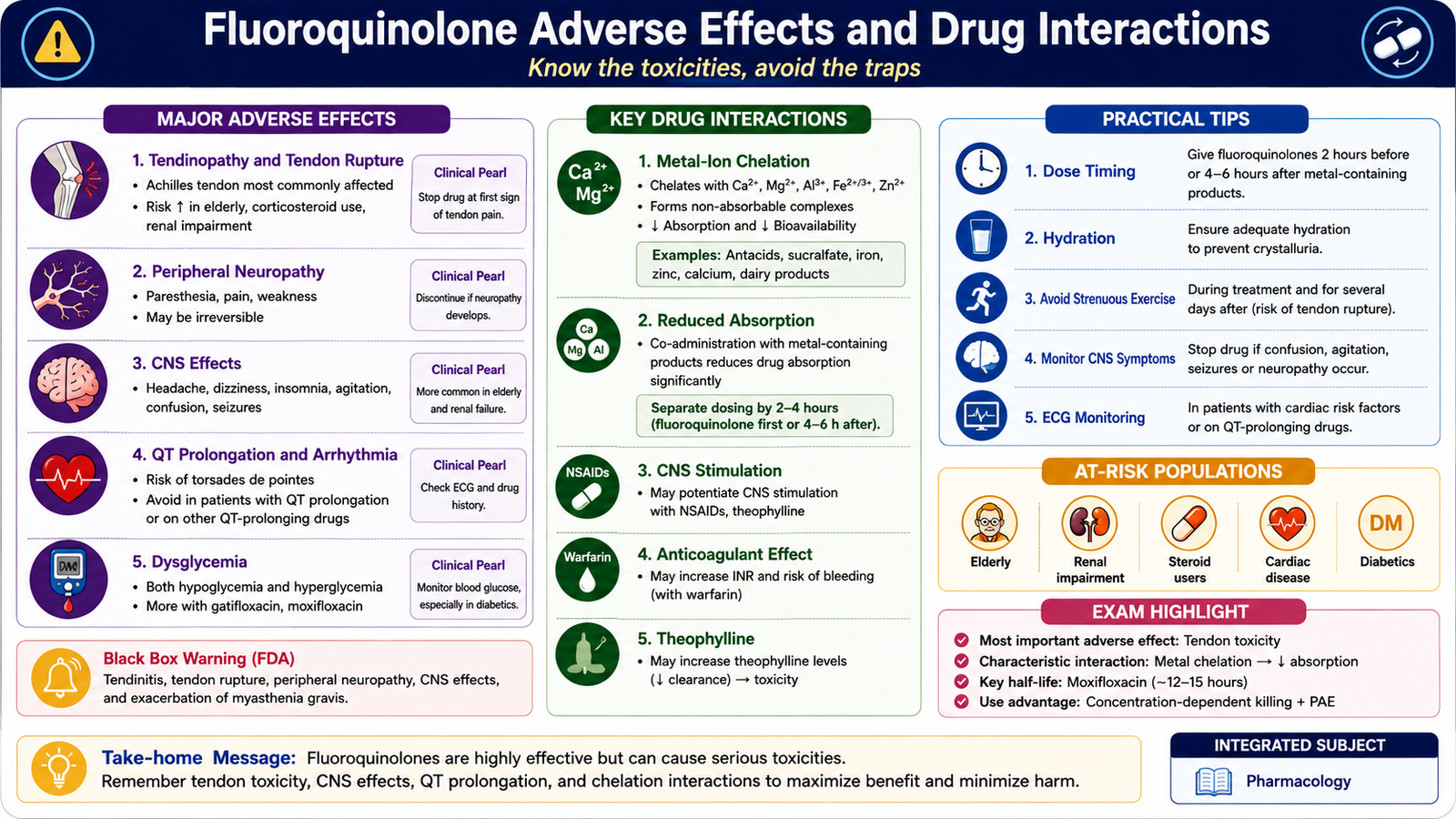
Fluoroquinolones are effective antibacterial agents, but their use is limited by several characteristic adverse effects. Understanding these effects also helps explain important cautions and interactions.
Important adverse effects
- Gastrointestinal effects: nausea, abdominal discomfort and diarrhea may occur.
- Central nervous system effects: headache, dizziness, restlessness or other CNS symptoms may develop in susceptible patients.
- Tendinitis and tendon rupture: fluoroquinolones may damage tendons, particularly in predisposed patients.
- Peripheral neuropathy: sensory or motor nerve symptoms may occur and can occasionally be persistent.
- QT interval prolongation: some drugs, particularly moxifloxacin, may delay cardiac repolarization and increase arrhythmia risk in susceptible patients.
- Dysglycemia: disturbances of blood glucose can occur with some agents.
- Cartilage and musculoskeletal toxicity: concern about effects on developing cartilage has traditionally limited routine use in pregnancy and growing children unless benefits justify treatment.
Important drug interactions
Interaction with polyvalent metal ions: calcium, magnesium, aluminum and iron can bind fluoroquinolones in the gastrointestinal tract. This process is called chelation. The resulting complex is poorly absorbed, so oral fluoroquinolone bioavailability falls.
Drugs that also prolong the QT interval may increase the risk of cardiac rhythm disturbance when combined with a QT-prolonging fluoroquinolone. Certain fluoroquinolones may also alter the metabolism of other drugs, so clinically important combinations should be reviewed carefully.
E. Sulfonamides and Trimethoprim: Classification, Spectrum and Mechanism
Sulfonamides and trimethoprim are synthetic antibacterial drugs that interfere with bacterial folate metabolism. Folate is required for the synthesis of nucleic-acid precursors. Bacteria must synthesize their own folate, which creates useful drug targets that are different from normal human folate handling.
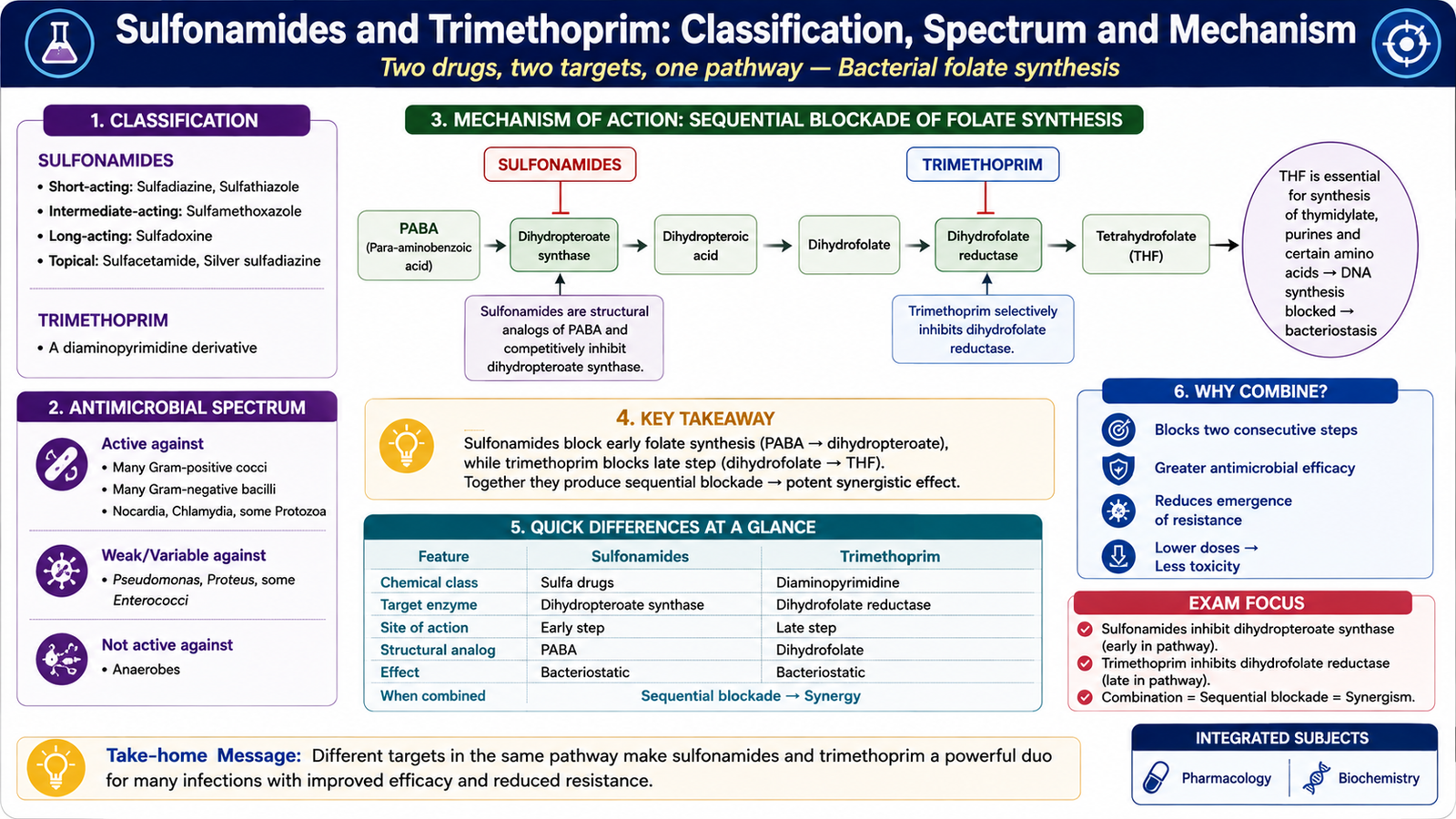
Classification of sulfonamides
Sulfonamides can be classified according to absorption and duration of action:
- Systemically absorbed sulfonamides: include sulfamethoxazole and other agents used for systemic antibacterial effects.
- Poorly absorbed sulfonamides: remain largely within the gastrointestinal tract.
- Topical sulfonamides: used locally rather than for systemic therapy.
Among these drugs, sulfamethoxazole is especially important because it is commonly combined with trimethoprim.
Antimicrobial spectrum
Sulfonamides have activity against a range of susceptible gram-positive and gram-negative organisms, but widespread acquired resistance limits the reliability of sulfonamides when used alone. The trimethoprim-sulfamethoxazole combination has broader practical usefulness against susceptible organisms than either component used independently.
Mechanism of sulfonamides
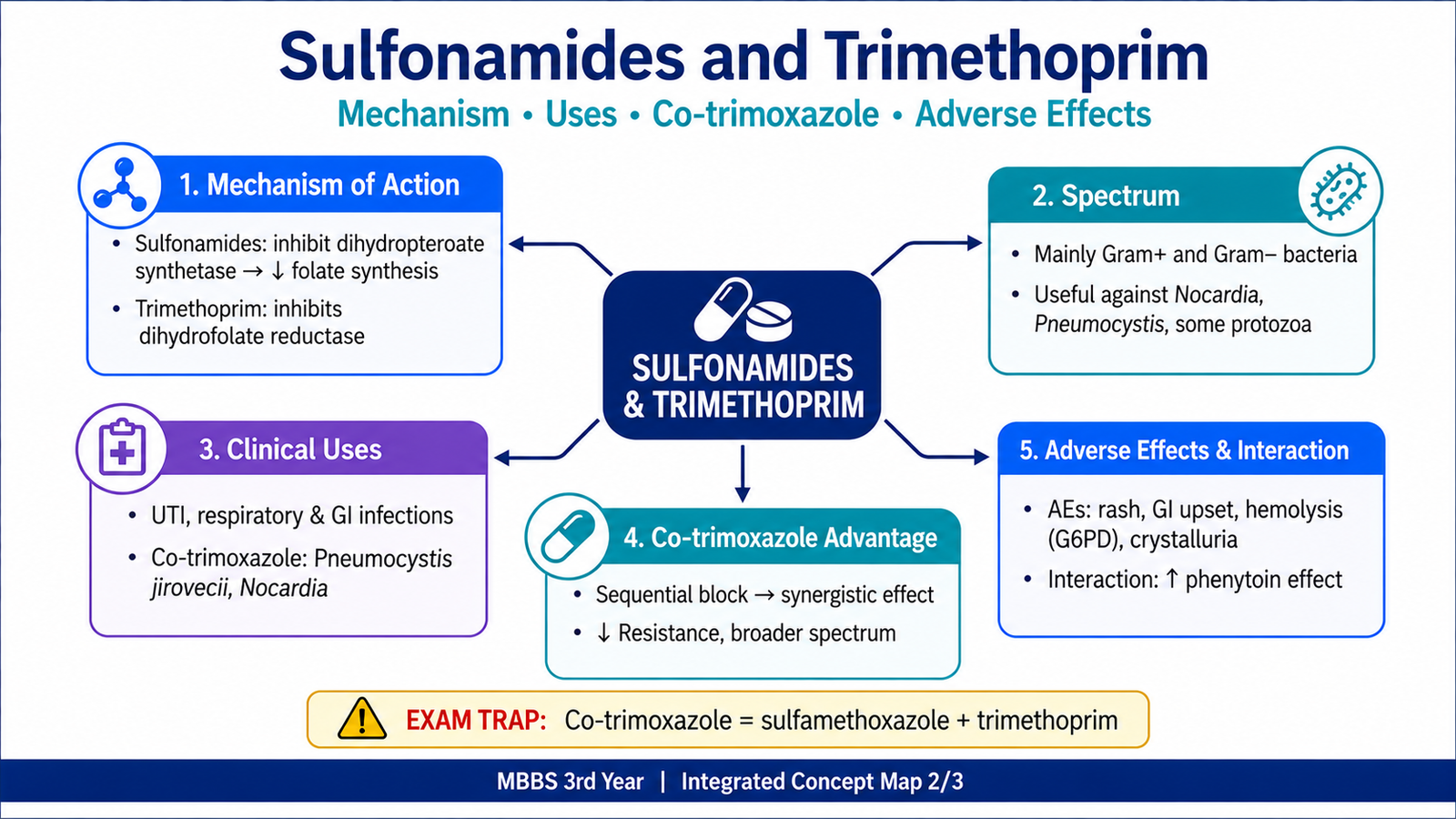
Sulfonamides are structural analogues of para-aminobenzoic acid (PABA). They competitively inhibit the bacterial enzyme dihydropteroate synthase, preventing incorporation of PABA into the folate synthesis pathway.
Sulfonamide blocks the dihydropteroate synthase step.
Mechanism of trimethoprim
Trimethoprim acts later in the same pathway by selectively inhibiting bacterial dihydrofolate reductase. This prevents conversion of dihydrofolate to tetrahydrofolate, further reducing the supply of folate required for nucleic-acid synthesis.
F. Sulfonamide Resistance, Co-trimoxazole and Clinical Uses
Bacteria can become resistant to sulfonamides by reducing the drug’s ability to interfere with folate synthesis. The most important mechanisms either alter the drug target, increase the amount of competing substrate or reduce the amount of drug reaching its intracellular target.
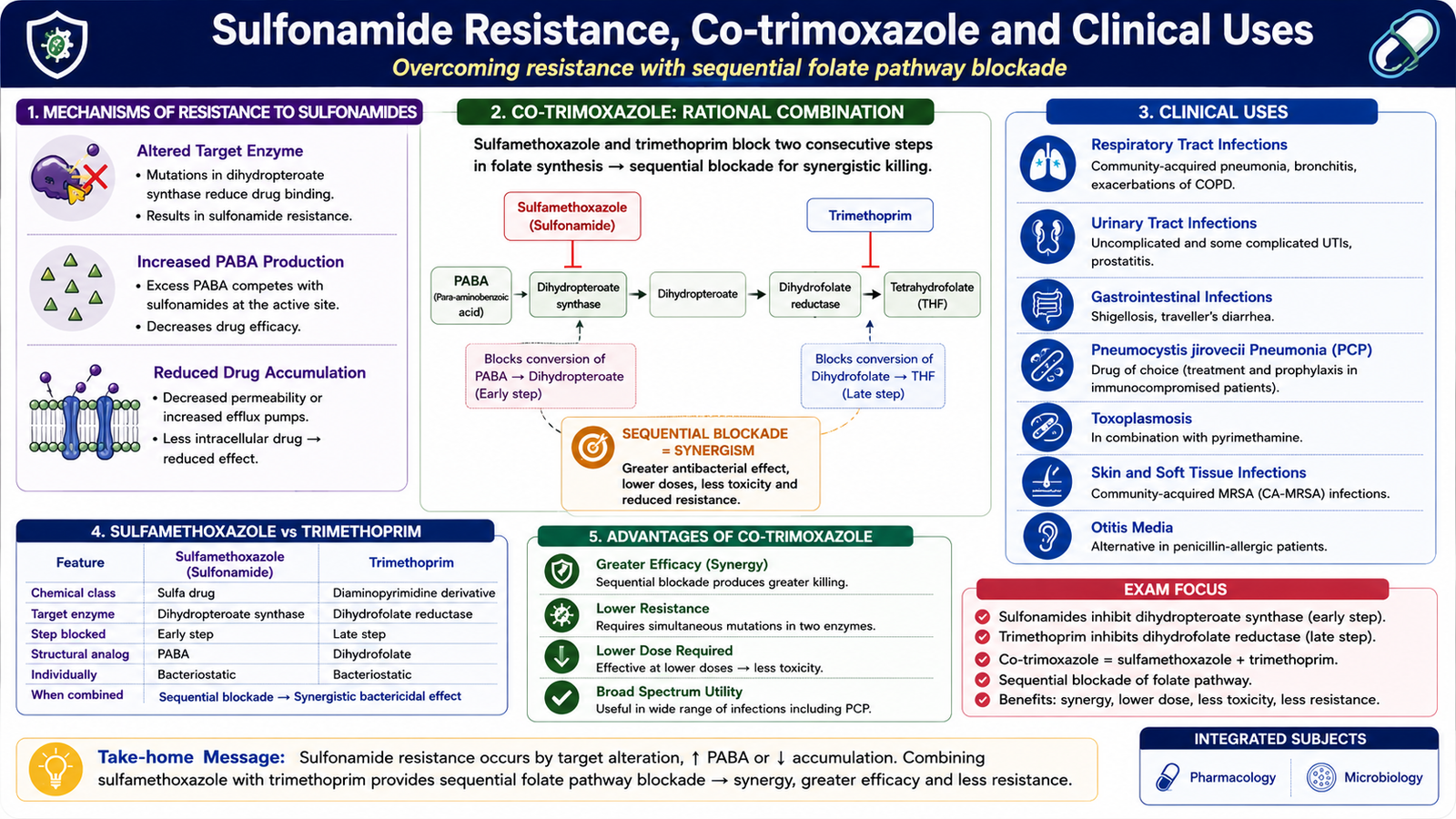
Mechanisms of sulfonamide resistance
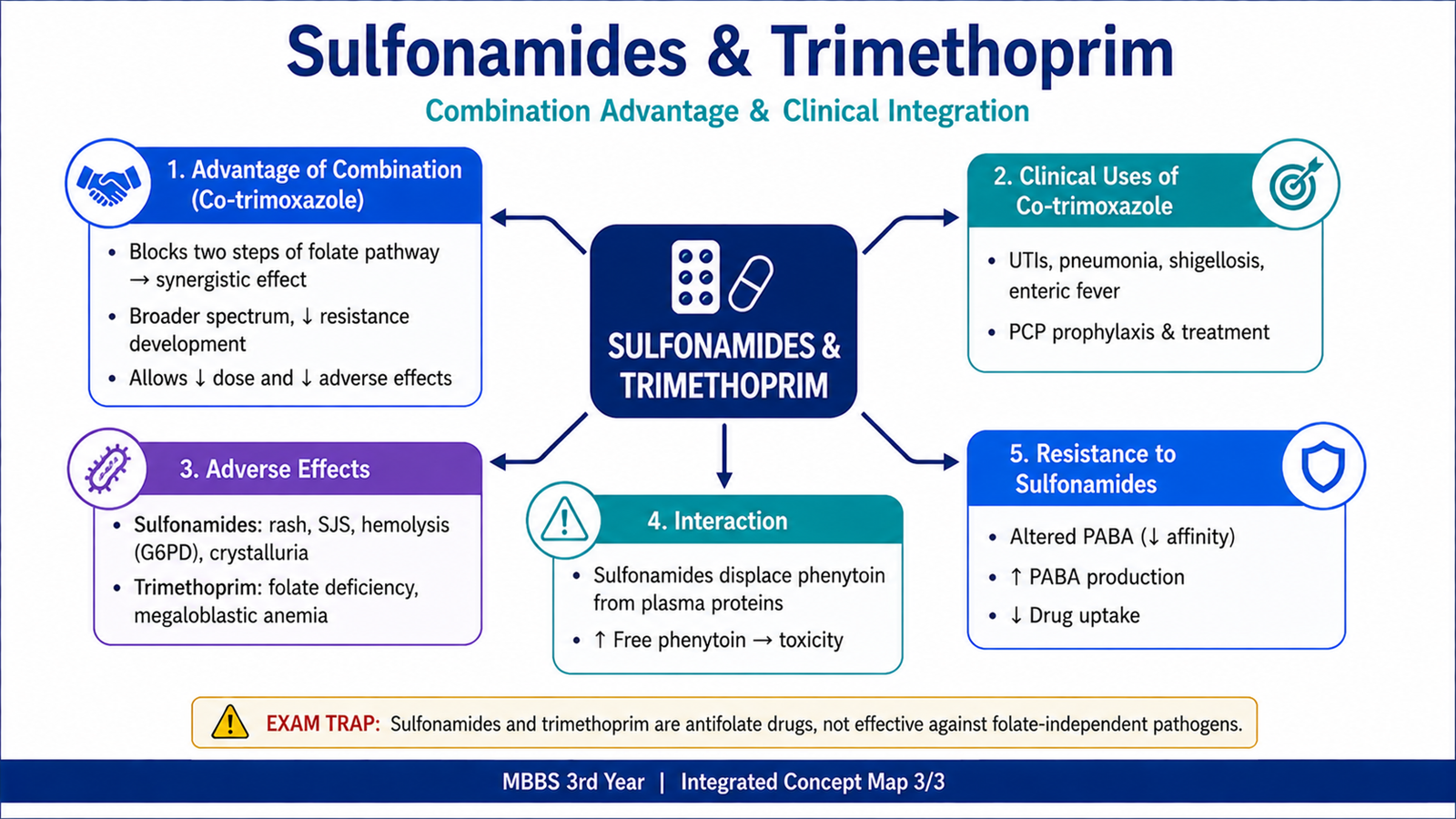
- Altered dihydropteroate synthase: the enzyme has reduced affinity for sulfonamides.
- Increased PABA production: excess natural substrate competes more effectively with the sulfonamide.
- Reduced drug accumulation: decreased permeability or increased efflux can lower intracellular drug levels.
Why combine sulfamethoxazole with trimethoprim?
The fixed combination of trimethoprim + sulfamethoxazole is known as co-trimoxazole. Its major advantage is sequential blockade of bacterial folate metabolism.
PLUS
Trimethoprim → inhibits dihydrofolate reductase → reduced tetrahydrofolate production
Result → much stronger suppression of folate-dependent nucleic-acid synthesis.
The combination provides greater antibacterial activity than either component alone against many susceptible organisms. Sequential blockade also makes it more difficult for a susceptible bacterium to bypass the pathway through a single metabolic step.
Clinical uses
Uses depend on organism susceptibility. Important applications of trimethoprim-sulfamethoxazole include:
- selected urinary tract infections caused by susceptible organisms;
- selected respiratory and gastrointestinal bacterial infections when susceptibility supports its use;
- Pneumocystis jirovecii infection, for which co-trimoxazole has an important therapeutic role;
- selected infections caused by susceptible organisms in which sequential folate blockade provides useful activity.
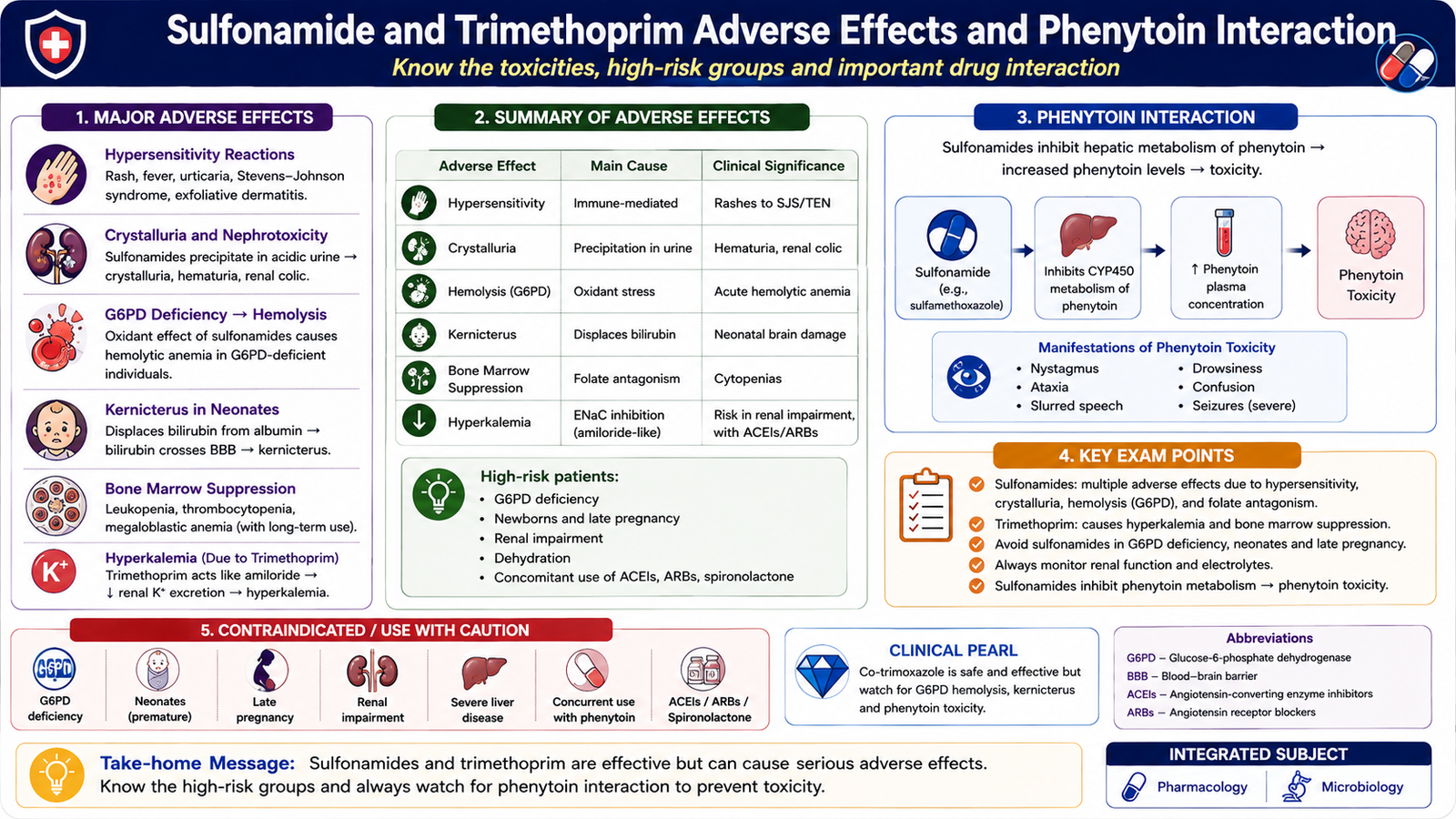
G. Sulfonamide and Trimethoprim Adverse Effects and Phenytoin Interaction
The adverse effects of sulfonamides arise from hypersensitivity reactions, altered handling of bilirubin, precipitation of drug in urine and interference with folate-related processes. Trimethoprim adds effects related to inhibition of folate metabolism in susceptible human tissues, particularly when treatment is prolonged or the patient is predisposed.
Important adverse effects of sulfonamides
- Hypersensitivity reactions: rash and fever may occur; severe cutaneous reactions can occur rarely.
- Photosensitivity: exaggerated skin response to sunlight may occur.
- Crystalluria: some sulfonamides or their metabolites may precipitate in urine, potentially causing urinary tract irritation or renal injury.
- Hemolysis in G6PD deficiency: susceptible red cells have reduced protection against oxidative injury.
- Kernicterus risk in neonates: sulfonamides can displace bilirubin from albumin-binding sites. Increased free bilirubin may enter the immature neonatal brain.
Important adverse effects related to trimethoprim
Because trimethoprim inhibits dihydrofolate reductase, it can interfere with folate-dependent processes in human cells to a limited degree. This can contribute to megaloblastic changes, leukopenia or other bone-marrow effects, particularly in predisposed patients or with prolonged exposure.
Trimethoprim can also reduce renal potassium excretion, so hyperkalemia may occur in susceptible patients.
Interaction with phenytoin
Sulfonamides can increase the effect and toxicity of phenytoin by reducing its metabolic clearance and, for some sulfonamides, altering protein binding. Because phenytoin has a narrow therapeutic range, even a moderate rise in active drug exposure may produce toxicity.
Integrated Mechanism Flow
DNA gyrase / topoisomerase IV inhibition → failure of normal bacterial DNA replication → bactericidal activity → concentration-dependent bacterial killing → clinical usefulness determined by spectrum, tissue penetration and susceptibility.
Co-trimoxazole:
Sulfamethoxazole blocks dihydropteroate synthase → reduced bacterial dihydrofolate formation → trimethoprim blocks dihydrofolate reductase → reduced tetrahydrofolate formation → impaired nucleic-acid precursor synthesis → enhanced antibacterial effect through sequential blockade.
Important Comparison
| Feature | Fluoroquinolones | Sulfonamides | Trimethoprim |
|---|---|---|---|
| Main target | DNA gyrase / topoisomerase IV | Dihydropteroate synthase | Dihydrofolate reductase |
| Main process affected | DNA replication | Early folate synthesis | Later folate metabolism |
| Characteristic principle | Concentration-dependent killing | PABA antagonist | Sequential partner with sulfamethoxazole |
| High-yield adverse effect | Tendinopathy, neuropathy, QT prolongation | Hypersensitivity, G6PD hemolysis, kernicterus | Folate-related marrow effects, hyperkalemia |
⭐ AIM High-Yield Review
- ⭐ Fluoroquinolones inhibit bacterial DNA gyrase and topoisomerase IV and are bactericidal.
- Fluoroquinolones show concentration-dependent killing.
- Ciprofloxacin is particularly important for gram-negative and antipseudomonal activity.
- ⭐ Levofloxacin and moxifloxacin are important respiratory fluoroquinolones because of improved pneumococcal activity.
- Moxifloxacin has a relatively long half-life of about 12 hours.
- Major fluoroquinolone resistance commonly involves mutations in DNA gyrase or topoisomerase IV; efflux and reduced permeability may also contribute.
- Fluoroquinolone absorption is reduced by chelation with calcium, magnesium, aluminum and iron.
- ⭐ High-yield fluoroquinolone adverse effects include tendinopathy/tendon rupture, peripheral neuropathy and QT prolongation.
- Sulfonamides are PABA analogues that inhibit dihydropteroate synthase.
- Trimethoprim inhibits bacterial dihydrofolate reductase.
- ⭐ Co-trimoxazole combines sulfamethoxazole and trimethoprim to produce sequential blockade of folate synthesis.
- Sulfonamide resistance may result from altered target enzyme, increased PABA production or reduced intracellular drug concentration.
- Important sulfonamide adverse effects include hypersensitivity, crystalluria, hemolysis in G6PD deficiency and risk of kernicterus in neonates.
- Trimethoprim may cause folate-related bone-marrow effects and hyperkalemia.
- ⭐ Sulfonamides can increase phenytoin exposure and therefore increase the risk of phenytoin toxicity.