
Topic 10 — Trauma, Analgesic Toxicity and Healthcare-Associated Infection
Topic Introduction
This topic brings together three important areas of third-year MBBS learning. Healthcare-associated infections are infections related to the delivery of health care and are important because many can be prevented through effective infection-prevention practices. Traumatic wounds develop when mechanical forces disrupt tissues, and the appearance of a wound depends on how that force acts on the body. Finally, aspirin and paracetamol toxicity are important forensic and toxicological problems because excessive exposure can produce serious or fatal poisoning. Understanding the mechanism behind each problem makes its clinical findings, preventive measures and medico-legal significance much easier to remember.
A. Healthcare-Associated Infection: Concept, Burden and Common Types
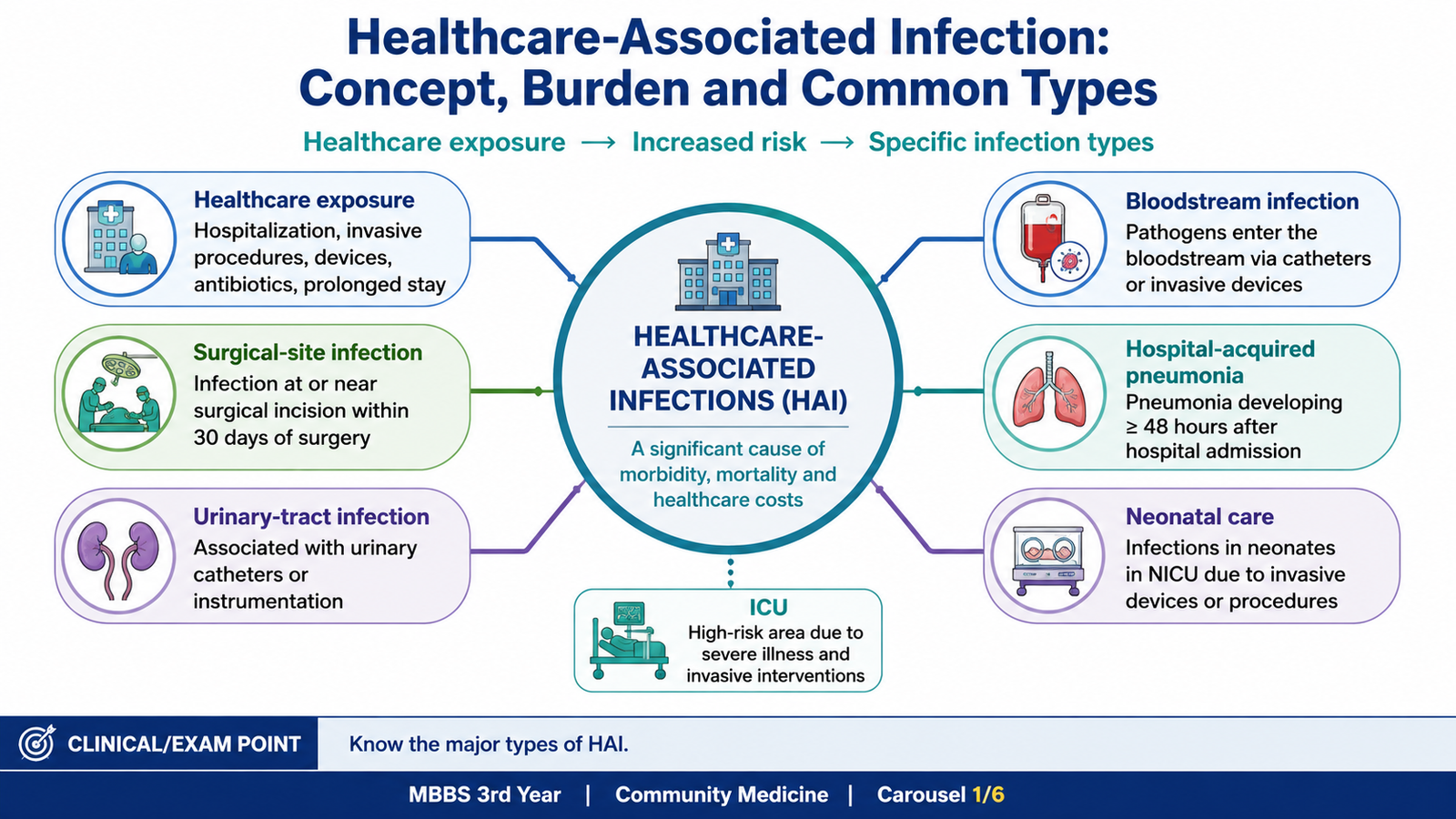
A healthcare-associated infection (HAI), traditionally called a nosocomial infection, is an infection acquired in relation to receiving health care that was not already present or incubating when the patient entered that episode of care. The important idea is not simply that an infection appears inside a hospital; rather, its acquisition is linked to health-care exposure, procedures, devices, personnel or the health-care environment.
Why healthcare-associated infections are important
HAIs increase illness, prolong hospitalization and increase the need for antimicrobial treatment. They also contribute to antimicrobial resistance because infected patients frequently require broad or prolonged antibiotic exposure. The burden is especially important in intensive-care units, surgical areas, neonatal units and other settings where patients are severely ill or undergo invasive procedures.
Global prevalence
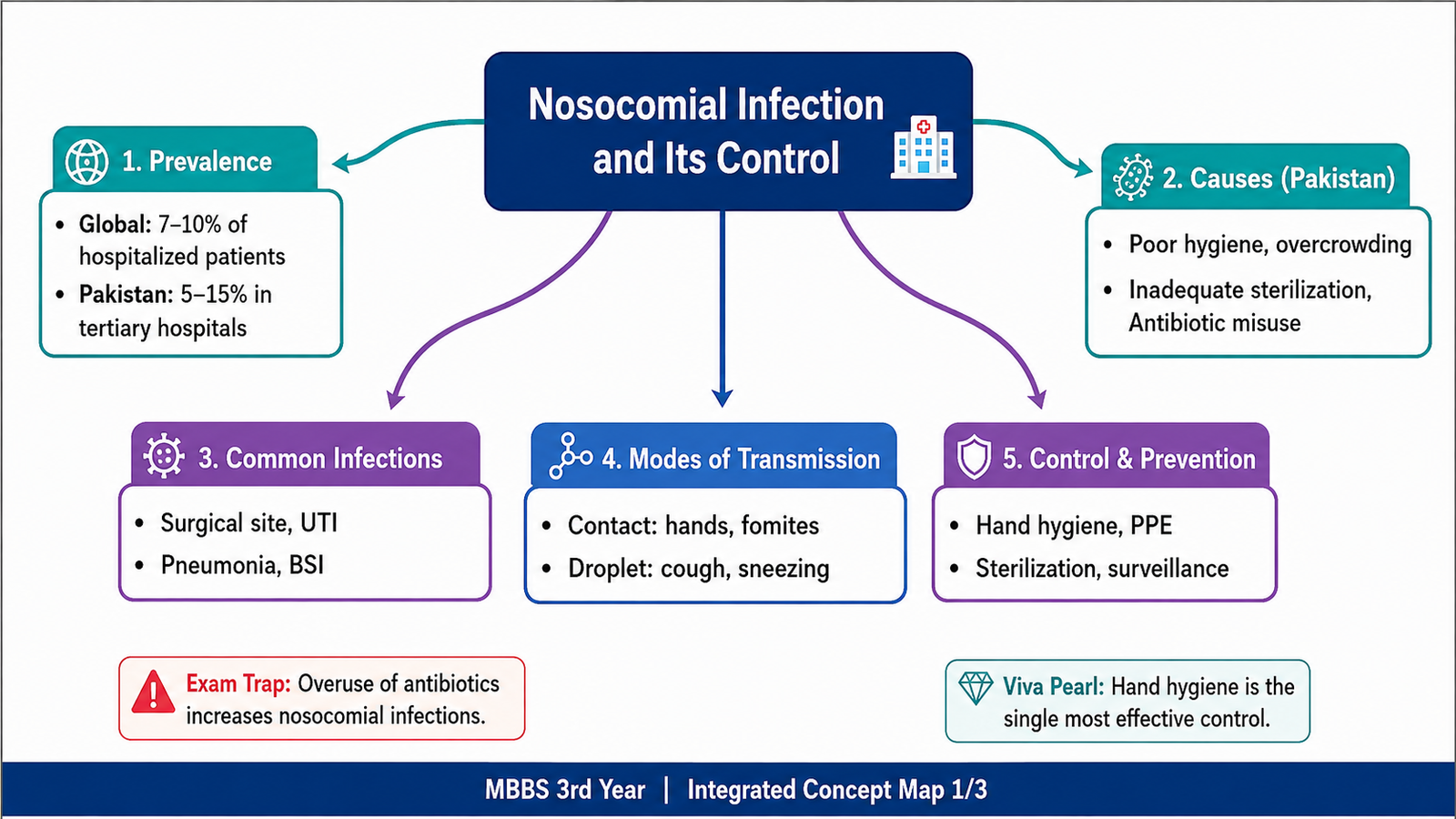
Healthcare-associated infections occur throughout the world. WHO reports that, on average, approximately 7 of every 100 hospitalized patients in high-income countries and 15 of every 100 in low- and middle-income countries acquire at least one HAI during an acute-care hospital stay. The frequency varies considerably between hospitals, patient groups and surveillance methods. :contentReference[oaicite:0]{index=0}
Situation in Pakistan
Pakistan shares many of the HAI challenges seen in other low- and middle-income countries. Reliable nationwide surveillance remains limited, so figures from individual studies should not automatically be applied to every hospital. A multicentre survey involving 13 hospitals in Punjab found evidence of HAI in 8.4% of 1,553 hospitalized patients, while a later survey of children in 19 Pakistani public hospitals found a prevalence of 13.3%. These studies demonstrate that HAIs represent an important patient-safety problem in Pakistan while also showing that prevalence depends strongly on the population and hospital setting studied. :contentReference[oaicite:1]{index=1}
Common healthcare-associated infections
The type of infection often reflects the patient’s procedure, anatomical site and use of invasive devices.
- Surgical-site infection: infection involving a surgical incision or deeper operated tissues.
- Urinary-tract infection: frequently associated with urinary catheterization.
- Bloodstream infection: may follow vascular access, especially central venous devices.
- Hospital-acquired pneumonia: particularly important in critically ill or ventilated patients.
- Gastrointestinal infection: may occur through contaminated hands, surfaces, food or health-care exposure depending on the organism involved.
B. Causes and Modes of Transmission of Healthcare-Associated Infection
HAIs usually result from interaction between a susceptible patient, a microorganism and an opportunity for transmission. Hospitalization alone does not cause infection. Risk increases when the patient’s natural defenses are reduced, invasive procedures provide an entry route, microorganisms are present in the care environment and infection-control practices fail to interrupt transmission.
Important causes and contributing factors
- Poor hand hygiene: contaminated hands can transfer organisms between patients, equipment and surfaces.
- Invasive devices: urinary catheters, vascular catheters and endotracheal tubes bypass normal protective barriers.
- Surgical procedures: disruption of skin and deeper tissues provides organisms with access to normally sterile sites.
- Prolonged hospitalization: increases cumulative exposure to resistant organisms, procedures and contaminated environments.
- Severe illness or impaired immunity: reduces the patient’s ability to control microbial invasion.
- Inappropriate antimicrobial use: creates selective pressure favoring resistant organisms.
- Inadequate cleaning, disinfection or sterilization: allows organisms to persist on equipment or surfaces.
- Overcrowding and inadequate staffing: can make consistent infection-prevention practices more difficult.
- Weak infection-prevention systems and limitations in water, sanitation or hygiene facilities: can further increase transmission risk.
In Pakistan, these determinants are particularly relevant because health-care facilities may differ greatly in resources, staffing, infrastructure and implementation of infection-prevention programmes. The relative importance of each factor therefore varies between institutions.
Modes of transmission
Contact transmission is particularly important in health-care settings. In direct contact, organisms pass from one person to another. In indirect contact, transmission occurs through contaminated hands, instruments, equipment or environmental surfaces.
Droplet transmission occurs when relatively large respiratory particles produced during coughing, sneezing, speaking or certain procedures reach another person’s mucous membranes at relatively close range.
Airborne transmission involves smaller infectious particles capable of remaining suspended and travelling through air. Organisms spread by this route require specific airborne precautions.
Common-vehicle transmission occurs when a contaminated source such as medication, fluid, food, blood or equipment exposes multiple people.

C. Control and Prevention of Healthcare-Associated Infection
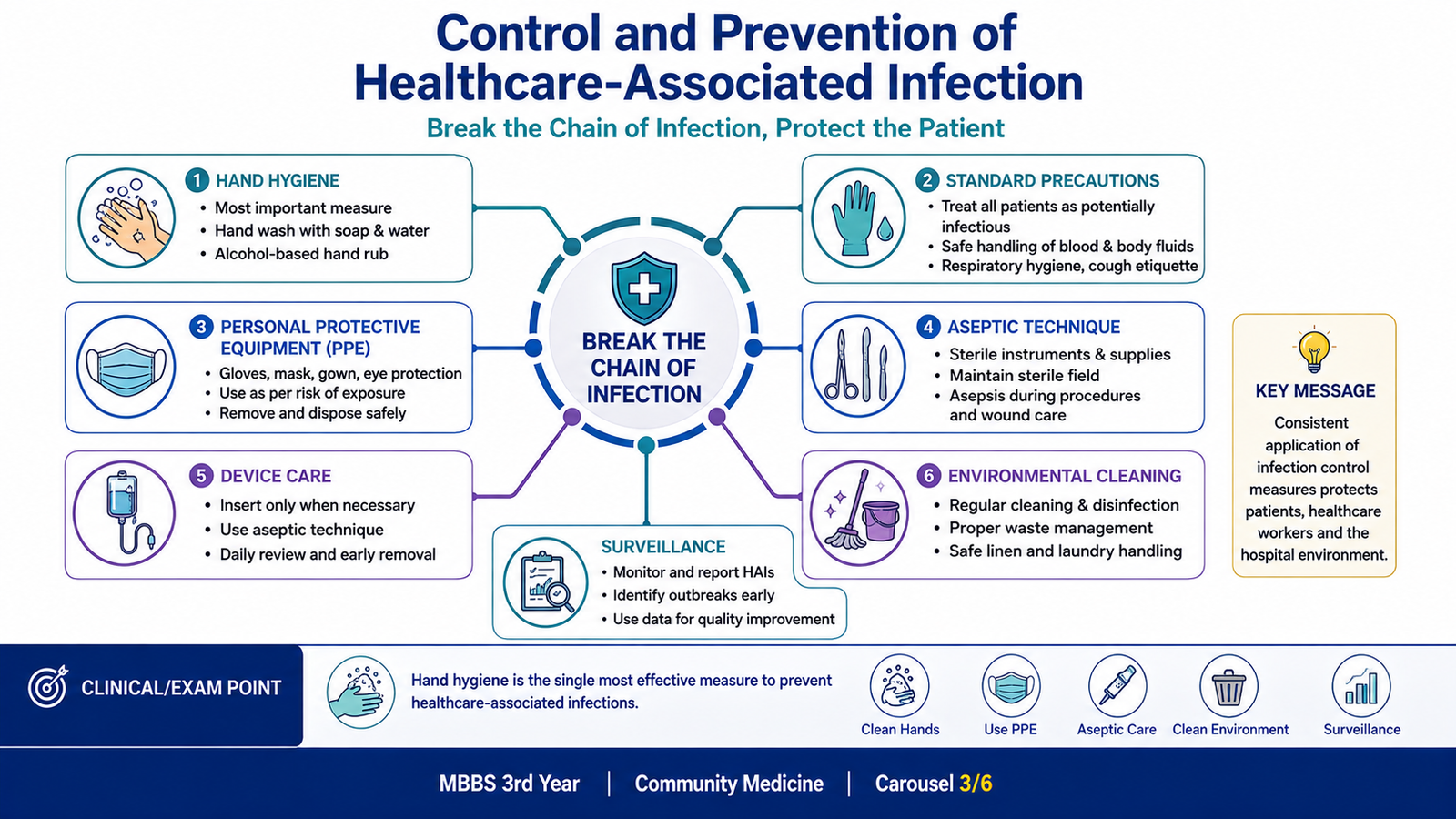
Prevention works by interrupting transmission before microorganisms reach a susceptible patient. No single intervention is sufficient. Effective infection prevention requires routine precautions for every patient together with additional measures when the organism or route of transmission requires them.
Standard precautions
Standard precautions are the basic infection-prevention practices used during patient care regardless of whether infection has already been diagnosed.
- Correct hand hygiene at appropriate points of care.
- Appropriate use of gloves, gowns, masks and eye protection according to exposure risk.
- Safe handling of blood, body fluids and potentially contaminated materials.
- Safe injection and sharps practices.
- Proper cleaning and disinfection of reusable equipment.
- Environmental cleaning of patient-care areas.
- Safe handling of linen and health-care waste.
- Appropriate respiratory hygiene.
Transmission-based precautions
When standard precautions alone are insufficient, additional precautions are selected according to the transmission route. These include contact, droplet and airborne precautions. Appropriate patient placement, personal protective equipment and movement restrictions help prevent spread to other patients and health-care workers.
Device- and procedure-related prevention
Invasive devices should be inserted only when genuinely needed and should be removed when no longer required. Aseptic technique during insertion and careful maintenance reduce the chance that microorganisms will be introduced into sterile tissues.
Sterilization, disinfection and environmental control
Items entering sterile tissues require appropriate sterilization, while other reusable equipment requires the correct level of disinfection according to its use. Cleaning is essential because organic material can interfere with successful disinfection or sterilization.
Surveillance and infection-control programmes
Hospitals need systems to identify HAIs, monitor patterns and detect unusual increases or outbreaks. Surveillance allows infection-control teams to recognize high-risk areas and evaluate whether preventive measures are working.
Antimicrobial stewardship
Antibiotics should be used appropriately because unnecessary or inappropriate exposure selects resistant organisms. Stewardship therefore complements infection prevention: infection control reduces transmission, while responsible antimicrobial use reduces selective pressure for resistance.
D. Medico-Legal Aspects of Trauma: Mechanism of Wound Causation
A wound is disruption of the normal continuity of tissue caused by application of force. In forensic medicine, the appearance of a wound is important because it may provide information about the type of force that acted on the body. However, a wound should be interpreted cautiously: its appearance may suggest a mechanism, but it does not automatically identify one particular weapon or reconstruct the entire event.
How mechanical force produces wounds
Tissue injury depends on the amount and nature of energy transferred, the surface over which the force acts, the direction of force and the characteristics of the tissue involved. Skin, subcutaneous tissue, muscle and bone respond differently to the same mechanical event.
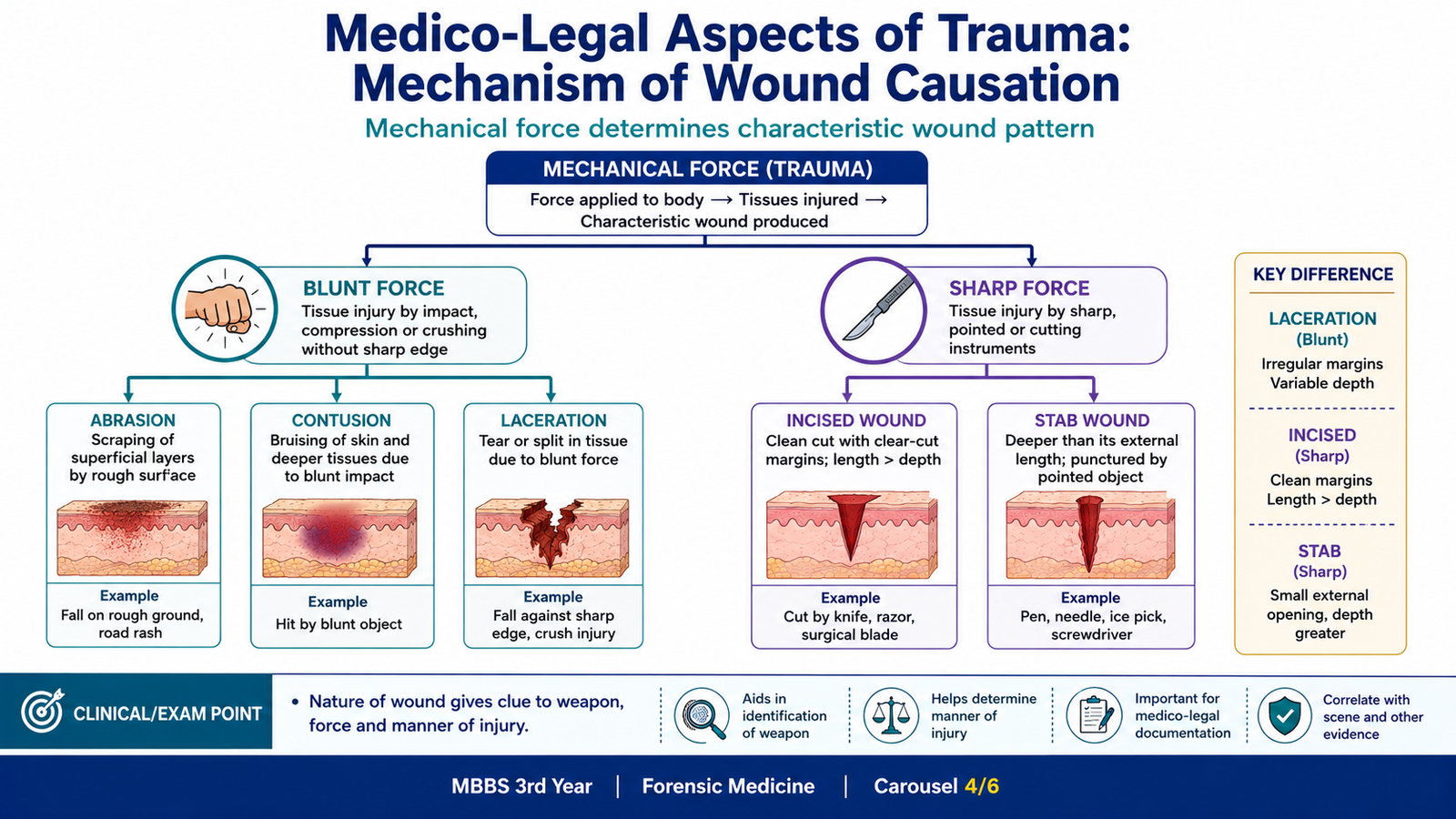
Blunt force
Blunt objects transfer force without a sharp cutting edge. Depending on intensity and tissue characteristics, the result may include abrasion, contusion or laceration.
- Abrasion: superficial removal of epidermis, commonly produced by friction or scraping.
- Contusion: blunt force ruptures small blood vessels while the skin remains intact, allowing blood to escape into tissues.
- Laceration: blunt force crushes, stretches or tears tissue beyond its capacity to withstand the force.
Lacerations commonly show irregular margins and tissue bridging because tissues are torn rather than cleanly divided.
Sharp force
A sharp edge concentrates force over a small area and divides tissue more cleanly. Depending on the dimensions and movement of the object, sharp force may produce an incised wound or a stab wound.
- Incised wound: surface length is usually greater than depth because a sharp edge moves across the skin.
- Stab wound: depth is usually greater than the surface dimensions because a pointed object is driven into the body.
Medico-legal interpretation
The examiner documents the wound’s location, dimensions, shape, margins, surrounding changes and associated injuries. These findings may help infer the broad category and direction of force. Interpretation should remain cautious because wound appearance may be modified by skin tension, movement, tissue elasticity, treatment and post-injury changes.
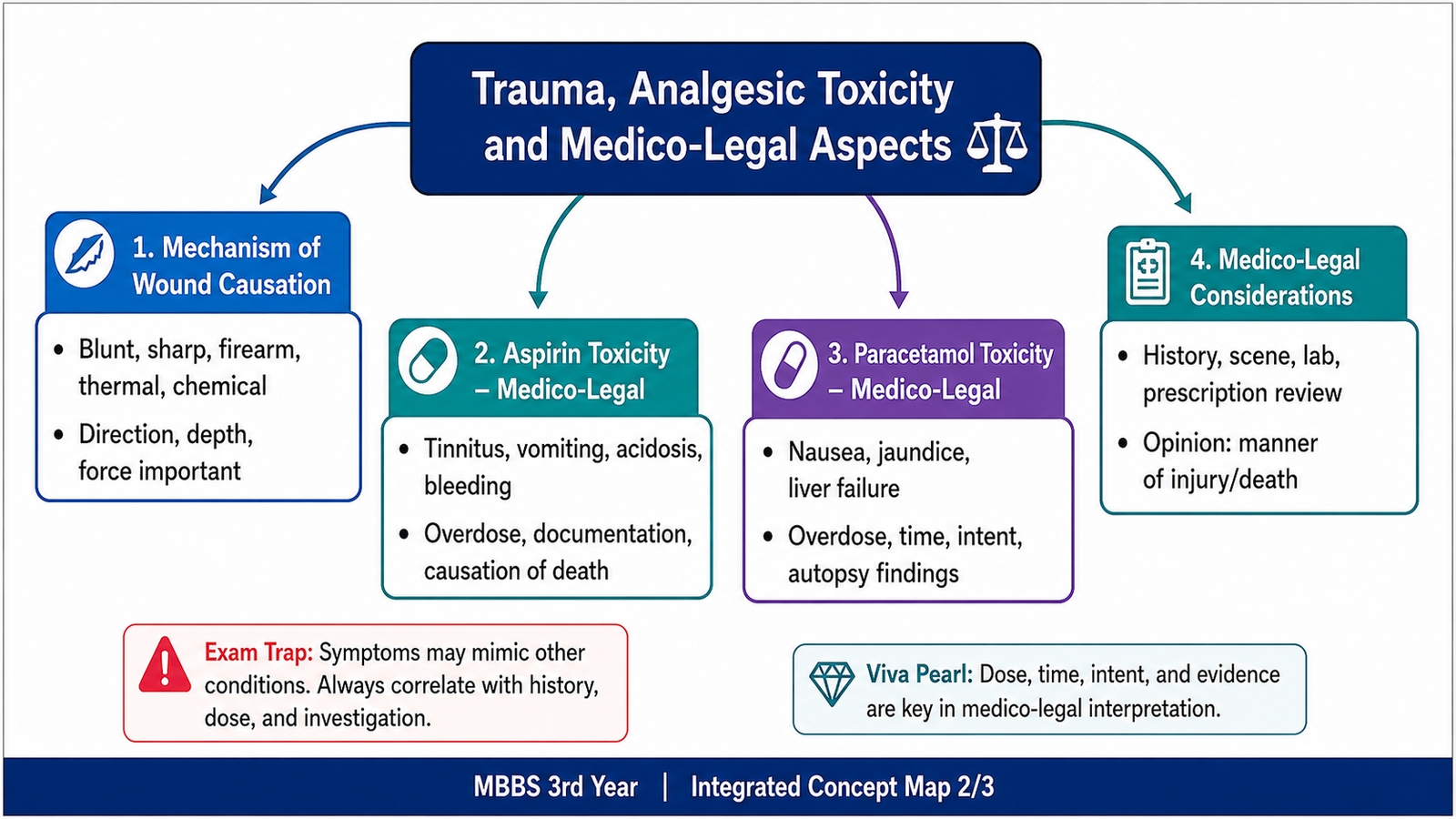
E. Aspirin Toxicity
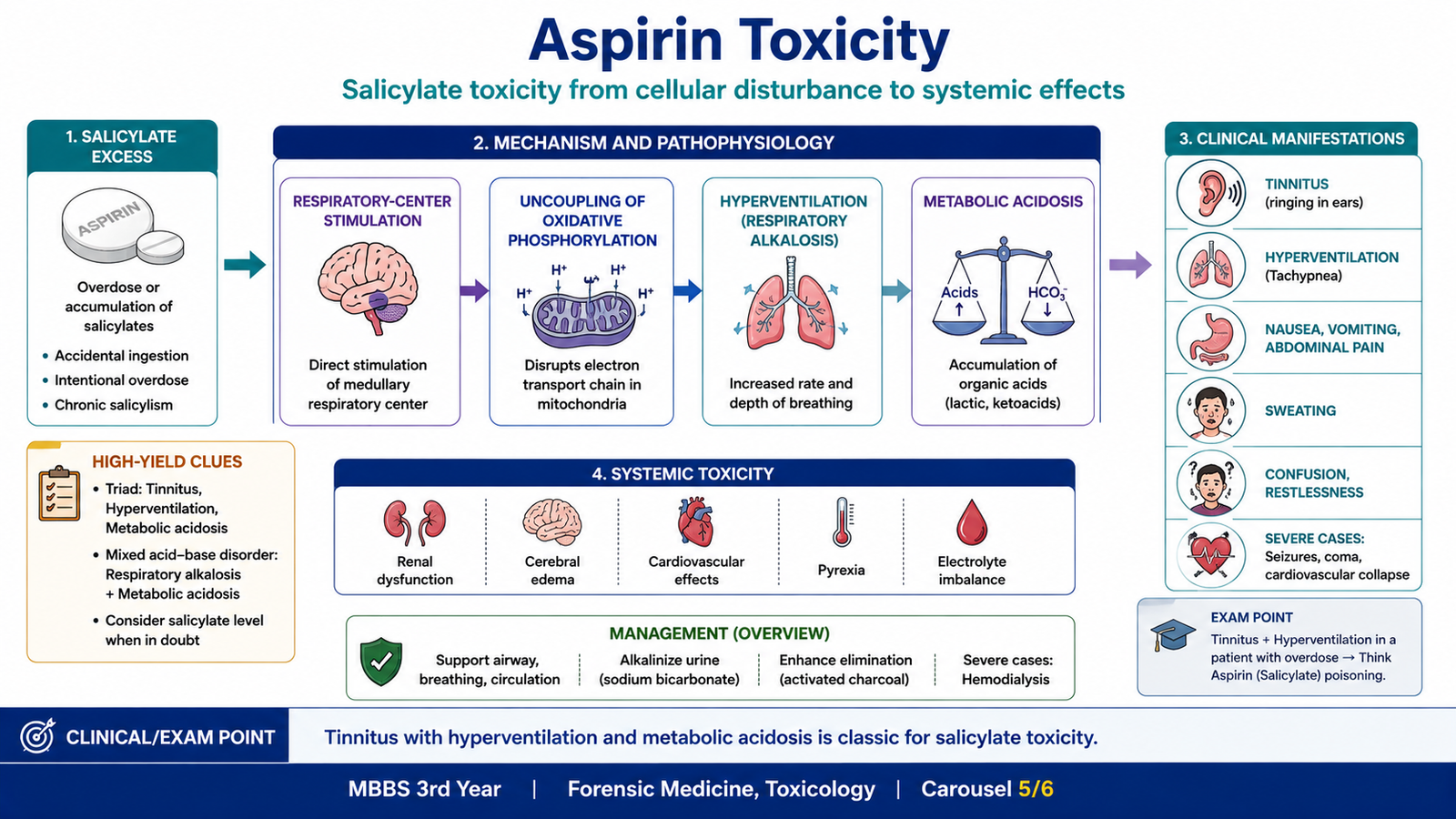
Aspirin is a salicylate analgesic. Toxicity may follow excessive acute ingestion or accumulation over time. Salicylate poisoning is important because it affects several physiological systems simultaneously, particularly cellular metabolism, respiration, acid-base balance and temperature regulation.
Mechanism of toxicity
At toxic concentrations, salicylates stimulate the respiratory center and also interfere with normal cellular energy production. Early respiratory stimulation causes excessive ventilation and loss of carbon dioxide, tending to produce respiratory alkalosis. At the same time, salicylates uncouple oxidative phosphorylation, so cells generate energy inefficiently and produce excess heat and organic acids. This produces a developing metabolic acidosis.
Important manifestations
- Nausea and vomiting.
- Tinnitus and impaired hearing are characteristic early clues.
- Tachypnea and hyperventilation.
- Sweating and increased body temperature.
- Dehydration and electrolyte disturbance.
- Acid-base abnormalities.
- Confusion, agitation or reduced consciousness in severe poisoning.
- Severe toxicity may progress to pulmonary and neurological complications.
General toxicological approach
Assessment begins with stabilization of airway, breathing and circulation, followed by evaluation of the exposure history, clinical condition, acid-base status, electrolytes and appropriate salicylate measurements. Management aims to limit further absorption when appropriate, correct fluid and metabolic disturbances and enhance elimination of salicylate. In severe poisoning, specialist toxicological management and extracorporeal removal may be required.
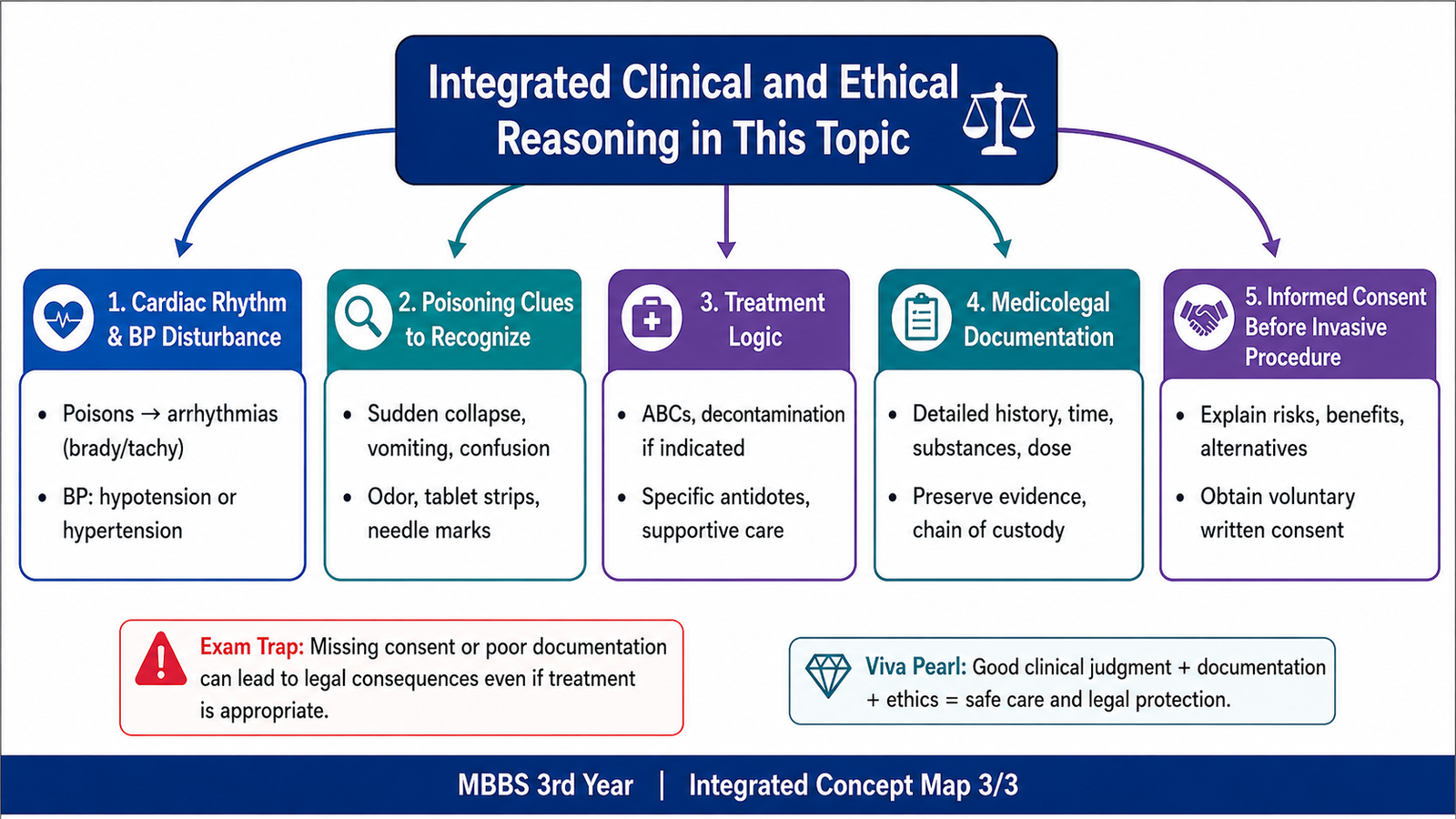
Medico-legal significance
Salicylate poisoning may be accidental, therapeutic-related or intentional. The forensic interpretation requires correlation between history, circumstances, clinical findings, laboratory results and, when relevant, post-mortem findings. A drug concentration should not be interpreted in isolation because timing of sampling, treatment, redistribution and the clinical state influence its significance.
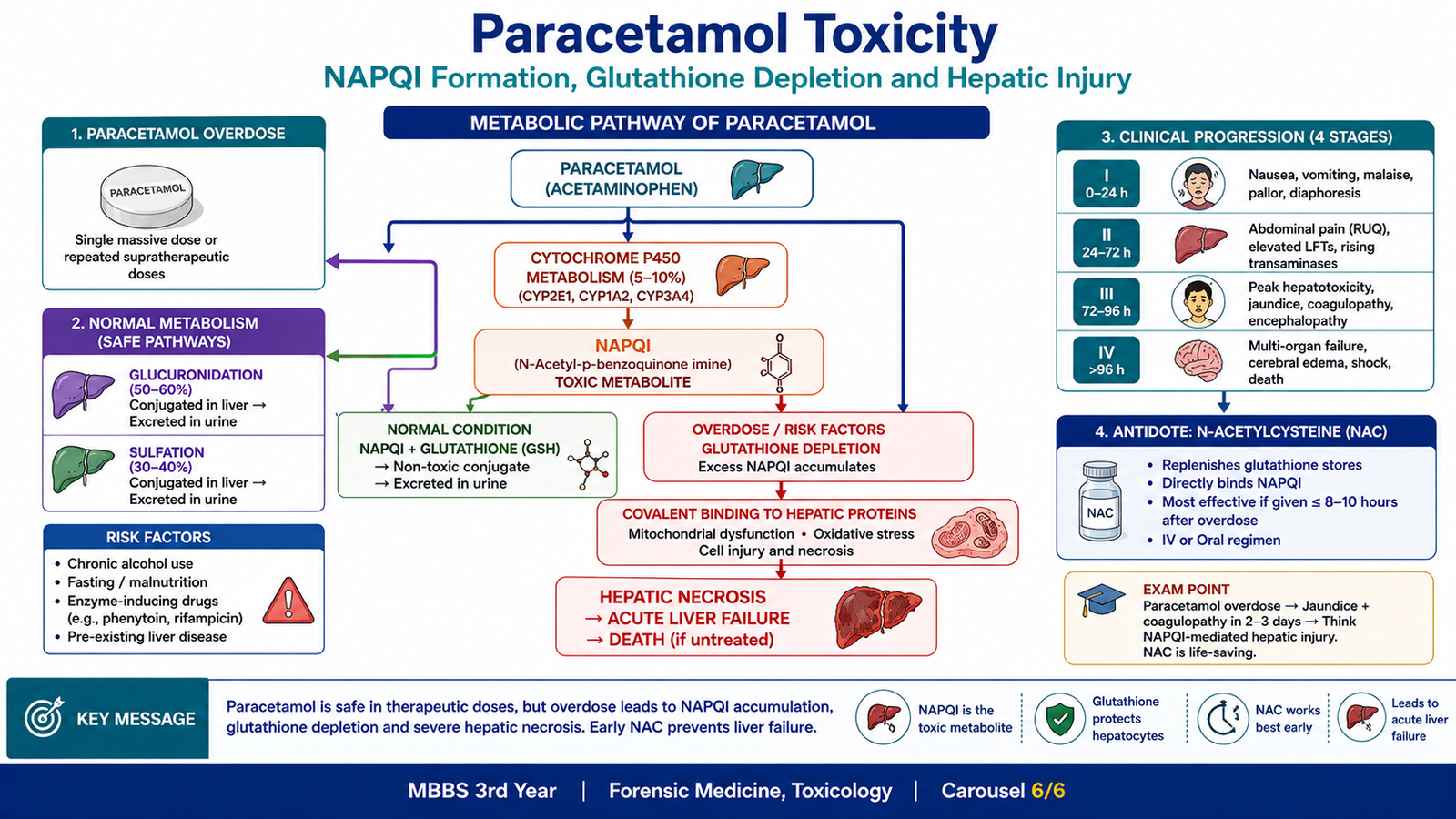
F. Paracetamol Toxicity
Paracetamol (acetaminophen) is widely used as an analgesic and antipyretic. At therapeutic exposure, most of the drug is converted to non-toxic metabolites. A small proportion is oxidized to a reactive metabolite called N-acetyl-p-benzoquinone imine (NAPQI). Normally, glutathione rapidly detoxifies NAPQI. In overdose, the usual metabolic pathways become overwhelmed, more NAPQI is produced and hepatic glutathione stores become depleted.
Mechanism of liver injury
This mechanism explains why a patient can initially appear relatively well after ingestion but later develop major hepatic injury. Early symptoms may therefore underestimate the seriousness of the exposure.
Clinical progression
- Early phase: nausea, vomiting, sweating, malaise or few obvious symptoms.
- Developing hepatic injury: right upper abdominal discomfort and rising biochemical evidence of hepatocellular damage.
- Severe poisoning: marked hepatic dysfunction, impaired coagulation, metabolic disturbance, encephalopathy and acute liver failure may occur.
- Renal injury may also accompany severe poisoning.
Antidotal principle
N-acetylcysteine (NAC) is the key antidote. It helps restore glutathione availability and increases the liver’s ability to detoxify the reactive metabolite. Its benefit is greatest when treatment begins early, but it can remain useful in patients who present later with evidence of toxicity.
Toxicological assessment
Management begins with stabilization and careful determination of what was taken, when it was taken and whether the ingestion was acute or repeated. Paracetamol concentration and liver-related investigations are interpreted according to the clinical context and timing of exposure. The student should understand the principle rather than relying on a drug level without knowing when the sample was obtained.
Medico-legal significance
Paracetamol poisoning may occur accidentally, through repeated excessive therapeutic use or through intentional self-poisoning. Medico-legal evaluation should document the history and circumstances carefully, preserve appropriate clinical records and correlate toxicological results with clinical or post-mortem findings. The presence of paracetamol alone does not establish the intention or manner of poisoning.
Integrated Mechanism Flow
Susceptible patient → health-care exposure → microbial transmission → colonization/invasion → infection → interruption through IPC.
Mechanical force → energy transfer → cutting/crushing/shearing → tissue failure → characteristic wound pattern.
Salicylate excess → respiratory stimulation + cellular metabolic disturbance → mixed acid-base changes → systemic toxicity.
Overdose → excess NAPQI → glutathione depletion → hepatocyte necrosis → possible acute liver failure.
Important Comparison: Aspirin vs Paracetamol Toxicity
| Feature | Aspirin | Paracetamol |
|---|---|---|
| Major toxic mechanism | Respiratory stimulation and uncoupling of oxidative phosphorylation | Excess NAPQI after glutathione depletion |
| Characteristic clue | Tinnitus with hyperventilation | Initially mild symptoms despite developing hepatic injury |
| Main organ/system problem | Acid-base, metabolic, respiratory and neurological disturbance | Hepatocellular injury and possible acute liver failure |
| Acid-base concept | Respiratory alkalosis with developing metabolic acidosis | Not the defining early mechanism |
| Specific antidotal principle | No single antidote; management emphasizes stabilization and enhanced elimination when indicated | N-acetylcysteine |
⭐ AIM High-Yield Review
- Healthcare-associated infection is related to health-care exposure and was not already present or incubating at the start of that episode of care.
- Major HAIs include surgical-site infection, urinary-tract infection, bloodstream infection and hospital-acquired pneumonia.
- HAIs occur globally and are generally more frequent in low- and middle-income health-care settings.
- Important HAI drivers include poor hand hygiene, invasive devices, inadequate aseptic practice, environmental contamination, prolonged hospitalization and antimicrobial selection pressure.
- Important transmission routes are contact, droplet, airborne and common-vehicle transmission.
- ⭐ Hand hygiene is one of the most important measures for interrupting health-care transmission.
- Standard precautions are used routinely; additional contact, droplet or airborne precautions depend on the transmission route.
- Blunt force commonly causes abrasions, contusions and lacerations; sharp force produces incised and stab wounds.
- ⭐ A laceration results from tearing or crushing and may show tissue bridges; an incised wound results from a sharp cutting edge.
- Aspirin toxicity produces respiratory stimulation and impaired cellular energy metabolism, causing characteristic acid-base disturbance.
- ⭐ Tinnitus plus hyperventilation is an important clue to salicylate toxicity.
- Paracetamol toxicity occurs when excess NAPQI overwhelms glutathione protection and damages hepatocytes.
- ⭐ N-acetylcysteine is the key antidote for paracetamol poisoning because it supports restoration of glutathione-dependent detoxification.
- Early paracetamol poisoning may appear clinically mild even though significant hepatic injury can subsequently develop.
- In forensic toxicology, drug levels and wound appearances must always be interpreted together with the history, circumstances and other clinical or post-mortem findings.
🎥 AIM Recommended Video
Healthcare-Associated / Nosocomial Infections
Covers common types, causes, transmission and prevention of hospital-acquired infections.
AIM Learning Cycle • 3rd Year MBBS • Infection and Inflammation