
This chapter follows the supplied KMU learning outcomes and moves from viral structure to pathogenesis, clinical disease, diagnosis and prevention. First understand the disease mechanisms, then use the AIM High-Yield Review for rapid revision.
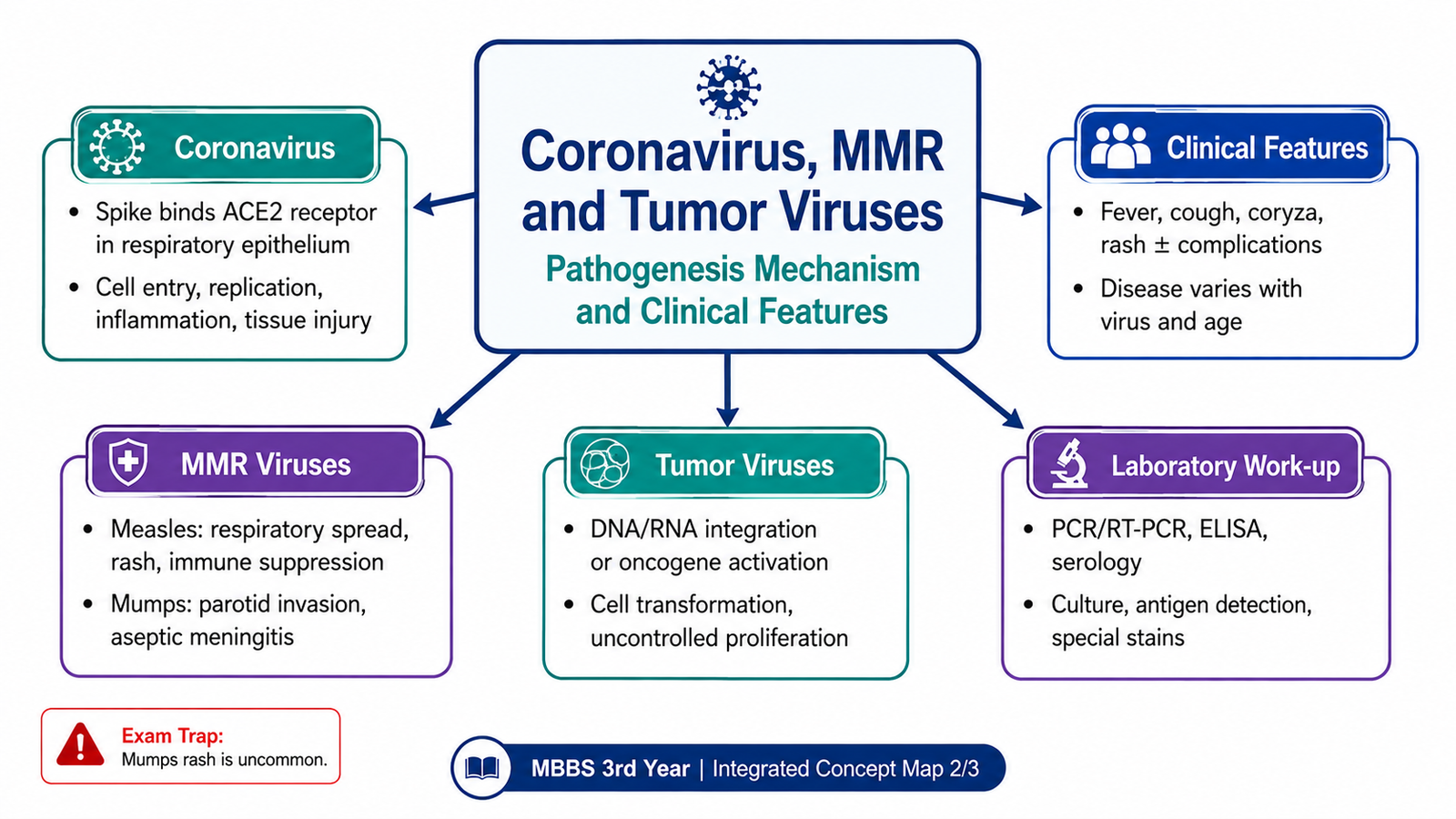
Topic 24 — Coronavirus, MMR and Tumor Viruses: Pathogenesis, Epidemiology and Control
Module/Theme: Infection and Inflammation
Topic Introduction
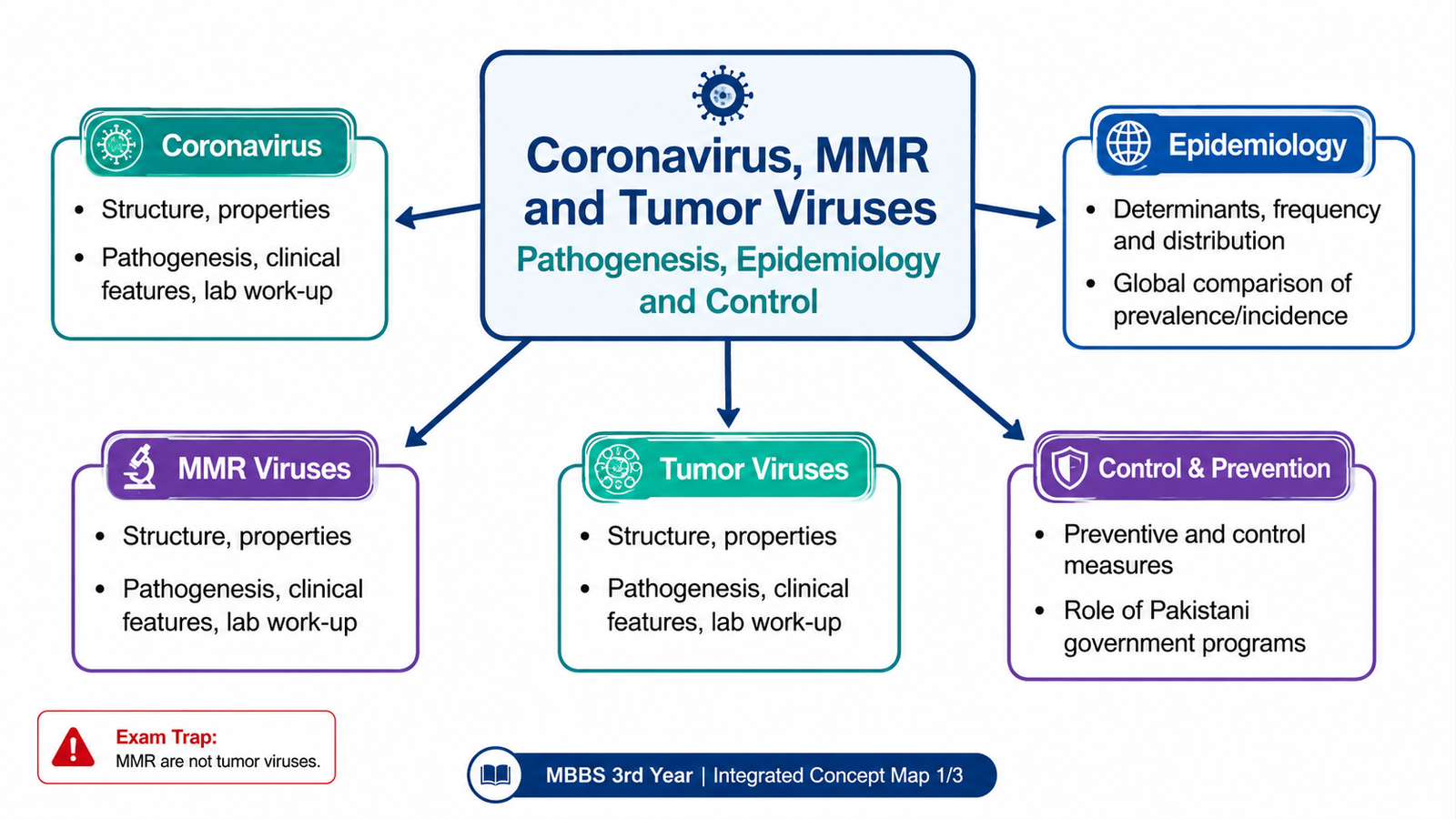
This topic brings together three important groups of viral disease. Coronaviruses mainly cause respiratory infection and have major epidemiological importance because they can spread rapidly through populations. Measles, mumps and rubella are highly recognizable viral infections in which understanding transmission, clinical features and vaccination is essential. Tumor viruses are different because persistent viral infection can contribute to malignant transformation through viral proteins, chronic inflammation or interference with normal cell-cycle control. By the end of this chapter, you should be able to connect the structure and biological properties of these viruses with their pathogenesis, clinical manifestations, laboratory diagnosis, epidemiological behavior and appropriate preventive or control measures.
A. Coronavirus — Structure, Properties and Pathogenesis
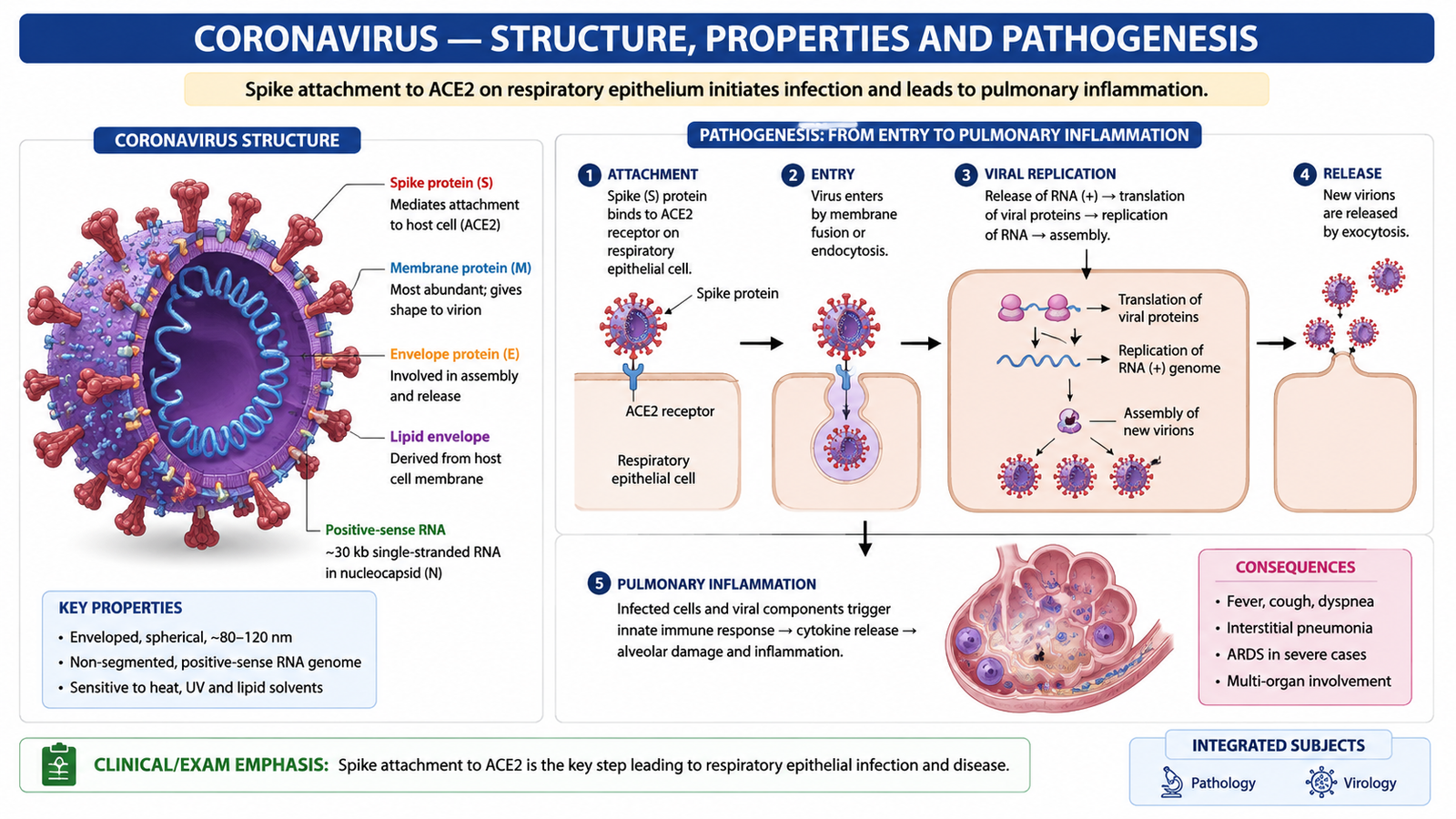
Coronaviruses are enveloped RNA viruses that primarily infect the respiratory tract, although some members can also affect other organ systems. Their name comes from the crown-like appearance produced by surface spike proteins. Human coronaviruses range from viruses causing mild upper respiratory illness to highly pathogenic viruses capable of causing severe pneumonia. SARS-CoV-2 is the coronavirus responsible for COVID-19 and is the main modern example of coronavirus infection with major clinical and public-health significance.
Structure and important properties
The coronavirus particle contains a large, positive-sense single-stranded RNA genome enclosed by a nucleocapsid and a lipid envelope. The envelope carries surface proteins that are essential for attachment and entry into host cells.
- Genome: positive-sense single-stranded RNA.
- Envelope: lipid-containing envelope makes the virus susceptible to detergents and appropriate disinfectants.
- Spike protein: projects from the viral surface and determines attachment to susceptible host cells.
- Nucleocapsid protein: associates with the viral RNA genome.
- Replication: occurs mainly in the cytoplasm of infected cells.
- Variation: RNA replication and viral evolution can produce new variants with altered transmission or immune-evasion characteristics.
Pathogenesis
Coronavirus disease begins when infectious respiratory particles reach susceptible mucosal cells. In SARS-CoV-2 infection, the viral spike protein interacts with the ACE2 receptor on susceptible host cells. Viral entry is followed by replication and production of new viral particles. Local viral replication produces epithelial injury and activates innate and adaptive immune responses.
Respiratory exposure → attachment of spike protein to susceptible host cell → viral entry and cytoplasmic replication → epithelial injury and inflammatory response → respiratory symptoms → in severe disease, diffuse pulmonary inflammation and impaired gas exchange
In uncomplicated infection, the immune response limits viral replication and the patient recovers. In more severe infection, extensive pulmonary inflammation may damage alveolar structures and interfere with oxygen exchange. Severe systemic disease can also be associated with marked inflammatory activation and disturbances of vascular and coagulation pathways.
Clinical features
The clinical spectrum is broad. Some infected individuals remain asymptomatic, while others develop upper respiratory illness or pneumonia.
- Fever
- Sore throat or upper respiratory symptoms
- Cough
- Fatigue and myalgia
- Headache
- Alteration of smell or taste may occur in some patients
- Dyspnea in significant lower respiratory involvement
- Pneumonia and hypoxemia in severe disease
Severe disease is more likely when infection progresses from the upper airway to extensive lower respiratory involvement. Respiratory failure is an important serious complication.
Laboratory work-up
Laboratory diagnosis aims to demonstrate current viral infection. Molecular testing is particularly useful because it detects viral nucleic acid directly.
- Nucleic acid amplification testing such as RT-PCR: detects viral RNA and is a major method for confirming active infection.
- Rapid antigen testing: detects viral proteins and may provide faster evidence of active infection, although sensitivity may differ from molecular testing.
- Serology: demonstrates antibodies and is more useful for evidence of previous immune exposure than for establishing very early acute infection.
- Respiratory specimens: upper respiratory samples are commonly used; lower respiratory specimens may be useful in selected patients with lower respiratory disease.
- Imaging: chest imaging may support assessment of pneumonia but does not by itself prove the viral cause.
B. Coronavirus Epidemiology, Prevention and Control
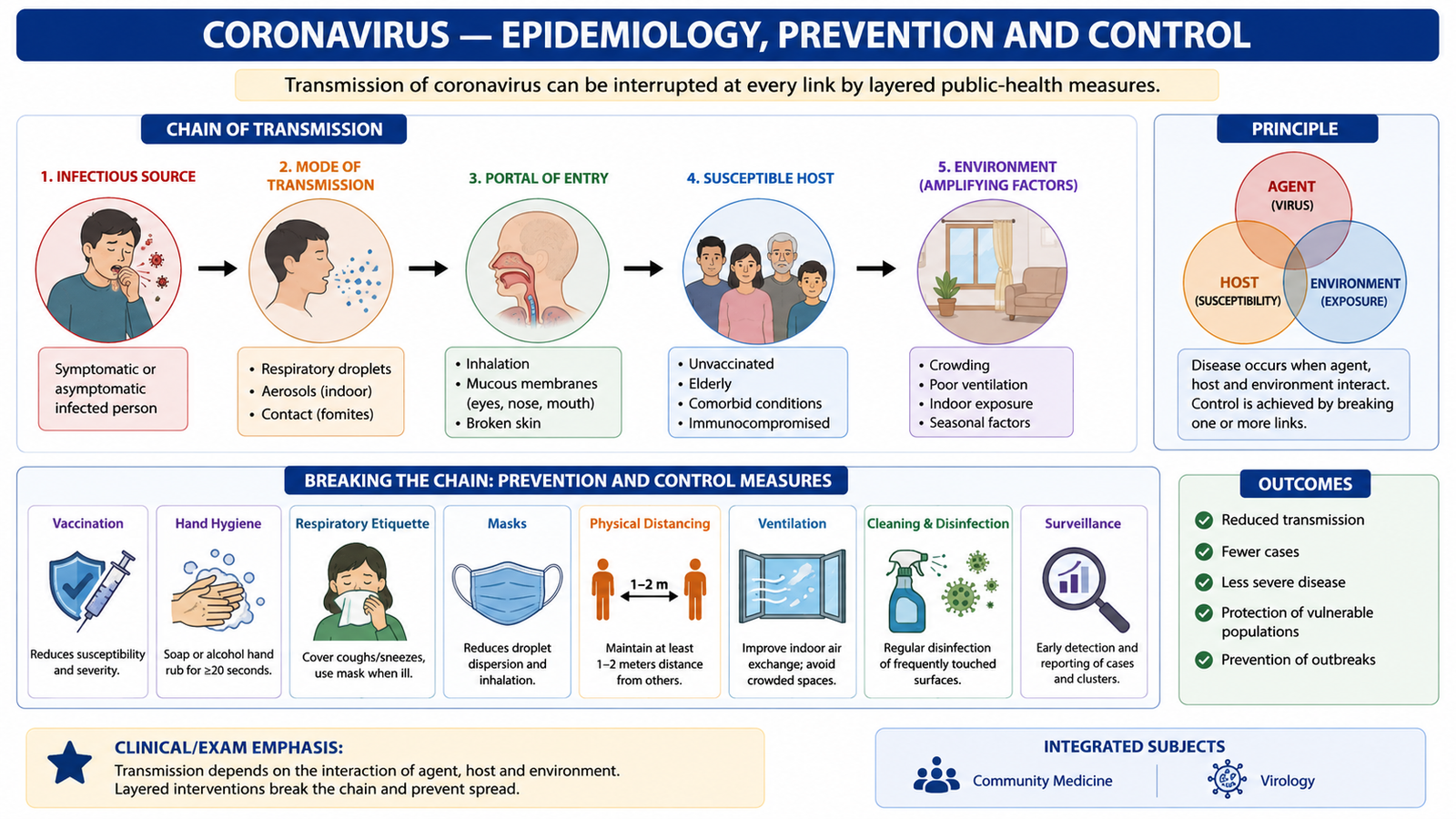
Coronavirus transmission is determined by interaction between the infectious source, the susceptible host and the environment in which exposure occurs. Respiratory transmission is particularly important because infected individuals release virus-containing particles during breathing, speaking, coughing and sneezing. Risk increases when susceptible people have close or prolonged contact, particularly in poorly ventilated indoor settings.
Epidemiological determinants
- Agent factors: transmissibility, viral variation and ability to evade existing immunity.
- Host factors: age, immunity from previous infection or vaccination, underlying disease and immune status.
- Environmental factors: crowding, indoor contact, ventilation and population movement.
- Behavioral factors: frequency of close contact and adherence to appropriate infection-control practices.
Frequency and distribution
Coronavirus infection does not occur at the same frequency in every place or at every time. Incidence may rise and fall in waves. Differences between countries or regions reflect several interacting factors, including population immunity, circulating variants, age structure, testing intensity, reporting systems, travel patterns and public-health measures.
Therefore, comparisons of prevalence or incidence between different parts of the world must be interpreted carefully. A region reporting more cases may truly have greater transmission, but differences in testing and surveillance can also influence the recorded number of cases. For this reason, epidemiological comparisons should not rely on case counts alone.
Prevention and control
Control aims to interrupt transmission, identify infection when clinically or epidemiologically appropriate, protect people at increased risk and reduce severe disease.
- Vaccination to reduce the risk of severe disease and population impact.
- Appropriate respiratory hygiene.
- Good ventilation of indoor environments.
- Avoidance of unnecessary close exposure during symptomatic infectious illness.
- Use of appropriate personal protective measures in healthcare and high-risk settings.
- Testing and surveillance according to public-health need.
- Protection of healthcare workers through infection-prevention procedures.
- Public communication based on reliable health information.
Role of government in the Pakistani context
Government control of a large respiratory viral outbreak requires coordination between public-health authorities, hospitals, laboratories and provincial and national health systems. The exact operational response may change according to the epidemiological situation, so the important undergraduate principle is to understand the functions of government rather than memorize temporary policies.
- Organizing disease surveillance and reporting.
- Supporting diagnostic laboratory capacity.
- Coordinating vaccination and other preventive activities when indicated.
- Issuing public-health guidance and risk communication.
- Supporting infection prevention in healthcare institutions.
- Coordinating outbreak investigation and response.
- Monitoring disease trends and allocating health resources according to need.
- Cooperating with national and international public-health organizations when required.
C. Measles Virus
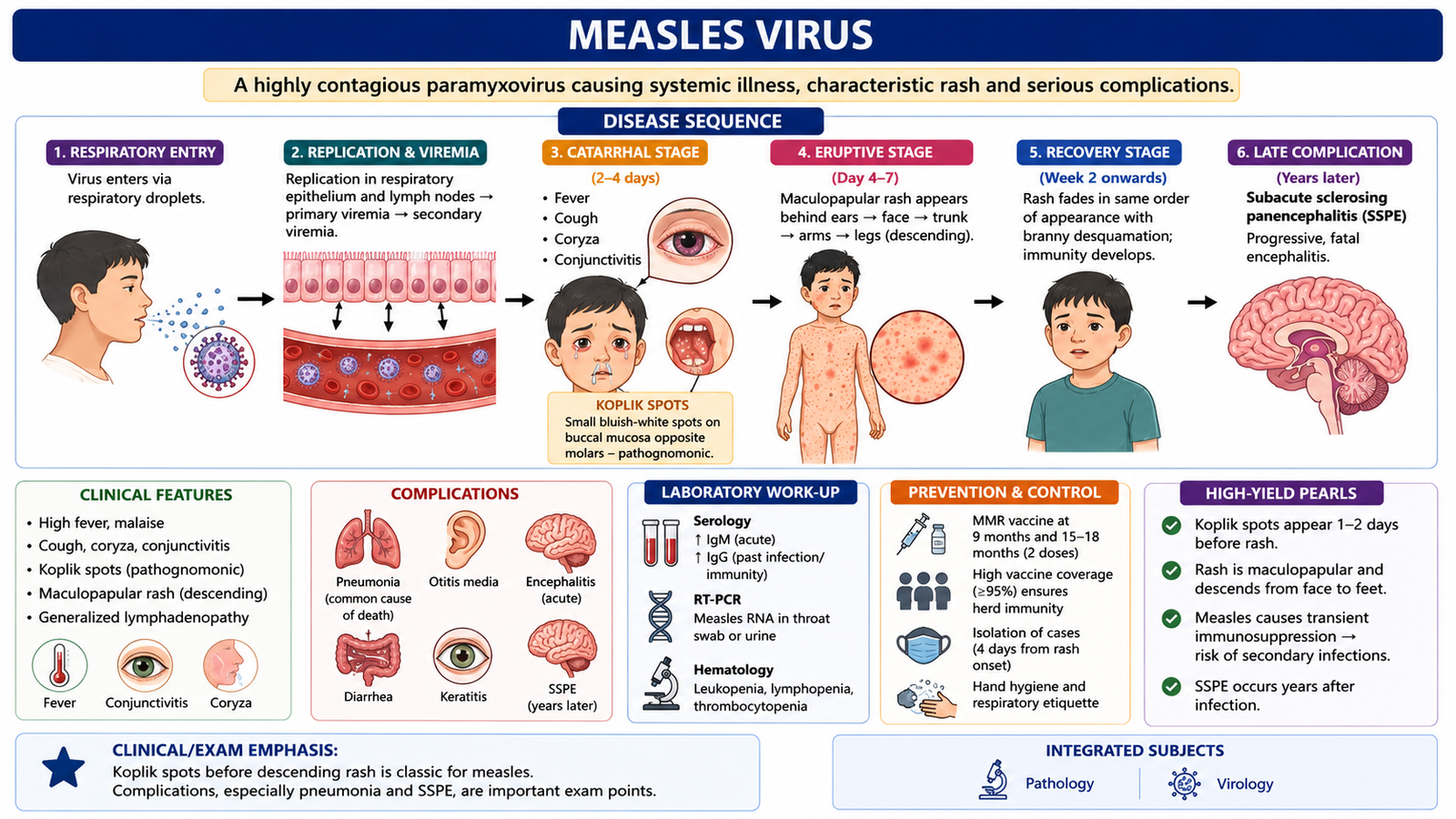
Measles is an acute systemic viral infection characterized by fever, respiratory symptoms, characteristic oral lesions and a widespread maculopapular rash. It is particularly important because it spreads efficiently among susceptible people. The disease is caused by measles virus, an enveloped RNA virus belonging to the genus Morbillivirus.
Structure and important properties
- Enveloped virus.
- Negative-sense single-stranded RNA genome.
- Helical nucleocapsid.
- Humans are the important reservoir.
- Transmission occurs mainly through the respiratory route.
- One antigenic type makes effective vaccination possible.
Pathogenesis
After respiratory entry, the virus initially infects cells in the respiratory tract and local immune tissue. It then spreads through lymphatic tissue and blood, producing systemic infection. Viral replication and the host immune response together produce the clinical manifestations.
The rash is largely related to the host cellular immune response against virus-infected cells. Measles also causes transient suppression of immune function, which helps explain why secondary infections may occur during or after the illness.
Clinical features
The illness typically develops with a prodromal phase followed by the characteristic exanthem.
- High fever
- Cough
- Coryza
- Conjunctivitis
- Koplik spots: small lesions on the buccal mucosa that are highly characteristic.
- Maculopapular rash: usually begins on the face or upper part of the body and then spreads downward.
Important complications include otitis media, pneumonia and encephalitis. A rare late complication is subacute sclerosing panencephalitis, which develops years after persistent measles virus infection of the central nervous system.
Laboratory work-up
A classic clinical picture may strongly suggest the diagnosis, but laboratory confirmation is important in outbreak investigation and public-health surveillance.
- Detection of measles-specific IgM antibody supports recent infection.
- RT-PCR can detect measles viral RNA in appropriate clinical specimens.
- Molecular methods can also assist epidemiological investigation.
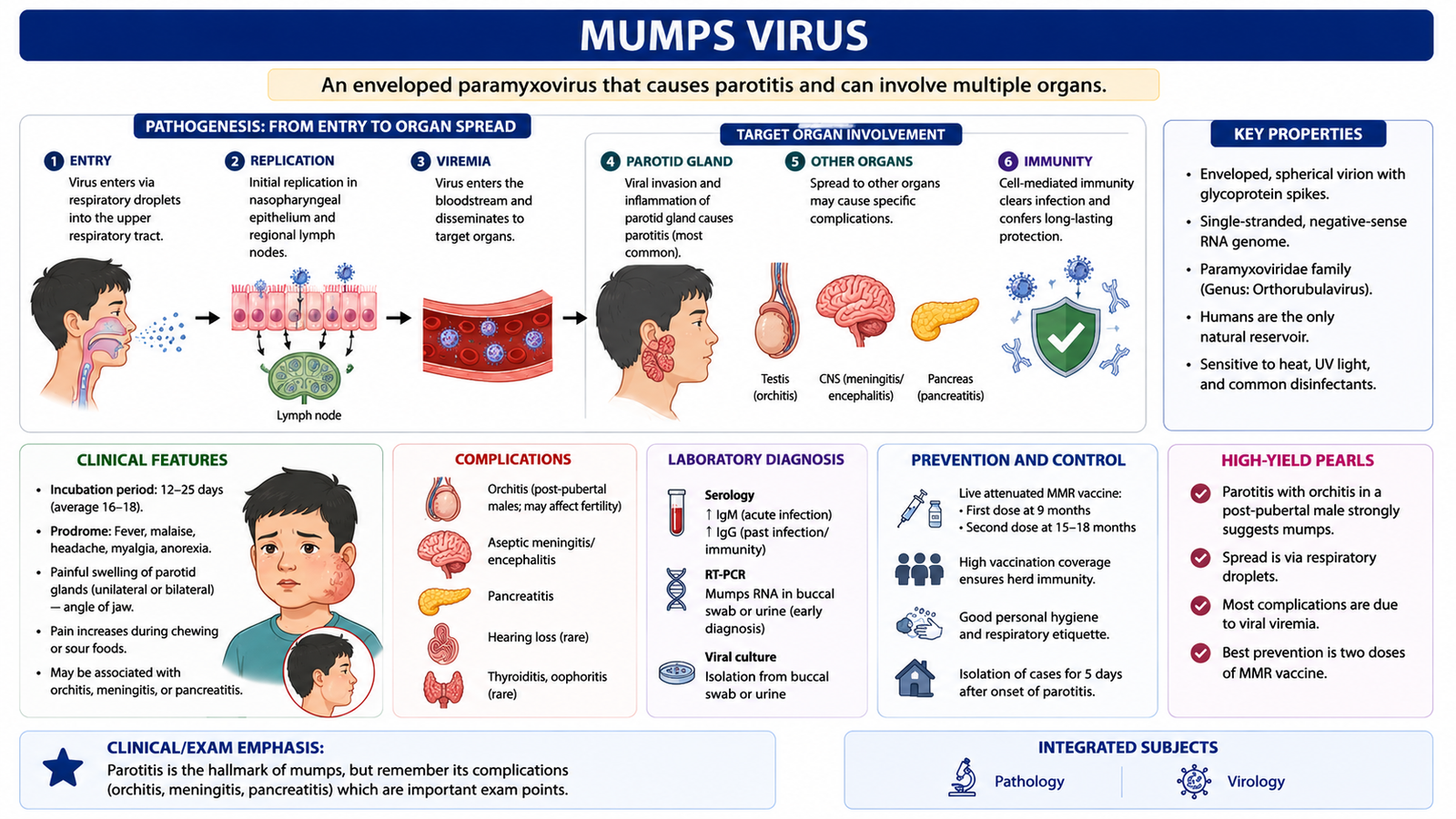
D. Mumps Virus
Mumps is an acute viral infection best known for producing painful swelling of the parotid salivary glands. However, it is a systemic infection and may involve the central nervous system, testes, ovaries or pancreas. The causative mumps virus is an enveloped negative-sense RNA virus that spreads predominantly by the respiratory route.
Structure and properties
- Enveloped virus.
- Negative-sense single-stranded RNA genome.
- Helical nucleocapsid.
- Humans are the natural reservoir.
- Respiratory droplets and close contact facilitate spread.
Pathogenesis
The virus enters through the respiratory tract and replicates locally. It then spreads to regional lymphoid tissue and may enter the bloodstream. Viremia allows the virus to reach distant organs, particularly the salivary glands and, in some patients, the testes, central nervous system and pancreas.
Clinical features
- Fever and malaise.
- Headache and myalgia.
- Parotitis: painful swelling of one or both parotid glands.
- Pain may become more noticeable during chewing or swallowing.
- Orchitis: important complication in post-pubertal males.
- Aseptic meningitis or other neurological involvement may occur.
- Pancreatic involvement may occur in some cases.
Mumps orchitis causes painful testicular inflammation. Severe bilateral involvement may impair testicular function, although infertility is not the inevitable outcome of every case.
Laboratory work-up
- RT-PCR on appropriate specimens can demonstrate viral RNA.
- Virus-specific antibody testing may support the diagnosis.
- Serum amylase may increase with salivary-gland involvement but is not specific for mumps.
The diagnosis should therefore be based on the clinical picture together with specific virological testing when confirmation is required.
E. Rubella Virus and Congenital Rubella
Rubella is usually a mild viral illness in children and adults, but its major medical importance is infection during pregnancy. Maternal infection can allow the virus to cross the placenta and damage the developing fetus. For this reason, rubella prevention is primarily important as a strategy for preventing congenital rubella syndrome.
Structure and important properties
- Enveloped virus.
- Positive-sense single-stranded RNA genome.
- Rubella virus belongs to the genus Rubivirus.
- Humans are the important reservoir.
- Spread occurs mainly through respiratory secretions.
- Transplacental transmission may occur during maternal infection.
Pathogenesis
After respiratory acquisition, rubella virus replicates locally and spreads to lymphoid tissue. Viremia distributes the virus throughout the body and produces the acquired illness. In a pregnant patient, maternal viremia can allow viral spread across the placenta. Infection of developing fetal tissues can interfere with cellular growth and organ development.
Acquired rubella
Acquired rubella is often mild and may even be clinically inapparent.
- Low-grade fever
- Malaise
- Fine maculopapular rash
- Posterior auricular and occipital lymphadenopathy
- Arthralgia or arthritis, particularly in older patients
Congenital rubella syndrome
Fetal injury is most serious when infection occurs during early development because organ formation is particularly vulnerable at that stage. Classic abnormalities include:
- Sensorineural deafness
- Cataracts or other ocular abnormalities
- Congenital cardiac defects, classically including patent ductus arteriosus
- Growth and developmental abnormalities
Laboratory work-up
Laboratory interpretation is especially important in pregnancy because clinical symptoms alone are unreliable.
- Rubella-specific IgM can support recent infection.
- IgG testing can provide evidence of previous immunity.
- Changes in antibody patterns over time may help clarify infection status.
- Molecular detection of viral RNA can be used in appropriate clinical circumstances.

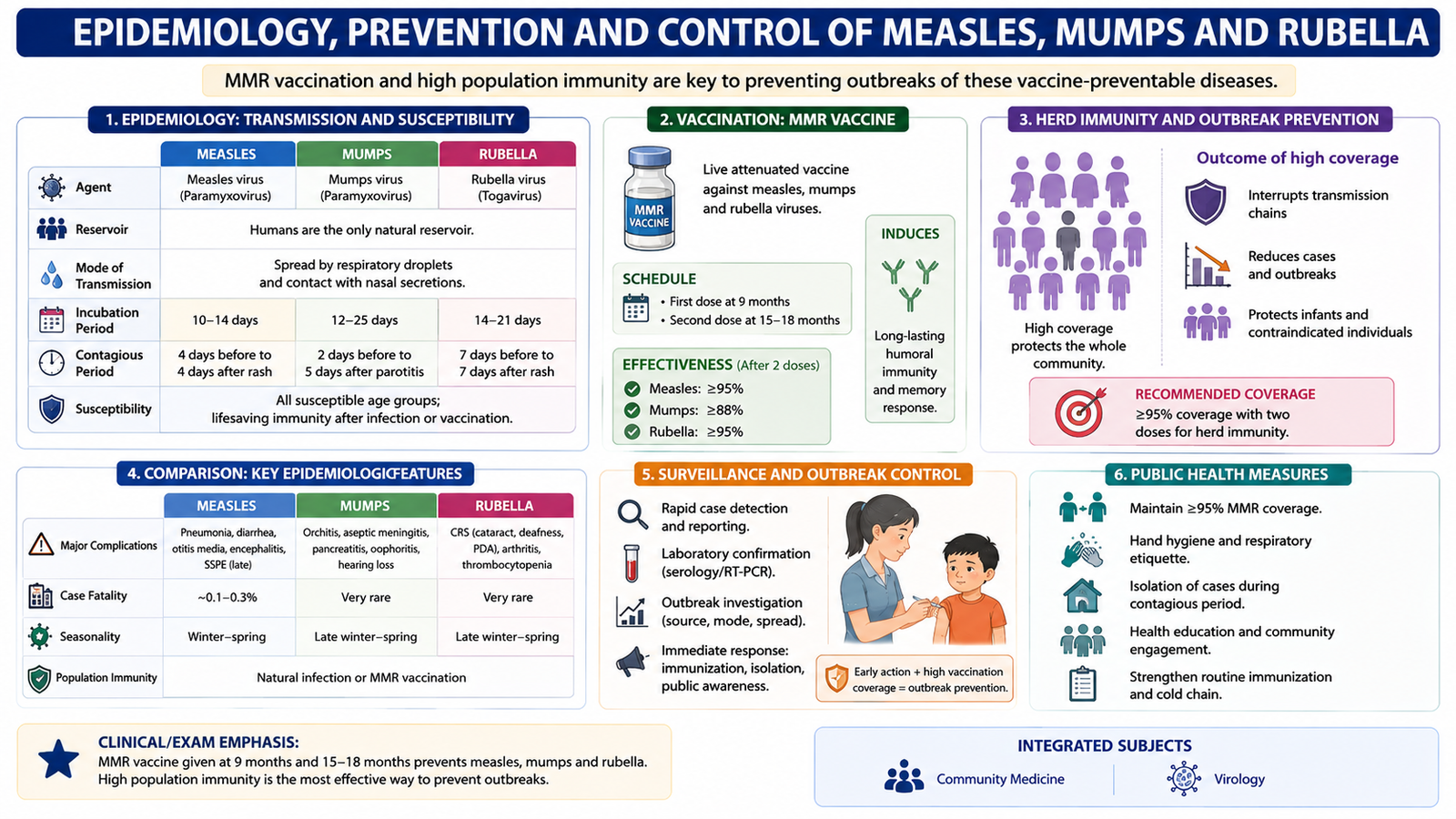
F. Epidemiology, Prevention and Control of Measles, Mumps and Rubella
Measles, mumps and rubella share several epidemiological features. Humans are the principal reservoir, spread occurs mainly through respiratory exposure, and susceptible populations permit outbreaks. Vaccination is therefore central to prevention. However, each infection has a different major public-health consequence: measles causes highly transmissible outbreaks and potentially serious complications, mumps may cause parotitis and systemic complications, while rubella is especially important because of congenital infection.
Important epidemiological determinants
- Susceptibility: people without immunity are at greatest risk.
- Population immunity: outbreaks become more likely when vaccination coverage or prior immunity is insufficient.
- Close contact: households, schools, colleges and crowded settings facilitate respiratory spread.
- Age distribution: patterns depend partly on vaccination history and immunity within the population.
- Population movement: travel can introduce infection into susceptible communities.
- Surveillance quality: case detection and laboratory confirmation influence recorded disease frequency.
Prevention by vaccination
Live attenuated vaccines provide effective prevention against measles, mumps and rubella. Combined MMR vaccination allows immunity against all three infections to be produced through a single combined vaccine preparation.
Because these are live attenuated vaccines, they are generally avoided during pregnancy and in patients with severe immunosuppression. The important principle is that adequate vaccination coverage protects individuals and also reduces the number of susceptible people available for continued transmission.
Outbreak control
When suspected cases occur, control depends on early recognition and interruption of transmission.
- Prompt identification and reporting of suspected cases through appropriate health channels.
- Laboratory confirmation when required for surveillance or outbreak investigation.
- Appropriate separation of infectious cases from susceptible contacts.
- Identification of susceptible contacts.
- Vaccination strategies according to public-health assessment.
- Health education about symptoms, transmission and prevention.
- Special attention to rubella exposure in pregnancy because of fetal risk.
Pakistani context
In Pakistan, control of vaccine-preventable viral diseases depends on strong routine immunization services, supplementary vaccination activities when epidemiologically required, surveillance, laboratory support and rapid outbreak response. Measles and rubella prevention is particularly important because gaps in population immunity can permit outbreaks and rubella transmission can expose pregnant women and fetuses to preventable risk.
For examination purposes, the key public-health principle is not to memorize temporary campaign dates. Instead, understand that disease control requires high population immunity, reliable surveillance, rapid investigation of outbreaks and coordinated vaccination efforts.
| Feature | Measles | Mumps | Rubella |
|---|---|---|---|
| Genome | Negative-sense ssRNA | Negative-sense ssRNA | Positive-sense ssRNA |
| Classic clue | Koplik spots + descending rash | Parotitis | Postauricular/occipital nodes + mild rash |
| Major complication | Pneumonia, encephalitis, SSPE | Orchitis, aseptic meningitis | Congenital rubella syndrome |
| Major diagnostic methods | IgM, RT-PCR | RT-PCR, serology | Serology, RT-PCR |
| Prevention | Vaccination | Vaccination | Vaccination; prevention before pregnancy is especially important |
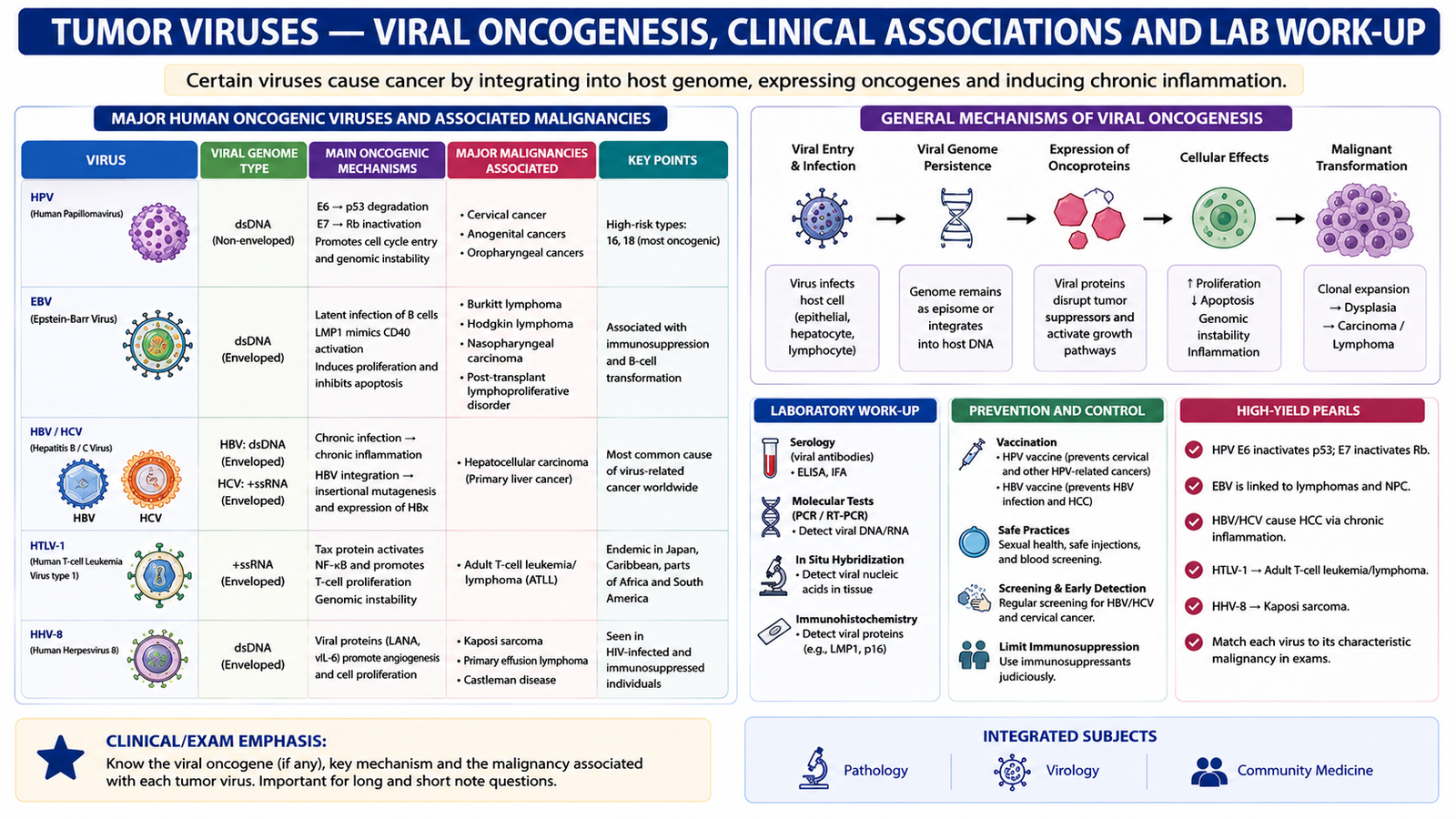
G. Tumor Viruses — Viral Oncogenesis, Clinical Associations and Laboratory Work-up
Tumor viruses are viruses that contribute to the development of particular human cancers. Viral infection alone does not mean that cancer will inevitably develop. Malignancy usually results from interaction between persistent viral infection, host factors, immune control and accumulation of additional cellular abnormalities. Tumor viruses promote cancer through several mechanisms, including interference with tumor-suppressor proteins, persistent stimulation of cell proliferation, genomic integration or chronic inflammation.
How viruses can promote malignant transformation
Different tumor viruses use different mechanisms. Some produce viral oncoproteins that directly interfere with growth-control pathways. Others cause long-standing inflammation and repeated tissue regeneration, increasing the chance that genetically abnormal cells will emerge.
Human papillomavirus
Human papillomaviruses are non-enveloped double-stranded DNA viruses. High-risk HPV types can persist in epithelial cells and are strongly associated with cervical carcinoma and several other anogenital and oropharyngeal cancers.
The major oncogenic proteins are E6 and E7. E6 promotes loss of normal p53 tumor-suppressor activity, while E7 interferes with the retinoblastoma protein pathway. Loss of these important cell-cycle checkpoints permits abnormal cellular proliferation and accumulation of additional genetic damage.
Epstein-Barr virus
Epstein-Barr virus is an enveloped double-stranded DNA herpesvirus with the ability to establish lifelong latency. It infects B lymphocytes and epithelial cells. EBV is associated with several malignancies, including Burkitt lymphoma, a proportion of Hodgkin lymphomas, nasopharyngeal carcinoma and some lymphoproliferative disorders.
Oncogenesis is related to persistent latent infection and expression of viral proteins that influence cell survival and proliferation. The development of cancer still requires additional host and genetic factors.
Hepatitis B and hepatitis C viruses
Chronic hepatitis B and hepatitis C infections are important causes of hepatocellular carcinoma. HBV is an enveloped DNA virus, whereas HCV is an enveloped positive-sense RNA virus. Their genomes are different, but prolonged hepatic injury is a major shared oncogenic pathway.
Persistent inflammation causes repeated cycles of hepatocyte injury, death and regeneration. This environment promotes accumulation of genetic damage. HBV may additionally influence carcinogenesis through viral integration and viral protein effects.
Human T-cell leukemia virus type 1
HTLV-1 is an enveloped RNA retrovirus associated with adult T-cell leukemia/lymphoma. After infection, viral genetic material becomes integrated into the host-cell genome. Viral regulatory proteins promote T-cell proliferation and survival, creating conditions in which additional mutations may accumulate.
Human herpesvirus 8
Human herpesvirus 8, also known as Kaposi sarcoma-associated herpesvirus, is an enveloped double-stranded DNA virus. Persistent infection is strongly associated with Kaposi sarcoma, particularly when immune control is impaired.
Clinical features and laboratory work-up
There is no single clinical presentation or laboratory test for all tumor viruses. The presentation depends on the virus and the tissue involved. Laboratory assessment therefore combines demonstration of viral infection with investigation of the suspected neoplasm.
- HPV: detection of high-risk viral DNA or RNA may assist evaluation of cervical disease; cytological and histopathological examination identify epithelial abnormalities.
- EBV: serology or molecular detection may demonstrate infection, while tumor tissue can be examined for EBV-associated markers when clinically required.
- HBV: viral antigens, antibodies and viral nucleic acid testing demonstrate current or previous infection.
- HCV: antibody testing indicates exposure and molecular testing demonstrates current viral infection.
- HTLV-1: serological and molecular methods can identify infection.
- HHV-8: viral markers can be demonstrated in appropriate tissue, particularly in Kaposi sarcoma.
| Virus | Genome / structure | Main oncogenic principle | Important tumor association |
|---|---|---|---|
| HPV | Non-enveloped dsDNA | E6 and E7 disrupt p53 and RB pathways | Cervical and other anogenital/oropharyngeal cancers |
| EBV | Enveloped dsDNA | Latency and altered cellular proliferation | Burkitt lymphoma, nasopharyngeal carcinoma and others |
| HBV | Enveloped DNA virus | Chronic inflammation plus viral integration/protein effects | Hepatocellular carcinoma |
| HCV | Enveloped positive-sense ssRNA | Chronic hepatic inflammation and regeneration | Hepatocellular carcinoma |
| HTLV-1 | Enveloped RNA retrovirus | Integrated provirus and stimulation of T-cell proliferation | Adult T-cell leukemia/lymphoma |
| HHV-8 | Enveloped dsDNA herpesvirus | Persistent infection with proliferative signaling | Kaposi sarcoma |

⭐ AIM High-Yield Review
- Coronaviruses are enveloped positive-sense single-stranded RNA viruses.
- The coronavirus spike protein is responsible for host-cell attachment; SARS-CoV-2 uses ACE2 as an important entry receptor.
- RT-PCR detects coronavirus RNA and is a major method for confirming active infection.
- Recorded coronavirus incidence varies between regions because of transmission, immunity, variants, testing and surveillance differences.
- Measles is classically associated with cough, coryza, conjunctivitis, Koplik spots and a descending maculopapular rash.
- Measles can produce transient immune suppression; serious complications include pneumonia and encephalitis.
- SSPE is a rare delayed neurological complication of measles.
- Mumps classically produces parotitis; orchitis and aseptic meningitis are important complications.
- Rubella is usually mild in the mother but can produce severe fetal damage through transplacental infection.
- Congenital rubella syndrome classically involves deafness, cataracts and congenital cardiac abnormalities.
- Vaccination is the central preventive measure for measles, mumps and rubella.
- High-risk HPV promotes oncogenesis mainly through E6-mediated loss of p53 function and E7-mediated disruption of RB control.
- EBV is associated with Burkitt lymphoma and nasopharyngeal carcinoma among other malignancies.
- Chronic HBV and HCV infection increase the risk of hepatocellular carcinoma.
- HTLV-1 is associated with adult T-cell leukemia/lymphoma, while HHV-8 is strongly associated with Kaposi sarcoma.
Topic 24 — Coronavirus, MMR and Tumor Viruses
Watch these focused videos after completing the learning material to reinforce viral structure, pathogenesis, clinical features, epidemiology and viral oncogenesis.
Coronavirus COVID-19 — Viral Structure & Pathogenesis
Focus on coronavirus structure, spike protein, ACE2-mediated host-cell entry, viral pathogenesis and pulmonary injury.
Comprehensive Guide to Measles, Mumps & Rubella
An MBBS-focused overview of the clinical features, complications, diagnosis and prevention of the three major MMR infections.
Infectious Agents and Cancer — Viral Oncogenesis
Focus on how persistent viral infection contributes to malignant transformation, especially HPV, EBV, HBV/HCV, HTLV-1 and HHV-8.
Rubella Virus — Infection, Pathology & Replication
Useful additional reinforcement for rubella transmission, viral biology and the importance of infection during pregnancy.
Do not try to memorize every statement in the videos. Use them to visualize the mechanisms already explained in the AIM learning material, then revise the AIM High-Yield Review.