
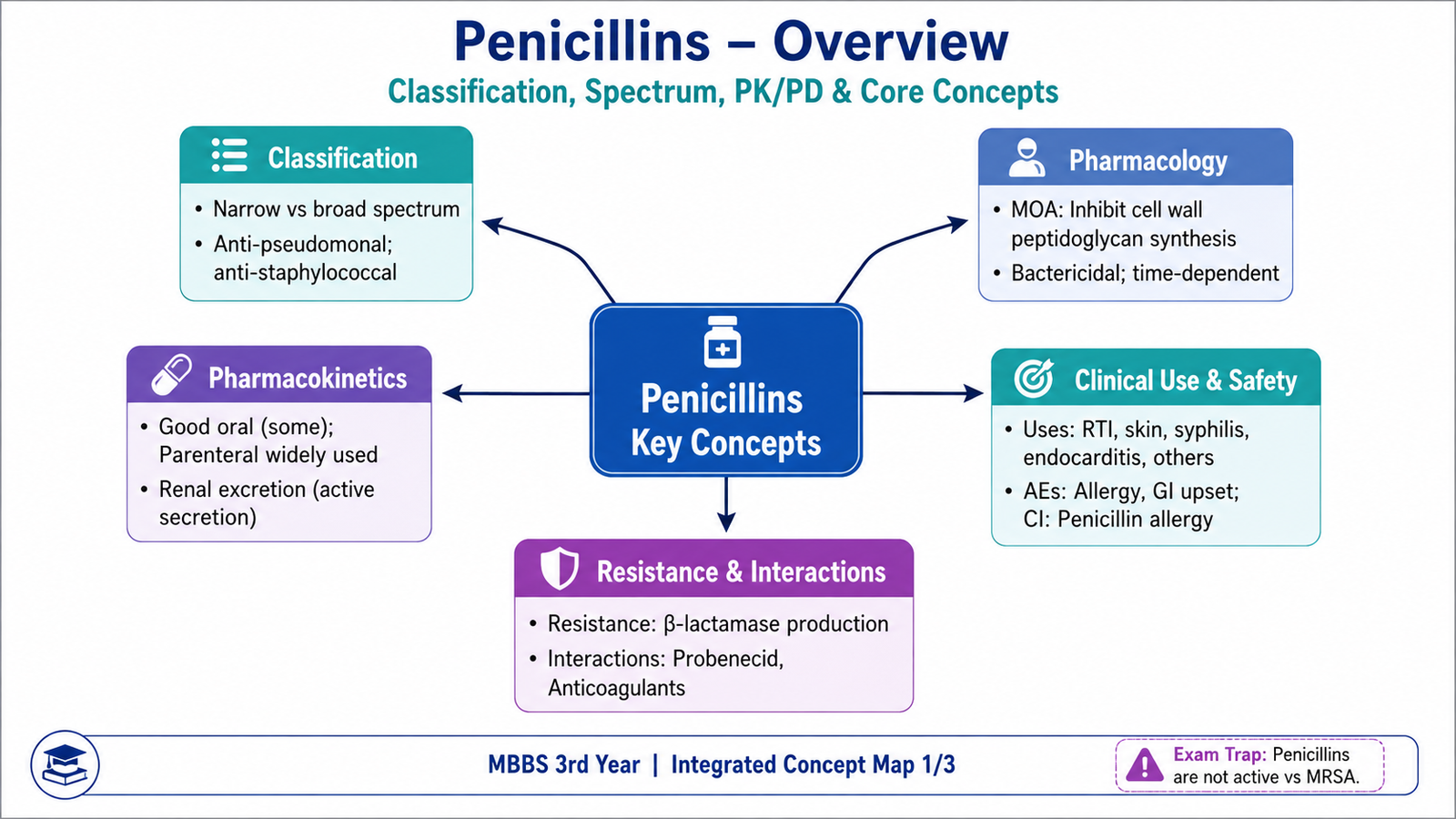
This chapter follows the supplied KMU learning outcomes in a logical sequence. First understand how the different penicillins are classified and how they inhibit bacterial cell-wall synthesis; then connect their spectrum, pharmacokinetics and resistance mechanisms with their clinical uses. Revise the AIM High-Yield Review after completing the explanation.
Topic 12 — Penicillins and Beta-Lactamase Inhibitors
Module/Theme: Infection and Inflammation
A practical pharmacology chapter connecting penicillin classification, antibacterial spectrum, mechanism, pharmacokinetics, clinical use, resistance, adverse effects, interactions and beta-lactamase inhibition.
Topic Introduction
Penicillins are beta-lactam antibacterial drugs that kill susceptible bacteria by interfering with synthesis of the bacterial cell wall. Although all penicillins share the same basic mechanism, chemical modification of the penicillin molecule produces important differences in antibacterial spectrum, resistance to beta-lactamases, oral absorption and duration of action. These differences explain why penicillin G, amoxicillin, flucloxacillin or oxacillin, and piperacillin are used in different clinical situations. This chapter will help you classify the major penicillins, understand their mechanism and resistance, relate pharmacokinetics to clinical use, recognize important adverse effects and interactions, and understand why beta-lactamase inhibitors are combined with selected beta-lactam antibiotics.
A. Classification and Antibacterial Spectrum of Penicillins
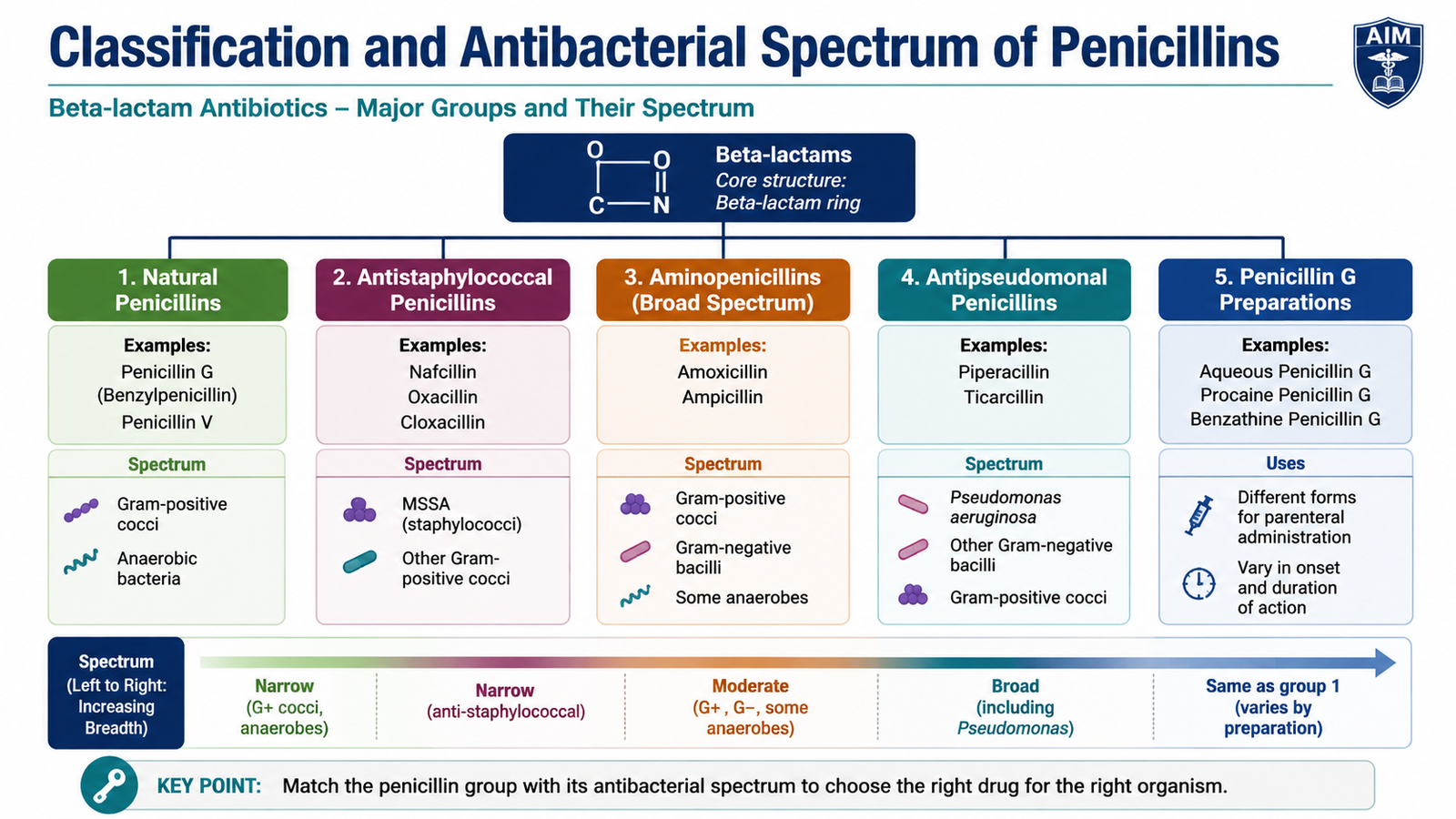
Penicillins belong to the larger beta-lactam antibiotic family. All beta-lactam drugs contain a beta-lactam ring that is essential for their antibacterial activity. The major beta-lactam groups are penicillins, cephalosporins, carbapenems and monobactams. Penicillins themselves are divided according to their antibacterial spectrum, susceptibility to beta-lactamases and important clinical applications.
Classification of beta-lactam antibiotics
- Penicillins
- Cephalosporins
- Carbapenems
- Monobactams
Major groups of penicillins
| Group | Important examples | Key spectrum feature |
|---|---|---|
| Natural penicillins | Penicillin G, Penicillin V | Relatively narrow spectrum; particularly useful against susceptible Gram-positive organisms and spirochetes. |
| Antistaphylococcal / beta-lactamase-resistant penicillins | Nafcillin, oxacillin, dicloxacillin, flucloxacillin | Resistant to many staphylococcal penicillinases; mainly used for susceptible staphylococci. |
| Aminopenicillins | Ampicillin, amoxicillin | Broader spectrum than natural penicillins, including additional Gram-negative organisms. |
| Antipseudomonal penicillins | Piperacillin | Extended Gram-negative activity including susceptible Pseudomonas aeruginosa. |
Narrow-spectrum penicillins mainly include the natural penicillins. Broad or extended-spectrum penicillins include aminopenicillins and antipseudomonal penicillins. Increasing the spectrum does not mean that the drug becomes resistant to bacterial beta-lactamases; aminopenicillins and piperacillin remain susceptible to many beta-lactamases unless protected by an appropriate inhibitor.
Long- and short-acting preparations of penicillin G
The duration of penicillin G can also be altered by its formulation. Aqueous crystalline penicillin G produces relatively rapid systemic concentrations and is therefore considered a short-acting preparation. Repository intramuscular formulations release the drug more slowly.
- Aqueous penicillin G: short acting.
- Procaine penicillin G: prolonged/intermediate action after intramuscular administration.
- Benzathine penicillin G: long acting because absorption from the intramuscular depot is very slow.
B. Mechanism of Action and Bacterial Resistance
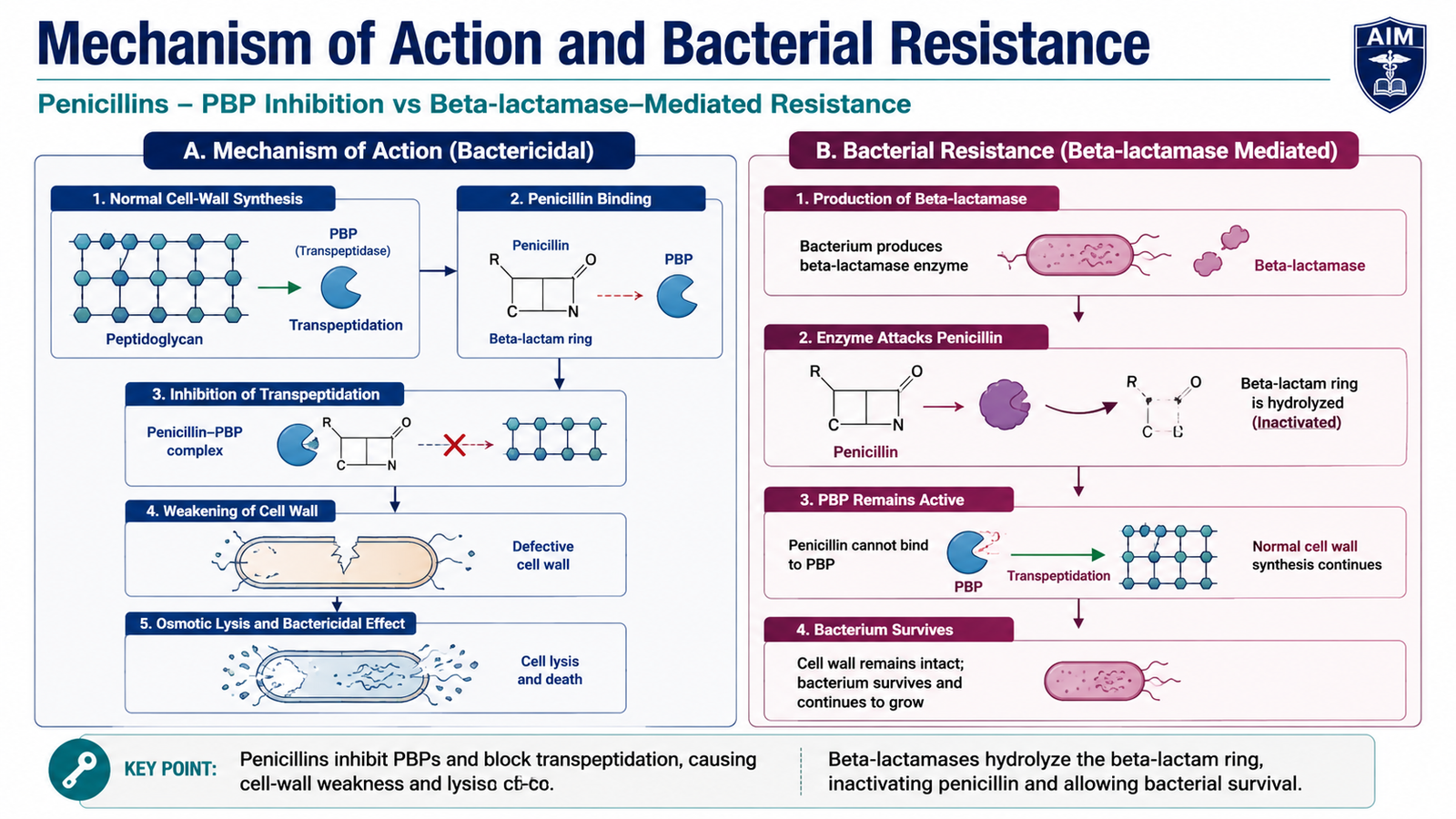
The bacterial cell wall contains peptidoglycan, a strong mesh-like structure that helps the bacterium resist osmotic pressure. Penicillins interfere with the final stage of peptidoglycan synthesis. Because human cells do not possess a peptidoglycan cell wall, this provides selective toxicity.
Mechanism of action
Penicillins enter susceptible bacteria and bind to bacterial enzymes called penicillin-binding proteins (PBPs). Important PBPs function as transpeptidases involved in cross-linking adjacent peptidoglycan chains. Penicillin binding inhibits this cross-linking process, so newly formed cell wall becomes structurally weak.
Penicillin reaches susceptible bacterium → binds PBPs → inhibits transpeptidation and peptidoglycan cross-linking → cell-wall integrity falls → bacterial autolytic activity and osmotic stress contribute to cell lysis → bactericidal effect.
Penicillins act most effectively on actively multiplying bacteria, because these organisms are continuously synthesizing and remodeling their cell wall. Their antibacterial action is therefore described as bactericidal against susceptible organisms.
Principal mechanism of resistance
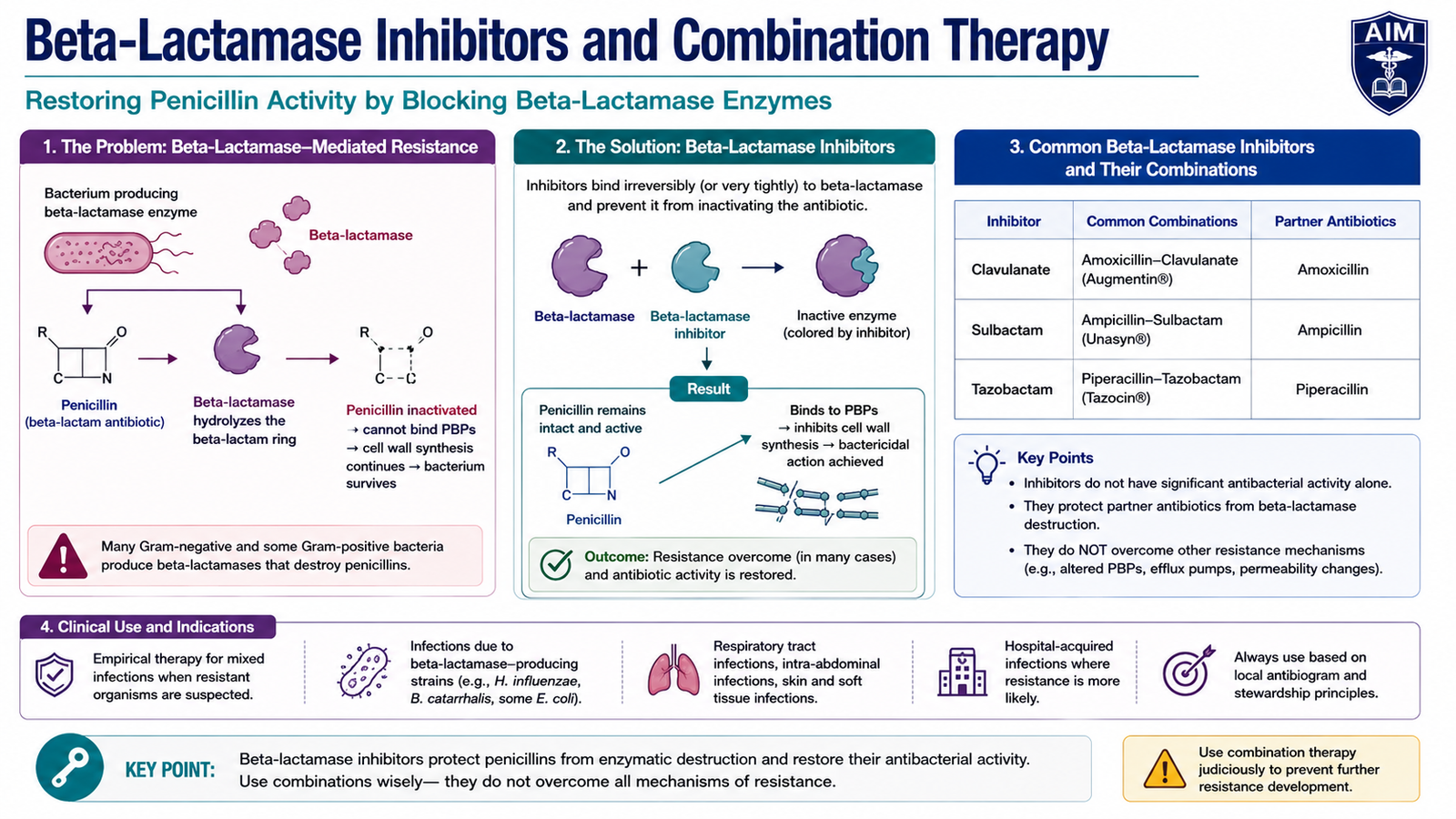
The most important mechanism of bacterial resistance to many penicillins is production of beta-lactamase enzymes. These enzymes hydrolyze the beta-lactam ring. Once this ring is opened, the antibiotic can no longer bind effectively to its target PBPs.
Bacterial beta-lactamase production → hydrolysis of beta-lactam ring → inactive antibiotic → failure to inhibit PBPs → continued bacterial cell-wall synthesis.
Other resistance mechanisms can occur, including modification of PBPs, reduced penetration of the drug into Gram-negative bacteria and active efflux. However, beta-lactamase production is the principal mechanism emphasized for penicillin resistance. An important example of altered PBPs is methicillin-resistant Staphylococcus aureus (MRSA); beta-lactamase resistance alone does not overcome this altered target.
C. Pharmacokinetics, Route of Administration and Penicillin G Units
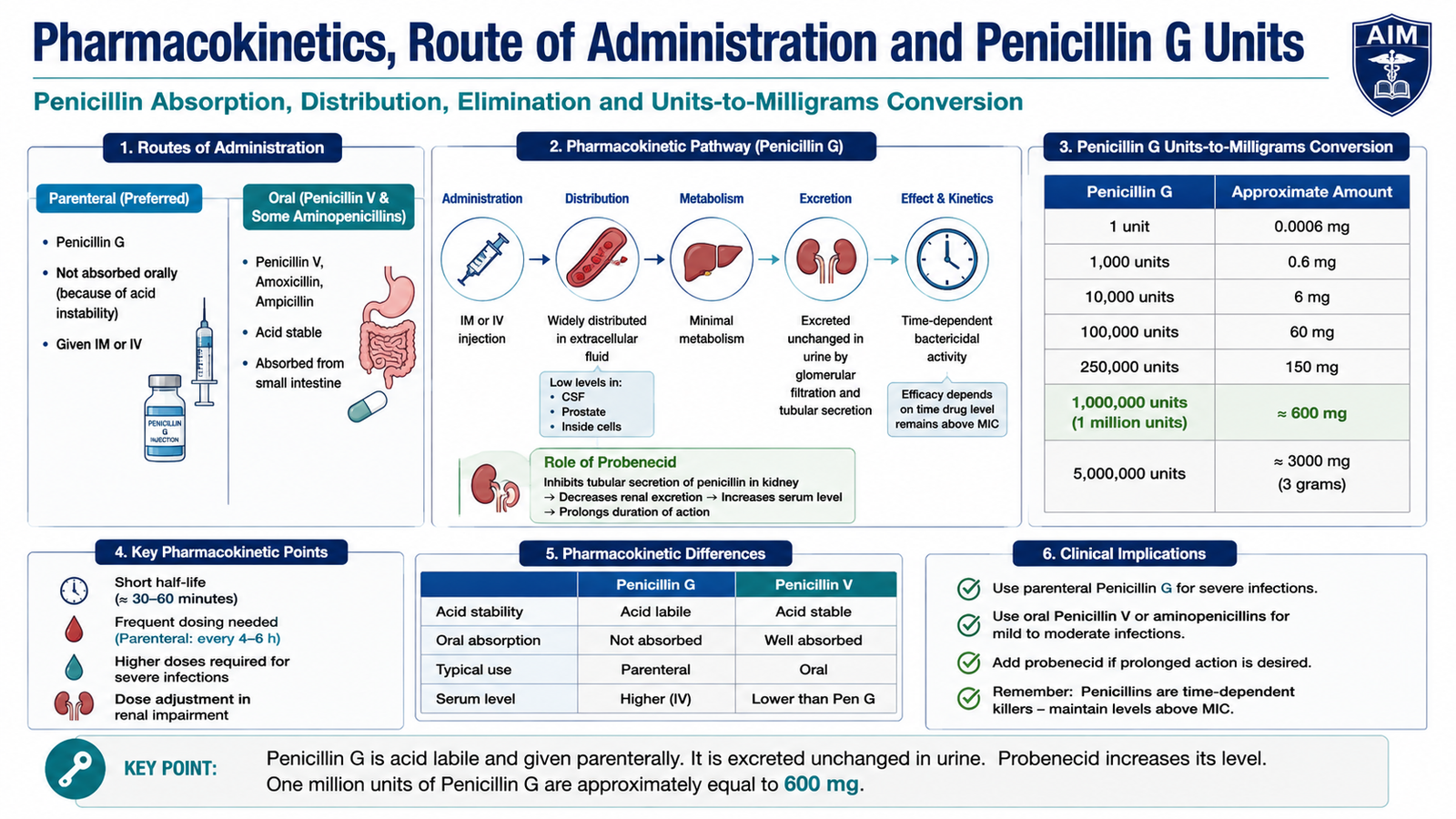
Differences in absorption, acid stability, protein binding and elimination help determine how individual penicillins are administered and which clinical situations they are suitable for. Most penicillins are eliminated mainly through the kidneys, so renal function can strongly influence their persistence in the body.
Route and absorption
- Penicillin G is acid labile and is therefore poorly suited to routine oral administration. It is generally given parenterally when systemic treatment is required.
- Penicillin V is more acid stable and can be given orally.
- Amoxicillin is well absorbed orally and is generally absorbed more reliably than ampicillin.
- Ampicillin can be administered orally or parenterally depending on the clinical requirement.
- Antistaphylococcal penicillins have oral or parenteral members within the group.
- Piperacillin is administered parenterally for serious infections requiring extended Gram-negative coverage.
Distribution
Penicillins distribute through many body fluids and tissues. Penetration into certain protected sites, including cerebrospinal fluid, is limited under normal conditions but may increase when the meninges are inflamed.
Excretion
Most penicillins are eliminated rapidly by the kidneys through glomerular filtration and particularly tubular secretion. Reduced renal function can therefore increase exposure to many members of the group. Nafcillin is an important exception because elimination is predominantly nonrenal, including biliary pathways.
Probenecid inhibits renal tubular secretion of penicillins. This reduces their renal elimination and increases their plasma concentration and duration of action.
Pharmacodynamics: why the dosing pattern matters
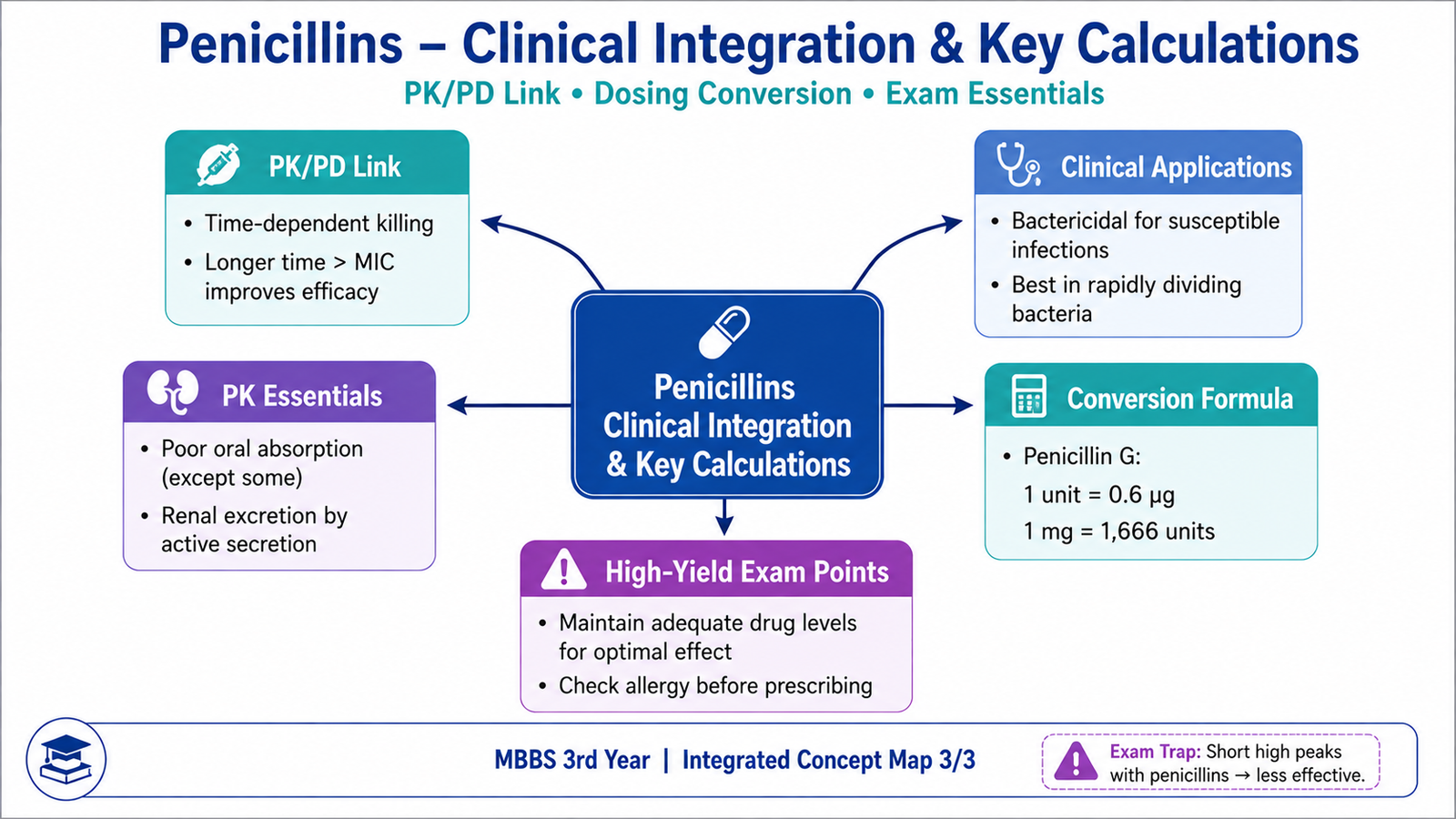
Penicillins show predominantly time-dependent bacterial killing. Their effectiveness is related more closely to the length of time that free drug concentrations remain above the organism’s minimum inhibitory concentration than to achieving a very high peak concentration. This explains why maintaining adequate drug exposure is important during therapy.
Interconversion of Penicillin G milligrams and units
Penicillin G may be expressed in international units (IU or units) rather than only in milligrams. For crystalline penicillin G, the commonly used conversion is:
1,000,000 units ≈ 600 mg
Conversion formula:
- Units = milligrams × 1,667
- Milligrams = units ÷ 1,667
Example: 600 mg of Penicillin G corresponds approximately to 1,000,000 units.
D. Clinical Uses and Drug-Selection Logic
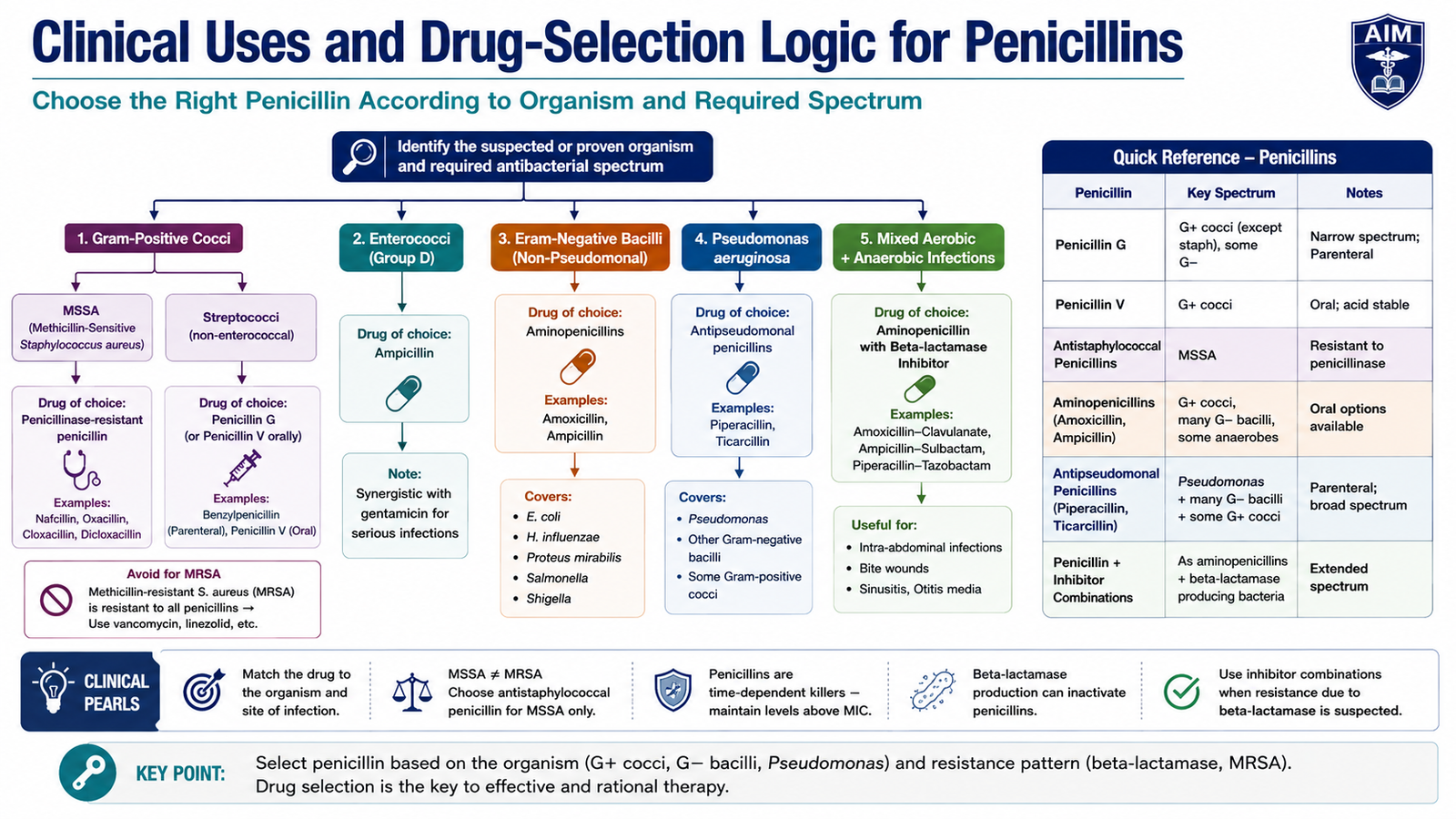
The correct penicillin is selected by matching its antibacterial spectrum, susceptibility to beta-lactamase, route of administration and pharmacokinetic properties with the suspected or proven organism. Therefore, knowing only the names of the drugs is not enough; the important point is to understand why one penicillin is preferred over another.
Natural penicillins
Penicillin G remains highly useful when the infecting organism is known to be susceptible. Its important uses include susceptible streptococcal infections and infections caused by spirochetes, particularly syphilis. Long-acting benzathine penicillin G is valuable when prolonged exposure from a single intramuscular depot is required.
Penicillin V is orally active and may be used for susceptible infections of relatively mild severity when oral treatment is appropriate.
Antistaphylococcal penicillins
Nafcillin, oxacillin, dicloxacillin and flucloxacillin are resistant to many staphylococcal penicillinases. Their main role is treatment of infections caused by methicillin-susceptible Staphylococcus aureus (MSSA). They should not be assumed to work against MRSA because MRSA resistance is primarily related to an altered PBP target rather than simply production of ordinary penicillinase.
Aminopenicillins
Ampicillin and amoxicillin retain activity against many organisms covered by natural penicillins while adding activity against selected Gram-negative organisms. Amoxicillin is especially useful when an orally absorbed aminopenicillin is required. Ampicillin has important activity against susceptible Enterococcus and Listeria monocytogenes.
Because aminopenicillins are susceptible to many bacterial beta-lactamases, they are frequently combined with beta-lactamase inhibitors when beta-lactamase-producing organisms are likely. Examples include amoxicillin-clavulanate and ampicillin-sulbactam.
Antipseudomonal penicillins
Piperacillin has an extended spectrum that includes susceptible Pseudomonas aeruginosa. Because it is vulnerable to many beta-lactamases, it is commonly paired with the beta-lactamase inhibitor tazobactam. This combination broadens protection against susceptible beta-lactamase-producing organisms, but the inhibitor does not overcome every possible bacterial resistance mechanism.
| Clinical need | Penicillin choice | Reason |
|---|---|---|
| Susceptible spirochetal infection such as syphilis | Penicillin G preparation appropriate to the clinical setting | High intrinsic susceptibility of the organism. |
| MSSA infection | Antistaphylococcal penicillin | Resistant to common staphylococcal penicillinase. |
| Need for orally absorbed broader-spectrum penicillin | Amoxicillin | Good oral absorption plus broader spectrum than natural penicillins. |
| Susceptible Listeria infection | Ampicillin | Important aminopenicillin activity against the organism. |
| Need for antipseudomonal penicillin activity | Piperacillin, commonly with tazobactam | Extended Gram-negative spectrum plus beta-lactamase protection. |
E. Adverse Effects, Contraindications and Important Cautions
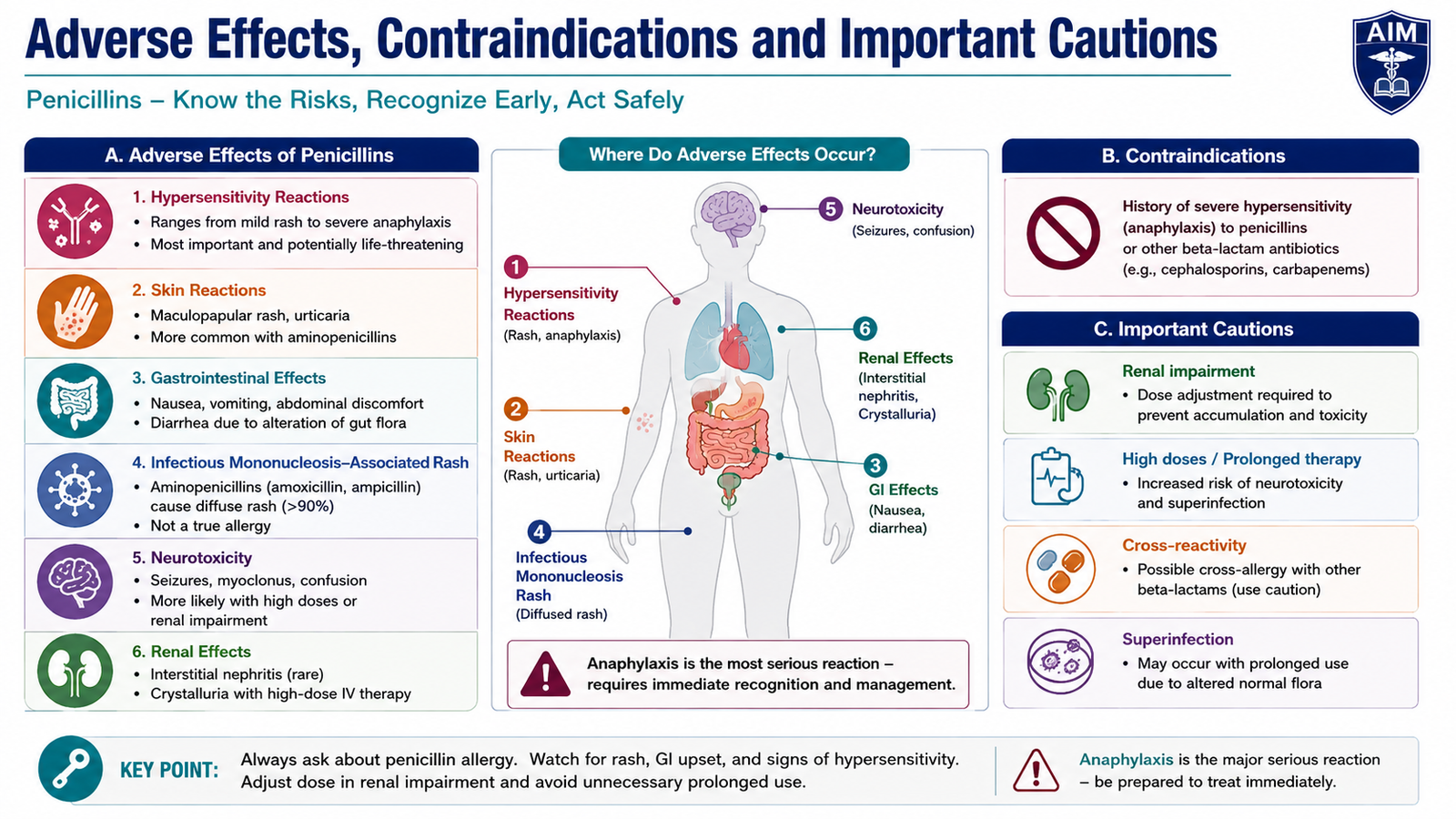
Penicillins are generally well tolerated, but their most important adverse reactions involve hypersensitivity. Other effects may arise from altered intestinal flora, high drug concentrations or properties of individual preparations. Recognizing the characteristic reactions is important because the consequences range from a mild rash to life-threatening anaphylaxis.
Hypersensitivity
Penicillins can act as antigens after reactive drug-derived products bind to host proteins. The immune system may then produce reactions of varying severity.
- Maculopapular or urticarial skin eruptions
- Fever and other hypersensitivity manifestations
- Anaphylaxis, which is uncommon but potentially life-threatening
Gastrointestinal effects and superinfection
Broader-spectrum penicillins can disturb normal microbial flora. This may produce gastrointestinal symptoms such as diarrhea and can permit overgrowth of organisms that are not suppressed by the antibiotic.
Ampicillin or amoxicillin rash
A prominent maculopapular rash can occur when ampicillin or amoxicillin is given to a patient with infectious mononucleosis. This association is an important examination point and should not automatically be interpreted as proof of an immediate IgE-mediated penicillin allergy.
Neurological toxicity at very high concentrations
Very high systemic concentrations of beta-lactams can increase neuronal excitability and may produce seizures. The risk is greater when high concentrations accumulate, for example in marked renal impairment when a renally eliminated drug is not adjusted appropriately.
Other characteristic reactions
- Some penicillins can produce hematological abnormalities, particularly during prolonged or high exposure.
- Interstitial nephritis is a recognized hypersensitivity-type renal adverse effect associated with some penicillins.
- Large parenteral quantities of certain salt formulations may contribute clinically relevant sodium or potassium loads in susceptible patients.
Contraindications and cautions
- Major contraindication: previous severe immediate hypersensitivity to the relevant penicillin.
- Renal impairment: many penicillins require caution because renal elimination is reduced.
- Infectious mononucleosis: avoid routine use of ampicillin or amoxicillin when not otherwise indicated because of the strong association with rash.
- Electrolyte or fluid-sensitive patients: consider the salt content of large parenteral preparations where relevant.
F. Important Drug Interactions
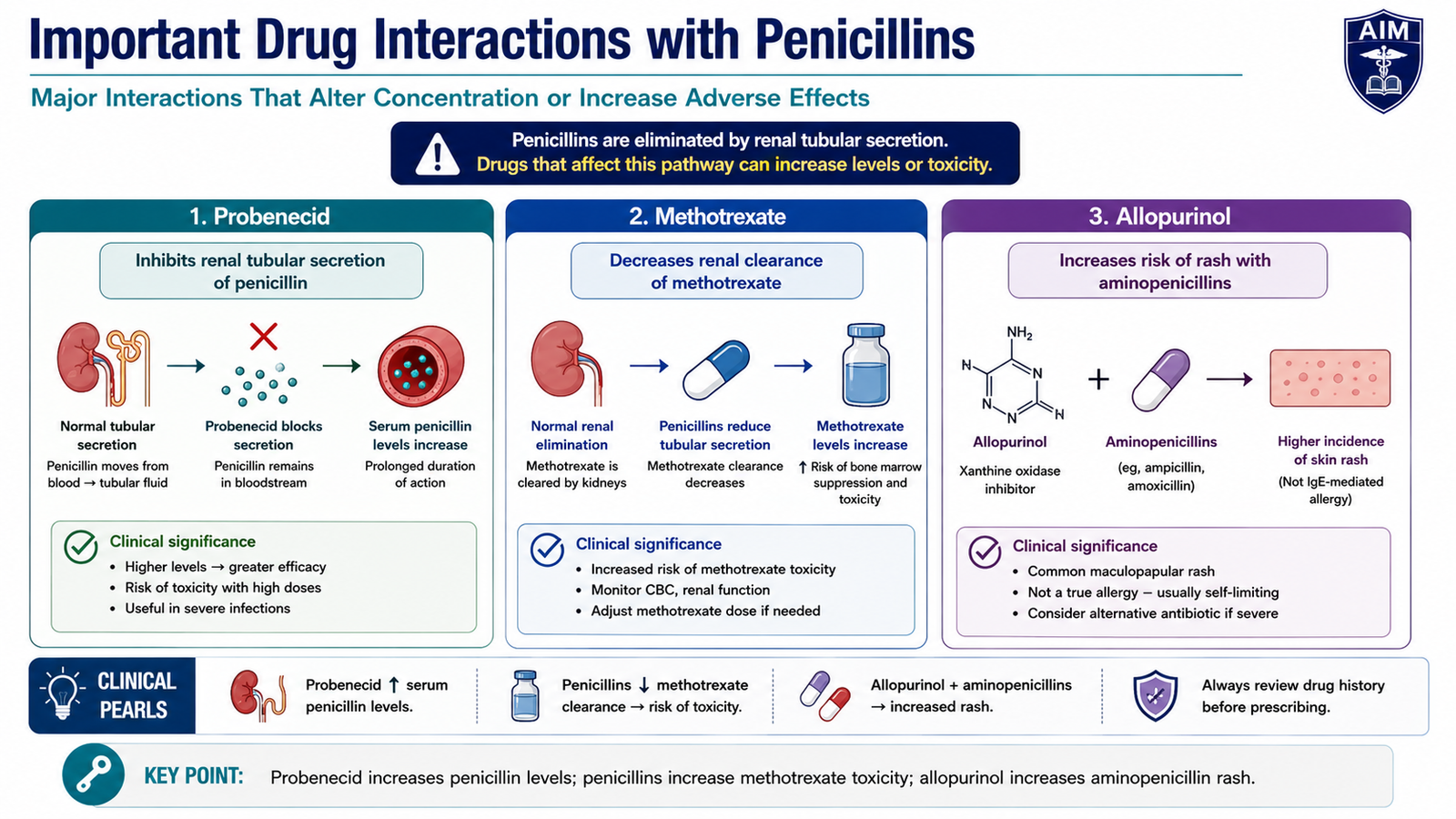
Most clinically important penicillin interactions can be understood by asking whether another drug changes renal elimination, increases toxicity or alters the likelihood of an adverse reaction. Only the major undergraduate-level interactions need to be remembered.
Probenecid
Probenecid competes for renal tubular organic acid transport and therefore reduces tubular secretion of many penicillins. Their renal elimination slows, causing higher and more prolonged plasma concentrations.
Methotrexate
Penicillins may reduce the renal clearance of methotrexate in some circumstances. This can increase methotrexate exposure and therefore increase the risk of toxicity. The interaction is particularly important when methotrexate exposure is already substantial.
Allopurinol with aminopenicillins
Administration of allopurinol with ampicillin or amoxicillin is associated with an increased frequency of skin rash. This is mainly an adverse-effect interaction rather than an enhancement of antibacterial action.
G. Beta-Lactamase Inhibitors and Combination Therapy
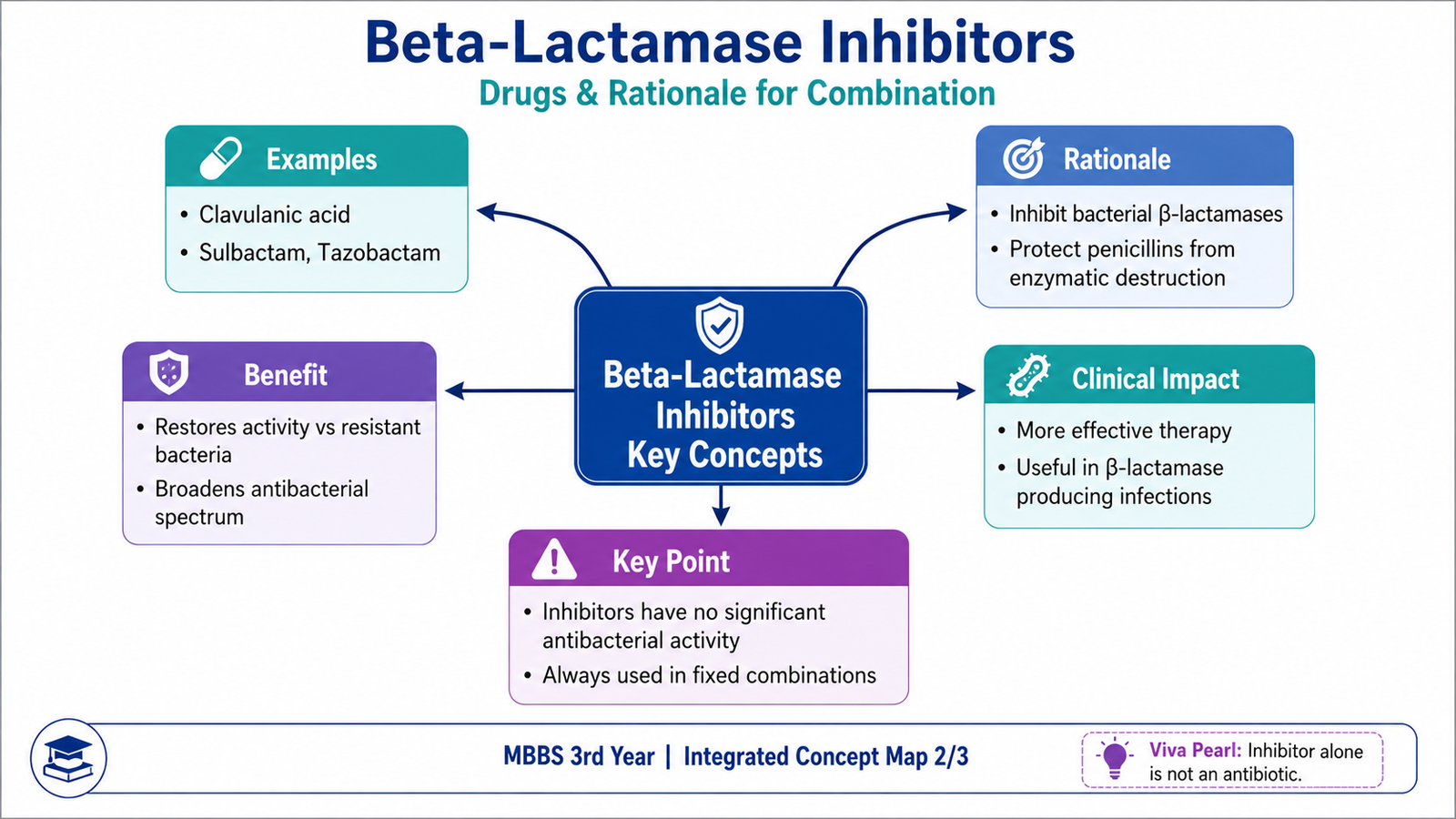
Some bacteria resist penicillins by producing beta-lactamases that hydrolyze the beta-lactam ring before the antibiotic reaches its PBP target. A beta-lactamase inhibitor can be combined with a suitable beta-lactam antibiotic to protect the active antibacterial drug from selected beta-lactamases.
Important beta-lactamase inhibitors
- Clavulanic acid
- Sulbactam
- Tazobactam
- Avibactam
The traditional inhibitors clavulanic acid, sulbactam and tazobactam have little useful antibacterial activity on their own at clinically used exposures. Their main role is to inhibit susceptible beta-lactamases and thereby preserve the activity of the partner antibiotic. Newer inhibitors such as avibactam inhibit a different range of beta-lactamase enzymes and are used with selected beta-lactam partners.
Rationale for combination therapy
Common combinations illustrate this principle:
- Amoxicillin + clavulanic acid
- Ampicillin + sulbactam
- Piperacillin + tazobactam
A beta-lactamase inhibitor does not automatically make a penicillin effective against every resistant bacterium. Resistance may result from altered PBPs, impaired drug entry, efflux mechanisms or beta-lactamases that are poorly inhibited by the particular inhibitor. Therefore the benefit of the combination depends on the resistance mechanism present.
| Combination | Beta-lactam component | Inhibitor | Main pharmacological rationale |
|---|---|---|---|
| Amoxicillin-clavulanate | Amoxicillin | Clavulanate | Protect amoxicillin from susceptible beta-lactamases. |
| Ampicillin-sulbactam | Ampicillin | Sulbactam | Protect ampicillin from susceptible beta-lactamases. |
| Piperacillin-tazobactam | Piperacillin | Tazobactam | Protect the extended-spectrum penicillin from susceptible beta-lactamases. |
Integrated Mechanism Flow
↓
Penicillin reaches PBPs and inhibits transpeptidation
↓
Peptidoglycan cross-linking fails and the cell wall becomes weak
↓
Actively dividing bacterium undergoes lethal cell-wall injury
↓
If bacterial beta-lactamase destroys the beta-lactam ring, the penicillin becomes inactive
↓
An appropriate beta-lactamase inhibitor can protect the partner drug from susceptible enzymes
↓
Intact beta-lactam again reaches PBPs and produces its antibacterial effect.
Important Comparison — Major Penicillin Groups
| Feature | Natural | Antistaphylococcal | Aminopenicillins | Antipseudomonal |
|---|---|---|---|---|
| Examples | Penicillin G, V | Nafcillin, oxacillin, dicloxacillin, flucloxacillin | Ampicillin, amoxicillin | Piperacillin |
| Spectrum | Narrow | Focused mainly on susceptible staphylococci | Broader than natural penicillins | Extended Gram-negative, including susceptible Pseudomonas |
| Penicillinase resistance | Poor | Good against common staphylococcal penicillinase | Poor | Poor against many beta-lactamases |
| Typical selection clue | Highly susceptible organism such as a spirochete | MSSA | Need for broader spectrum; amoxicillin useful orally | Need for antipseudomonal activity |
⭐ AIM High-Yield Review
- All penicillins contain a beta-lactam ring and inhibit bacterial cell-wall synthesis.
- Penicillins bind penicillin-binding proteins and inhibit transpeptidation and peptidoglycan cross-linking.
- They are bactericidal and work best against actively multiplying susceptible bacteria.
- The principal resistance mechanism emphasized for penicillins is beta-lactamase production.
- Natural penicillins include penicillin G and penicillin V; penicillin V is more acid stable and orally useful.
- Antistaphylococcal penicillins such as oxacillin, nafcillin and flucloxacillin resist common staphylococcal penicillinases and are useful for MSSA, not MRSA.
- Ampicillin and amoxicillin are aminopenicillins with broader spectrum; amoxicillin has good oral absorption.
- Piperacillin is an antipseudomonal penicillin and is commonly combined with tazobactam.
- Most penicillins undergo predominantly renal elimination; nafcillin is an important largely nonrenal exception.
- Probenecid decreases renal tubular secretion of penicillins and prolongs their plasma concentrations.
- Penicillins demonstrate predominantly time-dependent killing.
- For crystalline Penicillin G, 1 mg ≈ 1,667 units and 1 million units ≈ 600 mg.
- ⭐ The most important serious adverse effect is immediate hypersensitivity/anaphylaxis.
- Ampicillin or amoxicillin given during infectious mononucleosis is strongly associated with a maculopapular rash.
- Beta-lactamase inhibitors protect selected beta-lactam partners from enzymatic hydrolysis but do not overcome every mechanism of bacterial resistance.
🎥 Recommended Video — Penicillins & Beta-Lactamase Inhibitors
Watch this video after completing the learning material to reinforce penicillin classification, mechanism of action, antibacterial spectrum, resistance and beta-lactamase inhibitors.