
This chapter follows the supplied KMU learning outcomes and builds prostaglandins from their basic concept to mechanism, organ-system actions and clinical applications. First understand how prostaglandins act through their receptors, then use the high-yield review for revision.
Topic 9 — Prostaglandins: Biological Actions and Clinical Applications
Module/Theme: Infection and Inflammation
A focused undergraduate guide to the main prostaglandins, their receptor-mediated mechanism of action, important organ-system effects and major therapeutic applications.
Topic Introduction
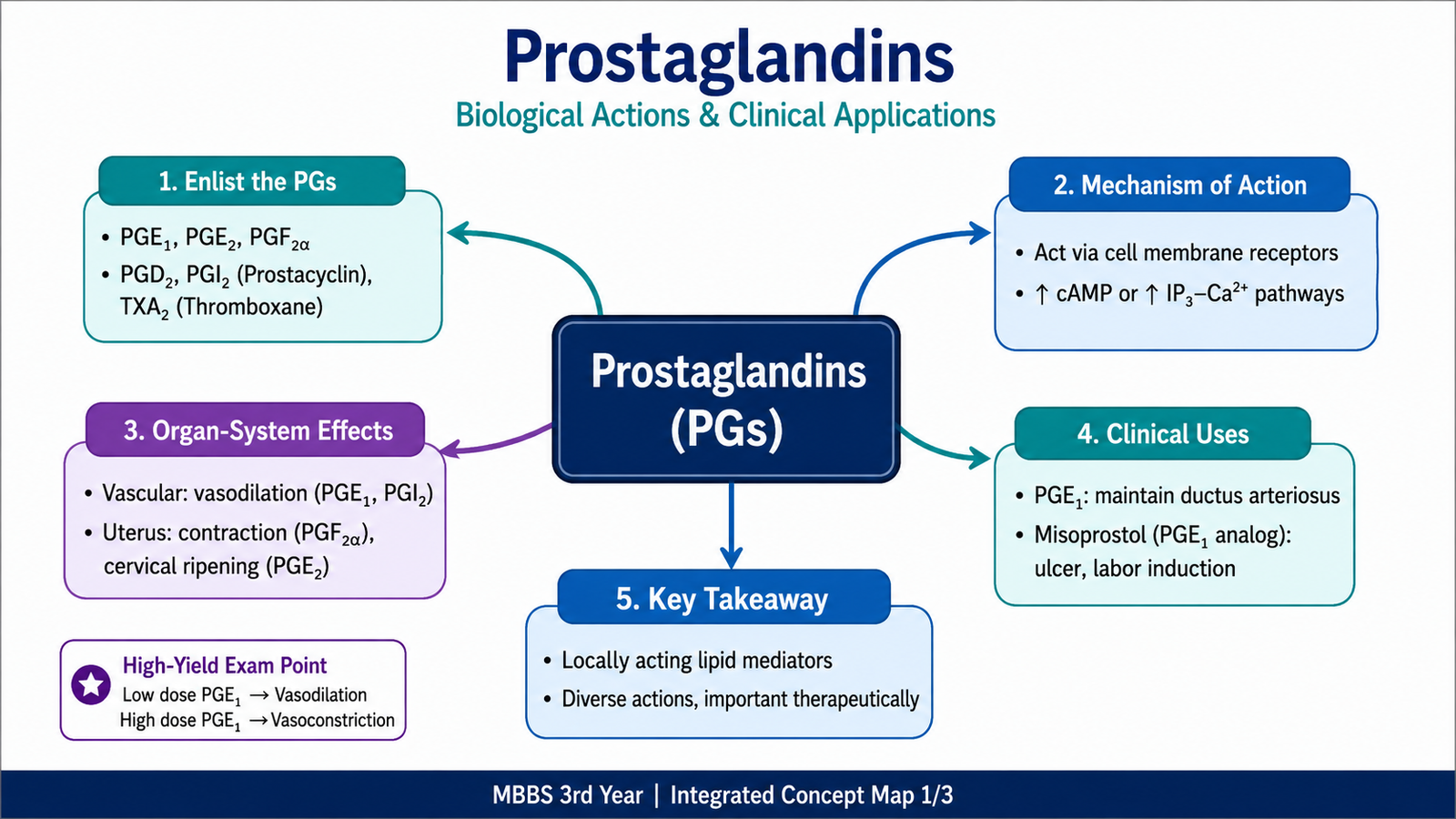
Prostaglandins are locally acting lipid mediators derived from arachidonic acid. They belong to the larger group of eicosanoids and are produced in many tissues in response to physiological and inflammatory stimuli. Unlike classical endocrine hormones, they are usually formed when needed, act close to their site of synthesis and are rapidly inactivated. Different prostaglandins can produce quite different effects because they act on different receptors in different tissues. In this topic, you will learn the major prostaglandins, how they signal through specific receptors, how they influence blood vessels, platelets, the gastrointestinal tract, uterus, airways, kidneys and inflammation, and how these actions are used clinically. :contentReference[oaicite:0]{index=0}
A. Major Prostaglandins and Their Basic Organization
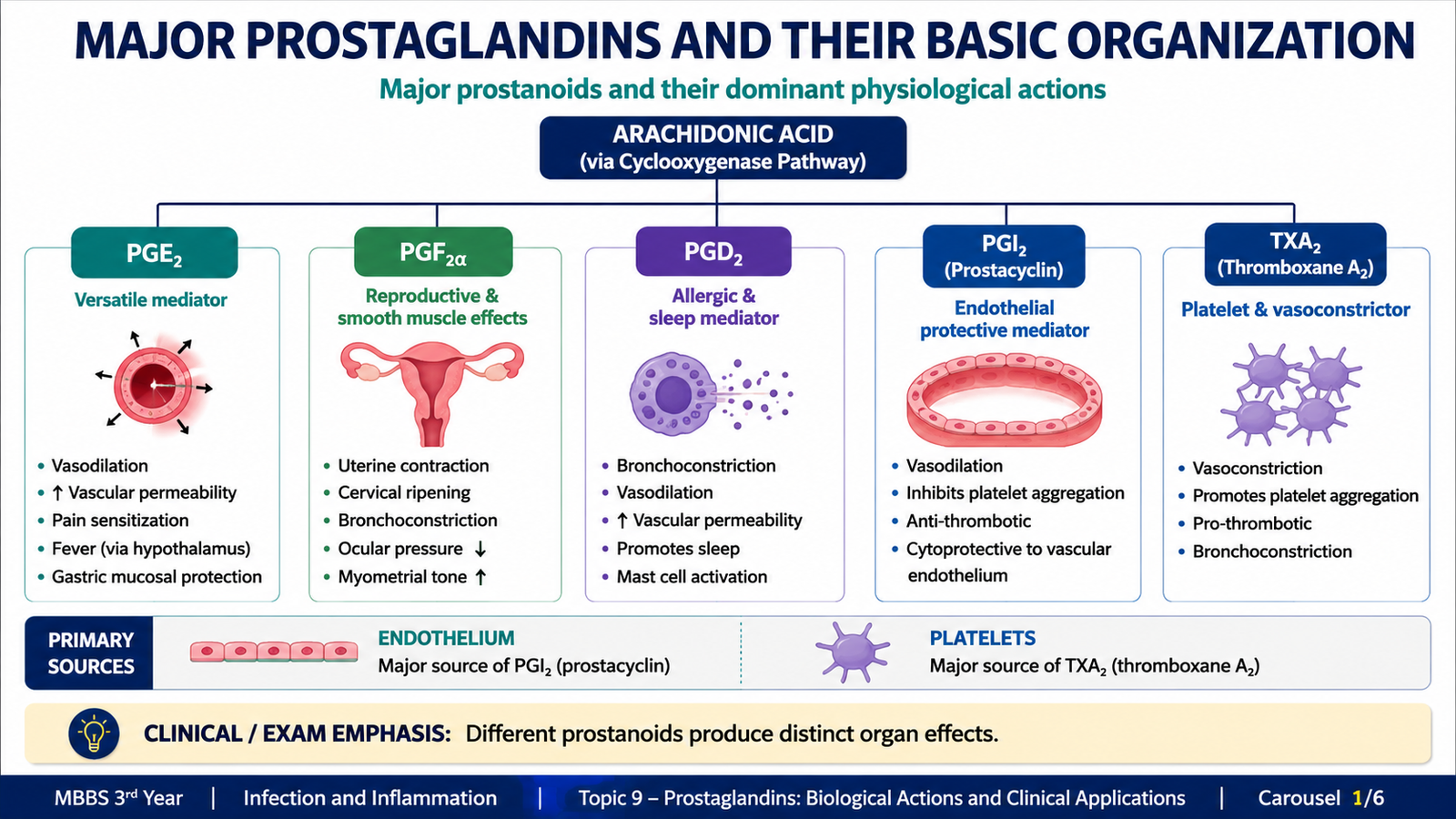
Prostaglandins are members of the eicosanoid family. They are formed from arachidonic acid through the cyclooxygenase pathway. The term “prostaglandin” includes several related molecules, but each has its own receptor profile and biological effects. For undergraduate learning, the most important members are PGE2, PGF2α, PGD2, prostacyclin or PGI2, and thromboxane A2 or TXA2, which is closely related to the prostaglandin pathway.
Important prostanoids
- PGE2: important in vasodilation, pain sensitization, fever, gastric protection, uterine activity and maintenance of renal blood flow.
- PGF2α: produces strong contraction of uterine smooth muscle and can also influence bronchial and ocular smooth muscle.
- PGD2: is particularly associated with mast cells and allergic inflammatory responses.
- PGI2 (prostacyclin): is produced mainly by vascular endothelium and causes vasodilation while inhibiting platelet aggregation.
- TXA2: is produced mainly by activated platelets and promotes platelet aggregation and vasoconstriction.
A useful way to remember their physiological balance is that vascular endothelium tends to produce PGI2, which keeps vessels relatively dilated and platelets less active, whereas activated platelets produce TXA2, which promotes platelet aggregation and vasoconstriction.
B. Formation and Mechanism of Action of Prostaglandins
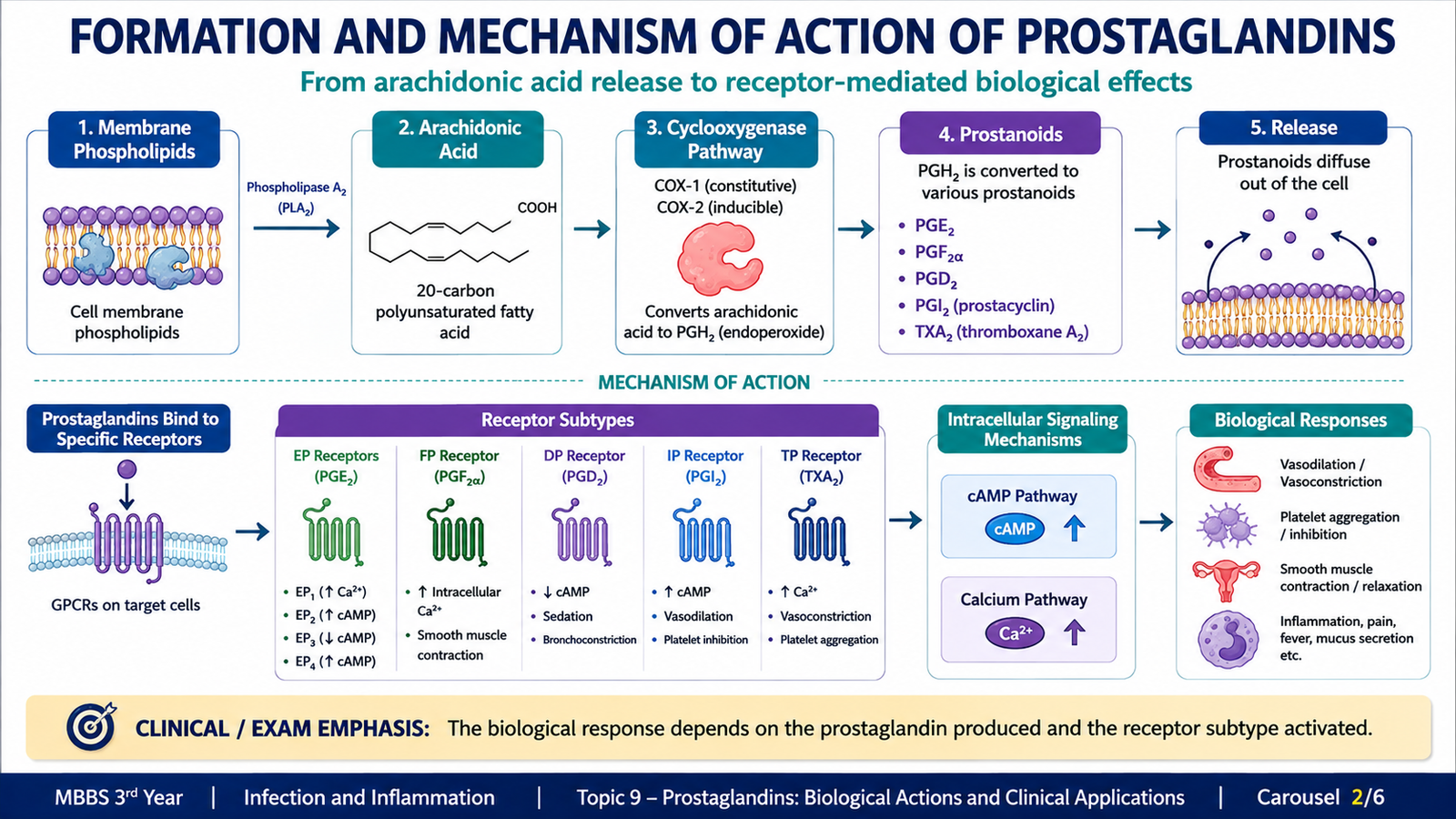
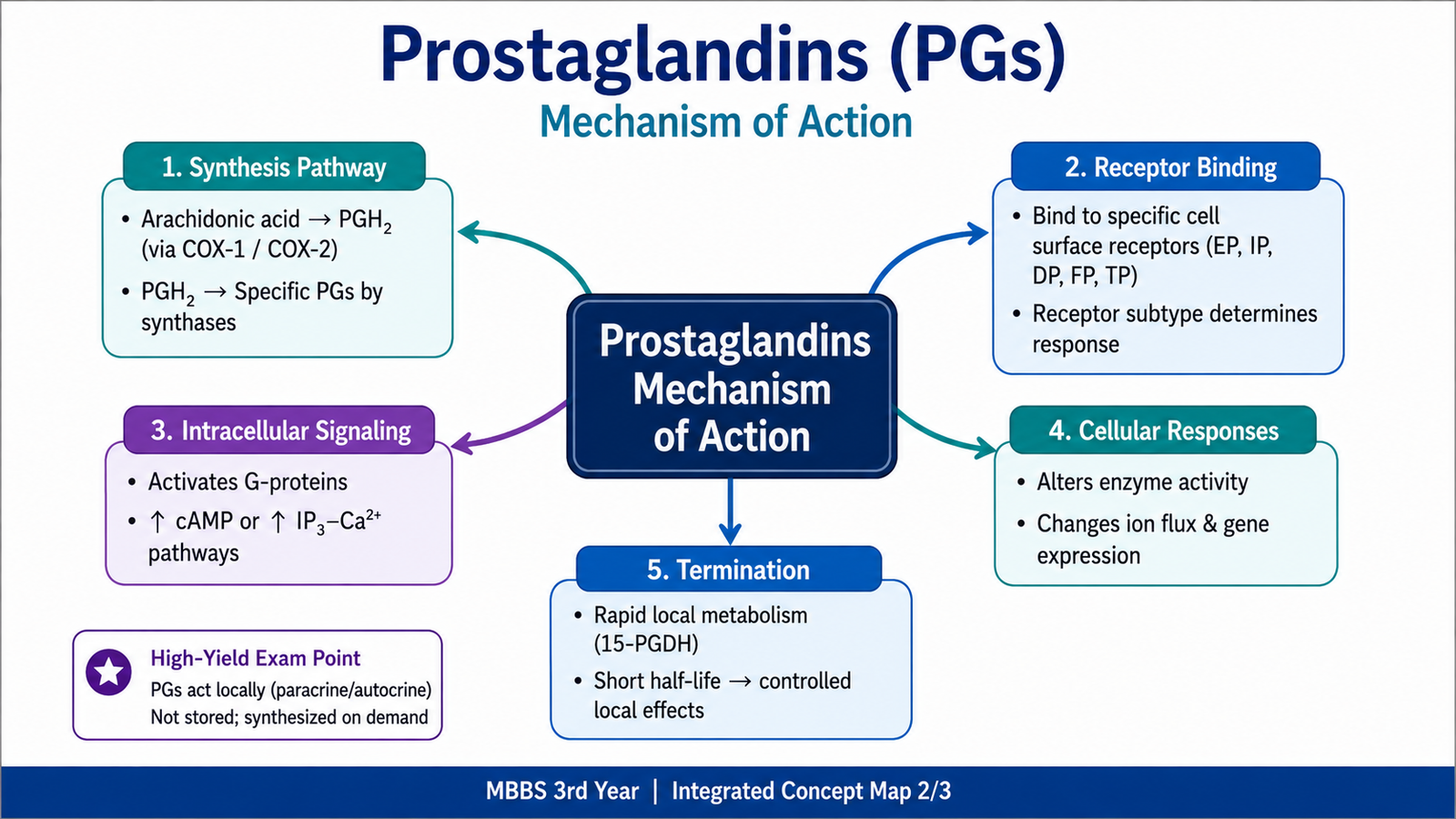
Prostaglandins are not stored in large intracellular reservoirs. Instead, they are synthesized when cells are stimulated. The starting material is arachidonic acid, which is released from membrane phospholipids. Cyclooxygenase enzymes then convert arachidonic acid into unstable prostaglandin intermediates, from which individual tissues form specific prostanoids.
Once produced, prostaglandins bind to specific cell-surface receptors. These receptors are mainly G-protein-coupled receptors. Their effects therefore depend not simply on which prostaglandin is present, but also on which receptor subtype is expressed in the target tissue.
Important receptor families
- EP receptors: activated mainly by PGE2.
- FP receptors: activated mainly by PGF2α.
- DP receptors: activated mainly by PGD2.
- IP receptors: activated by PGI2.
- TP receptors: activated mainly by TXA2.
Different receptor subtypes couple to different intracellular signalling pathways. Some increase cyclic AMP, some decrease cyclic AMP, and others increase intracellular calcium. This explains why prostaglandins may relax smooth muscle in one organ but contract it in another.
Prostaglandin → specific GPCR → second-messenger change → alteration in smooth-muscle tone, secretion, platelet activity or neuronal sensitivity → biological effect
C. Cardiovascular and Platelet Effects
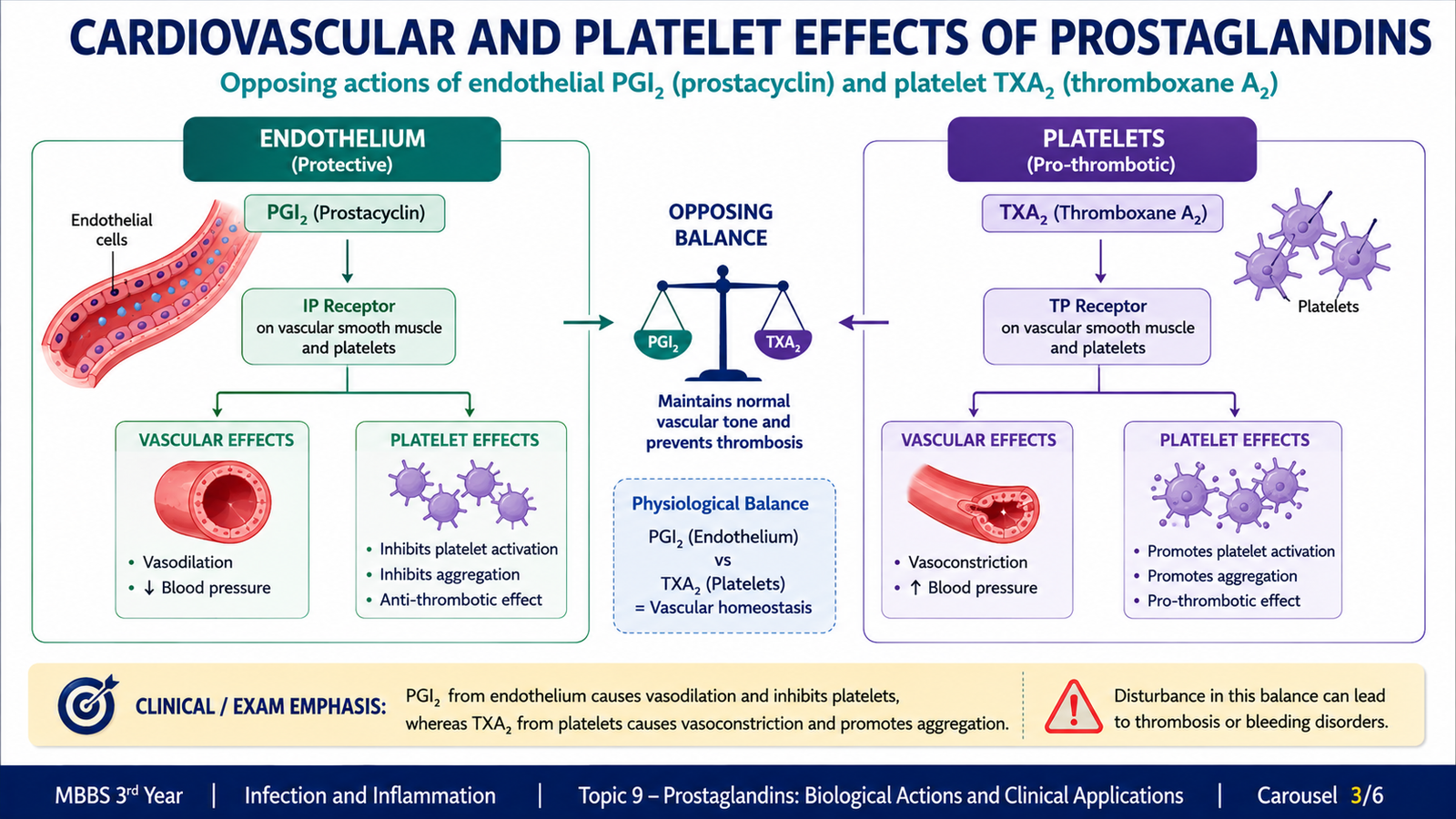
Prostaglandins have important effects on vascular smooth muscle and platelets. These effects help regulate local blood flow and hemostasis. The most important physiological contrast is between prostacyclin and thromboxane A2.
Prostacyclin — PGI2
PGI2 is formed mainly by vascular endothelial cells. It activates IP receptors, increases cyclic AMP in relevant target cells and produces vasodilation. In platelets, increased cyclic AMP reduces platelet activation and therefore inhibits platelet aggregation.
Thromboxane A2
TXA2 is formed mainly by activated platelets. It acts through TP receptors and promotes platelet aggregation and vasoconstriction. This supports formation of the platelet plug at sites of vascular injury.
PGE2
PGE2 commonly causes vasodilation in several vascular beds. The exact effect varies with receptor subtype and tissue, but its vasodilator action contributes to increased blood flow during inflammation.
| Mediator | Major Source | Vascular Effect | Platelet Effect |
|---|---|---|---|
| PGI2 | Endothelium | Vasodilation | Inhibits aggregation |
| TXA2 | Platelets | Vasoconstriction | Promotes aggregation |
D. Inflammation, Pain, Fever and Gastrointestinal Effects
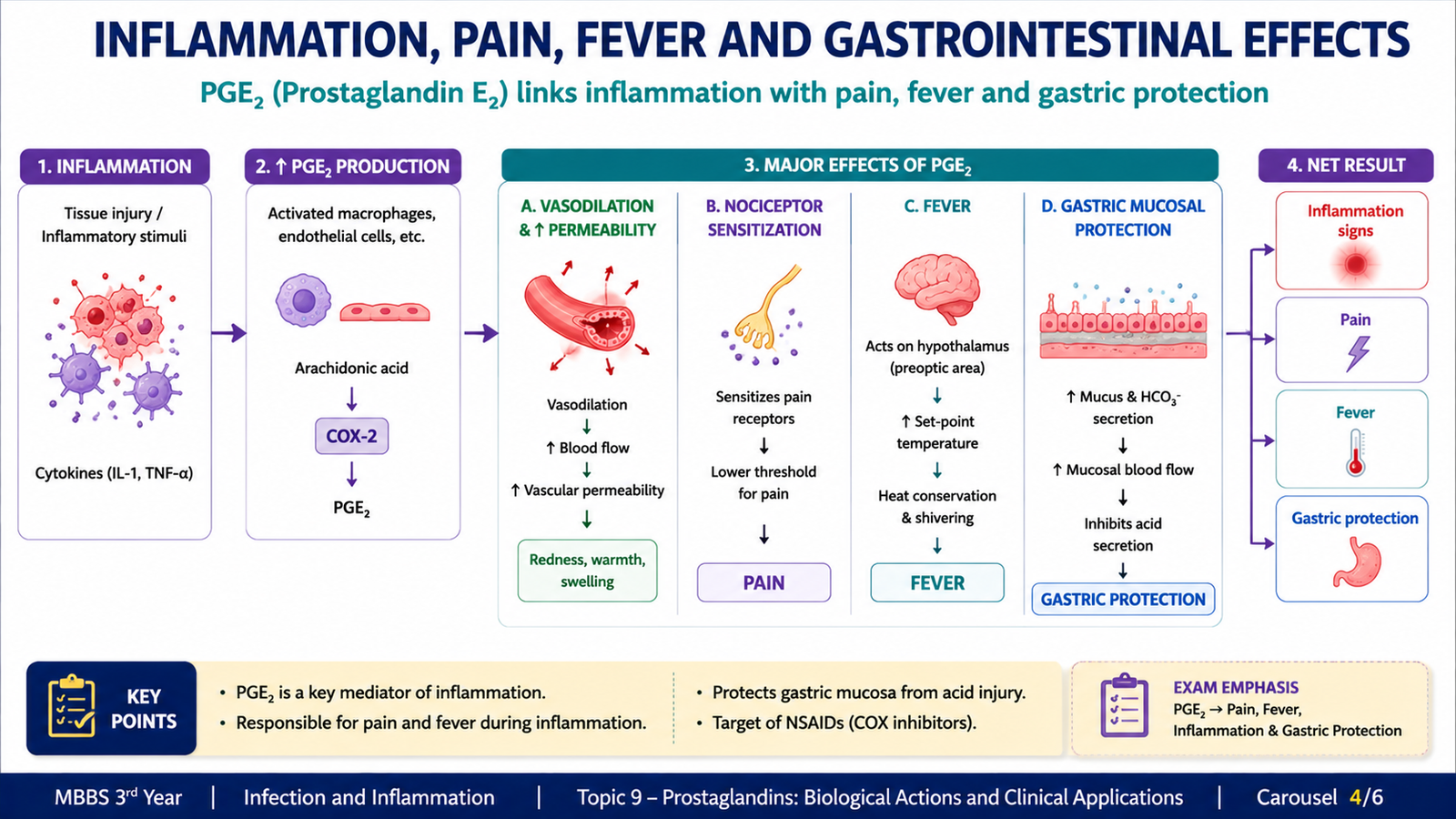
PGE2 is especially important in inflammation. It does not simply “cause inflammation”; rather, it amplifies several characteristic inflammatory responses. Its effects help explain why drugs that inhibit cyclooxygenase reduce pain, fever and inflammation.
Pain
PGE2 sensitizes peripheral nociceptive nerve endings to inflammatory mediators. The nerves therefore respond more strongly to stimuli that would otherwise be less painful. This produces hyperalgesia, meaning increased sensitivity to pain.
Fever
During infection or inflammation, endogenous pyrogens promote prostaglandin formation in the hypothalamic region. PGE2 contributes to elevation of the thermoregulatory set point, producing fever.
Gastric mucosal protection
PGE2 and PGI2 support normal gastric mucosal defense. They decrease gastric acid secretion and promote protective mechanisms such as mucus and bicarbonate secretion and adequate mucosal blood flow. Therefore, marked inhibition of protective prostaglandin synthesis can make the gastric mucosa more vulnerable to injury.
Vascular component of inflammation
PGE2 and PGI2 can produce vasodilation. Increased local blood flow contributes to the redness and warmth of inflamed tissue.
E. Effects on Uterus, Airways, Kidneys and Other Organs
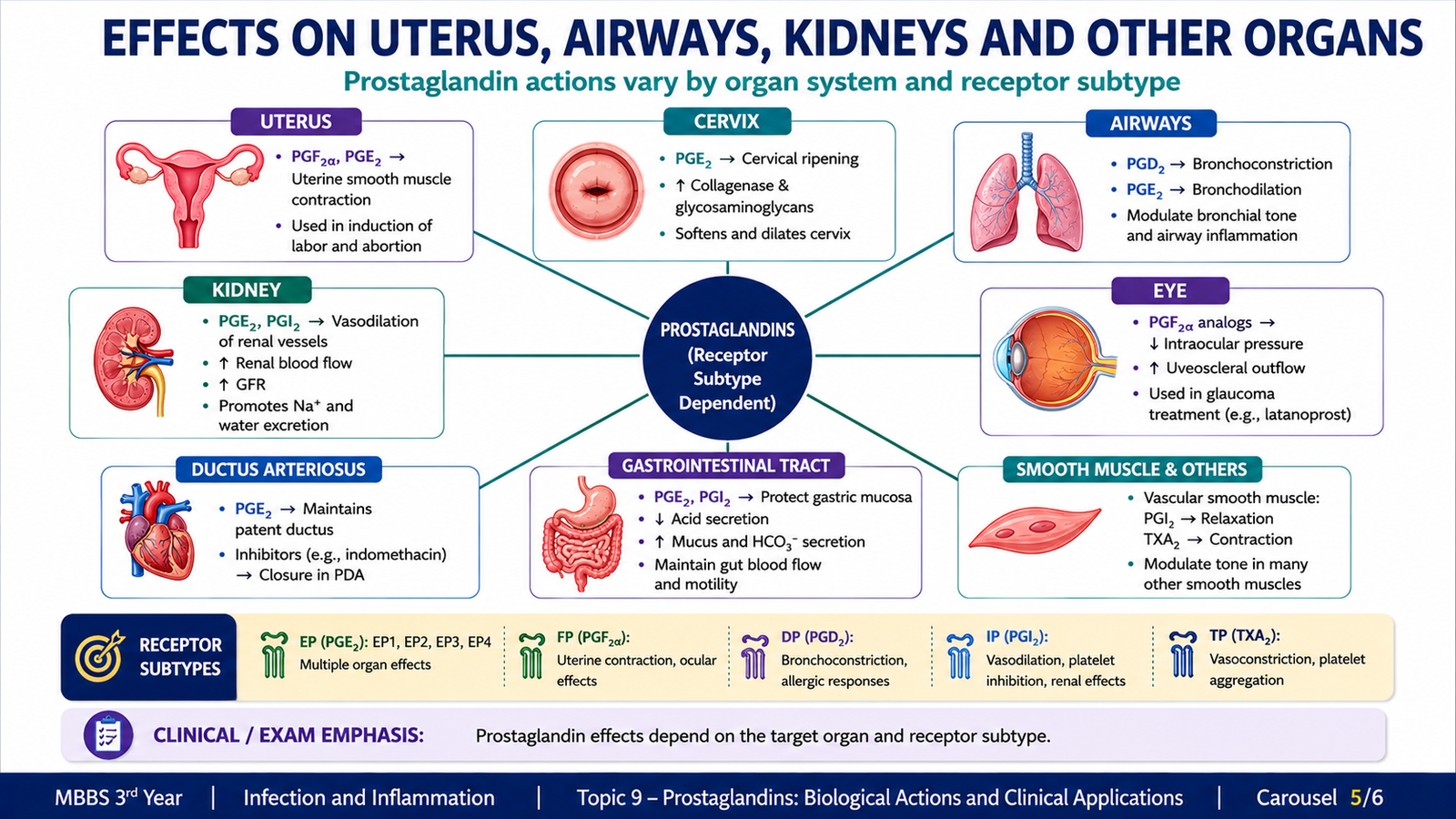
Because prostaglandin receptors are widely distributed, these mediators influence several organ systems. The direction and strength of the response depend on the prostaglandin, receptor subtype, tissue and physiological state.
Uterus and cervix
Prostaglandins are important regulators of uterine smooth-muscle activity. PGF2α strongly contracts the uterus, while PGE compounds can also increase uterine activity. Certain PGE compounds additionally promote cervical ripening, making the cervix softer and more favorable for dilation. These actions form the basis of several obstetric and gynecological uses.
Airways
Different prostanoids can have different effects on bronchial smooth muscle. PGF2α and TXA2 can favor bronchoconstriction, while PGI2 has relaxant effects in some vascular and smooth-muscle tissues. PGD2, released particularly from mast cells, contributes to allergic airway responses and can promote bronchoconstriction.
Kidneys
Renal prostaglandins, particularly PGE2 and PGI2, help maintain renal perfusion by producing local vasodilation. This role becomes especially important when renal blood flow is threatened by vasoconstrictor influences.
Eye
PGF2α-related receptor activation in the eye can increase aqueous humor outflow through the uveoscleral pathway. This lowers intraocular pressure and has an important therapeutic application.
Fetal circulation
PGE compounds help maintain patency of the ductus arteriosus during fetal life. This action can also be used therapeutically when temporary maintenance of ductal patency is required in selected congenital cardiac conditions.
F. Clinical Applications of Prostaglandins and Their Analogues
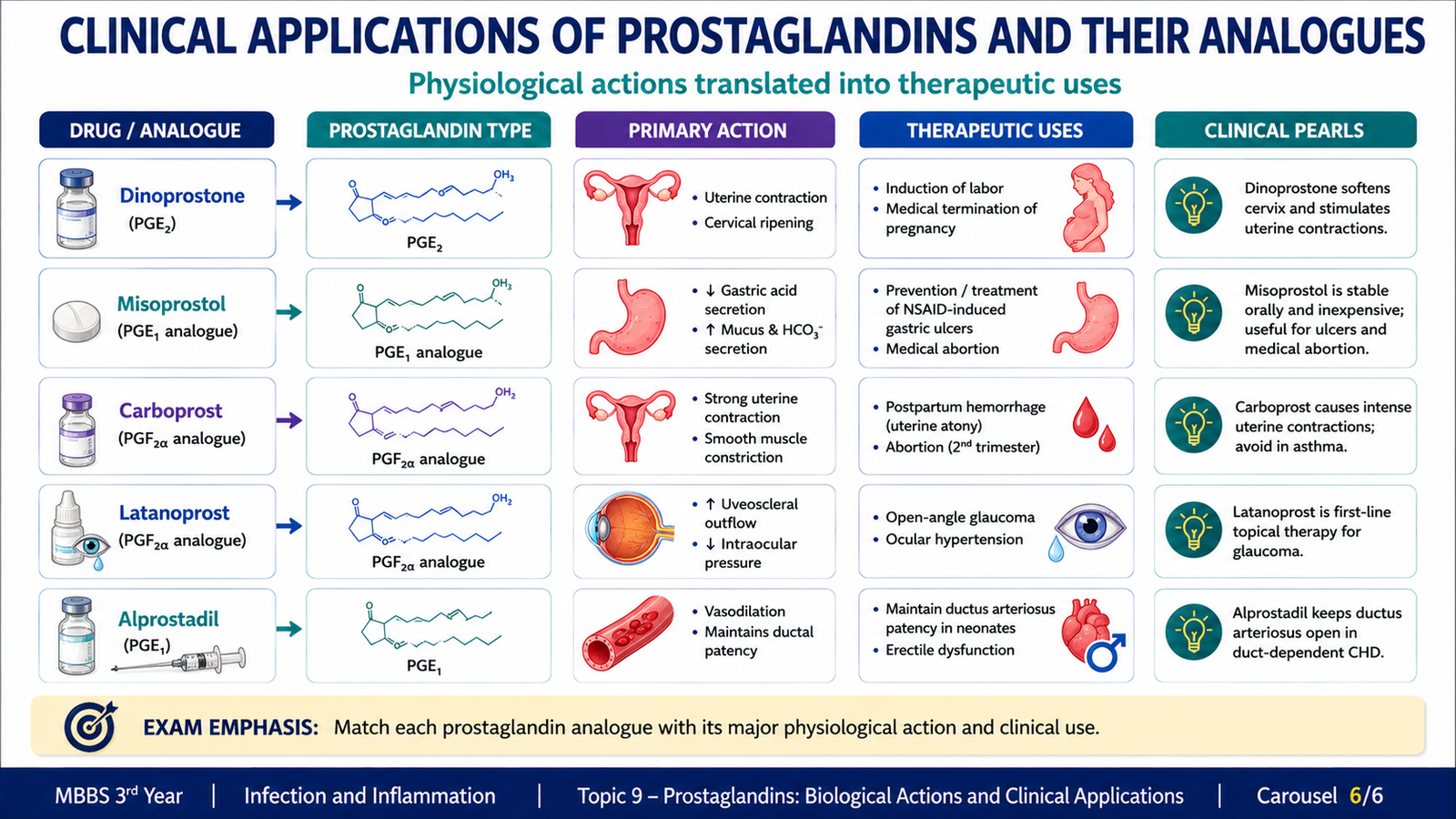
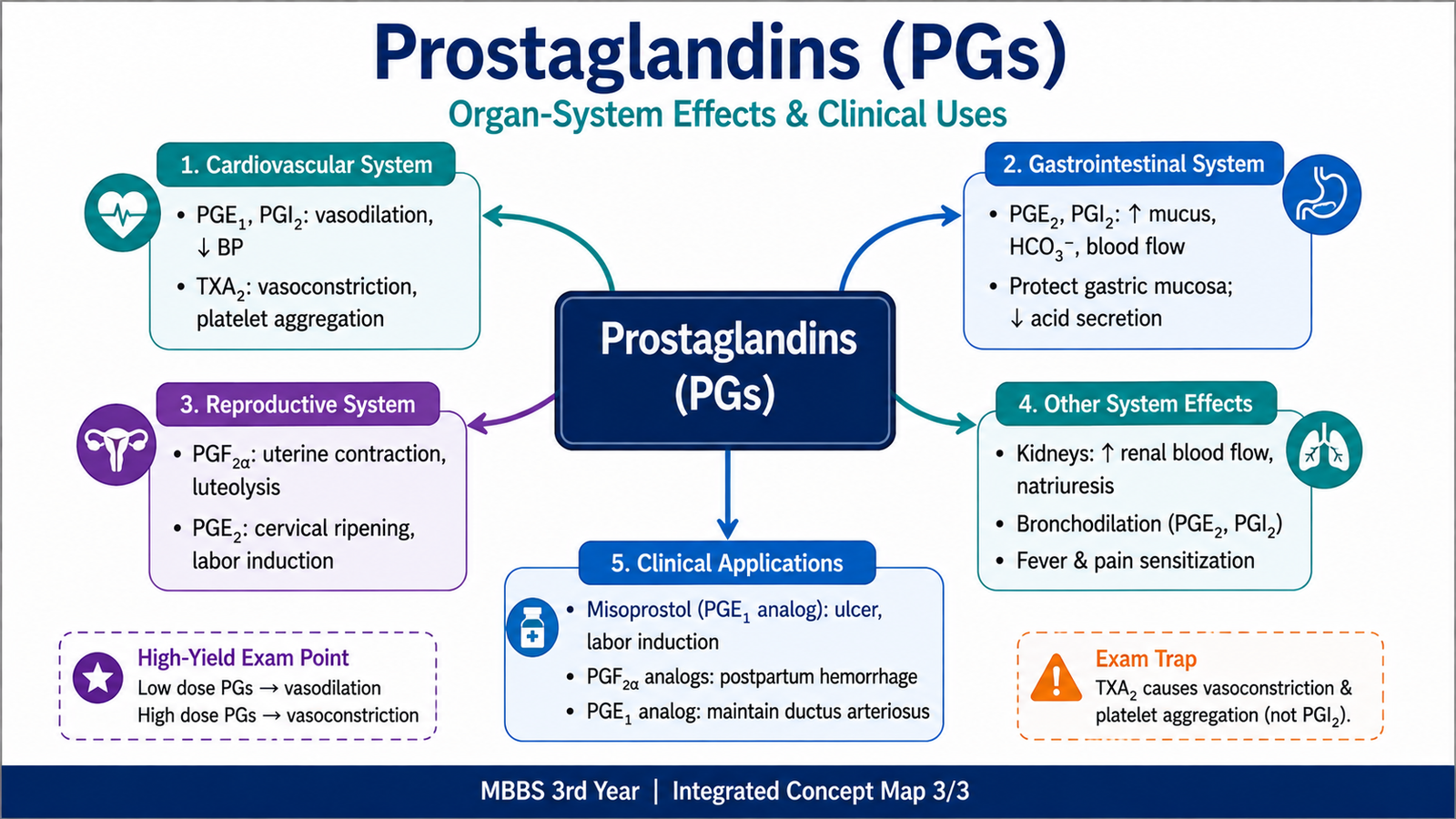
The clinical value of prostaglandins comes from reproducing their normal physiological actions in a controlled manner. Different prostaglandin analogues are therefore selected according to the receptor and organ effect required. The most important undergraduate applications are summarized below.
1. Obstetric and gynecological applications
Prostaglandin preparations are used when uterine contraction or cervical ripening is therapeutically desirable.
- Dinoprostone is a PGE2 preparation used for cervical ripening and induction of labor.
- Misoprostol is a PGE1 analogue that promotes cervical ripening and uterine contraction and is used in obstetric and gynecological practice.
- Carboprost is a PGF2α analogue that produces strong uterine contraction and may be used when a marked uterotonic effect is required.
2. Gastric mucosal protection
Misoprostol can reduce gastric acid secretion and enhance mucosal protective mechanisms. Its therapeutic action reflects the normal gastric-protective role of prostaglandins.
3. Glaucoma
PGF2α analogues such as latanoprost reduce intraocular pressure mainly by increasing uveoscleral outflow of aqueous humor. This is an important example of converting a prostaglandin smooth-muscle and outflow effect into a therapeutic benefit.
4. Maintaining ductus arteriosus patency
Alprostadil, a PGE1 preparation, can maintain ductus arteriosus patency when continued ductal blood flow is temporarily required in certain congenital cardiac lesions.
5. Pulmonary vascular disease
Prostacyclin and related analogues produce strong pulmonary vasodilation and inhibit platelet activation. These properties make PGI2-based drugs useful in selected patients with pulmonary arterial hypertension.
| Drug | Related Prostaglandin | Main Therapeutic Effect | Major Application |
|---|---|---|---|
| Dinoprostone | PGE2 | Cervical ripening, uterine activity | Induction of labor |
| Misoprostol | PGE1 analogue | Uterine/cervical action; gastric protection | Obstetric/gynecological use; gastric protection |
| Carboprost | PGF2α analogue | Strong uterine contraction | Uterotonic application |
| Latanoprost | PGF2α analogue | Increases uveoscleral outflow | Glaucoma |
Integrated Mechanism Flow
↓
Release of arachidonic acid from membrane phospholipids
↓
Cyclooxygenase pathway
↓
Formation of tissue-specific prostanoids
↓
Binding to EP, FP, DP, IP or TP receptors
↓
Changes in cyclic AMP and/or intracellular calcium
↓
Vascular, platelet, smooth-muscle, inflammatory or secretory response
Important Comparison — Major Prostanoids
| Prostanoid | Main Receptor | Important Actions | High-Yield Association |
|---|---|---|---|
| PGE2 | EP | Pain sensitization, fever, vasodilation, gastric protection, uterine/cervical effects | Inflammation and cervical ripening |
| PGF2α | FP | Uterine contraction; ocular effects | Uterotonic drugs and glaucoma analogues |
| PGD2 | DP | Allergic inflammatory responses, bronchial effects | Mast-cell mediator |
| PGI2 | IP | Vasodilation, inhibition of platelet aggregation | Endothelium |
| TXA2 | TP | Vasoconstriction, platelet aggregation | Platelets |
⭐ AIM High-Yield Review
- Prostaglandins are locally acting arachidonic-acid-derived eicosanoids.
- They are generally synthesized on demand rather than stored in large amounts.
- Arachidonic acid enters the cyclooxygenase pathway to form prostanoids.
- Prostaglandins act mainly through G-protein-coupled receptors.
- PGE2 contributes to pain sensitization and fever.
- PGE2 and related prostaglandins also support gastric mucosal protection.
- ⭐ PGI2 causes vasodilation and inhibits platelet aggregation.
- ⭐ TXA2 causes vasoconstriction and promotes platelet aggregation.
- PGF2α strongly promotes uterine smooth-muscle contraction.
- Renal PGE2 and PGI2 help preserve renal blood flow.
- Dinoprostone is associated with cervical ripening and labor induction.
- Misoprostol combines uterine/cervical actions with gastric mucosal protection.
- PGF2α analogues such as latanoprost reduce intraocular pressure by increasing uveoscleral aqueous outflow.
- Alprostadil can maintain ductus arteriosus patency.
- The easiest way to understand clinical applications is to connect each drug with the normal biological action of its prostaglandin receptor.
Prostaglandins and Their Clinical Uses
Watch this video after completing the learning material to reinforce the major prostaglandins, their biological actions and important clinical applications.
If the embedded player does not open, ▶ Watch directly on YouTube