
This chapter follows the supplied KMU learning outcomes and builds malaria from the parasite and disease process to antimalarial drugs, prevention and family-practice care. First understand the explanations and cause-and-effect links; then use the AIM High-Yield Review for revision.
Topic 20 — Malaria: Parasite, Clinical Disease, Prevention and Antimalarial Pharmacotherapy
Module/Theme: Infection and Inflammation
An integrated explanation of the malarial parasite, disease mechanisms, clinical recognition, laboratory diagnosis, antimalarial drugs, epidemiology, prevention and family-practice management.
Topic Introduction
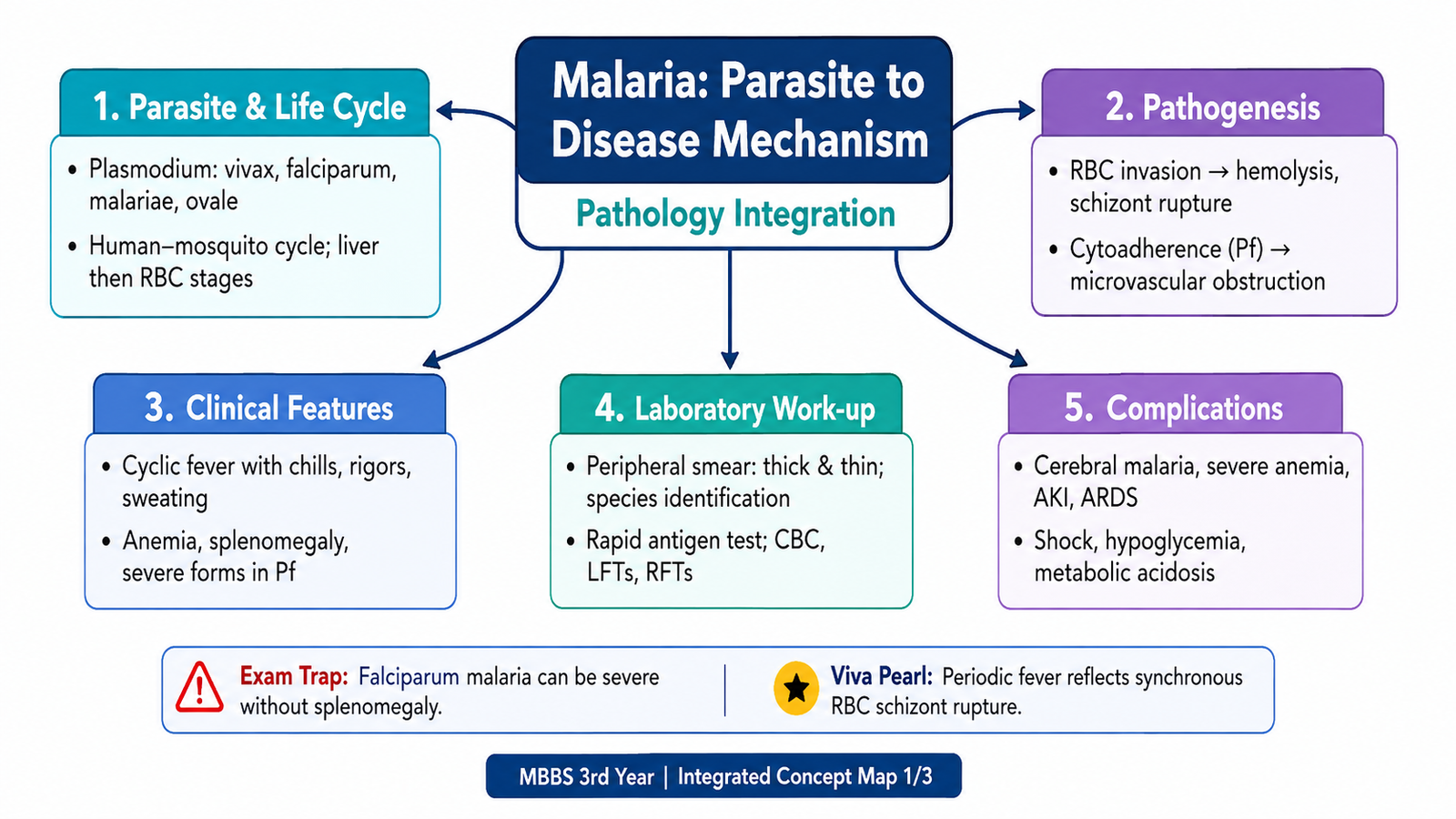
Malaria is a mosquito-borne infectious disease caused by Plasmodium parasites. Human infection begins when an infected female Anopheles mosquito inoculates parasites that first multiply in the liver and then infect red blood cells. The repeated destruction of infected erythrocytes produces the characteristic fever, anemia and other manifestations of malaria, while Plasmodium falciparum can additionally produce severe microvascular disease. Understanding malaria therefore requires linking the parasite life cycle with pathogenesis, clinical features and laboratory diagnosis. The same life cycle also explains why antimalarial drugs are classified by the parasite stage they attack and why some drugs prevent attacks while others are required for radical cure. Prevention depends on reducing transmission, protecting individuals from mosquito bites and appropriately using chemoprophylaxis.
A. Malarial Parasite: Species, Important Properties and Life Cycle
Malaria in humans is caused by protozoan parasites of the genus Plasmodium. The major human species are P. falciparum, P. vivax, P. malariae, P. ovale and P. knowlesi. Their most important shared property is that they require two hosts: humans for major asexual multiplication and the female Anopheles mosquito for the sexual phase. Their life cycle alternates between liver cells and red blood cells, and this sequence explains both the clinical disease and the targets of antimalarial drugs.
Important species-related properties
- P. falciparum: infects red cells of different ages, can produce high parasitemia and is the species most strongly associated with severe malaria.
- P. vivax: preferentially infects young erythrocytes and can form dormant hepatic stages called hypnozoites, which may later reactivate.
- P. ovale: can also form hypnozoites and therefore may relapse after the initial infection.
- P. malariae: preferentially infects older erythrocytes and may persist at low levels for long periods.
- P. knowlesi: is a zoonotic malaria parasite and can produce rapidly increasing parasitemia.
Life cycle in the human host
During a mosquito bite, sporozoites enter the bloodstream and rapidly reach the liver. They invade hepatocytes and multiply as hepatic schizonts. When these schizonts rupture, they release merozoites into the blood. In P. vivax and P. ovale, some hepatic parasites remain dormant as hypnozoites rather than immediately completing hepatic development.
Merozoites then invade erythrocytes. Within the red cell, the parasite develops through the ring form, trophozoite and schizont stages. The infected erythrocyte eventually ruptures and releases new merozoites, which infect additional red cells. Repeated erythrocytic cycles produce the major clinical manifestations of malaria. Some parasites differentiate into male and female gametocytes rather than continuing asexual multiplication.
Life cycle in the mosquito
When another female Anopheles mosquito feeds on an infected person, it ingests gametocytes. Sexual reproduction occurs in the mosquito gut, eventually producing sporozoites. These migrate to the mosquito’s salivary glands and can be transmitted to the next human host.

B. Pathogenesis, Clinical Features and Laboratory Diagnosis
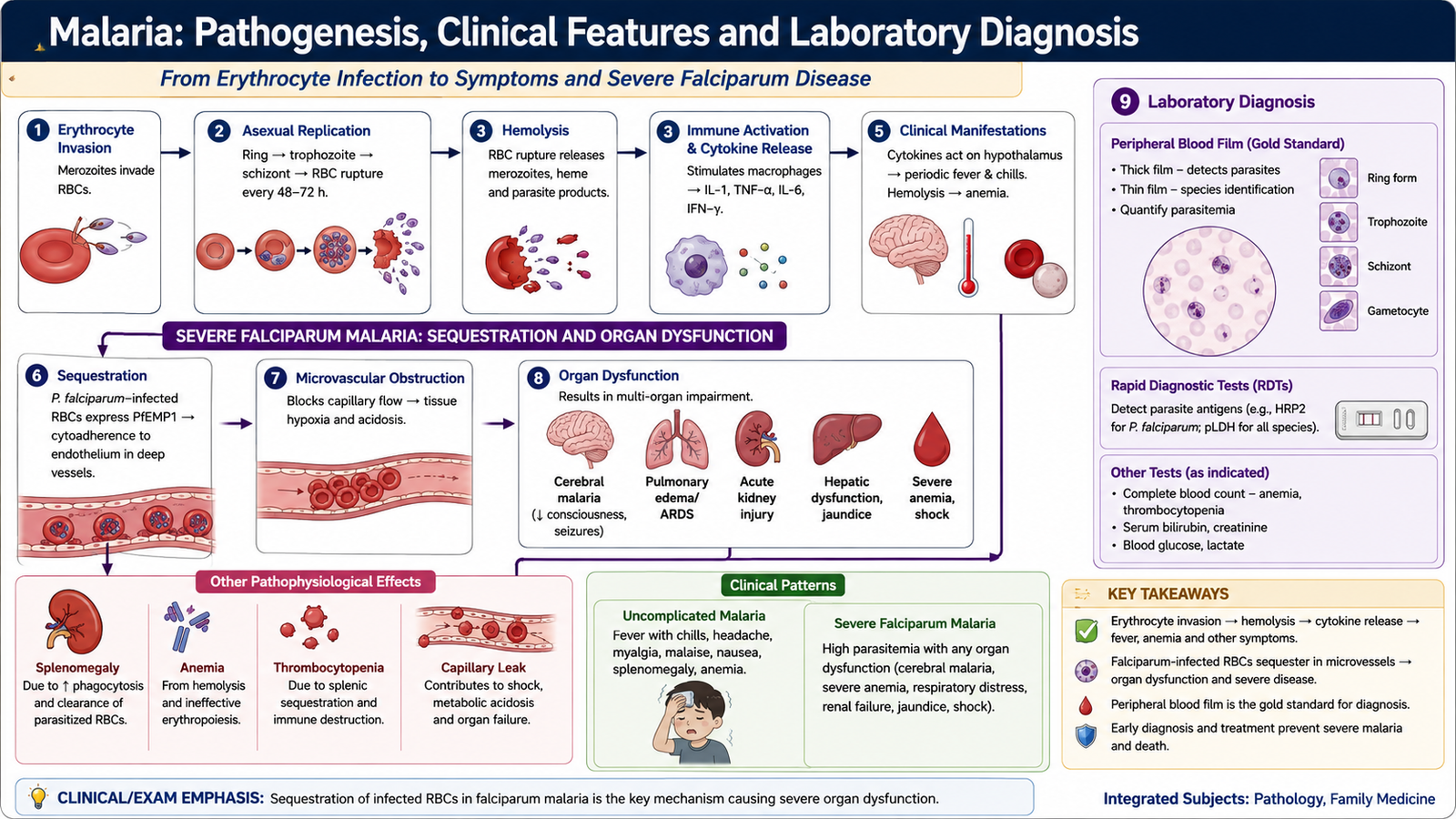
The symptomatic phase of malaria is mainly produced by infection of erythrocytes. Parasite multiplication causes red-cell injury and rupture, while host inflammatory responses produce fever and systemic symptoms. In severe P. falciparum malaria, infected erythrocytes also develop altered adhesive properties and may become sequestered in small vessels. This microvascular obstruction contributes to organ dysfunction.
How malaria produces disease
Merozoite invasion of erythrocytes → intracellular parasite multiplication → erythrocyte rupture and inflammatory mediator release → fever and systemic symptoms → repeated red-cell destruction → anemia and splenic enlargement
The release of parasite material during erythrocyte rupture stimulates cytokine production and contributes to fever, chills, headache and malaise. Hemolysis of infected cells, together with increased removal of both infected and altered uninfected erythrocytes by the spleen, contributes to anemia. The spleen enlarges because it is actively clearing abnormal erythrocytes and participating in the immune response.
P. falciparum and severe malaria
P. falciparum-infected erythrocytes can adhere to vascular endothelium and become sequestered in the microcirculation. Sequestration reduces normal microvascular blood flow and contributes to tissue hypoxia and organ dysfunction. This mechanism helps explain serious manifestations such as cerebral involvement, renal dysfunction and other forms of severe malaria.
Clinical features
Malaria may begin with non-specific symptoms, so the diagnosis depends on recognizing the combination of fever, epidemiological risk and laboratory evidence of parasitemia. Classical periodic fever may occur, but a patient should not be excluded from consideration simply because the fever does not follow a textbook pattern.
- Fever, often associated with chills and sweating
- Headache and generalized body aches
- Malaise and fatigue
- Nausea or vomiting in some patients
- Pallor due to anemia
- Splenomegaly, especially with ongoing infection
- Thrombocytopenia may be found on blood testing
Laboratory work-up
Diagnosis requires demonstration or detection of malaria parasites. The blood film remains particularly important because it can both demonstrate parasitemia and provide information about the parasite species and burden.
- Thick blood film: concentrates blood elements and is particularly useful for detecting parasites when parasitemia is low.
- Thin blood film: preserves erythrocyte morphology better and assists species identification and estimation of parasitemia.
- Rapid diagnostic tests: detect parasite antigens and are useful when high-quality microscopy is not immediately available.
- Complete blood count: may demonstrate anemia and thrombocytopenia and helps assess the systemic effects of infection.
- Additional investigations: renal function, glucose and other tests are selected according to illness severity and suspected complications.
A febrile patient with malaria exposure should be investigated for parasitemia even when the fever pattern is irregular.
C. Classification of Antimalarial Drugs and Principles of Prophylaxis and Radical Cure
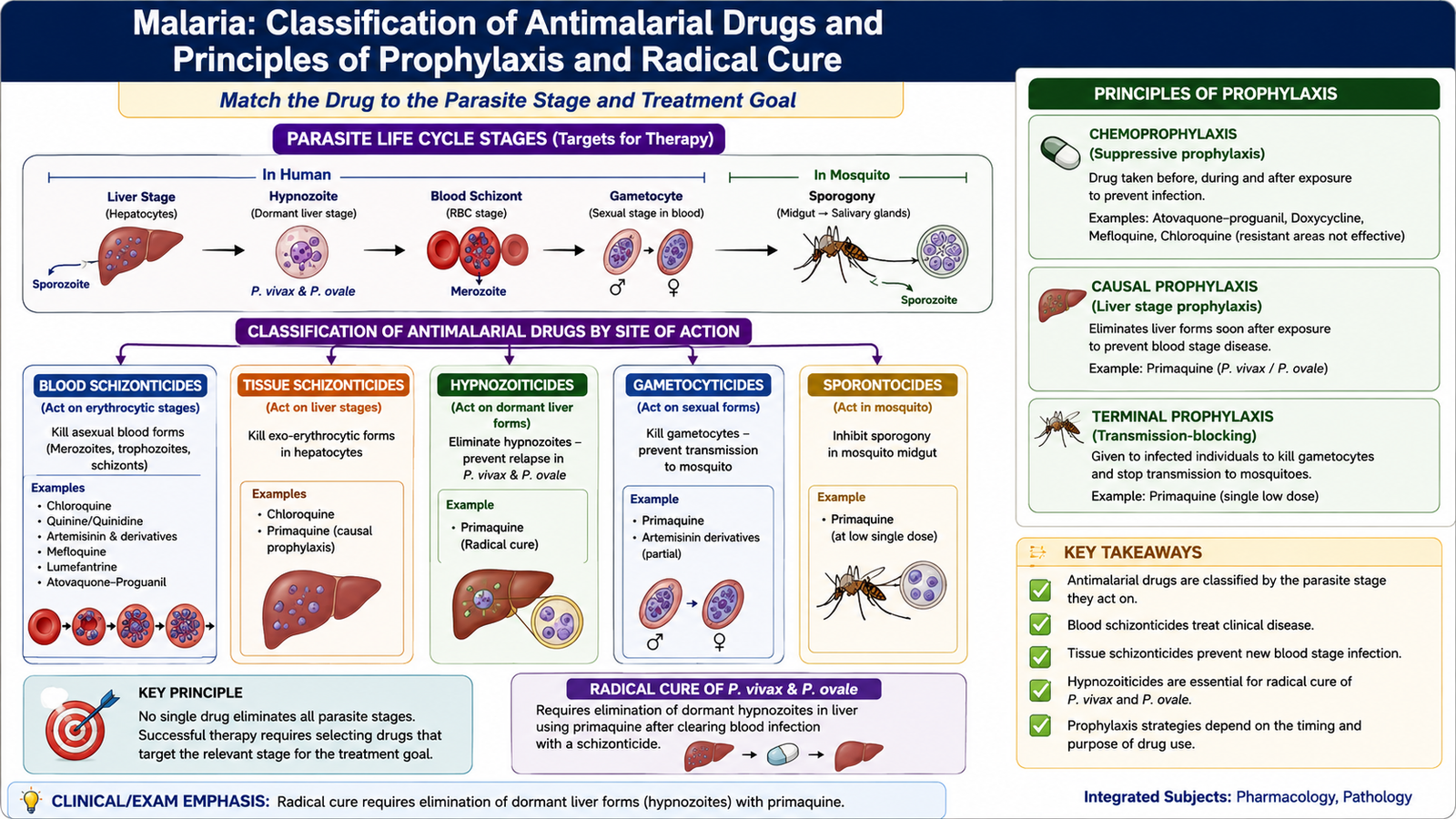
Antimalarial drugs can be understood most easily by asking which stage of the parasite they attack. Drugs acting on blood forms treat or suppress symptomatic malaria, whereas drugs acting on liver stages can prevent establishment of blood infection or eradicate dormant parasites. This stage-based approach explains the difference between chemoprophylaxis, causal prophylaxis, terminal prophylaxis and radical cure.
Stage-based classification
| Drug action | Parasite stage | Important examples | Main purpose |
|---|---|---|---|
| Blood schizonticides | Asexual erythrocytic forms | Chloroquine, quinine, mefloquine, artemisinin derivatives | Treatment or suppression of clinical attacks |
| Tissue schizonticides | Hepatic forms | Primaquine; selected agents used for causal prophylaxis | Elimination of liver forms |
| Hypnozoiticides | Dormant hepatic forms of P. vivax and P. ovale | Primaquine | Radical cure and prevention of relapse |
| Gametocidal activity | Sexual forms | Primaquine has important gametocidal activity | Reduction of transmission |
Chemoprophylaxis
Chemoprophylaxis means giving an antimalarial drug to reduce the risk of malaria in a person who may be exposed. The choice depends on the parasite species, resistance pattern, destination, patient factors and drug safety. Commonly used prophylactic agents include chloroquine where chloroquine-sensitive malaria exists, mefloquine, doxycycline and atovaquone-proguanil.
Causal prophylaxis
Causal prophylaxis acts against the pre-erythrocytic hepatic stage. By eliminating parasites before they establish the erythrocytic infection, causal prophylactic drugs can prevent the subsequent blood-stage attack. Drugs with important hepatic-stage activity include primaquine and other agents selected specifically for this purpose.
Terminal prophylaxis
Terminal prophylaxis is treatment aimed at eliminating persisting hepatic forms after exposure has ended, particularly when exposure to relapsing malaria such as P. vivax or P. ovale is important. Primaquine is a classic drug used because it acts on persistent liver forms.
Radical cure
A radical cure removes both the active infection and the dormant hepatic reservoir responsible for relapse. In P. vivax and P. ovale, treating only the circulating blood-stage parasites can stop the current attack but does not eliminate hypnozoites. Primaquine is therefore used to eradicate these dormant forms when it can be given safely.
Blood-stage treatment controls the current attack; elimination of hypnozoites is required to prevent relapse in P. vivax and P. ovale.
D. Major Antimalarial Drugs: Mechanisms, Pharmacokinetics and Clinical Applications
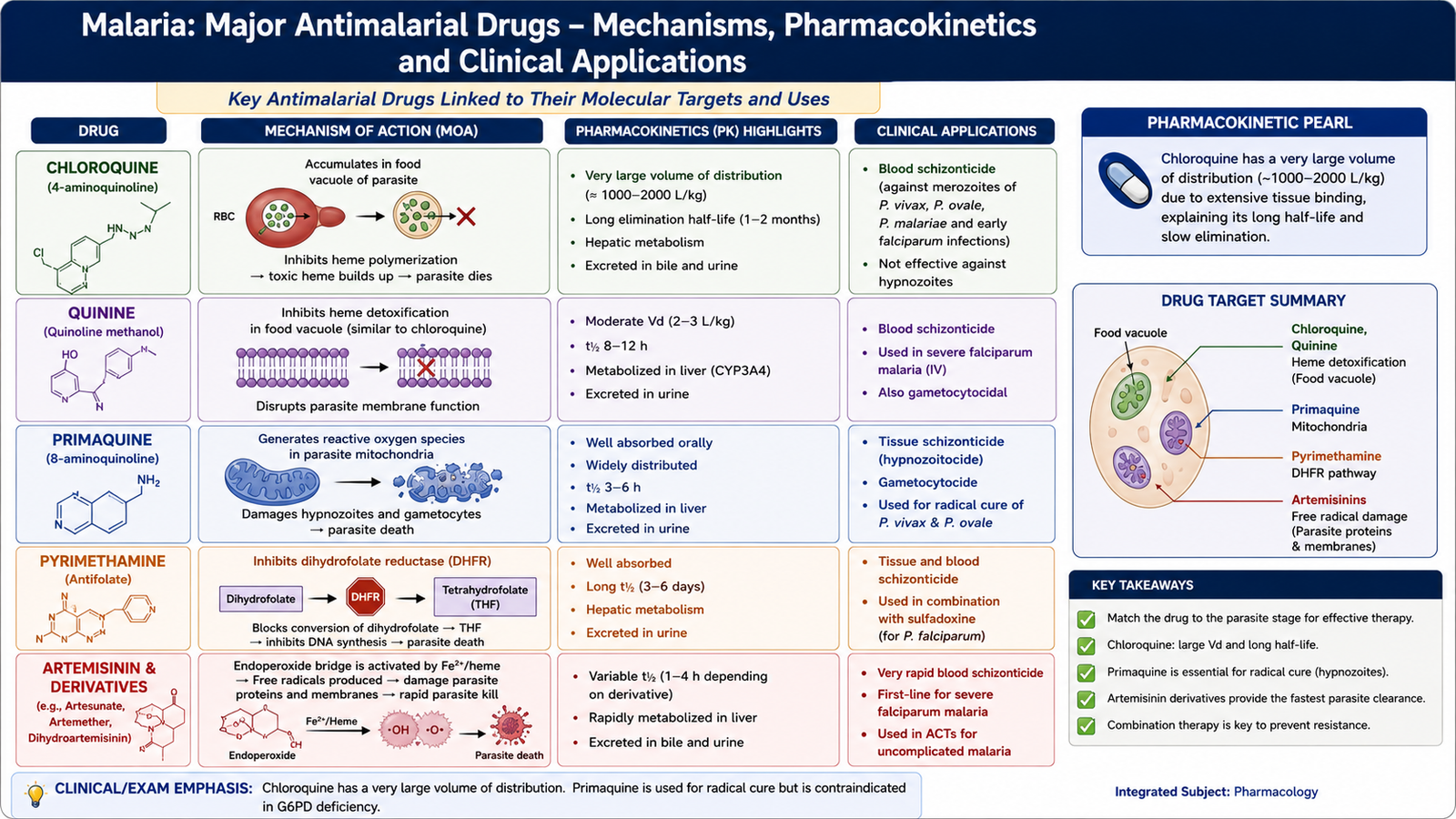
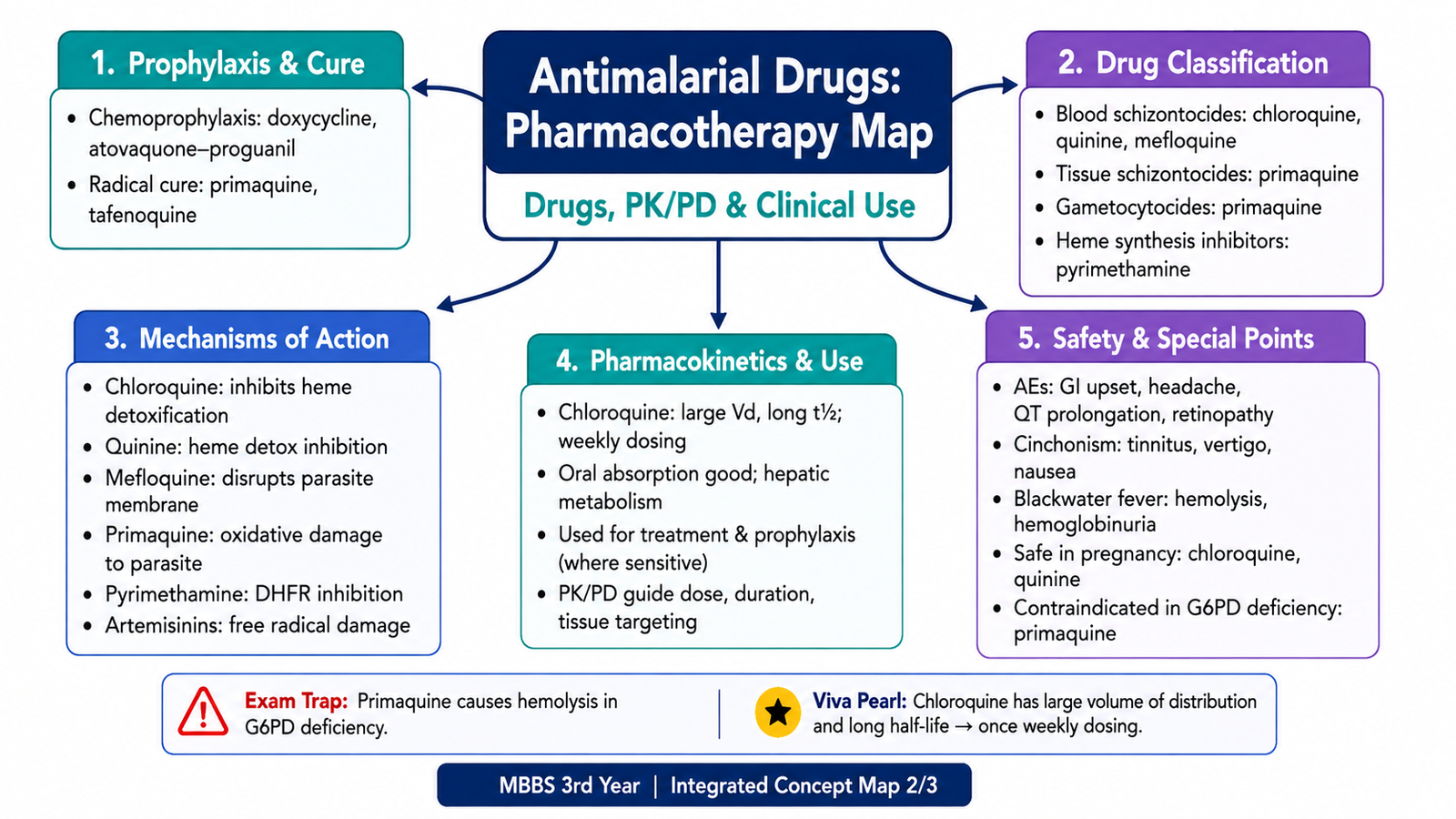
The major antimalarial drugs act at different biochemical targets within the parasite. Understanding the target makes their clinical use easier to remember. Chloroquine, quinine and related blood schizonticides interfere mainly with parasite survival inside erythrocytes, whereas primaquine acts importantly on hepatic forms. Antifolate drugs inhibit parasite folate metabolism, while artemisinin derivatives generate reactive intermediates that rapidly injure parasite proteins and membranes.
Chloroquine
Chloroquine accumulates in the acidic food vacuole of susceptible intraerythrocytic parasites. The parasite digests hemoglobin and releases toxic free heme. Normally, heme is converted into relatively non-toxic hemozoin. Chloroquine interferes with this detoxification process, causing accumulation of toxic heme products and parasite death.
Chloroquine → concentration inside parasite food vacuole → inhibition of heme detoxification → toxic heme accumulation → parasite injury and death
Pharmacokinetic relevance: Chloroquine is well absorbed orally and distributes extensively into tissues. Its apparent volume of distribution is extremely large because substantial amounts leave plasma and accumulate in tissues. It is released slowly from these stores, producing a long terminal elimination phase. This extensive distribution explains why treatment requires an adequate initial amount of drug followed by additional doses to maintain effective concentrations.
For chloroquine-sensitive malaria, the traditional treatment principle is a total chloroquine base dose of about 25 mg/kg given over three days. In adults, the classic regimen totals approximately 1.5 g chloroquine base, divided over the treatment period. Exact prescribing should follow the relevant local guideline and formulation because chloroquine may be expressed as either base or salt.
Quinine
Quinine is a rapidly acting blood schizonticide. It interferes with parasite handling of heme and other essential intracellular processes within infected erythrocytes. Its blood-stage activity explains its historical importance in the treatment of malaria, including severe disease before safer and more rapidly acting alternatives became widely used.
Mefloquine
Mefloquine is a blood schizonticide with a long elimination half-life. Its precise antimalarial actions are complex, but it disrupts essential parasite processes within erythrocytes. The long persistence of the drug in the body makes it suitable for certain prophylactic regimens, although adverse-effect considerations influence patient selection.
Halofantrine
Halofantrine is a phenanthrene-methanol antimalarial related functionally to other blood schizonticides. It interferes with parasite survival in erythrocytes. Its clinical usefulness is limited by an important risk of cardiac QT-interval prolongation and arrhythmia.
Primaquine
Primaquine is an 8-aminoquinoline with important activity against hepatic parasite forms, including the hypnozoites of P. vivax and P. ovale. Reactive metabolites contribute to oxidative injury within the parasite. Because it removes dormant liver stages, primaquine is important for radical cure rather than merely treating the circulating erythrocytic attack.
Pyrimethamine
Pyrimethamine inhibits parasite dihydrofolate reductase. This prevents regeneration of tetrahydrofolate required for nucleotide synthesis and therefore interferes with parasite DNA production and replication. It is commonly understood as part of the antimalarial antifolate group.
Pyrimethamine → parasite dihydrofolate reductase inhibition → reduced tetrahydrofolate → impaired nucleotide synthesis → impaired parasite replication
Artemisinins
Artemisinin derivatives contain an endoperoxide bridge that is activated within the parasite. This generates highly reactive intermediates that damage parasite proteins and membranes. Their very rapid action against blood-stage parasites produces a rapid fall in parasite burden. Because resistance can emerge when these drugs are used alone, they are generally used as components of combination therapy.
E. Adverse Effects and Important Drug-Safety Situations
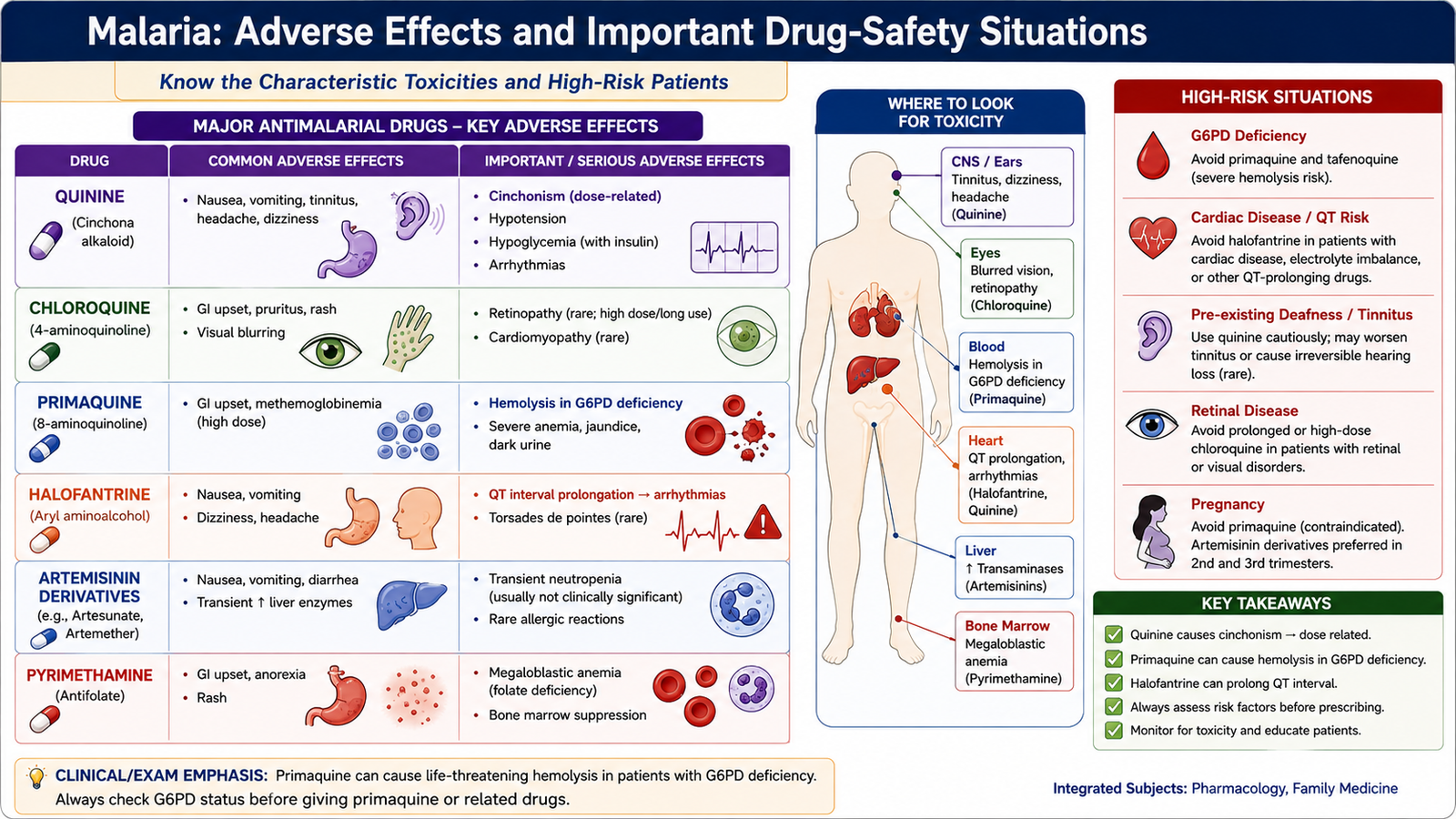
Antimalarial drugs differ considerably in toxicity. Some adverse effects follow directly from the pharmacological properties of the drug, while others become dangerous only in susceptible patients. Three examination-important safety areas are quinine toxicity, cardiac toxicity of selected drugs, and oxidant hemolysis caused by primaquine in patients with glucose-6-phosphate dehydrogenase deficiency.
High-yield safety pointChloroquineGastrointestinal upset, pruritus, headache; retinal toxicity with prolonged/high cumulative exposure; cardiac toxicity in excessive exposureLarge tissue distribution and long persistence are pharmacokinetically important.QuinineCinchonism, hypoglycemia, hypotension with rapid parenteral administration, hemolytic reactions and cardiac effectsCinchonism is a characteristic toxicity.MefloquineNausea, dizziness, sleep disturbance and potentially important neuropsychiatric effectsPatient history matters when selecting the drug.HalofantrineQT prolongation and serious ventricular arrhythmiasCardiotoxicity greatly limits its use.PrimaquineOxidative hemolysis, particularly in G6PD deficiency; methemoglobinemiaG6PD status is critical before standard radical-cure use.PyrimethamineDose-related interference with folate metabolism and bone-marrow toxicityToxicity reflects antifolate activity.Artemisinin derivativesUsually well tolerated; gastrointestinal and neurologic symptoms may occurRapid parasite clearance is a major therapeutic advantage.
Cinchonism
Cinchonism is the characteristic toxicity associated with quinine and related cinchona alkaloids. Typical manifestations include tinnitus, impaired hearing, headache, nausea, dizziness and visual disturbance. Mild symptoms may occur during therapeutic use, whereas more severe toxicity can occur with higher exposure.
Blackwater fever
Blackwater fever refers to severe intravascular hemolysis with hemoglobinuria, producing dark or reddish-black urine. It is classically associated with severe falciparum malaria and has historically been linked with quinine exposure in susceptible individuals. The major pathological event is rapid destruction of erythrocytes, leading to free hemoglobin in plasma and urine and potentially serious anemia and renal injury.
G6PD deficiency
Patients with G6PD deficiency have reduced ability to protect erythrocytes against oxidative stress. Primaquine generates oxidant metabolites; therefore, erythrocytes in G6PD-deficient patients may undergo marked hemolysis. This is why primaquine is an important drug to avoid or use only under an appropriate G6PD-guided protocol rather than giving it routinely without assessing risk.
Primaquine can produce potentially severe hemolysis in G6PD deficiency.
Pregnancy
Drug selection during pregnancy must balance maternal malaria risk against fetal drug safety. Chloroquine, where the infecting parasite remains susceptible, has extensive experience of use in pregnancy. Quinine has also been used during pregnancy when clinically required. Artemisinin-based therapy is now an important component of malaria treatment in pregnancy under appropriate treatment guidance. Drugs should not be selected solely from a memorized list because parasite resistance, gestational stage and disease severity influence the clinical choice.
Relapse from dormant liver hypnozoites is treated with a tissue-active drug such as primaquine, but its oxidant effect makes G6PD deficiency a major safety consideration.
F. Epidemiology, Prevention and Malaria Control
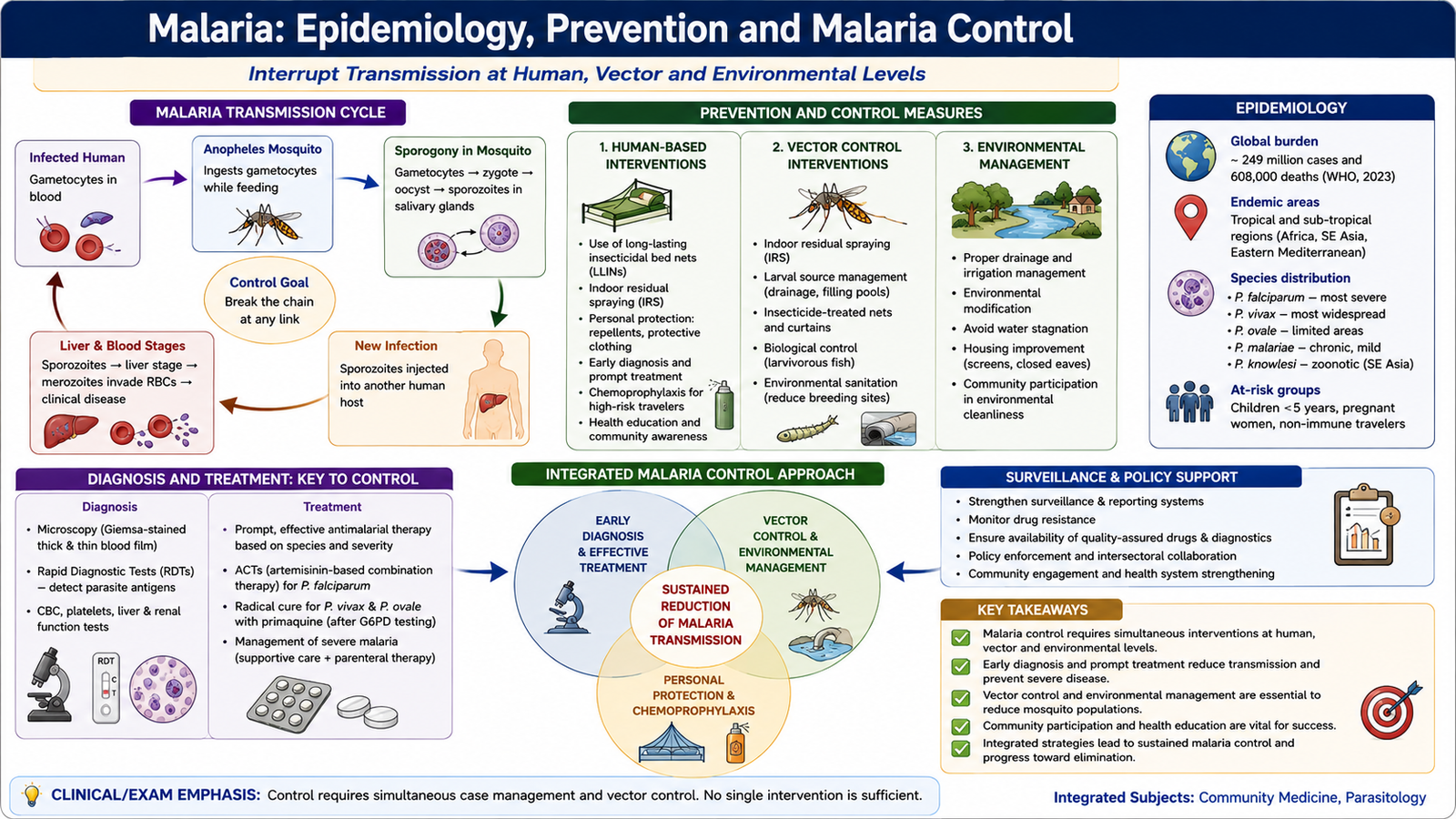
Malaria transmission depends on the interaction between the parasite, the human host, the female Anopheles mosquito and an environment that allows mosquito survival and breeding. Disease frequency therefore varies with rainfall, temperature, standing water, housing conditions, population movement, access to prevention and the effectiveness of malaria-control activities. Prevention works best when several interventions act at different points in the transmission cycle.
Major epidemiological determinants
- Parasite: species distribution and susceptibility to antimalarial drugs influence disease pattern.
- Vector: presence, density and biting behavior of competent Anopheles mosquitoes determine transmission potential.
- Host: immunity, age, pregnancy, travel, occupation and use of protective measures influence individual risk.
- Environment: temperature, rainfall, water collections and conditions favoring mosquito breeding affect transmission.
- Health-system factors: availability of diagnosis, effective treatment, surveillance and vector control influences community burden.
Malaria distribution in Pakistan
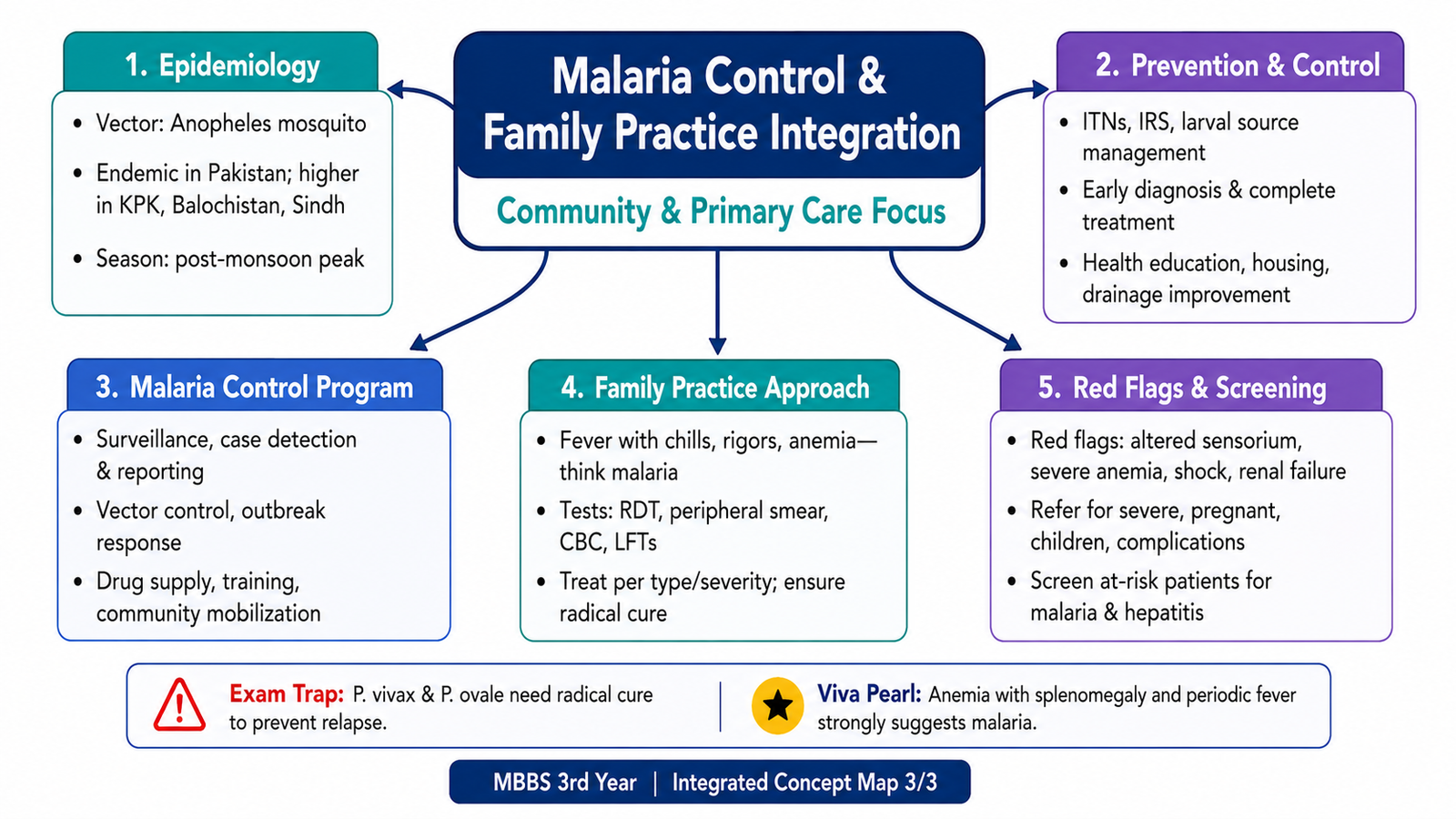
Malaria transmission in Pakistan is geographically uneven. The burden is generally greater in areas where climatic, ecological and health-service conditions favor mosquito breeding and sustained transmission. Balochistan, Khyber Pakhtunkhwa and parts of Sindh have traditionally reported a higher malaria burden than many areas of Punjab, although transmission can vary considerably between districts and from year to year. Flooding, population displacement, rainfall patterns and local vector conditions can markedly alter disease frequency. For examination purposes, the important principle is that provincial and district burden is heterogeneous rather than uniform; precise contemporary rates should be taken from current national surveillance data rather than memorized as fixed figures.
Preventive and control measures
Malaria control interrupts transmission at several points. Vector control reduces contact between mosquitoes and humans, personal protection reduces the chance of infective bites, and early diagnosis with effective treatment reduces illness and the human reservoir of parasites.
- Use of insecticide-treated bed nets
- Appropriate indoor residual spraying where indicated
- Environmental management to reduce suitable mosquito-breeding sites
- Personal protection such as appropriate clothing, screens and repellents
- Early recognition and parasitological diagnosis
- Effective treatment of confirmed cases
- Surveillance to identify changes in disease distribution and outbreaks
- Health education and community participation
- Chemoprophylaxis for appropriately selected travelers or exposed individuals
Scope and functions of a malaria control programme
A malaria control programme aims to reduce illness, complications, deaths and transmission through coordinated public-health action. Its functions include surveillance, case detection, access to diagnostic testing, ensuring effective treatment, monitoring patterns of disease and drug resistance, implementing vector-control activities, outbreak response, health education and evaluating whether control measures are working.
The control programme must connect individual case management with population-level prevention. Treating one patient benefits that patient, while surveillance and vector control reduce the probability that additional people will become infected.
G. Malaria in Family Practice: Recognition, Investigation, Management and Referral
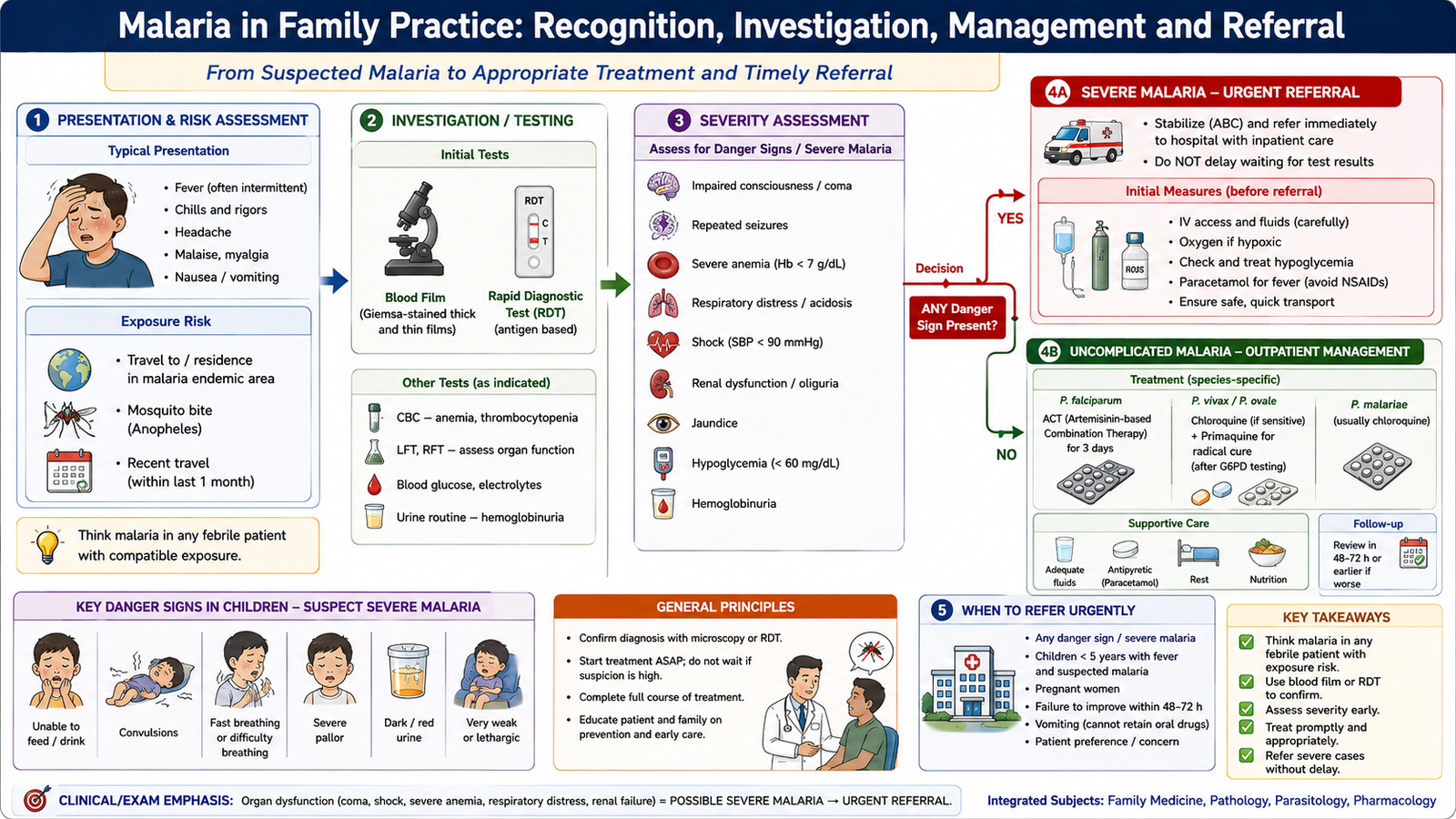
Family practice is often the first point at which a patient with fever is assessed. The clinician must identify possible malaria from the history, arrange appropriate testing, recognize patients at higher risk of complications and determine whether outpatient care is appropriate or urgent referral is required. Management therefore begins with clinical recognition rather than automatically prescribing an antimalarial drug for every fever.
Etiological and exposure assessment
Malaria should be considered in a patient with acute or recurrent fever when there is a plausible exposure to malaria transmission. Relevant history includes residence in or travel to a malaria-transmission area, mosquito exposure, previous malaria, recent antimalarial use and prophylaxis. Pregnancy, young age, comorbidity and impaired immunity can influence clinical risk.
Clinical assessment
- Fever, chills and sweating
- Headache and myalgia
- Weakness or malaise
- Nausea or vomiting
- Pallor or jaundice when hemolysis is important
- Splenomegaly in some patients
- Features of dehydration or circulatory compromise in more severe illness
Investigations
Whenever possible, malaria should be confirmed parasitologically. Thick and thin blood films or a validated rapid diagnostic test can establish infection, while the blood count and biochemical investigations help assess complications and disease severity. A negative initial test does not automatically exclude malaria when clinical suspicion remains significant; further assessment and repeat testing may be appropriate according to the clinical situation.
Basic management principles
Treatment depends on the infecting species, severity of illness, likely drug susceptibility, patient characteristics and ability to take oral medication. Uncomplicated disease may be managed with an appropriate effective oral antimalarial regimen when the patient is clinically stable and follow-up is reliable. Severe malaria requires urgent parenteral therapy and specialty or hospital care. In P. vivax or P. ovale, eradication of dormant hepatic forms is considered after appropriate assessment, including the safety of primaquine in relation to G6PD status.
Red flags requiring urgent referral or specialty care
Red flags indicate possible severe malaria or inability to manage the patient safely in routine outpatient practice.
- Altered consciousness, confusion, repeated seizures or marked drowsiness
- Respiratory distress
- Shock or significant circulatory instability
- Persistent inability to tolerate oral fluids or medication
- Marked jaundice associated with systemic illness
- Evidence of significant renal dysfunction or reduced urine output
- Severe anemia or clinically important bleeding
- Hypoglycemia or other major metabolic disturbance
- High parasitemia or rapidly deteriorating clinical condition
- Any patient in whom severe malaria is suspected
Neurological dysfunction, shock, respiratory compromise or other major organ dysfunction in a patient with malaria should be treated as a medical emergency.
Screening of at-risk patients
Screening should be risk-based. A patient with compatible symptoms plus residence in, travel to or exposure within a malaria-transmission setting should be offered appropriate malaria testing. The supplied curriculum also requires recognition of patients at risk for hepatitis; in family practice, risk history should therefore be reviewed and appropriate screening offered when epidemiological or clinical risk is present. Malaria and hepatitis testing are not interchangeable: each is selected according to its own exposure history and clinical indications.
Integrated Mechanism Flow
↓
Sporozoites enter hepatocytes and form hepatic stages
↓
Merozoites enter blood and invade erythrocytes
↓
Intracellular multiplication followed by erythrocyte rupture
↓
Inflammatory mediator release + hemolysis → fever, chills and anemia
↓
In P. falciparum, sequestration of infected erythrocytes may impair microvascular flow → severe organ dysfunction
↓
Diagnosis identifies parasitemia; treatment targets blood or hepatic stages while prevention interrupts human–mosquito transmission
Important Comparison: Prophylaxis, Treatment and Radical Cure
| Concept | Main target | Purpose | Example principle |
|---|---|---|---|
| Chemoprophylaxis | Prevention of clinical malaria during exposure | Prevent infection from developing into clinical disease | Mefloquine or another appropriate prophylactic drug depending on setting |
| Causal prophylaxis | Pre-erythrocytic liver forms | Prevent establishment of blood-stage infection | Hepatic-stage active drug |
| Blood-stage treatment | Asexual erythrocytic forms | Terminate the current clinical attack | Appropriate blood schizonticide |
| Terminal prophylaxis | Persistent liver forms after exposure | Reduce later relapse after exposure ends | Primaquine when appropriate and safe |
| Radical cure | Current infection + hypnozoites | Eliminate active disease and prevent relapse | Blood-stage therapy plus hypnozoiticidal therapy for relapsing species |
⭐ AIM High-Yield Review
- Human malaria is mainly caused by P. falciparum, P. vivax, P. malariae, P. ovale and P. knowlesi.
- The infected female Anopheles mosquito injects sporozoites; liver schizonts subsequently release merozoites.
- Clinical malaria is mainly produced by the erythrocytic cycle.
- P. vivax and P. ovale can form dormant hepatic hypnozoites, explaining relapse.
- ⭐ P. falciparum can cause severe disease because infected erythrocytes sequester in small vessels and impair microcirculatory flow.
- Thick blood film is especially useful for parasite detection, while thin film helps species identification and estimation of parasitemia.
- Chloroquine inhibits parasite heme detoxification and has a very large apparent volume of distribution.
- Pyrimethamine inhibits parasite dihydrofolate reductase.
- Artemisinin derivatives rapidly injure blood-stage parasites through reactive products generated from their endoperoxide bridge.
- ⭐ Primaquine acts against hepatic forms and is important for radical cure of P. vivax and P. ovale.
- Primaquine may cause severe oxidative hemolysis in G6PD deficiency.
- Cinchonism is characteristic of quinine and includes tinnitus, headache, nausea and auditory or visual symptoms.
- Halofantrine is strongly associated with QT prolongation and ventricular arrhythmias.
- Malaria prevention combines vector control, personal protection, early diagnosis, effective treatment and appropriate chemoprophylaxis.
- Altered consciousness, seizures, shock, respiratory compromise or other major organ dysfunction in malaria requires urgent referral and treatment as severe disease.