
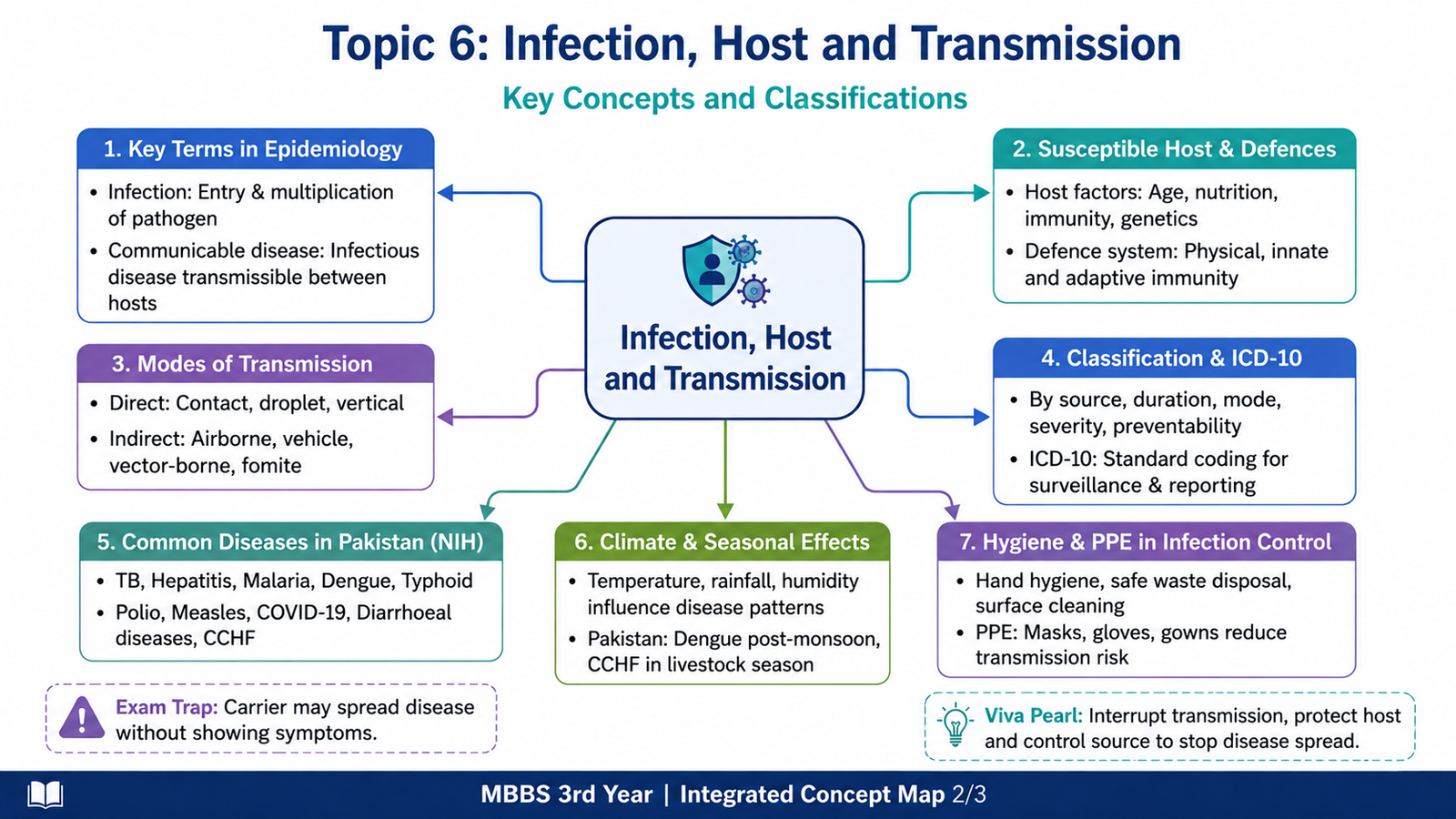
This chapter follows the KMU learning outcomes in a logical sequence. First understand how infection spreads and how the chain of transmission can be interrupted; then revise the classifications, carriers, reservoirs, disinfection and control measures from the high-yield review.
Infectious Disease Epidemiology, Transmission and Communicable Disease Control
Module/Theme: Infection and Inflammation
A practical introduction to how communicable diseases spread through populations, how hosts and reservoirs maintain transmission, and how public-health measures break the chain of infection.
Topic Introduction
Infectious-disease epidemiology studies how infections occur, spread and persist within populations. Understanding transmission requires more than identifying a microorganism. We must also consider where the organism normally lives, how it leaves its source, how it reaches another person, and whether the exposed person is susceptible. Important time-related concepts such as the incubation period, serial interval and infectivity period help describe this process. Public-health control therefore aims to interrupt transmission by acting on the infectious agent, its reservoir, the route of transmission and the susceptible host. This chapter also explains carriers, communicable-disease classification, personal hygiene, PPE, disinfection, sterilization, seasonal influences and the basic principles of disease control and eradication.
A. Fundamental Concepts and Time Measures in Infectious-Disease Epidemiology
Communicable diseases occur when an infectious agent is able to pass from a source or reservoir to a susceptible host. Epidemiology studies this process at the population level. A few basic terms are especially important because they describe when infection becomes apparent, when an infected person may transmit infection and how quickly cases may follow one another.
Basic epidemiological terms
- Infection: entry and multiplication of an infectious agent in a host. Infection does not always produce clinical disease.
- Infectious disease: illness resulting from infection by a pathogenic organism or its products.
- Communicable disease: an infectious disease that can be transmitted from an infected source or reservoir to a susceptible host, directly or indirectly.
- Contamination: presence of an infectious agent on a body surface, object, food, water or other material without necessarily producing infection.
- Infectivity: the ability of an infectious agent to establish infection in a susceptible host.
- Pathogenicity: the ability of an infectious agent to produce recognizable disease among infected persons.
- Virulence: the degree of severity of disease produced by an infectious agent.
Incubation period
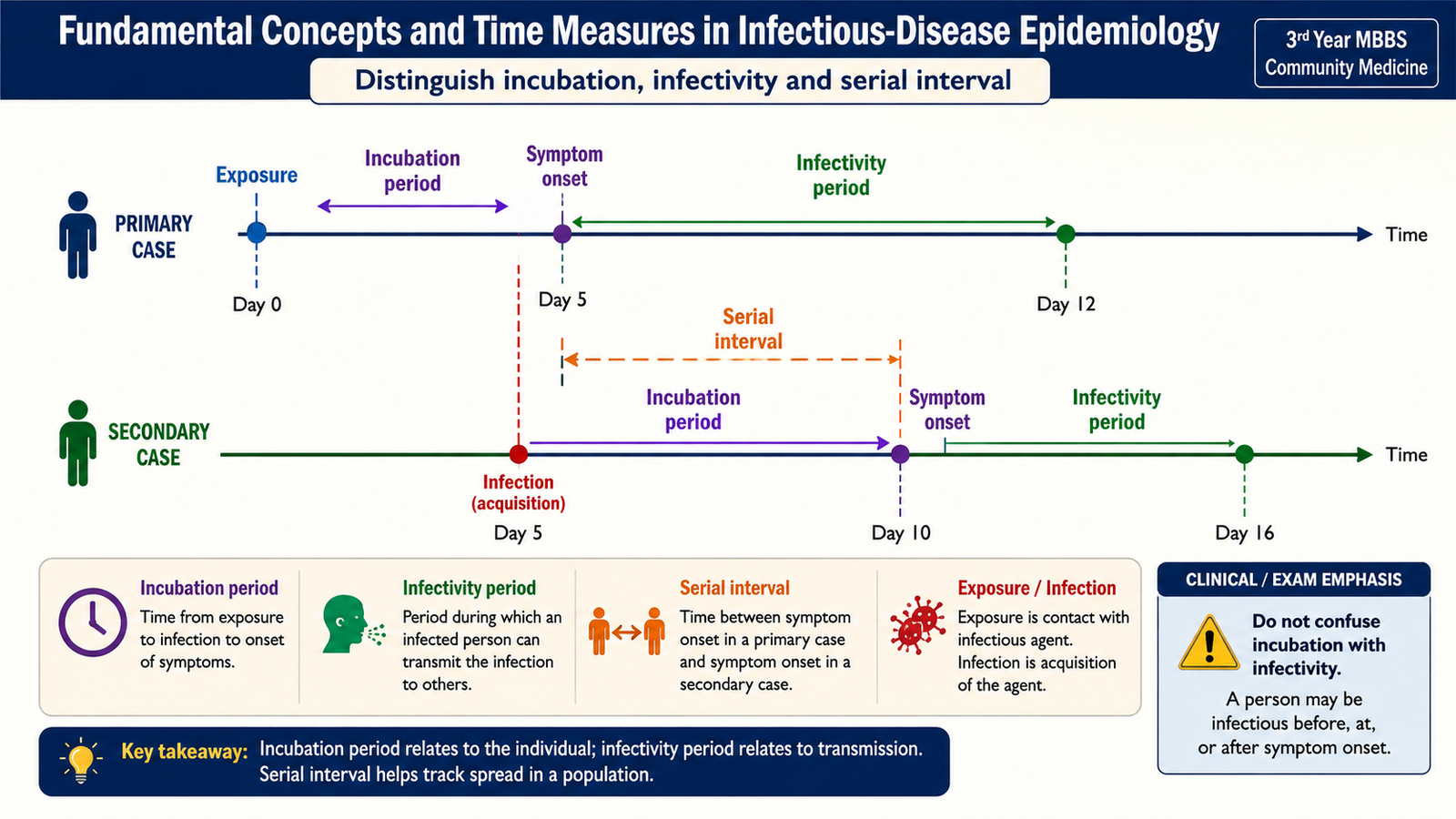
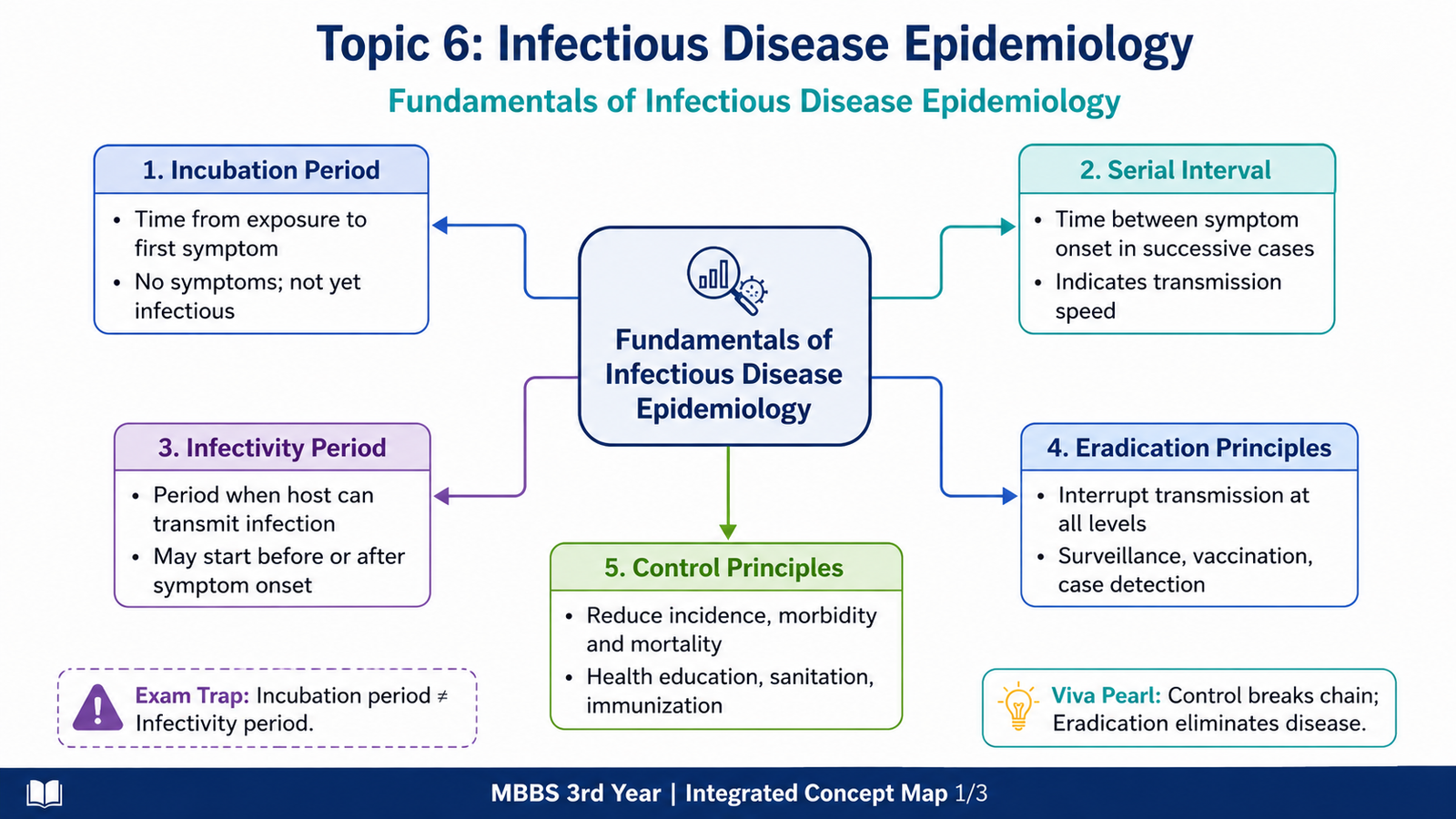
The incubation period is the interval between entry of an infectious agent into the body and appearance of the first clinical manifestations of the disease. During this interval, the organism may be multiplying or producing pathological changes even though the patient has no symptoms.
The incubation period is useful in epidemiological investigation because it can help relate a case to a likely exposure. It also helps public-health workers understand when disease may appear after contact with an infectious source.
Serial interval
The serial interval is the time between onset of illness in a primary case and onset of illness in a secondary case infected by that primary case. It therefore reflects the spacing of successive cases in a chain of transmission.
This differs from the incubation period. The incubation period is measured from infection to symptoms in one person, whereas the serial interval relates the onset of symptoms in two epidemiologically linked persons.
Infectivity period
The infectivity period, also called the period of communicability, is the time during which an infected person or other source can transmit the infectious agent to another susceptible host. Importantly, infectivity does not always begin when symptoms begin. In some infections, transmission can occur before symptoms, during clinical illness or after apparent recovery.
B. Infection, Susceptible Host and the Chain of Transmission
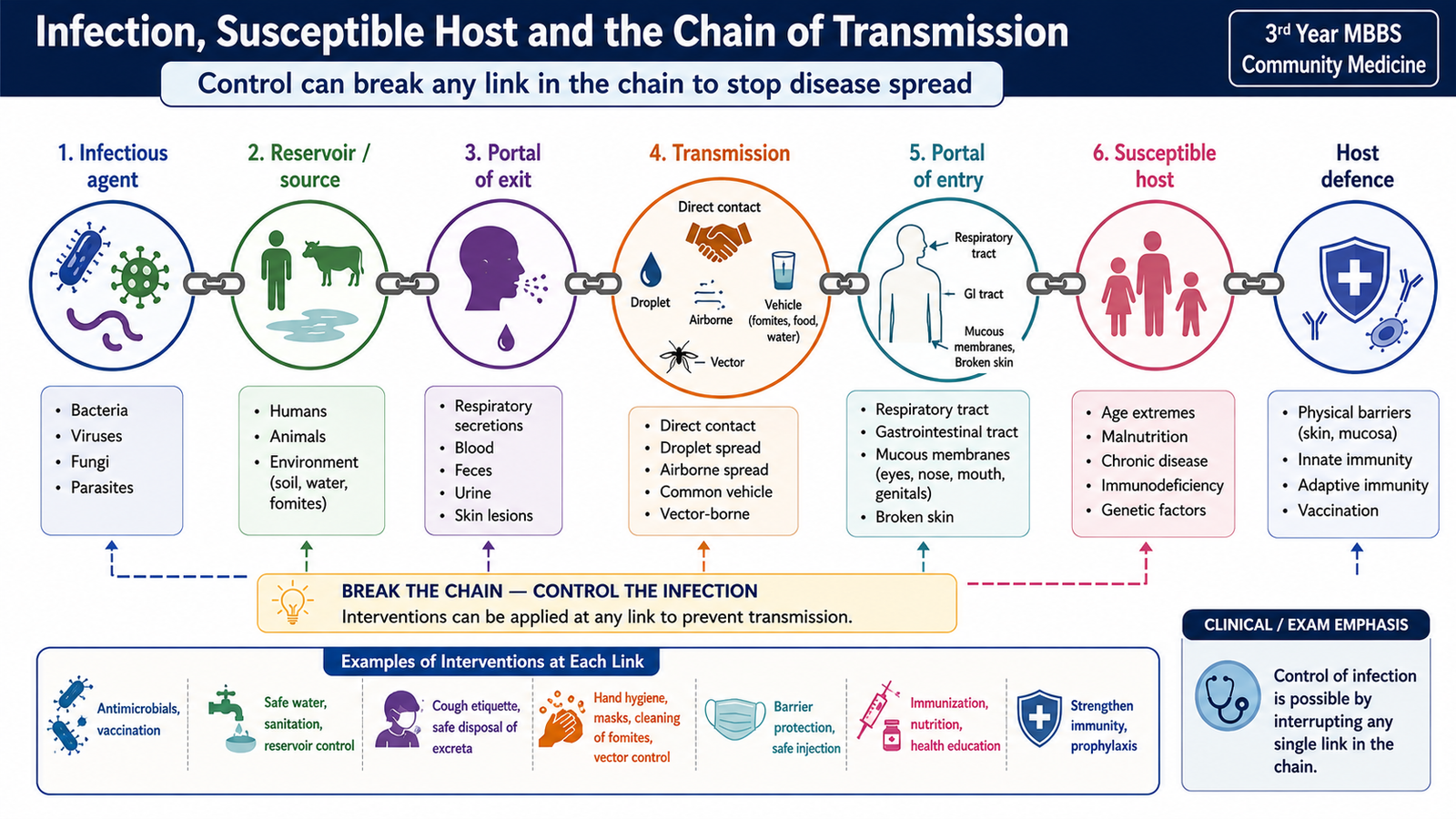
Transmission succeeds only when several connected conditions are present. The infectious agent must have a reservoir or source, must leave that source, reach another person by a suitable mode of transmission and enter a host who is sufficiently susceptible. This sequence is often described as the chain of infection. Breaking any important link can reduce transmission.
Susceptible host and successful parasitism
A susceptible host is a person who does not have sufficient resistance to prevent an infectious agent from establishing infection. Successful parasitism therefore depends on an interaction between characteristics of the organism and the defence mechanisms of the host.
Host susceptibility may be influenced by factors such as immunity, age, nutritional status, integrity of skin and mucosal barriers and the general effectiveness of host defence mechanisms. Exposure alone does not guarantee disease. If host defences eliminate the organism, infection may not become established.
Host defence system
The body protects itself through several layers of defence. Intact skin and mucous membranes provide physical barriers. Secretions and normal physiological mechanisms help remove microorganisms. Innate immune responses act rapidly when organisms enter tissues, while adaptive immunity provides more specific responses through antibodies and cellular immunity.
The epidemiological importance of host defence is straightforward:
Reduced host resistance → greater probability of successful infection and disease
Modes of transmission
Transmission may occur directly from one host to another or indirectly through an intermediate route. Understanding the mode of transmission is essential because the control measure must interrupt the actual route used by the organism.
- Direct transmission: transfer without an intervening vehicle, such as direct contact or close-range spread in appropriate infections.
- Indirect transmission: spread through contaminated objects, food, water, air or vectors, depending on the disease.
- Vector-borne transmission: transmission through arthropods such as mosquitoes or other disease vectors.
- Vertical transmission: transmission from mother to child when relevant to a particular infection.
The practical principle is that the mode of transmission determines the most useful interruption strategy. For example, contaminated-water transmission requires measures directed toward safe water and sanitation, while vector-borne transmission requires measures directed toward the vector and human exposure.
C. Classification of Communicable Diseases and Population Patterns
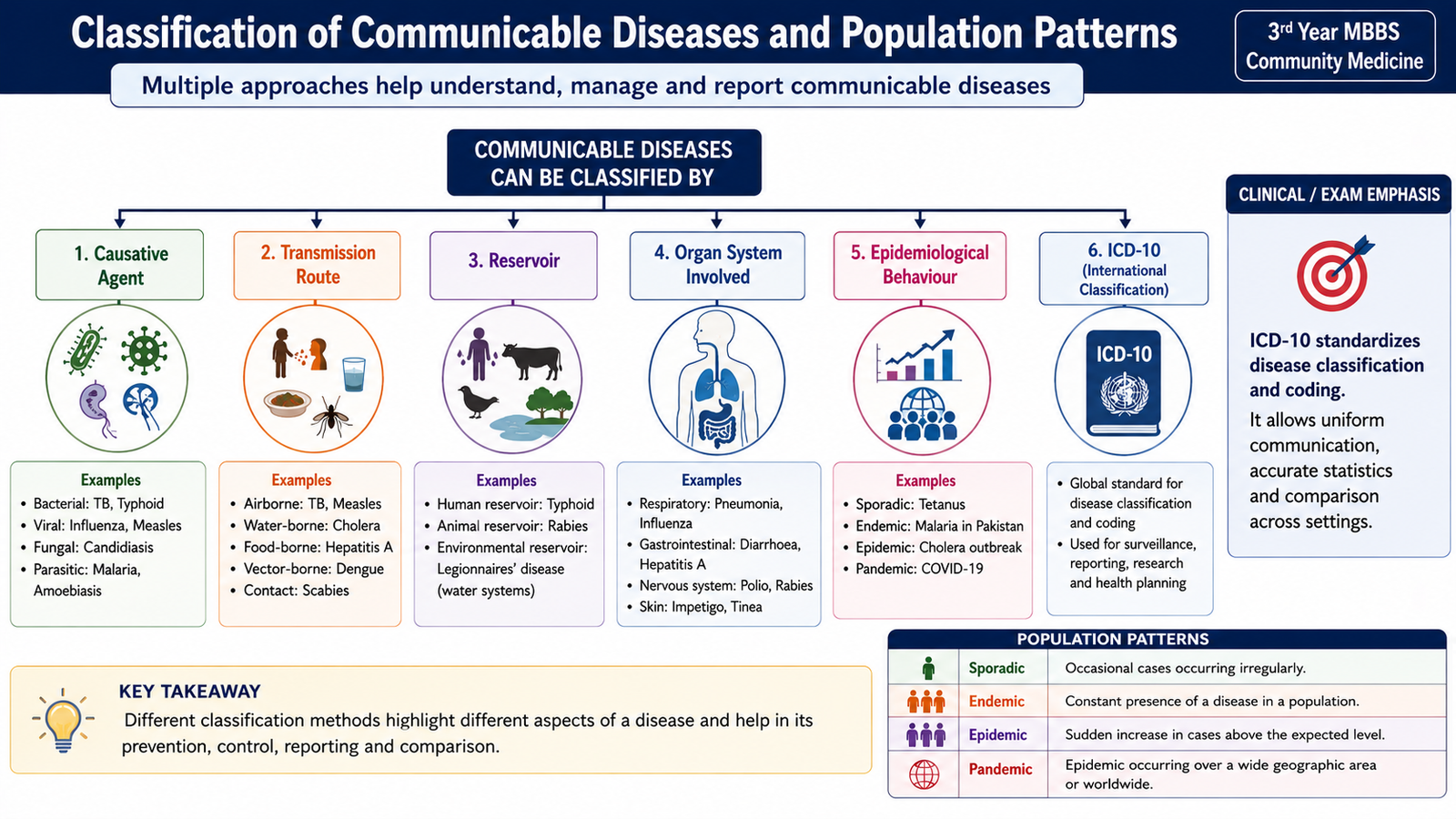
Communicable diseases may be classified in different ways depending on the purpose of classification. No single classification answers every epidemiological question. One system may group diseases by causative organism, another by mode of transmission, and another by the organ system affected. Public-health classification is useful because it helps organize surveillance, prevention and reporting.
Common approaches to classification
- By causative agent: bacterial, viral, fungal, parasitic and other infectious diseases.
- By mode of transmission: respiratory, food-borne, water-borne, vector-borne, contact-related or other relevant routes.
- By reservoir: diseases mainly maintained in humans, animals or environmental sources.
- By organ system or clinical manifestation: for example respiratory, gastrointestinal or neurological infections.
- By epidemiological behaviour: diseases may occur sporadically, in localized outbreaks, as epidemics or across wider populations.
ICD-10: scope and purpose
The International Classification of Diseases, 10th Revision (ICD-10) provides a standardized system for classifying diseases and health conditions. Its purpose is broader than simply naming infections. It provides a common framework for recording and comparing health information across health facilities, regions and countries.
For communicable diseases, standardized classification supports:
- consistent disease coding and record keeping;
- comparison of morbidity and mortality information;
- organization of health statistics;
- epidemiological surveillance and analysis;
- communication between health systems.
ICD-10 should therefore be understood as a standard classification and coding framework, not simply as a list of infectious organisms.
Important infectious diseases in Pakistan
Pakistan experiences a broad range of communicable diseases of public-health importance. At undergraduate level, students should recognize commonly encountered categories and important examples reported and monitored within the country, including:
- tuberculosis;
- acute respiratory infections and influenza-like illnesses;
- viral hepatitis;
- enteric and other diarrhoeal infections;
- typhoid fever;
- dengue and other vector-borne infections;
- malaria;
- measles and other vaccine-preventable communicable diseases;
- other emerging or outbreak-prone infections relevant to public-health surveillance.
The exact burden and relative importance of individual infections can change over time. The key epidemiological principle is that national surveillance helps identify diseases that require prevention, early detection, outbreak investigation and control.
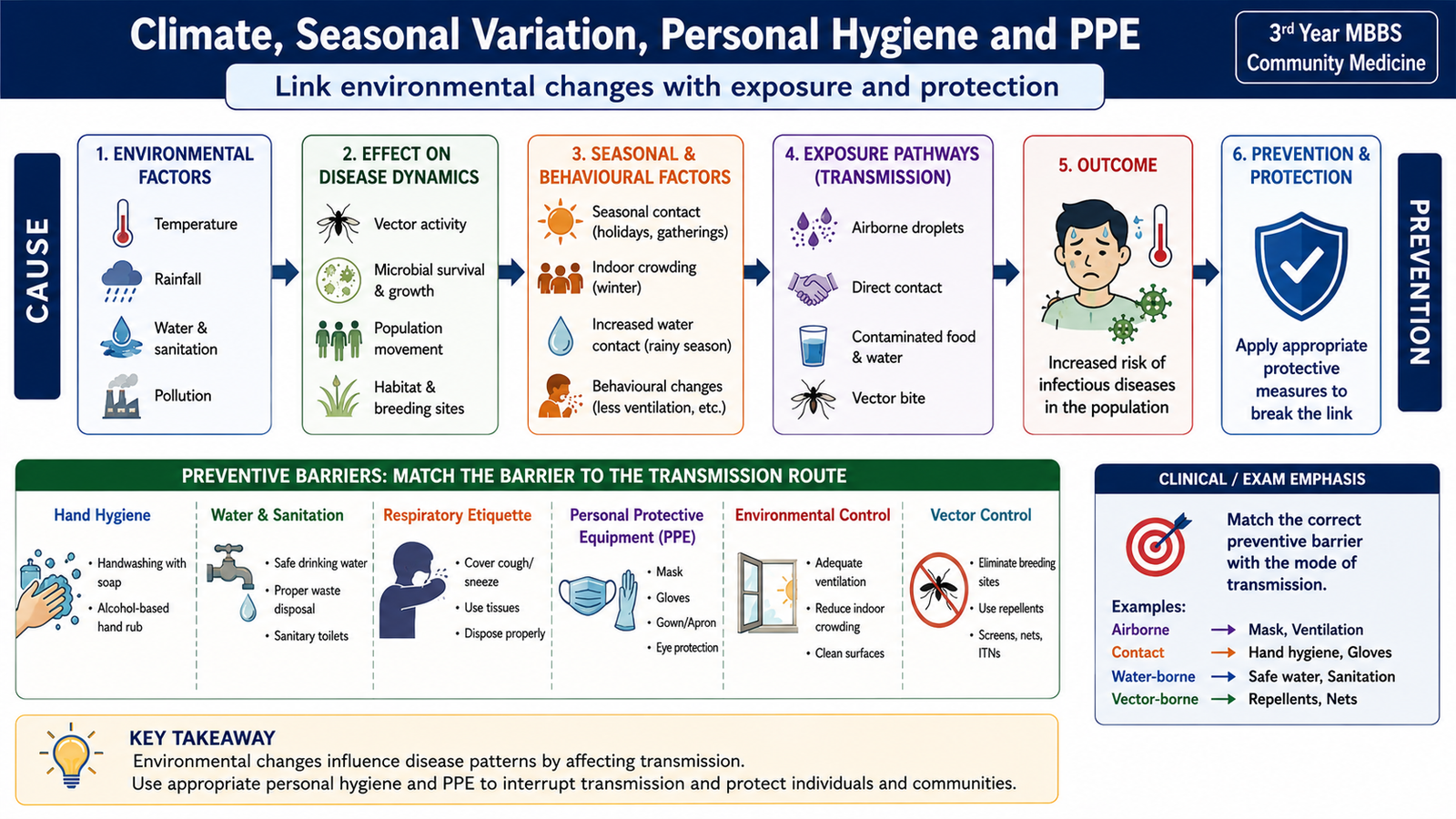
D. Climate, Seasonal Variation, Personal Hygiene and PPE
Patterns of infectious disease are influenced not only by microorganisms and hosts but also by environmental conditions and human behaviour. Temperature, rainfall, humidity, changes in vector populations and seasonal changes in human contact can alter opportunities for transmission. Personal hygiene and personal protective equipment act at another level by reducing exposure to infectious material.
Climate change and seasonal variation
Seasonal variation occurs when the frequency of a disease rises or falls during particular times of the year. This may happen because environmental conditions affect survival of the organism, abundance of vectors, human activity, crowding, food and water safety or exposure patterns.
Climate change can modify these relationships. Changes in temperature and rainfall may alter the geographical distribution or breeding conditions of vectors, while floods and other environmental disruption may affect sanitation, water quality and population displacement. These changes can influence the epidemiology of infectious diseases both globally and in Pakistan.
Environmental or seasonal change → altered vector, water, food or contact conditions → altered exposure to infectious agents → change in disease transmission.
Examples of epidemiological patterns include increased vector activity during favourable climatic conditions, increased risk of water-related infections when sanitation and water systems are disrupted, and seasonal increases in some respiratory infections when close indoor contact becomes more common.
Personal hygiene in infection control
Personal hygiene reduces the probability that infectious material will be transferred from a source to a susceptible host. Hand hygiene is particularly important because hands can acquire microorganisms from patients, surfaces, secretions and contaminated materials and then transfer them to another person or body site.
Relevant hygiene measures include appropriate hand hygiene, respiratory hygiene, safe handling of contaminated materials and maintaining cleanliness of personal and patient-care practices according to the route of transmission.
Role of personal protective equipment
Personal protective equipment (PPE) provides a physical barrier between the healthcare worker or other exposed person and potentially infectious material. The type of PPE should match the anticipated route and nature of exposure.
- Gloves reduce direct hand contact with infectious material.
- Masks or appropriate respiratory protection reduce exposure where respiratory transmission is relevant.
- Gowns or protective clothing reduce contamination of skin and clothing.
- Eye or face protection protects mucous membranes from infectious splashes or droplets when such exposure is anticipated.
PPE does not replace other infection-control measures. Its effectiveness depends on appropriate selection, correct use and combination with hand hygiene and environmental control.
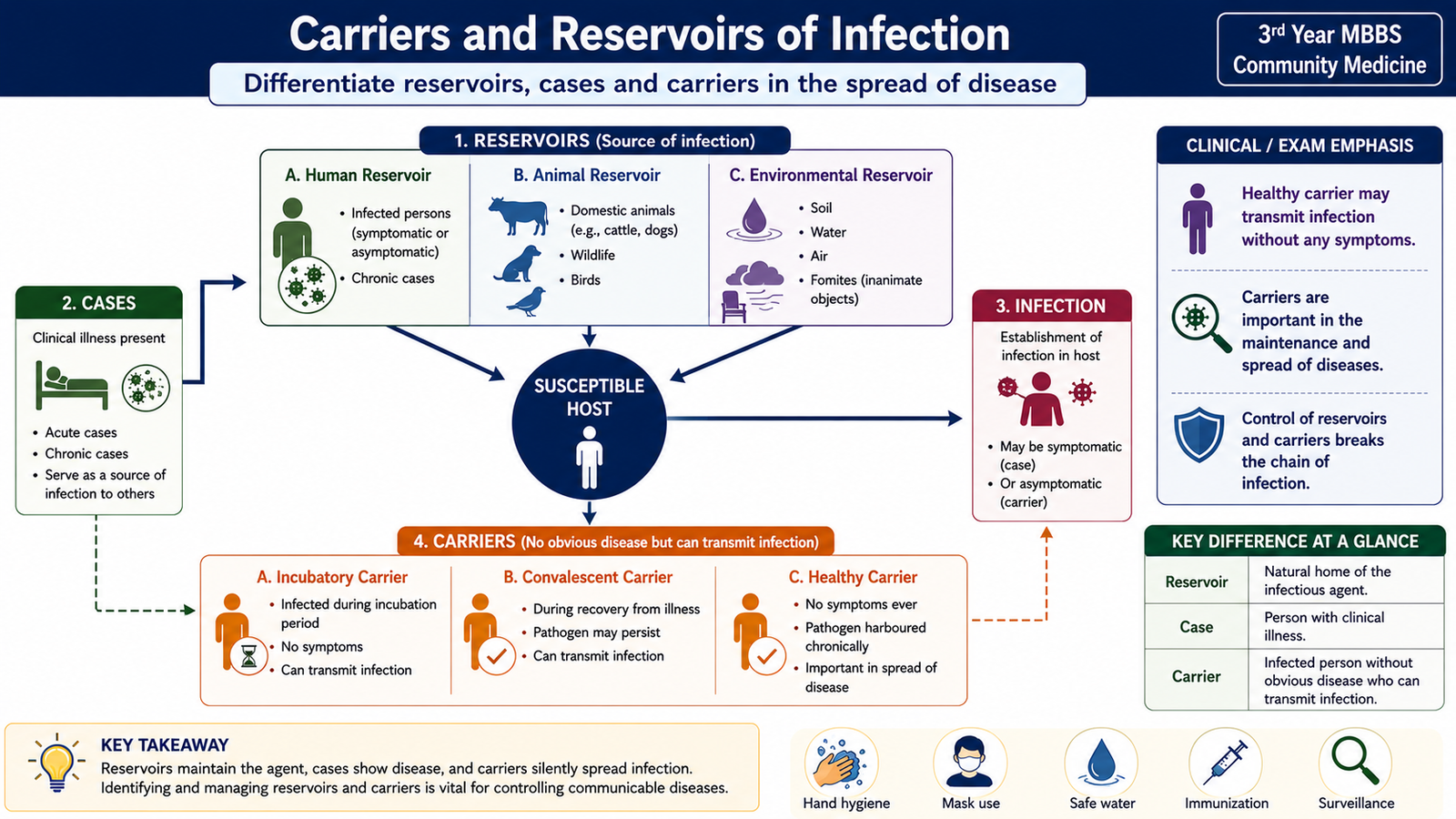
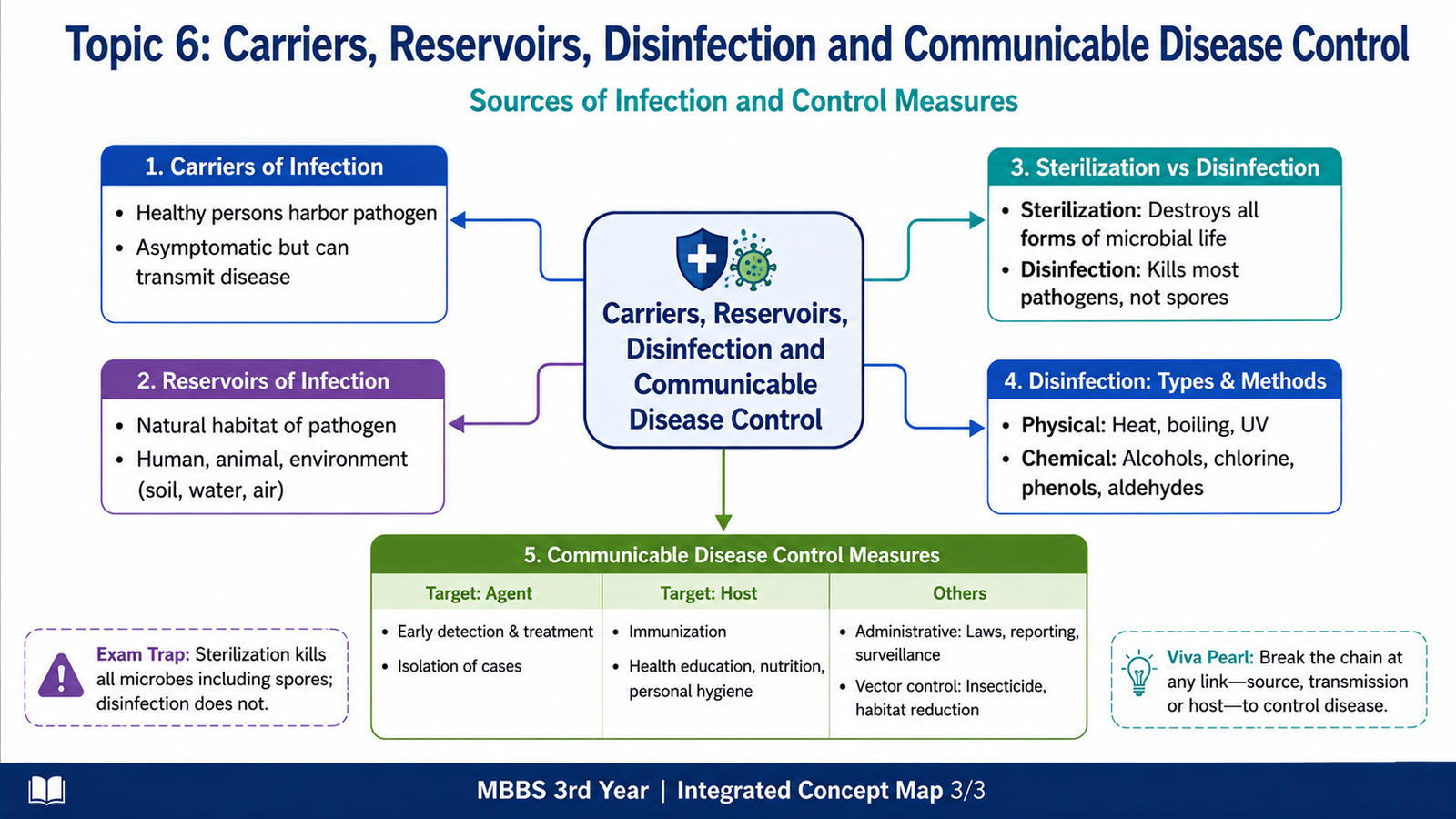
E. Carriers and Reservoirs of Infection
An infectious agent must normally persist somewhere between opportunities for transmission. This place or host is described as its reservoir. A carrier is a person who harbours a specific infectious agent and can serve as a source of infection even though obvious disease may be absent at that time. These concepts are epidemiologically important because transmission may continue even when clinically recognizable cases are few.
Disease carriers
A carrier harbours and may disseminate an infectious agent without necessarily showing the typical manifestations of the disease. Because a carrier may appear healthy, the infection can be difficult to recognize purely from clinical observation.
Carriers may be described according to the stage at which carriage occurs:
- Incubatory carrier: can transmit the agent during the incubation period before symptoms appear.
- Convalescent carrier: continues to harbour and potentially transmit the agent during recovery.
- Healthy or asymptomatic carrier: harbours the organism without developing recognizable clinical disease.
Carriage may also be temporary or may persist for a prolonged period, depending on the infection. The major public-health significance is that carriers may maintain transmission without being easily identified as cases.
Reservoirs of infection
A reservoir is the natural habitat in which an infectious agent normally lives, grows or multiplies and from which it can be transmitted to a susceptible host.
Reservoirs may include:
- Human reservoirs: infected persons, including symptomatic cases and carriers.
- Animal reservoirs: animals that maintain organisms capable of infecting humans.
- Environmental reservoirs: non-living sources such as soil or other environmental settings in which particular agents can persist.
The distinction between a reservoir and a carrier is important. A reservoir describes the normal ecological source in which the agent is maintained, whereas a carrier specifically refers to a person harbouring an infectious agent without necessarily showing clinical disease.
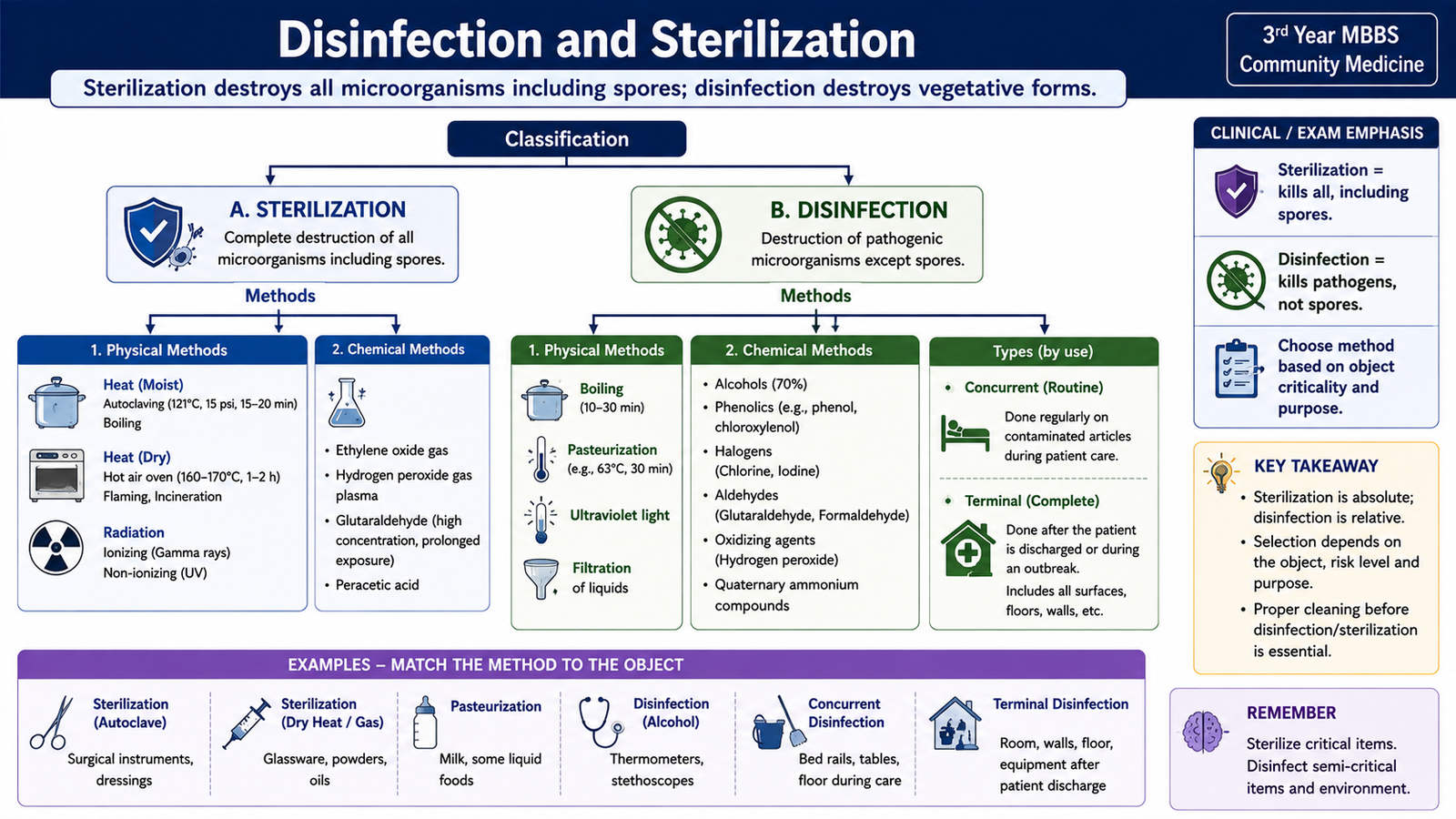
F. Disinfection and Sterilization
Environmental control helps interrupt indirect transmission of infection. Two important approaches are disinfection and sterilization. These terms are not interchangeable. The required method depends on how completely microorganisms must be removed or destroyed and how the item will be used.
Sterilization versus disinfection
| Feature | Sterilization | Disinfection |
|---|---|---|
| Main purpose | Complete destruction or removal of all forms of microbial life. | Elimination of many or most pathogenic microorganisms on inanimate objects. |
| Bacterial spores | Must be eliminated. | May not reliably be destroyed by ordinary disinfection. |
| Typical context | Items requiring complete microbial elimination. | Surfaces and objects where reduction of pathogenic organisms is required. |
Types and procedures of disinfection
Disinfection may be achieved by physical or chemical methods. The choice depends on the object, the infectious risk and whether the material can tolerate the selected method.
- Physical approaches: heat and other appropriate physical processes may reduce or destroy microorganisms on suitable materials.
- Chemical approaches: disinfectant chemicals are applied to inanimate objects or surfaces to destroy or reduce pathogenic microorganisms.
A commonly taught epidemiological classification of disinfection according to timing includes:
- Concurrent disinfection: disinfection carried out while the infectious source is still present, particularly for contaminated materials as they are produced.
- Terminal disinfection: disinfection carried out after the infectious source has been removed, discharged or is no longer present in the environment when such environmental decontamination is indicated.
- Prophylactic disinfection: measures used to reduce contamination and prevent infection before a recognized case has contaminated a particular environment.
Effective disinfection requires appropriate cleaning and suitable application of the selected method. Organic material may reduce the effectiveness of some chemical disinfectants, so visible contamination should not simply be ignored.
G. Communicable-Disease Control and Principles of Eradication
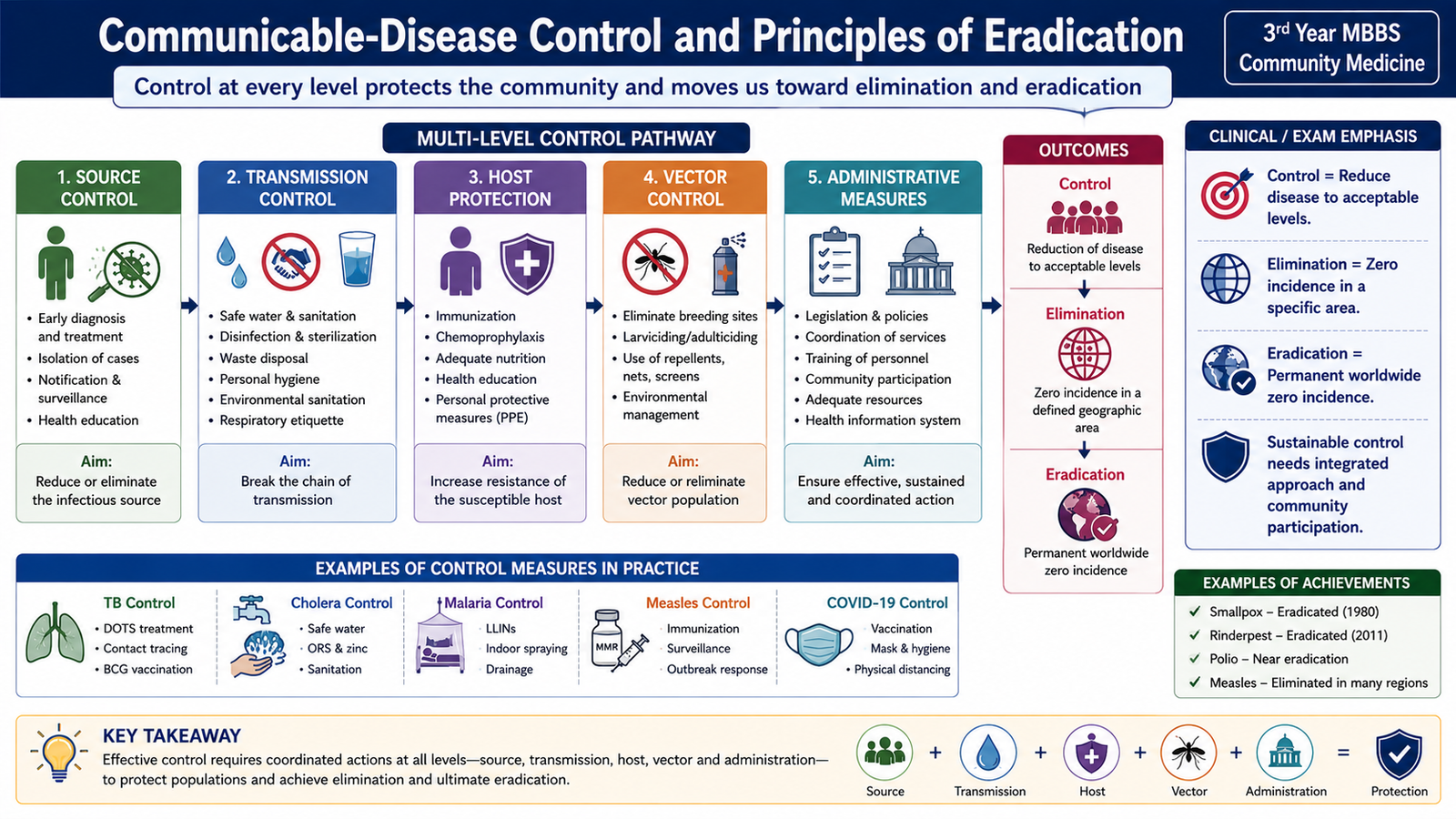
Communicable-disease control works by interrupting the chain of infection. Because transmission involves the infectious agent, its reservoir or source, a route of transmission and a susceptible host, control measures can be directed toward any of these components. Effective programmes often use several measures together rather than relying on a single intervention.
Measures directed at the agent, source or reservoir
The first objective is to reduce the opportunity for an infectious source to transmit disease. Depending on the disease, this may involve recognizing cases, appropriate management of infected persons, reducing contamination and applying suitable infection-control practices.
Conceptually:
Measures directed at transmission
Transmission control aims to prevent the agent from travelling successfully from its source to another host. The correct measure depends on the route.
- safe water, food and sanitation where enteric transmission is important;
- hand hygiene and environmental hygiene where contact transmission is relevant;
- appropriate respiratory precautions where respiratory spread is important;
- disinfection or sterilization of contaminated materials as required;
- vector-control measures for vector-borne infections.
Measures directed at the susceptible host
Host-directed control reduces susceptibility or reduces harmful exposure. Immunization is an important example where an effective vaccine exists. Personal protection, hygiene and other appropriate preventive practices may also reduce the probability of infection.
Administrative measures
Communicable-disease control also requires organized public-health action. Administrative measures support surveillance, recognition of unusual disease patterns, investigation of outbreaks, coordination of prevention activities, health education and appropriate organization of infection-control measures.
Vector-control measures
Vector control aims to reduce contact between humans and disease vectors or reduce vector populations where they are responsible for transmission. Measures may target vector breeding, the environment and personal exposure. The epidemiological principle is to interrupt the vector-dependent part of the transmission cycle.
Disease control, elimination and eradication
Disease control means reducing disease occurrence, transmission, morbidity or mortality to an acceptable level through deliberate public-health action. Continued measures are usually required to maintain the reduction.
Elimination refers to reducing transmission or occurrence of a disease to zero in a defined geographical area, while continuing measures may still be needed to prevent re-establishment.
Eradication is a more complete objective: permanent reduction to zero of the worldwide incidence of infection caused by a particular agent as a result of deliberate efforts. Once true eradication has been achieved, routine control measures directed specifically at continued transmission are no longer required.
Principles that favour eradication
Eradication becomes feasible when the epidemiology of the disease allows transmission to be interrupted effectively and consistently. Important favourable characteristics include:
- a clearly understood transmission cycle;
- an identifiable reservoir that can be effectively addressed;
- reliable recognition or detection of infection;
- an effective intervention capable of interrupting transmission;
- sustained implementation across affected populations and geographical areas.
The major concept is that eradication cannot be achieved merely by treating individual patients. The entire transmission system must be interruptible on a sufficiently broad and sustained scale.
Integrated Mechanism Flow
↓
Agent leaves the source during the infectivity period
↓
Agent reaches another person through a suitable mode of transmission
↓
Exposure occurs in a susceptible host
↓
Successful infection is established if host defences are insufficient
↓
Further transmission produces additional cases
↓
Control measures interrupt the agent, reservoir, transmission route, vector or susceptible-host link
Important Comparison
| Concept | What it describes | Key distinction |
|---|---|---|
| Incubation period | Time from infection to first clinical manifestations | Applies within one infected person |
| Infectivity period | Time during which transmission can occur | May start before or extend beyond symptoms |
| Serial interval | Time between symptom onset in linked primary and secondary cases | Connects successive cases |
| Carrier | Person harbouring an infectious agent without necessarily showing typical disease | May serve as an unsuspected source |
| Reservoir | Natural habitat in which an agent normally lives and multiplies | May be human, animal or environmental |
⭐ AIM High-Yield Review
- Incubation period = entry of infectious agent → first clinical manifestations.
- Serial interval = onset in a primary case → onset in a linked secondary case.
- Infectivity period is the period during which an infected source can transmit the agent.
- A communicable disease requires an agent, source/reservoir, transmission pathway and susceptible host.
- Host susceptibility reflects the balance between exposure to the organism and host defence mechanisms.
- Communicable diseases can be classified by agent, transmission route, reservoir, clinical system or epidemiological behaviour.
- ICD-10 provides standardized disease classification and coding for recording, comparison and health statistics.
- Climate and seasonal changes may alter vectors, water safety, food safety, human contact and therefore disease transmission.
- Hand hygiene and correctly selected PPE interrupt transmission but should be combined with other infection-control measures.
- A carrier may harbour and transmit an infection despite absence of typical clinical disease.
- A reservoir is the habitat in which an infectious agent normally lives and multiplies.
- ⭐ Sterilization eliminates all forms of microbial life; ordinary disinfection does not necessarily eliminate bacterial spores.
- Communicable-disease control may target the agent/source, route of transmission, vector or susceptible host.
- Control reduces disease to an acceptable level; elimination reduces occurrence/transmission to zero in a defined area; eradication is worldwide and permanent.
- Eradication requires a transmission system that can be reliably identified and interrupted by effective, sustainable measures.
How Do Infections Spread? — Understanding the Chain of Infection
Watch this video to reinforce the infectious agent, reservoir, portals of exit and entry, modes of transmission, susceptible host and the points where the chain of infection can be interrupted.
AIM Focus: While watching, identify which control measure can interrupt each link in the chain of infection.