
This chapter follows the supplied KMU learning outcomes and explains HIV, herpesviruses and antiviral pharmacotherapy in a logical sequence. First understand the disease mechanisms and drug actions, then use the final high-yield section for revision.
Topic 23 — HIV, Herpesvirus Infections and Antiviral Pharmacotherapy
Infection and Inflammation
An integrated undergraduate overview of HIV and herpesvirus disease, laboratory diagnosis, antiviral drug classes, acyclovir and ganciclovir, major anti-HIV drug groups, HAART, chickenpox epidemiology and essential medico-legal principles in HIV.
Topic Introduction
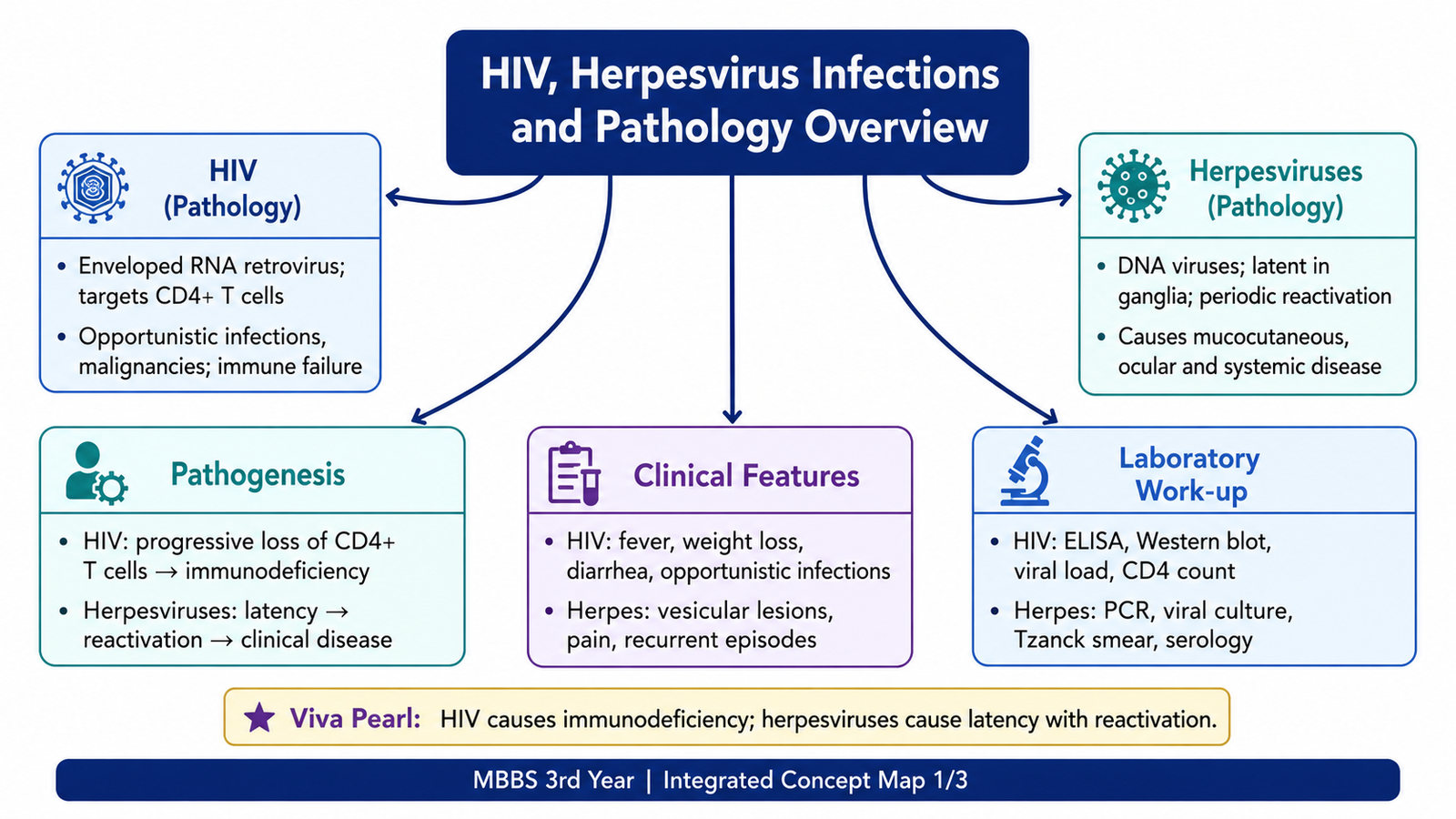
HIV and herpesviruses are important human viral pathogens, but they behave differently. Human immunodeficiency virus causes a chronic infection that progressively damages immune function, particularly by reducing CD4-positive T lymphocytes. Herpesviruses usually establish lifelong latent infection after the initial illness and may reactivate later. Understanding their structure, pathogenesis, clinical manifestations and laboratory diagnosis provides the basis for understanding antiviral treatment. This chapter also explains the major anti-herpes and anti-HIV drugs, including their mechanisms, uses and important adverse effects. Finally, it covers the epidemiology of chickenpox and the basic medico-legal principles that apply when caring for a person living with HIV. These areas directly reflect the supplied curriculum coverage. :contentReference[oaicite:0]{index=0}
A. HIV — Structure, Important Properties and Pathogenesis
Human immunodeficiency virus is an enveloped RNA retrovirus that causes acquired immunodeficiency by infecting cells involved in immune regulation. Its most important target is the CD4-positive T lymphocyte. Progressive loss and dysfunction of these cells weakens cell-mediated immunity and makes the patient increasingly susceptible to opportunistic infections and certain malignancies.
Structure and Important Properties
HIV belongs to the retrovirus group. The virion contains two copies of single-stranded RNA together with viral enzymes required for replication. Because HIV cannot directly use its RNA genome as DNA, it carries reverse transcriptase, which produces viral DNA from viral RNA. Integrase inserts this viral DNA into the host-cell genome, while protease helps produce mature functional viral proteins.
- Envelope glycoproteins: gp120 helps the virus attach to the CD4 molecule and chemokine co-receptors, while gp41 participates in fusion of the viral envelope with the host-cell membrane.
- Core protein: p24 is an important capsid antigen and has diagnostic relevance.
- Major enzymes: reverse transcriptase, integrase and protease are essential for viral replication and are major targets of antiretroviral drugs.
Pathogenesis
HIV disease begins when the virus enters susceptible cells expressing CD4 together with an appropriate co-receptor. Viral attachment is followed by membrane fusion and entry. Reverse transcriptase converts viral RNA into DNA. Integrase then inserts this viral DNA into the host genome, allowing the virus to persist inside the cell. New viral RNA and proteins are produced, assembled and released. Viral protease then processes viral proteins to form mature infectious virions.
HIV attachment to CD4 and co-receptor → viral fusion and entry → reverse transcription of RNA into DNA → integration into host genome → production of new viral components → maturation of virions → progressive CD4-cell dysfunction and loss → impaired immunity.
The fall in CD4 T-cell number is only part of the problem. Surviving immune cells may also function abnormally. As immune competence declines, infections that are normally controlled become more likely and more severe.

B. HIV — Clinical Features and Laboratory Work-up
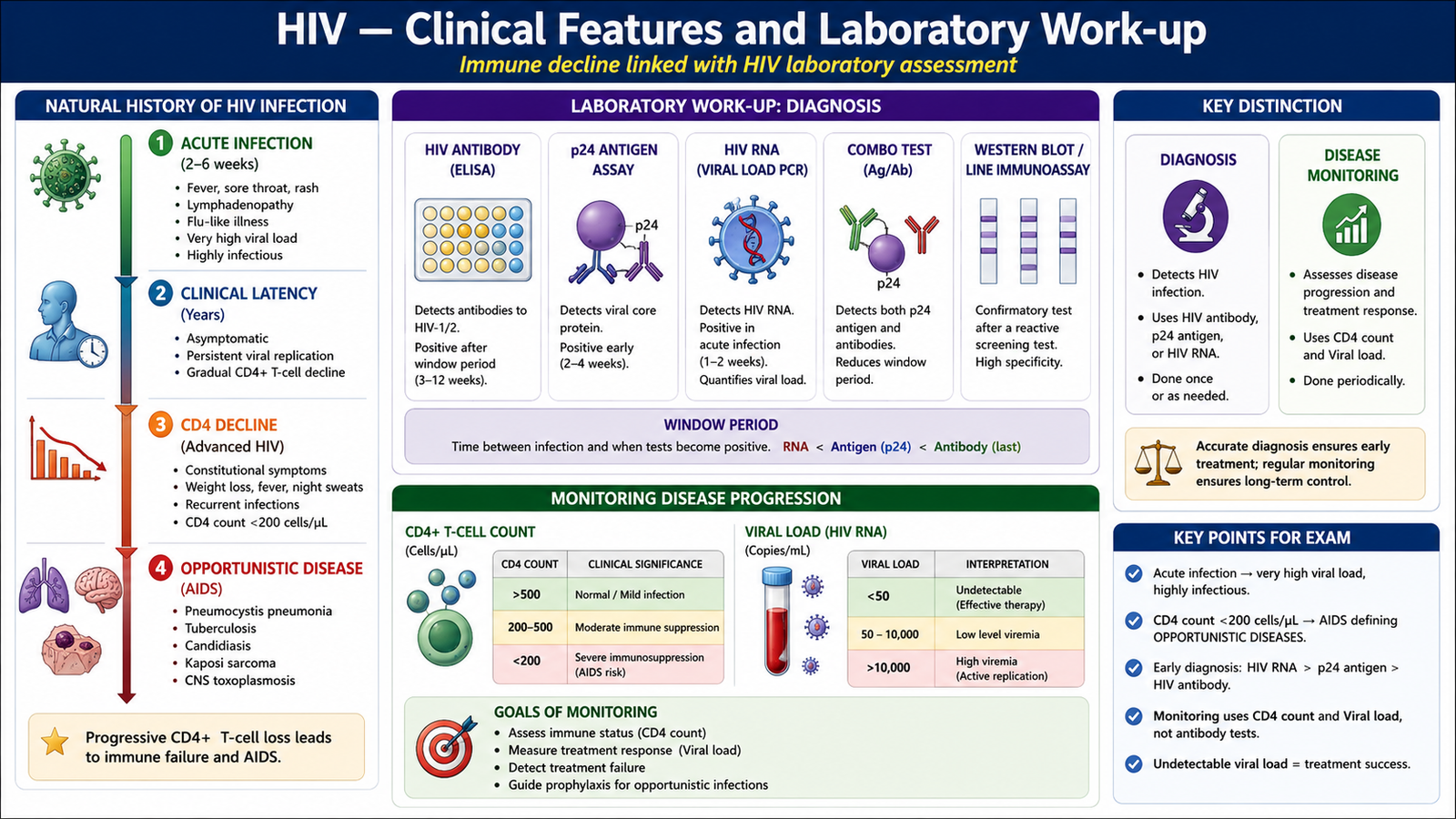
The clinical picture of HIV infection changes over time because the major pathological event is gradual deterioration of immune function. Early infection may produce a nonspecific systemic illness, whereas advanced disease is characterized by infections and complications that occur because cellular immunity is severely weakened.
Clinical Features
Early after infection, some individuals develop a transient acute illness with fever, malaise, lymph-node enlargement, sore throat or rash. This phase may then be followed by a prolonged period with few symptoms. Persistent generalized lymphadenopathy can occur. As immune deficiency progresses, constitutional symptoms and opportunistic disease become increasingly important.
- Persistent or recurrent fever
- Weight loss
- Chronic diarrhea
- Generalized lymphadenopathy
- Recurrent or unusual infections
- Opportunistic infections in advanced immunosuppression
- Increased susceptibility to selected malignancies because immune surveillance is impaired
The important principle is that these manifestations result from progressive immune failure rather than from one single organ lesion.
Laboratory Work-up
Laboratory assessment is used to establish infection and to evaluate its biological effect. Tests may detect antibodies to HIV, viral antigen or viral nucleic acid. The exact test sequence depends on the diagnostic setting, but the undergraduate principle is to combine sensitive screening with appropriate confirmatory testing rather than interpreting one isolated result without context.
- Antibody-based testing: demonstrates the host immune response to HIV.
- Antigen detection: p24 antigen may become detectable during early infection.
- Nucleic-acid testing: identifies viral RNA and is useful when direct evidence of viral replication is needed.
- CD4 T-cell assessment: reflects the degree of immune impairment.
- Viral-load measurement: reflects the amount of circulating viral RNA and is useful for assessing viral replication and treatment response.
C. Herpesviruses — Properties, Pathogenesis, Clinical Features and Laboratory Work-up
Herpesviruses are enveloped DNA viruses that characteristically establish lifelong latency after primary infection. This ability to remain dormant and later reactivate explains why the same virus may produce a primary illness and then recur years later under conditions such as impaired immunity or other physiological stress.
Structure and Important Properties
Herpesviruses contain double-stranded DNA enclosed within an icosahedral capsid and a lipid envelope. Replication occurs in the host-cell nucleus. A particularly important property is latency, meaning that the viral genome persists in selected host cells without continuous production of large numbers of infectious virions.
Important Human Herpesvirus Infections
- HSV-1: commonly associated with orolabial infection and may also cause more serious disease.
- HSV-2: commonly associated with genital herpes.
- Varicella-zoster virus: causes chickenpox during primary infection and herpes zoster after reactivation.
- Cytomegalovirus: particularly important in immunocompromised patients.
- Epstein-Barr virus: associated with infectious mononucleosis and selected lymphoid or epithelial proliferative disorders.
General Pathogenesis
After entry through an appropriate epithelial or mucosal surface, herpesviruses undergo local replication. The virus may then spread to specific cells in which latency is established. During reactivation, the virus resumes replication and can produce recurrent lesions or organ disease.
Clinical Features
Clinical manifestations depend on the particular herpesvirus and the site involved. HSV commonly produces painful vesicular lesions. Varicella-zoster virus causes generalized vesicular chickenpox during primary infection and a localized painful dermatomal eruption during reactivation. CMV may cause severe disease in patients with markedly impaired cellular immunity.
Laboratory Work-up
Laboratory diagnosis may involve detection of viral nucleic acid, viral antigen, characteristic cytopathic change or specific antibodies depending on the infection and clinical setting. Molecular detection is particularly useful when rapid and specific identification is required.
D. Anti-Herpes Drugs — Classification, Acyclovir and Ganciclovir
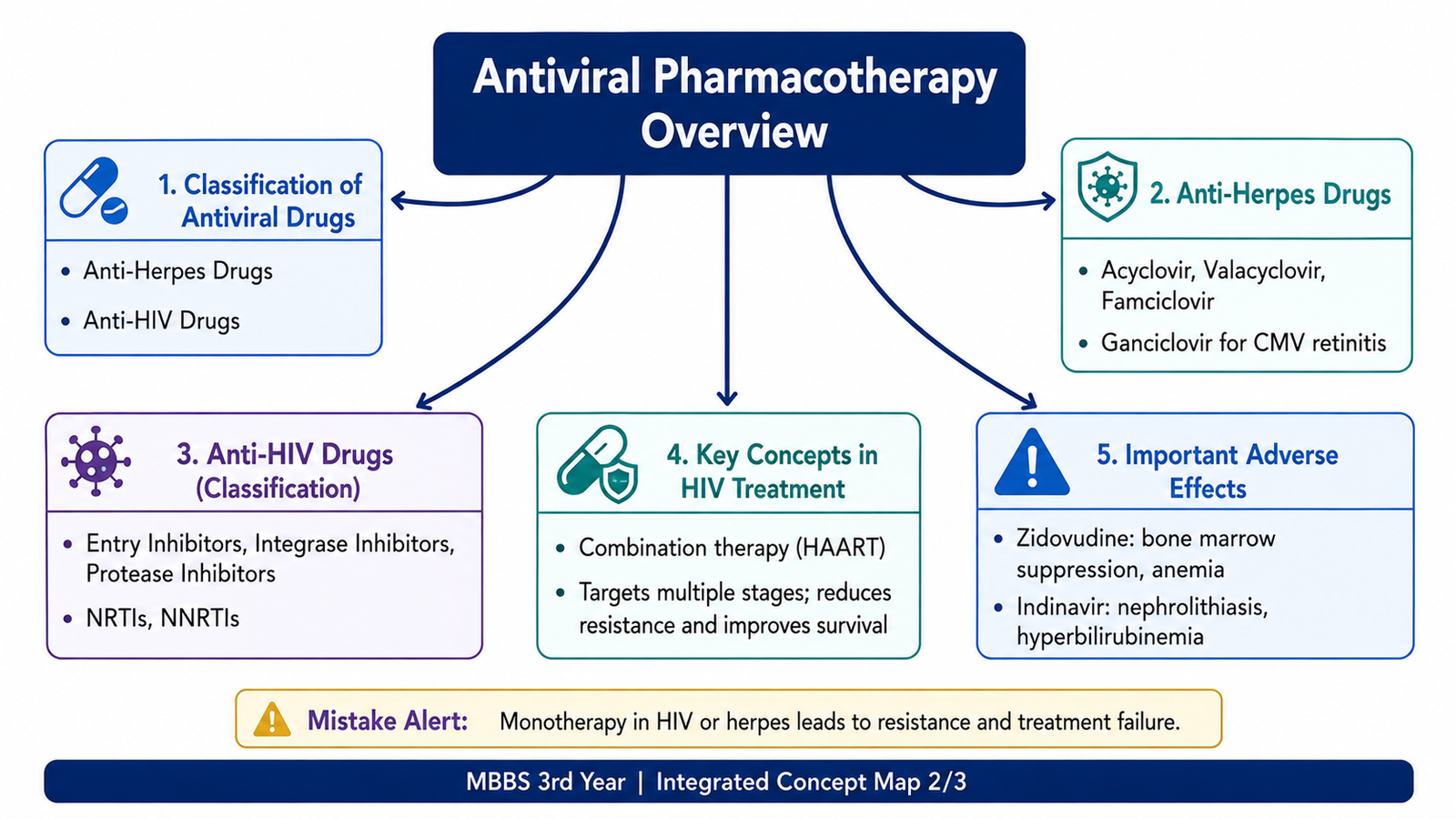
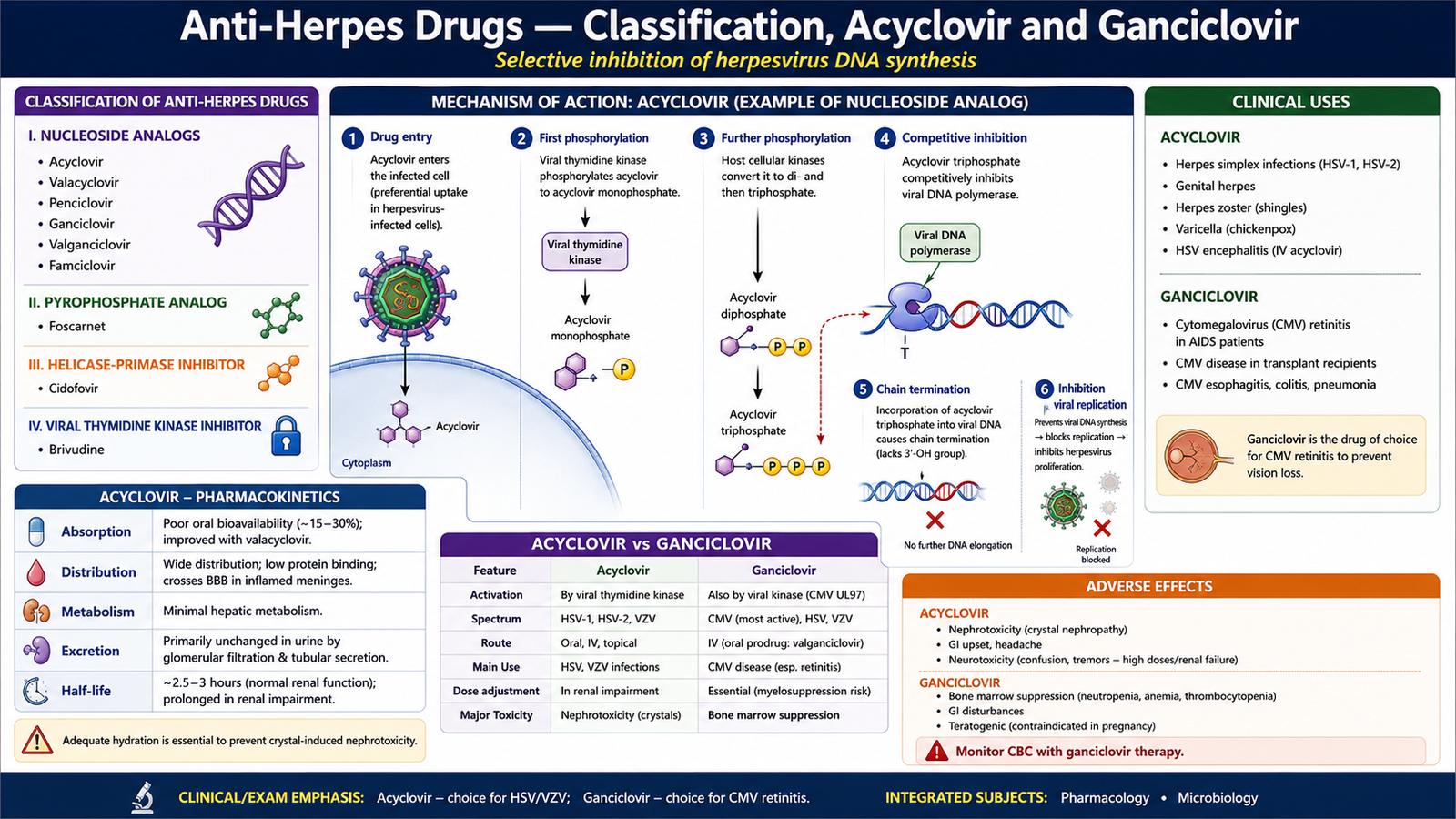
Anti-herpes drugs inhibit viral replication at different stages, especially viral DNA synthesis. Acyclovir is the major prototype for HSV and varicella-zoster infections. Ganciclovir is particularly important against cytomegalovirus. These drugs exploit differences between infected and uninfected cells, allowing greater inhibition of viral replication than host-cell DNA synthesis.
Important Anti-Herpes Drugs
- Acyclovir and related agents
- Ganciclovir and related agents
- Foscarnet
- Cidofovir
Acyclovir — Mechanism of Action
Acyclovir is a guanosine nucleoside analogue. In infected cells it is first activated by a viral thymidine kinase and then further phosphorylated by host-cell enzymes. The active triphosphate form selectively inhibits viral DNA polymerase and causes termination of viral DNA-chain elongation.
Pharmacokinetics of Acyclovir
Acyclovir can be administered orally, intravenously or topically depending on the clinical situation. Oral absorption is limited compared with some related agents. The drug distributes into body fluids, including cerebrospinal fluid to a clinically useful extent. It is mainly eliminated by the kidneys, so impaired renal function can increase drug exposure.
Clinical Uses
- HSV infections
- Genital herpes
- Herpes encephalitis
- Varicella-zoster infections
Acyclovir works best when viral replication is active. It suppresses viral replication but does not eliminate latent herpesvirus from the body.
Adverse Effects
Acyclovir is generally well tolerated. The most important serious adverse effects are associated particularly with intravenous therapy.
- Renal toxicity due to precipitation of drug crystals in renal tubules
- Neurological adverse effects may occur at high exposure, especially when renal clearance is reduced
- Local irritation may occur with intravenous administration
- Gastrointestinal symptoms may occur with oral therapy
Ganciclovir in CMV Retinitis
Ganciclovir is a nucleoside analogue with important activity against cytomegalovirus. It inhibits viral DNA synthesis after intracellular phosphorylation. Its major clinical role in the supplied learning outcomes is the treatment of CMV retinitis, especially in severely immunocompromised patients. A major limitation is bone-marrow toxicity, particularly neutropenia and other cytopenias.
E. Anti-HIV Drugs — Major Classes and Their Roles
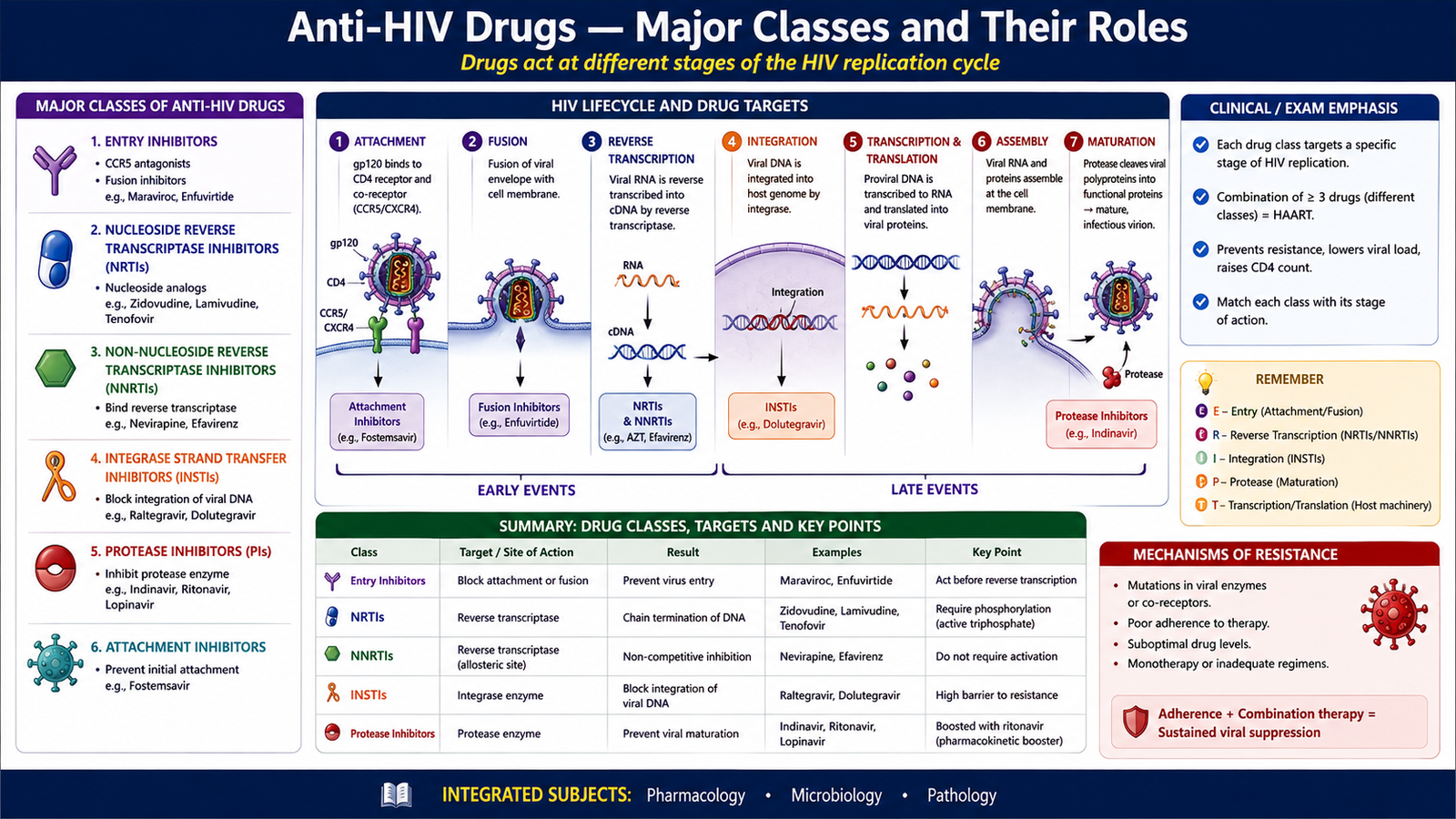
Antiretroviral treatment attacks HIV at several different stages of its replication cycle. This is important because HIV replicates rapidly and can develop resistance when only one vulnerable target is suppressed. The major classes required in this topic are entry inhibitors, nucleoside or nucleotide reverse-transcriptase inhibitors, non-nucleoside reverse-transcriptase inhibitors, integrase inhibitors and protease inhibitors.
| Drug Class | Main Target | Functional Result |
|---|---|---|
| Entry inhibitors | Viral attachment, co-receptor interaction or fusion | Prevent HIV from successfully entering susceptible cells |
| NRTIs | Reverse transcriptase | Act as abnormal nucleoside substrates and interfere with viral DNA synthesis |
| NNRTIs | Reverse transcriptase | Bind directly to the enzyme and inhibit its activity |
| Integrase inhibitors | Viral integrase | Prevent integration of viral DNA into host-cell DNA |
| Protease inhibitors | HIV protease | Prevent processing of viral polyproteins and formation of mature infectious virions |
Entry Inhibitors
Entry inhibitors interfere with the early interaction between HIV and the host cell. Depending on the agent, they may block chemokine co-receptors or inhibit membrane fusion. The final effect is the same: viral entry is reduced.
NRTIs
Nucleoside or nucleotide reverse-transcriptase inhibitors resemble normal building blocks of DNA. After activation, they are incorporated during viral DNA synthesis and interfere with further chain elongation. Zidovudine is an important prototype.
NNRTIs
Non-nucleoside reverse-transcriptase inhibitors also inhibit reverse transcriptase, but they do not act as nucleoside analogues. They bind to a different site on the viral enzyme and alter its function.
Integrase Inhibitors
These drugs inhibit the viral integrase enzyme. Without integration of HIV DNA into the host-cell genome, the virus cannot establish the normal proviral stage required for efficient replication.
Protease Inhibitors
Protease inhibitors prevent cleavage of large viral precursor proteins. The virus may still bud from the infected cell, but the resulting particles remain immature and are much less capable of producing productive infection.
F. Zidovudine, Indinavir and the Rationale for HAART
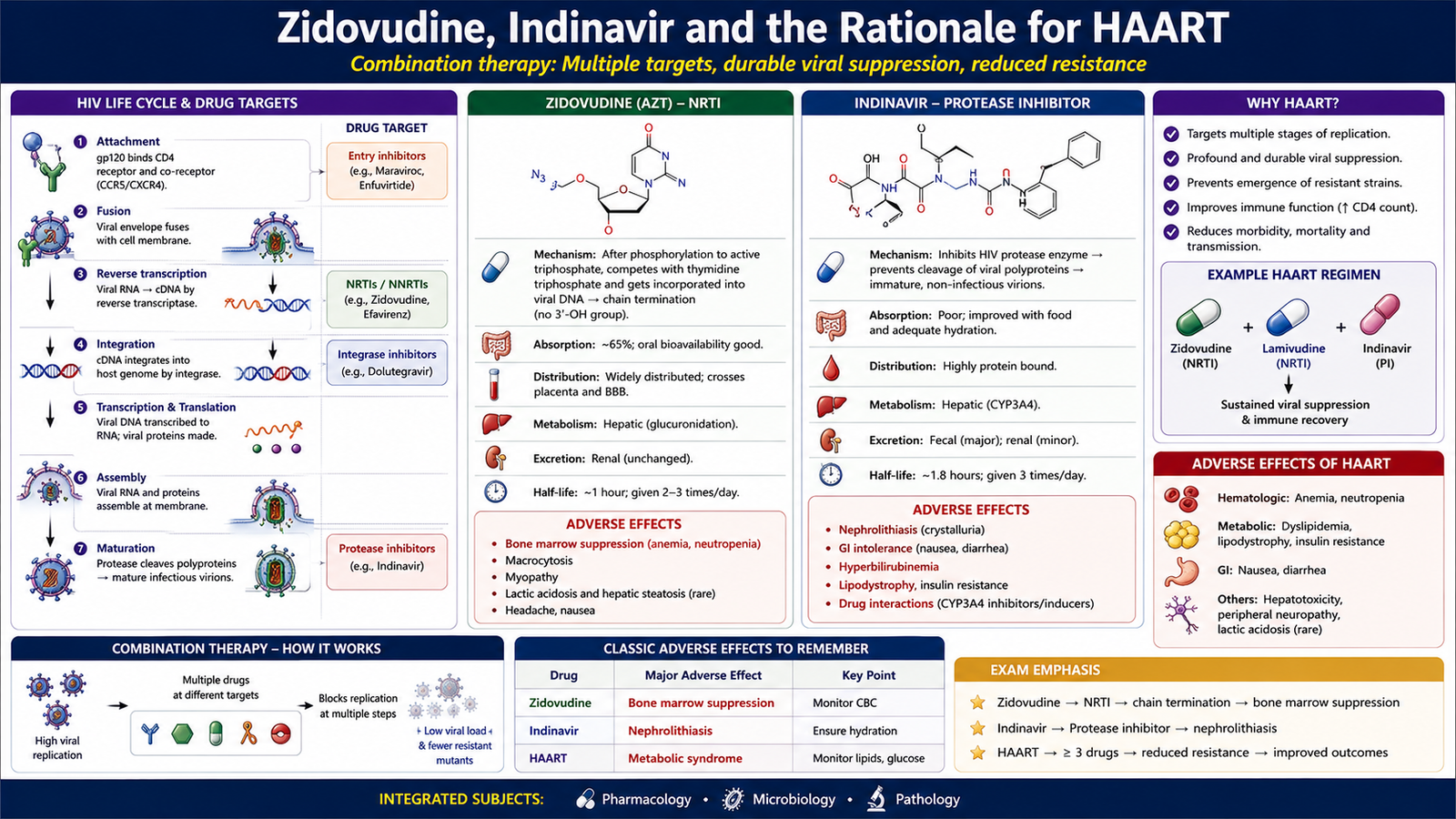
Two specific drug-related areas are emphasized in the supplied learning outcomes: the adverse effects of zidovudine and indinavir, and the rationale for highly active antiretroviral therapy. These concepts illustrate why effective HIV treatment requires both careful drug selection and combination therapy.
Zidovudine
Zidovudine is an NRTI. Its active intracellular form inhibits reverse transcriptase and terminates viral DNA-chain elongation. The major examination focus is its toxicity to bone marrow and mitochondria-containing tissues.
- Bone-marrow suppression: particularly anemia and neutropenia.
- Myopathy: muscle weakness may occur with prolonged exposure.
- Gastrointestinal and systemic symptoms: nausea, headache and malaise may occur.
Indinavir
Indinavir is a protease inhibitor. By blocking HIV protease it prevents normal maturation of newly formed virions.
- Nephrolithiasis: urinary crystallization can promote renal stone formation.
- Metabolic adverse effects may occur with protease-inhibitor therapy.
- Drug interactions can occur because drugs in this class are affected by hepatic enzyme systems.
Rationale for HAART
Highly active antiretroviral therapy uses a combination of antiretroviral drugs, usually acting at more than one point in the viral replication cycle. The main purpose is not simply to add several drugs together; it is to achieve stronger and more durable suppression of HIV while making it more difficult for resistant viral populations to dominate.
Combination therapy therefore improves antiviral effectiveness and reduces the emergence of resistance compared with inadequate single-drug therapy.
G. Chickenpox Epidemiology
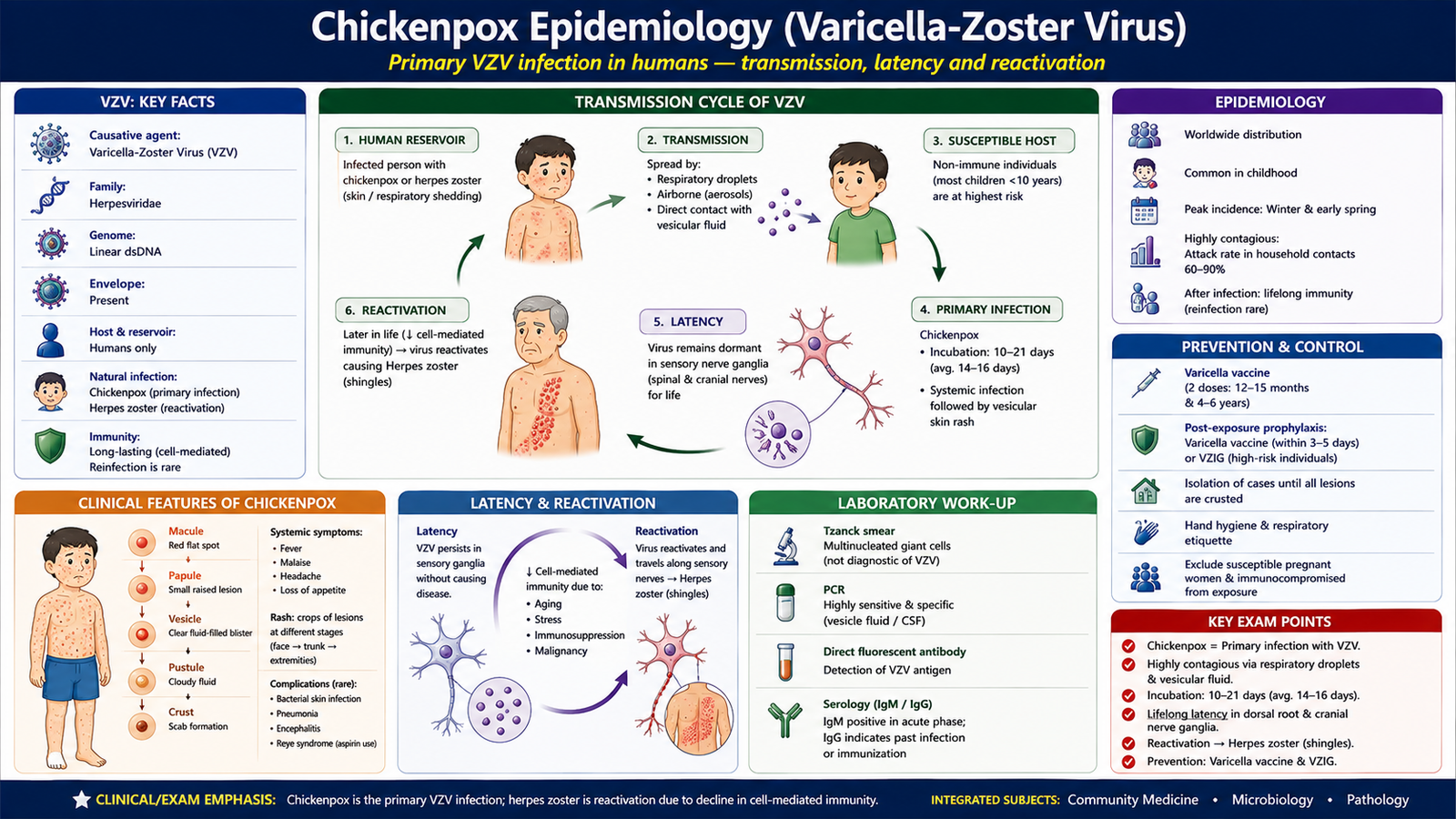
Chickenpox is the primary clinical infection caused by varicella-zoster virus. The epidemiological pattern is strongly influenced by the contagious nature of the virus, susceptibility of the exposed population and close interpersonal contact. After primary infection, the virus becomes latent and may later reactivate as herpes zoster.
Epidemiological Determinants
- Agent: varicella-zoster virus.
- Reservoir: infected humans.
- Transmission: mainly by respiratory spread and direct contact with infectious vesicular material.
- Host susceptibility: individuals without prior immunity are susceptible.
- Close contact: facilitates transmission because chickenpox is highly contagious.
Frequency and Distribution
Chickenpox occurs worldwide and is particularly common in susceptible children, although adults without immunity can also become infected. Cases can cluster where susceptible individuals have close contact. The epidemiological distribution therefore reflects both viral transmissibility and the proportion of the population that is immune.
The infection can spread before all skin lesions have crusted, which helps explain household and institutional transmission. After recovery, latency of the same virus explains why herpes zoster is a reactivation phenomenon rather than a new episode of chickenpox acquired in the same manner.
H. Medico-Legal Issues in HIV
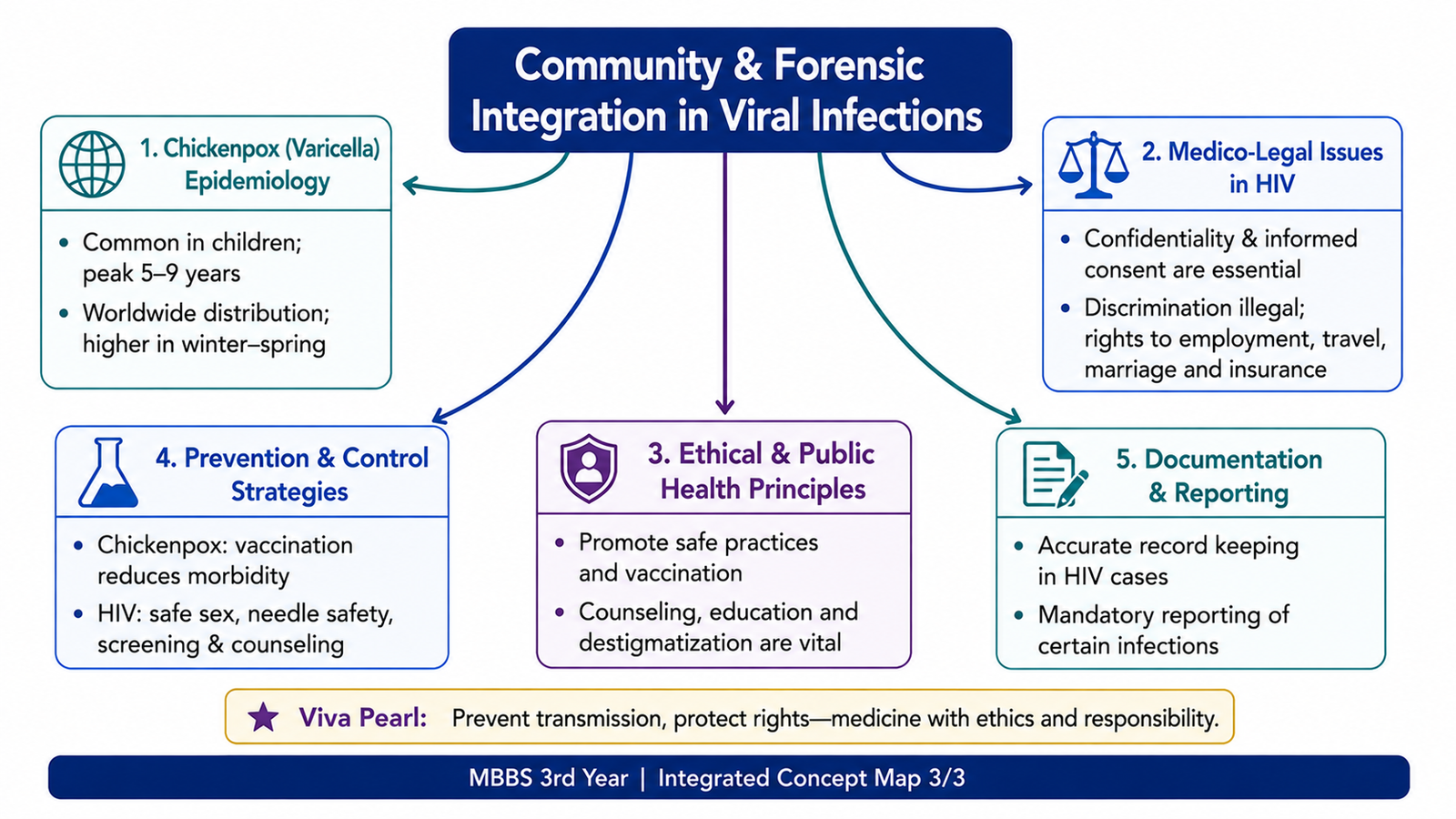
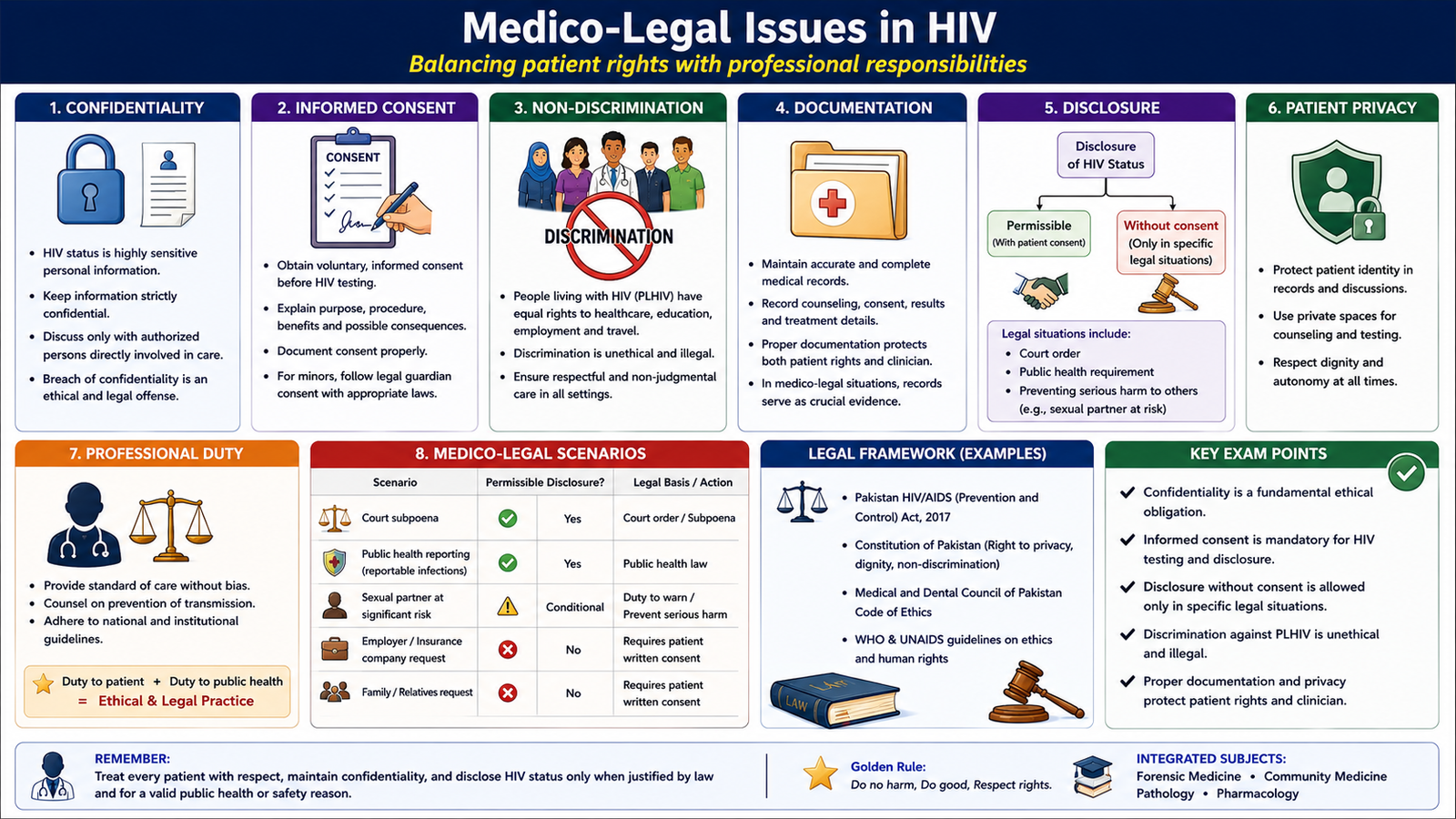
HIV has important medico-legal implications because diagnosis affects privacy, confidentiality, consent and the prevention of harm to others. The key undergraduate principle is that a person living with HIV should be treated with the same professional respect and confidentiality applied to other patients, while clinicians also recognize situations in which legal or ethical duties may arise.
Confidentiality
Information about HIV status is sensitive medical information. It should not be disclosed casually to relatives, employers or other persons. Access should be restricted to those who have a legitimate role in the patient’s care or another lawful basis for receiving the information.
Informed Consent
Testing and clinical decision-making should follow appropriate principles of informed consent. The patient should understand the nature and purpose of the test or intervention and the implications of the result.
Non-discrimination
HIV status alone does not justify denial of appropriate medical care. Standard precautions are designed to protect healthcare workers and patients during exposure to blood and body fluids, regardless of whether a patient’s infection status is known.
Documentation and Disclosure
Documentation should be accurate, objective and limited to clinically or legally relevant information. Situations involving possible disclosure beyond the immediate care team require careful consideration of confidentiality, patient safety, risk to others and applicable professional or legal requirements. Because the supplied learning outcome asks for legal issues in general, specific statutory provisions should not be invented or assumed.
Integrated Mechanism Flow
Antiretroviral classes interrupt this sequence at entry, reverse transcription, integration or maturation.
Important Comparison — Major Antiviral Targets
| Drug/Class | Main Viral Target | Key Examination Point |
|---|---|---|
| Acyclovir | Herpesvirus DNA polymerase after activation | HSV/VZV; renal toxicity with significant accumulation |
| Ganciclovir | Viral DNA synthesis | Important in CMV retinitis; bone-marrow suppression |
| NRTIs / NNRTIs | HIV reverse transcriptase | Block conversion of viral RNA information into DNA |
| Integrase inhibitors | HIV integrase | Prevent insertion of viral DNA into host genome |
| Protease inhibitors | HIV protease | Produce immature nonfunctional virions |
⭐ AIM High-Yield Review
- HIV is an enveloped RNA retrovirus that mainly damages CD4-positive T-cell–mediated immunity.
- gp120 participates in attachment to CD4 and co-receptors; gp41 participates in membrane fusion.
- Reverse transcriptase makes viral DNA, integrase inserts it into host DNA, and protease is required for viral maturation.
- Progressive CD4-cell loss explains susceptibility to opportunistic infections.
- HIV laboratory assessment may involve antibody, p24 antigen, nucleic-acid testing, CD4 assessment and viral-load measurement.
- Herpesviruses are enveloped DNA viruses characterized by lifelong latency and possible reactivation.
- Primary VZV infection causes chickenpox; reactivation causes herpes zoster.
- Acyclovir is activated mainly in infected cells and inhibits viral DNA polymerase.
- Important acyclovir toxicity: renal injury, particularly with significant intravenous exposure or impaired clearance.
- Ganciclovir has an important role in CMV retinitis and may cause bone-marrow suppression.
- NRTIs and NNRTIs inhibit reverse transcriptase by different mechanisms.
- Integrase inhibitors prevent insertion of HIV DNA into the host genome.
- Protease inhibitors prevent formation of mature infectious virions.
- ⭐ Zidovudine is classically associated with bone-marrow suppression.
- ⭐ Indinavir is classically associated with nephrolithiasis.
- HAART suppresses HIV at multiple targets and reduces the likelihood of resistance emerging.
- Chickenpox spreads mainly through respiratory transmission and direct contact with infectious vesicular material.
- Key medico-legal HIV principles are confidentiality, informed consent, non-discrimination and careful justified disclosure.
HIV, Herpesviruses & Antiviral Pharmacotherapy
Watch these short focused videos after completing the learning material. Together they reinforce HIV pathogenesis, clinical features and diagnosis, antiretroviral drug targets, and anti-herpes pharmacology.
HIV & AIDS — Pathogenesis, Clinical Features and Diagnosis
Focus on HIV infection of immune cells, progressive immunodeficiency, clinical manifestations and the basic diagnostic approach.
Antiviral Drugs — HIV and Herpes Drug Targets
Covers antiviral classification and the major HIV drug groups including NRTIs, NNRTIs, integrase inhibitors, protease inhibitors and entry inhibitors, together with anti-herpes agents.
Acyclovir & Ganciclovir Pharmacology
Reinforces acyclovir mechanism, pharmacological use and adverse effects, together with ganciclovir and its importance in CMV infection.