
📌 AIM Study Tip
This chapter follows the supplied KMU learning outcomes. First understand how each infection spreads and which factors maintain transmission; then revise the high-yield prevention and investigation points at the end.
Topic 25 — TORCH, Airborne, Vector-Borne and Water/Food-Borne Infections
A community-medicine and family-medicine overview of major infectious diseases, their epidemiological determinants, routes of transmission, prevention and control, together with investigation and prevention of TORCH infections.
Topic Introduction
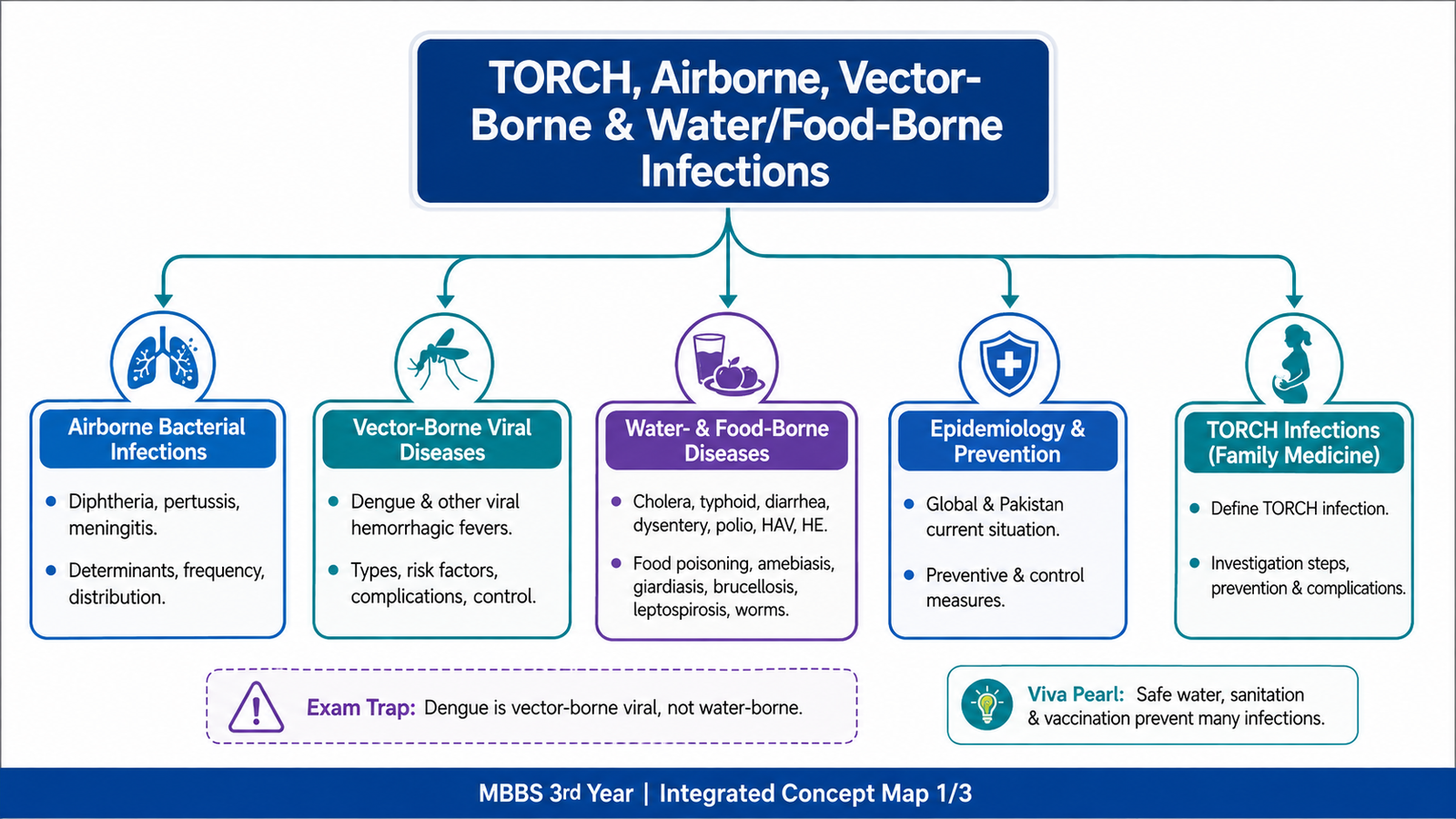
This topic brings together infections that are important because of how they spread and how they can be prevented. Airborne bacterial infections such as diphtheria, pertussis and meningococcal meningitis spread mainly through respiratory contact. Dengue and other viral hemorrhagic fevers depend on vectors, animal reservoirs or infected body fluids. Water- and food-borne diseases spread when sanitation, food safety or water quality fails. TORCH infections are important because maternal infection can affect the fetus or newborn. The central idea is therefore simple: identify the source and route of infection, understand the population factors that support transmission, and interrupt that transmission through appropriate preventive and control measures.
A. Airborne Bacterial Infections — Diphtheria, Pertussis and Meningococcal Meningitis
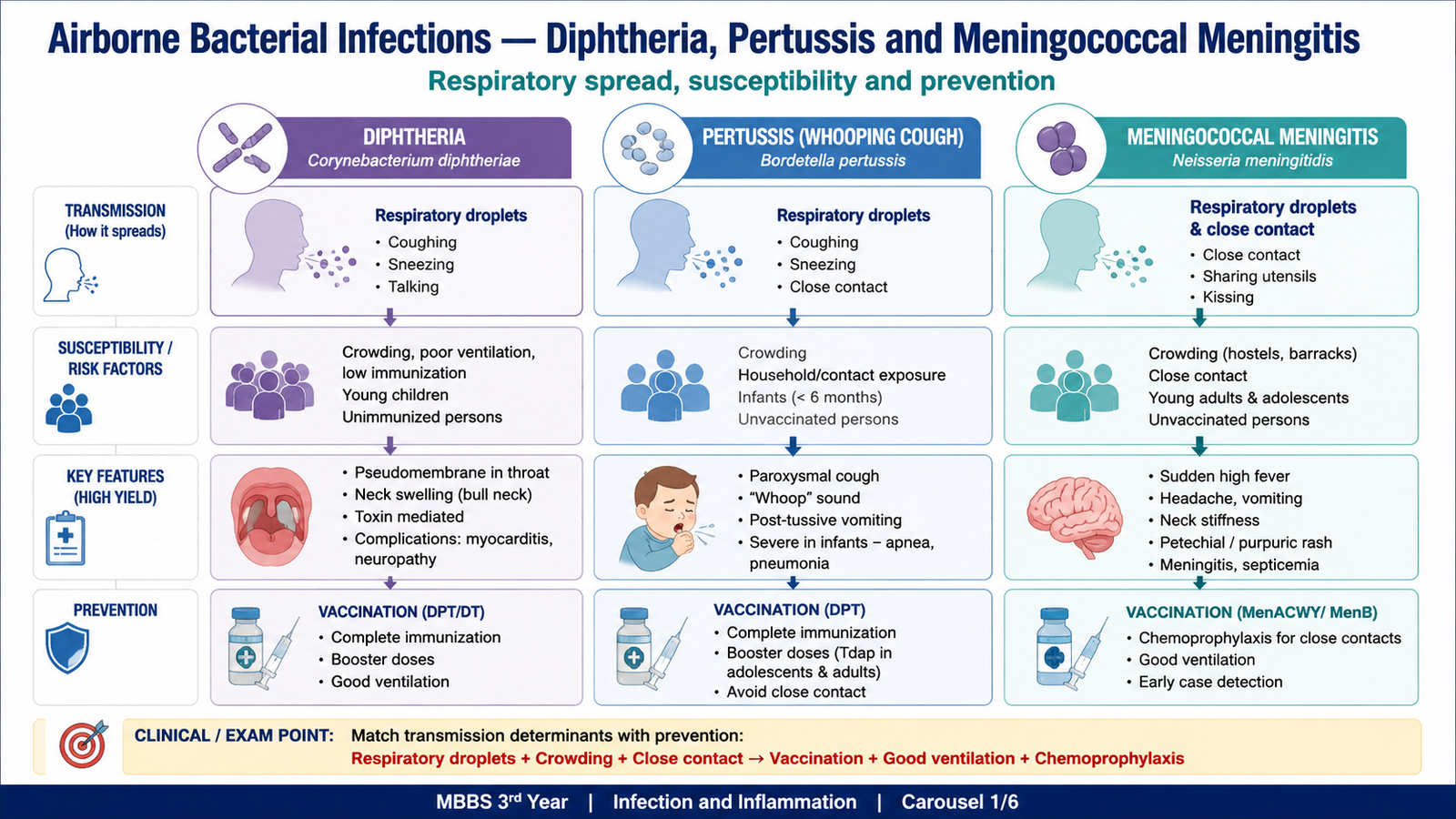
Respiratory infections spread efficiently when an infectious person releases organisms in droplets or respiratory secretions that reach susceptible contacts. Their occurrence is therefore strongly influenced by immunity, crowding, quality of vaccination coverage and how quickly cases are recognized and controlled.
Diphtheria
Diphtheria is an acute bacterial infection caused by toxigenic Corynebacterium diphtheriae. Humans are the main reservoir. Infection usually spreads through respiratory droplets and close contact; less commonly, contact with infected skin lesions may transmit the organism.
The important epidemiological determinant is susceptibility. When population immunity falls because vaccination is incomplete or booster protection has waned, transmission can reappear. Crowded living conditions and prolonged close contact increase opportunities for spread. Cases may occur at any age in poorly immunized populations, although children are classically vulnerable where routine immunization is inadequate.
Control depends mainly on maintaining high vaccination coverage, recognizing suspected cases early and preventing further exposure. The disease illustrates an important public-health principle: preventing the disease requires protection against the toxin-producing organism through immunization rather than relying only on treatment after disease develops.
Pertussis
Pertussis, or whooping cough, is caused by Bordetella pertussis. Humans are the reservoir, and transmission occurs through respiratory droplets during close contact. Infants are particularly important from a public-health perspective because they can develop severe disease before they have completed their primary immunization schedule.
Transmission is favored by close household exposure and inadequate immunity. Adolescents or adults with mild or atypical illness may transmit infection to younger children. Vaccination greatly reduces disease burden, but protection is not permanently lifelong; therefore continued immunization according to the national schedule remains important.
Meningococcal Meningitis
Meningococcal meningitis is caused by Neisseria meningitidis. The organism can colonize the nasopharynx of healthy people, so asymptomatic carriage is epidemiologically important. Transmission occurs mainly by respiratory droplets during close or prolonged contact.
Risk increases in crowded settings such as dormitories, hostels, military accommodation and other places where people live in close proximity. Epidemic occurrence is influenced by population susceptibility, circulating meningococcal strains and environmental conditions. Severe invasive disease may progress rapidly, so early recognition and public-health response are especially important.
B. Dengue and Other Viral Hemorrhagic Fevers
Viral hemorrhagic fevers are a group of viral infections in which systemic illness may be associated with increased vascular permeability, bleeding, circulatory disturbance or shock. They are not transmitted by a single mechanism. Some are vector-borne, some are maintained in animal reservoirs, and some can spread through contact with infected blood or body fluids.
Dengue Fever
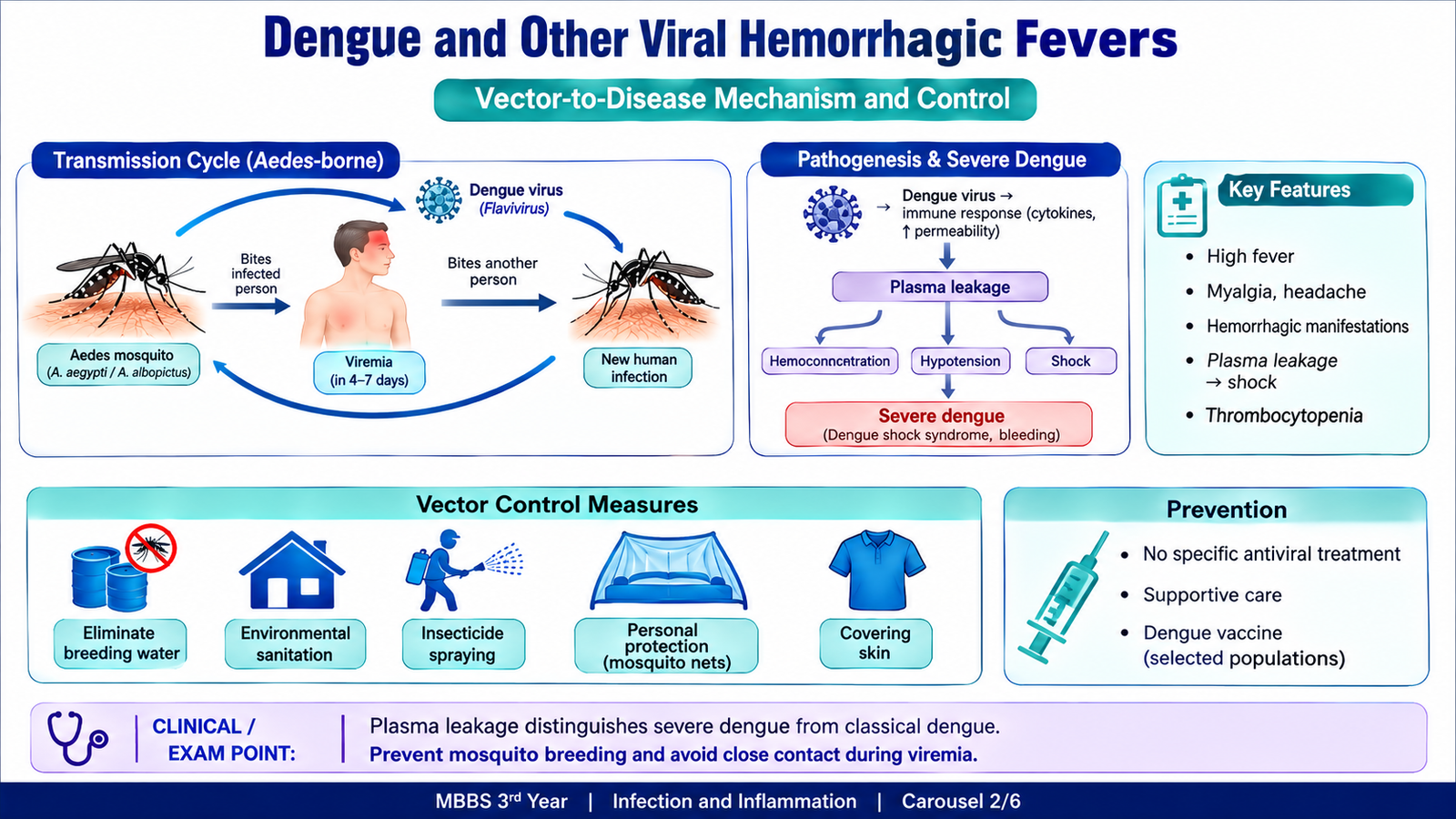
Dengue is a mosquito-borne viral infection transmitted mainly by Aedes mosquitoes. The mosquito becomes infected after biting a viremic person and can subsequently transmit the virus to another susceptible person. Because Aedes mosquitoes breed in collections of water around human dwellings and commonly bite during daylight hours, urban living conditions and household water storage can strongly influence transmission.
Important Risk Factors
- Living in or travelling to areas where dengue transmission occurs.
- Abundant Aedes mosquito breeding sites around homes and communities.
- Stored water in uncovered containers, discarded tyres, pots and other water-holding objects.
- High population density and frequent human–mosquito contact.
- Previous infection with a different dengue serotype, which is associated with increased risk of severe dengue in some patients.
Clinical Types and Severity
Dengue ranges from uncomplicated febrile illness to severe disease. Most patients have an acute febrile illness, but warning signs can indicate increasing plasma leakage and a greater risk of complications. Severe dengue is characterized by major plasma leakage, severe bleeding or significant organ involvement.
Control Measures
Dengue control focuses on reducing contact between humans and infected mosquitoes and reducing mosquito breeding. Because the domestic environment is important in the life cycle of Aedes, household and community participation are essential.
- Remove or regularly empty unnecessary water-holding containers.
- Cover stored water containers.
- Improve solid-waste disposal so discarded items do not collect rainwater.
- Use personal protection such as appropriate clothing and mosquito repellents.
- Use screens or other barriers where feasible.
- Strengthen surveillance and rapidly identify areas with increased transmission.
- Use vector-control measures as part of an organized public-health response.
Other Viral Hemorrhagic Fevers
Other important viral hemorrhagic fevers include Crimean-Congo hemorrhagic fever, Ebola virus disease and Marburg virus disease. Their epidemiology differs from dengue. Crimean-Congo hemorrhagic fever is associated with ticks, infected livestock and exposure to infected blood or tissues. Ebola and Marburg can spread through direct contact with blood or body fluids of infected persons and require strict infection-prevention measures.
The key control principle is therefore to match the preventive action to the transmission route: mosquito control for dengue, tick and occupational exposure control for Crimean-Congo hemorrhagic fever, and rigorous contact and infection-control precautions for viruses spread through infected body fluids.
C. Water- and Food-Borne Disease — Epidemiological Framework
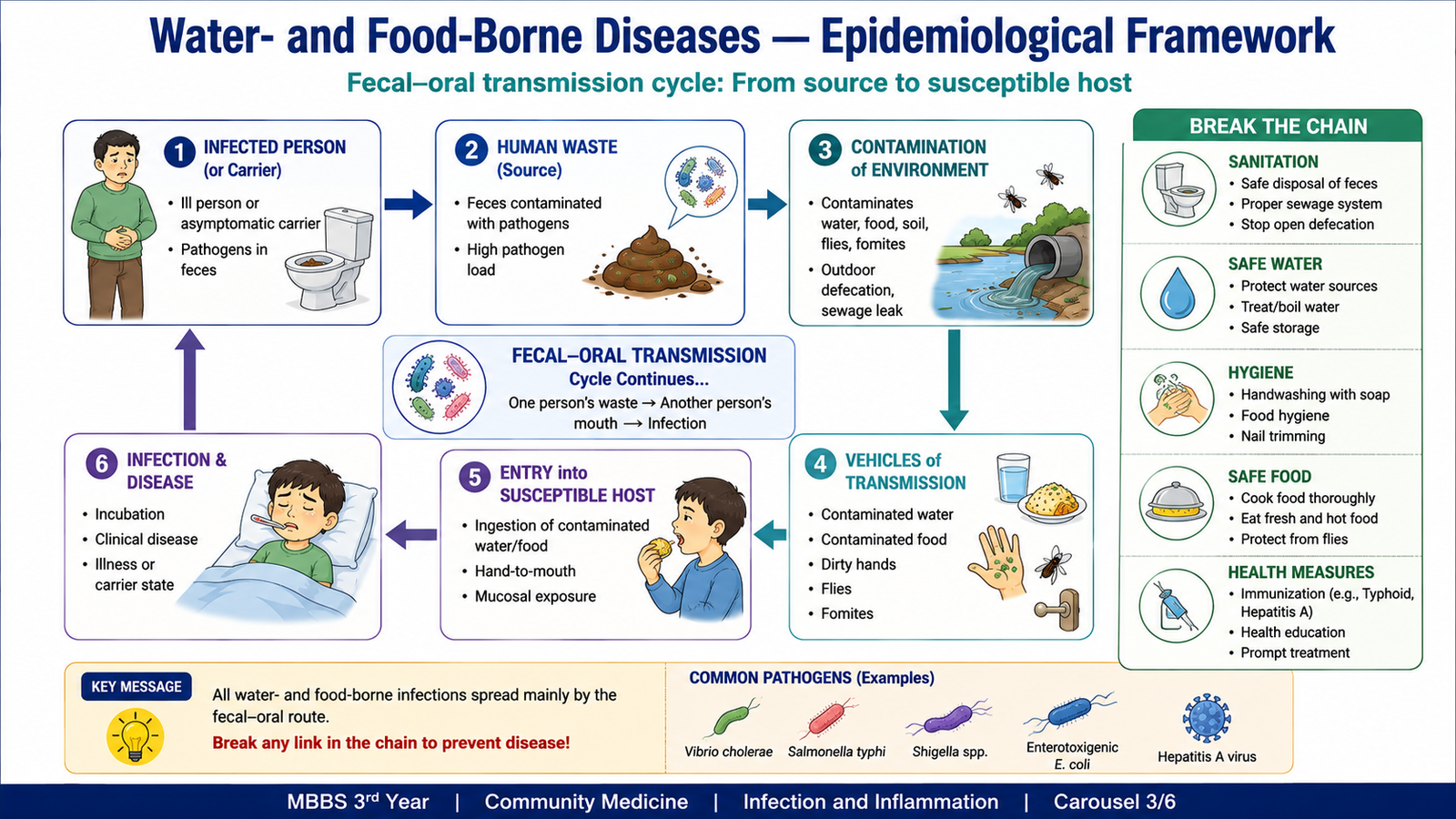
Water- and food-borne diseases occur when infectious organisms or their toxins reach susceptible people through contaminated water or food. Many important diseases in this group follow the fecal–oral route: organisms leave an infected person in feces, contaminate water, food, hands or surfaces, and are then swallowed by another person.
Common Water-Borne and Food-Borne Diseases
- Cholera
- Typhoid fever
- Acute infectious diarrhea
- Dysentery
- Poliomyelitis
- Hepatitis A and hepatitis E
- Food poisoning
- Amebiasis
- Giardiasis
- Brucellosis
- Leptospirosis
- Intestinal worm infestations
Major Epidemiological Determinants
The presence of an organism alone does not explain why these diseases become common. Disease frequency rises when environmental and social conditions allow organisms to move repeatedly from their source to susceptible people.
- Unsafe drinking water: permits direct ingestion of infectious organisms.
- Poor sanitation: allows human waste to contaminate soil and water sources.
- Inadequate hand hygiene: transfers organisms from feces to food, utensils and other people.
- Unsafe food preparation: permits contamination or multiplication of organisms.
- Improper food storage: may allow bacterial growth and toxin production.
- Crowding and displacement: can overload sanitation and clean-water systems.
- Flooding and disruption of infrastructure: may mix sewage with water supplies and increase exposure.
General Preventive Approach
Prevention is based on interrupting the route by which the organism reaches the next host. Safe water, sanitation, hand hygiene and safe food handling therefore act at several points in the chain of transmission.
Infected human or animal → contamination of water/food/environment → ingestion or exposure by another person → infection.
Control: sanitation + safe water + food hygiene + personal hygiene + disease-specific preventive measures.
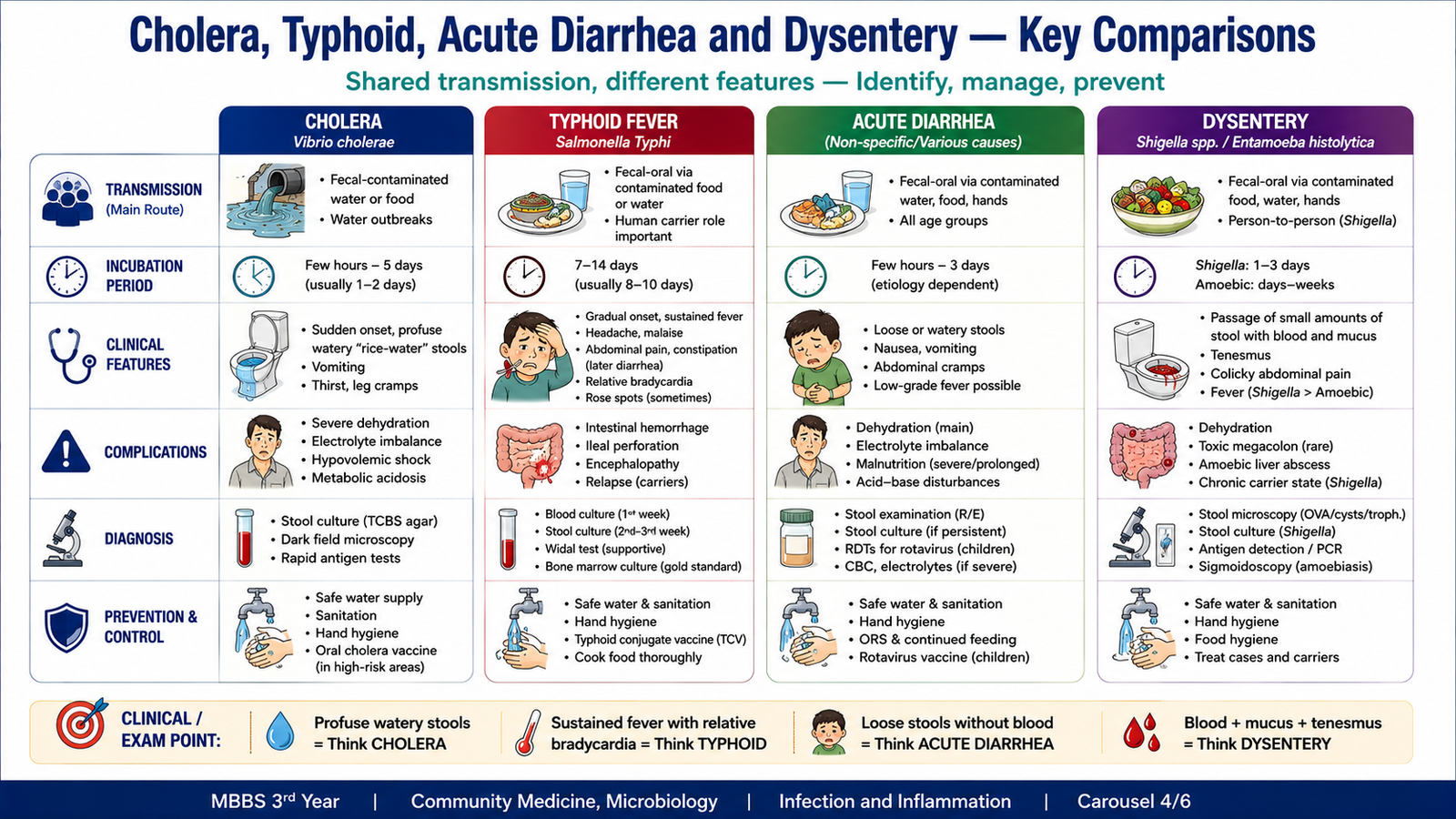
D. Cholera, Typhoid, Acute Diarrhea and Dysentery
These diseases share important environmental determinants but differ in their characteristic clinical patterns and specific preventive priorities. For community medicine, the most useful approach is to connect the organism and route of transmission with the conditions that allow outbreaks to occur.
Cholera
Cholera is an acute diarrheal disease caused by toxigenic Vibrio cholerae. Infection usually follows ingestion of contaminated water or food. The organism produces an enterotoxin that causes secretion of water and electrolytes into the intestinal lumen. This explains the rapid production of large-volume watery diarrhea and the risk of severe dehydration.
Cholera spreads particularly well where safe water and sanitation are inadequate. Outbreaks can therefore occur after disruption of water supplies, displacement of populations or contamination of community water sources.
Prevention and control: safe drinking water, effective sanitation, hand hygiene, safe food preparation, rapid identification of cases and prompt management of dehydration are central. Public-health action must also identify and correct the contaminated source.
Typhoid Fever
Typhoid fever is a systemic infection caused by Salmonella Typhi. Humans are the reservoir. Organisms are transmitted mainly through food or water contaminated with feces from an infected person or carrier.
Transmission is favored by poor sanitation, unsafe water, contaminated food and inadequate hand hygiene among food handlers. Chronic carriage is epidemiologically important because an apparently healthy person may continue to shed the organism.
Prevention: safe water, sanitation, food hygiene, handwashing, identification of cases and carriers when indicated, and appropriate vaccination strategies all reduce transmission.
Acute Diarrhea
Acute infectious diarrhea is a syndrome rather than one single disease. It may result from viruses, bacteria or parasites. The major community-health consequence is loss of water and electrolytes, particularly in young children. Contaminated water, food and hands are common pathways.
Prevention depends on clean water, sanitation, safe food, hand hygiene and appropriate immunization where relevant. The immediate clinical danger is dehydration, so early recognition and fluid replacement are essential parts of reducing mortality.
Dysentery
Dysentery refers to an inflammatory diarrheal illness in which blood and mucus may be present in stool. Important infectious causes include bacillary dysentery and amebic dysentery. Transmission is commonly fecal–oral and is promoted by contaminated food or water and poor hygiene.
Unlike simple watery diarrhea, dysentery indicates intestinal mucosal inflammation or invasion. Preventive principles remain centered on sanitation, hand hygiene and safe water and food.
| Disease | Key Epidemiological Feature | Major Clinical/Public-Health Clue | Main Prevention Principle |
|---|---|---|---|
| Cholera | Contaminated water/food | Profuse watery diarrhea and dehydration | Safe water and sanitation |
| Typhoid | Human cases and carriers | Systemic febrile illness | Water, sanitation, food hygiene and vaccination |
| Acute diarrhea | Multiple infectious causes | Risk of dehydration | WASH and food hygiene |
| Dysentery | Fecal–oral transmission | Blood/mucus from intestinal inflammation | Sanitation and hygiene |
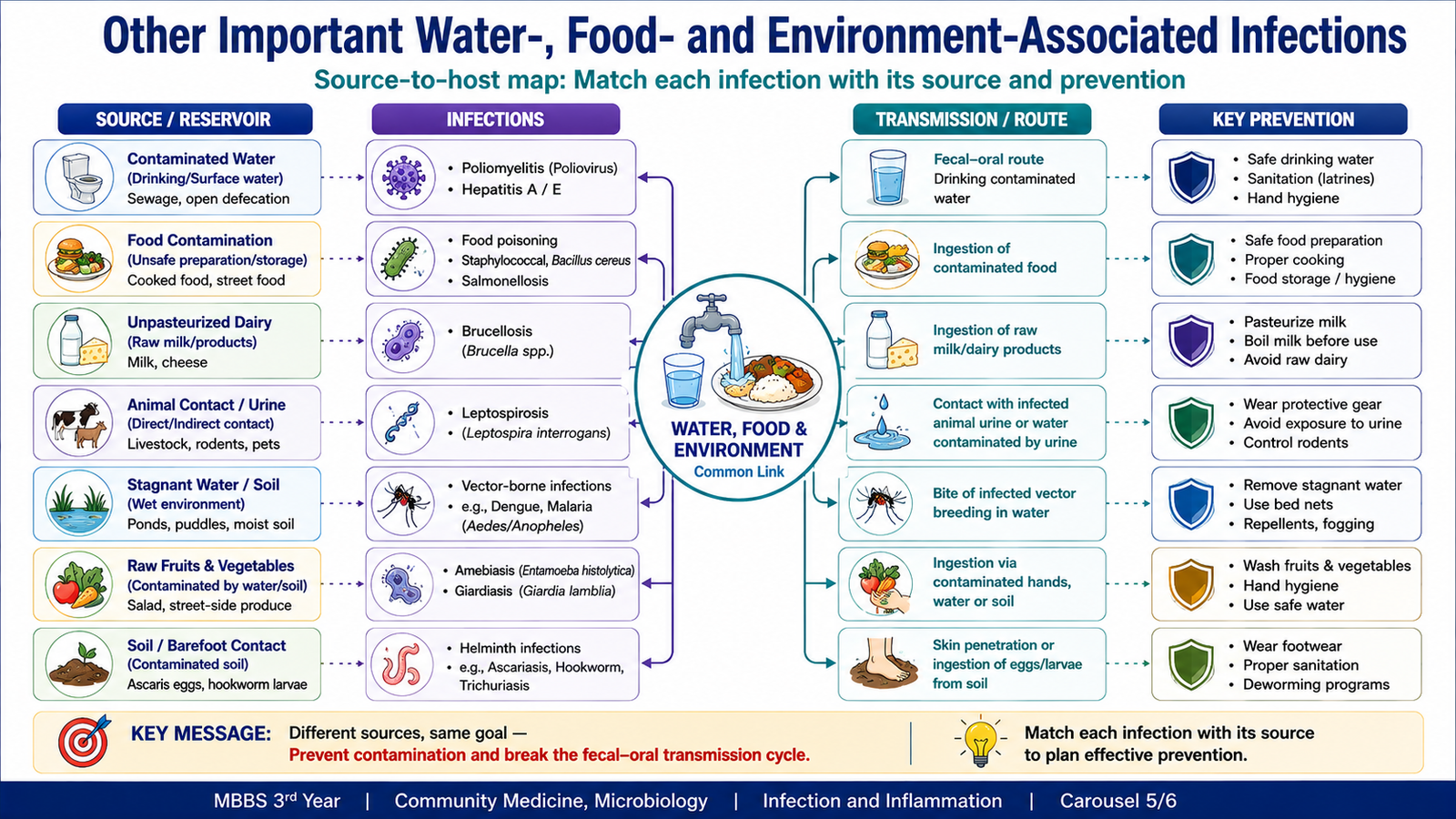
E. Other Important Water-, Food- and Environment-Associated Infections
Several other infections in the KMU learning outcomes are linked to contaminated water or food, environmental exposure or infected animals. They should not all be treated as identical fecal–oral diseases. The important task is to identify the characteristic source of infection and apply prevention to that source.
Poliomyelitis
Poliovirus is transmitted mainly by the fecal–oral route. Many infections are asymptomatic, which allows transmission to continue without obvious disease. In a small proportion of infected individuals, the virus can affect motor neurons and cause acute flaccid paralysis.
Prevention depends principally on vaccination, supported by sanitation, hygiene and surveillance for suspected poliomyelitis. Pakistan remains epidemiologically important in the global effort to interrupt wild poliovirus transmission, so maintaining high immunization coverage and effective surveillance is essential.
Hepatitis A and Hepatitis E
Hepatitis A and E viruses are transmitted mainly through the fecal–oral route. Contaminated water and food are particularly important where sanitation is inadequate. Both can cause acute viral hepatitis.
Hepatitis E deserves particular attention because infection can be more serious during pregnancy. Prevention centers on clean water, sanitation, hand hygiene and safe food. Hepatitis A can also be prevented through vaccination where indicated.
Food Poisoning
Food poisoning refers to illness following ingestion of contaminated food. Disease may result from organisms multiplying in the intestine, organisms invading tissues or toxins already formed in the food. Poor storage, inadequate cooking, contamination after cooking and unsafe handling are major determinants.
Prevention requires safe sourcing of food, adequate cooking, avoidance of cross-contamination, appropriate storage and good hand hygiene among food handlers.
Amebiasis
Amebiasis is caused by Entamoeba histolytica. Infection occurs after ingestion of infective cysts in contaminated food or water. Poor sanitation and fecal contamination maintain transmission. Intestinal disease may produce dysentery, and extraintestinal spread can occur.
Prevention depends on safe water, sanitation, food hygiene and preventing fecal contamination of food.
Giardiasis
Giardiasis is caused by Giardia species and is acquired by ingestion of cysts. Contaminated drinking water is an important route. Person-to-person spread may also occur where hygiene is poor.
Prevention requires safe water, sanitation and careful hand hygiene, particularly in settings where close contact facilitates fecal–oral spread.
Brucellosis
Brucellosis is a zoonotic bacterial infection. Humans may become infected through unpasteurized milk or dairy products, direct contact with infected animal tissues, or occupational exposure. Therefore, its epidemiology is closely linked to livestock and animal-product handling rather than ordinary human fecal–oral spread.
Prevention involves control of infection in animals, avoidance of unpasteurized dairy products and protection of people who handle potentially infected animals or tissues.
Leptospirosis
Leptospirosis is a zoonotic infection associated with exposure to water or soil contaminated by urine from infected animals, especially rodents and other mammals. The organism can enter through broken skin or mucous membranes.
Risk increases with flooding, contaminated surface water and occupations involving animals or wet environments. Prevention includes reducing contact with contaminated water, controlling rodent exposure and using appropriate protective measures during high-risk activities.
Worm Infestations
Intestinal worm infections are strongly influenced by sanitation, environmental contamination and hygiene. Depending on the parasite, infection may follow ingestion of infective eggs or larvae, contaminated food or water, or skin penetration from contaminated soil.
Prevention therefore includes sanitation, safe disposal of feces, handwashing, food hygiene, wearing footwear where soil-transmitted infection is a risk, and population-based control measures where appropriate.
Situation in Pakistan and Worldwide
The diseases in this group remain unevenly distributed. Their frequency is highest where safe water, sanitation, reliable waste disposal, food safety and vaccination coverage are inadequate. Pakistan continues to face important public-health challenges from several enteric and vector-borne infections, including typhoid, acute diarrheal diseases, hepatitis A/E, dengue and poliovirus transmission. Floods, rapid urban growth, population movement and pressure on water and sanitation systems can increase transmission risk.
Worldwide, improvements in sanitation, clean water, immunization and surveillance have greatly reduced some infections in many countries, but outbreaks continue where infrastructure fails, populations are displaced, vectors expand or immunization gaps develop. Because disease patterns change over time, exact current case numbers should be interpreted from contemporary national and international surveillance reports rather than memorized as fixed figures.
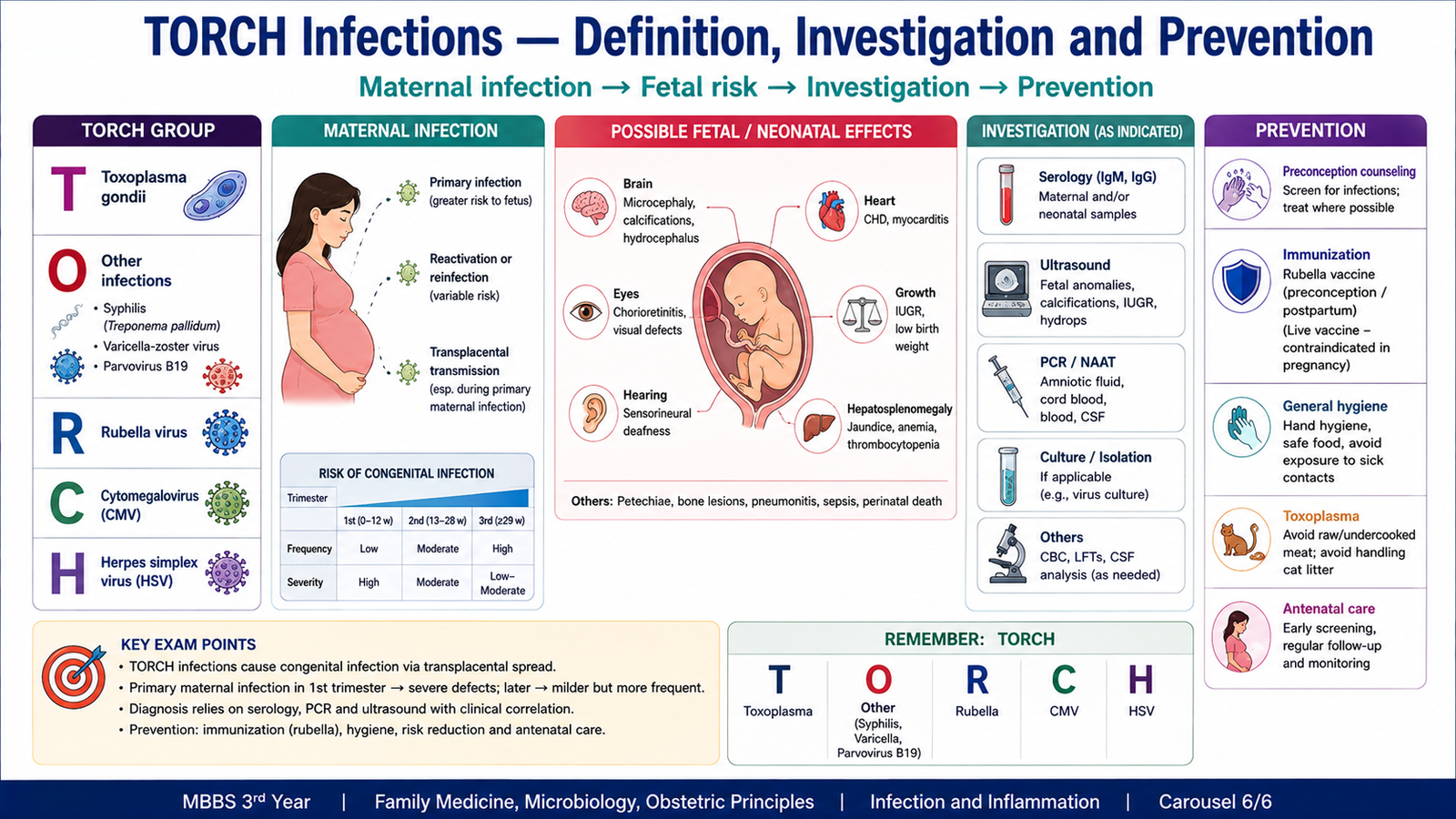
F. TORCH Infections — Definition, Investigation and Prevention
TORCH refers to a group of maternal infections that are important because they can cross to the fetus or affect the newborn and cause congenital or perinatal disease. The term is used as a practical clinical framework rather than as the name of one disease.
Classically, TORCH includes Toxoplasma, Other infections, Rubella, Cytomegalovirus and Herpes simplex virus. The “Other” category may include additional infections capable of causing congenital disease.
Why TORCH Infections Matter
Maternal infection may be mild or even unnoticed while the fetus can still be affected. The outcome depends on the organism, timing of maternal infection, placental transmission and fetal susceptibility. Congenital infection may cause fetal loss, growth restriction, neurological injury, eye disease, hearing impairment or other organ abnormalities depending on the specific pathogen.
Steps of Investigation
TORCH investigation should not begin with indiscriminate testing of every pregnant woman or newborn. Investigation is guided by maternal history, exposure, symptoms, pregnancy findings and abnormalities detected in the fetus or neonate.
- Identify the reason for suspicion. Look for relevant maternal illness, exposure history, abnormal fetal findings or neonatal features suggesting congenital infection.
- Determine the likely timing of infection. Establish whether exposure or maternal illness occurred before pregnancy, early in pregnancy or later.
- Select organism-specific maternal tests. Serological testing may help assess previous exposure or recent infection, but results must be interpreted in clinical context.
- Use confirmatory testing when required. Depending on the suspected infection, nucleic-acid testing or other organism-specific tests may be needed.
- Assess the fetus or newborn. Appropriate imaging, physical examination and targeted laboratory testing are selected according to the suspected infection and observed abnormalities.
- Interpret maternal and fetal/neonatal findings together. A positive antibody test alone does not always prove active fetal infection.
Preventive Strategies
TORCH prevention is organism-specific, but several general measures reduce maternal exposure and congenital infection risk.
- Ensure appropriate pre-pregnancy and routine immunization, especially protection against vaccine-preventable infections such as rubella.
- Avoid consumption of inadequately cooked meat and reduce exposure to potentially contaminated material relevant to toxoplasmosis.
- Use careful hand hygiene after handling raw meat, soil, potentially contaminated material and young children’s secretions.
- Reduce exposure to known infectious contacts when feasible.
- Use appropriate sexual-health measures to reduce acquisition of infections that may be transmitted sexually.
- Recognize maternal infection early so appropriate assessment and counselling can occur.
- Evaluate newborns promptly when congenital infection is suspected so complications can be identified early.
Prevention of complications also depends on early recognition. A fetus or newborn exposed to a maternal infection may require targeted assessment even when maternal symptoms were mild, because congenital disease may not initially be obvious.
Integrated Mechanism Flow
↓ Transmission route — respiratory droplets, mosquito/vector, contaminated water/food, animal exposure or maternal–fetal transmission
↓ Exposure of a susceptible host
↓ Infection and characteristic disease
↓ Potential individual complication or community spread
↓ Identification of the transmission route
↓ Targeted interruption through immunization, sanitation, vector control, hygiene, surveillance or exposure prevention
⭐ AIM High-Yield Review
- ⭐ Diphtheria and pertussis spread mainly through respiratory droplets; prevention depends strongly on immunization.
- Meningococcal transmission is favored by close or prolonged respiratory contact and crowding.
- ⭐ Dengue is transmitted mainly by Aedes mosquitoes, and elimination of domestic breeding sites is central to control.
- Severe dengue may produce plasma leakage, shock, severe bleeding or organ involvement.
- Viral hemorrhagic fevers do not share one transmission route; preventive measures must match the particular virus.
- ⭐ Unsafe water, poor sanitation, contaminated food and poor hand hygiene are major determinants of enteric infections.
- Cholera classically causes profuse watery diarrhea because enterotoxin drives intestinal fluid secretion.
- Typhoid is maintained only in humans, and both symptomatic cases and carriers may contribute to transmission.
- Polio prevention depends principally on vaccination supported by surveillance and sanitation.
- Hepatitis A and E are mainly fecal–oral infections; hepatitis E is particularly important in pregnancy.
- Brucellosis is strongly linked to infected animals and unpasteurized dairy products rather than ordinary human fecal–oral spread.
- Leptospirosis is associated with water or soil contaminated by urine from infected animals.
- ⭐ TORCH infections are important because maternal infection may cause congenital or perinatal disease even when maternal illness is mild.
- TORCH investigation should be targeted according to maternal history, timing, fetal or neonatal findings and the suspected organism.
- ⭐ The central community-medicine principle is to identify the source and route of transmission and interrupt that route with the appropriate preventive measure.
🎥 AIM Video Learning — Topic 25
Use these short videos after reading the learning material to reinforce TORCH infections, infectious-disease prevention and population-level control.
Video 1 — TORCH Infections in Pregnancy
Reinforces the TORCH group, congenital infection and maternal–fetal transmission.
Source: Make a Medic
Video 2 — TORCH Infections: Microbiology
Useful for consolidating the organisms included under TORCH and their importance in pregnancy.
Source: GrowGrayMatter
Video 3 — Polio Eradication: Reaching Every Last Child
A short WHO video linking poliomyelitis with immunization, population coverage and eradication.
Source: World Health Organization