
This chapter follows the KMU learning outcomes in a logical sequence. First understand how tetracyclines and aminoglycosides affect bacterial protein synthesis, then connect their pharmacokinetics with their clinical uses and adverse effects. Finish by revising the AIM High-Yield Review.
Topic 14 — Tetracyclines and Aminoglycosides
Infection and Inflammation • Pharmacology
A structured explanation of two major groups of bacterial protein-synthesis inhibitors, focusing on classification, spectrum, mechanism, resistance, pharmacokinetics, clinical uses, adverse effects and important drug interactions.
Topic Introduction
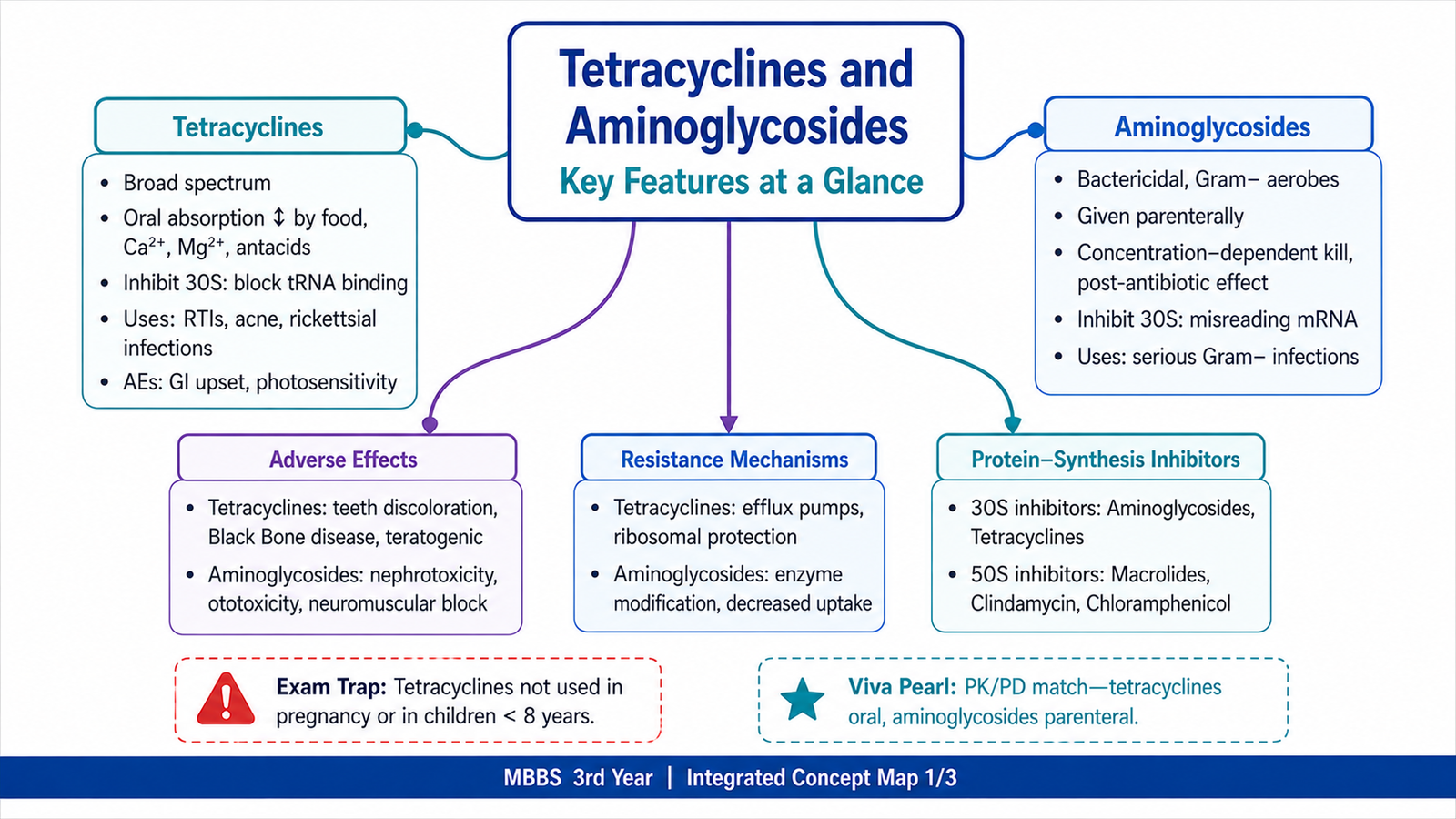
Tetracyclines and aminoglycosides are antibacterial drugs that interfere with bacterial protein synthesis. Both act mainly at the bacterial 30S ribosomal subunit, but their actions and clinical behavior are quite different. Tetracyclines usually prevent the addition of new amino acids to a growing protein chain and are mainly bacteriostatic. Aminoglycosides cause faulty protein synthesis and are bactericidal. Their pharmacokinetic properties are equally important: oral absorption of tetracyclines is strongly affected by certain foods and minerals, whereas aminoglycosides are poorly absorbed from the gastrointestinal tract and usually require parenteral administration for systemic infections. Understanding these differences explains their clinical uses, major adverse effects and important drug interactions.
A. Bacterial Protein-Synthesis Inhibitors: The Overall Framework
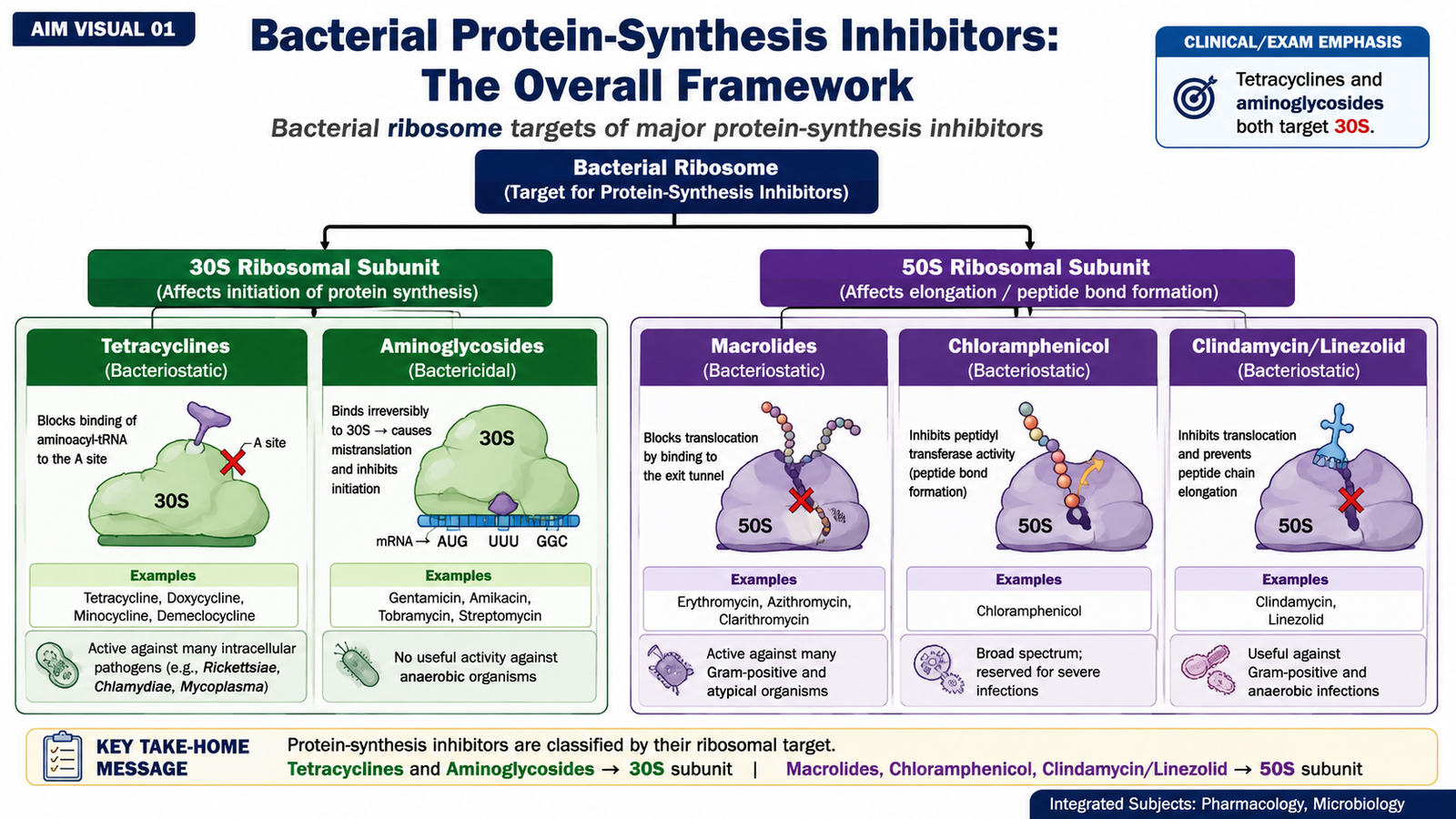
Bacterial ribosomes are essential for converting genetic information carried by messenger RNA into proteins. The bacterial ribosome contains 30S and 50S subunits. Several antibacterial drug groups exploit differences between bacterial and human ribosomes and selectively interfere with bacterial protein synthesis.
Tetracyclines and aminoglycosides both act mainly at the 30S subunit. However, they affect protein synthesis in different ways. Tetracyclines mainly stop further elongation of the peptide chain, whereas aminoglycosides interfere with initiation and cause misreading of messenger RNA. This difference contributes to tetracyclines being primarily bacteriostatic and aminoglycosides being bactericidal.
Classification of important bacterial protein-synthesis inhibitors
| Ribosomal target | Important drug groups | Main action |
|---|---|---|
| 30S subunit | Tetracyclines, aminoglycosides | Disrupt translation at the 30S ribosomal component |
| 50S subunit | Macrolides, chloramphenicol, clindamycin, linezolid | Interfere with different steps of peptide formation or elongation |
B. Tetracyclines: Classification and Antibacterial Spectrum
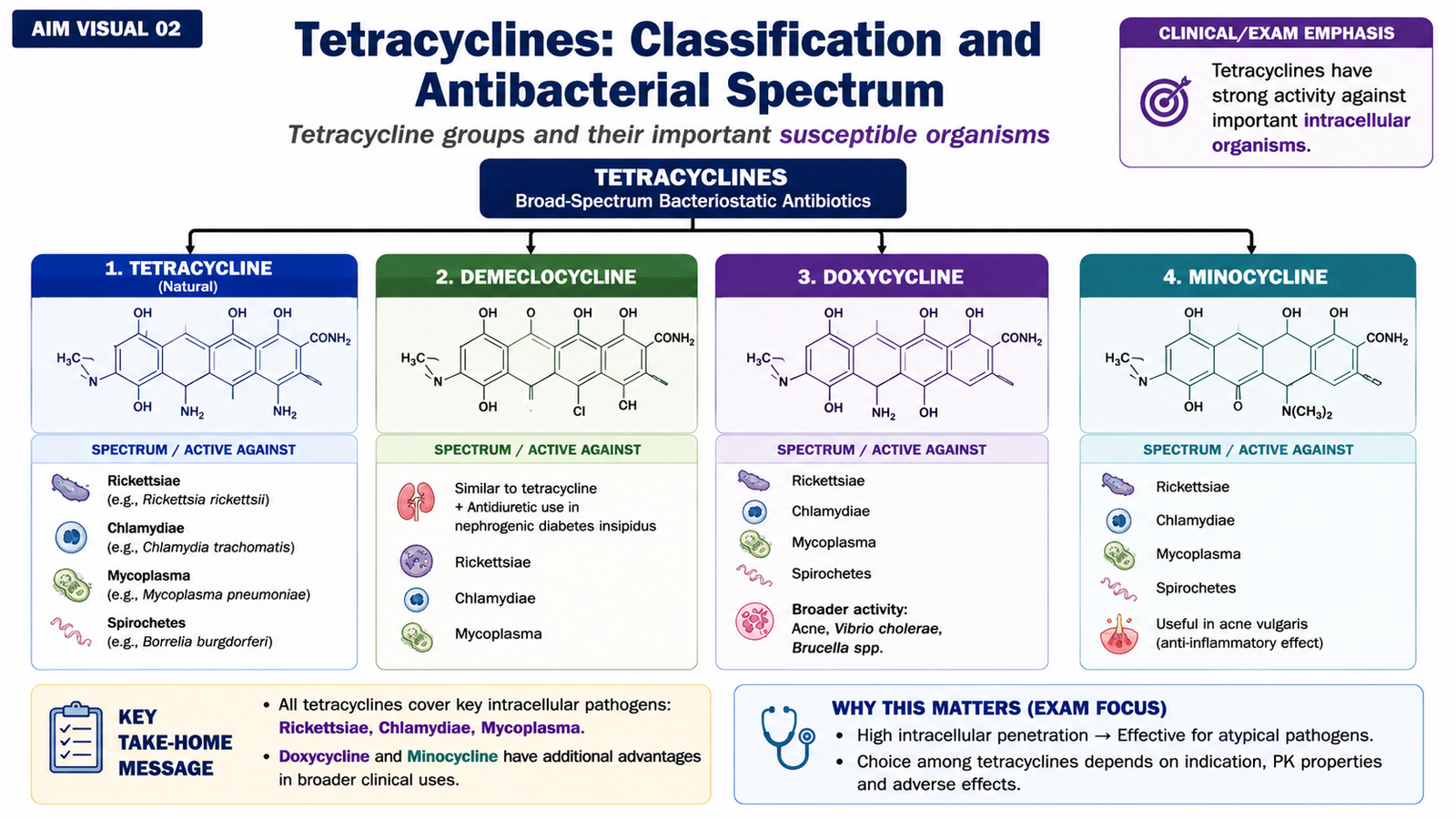
Tetracyclines are broad-spectrum antibacterial drugs with activity against many conventional bacteria as well as organisms that are difficult to treat with some cell-wall-active antibiotics. Their useful activity against intracellular organisms such as rickettsiae and chlamydiae is especially important.
Classification
Tetracyclines may be grouped according to their duration of action. The longer-acting drugs generally have more favorable absorption and longer persistence in the body.
- Short acting: tetracycline.
- Intermediate acting: demeclocycline.
- Long acting: doxycycline and minocycline.
Antibacterial spectrum
Tetracyclines have a broad antibacterial spectrum. Their activity includes several Gram-positive and Gram-negative organisms, although resistance limits their usefulness against many conventional bacteria. Their major clinical value lies in activity against selected atypical and intracellular pathogens.
Important susceptible groups include:
- Rickettsiae, making tetracyclines particularly important in rickettsial infections.
- Chlamydiae.
- Mycoplasma.
- Spirochetes, including organisms causing selected spirochetal infections.
- Selected Gram-positive and Gram-negative bacteria.
C. Tetracyclines: Mechanism of Action and Bacterial Resistance
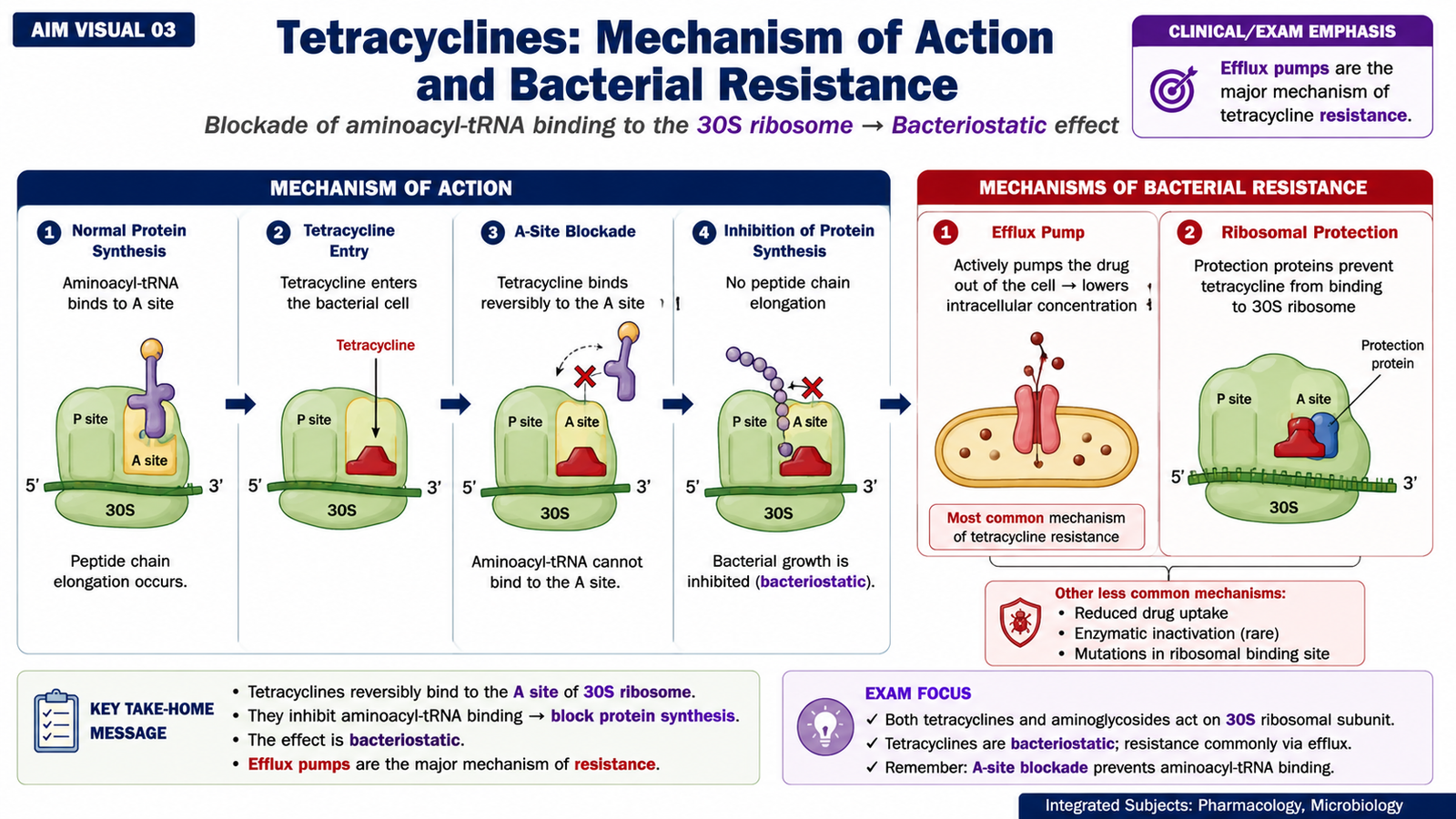
Tetracyclines inhibit bacterial growth by preventing the normal addition of amino acids to a growing protein chain. For the bacterium to produce a protein, aminoacyl-transfer RNA must carry an amino acid to the ribosomal acceptor site. Tetracyclines interfere with this step.
Mechanism of action
Because the binding is reversible and primarily stops growth rather than directly killing the organism, tetracyclines are generally considered bacteriostatic.
Principal mechanisms of resistance
The most important tetracycline resistance mechanisms reduce the effective drug concentration at the ribosome or protect the ribosome from the drug.
- Efflux pumps: bacteria actively pump tetracycline out of the cell, lowering the intracellular drug concentration.
- Ribosomal protection proteins: bacterial proteins protect the ribosome from tetracycline action, allowing protein synthesis to continue.
- Reduced drug entry: decreased permeability may reduce intracellular accumulation.
D. Tetracyclines: Pharmacokinetics, Absorption, Drug Interactions and Clinical Uses
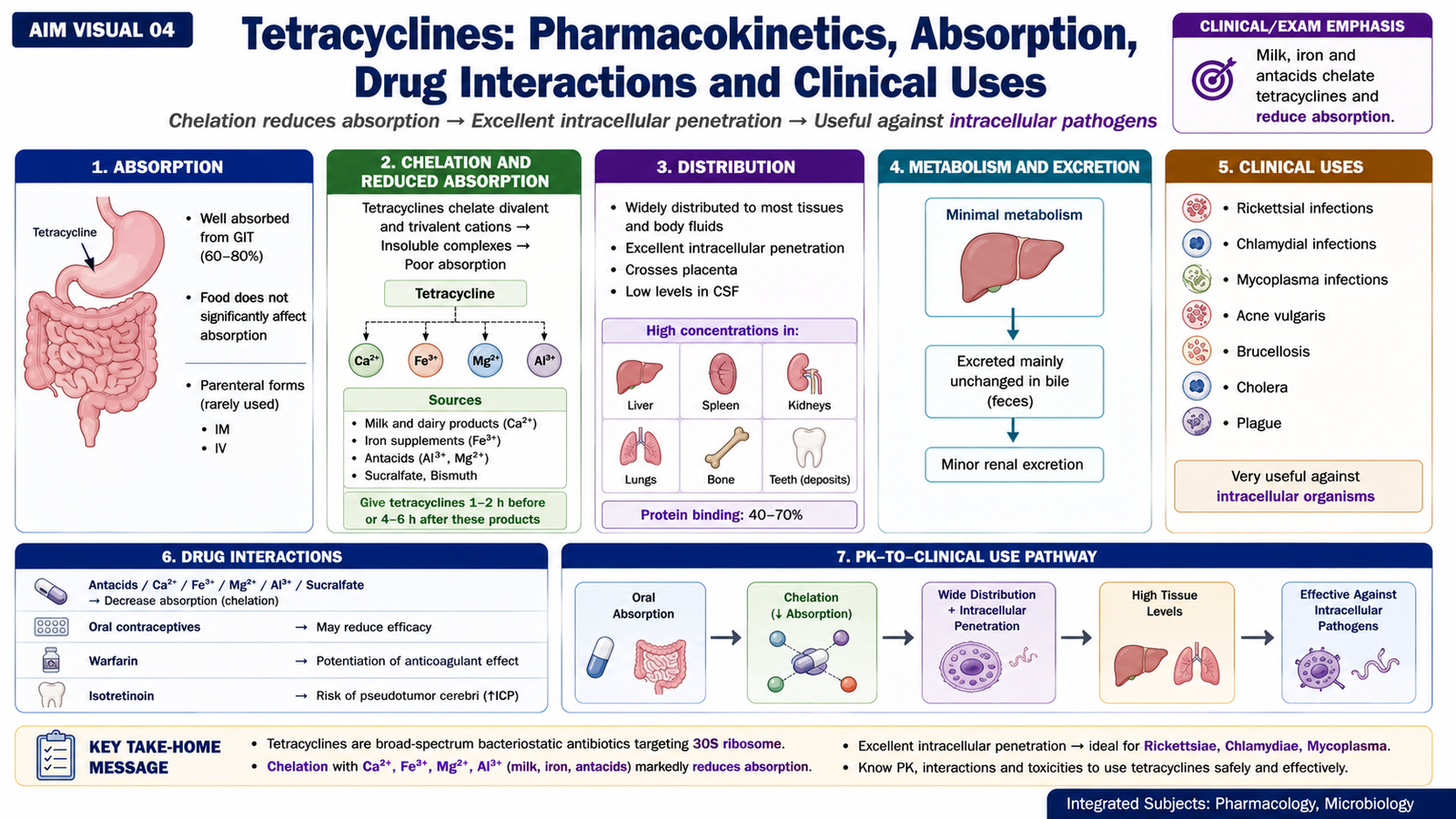
The clinical usefulness of tetracyclines is strongly influenced by their absorption and elimination. A major examination concept is that orally administered tetracyclines can bind certain metal ions in food, supplements and antacids. The resulting complexes are poorly absorbed.
Absorption
Tetracyclines form non-absorbable chelates with multivalent metal ions. Therefore, simultaneous administration with substances containing calcium, magnesium, aluminium or iron can reduce oral absorption.
Important examples include:
- dairy products containing calcium;
- iron preparations;
- antacids containing aluminium, magnesium or calcium;
- other mineral-containing preparations.
Insoluble chelate formation
Reduced gastrointestinal absorption
Reduced antibacterial effect
Doxycycline is particularly useful because it is well absorbed and has a long duration of action. Unlike older tetracyclines that depend more heavily on renal elimination, doxycycline is largely eliminated through the gastrointestinal route. This makes its pharmacokinetic profile useful when renal function is impaired.
Clinical uses
The broad spectrum and intracellular penetration of tetracyclines explain their usefulness against several important organisms.
- Rickettsial infections: doxycycline is an important tetracycline because rickettsiae are intracellular organisms.
- Chlamydial infections.
- Mycoplasma infections.
- Acne: selected tetracyclines may be used because of antibacterial and additional anti-inflammatory effects.
- Selected spirochetal infections, including Lyme disease.
- Cholera: tetracyclines may reduce bacterial multiplication and duration of shedding in susceptible infection.
- Doxycycline also has important uses in selected other susceptible infections where its spectrum and pharmacokinetic properties are advantageous.
Important drug interactions
The most important interactions are those that reduce absorption or increase toxicity.
- Antacids and mineral supplements: reduce tetracycline absorption by chelation.
- Iron preparations: reduce absorption through complex formation.
- Dairy products: particularly interfere with absorption of several older tetracyclines because of calcium.
E. Tetracyclines: Adverse Effects, Pregnancy, Black Bone Disease and Outdated Preparations
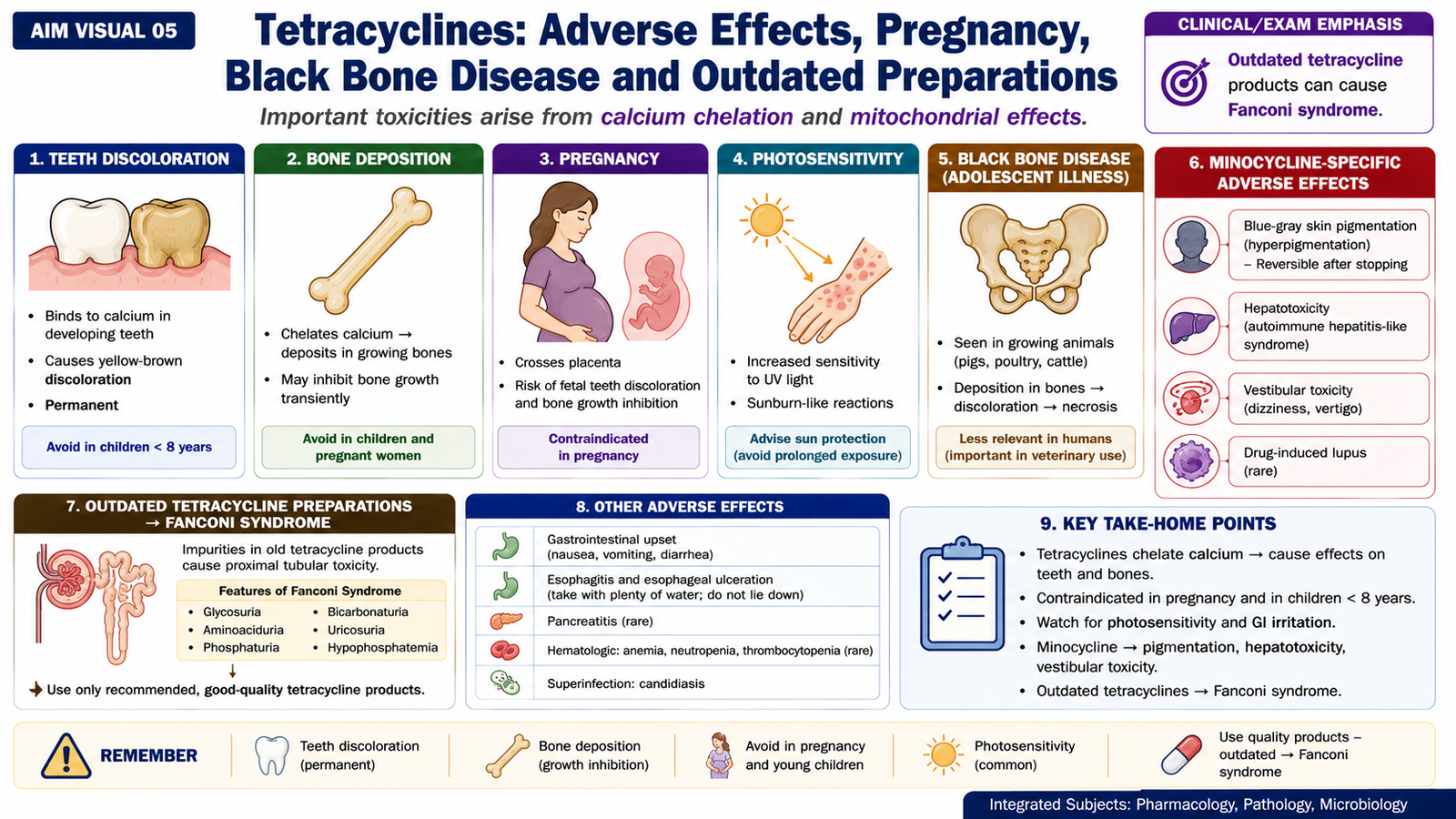
Tetracyclines can bind calcium and become deposited in actively mineralizing tissues. This property explains some of their characteristic adverse effects involving teeth and bone and is also the main reason they should be avoided during pregnancy and early childhood.
Important adverse effects
- Gastrointestinal irritation: nausea, abdominal discomfort and diarrhea may occur.
- Esophageal irritation: some preparations, particularly doxycycline, can cause esophagitis if tablets remain in contact with the esophageal mucosa.
- Photosensitivity: exposure to sunlight may produce an exaggerated skin reaction.
- Dental discoloration: deposition in developing teeth can produce permanent yellow-brown discoloration.
- Effects on developing bone: incorporation into calcifying bone may impair normal bone growth temporarily.
- Hepatotoxicity: can occur, particularly in susceptible situations.
- Vestibular toxicity: dizziness and balance disturbance are particularly associated with minocycline.
Teratogenic and fetal effects
Tetracyclines cross the placenta. Because they bind calcium, they can become incorporated into developing fetal teeth and bone. Exposure during pregnancy can therefore interfere with skeletal mineralization and may later cause discoloration of the child’s teeth. This pharmacological property explains why tetracyclines are generally avoided during pregnancy.
Black Bone disease
Black Bone disease refers to dark pigmentation of bone associated with deposition of tetracycline-related pigment, particularly after prolonged exposure to some tetracycline derivatives such as minocycline. The discoloration may become apparent during dental or orthopedic procedures. The striking color change does not necessarily mean that the bone is necrotic.
Outdated tetracycline preparations
Old or degraded tetracycline preparations can produce toxic degradation products. These may cause a Fanconi-like syndrome due to renal proximal tubular dysfunction.
Loss of normal proximal tubular reabsorption may lead to urinary loss of substances that would normally be retained. For examination purposes, the key association is:

F. Aminoglycosides: Drugs, Spectrum, Mechanism of Action and Resistance
Aminoglycosides are potent bactericidal protein-synthesis inhibitors used mainly for serious infections caused by susceptible aerobic Gram-negative bacteria. Unlike most other protein-synthesis inhibitors, aminoglycosides kill susceptible bacteria rather than merely suppressing their growth.
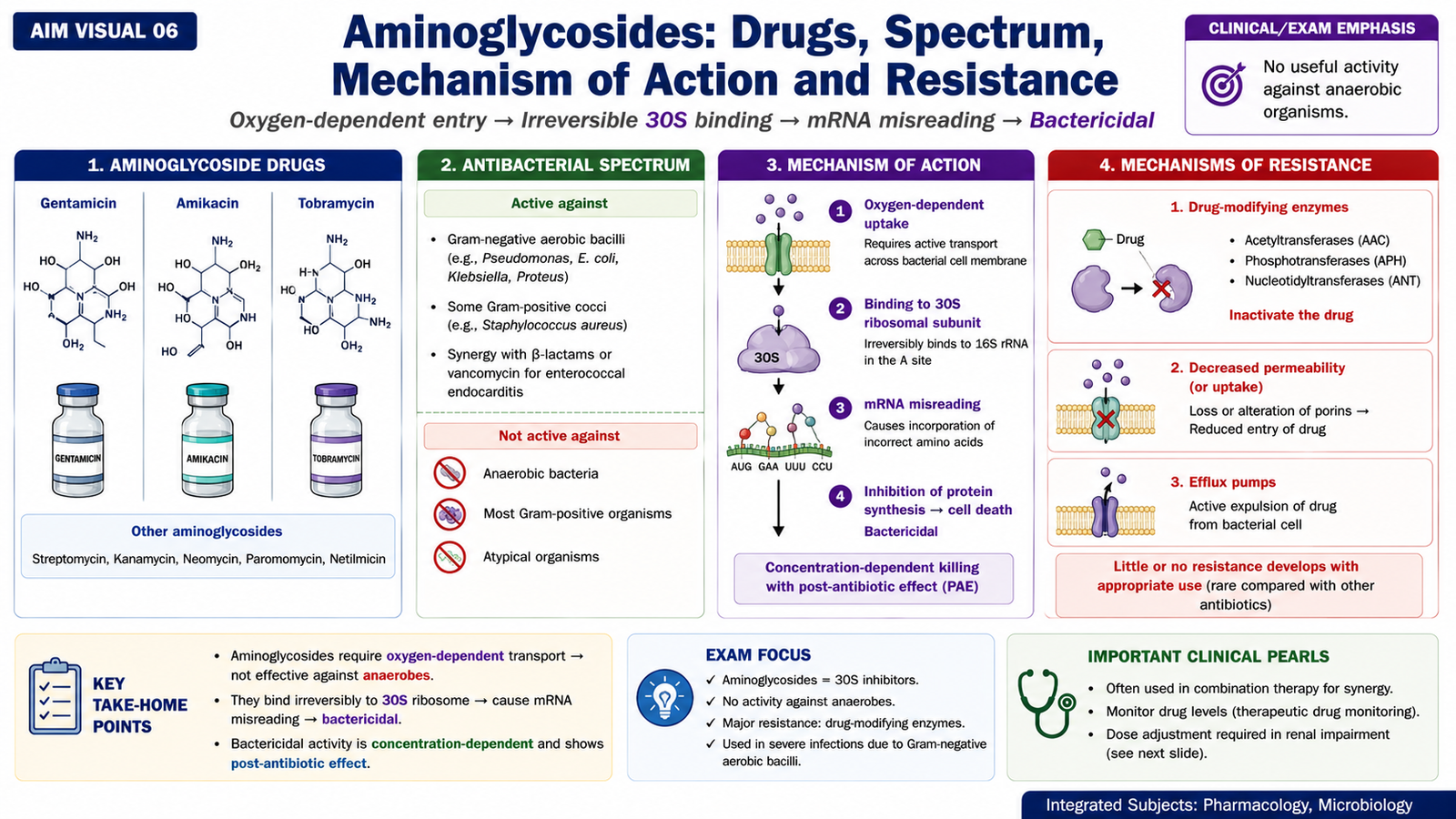
Important aminoglycosides
- Gentamicin
- Amikacin
- Tobramycin
- Streptomycin
- Neomycin
- Kanamycin
- Plazomicin
Antibacterial spectrum
Aminoglycosides are most important against aerobic Gram-negative bacilli. Entry of the drug across the bacterial cytoplasmic membrane requires an oxygen-dependent transport process. This explains why aminoglycosides have little or no useful activity against anaerobic bacteria.
When an aminoglycoside is combined with a cell-wall-active drug such as a beta-lactam, damage to the bacterial cell wall may improve penetration of the aminoglycoside. This can produce useful synergistic killing against selected organisms.
Mechanism of action
Oxygen-dependent uptake across cytoplasmic membrane
Irreversible binding to the 30S ribosomal subunit
Interference with initiation of protein synthesis + misreading of mRNA
Abnormal proteins are produced
Membrane function becomes increasingly disturbed
Bacterial death
The combined effects on translation and membrane integrity explain why aminoglycosides are bactericidal.
Principal mechanisms of resistance
The most important mechanism is bacterial production of enzymes that chemically modify the aminoglycoside and prevent effective interaction with its target.
- Drug-modifying enzymes: acetylation, phosphorylation or adenylation can inactivate aminoglycosides.
- Reduced uptake: impaired penetration lowers the intracellular drug concentration.
- Alteration of the ribosomal target: modification of the binding site can reduce drug action.
G. Aminoglycosides: Pharmacokinetics, Pharmacodynamics, Clinical Uses, Adverse Effects and Interactions
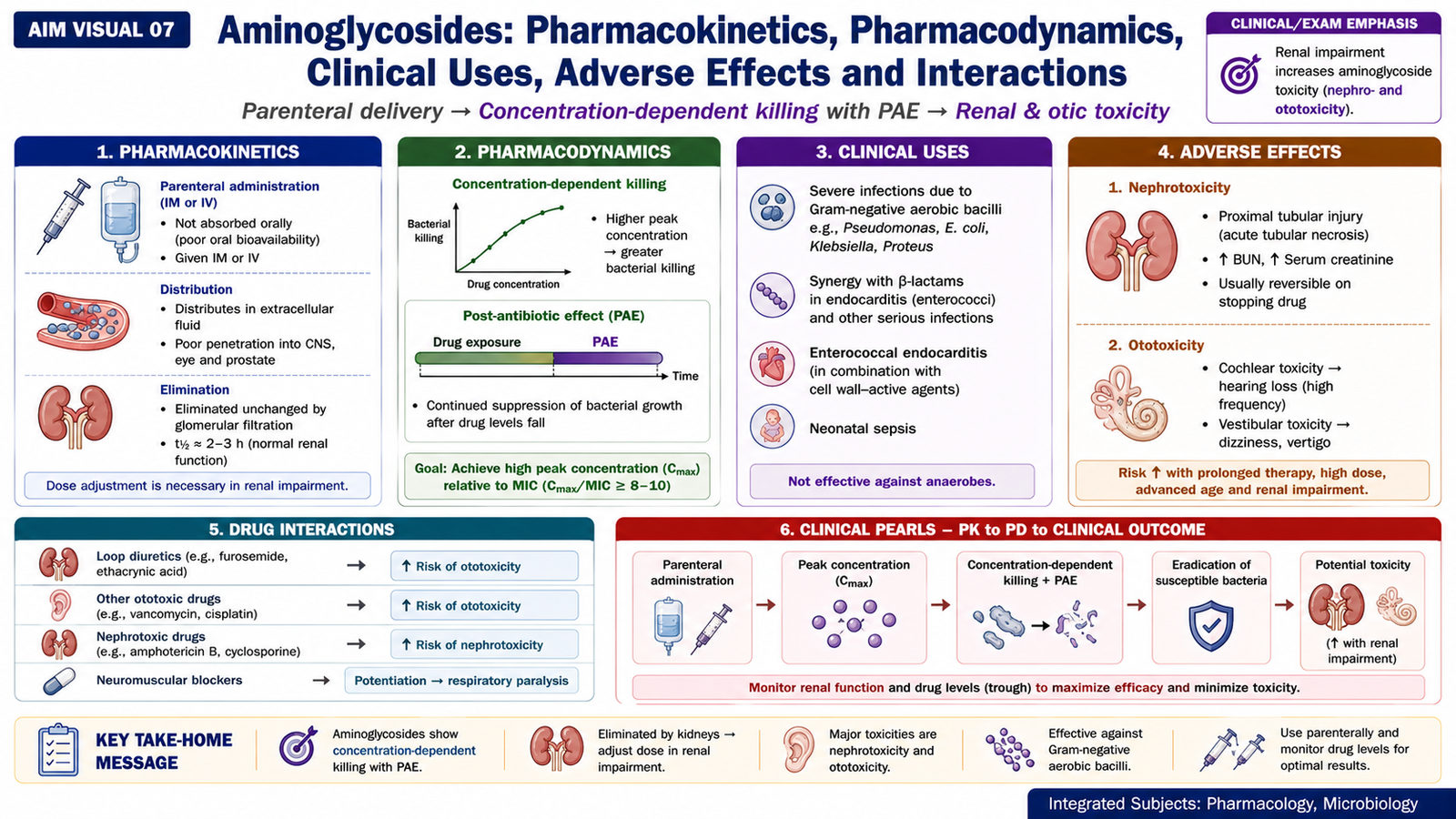
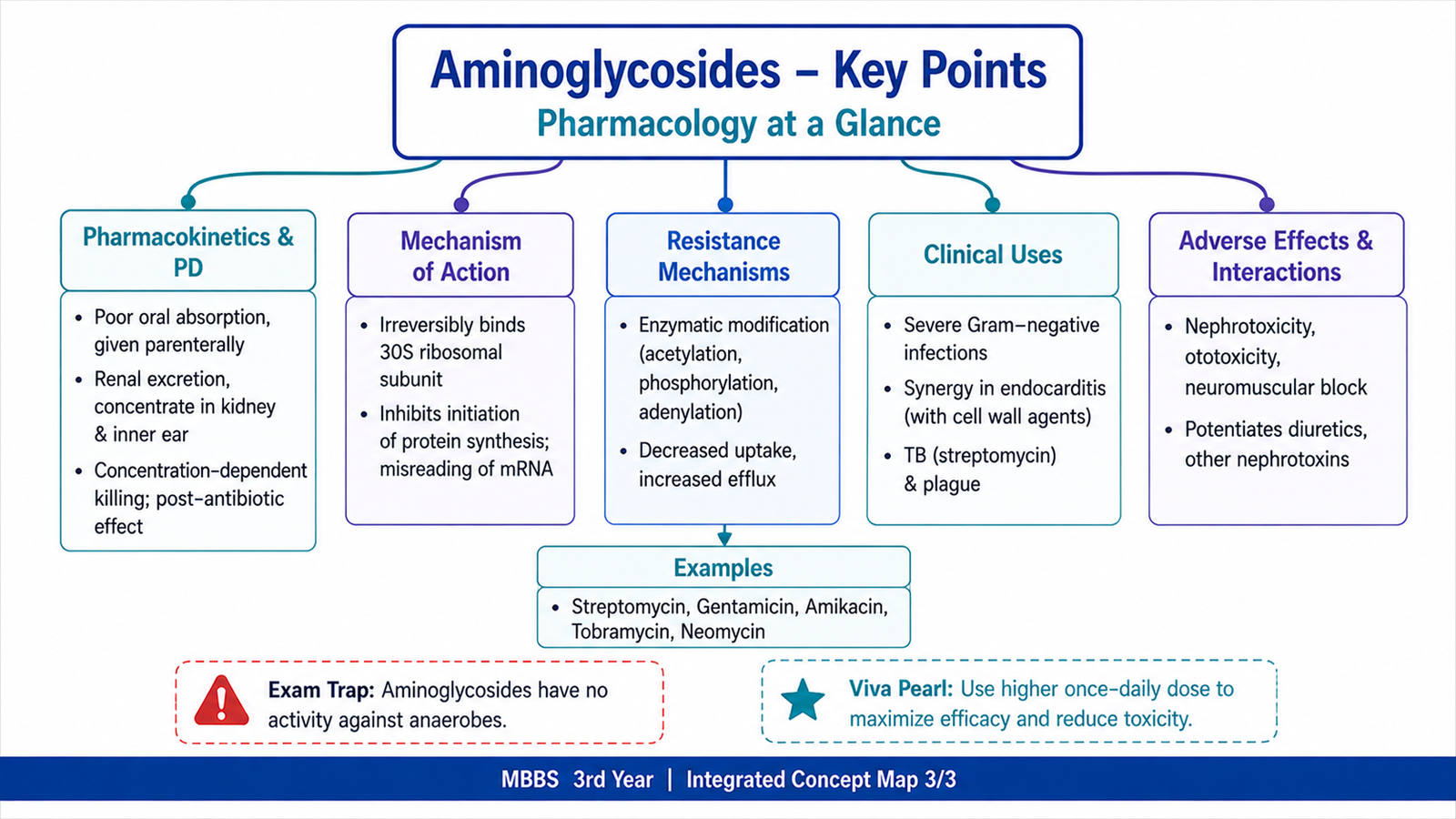
The pharmacokinetic and pharmacodynamic properties of aminoglycosides are closely linked to how these drugs are used clinically. They are highly polar compounds and are poorly absorbed from the gastrointestinal tract. Therefore, systemic treatment usually requires parenteral administration.
Pharmacokinetic features
- Poor oral absorption: aminoglycosides are highly polar and do not readily cross gastrointestinal membranes.
- Parenteral administration: generally required when a systemic antibacterial effect is needed.
- Limited tissue penetration: distribution is mainly through extracellular fluid.
- Poor penetration into cerebrospinal fluid: routine systemic administration does not produce reliable CSF concentrations.
- Renal elimination: most aminoglycosides are excreted largely unchanged by glomerular filtration.
- Accumulation in renal impairment: reduced renal clearance increases the risk of toxicity.
Concentration-dependent killing
Aminoglycosides exhibit concentration-dependent killing. This means that the bactericidal effect becomes greater as the peak drug concentration rises above the organism’s inhibitory concentration.
Greater disruption of bacterial protein synthesis
More rapid and extensive bacterial killing
Post-antibiotic effect
Aminoglycosides also produce a significant post-antibiotic effect. Bacterial growth remains suppressed for a period even after the drug concentration has fallen below the minimum inhibitory concentration. Together, concentration-dependent killing and the post-antibiotic effect explain why allowing a high effective peak followed by a lower drug concentration can still provide prolonged antibacterial activity.
Clinical uses
Their rapid bactericidal action makes aminoglycosides useful mainly in serious infections caused by susceptible aerobic Gram-negative bacilli. Choice of a specific drug depends on bacterial susceptibility and the clinical setting.
- Severe aerobic Gram-negative infections.
- Selected Pseudomonas infections: agents such as tobramycin, gentamicin or amikacin may have activity when the organism is susceptible.
- Synergistic therapy: an aminoglycoside may be combined with a cell-wall-active antibiotic in selected serious infections because cell-wall disruption can improve aminoglycoside entry.
- Streptomycin: has specific use in selected infections, including tuberculosis as an alternative or additional agent in appropriate regimens.
- Neomycin: because systemic toxicity limits parenteral use, it is mainly used for local or non-systemic purposes.
Major adverse effects
The most important toxicities involve the kidneys, inner ear and neuromuscular transmission. These adverse effects are particularly important because aminoglycosides can accumulate when renal elimination is reduced.
- Nephrotoxicity: accumulation within renal tubular cells can produce renal tubular injury. The toxicity is often related to drug exposure and is more likely when renal function is already impaired.
- Ototoxicity: injury to cochlear or vestibular sensory structures may cause hearing loss, tinnitus, vertigo or balance disturbance. Severe damage may be irreversible.
- Neuromuscular blockade: aminoglycosides can interfere with neuromuscular transmission and may worsen muscle weakness in susceptible patients.
Important drug interactions
Interactions are clinically important when another drug increases renal, auditory or neuromuscular toxicity.
- Other nephrotoxic drugs can increase the risk of renal injury.
Integrated Mechanism Flow
Tetracyclines or aminoglycosides reach the bacterial 30S ribosomal subunit
Tetracyclines: block aminoacyl-tRNA attachment OR Aminoglycosides: disturb initiation and cause mRNA misreading
Normal bacterial protein synthesis fails
Tetracyclines mainly inhibit bacterial growth, while aminoglycosides produce bactericidal injury
Clinical effectiveness depends on susceptibility, drug penetration and appropriate pharmacokinetic exposure
Important Comparison — Tetracyclines vs Aminoglycosides
| Feature | Tetracyclines | Aminoglycosides |
|---|---|---|
| Ribosomal target | 30S | 30S |
| Binding/action | Reversibly blocks aminoacyl-tRNA attachment | Irreversible binding; initiation disturbance and mRNA misreading |
| Effect | Mainly bacteriostatic | Bactericidal |
| Major spectrum feature | Broad spectrum; important atypical and intracellular organisms | Mainly aerobic Gram-negative bacilli |
| Oral absorption | Generally useful but reduced by metal-ion chelation | Very poor |
| Systemic route | Often oral | Usually parenteral |
| Characteristic PK/PD concept | Absorption affected by calcium, iron, magnesium and aluminium | Concentration-dependent killing and post-antibiotic effect |
| Characteristic toxicity | Teeth/bone effects and photosensitivity | Nephrotoxicity and ototoxicity |
| Important resistance mechanism | Efflux and ribosomal protection | Drug-modifying enzymes |
⭐ AIM High-Yield Review
- ⭐ Tetracyclines and aminoglycosides both act mainly on the 30S ribosomal subunit.
- Tetracyclines block attachment of aminoacyl-tRNA and are mainly bacteriostatic.
- Aminoglycosides cause abnormal initiation and misreading of mRNA and are bactericidal.
- Important tetracyclines include tetracycline, doxycycline and minocycline.
- ⭐ Calcium, magnesium, aluminium and iron reduce tetracycline absorption through chelation.
- Tetracyclines are particularly useful against organisms such as rickettsiae, chlamydiae and mycoplasma.
- Tetracycline deposition in developing teeth causes permanent discoloration and explains avoidance during pregnancy and early childhood.
- Black Bone disease is associated with dark bone pigmentation after tetracycline-related drug deposition.
- ⭐ Outdated tetracycline preparations can cause Fanconi syndrome through proximal tubular toxicity.
- Important aminoglycosides include gentamicin, amikacin, tobramycin and streptomycin.
- Aminoglycosides require oxygen-dependent uptake and therefore lack useful activity against anaerobes.
- ⭐ Aminoglycosides show concentration-dependent killing and a significant post-antibiotic effect.
- The major aminoglycoside resistance mechanism is enzymatic drug modification.
- ⭐ The classic serious toxicities of aminoglycosides are nephrotoxicity and ototoxicity.
- Renal elimination explains why aminoglycoside accumulation and toxicity become more likely when renal function is impaired.
🎥 AIM Video Learning — Tetracyclines & Aminoglycosides
Watch this video after completing the learning material to reinforce the mechanisms, major drugs, clinical uses and adverse effects of protein-synthesis inhibitors.